Tag: asia

  • Google quietly adds new information to mobile Play Store app listings

    Google quietly adds new information to mobile Play Store app listings

    Google has added in the listing of each app the version of Android required to download said app on a mobile device. Previously, this information was only posted on the web version of the Play Store but it can now be easily found on an Android phone.

    Let’s look at some random apps. The Chess-Play and Learn app has been downloaded more than 10 million times and has a 4.7-star rating. If you look at the listing on your phone, go to the “About this game” listing and tap the arrow on the right side of the screen to open a page that goes into great detail about the app.

    Now scroll down to the bottom and you’ll see a heading titled “Game info.” Look for an entry called Android OS which shows the required version of Android needed to install this game, which happens to be Android 5.0 in this example. That means that anyone who wants to install this game must be using a phone running Android 5.0 or higher.

    One last example. Let’s look at CNN. Go to the Play Store and search for the CNN app (which has over 50 million downloads and a 4.5-star rating). When you see the listing for it, find the “About this app” heading and tap on the arrow at the right of the screen. That takes you to the About this app page.

    Scroll down to the App info section and look for the Android OS entry. There you will see that to install the CNN app on your Android phone, it needs to run Android 6.0 and up. Those who use the play.google.com website have probably seen the Requires Android entry on the listing of an app in the web version of the Play Store.

    Why Google decided to add this information to the mobile Google Play Store is unknown since any app that has a minimum requirement newer than the Android version you are currently using should not appear on your screen. For example, using the CNN app once again, since it requires that the user own a phone running Android 6.0 or higher, phones that are running Android 5.0 or lower will not see the CNN listing on the Play Store app.

    The update including this change was just disseminated on Friday and is version 29.2.13. We are not sure how many Android users would go through the trouble of looking up this information since it is not necessary, but perhaps Google has something under its sleeve that we are not privy to.

    Earlier in the week we told you that Google has released a new app icon installation feature to 14 games in the Play Store and in the process borrowed the circular progress bar used with iOS. For example, if you install an app on iOS 15.3.1 from the App Store, a circular progress bar shows you the pace at which the app you chose to download is being downloaded and installed on your iPhone. While the new Android app icon installation feature is not exactly the same, you are sure to spot the similarities.

    When you install an app from the Play Store, a circular progress bar circles the icon of the app you are downloading on the home screen. When finished, the progress bar around the icon starts anew for the installation of the app. When that is finished, you are left with the icon of the app on the home screen of your Android device. You can open the Google Play Store listing of the app at anytime if you decided not to download the app before it is finished installing on your device.


  • Snapchat introduces live location sharing

    Snapchat introduces live location sharing

    Snapchat’s been enjoying a streak of big updates lately, announcing the introduction of ads to Snapchat stories, creating a Snapchat Tinder, and the list goes on. The latest addition is undoubtedly more safety-oriented: yesterday, Snapchat announced it was bringing live location sharing to the platform.

    Sharing your location a single time for a friend can make it easier to find each other and meet up, and Snapchat’s already had that for a few years.

    But being able to continuously share your location in real-time means a second pair of eyes on you if you’re at a strange party late at night, or in any risky situation away from home. It also works with Snapchat in the background and your phone locked, which means someone else may be able to take action if you’re not home at an agreed-upon time, even if you’re unable to access your phone.

    The “live location” feature is off by default but can be toggled on for a set period of fifteen minutes to several hours. Users will be only able to share their location with friends on the platform, and both friends would have to opt into the live location sharing to enjoy the feature.

    Snapchat’s “live location” update is being developed in a partnership with a nonprofit youth program called “It’s On Us,” which aims to put an end to sexual assault on U.S. college campuses. While the feature will be introduced in a later update, Snapchat has already implemented an in-app informational text about bystander awareness.

    With already 250 million active users on the Snapchat app per month, the company has been increasing its efforts to maintain a safe platform for everyone—especially teens, who are often targeted. One of Snapchat’s current projects is the development of an update that will limit and better choose friend recommendations for teens on the app, to prevent them from being targeted by dealers of illegal substances.

    Along with these features, Snapchat has also announced it is bringing additional parental control features sometime later this year.

  • Crab prices plunge over border trade jam

    Crab prices plunge over border trade jam

    Crab meat prices have dropped by nearly half as traders at the northern border gates with China limit purchases over export difficulties.

    The export of goods through border gates in the northern province of Lang Son has remained sluggish with many trucks having to turn around because of long customs clearance time after China tightened regulations over what it says are Covid-19 concerns.

    With China being a major buyer, the current situation has caused seafood prices in Vietnam to fall sharply.

    Bui Chi Lam, a crab-raising household in the southern province of Ca Mau, said that the selling price of top-tier crabs at the farm was just VND600,000 ($26.28) per kg , down 50 percent compared to the Lunar New Year season early this month. He has noticed a drastic fall in the number of traders looking to buy seafood.

    “Normally, when supply decreases, prices will increase. But the impact of border gate closures has caused crab prices to plummet,” Lam said, adding that crab farmers are forced to rely exclusively on domestic consumption.

    The price of regular crab meat at the farm is just VND300,000 per kg.

    Thanh, another crab farmer in Ca Mau, said prices of the crustacean will drop further if domestic consumption was low.

    Apart from crab meat, shrimp prices have also fallen to around VND150,000-200,000 per kg, depending on the variety.

    Hoa, a seafood trader in the southern region, said that prices have decreased by 10-45 percent compared to the Lunar New Year period, but purchasing power remains low.

    “I have temporarily stopped exporting and am only selling to domestic traders,” Hoa said.

    A survey of several seafood stores and markets in HCMC found that the price of grade 1 crab at stores was VND800,000 per kg and that of regular crab around half that.

    As for shrimp, though supply was lower compared to the same period last year, prices have also dropped by VND50,000 per kilo in the past two days to VND200,000 per kg (about 30 shrimps per kg).

    Hoa said both difficulties at the China border and lower purchasing power back home were major factors in the sharp drop in prices.

    Over the past week, more than 2,000 trucks of goods have been stuck at Lang Son border gates because of slow customs clearance.

    The delay in clearing container trucks at the border has been happening since the end of last year. During the Lunar New Year holiday from Jan. 19-Feb. 6, the issue was partly resolved thanks to intervention from senior officials, but it has resurfaced since.

    China was Vietnam’s second-largest export market for agricultural, forestry and fishery produce behind the U.S., with a turnover of $8.4 billion in the first 11 months of last year, accounting for 19.2 percent of Vietnam’s total agricultural exports.

    On February 17, China suspended trade through the Kim Thanh Border Gate in Vietnam’s Lao Cai Province after discovering Covid-19 cases on its side, leaving 350 container trucks stranded.

    With Chinese authorities placing the Hekou Yao Autonomous County under a lockdown, it is unclear when the trucks can cross the border.

    Four other border gates in the province: Huu Nghi International, Dong Dang, Tan Thanh and Chi Ma International Railway Stations have begun clearing goods again.

    However, China is continuing to strengthen pandemic prevention and quality control measures, so it takes 40-50 minutes to clear a truck. With a clearance capacity of 5-69 vehicles per day, the border trade congestion look set to continue.

  • Mobile World to expand into Indonesia this year

    Mobile World to expand into Indonesia this year

    Mobile World is all set to enter Indonesia, its second overseas foray after setting up shop in Cambodia five years ago.

    “We are trying our best to open our first Indonesian store this year,” CEO Doan Van Hieu Em told shareholders last weekend.

    Vietnam’s biggest electronics retailer opened a BigPhone smartphone store in Cambodia’s Phnom Penh in 2017. Three years later it changed the name to Bluetronics and expanded to selling other electronics products too.

    By the end of last year it had 50 stores in the neighboring country and revenues of nearly VND500 billion ($21.9 million), or 0.4 percent of overall sales.

    The company had earlier been eyeing Laos and Myanmar, but it is unclear now if they are still in its plans.

    Mobile World targets growth in post-tax profits of 30 percent this year to VND6.35 trillion.

  • Vietnam largest bullion market in Southeast Asia

    Vietnam largest bullion market in Southeast Asia

    Vietnam was Southeast Asia’s largest gold bullion and coin market last year and among the top 10 globally.

    The demand in the country exceeded 31.1 metric tons compared to 28.7 tons in Thailand and 19.8 tons in Indonesia, according to the World Gold Council.

    If the jewelry was included, it went up to 43 tons, the second-highest behind Indonesia’s 46.8 tons.

    Vietnam was the fourth largest market in Asia for bullion and coins behind India, Sri Lanka, and China, and the eighth largest in the world.

    Gold continued to be the top asset class for 72 percent of Vietnamese investors, the WGC said citing a study of 2,000 investors last year.0

    The outlook for the precious metal is positive with 81 percent of investors who previously invested in gold saying they would consider doing so again.

    To put that in perspective, the rates are 72 percent for Chinese and 67 percent for Indians, with the global figure standing at 45 percent.

    There is strong support for gold market liberalization in Vietnam, with 76 percent saying they should be allowed to open a gold investment account at banks to formalize the gold market.

    Fifty-five percent called for setting up a gold exchange or trading platform authorized by the State Bank of Vietnam.

    Vietnam’s gold prices are now near the all-time high of VND63.5 million (US$2,787) per tael of 37.5 grams recorded on Jan. 25. A tael equals 37.5 grams or 1.2 ounces.

    On Feb. 16 it cost VND62.9 million, VND11.6 million higher than global prices.

  • UBS Fintech Pioneer Joins Digitization Initiative

    UBS Fintech Pioneer Joins Digitization Initiative

    The Open Wealth Association is taking a big step toward a standardized digital interface for wealth managers by appointing a top UBS executive to its board.

    Switzerland’s largest bank is the seventh member of the Open Wealth Association, whose mission is to strengthen Switzerland as a financial hub and innovation center.

    It aims to connect financial institutions, WealthTechs and other service providers, and setting the Open API standard for the global wealth management community.

    To help in these efforts, UBS is delegating its head of multichannel, Andreas Kubli, to the association’s board, Open Wealth announced Thursday. He is considered one of UBS’s digitalization pioneers and has an excellent network. UBS is expected to contribute in particular to the development of an API standard for international wealth management.

    The Open Wealth Association is the result of an initiative between the St. Galler Kantonalbank (SGKB) and the consulting firm Synpulse

    We are proud that after just one year we are already working with seven major custodian banks and more than 30 wealth techs and service providers in the association, Zurich-based Open Wealth Association and Synpulse partner, Raphael Bianchi said.

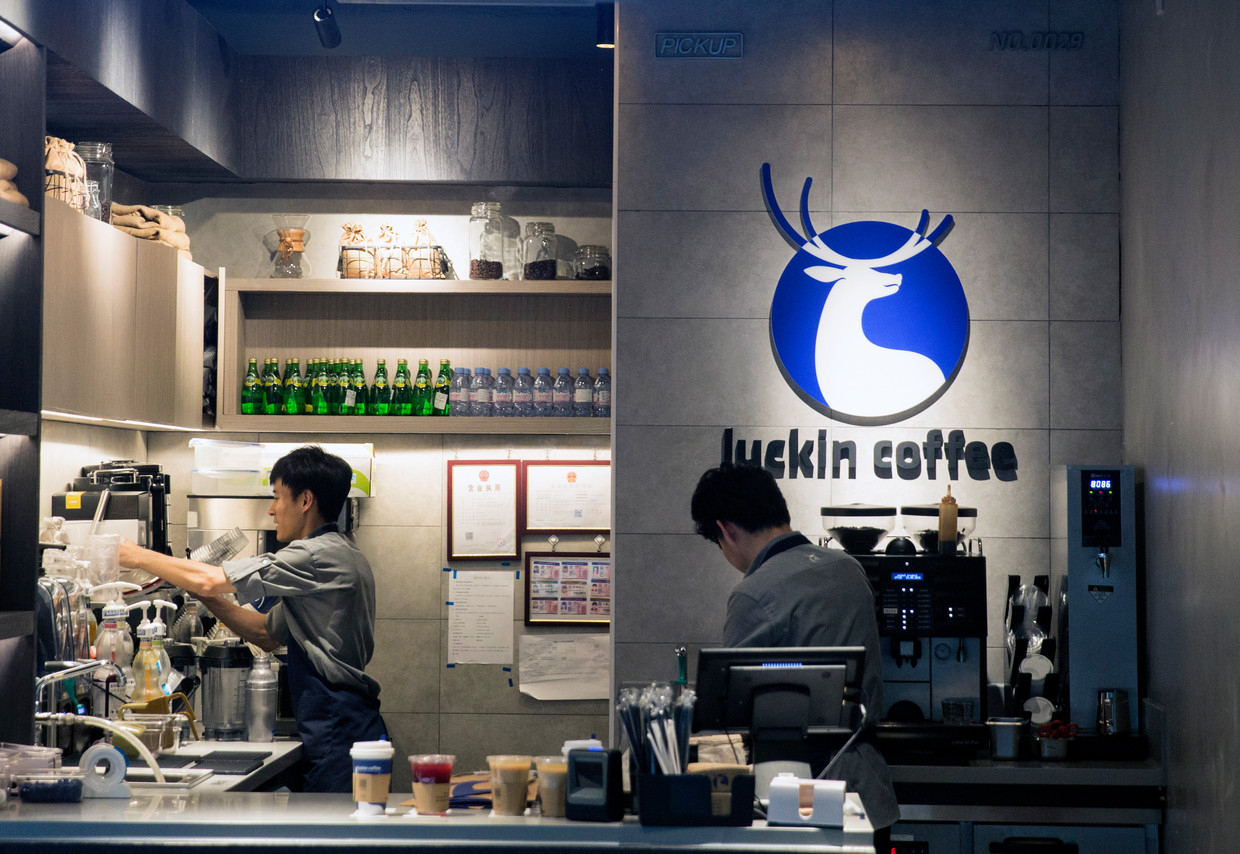
  • Coffee chains Starbucks, Luckin raise prices in China

    Coffee chains Starbucks, Luckin raise prices in China

    Coffee chains such as Luckin Coffee and Tim Hortons have increased the prices of their beverages in China, with U.S. giant Starbucks blaming “multiple factors” such as higher operating costs.

    The chains, among China’s largest coffee players, raised prices by between 1 yuan and 3 yuan ($0.16 and $0.47), according to menus on mobile apps and media reports, with the topic going viral on Chinese social media on Thursday.

    Although a nation of tea drinkers, China is one of the world’s fastest-growing coffee markets, with nearly 110,000 shops in larger cities by April, consultants Deloitte have said, as young people drive consumption, which lags the United States and Europe, however.

    Starbucks said it had adjusted on Wednesday the prices of some of the items after “comprehensive evaluation and consideration of multiple factors” such as operating costs, in the first increase since 2018.

    A Starbucks Americano costs 30 yuan after the price increase, up from 28 yuan.

    Packaged coffee beans and merchandise such as mugs were not affected, however, the company said in a statement.

    China’s Luckin Coffee raised the price of some beverages by about 3 yuan, taking into account operational costs such as rent, manpower, and raw material, the state-backed Shanghai Securities Journal said.

    Starbucks hiked menu prices in October and January and plans further raises this year, Chief Executive Kevin Johnson has said, in part to offset soaring labor and goods costs, but he did not specify individual products.

    Official data showed China’s coffee market grew at an annual rate of 15% in 2018, versus a global average of 2%.

  • Adidas expects to grow China sales this year

    Adidas expects to grow China sales this year

    German sportswear company Adidas said on Thursday it would grow in its key market of China in 2022 even after it was hit by renewed pandemic restrictions and the aftermath of a consumer boycott of Western brands.

    The comments come after Manager Magazin reported Adidas expects sales in China to be down 400 million euros ($455 million) in 2022, without citing its sources.

    Asked about the article, an Adidas spokesperson said: “Our business in China grew in 2021 and our business in China will grow in 2022 as well.”

    Adidas’s third-quarter sales fell 15% in Greater China, although they were up 15% in the first nine months of the year. The company reports full-year 2021 results on March 9.

    Western brands have come under fire in China for saying they would not source cotton from Xinjiang after reports of human rights abuses against Uyghur Muslims in the region. Beijing denies any abuses.

    Adidas said last year it had launched an action plan to try to revive its fortunes in China, long its most important growth market. It has set up a dedicated studio for marketing and is increasing its creation of products just for the Chinese market.

    Manager Magazin said the situation was seen as so critical that Adidas sales chief Roland Auschel had traveled to China in January despite quarantine requirements.

    Rival Nike said in December supply issues and fresh COVID-19 lockdowns led to a 20% fall in revenue in Greater China in its fiscal second quarter.

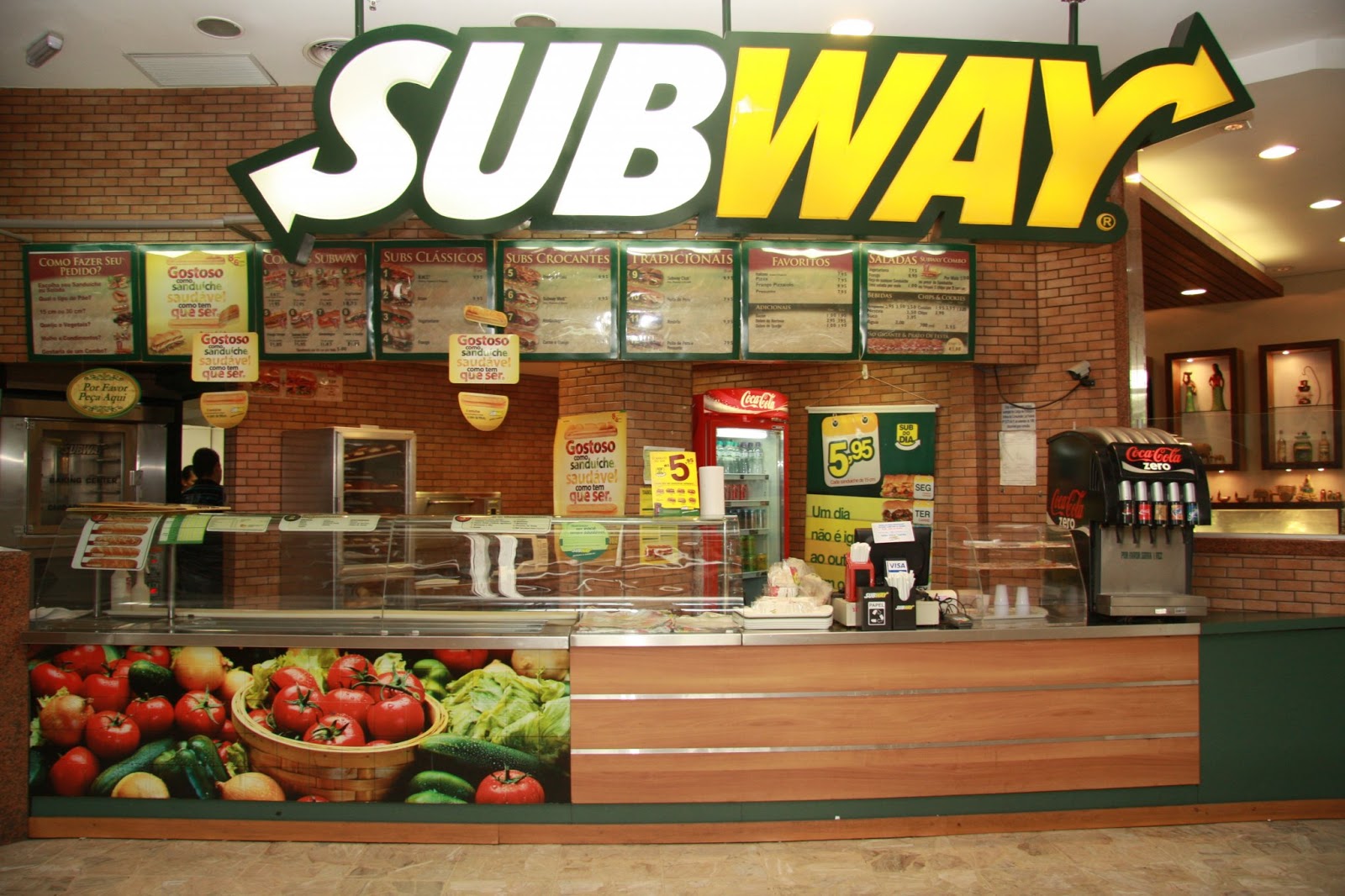
  • Subway Thailand plans 700 new stores

    Subway Thailand plans 700 new stores

    The sandwich chain is aggressively doubling its current network of restaurants in the region to over 6,000 in the next five years.

    Subway has signed a new master franchise agreement with the existing multi-unit franchisee About Passion Co. Ltd. to significantly expand its presence in Thailand.

    The new deal sees About Passion Co. Ltd. opening more than 700 new Subway locations across Thailand over the next decade, expanding on the brand’s current footprint of over 130 restaurants.

    Existing and future restaurants will adapt the sandwich chain’s “Fresh Forward” design, whilst also allowing franchisees the flexibility to incorporate elements of Thai culture into their restaurants.

    About Passion Co. Ltd.’s focus will be to ensure restaurants are in locations with “high accessibility and visibility, including drive-throughs and non-traditional restaurant models, such as kiosks and Grab & Go,” the announcement said.

    “We have seen a strong demand for Subway across Thailand and, with About Passion Co. Ltd.’s existing knowledge of our business model and success in implementing operational excellence across their current restaurant locations, we are confident they will be successful in strategically expanding our presence in the country,” Subway chief executive officer John Chidsey said.

    “We have seen enormous success in our Subway restaurants throughout Bangkok and are committed to continuing to build profitable and sustainable growth and inspiring brand love amongst Thai consumers,” added Thanakorn Thanawarith, founder and director of About Passion Co. Ltd. “As guests across Thailand increasingly seek better-for-you, convenient and affordable food options, we’re confident Subway will be a welcome and distinct alternative to the QSR brands traditionally offered in the region.”

    Last year, Subway signed similar deals to expand in Indonesia,India, Sri Lanka, and Bangladesh.

    In an interview with QSR Media, APAC president Eric Foo said he currently expects the sandwich giant to have about 6,600 restaurants in the next five years, effectively doubling their current network and has named China and Japan as markets with “significant, untapped opportunity.”

  • Samsung invests another $920 mln in northern plant

    Samsung invests another $920 mln in northern plant

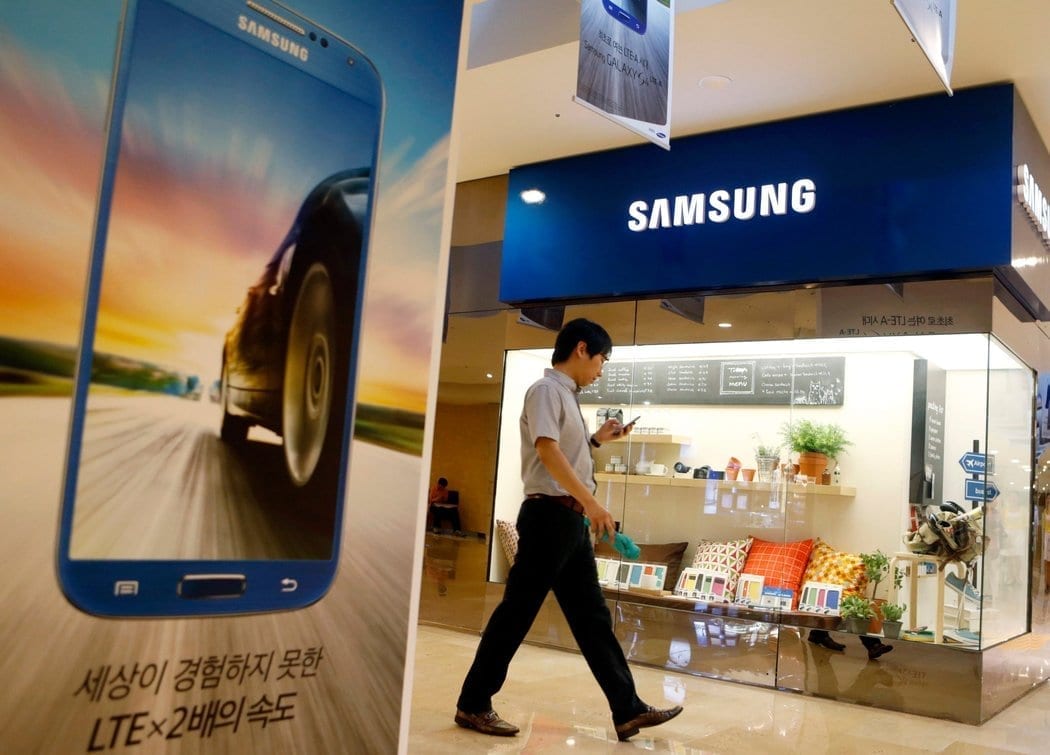
    Samsung has received permission to invest an additional $920 million in its electronic components plant in the northern province of Thai Nguyen.

    The license, awarded to the South Korean’s electronics giant’s Samsung Electro-Mechanics unit, will increase its total registered investment in the province by 68 percent to $2.27 billion.

    Samsung, Vietnam’s biggest foreign direct investor, first invested $1.3 billion in the electro-mechanics unit in 2013. The unit produces mainboards and other electronics components.

    As of last year, Samsung had invested $18 billion in Vietnam. It has six plants in the country and is building a new research and development center in Hanoi.

  • Steel prices rise 5 pct, nears historic peak

    Steel prices rise 5 pct, nears historic peak

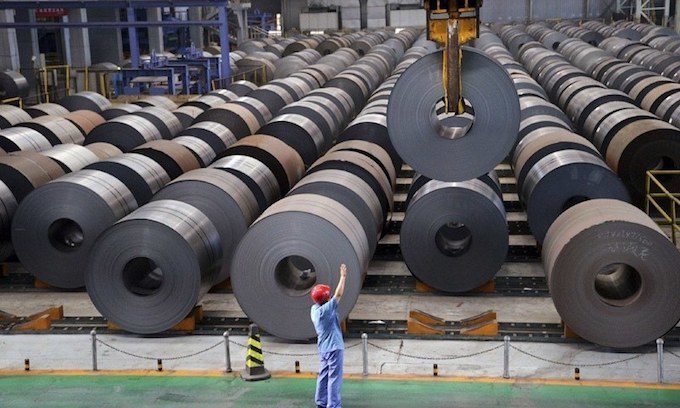
    Steel prices in Vietnam have increased by 2-5 percent in the last two weeks on the back of global price increases and are not far away from reaching last year’s peak.

    The Thai Nguyen Iron and Steel Jsc has increased its rolled steel prices to VND17.3-17.6 million ($759-772) per tonne, up by around 2 percent from the first week of February.

    The Hoa Phat Group, meanwhile, has upped prices by 3.7-5 percent to VND17.15 million per ton, which is just 4.6 percent away from the previous historic peak of VND18.3 million last year.

    Some industry insiders anticipate that prices will rise even higher.

    “There could be two or three increases this year, pushing prices up by VND1 million”, said Ngoc, a steel distributor in Hanoi.

    Vietnam’s steel prices have been rising up as China, the world’s biggest exporter and manufacturer, pushed prices up by nearly 6 percent two days ago to a five-month high of $756 per ton.

    The shortage of supply and rising demand as countries push recovery from Covid-19 is said to be the reason for the price increase.

  • Rising gasoline prices further burden pandemic-hit economy

    Rising gasoline prices further burden pandemic-hit economy

    Duy Anh of Hanoi’s Cau Giay District started off this week by hanging a notice outside his cafe saying the price of coffee had been hiked by 25 percent.

    “I know customers will not like it, but I do not have any choice,” he said, explaining that the cost of ingredients and their delivery has risen by 20 percent due to rising gasoline prices.

    Many transport companies have either announced or quietly increased prices by around 10 percent last week as the government hiked gasoline retail prices to mirror the increase in global prices. A Ho Chi Minh City transport firm, which asked not be identified, has raised container transport prices by 11 percent and now charges VND3.2 million ($141) for a trip to the neighboring province of Dong Nai.

    Tran Duc Nghia, CEO of Delta International, said the transporter is set to hike prices by around 5 percent soon. Gasoline prices in Vietnam are now at an eight-year high, having risen by 11 percent in the last two months. Following the latest adjustment last Friday, the popular RON 95 variety is now close to a record high price.

    Global crude prices have climbed to a seven-year high and Vietnam’s biggest refinery Nghi Son has been forced to reduce its production from 105 percent to 80 percent due to a cash crunch. Nguyen Bich Lam, former head of the General Statistics Office, estimates that a 10 percent increase in fuel prices causes GDP growth to drop by around 0.5 percentage points.

    Lender HSBC last week raised its inflation forecast for Vietnam from 2.7 percent to 3 percent after factoring in the higher energy prices. The Asian Development Bank pegged the figure at 3.8 percent. Transport companies are between a rock and a hard place since price hikes are hard to sell in an economy hit by Covid-19.

    Hai Van International Shipping in HCMC, which transports goods and passengers, has seen revenues fall by up to 70 percent year-on-year in recent weeks due to declining demand.

    “We plan to increase fares, but we have yet to do that as there might be a decline in number of passengers.”

    Another transport company, Minh Thanh Phat, said the higher fuel price is another blow that put many operators to the verge of bankruptcy amid low demand.

    “Continuing to operate will result in losses, while suspending operations means we cannot pay loan interest to banks”.

    Economist Ngo Tri Long urged the government to lower special consumption and environmental taxes on gasoline to reduce the pressure on the economy.

  • Vietnam largest bullion market in Southeast Asia

    Vietnam largest bullion market in Southeast Asia

    Vietnam was Southeast Asia’s largest gold bullion and coin market last year and among the top 10 globally. The demand in the country exceeded 31.1 metric tons compared to 28.7 tons in Thailand and 19.8 tons in Indonesia, according to the World Gold Council. If the jewelry was included, it went up to 43 tons, the second-highest behind Indonesia’s 46.8 tons.

    Vietnam was the fourth largest market in Asia for bullion and coins behind India, Sri Lanka, and China, and the eighth largest in the world. Gold continued to be the top asset class for 72 percent of Vietnamese investors, the WGC said citing a study of 2,000 investors last year.

    The outlook for the precious metal is positive with 81 percent of investors who previously invested in gold saying they would consider doing so again. To put that in perspective, the rates are 72 percent for Chinese and 67 percent for Indians, with the global figure standing at 45 percent. There is strong support for gold market liberalization in Vietnam, with 76 percent saying they should be allowed to open a gold investment account at banks to formalize the gold market.

    Fifty-five percent called for setting up a gold exchange or trading platform authorized by the State Bank of Vietnam. Vietnam’s gold prices are now near the all-time high of VND63.5 million (US$2,787) per tael of 37.5 grams recorded on Jan. 25. A tael equals 37.5 grams or 1.2 ounces. On Feb. 16 it cost VND62.9 million, VND11.6 million higher than global prices.

  • Apple wins lawsuit оver copyright infringement on multiracial emojis

    Apple wins lawsuit оver copyright infringement on multiracial emojis

    It’s safe to say that Apple can now put another lawsuit win under its belt. The Cupertino company just won a copyright lawsuit launched by Cub Club Investment (CCI), the developer of the iDiversicons app, which enables you to use racially diverse emojis. CCI accused Apple of copying its app idea and emojis and infringing on its intellectual property rights.

    Before making his decision, Vince Chhabria, the lawsuit judge, compared Apple’s emojis with CCI’s emojis and concluded that, overall, the emojis weren’t similar enough for Apple to infringe. Chhabria also stated, “Copyright law does not forbid all copying. To survive a motion to dismiss, a plaintiff must allege that the defendant copied enough of the protected expression … to establish unlawful appropriation.”

    According to Vince Chhabria, CCI didn’t manage to prove that Apple had infringed on anything that was under copyright protection; therefore, Apple had only copied CCI’s idea, and ideas are not subject to copyright law.

    In the document about his decision, Chhabria said, “There aren’t many ways that someone could implement this idea. After all, there are only so many ways to draw a thumbs up.” In this regard, Chhabria stated that CCI’s emojis are ‘entitled to only thin copyright protection against virtually identical copying.’

    In the lawsuit document, Cub Club shared that the iDiversicons app was founded in 2013 by CCI CEO Katrina Parrott. According to Parrott, the app was the first in the world to offer emojis with diverse skin tones. CCI also said that in 2014, Parrott discussed a possible partnership with Apple, but Apple declined the partnership and instead created its own diverse skin-tone emojis.

  • Make Google Assistant respond faster by following these simple directions

    Make Google Assistant respond faster by following these simple directions

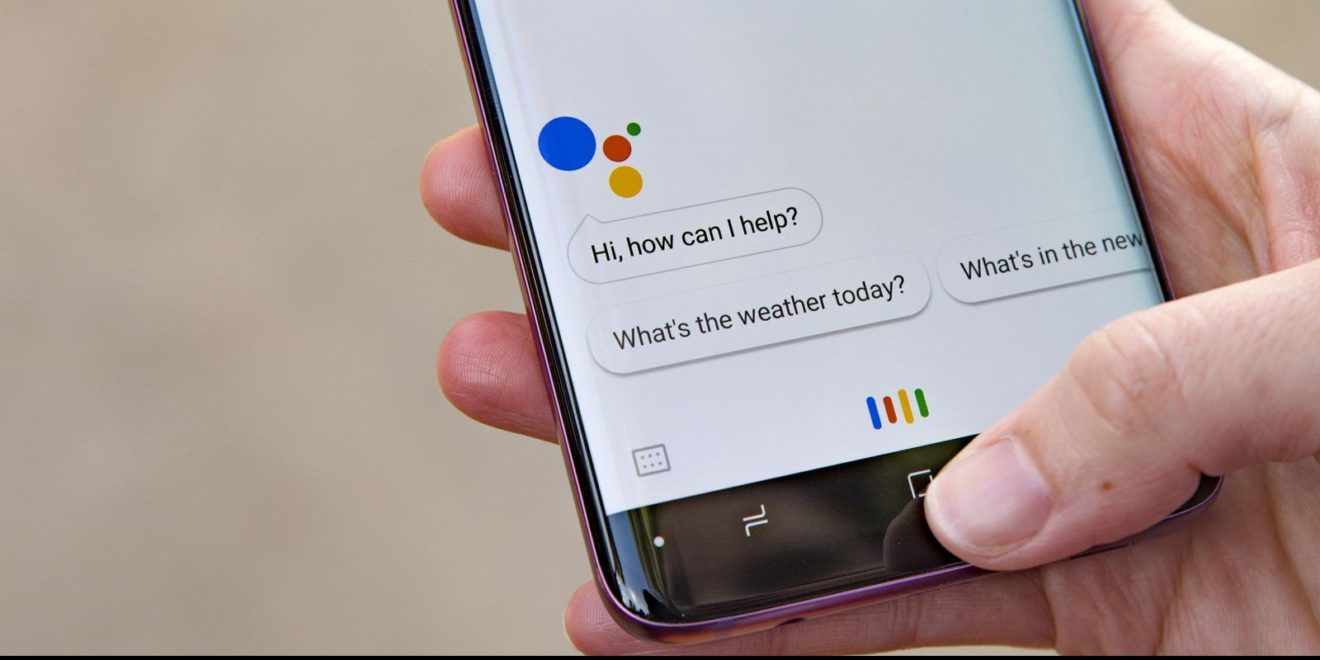
    Did you know that if you set up Google Assistant on other devices, even those that you don’t use anymore, the speed at which the digital helper receives your requests and responds to them can be slowed down? But there is good news as Google offers a way for you to remove the Assistant from those older phones, tablets, smart speakers, smartwatches, and any other product you own that sports it.

    According to XDA, a support page posted by Google says, “Get a faster Assistant by removing devices that haven’t been used in 3 months or more. This means your other Assistant devices won’t be able to communicate with the devices you removed. To add a device back, just use your Assistant on that device.”

    To remove Google Assistant from your older devices, you need to open the Google app. Make sure that you have the latest version installed. Once you open the app, tap the profile picture in the upper right corner and tap on settings. Scroll down to the highlighted listing for Devices and tap it. On the bottom of the next page, you will see a heading that reads, “Remove unused devices” and tap on it.

    This will bring up a list showing the model numbers of older devices you owned with Google Assistant installed. Get ready for a blast of nostalgia when you look up on Google the model number of each device. Each device listed has not been used for three or more months and the oldest model on this writer’s list was for the Moto Z Droid which hasn’t been used in many years.

    You can choose to remove each listed device individually or select all of them at one time. And for some reason, you find yourself in need of a replacement for the phone, tablet, smart speaker, and smartwatch that you currently employ, simply use Google Assistant on the older device and it will return to the list of your Assistant devices.

    Once you complete the process listed above, you should see an improvement in Google Assistant’s response time. You can let us know if you notice a difference after clearing out your unused devices by leaving us a comment in the box below.

    Google Assistant is arguably the most accomplished of the three major voice assistants, a list that includes Amazon’s Alexa, Apple’s Siri, and Google’s Assistant. Previous tests have shown that not only does Google Assistant have the capability to understand what the user is asking much better than the other two, it also is the smartest when it comes to answering queries.

    Apple had the early lead in digital assistants when it unveiled Siri on the iPhone 4s in 2011. Apple promoted the feature by showing how useful Siri could be with calendar entries, tying a bow tie, finding a locksmith when locked out of the house. But Google charged ahead because the reach of Android is wider and Google has a plethora of information (including personal data) that it can easily tap into.

    Google’s investments in AI and speech recognition have paid off big time when it comes to Assistant and with Google essentially everywhere, it can provide users with direct responses that Siri might outsource to the internet. From personal experience with both, there are many times that when asking a question about Apple, Siri will direct you to a third-party website while Google Assistant responds with the correct answer without forcing you to navigate somewhere else to get the answer that you seek.