Tag: asia

  • Cebu Pacific announces P1 fare promo for all local, international destinations

    Cebu Pacific announces P1 fare promo for all local, international destinations

    Budget carrier Cebu Pacific on Monday announced its first five-day P1 fare promo for all its domestic and international destinations.

    In an advisory, Cebu Pacific said the P1 fare started on October 10 and will be available until Thursday, October 14, 2021, covering flights from June 1, 2022 to August 31, 2022.

    “As we enter the last quarter of the year, we are happy to have seen some positive developments in the travel industry,” Cebu Pacific Vice President for Marketing and Customer Experience Candice Iyog said.

    “More and more people are gaining confidence to travel again, and we are happy to keep supporting our sector’s recovery through our trademark low fares,” she added.

    The flights will cover local destinations such as Boracay, Bohol, Coron, Siargao, and other international destinations such as Tokyo and Osaka.

  • Ride-hailing services back on the road in HCMC

    Ride-hailing services back on the road in HCMC

    Ride-hailing firms have resumed their services in HCMC at a significantly lower scale than pre-pandemic times.

    Vietnam-based Be Group, which runs the eponymous ride-hailing app, has reopened its ride-hailing taxi service in Ho Chi Minh City with just 10 percent of its original fleet strength using 50 percent of its capacity.

    The Be Group said its car-hailing service beCar has begun operating in HCMC again on Tuesday, with drivers being given several financial incentives.

    Drivers who are online to receive a pick-up for a total of 48 hours will receive a support package worth VND1 million ($43.91).

    The GrabCar service has been functioning since Oct. 7 with a limited number of drivers as decided by the municipal transport department.

    GrabCar’s four-seaters can only carry one passenger per ride and a seven-seater can only carry two.

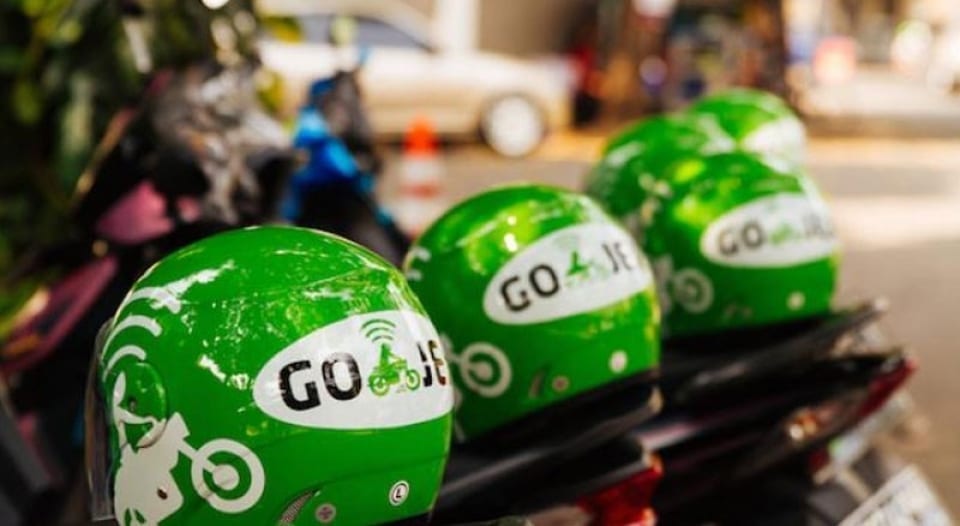
    Meanwhile, Gojek’s four-wheel ride-hailing service GoCar is operating on a trial basis since Tuesday. In the first stage of implementation, GoCar will serve customers who have participated in surveys and registered to experience the service.

    The service had been launched on Aug. 19 to provide free transportation for frontline medical workers to participate in epidemic prevention work.

    From Oct. 1, operators of tech-platforms operating vehicles with less than nine seats have been permitted. They can only use 10 percent of their registered number of vehicles.

  • September auto sales plunge

    September auto sales plunge

    Auto sales in Vietnam plunged 50 percent year-on-year to 13,537 units in September as Covid-19-triggered social distancing forced dealers to close.

    This is the second monthly lowest figure this year behind August with 8,884 units sold, according to Vietnam Automobile Manufacturers Association (VAMA).

    In the first nine months, sales rose 5 percent year-on-year, compared to 40 percent in the first half, showing a decline in sales in the third quarter when strict social distancing measures were imposed in Ho Chi Minh City and Hanoi.

    Truong Hai Auto Corporation (Thaco) led in sales in the first nine months with 65,764 units sold, up 10 percent year-on-year.

    The remaining four companies in the top five saw sales decline.

    Toyota came in second with 38,055 units sold, down 7 percent.

    It was followed by Mitsubishi, Ford and Honda.

    The hatchback VinFast Fadil was the best-selling car in September, followed by the sedan Hyundai Accent and SUV Kia Seltos.

  • Chip shortage forces Apple to cut production of the 5G iPhone 13 series in 2021

    Chip shortage forces Apple to cut production of the 5G iPhone 13 series in 2021

    The chip shortage is now having an impact on Apple’s iPhone 13 series. Those knowledgeable about what is going on inside Apple’s camp say that the company will cut its production targets for this year by as many as 10 million units reducing the number of handsets made this year to 80 million from the original target of 90 million. Both Broadcom and Texas Instruments are the chipmakers who aren’t able to deliver the number of components they promised to Apple according to anonymous sources.

    Texas Instruments supplies Apple with chips for its displays and one chip that has become hard to find powers the OLED panels on iPhone models. Broadcom produces wireless components for the iPhone. Lead times in the chip industry, which measures how long it takes a manufacturer ordering chips to receive them, is at a record-setting 21.7 weeks compared to nearly 12 weeks at the same time last year.

    Broadcom is fabless which means that it relies on independent foundries like TSMC to manufacture its semiconductors. While Texas Instruments does make some chips itself, it also relies on TSMC to produce some of its chip designs. This means that both must scramble to get their semiconductors made by TSMC and since Apple is the end-user of these components, Apple is the company that is getting the brunt of the shortage.

    Apple already has been able to sidestep price hikes of as high as 20% instituted by TSMC. As the latter’s largest customer, Apple was able to get away with only a 3% price increase while also avoiding getting hit by the shortage. But even Apple now can’t escape what is happening around the world.

    Once again, what brought on the shortage were car manufacturers who early last year figured that their new car business was dead meat in the wake of the pandemic. So they cut back on ordering chips and when demand for new cars turned out to be much better than expected, automakers backed up their trucks to take as many chips as they could buy. This shortage could continue next year and might not run its course for some time.

    New orders for the iPhone 13 series made through Apple’s website will not be delivered until November in some cases and if you want to pick up your new handset at an Apple Store, you’re out of luck. The phones are “currently unavailable” for Apple Store pick up. And today’s report says that Apple’s carrier partners are also seeing delays in receiving new iPhone shipments.

    What is at stake here is Apple’s fiscal first-quarter of 2022, which is known as the holiday quarter since it includes Chanukah and Christmas. The company is expected to take in $120 billion in revenue during this year’s holiday quarter, up 7% from last year’s fiscal first-quarter revenue. Interestingly, a decade ago the $120 billion would be more than a complete year’s worth of revenue for Apple.

    Both the U.S. and China would love to become self-sufficient when it comes to semiconductors. The U.S. has made this rather tough for China by not allowing a Dutch company named ASML from shipping a $150 million machine called extreme ultraviolet (EUV) lithography machine to China’s top foundry, SMIC. The EUV machine is used to print circuit designs on wafers that are eventually cut into individual chips.

    With billions of transistors used on semiconductors like the A15 Bionic (which has 15 billion transistors stuffed inside it), etching circuit patterns require a machine that can etch an extremely thin line on the wafer and that is what the EUV machine does. ASML is working on its next-generation EUV that it says will allow foundries to build more powerful and energy-efficient chips over the next decade.

  • Jaguar Land Rover Trials World-First Digital Supply Chain For Leather

    Jaguar Land Rover Trials World-First Digital Supply Chain For Leather

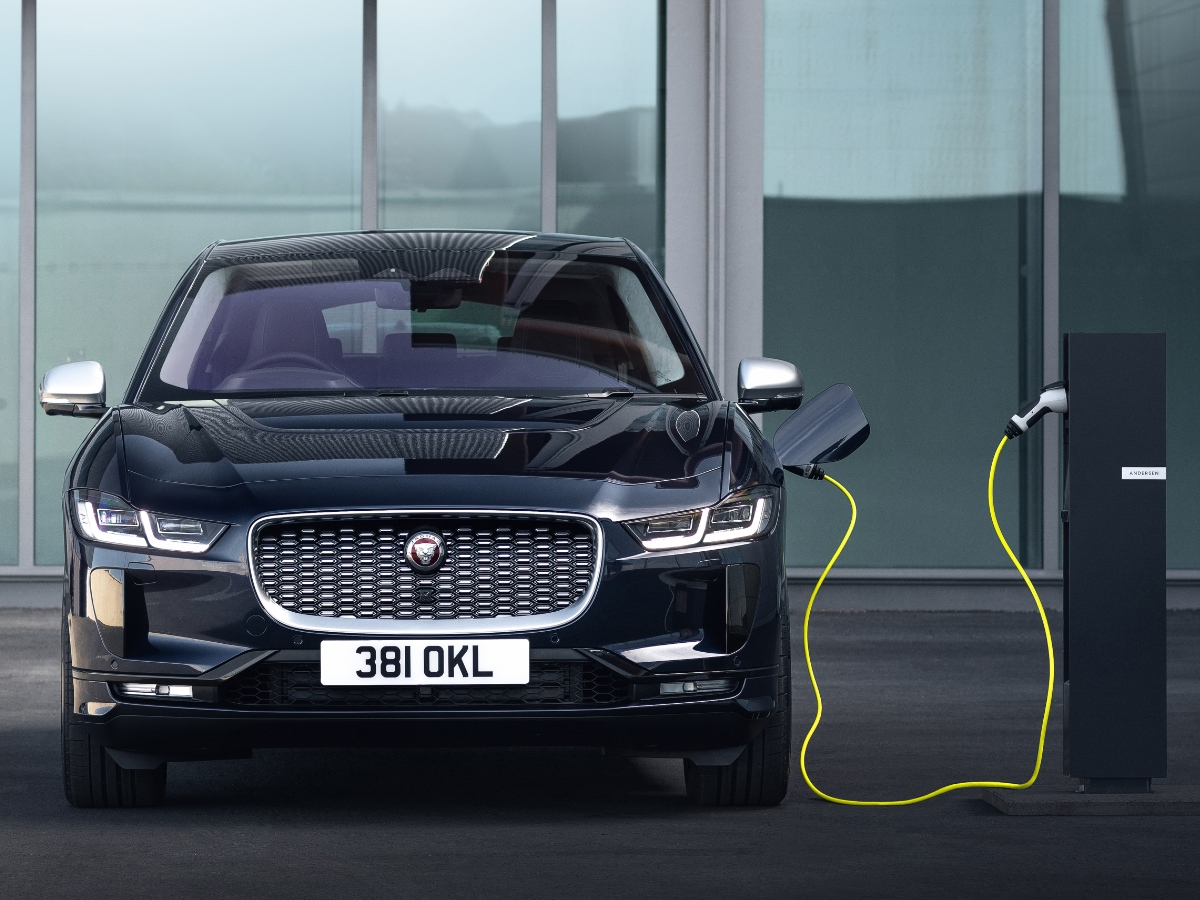
    Jaguar Land Rover has trialed the use of secure blockchain technology to ensure full transparency within a sustainable leather supply chain. In a world-first, Jaguar Land Rover partnered with supply chain traceability provider Circular, leading UK leather manufacturer Bridge of Weir Leather Company and the University of Nottingham to trial the use of traceability technology in the leather supply chain. As well as tracking compliance, the digital process enabled Jaguar Land Rover to assess the carbon footprint of its leather supply network, working with UK-based Bridge of Weir Leather Company to trace its lowest carbon leather from farm to the finished article – all part of Jaguar Land Rover’s commitment to reducing the environmental and ethical impact of its products across their lifecycle.

    Jaguar Land Rover is committed to offering customers more sustainable and responsible material choices for their vehicle interiors, such as the premium natural fibre Eucalyptus textile interior available on Range Rover Evoque, and Kvadrat – a refined high-quality wool blend textile that’s paired with a suede cloth made from 53 recycled plastic bottles per vehicle – available on Evoque, Range Rover Velar and Jaguar’s all-electric I-Pace

    As part of the Innovate UK-funded research, a ‘digital twin’ of the raw material was created, allowing its progress to be tracked through the leather supply chain simultaneously in the real world and digitally. A combination of GPS data, biometrics and QR codes was used to digitally verify the movement of leather at every step of the process using blockchain technology.

    Defining the verification process has created a repeatable blueprint for tracing a single piece of leather at every stage. It can be used across Jaguar Land Rover’s global supply chain and by other industries that rely on leather, such as fashion and footwear.

    The project is part of Jaguar Land Rover’s Reimagine strategy: a sustainability-rich combination of modern luxury, unique customer experiences, and positive societal impact.

    Reimagine aims to achieve net zero carbon emissions across its supply chain, products and operations by 2039. Jaguar Land Rover will work with industry experts to improve sustainability, reduce emissions and collaborate on next-generation technology, data and software development leadership.

    Dave Owen, Jaguar Land Rover Executive Director of Supply Chain, said: “We are currently restructuring our supply chain as part of Reimagine, with a focus on transparency and sustainability. The outcome from this world-first trial will allow us to further improve the sustainability of the leather supply chain around the globe, ensuring the complete traceability of raw materials from origin to vehicle.

    Through InMotion, its venture capital and mobility services arm, Jaguar Land Rover previously announced an investment in Circulor, allowing the company to source premium materials with greater transparency as to the provenance, welfare, and compliance of suppliers throughout its networks.

    The technology could be deployed to trace other commodities. Circulor is already using blockchain to improve the traceability of minerals used for electric vehicle batteries. Blockchain technology is impossible to modify or tamper with, giving customers greater confidence that the sustainable supply chain is authentic, and all materials have been sustainably sourced.

  • UOB Launches Platform for Energy Efficiency Projects

    UOB Launches Platform for Energy Efficiency Projects

    The platform will be launched first in Singapore, with subsequent roll-outs in Malaysia, Thailand, and Indonesia.

    UOB is launching an integrated financing platform U-Energy to drive the development and adoption of energy efficiency projects for buildings and homes, as part of its Smart City Sustainable Finance Framework.

    The bank highlighted that buildings and construction projects globally account for 38 percent of carbon emissions and that this is a key area to address to meet Singapore’s target of reducing carbon emissions by 36 percent from the 2005 levels by 2030.

    Building owners, energy service companies, and homeowners can reduce an average of 20 percent in energy consumption by tapping on its green financing for energy efficiency projects under U-Energy, UOB said.

    UOB noted that building owners and homeowners often lack financing support and the expertise to find the right energy service companies.

    At launch, the platform will have nine energy service companies that customers can tap for energy efficiency projects, such as chiller and air conditioning efficiency, installing solar panels on rooftops, switching to LED lights, optimizing energy and power management systems, and changing the building façade to reflect direct sunlight to reduce heat absorption, as well as replacing elevators with energy-regeneration technology.

    UOB previously launched integrated financing platforms for solar energy and electric vehicles under the bank’s Smart City Sustainable Finance Framework

  • YouTube Music Wear OS app now supports older smartwatches

    YouTube Music Wear OS app now supports older smartwatches

    Google revealed last month that it will eventually bring some of its apps reserved for Samsung’s Galaxy Watch 4 to other smartwatches. One of these apps, YouTube Music has finally made its debut on Wear OS 2 smartwatches powered by Qualcomm Snapdragon Wear 3100 chipsets.

    Initially added to a range of smartwatches powered by Qualcomm’s Snapdragon 4100 and 4100+ chipsets like the new Gen 6 smartwatches from Fossil and Michael Kors, Mobvoi’s TicWatch Pro 3 GPS, TicWatch Pro 3 Cellular/LTE, and TicWatch E3, the new YouTube Music app is now available for older smartwatches running Wear OS 2.

    The YouTube Music Wear OS app has been updated in the Google Play Store and it’s now available for at least two older smartwatches: Moto 360 and TAG Heuer Connected.

    Despite the fact that its availability is rather limited, it’s safe to assume that more smartwatch models will be added to the supported list in the coming days (if not already). If your smartwatch is equipped with a Qualcomm Snapdragon Wear 3100 chipset, then it might be a good idea to look for an update on your wearable device or phone.

    Keep in mind that while the new YouTube Music app will let you download playlists for offline listening without your phone, the feature requires a YouTube Music Premium subscription.

  • Volvo Car India Announces Lifetime Parts Warranty Scheme

    Volvo Car India Announces Lifetime Parts Warranty Scheme

    Volvo Car India announced a new “customer lifetime parts warranty” scheme across its model range. Under the new scheme, parts bought after the standard period of warranty and installed at an authorized workshop will carry a lifetime warranty and will be applicable on genuine parts bought from October 1, 2021. The coverage period begins on the date of purchase of the part and remains till the time the ownership of the car does not change. However, the scheme will lapse when the ownership changes. Under this scheme, both parts and the labor costs are covered. The initiative has been taken to provide customers reassurance on aftersales services given the high spare parts and replacement cost in luxury cars.

    Jyoti Malhotra, Managing Director, Volvo Car India said, “It is for the first time in India that such an initiative has been offered to the luxury customers. This is a unique offer in the automotive industry that gives the customer carefree and secure car ownership. In the unlikely event of customers requiring a part changed for their car, the company will give a lifetime warranty on the part. The warranty commences on the date of purchase of the part and will follow the combination of car and car owner. If the car has a new registered owner, the warranty will end.”

    Moreover, the company also reaffirmed that any genuine Volvo part which will require repair or replacement because of material or manufacturing defect will be repaired or replaced free of charge by an authorized dealer. However, the scheme is not applicable of normal wear and tear of parts, consumables, batteries, accessories, and Software which is not associated with a hardware replacement. Also, parts replaced under new car warranty or extended warranty or goodwill warranty would not be covered under this scheme.

  • Intel, Samsung to resume full production next month

    Intel, Samsung to resume full production next month

    Units of electronics manufacturing giants Intel and Samsung are set to fully resume operations by the end of November after months of social distancing-triggered production disruption.

    Saigon Hi-Tech Park is helping its tenants, many of which are currently running at about 70 percent capacity, to resume full operations next month, the park’s deputy manager Le Bich Loan said in an interview.

    The park is home to Samsung, Intel, and Nidec Sankyo Corp, a maker of magnetic card readers and micromotors.

    Nidec is also looking to resume full capacity by the end of next month, according to Saigon Giai Phong.

    Many companies operating in Saigon Hi-Tech Park lost about 20 percent of their export orders in July and August, Loan said.

    In the last several months HCMC has been imposing various levels of social distancing, which restricted the operation of factories.

    The city started resuming activities on Oct. 1.

  • L’Occitane opens world-first green store concept in Australia

    L’Occitane opens world-first green store concept in Australia

    If you’re a fan of the French skincare brand L’Occitane, then you’ll be happy to know that the retailer has just launched their first eco-friendly shop in the city, as part of their efforts to embrace sustainability and reduce local plastic waste. Located in Pacific Place Mall, the new store is designed to appeal to the growing eco-conscious consumer market. The shop offers products that come in 100 percent recycled bottles, and refillable shampoos, conditioners, shower gels, and hand wash. The new store also launches a new limited edition body care product series called the Happy Shea collection which is exclusively available in the shop and their online store.

    The store aims to engage the public in environmental protection through fun activities with their #MEGA (Make Earth Green Again) Sustainability Reward Program, where shoppers can earn rewards by achieving green tasks such as dropping their empty beauty container – from L’Occitane or other beauty brands – in the store’s recycle bins. Shoppers can also participate in other activities like completing a three-minute personal carbon footprint evaluation or adding their ‘green new year wish or commitment’ to the store’s Tree of Wishes.

    Working in partnership with various eco-conscious organizations, L’Occitane’s MEGA concept store will host a series of sustainability-focused workshops that raise recycling awareness. The company is currently collaborating with A Plastic Ocean Foundation (APO) – a Hong Kong-based charitable organization dedicated to raising awareness against plastic pollution. All PET containers collected through L’Occitane stores go to APO for future recycling into rPET products. L’Occitane has already provided APO with 40kg of PET containers collected from customers for future recycling. Today, APO has created 1,000 pieces of #MakeEarthGreenAgain sandwich bags made from rPET and 1,500 pieces of rPET towels, made from PET plastic waste. Shoppers can receive a complimentary rPET sandwich bag for purchases of over $400 in L’Occitane’s eco-store until February 28, 2021.  L’Occitane’s MEGA concept storefront

    As part of the company’s dedication to lessening environmental carbon footprint and protecting biodiversity, L’Occitane’s Hong Kong and Macau general manager Nathaëlle Davoust signed the Ellen MacArthur Foundation New Plastics Economy Global Commitment. In collaboration with the UN Environment Programme, The Global Commitment ‘unites businesses, governments, and other organizations behind a common vision and target to tackle plastic waste and pollution at its source.’ Companies that signed the commitment represent businesses responsible for 20 percent of all plastic packaging produced globally. So, if you’re dropping by the store and purchasing goods, make sure you bring your own bags as the shop will not be providing you with any plastic or paper bags.

  • Kraft Heinz launches frozen vegetarian snacks

    Kraft Heinz launches frozen vegetarian snacks

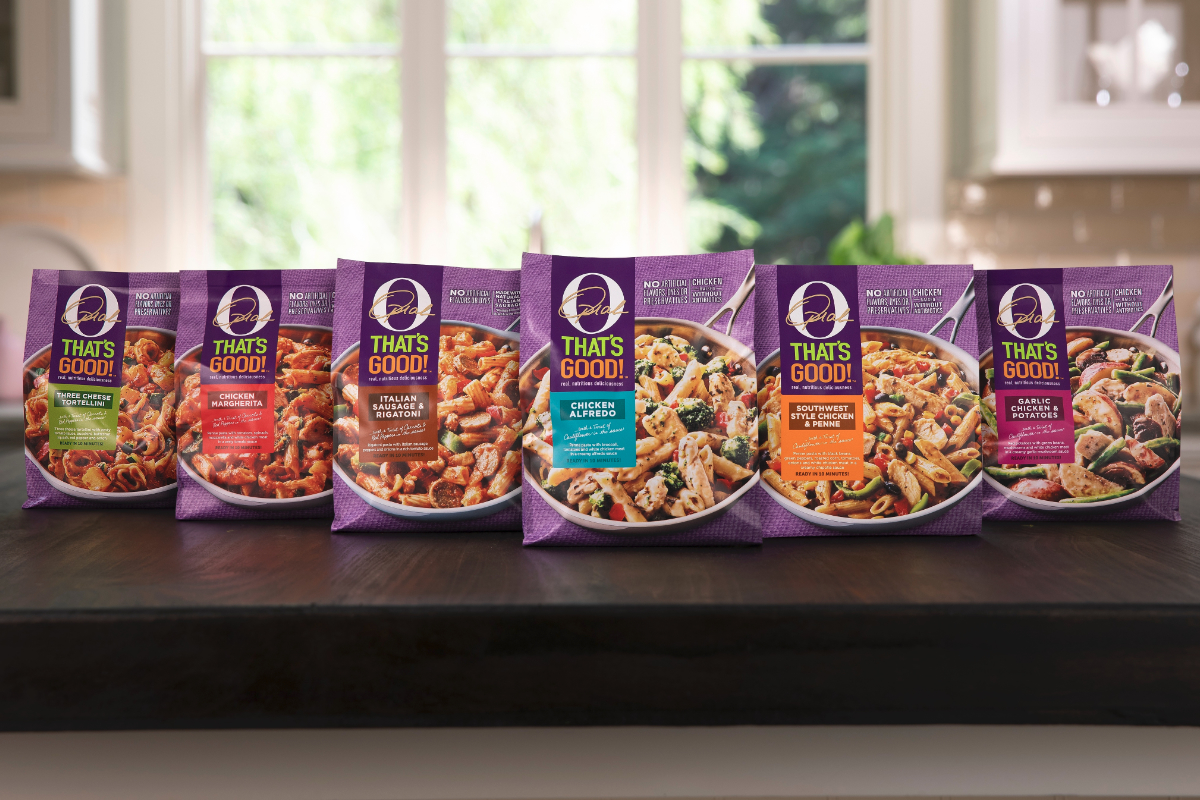
    Kraft Heinz in collaboration with Oprah Winfrey unveiled a series of new O, That’s Good! Frozen Skillet meals.  This launch is the fourth category from Mealtime Stories, LLC, the joint venture between Kraft Heinz and Oprah Winfrey, which includes refrigerated soups, sides, and frozen pizza.

    The O, That’s Good! brand was inspired by Oprah’s love for nutritious food. The newcomers are said to be comfort foods with a twist of veggies, ready in just 10 minutes. For example, the Chicken Alfredo meal swaps cream in the sauce with pureed cauliflower to bring the fat content down with 35%.

    “Comfort food gets a bad rap, but not anymore. With the new skillets, there’s a twist of veggies in the sauce, but you’d never know the difference,” said Winfrey.

    O, That’s Good! Frozen Skillet Meals (suggested retail price: USD6.99) are available nationwide in six varieties: Chicken Alfredo, Chicken Margherita, Southwest Style Chicken & Penne, Italian Sausage & Rigatoni, Garlic Chicken and Potatoes, and vegetarian-friendly Three Cheese Tortellini. All are made with high-quality ingredients, including antibiotic-free chicken and natural sausage, and have no artificial flavors, preservatives or dyes.

    Kraft Heinz will support O, That’s Good! Frozen Skillet Meals with a robust 360-degree marketing campaign, including a new national TV ad featuring Winfrey.

    Along with skillets, O, That’s Good! is extending its pizza line to include three new frozen thin-crust pizza options (USD6.99) with a twist of cauliflower in the crust: BBQ

  • Asos CEO, chairman resigning

    Asos CEO, chairman resigning

    Asos chief executive Nick Beighton unexpectedly announced that he is to step down with immediate effect from the U.K.-based online fashion retailer this morning, with Asos warning that the supply chain crisis and rising costs will hit its profits.

    The fast-fashion retailer, which has been one of the chief beneficiaries of the online shopping boom during the Covid pandemic – with revenues up by one fifth and profits rising by a quarter in the year to the end of August – said that the global supply chain shortage, tough comparables and this summer’s travel restrictions all affected sales.

    And profits could be off by as much as 40%, as the company pledged to push for international growth to take sales from $5.5 billion annually to $9.6 billion within four years.

    Asos said Beighton and the board had agreed that it was “the right time” for him to go after 12 years with the business and the past six of those in the role of chief executive, although no reason was offered for his departure. Synonymous with the brand, Beighton was expected to lead a revival next year and news of his sudden departure saw shares off by 15% in early trading before starting to recover.

    Since its peak valuation in March of this year, shares are down circa 60%, which no doubt played its part in the company’s change of direction, which it hopes will see the doubling in size of its combined U.S. and Europe business and the addition of at least $1.36 billion to its own-brand sales.

    Asos chairman, Adam Crozier, who is to stand down next month to take over as chairman at U.K. telecoms giant BT, said: “Asos’s management and board have spent considerable time over recent months developing and validating a clear strategic plan to accelerate international growth, building on Asos’s undoubted strength in the U.K.

    Ian Dyson will become the next Asos chairman, chief financial officer Mat Dunn will take on the role of chief operating officer and will lead the day-to-day business, while Katy Mecklenburgh will act as interim CFO.

    In addition, Dyson will succeed Adam Crozier as non-executive chairman, effective November 29, for a three-year term, while a search has started for a successor to Beighton.

    The company, which like many other U.K. businesses has been hit by the double blow of a global supply chain crisis and the impact of Brexit, said: “Industry-wide supply chain pressures are expected to continue through the first half, resulting in longer lead times and constrained supply from a number of our partner brands.”

    Asos added that there would be “notable cost headwinds” including inbound freight costs, labor cost inflation, outbound delivery costs and Brexit duty, although it predicted a recovery beginning in 2022.

    The company, which reported profits of $241.5 million in the year to the end of August, said it expects adjusted profits before tax to fall between $150 million and $191 million for its next financial year. This is below analysts’ expectations of $254 million.

    The retailer said it achieved particularly strong sales growth of 36% in the U.K., while sales in the U.S., E.U. and the rest of the world increased by 21%,15% and 6% respectively.

    Beighton is credited with helping turn Asos into a global online fashion powerhouse and recently the company bought the Topshop brand, following the collapse of billionaire Philip Green’s Arcadia empire.

    Of his departure, Beighton said: “I have enjoyed every moment of my 12 years at Asos. When I joined, there were fewer than 200 people and we had annual sales of around $300 million. I leave a business reporting turnover of almost $5.5 billion, with more than 3,000 fantastic ‘Asos-ers’ delivering for 26 million customers in 200 markets around the world.”

  • Coffee buyers face losses as Colombia farmers fail to deliver

    Coffee buyers face losses as Colombia farmers fail to deliver

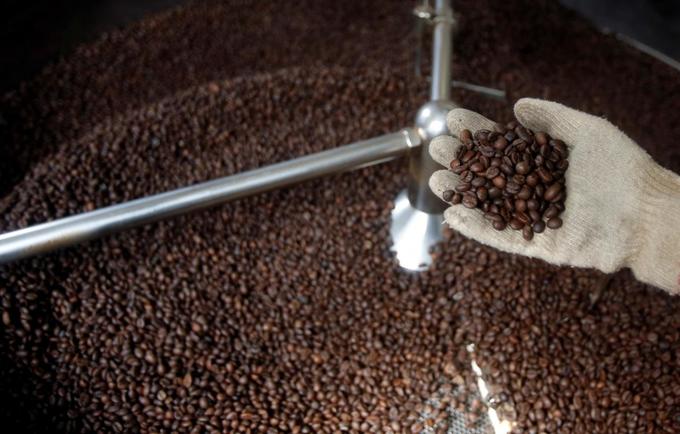
    Coffee farmers in Colombia, the world’s No. 2 arabica producer, have failed to deliver up to 1 million bags of beans this year or nearly 10% of the country’s crop, leaving exporters, traders, and roasters facing steep losses, industry sources said.

    World coffee prices have soared 55% this year, mainly due to adverse weather in top producer Brazil, prompting Colombian farmers to default on sales clinched when prices were much lower in order to re-sell the coffee at higher rates.

    “Traders are getting defaulted on, it’s a mess. If the drought continues (in Brazil), 300 cents (per lb of coffee) is possible. It’s going to be mayhem,” said a dealer at a global agricultural commodities trade house.

    He said leading global roasters are planning to change the branding on their ‘single-origin Colombia’ coffees due to sourcing problems.

    Delivery defaults in a major producer like Colombia can exacerbate price spikes on world markets, although these would be temporary because the coffee ultimately exists and will weigh on markets once it is re-sold.

    Colombian farmers say they will deliver the coffee later this year or next but buyers are unconvinced.

    Many are opting to see losses now and write the purchases off as defaults rather than wait and risk even bigger losses if farmers still don’t deliver next year and prices rise further, according to a senior trader at another global trade house.

    He said several global trade houses are looking at losses of $8-10 million each on undelivered coffee, while Colombia’s coffee growers federation FNC, which represents farmers but also accounts for 20% of the country’s 12.5 million bags of annual coffee exports, faces higher losses.

    “There was easily 1 million bags of forwarding (Colombian coffee sales) done before the market started rallying mid-May,” said the senior trader. “If you work for a multinational (trade house) your boss will say come on, we have to take the hit.”

    Delivery defaults in a rallying coffee market are a huge issue for commodity exporters and traders who often hedge physical purchases by taking short positions in the futures market, causing them to sustain steep losses as prices rise.

    Usually, traders would be able to sell the physical coffee they are owed at current lofty rates in order to offset their futures market loss, but in the case of a default, they can’t.

    Defaults can also force traders to purchase supplies pre-sold to roasters at a loss in the pricey spot market.

    FNC head Roberto Velez confirmed that Colombia is facing widespread defaults.

    “I can tell you there are few Colombian exporters not suffering (from defaults). All the major trade houses and also the federation as a major exporter, we’re all suffering (losses),” he said.

    “When a grower doesn’t deliver, the whole chain gets stuck losing money,” he added.

    Traders said the federation has given Colombian farmers at least another year to deliver the coffee – a move that could force the industry body to approach the government for bail-out funds if the farmers still don’t deliver in time.

    A senior Columbia-based coffee trader with Louis Dreyfus Company (LDC) left the company in the wake of losses, two sources with knowledge of the matter said.

    LDC said it does not comment on organizational changes except in relation to executives.

    “Companies will be in trouble with (the scale of the losses), big guys will change their team, but smaller guys will go bankrupt,” said a senior trader.

    He added major local Colombian exporter La Meseta has been hard hit by farmer defaults and is struggling to make good on its supply deals with international roasters, leaving them exposed to losses.

    Selling coffee forward in Colombia has become popular in the last few years, but up until this year, the move had mostly worked out in favour of farmers as world prices drifted lower so farmers received better prices for their coffee on delivery, not worse.

    About 550,000 Colombian families make their living growing coffee and the Andean country is the largest producer of the washed arabica grade on which benchmark futures contracts on the ICE exchange are based.

  • Page Zoom is a new accessibility feature in Chrome for Android

    Page Zoom is a new accessibility feature in Chrome for Android

    Google is working on a new Page Zoom accessibility feature for its Chrome browser on mobile devices.

    It appears that the reasoning behind this new feature is that text scaling on mobile devices produces variable results and often causes bugs. There’s a long thread on Chrome support forums concerning the issue, and it seems that Google developers have listened to the users and implemented the new Page Zoom feature.

    Page Zoom works much like the zoom feature in the desktop version of Chrome. Once you choose a zoom level for a certain page it will be stored in the browser and next time you open the same page Chrome will automatically adjust the zoom level for you.

    The feature is already available in Chrome Canary, and will probably roll out to Chrome for Android with the next stable release.

  • Apple wants you to install iOS 15.0.2, iPadOS 15.0.2 and watchOS 8.0.1

    Apple wants you to install iOS 15.0.2, iPadOS 15.0.2 and watchOS 8.0.1

    On Monday, Apple released iOS 15.0.2, iPadOS 15.0.2 and watchOS 8.0.1. The update for both the iPhone and iPad fixes a couple of bugs related to the Find My app. It also includes a major security fix for a flaw that Apple says is already under attack by hackers.

    Discovered by an anonymous researcher, CVE-2021-30883 “may be able to execute arbitrary code with kernel privileges. Apple is aware of a report that this issue may have been actively exploited.” Keep in mind that CVE-2021-30883 could allow an attacker to exploit the IOMobileFrameBuffer and “execute arbitrary code with kernel privileges” and take over your device.

    The bug fixes cited by Apple in iOS 15.0.2. will take care of the following issues:

    • Photos saved to your library from Messages could be deleted after removing the associated thread or message.
    • iPhone Leather Wallet with MagSafe may not connect to Find My.
    • AirTag might not appear in the Find My Items tab.
    • CarPlay may fail to open audio apps or disconnect during playback.
    • Device restore or update may fail when using Finder or iTunes for iPhone 13 models.

    Apple drops iOS 15.02 to add a needed security patch and some bug exterminations

    The iPadOS 15.0.2 update helps users with the following problems:

    • Photos saved to your library from Messages could be deleted after removing the associated thread or message.
    • AirTag might not appear in the Find My Items tab.
    • Device restore or update may fail when using Finder or iTunes for iPad mini (6th generation).

    And watchOS 8.0.1 helps patch these issues for Series 3 users:

    Apple releases an update to watchOS 8.0.1 beta

    Software update progress may not be displayed accurately for some Apple Watch Series 3 users

    Accessibility settings may not have been available for some Apple Watch Series 3 users.

    To install iOS 15.0.2. go to Settings > General > Software Update. Follow the same directions for iOS 15.0.2. For watchOS 8.0.1, open the Watch app on your iPhone and tap General > Software Update. Make sure your iPhone is at least 50% charged and that it is connected to Wi-Fi. The handset must be within close range of the Apple Watch in order for the update to download and install.

    Apple originally released iOS 15 on September 20th and followed that up with iOS 15.0.1 which exterminated a bug preventing iPhone users wearing a face mask from unlocking their devices using Face ID. With iOS 15.0.1, users wearing an unlocked Apple Watch that they have signed into can unlock their handsets without using their passcodes.

    The company is beta testing iOS 15.1 which will return SharePlay to the operating system. SharePlay allows users to share video and audio content with other FaceTime users on the same chat. It also allows users to store a digital copy of their vaccination card in Apple Wallet and adds certain features to the iPhone 13 Pro camera including ProRes. The latter compresses video but does so on a lossless basis.

    All you need to know about ProRes is that it improves the quality of the videos you shoot with your iPhone. ProRes is available only for the iPhone 13 Pro and iPhone 13 Pro Max. To enable ProRes, go to Settings > Camera > Formats > and enable the Apple ProRes toggle. Keep in mind that ProRes video capture will use plenty of your storage. Apple reminds users that one minute of 10-bit HDR ProRes uses 1.7 GB of storage for HD and 6 GB for 4K.

    ProRes capture supports up to 30fps at 4K and up to 60fps at 1080p for iPhone 13 Pro devices with 256GB of storage and higher. Devices that top out at 128GB of storage are limited to 1080p capture at 30fps.

    And with iOS 15.1, users will be able to disable the auto macro mode feature. This will allow users to turn off the feature that automatically enables a macro shot when using the ultra-wide-angle lens to zoom in real tight on a subject.