Tag: asia

  • China’s Fintech Crackdown Not Over Yet

    China’s Fintech Crackdown Not Over Yet

    The governor of the country’s central bank said it would be taking more steps to curb monopolistic behavior among internet platform companies and strengthen consumer privacy and data security.

    We will continue to cooperate with anti-monopoly authorities to curb monopolies and actively deal with algorithm discrimination and other new forms of anti-competition behavior, Yi Gang, governor of the People’s Bank of China, said on Thursday.

    Yi added that the country would be strengthening the regulation of the payments sector and require all financial services companies to be licensed, Yi said at a Bank for International Settlements conference.

    According to the governor, financial businesses must be licensed to operate, firewalls must be set up between different parts of the business to prevent cross-sector risks, and the direct link between non-banks and banking information services must be cut.

    China’s once-flourishing fintech industry has been hit by a wave of regulation. State authorities forced Jack Ma’s Ant Group to cancel its much-awaited initial public offering last fall, and peer-to-peer lending, once booming in in the country, is now virtually nonexistent.

    The crackdown has also extended to the wider tech industry, with tightened restrictions in numerous areas such as payment links to financial products, collection of customer data, credit scoring services and overseas listings.

    In recent months, authorities have also introduced new rules to regulate the online gaming, after-school classes, and entertainment sectors.

  • UBS In-House Lawyer Joins Law Firm Stephenson Harwood

    UBS In-House Lawyer Joins Law Firm Stephenson Harwood

    The international tax and wealth planning specialist is strengthening its international private wealth capabilities with a new partner at its Singapore office.

    Stephenson Harwood has announced the addition of Suzanne Johnston as a partner, who joins from UBS, where she has been an in-house wealth planning lawyer since 2019.

    Johnston brings in-depth experience across different practice areas within private wealth, and in multiple jurisdictions across the Asia Pacific region, bolstered by having lived and worked in the region for nearly a decade.

    Before UBS, she was a senior associate at Withersworldwide for over five years, specializing in private client/international tax planning.

    Martin Green, Singapore office managing partner, Stephenson Harwood, noted the growing demand for private wealth expertise in Singapore, which has seen an influx of family offices relocating to the city-state in recent years.

    Headquartered in London and with eight offices in Asia, Europe, and the Middle East, the firm offers services including succession planning, tax planning, wealth structuring and asset protection and acts for a number of family offices, ultra-high-net-worth individuals, and trustees.

    In Singapore, Stephenson Harwood practices in a formal law alliance with Singapore law firm Virtus Law, offering clients an integrated service.

  • Squid Game star named as Louis Vuitton global ambassador

    Squid Game star named as Louis Vuitton global ambassador

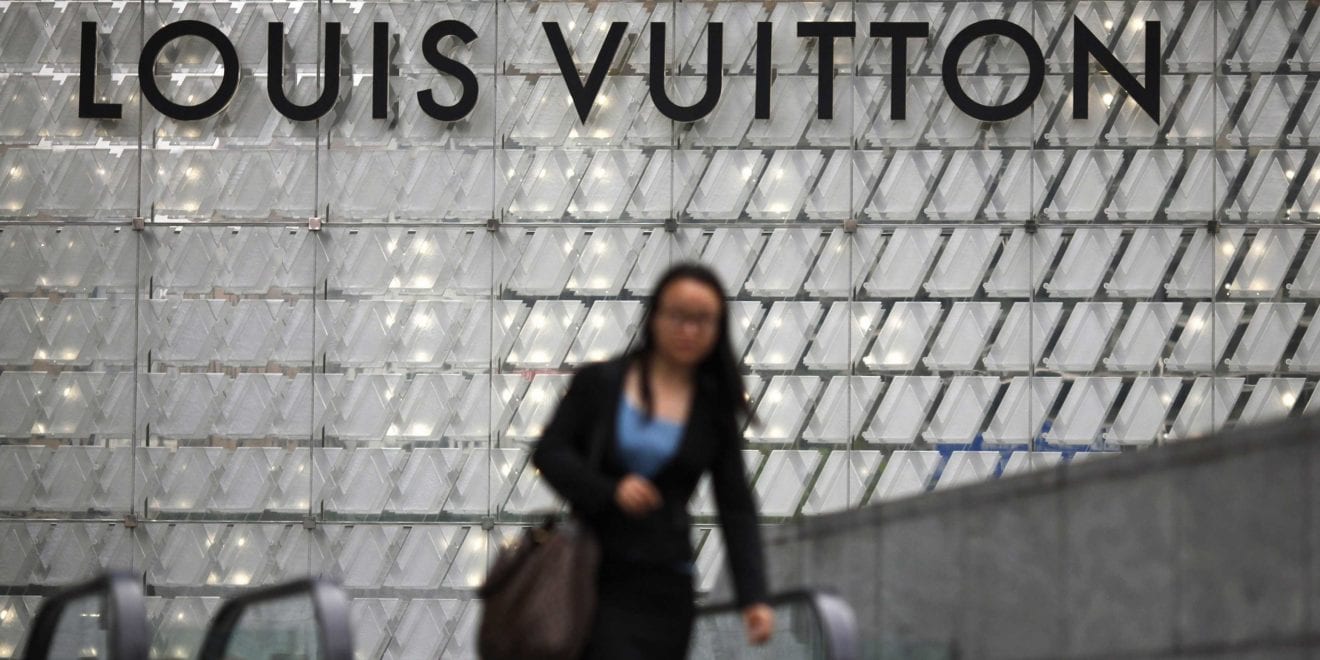
    Louis Vuitton has appointed South Korean new-debuted actress, Squid Game star Ho Yeon Jung as its new global house ambassador for fashion, watches and jewelry.

    The appointment comes after her successful debut in the series, Netflix’s most popular series ever and the first Korean program to rate number one globally on the platform.

    Ho Yeon has recently become the most-followed actress in South Korea. Before her acting career, she was a renowned fashion model.

    According to LVMH, the Squid Game star embodies the “independent Louis Vuitton woman”. Prior to her new role with the brand, she appeared on Louis Vuitton’s runway in 2017 showcasing its ready-to-wear collection.

    “I immediately fell in love with Ho Yeon’s great talent and fantastic personality, and I am looking forward to starting this new chapter of the journey we started at Louis Vuitton a few years ago,” said Nicolas Ghesquiere, creative director at Louis Vuitton.

  • Reliance Retail to launch 7-Eleven stores in India after Future’s exit

    Reliance Retail to launch 7-Eleven stores in India after Future’s exit

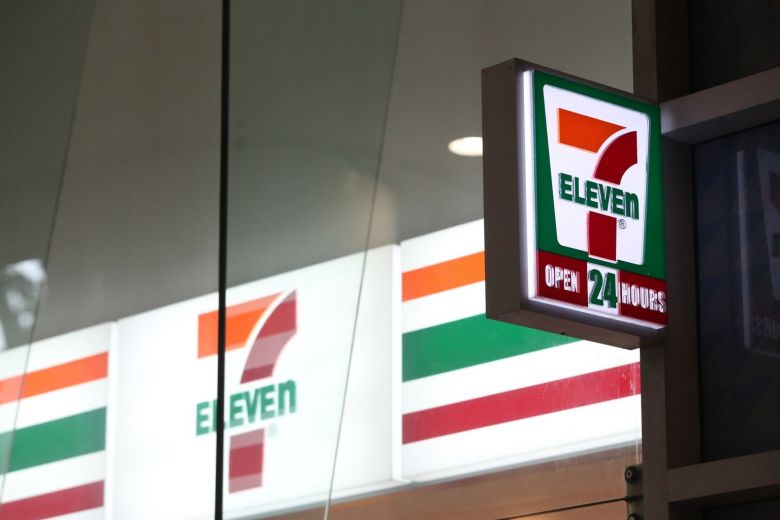
    Reliance Industries Ltd’s retail arm said on Thursday it would roll out 7-Eleven convenience stores in India, days after Future Retail Ltd ended a similar deal with the US chain.

    Reliance Retail Ventures Ltd will open the first 7-Eleven round-the-clock convenience store in a neighborhood in India’s financial capital of Mumbai on Oct 9.

    The deal marks the latest by the Reliance Group, led by billionaire Mukesh Ambani, to rapidly expand its retail and e-commerce businesses to better compete with Amazon.com and Walmart Inc’s Flipkart in India’s nearly trillion-dollar retail market.

    The oil-to-telecoms conglomerate’s US$3.4 billion deal for the retail assets of Future Group has been stalled following Amazon’s legal challenge.

    Irving, Texas-based 7-Eleven, known for its iconic products including the Slurpee, operates and franchises more than 77,000 stores in 18 countries and regions.

    Future Retail said on Tuesday it had mutually terminated an agreement with 7-Eleven as the companies were not able to meet targets of opening stores and paying franchise fees.

    In 2019, Future Retail – India’s second-largest retailer with more than 1,700 stores, including the popular Big Bazaar supermarkets and local chains Food Hall and Nilgiris – had said it plans to set up 7-Eleven stores from scratch and convert some of its existing operations into the U.S. brand.

    The unit formed to run 7-Eleven stores in India had reported a loss of 173 million rupees without opening any stores, Future Retail’s annual report showed.

    Reliance’s shares rose 1.22 percent in morning trade, while Future Retail stock gained 3.7% in a strong market.

  • Gap buys AI tech business

    Gap buys AI tech business

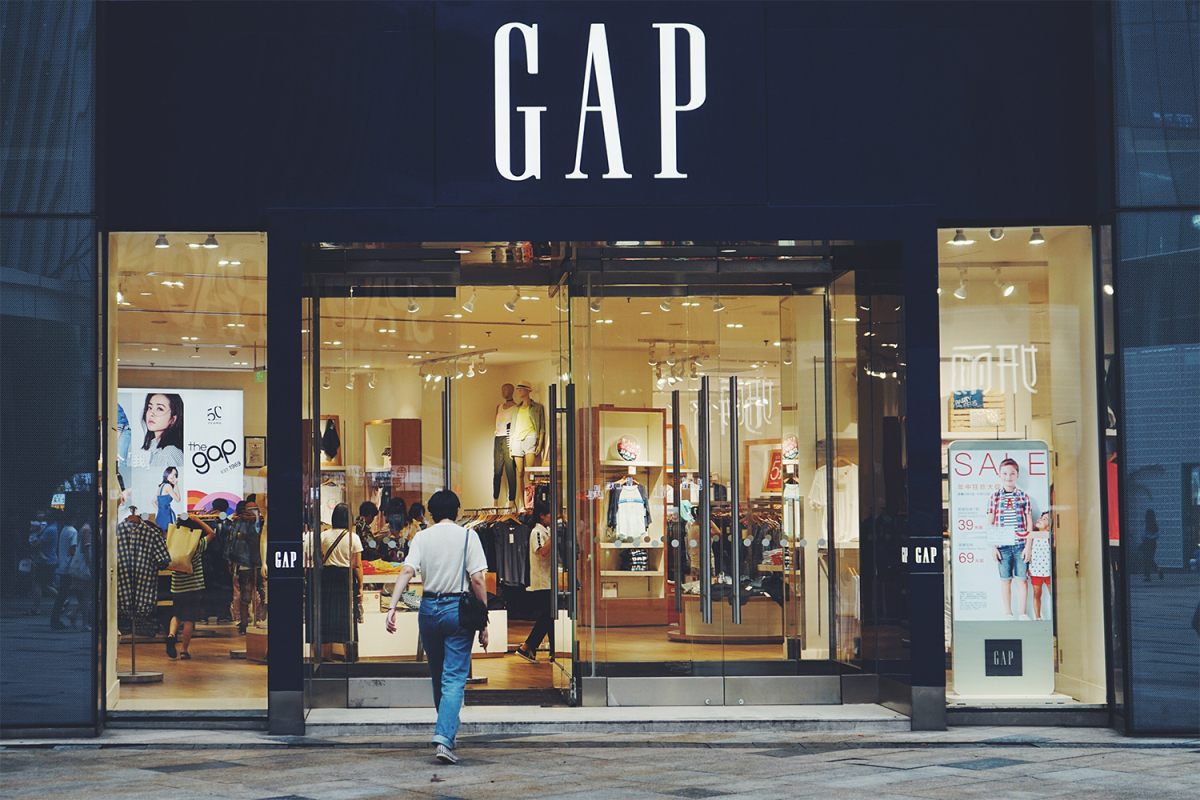
    Gap is investing on AI and machine learning technology through the acquisition with the New York and Tel Aviv-based start-up Context-Based 4 (CB4).

    CB4’s technology has been implemented by several fashion retailers, including Levi’s, Urban Outfitters, Lidl, and Kum & Go. Gap says the acquisition will help it transform its retail operations and improve the customer experience by enhancing predictive analytics and demand sensing.

    “We believe artificial intelligence and machine learning will shape the future of our industry,” said Sally Gilligan, chief growth transformation officer and head of the strategic growth office at Gap.

    “We understand the impact and the wide applications their science can have across sales, inventory and consumer insights, as well as its potential to unlock value and enhance the customer experience.”

    Since moving to the cloud last year, Gap has increased its investments in technology to enable growth and innovation that can impact its entire portfolio of brands. The value of the CB4 deal has not yet been disclosed.

    Before acquiring CB4, Gap bought e-commerce startup Drapr, which powers 3D-fit technology and virtual fitting rooms to reduce returns of online sales. Its strategic growth office also participated in the latest funding round for Obe Fitness, a digital fitness platform that partners with Gap’s Athleta Brand to bring entertainment, pop culture and design to fitness.

  • Chinese labels flock to Paris to go global in high fashion

    Chinese labels flock to Paris to go global in high fashion

    Chinese fashion labels, including Shang Xia, Icicle, and Fosun Fashion Group, are embracing Paris as a springboard for their international ambitions, opening flagship stores in the city and hiring French designers to burnish their credentials.

    Chinese shoppers are the biggest buyers of luxury goods worldwide, including those of big European players like LVMH and Gucci owner Kering. But China also has its own fashion companies that are growing fast at home and are now targeting the global market.

    Chinese-owned brands are looking to expand abroad, sparking a trend of new labels being established in the country with the goal of international growth, said Yishu Wang, co-founder of Half a World, a firm that offers marketing advice to brands seeking to expand overseas.

    “The Chinese market is very saturated and it’s just become very, very expensive to grow,” she said, noting that it was easier to find backing from investors when taking a global view.

    But in fashion’s upper echelons, Chinese companies, including ones that have purchased established European labels, have so far found it hard to take off in Western markets.

    Shang Xia, founded a decade ago by Jiang Qiong Er and French luxury group Hermes International, who both remain shareholders, started out as a lifestyle brand focused on showcasing Chinese craftsmanship and then expanded into ready-to-wear fashion.

    While the label is well-known in China, it has yet to achieve the broader commercial success that many in the industry had expected.

    “Chinese luxury brands are still quite niche,” Kathryn Parker, a luxury sector analyst with Jefferies, said.

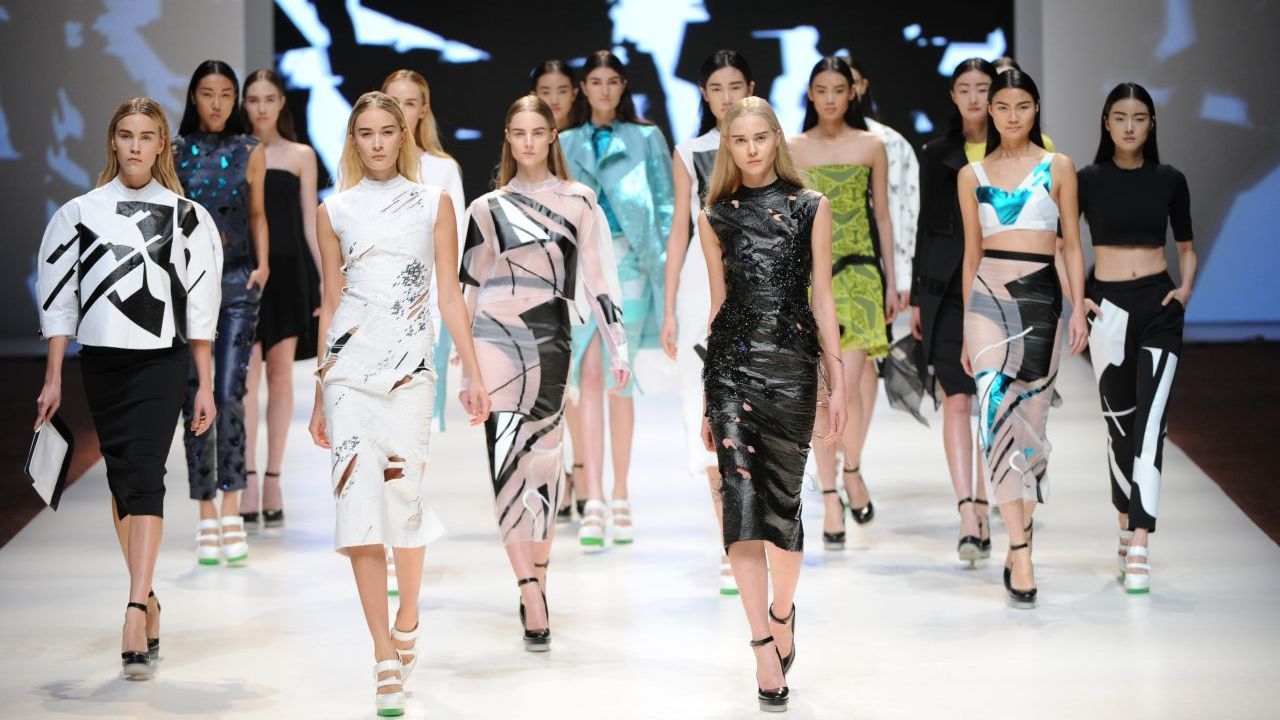
    Shang Xia showed its commitment to Paris when it held its first fashion show on Monday on the official Paris Fashion Week schedule, sending a lineup of models in polished suits in bright colors along a circular runway.

    With backing from a new majority shareholder, the Agnelli family holding company Exor, the label recently set up a design studio in Paris to complement production in Shanghai.

    “It’s a very bold move to do a show in Paris Fashion Week,” said Exor managing director Suzanne Heywood, who is also chairman of Shang Xia.

    FRENCH INFLUENCE

    “We are being watched closely,” said Isabelle Capron, international vice president at ICCF, the owner of Chinese label Icicle, noting that Chinese companies have so far had limited success in building high-end fashion businesses with an international reach.

    The French luxury executive was recruited in 2013 by Shouzeng Ye and Tao Xiaoma, founders of Icicle, which bought the historic French couture house Carven in 2018 and in July created the ICCF Group.

    Icicle, with sales of 334 million euros in 2020, up 12 percent from 2019, has 270 stores in 100 cities in China. The brand caters to urban professionals with earthy-toned overcoats and suits in high-quality materials, often made with natural dyeing techniques.

    Icicle’s founders chose Paris over London, New York and Milan for their investment, setting up design studios, and recruiting talent from French luxury labels.

    “It’s in Paris where you can find the talent to raise the level of the collections so that the label can reach an international level,” Capron said.

    LANVIN REVIVAL

    Fosun Fashion Group has been working to revive the historic French label Lanvin with younger, international consumers in mind, and hired Bruno Sialelli French designer from LVMH-owned Loewe label for the job.

    For the spring 2022 ready-to-wear runway show in Paris, the designer showed slim party dresses, worn by models in towering platform shoes with flared heels, along with an array of handbags and a new pair of futuristic sneakers – accessories are key to the label’s growth strategy.

    Supermodel Naomi Campbell closed the show, sweeping the runway with a long cape.

    Shang Xia executives said they are seeking to broaden their customer base among younger consumers, add new stores in Asia this year and push into the digital realm beyond China next year.

    “We are seeking new means to embrace digitalisation,” said Shang Xia founder Jiang Qiong Er, who flew in from Shanghai for the Paris show.

    Shang Xia’s new creative director Yang Li said he seeks to apply Asian and Eastern design principles to the products, pointing out a bag in the collection in the shape of a triangle.

    “In our culture, when we define shapes, they’re absolute and pure,” he said.

    “What I want to do here is to say that China is not just a market, but a creative force as well,” Yang Li added.

  • The Ritz-Carlton Residences to arrive in Hanoi

    The Ritz-Carlton Residences to arrive in Hanoi

    The first Ritz-Carlton branded residences in Vietnam is set to open in late 2023. Masterise Homes and Marriot International on May 10 announced the signing of an agreement for The Ritz-Carlton Residences, Hanoi, a standalone luxury branded residential project that marks the debut of the Ritz-Carlton brand in Vietnam, slated to open in late 2023.

    The Residences at the Grand, Hanoi will be situated in the heart of the prestigious Hoan Kiem District, along popular Hang Bai Road and near Hoan Kiem Lake, one of the city’s most beloved landmarks. The anticipated 104-unit branded residences will feature one-bedroom Premier, two-bedroom Classic, and three-bedroom Presidential suites, to suit each resident’s needs and preferences.

    The project features award-winning architects, designers, and project management consultants. Once complete, the residences will be the country’s first Ritz-Carlton Residences and the fifth in Asia Pacific following Singapore, Bangkok (Thailand), Colombo (Sri Lanka), and Kuala Lumpur (Malaysia). The agreement leverages the long-term strategic partnership between Masterise Homes and Marriott International, combining the expertise of a pioneer in luxury real estate products and services in Vietnam and the global hotel management company, owner of the Ritz-Carlton brand.

    Jason Turnbull, deputy managing director cum CFO Masters Homes, commented: “The Ritz-Carlton Residences, Hanoi at The Grand is an ultra-luxury development set to offer an enduring legacy for residents and expected to be a masterpiece that matches the beauty of the facade’s classical architecture and modern design combined with the legendary service of The Ritz-Carlton. This project expects to change how we look at ultra-luxury living and elevate Vietnam’s position on the global real-estate map.”

    In line with the long-standing tradition of service excellence synonymous with The Ritz-Carlton brand, homeowners will be able to enjoy world-class amenities complemented by the legendary service from the Ladies and Gentlemen of The Residences. Its prominent location offers the best of the city within close proximity and allows residents to enjoy the vibrancy of Hanoi’s Old Quarter streets, and return to the comfort and privacy of their residences in mere minutes.

    “We are thrilled to continue working with Masterise Homes to amplify our luxury presence in Vietnam with the signing of The Ritz-Carlton Residences in Hanoi – embracing the growing demands for branded living in this burgeoning cosmopolitan city,” said Rajeev Menon, president, Asia Pacific (excluding China), Marriott International.

    “Vietnam is a dynamic market and we look forward to bringing the brand’s refined style and legendary services to residents in Vietnam.”

    The Residences at The Grand, Hanoi is the second Marriott branded residences in Vietnam, following the milestone dual- branded Grand Marina, Saigon announced earlier this year, which operates under two brands within the Marriot Bonvoy portfolio – JW Marriott and Marriott Hotels.

    The Ritz-Carlton Hotel Company, L.L.C., of Chevy Chase, MD., part of Marriott International, Inc., currently operates more than 100 hotels and over 45 residential properties in 30 countries and territories. With 100 years of history, an unshakeable credo and corporate philosophy of un-wavering commitment to service, both in their hotels and in our communities, The Ritz-Carlton has been recognized with numerous awards for being the gold standard of hospitality.

    Masterise Homes, a member of Masterise Group, is a pioneer in bringing world-class excellence to the development, operations, and management of luxury real estate products and services, in the Vietnamese market and beyond. With a one-of-a-kind portfolio comprising the largest Branded Residences in South East Asia, Masterise Homes demonstrates world-class capabilities via a strategic partnership with Marriott International, the largest hotel brand in the world featuring the iconic brands of Marriott, JW Marriott and Ritz-Carlton.

  • Watsons creates Sustainable Choices category with new products

    Watsons creates Sustainable Choices category with new products

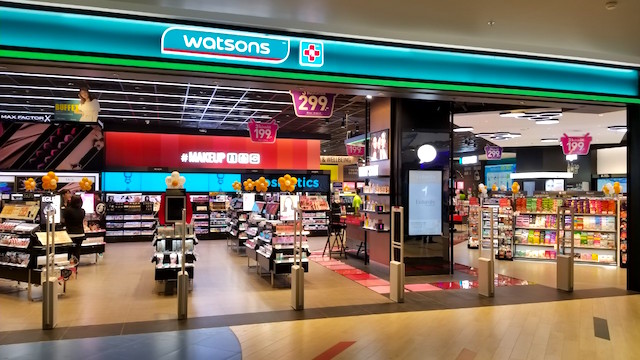
    Surging consumer demand for sustainable products has prompted Hong Kong-headquartered health & beauty retailer Watsons to aggregate more than 1600 products into a Sustainable Choices category available both in physical stores and online.

    A trial curation of sustainable products earlier this year saw sales of some products increase by 300 percent.

    “This indicates clearly that customers are looking for sustainable products, hence it’s our mission to make them available and easy to browse for,” said AS Watson CEO for Asia and Europe, Malina Ngai.

    “Many customers started to rethink their priorities due to the pandemic and they’re very much aware of the impact their choices have on the environment and society. We’ve been working closely with our strategic supplier partners to offer a wide range of Sustainable Choices products – everything from skincare to shampoo – making it easier for customers to make purchase decisions that contribute to a better world for all.”

    Brand Partners in the initiative include Beiersdorf, GlaxoSmithKline, Johnson & Johnson, Kao, L’Oreal, Procter & Gamble, Reckitt, Shiseido, and Unilever.

    The products are ranged in a dedicated Sustainable Choices section in stores and online. AS Watson told Inside Retail that the 1600+ products fit into one of four “pillars”: Clean Beauty, Refill, Better Ingredients, and Better Packaging.

    A Clean Beauty brand is recognized by Watsons for using ingredients consumers trust will protect you, with additional environmental benefits and which support the local community.

    In the refill pillar, products come with refill packs or in-store refilling stations to enable customers to keep using the original container.

    Better Ingredients means the products’ manufacturers have chosen sustainable options in paper, sourced palm oil from “responsibly managed plantations” or have reduced plastic content in non-formulated products.

    For Better Packaging, manufacturers must have chosen “better plastic” – such as recycled plastics – or a paper that has been sustainably sourced.

    AS Watson has signed up to the New Plastics Economy Global Commitment to reduce plastic waste and has taken group membership of the Roundtable on Sustainable Palm Oil to help address the environmental impact of palm oil sourcing.

    “We want to build a sustainable mindset and behavior together with our customers in their daily personal care and beauty needs. It’s the start of an exciting journey of a three-way partnership with our strategic supplier partners and our customers to make an impact,” said Ngai.

    “The initial customer response is hugely encouraging, and we’re sure our customers will love our wider range of sustainable products.”

    Meanwhile, Procter & Gamble has partnered with Watsons Hong Kong in a three-year commitment to reward customers with free gifts in return for bringing in empty personal-care plastic bottles from any brand for recycling. This program, called Plastic Reborn has already led to the recycling of 3400kg of plastic since February.

    At Watsons Thailand stores, customers can recycle PET plastic bottles at a Garnier Refun Machine, earning a free Garnier Pink Micellar Water in return.

  • Apple Pay and iPhone NFC restrictions can get Apple fined by the EU

    Apple Pay and iPhone NFC restrictions can get Apple fined by the EU

    Antitrust investigations from the European Commission on tech giants such as Apple, Google, and Facebook have been going strong in the past couple of years, and tech giants have already faced fines from the EC on some dubbed ‘anticompetitive’ behaviors.

    Fines for anticompetitive behavior with Apple Pay and NFC against Apple are being finalized. The investigation has been going on since last year when the EC antitrust regulators have focused on Apple Pay and the iPhone’s NFC chip that makes contactless payments possible and began to scrutinize the practice. What the commission started investigating, in the beginning, was whether Apple unfairly locked out other contactless payment services by restricting the use of the NFC chip inside iPhones.

    The report from the EC states that Apple will get charged for “anti-competitive practices related to its NFC chip technology”, but the exact details are still unclear. It is possible these charges could force Apple to “open up its mobile payment system to rivals”.

    The EU competition enforcer is currently drafting a statement of objections that will express the concerns. The document is expected to be sent to Apple next year.

    Apple has been opening up access to the NFC chip in iPhones in recent years; however, third-party contactless payment systems have had a hard time in comparison to Apple Pay integration with iOS, so this could have been an issue for antitrust regulators. The way that the NFC chip in an iPhone works seems to give an advantage to Apple Pay which antitrust regulators do not like. For example, when an iPhone comes near to an NFC reader, the Wallet and Apple Pay interface is immediately automatically shown, something third-party systems cannot do on the iPhone.

    Earlier this year, the European Commission concluded in another investigation (this one is a preliminary conclusion at the moment, not a final decision, so keep that in mind) that Apple is indeed in breach of anti-competitive laws. More precisely, the investigation here was about Apple Music and music streaming services, and whether Apple was favoring its own solution on iPhones and thus making it harder for third-party music streaming services to compete.

    This anti-competitive behavior was related to the high commission fees that Apple imposed on third-party apps in the App Store and that the company does not allow app developers to tell users there are other payment methods… sounds familiar? Maybe yes, as this is the same complaint game maker Epic Games had against Apple and why the popular Fortnite game is no longer to be found on the App Store, for more than a year now.

    The aforementioned preliminary conclusion does not impose any fines or regulations yet, as it is not final. The next step is for the commission to review the case with Apple.In this case, after the period of reviewing it with Apple, the commission will decide whether to proceed with formal charges. If found in breach of competition law, the EC can force Apple to change the rules of the App Store or pay a fine for past offenses, which can go up to 10% of annual revenue.

    It is not only Apple that the EC is investigating for breaching competitive laws. Under investigation are also other tech giants such as Google, and even Amazon (for anti-competitiveness in the smart home market). The EC is also investigating the voice assistants on devices from Apple, Google, and Amazon, for the same issues.

  • Singapore retail sales growth halts in August

    Singapore retail sales growth halts in August

    Singapore retail sales growth – excluding motor vehicles – remained static in August, following July’s 2-per-cent increase.

    Of the estimated $2.9 billion in retail sales (excluding vehicles), online sales accounted for 16.4 percent, a similar proportion as in July. By category, the strongest online was computer & telecommunications equipment, with 56.5 percent of turnover online rather than in-store. Online accounted for 31.5 percent of furniture & household goods sales and 14 percent of supermarkets & hypermarkets.

    In terms of overall category sales, most sectors recorded year-on-year declines in sales during August. Optical goods & books were worst affected – down by 9.6 percent – followed by department store turnover, down by 8.5 percent.  Sales through petrol service stations and of watches & jewelry rose by 23.7 percent and 7.9 percent respectively, driven by higher petrol prices and greater demand for watches, said Statistics Singapore.

    Meanwhile, sales of food & beverage services fell 6.7 percent in August compared to the 6-per-cent decline in July, due mainly to stricter dine-in restrictions this year.

  • Future Group calls it quits on 7-Eleven India plans

    Future Group calls it quits on 7-Eleven India plans

    7-Eleven Inc and Future Retail have ended their agreement to operate convenience stores in India just two years after it was signed.

    Reuters reports that the two companies arrived at a mutual decision to end the relationship, with Future Group failing to meet store rollout targets and the payment of franchise fees.

    The original deal was revealed in February 2019 and in December that year Future Group founder and CEO Kishore Biyani said the firm would concentrate on development in Mumbai only for the initial few years of business, with the first outlets launching in March 2020.

    He said the company planned to open 1000 7-Eleven stores in the city before moving out into other regions of the country after two to three years.

    However Indian news sources reported last year that the impact of the Covid-19 pandemic had delayed the implementation of the franchise agreement.

    In a statement, Future Group said the termination would have no financial or business impact on the company.

  • Yume launches click-to-donate scheme to reduce food waste

    Yume launches click-to-donate scheme to reduce food waste

    The social enterprise has developed a one-stop solution for producers to sell or donate surplus food, all on the Yume platform.

    In August, Yume CEO and founder Katy Barfield said: “No one has invested money into streamlining the end-to-end clearance process plug in, so that is what we’re doing.

    “We want to manage it from surplus right through to sale or donation. We don’t want to change what the companies are doing; we just want to make it efficient.”

    For five years, Yume CEO and founder Katy Barfield has worked with commercial food manufacturers and primarily produces to cut the amount of food waste generated by the sector.

    While the focus on finding and selling high-quality surplus food on the Yume platform has been hugely successful – to date it has prevented close to three million kilograms of food from going to waste while returning more than $8 million to Australian businesses – there has been an ongoing issue of food not sold still going to waste.

    “We saw this as an opportunity to improve the food donation initiatives already happening within large-scale food producers,” Barfield said.

    With a $165,000 Victorian Government grant through the Recycling Victoria Circular Economy Business Innovation Centre (CEBIC) in FY21 to expand the platform to enable food suppliers to seamlessly donate surplus food to food rescue organizations, the role technology could play for the social enterprise was recognised.

    Yume was part of the Victorian Government’s start-up agency Launch Vic’s CivVic Labs Program, which works with companies to utilize technology more effectively. The Atlassian Foundation volunteered time to work on the project.

    LaunchVic CEO Dr Kate Cornick said they were keen to see Yume take the next step in its journey.

    “The capital they have secured will help them refine their product offer and propel their long-term growth,” Cornick said.

    Pilot partners

    Unilever, Mars Food, and General Mills partnered with Yume to pilot the program. Unilever Food Solutions managing director Australasia Yezdi Daruwalla said: “Partnering with Yume means we have an efficient and streamlined process to donate surplus products to those in need. Since 2018, we’ve prevented 40,000 kilograms of surplus food from going to waste – this is equivalent to 79,526 kilograms of CO2 prevented from being released into the atmosphere, and 7.7m litres of water from going to waste.

    “Now with Yume’s updated platform the process is even more straightforward and just this month we sent hundreds of cartons of tea to Foodbank Victoria, with the simple click of a button,” Daruwalla said.

  • A2 Milk faces lawsuit over allegations of providing misleading forecasts

    A2 Milk faces lawsuit over allegations of providing misleading forecasts

    A2 Milk Co Ltd said on Wednesday Australian law firm Slater and Gordon has filed a class action lawsuit against the dairy firm on behalf of investors who bought its shares over a nine-month period when it issued multiple earnings downgrades.

    Shares of a2 Milk, which had plunged 62% during the nine-month period from August 2020 to May 2021, fell as much as 5.3% to NZ$6.450 following the news and were on track for their worst session in more than a month.

    The class action alleges that a2 Milk engaged in misleading or deceptive conduct in breach of the Corporations Act, and also breached continuous disclosure rules in posting four downgrades between September 2020 and May 2021, Slater and Gordon said in a statement.

    The downgrades came amid Australia’s souring ties with top trade partner China since 2018 and subsequent disruptions in the “daigou” channel, where Chinese shoppers buy products from outside China and resell it in the country. The channel accounts for a major portion of a2 Milk’s revenue.

    “There was a strong basis to allege that the company provided misleading guidance and was obliged to correct the market’s understanding of its financial position at a much earlier time,” Slater and Gordon Class Actions Practice Group Leader Kaitlin Ferris said.

    A2 Milk, which has lost nearly half its value since December, denied any liabilities and said it would “vigorously” defend the proceedings.

    The lawsuit, which was filed in the Supreme Court of Victoria, comes months after media reports concerning a potential class action by the law firm.

  • Ferrero names new local managing director

    Ferrero names new local managing director

    Confectionery company Ferrero Australia has appointed Craig Barker as its new Managing Director for the Australian and New Zealand markets.

    Mr Barker has 20 years of experience in the confectionery industry, having spent 12 years with Mars in the UK and the last 8 years with Ferrero, working across the UK and Ireland, based in Ferrero’s central headquarters in Luxembourg. He has spent the last three years based in Australia.

    “Australians have developed a strong affinity with Ferrero brands over the last 40 years and this continues to grow today,” Mr Barker said. “We look forward to further developing this relationship and ensuring that more people enjoy Ferrero products in the coming years,” he said.

    Ferrero is a global company privately owned by the Ferrero family. It was established in 1944 in Abla in northern Italy when the Company’s founder Pietro Ferrero opened a small confectionery shop during the Second World War and used local hazelnuts to create products. The Company has grown to become the leading confectionery manufacturer in Europe and one of the largest in the world. Its products include brands such as Nutella, Tic Tac, Ferrero Rocher, Kinder Surprise and Bueno.

    Ferrero expanded to Australia in 1974 and now employs more than 300 people. The Company’s commercial headquarters are located in Sydney, with its manufacturing operations based in Lithgow, west of Sydney, where Nutella and Tic Tac are produced.

    Ferrero Australia said Mr Daniele Bondi, Mr Barker’s predecessor, remains an integral part of the Ferrero Group, and has been recently announced as the Global President for Ferrero’s Nutella brand.

    “We offer our congratulations to Craig Barker and thank Daniele Bondi for his significant contribution to the growth of the Ferrero Australia business,” said Derek Lath, Corporate Communications Director Ferrero. “We wish them both well in their new professional challenges,” he said.

  • Google will enable two-step verification by default on 150 million accounts before year’s end

    Google will enable two-step verification by default on 150 million accounts before year’s end

    We are now in Cybersecurity Awareness Month as Google points out in a new blog post, and as the search giant says, “For most of us, passwords are the first line of defense for our digital lives. However, managing a set of strong passwords isn’t always convenient, which leads many people to look for shortcuts (i.e. dog’s name + birthday) or to neglect password best practices altogether, which opens them up to online risks. At Google, we protect our users with products that are secure by default – it’s how we keep more people safe online than anyone else in the world.”
    One of the best things that a smartphone user can use to protect his privacy is two-factor authentication (2FA), or as Google calls it, two-step verification (2SV). This adds another layer of security when logging in to an app. With 2FA/2SV, when entering the password to open an app you will receive a text message on your personal device with a unique one-time code that you type in to verify your identity and open the app.

    As Google points out in the blog, adding that additional layer of authentication sharply reduces the chances that a hacker can break into an account. Google says that two-step verification is “one of the most reliable ways to prevent unauthorized access to accounts and networks.” It combines something you know, such as a password, with something you have such as your phone or a security key.

    Google has made signing in using 2SV as seamless as possible by offering a prompt that requires a single tap to prove that you are who you say you are. Google states that the best way to keep its users safe is to turn on its security protections by default. As a result, it has started to automatically make its users’ accounts more secure and before the end of this year, it will auto-enroll an additional 150 million Google users in 2SV while requiring 2 million YouTube creators to enable 2SV.

    The Alphabet subsidiary admits that 2SV is not for everyone and it is working on developing technology that reduces the reliance on passwords in the long term. At the same time, the company is always seeking to improve the experience of having your identity authenticated. At this moment, Google is auto-enrolling accounts that have the “proper backup mechanisms in place to make a seamless transition to 2SV.”

    Back in 2018, Google said that only 10% of its accounts were using 2FA or 2SV. By the end of this year, that percentage will be much higher. And Google is also partnering with certain organizations to hand out over 10,000 security keys to high-risk users. Google has baked the capabilities of security keys directly into Android and offers iPhone users its Google Smart Lock app.

    Google says that every day it checks the security of 1 billion passwords to make sure that accounts are not getting hacked. This is done using the built-in password manager on Chrome, Android, and the Google app. The password manager is also available on iOS. With iOS, Chrome can autofill saved passwords when logging in to other apps thus allowing iOS users to use just one single tap to log in on a site (instead of having to remember and type in a password).

    Soon, iOS users will be able to use Chrome’s password generator on any iOS app in the same manner that Android users employ Autofill with Google. Also being rolled out is a feature that will allow users to access all of the passwords saved in the password manager from the menu of the Google app.

    If you want to turn on 2SV or 2FA on your Android device and turn on the built-in security key, you must have a phone running Android 7 or higher. From the browser of your Android phone go to myaccount.google.com/security. Under the heading of Signing into Google select two-step verification. Scroll to Set up an alternative second step and tap Add security key. Select your Android phone and then Add. A confirmation that your phone was added as a security key will be sent.

    To turn on two-factor authentication on iOS, follow these steps:

    Open Settings on your iPhone.
    Tap the Apple ID banner at the top of the display.
    Tap Password & Security.
    Tap Turn On Two-Factor Authentication.
    Tap Continue.
    Tap Continue.
    Enter your iPhone’s passcode.
    Tap Done.