Tag: asia

  • Jaguar XF Joins The Land Rover Defender In The Latest James Bond Flick No Time To Die

    Jaguar XF Joins The Land Rover Defender In The Latest James Bond Flick No Time To Die

    Jaguar Land Rover are one of the official partners for the latest James Bond flick, No Time To Die. The movie has been awaiting a release for a while but the 25th Bond film and finally hit the theatres globally including India on September 30, 2021. The movie will see actor Daniel Craig reprise his role as the MI6 agent for the last time, and joining him will be a slew of JLR cars including the Land Rover Defender as well as the Jaguar XF. In fact, it’s for the first time that the XF will feature in the 007 universe.

    Without sharing any spoilers, Jaguar tells us that the XF will be part of a thrilling chase sequence. The filming for this sequence took place in Matera in the south of Italy, with two XF saloons weaving through the narrow, twisting city streets, driving across piazzas and down cobbled steps in pursuit of the agent. It’s also a part of a few scenes shot in London.

    Chris Corbould, No Time To Die’s special effects and action vehicle supervisor, said, “The Jaguar XF was an exciting choice for this high-intensity car sequence. We always look to push the boundaries to extreme limits in our stunts, and this extends to the capabilities of the vehicles too. There is no compromise with this particular scene. There were only inches to spare in the narrow alleyways and no margin for error, the XF shows its performance and driving dynamics.”

    Anna Gallagher, Jaguar Brand Director, said, “The Jaguar XF is a car designed to tackle any journey with an unrivalled balance of luxury, comfort and refinement. Whether it’s a high-speed pursuit through twisting streets and piazzas of Southern Italy, where the car filmed it’s No Time To Die chase sequences, or the bustling streets of London – the XF really is a car for every occasion.”

    Apart from the Jaguar XF, the new Land Rover Defender will also be a part of the movie along with Triumph Motorcycles, and of course, Aston Martin cars. No Time To Die is now playing in theatres worldwide.
  • Gentle Monster opens Haus Shanghai

    Gentle Monster opens Haus Shanghai

    Luxury eyewear label Gentle Monster has unveiled the design of its first Haus concept store outside South Korea in Shanghai, the world’s largest Gentle Monster store.

    The launch of the Shanghai store follows the opening of Haus Dosan in Seoul earlier this year, opening chapter two of the Haus project. Featuring a ‘Future Retail’ theme, the four-story Haus Shanghai houses fragrance brand Tamburins’ first physical store in China and dessert brand Nudake.

    “Haus Shanghai provides more than a commercial experience,” Gentle Monster said in a statement. “By inciting emotional provocation in visitors, Haus aims to deliver an unprecedented cultural experience.”

    Gentle Monster combines retail experiences, pop-ups, and art exhibitions inside the 3270sqm retail space. Haus Shanghai’s first floor houses the Nudake store, where visitors can find a variety of artistic desserts. Gentle Monster’s signature six-legged walking robot, The Probe, is located at the centre of the floor alongside kinetic horses, “capturing Nudake’s spirit of experimentation and fantasy”. Visitors can also find various forms of collaged media art and aesthetic furniture here.

    The second floor, Gentle Monster’s largest retail space, is designed under the theme ‘Circulation’ with pliant art pieces cutting through the centre, forcing an unexpected flow of traffic inside the space.

    Meanwhile, the third floor presents a large exhibition space designed for media art exhibitions and collaboration pop-ups. At the heart of the space, a robotic face called ‘The Giant’ is located alongside sculptures and installations, depicting the theme ‘The Giant Who Arrived at the Bird Village’.

    China’s first Tamburins flagship store is situated on Haus Shanghai’s top floor, “expressing elegance and individuality through the delicate balance of spatial elements”. The space is highlighted by a wall art installation ‘Twig’ covered in tree branches, illustrating “the intersection of luxury and rawness through the combination of contrasting materials”.

  • Ikea Close to You concept opens in Hong Kong

    Ikea Close to You concept opens in Hong Kong

    Home furnishing giant Ikea has launched the world’s first Ikea Close to You concept store inside the Market Place grocer in Hong Kong’s Discovery Bay.

    Spanning more than 3000sqft, Ikea Close to You houses more than 110 home furnishing products together with 120 Swedish signature gourmets ranging from meatballs, salmon, sauces to condiments.

    According to Ikea, the new concept focuses on the digital experience, offering a number of solutions such as self-pick-up lockers that support flexible pick-up time and free shipping. The store features a 2-metre-high interactive screen ‘Digital Experience for Furnishing Inspiration’ that provides 50 home-decorating inspirations and the “Swedish Cooking Interactive Screen” which provides free cooking recipes.

    The new store was opened alongside Bread Pantry at the Market Place Discovery Bay launched last Friday (October 1). Ikea Close to You is also the retailer’s first store located inside a supermarket.

    Owned by Dairy Farm Group, which has the Hong Kong master franchise for Ikea, Market Place is a high-end supermarket chain with stores opened across Singapore, Taiwan, Hong Kong and Malaysia. The chain entered Hong Kong in 2007 under the name Market Place by Jasons.

    The launch of Market Place Discovery Bay follows the openings of Market Place at Mongkok’s Langham Place and Tuen Mun’s Gold Coast and is part of the brand’s effort to expand its presence in the territory.

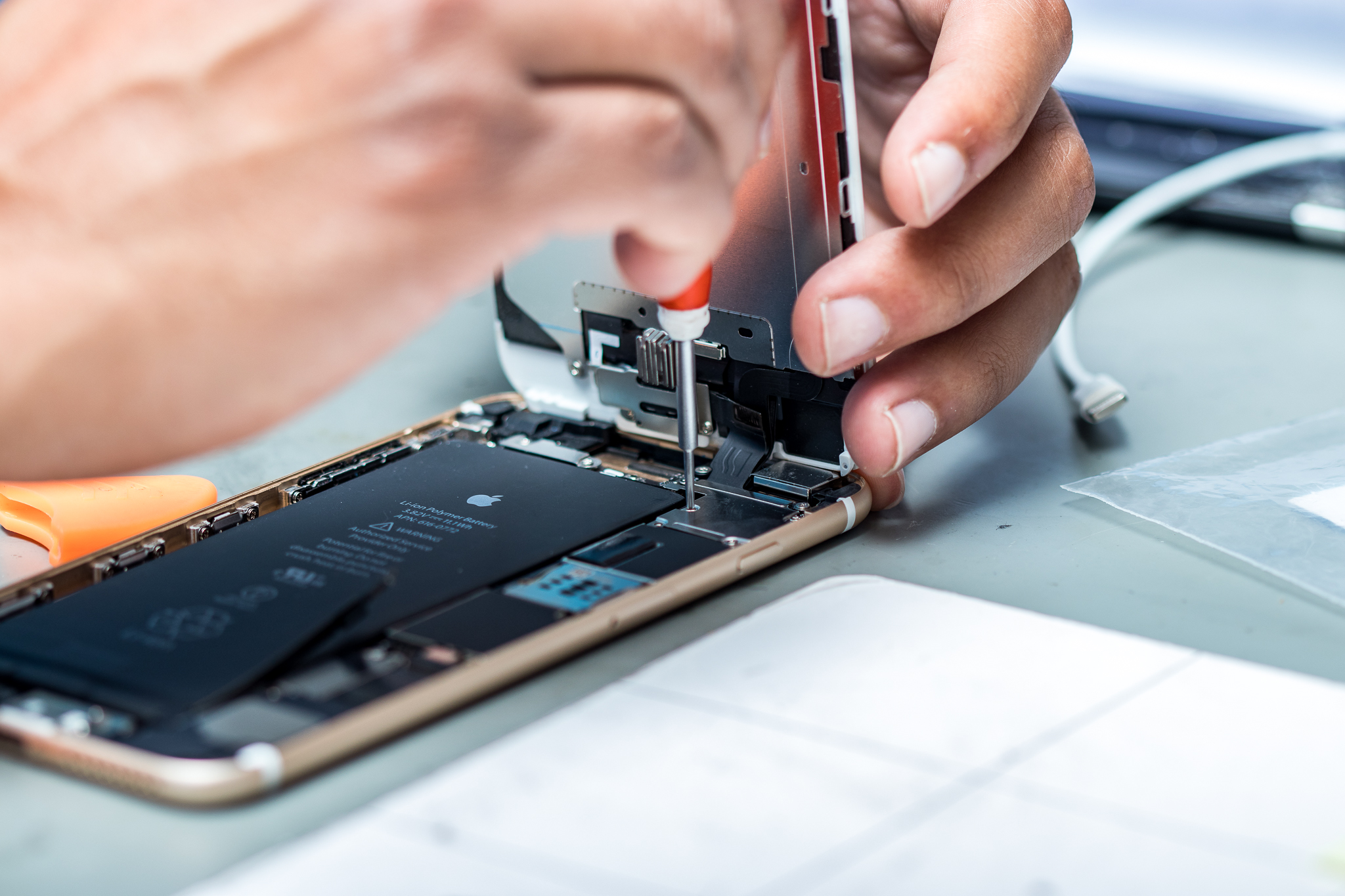
  • Global chip shortage impacts the iPhone less than the rest of the industry

    Global chip shortage impacts the iPhone less than the rest of the industry

    Counterpoint Researc has lowered its estimate of global smartphone deliveries this year. Shipments of the device were originally forecast to hit 1.45 billion units in 2021 for a 9% annual gain, but thanks to the chip shortage Counterpoint has cut its estimate for this year to 1.41 billion smartphones shipped for a 6% growth rate year-over-year. The shortage of semiconductors started to be an issue during last year’s fourth quarter and it has continued since.

    Inventories of chips held by manufacturers are now scraping the bottom of the barrels and many manufacturers have said that during the second quarter, they received only 80% of the number of components ordered. And to make matters worse, things were worse during the just-completed third quarter of the year with some firms receiving only 70% of the number of components ordered.

    Counterpoint Research claims that 90% of the smartphone industry is affected by the shortage. Even though components like the Display Driver IC (DDI), the main semiconductor used on smartphone displays, and power management integrated circuits (PMIC) have both been in short supply, advanced planning helped the smartphone industry continue to grow. Additionally, hoarding of Application Processors (AP) and camera sensors have allowed smartphone manufacturers to continue showing growth.

    The Application Processor (AP) is just a fancy term for what we usually refer to as the chipset used on a phone. For example, the AP used with the iPhone 13 series is the A15 Bionic. Counterpoint blames the shortage of AP chips on low yield rates tallied by new assembly lines churning out chips in fabrication facilities owned by the foundries. Qualcomm and Mediatek, two of the top AP vendors for the smartphone industry, rely on Samsung and TSMC respectively to build the chips Application Processors sold to phone manufacturers and low yields add to the chip shortage.

    Tom Kang, Research Director at Counterpoint Research, stated, “the semiconductor shortage seems to affect all brands in the ecosystems. Samsung, Oppo, Xiaomi have all been affected and we are lowering our forecasts. But Apple seems to be the most resilient and least affected by the AP shortage situation.” While Counterpoint didn’t explain why Apple was able to get off the hook, the answer is pretty easy to understand.

    As the largest customer of the world’s largest foundry, Apple surely gets special treatment from TSMC. It’s not just about supply. For example, starting in January, TSMC will hike its prices by 20% but Apple will see just a 3% rise in the price it pays TSMC for its chips. Apple accounts for over 20% of TSMC’s revenue, but less than 20% of its profits.

    Apple is being negatively impacted by TSMC’s announcement weeks ago stating that the 3nm process node, which was to be used to produce the A16 Bionic for next year, is too complex and will be delayed until the A17 Bionic for the iPhone 15 series. This could mean billions of fewer transistors will be packed inside the A16 Bionic resulting in a smaller improvement in performance and energy efficiency for the iPhone 14 line.

    So to reiterate, the 2022 A16 Bionic will be made using the 4nm process node and if the issues related to the complexity of the 3nm process node are ironed out in time, the A17 Bionic will possibly be the first 3nm chipset to power a smartphone.

    Apple fans are hoping that the company works on the A16 Bionic’s CPU. The CPU on the A15 Bionic showed very little improvement compared to the A14 Bionic as Apple faced an exodus of engineers from its unit that designs semiconductors.

    The transistor count on the A15 Bionic rose 27% to 15 billion compared to the 11.8 billion on the A14 Bionic, and the 8.5 billion transistors carried by the A13 Bionic. More telling was the transistor density on the A15 Bionic, which measures the number of transistors that fit inside a square mm. That metric rose to 135.14 million from 134.09 million the previous year.

    While the iPhone has avoided getting hit by the chip shortage, Apple did admit that the iPad and the Mac were hurt during the company’s fiscal third quarter which ended in June. Following the earnings report, Tim Cook told the media during the conference call that “The shortage primarily affected Mac and iPad. We had predicted the shortages to total $3 to $4 billion. But we were actually able to mitigate some of that, and we came in at the low-end part of that range.”

    Among other manufacturers that had to make adjustments due to the chip shortage, Google was forced to limit the release of its Pixel 5a mid-ranger to the U.S. and Japan. We won’t know whether Google will have to stagger the release of the Pixel 6 series until it officially announces the new line possibly later this month.

  • SES partners Softbank to deliver live sporting events into Japan

    SES partners Softbank to deliver live sporting events into Japan

    Japanese sports fans will be able to enjoy more premium sports content as SoftBank Corp. (SoftBank), a leading telecom carrier in Japan, has partnered with SES for the aggregation and delivery of live sporting events to its corporate customers, such as TV stations and video distribution companies, SES announced.

    Under the new agreement, SES, via its diverse global infrastructure of multi-orbit satellite fleets and fibre network, will aggregate content and deliver it directly to SoftBank. In providing this service, SES will use more than 300 downlink antennas located around the world, including those in its new Stockley Park facility in London, as well as its own fibre network with connections to other major fibre hubs. In addition, SES will establish a new link to SoftBank’s fibre network.

    “Whether viewed on mobile devices or broadcast TV, tennis, football, golf, and other live sports are some of our most popular content that we see a growing demand for,” said Norioki Sekiguchi, Vice President, Global Business Division at SoftBank Corp. “With its diverse global infrastructure and access to a variety of sports content, SES is in a unique position to help us deliver a wide range of sports content in very high quality to our corporate customers in Japan.”

    “We are delighted to join forces with SoftBank, the first provider we are interconnecting and partnering with in Japan, with a common goal to bring engaging content to sports fans across the country,” said Ed Cox, Vice President, Sales North America and Sports & Events at SES. “Providing content feeds solely using fibre networks is great testament to SES’s ability to adapt and leverage our hybrid distribution services in the most effective way possible to meet our partner’s needs.”

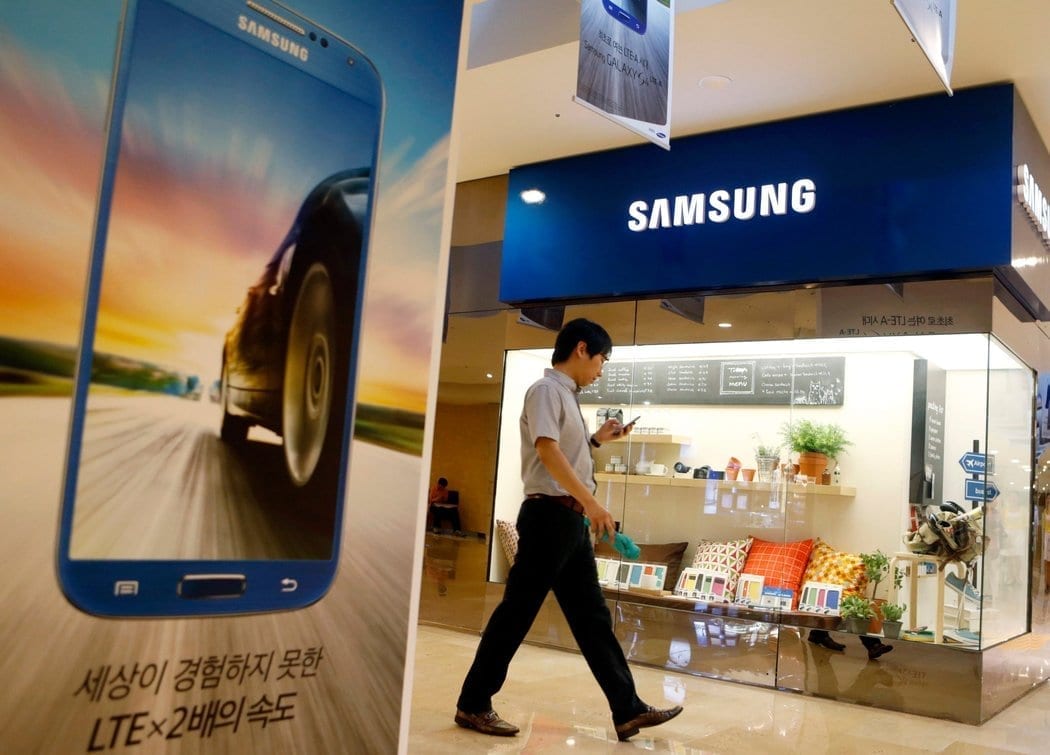
  • Samsung starts removing advertisements from its first-party apps

    Samsung starts removing advertisements from its first-party apps

    Samsung has started removing ads from its first-party apps. The company held a ‘town hall meeting’ back in August at which time we quoted Samsung’s mobile chief TM Roh who said, “We decided to delete ads from basic apps such as Weather, Samsung Pay, and Samsung Themes.” Samsung eventually released an official statement confirming the removal of the ads.

    The new versions of these apps sans advertisements were first spotted by Samsung customers in South Korea who posted the news in the company’s Community Forum. A comment from a Samsung executive announced that the ads were removed from the Health app on October 1st. The executive said, “This is the Samsung Health Operation Manager. Please note that the banner at the top of the Samsung Health app will not be provided from October 1.

    Even though Samsung has only confirmed that it was removing ads from the aforementioned first-party apps in its home country of South Korea, U.S. users have also seen ads disappear from these apps as well. Banner ads have been removed from Samsung Pay, the previously mentioned Health app (which used to show advertisements for Samsung’s line of smartwatches along with workout tips), and the Weather and Theme apps. For example, the Weather app has replaced the banner ads it used to show at the top of the screen with the temperature and forecast.

    It should be pointed out that while the banner ads are no longer seen on the Samsung Pay app, there is still a “Featured section” that includes offers. But that is in line with the app’s use as a mobile payment system. If the ads do not disappear from the first-party apps on your Samsung handset, you might need to “force stop” them to remove them from these apps.

    To force stop the app on your Samsung device, go to Settings > Apps and scroll to find the name of the app that you want to stop. Tap on the name of the app and tap on “Force stop” located in the bottom right corner. A pop-up menu will appear stating that if you stop the app, errors could occur. Tap on “OK.” Reopen the app and the ads should be gone.

    Samsung is not the only smartphone manufacture to include ads. Xiaomi and Oppo are two such companies to include them with their UI. But Samsung was hearing from customers who didn’t want to shell out $1,800 for a premium phone like the Galaxy Z Fold 3 only to feel that Samsung was trying to convince them to spend more money on their products. The removal of the ads is taking place via a server-side update which means you should not expect a new update to be sent your way OTA.

    While Samsung offers other first-party apps, the firm has yet to announce that ads will be dropped from these titles as well. Still, it would be a good look for Samsung if it were to finish the job and offer all of its own apps without ads on a global basis. Some Samsung customers also noted how cluttered first-party apps look with the ads included.

    At the time Samsung announced back in August its plan to drop the ads from the four basic first-party apps, the company said, “Our priority is to deliver innovative mobile experiences for our consumers based on their needs and wants. We value feedback from our users and continue our commitment to provide them with the best possible experience from our Galaxy products and services.”

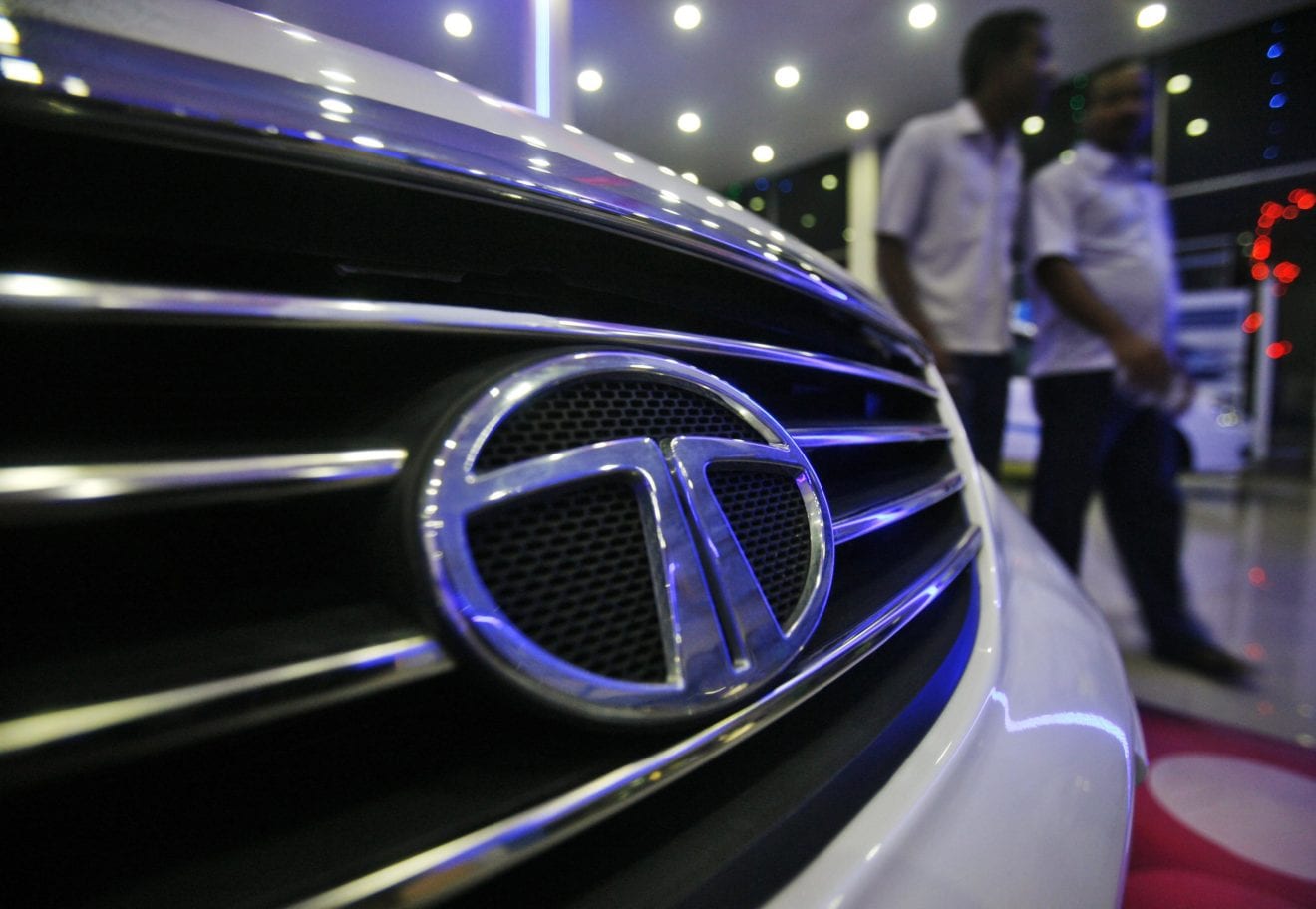
  • Tata Punch Introduces Engine, Design, Launch Expectations

    Tata Punch Introduces Engine, Design, Launch Expectations

    Tata Motors will pull the wraps off the Punch micro SUV on October 4, 2021. The Indian carmaker will begin accepting pre-bookings for the car on the same day itself. However, select Tata Motors dealers are already taking unofficial bookings for the mini SUV for a token amount ranging up to ₹ 11,000. The Indian carmaker is expected to launch the Punch in the coming weeks, probably around Diwali. It will be the first SUV to employ the ALFA-ARC (Agile Light Flexible Advanced Architecture), developed under Impact 2.0 design language. Here’s all you can expect from the Tata Punch micro SUV.

    The soon-to-be-launched Punch will be the brand’s new entry-level SUV and will be slotted below the Nexon subcompact SUV in the product lineup. The Punch stays true to the HBX concept in terms of design, as the production version has not deviated much from the concept model. The carmaker had previously confirmed that about 90 per cent of styling elements would be retained from the concept.

    The upcoming Tata Punch is likely to be offered in four trim options – Pure, Adventure, Accomplished and Creative. There will be three mono-tone and six dual-tone colour options to choose from. The mini SUV looks like a baby Safari with its aggressive front end sporting a signature split lighting design. It will come equipped with premium features like projector headlamps with LED DRLs, LED taillamps and beefy bumper, underbody and side cladding, faux roof rails and sporty alloy wheels.

    On the inside, the micro SUV will sport a minimalist dashboard with a dual-tone black and white paint scheme. Based on the previous teasers, we can say that the micro SUV will feature a Harman-sourced touchscreen infotainment system with Apple CarPlay and Android Auto. It will also get a multi-functional flat-bottom steering wheel, analog-digital instrument panel, automatic climate control, engine start-stop button, fabric upholstery, and more. The top-spec model is likely to get the iRA connected car tech.

    The Tata Punch is likely to be powered by a 1.2-litre Revotron petrol engine tuned to make 85 bhp of maximum power with a peak torque of 113 Nm. The same mill also does duty on the Tiago entry-level car and the Altroz premium hatchback. Transmission options could include a 5-speed manual as standard along with an optional AMT unit.

  • Tesla Vehicle Deliveries Hit Another Record In Q3

    Tesla Vehicle Deliveries Hit Another Record In Q3

    Tesla Inc said on Saturday it had delivered a record electric cars in the third quarter, beating Wall Street estimates after Chief Executive Elon Musk asked staff to “go super hardcore” to make a quarter-end delivery push.

    Tesla has weathered the chip crisis better than rivals, with its overall deliveries surging 20% in the July to September period from its previous record in the second quarter, marking the sixth consecutive quarter-on-quarter gains.

    In China, rising exports to Europe and the introduction of a cheaper Model Y helped boost Tesla’s production, analysts said.

    Musk said Tesla suffered an extremely severe parts shortage earlier in the third quarter and had urged employees to make quarter-end delivery push, Reuters reported last month, citing an internal company email.

    “The end-of-quarter delivery wave is unusually high this time,” he said in the email.

    Tesla delivered 241,300 vehicles globally in the July to September quarter, up 73% from a year earlier. Analysts had expected the electric-car maker to deliver 229,242 vehicles, according to Refinitiv data.

    General Motors, Honda and some of its bigger rivals posted declines in U.S. sales in the third quarter, hit by a prolonged chip shortage. GM’s third-quarter U.S. sales fell nearly 33% to its lowest level in more than a decade.

    Tesla said it delivered 232,025 of its Model 3 compact cars and Model Y sport-utility vehicles and 9,275 of its flagship Model S and Model X cars to customers in the quarter.

    Total production in the third quarter rose over 15% to 237,823 vehicles from the prior quarter.

    Gary Black, portfolio manager at the Future Fund and a Tesla bull, said that Tesla’s deliveries were driven by record deliveries in China, which was “putting to rest any notion China demand is slowing.”

    Tesla faces scrutiny from both regulators and the public and growing competition from local rivals.

    Tesla has not released its September China sales yet, and in August, its Shanghai factory exported more than two thirds of its vehicles to Europe and Asian countries.

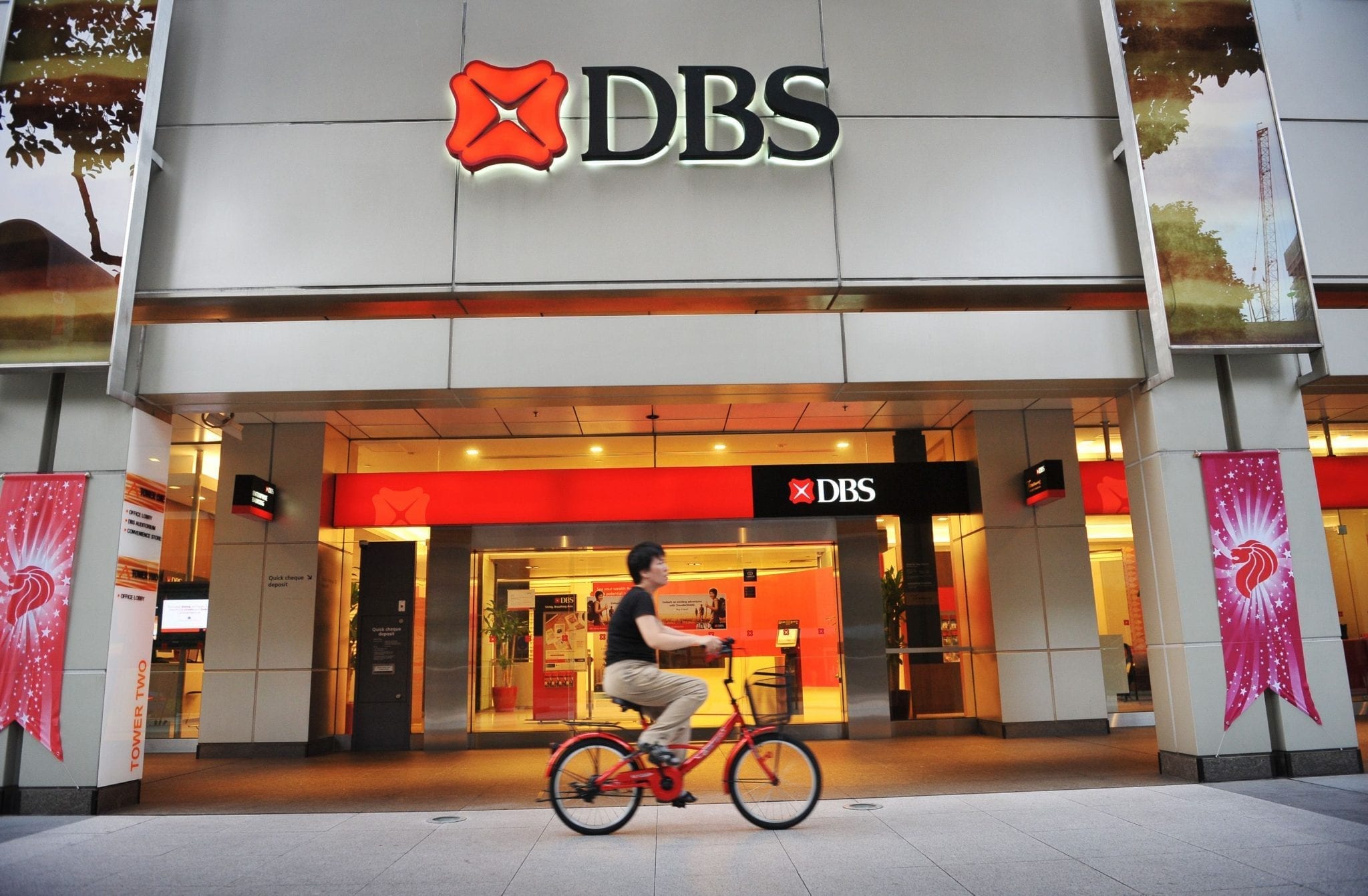
  • DBS Vickers Wins Crypto License

    DBS Vickers Wins Crypto License

    The brokerage arm of Singapore lender DBS will be able to provide asset managers and institutional investors access to products and solutions offered by the DBS Digital Exchange (DDEx).

    DBS Vickers has received formal approval from the Monetary Authority of Singapore (MAS) to provide digital payment token services as a Major Payment Institution, DBS announced on Friday.

    DBSV is now in a better position to support institutional and corporate investors in tapping into the growing potential of digital assets as an investment class, Eng-Kwok Seat Moey, DBS head of capital markets and chair of DDEx, said in the announcement.

    Launched in December 2020, DDEx has good demand from clients, including corporate and institutional investors, accredited individuals, and family offices, DBS said.

    The bank expects to double the number of participants on DDEx to 1,000 and to grow its base by 20-30 percent annually for the next three years as investments in digital tokens gain greater acceptance.

    We believe that DBSV’s licence, coupled with recent enhancements to DDEx such as round the-clock operations since August, could add to DDEx’s volumes in the coming months and accelerate growth momentum for DBS’ digital asset ecosystem, Eng said.

  • Youfoodz launches high-protein spinoff brand: Fuel’d

    Youfoodz launches high-protein spinoff brand: Fuel’d

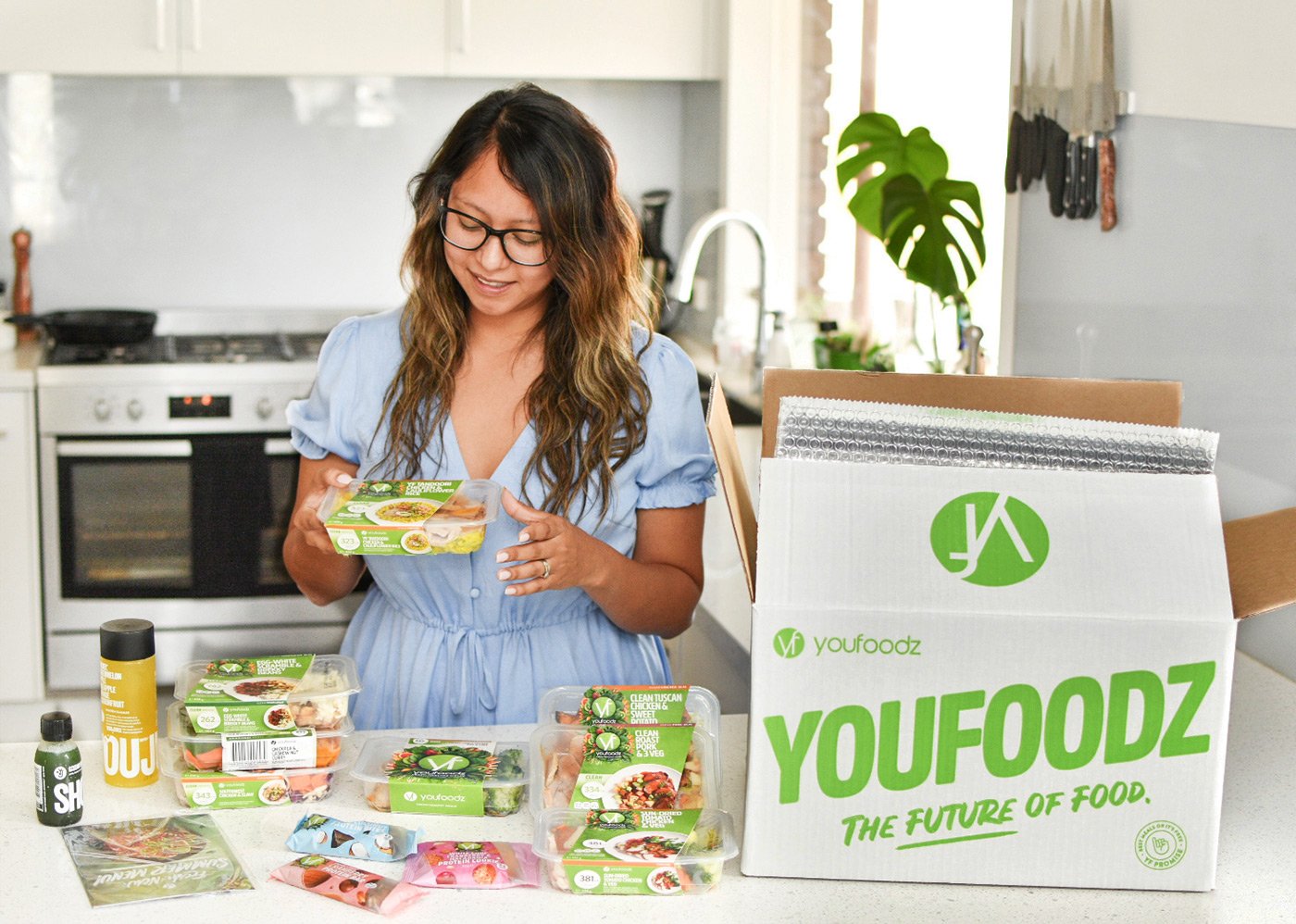
    Ready-made food provider Youfoodz has today launched a new high-protein meal range under the sub-brand FUEL’D.

    The range, aimed at male buyers looking for larger portion sizes and higher protein levels, is available now across the P&C channel as well as supermarkets and will see a shift in packaging featuring a darker design skewed towards the male market.

    To appeal to this demographic, Youfoodz partnered with F1 driver Daniel Ricciardo.

    Lance Giles, Youfoodz founder and CEO said: “Getting to have Daniel Ricciardo join the Youfoodz family is a genuine privilege. It’s not every day you get to work with a world class athlete like Dan. We’re all big fans and can’t wait to see what the future holds for him and us.”

    The Australia and New Zealand market for ready-made meals is forecast to be worth $3.5 billion by 2022.

    The new FUEL’D range contains 14 different ready-made meals and retail for $10.95.

  • Hong Kong retail sales rise again as consumption vouchers kick in Hong Kong

    Hong Kong retail sales rise again as consumption vouchers kick in Hong Kong

    Hong Kong’s retail sales climbed for the seventh straight month in August, helped by a stabilising Covid-19 situation, an improved labour market and economic recovery and thanks to a boost from a consumption voucher scheme (CVS).

    Retail sales in August rose 11.9 per cent from a year earlier to HK$28.6 billion (US$3.67 billion), government data showed on Thursday. August’s increase compared with a revised 2.8 per cent growth in July.

    “The CVS should continue to bode well for local consumption sentiment in the rest of the year,” a government spokesman said, referring to electronic vouchers given to certain consumers to spend in shops.

    In volume terms, retail sales in August grew 10.6 per cent from a year earlier compared with a revised 0.7 per cent surge the previous month.

    For the first eight months of 2021, total retail sales increased 8.1% in value terms and rose 6.8 per cent in volume.

    Online retail sales in August jumped 16.5 per cent in value year-on-year compared with a revised growth of 28.8 per cent in July.

    Sales of jewellery, watches, clocks and valuable gifts, which before the pandemic relied heavily on tourists from the mainland, climbed 28% in August versus a revised 26.3 per cent surge in July, the data showed.

    Clothing, footwear and allied products rose 40.1 per cent in August against a revised 30.9 per cent growth in July.

    Tourist arrivals in August soared 143 per cent from a year earlier to 10,811 after three straight months of decline. That compared with a 57.9 per cent drop in July.

    “Keeping the epidemic under control remains pivotal to a full-fledged recovery of the retail sector and the overall economy,” the spokesman said, adding it was essential to strive towards more widespread coronavirus vaccinations.

    The city’s economy grew 7.6 per cent in the second quarter from a Covid-induced slump a year earlier and the government upgraded its growth forecast for 2021 to 5.5 per cent-6.5 per cent from 3.5 per cent-5.5 per cent.

    Seasonally adjusted unemployment rate slipped to 4.7 per cent in the June-August quarter, the lowest since January-March period in 2020.

  • Vietnam unemployment rate peaks since Covid onset

    Vietnam unemployment rate peaks since Covid onset

    Vietnam’s unemployment rate rose to 3.72 percent in Q3, the highest since early 2020 when the novel coronavirus was first detected in the country.

    The rate was calculated among the working-age population, defined as those aged 15-60 for men and 15-55 for women, according to the General Statistics Office (GSO).

    Vietnam had around 49.2 million workers aged 15 or more in Q3, down 1.9 million against Q2, and down 2.1 million against the same period last year.

    The unemployment rate in the first nine months of this year stood at 2.91 percent.

    The complicated Covid-19 situations significantly affected people’s lives in the first nine months of this year, the GSO said in a report.

    As of September 21, social security relief of nearly VND13.8 trillion ($600 million) was provided to roughly 17.6 million people. This included VND11.4 trillion spent in 23 cities and provinces hardest hit by the pandemic. Over VND5.446 trillion was spent on more than 4.8 million people in HCMC alone.

    More than 136,349 tons of rice from national reserves was distributed among more than 2.4 million households with nearly 9.1 million members.

    By the end of 2020, Vietnam had a population of 97.58 million, with 36.8 percent living in urban areas and the rest in rural areas. The unemployment rate among its working-age population last year was 2.48 percent.

  • Colosseum kits and plastic flowers help Lego’s earnings double

    Colosseum kits and plastic flowers help Lego’s earnings double

    Toymaker Lego doubled its earnings in the first six months of the year as customers flocked to its reopened stores to buy Star Wars building sets, model Colosseums and flower bouquets made from its colourful plastic bricks.

    While parts of the global retail industry are still reeling from the pandemic and related supply chain issues, Lego says it has benefited from its decade-old strategy of placing production close to its key markets, cutting logistical issues and costs.

    “It has made us somewhat more resilient, since we have nt had to send everything around the world urgently,” Chief Executive Niels B. Christiansen told Reuters, adding that Lego has five large factories covering Asia, Europe and the Americas.

    The family-owned company saw a surge in its online sales during the pandemic but reiterated on Tuesday it would continue to bet on physical stores to attract new customers.

    “If anyone doubted whether stores would still have relevance on the other side of Covid-19, we have simply seen both traffic and revenue come back into stores,” Christiansen said.

    Lego said it had outpaced the toy industry in all major markets during the first six months of 2021 as production was uninterrupted by Covid-19 restrictions and most of its physical stores reopened.

    Based in Billund, Denmark, Lego expects to open 174 new stores around the world this year, reaching 851 stores in total. Last year, Lego opened 134 new stores. In the first half of this year it opened 60 new outlets.

    Popular building sets in the first half of the year were Lego Star Wars and the advanced Lego Creator Expert sets, which include flower bouquets and a model of Rome’s Colosseum. They have become popular among adults stuck at home during lockdown periods.

    Lego also opened a new flagship store in Manhattan, New York City in June where customers are able to interact with Lego products, both physically and digitally, such as designing new Lego figures or creating a Lego model of one’s face.

    The new store format will be introduced to around 60 stores this year.

    “It’s less about selling products, more about showing the entire Lego universe to consumers,” Christiansen said.

    Despite facing rising costs for freight and raw materials, Lego more than doubled its operating profit in the first six months of this year to 8 billion Danish crowns ($1.26 billion) compared to the same period last year.

    Revenue grew 46 per cent to 23 billion crowns and online sales across all platforms grew 50 per cent compared to the same period last year, Lego said. It did not give a figure for online sales or their proportion of total sales.

  • Alibaba apps start offering WeChat Pay option after government order

    Alibaba apps start offering WeChat Pay option after government order

    China’s Alibaba Group Holding Ltd has begun offering payment services from Tencent Holdings Ltd’s WeChat on a number of its apps, after the government ordered major tech firms to stop blocking each other’s services and links.

    Local tech blog 36Kr reported on Tuesday that users of Alibaba’s food delivery app Ele.me, luxury goods app Kaola and e-book app Shuqi can now purchase goods via WeChat Pay, one of China’s most popular online payment options.

    Alibaba’s used-goods marketplace app Xianyu and supermarket app Freshippo have also applied for WeChat Pay integration, the tech blog said.

    Alibaba confirmed the contents of the report to Reuters. Previously, the main way users could make payments on those apps was via Alipay, from Alibaba’s financial affiliate Ant Group.

    Earlier this month, the Ministry of Industry and Information Technology said it had asked internet companies to end a long-standing practice of blocking each other’s links and services on their sites. Such practices prevented app users from seamlessly jumping to services between rival companies.

    Days later, Tencent’s WeChat messaging app started allowing users to access links to rival platforms. Previously, it had not allowed users to click on links sent via chat to, for instance, product listings from Alibaba’s Taobao marketplace.

    The changes come as authorities continue to tighten regulation in the internet sector.

    In April, antitrust regulators fined Alibaba a record $2.75 billion for anti-competitive behaviour.

  • UBS Partners With Robeco

    UBS Partners With Robeco

    Over the past years there has been some back and forth between UBS and Robeco. Now the two have joined forces to launch a sustainability fund.

    The investment company Robeco has launched a global engagement equities fund in partnership with UBS’ global wealth management, according to a statement Thursday. UBS will remain an exclusive partner for the next six months and aims to invest $1.5 billion.

    The fund has the sustainable investment objective to drive a clear and measurable improvement in a company’s contribution to the United Nations Sustainable Development Goals (SDGs) over three to five years, the statement says.

    Michiel Plakman is the fund’s lead portfolio manager, supported by Daniela da Costa, Peter van der Werf, Giacomo Moroni and Jan Anton van Zanten at Robeco.

    Robeco is no stranger to UBS: The Swiss bank’s chief sustainability officer Michael Baldinger, was previously CEO of Robeco. Last year UBS teamed up with Zug-based asset management giant Partners Group, on a private market offering for wealthy clients.