Tag: asia

  • Philippines Targets Ex-Wirecard COO

    Philippines Targets Ex-Wirecard COO

    The Wirecard scandal continues to unravel as authorities in the Philippines file criminal complaints against its former chief operating officers and others.

    The Philippine’s National Bureau of Investigation (NBI) filed criminal complaints against individuals involved in the Wirecard scandal over accused violation of banking, cybercrime and e-commerce laws, according to a report citing a text message from Justice Minister Menardo Guevarra.

    NBI recommended charge against ex-Wirecard COO Jan Marsalek, Manila-based lawyer Mark Tolentino, Joey Dela Cruz Arellano, Judith Singayan Pe, and other unnamed individuals, according to a separate statement from the prosecutor general’s office.

    If found guilty, the charged individual could face up to 12 years of imprisonment and a maximum fine of around $42,000.

    Wirecard continues to face the aftermath of a scandal involving 1.9 billion euros ($2.3 billion) of missing funds despite documents that allege its previous existence and witness by auditor EY.

    Tolentino’s law firm was used by Wirecard to open foreign currency bank accounts with BDO Unibank and Bank of the Philippine Islands (BPI) – the two banks that the German firm claimed held the now missing funds.

    Arellano is being accused of issuing forged documents confirming that Wirecard held cash at BPI and receiving payments for the task by Pe and other unnamed individuals.

  • China Bans Crypto-Linked Social Media Accounts

    China Bans Crypto-Linked Social Media Accounts

    China’s crypto crackdown continues to ramp up as it banned several influential social media accounts focused on crypto-related content over the weekend.

    At least a dozen popular Weibo accounts featuring content about cryptocurrencies have been suspended or shut down over claimed violation of the Chinese social media platform’s relevant laws and regulations.

    This follows the announcement by Chinese authorities last month to intensify their crackdown on Bitcoin mining and trading behavior.

    The latest social media crackdown is not a first for China which made previously similar moves to ban influential crypto-related accounts.

    In 2019, Weibo banned the social media accounts of Binance co-founder Yi He and Tron founder Justin Sun.

  • Coles trialling BYO container scheme in Melbourne this week

    Coles trialling BYO container scheme in Melbourne this week

    This week Coles Group is looking to trial a bring-your-own container scheme at its supermarket in Fitzroy, Melbourne, which will allow customers to fill up on shampoo, coffee, and soaps in a more environmentally sound way.

    The announcement, which will see customers able to use their own containers for select ‘scoop and weigh’ products, came ahead of June 4th’s World Environment Day.

    “To achieve our goal of being Australia’s most trusted retailer and creating long-term shareholder value, you can’t do that if you’re not going to be sustainable,” Coles’ chief sustainability, property and export officer Thinnus Keeve said.

    “We’re under no illusions we’ll need to work together to achieve some of these targets, we cannot do it ourselves.”

    And, according to Keeve, the trial is part of its larger push to reduce the number of plastics it uses company-wide – which saw the company sign on as a founding member of Australia, New Zealand and Pacific Islands Plastic Pact, and investigating the benefits of a local plastics recycling facility in Victoria.

    The facility could recycle old soft plastics into oils that can be used to produce new soft plastics.

    “We are committed to innovating when it comes to packaging so that where we can’t eliminate packaging and plastic, we are ensuring it’s contributing to the circular economy by being produced with recycled content where possible, as well as being recyclable,” Keeve said.

  • Subscription service Beer Cartel to sell shares to public

    Subscription service Beer Cartel to sell shares to public

    Craft beer retailer, Beer Cartel, is gearing up for an initial public offering in Australia, allowing customers to own a stake in the business.

    The alcohol delivery business aims to raise $1.5 million through equity crowdfunding with Birchal to fund its growth and improve its logistics, website and offer.

    Founded in 2009 by Geoff Huens and Richard Kelsey, Beer Cartel currently offers over 1000 craft beers from breweries worldwide. With 20-30 new beers being added weekly, many exclusive to its website and Sydney store.

    “While buying shares in Beer Cartel will probably give you bragging rights to your mates, our 100,000 loyal customers and 12 years of successful online retailing prove we mean business,” said Kelsey.

    “As a part-owner of the country’s biggest craft beer bottle shop, not only will you be able to share in our success – you’ll also be given excellent perks. Imagine having personal access to an Aladdin’s Cave of craft beers from all over the world, at special ‘investor prices’,” he added.

    The business is expecting a huge interest after it recorded a 75 percent increase in revenue over the past year during Covid. Sales were not just limited to its range of craft beers; it also saw an increase in its mixed craft beer packs and monthly beer subscription.

    Huens said that while Covid put pressure on the company last year, the uptick in sales allowed it to employ hospitality workers who lost their jobs because of the pandemic.

    “It was also very satisfying to support craft breweries that were taking a massive financial hit because so many hospitality venues were closed or had severe capacity limits put in place. Our success had a flow-on effect to many families and small businesses around Australia,” he added.

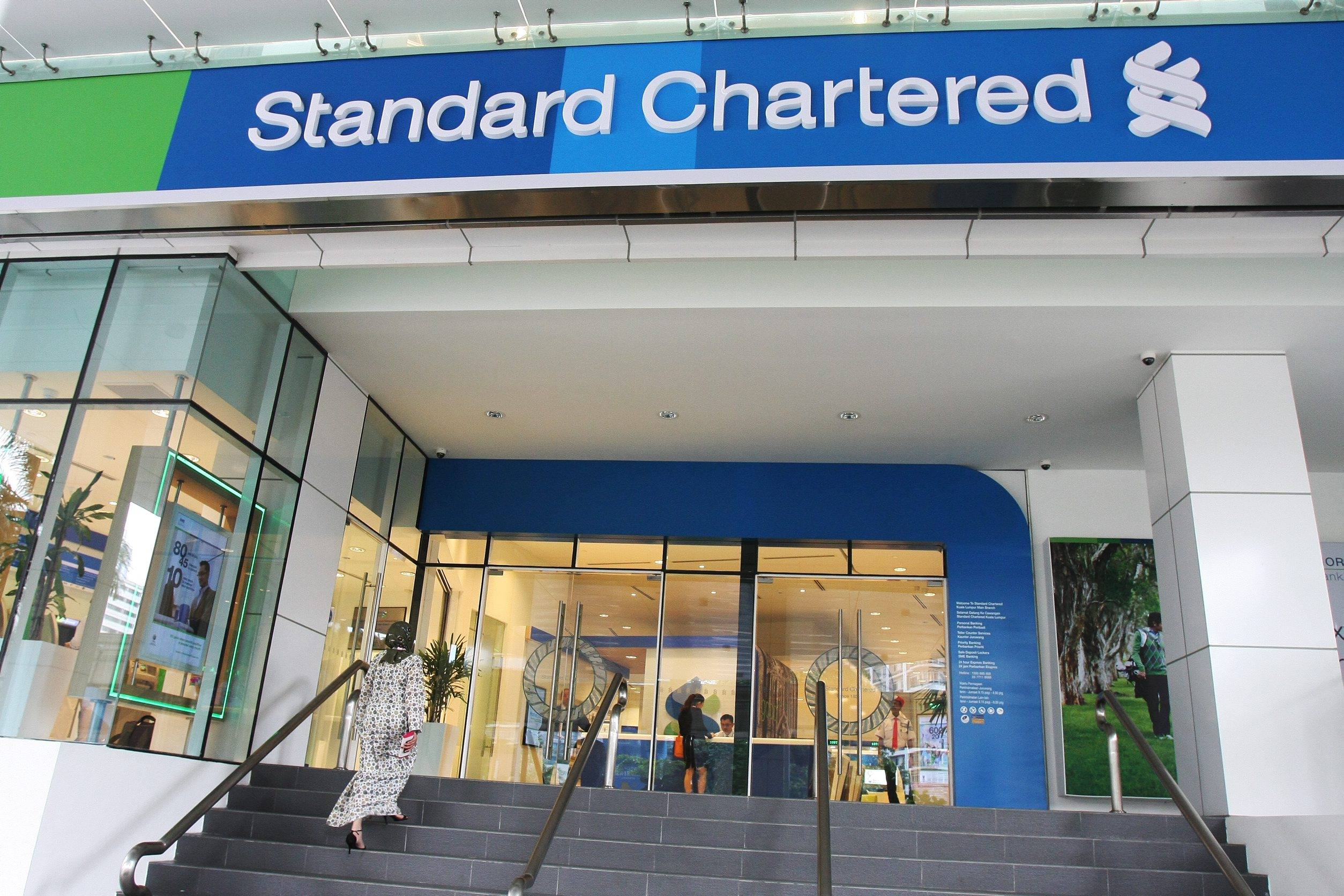
  • StanChart Keeps Affluent Clients Engaged Amid Border Closures

    StanChart Keeps Affluent Clients Engaged Amid Border Closures

    The bank is deploying digital functionalities to keep clients stay engaged with relationship managers and investment advisors while travel is halted.

    Since April, almost half of its affluent clients have been using the bank’s My RM app, with significant usage from International Banking clients, Standard Chartered said.

    Embedded within its online and mobile banking platforms, My RM allows file sharing, screen sharing, and audio call functions, so clients can interact with their relationship managers directly, schedule appointments, and authorise investment transactions securely anywhere.

    With over 30 percent of the bank’s affluent clients in Singapore being international, having the right channels to stay in contact with clients is crucial, especially during these times, the bank said in an announcement on Friday.

    International Banking is a growing business for Standard Chartered with assets under management growing 30 percent over the past year, despite headwinds, according to the bank.

    To cater to this growth and tap on Singapore’s reputation as an international wealth hub, Standard Chartered plans to double its relationship managers and double its International Banking business in the next five years.

  • HSBC Splits Top APAC Role

    HSBC Splits Top APAC Role

    The bank’s headquarters in Central will be open to all employees from Monday, as the fourth wave of Covid-19 infections ease in the territory.

    Staff will be able to return to their desks subject to seating capacity plans in individual departments, citing an internal memo seen by the newspaper.

    Businesses and functions are encouraged to determine appropriate in-office and remote working ratios for their teams based on new ways of working,» the memo said. Staff who choose to work from home for personal or family reasons will be allowed to do so.

    The bank’s headquarters have been closed since March, after several staff working there tested positive for Covid-19.

    The British lender has embraced flexible working, and recently changed its human resources guidelines to allow home-based remote working for as many as four days a week.

    In Singapore, where the bank employs some 3,300 staff, its Future of Work plans are underpinned by ensuring customer focus; flexibility for how, when, and where employees work; and ensuring that its offices are designed and used to build collaboration and networks.

    Statements issued by multiple global banks in Hong Kong have indicated gradual resumption towards normal operations after months of tightened social distancing measures.

    HSBC is among financial sector firms that have joined the city’s push for wider adoption of vaccination. The bank is offering Hong Kong-based employees one day off per dose of vaccine received – a benefit entitled to even previously vaccinated staff.

    In May, Hong Kong authorities said senior executives of financial firms in the city apply for exemptions from the compulsory quarantine arrangements when they return or travel to Hong Kong.

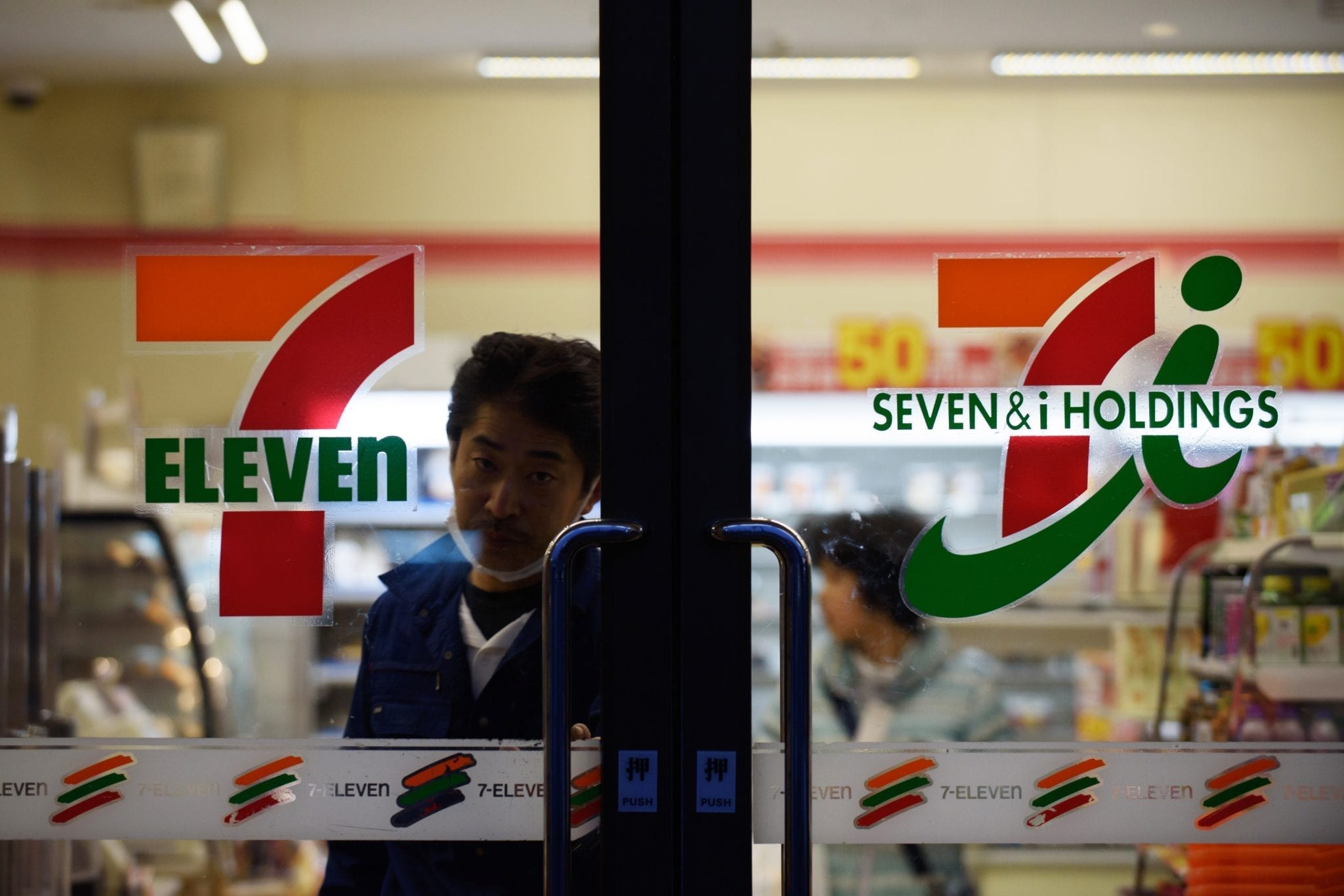
  • CP All to roll out 700 more 7-Eleven stores in Thailand

    CP All to roll out 700 more 7-Eleven stores in Thailand

    CP All Plc, the operator of 7-Eleven convenience stores, plans to spend 11.5-12 billion baht this year to expand its business.

    Kriengchai Boonboapichart, the company’s chief financial officer, said 4-4.1 billion baht of total spending is for investment in new projects, subsidiaries and distribution centres, 3.8-4 billion is slated for store expansion, 2.4-2.5 billion is for store renovations, and the remaining 1.3-1.4 billion is for fixed assets and IT systems.

    The company plans to open 700 new convenience stores this year, on par with last year.

    Some 155 new 7-Eleven stores were opened in the first quarter this year.

    “We will continue to open new stores, but with a more cautious approach. There are many uncertainties, so we will select locations that can build revenue and have real demand from customers,” Mr Kriengchai said.

    “Moreover, each location has to possess the capability to support our O2O [online-to-offline] retailing strategies.”

    CP All operated 12,587 branches of 7-Eleven at the end of the first quarter this year.

    Of the total, 6,771 stores belong to business partners and 5,816 stores were owned by CP All.

    Moreover, 85% of the stores were standalone with 15% located in PTT petrol stations.

    CP All reported total revenue of 547 billion baht in 2020, down 4.3% from the previous year, with a net profit of 16.1 billion, a decrease of 27.9%.

    In the first quarter this year, the company’s total revenue dropped by 8.5% year-on-year to 133 billion baht, with a net profit of 2.59 billion, a fall of 54%.

    The decrease in revenue was largely attributed to outbreaks of the pandemic, resulting in a slow recovery of domestic consumption, decreased consumer purchasing power and a lack of tourism.

    Footfall per store per day in the first quarter this year declined to 845, down from 949 in 2020 and a peak of 1,187 before the Covid-19 outbreak.

    The decrease is mainly a consequence of the first wave of the outbreak, followed by a new wave in late 2020.

    The government announced measures to control the pandemic, resulting in a decrease in economic activities.

    The slow recovery of the tourism industry and domestic consumption has also hurt prospects.

    Furthermore, customer lifestyles are shifting to shopping online.

    The company continues to implement O2O retail strategies, such as 7-Eleven Delivery, All Online and 24Shopping to satisfy customer demand.

    CP All aims to provide prompt access to various consumer products, including at 7-Eleven stores, with delivery and pick-up service at branches seeing a good response, said Mr Kriengchai.

  • Miniso is growing at a speed of one new store a day

    Miniso is growing at a speed of one new store a day

    Miniso, a leading lifestyle product retailer, has opened 364 brick-and-mortar stores globally in the last 12 months, an average pace of one per day – bucking pandemic retail trends.

    The latest was the mid-May new store opening in the cultural hub and university city of Lille, France. It is the country’s third MINISO location, and the 10th opening in Europe this month alone– indicative of both the retailer’s accelerated global expansion and its buildout into smaller cities.

    Fueled by a boom in toy sales and e-commerce in its home market of China, MINISO is looking to replicate and localize these successes overseas.

    “Online business had been accelerated by the pandemic and will be one of the priorities for the future development of MINISO,” said Robin Liu, Chief Marketing Officer and head of e-commerce at MINISO. “In addition to the existing collaborations with all major e-commerce platforms, MINISO is also digitalizing in other ways.”

    Liu pointed to MINISO’s use of social apps to keep closer contact with customers, implementing an advanced membership system, stationing vending machines, and planning to have more shopping live streams in and outside of mainland China.

    “By implementing these digital retail technologies, we are making shopping at MINISO more convenient and with less physical contact required,” said Liu.

    MINISO’s total revenue for Q3 2021 reached US$340.3 million, representing a year-over-year increase of nearly 37%, as posted in the brand’s unaudited financial results for the third quarter of fiscal year 2021, which ended on March 31, 2021. Net profit was US$22.7 million, representing an increase of 77% from the previous quarter – beating Wall Street analysts’ estimates and setting a new high for MINISO since the outbreak of COVID-19.

    The revenue contribution from online channels, including e-commerce and O2O (online to offline) sales, exceeded 10% for the first time this quarter, reflective of MINISO’s continued efforts to further develop its omnichannel marketing. The retailer’s e-commerce business contributed around US$26.1 million in revenue, increasing 86% year-over-year, with a revenue contribution of 7.7%. The O2O business contributed nearly US$10.7 million in revenue, accounting for 3.1% of total sales.

    The toy category became another new growth engine for MINISO. Toy sales in the China market nearly doubled (189%) compared to last year, and the brand is to duplicate that success in overseas markets.

    In response to the strong market demand, MINISO launched its first independent sub-brand called TOP TOY to serve the higher-end collectibles and art toy markets. Since its debut in latest December 2020, TOP TOY has launched over 2,000 products ranging from US$9 to upwards of a thousand dollars, geared for children to adults. TOP TOY is angling to become a leader in China’s booming toy market, and has opened 25 stores in the last five months – breaking its own sales record in each Chinese market in which it opens.

    TOP TOY is poised to make its international debut in the second half of 2021.

    Since the pandemic hit, MINISO has opened 364 stores in the past 12 months – at a pace of nearly one store per day – contributing to its total of 4,587 stores in China and across 94 overseas markets, according to the retailer’s Q3 earnings report.

    MINISO has performed strongest in China, a market that has rebounded rapidly from COVID-19 implications. In a nod to the retailer’s expansion strategy, notably, nearly 70% of MINISO ‘s new stores were opened in Tier 3 and Tier 4 cities in China. MINISO’s domestic business rebounded strongly in Q3, with a physical store and online e-commerce revenue exploding 69% and 86% respectively, compared to the same quarter in 2020.

    Similarly, MINISO continues to explore smaller international markets.

    “We will continue to make efforts in overseas markets, not only to further develop new markets and existing markets, but also to further localize,” said Vincent Huang, MINISO’s Vice President of International Business.

  • Lamborghini Huracan Evo RWD Spyder India Launch Date Revealed

    Lamborghini Huracan Evo RWD Spyder India Launch Date Revealed

    The Lamborghini Huracan Evo RWD Spyder went on sale globally last year and is all set to hit our market on June 8, 2021. The car is powered by the same 5.2 litre V10 motor from the coupe version. It’s also the same engine that powers the regular Huracan but Lamborghini has upgraded the engine with bits like titanium valves, revised intake, and lighter exhaust. This enables the car to churn out a whopping 602 bhp and 560 Nm of peak torque although it is about 28 bhp and 40 Nm lesser than the AWD version. The engine comes mated to a seven-speed dual-clutch transmission then sends power to the rear wheels.

    Despite power and torque figures being almost identical to the RWD Coupe, the Spyder is marginally slower taking 3.5 seconds to clock triple-digit speeds, which is 0.2 seconds slower than the RWD Coupe. Then, it can clock a top speed of 324 kmph while the coupe does 325 kmph for the coupe, which is a minor difference. The Huracan also gets Lamborghini’s Aerodinamica Lamborghini Attiva, a new active aerodynamic tech allowing the car to switch between maximum downforce and low drag setups by adjusting flaps at the front and rear. This helps the car to create maximum vertical downforce. Lamborghini also says that it has specially tuned the car’s Performance Traction Control System for potent torque delivery and traction to maintain maximum agility even around corners. The carmaker claims that dynamic performance will be identical to that of the RWD Coupe.

    Now speaking about its looks, the RWD Spyder gets similar updates we already saw the RWD Coupe which also bagged our sports car of the year award. It gets a new front splitter, bespoke rear diffuser, and a new rear bumper. Compared to the RWD Coupe, the Spyder is about 120 kg heavier due to the structural updates and the mechanism for the folding soft-top roof. It takes 17 seconds to operate the roof and at speeds of up to 50 kmph. The car also sports a rear windscreen that can be raised and lowered individually.

  • Qualcomm’s true Snapdragon 888 sequel is already shaping up as a huge upgrade

    Qualcomm’s true Snapdragon 888 sequel is already shaping up as a huge upgrade

    Smartphone processors don’t typically get the same kind of attention that, well, actual mobile devices do ahead of their official announcements, but while it’s still early to know for sure how the industry will look in 2022, a number of recent rumors and a vague AMD confirmation seem to suggest some big breakthroughs might be right around the corner.

    To fend off Samsung’s high-quality graphics-focused Exynos 2200 chip and whatever A-series monsters Apple has in the pipeline after revolutionizing tablet power with the M1 iPad Pro, Qualcomm is apparently working on a “next-gen premium” SoC carrying model number SM8450.

    Right off the bat, we should mention this thing is different from the oft-rumored and recently benchmarked Snapdragon 888 Plus, aka SM8350+, which is widely expected to follow in the footsteps of the regular SM8350 (better known as the Snapdragon 888) with relatively modest performance gains by the end of 2021.

    Likely to see daylight inside 2022’s first wave of Android flagships, the SM8450 could bring way more than your routine yearly upgrades in CPU and GPU muscle to the table. If the latest information shared by Evan Blass on Twitter proves reliable (which is almost always the case), the unnamed next-gen Snapdragon powerhouse will combine ARM Cortex v9-based Kryo 780 CPU cores with an Adreno 730 graphics processing unit.

    While these types of monikers can certainly be misleading (just think of the Snapdragon 888, which isn’t that much more impressive than the 865), the Adreno 730 name gives us hope for something truly game-changing. We’re talking something a lot better than the Adreno 660-integrating Snapdragon 888, which came after the Adreno 650-packing Snapdragon 865.

    The last jump of a similar magnitude came when the Snapdragon 845 chipset replaced the 835’s Adreno 540 with a 630 model, also upgrading the Kryo 280 CPU cores to 385. The Kryo-replacing branding scheme has actually stayed consistent ever since, so the impending jump from Kryo 680 to 780 may not signal anything groundbreaking… at least at first glance.

    Unsurprisingly, the SM8450 is tipped to come with many other changes and improvements as well, including a key switch from a super-advanced 5nm fabrication process to… even more advanced 4nm technology and a leap from a built-in X60 to an integrated X65 5G modem.

    The rest of the specifications and capabilities seemingly leaked today are just as promising, from the Spectra 680 image signal processor (up from a Spectra 580 on the Snapdragon 888) to an Adreno 665 video processing unit, Adreno 1195 display processing unit, and support for up to 1GHz mmWave downlink and 400MHz Sub-6 D.

    That’s… a lot of numbers you may not know what to make of, and of course, we don’t really know either how they’ll translate into real-world performance. But because we don’t believe in coincidences, it sure looks like Qualcomm is preparing something big on the mobile graphics front to keep the newly formed alliance between Samsung and AMD at bay.

    Previous rumors suggested 2022’s Snapdragon 888 successor will be manufactured by TSMC instead of Samsung, by the way, but something tells us the world’s largest smartphone vendor can’t afford to completely break up with Qualcomm yet.

    Like the vast majority of the overall best phones available in 2021, the Galaxy Note 20 and S21 families still use Snapdragon processors rather than their Exynos counterparts (in some regions), and we fully expect that to be the case for next year’s Galaxy S22 lineup as well.

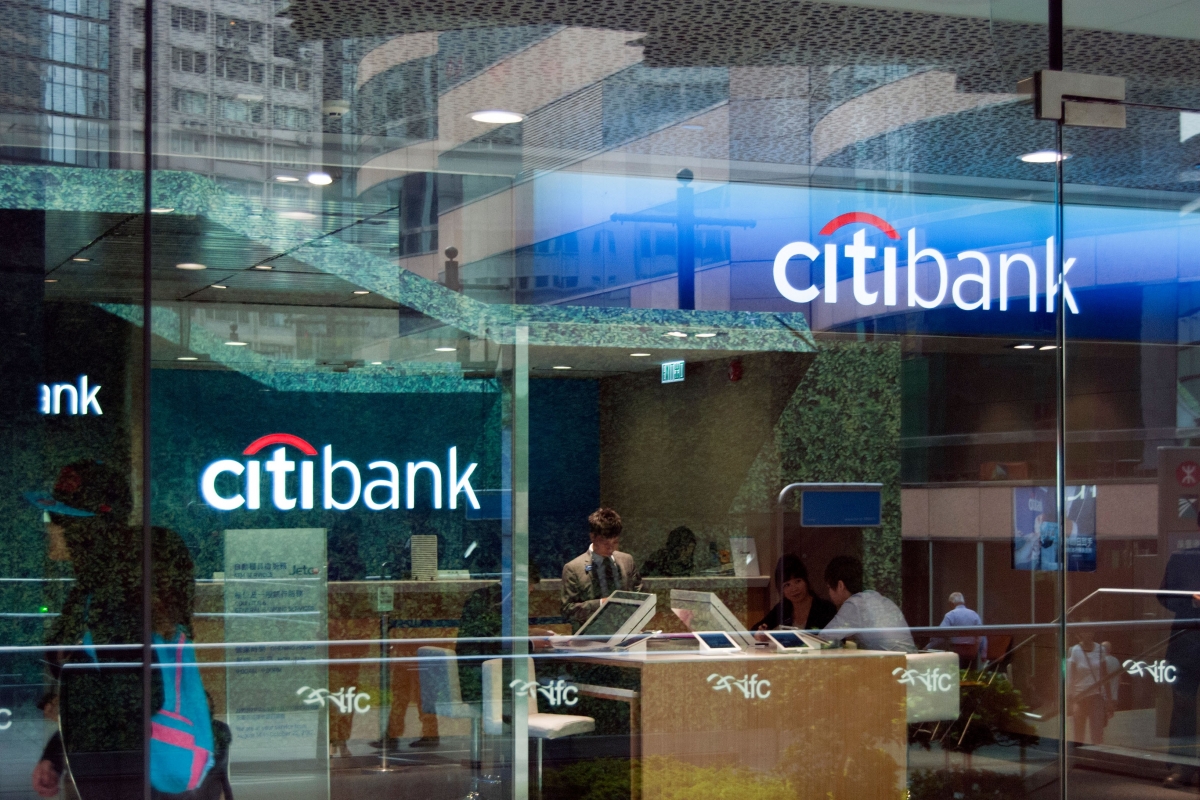
  • Citi Boosts Wealth Ambitions With Family Office Hire

    Citi Boosts Wealth Ambitions With Family Office Hire

    The wealth planning specialist catering to ultra high net-worth individuals began her career 16 years ago as a wealth management associate at Citi.

    Faye Ong, previously head wealth planning for South Asia at Union Bancaire Privee, has rejoined the bank as head of the family office advisory, private capital group, according to a LinkedIn post on Wednesday.

    Citi has been investing in growing its offerings for family offices, which have proliferated in Singapore in recent years, that reported the news, noted.

    A bank spokesperson confirmed the hire.

    Citi has placed its bets on four wealth hubs, which includes Singapore, as it consolidates its operations globally.

    Citi has previously stated its intentions to double its wealth management market share in Singapore from the current 5 percent, and triple the number of clients by 2025. To achieve this, it is looking to hire over 330 relationship managers.

  • Industry ministry seeks Covid vaccination priority for retail workers

    Industry ministry seeks Covid vaccination priority for retail workers

    The Ministry of Industry and Trade wants employees at retailers selling essential goods to be prioritized for Covid-19 vaccination, saying they face a high risk of infection.

    It has made the proposal to the Government following demands from large retail chains and the Association of Vietnam Retailers.

    It said workers at supermarkets, convenience stores, traditional markets, and grocery stores come in contact with large numbers of customers on a daily basis. Vaccinating them would also ensure supply chains of essential goods are not disrupted.

    It also urged the Ministry of Health to assist retail businesses with sourcing vaccines and immunizing their workers.

    Some retailers have said they will pay for the vaccines.

    Enterprises in some other sectors like textile and garment, footwear, fisheries, and electronics have also called for prioritizing their workers since most work in industrial zones and face great risk.

    Le Tien Truong, chairman of the Vietnam National Textile and Garment Group (Vinatex), said delayed deliveries could result in contract cancellations and penalties running into billions of dollars, and so textile and garment workers should be prioritized for vaccination, especially in pandemic-hit areas like Bac Ninh and Bac Giang Provinces, HCMC and Hanoi.

    “Vinatex is willing to pay for the vaccines.” He said it is prepared to spend VND100-200 billion ($4.3-8.6 million) for the vaccinations.

    The Private Economic Development Research Board has recommended that the government should allow enterprises to directly buy vaccines from suppliers for their employees.

    Vietnam has had 5,008 Covid cases as of Friday morning in 37 cities and provinces since the new wave began on April 27.

  • Pandemic Accelerating Shift to Cashless Society By 4 Years

    Pandemic Accelerating Shift to Cashless Society By 4 Years

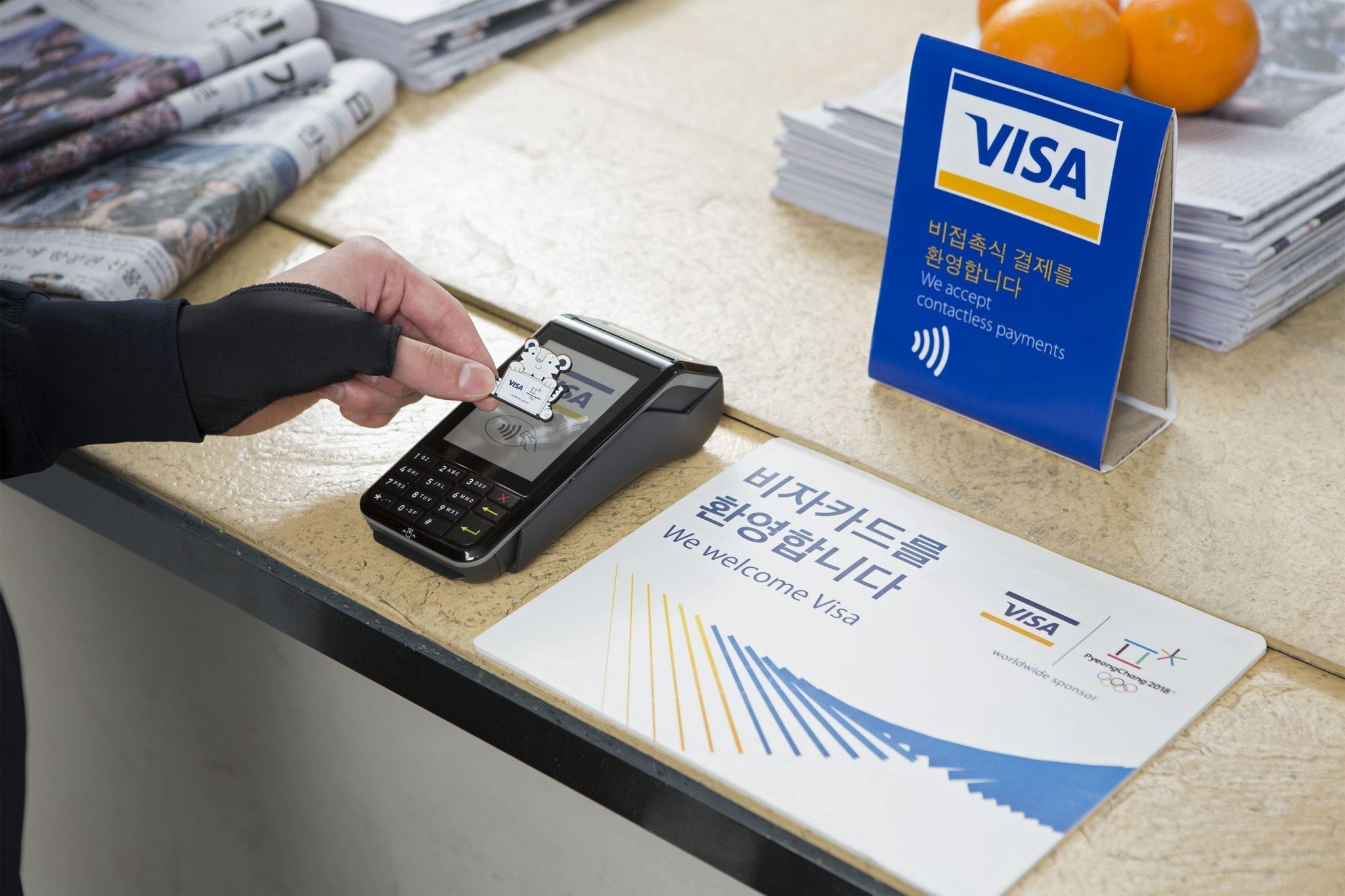
    A new study by the payments giant reveals the growing popularity of digital payment methods such as online wallets, mobile contactless payments and QR code payments among Singaporeans.

    The ongoing Covid-19 pandemic is hastening the demise of cash-based transactions in the city-state by at least four years, Visa said in its Consumer Payment Attitudes Study, published Thursday.

    The survey shows a preference among Singapore consumers for contactless card payments (31 percent), followed by online card payments (23 percent). Visa said that more than 9 in 10 transactions of its transactions by Singapore consumers are contactless – one of the highest in the world.

    Fewer than one in five Singaporean consumers (15 percent) prefer using cash, the survey revealed, noting that its use has fallen by 45 percent for public transport transactions and 42 percent for health and fitness-related transactions. Overall, more than one-third of Singaporean consumers who prefer using cash (35 percent) used this payment method less frequently.

    According to the survey, Singaporean consumers have shown receptiveness to emerging payment trends, including installment payments (87 percent) and real-time bill payments (80 percent).

    The stickiness of new digital payment habits formed during the pandemic cannot be underestimated… With cash usage decreasing, we believe there is a significant opportunity to encourage more usage of digital payments in the country, Kunal Chatterjee, Visa country manager for Singapore and Brunei, said in a statement.

  • Criminals spread malware by getting Android users to install fake versions of popular apps

    Criminals spread malware by getting Android users to install fake versions of popular apps

    Cybersecurity firm Bitdefender points out that one of the things that separate the Google Play Store from the App Store is also a problem for Android users. While both Apple and Google collect as much as a 30% cut of in-app revenue that is run through their respective in-app payment platforms, iOS users are forced to make their in-app purchases through Apple since Apple prevents developers from offering an alternative payment platform.

    Epic offered its customers an alternative payment platform, violating Apple’s rules. This is why Epic’s big hit game Fortnite was kicked out of the App Store.

    Unlike App Store customers, Android users are technically not forced to make in-app purchases through Google. That’s because the Play Store is not a walled garden like the App Store is and Google allows Android users to sideload apps from a third-party app store. However, by tricking Android users to use such third-party app stores, criminals are persuading Android users to install apps that most likely haven’t been properly vetted leading to the spread of malware.

    Bitdefender cites two new banker trojan malware programs called TeaBot and Flubot that help trick Android users into installing what they think are legitimate apps from popular and well-known brands but turn out to be malware-infested. Bitdefender recently found five new malicious Android apps that contain the TeaBot trojan and imitate legitimate Android apps that are popular with at least one app having been installed over 50 million times.

    The cybersecurity firm discovered that the infected TeaBot apps use fake Ad Blocker apps to distribute malware. The fake apps ask permission to display over other apps, show notifications, and install apps outside of the Play Store. Once these apps are installed, their icons are hidden.

    Make no mistake about it, TeaBot has the potential to do some serious damage including “overlay attacks via Android Accessibility Services, intercept messages, perform various keylogging activities, steal Google Authentication codes, and even take full remote control of Android devices.”

    While TeaBot is dropped by an app pretending to be an ad blocker, Flubot is spread through SMS spam and according to Bitdefender, “It steals banking, contact, SMS and other types of private data from infected devices while sporting an arsenal of other commands available, including the ability to send an SMS with content provided by the CnC.”

    Flubot imitates shipping apps like DHL Express Mobile with over 1 million installs from the Google Play Store, Fedex with over 5 million Android installations, and Correos with over 500,000 downloads.

    There is actually a way to protect yourself from having this malware infect your phone. Bitdefender suggests that you never, ever sideload apps on your device, In other words, stick to the App Store and the Google Play Store when installing apps for your iOS and Android devices respectively. Also, you should never tap on links in messages, and “always be mindful of your Android apps’ permissions.”

    The fake apps containing the TeaBot payload are designed to look like the real thing although some of them have small changes in their label name and icon. For example, the real version of streaming television app Pluto TV has a label that reads “Pluto TV-it’s free TV.” The fake and infected version of the app has no space between Pluto and TV and reads “PlutoTV.”

    Nearly 93% of the fake apps trying to distribute TeaBot come from an app called MediaPlayer that tries to imitate one of the most popular titles in the Google Play Store, VLC. The latter is a “free and open source cross-platform multimedia player” with over 100 million installations. Note the big difference in the icon between the clean and infected versions of the app.

    79.5% of Teabot malware has been discovered in Spain with 11.18% disseminated in Italy and 4.6% distributed in the Netherlands.

  • Newbies continue to flock to stock market

    Newbies continue to flock to stock market

    The number of new stock trading accounts opened by retail investors in May topped 113,670, a new monthly record, according to the Vietnam Securities Depository.

    May was the third month in a row in which more than 100,000 accounts were opened. There were 3.2 million retail accounts and nearly 12,000 belonging to organizations.

    The invasion of the market by new investors took the total trading value on the Ho Chi Minh Stock Exchange (HoSE), Hanoi Stock Exchange, and Unlisted Public Companies Market to over VND531 trillion ($23 billion) in May.

    HoSE accounted for VND448.5 trillion, a 19 percent increase from the previous month.

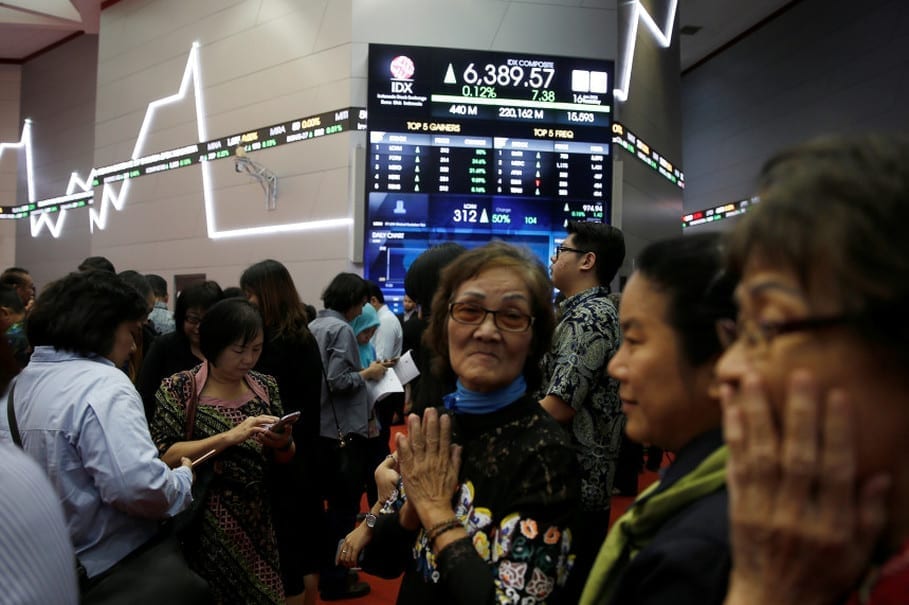
    The boom has created pressure on the HoSE trading board, which had to shut down for the first time ever on Tuesday after the morning session as a surge in transactions threatened to overwhelm it.