Tag: asia

  • Apple updates AirTags to fix major privacy issues

    Apple updates AirTags to fix major privacy issues

    Apple announced earlier today that an important update is rolling out to its new AirTags, which is meant to address privacy concerns raised by many users soon after the gadget’s market launch.

    It’s enough to slip an AirTag into someone’s backpack and you’ll be able to track the person for as long as it carries it. The privacy issue doesn’t affect iPhone users, since they will be notified if a stranger’s AirTag is moving with them for a certain period of time (usually several hours).

    Until now, Android users would only be notified after three days if they would be stalked/tracked by someone with the help of an AirTag. Thankfully, Apple announced that it’s now rolling out an update that addresses this privacy issue.

    Following up on our commitment to continue to improve AirTag’s privacy and security, starting today we will be updating the time period after which an AirTag that is separated from its owner will play a sound when moved. This time period is changing from three days to a random time between 8 and 24 hours.

    Obviously, Apple is referring to Android users who will now be notified if any AirTags are moving with them for up to 24 hours. In addition to the new update, Apple confirmed that an Android app that will be able to detect AirTags will be released soon.

  • UBS’ Insourcing Revolution Shakes Cognizant

    UBS’ Insourcing Revolution Shakes Cognizant

    Outsourcing giant Cognizant has had to let dozens of staff in Switzerland go as UBS continues its policy under CEO Ralph Hamers of bringing entire IT departments back in-house. Both the major Swiss banks, UBS and Credit Suisse are long-standing Cognizant customers. UBS used to pay Cognizant up to $330 million a year for IT services and business process outsourcing. Credit Suisse spends around $220 million a year with Cognizant Services, $100 million of it in Switzerland.

    The major IT consultancy and outsourcing companies make immense amounts of money from the financial sector, and U.S.-based Cognizant, one of the sector’s top companies globally, has sales of $5.6 billion to the finance sector, a good third of its total turnover.

    However, the relationship between UBS and Cognizant has been turning frosty in recent years, and in Switzerland there has been a falling out. UBS last year elected not to renew a service contract, with effect from the end of April. This meant that at a stroke Cognizant lost half of its business with UBS – around $60 million worth.

    As a result, Cognizant faced making 70 to 80 consultants working for UBS redundant. The company had had up to 200 staff under contract to UBS. The bank took on around a third of them and another third were taken on by other IT services companies such as Epam and Infosys.

    Neither Cognizant nor UBS would comment on the termination of the contract.

    Two separate said there were two reasons for UBS dropping Cognizant. In May 2020 the U.S. company was the victim of a ransomware attack that wrecked its efforts to provide IT services from home offices.

    UBS then canceled its global contract for several years of IT services early, with effect from the end of April this year, on security concerns. The second reason is UBS’s tendency over the last few years to take IT services back in-house.

    In 2018, the bank unilaterally canceled its long-standing partnership with Cognizant in India. UBS sold its «India Service Center» with around 200 staff to Cognizant in 2009 and at the same time signed a contract for several years of services, which was first of all not extended and then canceled entirely.

    Competition between outsourcing vendors is extremely fierce and the pressure on prices is enormous. UBS constantly beat Cognizant and other IT service providers down on price.

    Mike Dargan, who became UBS’s chief information officer in 2016, reversed the bank’s strategy of outsourcing. The massive acceleration in innovation and digitalization in the financial sector forced Dargan to the conclusion that IT development and services should be dealt with by in-house departments in order to keep up.

    Chris Gelvin, a UBS veteran who has been head of group operations since 2018 and was in January this year also appointed chief transformation officer, is responsible for implementing this strategy.

    In the meantime, Dargan has risen within the ranks of top management to become COO as well as chief digital and information officer. The step-by-step ending of the vendor contracts and the in-housing strategy are completely in line with Hamers’ thinking.

  • Deloitte Hands Over 1MDB Settlement to Malaysia

    Deloitte Hands Over 1MDB Settlement to Malaysia

    The latest chapter of the Malaysian government’s asset recovery efforts follows effective settlements recently achieved.

    The Malaysian government has received a remittance from Deloitte totaling RM336 million ($80 million) in relation to 1Malaysia Development (1MDB) matters, the country’s finance ministry said on Thursday.

    The auditor, the first to face penalties related to the scandal-ridden fund, was fined in 2019 for breaches related to a bond issuance by 1MDB.

    To date, the country has received RM16.386 billion of seized and repatriated 1MDB funds into its Trust Account, which is used primarily to repay and service 1MDB and subsidiary SRC’s remaining debts, the statement said.

    It is currently awaiting RM2.83 billion from local lender Ambank, and is currently in settlement negotiations with another auditor, KPMG.

    Last month, the Malaysian government filed civil suits against multiple domestic and global entities including J.P. Morgan, Deutsche Bank and Coutts, with the aim of recovering about RM96.6 billion ($23 billion) that the government says are linked to the fund.

  • HSBC Names Top Investment Banker in Hong Kong

    HSBC Names Top Investment Banker in Hong Kong

    The bank has landed a permanent replacement for Peter Enns, its former co-head of advisory and investment banking and advisory.

    HSBC is hiring veteran banker Matthew Ginsburg as global co-head of its advisory and investment banking business, based in Hong Kong, according to a report on Friday, citing people familiar with the matter

    Ginsburg, who was most recently Asia Pacific chairman for Fitch Ratings, is no stranger to the region, having been based in Hong Kong since 1992. He spent stints at Morgan Stanley and Barclays, where he led the British lender’s investment banking expansion across the region.

    Ginsburg will work closely with co-head Adam Bagshaw in the role. Enns relocated with HSBC to Hong Kong in 2020, but left soon after for Chubb, where he is chief financial officer.

  • Etsy to buy fashion reseller Depop in push for younger consumers

    Etsy to buy fashion reseller Depop in push for younger consumers

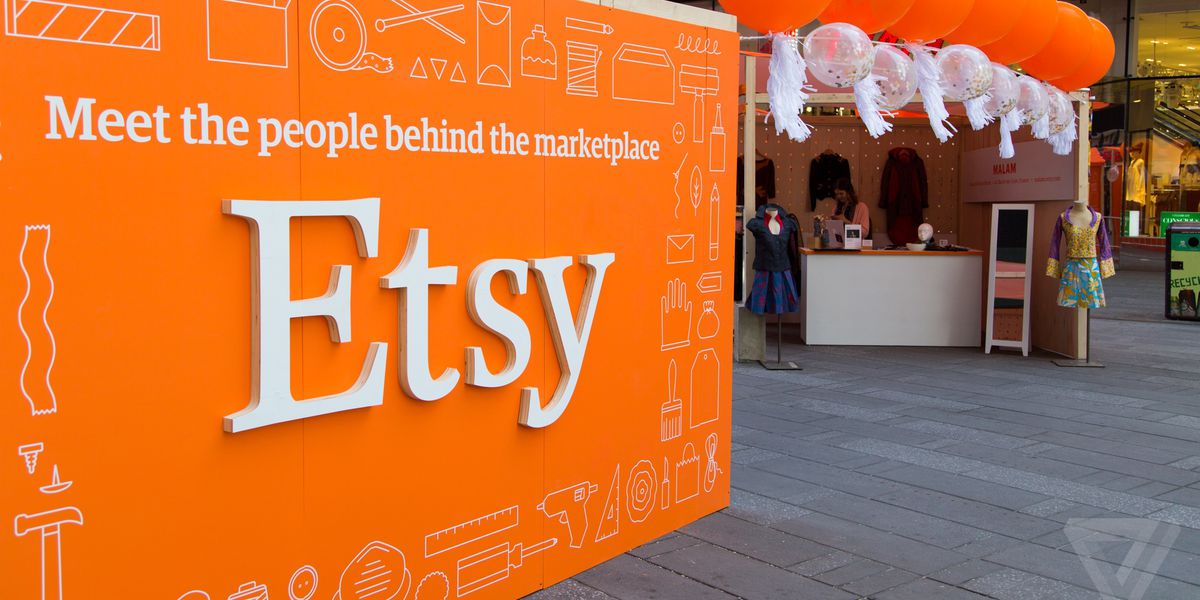
    Etsy said on Wednesday it would buy Generation-Z focused fashion resale company Depop for $1.63 billion, seeking to attract younger shoppers and bolster its position in a booming market in vintage or used clothing.

    After a pandemic-driven surge in sales over the last year, Etsy, among the world’s best-known e-commerce platforms for handmade goods and vintage items, estimates the U.S. second-hand clothing market alone will be worth $64 billion by 2024.

    Chief Executive Officer Josh Silverman said he saw Depop as “the resale home for Gen-Z consumers” and believed there was significant potential to scale up its business as he seeks to offset consumers’ return to the more traditional malls and retail stores over the next year.

    “This (Gen-Z) is an enormous demographic and it’s the trendsetter demographic,” he told analysts on a call to discuss the deal.

    London-based Depop, founded a decade ago by entrepreneur Simon Beckerman for readers of his magazine to purchase featured items, is known for its vintage and street-wear collections and has over 26 million users across more than 147 countries.

    About 90% of its users are under the age of 26 and it is the 10th most visited shopping site among Gen-Z consumers in the United States, according to the company.

    The resale boom has prompted companies including Gap Inc and Vera Bradley to partner with sector players Poshmark and ThredUp.

    Silverman expects Depop to increase Etsy’s footprint in apparel, a growing category as people return to work and school. In 2020, Etsy recorded about $1 billion in apparel gross merchandise sales and its overall revenue doubled.

    Neil Saunders, managing director at retail research firm GlobalData, said the deal should give Etsy a new growth avenue as it comes down from a pandemic-led high.

  • The Body Shop is going full vegan

    The Body Shop is going full vegan

    British cosmetics retailer The Body Shop recently announced that it will solely manufacture and sell vegan products by the year 2023. The beauty company has championed its vegetarian and cruelty-free range of products for years, but finally, the brand decided to go 100 percent vegan. It revealed that its company line will be certified by The Vegan Society, ensuring that its entire formulation portfolio will be completely vegan.

    The Body Shop already offers a large number of vegan products. Even though nearly half of the company’s products are fully vegan, some contain honey, shellac, lanolin, and beeswax, all derived from animals and insects. The company has said before that it plans to move away from animal-derived products, promising to phase out the products that use ingredients such as honey and beeswax. Earlier in 2021, the company’s renowned “White Musk came out with a redesigned vegan recipe, bottled in a recycled container.

    “Our delicious to go 100 vegan is the natural next step for The Body Shop,” The Body Shop’s global brand director Lionel Thoreau told Global Cosmetics News. “Vegan beauty is a critical next step in our sustainability and environmental endeavors. This, along with our global refill and in-store recycling programs makes The Body Shop a destination for ethically-minded customers.”

    Beyond its shift to veganism, the company plans to enhance its recyclable materials and facilities. The chain announced that it wants to establish refill stations for its products later this year. The company wants to begin with 500 stores and then continue with 300 more in 2022. The recycling plan will allow customers to reuse the bottles that they buy from the bottle shop, minimizing the company’s waste footprint. The Body Shop claims that its full range of products will be fully recyclable by 2025, while currently 68 percent of its products come packaged in recyclable containers.

    Founded by Dame Anita Roddick in 1976, The Body Shop launched itself into the beauty and cosmetics industry as one of the few brands that highlighted vegan and cruelty-free products. At the time, the cosmetics industry rarely paid attention to sustainability and animal testing, making consumers unaware of the dangers of the products. The Body Shop, however, jumped into the industry to challenge the market’s status quo. Now decades later, several big cosmetics companies have shifted their policies regarding animal testing. The company’s move to go completely vegan will potentially impact the market further as more companies begin to realize a growing consumer concern regarding sustainability and ethical practices.

  • Omotesando Koffee to open first Philippines cafe in Manila

    Omotesando Koffee to open first Philippines cafe in Manila

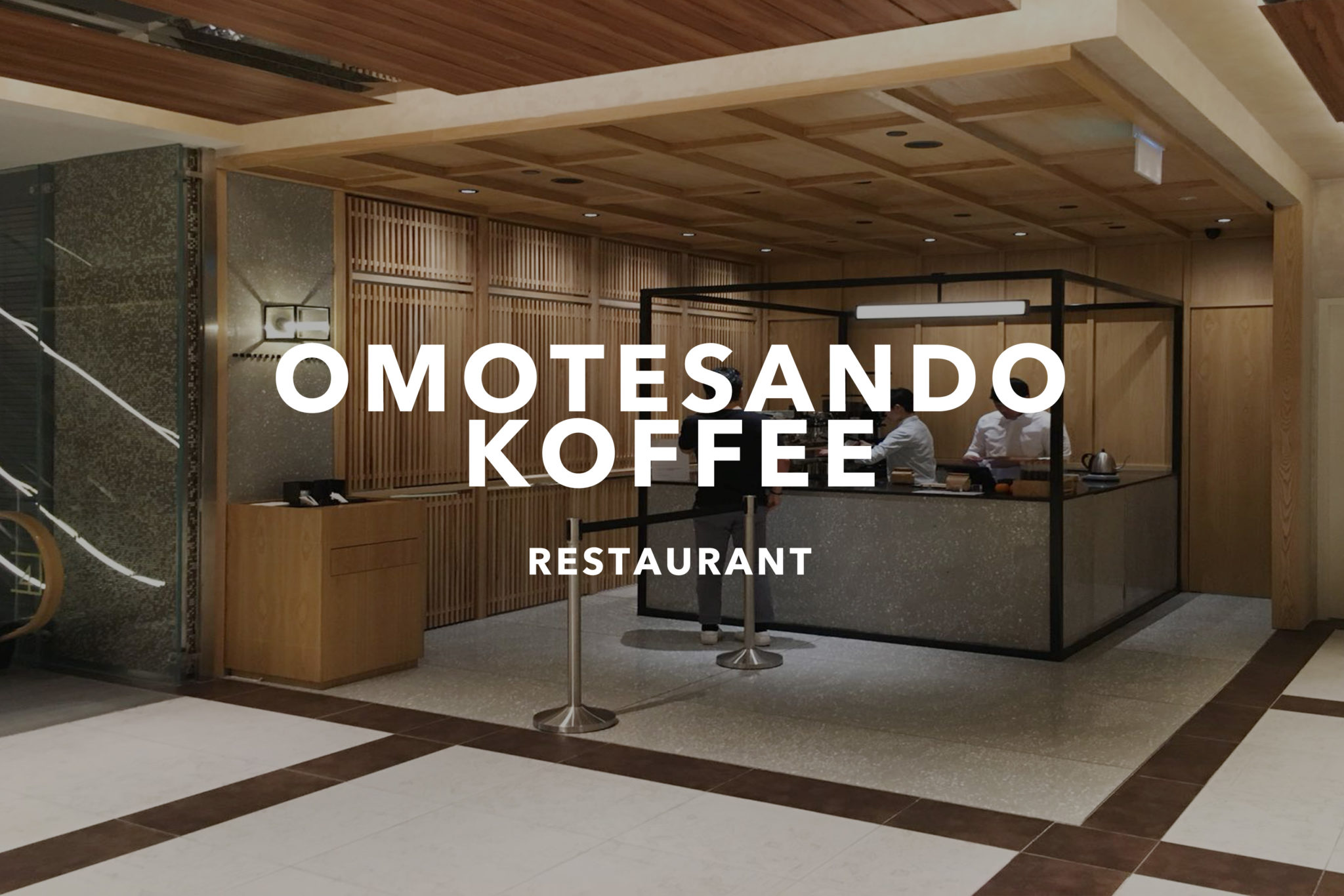
    Japanese coffee shop Omotesando Koffee is officially opening its first Metro Manila branch in Power Plant Mall, Makati City, tentatively slated for an August 2021 launch.

    The famous Zen-style, minimalist coffee shop from Tokyo will be brought into the Philippines by H&F Retail Concepts, the group behind luxury fashion brands Univers, Homme et Femme, Balenciaga, Comme des Garcons, and Fred Perry.

    David Ong, owner and head barista of The Curator and EDSA Beverage Design Group, will be helping out.

    “Well, the cat’s been out of the bag for a while now. This is just formalizing it further. The opening of the first branch is fast approaching, and we’re helping out a little bit,” Ong wrote on Instagram on Tuesday, June 1, posting a call-out for interested baristas to apply.

    According to Ong, two more Omotesando Manila locations will be opening this year, but the hiring process will be for this branch initially.

    News that Omotesando Koffee would open in Metro Manila first circulated late 2020, when the original brand’s Instagram page added “Manila” to a list of locations on their Instagram bio, alongside Tokyo, Hong Kong, Singapore, Bangkok, and London.

    Omotesando Koffee first opened as a humble pop-up shop in Omotesando Hills, Tokyo in 2011, growing in popularity for 5 years until it closed in December 2015 due to the “aging building” it was located in.

    They opened their first Hong Kong branch a year later, and expanded to cities around the world, including a re-opening in Shibuya, Tokyo as Koffee Mameya.

  • H&M closes Shanghai flagship

    H&M closes Shanghai flagship

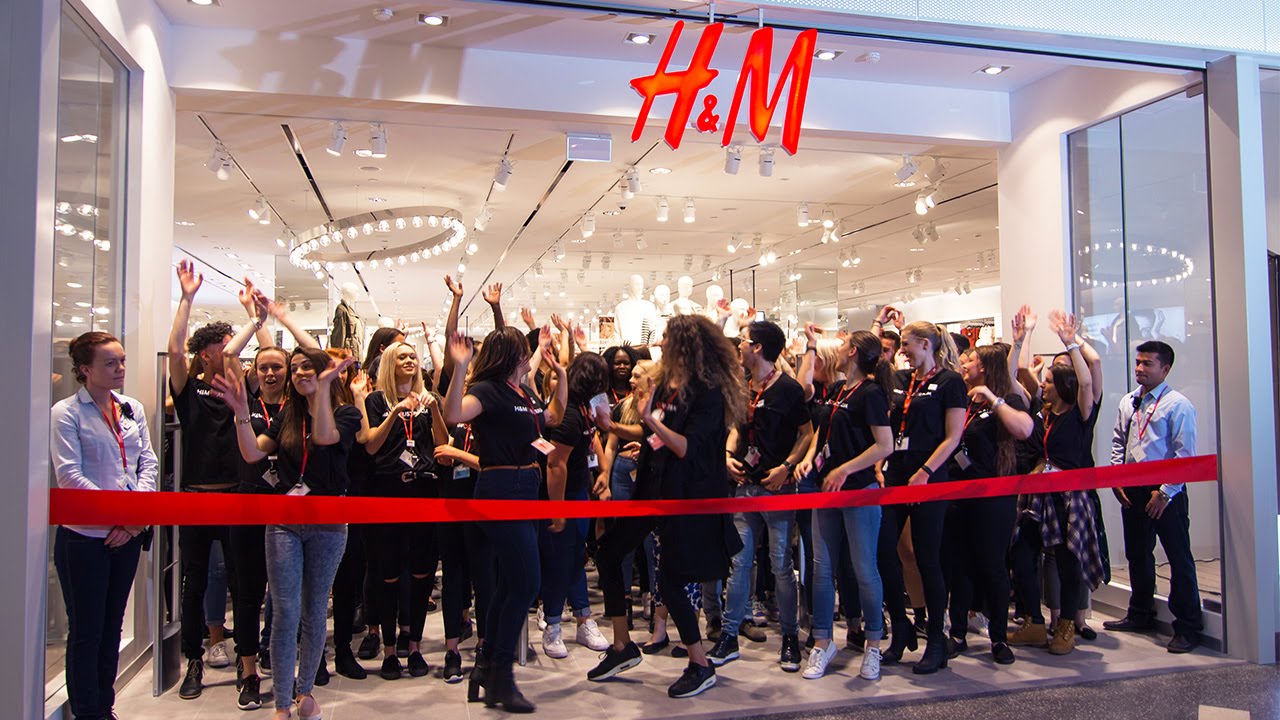
    H&M has closed one of its Shanghai flagship stores on the Nanjing West Road. The store, which was open for ten years, was considered a key part of the brand’s retail strategy as it was on a high-traffic shopping street.

    According to a statement made to Chinese media, H&M closed this store due to the lease ending. H&M says they will continue to review locations as business develops in China.

    Both Bloomberg and The New York Times have reported that landlords in China have forced the closure of H&M stores across the country after the controversy in late March regarding the company’s stance on using cotton sourced in China’s Xinjiang region. H&M products currently aren’t being sold on China’s top two e-commerce platforms, Tmall and JD.com.

    It’s been a tough year for H&M. In addition to taking a hit last year due to the global COVID-19 pandemic, H&M also saw a 21 percent fall in sales for Q1 2021. The company is projected to close 250 stores this year.

  • Higher shipping fees hurt smaller firms

    Higher shipping fees hurt smaller firms

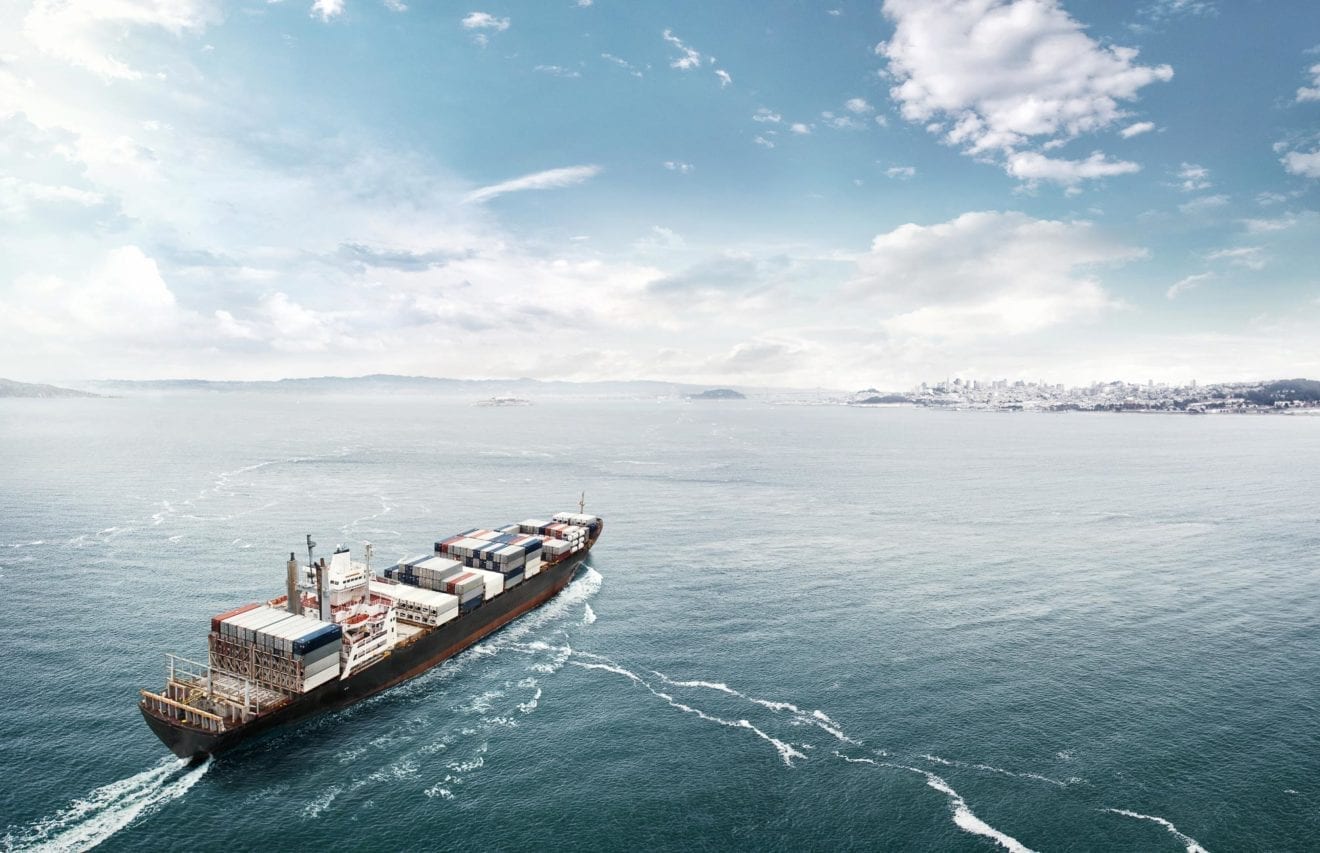
    Vietnamese exporters are struggling to send goods abroad despite high demand because of a nearly five-fold year-on-year surge in container shipping costs.

    Shipping costs from Asia to Europe rose above $10,000 per container for the first time on record last week, a 485 percent increase year-on-year, according to the Drewry World Container Index.

    Ho Van Hiet, CEO of Prime Logistics Vietnam, said that while foreign direct investment giants with established contracts are mostly unaffected by the price increase, small and medium Vietnamese exporters were fighting to secure container slots for their shipments.

    “Exporters who used to send 10 containers per shipment are having to cut it to a few as most ships are filled up,” he said.

    Nguyen Dinh Tung, CEO of fruit exporter Vina T&T, said that that rising transportation costs has become a global issue and it has pushing smaller companies out of the market.

    A shortage of containers also means longer transportation time and this affects the export of some products like fruits.

    Mangoes from Vietnam, for instance, can be preserved for 35 days. Before, it took 25 days to deliver the product to Western buyers, but now it takes 30-35 days, Tung told local media, adding that many buyers have stopped importing because there is not enough time to sell the products.

    Industry insiders say that container transportation charges have risen as demand rises in the Europe and the U.S., with their economies beginning to recover from Covid-19 impacts. Companies are beginning to restock and make more purchases.

    Nguyen Thi Anh, the spokeswoman for a HCMC-based logistics company, said that as container costs rise so do related fees like storing and moving them out of ports.

    Since last year, many exporters have been struggling to negotiate logistics costs with buyers; some have either left the market or accepted losses in order to retain customers, she told local media.

    Some small exporters of garment products, furniture and seafood have stopped exporting altogether after not being able to negotiate a contract with buyers, she added.

    Hiet said he sees another increase in shipping rates in June, sending prices of shipping a 40-foot container from Vietnam to Europe to around $11,000, up 10 percent from now.

    The rates could go even higher as demand typically peaks in August and September, he added.

    The only solution for Vietnamese exporters is to book their delivery soon so to ensure they have secure container slots on ship, he said.

  • Bamboo Airways on 5-star roadmap

    Bamboo Airways on 5-star roadmap

    Dubbed the most intriguing airline startup in 2020 by Forbes, Bamboo Airways is now among three leading carriers in Vietnam, proving an ideal option for a 5-star oriented flight experience.

    Inspired by its founder’s dream of exploring the sky at the age of 19, Bamboo Airways was established as the torchbearer leading Vietnamese airline service to the next level. Hence, the international 5-star rating has become Bamboo Airways’ ultimate goal since its earliest days.

    Bamboo Airways adheres to its target of quickly updating service quality and getting 5-star certification by 2023. Therefore, the airline has entered into official cooperation with Yates and Partners, the world’s premier aviation and hospitality consultancy with the most experience in 5-star service consultation and guest experience design. Bamboo Airways has taken drastic actions in achieving its initial goal, even during this period of turmoil for both domestic and international aviation.

    Only 10 airlines have achieved the international 5-star rating in the world, accounting for roughly 4 percent. That number demonstrates the level of difficulty in reaching the 5-star rating as encountered by every airline, even in countries with the most developed aviation industry.

    Each carrier will identify and promote one or several decisive strengths. Qatar Airways takes the top spot in the “World’s Best Business Class” category. Singapore Airlines leads in the “World’s Best Cabin Crew” and the “World’s Best First Class.” Meanwhile, Hainan Airlines is rated the “World’s Best Business Class Amenities” airline.

    Bamboo Airways has identified two of its initial goals on the 5-star roadmap, which are “the airline with the best customer service” and “airline with best business lounges.”

    “5-star human” resources

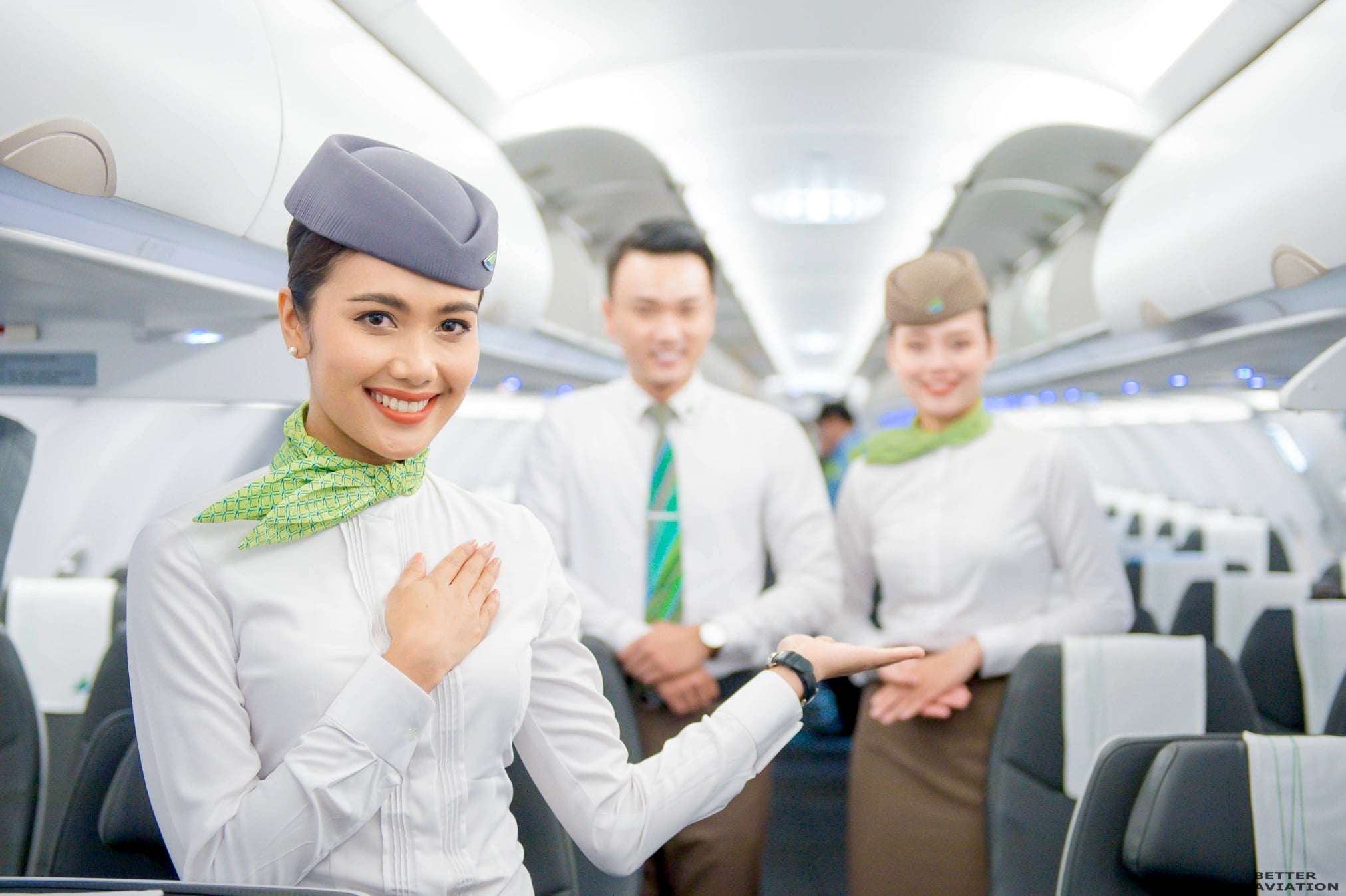
    In the roadmap towards an international 5-star rating, numerous strict flight attendant requirements are mapped out regarding standard TOEIC score, appearance, BMI (Body Mass Index), female attendant number, etc.

    Bamboo Airways has selected and provided standardized training courses for its very first cabin crew, passing numerous criteria like communication skills, English proficiency, customer service, first aid…

    Flight attendants must reach a height above 1.7 meters (for males), and above 1.6 meters (for females) with an arm reach of at least 2.12 meters. The airline also focuses on criteria for appearance, customer interaction, problem-solving skills, taking women’s tenderness as the basic standard for customer service on each flight.

    “Bamboo Airways always prioritizes the sense of hospitality and responsibility when selecting its ‘sky ambassadors’. As Bamboo Airways aims to provide “more than just a flight” experience, its flight attendants need to provoke passengers’ feelings of trust, being secured and cared for through words, actions and professional problem-solving skills,” said Le Dang Khoa, captain of Bamboo Airways’ cabin crew.

    A hand on the heart with a broad smile has become the symbol of Bamboo Airways at every customer touchpoint, from ticket offices, waiting rooms to boarding gates.

    First Vietnamese private airline to operate business lounges

    In addition, Bamboo Airways has put its business lounge system into operation. In 2020, Bamboo Airways became the first Vietnamese private airline to launch a business lounge at Noi Bai International Airport and Con Dao Airport.

    The business lounge is a crucial customer touchpoint at airports for not only carriers but also business enterprises. Now, more and more leading banks in Vietnam aim to operate business lounges at airports to provide customer services for VIP guests.

    Acknowledging the importance of this customer touchpoint, Bamboo Airways has standardized its 5-star oriented business lounge service at airports. It offers first-class amenities and services, from restaurant-quality dishes, smoking and working areas to stunning runaway views.

    Despite the demanding period for the aviation industry, Bamboo Airways has constantly developed and expanded its lounge system at numerous domestic airports such as in Quy Nhon, Phu Quoc, etc. to provide consistent 5-star oriented services to customers.

    Even in the process of fleet expansion, the customer experience factor remains Bamboo Airways’ priority when choosing aircraft, apart from other factors that control the exploitation of resources.

    For instance, Bamboo Airways is a pioneer in utilizing Embraer jets in Vietnam. Built by the world’s third-largest manufacturer of civil aircraft, Embraer 190 and 195 not only attribute to Bamboo Airways’ monopoly on routes connecting Con Dao but also turns the airline into the first and only carrier to provide business class services to Con Dao.

    Bamboo Airways has made substantial investments in fleet expansion and pilot training courses to achieve excellent service quality. In 2019, Bamboo Airways welcomed the first Boeing 787-9 Dreamliner to its fleet, becoming the first Vietnamese private carrier to operate wide-body aircraft.

    Besides modern narrow-body aircraft like the A320NEO and A321NEO, Bamboo Airways expanded its fleet to 30 aircraft with the constantly upcoming Boeing 787-9 Dreamliners, aiming to increase capacity and service quality.

    Highly evaluated core value and service mindset

    According to aviation experts, passenger expectations regarding an airline service derives from the carrier’s prestige.

    In cooperation with Bamboo Airways, the chairman of Yates and Partners highly evaluated the airline’s core value and service mindset, which are important factors for any carrier in the path towards the international 5-star rating.

    Consultants of Yates and Partners will accompany Bamboo Airways on a long-term roadmap, supporting the airline in setting international 5-star service standards at all customer touchpoints, including standards for business and economy class services, F&B strategies, catering services on each flight, personnel training for staff and cabin crew on domestic and international flights.


  • Vietnamese restaurant chain Roll’d launches FMCG range through Coles

    Vietnamese restaurant chain Roll’d launches FMCG range through Coles

    Vietnamese restaurant chain Roll’d, has rolled out a range of pantry staples at Coles, allowing customers to recreate restaurant favoritesnoo at home.

    Starting this month, shoppers can now purchase the same ingredients and condiments used at the restaurant, including a range of four sauces – Sticky Hoisin, Spicy Hoisin, Nước Mắm, and Chili Mayo (at RRP $6) – rice papers ($4), vermicelli noodles ($3.50) and rolling trays ($10).

    According to Roll’d, the products are simple to use, free of preservatives, additives or gluten and suitable for vegetarians and vegans.

    In addition, customers can scan the QR code at the back of any Roll’d product to access tutorials and recipe ideas designed to suit different skill levels.

    “Teaching Australians to roll their very own Roll’d Vietnamese Soldiers through this new Coles grocery partnership is a natural extension for us beyond the traditional QSR arena,” said Bao Hoang, Founder and CEO, Roll’d.

    “We’re excited to be sharing our authentic Vietnamese eats and recipes to the wider community, going into homes, lunchboxes and onto dinner tables with fresh, family eats options that are healthy and guilt-free.”

  • Mercedes-Benz Introduces ‘Direct To Customer’ Retail Sales Model In India

    Mercedes-Benz Introduces ‘Direct To Customer’ Retail Sales Model In India

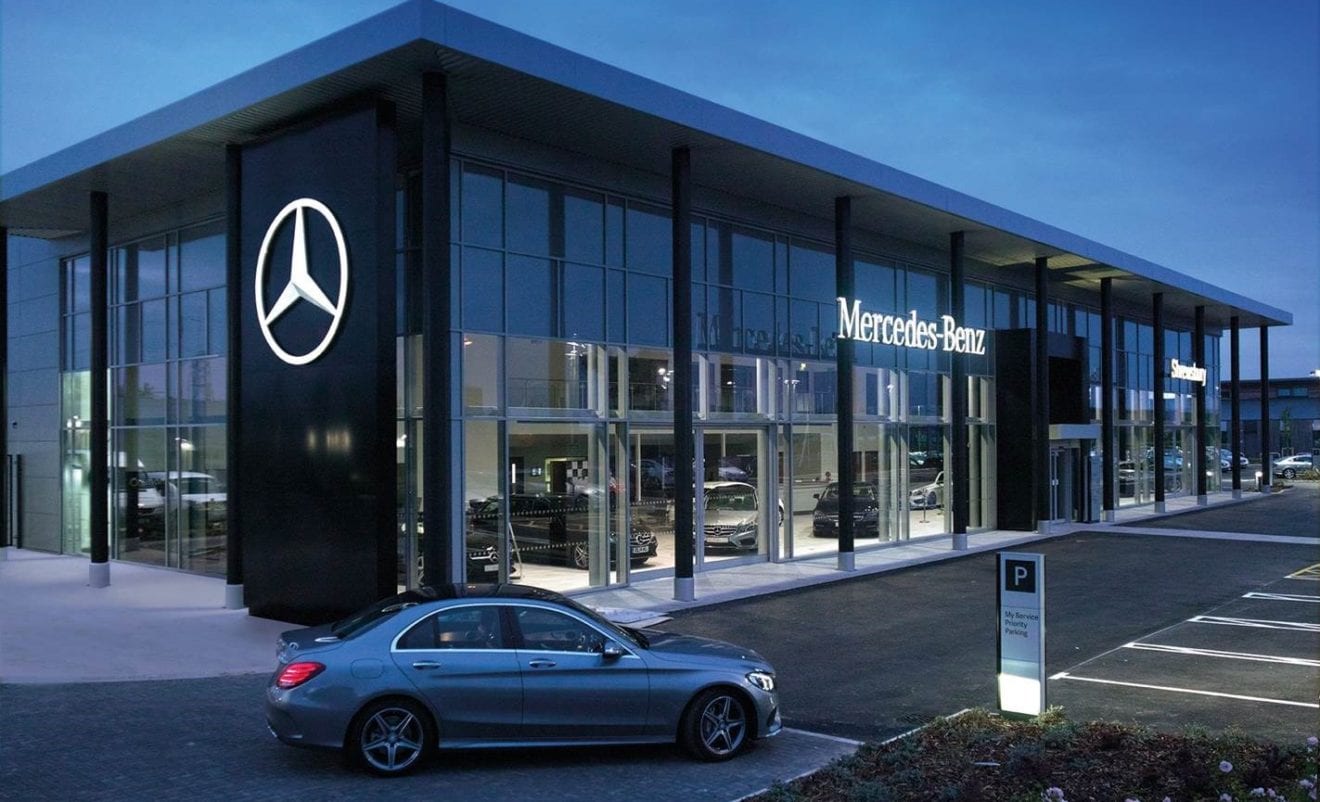
    Mercedes-Benz India today introduced its new retail sales model called ‘Retail of the Future’ (ROTF). With this new model, the company plans to promote a ‘direct to customer’ retail approach to creating a more customer-centric brand. To the effect, under this business model, Mercedes-Benz India will own the entire stock of cars, sell them via appointed Franchise Partners, invoice the new cars to the customers directly, process the order, and fulfill them. This would also mean that the company will offer one transparent price across India. The new retail model will be applicable only for new car sales, whereas other verticals like – customer service, pre-owned cars, and allied businesses will remain unchanged.

    Talking about the introduction of the new retail sales model, Martin Schwenk, MD & CEO, Mercedes-Benz India said, “This long-term strategic move will strengthen our customer focus by introducing a fundamental transition in the retail business in the market. It also will deliver a win-win solution for both customers and Franchise Partners, underscoring our clear vision for a future that is sustainable, empowering and digital. The advent of new sales channels has brought sweeping changes in customers’ aspirations and requirements and being a customer-obsessed brand, we have adapted our current business models to meet our customers’ aspirations and needs.”

    Commenting on Mercedes-Benz India’s new retail model, Vinkesh Gulati, President, FADA India said, “The agency model introduced by Mercedes India will be an out-of-the-box thinking by the company. Even though the model has tested waters internationally, India is a unique market where customer physic is very different as they change Dealers and even brands on any additional discount. Even though on the face of it, this model looks beneficial for the dealer community dealing in Premium Brands with low Volume but we will need to see if this model can work with mass-market brands so that every dealer can benefit from it.”

    Now, for customers, this might not be a big change. They will still have to visit the showroom or go online to purchase the vehicle, and, they will continue to the facilitated by the franchise representatives. What will change, however, is they’ll get uniform and transparent pricing, larger stock availability for choosing, and better customers service as that will become the major focus areas for dealerships. However, things will be widely different for franchise partners, the dealers, who will be operating on reduced risks and liabilities right now. A direct-to-customer retail model would mean they won’t have to worry about inventory cost, warehousing of the stockpile, which is added cost to dealers right now.

    However, this also means that dealers won’t be able to offer selective discounts or deals to attract buyers to compete with other dealers and gain more margin. Instead, now, in order to compete with other franchise partners, dealers will have to offer improved customer service, which will be measured based on what the company calls the CSI rating. In short, dealers will get commissions instead of sales margin.

    As for Mercedes-Benz India, it will be responsible for centrally managing the selling price of all new cars. The company will also be owning and managing the entire stock of new cars and will have to take care of order processing and fulfillment. This means the company will stop wholesale despatches to dealers. The company says that this new retail model will allow Mercedes-Benz to have better control over volume scalability and achieve price stability within segments. The company will also get improved forecasting with regards to the market trends and customer insight, along with better inventory management.

    Mercedes-Benz India will implement its new Retail of the Future sales model starting from the fourth quarter (Q4) of the 2021 calendar year.

  • Nestle internal memo suggests 60 per cent of its products are unhealthy

    Nestle internal memo suggests 60 per cent of its products are unhealthy

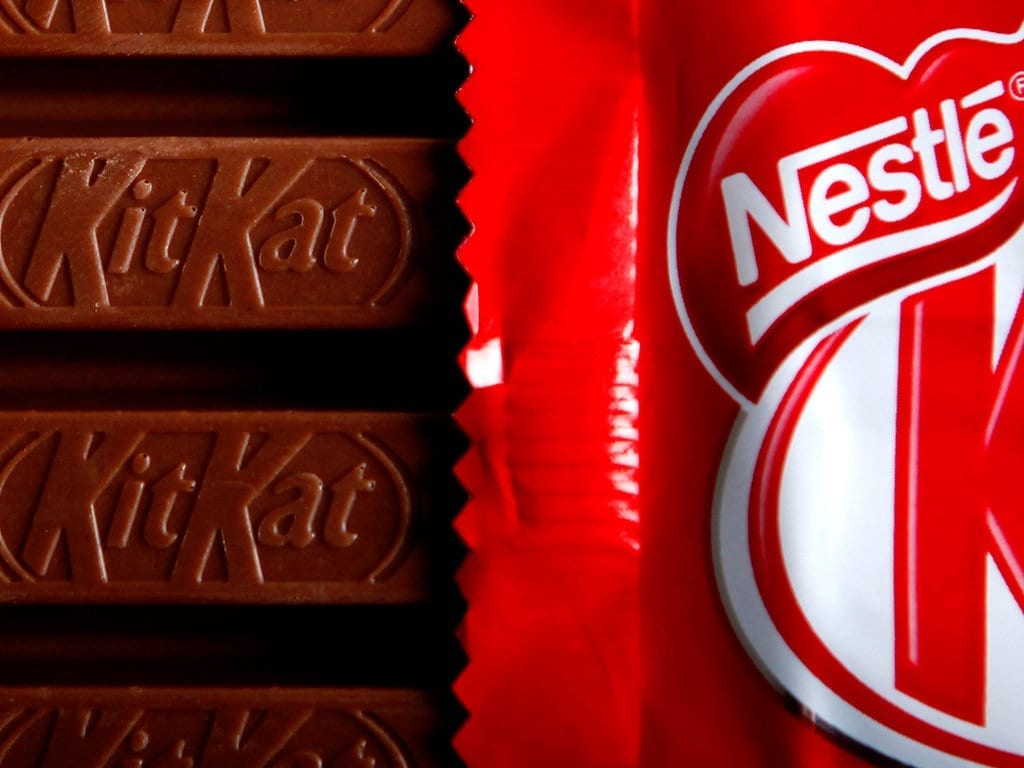
    Nestle said on Monday it was working on updating its nutrition and health strategy after the Financial Times reported an internal document at the food giant described a large portion of its food and drinks as unhealthy.

    The newspaper said it had seen an internal presentation circulated among top executives early this year stating that more than 60 percent of Nestle’s mainstream food and drinks portfolio could not be considered healthy under a “recognized definition of health”.

    The paper said this assessment applied to about half of Nestle’s overall portfolio because categories like medical nutrition, pet food, coffee and infant formula were excluded from the analysis.

    Kepler Cheuvreux analyst Jon Cox said that including these categories would significantly reduce the proportion of products potentially considered unhealthy.

    “Given the group’s confectionery, ice cream, and pizza businesses, the real figure for the group based on 2021 estimates would be 28 percent, which is hardly a surprise,” he said in a note. He said the report could point to changes in the product portfolio, notably an exit from mainstream confectionary.

    Nestle said in a statement it was working on a “company-wide project” to update its nutrition and health strategy and was looking at its entire portfolio to make sure its products helped meet people’s nutritional needs.

    It said it had reduced sugars and sodium in its products by about 14-15 percent in the past seven years and would continue to make its products healthier.

  • Online groceries shopping booms as HCMC practices social distancing

    Online groceries shopping booms as HCMC practices social distancing

    Many HCMC residents have turned to online shopping for essential goods following a two-week social distancing order across the city, and e-commerce platforms are reporting a boom.

    Data from e-commerce platform Tiki shows sales grow by 30 percent last weekend, just before social distancing was implemented in Ho Chi Minh City on Monday, with a rise in the number of searches for fast-moving consumer goods, fresh food, mom and baby products.

    E-commerce platform Lazada’s sales of fast-moving consumer goods in the past few days were three times higher than during social distancing period in April last year. Sales of fresh food and frozen products have increased tenfold.

    Tran Tuan Anh, CEO of e-commerce platform Shopee, confirmed that there has been high demand for essential goods, especially fast-moving consumer goods, healthcare products and house appliances.

    A Tiki representative who did not want to be named said that they have been working with suppliers to increase the supply of essential goods, fresh food as well as tech products that serve work and entertainment at home by up to 50 percent, while supply of hand sanitizers will increase 25 times.

    Shopee said it has been selling essential goods at reasonable prices and providing free shipping for customers. It is also implementing free advertising programs for its sellers.

    Lazada has affirmed it will continue expanding goods supply, besides implementing discount programs, no-contact delivery and boosting cashless payments.

    Latest data from Malaysia-based market research firm iPrice shows consumers have grown accustomed to buying essential goods online, with the groceries segment the only one to see a 13 percent year-on-year increase in the number of web visits in Q1.

    Meanwhile, web visits related to non-essential goods like mobile phones and electronics appliances dropped 9 percent and 6 percent, respectively.

    Covid-19 has served as a catalyst for e-commerce, boosting online shopping demand for essential goods, iPrice stated.