Tag: asia

  • L Brands appoints new Victoria’s Secret CEO

    L Brands appoints new Victoria’s Secret CEO

    Martin Waters, who currently leads the troubled brand’s lingerie division, has been promoted to CEO of business as a whole. He will take over from L Brand CFO Stuart Burgdoerfer who has served as interim chief executive at Victoria’s Secret for the past nine months.

    Burgdoerfer will retire this summer, the retailer announced Thursday, February 4. Waters, who joined the company in 2008 as head of the international division, will assume his new role effective immediately.

    L Brands said it expects the separation of Victoria’s Secret from Bath & Body Works to be completed in August. “All options, including a spin-off of the Victoria’s Secret business into a public company or a private sale of the business, are being evaluated,” L Brands said in a statement.

    L Brands had agreed to sell Victoria’s Secret to private equity firm Sycamore Partners in early 2020, but the deal fell through in the wake of the pandemic. With Sycamore out of the picture, the company said last May that it would still go forward with plans to separate its two entities and establish Bath & Body Works as a stand-alone public company.

    As part of the announcement Thursday, L Brands also raised its fourth-quarter earnings guidance and forecasted a comparable sales increase of 10 percent — a 22 percent increase at Bath & Body Works and a 3 percent decrease at Victoria’s Secret.

  • China fines Vipshop almost $500,000 for unfair competition acts

    China fines Vipshop almost $500,000 for unfair competition acts

    Chinese regulators have hit online discount retailer Vipshop Holdings Ltd with a 3 million yuan ($464,000) fine, the biggest to date in a recent clampdown on anti-competitive behavior among internet firms.

    In a sign that regulators are increasingly willing to use more tools in a newfound zeal to rein in monopolistic behavior in the tech sector, Vipshop was punished for violations of a law prohibiting unfair competition, which allows for fines of up to 5 million yuan.

    By comparison, other firms that have been hit with penalties since late last year was fined under China’s 2008 anti-monopoly law, which allows for a much lower maximum fine of 500,000 yuan.

    The Vipshop fine comes on the heels of State Administration for Market Regulation (SAMR) publishing updated guidelines on how the anti-monopoly law affects internet firms, which said regulators were keen to prevent price fixing as well as the use of data and algorithms to manipulate the market.

    SAMR said on Monday that from August through December last year, Vipshop had developed a system to obtain information on brands that gave Vipshop a competitive advantage. It added that Vipshop used its system to influence user choices, transaction opportunities and to block sales of particular brands.

    New York-listed Vipshop, which has a market value of about $22 billion, said on Monday that it accepted SAMR’s findings and would strengthen compliance.

    The heightened scrutiny by Chinese regulators since December has included the announcement of a probe into e-commerce giant Alibaba, penalizing Alibaba-backed and Tencent-backed firms for not seeking anti-trust reviews for deals, while other firms have also been fined for irregular pricing.

  • Pork imports surge 382 percent

    Pork imports surge 382 percent

    Vietnam has imported 141,140 tons of pork and related products in 2020, up 382 percent year-on-year, the General Department of Vietnam Customs has reported.

    The import value in 2020 increased 503 percent to $334.44 million, it said.

    The rising pork imports are attributed to the low domestic supply caused by the Covid-19 pandemic, African swine fever, and the central Vietnam floods, according to the Ministry of Industry and Trade.

    Brazil is the largest pork supplier with 24.5 percent of the total pork import value, followed by Russia with 24.1 percent and the U.S. with 13.7 percent.

    Over 800 enterprises from 19 markets have been allowed to export pork to Vietnam, according to the Ministry of Agriculture and Rural Development.

  • Muji ready to open largest Philippines retail store yet

    Muji ready to open largest Philippines retail store yet

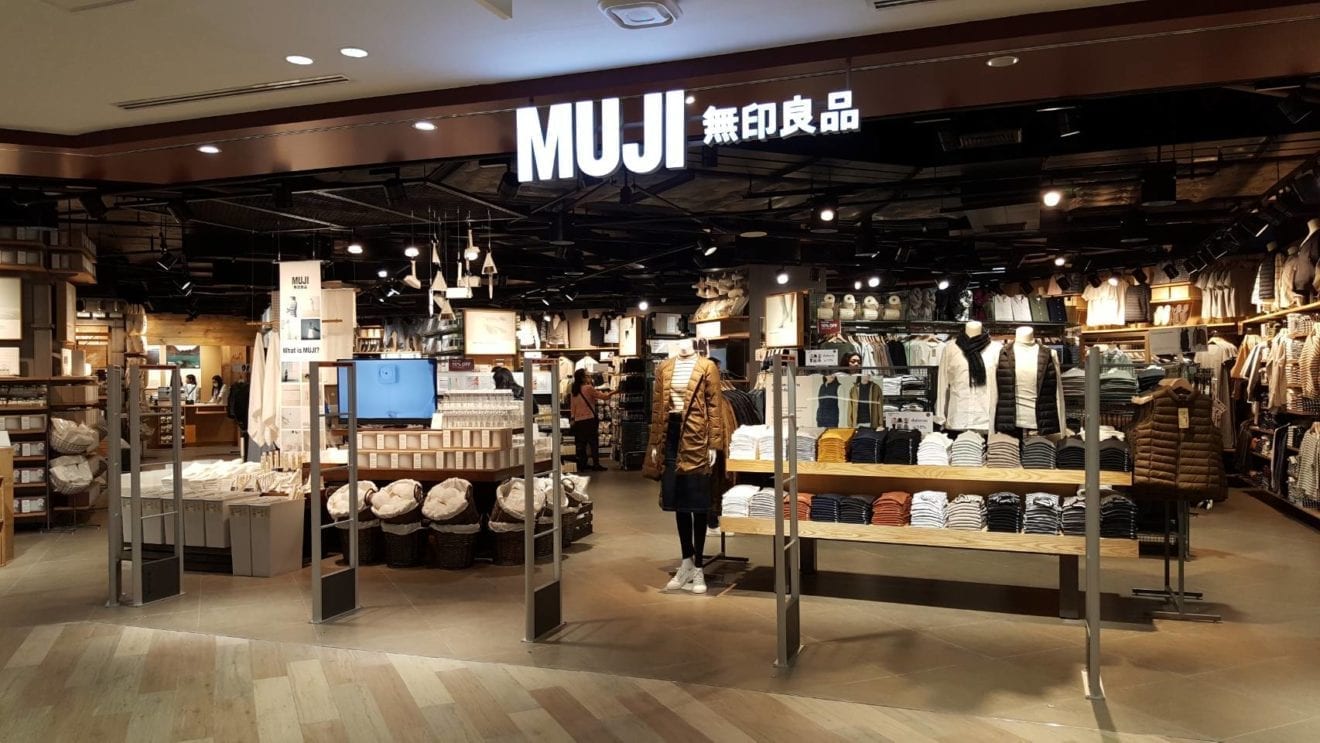
    Fans of Japanese minimalist brand Muji will be delighted to know that the retailer is planning to open its “largest” store in the Philippines — soon.

    Muji announced this last night in a social media post, where it told followers to “stay tuned for more info.” It did not divulge where the new store will be located.

    The pandemic has hit the retail sector in the Philippines severely, with countless brick-and-mortar stores closing inside now-empty malls. Rents in malls are expected to fall by 2%, while registered online businesses have increased to 75,876 in September from 1,753 in March. Many Filipinos now prefer to buy from e-commerce platforms Lazada and Shopee, mainly because they fear that they will get infected with the coronavirus if they venture outside their homes.

    The changes taking place have prompted Muji Philippines to launch its own pick-up and delivery service in August.

  • Singapore retail sales slide overall while E-commerce goes up

    Singapore retail sales slide overall while E-commerce goes up

    Singapore retail sales – excluding motor vehicles – fell 4.5 percent y-o-y last Dec, a slightly higher decline than Nov’s 2.8 percent. M-o-m sales were down 0.7 percent. DOS estimates total retail sales value at SGD3.5 billion (US$2.62 billion) and that online retail sales accounted for 12.6 percent of that. The strongest categories online were computer and telecommunications equipment, accounting for 35.2 percent of the category’s overall turnover, furniture and homewares (23.4 percent) and supermarkets (11.8 percent).

    Most retail industry categories posted declines in sales in Dec on a y-o-y basis. However, supermarkets and hypermarkets, computer and telecommunications equipment, and furniture and homewares recorded growth rates of between 20.8 percent and 25.3 percent, due mainly to higher sales of groceries, mobile phones and household appliances respectively.

    Sales of recreational goods rose 10.3 percent, largely driven by strong demand for sporting goods. Sales of F&B services fell 16.5 percent in Dec, y-o-y, which was a lesser rate than Nov’s 22.4 percent decline. Online orders made up 19.9 percent of the estimated total spend of $800 million.

  • Malaysians get a taste for in-car dining during lockdowns

    Malaysians get a taste for in-car dining during lockdowns

    Diners in Malaysia can now enjoy restaurant meals from the safety and comfort of their vehicles after an eatery started a drive-in service for people eager to eat out during a COVID-19 lockdown.

    The Southeast Asian nation is in its fourth week of nationwide restrictions imposed as it grapples with a surge in coronavirus infections that has pushed the cumulative total to more than 230,000 cases, with more than 800 deaths.

    In Cyberjaya, a satellite city on the outskirts of the capital Kuala Lumpur, customers drive into the parking lot of Padi House restaurant and order from laminated menus through the vehicle windows.

    Each set meal comes on a customized tray that fits in the narrow space between the driver seat and steering wheel.

    “I work at the bank so its not a suitable environment for me to eat. I prefer to go out and sometimes we need a change in scenery so that I can enjoy my food, even in a car,” said Nor Shekin Nor Razali, who had lunch with a colleague on Thursday (Feb 4).

    The restaurant has closed its dine-in service and, like most eateries in Malaysia, had been offering takeaways only.

    Owner Leow Kim Ngan said the inspiration came from airline meals after business dropped 80per cent due to the pandemic.

    “It’s very challenging, we have to think of a new way to find more income,” said Leow.

    Malaysia is currently at its peak of infections, averaging more than 4,600 new cases per day.

    Infection numbers have been climbing steadily since the end of September. A second nationwide lockdown, which bans social activities and inter-state travel, is due to end on Feb 18.

  • Hyundai No Longer In Talks With Apple On Autonomous Electric Cars

    Hyundai No Longer In Talks With Apple On Autonomous Electric Cars

    South Korea’s Hyundai Motor Co said on Monday it is not now in talks with Apple Inc on autonomous electric cars, just a month after it confirmed early-stage talks with the tech giant, sending the automaker’s shares skidding. Wiping $2.1 billion off its market value, Hyundai’s stock slumped 4.2% by 0330 GMT. Shares in its affiliate Kia Corp, which had been tipped in local media reports as the likely operational partner for Apple, tumbled 12% – a $4.3 billion hit.

    The announcement brings the curtain down on weeks of internal divisions within Hyundai Motor Co Group – parent to both automakers – about the potential tie-up, with some executives raising concerns about becoming a contract manufacturer for the U.S. tech giant.

    “We are receiving requests for cooperation in the joint development of autonomous electric vehicles from various companies, but they are at an early stage and nothing has been decided,” the automakers said on Monday, in compliance with stock market rules requiring regular updates to investors regarding market rumors.

    Apple, known to keep product plans under tight wraps, has never acknowledged talks with the automaker about building vehicles
    “We are not having talks with Apple on developing autonomous vehicles.”

    Kia shares had jumped 61% after Hyundai appeared to confirm a local media report early in January that Apple and Hyundai were in discussions to develop self-driving electric vehicles by 2027 and develop batteries at U.S. factories operated by either Hyundai or Kia.

    “Apple and Hyundai are in discussion, but as it is at an early stage, nothing has been decided,” Hyundai said, before releasing subsequent statements that removed all mentions of Apple but said Hyundai was receiving electric car cooperation requests from parties it didn’t identify.

    Reuters reported in December that Apple was moving forward with autonomous car technology and aimed to produce a passenger vehicle that could include its own breakthrough battery technology as early as 2024.

    Apple, known to keep product plans under tight wraps, has never acknowledged talks with the automaker about building vehicles and wasn’t immediately available for comment outside business hours in the United States.

    Analysts said talks might have collapsed over leaks of the partnership plan to media, or over possible insistence by Apple that Hyundai’s role in any tieup would be that of an equipment manufacturer, rather than a strategic partner.

    “With numerous news reports over discussions between the two companies, which should have been held to non-disclosure agreements, it would have been uncomfortable,” said Kwon Soon-woo, an analyst at SK Securities.

    Kevin Yoo, an analyst at eBEST Investment & Securities, said, “It seems clear that Hyundai Motor Group has not been too happy with dealing with Apple. They made it clear that they do not want to be treated just as Apple’s supplier or manufacturer.”

  • Apple returns to 4th place in Vietnam smartphone market

    Apple returns to 4th place in Vietnam smartphone market

    Apple surpassed VinSmart to become the fourth-largest smartphone brand in Q4 of 2020 as sales of iPhone 12 surged.

    With a market share of 11 percent, it was behind China’s Vivo (13 percent), which climbed two places from the previous quarter, Singaporean technology market analysis firm Canalys said in a recent note.

    South Korea’s Samsung stayed on top with a 24 percent market share followed by China’s Oppo (16 percent), but their sales plummeted by 19 percent and 28 percent year-on-year.

    Hundreds of people queued up in front of Apple stores to become the earliest owners of iPhone 12 late last year.

    Almost 10 smartphone brands have been vying for third place in recent years, with Apple, Xiaomi, and Vivo the most notable names. None has remained in that position for more than six months.

    Around 75 million people, or almost 80 percent of the population, use smartphones, according to We Are Social, a social media marketing and advertising agency.

  • How the online sporting industry has influenced fashion retail

    How the online sporting industry has influenced fashion retail

    Sport can simply be recognized as a physical activity that involves competition between individuals or teams. That being said, it doesn’t seem clear where fashion fits into this notion, apart from the sportswear used to play such games. Though, traditionally, sports like football have always carried an aspect of fashion design in order to create sportswear that represents a team and allows them to stand out from their competition, fashion in sport has since come a long way.

    Now, with access to sport in person, on television, and online, such sports have influenced fashion trends and have diversified the fashion retail industry as a result of its accessibility. Sportswear has now become a part of everyday life, whether playing sport or not. That’s why big sports apparel brands like Nike and Adidas dominate the retail industry in China. It’s therefore not surprising that jeans have been exchanged for joggers and boots for trainers. We’ll take a look at this shift in the fashion retail industry below.

    Influencers

    First and foremost, while sport itself has of course influenced the fashion retail market through the exploration of clothing for active people, key figures in society have a lot to answer for this. In our modern society, a lot more people are aware of their health and fitness so are engaging in more physical activities. Naturally, this means a bigger sportswear wardrobe. This shift in wardrobe doesn’t stop there. Now, people are quick to share their sporting apparel across social media to engage with other like-minded fitness people.

    One Asian influencer in particular, Hana Giang Anh, has her very own fitness social media platform and can often be seen sharing her sportswear looks on Instagram. Since Instagram is a visual platform that creates aspiration amongst users, particularly since products can be tagged, those that follow influencers often get on board with fashion trends and can be seen flaunting sportswear themselves. For that reason, online sport has influenced the fashion retail market as it has exposed social media users to the benefits of sportswear.

    Online events and games

    With the online space so widespread, access to online sporting events and games is all the easier. Sites like William Hill offer access to sport via online betting across the world, allowing the sporting market to draw further attention to itself. This has led to the sporting audience has grown and interest in sport has increased: even those that don’t play sports themselves or take a keen interest in a particular sport or team are presented with the opportunity to participate in some way, whether it’s through betting on a game or playing an online sports game.

    Since fashion is a way of displaying your identity, more people are taking to sportswear to show that they belong to the sporting industry. For that reason, since sport has been introduced to the online sphere, it has capably influenced the fashion retail market through the increased accessibility to online users. This has had both a cause and effect – it has caused more people to directly or indirectly get involved with sport, and it has consequently had an effect on their lifestyle choices, including the clothes they choose to wear.

    This goes to show that with the idealization of and accessibility to sport online, more people are aware, not only of its health benefits and entertainment value but of its fashion value too. That’s why more retail brands are creating sportswear that pushes boundaries and makes a statement, all while being fashionable, comfortable, and ideal for physical activity. Hence, the fashion retail market is more sport orientated than ever.

  • Tumi select APAC to launch first experimental virtual store

    Tumi select APAC to launch first experimental virtual store

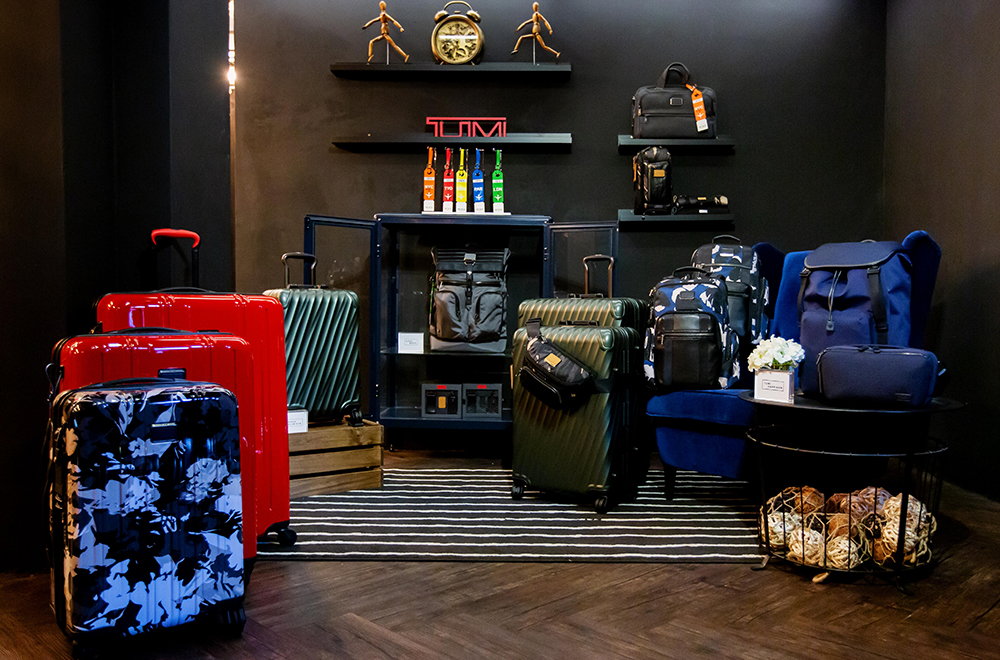
    TUMI, the leading international travel, lifestyle, and performance luxury brand, launches the breakthrough TUMI Virtual Store to debut its Spring 2021 collection, delivering an immersive and enhanced omnichannel experience to customers in Asia Pacific and the Middle East.

    Ushering in a creative new age of digital retail that connects fans with the brand like never before, the TUMI Virtual Store inspires customers to embark on a journey through thoughtfully designed interactive touchpoints. Guests can explore the Virtual Store’s life-like visual presentation to discover TUMI products via 360° 3D and AR implementations and shop the Spring 2021 collection. They can engage with shareable social photo moments at TUMI’s Magic Mirror and play Instagram and WeChat mini-games.

    Further enhancing the overall TUMI O2O (“Online to Offline” also “Offline to Online”) shopping experience, the Virtual Store is connected to other TUMI shopping channels via its Chat & Shop function allowing for seamless customer movement to the point of purchase. Customers exploring the Virtual Store can easily connect with sales associates to ask questions and place orders, or via the connected local e-commerce websites. Furthermore, those visiting the TUMI physical stores in the region can explore the TUMI digital landscape via in-store kiosks, for an enhanced offline experience.

    With the goal of being everywhere, the customer is, the Virtual Store adds another dimension to TUMI’s evolving omnichannel retailing approach. As another pioneering landmark, the launch of the TUMI Virtual Store sees TUMI rollout its first-ever Regional Livestream Event, bringing all APAC and Middle East customers together digitally to unveil Spring 2021, 7pm GMT+8, Thursday, 4th February 2021: https://virtualstore.tumi-asia.com/

    “The TUMI Virtual Store is an incredible milestone for the brand. For the last few years, we have been pioneering new digital experiences and looking to enhance and elevate the customer journey. Our new Virtual Store is part of this holistic approach to connect with customers wherever they are. Accelerated digitization and shifting customer habits brought on by 2020 have reinforced this direction and shown that we must continue to create exciting, meaningful interactions both in the physical and digital worlds.

    Through the TUMI Virtual Store and our Regional Livestream Event, we are excited to welcome fans to experience the latest innovation from TUMI and our new Spring 2021 collection,” says Adam Hershman, Vice President of TUMI, Asia Pacific and Middle East.

  • Foodpanda opens 150th Pandamart cloud grocery store

    Foodpanda opens 150th Pandamart cloud grocery store

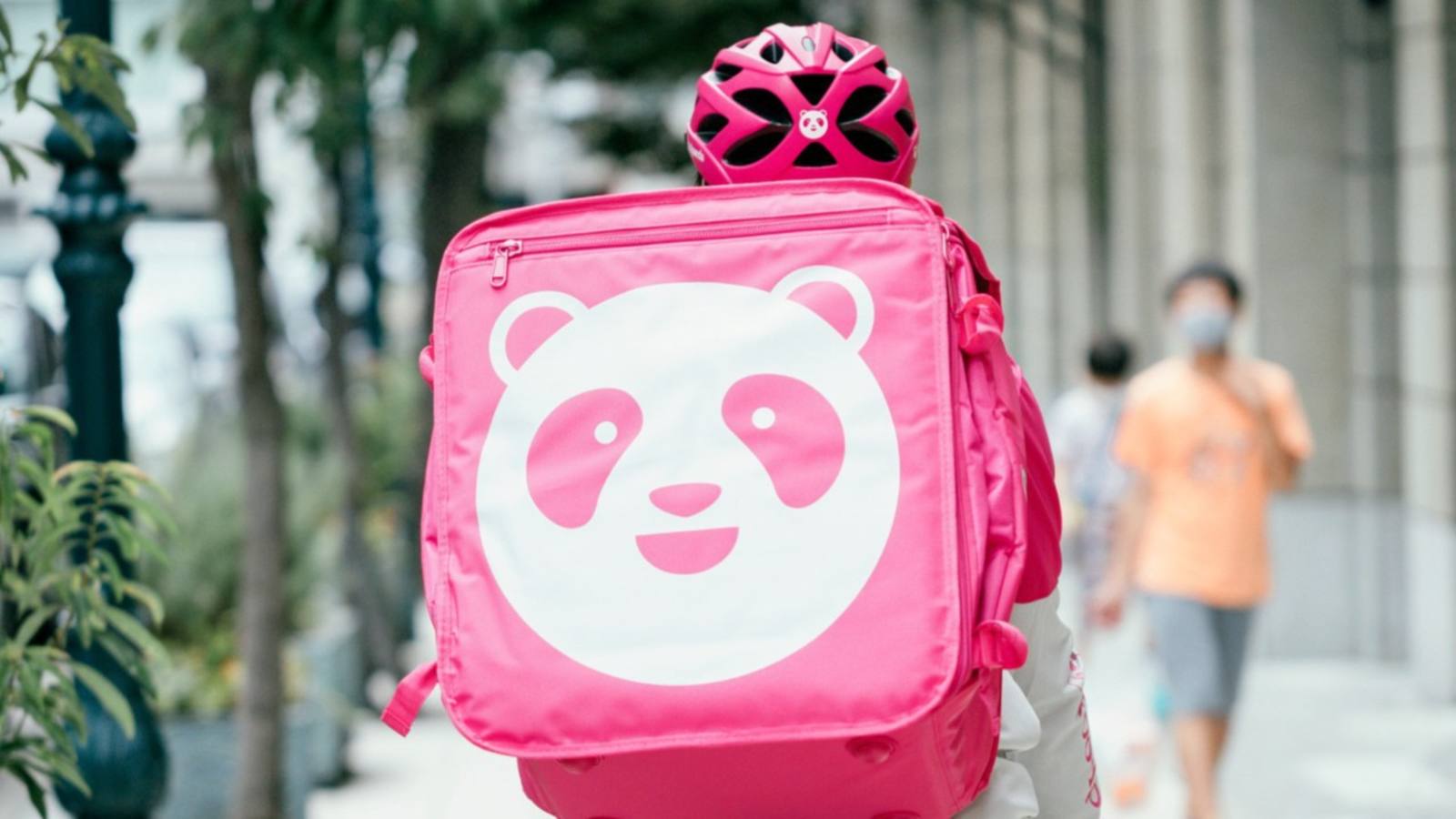
    Foodpanda has launched its 150th Pandamart in Asia and prides itself as Asia’s largest grocery cloud store with a network rolled out across 40 cities.

    Pandamart, an on-demand service primarily to deliver groceries and household essentials, leverage technology, and data intelligence for its accessibility, variety, and speed. From determining its location to the products carried in each store and inventory are arranged within the space for maximum picking efficiency, so groceries and household essentials can be efficiently packed and delivered to consumers within 25 minutes.

    Foodpanda Director of New Verticals, Abhishek Sahay shared,“Launching 150 pandamart across 40 cities in the midst of a pandemic was no easy task, but foodpanda realized the critical importance in bringing our consumers what they really needed quickly and safely, especially during times of movement constraints,” he noted.

    In Malaysia, pandamart became an essential service when the Movement Control Order (MCO) went into effect earlier this year, with grocery orders increasing by almost 70 percent in the single month of January 2021. Recognizing the importance of supporting local food producers, pandamart worked with local partners to source more than 60 percent of products in Malaysia, offering consumers with more locally SMEs produces and a local grocers.

    To meet fast-changing consumer needs and preferences, foodpanda has invested to grow quick commerce offerings. Beyond its core food delivery vertical, foodpanda is accelerating the rollout of pandamart and foodpanda shops in partnership with retailers, to offer consumers greater convenience, speed and variety.

    Currently, Foodpanda covers eight markets in Asia includes Singapore, Malaysia, Thailand, Taiwan, Hong Kong, Bangladesh, Pakistan, and the Philippines.

    “Now that we’re operating in eight markets, our goal in 2021 is to take pandamart into more cities within our existing markets, plus launch pandamart in all 12 operating markets by the end of 2021,” Abhishek commented.

  • Chubb Hires APAC Property Head From AIG

    Chubb Hires APAC Property Head From AIG

    Chubb, the world’s largest publicly traded property and casualty insurer has announced new appointments for its Asia Pacific property and casualty team.

    Commercial property specialist Alex Todd has joined Chubb as its head of property, a role in which he will be responsible for the growth and performance of its commercial property portfolio in Asia, the company announced on Friday.

    Todd brings 18 years of international experience and joins from AIG, where he led a team of 50 and was accountable for a variety of first-party programs and specialty lines across Canada. Based in Chubb’s Singapore regional office, he will report to Grant Cairns, regional head of property and casualty for Asia Pacific.

    The company also appointed Jamie Park, previously Chubb’s chief underwriting officer as well as head of portfolio management, casualty, and financial lines and environmental liability in Korea, as its head of financial lines, based in Singapore.

    In her new role, Park will be responsible for the underwriting, product development, new business opportunities, as well as driving the overall profitability of Chubb’s Financial Lines portfolio in Asia.

    The appointment of the pair supports the continued drive and strategic direction of its growing property portfolio, and position as the market leader in financial lines across Asia, Chubb said in a statement.

  • Samsung Electronics appoints new president for Samsung Vina

    Samsung Electronics appoints new president for Samsung Vina

    Kevin Lee, a veteran in the mobile telephony industry with over 30 years’ leadership experience, has been named the new president of Samsung Vina Electronics.

    He was senior vice president, Verizon Account, at Samsung Electronics America and president of Samsung Electronics Benelux and Greece before coming to Vietnam. Under his leadership, Samsung Vina aims to sustain its commercial success in Vietnam, expand its sustainable business practices, build stronger and more impactful strategic partnerships, nurture innovation and become Vietnam’s top-of-mind, premium consumer electronics brand.

    Kevin Lee said: “Vietnam is going to be in the spotlight in 2021. I want to be a part of Vietnam’s success stories by capturing opportunities for growth: recovered economy, IoT technology, open business environment, and a young, captivated generation of new consumers. I envision Samsung to be the brand that places itself into the right opportunities and at the appropriate channels where we provide the most value for consumers. Then and only then can we become the most beloved brand and stand out in a competitive landscape.”

    Samsung’s ultimate goal in the coming years is becoming a brand that has widespread recognition across business units, winning consumers’ hearts and support, and maintaining leadership positions in product categories where the company has a presence.

    To achieve these goals, Samsung’s strategic growth roadmap under Kevin Lee’s leadership will revolve around two main driving forces.

    The first is to focus more on people. For consumers, Samsung Vina will maintain a consistent brand voice which allows consumers to recognize and remember the brand with ease. The company aims to conduct more market research programs to further understand and communicate with consumers.

    It will also strengthen strategic partnerships with business partners and influencers on a “win-win” basis, while reinforcing its workforce with rigorous training programs and competitive, best-in-class benefits.

    In many places, Samsung Vina runs corporate social responsibility programs, including specialized training programs in line with the government’s directive to improve Vietnam’s digital literacy and other initiatives that improve people’s quality of life.

    The second is utilizing impactful innovations with on-demand flexibility. Samsung Vina is committed to delivering meaningful products and at the same time reimagining operations in this new age.

    Samsung Vina will utilize its technology base to drive digital transformation and new innovations with on-demand flexibility.

    Samsung is well-known for transformative ideas and technologies like TVs, smartphones, wearable devices, tablets, digital appliances, network systems, system LSI, foundry, and LED solutions.

  • Phones continue to lead exports

    Phones continue to lead exports

    Exports of phones and phone parts were worth $51.18 billion last year, a whopping 18 percent of Vietnam’s total exports, according to the General Statistics Office.

    The phones were exported to over 50 countries and territories, with China being the largest market, accounting for almost a quarter.

    The second-largest market was the EU with 19 percent, followed by the U.S., South Korea, and the UAE.

    But for the first time in 10 years, phone and component exports fell, by 0.4 percent.

    Samsung was the biggest contributor to the exports. Its smartphone manufacturing factories in the northern provinces of Bac Ninh and Thai Nguyen are its two largest in the world and are also its largest home electronics factory in Southeast Asia.

    About 60 percent of all Samsung smartphones are produced in Vietnam.

  • StanChart Sheds Office Space in Hong Kong

    StanChart Sheds Office Space in Hong Kong

    Standard Chartered will give up several floors in the main offices of the Hong Kong central business district as banks continue to adapt to the post-covid environment.

    Standard Chartered will give up the lease on eight floors of its Standard Chartered Bank Building in the central business district, according to a Hong Kong Economic Times report which cited related marketing materials.

    Landlord Hang Lung Properties is asking for about HK$6 million ($770,000) in rental per month for the 60,000 square feet space. The offices will be available between next month and April 2022.

    The British lender is also renting out three floors it owns from its offices in Kwun Tong, an industrial district in the eastern part of Hong Kong.

    The move falls in line with Standard Chartered’s announced plans to permanently offer flexible work options to around 90 percent of its 85,000 employees around the world. According to the bank, hybrid work arrangements will be made available to around half of its staff in early 2021 and will extend to 75,000 workers in 55 markets by 2023.

    While we have been thinking through the issues around the future workplace for some time, it’s inevitable that recent events provided a catalyst, said Standard Chartered’s human resources head Tanuj Kapilashrami in an internal memo.

    Vacancy rates amongst the district’s Grade A office are reaching the highest levels in December last year since 2004, according to property services firm Jones Lang LaSalle. And foreign firms are a major contributor with multinational companies making up 75 percent of total surrendered Hong Kong office stock in the last quarter, according to Cushman & Wakefield.

    Standard Chartered aside, other global banks that have recently shed office space in the main district include BNP Paribas, Nomura, and Macquarie Group. HSBC also said last year that it was considering ways to digitize more of its operations and is seeking to have more employees work from home in the future.