Tag: asia

  • McDonald’s sales figures show marked improvement as Covid-19 lockdowns eased

    McDonald’s sales figures show marked improvement as Covid-19 lockdowns eased

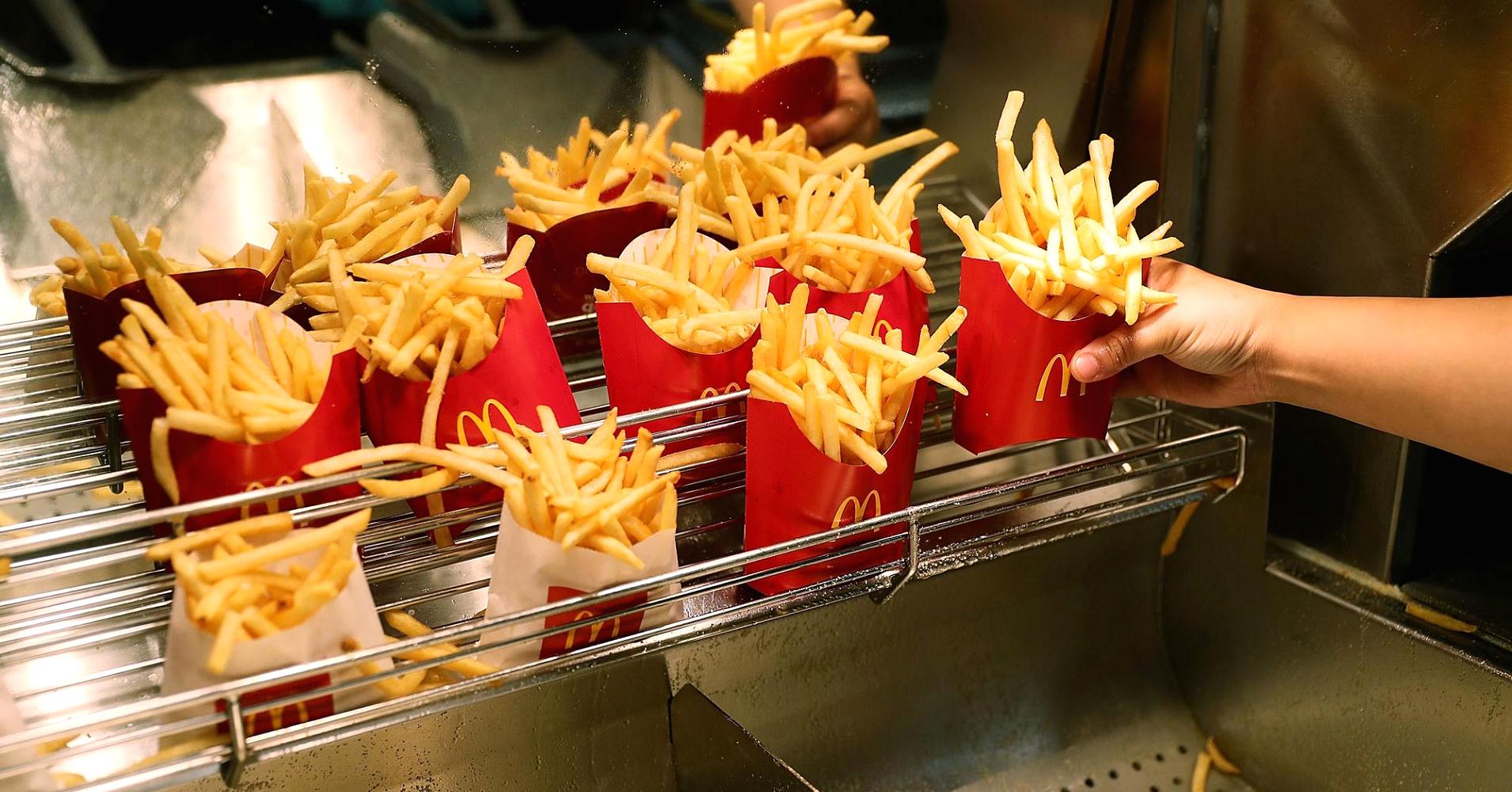
    Newly released McDonald’s sales figures have shown a marked global improvement for the business sequentially from late March through May despite the continuing impact of the coronavirus pandemic.

    The information released ahead of the firm’s second-quarter earnings announcement, showed sales steadily improving throughout the period however they still remain negative compared to last year’s figures.

    Comparable McDonald’s sales figures across international markets for both April and May were heavily impacted by temporary restaurant closures in the UK and France, and to a lesser extent Italy and Spain. The firm saw strong drive-thru performance in Australia, and negative comparable sales in Germany, Canada and Russia.

    Sales in international licensed markets were primarily impacted by temporary restaurant closures across nearly all regions, most notably in Latin America. The results reflected continued negative comparable sales in China and positive comparable sales in Japan.

    The vast majority of markets are operating with drive-thru and delivery with limited menus and hours.

    A breakdown of figures for international licensed markets was not provided by the firm.

    “Our strong foundation and the unique advantages of the McDonald’s System, including a high percentage of drive-thru restaurants and investments in delivery and digital, have enabled us to adapt to the changing landscape presented by the Covid-19 outbreak,” said McDonald’s president and CEO Chris Kempczinski.

    “The steps we are taking in response to the pandemic and to accelerate recovery while continuing to serve the great and familiar taste of a meal from McDonald’s, will position us well for the next phase of this crisis.”

    The report shows 95 percent of McDonald’s restaurants around the world are currently open to serve customers.


  • BMW Introduces New Service And Repair Packages For BMW And Mini Cars

    BMW Introduces New Service And Repair Packages For BMW And Mini Cars

    BMW India has introduced new service maintenance packages for BMW and Mini cars in the country. There will be multiple options for the same, based on duration/mileage. ‘Service Inclusive’ offers a range of service packages that cover maintenance, inspection, and wear and tear. BMW offers another range of services called ‘Repair Inclusive’, which takes care of standard warranty extension. Customers just need to make an upfront payment and can avail a wide variety of services. Customers can choose packages according to their usage and needs. The prices of the service/maintenance package will be pre-fixed. The customers have the option of extend or renew the ‘Service Inclusive’ package as well.

    Arlindo Teixeira, acting President, BMW Group India said, “BMW Group India aftersales products and services have a simple aim – Empowering customers to enjoy the journey, mile after mile, year after year. With Service and Repair Inclusive, our customers have complete peace of mind. They don’t have to waste a moment thinking about the cost of maintenance or wear and tear because they know they own the best coverage for their BMW or MINI. It’s all there with Service and Repair Inclusive: the expertise of our service specialists, the use of Original BMW Parts, and the great feeling of knowing their car is in the very best of hands. With new additional benefits, we will continue to offer the best-in-class value while our exceptional service standards will continue to create an unmatched ownership experience.”

    BMW offers three Service Inclusive packages which are Oil Service Inclusive, Service Inclusive Basic, and Service Inclusive Plus. Each package has a different gamut of services that can be availed. Customers can pick anyone for a duration/mileage of their choice starting from 3 years / 40,000 km and extend it up to 10 years / 200,000 km.

    The base oil service package includes only the oil change and oil-related services of the cars and is meant for people whose usage is quite low. The service inclusive basic package includes regular maintenance such as engine oil service, top-ups, a replacement for air filter, fuel filter, microfilter, spark plugs, and brake fluids. The service inclusive plus includes replacement of items that are commonly susceptible to wear and tear such as brake pads, discs, wiper blades, clutch, and all. This is in addition to all the services offered by service inclusive basic.

    Customers can purchase Service Inclusive for their existing cars as well, where the package begins from the date of purchase and not from the date when the warranty starts. For customers with high usage, service packages are available in the business portfolio.

    With ‘Repair Inclusive’, the standard warranty on a vehicle can be extended even after the initial period of 24 months for unlimited mileage, up to a period of 6 years. The cost for all necessary repairs is covered within the agreed mileage/duration. In case of change of ownership of the car, Service and Repair Inclusive are easily transferable as well.

  • Standard Chartered Gets Nosy With Job-Seekers

    Standard Chartered Gets Nosy With Job-Seekers

    A Singapore-based banker was surprised to be asked highly personal questions when he applied for a job at the U.K. lender. Standard Chartered’s reasoning is unconventional.

    The London-based bank’s procedure for job applicants is pretty standard: an employment portal with listings for hundreds of job vacancies. Standard Chartered, which employs roughly 75,000 people overall, has a strong presence in Asia – and dozens of job openings in Singapore.

    This led by a reader to apply for a job in strategic partnerships for digital ventures, the applicant saidThe person was surprised to be asked a series of intensely personal questions as part of the online application.

    These included their ethnicity, religion, and sexual orientation.

    Like most developed nations, Singapore bans questions on personal circumstances because it can give rise to discrimination. A spokeswoman for Standard Chartered said the bank complies with international standards of fairness and equal opportunity in its hiring.

    The questions, she noted, are designed to foster corporate diversity and to foster an integrative workplace. Hiring managers are not informed on how applicants responded to them, the spokeswoman said. The responses are only used to underpin Standard Chartered’s diversity efforts with data, she said.

  • BNP Paribas Exits Onshore Wealth Business in India

    BNP Paribas Exits Onshore Wealth Business in India

    The French lender will exit the domestic wealth management business in India but stressed that it remained committed to Asia.

    The bank will exit the market in order to focus on areas where its global footprint and diversified business strengths allow it to provide clients with more value-added services, a spokesperson for the bank said.

    BNP Paribas Wealth Management in the market has around $14.5 billion in assets under management (AUM), according to media reports in India. In the broader Asia Pacific region, the bank has $98.3 billion in AUMs.

    The bank said that a number of role should be affected but that it was seeking redeployment opportunities for staff within the group. Existing onshore India clients will be transferred Sharekhan – a wholly-owned subsidiary – which will provide brokerage and investment services.

    This decision is unrelated to the current pandemic and has no impact on our continued wealth management growth strategy in Asia, which remains an important growth engine for our global franchise, the bank added.

  • Singapore electronics upcycler Reebelo raises US$1.25 million

    Singapore electronics upcycler Reebelo raises US$1.25 million

    Singaporean refurbished-electronics marketplace Reebelo has raised a US$1.25 million seed round led by June Fund, with participation from Antler.

    The funds will be used to speed the firm’s expansion by supporting new marketing and operations hires as the business extends further into Asia-Pacific markets.

    “We are strong believers and investors in circular commerce,” said June managing partner David Rosskamp, who is joining Reebelo’s board. “What it ultimately stands for is a different form of consumption, with a more sustainable and often fairer way. Reebelo’s team is following this mission with passion and focus.

    “Supporting Reebelo to build up a central electronics trading infrastructure ideally mirrors our investment theses, and we are happy to invest at an earlier stage than we usually do.”

    The firm acts to reduce consumer-electronics waste and has a strong sustainability focus, selling checked and refurbished devices at prices up to 70-per-cent less than brand new models. It also purchases second-hand devices to be refurbished and resold.

  • Indonesia’s Fabelio raises US$9 million for future expansion

    Indonesia’s Fabelio raises US$9 million for future expansion

    Indonesian online furniture retailer Fabelio has raised US$9 million in a Series-C funding round led by Taiwanese venture firm AppWorks.

    The investment now boosts Fabelio’s total funding above $20 million, with the firm on track to closing the funding round by the end of the year, with a public offering scheduled for 2022.

    “We have not decided on the destination for the IPO,” a source from Fabelio said, “but the main consideration is the scale of the business. Of course, we will consider raising from private markets as well”.

    Other investors participating in the round are Endeavour Catalyst and MDI Ventures, backed by Telkom Group, as well as Aavishkaar Capital.

    The new funding will assist in the firm’s expansion push by bolstering its supply-chain network with further logistics hubs and experience centres.

    “Our main focus will be to improve our product categories and improve delivery times,” said Fabelio co-founder and CEO Marshall Tegar Utoyo

    “Additionally, we are seeing more US and Chinese companies are setting up operations in Indonesia, opening up opportunities for global trade and manufacturing. These market trends, combined with their efforts, will enable us to win a larger market share in this exciting $6.7 billion home furniture market in Indonesia.”

  • DC Super Heroes Cafe Quits in Singapore

    DC Super Heroes Cafe Quits in Singapore

    Comic book-themed DC Super Heroes Cafe is to close down in Singapore after five years.

    The company posted a message on Facebook this week telling fans its store at The Shoppes at Marina Bay Sands will not reopen after the Covid-19 retail trading restrictions are lifted this Friday, deciding to end its tenancy during the city’s circuit-breaker period.

    While the company’s other cafe, at Takashimaya in Orchard Road, will reopen on Friday it will soon transition to another brand, not yet revealed, “in the very near future”.

    “It’s been a super-fun, wonderful and memorable five years!,” the cafe said on Facebook. “However, all good things must come to an end.

    “We would like to thank you dear heroes and past customers for your incredible support. We will close this cafe page in due time.”

    The news was greeted with more than 110 comments, largely expressing sadness over the closure and reminiscing about family events held there.

    The DC Super Heroes Cafe at SM Megamall in Manila, the Philippines, has also been affected by lockdowns relating to the Covid-19 pandemic. That store has been selling merchandise online while closed but will soon reopen in the mall once government trading restrictions are lifted.

    The cafe concept was inspired by films, TV series, animated movies and comic books featuring characters licensed to DC Comics. The cafe concept was created by Almerak Corp, in partnership with Warner Bros Consumer Products.

    The Philippines cafe opened in June 2018.

  • Lamborghini Urus Gets A New Pearl Capsule Design Edition

    Lamborghini Urus Gets A New Pearl Capsule Design Edition

    Italian Supercar marque Lamborghini’s first SUV in the market, the Urus has just got a new design edition to its name. The Pearl capsule edition aims to make the Urus even more appealing than before by using dual color tones outside and inside the car along with black accents at several places. The Urus Pearl Capsule is available on Urus model year 2021, alongside an extended range of colors and features following the first full year of Urus production in 2019.

    The customer has the option to choose from three base colors. These are Verde Mantis (green), Arancio Borialis (orange) and Giallo Inti (yellow). This base color is complemented well by the use of gloss black paint which has been applied on the lower bumpers, locker covers as well as the roof. The 23-inch taigete alloys get a shiny black color to match with the base color accent. To match the exterior paint the two-tone theme is carried forward into the cabin as well. Base colour accents and stitching is seen at many places like seats, cup holders, dashboard and grab handles.

    The 2021 Model year Urus also features an optional park assist feature

    The Lamborghini Urus Pearl Capsule models also gets logo embroidery on the seat, carbon fiber and black anodized Aluminium details and the optional fully-electric seat that features airy perforated Alcantara. It continues to run on a 4.0 litre twin-turbocharged V8 engine which offers a maximum power output of 650 bhp at 6,000 rpm and a peak torque of 850 Nm at 2,250 – 4,500 rpm. It accelerates from 0-100 kmph in just 3.6 seconds and hits a tops speed of 306 kmph. For the time being the car is being sold in Europe, USA and China.

  • Shiseido Beauty Square concept store starts in Tokyo

    Shiseido Beauty Square concept store starts in Tokyo

    Shiseido opens its new concept store Beauty Square in Tokyo’s Harajuku district today.

    Located on the first floor of the With Harajuku commercial complex, the 793sqm Shiseido Beauty Square will offer digital experience-based features and a salon, besides its cosmetics ranges.

    Shiseido describes the new retail space as “a spot offering experience and communication to discover, enjoy, and share beauty”.

    Beauty Square is divided into four zones – Go-live, Brand, Installation, and Salon.

    Located at the entrance, the Go-live Zone features a large LED display and signage showing live streaming, video programs, and promotional content.

    The Brand Zone ranges a variety of Shiseido products, covering makeup, skincare and hairstyling.  Brands on sale include IPSA, Cle de Peau Beaute, The Ginza, Shiseido Professional, Dolce&Gabbana Beauty, Nars, BareMinerals, and Laura Mercier.

    A large 4×4 meter LED screen and moving headlights are installed at the Installation Zone which will host events, including digital content and pop-up stores.

    Colorful spheres and motifs “represent the diversity of beauty, constantly change in light and image in sync with body movement and time,” the company explains.

    Here, customers can experience virtual avatar content using Zepeto, an app developed by Naver which allows users to create 3D avatars. There are more than 15 million users of Zepeto in Japan, who at Shiseido Beauty Square can customize their avatars with their favorite makeup and fashion.

    In the Installation Zone, customers go through a virtual experience projecting their avatar character in the store’s special virtual space, taking pictures with friends and avatars of famous brand ambassadors.

    Zepeto actively launches various features and new content, starting from the virtual space, and will provide users with new experiences daily.

    The Salon Zone (above) offers personalized makeup and hairstyling with Shiseido’s beauty artists

    In addition to Beauty Square, the With Harajuku complex also houses a restaurant called Shiseido Parlour The Harajuku on the 8th floor and a beauty academy Sabfa on the second floor.

    Sabfa conducts training for beauty professionals who have a cosmetology license, but in the new stores, training will be expanded to those without a license as a means to nurture more leaders in the profession.

    The new Shiseido parlour restaurant overlooks the forest surrounding the Meiji Shrine. The interior was supervised by Kazuya Ura and the menu features a mixture of French and Japanese cuisine.

  • Struggling Bossini issues another turnover and profit warning

    Struggling Bossini issues another turnover and profit warning

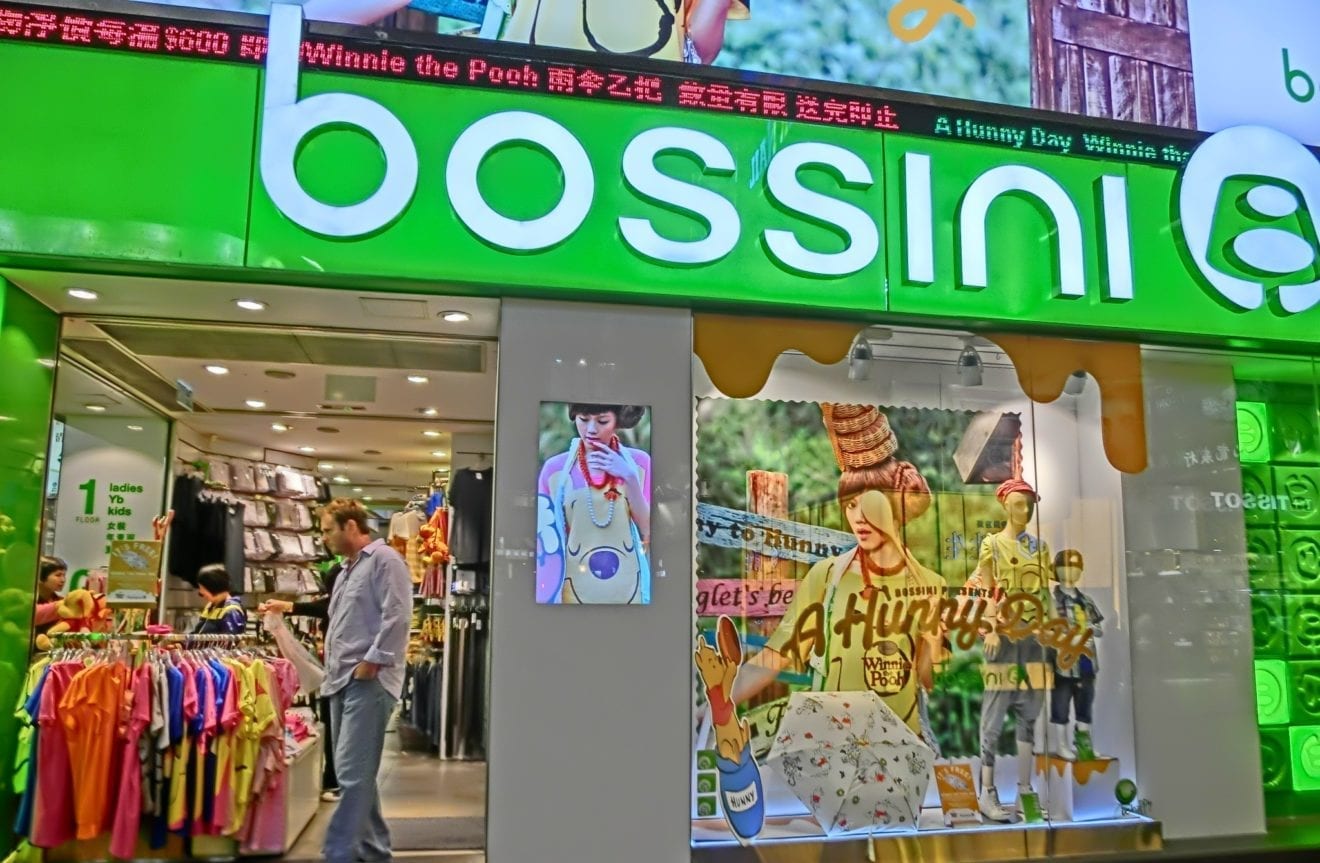
    Troubled apparel retailer Bossini has issued another profit warning after reviewing 11 months of its trading year.

    In a filing with the Hong Kong stock exchange, Bossini says it expects that the loss attributable to shareholders for the period to May 31 was between US$38 million and $42 million.

    The company attributed the loss to the adverse impact of social unrest and the subsequent arrival of the Covid-19 pandemic along with impairment provisions on property, plant and equipment

    Bossini reported a loss of $12 million during the six months to December – more than triple the $3.3 million loss of the same period a year earlier. Sales were down 20 percent to $90 million.

    The company is subject to a takeover offer from a Chinese company controlled by retired Chinese athlete Li Ning, who plans to expand the business in Mainland China.

    A venture called Viva China will buy 1.09 billion shares in Bossini, paying just $6 million for 66.6 percent of Bossini’s issued capital, effectively buying out the family interests of Bossini’s founder Law Ting-pong.

  • Apple Glass won’t need prescription lenses according to a new patent

    Apple Glass won’t need prescription lenses according to a new patent

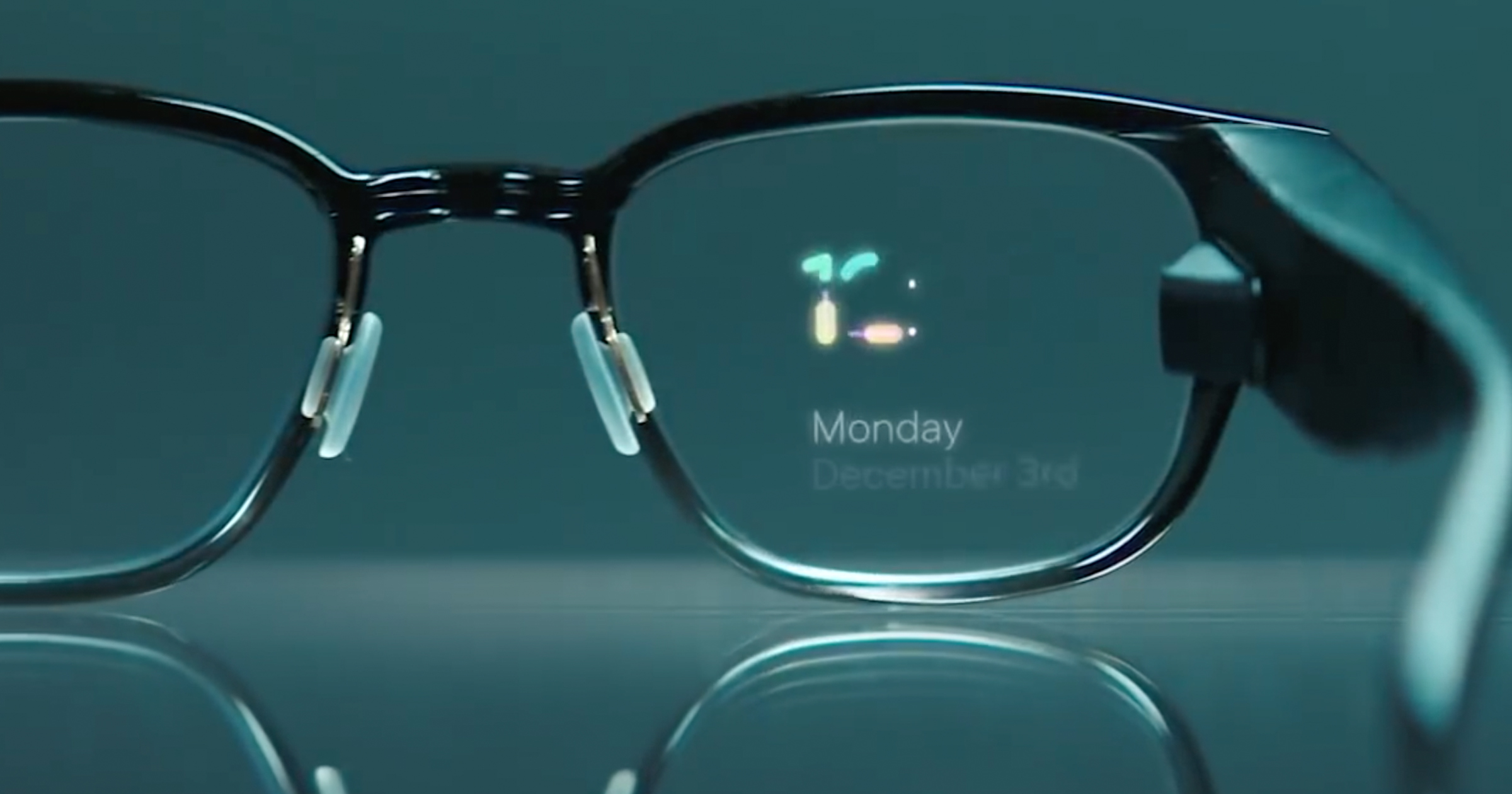
    Imagine wearing a pair of glasses that automatically adjusts to your eyes in order to correct any deficiencies; instead of wearing prescription lenses, the lenses would automatically make the necessary changes. Today, the U.S. Patent and Trademark Office (USPTO) awarded a patent to Apple for technology that would allow self-correcting lenses to be used on the rumored Apple Glass AR eyewear. The system seen in the patent illustrations shows a smartphone (like an iPhone) sliding into a frame. This would place the phone directly in front of the users’ eyes and allow it to plug into internal connectors so that it can be used as a display.

    Apple has used the title of the patent, “Head-mounted display apparatus for retaining a portable electronic device with a display,” multiple times with each use adding another change to the design. The latest version of the patent deals with a system to change the position and configuration of the device’s optical components in line with the user’s prescription. The beauty of this is that it would allow the user to wear the headset without having to put it on top of corrective lenses or contact lenses. Besides adjusting the lens configuration to make up for the user’s prescription, the display can be adjusted to make images look clearer; this can be accomplished by changing the position of images on the lens and resizing content. Right now, however, it doesn’t appear that Apple Glass will be available with tinted lenses for a sunglasses variant.

    The processing power required for the lenses to be automatically adjusted would come from a paired iPhone. In fact, like the original Apple Watch models which relied on a nearby iPhone to run many of the features on the timepiece, the first versions of Apple Glass will likewise obtain processing power from an iPhone. Eventually, it is hoped that Apple Glass users will be able to leave their iPhones at home and still have the AR shades handle tasks using on-demand processing.

    Apple Glass is expected to be unveiled next year. Last month, tipster Jon Prosser disseminated some leaks revealing that Apple Glass will look like a traditional pair of glasses with options for prescription lenses. This would indicate that the self-adjusting lenses won’t be offered by Apple for the first version of the device. Prosser says that the device will cost $499 and while prototypes of the glasses have a plastic build, a version with metal frames will eventually be available. While there will be no cameras mounted on Apple Glass, the wearable will have a LiDAR time-of-flight depth sensor. First employed by Apple on the 2020 iPad Pro models, the sensor computes how long it takes for infrared light to bounce off of a subject and return to the device. With this information, more precise depth measurements can be calculated and used for enhanced bokeh blurs on portraits, improved AR capabilities, and more.

    The camera available on Google Glasses became a controversial topic since users could snap photos of people without their knowledge. This led some bars to throw out patrons wearing Google Glasses and owners of the device were unceremoniously given the nickname “Glassholes.” Additionally, several movie chains, afraid that Google Glasses were being used to record bootlegs of newly released films, would not allow anyone wearing Google Glass to enter the theater. To prevent a repeat of this happening, Apple is reportedly going to employ a depth sensor only on Apple Glass.

    Prosser says that Apple Glass buyers will get a plastic stand right out of the box for wireless charging. A dedicated UI called “Starboard” will use gestures on the frames or via the LiDAR sensor.

  • Retail sales in Indonesia drop dramatically

    Retail sales in Indonesia drop dramatically

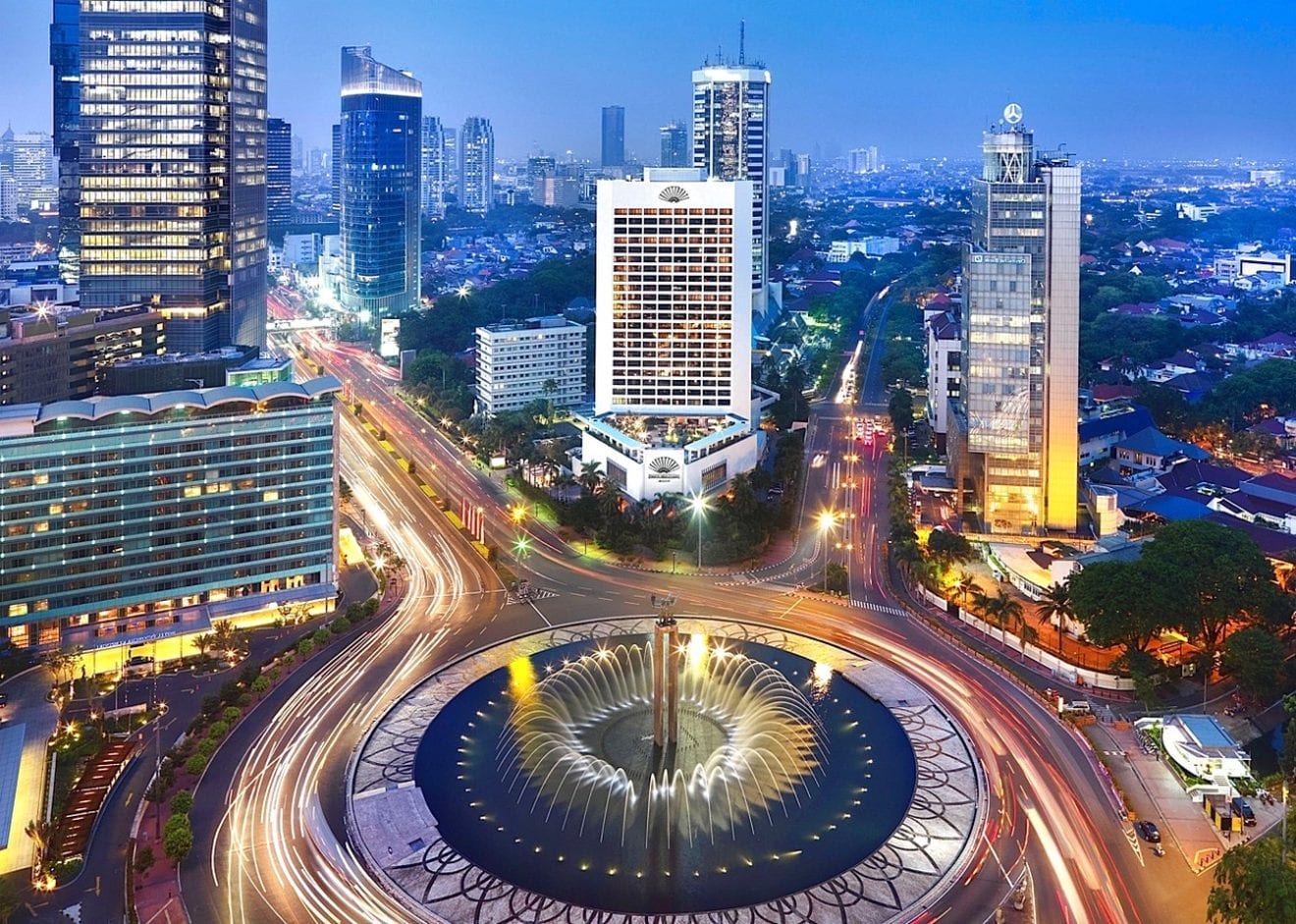
    Retail sales in Indonesia have fallen by 16.9 percent during the month of April compared to last year, according to government data.

    The drop is the steepest within the territory in 14 years and is the result of a steady decline in retail sales of a range of products surveyed by the Indonesian central bank.

    The decline is 4.5-per-cent deeper than comparable figures for the previous month, while retail sales in Indonesia declined by a more modest 0.8 percent during February.

    Even worse figures are expected for May, however, as the advent of Covid-19 saw people forced to implement social distancing.

    The Bank Indonesia now predicts sales figures to show a heavy 22.9-per-cent fall in volume year on year for last month.

  • Carrefour China set to open 100 more restaurants

    Carrefour China set to open 100 more restaurants

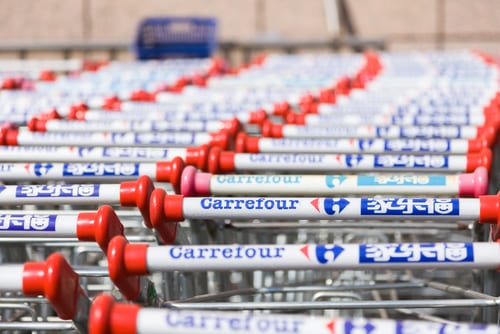
    Supermarket operator Carrefour China plans to open 100 restaurants at its existing stores.

    The first outlet of Carrefour restaurant chain Mr Fu has opened at its Gubei branch in Shanghai, followed by a second in Chongqing.

    “With more than 2000 products in a self-run goods pool, Mr Fu will introduce at least 30 new products each month,” said Li Yijiang, head of catering business division at Suning Carrefour China.

    The renovation work will be launched at selected Carrefour branches and will not be outsourced to a third party.

    “We will have more independence to promote food and drinks according to different festive occasions and promotional activities, and we also offer customized decoration styles at consumers’ requests,” Li told the Shanghai Daily.

  • Qualcomm’s new Snapdragon 690 chipset brings 5G to the masses

    Qualcomm’s new Snapdragon 690 chipset brings 5G to the masses

    As more carriers expand 5G services to more markets, demand for 5G-enabled smartphones starts to increase. In theory, that’s supposed to increase prices as well, but only if there are few offerings. Qualcomm is making sure that you will no longer have to pay a fortune for a 5G smartphone going forward.

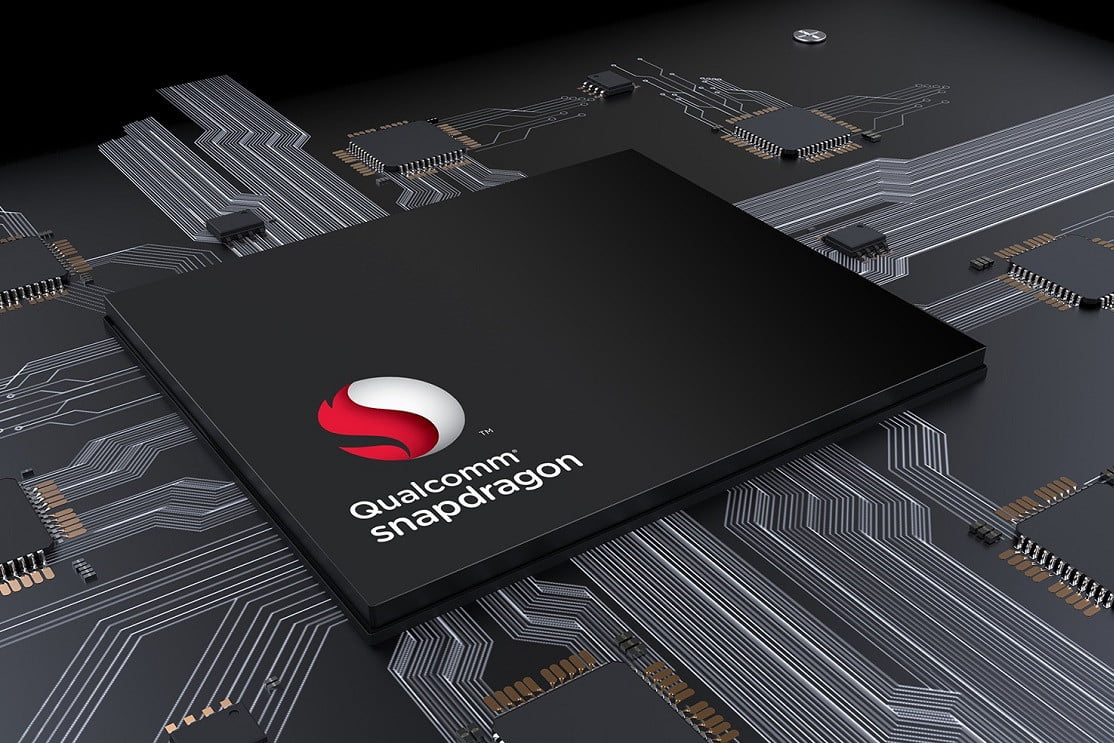
    The new Snapdragon 690 chipset fully supports 5G connectivity and is meant to be embedded in mid-range devices. With the new SoC (system-on-chip), Qualcomm plans to make 5G broadly available worldwide with the help of smartphone makers.

    The first companies to confirm they will launch smartphones equipped with the new Qualcomm Snapdragon 690 chipset are Motorola, LG, HMD Global, Sharp, and TCL. Other important players in the market are likely to embrace this new piece of tech, but they’ll probably wait for the first wave of devices to hit the market.

    Qualcomm’s new Snapdragon 690 5G is the first mid-range chipset to feature 4K HDR support to capture pictures at up to 192 megapixels. Moreover, the chipset includes support for 120hz displays for very fast refresh rates.

    Hardware-wise, the Snapdragon 690 chipset accommodates a Qualcomm Kryo 560 processor that should provide up to 20% performance improvement compared to its predecessor. The included Snapdragon X51 5G modem is optimized for the 6-series platform and offers blazing-fast speeds and superior 5G coverage.

    Also, the chipset comes with an Adreno 619L GPU (graphics processing unit) that delivers up to 60% faster graphics rendering. Last but not least, the Snapdragon 690 is fully compatible with Qualcomm’s Quick Charge 4+ technology that charges up to 4x faster than conventional charging.

    If you’re dying to get your hands on the new devices equipped with the Snapdragon 690 5G chipset, you’ll be pleased to know that the first smartphones are expected to be commercially available in the second half of the year.

  • Fuel Sales Recover In The First Half Of June In India

    Fuel Sales Recover In The First Half Of June In India

    India’s fuel demand continued to recover in the first half of June compared with the previous month as the nation eased restrictions on road transport, air travel and industries, provisional data from industry sources showed. Indian state fuel retailers’ gasoline sales jumped 63% to 903,000 tonnes in the first half of June compared with the same period last month, while diesel sales rose 39% to about 2.68 million tonnes.

     Indian state fuel retailers’ gasoline sales jumped 63% to 903,000 tonnes in the first half of June compared with the same period last month

    However, petrol and diesel sales declined 18% and 15%, respectively in June first half compared with a year earlier. State retailers’ LPG sales rose 6% to 960,000 tonnes in the first half of June compared with a year earlier, although consumption was down 20% from May first half.

    However, petrol and diesel sales declined 18% and 15%, respectively in June first half compared with a year earlier.

    Jet fuel consumption more than doubled to 85,000 tonnes in June first half from the previous month, while it dropped 73% compared with a year earlier. State companies – Indian Oil Corp, Hindustan Petroleum Corp and Bharat Petroleum – own about 90% of India’s retail fuel outlets.