Tag: asia

  • Oriental Watch issues profit warning

    Oriental Watch issues profit warning

    Slow-moving stock and falling sales due to the Covid-19 pandemic have prompted listed Hong Kong timepiece retailer Oriental Watch to issue a profit warning.

    The company has advised the stock exchange that net profit for the year to March 31 will fall by about 20 percent.

    Furthermore, for the two months ended May 31, the group’s revenue decreased by more than 10 percent compared with last year (when sales were impacted by social unrest in the territory).

    During the quarter to March, Oriental Watch has allowed for impairment of assets, plant and equipment and provisioned for “slow-moving watches”.

    “There has been no change in the group’s operation as a result of the Covid-19 outbreak and its financial position continues to be strong,” said chairman Yeung Ming Biu in the filing.

  • Lawson Japan to stock Muji products

    Lawson Japan to stock Muji products

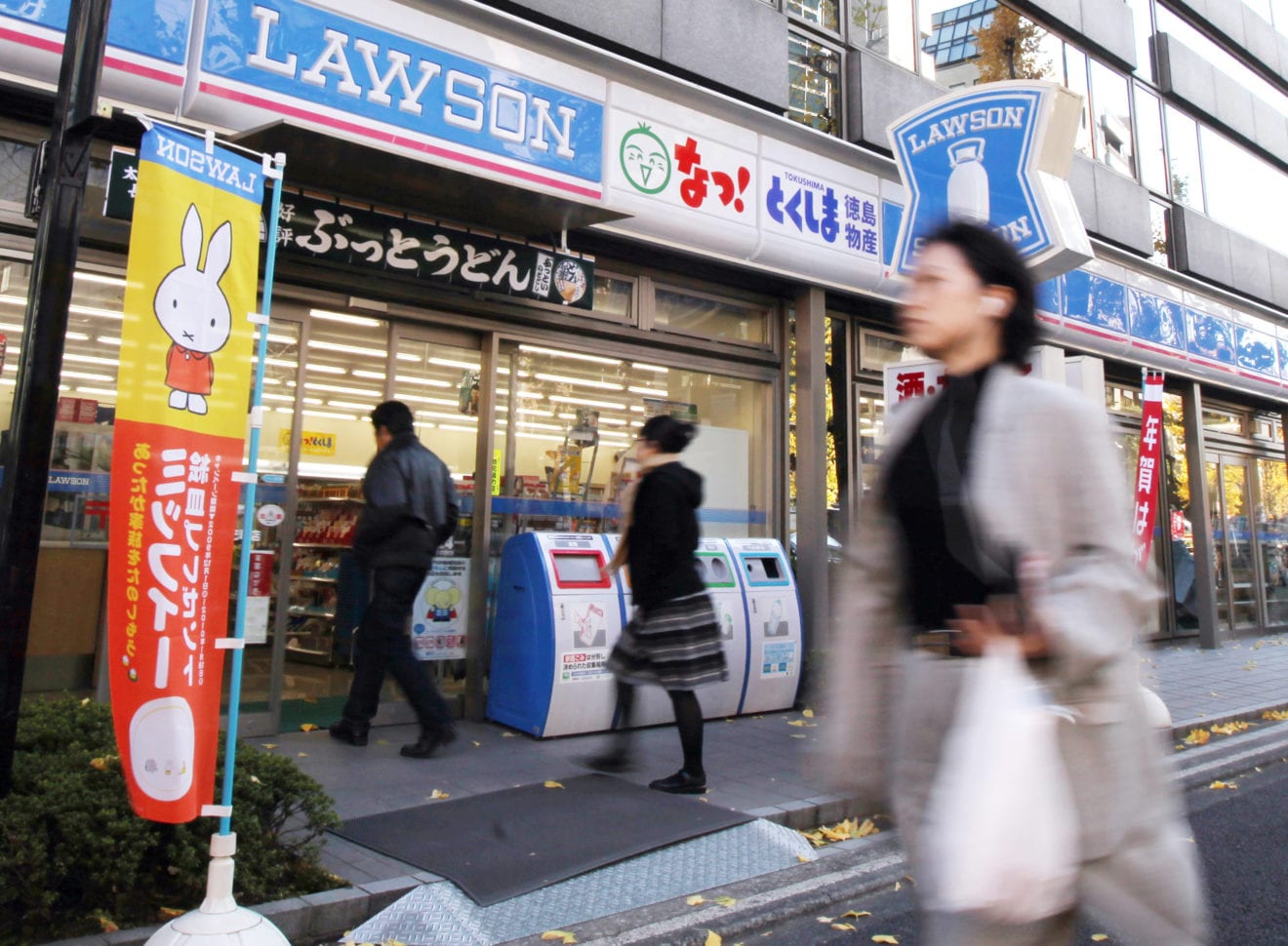
    Japanese convenience-store business Lawson will cooperate with local home-goods network Muji in a sales and brand development partnership, according to a Nikkei Asia report.

    The deal will see Muji products stocked in Lawson Japan outlets as well as the development of further daily-use products under a new private brand, which may lead to a fresh store concept. It replaces Muji’s previous supply contract with rival chain FamilyMart.

    The move will take advantage of shifting consumer behaviors as more Japanese shoppers purchase daily items from convenience store chains in the wake of the coronavirus outbreak.

    Around 20 percent of items currently stocked at Lawson are likely to be replaced with Muji-branded products, most probably goods such as eco-friendly detergents and nutritional pre-packaged foods, in high demand since the advent of Covid-19.

    Early customer response to the change in a small number of outlets will determine how broadly the initiative is applied across Lawson’s 15,000-store network.

    The agreement also addresses shrinking opportunities to expand given the gradual decline in Japan’s population, providing a broader product range in existing stores.

    Muji currently operates more than 400 locations in Japan.

  • Starbucks and Hyundai launching its own credit card

    Starbucks and Hyundai launching its own credit card

    South Korean conglomerate Hyundai’s credit-card subsidiary Hyundai Card is collaborating with Starbucks to launch a private-label credit card.

    The card will be made available later this year with marketing and operations are taken care of by the local issuer. Customers bearing the card will be eligible for all rewards offered by Starbucks on top of regular credit functions and will enjoy optimized benefits from both firms.

    “Along with the private-label credit-card product, we will spur the development of customized services based on our big data,” company officials said.

    The partnership marks Starbucks’ first such private-label alliance within the territory, while Hyundai has previously set up such agreements with E-mart, eBay, Costco, GS Caltex and Korean Air, among others.

  • Apple App Store ecosystem generated big bucks last year

    Apple App Store ecosystem generated big bucks last year

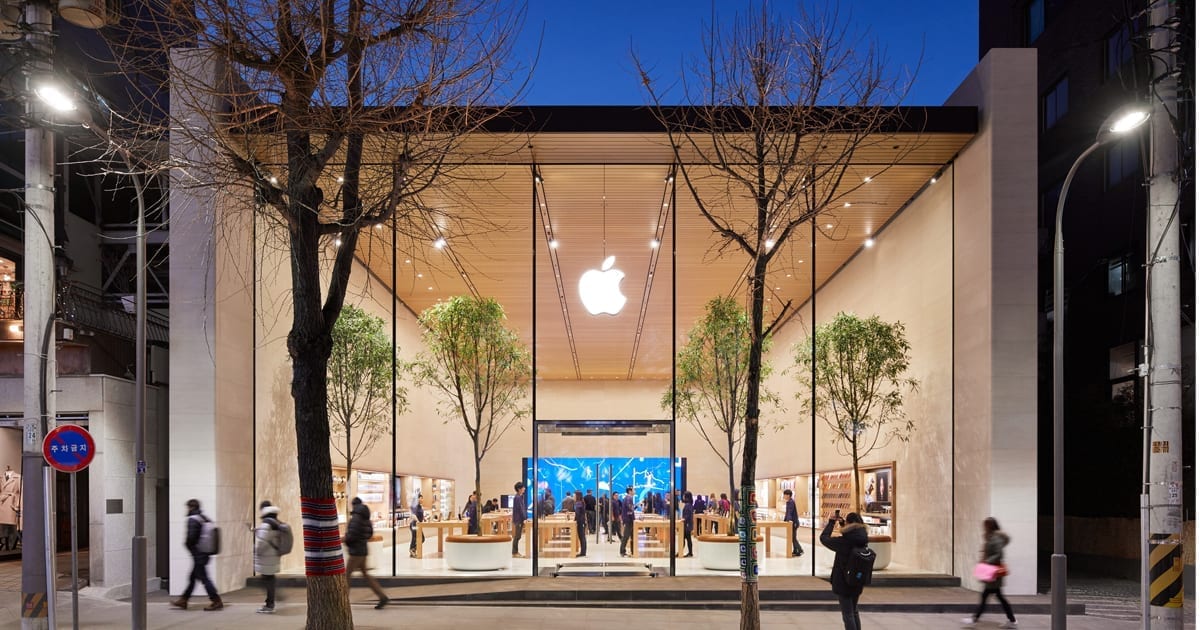
    Apple reported today that its app storefront supported $519 billion in billings and sales in 2019. A study was conducted by independent economists working for Analysis Group who calculated that since the App Store opened with 500 apps in 2008, Apple has paid developers more than $155 billion. A quarter of those payments were made last year. Developers share with Apple payments for paid apps, digital content or in-app purchases made by users through Apple’s in-app payment system.
    The economists that were studying the amount of money that flows through the iOS app ecosystem are underestimating the amount of money that is collected by Apple. That is because some developers decide to monetize their apps through other methods outside of the App Store. For example, digital goods and services can be sold outside of the App Store for use within apps on Apple devices. An example of that would be downloading the Netflix app from the App Store and going to the Netflix website to pay for a subscription. Another example, one that is very popular these days, involves installing a delivery app like Instacart or Shipt and paying the delivery firm directly for groceries through its website.
    Of the $519 billion in billings and sales that the App Store generated last year, physical goods and services accounted for $413 billion or 80% of total revenue. $61 billion, or 11.8% of revenue, came from Digital Goods and Services; that leaves $45 billion, or 8.7%, which came from in-app ads. Analysis Group says that the world’s largest smartphone market, China, was responsible for a leading $246 million or 47% of global App Store billings. That was followed by the $138 billion or 27% that comes from the U.S.
    While the report is based on 2019 data, AG says that the coronavirus has had an enormous, positive impact on App Store business. The Analysis Group says that it has seen increased use of educational and business collaboration apps during the pandemic, growth in demand for food and grocery deliveries, and a trend toward ordering food and then driving to the restaurant to pick it up. Other changes include an increasing trend toward mobile gaming and video streaming apps, and the increasing popularity of social apps which are replacing the gap felt by users during periods of social isolation.
    The report says, “With widespread social distancing around the globe, more consumers are turning to mobile to make purchases and to stay informed, connected, and entertained. Many companies and their employees have had to adjust to working from home, while universities, schools, and students have switched to remote teaching and learning. During this time, app downloads, usage, billings, and sales have seen an overall surge.
    Not all apps have been able to benefit from the pandemic. Apps related to businesses that have closed or have faced strict regulations (such as the hotel business, airlines and restaurants) or those that require face-to-face interaction (like the ride share business) have been seriously impacted. And as the global economy has taken a huge hit, digital advertising also has see a plunge as companies feel less of a need to advertise to a public that is not as liquid as it once was.
    Apple CEO Tim Cook, talking about the App Store says, “The App Store is a place where innovators and dreamers can bring their ideas to life, and users can find safe and trusted tools to make their lives better. In a challenging and unsettled time, the App Store provides enduring opportunities for entrepreneurship, health and well-being, education, and job creation, helping people adapt quickly to a changing world. We’re committed to doing even more to support and nurture the global App Store community — from one-developer shops in nearly every country to businesses that employ thousands of workers — as it continues to foster innovation, create jobs, and propel economic growth for the future.”
  • Many Singapore stores set to reopen as restrictions are lifted

    Many Singapore stores set to reopen as restrictions are lifted

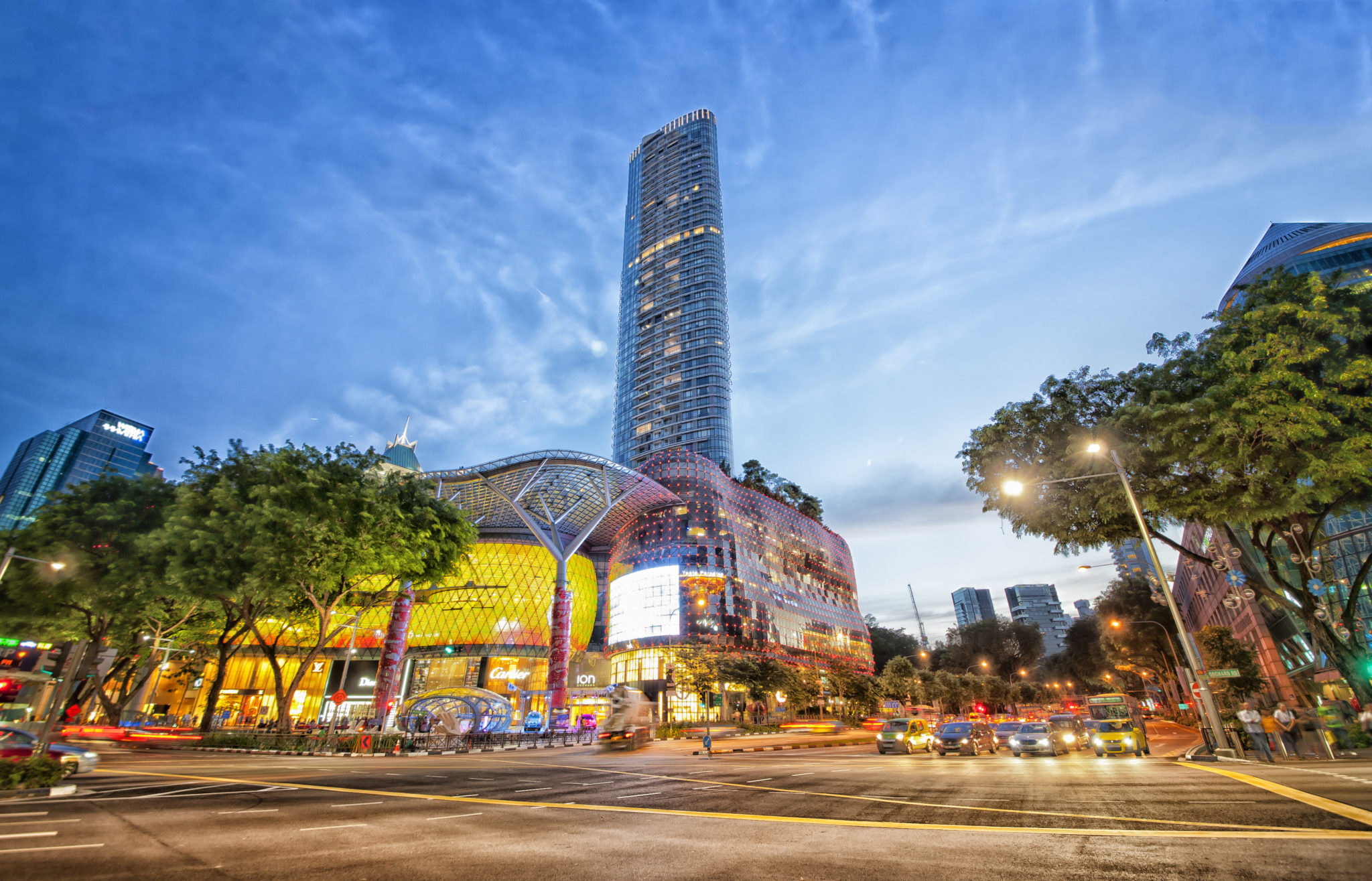
    Singapore stores are set to reopen as the country will enter the second phase of reopening on Friday, June 19.

    According to advice from the government, retailers may reopen under Phase Two of the easing of restrictions on Friday, but they must adhere to safe distancing measures.

    For F&B retailers, dine-in will be permitted with up to five diners per table. However, live music, television and video screenings are not allowed under stage 2. Stores will also have to stop liquor sales and consumption at 10.30pm.

    Larger venues with high traffic such as malls, department stores or large-scale standalone retail outlets have to restrict capacity to ensure safe distancing. Operators are required to prevent crowds or long queues from building up.

  • JD and Kuaishou to launch live-streaming partnership

    JD and Kuaishou to launch live-streaming partnership

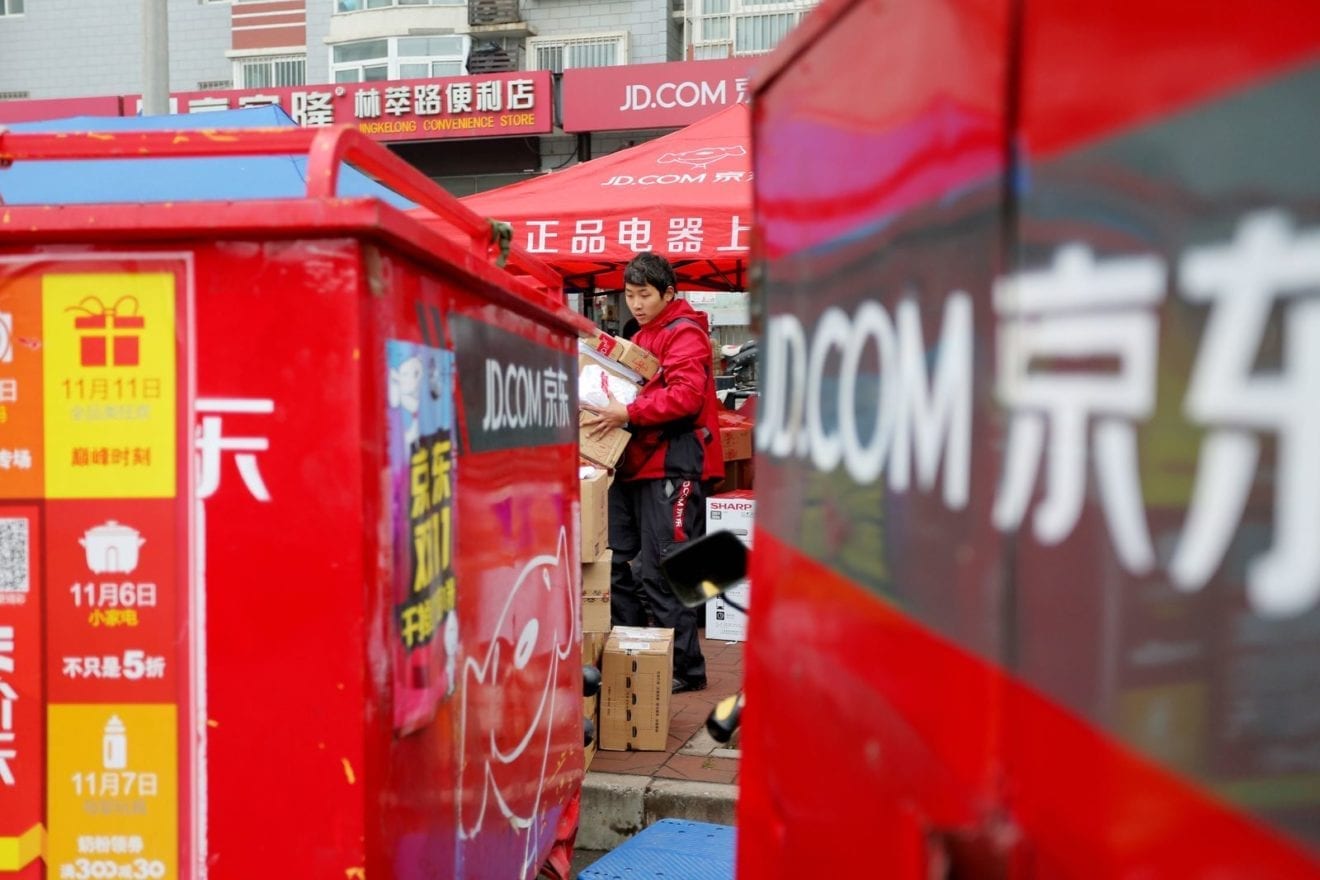
    Chinese e-commerce giant JD has launched a strategic partnership with video sharing and live-streaming platform Kuaishou.

    The partnership, which focuses on the supply chain, will allow Kuaishou users to purchase products provided by JD without leaving the Kuaishou app, and enjoy fast delivery and after-sales service provided by JD.

    The two firms are launching their first large-scale promotional event on Kuaishou’s platform today, as celebrities and more than 100 well-known Kuaishou KOLs conduct promotions via live streams.

    JD is providing substantial discounts on a range of popular items for today’s promotion, including Apple iPhones and iPads; Chinese Moutai liquor; Nintendo Switches, Estee Lauder essence, and Mac lipsticks, among others.

    Apart from celebrities and KOLs, all anchors on Kuaishou are able to sell the products in their live streams and short videos.

  • Online move limits damage to Cafe de Coral Group’s sales

    Online move limits damage to Cafe de Coral Group’s sales

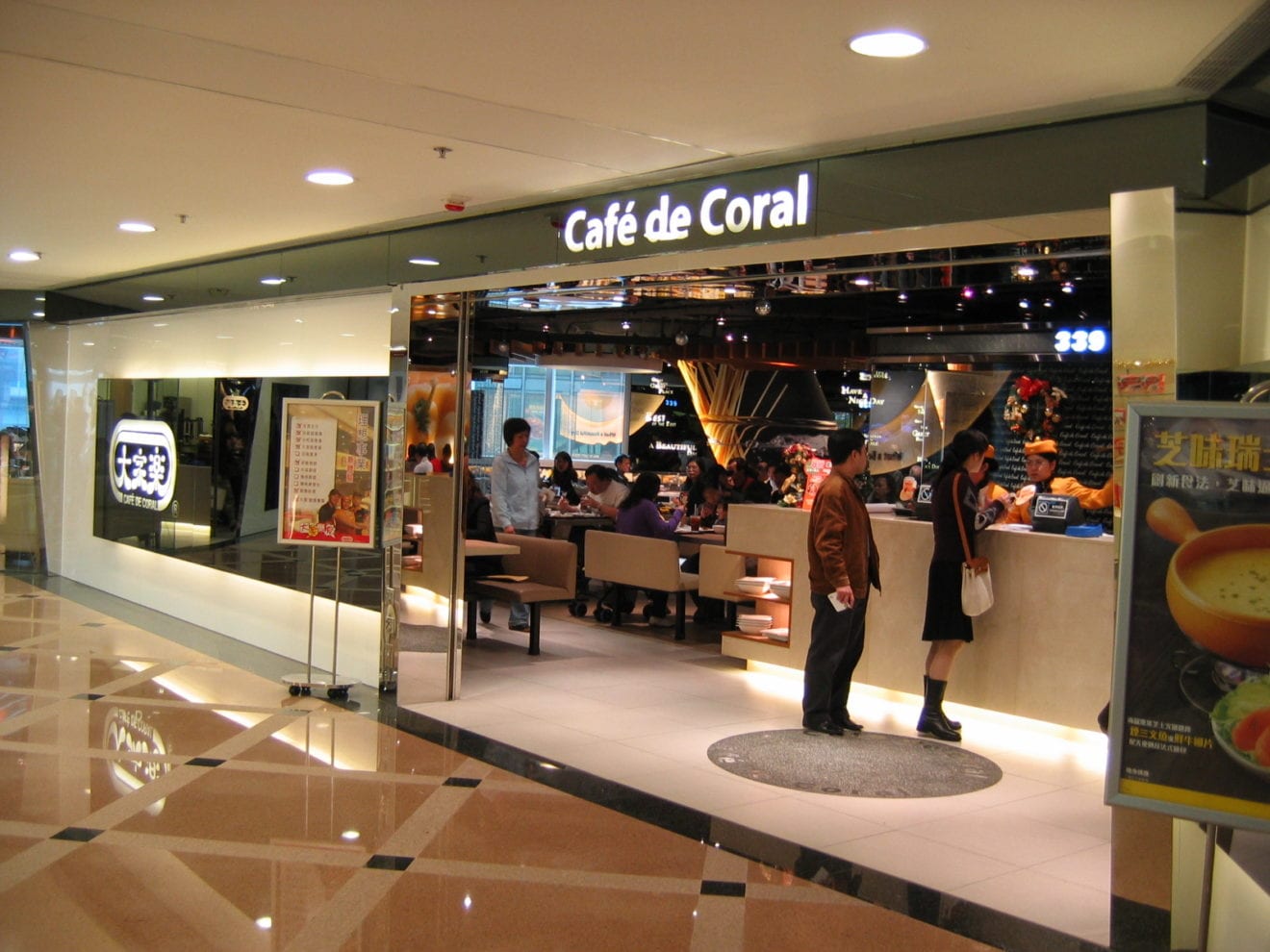
    Listed Hong Kong restaurant and catering operator Cafe de Coral Group managed to minimize the impact on sales during Covid-19 social-distancing restrictions by expanding its online and delivery operations.

    The company operates the Cafe de Coral fast food and Super Super Congee & Noodles QSR chains, along with the casual-dining restaurant’s Shanghai Lao Lao, Mixian Sense (pictured above),The Spaghetti House and Oliver’s Super Sandwiches.

    Sales for the year to March 31 decreased by a modest 6.2 percent to US$1.03 billion, with the Hong Kong casual-dining business taking the biggest hit, down 14 per cent. Overall Hong Kong sales fell by 6.4 percent and Mainland China sales by 6.2 percent.

    Profit attributable to shareholders for the year plunged 87.1 percent $9.5 million.

    Chairman Sunny Lo Hoi Kwong says the coronavirus outbreak will force a re-shuffle of the way businesses to operate as they adapt to the new market landscape.

    “Once the pandemic is under control, I believe Hong Kong – and the world as a whole – will need to adapt to a new business paradigm.”

    Cafe de Coral Group addressed some of the decline in dine-in sales by measures such as introducing self-service ordering kiosks in stores and increasing its emphasis on online ordering and home-delivery services.

    “At the same time, we are making internal adjustments to our operations by fine-tuning dishes and updating menus to optimize meals for delivery. Anticipating a shift from in-restaurant dining to a broader mix of in-store and delivery options, our focus on technology, efficiency and cost-effectiveness will only intensify going forward,” he said. The company also partnered with home-delivery apps.

    Cafe de Coral Group has also been reviewing lease agreements with landlords to reduce overheads. “With the group’s strong, 50-year reputation and our position as one of Hong Kong’s leading listed catering groups, landlords have been quite willing to work with us,” he said.

  • China retail sales decline eases in May

    China retail sales decline eases in May

    The decline in China retail sales sparked by the advent of Covid-19 slowed substantially in May as the country continued to reopen for business.

    The consumer goods retail sector in China saw a year-on-year decline of 2.8 percent last month, according to the National Bureau of Statistics.

    That decline was a significant improvement on April, when China retail sales fell by 7.5 percent.

    Retail takings hit US$451 billion during May.

    However, the mainland’s catering industry remained heavily affected by the pandemic, with sales down by 18.9 percent year on year last month. That was still better than the 31.1-per-cent decline of April.

    Statistics show that online shopping is continuing to boom, with a 4.5 percent increase during the first five months of this year over last year’s results.

  • BMW S 1000 XR Teased Ahead Of Launch In July

    BMW S 1000 XR Teased Ahead Of Launch In July

    After introducing the F 900 R and the F 900 XR in the country, BMW Motorrad India is now gearing up to launch the 2020 BMW S 1000 XR sports tourer. The upcoming offering has been teased on the company’s social media handles and comes with several upgrades over the current model. The 2020 BMW S 1000 XR made its global debut at EICMA 2019 in November and brings the prowess of the S 1000 RR’s engine with the versatility of a tourer in a compelling package. The model locks horns with the likes of the Ducati Multistrada 1260 S and the Kawasaki Versys 1000 in the segment.

    The 2020 BMW S 1000 XR has been comprehensively updated and comes with a new frame, new design language and a new engine as well. Sharing its underpinnings with the S 1000 RR, the sports tourer also loses those famed asymmetrical headlamps for a sharper-looking front design. The sports tourer gets a standard two-step adjustable windscreen and sharper bodywork. The new flex frame uses the engine as a stress-member that have improved the ergonomics on the motorcycle. The swingarm is 19 percent lighter than the older version, while the bike has lost about 10 kg over its predecessor.

    Power on the 2020 BMW S 1000 XR now comes from the 999 cc in-line four-cylinder petrol engine that has been tuned for more relaxed usability. Unlike the BMW S 1000 RR, the S 1000 XR misses on ShiftCam technology or variable valve timing, and belts out 163 bhp at 11,000 rpm and 114 Nm of peak torque at 9250 rpm. The engine is paired with a 6-speed transmission but the top three gears get longer ratios that alter performance for more highway-dedicated duties.

    The new S 1000 XR also comes with a semi-active suspension that is electronically adjustable and will alter the response setting depending on the terrain the bike is riding on. The bike rides on 17-inch alloy wheels with spoked wheels as an option but the S 1000 XR is not an adventure motorcycle and has limited abilities off-road. It also comes with road-spec tires, while the whole bucket electronic wizardry has been carried over and includes the six-axis IMU, cornering ABS, lean sensing traction control, drag torque control, bi-directional quick-shifter, cruise control, hill assist, wheelie control and more. There are four riding modes – Road, Rain, Dynamic and Pro. The bike also gets a TFT screen, keeping up with the times.

    The 999 cc in-line four-cylinder motor does not get ShiftCam tech from the S 1000 RR on the S 1000 XR

    Pricing on the 2020 BMW S 1000 XR is expected to remain identical to the current model and we expect the sports tourer to carry a price around ₹ 18-20 lakh (ex-showroom), depending on the exchange rate. The S 1000 XR is expected to go on sale sometime next month.

  • Google tests replacing URL with site’s domain name in Chrome

    Google tests replacing URL with site’s domain name in Chrome

    There are so many different versions of the Google Chrome browser in the Google Play Store. The Chrome Browser is the public version of Google’s browser. It has a Translate feature, Desktop mode, Dark mode, and other capabilities. Other versions of Chrome that can be installed on most Android phones include the Chrome Dev app. As Google says on the app’s listing on the Google Play Store, “Live on the bleeding edge: Try out our latest features. (They’ll be rough around the edges!) That means that the app will be buggy so you better think twice before installing it. The Chrome Dev app can be found here. This is a little more refined than the Chrome Canary app, which is very unstable and includes a nightly build for developers.

    Google last week started testing a change for the Chrome Dev/Canary 85 apps that hide the URL address of the website that they are on and only shows the domain name of the site (for example, Google.com). A Chromium developer said, “We think this is an important problem area to explore because phishing and other forms of social engineering are still rampant on the web, and much research shows that browsers’ current URL display patterns aren’t effective defenses. We’re implementing this simplified domain display experiment so that we can conduct qualitative and quantitative research to understand if it helps users identify malicious websites more accurately.” In other words, Google is testing whether replacing full web addresses with just a domain name help users easier spot a malicious website.

    To get this feature to work on Chrome Dev or Canary 85, you’ll have to enable a flag. Open one of the two aforementioned browsers on your Android device and go to Chrome://Flags. Search for Omnibox UI and enable “Omnibox UI Hide Steady-State URL Path, Query, and Ref.” Once the flag is enabled and you reboot your phone, instead of seeing a long URL address in the address field, only the domain name will appear. For example, instead of seeing “https://crm.retailnews.asia/major-us-carriers-go-down” you’ll just see the domain name of crm.retailnews.asia/news.

  • Korean telcos developing unmanned stores

    Korean telcos developing unmanned stores

    Major South Korean telcos are looking to launch unstaffed outlets as they try to provide business services without face-to-face contact amid the novel coronavirus pandemic.

    According to the sources, SK Telecom Co, the nation’s top mobile carrier, is planning to offer unmanned services at a store in Seoul in October.

    Instead of opening a new store without clerks, the company is likely to implement the system at existing stores and operate it during certain time periods, such as late at night, the sources said.

    At the unmanned store, customers will be able to select pay plans and a device through kiosk machines and use their mobile service. When entering the store, customers will need biometric certification.

    For those who struggle to use the store on their own, the company plans to provide a video chat with sales clerks, according to sources.

    “We are reviewing our plans to set up a new type of retail channel that can meet the social needs in the era of non-face-to-face life,” a SK Telecom official said.

    Other mobile carriers said they are also planning to expand unmanned services using their technologies.

    LG Uplus said it will provide more kiosk machines to its stores in the second half so that customers can handle mobile services, such as changing monthly pay plans, on their own.

    KT Corp said it is currently running kiosks at stores in major cities. It plans to expand stores with “contactless zones,” where customers can experience their services without sales clerks’ help.

  • Porsche Panamera 4 10 Years Edition Unveiled

    Porsche Panamera 4 10 Years Edition Unveiled

    Porsche India has unveiled a special Panamera 4 10 Year Edition model to commemorate the luxury sports saloon’s 10th anniversary in the country. Launched at ₹ 1.60 crore (ex-showroom, India), the special edition model comes with an extensive range comfort and performance features, all offered as part of the standard equipment, and no extra cost. Furthermore, the Panamera 4 10 Year Edition also comes with special design highlights that help the anniversary edition stand apart from the regular Porsche Panamera 4. Compared to the regular Panamera 4, which is priced at ₹ 1.48 crore (ex-showroom, India), the anniversary edition is ₹ 11.47 lakh more expensive

    The Porsche Panamera 4 10 Years Edition gets 21-inch satin-gloss White Gold Metallic Panamera Sport Design wheels

    Announcing the launch of the Panamera 4 10 Year Edition, Pavan Shetty, Director of Porsche India said, “With more than 250,000 Panamera cars delivered around the world since its launch, our luxury saloon has established itself as a coveted model in the last decade. The new Panamera 4 10 Years Edition represents this remarkable achievement. In a market where many luxury vehicles are chauffeur driven, it’s rewarding for me to see the Panamera remains as the only prestige saloon in our market which is focused equally towards the driver as well as its passengers. It’s a true sports car for the drive to the office and fun on the track.”

    The Porsche Panamera 4 10 Year Edition comes with the company’s Matrix LED headlamps, and 21-inch satin-gloss White Gold Metallic Panamera Sport Design wheels. Other visual cues include – white gold metallic “Panamera10” logos on the front doors, the door sills, and the on the front passenger trim panel. The entire cabin is draped in black faux leather with contrast white gold stitching. In terms of features, the car comes with a panoramic sunroof, 14-way comfort seats with the Porsche crest on the head restraints, soft-close doors, digital radio and a BOSE Surround Sound system are also included as standard equipment.

    Porsche also offers PDLS Plus, Lane Change Assist, Park Assist, including a reversing camera. Furthermore, the car also comes with adaptive three-chamber air suspension, including Porsche Active Suspension Management (PASM) and Power Steering Plus as standard. Under the hood, the Panamera 4 10 Year Edition comes with the 2.9-litre, biturbo V6-engine developing 326 bhp, and it can accelerate from 0 to 100 kmph in 5.3 seconds before reaching a top speed of 262 kmph. Plus it gets all-wheel drive.

  • Hong Kong Land unveils premium food hall concept BaseHall in Central

    Hong Kong Land unveils premium food hall concept BaseHall in Central

    Hongkong Land has unveiled a new premium food hall concept BaseHall at Jardine House, in Hong Kong’s Central district.

    The foodcourt houses eight eateries and two bars, featuring concepts carefully chosen for their style and food offer including Moyo Sik from the contemporary Korean spot Moyo and Co Thanh, who offers authentic Vietnamese dishes.

    The two bars, Pub 1842 from Young Master and BaseHall Bar, serve a wide range of drinks, including local craft beer and Asian-inspired cocktails.

    “BaseHall is core to our strategy for attracting younger customers while still catering to our existing loyal customer base,” said Raymond Chow, executive director of Hong Kong Land.

    “BaseHall is breaking new ground in the F&B landscape which creates huge potential growth opportunities, both in terms of the vendor line-up, and the meticulously designed space that allows for multi-purpose use.”

    Besides using sustainable materials, BaseHall has also partnered with a food-assistance programme to distribute leftover food to worthwhile causes across the city.

    “This will no doubt be the new hotspot for the Central office population and the wider Hong Kong community to socialise and enjoy great food,” Chow said.

  • H&M sales tumbled in May quarter

    H&M sales tumbled in May quarter

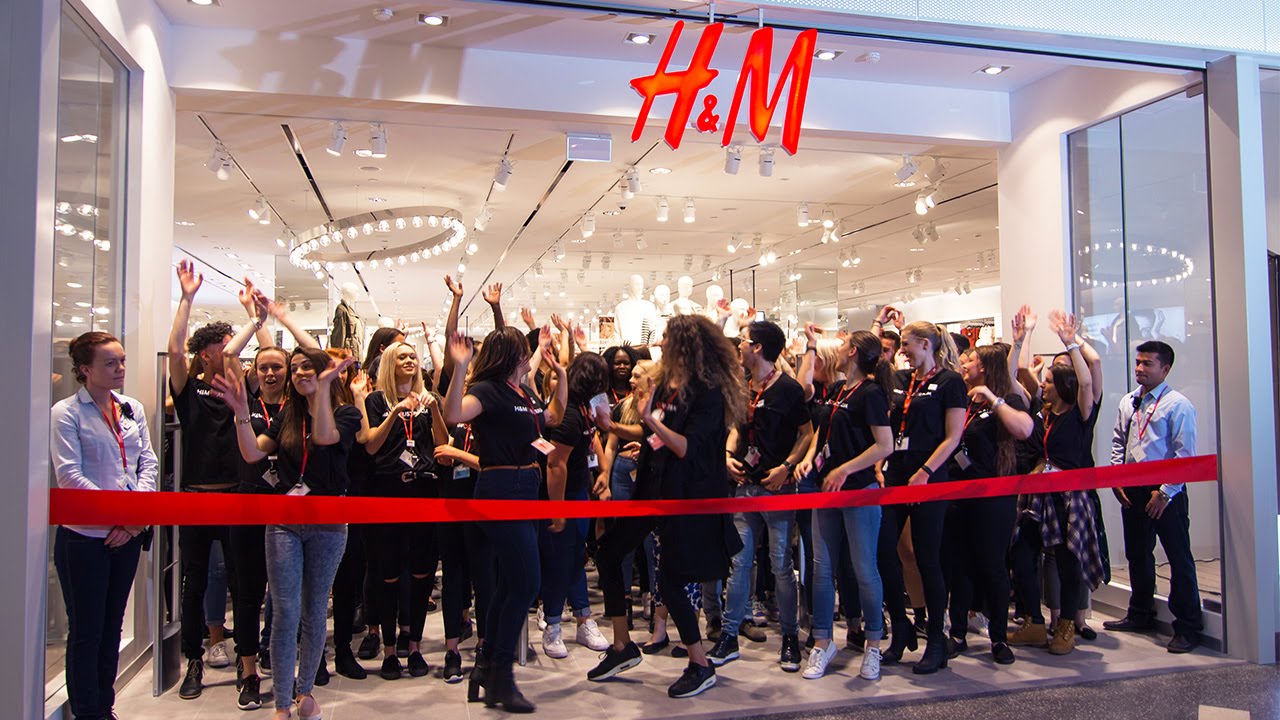
    H&M says its sales decline in May was slightly below expectations, and less dramatic than during March and April as stores began to reopen across Asia and Europe.

    The Swedish-headquartered fast-fashion retailer said net sales in the three months to May 31 were down by 50 percent year on year to US$3.1 billion.

    More encouragingly, sales in the first 13 days of June were down 30 percent, suggesting a gradual return of customers to stores.

    H&M has 5058 stores worldwide and almost one in five of those remain shuttered due to the Covid-19 pandemic, the company said in a statement.

    The decline in sales was less than at rival Inditex, the parent of Zara, which last week reported a 34-per-cent decline in the week of June 2 to 8.

    But an H&M spokesperson said the pace of the sales recovery “varies largely between markets” around the world.

  • The challenges, the opportunities: Post COVID-19 Lockdown Retail Trends

    The challenges, the opportunities: Post COVID-19 Lockdown Retail Trends

    The impact of COVID-19 on the Asian retail sector has been significant. The implementation of isolation measures led to many traditional retail businesses standing-down staff or closing. At the same time, other retailers experienced spikes in ecommerce orders and struggled to meet this unexpected demand.

    As restrictions on retail trading are being eased in many countries across the region in line with economic recovery plans, many retailers will be uncertain. After all, reopening physical stores for business while COVID-19 is still active in the community presents a considerable number of operational challenges. So, what should retail industry professionals understand ahead of reopening, or scaling up their operations? What will be the new ‘normal’ in a post COVID-19 lockdown world?

    Increased use of Mobile POS to eliminate customer bottlenecks

    Given social distancing measures remain in place for many countries across Asia, eliminating areas where people concentrate instore must be a priority. One of the largest bottlenecks of people within a retail store is the check-out counter, where customers must line-up to be served. While marking floors with safe-spacing points for customers to stand while waiting to be served may help at a rudimentary level, retailers should move away from fixed POS terminals that require customers to queue. Additionally, self-service POS may not be the answer either as they require customers to touch the same device over and over, and often don’t work when customers are using gloves. Mobile POS technologies built into mobile computers allow retail staff to assist customers with product information, stock availability and on-the spot transactions from anywhere in the store, eliminating the need for check-out lines or use of self-service.

    Retailers to take control of their reverse logistics operations

    Customer returns became more complicated for retailers when purchased items couldn’t be returned to stores due to closures and this resulted in larger volumes of mail-returns. Mail returns are often managed by reverse-logistics providers, who were themselves disrupted by COVID-19 social distancing rules for warehouse operations, which has led to lengthy delays in retailers receiving the stock again for resale. And if the stock being returned was seasonal, these third-party reverse logistics delays could result in products not being able to be resold at all. To ensure full control over the sales and returns supply chains, retailers should take control of their own reverse logistics operations to speed the time in which they receive returned stock for resale.

    Investment into inventory visibility needed

    Retailers operating across Asia cannot sell what they cannot see. Online order levels grew to record highs over recent months and many retailers were simply unable to keep up with demand, or find the right inventory to fulfil new orders. This resulted in many retailers resorting to cancelling sales, or only partially fulfilling them. The common cause for these issues is that the retailers’ own warehouse management systems (WMSs) were telling them that they had stock to sell, but because of the massive volumes going through their Distribution Centre (DC), often by the time that orders were ready to pick-and-ship, the inventory was no longer available. This false record of inventory arises when an older WMS is in place that does not update inventory levels in real-time. Asian retailers need to upgrade to a WMS that models demand and instantaneously updates inventory details to ensure an accurate picture of stock on hand for sale and shipment every time.

    ‘Fulfilling from store’ is the new standard for retail flexibility today  

    The consumer behavioral shift to online shopping , which has been accelerated by COVID-19, has increased the business case for an expansion of hybrid fulfilment methods that blend ecommerce and store resources. Hybrid fulfilment offers retailers increased flexibility enabling them to pivot, scale, adjust and respond as things change and return to normal. Fulfilling online orders in retail stores is a by-product of this new economy. Customers enjoy picking up online purchases in local stores, which satisfies their insatiable demand for immediacy and flexibility. Further, ship-from-store is vital in an age where ecommerce orders are booming and bricks and mortar operations are operating at much lower levels. Technologies exist today that support underutilised retail staff to handle store order picking, staging, packing, shipping for fast delivery and customer pickup.

    Learn, adapt, grow in a post lockdown world

    The Asian retail sector has faced immense challenges through the COVID-19 period. Many businesses are now trying to answer the question of how to deliver high levels of customer service while practicing social distancing and protecting staff, and those that closed their physical stores temporarily will be faced prospect of reopening with out-of-season stock. However, in every crisis there are learnings, trends and innovation. It will be those retailers that seek to understand and adapt that are best positioned to create better customer experiences, capitalise on opportunities and grow. 

    About Manhattan Associates

    Manhattan Associates is a technology leader in supply chain and omnichannel commerce. We unite information across the enterprise, converging front-end sales with back-end supply chain execution. Our software, platform technology and unmatched experience help drive both top-line growth and bottom-line profitability for our customers. Manhattan Associates designs, builds and delivers leading edge cloud and on-premises solutions so that across the store, through your network or from your fulfillment center, you are ready to reap the rewards of the omnichannel marketplace. For more information, please visit www.manh.com.au.

    Written by: Richard Wright, Managing Director Southeast Asia, Manhattan Associates