Tag: asia

  • Maybank Sued for Loan Pullback

    Maybank Sued for Loan Pullback

    Malayan Bank Berhad – better known as Maybank – is reportedly being sued for effectively thwarting a Manhattan-based proper project after allegedly reneging on a loan agreement.

    American real estate developer Sharif El-Gamal said that the Malaysian lender and other syndicate members ignored and breached their obligations under the building facility and related loan documents which caused «irreparable damage to the plaintiff’s relationship with its contractor, leading to a cessation of all work, according to a report citing a notice last week.

    El-Gamal, also chairman and chief executive of Soho Properties, is seeking an award of more than $245 million which he claims is the net sell-out value of the property that has been filed for disclosure by the loan syndicate.

    According to El-Gamal, Maybank reneged on agreements to provide more than $162 million in syndicated construction loans to fund the project in New York.

    At the time of the project’s announcement, El-Gamal reportedly also said in a statement a senior construction loan totaling US$174 million was received from a syndicate that also included Warba Bank of Kuwait and Intesa Sanpaolo alongside US$45 million in mezzanine financing from MASIC, a Saudi investment firm.

  • Google Stadia has just got an important boost on Android

    Google Stadia has just got an important boost on Android

    Cloud gaming is starting to become a thing as more companies like Google, Microsoft and NVIDIA continue to invest in such services. Although Stadia was off to a rough start, Google continues to bet big on the cloud gaming service.

    Google Stadia works not just on PCs, but on Android phones as well. However, not all Android handsets were compatible with the Stadia app, but very few until recently. As of this week, Google announced that even more Android phones will be able to run the Stadia app and let subscribers play their favorite games.

    First off, Google revealed that all OnePlus smartphones are now fully compatible with Stadia, including OnePlus 5/5T, One 6/6T, and OnePlus 7/7 Pro/7 Pro 5G/7T Pro/7T Pro 5G. These phones join the OnePlus 8 and OnePlus 8 Pro, which were already compatible with Google Stadia.

    But wait, there’s more! Google confirmed that anyone with a compatible Android phone can install the Stadia app and start playing games, including phones that aren’t on the list of officially supported phones.

    This is a major change that basically removes any brand restrictions and only limits Stadia compatibility to your phone’s hardware. While the feature is in development, Android users can try out Stadia for free and play their favorite games on smaller displays.

    Google is calling this move “Experiment” and those who wish to be a part of it must install the app on their Android phones and from the Experiments tab choose “Play on this device.” Even if you’re not a Stadia subscriber, you’ll be able to play games that you already own on your phone via cloud streaming.

  • Muji convenience-store concept trials at JD HQ

    Muji convenience-store concept trials at JD HQ

    Following the launch of Muji Hotel and Muji Infill (a home-renovation service) in China, the Japanese home and lifestyle retailer has branched into convenience retailing.

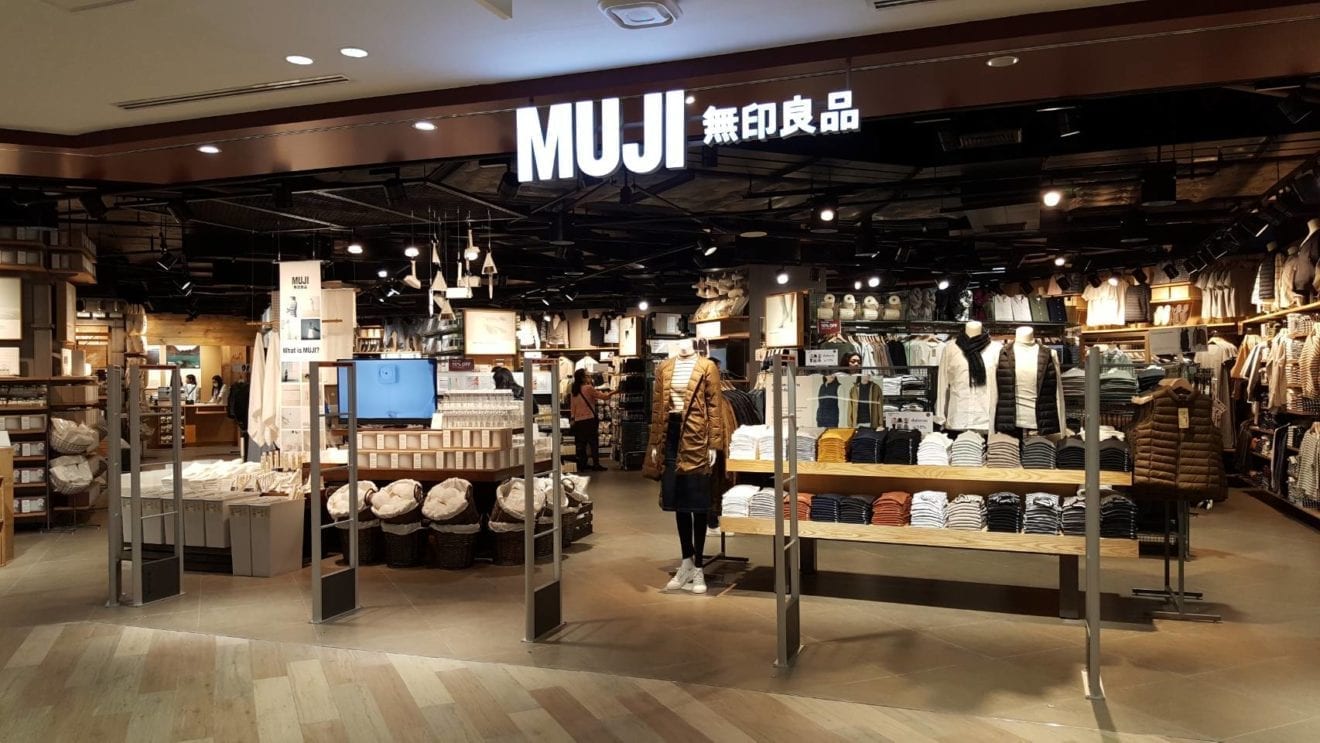
    Located inside JD’s Beijing headquarters, the Muji convenience-store concept, called Mujicom, takes up 605sqm and has 71 seats for dining.

    Stocking essential daily goods along with books, food, and beverages, the store serves employees of JD.

    The Muji convenience store actually made its initial debut at Musashino Art University in Tokyo with an additional workshop space for students to use as a working and creative collaborative space.

    The retailer is set to open three new stores in China this month atop of Mujicom, including outlets at Hangzhou and in Shenzhen Airport.

    Muji also recently opened its largest Hong Kong flagship store, expanding its food and catering range with fresh-baked goods and a new coffee and tea bar.

  • Guess Asia sales up, but store closures loom

    Guess Asia sales up, but store closures loom

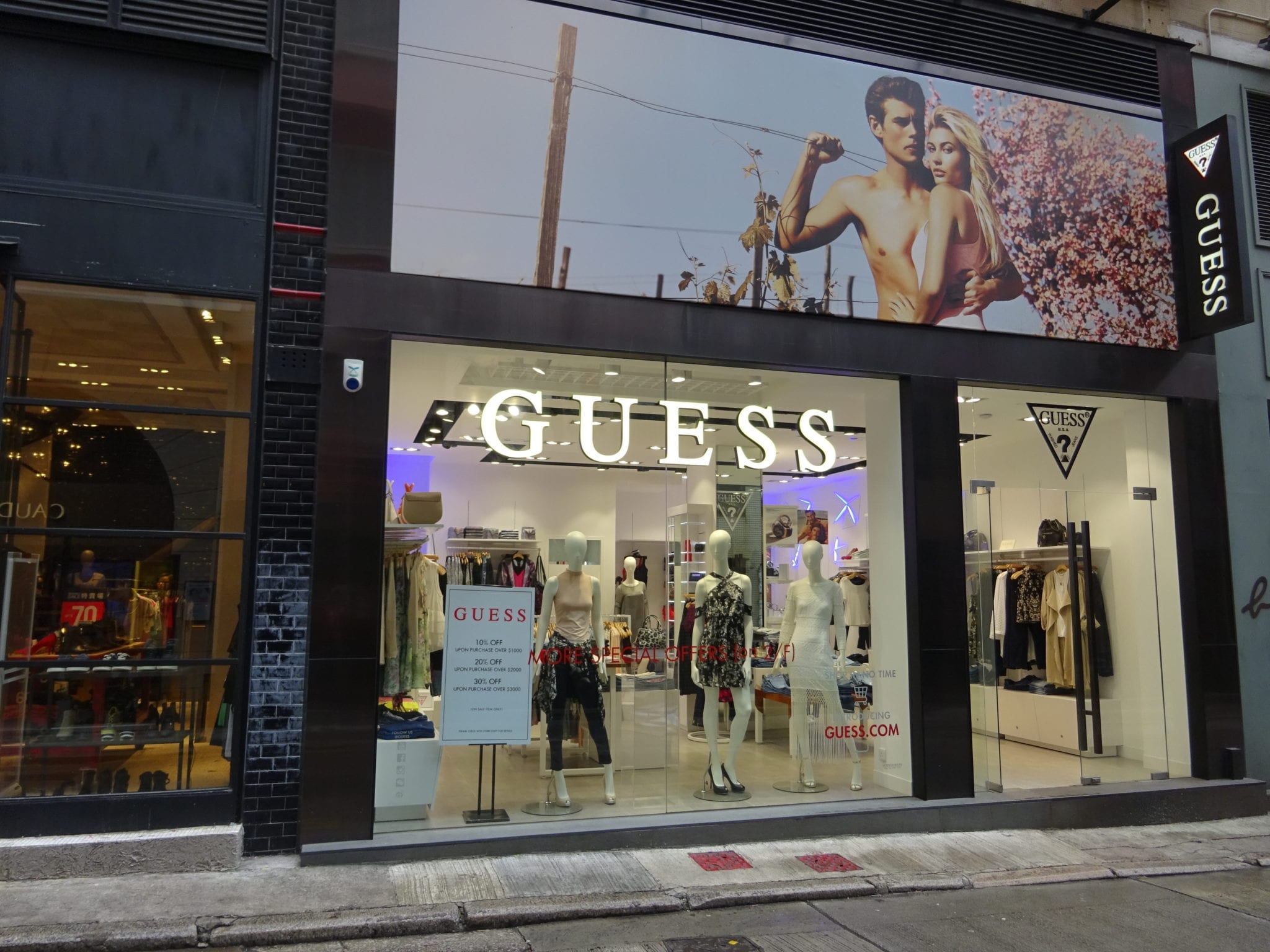
    Guess Asia sales are recovering post-Covid-19, but the company will be exiting some stores in the region when leases come up for renewal, as part of a worldwide network trim of 100 outlets.

    The store closures represent about 9 percent of the global fleet and will take place over the next 18 months.

    CEO Carlos Alberini said last week that about 75 percent of the fashion retailer’s leases come up for renewal within the next three years, representing an opportunity to cut back unprofitable stores. Guess has 1169 company-operated shops along with 560 operated by partners.

    In the quarter to May 2, Guess sales globally fell by 51.5 percent to US$260.3 million, compared with $536.7 million in the same prior-year quarter. The company recorded an adjusted net loss of $118.9 million, compared to $19.6 million for the first quarter a year ago.

    In Asia, sales fell by 52.6 percent in US dollars and by 50.6 percent in constant currency terms.

    The Guess Asia regional operating margin decreased by 52.6 percent to negative 56.4 percent in the first quarter, due mainly to the negative impact of the Covid-19 pandemic which resulted in significantly higher inventory reserves.

    Since the end of the quarter, all Guess-run stores have now reopened, however, they continue to experience significant reductions in traffic and therefore, sales. The company said its e-commerce sites have experienced lower traffic, but this has been partially offset by a strengthening in conversion.

    Alberini said the Covid-19 crisis had a material impact on the company, including operations and financial results.

    “To minimize our loss and protect our liquidity, we challenged every aspect of our business which was being significantly impacted by extensive store closures and lower customer demand.”

    With all stores open in Asia, more than 400 in Europe and 180 stores in the US and Canada, Alberini says he is encouraged by initial trading results, which have been better than anticipated. “Our sales productivity for re-opened stores for the second quarter to date has reached roughly 75 percent in the US and Canada and 70 percent in Europe as compared to last year’s level.”

    He said the company was continuing to focus on improving its omnichannel platform centered around the consumer, and improving efficiencies in its global operations.

    “I fully expect to be on the other side of this crisis with a more efficient business model, a more focused and consistent global brand strategy, and a more nimble and agile organization.”

  • Moncler starting fragrance range with Interparfums

    Moncler starting fragrance range with Interparfums

    Italian luxury fashion brand Moncler is partnering with Interparfums to launch its first fragrance line.

    Under the partnership, Moncler will launch perfumes and fragrances-related products manufactured by Interparfums in Moncler mono-brand stores and other selected resellers.

    “Interparfums’ renowned expertise and creativity make it the ideal partner to develop a fragrance that is perfectly aligned with Moncler’s DNA and unique identity,” said Remo Ruffini, chairman and CEO of Moncler.

    “The launch of Moncler’s first fragrance line is consistent with our selective brand extension strategy further enriching the clients’ experience with the brand.”

    According to the company, the exclusive partnership will last until the end of 2026, with a potential five-year extension. Moncler’s first fragrance line is scheduled to launch in the first quarter of 2022.

  • Suntec City to host Singapore’s first-ever mall live-streaming shopping festival

    Suntec City to host Singapore’s first-ever mall live-streaming shopping festival

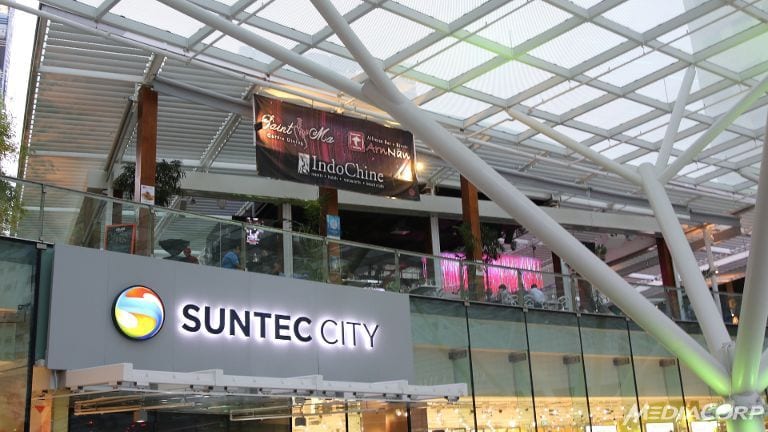
    Suntec City will host Suntec Shopfest next week, a first-of-its-kind, live-streaming shopping festival in Singapore.

    The mall operators’ interactive live stream show will be broadcast via the Suntec+ app during four-hour-long interactive sessions showcasing 16 participating Suntec City stores with more than 40 brands, including Harvey Norman, Fossil, Aldo, Royal Sporting House, W Optics, Clarks, ToTT and more to be announced in the coming days.

    Over the four days, shoppers will be offered discounts of up to 60 percent as well as more than US$28,700 worth of savings, more than $14,350 worth of prizes and products exclusive to the live stream.

    “Mall-shopping is definitely one of the favorite pastimes that Singaporeans have missed most,” said Suntec City’s property management firm APM’s deputy chairman Anthony Yip. “Taking a leaf from the rising popularity of live-stream shopping trends in China, it is the right time to launch such a concept here.

    “The Suntec Shopfest represents a mix of the best of traditional shopping with convenience and some seriously good deals.”

    Shoppers will be able to watch, comment and ‘like’ via the Shop Live platform on the Suntec+ app as hosts introduce the products. By tapping on pictures of the individual products, shoppers can view product details before proceeding to purchase items with either credit or debit cards during the live stream. The items can be picked up directly in store from the retail stores in Suntec City or via courier service from selected brands.

  • Revolut, Appears to be a Normal Bank

    Revolut, Appears to be a Normal Bank

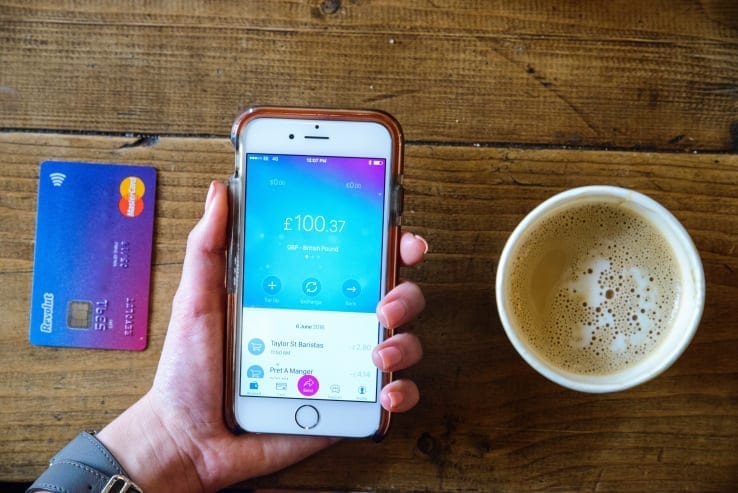
    Revolut has announced the introduction of fees for free account users. This will anger customers and is a perfect example of how to botch an opportunity.

    The noise surrounding U.K.-based digital bank Revolut has just become a fair degree louder in recent days: the company announced to its free-account customers in an email that the days of using a service free-of-charge were numbered.

    We’ve been talking with thousands of you about how we can help you get even more from your money, was the introductory statement. The remainder of the letter was devoted to how Revolut was going to make more money from serving its clients.

    And that’s why it will introduce forex fees on August 12, 2020. From that day onwards, sending money abroad will cost $1.06 for a transaction in the respective country’s currency, 4 francs for transactions in the dollar, and 6 francs in any other currency – for instance, if you wish to send pound sterling to someone in Brazil.

    Furthermore, the upper limit for free exchange orders will be lowered to 1,250 francs and the percentage charged for orders on weekends increased to 1 percent from 0.5 percent.

    That will anger a substantial percentage of the bank’s clients. A large majority of Revolut clients have used the services of the digital bank to make foreign payments precisely because costs were low and fees almost inexistent.

    So to introduce fees for a service that has been advertised as free of charge is more than just a little ironic. It smacks more of how you’d expect a normal bank to behave and not a fintech. At least if you held a similar view of banks as the founder of Revolut, who had launched his company precisely because of such actions.

    It is also poignant at what point of time the company has chosen to announce the changes. Revolut, which has been typically bullish about its performance, seems to have been forced to raise the fees because of a drop in revenues during the pandemic lockdown.

    Revolut CEO Nikolay Storonsky in May claimed that the bank was awash with money after a recently concluded financing round and that he considered making acquisitions. That was shortly after reports about the departure of more than a dozen of the bank’s managers and the announcement that it would cut 60 jobs.

    A further 50 jobs are on the line in Poland and Portugal, according to a report, an online magazine. And the way of disposing of the workers raises some questions: ex-employees have said that they were called into their manager’s office one morning and told to choose between resigning or being sacked.

    And the rest of the staff were said to have received one part of their salary in recent months in stock, more or less voluntarily.

    Revolut is using such methods to reach its goal of profitability by year-end. The corona-crisis looks to have hampered its efforts. Revolut seems one of the very few payment fintechs not to have profited from the stay-at-home message that boosted online shopping.

  • Likes and followers more meaningfull  post Covid-19

    Likes and followers more meaningfull post Covid-19

    As consumers around the world spend more time on social media in the Covid-19 era, likes and followers on social media are likely to become increasingly valuable to retailers.

    According to a new report by research firm Globaldata, 43.7 percent of international consumers are spending more time on social media due to the coronavirus pandemic. The firm is now advising brands to capitalize on this activity to promote purchasing and build shopper loyalty in a time of significantly dampened demand for non-essential goods.

    “Social media will play an even more important role in marketing post Covid-19, as many retailers are slashing marketing budgets to preserve cash to cope with the crisis, especially those that previously relied on traditional forms of marketing such as television and billboard adverts,” said Globaldata retail analyst Emily Salter. “Social media is a far cheaper method, especially if brands can leverage user-generated content and rely less on sponsored posts and collaborations.”

    The firm recommends retailers ensure their social media content is not too heavily skewed towards purchase-focused posts, with a significant number of followers facing financial instability following a global rise in unemployment. That will ensure engagement and boost likes and followers.

    “Retailers need to focus on aspects beyond products: elements of their brand identity that resonate with shoppers, the positive actions they have taken during the crisis, and building engagement to foster a sense of community,” said Salter. “These are all elements that shoppers will be able to relate to whether they are in a position to purchase items or not, building brand loyalty and influencing shoppers’ choices in the long term.”

  • Thai AirAsia wants regulators to lift restriction on middle seat

    Thai AirAsia wants regulators to lift restriction on middle seat

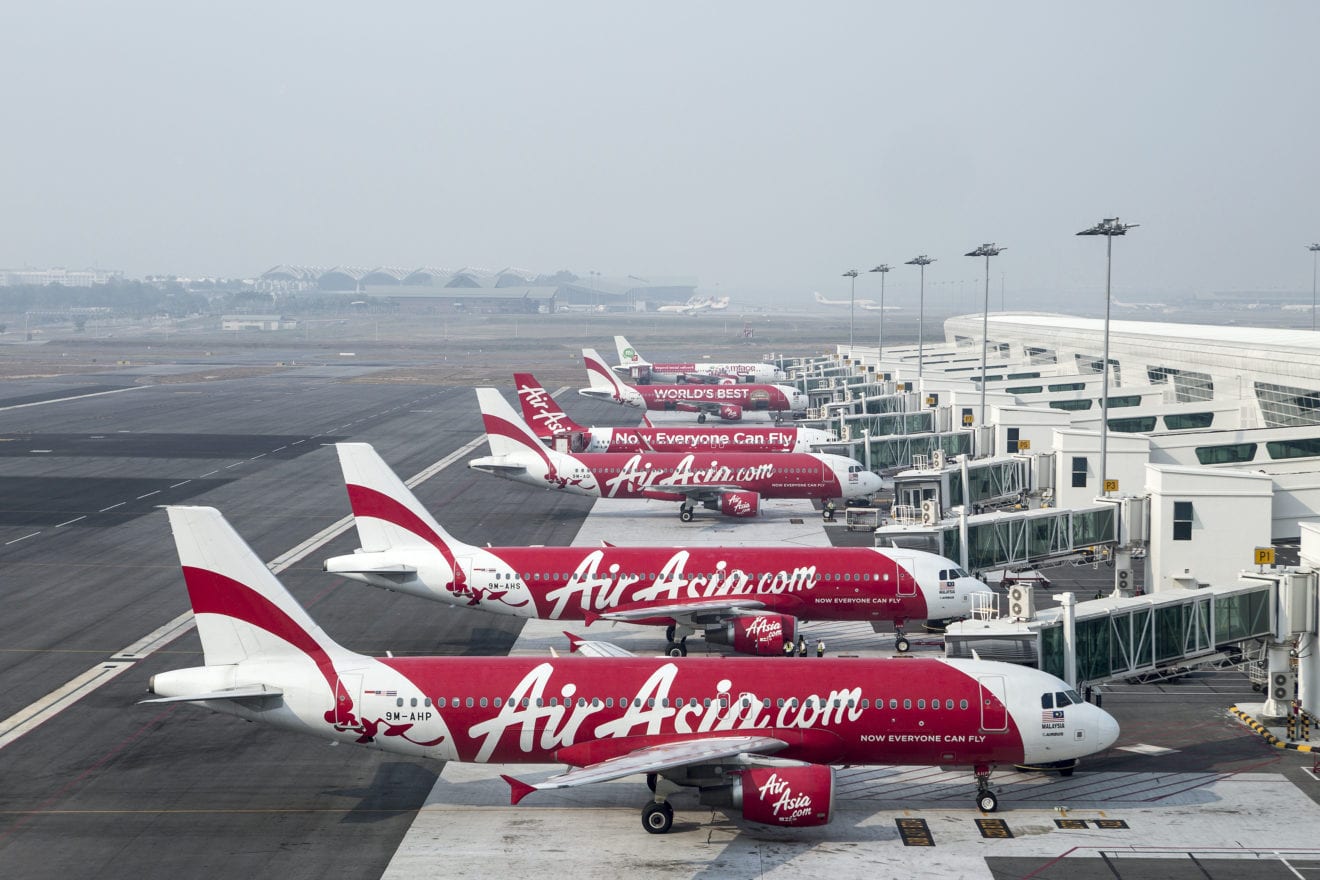
    Thai AirAsia (TAA) will ask regulators to change the rule requiring airlines to keep middle seats open, aiming to increase capacity ahead of the government’s domestic tourism promotion next month.

    “We have complied with this rule that was introduced when the infection rate in the country was still high, but as we have a low number of cases now, it’s time to consider dismissing this limitation,” said Santisuk Klongchaiya, chief executive of TAA.

    The average load factor since resuming domestic flights in May is 80-85%, he said, but those figures are based on capacity reduced to 60-70% because of middle seat elimination.

    The empty seats, intended to mitigate the spread of the coronavirus, cut revenue by a third for each flight.

    Mr Santisuk said most airlines globally did not block off middle seats when restarting their flights during these two months.

    He said airlines cannot carry this burden in the long run, particularly the loss of opportunity as domestic demand starts to show positive signs.

    Santisuk Klongchaiya, chief executive of TAA

    “We’ve heard that soon the government will launch a new tourism stimulus package for consumers, including a subsidy on airfares,” Mr Santisuk said. “If airlines can increase capacity to the normal level, it’ll coincide with the policy to support travel activities.”

    A meeting between the Civil Aviation Authority of Thailand and airlines is scheduled for June 16. The agency will hear aviation operators’ thoughts about international flights reopening.

    At present, TAA is operating 16 routes countrywide and plans to add more destinations to respond to growing demand.

    Nuntaporn Komonsittivate, head of commercial operations at Thai Lion Air (TLA), said the average load factor is 70% based on available seats. Although the number is high, it barely translates to a profit because 30-40% of seats must always be empty.

    From June 19, TLA decided to reopen all 13 domestic routes to test local demand. It launched an airfare promotion to stimulate purchasing power when the lockdown relaxation enters the fourth phase.

    “Although we cannot be sure about the feedback of the market, we have to try to increase our liquidity and also look for future revival when travel between countries that have successfully contained the coronavirus is allowed,” Ms Nuntaporn said.

    She said the nationwide curfew is another unfavorable factor for flight operations, causing inconvenience for passengers catching early-morning or late-night flights. There are also time-consuming health and safety procedures at airports.

    Meanwhile, TLA must strictly control costs by extending salary cuts further after laying off hundreds of workers earlier, Ms Nuntaporn said.

    The carrier at present has 14 aircraft, down from almost 40 when tourism reached its peak last year.

  • Japanese department store Odakyu launches service to serve Chinese at home

    Japanese department store Odakyu launches service to serve Chinese at home

    Japanese department store Odakyu has partnered with Taeltech marketplace to launch service in China.

    Through the Taeltech ecosystem, Odakyu Department Store will trial a selection of products including Japanese accessories, apparel and cosmetics, in the first few months in a pilot before the official launch in more than 500 cities in China.

    Shuji Kawate, business creation department GM at Odakyu Department Store, explained the reason for the partnership with Taeltech is that Odakyu saw a “unique business opportunity” as most inbound tourism revenue is generated by Chinese tourists. The company also saw “the potential to provide the best customer service, in this partnership with Chenggan (Taeltech) by catering to their continued needs, thus expanding the department store experience into China in the future.”

    Taeltech has also created a “Odakyu Zone” in its marketplace, which functions as an extension of the department store experience for customers who have returned home. In return, the department store will provide promotional opportunities in prime locations to Taeltech.

    “Not only does this partnership give Chinese consumers the opportunity to order high quality and verifiable authentic Odakyu Department Store products from their homes, in the future it also introduces the Tael Ecosystem to Chinese tourists within Japan, connecting our target market both domestically and internationally,” said Alex Busarov, CEO at Taeltech.

    Founded in 2014, Taeltech’s ecosystem has more than 50,000 users across China.

  • Malaysian retail sales plunge 32.5 percent in April

    Malaysian retail sales plunge 32.5 percent in April

    Malaysian retail trade sales plunged 32.5 percent year on year in April, according to the Department of Statistics Malaysia (DoSM).

    The significant decline occurred as many retailers were heavily affected by the imposition of the Movement Control Order.

    Retail sectors contributing to the negative growth included consumer goods in specialist stores, cultural & recreational goods, and household equipment.

    Sales of food and beverage rose by a modest 1.9 percent, which is less than in some other Southeast Asian markets during the Covid-19-related lockdowns and temporary store closures

    Despite the dramatic fall, Malaysian retail sales online in April saw 28.9-per-cent growth year on year, as consumers moved online unable to visit physical stores.

  • Online book sales outstrip offline in Covid-19’s wake

    Online book sales outstrip offline in Covid-19’s wake

    With the coronavirus pandemic prompting the growing popularity of ‘untact consumption’, South Korea’s publishing industry is seeing online book sales outstrip offline sales.

    Kyobo Book Center, the No. 1 online and offline bookstore in South Korea, says that its book sales via mobile and web platforms this year comprised 33.4 percent and 22.9 percent, respectively, of total sales.

    Offline sales, in contrast, remained at 43.7 percent. It is the first time that the bookstore’s online sales jumped ahead of offline sales.

    Experts argue that the coronavirus outbreak has prompted consumers to purchase books through mobile or online platforms instead of visiting offline stores.

    The coronavirus has also influenced book sale trends, in which sales of books related to science jumped by 46 percent while sales of publications on politics and society, economy and management jumped by 39.7 percent and 24.4 percent, respectively, compared to last year.

    Most of the books involved how to deal with the coronavirus, and prospects in the post-pandemic world.

    On the other hand, books on tourism plunged by 54.1 percent in sales, followed by magazines (-20.4 percent), cartoons (-10.6 percent), foreign books (-10.1 percent), poems and essays (-6.7 percent), and cookbooks (-5.3 percent).

  • Hong Kong’s Second Digital Bank Enters the Market

    Hong Kong’s Second Digital Bank Enters the Market

    The Xiaomi-AMTD joint venture has launched Airstar Bank, becoming the second digital lender to enter the Hong Kong market.

    Airstar Bank will offer savings accounts, time deposits and personal loan deposits alongside tools such as mobile app-based financial planning analysis. Loan rates as low as 2.99 percent per annum and deposit rates as high as 3.6 percent will be offered.

    Airstar Bank was granted a digital banking license by the Hong Kong Monetary Authority in May 2019 and launched a pilot in March to offer a trial for 2,000 selected users under the central bank’s fintech supervisory sandbox.

    Airstar Bank is determined to deliver the full benefits of emerging financial technologies and innovative solutions, providing each and every customer with proactive stellar banking experience regardless of their wealth,» the bank said, according to a report, dubbing itself Everyone’s Bank.

    Airstar joins ZA Bank – backed by mainland insurer ZhongAn Online P&C Insurance and industrial firm Sinolink Group – as the two out of eight licensed virtual banks that have launched.

    In April, Mox Bank – backed by Standard Chartered, PCCW, HKT and Trip.com – also launched its own pilot. This included features like easy registration, user-centric experiences and high security, clients and an «all-in-one numberless bank card – a card for purchases and cash withdrawals with no expiry date, verification value or other numbers to reduce risks.

  • McDonald’s sales rise in South Korea

    McDonald’s sales rise in South Korea

    Fast-food chain McDonald’s sales grew 9 percent in South Korea during the first four months of this year, in spite of the impact of the coronavirus pandemic.

    The firm’s MD Antoni Martinez made the announcement on McDonald’s Koreas’ Youtube channel, his first public address since his appointment in February.

    “With the Covid-19 pandemic posing serious challenges for the business, contactless platforms such as drive-thru and McDelivery in which McDonald’s made preemptive investments, have received a warm response from the public,” said Martinez.

    He said McDonald’s sales were boosted by the introduction of the Best Burger initiative and the establishment of convenient platforms.

    The Best Burger initiative refers to a change in McDonald’s entire burger preparation process, which was implemented in the territory in March. Korea is the fourth country to introduce the initiative, following New Zealand, Australia and Canada.

    McDonald’s Korea served around 400,000 customers every day last year at around 400 stores nationwide.

  • Chow Tai Fook posts strong profit despite retail turmoil

    Chow Tai Fook posts strong profit despite retail turmoil

    Hong Kong-headquartered jeweler Chow Tai Fook has ended the financial year with a US$374 million profit attributable to shareholders.

    While that is down 36.6 percent on last year, and its worst annual result in a decade, it underpins the strength of the company at a time that retail sales in Hong Kong and China have been ravaged by Covid-19.

    Sales for the year to March fell 14.9 percent to $7.3 billion, with Hong Kong and Macau hardest hit, down 38.7 percent, and on the mainland by 15.1 percent.

    Besides ongoing social unrest in Hong Kong since June last year, which decimated the numbers of inbound tourists from Mainland China, and Covid-19 impacting in the first quarter of this calendar year, rising gold prices also dented consumer demand for jewelry.

    In its earnings statement, Chow Tai Fook said that while Mainland China operations “suffered severely” in the final quarter due to the pandemic, the company has seen signs of recovery as restrictions on shopping and social distancing were lifted and its short-term business outlook is “cautiously optimistic”.

    “We shall continue our market expansion strategy through franchise model as the situation stabilizes and the online-offline channel integrations to take advantage of the digital trends. Also, we shall continue our multi-brand strategy to better serve each unique customer segment.” However, the company expects the Hong Kong and Macau market to remain challenging in the foreseeable future.

    “As the customer base has been reshaped, we shall continue to consolidate our retail network, rationalize cost structure and refine our business strategies. Apart from focusing on store efficiency, we also place an emphasis on transforming our current business model through innovation and technology in order to enhance retail experience, improve operational efficiency and strengthen our market leadership position.”