Tag: asia

  • Libra Poaches Top Credit Suisse Crime-Fighter

    Libra Poaches Top Credit Suisse Crime-Fighter

    The bank’s top anti-money laundering executive is leaving for Facebook-backed payments project Libra.

    Sterling Daines is leaving Credit Suisse for Libra, a source familiar with the matter said on Tuesday. The bank had poached Daines three years ago from Goldman Sachs to run its financial crime compliance, or FCC, activities under top compliance boss Lydie Hudson.

    He is the latest representative from traditional finance to head for Libra, an upstart payments system governed by a Swiss-based association. Last month, Libra said it is hiring HSBC’s top lawyer Stuart Levey as its CEO, and also tapped the weighty support of Singapore’s sovereign wealth fund.

    Neither Daines nor Libra responded to a request for comment. A 2018 sanction from Swiss watchdog Finma for several money-laundering scandals fell in the early days of Daines’ tenure at Credit Suisse.

    The Swiss bank is poised to replace him with Tam Ludford, a 12-year Credit Suisse veteran who will add the job to his current role as global head of core compliance, surveillance, and investigations.

  • Regional Fintech Startups Open HQ in Singapore

    Regional Fintech Startups Open HQ in Singapore

    Ayannah and Equity Capital Advisors will merge their businesses in India, the Philippines and Indonesia to form Ayannah Global, headquartered in Singapore.

    Philippines-based digital financial services provider Ayannah and India-based payments company Electronic Cash and Payment Solutions (ECAPS) have announced a merger to support their goal of providing affordable and accessible digital financial services to the growing middle class in South Asia and Southeast Asia.

    The new entity will serve over 10 million customers through mobile apps and a growing network of over 60,000 retail touchpoints, Ayannah Global announced on Tuesday. The company caters to underbanked customers in the two regions using a suite of fintech solutions through agent networks for remittances, payments, insurance and loans.

    The group currently operates a rapidly growing remittance and payment business in India and the Philippines, and recently launched Kaya, a digital marketplace connecting middle-class customers and SME entrepreneurs with banks, lenders and insurers in the Philippines and will launch versions in India, Indonesia and Vietnam later this year.

    The company also appointed veteran banker Ray Ferguson as chairman of the Ayannah Global board. Ferguson has over 30 years of banking experience across five continents and has held senior roles in Standard Chartered Bank, including as CEO in Taiwan, Indonesia, the United Arab Emirates, the Americas and Singapore.

    He was also group chief banking officer at Arab Banking Corporation in Bahrain. Ferguson is based in Singapore, where he also chairs digital life insurer Singapore Life. He is also the founding partner of Caber Partners, a Singapore-based fund manager and advisory firm that focuses exclusively on the intersection of finance and technology.

    Ayannah’s new Singapore headquarters will support the company’s expansion plans, talent acquisition, and strategic partnership, the announcement said. It is also targeting $30 million to $50 million in its series B funding round to support its growth ambitions in new markets.

    Widespread smartphone usage across our target markets provides a ripe landscape for a financial inclusion revolution, while the COVID-19 pandemic has accelerated the demand for at-your-fingertips financial services, Praveen Suri, Ayannah Global co-chief executive officer, said.

    The firm is backed by venture capital firms Wavemaker Partners, Golden Gate Ventures, and 500 StartUps, as well as several large family offices across Asia.

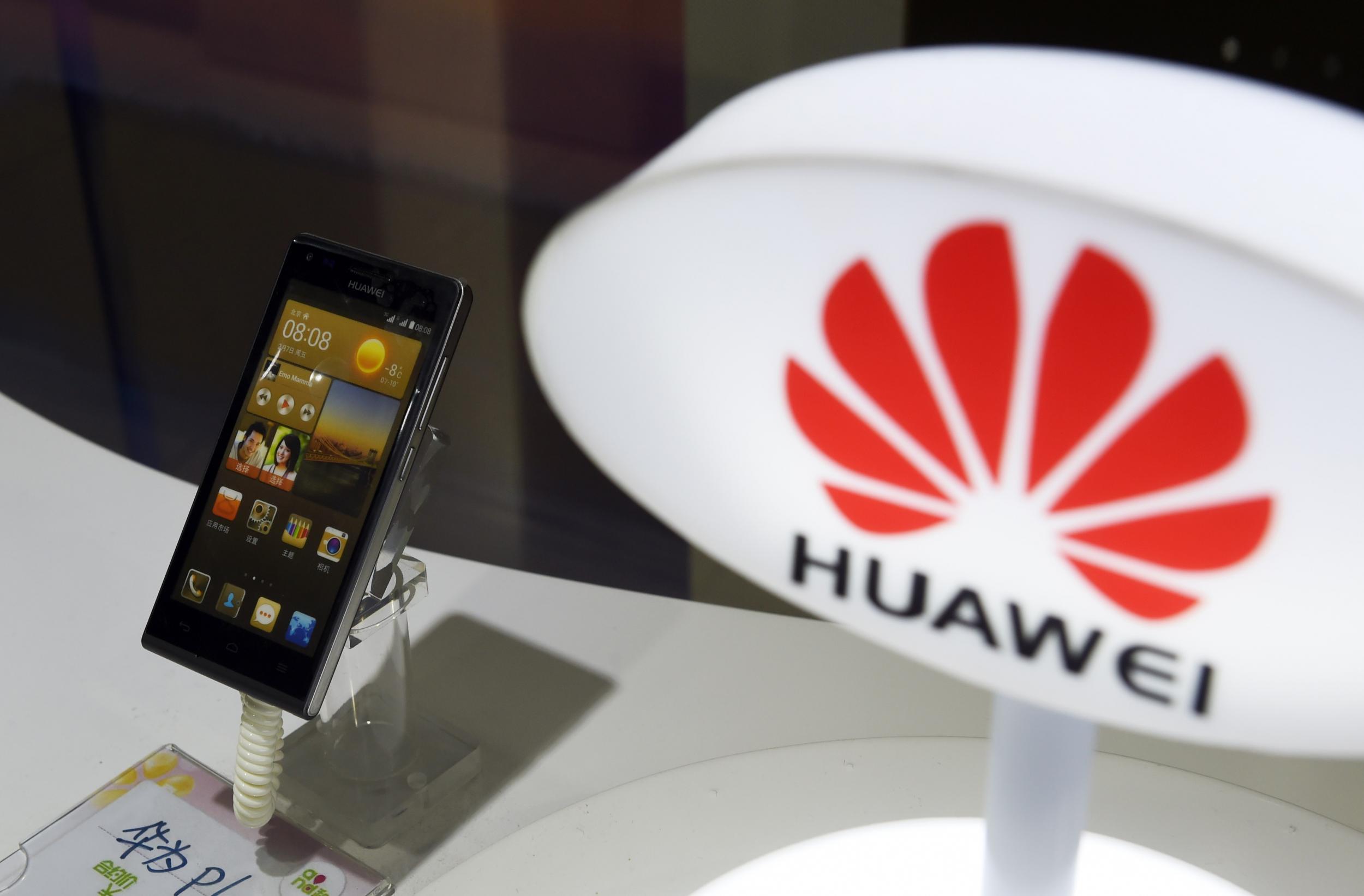
  • U.S. actions killed Huawei’s 2020 dream

    U.S. actions killed Huawei’s 2020 dream

    Back in early 2016, the head of Huawei’s consumer division, Richard Yu, said that in five years Huawei would be the top smartphone manufacturer in the world. In 2015, the company had delivered 104.1 million handsets worldwide and had become more familiar to Americans thanks to the Nexus 6P. Huawei and Google teamed up to produce the device. Things did not go well for Nexus 6P users as they suffered from a boot looping problem and another issue that drained the battery so fast that the device would just shut down.

    Thanks to a settlement of a class-action lawsuit, Nexus 6P owners who suffered through both issues received $400 while owners of the phone who had no issues received $29.11 each. In retrospect, the Nexus 6P release was the start of Huawei’s problems in America. But Huawei still had its eyes on the prize; in November 2018, Yu once again expressed Huawei’s goal of topping Apple and Samsung and had it not been for the actions taken by the U.S. to quash Huawei’s momentum over the last year, the company could be on the way to replacing Samsung on the throne.

    Because of Huawei’s perceived ties to the communist Chinese government, last year the company was placed on the Commerce Department’s Entity List which prevents Huawei from accessing its U.S. supply chain; in 2018, Huawei spent $18 billion buying supplies in the U.S. While Huawei is able to find workarounds for many of the components it once sourced from the U.S., it cannot find a replacement for the Google Mobile Services version of Android. Unable to sign a licensing deal with Google, the latter’s core Android apps like Search, Gmail, Maps and YouTube are not allowed to run on Huawei’s domestic models including last year’s Mate 30 flagship line and this year’s P40 series. This doesn’t matter inside China where Google’s apps are banned anyway but does hurt sales of global models.

    Huawei’s rotating chairman Eric Xu said that in 2019, the company fell short of its internal revenue estimate by $12 billion dollars. Most of that shortfall came in the consumer division which includes smartphones. Still, last year Huawei shipped 240 million handsets, 17% more than the 205 million it delivered in 2018 allowing it to top Apple and become the second-largest smartphone manufacturer in the world. But the Chinese manufacturer’s market share declined from the 18.9% it achieved during the first quarter of 2019 to 15.2% during the fourth quarter of 2019. Huawei’s slice of the global smartphone pie rose to 17.8% during this year’s first three months, but it was still lower than the company’s share during the same quarter one year earlier.

    And then on the anniversary of its inclusion on the Entity List, the U.S. landed an even harder blow to Huawei by changing an export rule. Now, any foundry that uses American technology to produce chips for Huawei and its HiSilicon unit must obtain a license to ship those chips to the company. This is aimed mostly at TSMC, the largest independent foundry in the world. The company can still ship chips to Huawei made from wafers in production on May 15th but they must be delivered by the end of the second week of September. Huawei hopes that this will allow it to receive enough cutting-edge chips for it to build enough units of its flagship Mate 40 series to carry it through the year.

    Data indicates that Huawei’s game plan is to aim for huge success in its home market where its Q1 2020 share has risen to 42.6% from 35.5% during last year’s first quarter. And it also has found success selling older models outside of China; these models are old in the sense that they were originally released prior to the bans and are allowed to run Google’s Android apps. This has allowed the firm to raise its market share in central and eastern Europe according to Counterpoint Research. And IDC says that during the second quarter, Huawei increased its market share in Latin America on an annual basis. IDC’s Bryan Ma, vice president of devices research for the researcher says, “In mature markets outside of China, the lack of Google services is a big problem for its flagship phone ambitions. Huawei can temporarily get around it by focusing on older, lower-end models in selected developing markets, but that can only go so far.”

    Already, there are signs that in Western Europe, Huawei’s homegrown competitors like Oppo and Xiaomi are taking advantage of the fact that their newer and more powerful phones can run Google apps and Google Mobile Services. In Western Europe, Huawei’s market share fell during the first quarter from 24.3% last year to 18.2% this year. During the second quarter in India, Huawei’s share declined from 3.4% in 2019 to 0.4% in 2020.

    With this in mind, it would appear that Samsung won’t have to worry about its reign as the top global smartphone manufacturer coming to an end this year.

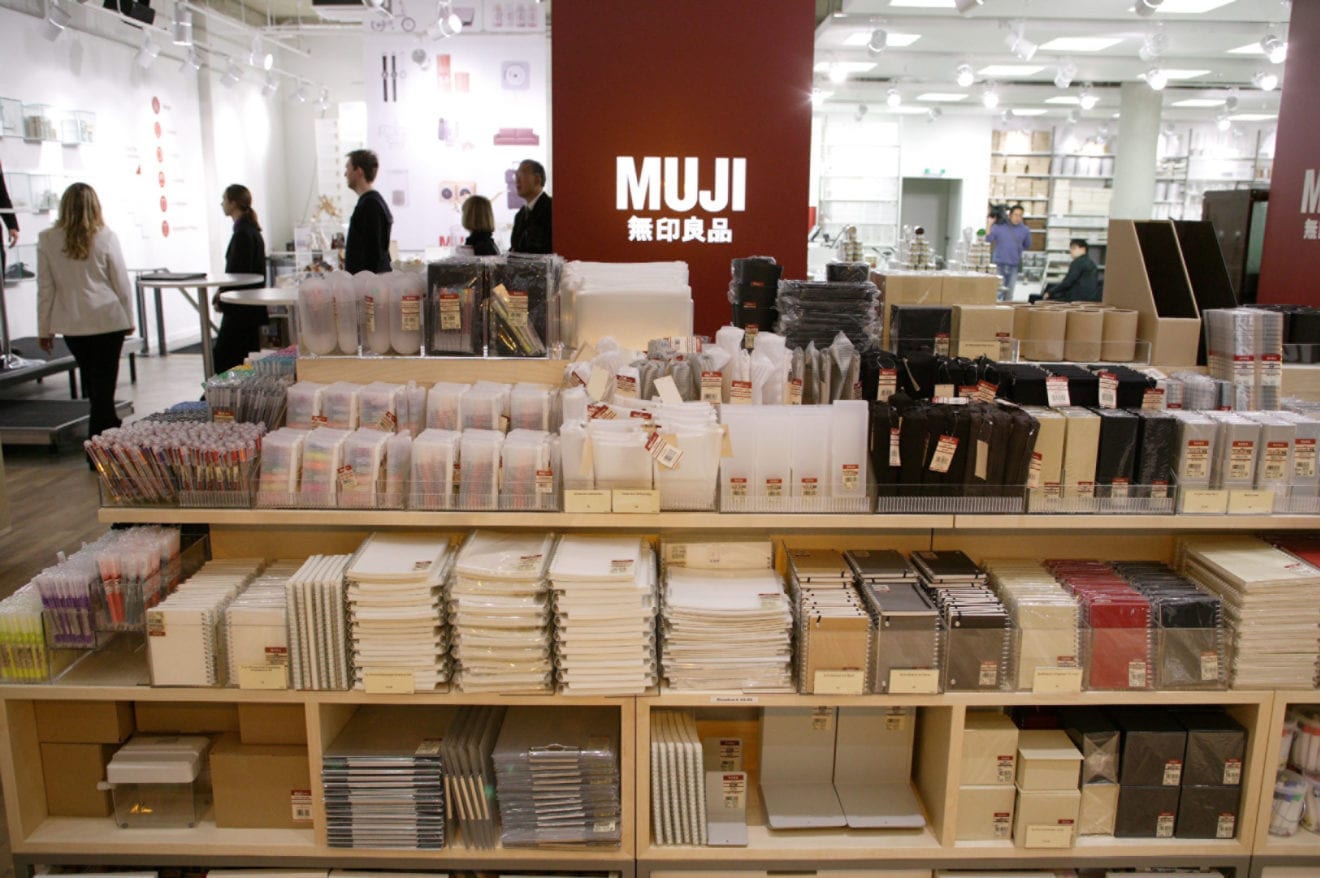
  • Muji opens largest Hong Kong flagship store

    Muji opens largest Hong Kong flagship store

    Despite struggling with suspended operations and inventory problems during the Covid-19 pandemic, Japanese home-and lifestyle-goods retailer Muji is set to open its 21st store in Hong Kong later this month.

    Taking over the former Uny-owned Piago department store space in Telford Plaza, the new flagship will span 24,000sqft with all ranges including home, electronics, apparel, cosmetics, and food.

    The Telford Muji flagship will largely focus on food, expanding its range with packaged goods, groceries, fresh baked goods, and a new coffee and tea bar in addition to its existing cafe and Meal Muji restaurant.

    Muji is also expected to make its debut in Vietnam later this year.

    In May, Muji Japan launched a store on Amazon, seeking to mitigate the impact of its 280 stores in the market being forced to close due to Covid-19. That marked the first time Ryohin Keikaku has sold Muji products via an online platform outside its own e-commerce store.

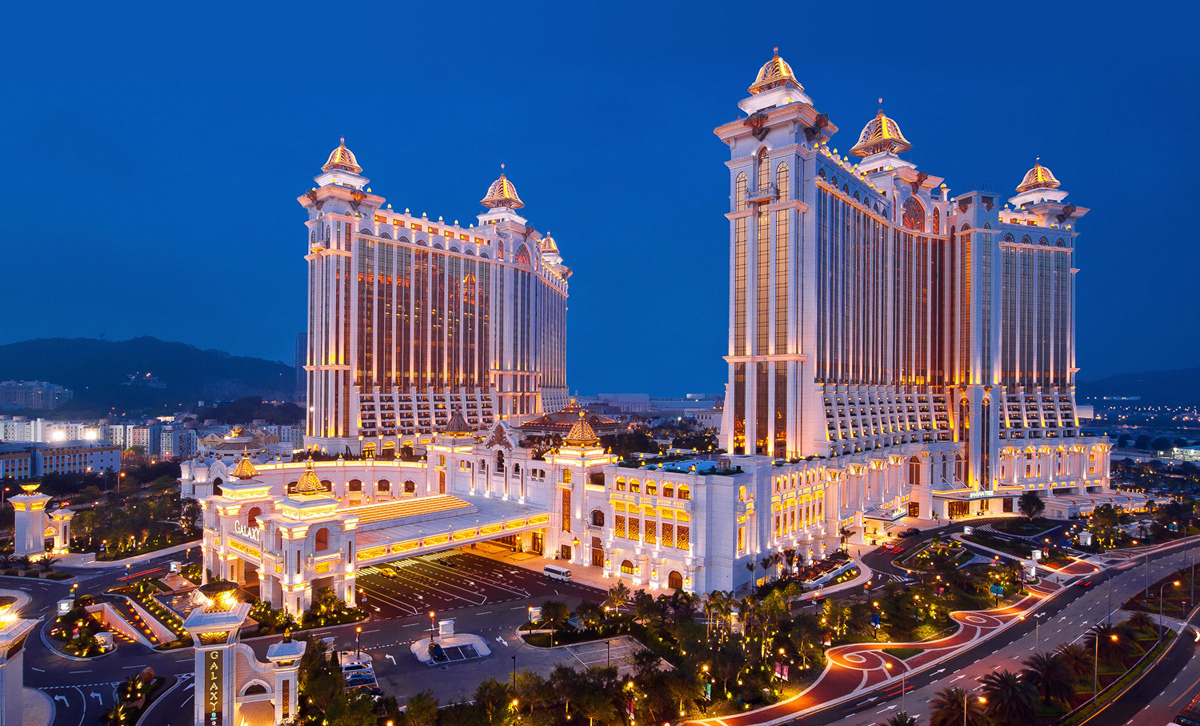
  • Shoppers return to Macau’s casino malls

    Shoppers return to Macau’s casino malls

    Macau’s casino malls have seen a welcome resurgence in foot traffic as locals bearing shopping vouchers return to store floors.

    While gamblers have yet to return to the casino venues, government e-voucher handouts to eligible residents of the territory have stimulated the local economy in the wake of the coronavirus pandemic.

    “Consumption coupons did help,” said JLL Macau head of leasing Oliver Tong. “When you go to casino malls, including The Venetian and Galaxy, during the weekend, the footfall is tremendous. It felt like going back to November or December last year when there were a lot of people. But these were all locals.”

    Visitor numbers to Macau dropped 99.7 percent in April, with retail sales down 45.1 percent for the first quarter to US$1.41 billion.

    Many retail tenants at Macau’s casino malls and adjacent to gaming facilities have been allowed rental waivers for three months.

    Check our partners from BestCasinoSites.me.uk.

  • Aeon Hong Kong unveils new concept stores

    Aeon Hong Kong unveils new concept stores

    Aeon Hong Kong has unveiled new-look store concepts in two suburbs – Tsim Sha Tsui and Tsuen Wan.

    The stores feature several new zones and a new look alongside the retailer’s traditional supermarket offer.

    The Aeon Hong Kong supermarket located in Tsim Sha Tsui shopping center The One since 2011 reopened on Friday after remodeling. Aeon says the store is targeting both office workers and local residents with its product mix.

    Spread over two floors, the retail space is split into two concepts. On the Lower Ground 1 floor, Living Plaza offers household and daily necessities and a gourmet food area with a focus on Japanese and Thai cuisine.

    On Lower Ground 2, the Aeon supermarket gathers food from Japan and around the world alongside the Home Coordy section (pictured above)

    The pet products zone (above) features a wide range of Japanese pet food and supplies brands such as Ciao, Inaba and Nisshin.

    Meanwhile, the Aeon Tsuen Wan store features a store-in-store for casualwear label iC, (above), a beauty-products zone (below) and space dedicated to trendy outdoor products.

  • HSBC APAC Chief Risk Officer Steps Down

    HSBC APAC Chief Risk Officer Steps Down

    Family reasons were cited as the recent for the exit with an interim head being flown in from the U.K. Ed Jenkins steps down after joining HSBC more than a decade ago and less than a year after being named chief risk officer for the region. He will take a sabbatical after July 1 before returning to the bank in October, according to a report citing an internal memo.

    Marc McKewon, Jenkins’ predecessor, will return from the U.K. to become the Hong Kong-based interim chief risk officer. McKewon is currently the global chief corporate credit officer, head of the wholesale market and credit risk.

    HSBC has been a major receipt of increasing risks across social, economic and political fronts. In addition to the broad-based effects of the coronavirus pandemic, the bank has been spotlighted in reported tensions with pro-democracy protesters; dividend-hungry shareholders; Beijing-backed officials; British Tory members; and internal staff.

    HSBC is also concurrently attempting to restart and deepen an overhaul originally targeting a giant reduction of 35,000 job, $4.5 billion in costs and $100 billion in risk-weighted assets.

  • Mitsui Outlet Park planned for Taichung, Taiwan

    Mitsui Outlet Park planned for Taichung, Taiwan

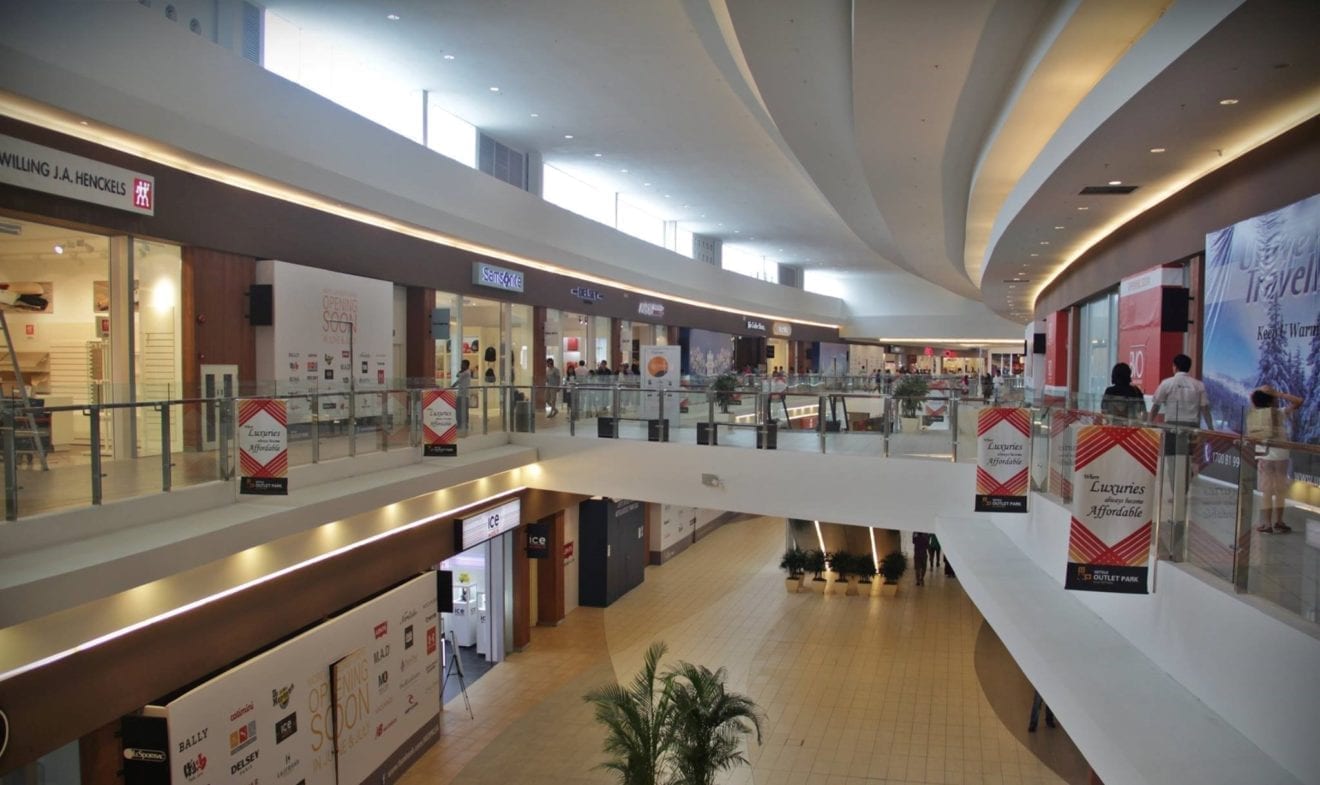
    Japanese developer Mitsui Fudosan is set to open a Mitsui Outlet Park in Taichung, Taiwan.

    The plans, which will include a Mitsui LaLaport shopping mall, have been given official approval by the area administration following a delegation to led by Taiwan Mitsui Fudosan Group chairman Shitamachi Ichiro, which was granted an audience with Taichung’s Mayor Lu Shiow-yen.

    The agreement brought a successful conclusion to discussions that had been underway since March last year. It is Mitsui Fudosan’s second LaLaport project in the country.

    The site will undergo initial development work at the end of this month, aiming for an opening date during 2022. The complex is likely to generate employment for 3500 staff in the region.

    A Taichung City government press release indicated a surge in Japanese investments into the area and a generally favorable outlook for the city’s consumer market.

  • Volkswagen Appoints Ralf Brandstaetter As VW Brand CEO

    Volkswagen Appoints Ralf Brandstaetter As VW Brand CEO

    Volkswagen replaced Herbert Diess as chief executive of the VW brand on Monday and installed chief operating officer Ralf Brandstaetter to lead cost-cutting efforts at the company’s largest plants in Germany.

    The management reshuffle comes after weeks of squabbling between Volkswagen’s powerful labor leaders and managers over the pace and scale of cost-cutting plans to free up resources for a radical shift toward electric cars.

    Volkswagen said Brandstaetter would take over on July 1 to give Diess, who remains group chief executive, more leeway to run the rest of the company, which includes brands such as Audi, Bentley, Skoda, Lamborghini, and Porsche.

    Herbert Diess to continue to hold his position as the Chief Executive Officer of the Volkswagen Group

    “Ralf Brandstaetter is one of the company’s most experienced managers,” Diess said in a statement. “I am therefore very pleased that Ralf Brandstaetter will be forging ahead with the development of the brand as CEO.”

    Volkswagen said Diess retained overall responsibility for Volkswagen passenger cars and that the management reshuffle would also result in the departure of procurement and components chief Stefan Sommer.

    Sommer joined VW in 2018 and oversaw ambitious procurement plans, including the construction of large factories to power Volkswagen’s ambitious electrification shift as the carmaker encountered supply bottlenecks.

    Volkswagen India has launched the Polo and Vento TSI Edition in India. Hero announces the price hike of Destini BS6. Bajaj Auto Opens Showrooms

    Earlier on Monday, sources told Reuters that Volkswagen’s supervisory board was hosting an extraordinary meeting to discuss replacing Diess as CEO of the VW brand.

    Diess is trying to get the company’s powerful labor leaders, who control nine of the 19 seats on the supervisory board, to agree to painful cost cuts.

    The savings are designed to help pay for a 34 billion euro (29.89 billion pounds) investment in electric and autonomous cars and 50 billion euros for EV battery procurement.

    Diess also came under pressure after Volkswagen was forced to halt sales of its newest VW Golf model because of software glitches at a time when the company is preparing to mass-produce VW’s ID.3 electric car.

  • Movenpick launches three Hong Kong pop-up stores

    Movenpick launches three Hong Kong pop-up stores

    Swiss ice cream brand Movenpick has launched three pop-up stores in Hong Kong – although, as the photos show, they have a very permanent look.

    The pop-up stores feature 16 ice cream flavors, including the brand’s nine exclusive flavors, served in natural plant-based containers. The Movenpick menu will be updated with more festive dessert creations, according to the company.

    “We are so excited to bring Hong Kong a true 5-star ice cream experience with our new Movenpick ice cream pop-up stores,” said Montha Khongkrurphan, Hong Kong ice cream & chilled business director of Nestle Hong Kong.

    “The opening of the pop-up stores is also the perfect opportunity to debut our environmentally friendly takeaway packaging.”

    The Hong Kong Movenpick pop-up stores are located at ParknShop supermarkets in Pacific Place (top image), Cheung Kong Centre (second image) and Quarry Bay (above).

  • Offshore Banking Inquiries From Hong Kongers Spike

    Offshore Banking Inquiries From Hong Kongers Spike

    HSBC and Standard Chartered were reportedly amongst the lenders experiencing a significant increase in offshore banking inquiries from Hong Kong residents.

    The two British lenders both registered a 25-30 percent jump in inquiries, according to a  report citing two unnamed sources who observed an increased demand for offshore accounts. Another two sources noted that while there have been no large outflows in the last two weeks, the increased inquiries is slowing banks’ response time for account opening which can now take at least one month.

    Popular offshore banking locations in include Singapore, U.K., Sydney and Taiwan, the report added while also citing Citi amongst lenders that observed increased demand.

    Spokespersons from all three banks claimed to have observed no significant capital outflow.

    Deteriorating U.S.-China relations and increasing tightening by Beijing are driving more and more concerns about the need to diversify holdings and booking centers. According to another source, recently observed demand represents the second wave of offshore account opening after the first one following anti-government protests in June last year.

    What I’m worried about the most is I might not be able to freely exchange Hong Kong dollar anymore if the U.S. decided to sanction Hong Kong, the report added, citing a middle-aged resident who diversified 70 percent of her savings into U.S. dollar and British pounds while now seeking an offshore account.

    If things get messy here I might not even be able to transfer my money out in the worst-case scenario, so it’s good to diversify risks.

  • FJ Benjamin launches five online stores

    FJ Benjamin launches five online stores

    Southeast Asian fashion group FJ Benjamin opened five new online stores for recognized international fashion labels, with more to come, as it pivoted online in the wake of trading restrictions during the Covid-19 crisis.

    Brand owners typically grant distributors only brick-and-mortar rights and prior to the pandemic, FJ Benjamin had e-commerce rights for only Superdry, the British streetwear brand. So when stores were shuttered due to government social-distancing measures, the Singapore company could not immediately turn online to compensate for suspended in-store sales.

    However, the company has since sealed deals with Guess, Casio, Pretty Ballerina, and Anti-Social Social Club to sell online. FJ Benjamin’s IT staff worked around the clock to develop stores for the brands and get them up and running as permission was granted by brand owners.

    Further sites are imminent for US Polo Association, Rebecca Minkoff, Moby, Lancel, Axel Arigato, Barbara Sturm, and “a well-known European lifestyle cosmetics brand,” said FJ Benjamin Group COO Douglas Benjamin.

    Superdry launched online in Singapore in June last year and in Malaysia last January. “The results were very encouraging,” Benjamin said.

    When the pandemic hit, FJ Benjamin-run stores in Singapore, Malaysia, and Indonesia were shuttered for much of the past two months. So Benjamin quickly pursued e-commerce rights for other brands.

    “We are pleased that we are now able to offer the convenience of e-commerce to our customers for five brands, and will be able to do so very soon for at least seven more, including some new labels which will make online debuts only,” he said.

    “In the future, we may consider opening brick-and-mortar stores if it proves to be a viable option depending on the Covid-19 situation, performance of the brand online, and future rental expectations,” he said.

    Benjamin said overseas brand principals understood the challenges faced by the group amid the pandemic and readily agreed to release the online channel rights in its markets.

    He says a new focus online will not see less attention to physical stores, although the closure of some non-performing outlets in the three markets is inevitable.

    We will definitely be culling stores that are not performing to expectations, where we cannot be profitable either because of high cost or low volume.”

    However, he believes physical stores will always be relevant in the fashion industry.

    “People still want to go down to stores to touch and feel, but there is a new comfort that has emerged among consumers with regards to shopping online.”

    FJ Benjamin has adopted a click-and-pick omnichannel approach to its online stores which allows customers to buy online and collect or return items in physical stores, where they are available.

    Benjamin expects consumers will continue to shop online once the pandemic passes as consumers have got used to the channel.

    “We believe this shift to online shopping, although hastened by the Covid-19 pandemic, will be sustainable and scalable.”

    Those advantages include being able to shop 24-seven with different access points to their preferred brands.


  • Google Maps update will help commuters plan their social distancing

    Google Maps update will help commuters plan their social distancing

    Google never stops working on several key apps. One of these is Google Maps which no longer is limited to turn-by-turn directions. Google Maps will also show you places to go and things to see wherever your travels take you. It also shows you more enhanced walking directions in AR and recently launched Maps’ “Plus Code” that allows users to share their precise location with friends and family

    Today, Google announced that the iOS and Android version of Maps will receive an update allowing users to discover in advance how crowded a train or bus is (a mobbed train or bus could raise the risk of catching COVID-19) or whether a bus or train is running on a limited schedule. Google says that essential workers need this information to get to their jobs and others will want this data too as more countries reopen.

    Last year Google added “crowdedness predictions” in Google Maps that used crowdsourced data from tens of millions of riders to help Google forecast how crowded a bus or train line would be at a certain time of day. Now, Google is making it easier for users to contribute to this data. Look up Directions, tap to see Transit Details, then scroll down to find crowdedness predictions where it is available. There, users can enter their own experiences.

    Starting today, you can use Google Maps to find the times historically when there are large crowds of people at a transit station. You can also see live data that compares current crowd size to usual conditions. This should help you plan your social distancing. To find this information, search for a transit station in Google Maps or tap on one when it appears on the screen. That will call up the departure board and busyness data (if available). This feature will be rolling out over the next several weeks and is based on aggregated and anonymized data from those who have opted into Google Location History. The latter is off by default. To keep the information anonymous, the busyness data is shared only when enough users are opting in to provide sufficient data.

    Maps is adding alerts from local transit agencies that will alert users if there are any COVID-19 related rules that affect commuters using mass transit such as whether masks are required when on trains or buses. These transit alerts are being pushed out now by Google in countries including Argentina, Australia, Belgium, Brazil, Colombia, France, India, Mexico, Netherlands, Spain, Thailand, United Kingdom, and the U.S. More countries will be added soon.

    Google is also adding notifications and alerts about any COVID-19 checkpoints and restrictions along your route. This will appear even when you’re driving across national borders starting with the U.S., Canada, and Mexico). If you’re driving to a medical facility or a COVID-19 testing center, Google will remind you to verify eligibility and facility guidelines so that you’re not turned away.

    Google says, “Getting from A to B can be more complicated these days. Because of COVID-19, it’s increasingly important to know how crowded a train station might be at a particular time or whether the bus is running on a limited schedule. Having this information before and during your trip is critical for both essential workers who need to safely navigate to work and will become more important for everyone as countries around the world begin to reopen. COVID-19 has certainly impacted the way that we move around in the world. As cities and countries across the globe adapt, we’re committed to bringing the most pertinent information right to your fingertips. So when you’re ready and able to, you can safely venture out.”

  • Grab expands grocery-delivery service into eight SE Asian markets

    Grab expands grocery-delivery service into eight SE Asian markets

    Grab has expanded its grocery-delivery service GrabMart into eight Southeast Asian markets within the last three months.

    Initially launched in two countries as an on-demand daily essentials delivery service during the Covid-19 pandemic, GrabMart is now available in 50 cities across eight Southeast Asian countries, including Myanmar and Cambodia.

    “Covid-19 has accelerated the adoption of on-demand delivery services across Southeast Asia, and we were able to tap on existing technologies, our extensive delivery network, and operational footprint to quickly scale GrabMart across the region,” said Demi Yu, regional head of GrabFood and GrabMart.

    The delivery company has teamed with more than 3000 stores and supermarkets in the region including FairPrice Xpress in Singapore, Lawson in the Philippines and FamilyMart in other countries.

    In Indonesia and Malaysia, GrabMart partnered with traditional market operators, delivering fresh produce from several market stalls in a single order to customers’ doors.

    “In a post-Covid-19 normal, we anticipate demand for grocery-delivery services to remain elevated. We will continue to double down on expanding our GrabMart service to support consumers’ shopping needs,” she said.

  • Struggling Le Saunda warns of yet another loss

    Struggling Le Saunda warns of yet another loss

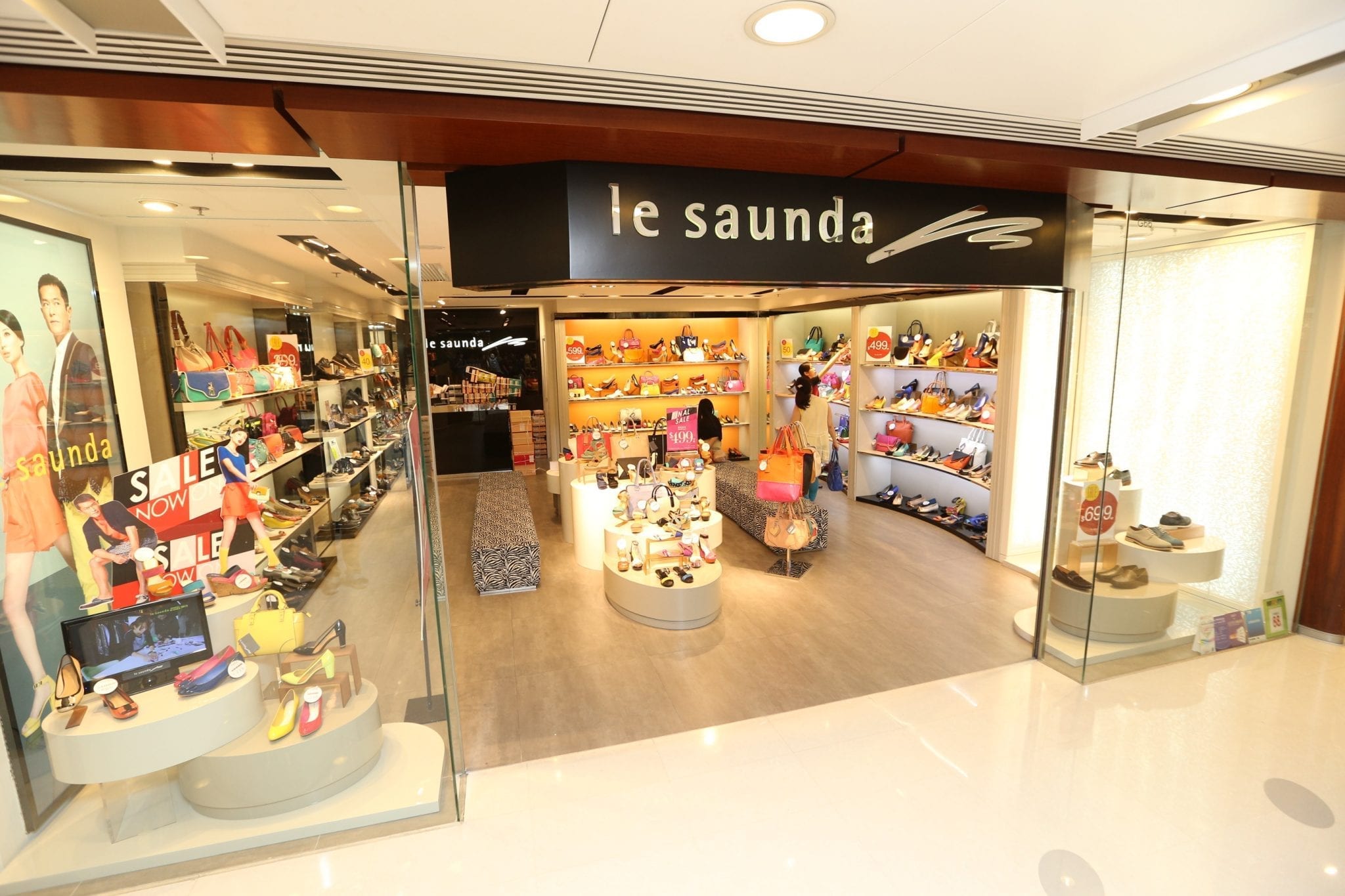
    Late last month, embattled Hong Kong-based shoe retailer Le Saunda announced its third consecutive annual loss. Yesterday it flagged yet another, at least for the first half.

    In a stock-exchange filing, Le Saunda’s board advised that during the three months to May 31, the group’s self-owned offline retail business saw same-store sales decline 32.7 percent and total sales down 38.2 percent, due to widespread store closures in the last year. Online sales fell 16.4 percent.

    While nonspecific about the scale of the loss in the current half-year, chairman James Ngai said the results would be impacted in part by a US$5 million redundancy bill related to the closure of its factory in Shunde, Guangdong last month. The company is now contracting out all production to third-party suppliers.

    However the result was largely caused by the coronavirus pandemic, he said. “The expected net loss is primarily attributable to the significant decrease of the group’s total retail sales due to the adverse impact on the retail market that brought by the outbreak of Covid-19 epidemic since late January.”

    As at the end of May, Le Saunda had 414 retail outlets trading in Mainland China, Hong Kong and Macau, 72 fewer than a year earlier. The majority – 368 – were self-owned stores, the balance franchised outlets on the mainland.

    During the first half of last year, Le Saunda was showing signs of improvement, recording a profit of $337,000, however in June ongoing protests inHong Kong saw retail sales decline as shops were often shuttered and inbound mainland tourist numbers declined.

    Le Saunda trades under the brands Le Saunda, Linea Rosa, Pitti Donna and CNE.