Tag: asia

  • AirAsia Indonesia to resume flight this month amid relaxation of restrictions

    AirAsia Indonesia to resume flight this month amid relaxation of restrictions

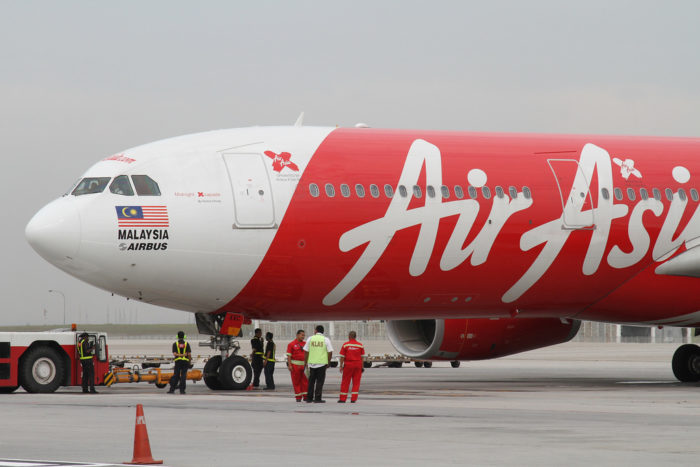
    AirAsia Indonesia will resume flights on June 19 as the country has gradually relaxed rules on large-scale social restrictions, the airline said today. President director of AirAsia Indonesia Veranita Yosephine Sinaga said that preparations for the resumption of scheduled flights had been carried out.

    “AirAsia is committed to serving the needs of traveling or transporting goods to across the country and abroad through special charter flights for passengers and cargoes,” she remarked.

    The airline said that travelers flying with AirAsia in the future are required to understand and strictly adhere to and comply with health and immigration requirements, and the travel restrictions set up by the governments of the country of origin and those of the destination, local media reported.

    The airline said it will gradually reinstate its services around the networks once the global health situation improves and regulatory restrictions are terminated.

    Indonesia has gradually relaxed its restrictions during the Covid-19 pandemic in the hope of a pickup in business activities but also heeded the areas where transmission rates remain afloat.

    Covid-19 has killed 1,851 people across Indonesia and infected 31,186 others, the Health Ministry reported today.

  • Mall vacancy rates in the Philippines set to rise

    Mall vacancy rates in the Philippines set to rise

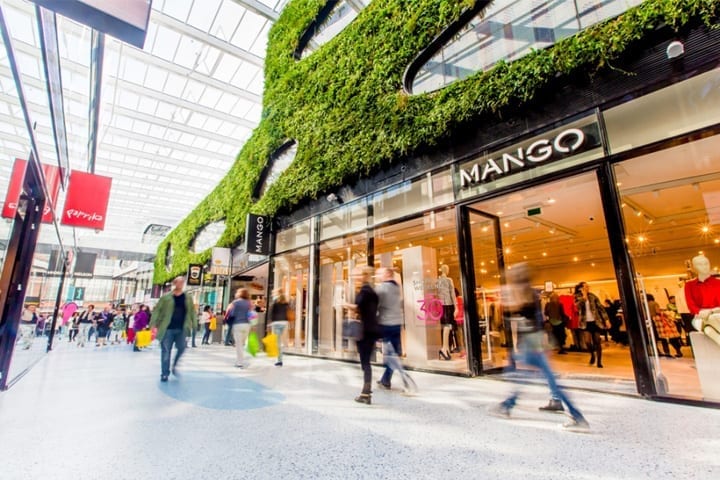
    Mall vacancy rates in the Philippines will rise to 12 percent this year, predicts real estate consultancy company Colliers.

    The company says falling footfalls due to the Covid-19 pandemic and a move by consumers online are impacting the business of physical stores.

    According to Colliers, mall vacancy rates in the Philippines are also rising because more retailers have created their own e-commerce platforms or joined major social media channels to boost online sales.

    “By expanding online strategies and partnering with apps to facilitate seamless delivery, retailers should be able to offset any softer retail demand due to the Covid-19 pandemic and the government’s implementation of a lockdown,” said Colliers Philippines.

    Meanwhile, data from the Philippine Payments Management shows online payments rose significantly in April, with a recorded rate of 32.2 percent growth from 6.7 million InstaPay transactions.

    However, the company’s survey from March found that more than 80 percent of respondents still want to keep shopping in brick-and-mortar stores.

  • First 7-11 in Hunan sets massive record

    First 7-11 in Hunan sets massive record

    The first 7-Eleven in Hunan has broken the global opening-day sales record for the convenience-store brand, reporting US$70,310 of turnover.

    According to the Federation of Industry and Commerce of Hunan, the first 7-Eleven store attracted more than 5000 customers on its opening day. The most popular products sold were more than 5000 Japanese wooden sticks, 3000 sushi balls, 1500 desserts and 600 loaves of bread.

    “The introduction of Japanese brands will help upgrade the industry and the overall operation level of convenience stores in Changsha,” said Hu Zijing, president of Friendship&Apollo – owner of the 7-Eleven Hunan franchise.

    Friendship&Apollo acquired the 7-Eleven’s Hunan franchise rights last October. However, due to the Covid-19 pandemic, the opening was twice postponed.

  • BreadTalk delisted after privatisation plan finalized

    BreadTalk delisted after privatisation plan finalized

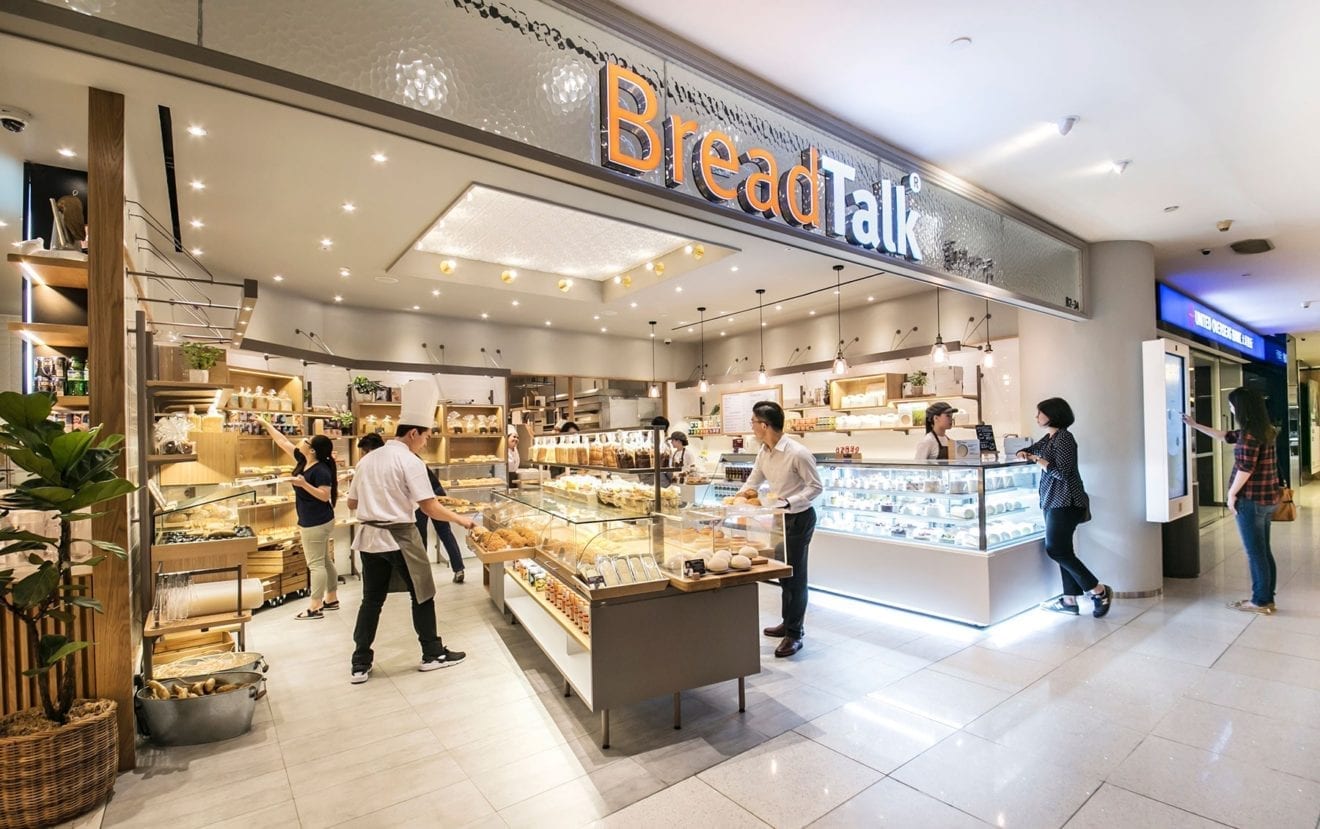
    Singaporean bakery and restaurant operator BreadTalk is to be delisted from the Singapore stock exchange tomorrow (June 5) following its mandatory acquisition by BTG Holding.

    The firm applied to delist from the exchange following the suspension of trading on April 21. The new owning entity is owned by BreadTalk’s founder George Quek and his wife, along with Thai food & hospitality firm Minor International.

    The group’s stakeholders offered to acquire all the ordinary shares in the firm and delist the company in February. At the time, Minor and Quek said they planned to undertake a review of the business following its delisting with a view to streamlining business activities, refocusing on and strengthening core business activities and exploring the potential disposal of non-core property assets.

    BreadTalk filed losses of US$4.1 million last year and was struggling financially long before the advent of the coronavirus pandemic, which worsened matters.

    The firm’s business “remains challenging across key markets, including Singapore, China and Hong Kong,” according to official filings submitted by the firm.

  • Malaysian startup installs ‘Coffee ATMs’ for frontline medical workers

    Malaysian startup installs ‘Coffee ATMs’ for frontline medical workers

    One-year-old Malaysian startup Coffee Star has provided self-service dispensing machines – dubbed ‘Coffee ATMs’ – to medical frontliners serving free beverages during the coronavirus pandemic.

    The machines were delivered to the Malaysia Agro Exposition Park Serdang (currently serving as a quarantine and treatment center for 600 patients) and Sungai Buloh Hospital, providing fresh coffee to frontliners for free, serving more than 10,000 cups of fresh coffee since April.

    The unmanned Coffee ATMs are completely automated machines allowing users to select drinks via a touchscreen panel.

    “Our frontliners who are courageously and selflessly serving the nation in the coronavirus crisis represent the best of who we are,” said MAEPS CEO Zaidi Shahrim. “We are honored to support this initiative by partnering, Coffee Star, to provide the heroes in our communities fresh coffees to recharge.”

    “We have tremendous admiration for all of the frontliners fighting in this unprecedented time,” said Coffee Star Malaysia “coffee enthusiastic officer” Raja Ahmad Fauzan bin Raja Hassan. “When we heard that they needed an energy booster to help them through their long days, we were eager to help.

    “We experience the impact of coronavirus directly throughout our business locations in airports, shopping malls and office towers. So, we are redeploying our machines from those locations and utilised for a greater good to serve fresh, free coffee to the frontliners. The machine serves fresh coffee on-demand at the right moment they need it.”

  • Canali expands China retail presence

    Canali expands China retail presence

    Italian luxury-apparel label Canali has extended its retail footprint into seven additional cities in China.

    The firm has assumed control of the stores, which were selling its own branded goods under a franchise partnership, in a move to further its direct-retail prospects in the territory. The 10 stores affected are located in Changsha, Changchun, Hangzhou, Kunming, Nanning, Taiyuan and Xi’an.

    A statement from the brand described the takeover as further strengthening Canali’s position in luxury menswear within China.

    “This is an important project that stems from our conviction about the leading role of the Chinese market,” said Canali’s president and CEO Stefano Canali.

    “The acquisition signifies our long-term commitment to this strategic market and marks an important cornerstone of the next phase of Canali’s growth in China to elevate the brand presence and customer experience.”

  • Kimly buys six food outlet stores

    Kimly buys six food outlet stores

    Singaporean coffee shop operator Kimly has completed acquisitions of six food outlet properties for US$25.4 million.

    The acquisitions include two coffee shops, three industrial canteen units, and a restaurant. The firm is poised to acquire two further coffee shops pending approvals, which have been delayed by the coronavirus pandemic. Funding for the new properties was partially obtained via the issuance of 22 million new shares.

    Most of the acquired properties will progressively undergo asset enhancement initiatives such as layout improvements, an increase of seating capacity, and the introduction of new food concepts aimed at retaining current food stall operators, attracting new food stall tenants as well as better serving customers.

    “We continue to look for opportunities to acquire and operate more strategically located food outlets with the view of enhancing long-term shareholder value and the group’s profitability,” read a statement by directors of the group.

    “Moving ahead, we remain committed to our strategy to pursue long-term direct ownership in properties where the group operates and manages food outlets to further extend our presence across the heartlands of Singapore.”

    With the completion, Kimly’s total number of food outlets increases from 73 to 79, complemented by an additional four drink stalls and three food stalls. It has increased its number of food outlets and food stalls from 64 to 79 and from 121 to 137 respectively since its IPO.

  • JD.com fosters local stalls and small stores in China

    JD.com fosters local stalls and small stores in China

    Chinese e-commerce giant JD is moving to stimulate small and medium enterprises nationally by providing supply chain and service support for the employment of more than 5 million people.

    The firm is accumulating around 50 billion goods as a part of its “Spark” economic support plan designed to benefit SMEs, stall owners, and shopkeepers.

    The plan is focused on three areas: ensuring supply, assisting operations, and promoting employment. The firm will also provide each small shop with US$14,000 in interest-free credit to make purchases.

    “JD has already comprehensively accumulated rich experience in supporting the ‘stall economy’ and the ‘small shop economy’,” said JD Retail CEO Lei Xu. “The impact of the epidemic will accelerate the digital transformation of the real economy, and stalls and small shops are no exception. JD has both the ability and the responsibility to use digitization to support and make the economy of small stalls and shops more dynamic, helping to further invigorate the overall economy and stabilize employment.”

    JD is now set to work with nearly 10,000 brand manufacturers and more than 4000 joint warehouses to provide offline retailers with access to low-cost, high-quality supplies. The firm will also help offline retailers to expand their online operations.

    In poor regions, JD will provide flexible employment, work-from-home, and farm-to-table opportunities including positions such as logistics order collection, warehouse management, inventory management, and packaging. It will also establish start-up projects and provide support in the fields of catering retail, regional logistics agencies, and freight transportation.

    Data collected by the company shows that, right before its 6.18 promotional event this year, the transaction volume of JD New Markets in Beijing, as well as Hubei and Anhui provinces increased more than fivefold. The number of orders placed on the JD Convenience Store Go mini program was more than 10 times the previous daily average.

  • Diamond prices showing signs of revival

    Diamond prices showing signs of revival

    Asia is driving early signs of a revival in diamond prices amid an unstable global market affected by the Covid-19 crisis and protests.

    Rapaport, which monitors diamond trading trends, says the Hong Kong diamond market has regained traction as more demand comes from China, although there are concerns about tensions related to new Chinese security laws. Meanwhile, in the US, jewelry retailing is expected to remain subdued as the country experiences social unrest over police brutality and the on-going Covid-19 pandemic.

    Polished diamond prices remained stable in May, mainly focusing on online trading. Despite a significant drop since January, the RapNet Diamond Index (RAPI) for 1-carat diamond recorded a 2-per-cent increase in May.

    The industry has changed to adapt to new customer shopping behaviors, says the Rapaport report. More jewelry retailers have shifted their focus to online channels, predominantly offering classic models such as solitaire necklaces or tennis bracelets. Marketing strategies are changing to promoting diamonds as a symbol of values and emotional connection, the company says.

    Meanwhile, mining companies are also shifting to digital platforms and targeting markets less affected by lockdowns.

  • Uniqlo opens new Vietnam store, goes online in the Philippines

    Uniqlo opens new Vietnam store, goes online in the Philippines

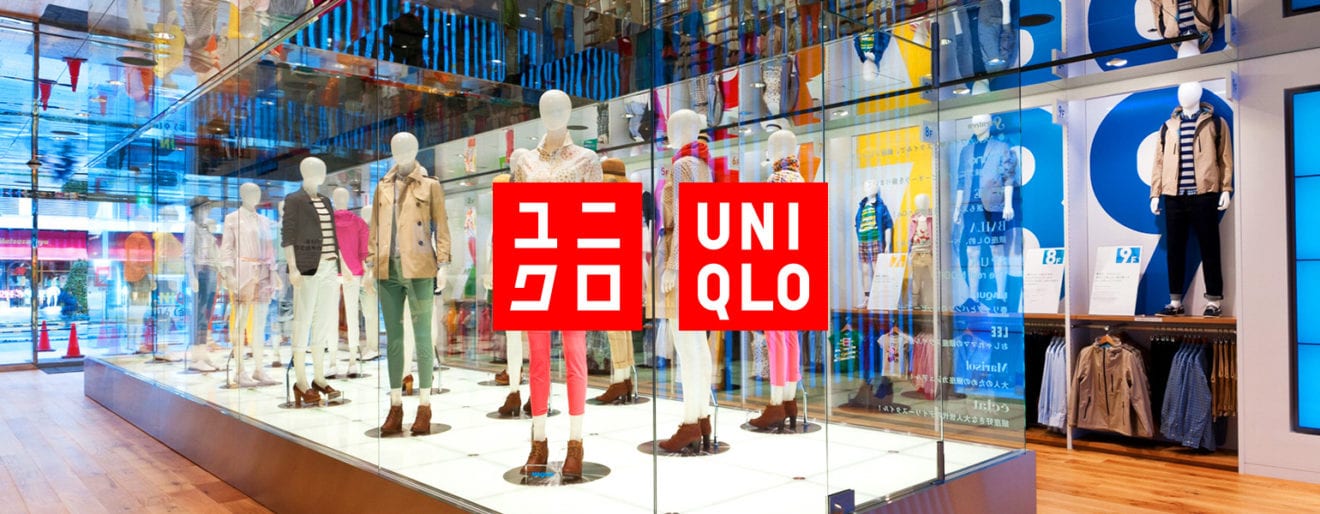
    Japanese fast-fashion retailer Uniqlo is to open its third store in Ho Chi Minh City this week and will debut online in the Philippines.

    Less than a month after the opening of the Ho Chi Minh’s second store at SC Vivo City, Uniqlo Vietnam is to launch another store in the country’s tallest building Landmark 81 this Friday (June 5).

    Occupying a 2000sqm area, the Uniqlo Landmark 81 store features the brand’s LifeWear products for males, females and kids. The store also features Uniqlo’s latest collections including the Billie Eilish x Takashi Murakami UT. To celebrate the opening, Uniqlo Landmark 81 is running several promotions such as giving away Uniqlo’s mugs and Landmark 81 SkyView tickets.

    Meanwhile, in the Philippines, the fast-fashion brand says it will launch online in the second half of this year.

    “An online store will provide local Uniqlo customers a faster and easier way of purchasing their favorite LifeWear items,” said Masayoshi Nakamura, COO at Uniqlo Philippines.

  • LVMH’s Tiffany takeover is in doubt as virus outbreak hits jeweller’s sales

    LVMH’s Tiffany takeover is in doubt as virus outbreak hits jeweller’s sales

    The US$16.2 billion Tiffany takeover by luxury-goods group LVMH appears in doubt.

    The New York-listed jeweler’s share price tumbled 9 percent after Women’s Wear Daily reported that LVMH board members held a special meeting in Paris to discuss the bid.

    Both Tiffany and LVMH have declined to comment on the matter, and the absence of denial seemed to further fuel speculation.

    Reuters today has reported that LVMH CEO Bernard Arnault is exploring ways to reopen negotiations in an attempt to reduce the price.

    “While Arnault now has concerns about overpaying for Tiffany, he still believes in the deal’s strategic rationale, according to the sources,” reported Reuters. “Tiffany will give LVMH a bigger share of the lucrative US market and expand its offerings in jewelry, the fastest-growing sector in the luxury goods industry.”

    Store closures in the wake of the Covid-19 pandemic, the collapse of tourism and social unrest in the US related to the death of George Floyd at the hands of Minneapolis police are raising concerns about the state of the US economy. The LVMH board is reportedly questioning whether the jeweler will be able to meet its debt obligations once the takeover is complete.

    Terms of the Tiffany takeover were agreed last November, well before the Covid-19 crisis hit China and then North America, both key markets for the jeweller. LVMH had planned to pay $135 per share for Tiffany, representing its largest acquisition to date, before rolling it into the jewelry & watches division where it would sit alongside Bulgari and Tag Heuer.

    Tiffany stores have been closed in the US since mid-March due to the pandemic and this week, many were boarded up to protect them from looting during the US protests.

    In Hong Kong, where the company used to command strong sales to mainland Chinese tourists, sales have taken a severe hit, first due to protests and then due to the closure of borders due to coronavirus.

  • H&M talks online growth, sustainability and recovering after Covid-19

    H&M talks online growth, sustainability and recovering after Covid-19

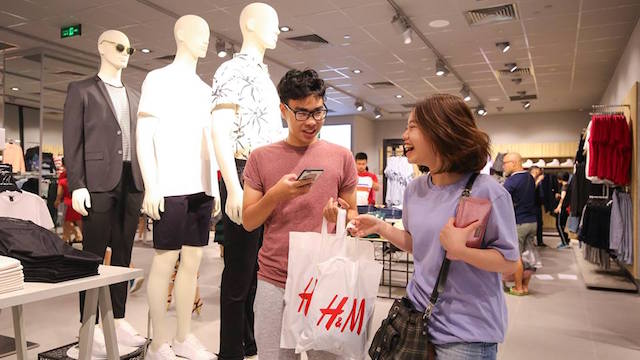
    Fashion giant H&M is expanding its online presence around the world, as it continues to recover from the coronavirus pandemic and work toward its goal of becoming climate positive by 2040.

    The company said it will expand the digital presence of its brands Cos, Weekday, Monki, & Other Stories and Arket in Europe from May onwards.

    The company said it will also push through with its plans to launch an e-commerce site for its H&M brand in Australia later this year, and open a digital flagship store of its lifestyle brand Arket on Alibaba’s e-commerce platform Tmall in August.

    The world’s second-largest clothing firm said the current situation highlights customer desire for digital solutions and the importance of integrated channels.

    “We are glad that we are able to provide this in most of our markets and in even more markets from May onwards, as Cos, Weekday, Monki, & Other Stories and Arket are set to expand, making their collections available online to nine additional markets across Europe,” the company said.

    H&M said with the world experiencing this health crisis, digital solutions are needed as cars and homes are becoming safe havens for shoppers and mobile devices and computers will be their main point of locating products before going to stores.

    The fast-fashion giant announced in March that the second half of its first-quarter sales were negatively impacted by the outbreak of the COVID-19 pandemic, particularly China.

    Total sales in March dipped 46 percent compared to the previous corresponding period but online sales saw a 17 percent increase.

    H&M’s total sales during the period between March 1 to May 6 this year decreased by 57 percent in local currencies compared with the same period in 2019.

    Online sales, which are open in 46 of the company’s 51 online markets, increased by 32 percent in the same period.

    Helena Helmersson, H&M’s new chief executive, said they think the pandemic will lead to a fast shift towards digital and that they need to be ready for it.

    At the group’s recent annual general meeting, a new board member was elected, Danica Kragic Jensfelt, who is a professor at the Royal Institute of Technology in Stockholm and does research in robotics and artificial intelligence.

    When asked if the new board appointment means AI and robotics are what H&M will be concentrating on in the near future, H&M said they have always made big investments in its tech foundation and AI.

    “We continuously see clear signals that we are on the right track and we will continue to invest in this area in the future, to secure an organization that drives innovation and optimizes business decisions,” the Swedish fashion retailer’s media team said.

    According to H&M, their AI work spans across the entire value chain – from design to customer experience.

    “By analyzing a large amount of data from our operations within the group, we can align supply and demand much better, with the goal of only producing what we are selling.”

    H&M said the pandemic has affected their day-to-day operations as well as their outlook for the future.

    “Due to the exceptional situation caused by the spread of COVID-19, we are reviewing all parts of our business,” the company said.

    “The world continues to adapt to a situation like no other, and H&M Group, like so many companies around the world, continues to navigate the effects of the coronavirus crisis.”

    The group said they have been forced to make difficult decisions and take strong measures across all parts of the business but that in everything they have been doing, the customer is always in focus.

    “We believe that customer-centricity, strong collaboration, subsisted sustainability and expanding digitalization are key factors for our success.”

    Helmersson, who once headed the sustainability department in the company, said sustainability work is an integral part of the whole business and includes every area of the company, hence its growth targets and sustainability goals have equal weighting, live side by side and are entirely interconnected.

    “I know the importance of environmental protection, people empowerment and industry transparency to build a sustainable business,” Helmersson said. “These areas are not only close to my heart but very much part of my business perspective.”

    With the release last week of the 2019 Material Change Insights Report compiled by the global non-profit Textile Exchange, H&M said it seems their efforts on sustainability are showing progress.

    The report showed the H&M Group leads the ranking in the use of organic cotton and down certified by the Responsible Down Standard. This means the company is recognized as the number one company sourcing preferred cotton. This includes organic cotton, recycled cotton and cotton sourced through the Better Cotton Initiative, among others.

    “Being ranked as a leading company in sustainable materials sourcing is a great recognition of all the hard work we do every day to make our business more sustainable,” said Cecilia Brännsten, H&M’s Environmental Sustainability manager.

    “But that doesn’t mean we are done yet, there is still work to do to increase the use of recycled materials and push for innovative materials.”

    After cotton and synthetic materials such as polyester and nylon, the materials the H&M group use the most are man-made cellulosic materials such as viscose.

    Sourcing them in a more sustainable way has been a big part of the company’s goal, H&M said.

    The company has announced its commitment to become climate positive throughout its entire value chain by 2040 at the latest.

    “That means we will reduce more greenhouse gas emissions than our value chain emits  — all the way from cotton farms to the customers’ washing machines and the recycling baskets,” the company said.

    H&M said to become climate positive, they need to change how their products are made and enjoyed.

    “About 70 percent of a garment’s climate impact arises during the manufacturing process itself. Making fibres, processing materials, dyeing and fabricating requires a lot of energy,” the fashion giant said. “We make tough demands on our suppliers, and we also help them to switch from fossil-based to renewable energy sources such as wind and solar.”

    H&M cited as example that the group is currently implementing energy efficiency programs throughout its supply chain in close cooperation with its business partners.

    “We also work on putting pressure on and collaborating with governments and authorities. This is a way to create positive changes beyond our industry.”

    But, the company said, to be completely climate positive, they need to find new solutions.

    “We are exploring new techniques that potentially could absorb greenhouse gases and turn it into new fabrics and products,” H&M said. “We are constantly exploring new ways of making our products, such as making fabrics out of citrus peel and old fishnets.”

    The H&M group said it wants to make sustainable fashion affordable for everyone.

    “It’s the essence of what we do and why we exist,” the company said. “As part of an industry facing significant challenges, we want to ensure that we move away from a linear system to a circular one that ensures long-term sustainability. As a major player in the industry, we are well-positioned to lead this change.”

    Stores reopening

    According to the retailer, the current situation with the coronavirus crisis remains challenging for them but they are happy to be gradually re-opening stores in markets where governments have eased restrictions.

    “Safety measures vary from market to market-based on recommendations and guidance from the relevant authorities,” the company said.

    The company’s media team said some of these recommendations and guidelines include the use of plexiglass, limiting the number of customers in stores, closure of fitting rooms and the use of personal protective equipment to name some.

    “These measures have been well received by customers,” the team said.

    The team said it is in extraordinary situations like this current pandemic that people see how interconnected human health and planetary health are.

    “This is why the H&M Group, together with other leading companies, just joined the Uniting Business and Governments to Recover Better statement, the latest initiative of the UN Global Compact.”

    The Recover Better statement, signed recently by around 150 companies, is a call to action for governments and policymakers to reimagine a better future grounded in bold climate action.

    “It is now more important than ever that companies and governments show leadership standing by their commitments in climate action, and that we take responsibility together,” H&M said.

    The company said it expected to make a loss in the second quarter but pointed to a rebound in demand in China.

    H&M said in those markets that have begun to open up, trade in the stores has initially been muted. At present 3,050 stores, representing 60 percent of the group’s 5,061 stores, are still temporarily closed.
  • Digital Channels to Drive Standard Chartered’s Retail Growth

    Digital Channels to Drive Standard Chartered’s Retail Growth

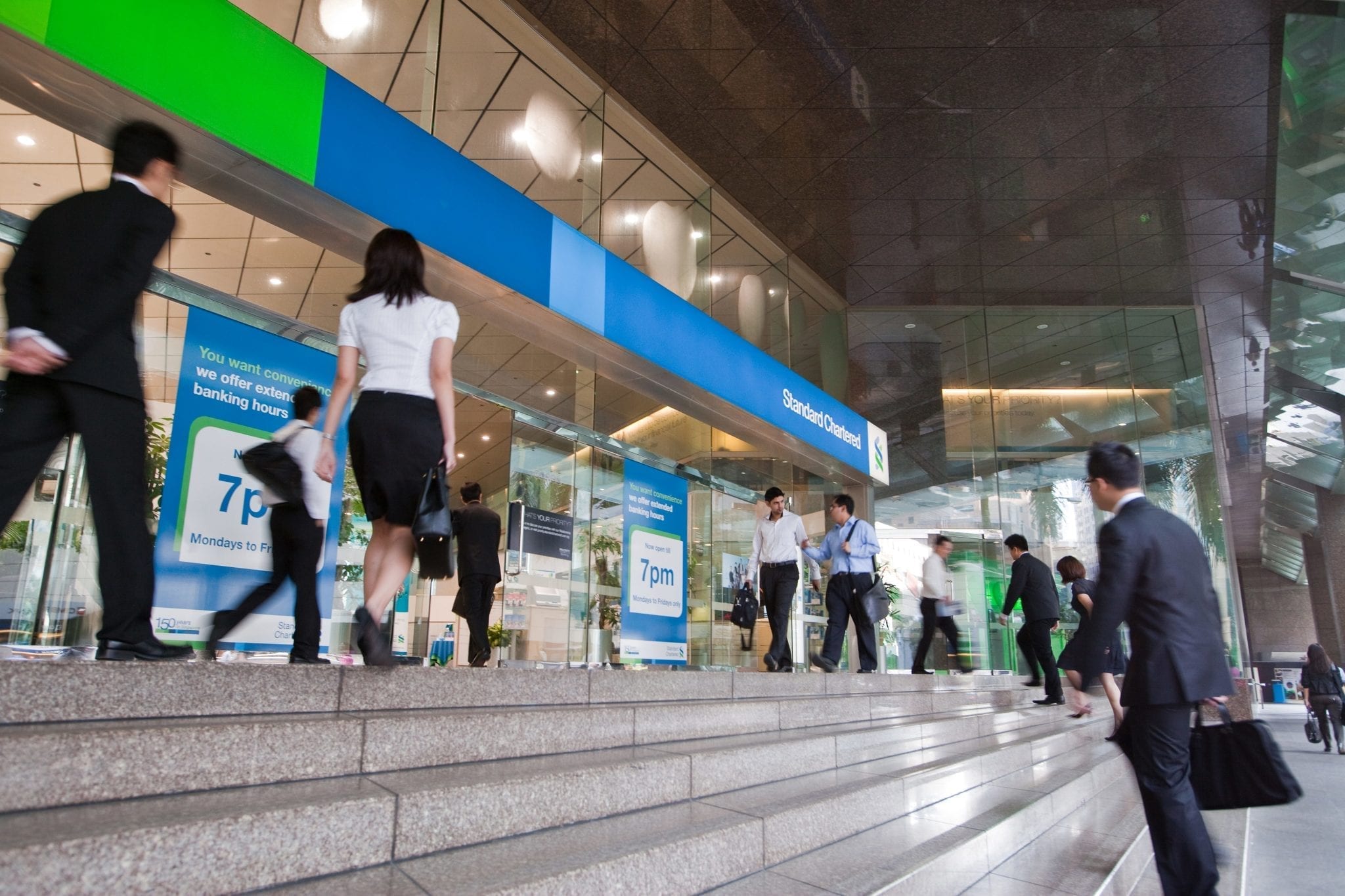
    Standard Chartered’s digital banking and investment platforms have been given a boost by the Covid-19 pandemic, as digital adoption rates in Singapore hit historic highs in the first four months of 2020.

    Digital sign-up for credit cards growing by 71 percent year-on-year, while wealth and investment-related transactions more than doubled during the same period. The number of digital transactions grew by 30 percent in March, and the number of mobile banking users grew by 42 percent year-on-year.

    As such, the bank expects digital services to be a key growth driver for its Retail Banking business in Singapore this year, Standard Chartered said in a press release on Wednesday. The bank has bulked up its digital solutions in recent years, expanding its real-time onboarding, remittance services, and investment platform.

    There is no doubt that client behaviors and habits have shifted in the past months, and we will see sustained levels of clients opting to go digital as much as possible,» Dwaipayan Sadhu, Standard Chartered’s head of retail banking in Singapore, said about the increase in online banking.

    Standard Chartered Singapore said its Wealth Management arm has also witnessed a strong migration to digital and strong growth on its digital investment platforms. The number of transactions and volume increased by over 200 percent year-on-year, while the number of monthly digital transactions on the Online Mutual Funds and Online Trading platform grew 238 percent and 160 percent respectively since the beginning of 2020.

    Applications for the bank’s Online Trading platform in April were 129 percent higher than the monthly average in 2019, and the monthly volume of transactions on its real-time foreign exchange platform grew 245 percent in 2020.

  • Renault Finalises 5 Billion Euro State-Backed Loan

    Renault Finalises 5 Billion Euro State-Backed Loan

    Renault finalized on Wednesday a 5 billion euro ($5.60 billion) loan from with the French government, strengthening the carmaker’s finances in the wake of the coronavirus pandemic which has ravaged the auto industry.

    Renault said that the credit facility carried a guarantee from the French state – which owns a 15% stake in Renault – of up to 90% of the total amount borrowed.

    Renault has sealed a state-backed loan totaling 5 billion euros, sparking a big jump in its share price Wednesday.

    Banks BNP Paribas, Credit Agricole, HSBC France, Natixis, and SocGen were involved in the credit deal.

    Renault also said in a statement that the loan would help finance the company’s liquidity requirements.

    The carmaker announced last week plans to cut about 15,000 jobs worldwide, including 4,600 in France, where the company will seek voluntary departures and use retirement schemes.

    The announcement sparked weekend protests at some factories, including at Maubeuge in northern France, although Renault’s chairman Jean-Dominique Senard has pledged the site will not be closed.

  • Zoom explains why it won’t enable this major feature for free users

    Zoom explains why it won’t enable this major feature for free users

    Following Zoom’s unprecedented rise in our current at-home climate, a number of issues surrounding security and privacy have been raised against the cloud meeting service. As reported by Bloomberg, Zoom’s CEO explained some of the reasoning behind certain security decisions for the company’s free service tier.

    The video conferencing service came under fire some months ago for making misleading claims about the level of encryption available for its meetings. Though Zoom advertised ‘end-to-end encryption’ (or E2EE), the company was revealed to be using its own unique definition of the term—meetings are encrypted between Zoom’s servers, not individual clients, meaning that the company could theoretically access any meeting it chooses.

    Though Zoom has stated that such monitoring won’t ever happen, it’s also reportedly working on increased security and planning to bring E2EE to all paying customers in the near future. Yes, that excludes all free customers, and the company has explained that this is in order to cooperate more easily with law enforcement and authorities.

    “Free users for sure we don’t want to give that because we also want to work together with FBI, with local law enforcement in case some people use Zoom for a bad purpose,” CEO Eric Yuan is quoted as saying. In the past, Zoom has been exploited in a wide range of ways, from harmless-but-disruptive ‘Zoombombing’ to truly nefarious purposes like hate speech, child abuse, and other illegal activities.

    Right now, Zoom’s employees can enter meetings as a failsafe backdoor to crack down on abuse of its platform, but this would be impossible with an E2E encrypted connection. That’s why the company is limiting the availability of the enhanced security standard in an effort to prevent misuse.

    Zoom’s security consultant Alex Stamos also tweeted about the situation, explaining that the implementation of E2EE requires a “difficult balancing act”. Keeping E2EE demarcated to paid users more likely to actually require it will inevitably help, but Zoom has also stated its commitment to providing more comprehensive solutions in the future.

    Evidently, the widespread need for a video conferencing solution and the multifaceted complexity of securing internet connections both complicate the process of working towards a more convenient, safe, and secure cloud. But hopefully, Zoom’s latest efforts will be able to keep up with the needs of its ever-growing user base.