Tag: asia

  • Maserati’s First Hybrid Car Coming Soon

    Maserati’s First Hybrid Car Coming Soon

    It was in June 2018 that Maserati announced that it will be launching four new plug-in hybrid (PHEV) models by 2022 and last year it confirmed that the first electrified model in its line-up would be the Maserati Ghibli Hybrid which will be introduced in 2020. Well! The carmaker has now shared that its next launch will be the Ghibli Hybrid and also took to twitter today to showcase its intention to bring it out soon.

    The dramatic video shows the company’s logo – the Trident – sourcing its power from a thunderbolt, giving us a clear reference to Zeus from Greek mythology. The Maserati Ghibli Hybrid will be manufactured at the Modena plant where the company is significantly upgrading the production line and is investing 800 Million Euros in a new production line. Maserati in its five-year plan, had also announced that it will bring refreshed versions of the Ghibli and Quattroporte sedans before it gets built on a completely new platform by 2022. Moreover, the Levante SUV will also be updated, and we’ll also see a new smaller SUV joining the Maserati portfolio before 2022. Based on a completely new platform, the new Levante along with the Ghibli and Quattroporte will also be offered with an electrified powertrain for the very first time.

    At present, the Maserati Ghibli, on sale, in India is offered with a twin-turbo V6 petrol engine that is designed by Maserati Powertrain and is built at the Ferrari plant in Maranello. The engine is Euro6 compliant and promises an exciting drive while keeping the emissions in check. The petrol engine also comes with a new exhaust system controlled by pneumatic valves. Moreover, the engine features advanced valve control technology with hydraulic roller finger followers and four-cam phasers, twin-turbocharging and direct injection technology.
  • Korean food delivery app Yogiyo fined for market dominance

    Korean food delivery app Yogiyo fined for market dominance

    South Korea’s antitrust regulator has fined food-delivery app Yogiyo US$382,000 for exploiting its dominant position in the local market.

    The Fair Trade Commission (FTC) also ordered Yogiyo to take corrective measures, saying the company unilaterally introduced a scheme to prevent its contracted restaurants from selling their foods at lower prices through other apps between 2013 and 2016.

    During the three-year period, Yogiyo returned as much as $4 to customers if an order from its app was more expensive than that from other apps.

    Yogiyo terminated the contracts for 43 restaurants which refused to follow the scheme, the FTC said, ruling that Yogiyo undermined fair competition by banning restaurant owners from voluntarily setting prices.

    The food-delivery app Yogiyo, owned by Germany’s Delivery Hero, is South Korea’s second-largest.

    Delivery Hero’s Korean unit expressed regrets over the FTC’s ruling, saying that the commission scheme was abolished after the regulator began a probe into the company.

    Late last year, the German firm struck a deal to acquire an 87 percent stake in Woowa Brothers, which operates the nation’s largest food-delivery app Baedal Minjok, or Baemin, from existing investors, including Goldman Sachs and Singaporean fund GIC.

    In April, Baemin came under fire for changing its commission scheme, with critics saying it would place a heavier burden on restaurants hit hard by the coronavirus pandemic.

    At that time, Baemin began to charge restaurant owners and franchisees a 5.8 percent commission for every online order. Previously, the fixed monthly commission was $72.

    The change sparked a strong backlash from restaurant owners and franchisees, prompting Baemin to retract the new scheme.

    The combined users of Yogiyo and Baemin account for some 98 percent of all users of food delivery-related apps in South Korea, triggering concerns that the megadeal could hamper competition in the fast-growing market.

    South Korea’s food-delivery app market reached $8.2 billion in 2018.

  • Asia-Pacific apparel markets well placed to survive virus fallout

    Asia-Pacific apparel markets well placed to survive virus fallout

    Asia-Pacific apparel markets are better placed to counter the impact from the Covid-19 crisis than those of North America and Europe, according to research from GlobalData.

    Vijay Bhupathiraju, a retail analyst at GlobalData, says forecasts suggest some US$297 billion will be wiped off the global apparel market this year due to the pandemic, with sales set to decline 15.2 percent over last year.

    However, 42 percent of that decline will be in the US, the world’s largest apparel market, while in the Asia-Pacific region, growing domestic demand will limit the damage.

    “Although the recovery has already started across the Apac markets, apparel sales will take some time to rebound amid dampened consumer confidence, the slump in tourism, the threat of an impending global recession and high unemployment rates.”

    However, he expects revenge buying – the sudden release of pent-up demand from those willing and able to spend – will compensate for some of the lost sales.

    “Some brands across China for instance are seeing store sales return to 80 to 100 percent of pre-Covid-19 trading levels as the country relaxes lockdown measures.”

    GlobalData expects fast-growing Apac markets including China, India, and South Korea to improve their positions in the Top 10 global apparel markets by 2023, as mature Western markets lose out.

    China is expected to overtake the US as the world’s largest apparel market within three years.

    Meanwhile, the serious decline in sales in the US is likely to lead to more major retailers filing for bankruptcy. Already this year, Neiman Marcus, JC Penney, J Crew, and True Religion have entered Chapter 11 protection along with many smaller regional retailers across the US. In Germany, Esprit has entered a similar local form of bankruptcy protection.

    According to GlobalData’s research, the 10 worst-impacted geographical markets will account for 85 percent of the apparel industry’s total loss – and mature markets will be the worst hit. Asia-Pacific apparel markets will perform the best.

  • Gentle Monster unfolds Hongdae flagship with ‘Sacrifice’ theme

    Gentle Monster unfolds Hongdae flagship with ‘Sacrifice’ theme

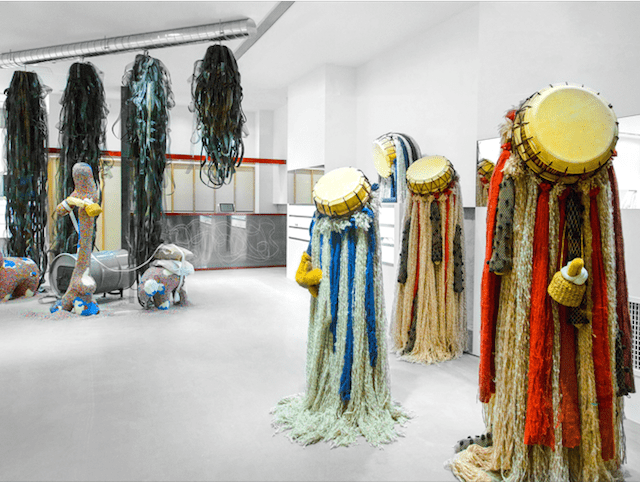
    Gentle Monster has unveiled its new Hongdae flagship with a religious-inspired design theme it calls ‘Sacrifice’.

    “The new theme introduces the sacred story of the Earth God and the sacrificial rituals that are offered to him,” the company said.

    The first floor houses a grand gray statue holding a white sphere which is described as the ‘God’s Eye’. Adjacent to the statue is a “kinetic” object representing the brand philosophy of Gentle Monster which is “constantly observing and studying the world”.

    A giant dark horse, which the company named as “a sacrifice to God”, is situated in the center of the second floor.

    Under the theme of “craftsmanship”, the third floor features “eye-capturing offerings to the God” and relief-sculptures which exemplifies the brand’s story. Gentle Monster’s eyewear collections can be found on this floor.

  • Google deletes anti-China app with 5 million installs

    Google deletes anti-China app with 5 million installs

    At a time when the U.S. government is targeting smartphone and networking equipment manufacturer Huawei, investigating short-form video app Tik Tok, and trying to kick China Telecom out of the country, a new app called Remove China Apps seeks to flag apps developed in China. Found in the Google Play Store (and just removed by Google), the app became the most downloaded title on Google’s Android app storefront over the weekend. It was launched just two weeks ago.

    The developers of the app said that it uses market research to determine an app’s country of origin. While the title of the app makes it sound as though it automatically deletes apps developed in China, the developer says that it “will list Applications and respective country name, choose which app you want to uninstall and which app you want to keep, and uninstall the apps one by one in a single click.” The Play Store listing says that it was “being developed for educational purposes only.”

    According to Android Authority, the app had one million installs listed by the end of Sunday and that number soared to five million yesterday. The developer, OneTouch AppLabs, is located in India where anti-Chinese sentiment has been on the rise. The developer’s website states that the point of creating the app is to support Indian Prime Minister Narendra Modi’s call for “Atm Nirbhar Bharat” or a self-reliant India. The developer states that the “Remove China App will help people to support ‘Atm Nirbhar Bharat’ by identifying the origin country of the applications installed in their mobile phones.” The developer also calls the app safe to install because it doesn’t ask for any permissions from your phone.

    Android Authority tested Remove China Apps and found that it did pick up TikTok and Xiaomi’s Mi Remote on an Android phone but failed to flag Chinese developer Tencent Games’ PUBG Mobile. It also doesn’t work with pre-installed apps installed on Chinese smartphones.

  • Alibaba and JD launch 6.18 mid-year shopping promo marketing

    Alibaba and JD launch 6.18 mid-year shopping promo marketing

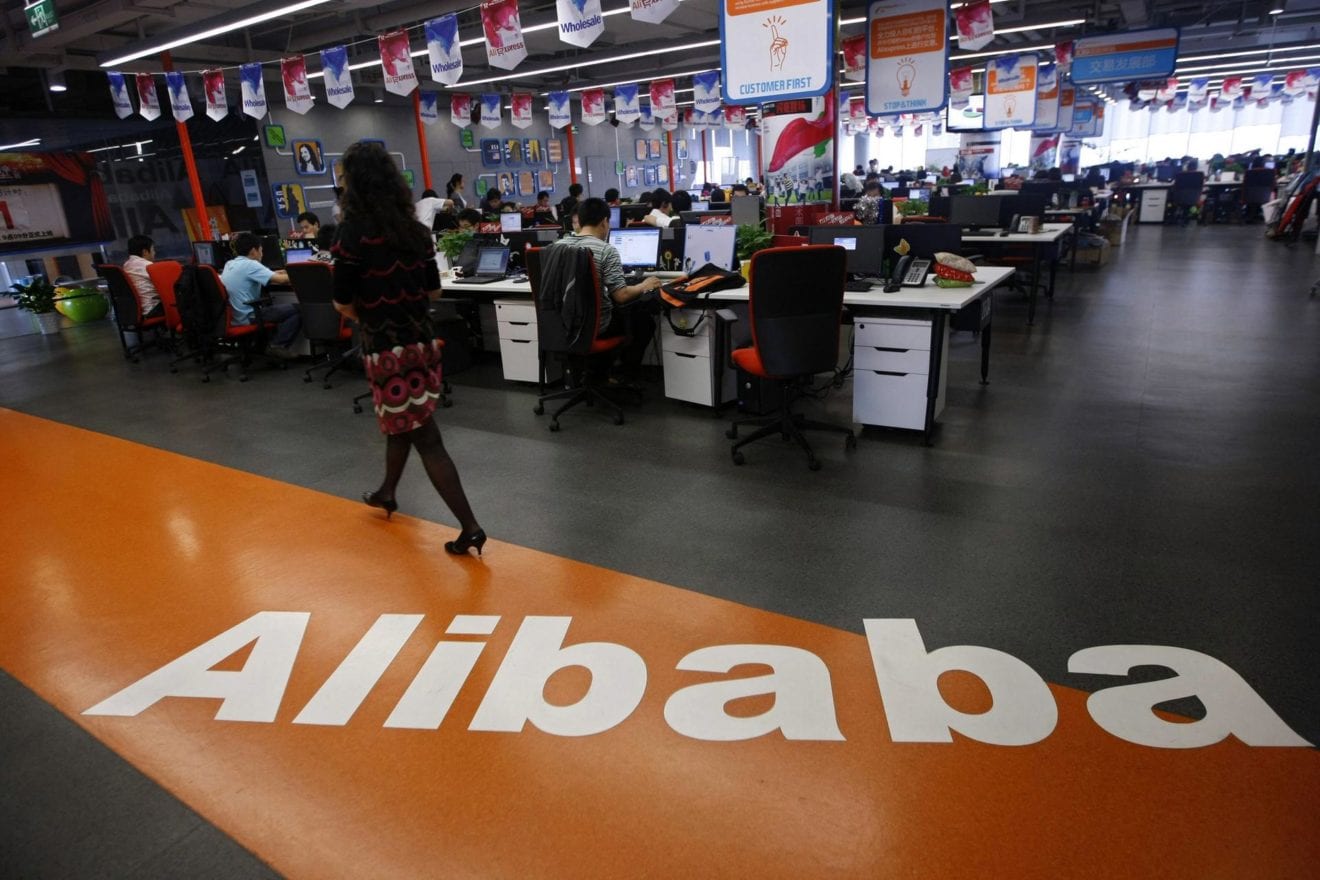
    Alibaba and JD launched their annual 6.18 mid-year shopping festivals, which mark China’s largest online retail promotion since the outbreak of Covid-19.

    Within hours, JD heralded a 400-per-cent year-on-year increase in sales of luxury fashion goods, with sales of Ferragamo, Hugo Boss, Lancel and MiuMiu all up by more than 300 percent.

    Alibaba also reported increased interest from luxury labels, with close to 180 participating, including Cartier, Chanel, Burberry, Balenciaga and Montblanc.

    Within the first 10 hours of the campaign, total gross merchandise volume (GMV) jumped 50 percent over last year at Alibaba. Cosmetics and home appliances proved particularly popular, their GMV doubling over last year.

    Alibaba’s campaign included issuing US$1.96 billion worth of digital coupons in advance of the event to boost purchasing.

    More than 100,000 brands on Alibaba’s Tmall are participating in the 6.18 event – nearly twice the number of last year, including tech giant Apple. Five hours into the campaign, Apple sold more than $70 million worth of products.

    “Online consumption has seen a post-pandemic revival since March, and the sales rebound that we have observed on Taobao and Tmall has been very encouraging,” said Liu Bo, GM of Tmall and Taobao marketing and operations.

    Both Alibaba and JD say sales of luxury products have been increasing steadily since the pandemic.

  • Foodpanda in Singapore starts to deliver Guardian products

    Foodpanda in Singapore starts to deliver Guardian products

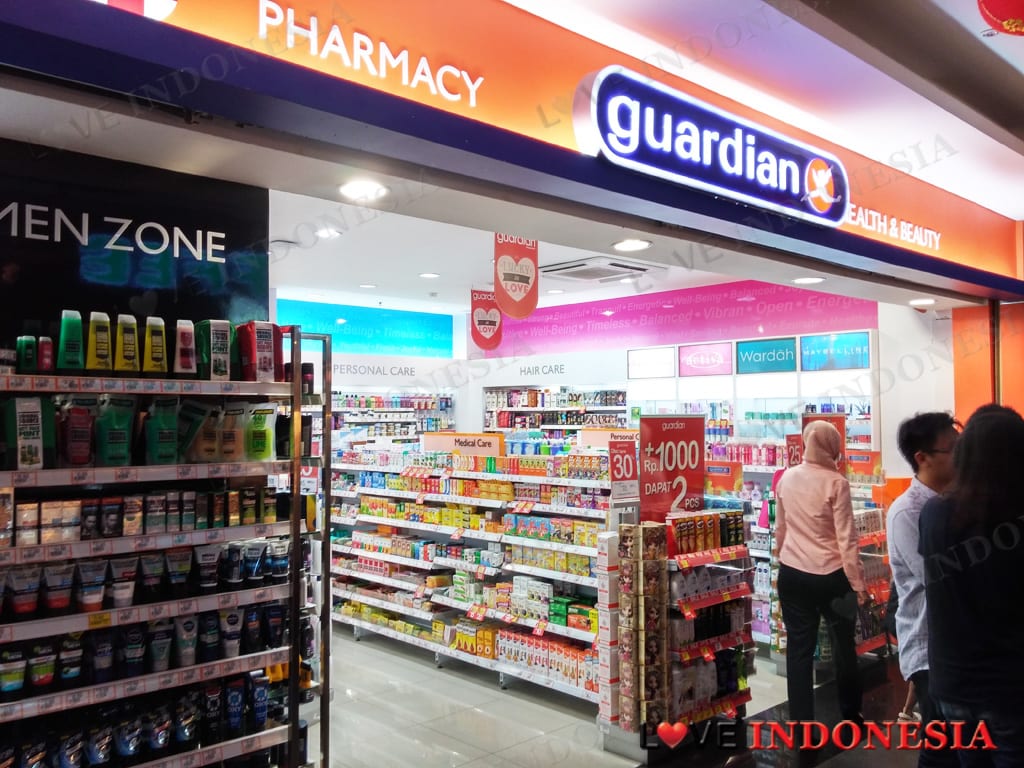
    Delivery platform Foodpanda in Singapore is to start delivering health and beauty products from Guardian stores.

    Guardian is the first major health-and-beauty retailer to be listed on Foodpanda’s Shops, offering more than 280 products and on-demand delivery service.

    “This collaboration with Guardian Singapore is timely as we are now able to deliver a greater variety of products to customers in the comfort and safety of their homes,” said Luc Andreani, MD at Foodpanda in Singapore.

    “Giving our customers the best choice of products delivered within the shortest amount of time will continue to be our priority.”

    Customers can now access products, including health supplements, skincare, and beauty products, with promised delivery times of under an hour.

    “Given the new climate and changing shopping behavior, we want to ensure that our customers still have access to their essentials from a trusted brand like us,” said Soren Lauridsen, CEO at Guardian, Southeast Asia.

  • Massive Uniqlo Tokyo flagship to open later this month

    Massive Uniqlo Tokyo flagship to open later this month

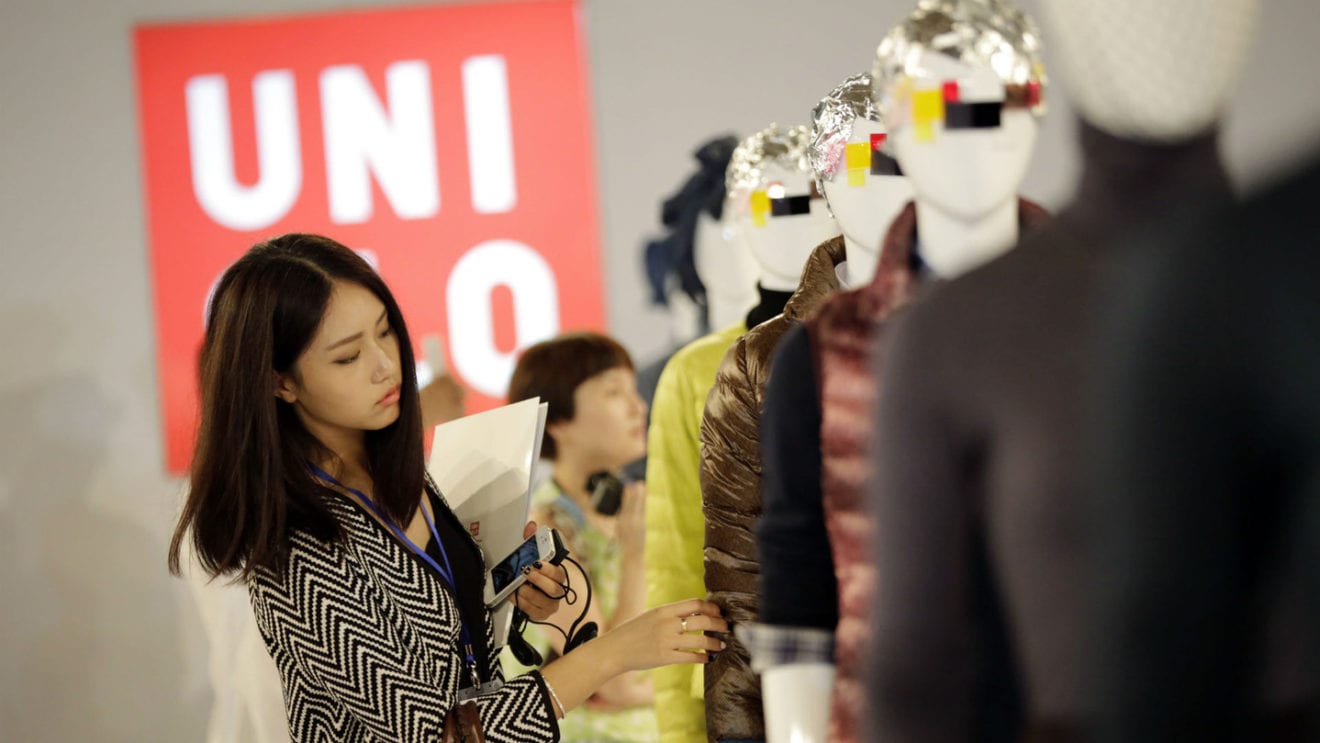
    Fast Retailing will reopen its Uniqlo Tokyo store this month, a global flagship that will be the first in the world to reflect the brand’s new LifeWear concept.

    The store is located in the same building as the Ginza Marronnier Gate store which opened eight years ago, but has been expanded to cover four floors with its interior completely remodeled.

    Uniqlo Tokyo will open on June 19. The LifeWear concept represents Uniqlo’s commitment to offering “well-designed clothing that meets everyone’s needs for daily wear”. The focus is on high-quality, functional, affordable, and innovative apparel which will be available in a variety of colors and designs for men, women, kids and babies.

    Uniqlo Tokyo was designed by Fast Retailing’s creative director Kashiwa Sato, working with Swiss architectural company Herzog & de Meuron and Japan’s Praemium Imperiale.

    In a statement, Fast Retailing said the company considers Uniqlo Tokyo will be a key store that will “change the flow of customers in Ginza, conveying to visitors the latest LifeWear, and allowing them to experience the world’s finest products and services”.

    “The opening of a location in this prime area is an important and major part of the Uniqlo store development strategy.”

  • Amazon will reportedly hold a multi-day sales event in June with steep discounts

    Amazon will reportedly hold a multi-day sales event in June with steep discounts

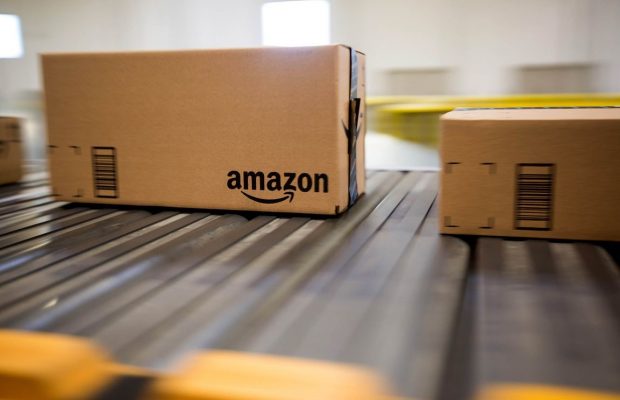
    A new CNBC report suggests that Amazon will be hosting a summer sale on June 22 that will last seven to ten days. The event, which is apparently being called the “Biggest Sale in the Sky,” is not a Prime Day substitute. The Prime Day will still reportedly take place, but at a later date, sometime in September.

    Amazon has seemingly started contacting sellers regarding a ‘Fashion Summer Sale Event,’ which implies its scope might be limited to fashion, beauty, and home. But then again, if it’s the “Biggest Sale in the Sky,” it should logically include all categories. Participation will presumably be by invitation only.  Amazon was inundated with demand for essentials such as hand sanitizer when the coronavirus crept up. As a result, household items and medical goods became a priority. This caused duress for sellers who dealt in goods outside of those categories.

    With the rumored upcoming sale, sellers will get a chance to clear their inventories. Amazon will likewise get a chance to boost consumer engagement across non-essential categories ahead of the Prime Day.

    Per the report, Amazon wants sellers to submit discounts of at least 30 percent by tomorrow. The company is also supposedly finalizing the landing page.

    It is not clear yet if the sale is only from Prime Day members. However, if Prime Day is still going to happen, it is likely that the summer sale will be open to everyone.

    Amazon’s operations have been slowly returning to normalcy. The summer sale would give the e-commerce company a chance to win back consumers who shifted to other outlets during the pandemic because of longer shipping times and product shortages.

    There is also a threat that if Amazon doesn’t hold an event in lieu of the Prime Day, competitors would scoop up the opportunity to capture an audience that has grown accustomed to Amazon’s summer sale.

    The company is reportedly on the precipice of losing market share. Stats already show that rivals Target and Walmart witnessed a double-digit increase in sales during the last quarter.

    A good old sale is surely what it needs to rev up demand and inform customers that it’s business as usual again.

  • Dairy Farm sells Wellcome Taiwan to Carrefour

    Dairy Farm sells Wellcome Taiwan to Carrefour

    Hong Kong-headquartered Dairy Farm is to sell its Wellcome Taiwan grocery retail business to Carrefour, with settlement later this year after regulatory approvals have been granted.  The deal – worth about €97 million – includes about 224 stores and warehouses, along with some property assets. Wellcome Taiwan’s turnover last year was approximately €390 million.

    The business currently has 199 Wellcome stores with an average sales area of 420sqm – and 25 Jasons, with an average sales area of 820 sqm. The Dairy Farm stores trading under the Wellcome banner will be converted to its Market format, and those trading under Jason’s brand will be converted to the Carrefour format.

    “Dairy Farm believes this change of ownership will set the business up for future growth and prosperity, building on Wellcome’s strong sales momentum over the past 12 months following the successful implementation of its price reinvestment campaign and increasing customer loyalty,” the Hong Kong company said in a statement.

    “This strengthened network represents greater opportunities for our team members as well as better service and value to our customers.”

    A spokesperson for Dairy Farm told Inside Retail Asia that the company was committed to its remaining major investment in Taiwan, Ikea.

    “Ikea Taiwan remains very much part of Dairy Farm’s portfolio. Through the Ikea brand, Dairy Farm is committed to delivering a unique home furnishing and Swedish food experience to our customers in Taiwan.”

    Meanwhile, the MD of Wellcome Taiwan, Laurent Piazza, says the sale is a testament to the hard work and determination of the Dairy Farm team to offer the best to its customers.

    “By bringing these businesses together, team members and customers will benefit from being served by a larger group that can use their combined strength and scale to improve quality, service, and price competition.

    “We have complete confidence in the future success of the business and believe, by bringing these businesses together, we have created a strong future for the team and a better shopping experience for our customers.”

    Carrefour currently operates 137 stores in Taiwan, including 69 under its Market banner. The group posted net sales of €1.968 billion last year and posted pre-tax earnings of €209 million.

  • SGX Launches Singapore Single Stock Futures

    SGX Launches Singapore Single Stock Futures

    In response to growing client demand for a broader suite of Singapore-linked equities products, Singapore Exchange (SGX) will launch 10 Singapore Single Stock Futures (SSFs) on 15 June 2020.

    The list of underlying securities for the SSFs are Comfortdelgro, DBS, Genting, Keppel, OCBC, Singtel, Thai Beverage, UOB, Wilmar and Yangzijiang Shipbuilding, the bourse announced on Tuesday. Most of these securities are also SGX MSCI Singapore Free Index (SiMSCI) stocks.

    SSFs represent a next natural step in the growth of the ecosystem and offer market participants a new shelf of risk management instruments, SGX said, noting that it has observed greater synchronization and correlation between the price of futures and the underlying stocks across various intraday timeframes, indicating growing institutional participation across both markets.

    SGX also signed a license agreement for four products on MSCI Singapore indices, including SiMSCI futures and options and net total return contracts, which will continue to be listed on yhe exchange after February 2021.

    Our Singapore franchise is at the heart of SGX’s pan-Asian access offering and with these latest developments, we are well on track to broaden the continuum of our equities shelf, Michael Syn, SHX head of equities said in the announcement.

    Just last week, SGX said it would discontinue its license agreements with index provider MSCI for equity futures indices and futures contracts when they expire in February 2021. At the same time, MSCI signed an agreement with Hong Kong Exchanges and Clearing (HKEX) to license a suite of its indexes in Asia and emerging markets for the introduction of futures and options contracts in Hong Kong.

  • HSBC Adds Offshore Investment Options

    HSBC Adds Offshore Investment Options

    The bank has become the first international bank in China to roll out Qualified Domestic Limited Partnership (QDLP) investments.

    HSBC is expanding overseas investment options for its Chinese high-net-worth (HNW) clients under a partnership with China International Fund Management – 51 percent-owned by J.P. Morgan Asset Management – to distribute asset management plans investing in QDLP, the bank announced on Tuesday.

    The QDLP scheme facilitates investments in offshore traditional and alternative investments by allowing qualified foreign asset managers to raise money in Chinese currency from a qualified individual and institutional investors in mainland China to invest in alternative assets abroad.

    This new scheme will help clients diversify their investments and leverage overseas opportunities to mitigate risks in their overall portfolio and further grow their wealth, especially amid uncertainty in the global markets, Richard Li, executive vice president and head of wealth and personal banking, HSBC China, said.

    Unlike the Qualified Foreign Institutional Investors (QDII) program, QDLP can direct Chinese domestic investors’ funds to overseas markets and allow investments in alternative assets, including hedge funds, private equity funds, and real estate investment trusts (REITs).

    A QDLP pilot was launched by China’s State Administration of Foreign Exchange in 2013. Since its launch, China has granted a total of $5 billion in quotas.

  • Giant Nike Thailand opens flagship store in Bangkok

    Giant Nike Thailand opens flagship store in Bangkok

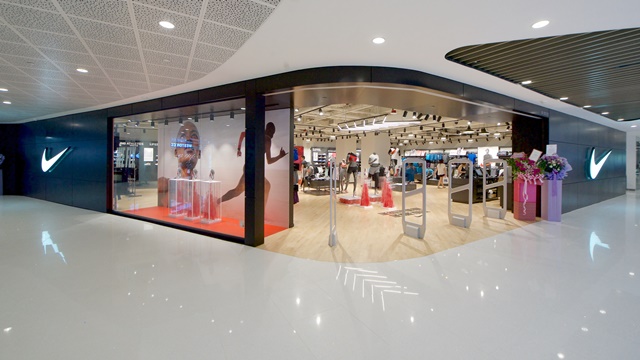
    A giant Nike Thailand flagship store has opened in Bangkok’s Siam Center, with a footprint spanning more than 9000sqft.

    Designed to showcase Nike’s product innovation across multiple categories, the store also offers the brand’s first “Nike By You” in-store customization service in Thailand.

    Operated by Southeast Asian luxury and lifestyle retail specialist Valiram, the new Nike Thailand store offers a blend of physical and digital retail experiences for shoppers

    “Nike Bangkok at Siam Center exists to offer everyone the ability to make sport a daily habit, ensuring they are inspired and committed to staying active,” said director of Nike stores Southeast Asia & India Tarundeep Singh.

    “The top Nike offerings have been carefully curated for this community, and the store has been conceptualized with multiple touchpoints for a fully immersive and seamless Nike experience that is truly personalized and unique.”

    Services such as head-to-toe apparel fitting and footwear trialing are offered at the store to provide consumers with opportunities to deepen their connection with the brand and select products suited to their needs. Shoppers can also book one-on-one sessions with running experts and styling specialists.

    Valiram executive director Ashvin Valiram describes the new Nike Thailand store as a “truly unique and immersive experience that pushes the boundaries of retail, empowering our consumers to engage with Nike products in new ways”.

    “Creating a world-class retail environment is a Valiram hallmark and the opening of Nike Bangkok at Siam Center in partnership with Nike reaffirms that”.

  • Grocery shopping online in China booms due to virus outbreak

    Grocery shopping online in China booms due to virus outbreak

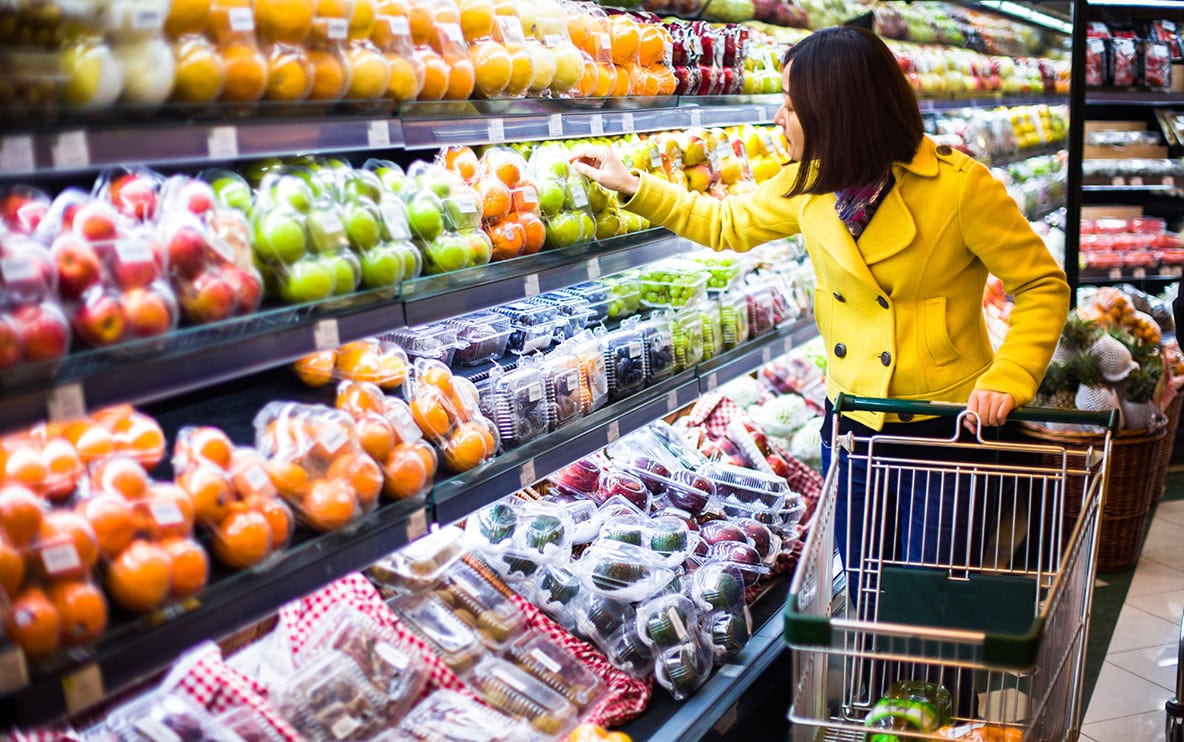
    Grocery shopping online is poised for explosive growth in China, with more than half consumers saying they are buying more online even after stores reopen.

    According to research by GlobalData, consumers in the region got used to purchasing online during the Covid-19 lockdown and the habit has stuck.

    The data shows 56 percent of Chinese consumers are now grocery shopping online more frequently than before the pandemic hit.

    “The impact of Covid-19 will leave a permanent mark on how we shop for groceries,” said Globaldata retail analyst Thomas Brereton, “with demand for home fulfillment soaring around the world as consumers follow the ‘stay at home’ message from many governments.

    “With a population of 1.4 billion, the potential value growth in the Chinese online grocery market is phenomenal.”

    Chinese food delivery service Meituan – founded in 2010 – is an example of the trend, recently hitting a US$100 billion valuation.

  • Cebu Pacific resumes some domestic flights yesterday

    Cebu Pacific resumes some domestic flights yesterday

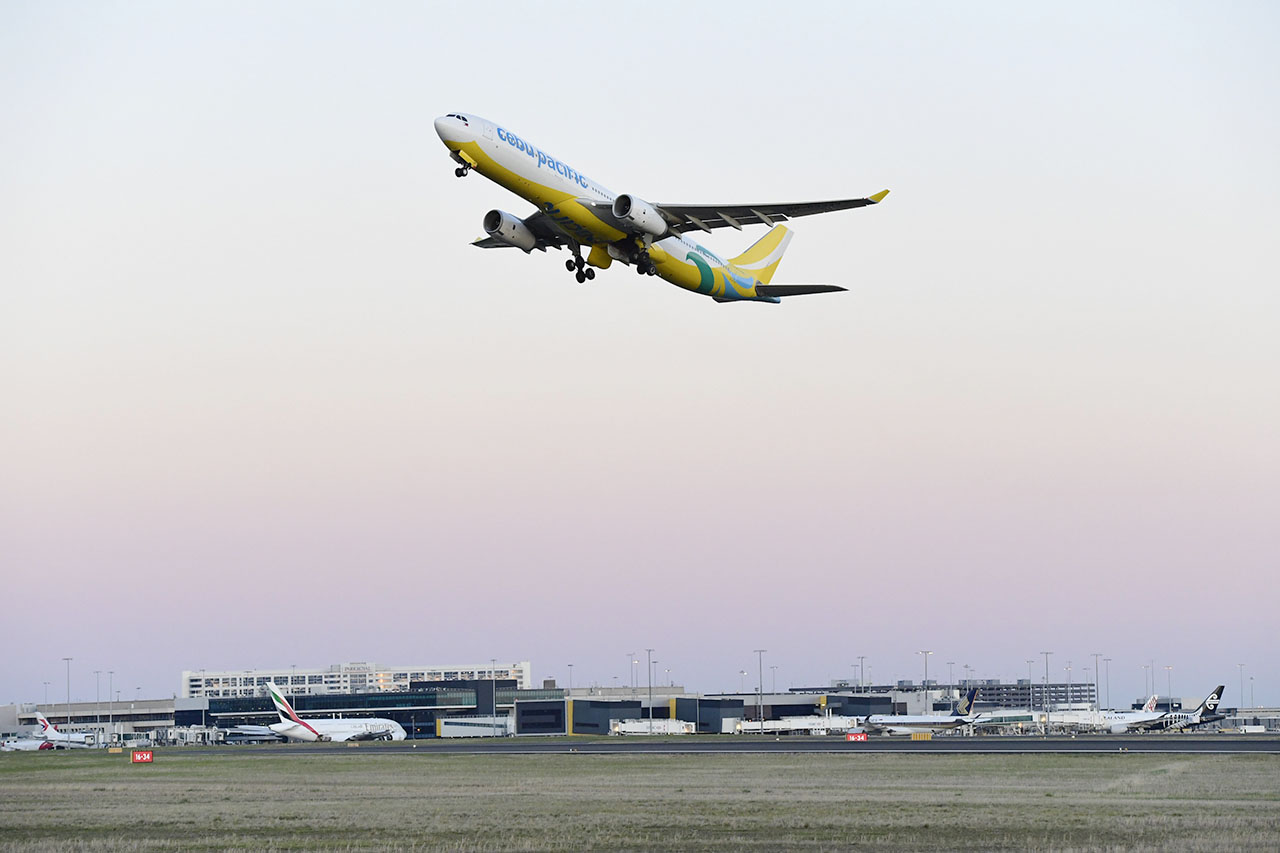
    Budget airline Cebu Pacific on Saturday said it would resume some domestic flights by June 2, but international flights would remain suspended from June 1 to 30.

    “We will continue to work with the Inter-Agency Task Force (IATF), as well as other national and local government authorities, on the rules and requirements to resume commercial passenger flights between areas under General Community Quarantine (GCQ),” Cebu Pacific said in a statement.

    “In Manila, all flights will depart and arrive from the Ninoy Aquino International Airport Terminal 3. All International flights remain suspended from June 1 to 30, 2020,” it added.

    The airline management reiterated that leisure travel was still prohibited by the government.

    It added that guests should check guidelines from the ”IATF and with the local governments of their origin and destination for the required documents.“

    Cebu Pacific also said they will provide updates on flight schedules from June 5 onwards as they “build-up domestic flight network, depending on market demand, quarantine restrictions and government regulations.”