Tag: asia

  • Paris Baguette eyes expansion in the US, Singapore

    Paris Baguette eyes expansion in the US, Singapore

    South Korean F&B group SPC is expanding outside of its home territory as its home-based brands reach saturation point.

    Plans to establish an upscale restaurant in New York-based on its Paris Baguette bakery brand, however, have been significantly impacted by the continuing US coronavirus outbreak, according to a report in the Korea Times.

    “We were planning so as part of our global business expansion starting with our locations in Singapore. However, due to the COVID-19 outbreak, everything was put on hold,” said an official spokesperson for SPC. “We were going to start with Maison de PB and make our next move after watching its performance in NYC.”

    The group has already successfully established Paris Baguette locations in the US, although poor brand visibility is still said to be an issue for the franchise. According to one industry source, the Maison de PB venue was intended to elevate the reputation of the brand.

    “There’s a limit for its success with the confectionery business in the US and Europe,” the source told the Korea Herald. “It is very hard to break the stereotype that an Asian bakery can offer better products than French bakeries. Becoming successful with Maison de PB in NYC is also important but we can see it as part of the group’s efforts to build its brand image there.”

  • Mulberry to cull global workforce

    Mulberry to cull global workforce

    Mulberry is culling about 25 percent of its staff worldwide as it right-sizes in the wake of the Covid-19 pandemic. In a statement, the UK-based fashion brand said that while it has been able to reopen most of its stores in China and South Korea – and some in Europe and Canada – the majority remain closed.

    “We reacted swiftly to manage the impact of Covid-19 and continue to execute a well-developed plan to manage capital, reduce costs and maintain a robust liquidity position,” said CEO Thierry Andretta.

    However, despite the good performance of Mulberry’s sector-leading digital and omnichannel presence, and a global network of concessions, the shutting of physical stores has had – and will continue to have – a marked effect on the business.

    A consultation process on proposals to reduce employee numbers across the global business has begun.

    “This has been an incredibly difficult decision for us to make, but it is necessary for us to respond to these challenging market conditions, protect the maximum number of jobs possible and safeguard the future of the business. We remain confident in the strength of the Mulberry brand and our strategy over the long-term,” said Andretta.

    While digital channels have continued to trade without interruption throughout the pandemic and their sales were good, they could not fully offset the decrease in demand experienced from store closures.

    In the UK, Mulberry will begin to phase the reopening of stores from June 15, but with additional safety standards and procedures put in place to ensure they operate safely.

    The brand has also taken steps to manage its inventory levels in line with anticipated lesser demand.

    “Given the uncertainty as to the impact and duration of Covid-19 on the company and the wider economy and the consequential effect on demand, we expect the recovery in our overall sales levels over the medium term to be gradual. Even once stores reopen, social-distancing measures, reduced tourist and footfall levels will continue to impact our revenue,” the company said.

    Cutting staff levels would help Mulberry to manage its operations and cost base to ensure the company is the correct size and structure to reflect market conditions, said Andretta.

  • Dickson Concepts’ retail arm loses $US27m as tourist trade evaporates

    Dickson Concepts’ retail arm loses $US27m as tourist trade evaporates

    Hong Kong retailer Dickson Concepts describes the territory’s retail environment as “the most challenging the group has ever faced”.

    The company’s retail division suffered a US$27 million loss last year, largely attributable to the impact of Covid-19 and protest activity reducing the number of inbound mainland visitors.

    However, the company increased its overall profit by 57 percent to $83.3 million, based on a solid performance by its investment division which finished the year with a surplus of  $110 million after one-off gains on property disposals.

    The company said the group achieved significant growth in both sales and profit during the initial months of the financial year.

    “However, the retail climate in Hong Kong deteriorated significantly thereafter and Mainland Chinese tourists all but disappeared. As a result of the Covid-19 pandemic outbreak in January, the group faced the worst local consumer sentiment in its history. Tourist arrivals have literally come to a complete halt, and despite achieving sales at the expense of margins, the group’s turnover in Hong Kong suffered a 24.9-per-cent decrease in the year ended March 31.”

    Dickson Concepts has 61 stores, 29 of them in Mainland China, 24 in Taiwan, and eight in Hong Kong, including the upmarket Harvey Norman department stores at Central and Admiralty. Geographically, Hong Kong accounts for 81.6 percent of sales and Taiwan 15.6 percent. Watches and jewelry represent 49 percent of retail turnover, cosmetics, and beauty products 29.6 percent and fashion 21.1 percent – all categories heavily reliant on tourists, especially mainlanders.

    In a statement, the company said it expects a “slow and long path” to recovery for the territory’s retail sector.

    “Our group expects the retail market in Hong Kong to remain extremely depressed for the foreseeable future as we expect local consumer sentiment to be very poor until the economy recovers. We do not expect tourism to recover in any meaningful way in the foreseeable future since even if quarantine and social distancing measures are fully lifted, it will likely take time for tourists to feel safe to travel again.”

    However, the company said that with net cash reserves of $292 million and a strong balance sheet, it is in a strong position to cope with the risk of a worldwide economic slowdown and the current challenging retail climate.

  • Siam Piwat & Simon JV opens in Bangkok in Siam Premium Outlets

    Siam Piwat & Simon JV opens in Bangkok in Siam Premium Outlets

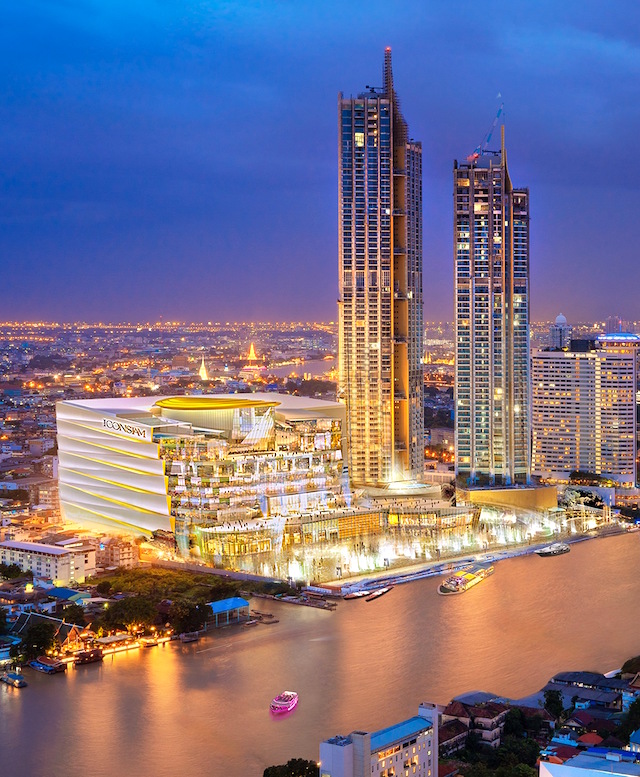
    Siam Piwat and partner Simon Property Group will open Siam Premium Outlets in Bangkok next week.

    Located near the Suvarnabhumi International Airport, the first Premium Outlets-branded shopping center in Thailand will open on June 19. The center will feature more than 200 brands, from global luxury labels including Burberry, Balenciaga, Coach, Hugo Boss, and Montblanc, to local brands, including EveandBoy and Jim Thompson.

    The joint venture, Siam Piwat Simon, said 60 brands will feature exclusively at Siam Premium Outlets Bangkok.

    The shopping center will also house a 1300sqm Nike premium store, locally inspired art, and a 1200sqm food hall concept by Food Republic.

    “Siam Premium Outlets Bangkok will be an economic driver for the Thai economy; the center will create more than 1000 career opportunities,” said Michael Tang, MD of Siam Piwat Simon.

    “The experience of the center extends beyond shopping with amenities and design features that make the center an exciting community space and a relaxing shopping destination.”

    According to Tang, the shopping center will team up with other key tourist attractions to “enhance the appeal of the area as a major local and tourist destination”.

  • AirAsia to slash workforce by at least 30%

    AirAsia to slash workforce by at least 30%

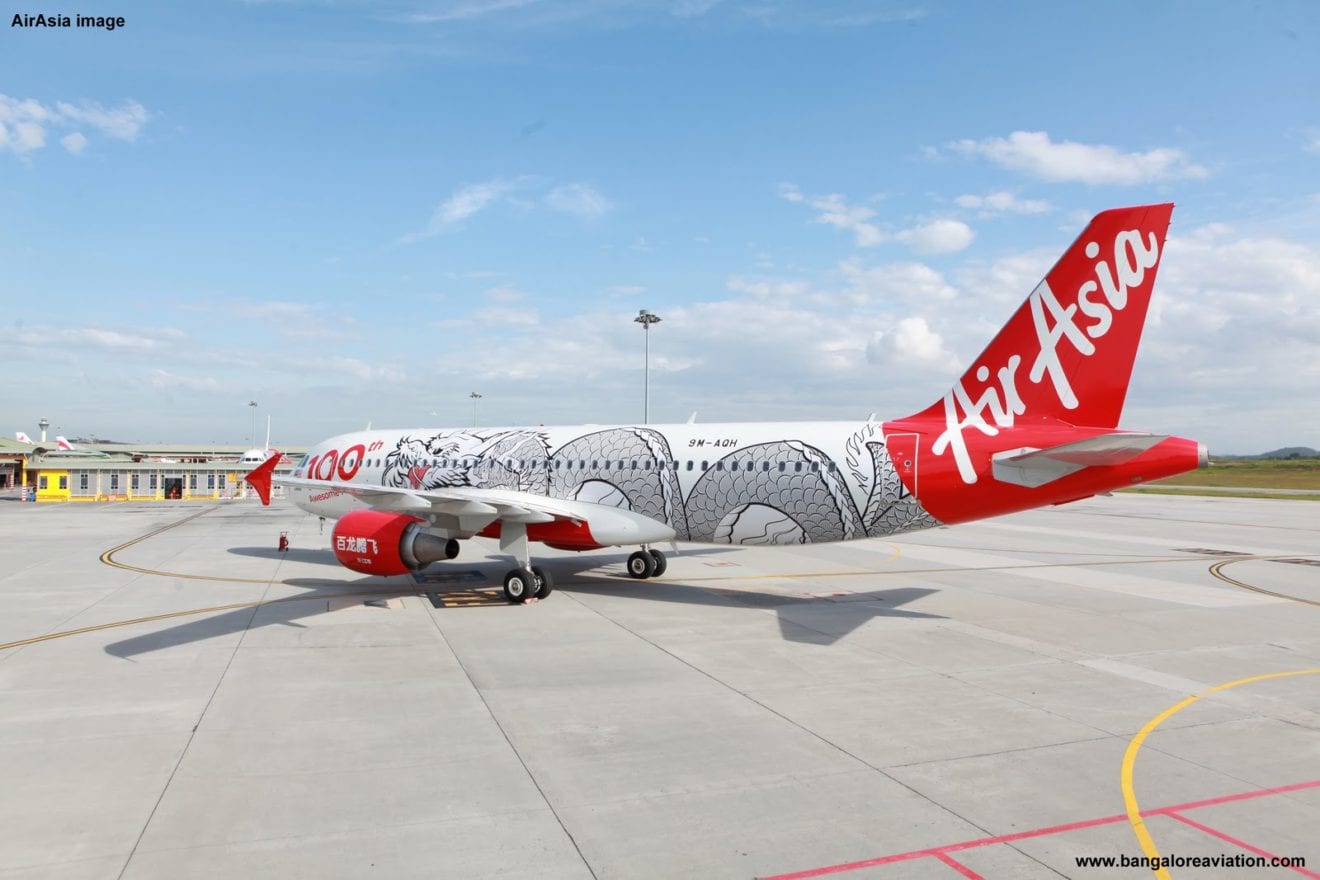
    Southeast Asia’s biggest low-cost carrier AirAsia Group is set to reduce its workforce by up to 30% as founder Tony Fernandes considers selling a 10% stake in the airline to raise cash. Desperately trying to stave off a cash flow crisis triggered by the coronavirus pandemic which has decimated the region’s travel and tourism industry, AirAsia will also slash remaining staff salaries by up to 75% in an attempt the save the airline, the Nikkei Asian Review has learned.

    The retrenchment will include cutting 60% of AirAsia’s cabin crew and pilots for both AirAsia and its medium-haul affiliate AirAsia X. AirAsia Group operates through Malaysia, Thailand, Indonesia, Japan, India and the Philippines.

    Almost all of the company’s 20,000 employees have been individually re-evaluated since January based on salary scale and performance, with the lay-off expected to continue through to the end of July.

    Multiple sources have told Nikkei that the airline — in which Fernandes continues to hold a majority stake — may also sell 10% of the company’s paid-up shares to raise cash, with South Korea’s SK Corp reportedly leading a trio of multinationals expressing interest.

    The share sale would not require shareholder approval as management has already been mandated to increase the number of new shares by up to 10% at a shareholders meeting last June. Korea’s third-largest conglomerate SK Corp could subscribe to new AirAsia shares of 1 Ringgit each, raising approximately $78.4 million for the airline. SK Corp, which has a major presence in the energy and telecommunications industries via its 95 subsidiaries, registered revenue of $213.6 billion last year and is backed by to $257.9 billion worth of assets.

    “All the proposals are being deliberated by the Board of Directors, with a decision can be expected as soon as next week,” a source said.

    While remaining employees are asked to take pay cuts ranging between 15%-75%, Fernandes has also slashed AirAsia’s capital expenditure and the working capital of all the group’s operating airlines. Fernandes and the airline’s co-founder Kamarudin Meranun have also agreed to draw no salary for the medium term.

    “Budgets for departments have been slashed while the salary cuts are expected to last until the end of next year,” the source said. “AirAsia only expects the situation to improve in 2022.”

    Employee benefits, which include free and discounted flights and complimentary meal coupons, have been curtailed significantly.

    “Bonuses, salary increments, and incentives have been put on hold while only travel allowance and basic salary paid,” the source said. Another source close to Fernandes said that Fernandes was also exploring the sale of unprofitable airline ventures in Japan and India.

    “He (Fernandes) is open to reduce stakes or even exit Japan and India, due to the complexity of the domestic industry and escalating costs if compared to sales,” the source, who declined to be named. Thai AirAsia was exploring a merger with several domestic budget carriers in an attempt to survive the pandemic.

    Malaysia’s government is also looking at channeling over $350 million to the country’s three main cash-strapped carriers AirAsia, Malaysia Airlines, and Malindo Airways as part of a broader economic rescue package.

    The government hopes the funds will help the airlines survive the pandemic crisis and new operating procedures which may include social distancing onboard and contactless check-in.

  • Online marketplace Tiki gets US$130 million funding

    Online marketplace Tiki gets US$130 million funding

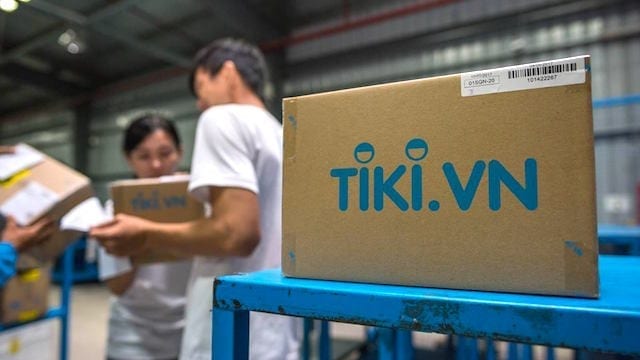
    Vietnamese online marketplace Tiki has successfully raised US$130 million in its latest funding round led by Northstar Group.

    According to Deal Street Asia, the total value of the investment may increase by a further $20 million.

    Founded in 2003, Northstar Group is a Singapore-based private equity firm, currently investing US$3 billion in more than 30 companies across Southeast Asia.

    Recently, online marketplace Tiki and rival platform Sendo informed authorities of a proposed merger scheme amid intense competition in Vietnam’s e-commerce market, with two strong rivals Lazada and Shopee. However, neither company has commented further on the plan.

    Although Tiki has received large investment amounts, the company is locally referred to as a “money-burning machine”. It accumulated a loss of $60.9 million last year.

  • China Auto Sales Growth Seen For Second Straight Month

    China Auto Sales Growth Seen For Second Straight Month

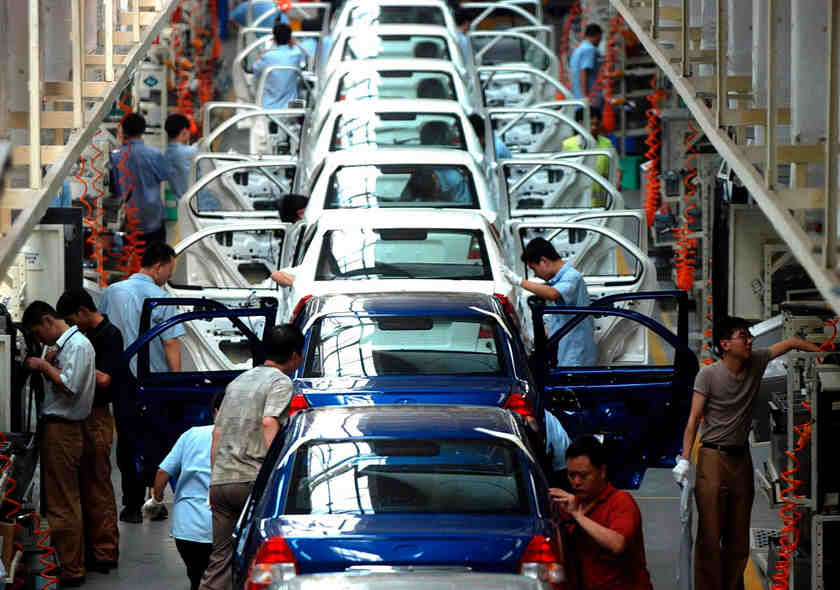
    China’s vehicle sales are estimated to rise 11.7% on year in May, its top auto industry body said on Tuesday, cementing hopes of a recovery in the world’s biggest auto market with the first back to back monthly sales increase in about two years. The China Association of Automobile Manufacturers (CAAM), in a post on its official WeChat account, said vehicle sales were estimated to rise to 2.14 million in May. It said the numbers were based on sales data it had collected from key companies, without giving further details.

    China’s vehicle sales are estimated to rise by 11.7 percent on-year in May,

    CAAM expects January to May auto sales in China to fall 23.1% year on year to 7.9 million units.

    As the global auto industry is hit hard by the coronavirus pandemic, China has become a ray of hope for automakers including Volkswagen and General Motors

    In April, China’s auto sales hit 2.07 million units, up 4.4% from a year earlier, the first monthly sales growth in almost two years, CAAM data showed.

    China is expected to see a drop of 15 percent in auto sales, even if the COVID-19 outbreak is contained effectively

    It cautioned last month that even if China contains the outbreak effectively, its auto sales are expected to drop 15% this year, from over 25 million vehicles in 2019. If the pandemic continues, the annual sales contraction will likely be by up to 25%.

  • Taiwan’s O’right makes Japanese start

    Taiwan’s O’right makes Japanese start

    Taiwanese beauty brand O’right is to make its debut in Japan this week. O’right’s first store will open in Isetan Shinjuku on June 10, followed by a second store in Yurakucho Marui the next day.

    “It shows the brand’s confidence in Japan’s path to economic recovery and its determination to establish a foothold in the Japanese beauty market,” the company said in a statement.

    The O’right Japan stores will feature a wide range of plant-based products, including the brand’s limited edition Caffeine Botanical Scalp Revitalizer. As the Tokyo 2021 Olympics Games’ key theme is sustainability, the zero-carbon beauty brand sees a timely opportunity to introduce its products in the Japanese market.

    During the openings, customers will be given gifts including high-quality hydrating hand sanitizer and exclusive discounts.

    Founded in 2006 as a hair-care brand, O’right has evolved into a “green-style” beauty brand, aiming to redefine the beauty market by introducing zero-carbon, sustainable products that “deliver on a promise of a greener tomorrow”.

  • Malaysia’s IPC mall launches trash-to-treasure recycling campaign

    Malaysia’s IPC mall launches trash-to-treasure recycling campaign

    Malaysian mall IPC mall has launched a campaign to promote recycling as part of the “new normal”.

    At a time when national recycling efforts have been put on hold, visitors are invited to drop off recyclables at the mall’s Recycling & Buy-Back Centre (RBBC) to enjoy rewards for selected categories.

    The “Trash to Treasure” campaign highlights IPC as the first retail destination in Malaysia to have a facility like the RBBC, which introduces two new recyclable categories – food and fabric waste. While food waste will be bio-recycled and turned into animal feed and organic fertilizer, any collected fabric will be sorted for donations or recycled into industrial wiping cloths and upcycled into wearables.

    “Over the years, our sustainability efforts have shown that responsibly disposing of waste goes a long way in creating a more sustainable environment,” said IPC Shopping Centre PR and digital marketing manager Mark Tan. “As a community-centric shopping center, we want to empower the community to make recycling part of their everyday lives in this new normal. Hence, making the RBBC accessible and safe for all by following the latest health guidelines, and implementing protective measures.”

    The mall is noted for its attention to environmental and sustainable issues, including its use of energy-saving light bulbs, solar panels and rainwater harvesting.

  • Online shopping in Singapore soars in Covid-19’s shadow

    Online shopping in Singapore soars in Covid-19’s shadow

    Online shopping in Singapore has surged since the outbreak of the coronavirus pandemic.

    Research from data and analytics firm GlobalData suggests the effect on the country’s e-commerce market will be long-lasting, estimated to reach US$9.5 billion this year. Previously, e-commerce grew at a compound annual growth rate of 15.4 percent between 2015 and 2019 to reach $6.2 billion last year.

    “The pandemic, which triggered fear of contamination, has resulted in a change in consumer buying behavior,” said GlobalData banking and payments senior analyst Sowmya Kulkarni. “Shopping centers are now being avoided and consumers are choosing online platforms for their day-to-day purchases.”

    A separate data-driven analysis of Covid-19’s impact on the digital behavior of Singapore consumers undertaken by multinational professional services firm Accenture predicts Singapore’s new digital economy will amass nearly $500 million.

    “The scale of the changes identified in our findings suggest a clear shift in Singapore’s consumer behavior and consumption, impacted by Covid-19 measures,” said Lee Joon Seong, an Accenture MD. “There is a strong likelihood that the shift will persist into phase one of the post-Circuit Breaker period and beyond, as movement restrictions and consumers cautions remain.

    “In the long run, he says, such shifts represent huge opportunities for online shopping in Singapore. “Companies that accelerate their digital capabilities to stay relevant to digital consumers will be able to seize opportunities and emerge victorious as we move into a post-Covid-19 world.”

  • Volkswagen Group Considering More Cost Cuts To Cope With Downturn

    Volkswagen Group Considering More Cost Cuts To Cope With Downturn

    Volkswagen is considering more cost cuts to help cope with the economic impact of the coronavirus pandemic, a spokesman for the German automaker said on Saturday.

    The issue was recently discussed at an internal event, the spokesman said, when asked about a report in industry magazine Automobilwoche.

    “There were general deliberations about what further cost measures could be taken to respond to the pandemic,” the spokesman said. “There are no concrete decisions yet.

    Volkswagen and Daimler both said Wednesday that they foresaw full-year profits despite taking a beating from the global virus crisis.

    Automobilwoche quoted Volkswagen CEO Herbert Diess as telling top managers at a meeting on Thursday: “We must significantly cut R&D expenditure, investments and fixed costs compared with the previous planning.”

    The group’s net liquidity would “continue to decline at least until July due to weak demand”, the magazine, citing participants at the event, quoted Diess as saying, adding that not all group brands would achieve a positive result in 2020.

    This meant the main VW passenger car brand must reduce its so-called material overheads by 20%, the magazine said.

  • Singapore retail sales down with 33 percent in April

    Singapore retail sales down with 33 percent in April

    Singapore retail sales – excluding motor vehicles – plummeted 32.8 percent in April as Covid-19-related lockdowns saw non-essential retailers closing their physical stores.

    Including motor vehicles in the data, the fall was 40.5 percent.

    Significantly, online sales accounted for a record 17.8 percent of total retailing, with 70.6 percent of sales in the computer and telecommunications category occurring online in April and 50.4 percent of furniture and household equipment. However, just 7.7 percent of the total sales of supermarkets were conducted online.

    According to Statistics Singapore, the worst-affected retail sector overall was department stores where sales fell by 87.8 percent. Sales in watch and jewelry stores fell by 84.6 percent.

    On the plus side, sales by supermarkets & hypermarkets soared 74.6 percent, partly driven by people staying at home to work or study during the Circuit Breaker lockdown and partly due to the move from eating out to preparing food at home. Minimarts & convenience stores boosted their sales by 10.7 percent.

  • Victoria’s Secret UK collapses into admin work

    Victoria’s Secret UK collapses into admin work

    The Victoria’s Secret UK business has been placed in administration – and it is not just a victim of the Covid-19 crisis, says one analyst.

    Echoing concerns expressed in the brand’s US home market, Sofie Willmott, lead retail analyst at GlobalData, said Victoria’s Secret has lost its appeal to its target demographic.

    “Despite being a desirable, yet expensive, underwear brand when it launched in the UK in 2012, Victoria’s Secret has since lost its appeal for many shoppers due to a lack of inclusivity. Its famous catwalk show was canceled last year after much debate but for many of its target customer base, it was too little too late and they had already gone elsewhere.”

    The Victoria’s Secret UK business has 25 stores, now all at risk of closure. A staff of 785 employees have been furloughed during the process.

    “This is yet another blow to the UK high street and a further example of the impact the Covid-19 pandemic is having on the entire retail industry,” said Deloitte joint administrator Rob Harding in a statement.

    “The effect of the lockdowns, combined with broader challenges facing bricks and mortar retailers, has resulted in a funding requirement for this business, resulting in today’s administration.

    “We will now work with the existing management team and broader stakeholders to assess all options available for the future of the business.”

    In the US, L Brands, parent of Victoria’s Secret, plans to close about 250 stores to right-size the business. A large question mark hangs over its flagship stores internationally, including in Asia and a strategic review has been launched into the brand’s presence in China.

    Willmott said the administration is yet another blow to retail landlords as clothing & footwear spend continues to shift online. The company’s UK e-commerce business is unaffected by the process, with the brand to continue selling online only with lower overheads, “piggybacking on its US operations”.

    “With Victoria’s Secret stores primarily in flagship shopping-center locations including Bluewater, Westfield Stratford and Birmingham Bullring, the administration brings more bad news for landlords that are struggling to collect rent payments.”

    The administrators of Victoria’s Secret UK are seeking a buyer, however, given the state of the brand’s perception in the marketplace, its troubled prospects globally and the crisis the broader UK retail industry finds itself in post-Covid-19, it is difficult to perceive a quick white-knight rescue.

  • Gap the brand flounders on ‘anemic’ range driving parent’s $932 million loss

    Gap the brand flounders on ‘anemic’ range driving parent’s $932 million loss

    Gap – the brand – is floundering internationally, with sales down 50 percent in the first quarter, a rate far worse than other mainstream apparel retailers in the wake of the Covid-19 crisis.

    Gap Inc, its parent, reported a US$932 million net loss for the three months to March on sales down group-wide by 43 percent to $2.11 billion. That decline was worse than its peers Abercrombie & Fitch and Urban Outfitters, and even budget-positioned multi-brand apparel retailer Kohl’s.

    Neil Saunders, MD at GlobalData Retail, said one of the reasons for Gap the brand’s dire performance was a complete failure to transfer lost store sales online.

    “At a time when other retailers were almost doubling their online revenues, Gap’s e-commerce sales dropped by 5 percent,” said Saunders. “We believe that this is indicative of the brand’s lack of traction with customers and its inability to stimulate loyalty. It aptly demonstrates that a fair proportion of sales are driven, not by a burning desire to visit and buy from Gap, but from chance visits to stores and impulse buys often stimulated by excessive discounting. As soon as stores are closed, Gap drops off the radar and consumers have neither the will nor inclination to shop the brand online.”

    Sales at Banana Republic fell by 47 percent globally and by 50 percent in the US, with online sales down modestly. However, Saunders said the dynamics of that are more excusable as Banana Republic is exposed to the smart casualwear sector which is heavily dependent on demand from office workers, who have been stuck at home for many weeks in most western markets.

    In stark contrast, sales by its sportswear brand Athleta, fell by just 8 percent, with store sales down 50 percent and online sales up 49 percent. Old Navy’s global net sales fell 42 percent, with store sales down 60 percent and online sales up 20 percent.

    CEO and president Sonia Synga trumpeted a quick pivot to e-commerce resulting in 40-per-cent growth online in April and 100 percent in May across all of the group’s brands, the first two months of the new quarter. “This online momentum, enabled by new omni-capabilities that have expanded the way customers can shop with us, leaves us well-positioned to fuel our brands going forward,” she said.

    Meanwhile, Saunders said the “heart and soul” of Gap the brand’s problems stem from its “anemic” ranges.

    “These are bland and undifferentiated and do nothing to stimulate consumers. Against a market saturated with alternative apparel destinations, this simply isn’t good enough. Gap has been aware of this problem for eternity but has consistently failed to act, either because it is too inert to do so or because it is unsure of how to correct the problem. In fairness, recent management changes may be the remedy to this, but the crisis has interrupted any progress than might have been made.”

    He said that before the advent of the pandemic, Gap Inc was in a weak position. “It emerges even more withered with quite a lot of holes in its strategy. Solid brands like Athleta provide some hope but are too small to make up for the problems elsewhere. As such, Gap now needs to reinvent and refocus its efforts with an urgency that is unparalleled in its history.”

  • JD plans US$4.05 billion Hong Kong exchange listing

    JD plans US$4.05 billion Hong Kong exchange listing

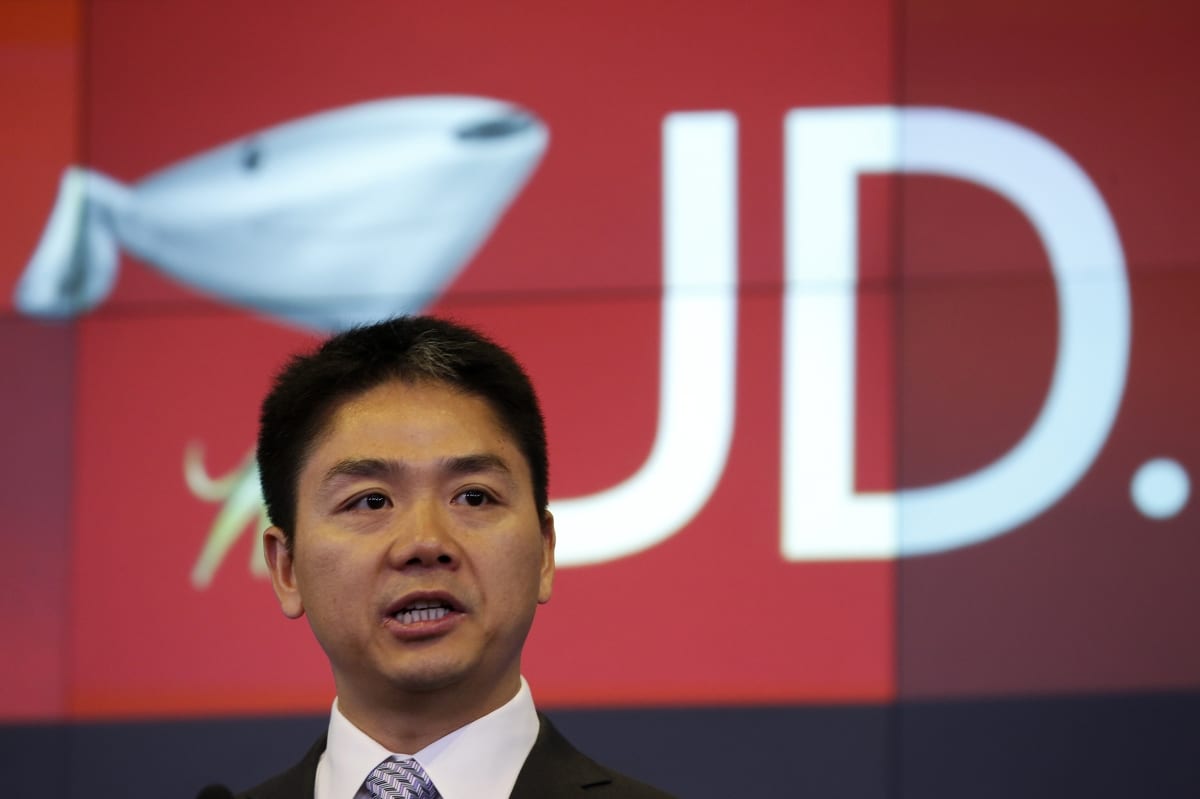
    Chinese e-commerce giant JD is looking to raise up to US$4.05 billion in a secondary share listing in Hong Kong.

    The new 133 million shares, priced at $30.45 each, most likely will make the listing among the largest in the territory this year.

    US regulations for Chinese firms listed in the US may tighten, with one bill in the US Congress proposing delisting Chinese firms that do not submit to substantial auditing requirements. JD is listed in the US on the Nasdaq.

    The company will start taking investor orders around this Thursday, with the listing set for June 18 to coincide with its annual shopping festival.

    Joint sponsors of JD’s Hong Kong listing include Bank of America, UBS Group and CLSA.