Tag: asia

  • AirAsia to operate limited number of flights until March 31

    AirAsia to operate limited number of flights until March 31

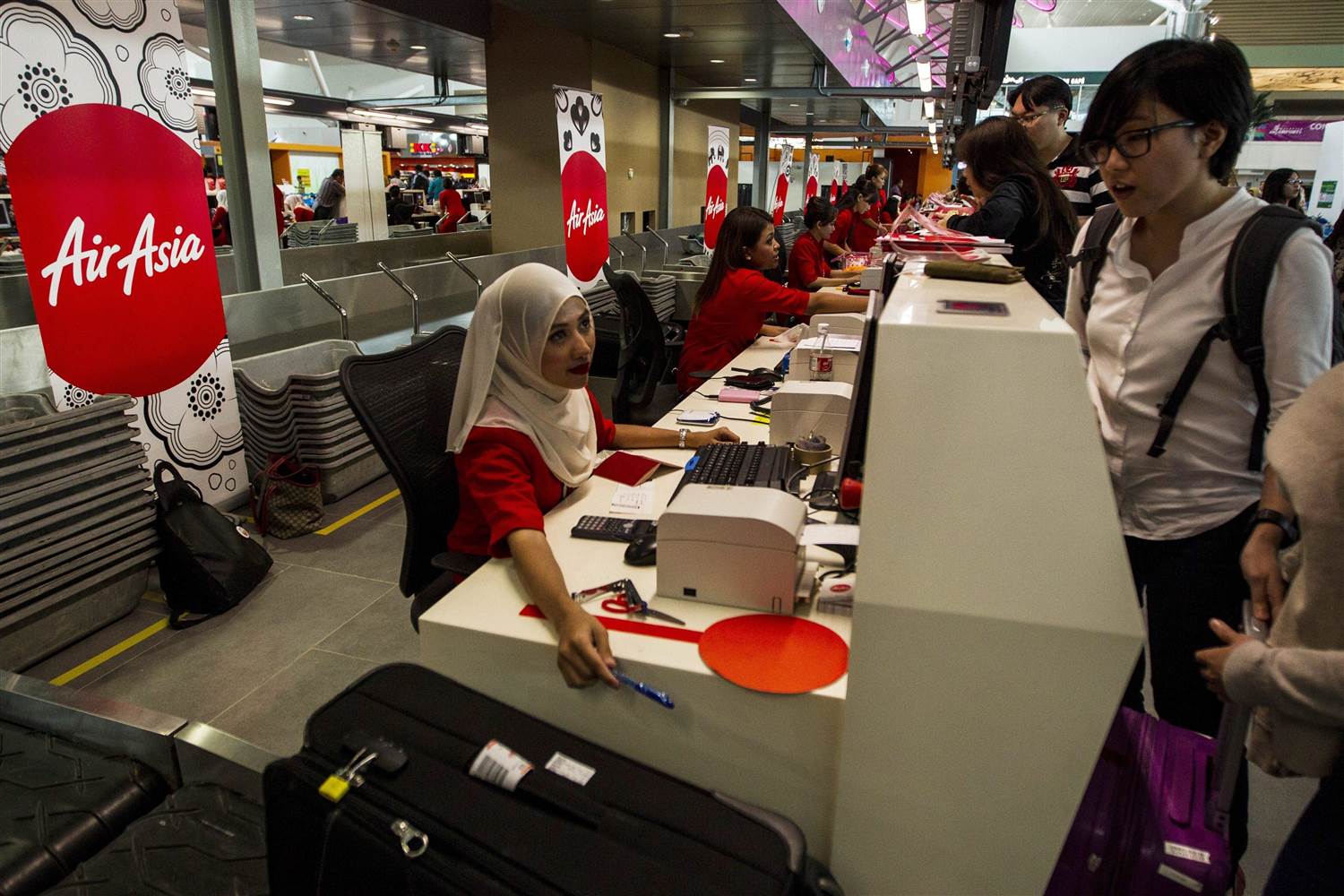
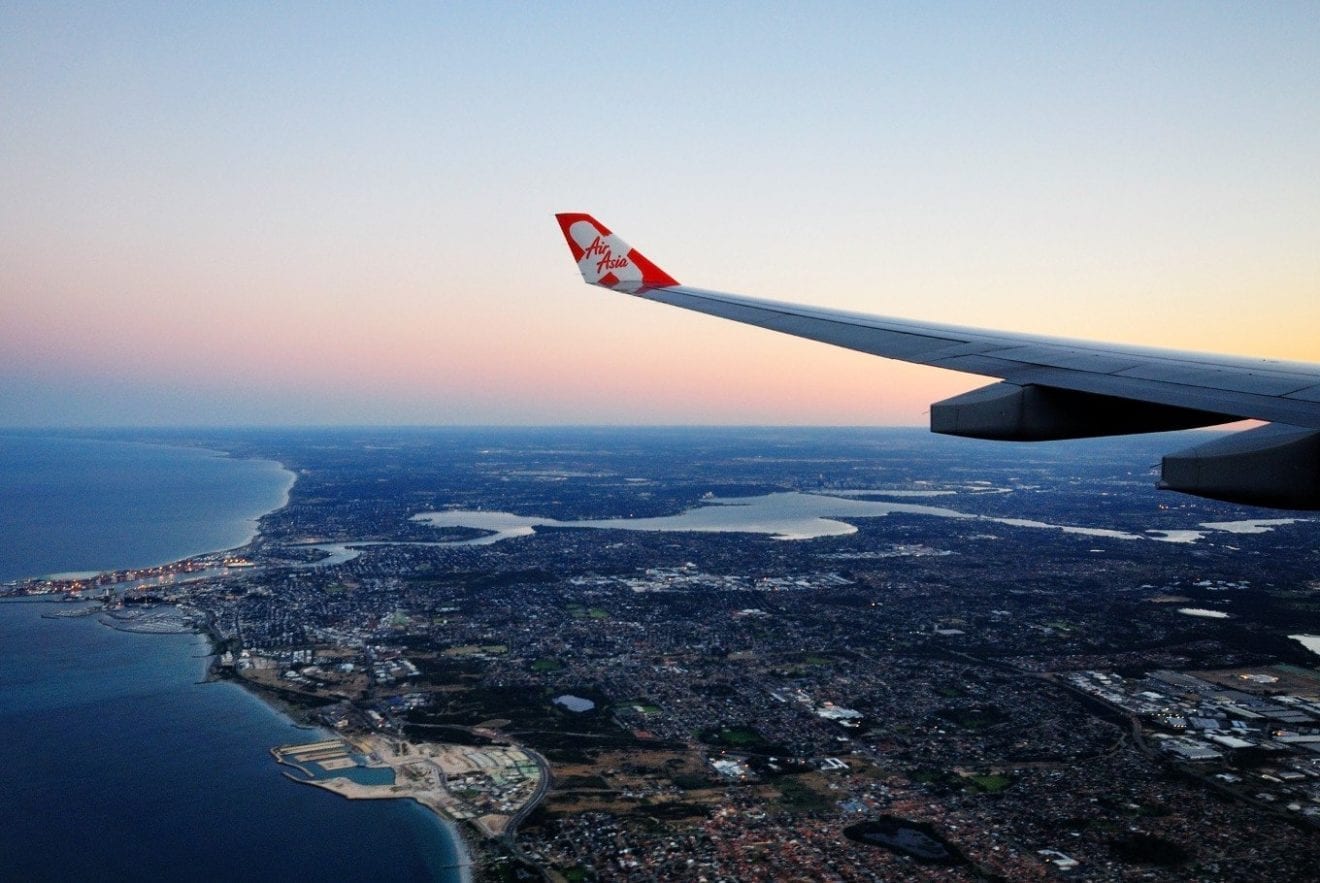
    Low-cost carrier AirAsia Group Bhd will be operating a limited number of domestic and international flights during the 14-day Movement Control Order period aimed at curbing the spread of the Covid-19 infection.

    When contacted, a spokesperson for the airline said the limited operations are subject to change due to the fluidity of the situation.

    “Affected guests will be promptly notified via email or SMS. AirAsia strongly encourages guests to update their contact details using the “My Bookings” feature on airasia.com to ensure that they receive timely notifications.

    Guests may check on their flights via the “Flight Status” feature, as well as available flights on the airasia.com website and mobile application.

    For the further and latest information on options and eligibility related to Covid-19, guests can visit the Covid-19 “Customer Guide,” the spokesperson responded.

    In a note to investors yesterday, AmInvestment Bank Research said it is projecting a wider loss of RM985.4 million for AirAsia for its financial year ended Dec 31, 2020 (FY20), from RM784.2 million previously. For FY21, the research house is forecasting a smaller net profit of RM258.9 million, from a net profit of RM482.3 million previously.

    It said the earnings downgrade is to mainly reflect a 10% contraction in passengers for FY20, from a 5% contraction previously, against a backdrop of weak demand for air travel currently followed by the cancellation of Visit Malaysia Year 2020 (VMY2020).

    “We believe the cancellation of VMY2020 will add pressure to airlines including AirAsia that are already suffering from the weak air travel demand due to the Covid-19 outbreak. AirAsia has already seen a double-digit year-on-year decline in its passengers since February,” it added.

    The research house cuts its fair value on the budget carrier to 50 sen, from 94 sen previously and maintained its “sell” call on the airline.

    AirAsia shares closed at 52 sen yesterday after dropping nine sen or 14.8%. It saw 48.54 million shares done.

  • 2020 Volkswagen Golf To Come With Car2X Technology As Standard

    2020 Volkswagen Golf To Come With Car2X Technology As Standard

    We all loved the way the new Golf looks and there are many of you who have asked us on multiple occasions, about its arrival in India. Sadly, the Golf isn’t coming here, but while it’s turning a lot of heads across the world, there’s another reason why it’s become the talk of the town. The Volkswagen Golf is the first car that can help drivers to prevent accidents, and that’s thanks to its innovative Car2X technology, which allows it to wirelessly connect with other vehicles and the traffic infrastructure. Now the impressive part about this is that the technology will come standard on the Golf.

    The new Golf is the first car on the European market to come standard-equipped with Car2X technology, which is based on the Wi-Fi p wireless standard. This type of Wi-Fi is specifically tailored to local communication between vehicles and does not use the mobile phone network, which means it provides blanket coverage within the limits of the system. Within a radius of up to 800 metres, connected vehicles directly exchange positioning data and information with one another. This allows them to warn each other of danger or make contact with the traffic infrastructure within a matter of milliseconds.

    The German automotive association ADAC tested Volkswagen’s Car2X technology, during which it sent the new Golf into eight typical hazardous situations in which a driver, without being warned, would not be able to react at all, or would only be able to react much later. In all eight situations, the vehicle warned the driver reliably and in time, often even 10 or 11 seconds before the impending accident.

    In the initial development stage, which Volkswagen is introducing with the new Golf, Car2X technology is active at speeds over 80 kmph. In the future, it should also be able to improve safety in city traffic. It also offers major advantages if the car communicates with nearby traffic lights – in this way being better able to control traffic flow and protect the environment.

  • New Crocs concept store openening in Manila

    New Crocs concept store openening in Manila

    The first modular Crocs concept store in the Philippines has opened in Estancia Mall, Metro Manila.

    Despite the “enhanced community quarantine” being implemented across Luzon, it didn’t stop the casual footwear brand from opening its 63rd store in the country.

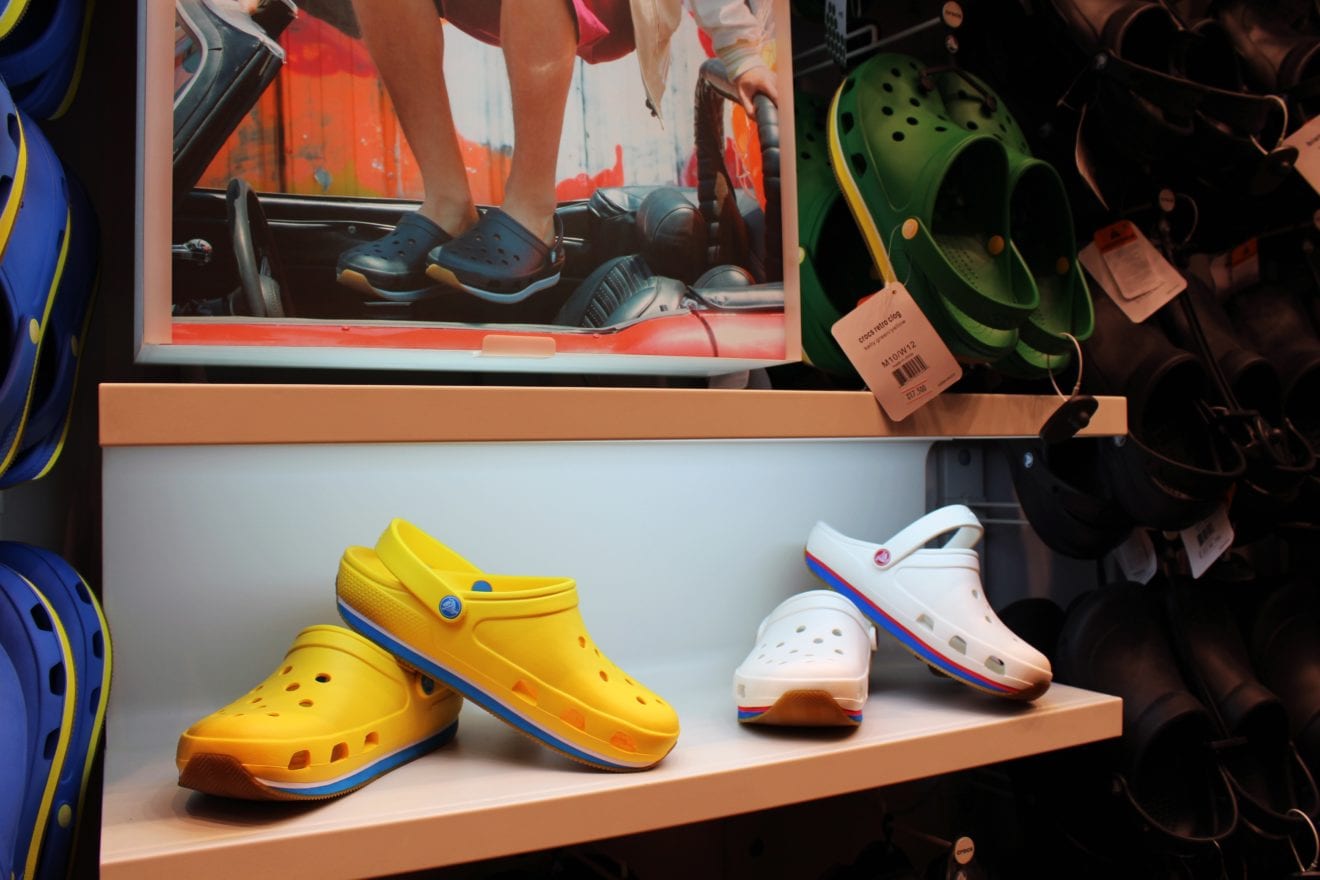
    The 85.5sqm Crocs concept store showcases the classic collection of Crocs such as clogs, slides, and flips with their Jibbitz accessories.

    Literide Collection which is the bestseller is also available in the latest spring/summer 2020.

    On its website, Crocs Philippines says it will operate a skeletal workforce which started on March 17 after Metro Manila was put into enhanced community quarantine.

    Crocs will continue to offer a delivery service, however, but customers have been warned that there might be delays in some areas where travel has been suspended due to the government’s move in fighting the spread of coronavirus.

    Crocs was founded in 2002 by Lyndon “Duke” Hanson and George Boedecker Jr in the US producing foam clog shoes. The shoe was originally developed for boaties, but later evolved into more widespread use and even for fashion.

  • Apple iPhone production grinds to a halt in India

    Apple iPhone production grinds to a halt in India

    China is the world’s largest market for smartphones, although thanks to COVID-19, that market is shrinking. Can you guess which country represents the second-largest smartphone market? Hint: it is not the U.S. Actually, it is India; but as a developing country, Indian consumers don’t have much money to spend on top-shelf models. This explains why value for money manufacturers like Xiaomi are ripping it up in the country. It also explains why the mid-range Samsung Galaxy A series does so well in this market.

    Apple did a brisk business in India with its budget-priced iPhone SE. But an import tax (yes, a tariff) was adding $100 to the retail price of the iPhone in the country, so Apple decided to start producing the iPhone SE in India. By doing this, Apple was able to avoid the import tax in a country where every dollar counts. It also helped Apple qualify for Prime Minister Narendra Modi’s Make In India initiative designed to make India a manufacturing center and a magnet for investors.

    The iPhone SE, priced at the dollar equivalent of $250, started to get outsold by a 2-1 margin in India by the iPhone 6s. Apple stopped making the former in the country and started production of the latter; by last year, Apple was advertising “The Incredible iPhone 6s” (at the equivalent of $383 USD) even though it was then four years old. And last year, Apple added the iPhone XR to the phones it makes in India.

    Still, premium smartphones do sell in India and these sales are growing at an annual rate of 29%. A premium phone is considered to be one that sells for the equivalent of $500 or higher in the country and Apple had 75.6% of this market in India during the fourth quarter of 2019.

    What brings all of this up is the news today from the BBC that Prime Minister Modi has instituted a 21-day nationwide lockdown in India. This action is due to the continued spread of the coronavirus. The prime minister urged Indians not to panic and said, “There will be a total ban on venturing out of your homes.” And that means the production of the iPhone models made in India will come to a complete stop for three weeks.

    Bloomberg reports that both of Apple’s contract manufacturers producing the iPhone in India, Foxconn and Wistron, have followed the Prime Minister’s announcement by suspending production. In a text message it sent to Bloomberg News, Foxconn wrote that it is awaiting permission from the Indian government to resume running its assembly lines. Wistron is adhering to the Prime Minister’s lockdown, according to a company representative who wouldn’t reveal which products were affected by the shutdown.

    Besides the production of the iPhone in India, Apple has thousands of employees working out of an office in Hyderabad. These workers spend their time on Apple Maps. The office opened in 2016 and when it opened, the company said that it supported 640,000 developer jobs across the country.

    While several analysts figured that Apple would move some iPhone production out of China and into India to avoid the tariffs charged to U.S. companies and consumers on products imported from China, the fact is that the company’s production facilities in the country are too small and a supply chain would take years to build. Due to Apple’s size and the products it makes, suppliers need to deliver parts and components in the quantity and quality that Apple needs. Despite this, a supply chain source said that Apple is revving up its plans to move production outside of China with the company shifting some iPhone manufacturing to India. Assembly of AirPods and the HomePod are being moved to Vietnam, the country that many believe will eventually replace China as the center of Apple’s manufacturing universe.

  • Tesla Plans To Reopen New York Factory To Make Ventilators

    Tesla Plans To Reopen New York Factory To Make Ventilators

    Tesla CEO Elon Musk has said that Giga New York will reopen for ventilator production as soon as humanly possible. The company is also working with medical device company Medtronic to start the production of ventilators at its Fremont plant.Tesla CEO, Elon Musk has announced that the company plans to reopen its Giga New York factory “as soon as humanly possible” to make ventilators. The head of the California-based electric vehicle manufacturer was among the first carmakers in the US to offer to make ventilators for coronavirus patients, after the United States appealed for donations of respirator masks to combat the shortage. Reportedly, Tesla has started working with medical device company Medtronic Plc and is fast on track to start production of ventilators at its Fremont plant, in San Francisco Bay Area. And New York will be next.

    Other U.S. carmakers, like Ford and General Motors, have also come ahead to make ventilators and respirators needed to help combat the spread of the coronavirus. General Motors has partnered with medical equipment maker Ventec to build ventilators at a GM plant in Kokomo, Indiana. Ford, on the other hand, is partnering with GE Healthcare and will expand the production of GE’s ventilator design to support patients with respiratory failure or difficulty breathing caused by the pathogen. Ford also is evaluating a separate partnership with the British government to make additional ventilators. Furthermore, it will work with 3M as well to increase the manufacturing capacity of its air-purifying respirators.

    Right now, the situation around the world is getting serious every day. With more and more cases of coronavirus being reported each day, there is a major shortage of medical equipment around the world. And automakers from across the world are coming in to help in whatever way possible. Anand Mahindra, the Chairman of Mahindra Group, also announced plans to make ventilators and covert the company’s existing resorts into temporary case centers. We recently also reported how Renault workers in Spain have begun using 3D printers to manufacture medical visors for health workers from home.

    Others like Fiat Chrysler Automobiles and Kia have announced plans to make face masks at their Asian factories. Chinese electric vehicle manufacturers BYD, in fact, recently became the world’s biggest face mask maker, producing over five million face masks a day amidst the Coronavirus pandemic.

  • DBS Postpones Annual General Meeting

    DBS Postpones Annual General Meeting

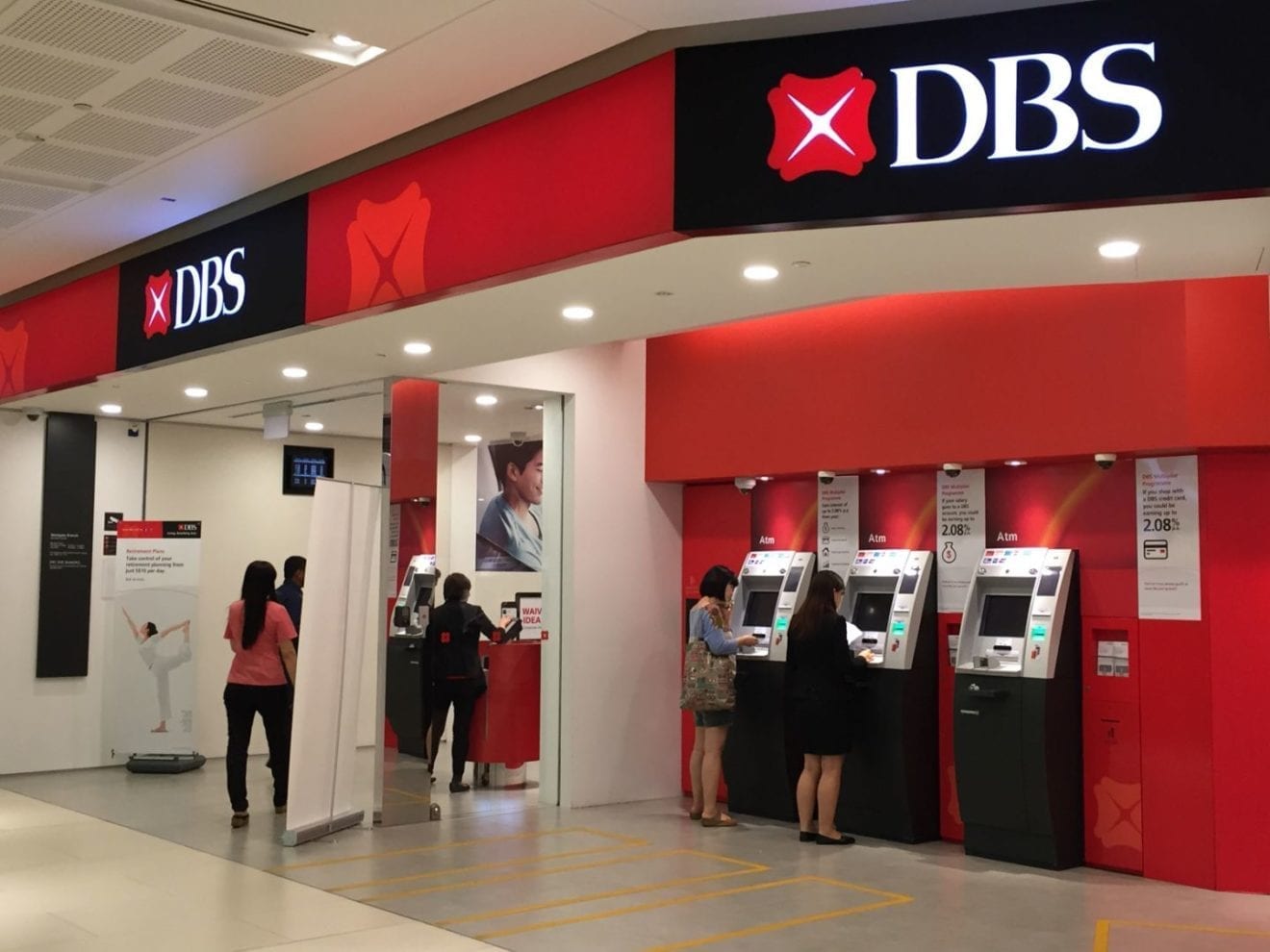
    DBS Group on Thursday said it would defer its annual general meeting (AGM) that was originally scheduled on March 31.

    The move follows government measures that imposed stricter measures to enforce safe-distancing in social settings given the novel coronavirus outbreak. From 11:59pm on March 26, all events and mass gatherings must be deferred or canceled, regardless of size.

    With this, pre-registrations previously opened by DBS to watch the webcast and for physical attendance on March 31 have ceased. Shareholders can get updates from DBS’ website regarding the AGM. «DBS apologizes to shareholders for the inconvenience and thanks them for their patience in these difficult times,» the bank said in a statement.

    DBS will update shareholders of the new date for the AGM and the procedures for participation after the legislative amendments to facilitate the holding of the meeting have been passed, and the necessary arrangements have been put in place in order to implement the safe distancing measures imposed by the Ministry of Health.

    The 24 March Ministry of Health (MOH) Notification states that with effect from 11:59 pm on 26 March 2020, all events and mass gatherings must be deferred or canceled, regardless of size.

    ACRA, MAS, and SGX RegCo have also issued a joint statement on 25 March 2020 stating that all listed issuers are expected to comply with MOH’s safe distancing measures and that legislative amendments are being proposed for Parliament sitting in April 2020 in relation to the conduct of meetings (which include allowing issuers the flexibility to hold meetings solely by virtual means). DBS’ last general meeting was held on April 25, 2019, and saw a turnout of more than 1,000 shareholders.

  • Shiseido kicked off Baum retail brand

    Shiseido kicked off Baum retail brand

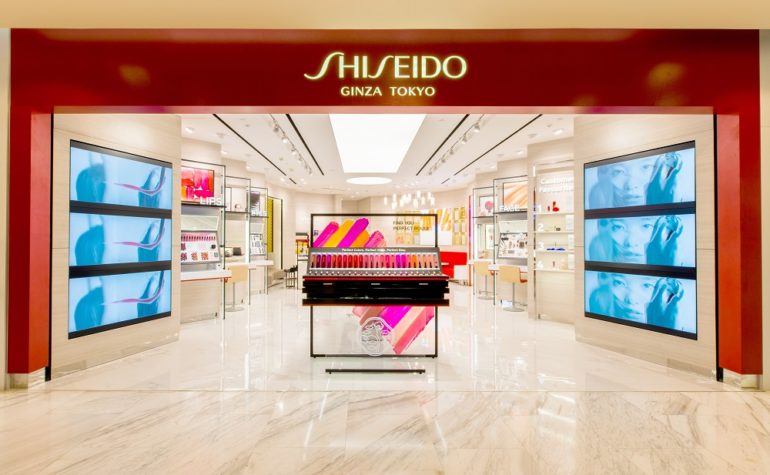
    Japanese cosmetics label Shiseido has released a new skincare brand, called Baum.

    In response to consumers placing greater importance on companies’ and brands’ attitudes toward social responsibility and environmental considerations, Baum focuses on sustainability. It features a range of 27 products to be released on May 30 via Shiseido’s Prestige business category.

    The products are formulated to support healthy skin regardless of age or gender, with a focus on three key characteristics found in trees – water storage, growth, and environmental defense. The brand is positioning itself as focusing on the “power of trees, gracefully harmonizing with environmental changes and living for hundreds of years”. It ascribes to a sense of coexistence with nature that it asserts has been “valued by Japanese people for centuries”.

    Production of the Baum range is particularly attentive to sustainability concerns, with the use of upcycled wood in product packaging; actively offering to refill products; using bio-based plastics and recycled glass and participating in forest conservation activities – with plans to plant and grow oak trees scheduled to begin next year.

  • Apple reverses bulk-order ban and updates on opening plans

    Apple reverses bulk-order ban and updates on opening plans

    US tech giant Apple has reversed restrictions on buying multiple iPhones from its online store imposed last week.

    The restrictions placed a ban on purchasing more than two devices of the same model in multiple international territories, including Mainland China, Hong Kong, Taiwan, and Singapore. That restriction has now been lifted on the purchase of iPhones, although some iPads and Macbooks are still subject to limits.

    A 9to5Mac report conjectured that the ban may have been lifted quickly due to a supply-chain problem caused by the coronavirus epidemic being resolved since, or otherwise that iPhone sales dropped more sharply than the company anticipated.

    International Apple store locations remain shuttered during the pandemic in all areas except China. Some stores may be reopened on a staggered basis next month, according to reporting by Bloomberg.

    “At this time, we anticipate some stores may be able to open in the first half of April depending on the conditions in their community,” said the firm’s senior VP of people and retail Deirdre O’Brien.

    “We will provide updates for each store as soon as specific dates are established.”

    Apple was one of the first retailers to shutter stores in the early days of the outbreak.

  • AirAsia Updates Rebooking Policy

    AirAsia Updates Rebooking Policy

    AirAsia has updated its rebooking policy so that customers with tickets issued on or before 22 March 2020, with a departure date between 23 March and 31 May 2020, can select from the following two options:

    Unlimited Flight Change: Customers can change their ticket to any travel date before 31 October 2020 on the same route for an unlimited number of times without any additional cost subject to seat availability; OR

    Credit Account: Retain the value of the flight booking in the customer’s AirAsia BIG Member account for future travel with AirAsia to be redeemed within 365 calendar days from the issuance date. The travel date of the new booking can fall on any date within the published flight schedule on airasia.com.

    The above information is only applicable for direct online bookings made via airasia.com. For group bookings or those made with travel agents, the traveler must contact their booking agent directly for further assistance.

    As this is a rapidly changing situation, travelers should make sure that their airline has their correct contact information and should carefully monitor their airline’s website and social media accounts for any new updates.

  • Bank of China Partners Refinitiv for AI-Based FX Trading App

    Bank of China Partners Refinitiv for AI-Based FX Trading App

    Developed by the bank’s Digital Asset Management department, the application is the first third-party app from a China-based financial institution on the Eikon platform.

    Bank of China is launching DeepFX, an AI-based forex trading prediction application through Refinitiv’s financial data platform Eikon, the firm announced in a statement on Tuesday.

    The app uses deep learning technology to predict the short-term price movements of major foreign exchange currency pairs, which currently include EUR-USD, AUD-USD, GBP-USD, USD-CAD, USD-JPY and USD-CHF, the announcement said.

    The Lite version of DeepFX provides a 5-minute interval real-time FX trade signal forecasting service, while displaying back-test results within 10 days. The service is available for free through Refinitiv’s App Studio.


  • Apple’s App Store is coming to 20 new countries

    Apple’s App Store is coming to 20 new countries

    Apple announced that the App Store will be expanding to 20 new countries this year, making it available to 175 countries or regions in total. According to Apple’s Developer Agreement those countries are:

    Afghanistan, Gabon, Cote d’lvoire, Georgia, Maldives, Serbia, Bosnia and Herzegovina, Cameroon, Iraq, Kosovo, Libya, Montenegro, Morocco, Mozambique, Myanmar, Nauru, Rwanda, Tonga, Zambia and Vanuatu.

    In its announcement, Apple also informed developers on how to get their apps available in the new countries by completing steps with a recommended deadline of April 10, suggesting that the expansion may happen sometime around that date.

    The App Store – iOS users’ only Marketplace for apps and games – is now getting over half a billion visits per week. To date, developer earnings from sales and in-app purchases are over $155 billion. Between Christmas Eve and New Year’s Eve of 2019, App Store customers spent a record-breaking $1.42 billion.

    In contrast, even though Android has the vast majority of the mobile market, Google has paid only $80 billion to Android developers since the launch of its app marketplace, according to Google’s quarterly earnings reports. This reconfirms the fact that there is much more money to be made by developers on Apple’s ecosystem.

  • Starbucks Korea expands social-distancing plan

    Starbucks Korea expands social-distancing plan

    Starbucks Korea will expand social-distancing measures across its branches nationwide from Thursday, after a successful trial at some stores in Daegu and North Gyeongsang Province.

    The company plans to ensure a safe distance between customers and employees is maintained when ordering by placing safety line stickers in front of checkout counters.

    Furthermore, for a limited time, customers will not be able to bring their own reusable mugs.

    When ordering drinks using individual multi-use cups, customers will still get benefits for being eco-friendly, such as discounts or points, by showing personal cups. However, customers will be provided the drink in a disposable cup. This strategy was introduced in the US a fortnight ago and has since been implemented in many markets across Asia.

    Meanwhile, Starbucks will also conduct campaigns such as asking people to wear masks when ordering, and to dispose of paper straws in trash cans.

  • You might soon unlock your BMW with your iPhone

    You might soon unlock your BMW with your iPhone

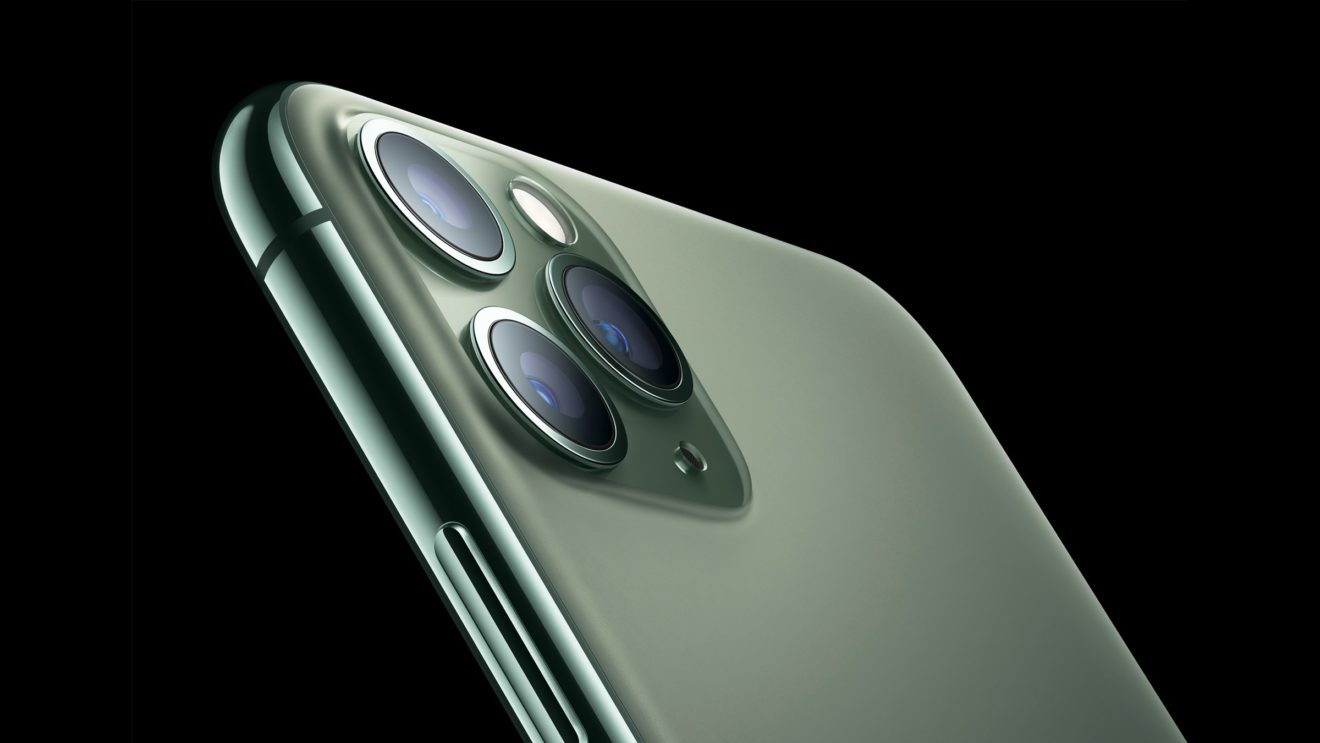
    Apple and premium German car manufacturer BMW are seemingly collaborating to bring the CarKey iPhone feature to eligible vehicles of the carmaker. Evidence for this was unraveled in the iOS 14 code, hinting that iPhone users might soon be able to unlock their BMW cars with their iPhones thanks to the CarKey feature. As a reminder, the existence of CarKey itself was revealed in the iOS 13.4 beta back in February.

    Given that BMW was among the very first automakers to adopt Apple’s CarPlay feature a few years back, it would make sense to assume that CarKey could be adopted on upcoming beemers as well.

    It seems that CarKeys could be stored inside the ubiquitous Wallet app and even be shared with other people through iMessage. “Yo, mom, shared me the keys for the car” would sound a whole lot cooler! Code strings suggest that you will not only be able to lock and unlock your vehicle with your device, but also start it remotely. This is already available through the BMW Connected app, but native iOS support would definitely be great. There would seemingly be two ways to unlock the car – either by holding your phone near the NFC-enabled door handle or just having your iPhone in your pocket.

    Apple could use NFC, UWB (ultra-wide band) chip, or a combination of the two. The UWB chip debuted with the iPhone 11-series but has been pretty underused when it comes to features, as it’s currently only used to aid AirDrop discovery.

    On the topic of anti-theft countermeasures, CarKey will enjoy the same level of biometric security that the sensitive data on your iPhone enjoys, but there would seemingly be an option to use CarKey without having to authenticate yourself with a Face ID scan or a PIN code for an even faster experience.

    BMW itself neither denied or acknowledged the rumored functionality. When asked, the company replied rather nonchalantly with “Please understand that at this point we cannot confirm your request nor give you further details. We would like to refer you to our press release, ” which suggests that we could be in for news on the matter very soon.

  • Swiss Payments Firm Expands to Singapore

    Swiss Payments Firm Expands to Singapore

    Zurich-based Netcetera is setting up its 15th office in Singapore as part of its global growth strategy and has appointed a managing director to lead its regional push.

    Despite fierce competition in the region, software and digital payment solutions firm Netcetera has set its sights on the Asia Pacific market with the opening of its Singapore office, calling it «another step towards the East.»

    The firm provides digital solutions for secure payment, mobile banking, mobile contactless payment, digital wallet and 3-D Secure Services for secure online transactions. It had previously serviced Asian clients from its offices in Europe and the Middle East.

    With the Singapore office, the firm can «better respond to their customers’ needs and to find optimal solutions for their business,» the announcement said. In addition, the new location also contributes to the early detection of regional market trends and a better understanding of the market as well as the ability to help shape it.

    Heading its Singapore office will be Kiril Milev, who was appointed managing director, responsible for business development and customer relations.

    Milev, who has been with Netcetera since 2008, was most recently the firm’s managing director for the Middle East.

  • Samsung temporary closing its smartphone and home appliance factory in Brazil

    Samsung temporary closing its smartphone and home appliance factory in Brazil

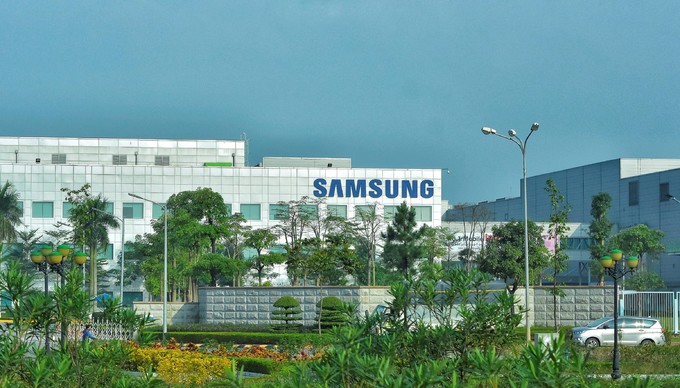
    Another factory falls victim to a global pandemic. As the coronavirus begins spreading rapidly in Latin America, Samsung has decided to shut down its factory in Manaus, Brazil. The measure is temporary and comes after the Brazilian government called out for help in containing the spread of the virus.

    Manaus is situated in the northern part of the country, and the Samsung facility near the city is producing smartphones and home appliances for the local market. The factory will remain closed until Sunday, while the other facility in Campinas, Sao Paulo state, will remain operational, at least for the moment

    There are 1960 confirmed cases of COVID-19 infections in Brazil with 24 deaths. Europe is now at the peak of the pandemic with hundreds of people dying in Italy each day. Researchers think that in countries with warmer climates the virus will slow its spread, but that won’t halt the pandemic.

    The situation in India and Latin America shows some correlation to that prediction. However, governments use the welcomed delay to apply preventive measures. Samsung already closed its biggest smartphone factory in India and it will remain closed until May 25 in response to a request from the Indian government. COVID-19 cases in the country are still under 1000, but officials expect numbers to ramp up fast in the following weeks.