Tag: asia

  • Spotify announces Snapchat integration, lets users share music

    Spotify announces Snapchat integration, lets users share music

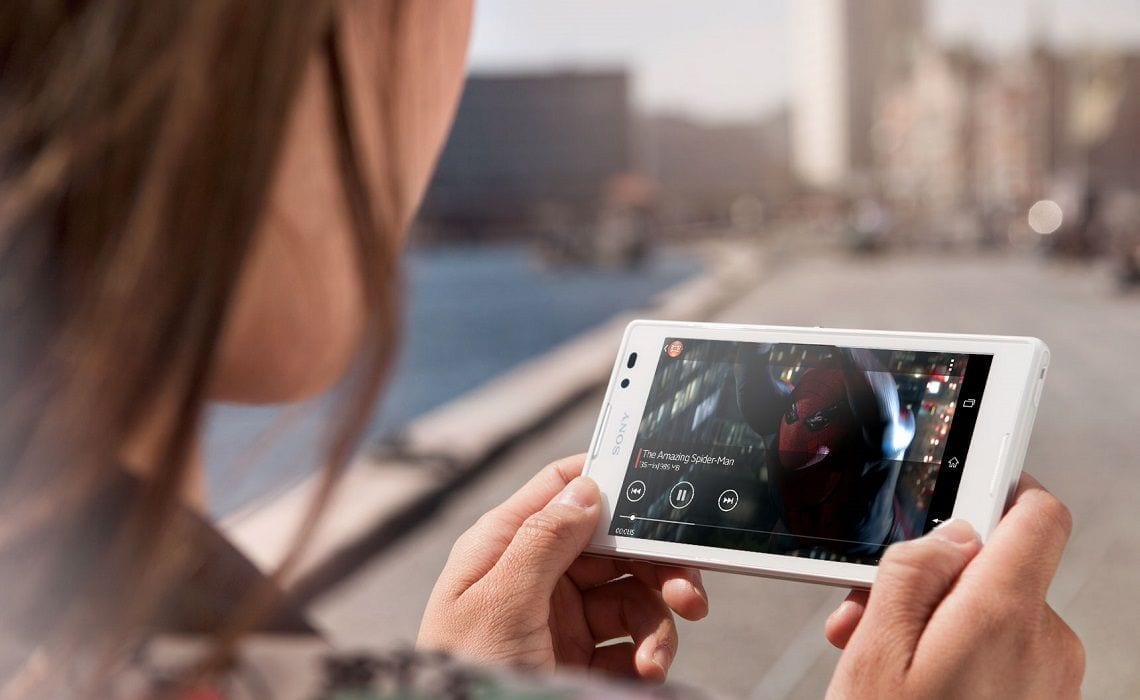
    Spotify has announced integration with Snapchat, which will allow users to seamlessly share what they’re listening to in a Snap story. The update that brings integration with Snapchat will enable Spotify users who have the social app installed to share their favorite tracks, playlists, albums, and podcasts.

    Sharing Spotify content to Snapchat is quite easy and can be done in four steps:

    • Tap the “share” menu while you’re listening to any song, album, artist, or podcats.
    • Select “Snapchat” from the dropdown list.
    • Snapchat will open a new Snap with the full album art included.
    • Edit and send to how many people you want or to your Story.

    Keep in mind that if a friend sends you a Snap with a song, playlist, artist profile, or podcast rec included, you will be able to stream by swiping up from the bottom of the screen, tap the context card with song, artist, playlist, or podcast info, and then simply waiting for Spotify to open and play the content.

    Spotify integration with Snapchat will be available on both Android and iOS devices in the coming days, so keep an eye out for a new update for either of the two mobile platforms.

  • Apple makes a change to App Store search results to keep the feds away

    Apple makes a change to App Store search results to keep the feds away

    With Attorneys general from 48 states, the District of Columbia and Puerto Rico filing an antitrust suit today against Google, Apple might be getting a little nervous. The company is under fire for not allowing iPhone owners to sideload apps from outside of the App Store. This is one of the major complaints made by music streamer Spotify to the EU Competition Committee, which is currently investigating the claim. Android users can, if they wish, sideload apps from outside the Google Play Store.

    In May, the U.S. Supreme Court ruled that a class-action suit against Apple could proceed. By a 5-4 decision, the Court said that iPhone and iPad users purchase apps in the App Store directly from Apple and that the company is not acting as an intermediary as it claims. The plaintiffs argue that the 30% cut that Apple takes on revenue generated by app sales, subscriptions, and in-app purchases leads them to pay higher prices since they are forced to make these transactions inside the App Store.

    All of this extra scrutiny has led Apple to make a major change to App Store search results. Citing data from app analytics firm Sensor Tower, the Times says that Apple’s own apps recently ranked first for 700 search terms and some searches showed 14 Apple apps before an app from a rival developer appeared. Two Apple executives, when presented with the data, admitted that the App Store search results were loaded with Apple’s own apps. And this was the case even when the company’s own apps were less popular than the titles from other developers. But the two executives now say that Apple has adjusted the algorithms so that its own apps don’t appear so often at the top of App Store search results. These algorithms, which no company will ever explain in detail, play the biggest part in determining search results and thus, which apps get installed by consumers.

    The two Apple executives that spoke with the newspaper were Senior Vice Presidents Phil Schiller and Eddy Cue; the former is in charge of the App Store while the latter oversees many of Apple’s own apps. The two defended the company by denying that Apple had ever changed the search results to benefit its own apps over those offered by competitors. Instead, they said that the company’s apps generally get higher placement in search results because of their popularity and because the rather generic-sounding names of these apps more closely resemble the search terms being used by consumers.

    Armed with years of data, back in September 2013, searching for “music” in the App Store would usually result in music streamer Spotify showing up first with another streaming app, Pandora, number seven. After Apple launched Apple Music in 2016, searching for “music” in the App Store came back with the company’s own streaming app on top, Spotify knocked down to fourth, and Pandora down to eighth. By February 2018, the search for “music” in the App Store resulted in a list that had six Apple titles on top (Apple Music, Garage Bands, Music Memos, iTunes Remote, Logic Remote, and iTunes Store) with Spotify eighth. And by the end of last year, eight Apple apps appeared at the top of the results list when “music” was the subject being searched for. Two of those apps (iMovie and Clips) had nothing to do with music and Spotify was down to number 23.

    But this isn’t the end of the story. Shortly after Spotify complained to the EU in March, Apple had adjusted the algorithms and a search for “music” in the App Store had iTunes on top with Apple Music second. No other Apple apps were in the top 10 and Spotify was back to fourth with YouTube Music fifth, SoundCloud seventh and Pandora eighth. Meanwhile, Apple won’t admit that there ever was a problem that needed correcting. “It’s not corrected,” said Schiller. “It’s improved,” said Cue.

  • Indonesian Regulators Makes Fintech Startup Push

    Indonesian Regulators Makes Fintech Startup Push

    A new online registration system has been introduced by Indonesia’s financial regulator to monitor and further encourage the growth of fintech development in the country.

    The Financial Services Authority (OJK) launched the «Electronic Gateway for Digital Finance Systems» (Gesit) which allows fintech industry stakeholders to gain fintech news access and, more importantly, consult about OJK Infinity.

    OJK Inifinty is a platform the regulator created last year to act as an innovation hub, business incubator and education center for fintech startups. It currently has 121 fintech firms registered, 48 of which are ready for operation.

    Aside from leveraging domestic resources, OJK chairman Wimboh Santoso said there were plans to partner with other Southeast Asian countries to further stimulate fintech development in Indonesia.

  • More ASEAN Cooperation Needed for Digital Economy

    More ASEAN Cooperation Needed for Digital Economy

    More cooperation between ASEAN regulators is needed for the region to fully benefit from the growth of the digital economy. While technology is inherently borderless, the regulation governing it is not. This can create challenges for global businesses operating global technology estates, said John Hsu, APAC chief information officer for HSBC. The best way to manage this is by governments, regulatory authorities and businesses working together through regional cooperation.

    Southeast Asia’s digital economy was valued at $31 billion in 2015 and is projected to reach $200 billion by 2025, according to research by Google and Temasek, but HSBC notes that there are still issues to be addressed during the growth process such as data localization, cloud computing, AI and cybersecurity.

    In a speech at the ASEAN-EU Business Summit in Bangkok, the bank outlined four recommendations to build an effective relationship between stakeholders.

    Firstly, create holistic regulations for all companies irrespective of business model. Secondly, build activity-based regimes and avoid two-tier regulatory regimes to prevent arbitrage.

    Thirdly, the bank highlights the need to regionally implement various digital economy initiatives including the ICT Masterplan 2020, the DIFAP, and the «Framework on Digital Data Governance» in order to strengthen «credibility as a production base of choice for global businesses. Finally, it also recommends global coordination wherever possible.

    Policymakers should consider how they can create a coordinated regulatory regime where all sizes and types of companies are able to innovate at pace and regulators have sufficient oversight and enforcement capabilities, Hsu added.

  • Strandbags unveils new retail store experience at Chadstone

    Strandbags unveils new retail store experience at Chadstone

    Luggage and handbag retailer Strandbags launched a new concept flagship store in Chadstone Shopping Centre over the weekend – the first step in a new bricks-and-mortar strategy which will see some stores triple in size over the next three to five years.

    With handheld payment devices freeing up staff and digital screens showing video and digital content, the Chadstone flagship store is Strandbags’ effort to deliver a world-class shopping experience.

    Strandbags managing director Felicity McGahan said the store was fitted to be unique and engaging, but also to give customers the freedom to shop for what they want, how they want, when they want.

    “Digitisation is giving the customers complete control. They’re in control of us, they’re savvy,” McGahan said.

    “Sixty-four percent of our customers have already researched online before they walk into our stores. So, how do we create a space that supports that? Where they can come in and really engage with the brand?

    “We’ve got to give them a reason to get off the couch and come in-store, and not let them down when they get in there. Trying to find that balance has been really important.”

    According to McGahan, the Chadstone flagship is the first in a new line of Strandbags stores, underpinning a complete redesign and refresh of the core brand.

    Contrary to many of its peers, this refresh is not part of a turnaround strategy, or an effort to stave off slowing sales – with the business selling a handbag every five seconds, a wallet sold every six seconds, and a suitcase every 12 seconds.

    “There’s a saying: The time to fix the roof is when the sun’s shining,” MacGahan said.

    “It’s not a broken business, and I’ve spent a lot of time understanding what makes it successful. This is about evolution. We’ve got to keep moving, keep changing. Retail is changing, and the experience is very important.”

    The luggage retail market is growing at a rate of five percent year-on-year, according to McGahan, which has enabled the brand to quietly grow its footprint.

    In the last year, Strandbags has up-sized 25 of its stores and is looking to do the same across many more over the next three to five years with the improvements seen in the Chadstone flagship to be rolled out across its store fleet.

    “We see a mega-store opportunity. We see large stores as well, and then obviously core stores as well. Chadstone is just another proof point to say that this is the right strategy,” McGahan said.


  • Malaysian supermarket stops selling products labelled ‘palm-oil free’

    Malaysian supermarket stops selling products labelled ‘palm-oil free’

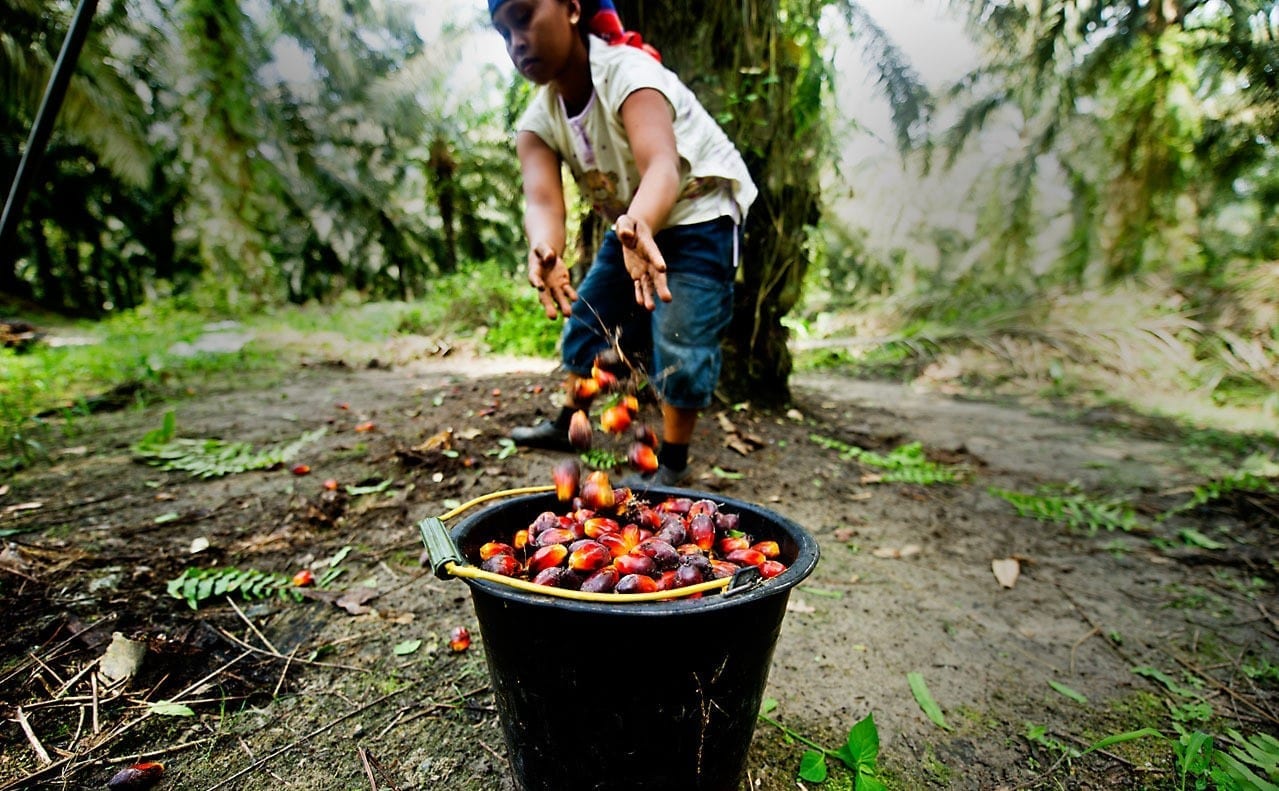
    Mydin, Malaysia’s largest supermarket chain, has announced plans to de-stock any products promoted as “palm-oil free” in a move aimed at discrediting the environmental movement.

    The expansion of palm-oil plantations – the majority of which are located in Malaysia and Indonesia – has led to substantial deforestation of the native habitats of the three surviving species of orangutans, one of which – the Sumatran – is on the list of endangered species.

    In 1992, the Malaysia government pledged to limit the expansion of palm oil plantations – which typically are planted on land where natural forests have been cleared. Now the government is actively promoting the use of palm oil to boost the nation’s exports of the product, apparently no longer concerned about its environmental impact.

    In July, the Malaysian government promised action against an international school for spreading “anti-palm oil propaganda” and Teresa Kok, Malaysia’s minister of primary industries, this week praised Mydin’s move to ban products promoted as palm-oil free. She said she hoped other retailers would follow Mydin’s example.

    This year, the European Union passed an act to phase out palm oil from renewable fuel by 2030 due to deforestation concerns.

    Malaysia and Indonesia account for about 85 percent of the world’s palm-oil production, of which about 70 percent is used in foods. Manufacturers use palm oil because it is inexpensive compared to alternatives – and because it has a high saturation when used in frying.

    According to The Edge, the Malaysian government is considering a law banning all products flaunting non-use of the oil.

    Ameer Ali Mydin, MD of Mydin Mohamed Holdings, told a press conference that his stores removed all anti-palm products on Wednesday.

    “We must support palm oil,” he said, along with taking steps to counter-marketing and branding exercises that people do that discourage consumers to buy palm oil.

    “By labeling something that there is no palm oil, you’re actually telling people that palm oil is bad for you.”

    Of course, Mydin’s comment is complete nonsense. The reason marketers promote their products as not containing palm oil is to allow consumers to make an informed choice on whether they should buy the product, based on their concerns for the environment, specifically endangered orangutans. It has nothing to do with consumers’ health.

    Indonesia’s government has also reportedly told some retailers in Jakarta not to stock products with ‘palm-oil free’ labels.

  • Ecostore aims carbon neutrality by end of year

    Ecostore aims carbon neutrality by end of year

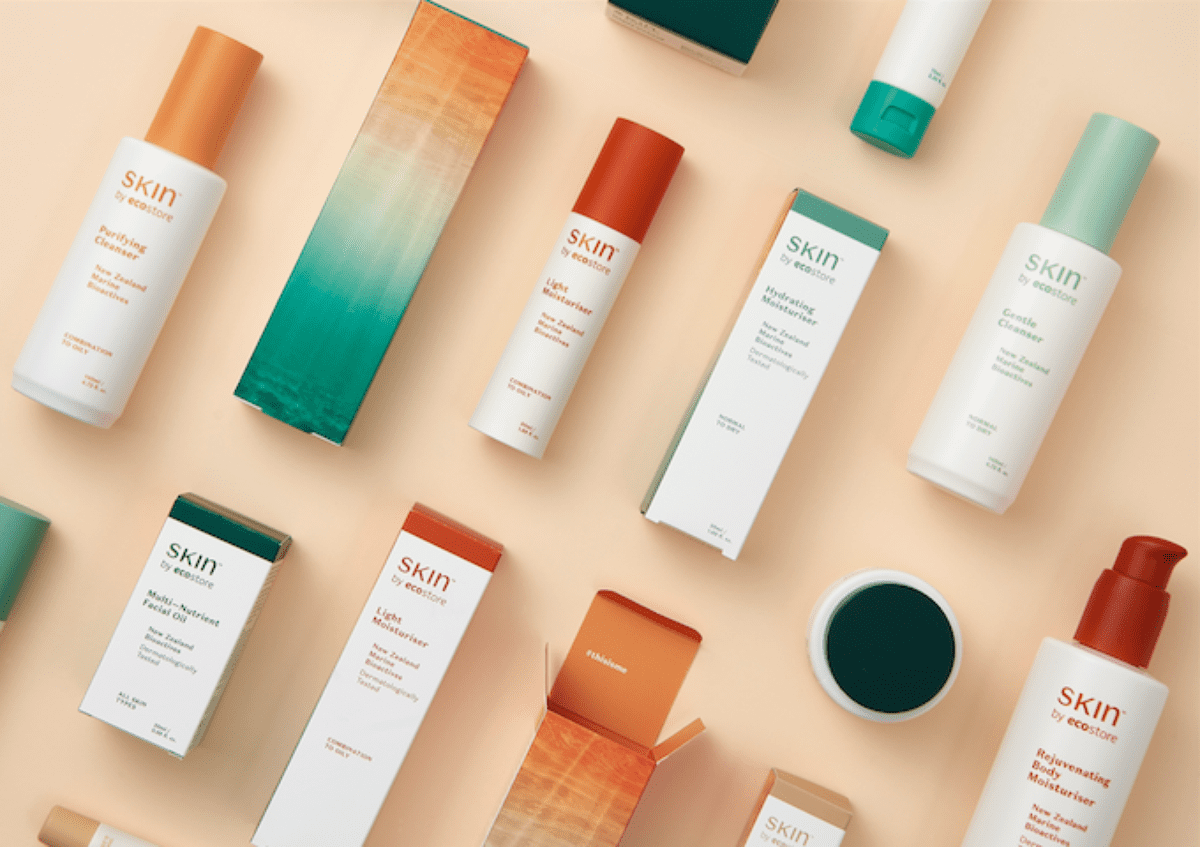
    Skincare brand Ecostore has announced it will be carbon neutral by the end of 2019, having offset 769 tonnes of carbon already through its carboNZero-certified manufacturing plant since 2010.

    The business now aims to offset all the carbon it generates across its Australia and New Zealand operations.

    “Businesses need to step up and recognize that they can and must be a force for good,” Ecostore managing director Pablo Kraus said.

    “Corporates have an incredible opportunity to pave the way for future generations. We must lead by example, empower others, act, make changes.”

    Ecostore general manager of supply chain Tony Morpeth said the business is currently investigating ways to reduce electricity, LPG and fuel use, water use during manufacturing and freight emissions from the transportation of goods.

    In order to achieve this, the retailer partnered with NZ environmental certification provider Enviro-Mark Solutions.

    “Taking action on climate change, by reducing carbon emissions, is one of the biggest challenges faced by business but rising to the challenge will identify opportunities and drive innovation,” Enviro-Mark Solutions chief executive Dr Ann Smith said.

    “With Ecostore’s ambitious plans to offset their impacts in the short term, and commitment to continual emissions reduction and environmental improvement for the long term, they are setting an excellent example for other organisations.”

    Kraus said the key to Ecostore’s success is its holistic approach – from how it chooses its partners and sources its materials to what it does about its products’ lifecycle.

    Ecostore was named New Zealand’s most authentic brand in the Brand Alpha 2019 Top 20 Most Authentic Brands report, graded on visibility, value, vitality, and virtue.

  • Timberland to plant 50 million trees in the next five years

    Timberland to plant 50 million trees in the next five years

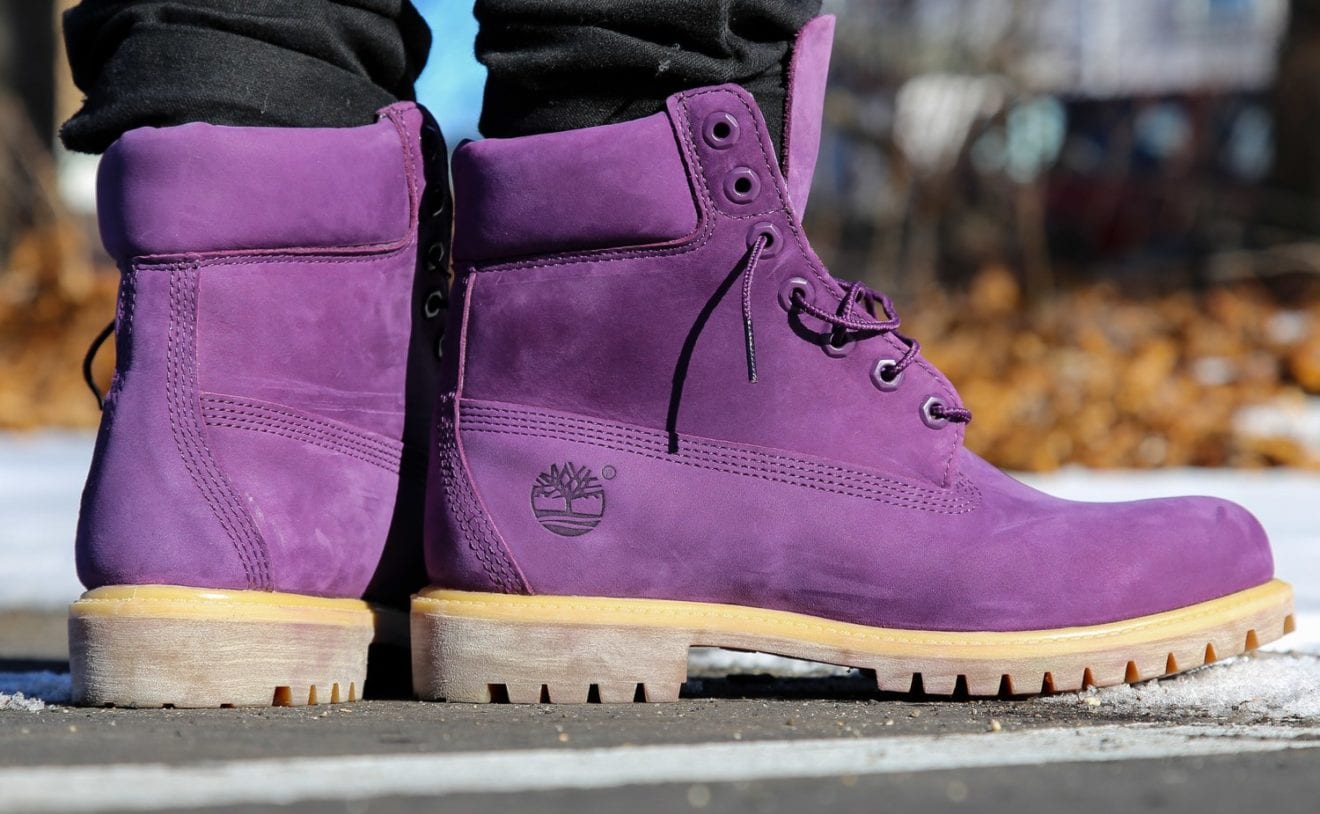
    Global outdoor lifestyle brand Timberland has committed to planting 50 million trees around the world by 2025.

    The move builds on Timberland’s previous tree planting efforts; since 2001, the brand has planted more than 10 million trees worldwide.

    “At Timberland, we’re conscious of the impact our modern way of life has on the planet. And we believe as a global lifestyle brand, and as individuals, we have a responsibility to make it better,” said Timberland global brand president Jim Pisani. “Trees and green spaces help improve the quality of our planet as well as individual wellbeing. Our commitment to plant trees is a real, measurable way to act upon our belief that a greener future is a better future. We encourage people everywhere to join the movement by taking their own actions – small or large – to be heroes for nature.”

    To kick off its pledge, Timberland has launched its largest-ever global campaign, “Nature Needs Heroes,” calling on consumers around the world to join the movement by taking simple, small actions for a healthier planet. The campaign celebrates 12 eco-heroes who are making lasting, positive change for the environment and their communities. Each hero dons new styles from the fall 2019 collection, with city greenscapes as the backdrop.

    The campaign will come to life through media activations across print, digital, out of home, social media and PR. The brand will also engage the global community to be heroes for nature through a series of tree planting and greening events.

    To help realize its 50 million tree commitment, Timberland will partner with a range of organizations that support the environment through large-scale regreening and tree planting efforts. These organizations include the Smallholder Farmers Alliance, GreenNetwork, Tree Aid, the UN Convention to Combat Desertification, Connect4Climate – World Bank Group, Justdiggit, Las Lagunas Ecological Park, Trees for the Future, American Forests and Treedom.

    Projects in year one will focus on Haiti, China, the Dominican Republic, the US, Tanzania and Mali – including support of the Great Green Wall, an African-led movement to grow an 8000km line of trees across the entire width of Africa to fight climate change, drought, famine, conflict, and migration.

    “We are thrilled to have Timberland join the Great Green Wall movement – an emerging new world wonder that promises to grow hope for millions of people in the face of the 21st century’s most urgent challenges,” said Ibrahim Thiaw, executive secretary of the United Nations Convention to Combat Desertification.

  • Le Saunda CEO resigns and on the search

    Le Saunda CEO resigns and on the search

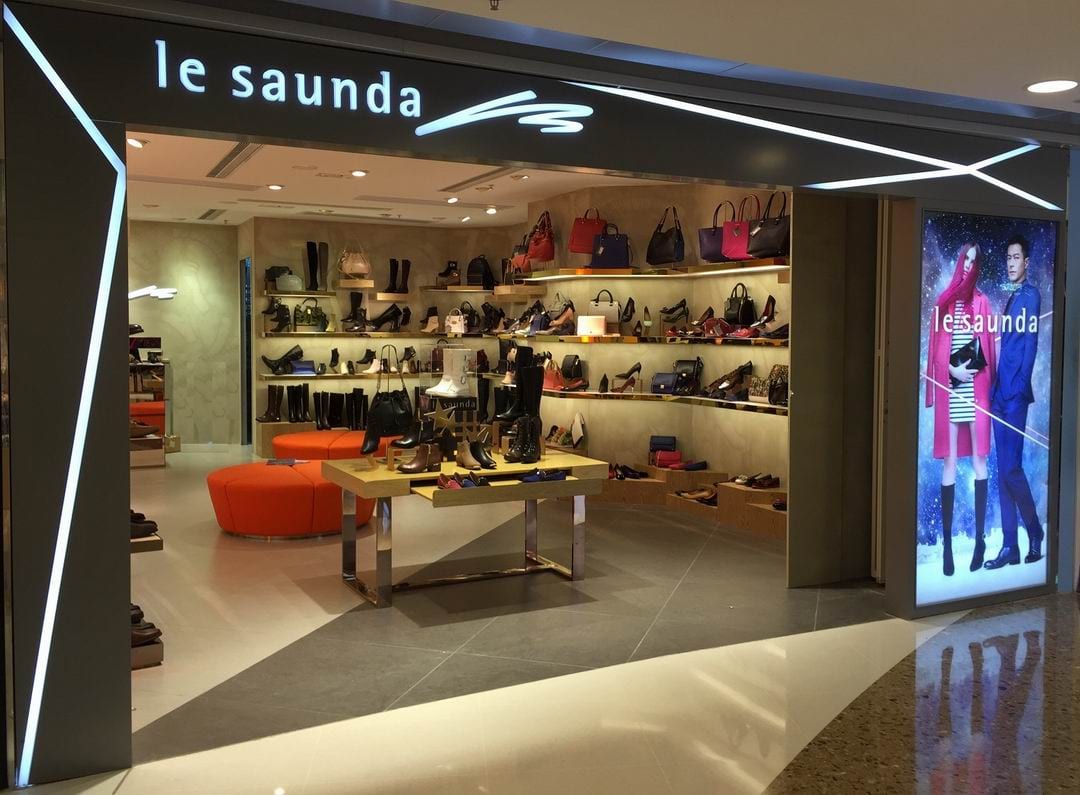
    Le Saunda CEO Cheng Wang has resigned and will leave the company on October 16.

    According to a stock exchange filing, Cheng is leaving in order to pursue “his other personal affairs”. The Le Saunda CEO will also vacate his seat on the shoe retailer’s board.

    On the same date, another director, Marces Lee Tze Bun will also resign. The company said there was no matter with respect to either person’s departure that needed to be brought to the attention of the company’s shareholders.

    The statement coincided with a positive profit warning issued by the company.

    Based on unaudited management accounts, the company expects a consolidated profit attributable to shareholders for the first half-year of RMB 2 million (US$280,000), compared to a loss of RMB 9.585 million ($1.34 million) in the same period last year. The turnaround was due to improved sales Mainland China stores, reduced administrative expenses due to a restructuring of regional offices and the closure of underperforming stores across its network.

    Sales in Le Saunda’s self-owned stores (excluding e-commerce) were down by 6.5 percent in the second quarter, but same-store sales were up 17.5 percent, reflecting a streamlined store network. Online sales, however, plunged 28.4 percent.

    Le Saunda has shuttered 156 outlets between the end of the second quarter last year and August 31 this year, leaving its with 465 outlets in Mainland China, Hong Kong, and Macau. All but 56 of those are self-owned, as opposed to franchised.

  • Global Vans shoe design competition kicks off

    Global Vans shoe design competition kicks off

    Sports shoe & apparel brand Vans is launching its interactive “Vans shoe customisation competition”, designed to inspire artists around the world.

    The Global Custom Culture competition aims to provide the means for self-expression through digital and canvas mediums unique to Vans. This is the inaugural year of the Vans shoe customization competition, encouraging artists from around the world to turn a pair of classic Vans shoes into their personal art piece.

    The contest will award three winners – one each from Asia Pacific, North America and Europe –  a US$25,000, and the designers will have their shoes produced and sold by Vans, experience a trip to the Vans design headquarters in Southern California, and have the opportunity to partner with Vans to donate $100,000 to a charity that will further enable creative communities.

    “Our goal through Vans Global Custom Culture is to create a platform that is accessible to everyone,” said Vans senior director of global brand marketing April Vitkus. “A barrier to creativity is having access to the tools needed to create something unique, and as a brand it’s our purpose and commitment to provide a range of platforms to empower and enable individuals.”

    The public will have the chance to vote for their favorite design submissions, helping determine the top 10 finalists from each geographic region, in early October. Once the top 10 have been selected, the Vans shoe customization competition finalists will receive a pair of Era shoes to apply a new design onto Vans’ literal canvas. The top 10 will be announced on December 5, where all the artist’s creations will be displayed online for a public vote.

    On December 19, Vans representatives from the design and marketing teams, as well as selected art ambassadors, will choose one grand prize winner in each region.

    Throughout the month of September, Vans will host creative workshops, as a way to participate and support competition participants in a collaborative environment.

  • South Korean retailers are fighting the e-commerce

    South Korean retailers are fighting the e-commerce

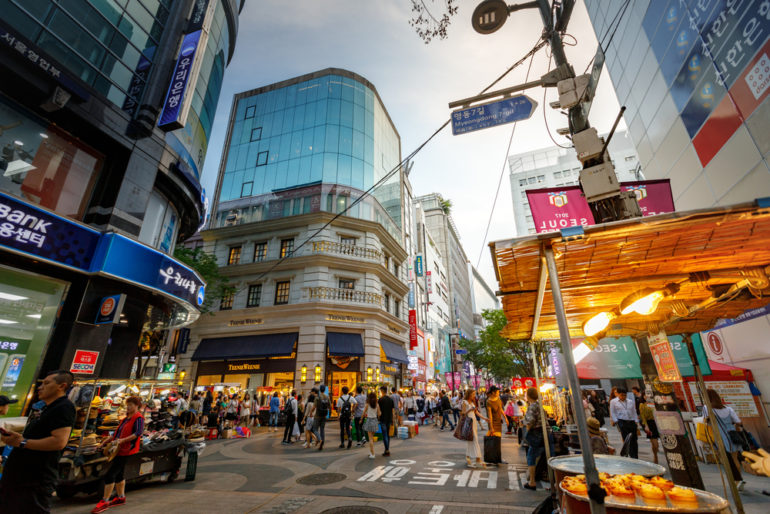
    Cornered by a low-price offensive from online sellers, South Korean retailers are striking back with a so-called ‘malling’ strategy.

    ‘Malling’ refers to all leisure activities at the mall, including shopping, dining, and watching movies or experiencing other forms of entertainment.

    Retail stores are focusing on children. The logic is that if they create a space where children can play, it will motivate parents to come and be more willing to spend money.

    Lotte Mall Suji, which opened in Yongin, Gyeonggi Province last Thursday, features South Korea’s very first indoor ice rink inside a shopping mall. The mall offers various leisure activities, including rock climbing, and 1100sqm kids park.

    Shinsegae Premium Outlet in Paju, which reopened on Sunday following renovations, now has a 530sqm kids’ cafe and the region’s largest fashion zone for children.

    South Korean retailers are also introducing a variety of attractions to draw in diverse groups of customers.

    Starfield Bucheon has recently set up an academy for young mothers, offering programs for childcare as well as other courses for all adults on various hobbies and self-development.

    Shinsegae Premium Outlet in Paju plans to come up with a more diverse set of interpretation services for foreigners. On top of Chinese and English, it plans to add Thai, Mongolian, and Tagalog to attract more customers.

    Parking space is another critical factor for retail stores as they want customers to spend time at malls without having to worry about parking or other traffic needs. Lotte Mall Suji comes with a parking lot across basement floors 2 to 6 with a capacity to accommodate 1700 cars.

    Starfield Bucheon has a parking lot stretching from basement floor 5 to the 9th floor above ground, capable of accommodating as many as 1900 cars.

    Shinsegae Premium Outlet in Paju, located on the outskirts of the city that allows for a size much larger than Starfield Bucheon and Lotte Mall Suji, chose to focus on dining, doubling the number of restaurants to accommodate many popular cuisines.

  • Zhongshuge Minhang bookstore announces grand book hall

    Zhongshuge Minhang bookstore announces grand book hall

    new bookstore in Shanghai’s Minhang District has been featured on designboom.com for its remarkable design.

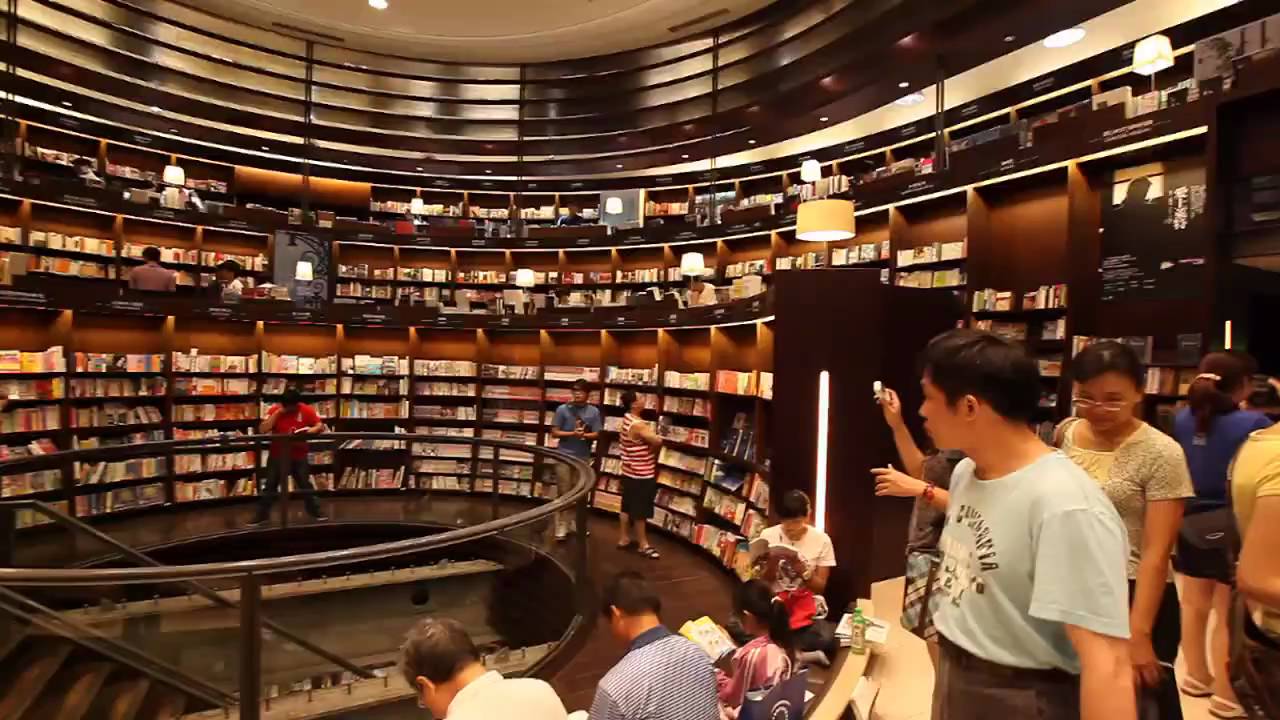
    The Zhongshuge Minhang store was created by Chinese architectural firm X+living and installed in a third-floor business park location. The store features a black book wall with groups of peg-top bookshelves under a soft light, as well as a text-covered curtain wall with balanced geometric bookshelves inspired by spinning ballet dancers.

    The store’s grand book hall features bookshelves stretched outwards on both sides towards a mirrored ceiling with symmetrical designs resembling a British church. Low-profile reading booths allow visitors to enjoy private and quiet escapes during their reading.

    Readers may buy a cup of coffee while reading their selected books in an atmosphere that emphasizes the beauty of books and reflects a cultured and multidimensional design vision.

  • Porsche Goes Green With Leather-Free Upholstery In New Taycan Electric Sports Car

    Porsche Goes Green With Leather-Free Upholstery In New Taycan Electric Sports Car

    Porsche is making a leather-free version of its new Taycan electric sports car in the latest attempt by a German automaker to play up green credentials as environmental activists lobby for a boycott of the industry. Last month, a climate activist group smashed up 40 luxury vehicles and called for a boycott of this month’s Frankfurt Auto Show because it celebrates an “outmoded climate and environment destroying transportation system.”

    Porsche, part of Volkswagen said on Wednesday it would invest 6 billion euros ($6.7 billion) through 2022 to develop electric vehicles, as it presented its first zero-emissions sports car.

    “With the Taycan, Porsche offers an entirely leather-free interior for the first time. Interiors made from innovative recycled materials underscore the sustainable concept of the electric sports car,” Porsche said.

    The Taycan has a range of 450 kilometers, making it the first electric vehicle from a German carmaker capable of rivaling Tesla in terms of operating range.

    Thanks to an 800-volt system, the car is also capable of adding 100 kilometers to its range from a five-minute recharging of its battery, Porsche said.

    The Porsche Taycan Turbo S is priced at 185,456 euros or 138,826 pounds. First customer deliveries are anticipated from January 2020, the carmaker said.

    Other sports car makers are also rushing to develop electric models. Ferrari said last month it hoped to introduce a fully-electric model some time after 2022.

  • Kerry Logistics appoints John Parkes

    Kerry Logistics appoints John Parkes

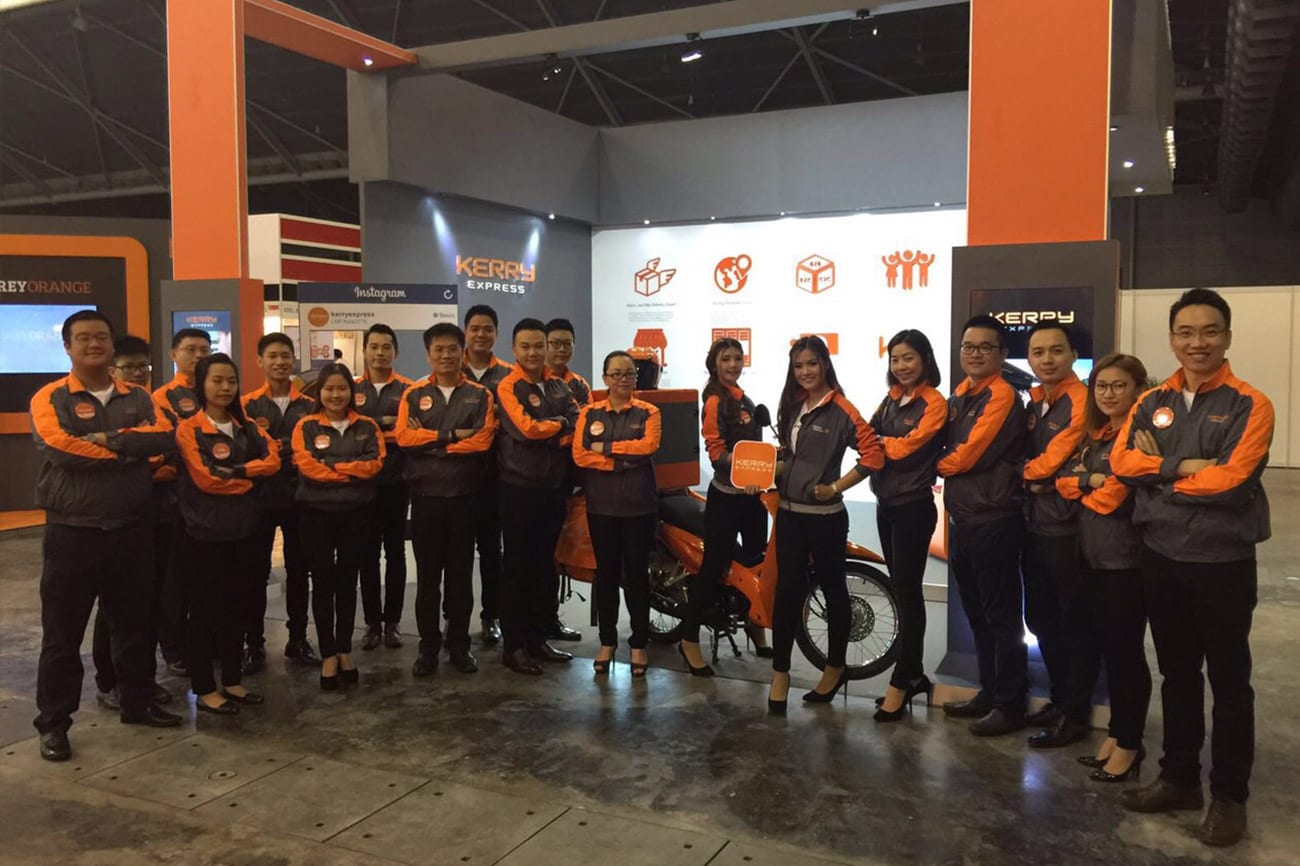
    Kerry Logistics Network Limited ‘Kerry Logistics’ has appointed John Parkes as its Managing Director – Integrated Logistics, with effect immediately. Based in Hong Kong, Parkes will oversee the overall management of Kerry Logistics’ global integrated logistics (‘IL’) business

    An industry veteran, Parkes has over 35 years of experience in the transportation and logistics industry. With a specific focus on the Asia Pacific region, he has held operational leadership positions in major logistics businesses, specializing in multi-country business development and management, M&A and global account management. Prior to joining Kerry Logistics, he was the Executive Director – Head of Hong Kong/Taiwan and Global Business Development of LF Logistics.

    Commenting on Parkes’s appointment, William Ma, Group Managing Director of Kerry Logistics, said, “We are delighted to have John on board to lead our IL division, which forms a major part of our business. John’s in-depth knowledge and on-the-ground experience in the logistics industry and global supply chains make him an excellent captain to steer our course in these challenging times of accelerated supply chain shifts. With his insights and expertise, we can make great strides in our global IL business.”

    Parkes said, “I am honoured to have the opportunity to lead such an effective and multifaceted team to build on existing relationships and explore new horizons. As the logistics industry undergoes rapid change in the face of new demands and technological advances, I look forward to giving my best to reinforce Kerry Logistics’ position and grow its business through formulating sustainable strategies and devising innovative solutions that cater to our customers’ needs and accommodate emerging trends.”

  • International economy seeks master franchisees in Indonesia

    International economy seeks master franchisees in Indonesia

    Indonesia’s economy is projected to be three times the size of Australia’s by 2030 – and the GDP of the world’s most-populous Muslim population will rise from $3.2 trillion to $10.1 trillion by the same year*.

    Those figures are driving top international franchise businesses to seek master franchisees in Indonesia.

    The nation already has the largest market for foodservice in ASEAN, and with a fast-rising middle class and even faster growth in middle-class incomes, there continue to be significant changes in lifestyles.

    “The prospects for food franchises in Indonesia look very good as Indonesia continues to outpace many of its neighbors in ASEAN,” says Sean T Ngo, CEO of VF Franchise Consulting, who will be hosting a series of one-on-one meetings between international franchisors and local prospective partners on Friday (September 13).

    “A recent study by Nielsen showed that 11 percent of Indonesians eat out at least once a day, which is higher than the global average of 9 percent. Another lifestyle change supporting the growth of the food franchise sector is a growing trend among workers in big cities is to work long hours either due to obligation or to avoid traffic jams.

    “Thus, the practical solution for eating dinner is to eat out more often and closer to their workplaces. This fact is supported by the Nielsen study mentioned earlier with eating out occurrences being higher in Indonesia than the rest of the world.”

    Trends like these are fuelling growth in Indonesia Food Service Industry by 7.06 percent on a compounded annual growth rate basis, between last year and 2023.

    There are already more than 700 franchise businesses operating nearly 30,000 outlets across Indonesia. Most of these are in foodservice and located in Java, primarily Jakarta, West Java, and East Java provinces. Approximately 400 of the 700 are foreign franchisors, while the rest are local brands.

    Among the top international businesses to seek master franchisees in Indonesia that VF Consulting will introduce to prospective partners this week are:

    • Little Caesars, known for its Hot-N-Ready pizza and Crazy Bread, is the world’s largest carryout-only pizza chain with locations in eight Canadian provinces, all 50 US states along with 26 other countries and territories worldwide.
    • Mango Tree, one of the world’s best-known Thai culinary lifestyle brands, serving contemporary Thai cuisine.
    • Coca, a pioneer in the hotpot-restaurant sector, serving nutritional Thai and Chinese a-la-carte dishes, seafood and the signature hotpot with a variety of broths.
    • Mango Chili, a fun, vibrant social dining space where groups of friends and families can enjoy simple, easy yet original Thai street food.
    • The Belgian Waffle Co, which in just four years has grown to more than 210 outlets in 55 Indian cities and Nepal.