Tag: asia

  • Nissan Mulls Pulling Out Of South Korea As Trade Tensions Rise

    Nissan Mulls Pulling Out Of South Korea As Trade Tensions Rise

    Nissan Motor is considering pulling out of South Korea, the Financial Times reported on Friday, as political and trade tensions between Japan and South Korea have caused sales of Japanese products in the neighboring country to plummet.

    Nissan and other Japanese firms have been a casualty of consumer boycotts of products ranging from cars to beer in South Korea, triggered by sudden export curbs by Tokyo earlier this year as trust between the two countries has eroded over wartime issues.

    Citing unnamed sources, the FT said that besides stopping sales in South Korea, Nissan is also mulling its involvement in an assembly plant in Busan owned by Renault Samsung Motors Co, a joint venture with Nissan’s French automaking partner Renault SA. The plant makes cars mainly for export markets.

    Nissan spokespeople in South Korea and Japan declined to comment on the report.

    Japan’s second-biggest automaker has been trying to strengthen governance, slash costs and boost flagging profitability amid persistent allegations of financial misconduct stemming from former chairman Carlos Ghosn’s 20-year reign.

    Nissan’s market share in South Korea has long lagged its domestic rivals. Along with its luxury Infiniti brand, the automaker has sold just 3,581 cars in the country in January-August this year, down 27% from a year ago and trailing far behind Toyota Motor Corp.

    Japanese automakers are small players in the South Korean auto market, which is dominated by Hyundai Motor Co, and German imports including the Mercedes Benz and BMW brands.

  • Lululemon launches free coursed for store managers

    Lululemon launches free coursed for store managers

    Lululemon is partnering with Swinburne University of Technology to offer a free diploma of business for store managers, regional managers and training managers.

    The course, which Lululemon is fully funding, is comprised of eight units covering personal skills for leaders, HR and staff management, marketing, operations, finance, and strategic skills.

    The units have been adapted from Swinburne’s existing course, so content can be immediately applied to participants’ day-to-day work at Lululemon, and employees are able to take the 18-month course on a 21-month time-frame to focus on their business during the busy peak trading period in Q4.

    Lululemon Australia and New Zealand managing director Paul Tinkler said the course provides an opportunity for its team leaders to develop long-term retail careers.

    “The course reinforces the skills they already demonstrate and addresses any potential gaps in their learning, setting them up for success over the long term,” Tinkler said.

    The move follows a similar partnership between Battery World and TAFE institutions in Queensland, New South Wales and Victoria to make it easier for staff to earn a Certificate II qualification in auto electric technology.

    The franchisor worked with TAFE to develop an accelerated course that takes into account the practical tasks staff do in-store on a daily basis and offers classes outside of normal office hours, so employees can continue working while earning the qualification.

    Battery World expects the tailored courses to lead to an increase in the number of qualified employees in its franchise network and higher staff retention rates, as employees get the opportunity to upskill and feel more valued.

    “We know that employees who feel valued and are given the chance to extend their knowledge tend to want to stick with an employer,” Coralee Haskew, Battery World’s operations trainer said.

    “It’s not just younger staff who want to extend their skills. We have younger and older staff who want to grow their strength in the business. It’s not just a millennial thing.”

    The Lululemon x Swinburne diploma of business was offered for the first time this year, with a total of 14 eligible managers commencing study in March. They are expected to graduate at the end of October 2020.

    Intake will occur yearly and will be available to Lululemon store managers, regional managers and training managers who have been with the business for a minimum of 12 months.

    Following the successful completion of the course, students are eligible to apply for an undergraduate degree with up to eight credits. Store managers who successfully complete the course and have three years of full-time employment will be granted entry into Swinburne’s graduate certificate of business administration, which leads directly into a master of business administration.

  • Standard Chartered Not Ruling Out Singapore Digital Bank

    Standard Chartered Not Ruling Out Singapore Digital Bank

    The bank is keeping its options open about applying for a digital bank license in Singapore, and will likely follow steps it has taken in Taiwan and Hong Kong in partnering with non-bank firms, if it were to apply.

    Standard Chartered has not ruled out participating in Singapore’s upcoming digital banking regime, a spokesperson for the bank told «The Business Times.»

    «Our experience in these markets will serve us well as we continue to explore the best digital model for our clients in Singapore,» the spokesperson said.

    The Monetary Authority of Singapore (MAS) in June announced that it will issue up to five digital bank licenses, comprising up to two digital full bank licenses, reserved for locally-owned entities, and up to three digital wholesale bank licenses. Applications are being accepted until the end of the year, with successful license recipients to be announced in mid-2020 and the rollout of operations by mid-2021.

    Standard Chartered is among four foreign banks that have a large retail presence on the island. However, it can only apply for a digital wholesale bank license, which is open to foreign entities. Alternatively, it can look for a Singapore partner to set up a fully digital bank.

    SC Digital, the bank’s joint venture with telecoms company PCCW, Hong Kong Telecom (HKT), and Chinese travel services provider Ctrip is among eight entities that have received a virtual bank license in Hong Kong.

    Standard Chartered said it would offer travel, entertainment and telecoms products and services on its virtual banking platform, and integrate virtual banking into the services offered by its partners and leverage their customer bases to grow its reach.

    The bank also took a 5-percent stake in Line Bank, an upcoming digital bank linked to the Link messaging app, which received a virtual banking license in Taiwan in July.

  • Picking the Right POS Software

    Picking the Right POS Software

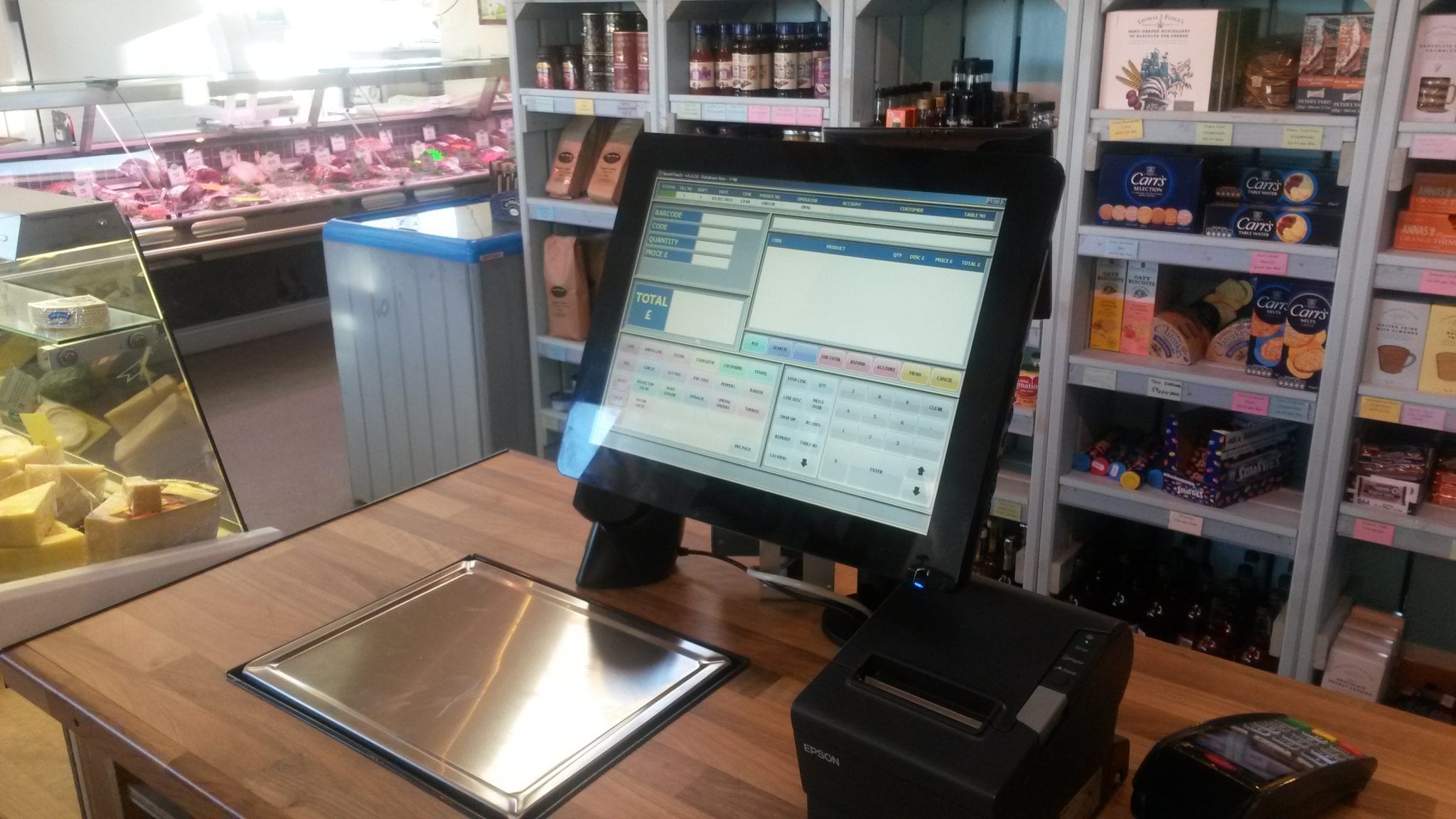
    Point of Sale software, or simply POS, is capable of so much more than simply accepting credit cards. It can also be a tool to manage your inventory or make reports. Retail business heavily relies on the efficiency of the process and the time needed to serve the customer – Point of Sale system can have a huge impact on that.

    Choosing the best POS software for your business can turn out to be a real headache because there are so many options out there. We will help you to get on track and select the system that suits your situation the best, just follow the steps described below.

    1) Define Your Goals

    Most of POS systems are very similar regarding the main features – they all can take credit and debit cards, manage the inventory or split bill/add tips if it’s a POS system for a restaurant. Besides that, Point Of Sale Software can have additional features, such as delivery tracking, ID check interface, online orders, or a calendar for appointments.

    So before you decide to buy or rent POS software, make sure to define your goals and look for a product that can offer you the functionality you desire. Obviously, more features will probably result in a higher price, so don’t go for a system that has all of it, even though you don’t really need it.

    2) Equipment First, Software Later

    Usually, the POS system consists of two separate parts – processing equipment and the software itself. Most of the businesses select the processor first because that’s a logical move. There are a lot of card processing providers willing to offer you their equipment, so request a quote from at least several of them before making a choice. It’s predicted that 1 in 3 POS terminals will be mobile-based by 2021, i.e. payments will be handled by a tablet or a smartphone. Don’t invest too much into the equipment that might be outdated soon.

    When you have the processing equipment in your hands, it’s time to decide what POS you will choose. In this case, the choice will be limited, but you will be offered the most popular software that is completely compatible with the equipment you have. In addition to that, it will be easier to make a decision because of the narrowed options. 

    3) Leasing Vs. Buying

    There are two options for how you can pay for your POS system – buy it or lease it. Buying requires bigger cash flow, so it might be painful for a small business. However, leasing costs more in the long term. Since every case is different, you need to sit down and do the math by yourself.

    It’s a great idea to plan ahead. Keep in mind that retail stores in the US and all over the world are closing faster than expected, so be realistic about the perspective of your business. If you are not sure about the future, it’s probably a better idea to just lease POS software and equipment instead of buying it. However, if you have enough spare money and the future looks good, consider paying upfront and saving money in the long term. 

    4) Setup The System Properly

    Once you have all the pieces in place, you need to take care of the installation. You can do that yourself by following guides provided by the POS company, or hire a professional IT technician to do that for you. The second choice is more reasonable unless you are tech viz yourself.

    It’s better to set up and test the system properly before real customers get their hands on it. The poor performance of POS software can cause a lot of disappointment and bad customer experience, so make some transactions on a test account and train your employees to use the new POS system properly. Most POS software providers have 24/7 customer support, so don’t hesitate to reach out to them if you have bumped into some problems. 

    5) Don’t Stop Improving

    Imagine your POS software provider as a partner and not just someone who is there to support the technical side of your POS and collect payments. The game is changing fast, especially in a retail business, so you have to adapt to it. The same goes for the POS software – talk to them constantly just to see if there are any new features, upgrades, or maybe they are organizing training and you could attend them?

    If you are not satisfied with your POS software quality or some failures occur too often – tell them about it, there is no shame in that. It’s a customer-centric business and they will do everything to keep you satisfied. If not, there is always an option to withdraw from the contract and seek for a better service. 

     

  • Wirecard Expands Partnership With Mizuho Bank

    Wirecard Expands Partnership With Mizuho Bank

    Wirecard is expanding its partnership with Mizuho Bank. The scope includes a significant geographic extension, a collaboration on new payout products, and joint digital payment solutions.

    Wirecard, a global innovation leader for digital financial technology, and Mizuho Bank announced that they are collaborating in more geographies within Asia-Pacific, including Australia, Malaysia, New Zealand, and the Philippines. Globally, the collaboration will also extend to Europe and the United States.

    To complement Mizuho Bank’s service offering, a corporate payout solution is also being planned. With Wirecard, we will develop our corporate product offering and further digitalize our services on an international scale. We are excited to continue working together with Wirecard and develop our partnership, said Kaoru Mochizuki, head of Transaction Banking Asia Oceania, Mizuho Bank.

    Overall, Wirecard will support Mizuho Bank with innovative and fully digital solutions, aimed especially at banking clients in the food and beverage, retail and hospitality industries.

    Wirecard has been collaborating with Mizuho Bank since 2018. The fintech firm provides card acquiring and issuing services for Mizuho Bank corporate clients in the Asian region. Mizuho Bank is part of Mizuho Financial Group, one of the largest financial institutions in the world present in 38 countries and regions, and holds $1.8 trillion in total assets (as of March 31, 2019).

    Since 2018, Mizuho Bank has leveraged on Wirecard’s wide range of payment acceptance and issuing solutions for their Asian corporate client base, and we are proud to expand this cooperation on a global scale,» added Laura McCracken, global EVP Financial Institutions & Fintech, Wirecard.


  • UBS to Restructure Investment Bank

    UBS to Restructure Investment Bank

    UBS is going to revamp its investment banking unit along the lines of a wealth management business. The goal is to make the unit leaner and more global.

    Piero Novelli and Rob Karofsky are about to unveil their plans for a revamp of the investment banking business at UBS, according to media reports. The two managers have been in charge of the business for a little less than a year.

    The co-heads are planning to merge certain divisions within the bank in a bid to make the management structure leaner. The advisory service to companies for mergers, acquisitions and IPOs will become the responsibility of Javier Oficialdegui and Ros Stephenson. Currently, the business is led by three regional heads.

    The same brush will be applied to the equity and fixed-income trading, which has been kept separate so far. George Athanasopoulos and Jason Barron will be appointed as co-heads.

    The merger of the units will lead to duplications among managers and hence likely to a reduction of the respective headcount.

    Sergio Ermotti, the CEO of UBS, in 2018 merged North America with the rest of the world in wealth management, a move that helped the bank save $200 million a year, according to an interview with Chairman Axel Weber. By 2021, the sum will reach $600 million. And still, the business hasn’t performed according to expectations.

    Novelli and Karofsky obviously hope to cut costs and boost revenues with the help of a leaner and more efficient structure. Details of their plan will follow later today at an internal event, according to the reports.

  • Bossini issues revised loss warning

    Bossini issues revised loss warning

    Lifestyle apparel brand Bossini has warned shareholders its loss this year will blow out to about $139 million, citing Hong Kong’s rolling protests.

    That figure is higher than the $124 million it projected at the end of May after reviewing management accounts showing a loss of $92 million for the 10 months to April. It represents a five-fold increase from last year’s loss of $29 million.

    In May, Bossini chairwoman Bess Tsin said the final figure would depend on trading in May and June and yesterday she issued a “supplemental announcement” to the earlier profit warning.

    “The annual results recorded was slightly off track from what had been expected in the announcement because of the increase in the loss derived from the Hong Kong and Macau segment as a result of a further weakening in consumer sentiment and the adversity in business environment resulting from the social unrest in Hong Kong in the last month of this financial year.”

    The final result will be released within the next fortnight after an audit is completed.

  • DBS Issues $180 Million Sustainability-Linked Loan

    DBS Issues $180 Million Sustainability-Linked Loan

    DBS has issued a S$250 million ($180 million) three-year loan to real estate group City Developments Limited with interest rate discounts linked to the firm’s sustainability-related performance.

    The loan will be used for general working capital and corporate funding focused on improving CDL’s property quality, performance and method of building.

    Interest rate discounts can be achieved by CDL when it achieves mutually agreed on sustainability-related performance targets including innovations that contribute to the United Nations «Sustainable Development Goals» as determined by an independently appointed expert panel. CDL must also remain listed on at least one «leading global sustainability index.»

    The CDL loan is part of DBS’s ongoing efforts to promote the UN SDGs with this loan aiming to tackle three of the goals: industry, innovation and infrastructure; sustainable cities and communities; and climate action. Elsewhere, DBS has poured S$6.9 billion ($5 billion) into diverse sustainable financing in the last two years to more resource-efficient firms and green industries such as green real estate development and renewable energy.

    DBS and CDL’s move is aligned with ongoing efforts by Singapore’s government to promote sustainability, including in green property development.

    The green financing initiative is a commendable effort given the increasing need to build more environmentally friendly buildings and infrastructure to mitigate the impact of climate change, said Tai Lee Siang, executive director of BuildSG at the Building and Construction Authority.

    In addition to DBS’s loan requirements, CDL itself also pledged commitment to sustainability by achieving «an average of two innovations or new technology adoptions» per year by 2030.

  • Sigma half-year profit falls on restructure costs

    Sigma half-year profit falls on restructure costs

    Sigma Healthcare half-year profit tumbled 81.2 percent to $2.52 million, due to reduced input from its expiring Chemist Warehouse supply deal, as well as one-off restructuring costs tied to the commencement of its transformation program.

    The pharmaceutical retailer, which runs Amcal, Chemist King, Discount Drug Stores, Guardian pharmacies and PharmaSave, said on Thursday revenue fell 4.1 percent to $1.88 billion in the first half of FY20, while EBITDA fell 19.8 percent to $25.3 million.

    Shares in the business had fallen more than 3 percent on Friday morning to 58 cents per share.

    Sigma’s restructuring efforts have so far seen approximately 370 staff members removed, after closing its Shepparton, Newcastle and Launceston distribution centers.

    “We are… very aware of the personal impact such a transformation can have on our people and customers,” Sigma chief executive Mark Hooper said in a note to investors.

    “We have implemented a number of communication and change management programs to support those who are unfortunately impacted, and to ensure focus and resilience to drive our business.”

    According to Hooper, Sigma is entering a growth phase, though expects the ongoing progress of Project Pivot to see underlying EBITDA for FY20 hit the lower end of the previously stated guidance of $55 to $60 million.

    FY21 will remain in line with previous expectations of 10 percent growth, however.

    “Sigma’s fundamentals remain in strong shape as well continue to implement the changes to deliver sustainable benefits for our business medium to longer-term,” Hooper said.

    “We have made good progress on our business transformation program, and we are on track to deliver the $100+ million efficiency gains in line with previous guidance.”

  • Chinese discount merchandise chain Miniso plans 100 stores in Australia

    Chinese discount merchandise chain Miniso plans 100 stores in Australia

    Chinese discount merchandise chain Miniso says it expects to have 100 stores trading in Australia by the end of next year.

    “Australia is a key country in the world for the rapid expansion of Miniso,” said Miniso Australia VP Richard Li.

    “Our chain of stores opened in Australia include outlets in some of the country’s top shopping centers, including Chadstone in Melbourne and Westfield Parramatta, with a further 68 openings planned over the next 15 months.”

    So far the company has 32 stores trading Down Under. It recently reached the 100-market milestone in its global rollout program. It has 3869 stores open worldwide, and last year posted turnover of US$2.5 billion.

    Miniso has just launched a range of up to 600 lines of Marvel merchandise.

  • Blancpain opens its largest store in China

    Blancpain opens its largest store in China

    Timepiece brand Blancpain has opened its largest store yet in China in Beijing.

    The 380sqm two-level street front showroom, located at China World Mall near Beijing’s CBD, features an interior that reflects the brand’s heritage, inspired by the Blancpain’s centuries-old farmhouse production facility in Le Brassus, Switzerland

    Polished cherry woodwork and streamlined furniture are placed to conjure up the ambiance of the traditional watchmakers, alongside comfortable seating, a lounge bar, a VIP suite and a sweeping staircase.

    The store offers a customer service center that offers watches servicing as well as product and maintenance advice.

  • Vietnam’s Vingroup buys Queensland mart

    Vietnam’s Vingroup buys Queensland mart

    Vietnamese business empire Vingroup has acquired local supermarket business Queenland Mart via its retail unit Vincommerce.

    The move will expand the firm’s retail market share, following its recent purchase of the Shop&Go convenience store chain that brought 87 new locations under Vingroup’s wingspan. Queenland Mart has eight stores located in the city’s more affluent neighborhoods. The stores will now be rebranded as Vinmart outlets, as were the 23 Fivimart stores the group acquired last year.

    Following the deal, Vingroup has 120 Vinmart supermarkets and 2122 retail locations in total. The conglomerate is targeting 200 supermarkets and 4000 retail outlets by next year.

    The financial terms of the deal remain undisclosed.


  • Alibaba confirms purchase of Kaola business

    Alibaba confirms purchase of Kaola business

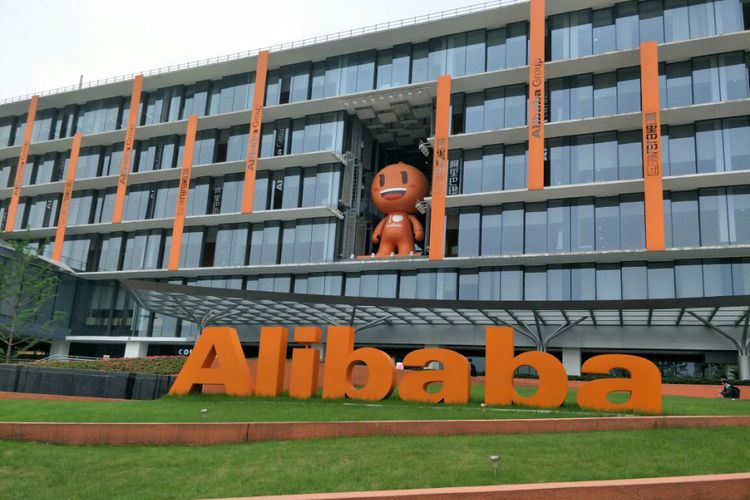
    Alibaba has confirmed it will buy NetEase’s Kaola for about US$2 billion, a deal widely predicted last month.

    Kaola is an import e-commerce platform which has been a rival of Alibaba for some time. Both companies have their roots in Hangzhou.

    Confirming the deal, Alibaba says it plans for Kaola to continue to operate independently under its current brand. Tmall import and export GM Alvin Liu will serve as Kaola’s new CEO.

    “We are pleased to have found a strategic fit for Kaola within Alibaba’s extensive ecosystem, where Kaola will continue to provide Chinese consumers with high-quality import products and services,” said William Ding, CEO of NetEase.

    “At the same time, the completion of this strategic transaction will allow NetEase to focus on its growth strategy, investing in markets that allow us to best leverage our competitive advantages. We remain fully committed to offering our users best-in-class and differentiated online content born from our relentless drive for craftsmanship and innovation.”

    As well as the sale of Kaola, Alibaba, together with Yunfeng, will invest some $700 million in NetEase Cloud Music. The completion of this transaction is subject to certain closing conditions. NetEase will remain the controlling shareholder of NetEase Cloud Music following the closing of this transaction.

    “As the controlling shareholder of NetEase Cloud Music, we will continue to fully support the growth of this business, helping it to realise its strategic goals in the music industry,” said Ding.

    Alibaba CEO Daniel Zhang said his company is confident about the future of China’s import e-commerce market, which it considers remains in its infancy and has great growth potential.

    “We welcome Kaola to the Alibaba family and value NetEase’s contributions in incubating an e-commerce platform with strong import capabilities. With Kaola, we will further elevate import service and experience for Chinese consumers through synergies across the Alibaba ecosystem,” said Zhang.

    “Alibaba also looks forward to becoming a partner in the future development of NetEase Cloud Music and exploring innovative collaboration in the digital entertainment space.”

  • Chinese E-commerce retailer rejects Australian daigou buyers

    Chinese E-commerce retailer rejects Australian daigou buyers

    Daigou buyers from Australia – individuals and groups who buy infant formula and other consumables in offshore retail outlets, selling them at huge mark-up prices in China – have been locked out of one China’s fastest-growing online malls.

    Aomaijia, which boasts more than 30 million registered customers, will not allow individuals or unauthorized distributors to set up online stores selling Australian products. The company instead offers a high level of back-end services to its suppliers, which it says is a far more sustainable business model.

    “Daigou have filled a market need in China,” said Aomaijia Group CEO Maggie Liu; “while they actively promote Australian brands, in reality they operate a rather unsophisticated and inefficient distribution network. The Aomaijia platform was created to give suppliers, like those in Australia, better control of their branding in China but also control over supply chain, distribution, sales volumes and ultimately their profits.”

    The company’s global chief was in Sydney for the official opening of its Australasian procurement and supply chain office. It is the fifth such international office, with other procurement centres in Paris, Los Angeles, Seoul and Tokyo.

    Five Australian consumer product companies – Sukin, Kids Smart, Nestle Australia, B.box and Tasman Ugg – were at the Sydney event, where they signed supply agreements with Aomaijia. They will join a dozen other leading Australian brands, headed by Swisse and Blackmores, which are already available across the e-commerce platform.

    In total Aomaijia sells more than 100,000 product lines across 3,000 individual brands mainly from the US, Europe, Japan, South Korea and Australia.

    Aomaijia connects with its customers across three platforms – a mobile phone app, an online retail site (www.aomygod.com), and a mini sales program operated on the WeChat social media app, which has more than 1 billion users. The company has 14 physical stores in key locations across all of China’s major first-tier cities, with plans to open 100 more over the next year.

    The physical stores give customers the chance to test products, reassuring them of authenticity – a key selling point in China where consumers are increasingly wary of fake products, particularly in supplements, vitamins and infant formulas where Australian and New Zealand brands are very highly regarded.

    “Aomaijia does not just offer product displays,” said Nestle Australia’s head of cross border development Matthiew-Nicolas Quentin. “Chinese consumers are highly demanding, they want to know everything about our products and that’s the role this platform plays.”

  • The Coffee Academics launches world’s first Nitro Coffee Bar

    The Coffee Academics launches world’s first Nitro Coffee Bar

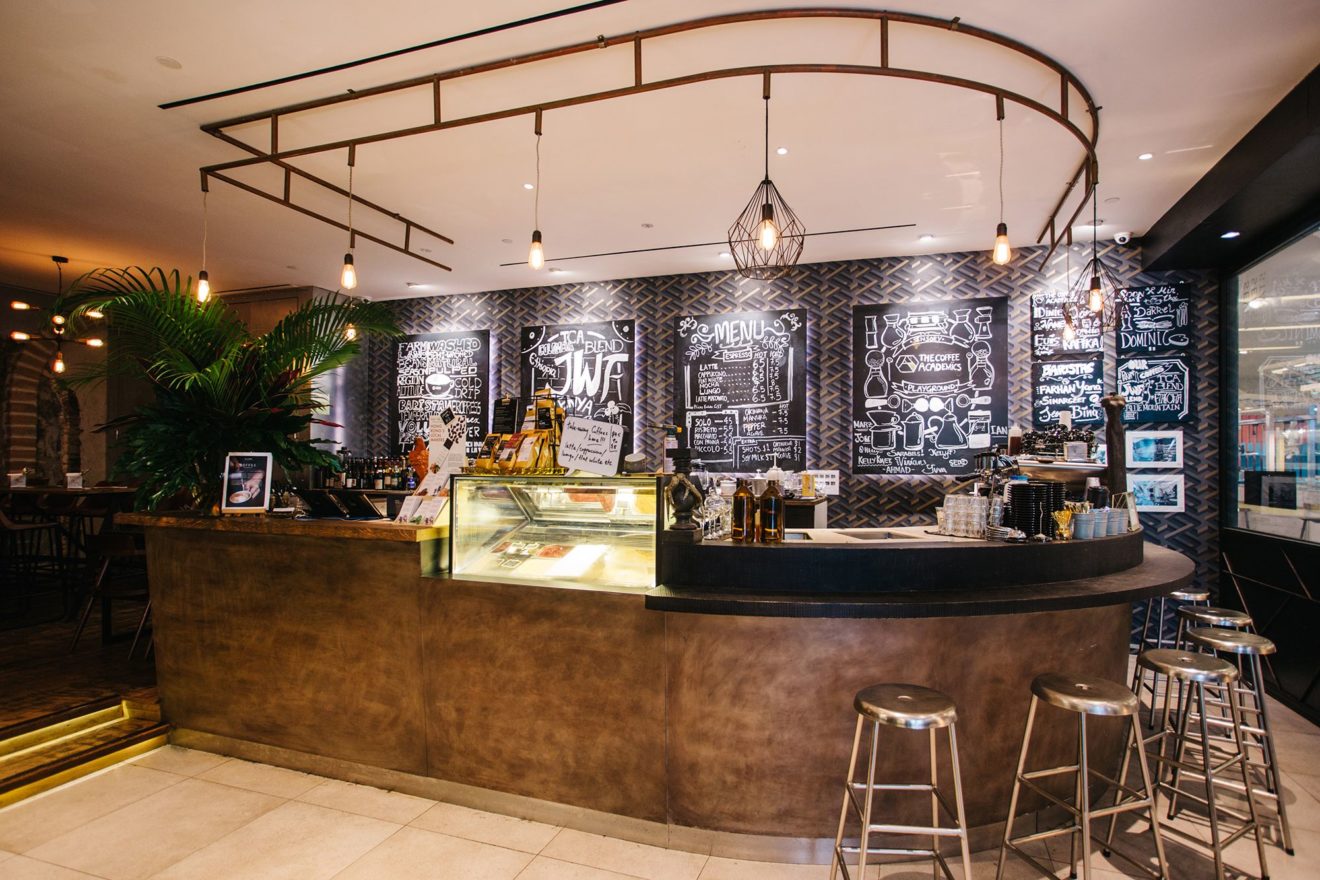
    Hong Kong’s specialty coffee chain The Coffee Academics is launching its latest retail concept the world’s first single-origin Nitro Coffee Bar on September 16 at K11 Musea.

    The Nitro Coffee Bar is the first of its kind to put single-origin specialty coffee at the forefront of product offerings, raising awareness of the specialty coffee value chain. The bar highlights The Coffee Academics’s moves to “drive more value to the source” via direct-trade and other social enterprise programs.

    “The Coffee Academics’ new concept at K11 Musea pushes the boundaries of specialty coffee by incorporating the nitro technology and tapas pairing into the coffeehouse experience,” said The Coffee Academics founder Jennifer Liu.

    In celebration of the opening, The Coffee Academics is offering a rare Yemeni coffee, recently acquired via the largest Yemen coffee auction to-date, with only 1500 cups total – exclusive worldwide at the K11 Musea store. With 60–70 percent of the FOB price going directly to the farmer, The Coffee Academics’ participation in this particular Yemen Coffee Auction was made to deliver a meaningful contribution to the revival of an ancient coffee civilization and the rebuilding of a war-torn nation.