Tag: asia

  • Ikea China to invest billions in further expansion

    Ikea China to invest billions in further expansion

    Ikea China will invest RMB10 billion (US$1.41 billion) into the market within the next fiscal year.

    The Swedish furniture maker’s largest investment yet into the Chinese market, the funds will go towards strengthening operations over a three-year strategy to improve the customer experience and build on its business digitisation. The company’s own online sales channels will be expanded as well.

    While the move is in response to changing demands in the local furniture market and is a departure from the company’s traditional emphasis on physical stores, store upgrades and the opening of small retail outlets are expected to form part of the firm’s emerging strategy following the increasing urbanisation of Chinese retail in general.

    Ikea China plans to launch four new locations by the end of the year alongside its expanded coverage online, and will hire an additional 3000 staff as the online furniture industry picks up more competitors, including Alibaba-backed Red Star Macalline Group.

    “China’s home furnishing market is currently in a period of steady growth,” said head of Ikea China Anna Pawlak-Kuliga. “At the same time, urbanisation continues to accelerate alongside digitisation and the rise in per capita disposable income.”

    Ikea had already announced an intention to build an RMB8 billion ($1.12 million) shopping centre in Shanghai last year.

  • Ford Names New President For China Joint Venture To Deepen Alliance Amid Falling Sales

    Ford Names New President For China Joint Venture To Deepen Alliance Amid Falling Sales

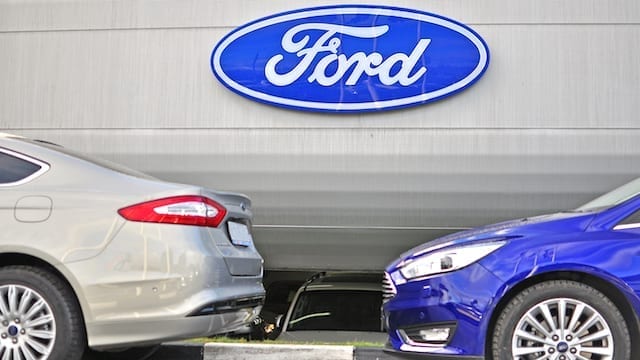
    Ford Motor Co on Thursday named Steven Armstrong president of the Changan Ford joint venture in China to deepen the alliance and push for more models, as the U.S. carmaker tries to stem a decline in sales in the world’s second largest economy. Sales of the joint venture with Chongqing-based Changan Automobile continued to decline in July. In the first seven months of this year, the venture’s sales dropped more than 60 per cent compared to the same period a year earlier.

    Ford’s overall sales dropped 37% in 2018 in the world’s top auto market, mainly due to a lack of new products. Over the next three years, it plans to launch more than 30 new models in China, of which over a third will be electric vehicles.

    The venture is also planning to revamp some of its existing manufacturing facilities to localise production of Ford’s premium brand Lincoln. This would have a planned annual capacity of 70,000 Corsair sport-utility vehicles including 12,000 plug-in hybrid variants, according to a document on Chongqing city authorities’ website.

    “Steve’s leadership will help us further strengthen the Changan Ford JV as we bring more new vehicles to the China market, including our first global all-electric small SUV,” Ford Chief Executive Officer Jim Hackett said.

    Armstrong, the current chairman of Ford Europe, will begin his new role on Oct. 1, and report to Ford China President and CEO Anning Chen. Armstrong replaces Nigel Harris, who will retire at the end of 2019 after more than three decades with the U.S. automaker.

    In China, Ford also makes cars through Jiangling Motors Corp Ltd (JMC) (000550.SZ) which it has a stake in. It has said it would partner with Zotye Automobile Co Ltd (000980.SZ) to sell lower priced cars, but there seems not much progress.

    According to U.S. consulting firm AlixPartners, 2018 capacity utilisation rates at China assembly plants operated by Ford were below 50%. Normally, rates of around 70-75% are considered the break-even threshold.

  • 2021’s Snapdragon 875 will reportedly be produced by TSMC using its 5nm process

    2021’s Snapdragon 875 will reportedly be produced by TSMC using its 5nm process

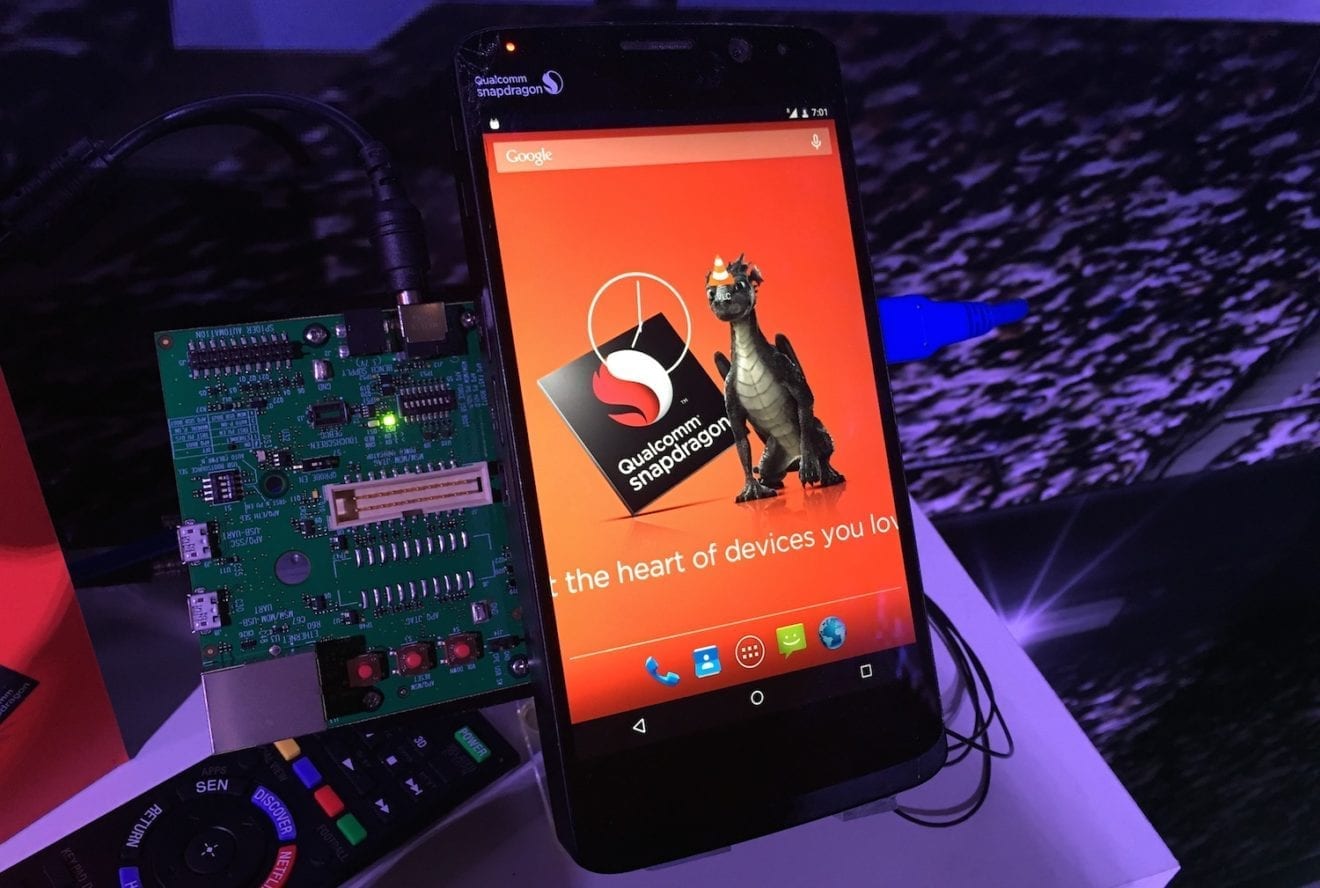
    he Qualcomm Snapdragon 865 is expected to be the chip designer’s next top-of-the-line mobile chipset designed for 2020’s high-end handsets. For those unaware, Qualcomm designs its chips but doesn’t own the facilities to manufacture them. For the last two years, it has turned to the world’s largest independent foundry, Taiwan Semiconductor Manufacturing Company (TSMC), to manufacture the Snapdragon 845 and 855 chipsets. Before that, Samsung made the Snapdragon 820 and 835 SoCs.
    Qualcomm is returning to Samsung to produce the Snapdragon 865. The South Korean tech giant will produce the chip using its 7nm EUV process. The 7nm figure relates to the number of transistors that are shoehorned into a chip. The lower that number, the higher the number of transistors that can fit inside a chip; the more transistors in a chip, the more powerful and energy-efficient it is. Moore’s Law, an observation made by Intel co-founder Gordon Moore back in 1965, calls for the number of transistors in integrated circuits (like chips) to double every other year. To show you how far we’ve come, the Texas Instruments OMAP 3430 chip that powered the Motorola DROID back in 2009 was built using the 65nm process!
    The EUV part of 7nm EUV stands for extreme-ultraviolet lithography. This is a technology that uses ultraviolet beams to more precisely mark up the silicon wafers used to create chips with patterns. These patterns determine where the transistors will be placed inside a chip, and when short wave-length beams (like the ones used with EUV) are used to etch these patterns on a wafer, more transistors can be stuffed inside it. Using EUV is expected to provide a performance bump of 20% to 30% and a 30% to 50% improvement in energy consumption for the Snapdragon 865. Those are not numbers to take lightly. The Snapdragon 865 Mobile Platform will probably debut on the Samsung Galaxy S11, which most likely will be unveiled around February 24th when the 2020 MWC show in Barcelona kicks off. The chip was recently spotted on the Geekbench benchmarking site where it produced a multi-core score of 12,496. That compares to the score of 10,946 produced by the Snapdragon 855+ Mobile Platform. The latter is an overclocked version of the Snapdragon 855.
    While 2020’s Snapdragon 865 will be made by Samsung, the report reveals that there will be two different versions of the chipset codenamed Kona and Huracan. Both will support LPDDX5 memory chips (RAM) and the UFS 3.0 flash memory. However, one of them will be integrated with a 5G modem chip and the other one won’t. Last week, Huwaei released a teaser for its upcoming Kirin 990 SoC that will be unveiled on September 6th. The component, expected to power the manufacturer’s next high-end Mate 30 phone line and the foldable Mate X, will also have an integrated 5G modem chip. This removes the need for a separate component and should also lead to improved battery life on devices that employ these chipsets.
    Sina.com says that for 2021’s Snapdragon 875 Mobile Platform, Qualcomm will once again call on TSMC to produce the component. The report adds that the Snapdragon 875 chipset will be manufactured using TSMC’s 5nm process. If that is indeed the case, the chip will sport 171.3 million transistors per square millimeter. Thus, the component should be more powerful and energy-efficient than its predecessor.
    So will Moore’s Law continue to be valid? Last year Samsung revealed a roadmap leading to 3nm production by 2022 and TSMC is also looking for ways to stuff more transistors inside chips. The latter is examining ways to change the packaging of chips and is also looking at stacking transistors vertically instead of side-by-side.
  • Google Pay update brings dark mode to Android users

    Google Pay update brings dark mode to Android users

    Google continues to push dark themes to its apps and service, a more than welcome feature that Android users have been requested for a long time. Pay is the next Google app that is getting the long-awaited dark theme, although we’re not yet sure if the update that brings the new feature is rolling out to everyone.

    A certain version of Google Pay (2.96.264233179) has the new dark theme, but it’s only showing up for some users on the Google Play Store. You can download the APK file from the source if you don’t want to wait for Google to release it in your country.

    If you’re lucky to get the updated version of Google Pay, the app will automatically switch to dark mode if the battery saver is enabled, but you can also manually set the app to use dark theme whenever you want.

    Once Android 10 gets released, the system-wide dark mode will take over, so it makes sense for Google to want to add this feature to as many of its app as possible until the new OS update hits compatible devices.

  • Disney+ will offer 4K video, four simultaneous streams and more for only $6.99 per month

    Disney+ will offer 4K video, four simultaneous streams and more for only $6.99 per month

    Disney+, the beloved entertainment company’s new streaming service, will launch on November 12th priced at $6.99 per month. During the D23 Expo held in Anaheim, the company revealed some additional information about the Netflix competitor. For example, instead of dropping a whole season of an original show at one time, Disney will release them on a weekly basis. And the House of Mouse will allow Disney+ subscribers to stream content to as many as four devices at the same time and will not charge extra for 4K video streams. Subscribers will also be able to create up to seven different user profiles.

    Netflix, on the other hand, is known for releasing entire seasons of new shows at one time, encouraging the binge-watching crowd to watch a complete season of a show in one sitting. While it allows up to five profiles to be created, Netflix subscribers must pay more ($15.99 per month) for 4K resolution and to stream on four devices simultaneously. This is a strange position for Disney to be in, as many fans of its theme parks will attest to (a one-day ticket to one park is a princely $109). But there is plenty of competition for your subscription dollars and Disney+ needs to bring in some revenue before it can even think about matching Netflix in terms of cost.

    “With less than three months until launch, Disney+ will soon entertain and inspire audiences of all ages for generations to come, and we’re excited to preview some of the amazing original content being created for the service exclusively from our world-class brands today at the D23 Expo. Storytelling is the cornerstone of The Walt Disney Company and we’re thrilled to unveil a new slate of original shows from the Star Wars and Marvel cinematic universes, along with popular television franchises set to return with all-new series streaming only on Disney+.”-Kevin Mayer, chairman, Direct-to-Consumer & International segment, Disney.

    Disney+ will be a mixture of classic Disney movies and animation (don’t forget that Disney’s purchase of 20th Century Fox means that the service will include every episode of The Simpsons) and original shows. The company has access to quite a few popular titles that will be used to create new adventures of popular characters. As pointed out earlier this year in a report from Loup Ventures, how many times can someone watch The Lion King? More likely to drive growth for Disney+ will be new episodes using the same characters from popular Disney classic cartoon and live films.

    Disney announced yesterday that new originals are in development for Disney+ including:

    • The Mandalorian-the first live-action episodic series based on Star Wars which will follow “the travails of a lone gunfighter in the outer reaches of the galaxy far from the authority of the New Republic.”
    • High School Musical: The Musical: The Series-based on the popular High School Musical movies, this show “follows a group of students as they countdown to opening night of their school’s first-ever production of High School Musical.”
    • Lady and the Tramp-A “retelling” of the 1955 animated cartoon, but with real animal stars and CGI.
    • Noelle-A holiday-themed movie starring Anna Kendrick and Billy Eichner.
    • Encore!-This series brings former high-school musical castmates together to recreate shows they performed many years ago.
    • The World According to Jeff Goldblum-Enough said.

    Other shows announced include the return of Hilary Duff as Lizzie McGuire in a new series, Muppets Now which will reunite Kermit and Miss Piggy, and another live-action Star Wars show. The latter will focus on Obi-Wan Kenobi and will star Ewan McGregor.

  • New China chief for Mary Kay

    New China chief for Mary Kay

    Mary Kay in China has a new chief, Katherine Weng.  Based in Shanghai, Weng will report directly to Mary Kay Asia Pacific region president, KK Chua.

    Mary Kay began operations in China more than 20 years ago and it is now one of the beauty products company’s top three international markets.

    “Katherine’s tireless work ethic, strategic mindset, and ability to forge long-term relationships have enabled Mary Kay China to reach new heights,” said Chua. “She is passionate about our mission to enrich women’s lives. She understands our Independent beauty consultants’ needs and works hard to fulfill those needs to support their businesses. Within the company, she has successfully created a seamless link between sales, marketing and operations. We look forward to continued growth in China under her leadership.”

    “It has been a great privilege to work for a company that is dedicated to not only enriching women’s lives through a fantastic business opportunity and cutting-edge products, but also through its philanthropic and sustainability efforts,” said Weng.“I am extremely honoured to serve women and their families in China.”

    Educated in Australia, Weng started her career as a Shanghai branch and customer-service Manager for Mary Kay in China in 1995 and has held various key positions during the past 24 years, most recently as senior commercial VP.

  • Disney’s new Genie app will make your theme park wishes come true

    Disney’s new Genie app will make your theme park wishes come true

    You might not realize it, but when it comes to technology Walt Disney is not a Mickey Mouse operation. You might recall that back in 2017, we told you that the entertainment giant was testing OTA wireless charging using a technology called quasistatic cavity resonance. The goal is to allow visitors at its parks to one day walk into an attraction and walk out with their mobile devices fully charged.
    Today, during the D23 superfan convention in Anaheim, Disney announced a new app called Genie that is expected to launch late next year. The company says that it will “enhance the way you plan for and experience a trip to Walt Disney World Resort.” The app will provide custom itineraries based on a user’s interests such as a princess-day theme, or for those foodies who like to experience the culinary delights from the different countries at Epcot. There is even one for thrillseekers; the latter, we assume, includes rides on Splash Mountain, Space Mountain, and the positively frightening Wedway People Mover and other hair-raising rides.
    If you know what attractions you want to see at a Disney Park, tell the Genie app and it will go through millions of possible options to come up with a fun-filled schedule for the day. And if you decide to make changes, that is no problem; Genie will “re-optimize” your schedule. As you walk through the park, the app will also send alerts with recommendations and will even handle any dining reservations that you might want to make.
    Despite Disney’s ties to Apple (Steve Jobs and his estate were once the largest Disney shareholder after the purchase of Pixar), we’re sure that the app will be made available to both iOS and Android users.
  • Fashion retailer Trinity turns a page and readies for a next chapter

    Fashion retailer Trinity turns a page and readies for a next chapter

    Fashion brand owner and retailer Trinity has hailed “a significant turning point” after releasing its first-half year results.

    “We have begun to reap the fruits of our reform and transformation efforts, most apparent of which is the group’s return to profitability,” said chairman Yafu Qiu.

    Trinity, which owns fashion brands including Cerruti 1881, Gieves & Hawkes, Kent & Curwen and licensed brand D’Urban, has been boosted by Beijing Ruyi Fashion Investment Holding Company becoming the controlling shareholder.

    Qiu said Trinity has largely completed its right-sizing process and was now pursuing its strategy to go global.

    “Having now established a robust business platform, we will be able to pursue this objective with even greater vigour. From our stronghold in Asia, we will be driving the growth of our premium brands … in their native countries and in major fashion capitals of the world. Ahead of establishing flagship stores, as well as examining opportunities to strengthen our presence in prime areas and travel-related locations, we have been welcoming industry veterans to join our management team. Through their considerable experience and foresight, we are confident that all of our brands will not only enhance their global presence, but also enjoy a new period of renaissance.”

    Fashion retailer Trinity has set up a new e-commerce team dedicated to raising the online presence of its brands and it has aligned with several online retail platforms catering to luxury consumers.

    “Going forward, our objective will be to build on the growth momentum achieved since the close of last year. Despite rising headwinds resulting from unresolved political and economic developments in key parts of the world, we remain cautiously optimistic that the combination of a clear business roadmap, experienced management team, ongoing business reforms, strong ties with major stakeholders and conscientious global workforce will enable the group to transition into an even more profitable state, which in turn will open the way to new possibilities for growth,” he said.

    The group’s total revenue for the first half of this year was HK$1.029 billion (US$131.2 million), up 15.6 per cent year on year.

    Wholesale revenue, helped by closely working with the Ruyi group and its subsidiaries, rose from $11.7 million to $288.3 million.

    Retail sales in Mainland China  were $318 million, down $68.9 million year on year, mainly due to Trinity shutting down non-performing stores. There was a net reduction of 11 shops during the period taking the network to 152.

    Same-store sales declined by 9 per cent due to fine-tuning prices and reducing discounting.

    The gross margin improved from 67.2 per cent to 72.3 per cent.

    Retail sales in Hong Kong & Macau totalled $231.7 million, down by $39.7 million and the store network was trimmed by four to 32. Same store sales declined by 11.2 per cent, again due to a change in pricing strategy.

    Retail sales in Taiwan were HK$57.6 million, down by $12.8 million, with the store network cut by two to 40. Although same-store sales declined by 19.4 per vent, gross margin improved from 65.1 per cent to 68.5 per cent.

    Retail sales in Europe were $61.3 million, down 9.8 per cent, again largely due to the closure of non-performing stores, as well as the depreciation of British pound and the Euro.

    The group reported a profit of $76.6 million.

  • Salt Attire Startup launches its offline retail experience

    Salt Attire Startup launches its offline retail experience

    Online fashion tech startup for women’s workwear Salt Attire has launched its first offline experience store in Gurgaon.

    Located at Galleria Market in Gurgaon, the store will feature premium collections of workwear apparel, jewellery and accessories.

    Apart from ready-to-pick garments, Salt Attire offers bespoke clothing, tailored to customer measurements, based on an on-demand manufacturing model at no additional cost. The store helps customers tailor the items to their body measurements and get hands-on help and guidance to attain the perfect fit.

    After realising the gap in India when it comes to high-quality formals, business casuals and workwear for women, and understanding that the demand for such clothing is only going to increase as more women are entering the workforce, founder Dipti Tolani conceptualised a one-stop store for 9 am–9 pm clothing needs, where any piece of clothing that selected could be worn both to work and after.

    “The store has been a need at multiple levels,” said Tolani. “Firstly, we had a lot of requests to come and visit us in person and inquiries for a store visit. Until now, we had been hosting some of our existing customers in our office itself. Customers now have a lot more freedom to customise as per their preferences in-store; styles, fabric, etc,” she said.

    “Also, given our price points, which are relatively in the premium range compared to the other fast fashion e-commerce websites, the offline, in-store experience is a better offering for customers who want to touch-feel the fabric and try on the garments first.”

    The growth trajectory of the company is not limited to apparel but also involves finely crafted minimalistic jewelry suited to the working professional. By next month, the brand will also launch a formal handbags category.

    Planning to launch multiple offline stores in major cities by next year, the firm aims to offer other verticals as well to capture a larger section of urban consumers.

  • Official roadmap shows when your Nokia phone will receive Android 10

    Official roadmap shows when your Nokia phone will receive Android 10

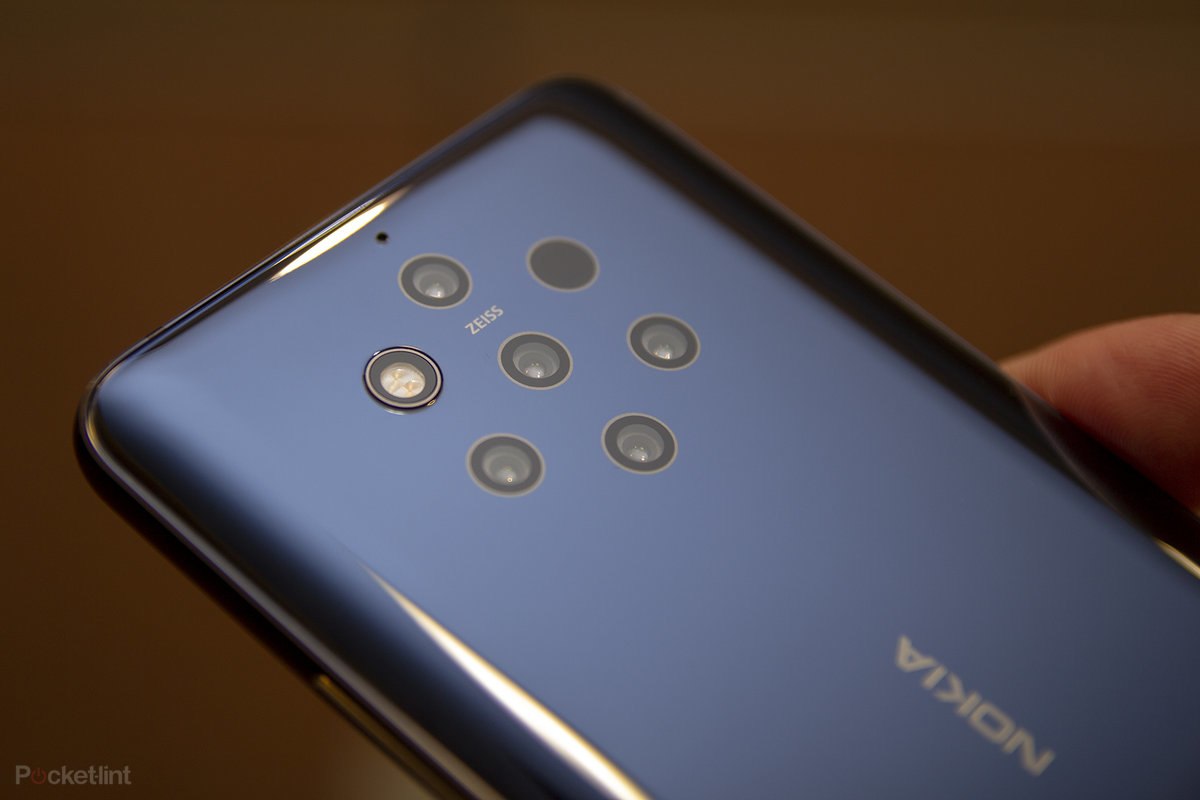
    Now that we know the name of the next version of Android, the next question you have is “when will my phone receive it?” If you own a Nokia phone (made by HMD Global under license from Nokia), we can give you that information right now, straight from the manufacturer’s mouth. Nokia has released a roadmap giving us a quarter-by-quarter look at its schedule for updating its Android phones. Keep in mind that there could be changes made along the way; in the past, we’ve seen manufacturers regret that they released any type of schedule for software updates. Disappointed Android users are an angry group, but HMD Global apparently feels confident enough to release the roadmap.

    During the middle of the fourth quarter of this year (approximately sometime in November), Nokia plans on disseminating Android 10 to the Nokia 7.1, Nokia 8.1 and the Nokia 9 PureView.  That will be followed with an update to the next group of phones early in January 2020. That batch includes the Nokia 6.1, Nokia 6.1 Plus and the Nokia 7 Plus. Early in the first quarter (which runs from January through March), Android 10 will be sent out to the Nokia 2.2, Nokia 3.1 Plus, Nokia 3.2 and the Nokia 4.2. A few weeks after those phones are updated, the latest Android build will be pushed out to the Nokia 1 Plus, Nokia 5.1 Plus and the Nokia 8 Sirocco. And four phones will be updated during the second quarter of 2020 (April through June. Those models are the Nokia 2.1, Nokia 3.1, Nokia 5.1, and the Nokia 1.

    HMD Global has been pretty good about updating its phones and even kept its promise to bring Android 9 Pie to the 2017 version of the Nokia 6 back in February. The latter is powered by a Snapdragon 430 chipset and has 3GB of memory.

    Android 10 features a new gesture system for navigating through the UI, system-wide dark mode, Focus Mode for Digital Wellbeing allowing users to mute notifications from distracting apps, Live Captions, improved notification settings and more.

  • Cafes and bookstores in China riding wave of creative boom

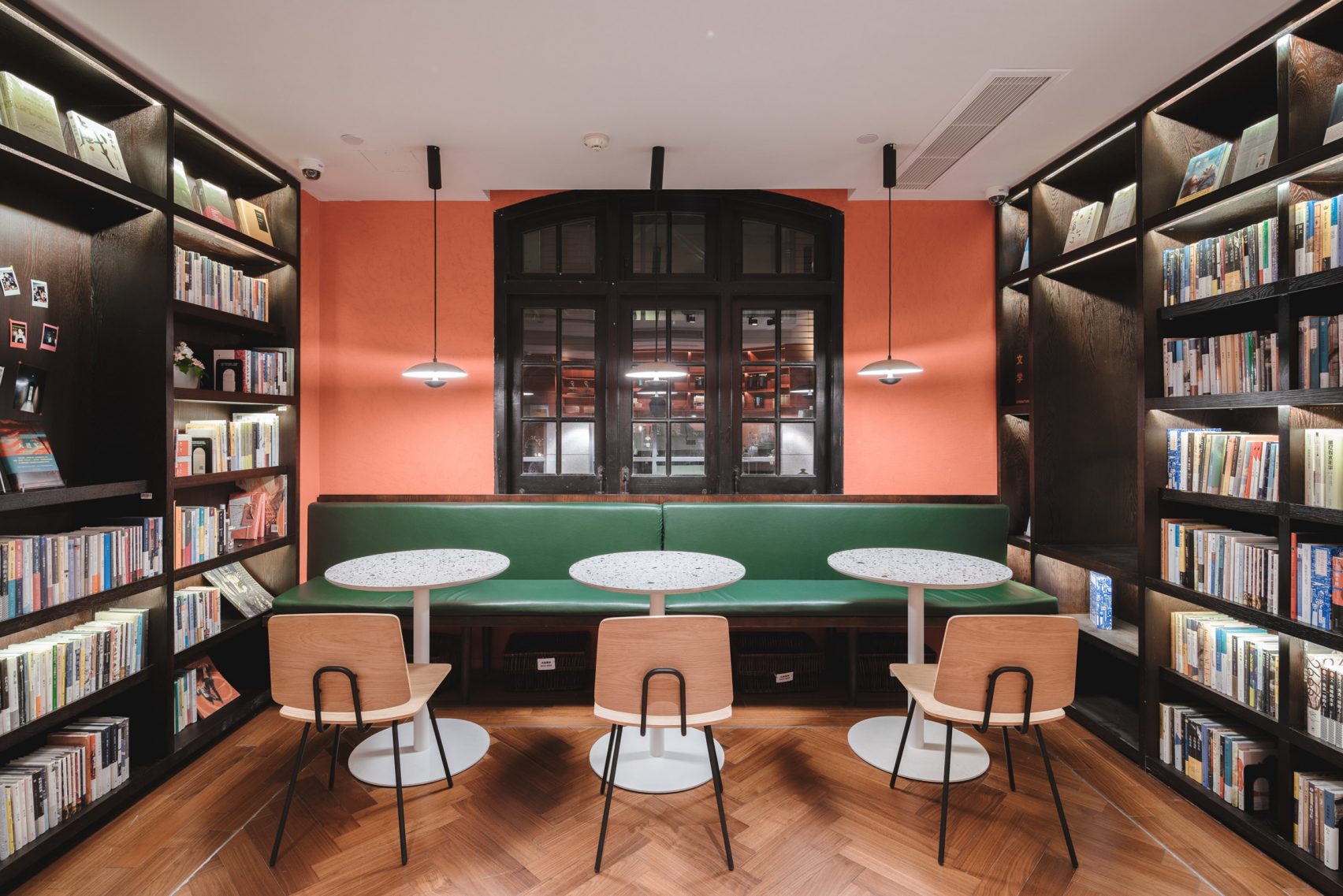
    Cafes and bookstores in China riding wave of creative boom

    China’s cultural and creative industries are entering a positive era, according to a new report by Mintel, Cultural And Creative Products Retailing.

    And cafes and bookstores in China are among the primary beneficiaries.

    The firm found that with China shifting from a primarily manufacturing economy toward a more service- and creative-centric one, Chinese consumers are paying more attention to cultural and leisure lifestyles.

    The research revealed that as many as three in five (60 per cent) of urban Chinese respondents said that they have been visiting more cafes in the past six months, while more than half of respondents have increased visits to libraries (56 per cent) and bookstores (55 per cent). What’s more, two in five (40 per cent) of urban Chinese respondents say they have been visiting more museums and over a-third (36 per cent) say the same of art galleries.

    Meanwhile, lower tier cities in China present great potential for cultural and creative industries. Mintel found that 61 per cent of respondents from Tier 2 cities visited libraries more in the past six months as compared to just over half (51 per cent) of respondents in Tier 1 cities. Similar figures held for bookstores and art galleries.

    “Chinese consumers, today, are paying more attention to cultural and leisure lifestyles, and therefore, are spending more money on leisure and entertainment,” said Mintel China Reports category research director, retail Chih-yuan Wang.

    “As discussed in our report Mintel Trend ‘Slow it All Down’, as lives become faster and more hectic, there is a wider appreciation for taking one’s time. Cultural and creative products present the opportunity for Chinese consumers to enjoy a degree of slow-paced escapism—also why cafes, libraries and bookstores are now at the centre of cultural and creative leisure lifestyles in China. We are seeing the emergence of new-format bookstores and lifestyle stores featuring comfortable spaces, aligning with consumers’ pursuit of leisure and better living. It’s not just about selling products; it’s also about selling a way of life.”

    Research from the flagship report shows that Chinese consumers are actually spending more on leisure and entertainment; total expenditure in the sector reached an estimated RMB2,048 billion (US$289.1 billion) last year, growing 9.7 per cent from 2017. Mintel research also reveals that going to the cinema has become the most popular cultural activity, with three-quarters (74 per cent) of urban Chinese respondents having purchased film tickets within the past six months. This is followed by spending on exhibitions (40 per cent) and concerts, operas, dramas or plays (35 per cent).

    “Despite the popularity of video streaming services, our research shows that Chinese consumers love going to the cinema,” said Wang. “Going to the cinema is perceived as a leisure activity rather than a cultural one, showcasing the potential to explore the cultural aspects of cinema and the overall film industry. Transforming cinema from a leisure venue into a cultural venue will open up opportunities for the film- or play-related merchandise market.”

  • Just google Amazon fire

    Just google Amazon fire

    The rainforest is burning. So much so, that it can be seen from space and people are starting to get worried over the unprecedented forest fire spread, just like in Siberia or Alaska this year, which is shaping up to be the hottest on record.

    The thing with Brazil’s rainforest, however, is that it not only gobbles vast amounts of greenhouse gases, but also serves as a vast cloud highway that helps maintain the global climate balance. You’ll hear varying opinions on the level of disaster in our divided society – either that July and August are the typical forest fire months and the intensity is actually below average, or that the scale is unprecedented, and 85% higher than last year.

    In any case, we are not here to argue about climate change but to note one amusing fact that happened around South America’s fires. The most famous natural wonder there is undoubtedly the amazonian rainforest, so, naturally, people who were interested to read more on the matter keyed into Google the words “Amazon fire” as one does.

    With Google, Facebook and Amazon occupying nearly 80% of the online advertising space and budgets, however, the first and subsequent search results were about the Amazon Fire tablet. The law of unintended consequences kicked in for Amazon, and it must have sold a boatload more of its budget slates than usual in this back-to-school month.

    Google quickly fixed that wrong, and when you search for Amazon fire now, that’s exactly what comes up as the first result – information about the flames running through the rainforest, as well as various musings whether they are caused by climate change.

    The Amazon Fire tablet and various Bezos-endorsed gadgets, however, are still strong in the news search as you can see from this current snippet below – oh, the world we live in!

  • Samsung unveils the new Galaxy A50s and A30s

    Samsung unveils the new Galaxy A50s and A30s

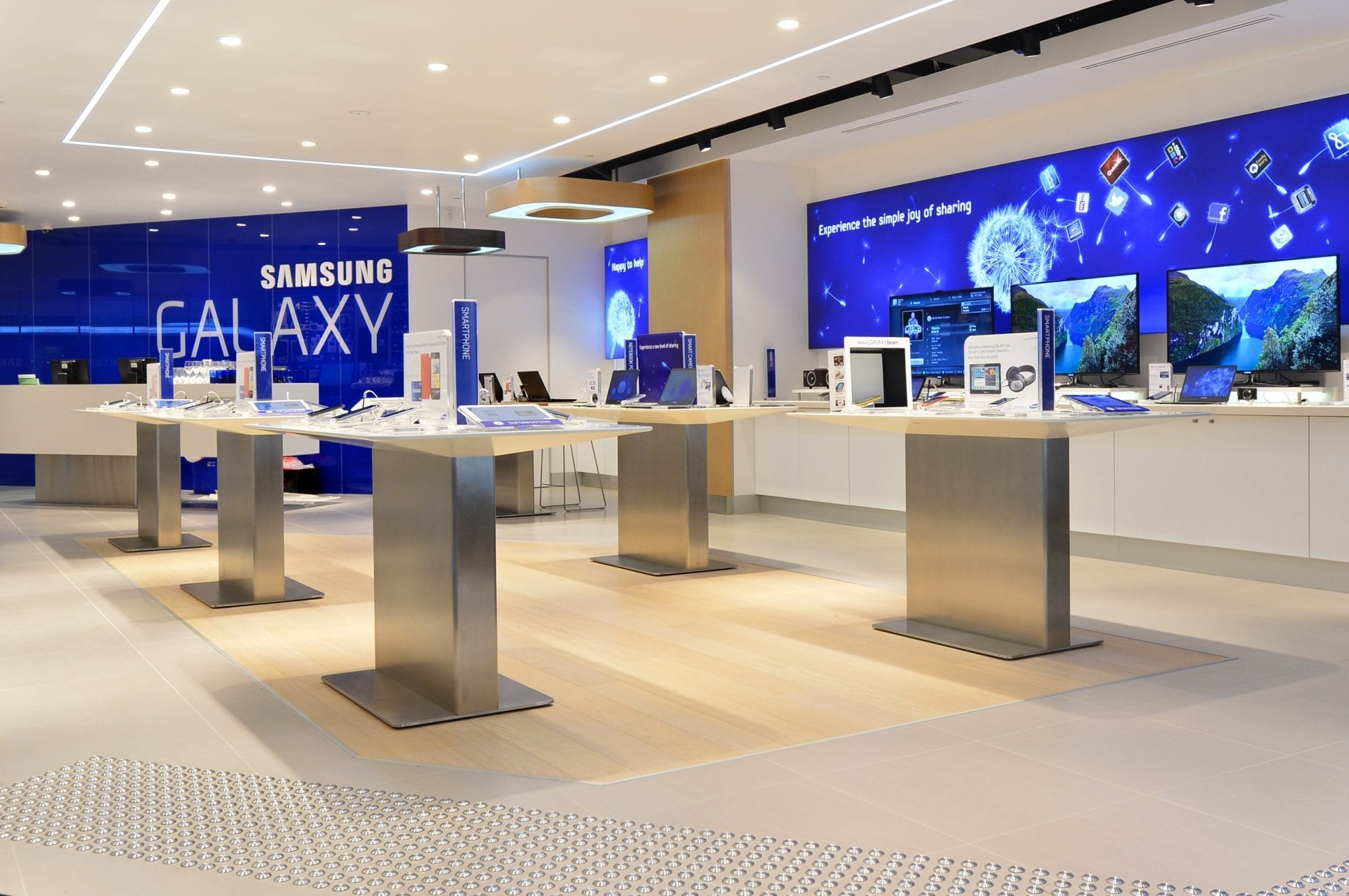
    Samsung continues to add tons of new smartphones to its Galaxy A series and the latest additions, Galaxy A30s and A50s, promise upgraded essential features, made even more powerful. Their main selling points are the triple-camera and big battery, but that doesn’t mean the rest of the features aren’t top-notch for a mid-tier phone.

    Unfortunately, there’s no information about price and availability yet, but Samsung announced they will come in four colors: Prism Crush Black, Prism Crush White, Prism Crush Green, and Prism Crush Violet.

    On paper, the Galaxy A30s seems to be the cheapest of the two, but probably not by much since the phones share many of the specs. For example, both phones boast massive 6.4-inch Super AMOLED Infinity-V displays, but the one on the Galaxy A30s has HD+ resolution, whereas the Galaxy A50s’ offers full HD+ resolution.

    Furthermore, Samsung Galaxy A30s packs an impressive triple camera (25MP+5MP+8MP), a secondary 16-megapixel selfie snapper, a 1.8GHz octa-core processor, either 3GB or 4GB RAM, 32GB/64GB/128GB expandable storage, and a huge 4,000 mAh battery.

    As mentioned earlier, the Samsung Galaxy A50s features similar specs, but it’s got a better triple camera (48MP+5MP+8MP), a larger 32-megapixel selfie shooter, a more powerful 2.3GHz octa-core processor, either 4GB or 6GB RAM, and 64GB/128GB expandable storage.

    Also, both Galaxy A series phones feature on-screen fingerprint, 15W fast charging support and USB Type-C port. However, it’s just the Galaxy A50s that comes with a dedicated Bixby button. Naturally, the Galaxy A30s and A50s will ship with Android 9.0 Pie right out of the box.

  • Alibaba Hong Kong IPO postponed due to city unrest

    Alibaba Hong Kong IPO postponed due to city unrest

    The planned US$15 billion Alibaba Hong Kong IPO has been postponed due to continuing political unrest in the city.

    The firm’s stance towards the issue is being taken by observers as indicative of the general mood of both mainland businesses and the Beijing administration towards Hong Kong.

    Alibaba made the decision at a board meeting last week noting financial and political instability in the area. A new schedule for the listing has yet to be established, pending an improvement in the situation.

    “It would be very unwise to launch the deal now or anytime soon,” said an anonymous source familiar with the board’s thinking on the matter. “It would certainly annoy Beijing by offering Hong Kong such a big gift given what’s going on in the city.”

    The Alibaba Hong Kong IPO would likely be the world’s largest listing this year when it proceeds. It follows the sale of an 11-per-cent stake in Alibaba by Yahoo offshoot Altaba earlier this year.


  • Apple report details iPhone Pro, AirPods 3, iPad upgrades, much more

    Apple report details iPhone Pro, AirPods 3, iPad upgrades, much more

    Apple is readying an onslaught of hardware products that’ll be announced over the next few months. The first of these will seemingly arrive in less than three weeks and today a new report by Bloomberg has detailed the company’s plans.

    According to people familiar with the situation, Apple is preparing to announce three new iPhone models at an event next month. The lineup will reportedly include two ‘Pro’ models that’ll succeed last year’s iPhone XS series and a cheaper iPhone XR replacement which could be branded as ‘iPhone 11’ or simply ‘iPhone.’

    This year’s premium models, as previous reports have indicated, will include a triple-camera system on the back that consists of a primary sensor, a telephoto camera, and an ultra-wide-angle alternative which grants access to a 120º field of view. The setup will capture three images simultaneously before stitching them together with the help of artificial intelligence to create a better photo that doesn’t cut out any important details.

    Apple’s next-gen photographic system will take higher resolution pictures that can rival “some traditional cameras.” Improvements in “very low-light environments” are to be expected too in addition to drastically upgraded video recording capabilities. According to sources, the Cupertino-based company has developed a feature that allows video to be retouched while being recorded. Users should also be able to apply effects, alter colors, reframe, and crop.

    The non-Pro iPhone 11 won’t be receiving a third wide-angle camera like its premium siblings but it should still inherit some important upgrades. Specifically, the smartphone’s expected to include a dual-camera system that’ll boast a 2x telephoto zoom camera and ultimately support an enhanced portrait mode.

    All 2019 iPhones are set to include Apple’s yet-to-be-announced A13 processor paired with a new co-processor chip known internally as “matrix” or “AMX.” This will handle certain math-heavy tasks and may result in an improved augmented reality experienced. Speaking of which, Apple is readying new 3D cameras for its 2020 iPhone series that’ll take this to the next level.

    Almost one year after Huawei first introduced the feature and around six months after Samsung announced its alternative, Apple has reportedly created its own reverse wireless charging system that’ll be present on this year’s ‘Pro’ models. The feature will let users power-up their AirPods by placing them on the iPhone’s rear. It should also work with the Apple Watch and other Qi-ready products.

    This year’s premium models will be identical from the front to the iPhone XS and XS Max that they replace but some important changes have apparently been made. According to today’s report, a new multi-angle Face ID system that works even when the devices are flat on a table will be present. Additionally, Apple has reportedly enhanced water resistance dramatically. So much so that users should be able to submerge the new iPhones for far longer than 30 minutes.

    Other changes will reportedly include a new “shatter-resistance” technology and a matte finish on the rear with some colors. Also worth pointing out is the presence of updated OLED displays which will ditch the 3D Touch system in favor of more advanced Haptic Touch.

    Corroborating previous information, Bloomberg believes Apple will announce a new 10.2-inch entry-level iPad that’ll replace the existing 9.7-inch model. Exact details are yet to be revealed but a reduction in the thickness of bezels is to be expected alongside significant internal upgrades and potentially a dual-camera system on the rear.

    In addition to this, the California-based company is reportedly preparing some upgrades to its iPad Pro series. The devices will look identical to the existing models from the front but should boast an iPhone Pro-like triple-camera system on the rear. Additionally, internal upgrades that’ll likely involve the addition of Apple’s A13X chip are to be expected.

    The Apple Watch has been upgraded on an annual basis for several years now and 2019 looks set to be no different. But after introducing some rather drastic changes twelve months ago, it seems the company is preparing only minimal changes for this year’s update.

    Bloomberg says Apple will be focusing primarily on the added features that watchOS 6 introduces and some new case finishes which should include ceramic and titanium model. Some internal upgrades are possible but concrete info is yet to emerge.

    While on the topic of wearables, it seems a pair of premium AirPods is currently in the works. The version will be more expensive than the current $159 pair but should include new features such as water resistance and noise cancellation. Apple was initially planning a launch alongside this year’s iPhones but the introduction has now been pushed back until next year.

    Completing Apple’s lineup of products is HomePod. The original continues to sell pretty poorly across the globe due to its high $300 price and it seems the company is planning to address this issue with a cheaper model that’ll have just two tweeters instead of the current model’s seven.