Tag: asia

  • UOB Opens Hanoi Branch

    UOB Opens Hanoi Branch

    The bank’s first branch outside Ho Chi Minh City comes a year after the incorporation of UOB (Vietnam), the bank’s Vietnam subsidiary.

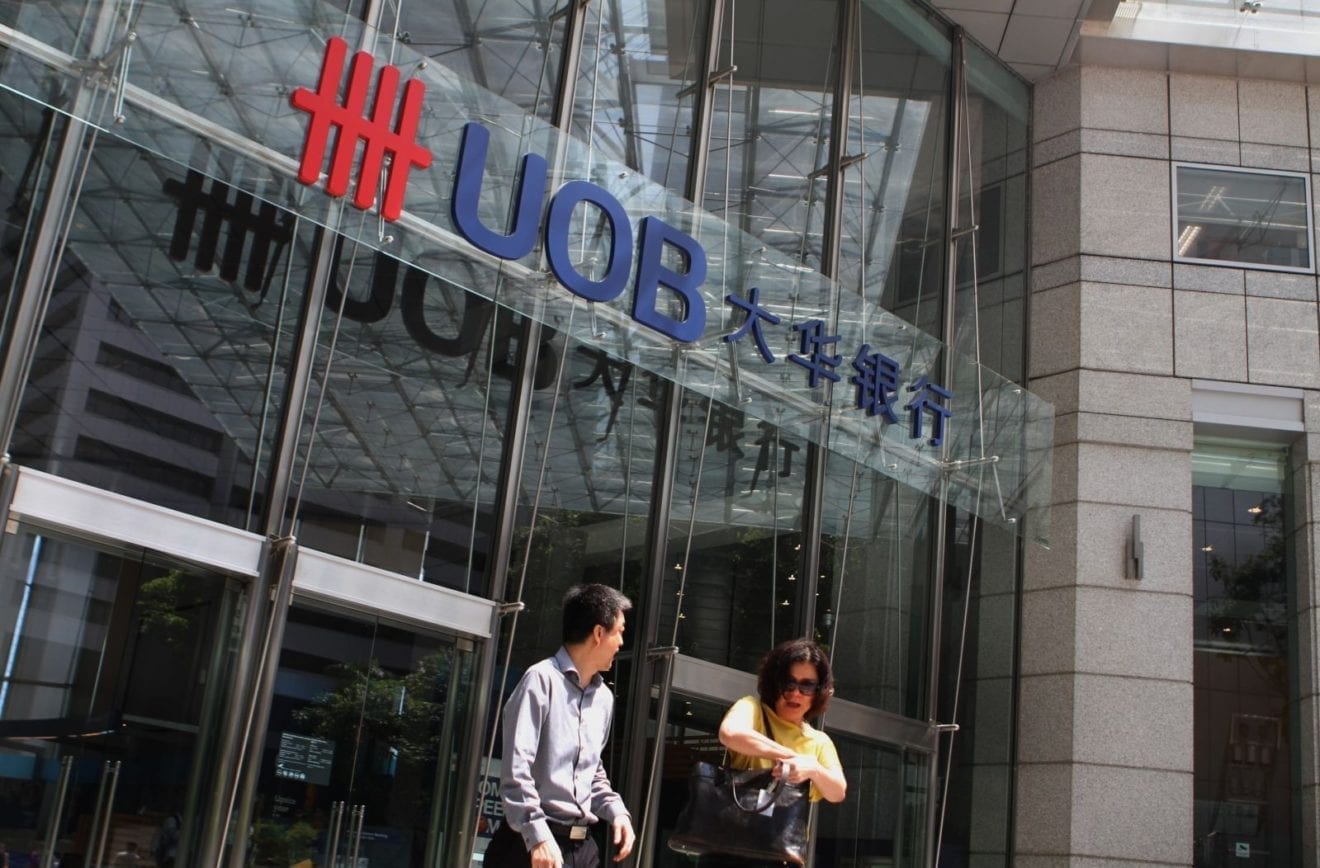
    United Overseas Bank (UOB) has announced the opening of its first branch in Vietnam’s capital Hanoi, marking the bank’s first foray out of Ho Chi Minh City, where it has operated a representative office since 1993.

    Our new branch reflects our continued confidence in the country as we seek to serve more customers in both the northern and southern parts of Vietnam. It will enable us to connect customers to the opportunities that Vietnam offers and to support Vietnamese companies in seizing opportunities across ASEAN and further afield, Wee Ee Cheong, UOB deputy chairman and chief executive, said about the milestone in a press statement.

    UOB (Vietnam) CEO Harry Loh noted the significance of Hanoi as an important gateway for the country’s fast-growing northern cities.

    UOB was the first Singapore bank to open a branch in Vietnam in 1995. In 2017, UOB received a foreign-owned subsidiary bank (FOSB) licence from State Bank of Vietnam, which enabled it to extend its branch network beyond Ho Chin Minh City and to offer its products and financial solutions to businesses and consumers located in other cities.

    The bank said the new branch reflects UOB’s commitment to providing its financial services and solutions to more customers across the country.

  • PayPal-Backed Digital Lenders Raise $110 Million

    PayPal-Backed Digital Lenders Raise $110 Million

    PayPal-backed digital lender Tala has raised another $110 million to enter the Indian market, increasing the firm’s total estimated value to more than $750 million.

    The five-year old California-headquartered startup specializes in digital lending, building credit profiles based on customer texts, call logs, merchant transaction, app usage and other behavioral data through an Android app. Loans can then be approved within minutes and the firm has lent over $1 billion to more than 4 million customers, up from $300 million and 1.3 million customers last year.

    The firm has raised over $215 million, according to a media report, and the latest round’s funds will be used to enter the India market. Prior to the launch, the firm conducted a 12-month pilot program to research the market and also set up a tech hub in Banglore.

    In addition to India, a portion of the funds will be used to expand to existing markets including East Africa, Mexico, and the Philippines and also build new solutions. Moving forward, Tala is also eyeing other markets in South Asia and Latin America.

  • SoftBank to Allow Setting of Cash Amount for IPO Subscription

    SoftBank to Allow Setting of Cash Amount for IPO Subscription

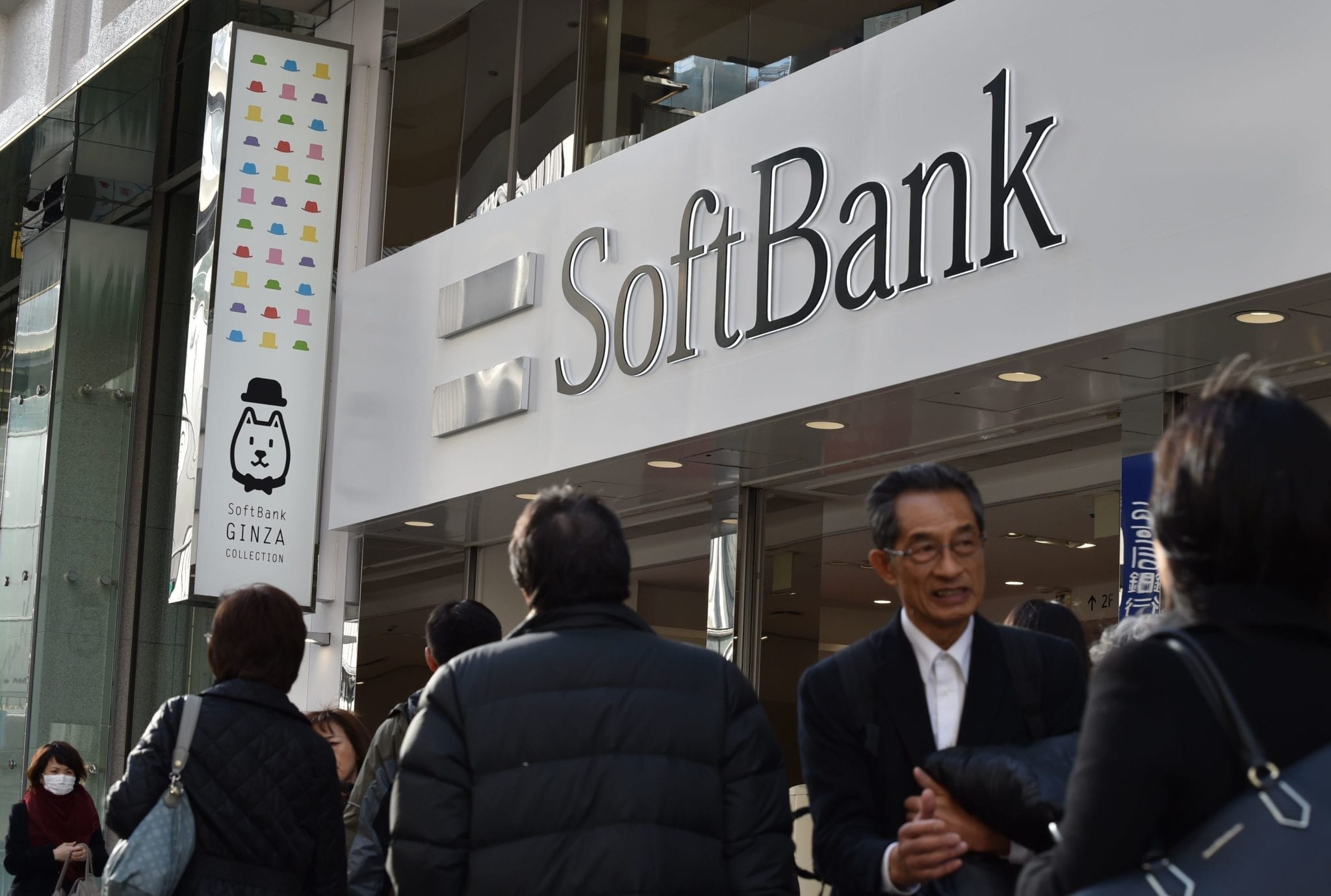
    SoftBank’s brokerage unit plans to do something that has never be done in Japan’s capital markets – allowing individuals to participate in initial public offerings by setting the amount they wish to pay, rather than by the number of shares.

    The investment giant plans to offer the shares of One Tap BUY, a smartphone-based brokerage controlled by its wireless unit, through this method as early as March 2020. Once it obtains the necessary regulatory approvals, this will mark the first time that investors can subscribe to an initial public offering (IPO) by a specified investment amount rather than a specified number of shares as done traditionally, said One Tap BUY chief executive Masaaki Uchiyama.

    Investors can participate in IPOs for as little as 1,000 yen ($9.39). When you buy food or fuel your car, it’s easier to specify the amount of money you want to spend rather than the volume. The only thing investors want to know is how much they can gain from $10, said Uchiyama, who was quoted in Bloomberg.

    SoftBank, along with Line and Rakuten are racing to onboard more customers via financial services. Line started an online brokerage with Japan’s biggest bank, Nomura Holdings whereas Rakuten last month announced it will start lending and issuing credit cards in the U.S. All three are expanding into new markets, targeting younger and less well-off investors.

    SoftBank owns 46 percent of One Tap BUY, while Mizuho Securities holds 13 percent. Uchiyama, who joined the smartphone-based brokerage in 2016 after stints at the predecessors of SMBC Nikko Securities and Accenture, became the CEO in July.

  • UBS and Unsystematic Selection Hurts Chinese Fund Industry

    UBS and Unsystematic Selection Hurts Chinese Fund Industry

    Fund of funds are becoming critical in China’s domestic market for diversification and, in particular, hedge fund exposure. But unsystematic performance-chasing from market players do not inspire confidence, UBS Asset Management said.

    Since the fund of fund (FoF) investment philosophy in the domestic market is at a relatively early stage, we see that some FoFs just invest in the top-ranking fund managers based on performance, Shanghai-based fund manager at UBS Asset Management Xia Kun shared.

    In these instances, we believe that the selection for managers is not systematic with insufficient strategic diversification and active management. It is difficult for an FoF to show its features and advantages of diversification when countering market fluctuation, which may have a negative impact on investor’s recognition and acceptance of such a product.

    According to Xia, demand for FoFs is rising due to the growing need for general asset allocation and hedge fund exposure – a key aspect for onshore investors that may have limited to options to protect against the local market downside. But he adds that the universe of strategies is complex and the liquidity covenants are cumbersome, setting a high barrier for investors that lack resources and skill.

    Demand for high-quality actively-managed fund products has burgeoned in line with the implementation of the new asset management regulations that call for a shift from guaranteed-return to NAV-based products in China, Xia explained.

    He cites recent calls by authorities to tighten the wealth management industry in China in an effort to create greater discipline amongst creditors, debtors, distributors, and investors.

    UBS Asset Management recently launched its A&Q China Diversified Fund of Funds in Shanghai to provide what it envisions as an «all-weather» portfolio to provide alternative beta sources. The funds invests in established and emerging managers across equity fundamental, commodity (CTA) and quant equity funds. It is looking to add more managers, especially for fixed income strategies.

    We believe the unique positioning of this onshore fund to better satisfy investors’ demand and our expertise in the area will help build the scale in the local market over time.

  • UBS is the Last Bank to Sponsor Formula 1

    UBS is the Last Bank to Sponsor Formula 1

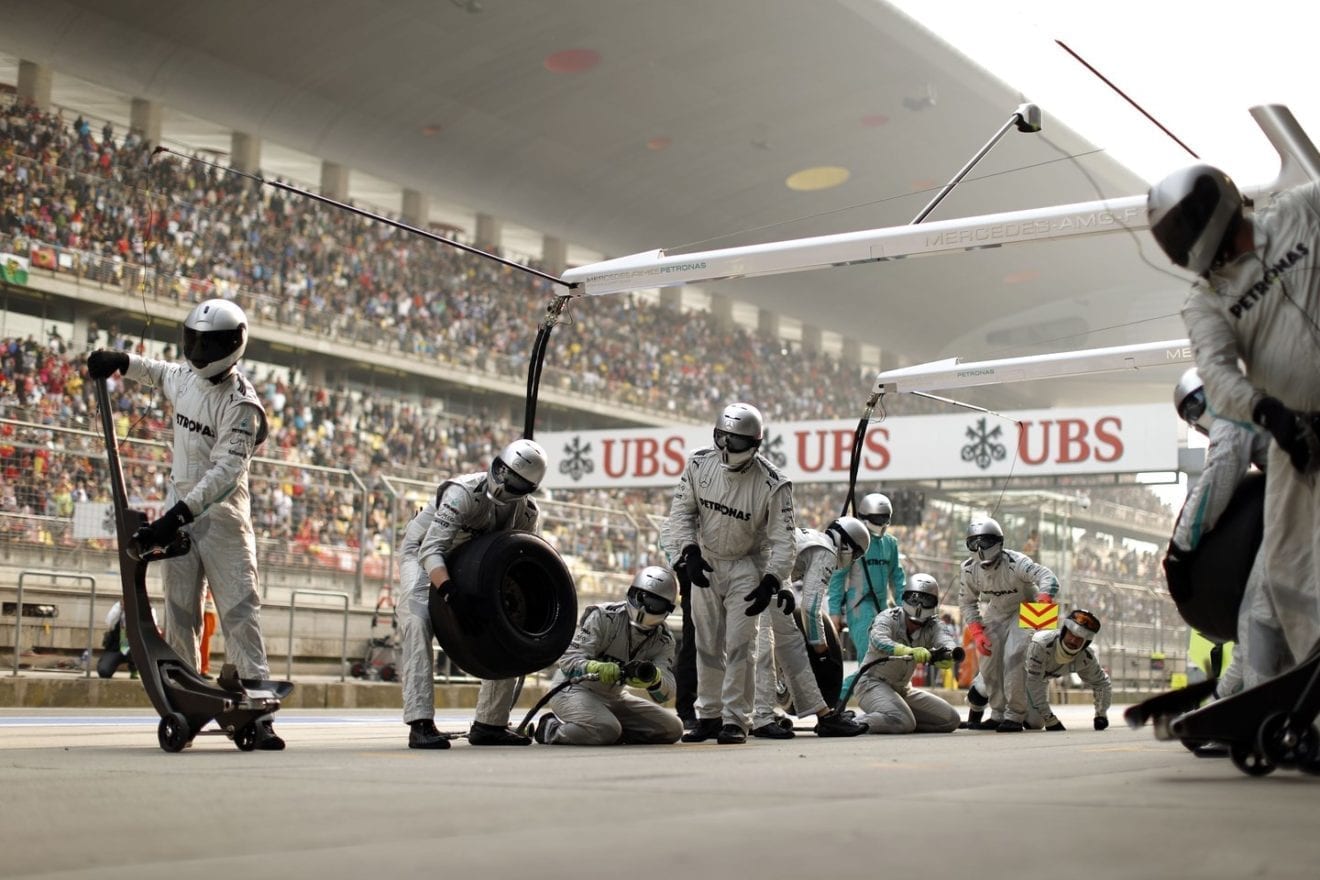
    Formula 1 motor racing used to attract droves of sponsors from the financial industry. Today, UBS is the industry’s last representative as a backer of the sport. How does its involvement fit with the drive to be a sustainable bank?

    Switzerland knew two major bank bosses with a strong affinity to motor racing: Eduardo Eddie Lehmann, CEO of Falcon Private Bank until 2016. His bank used to back the Toro Rosso team for a couple of years. The other famous banker was Oswald Gruebel. One of his employers, Credit Suisse, was the main sponsor of the Hinwil-based Sauber F1 team, and his other bank, UBS, took over as a major sponsor of the whole racing series.

    The sport remains banned in Switzerland due the risks that are associated with it, but still attracts billions of viewers across the globe. Lehmann was very frank in his assessment of the rationale behind his investment in F1: the rich love what they can’t get, and the F1 series isn’t easily bought, he used to say.

    Both Lehmann and Gruebel are out of their jobs – while UBS remains a sponsor of F1, a deal that is in its ninth year. The Swiss are the last among the major global banks to be sponsors of the biggest motor-racing series, French newspaper Les Echos noted recently.

    The financial crisis put paid to many great sponsorship deals and ING was quick to pull the plug on its support of F1. Both ABN Amro and Royal Bank of Scotland (RBS) followed suit. In 2017, Spain’s Santander exited the business of motor racing by quitting as sponsors of Ferrari.

    Les Echos suggested that F1 represented pretty much everything that banks wanted to leave behind them after the financial crisis – egotism, a focus on risk and speed, the destruction of the environment and noise pollution.

    UBS begged to differ. The bank said it was extremely proud about the cooperation with its partners in Formula 1 in a response to an inquiry from Les Echos. UBS also said that the sponsoring deal allowed it to conduct its business and build relationships with clients, when asked about the impact on its reputation as a sustainable bank. It was to remain a F1 sponsor as long as it made sense for its brand.

    The sponsoring of F1 undoubtedly will enhance the global recognition of a brand and UBS focused mainly on Asian markets such as Singapore, Kuala Lumpur, Shanghai and Abu Dhabi, places where F1 has races taking place each year.

    The volume of the deal is not known. In 2014, the bank confirmed a payment of 30 million francs, with insiders saying that this figure did not include the invitations to 1,000 of its clients to events across the world. The whole package seems to have reached a figure in the three-digits under Gruebel’s tenure – every year.

    UBS obviously knows that F1 racing isn’t congruent with a promotion of social and ecological values. But in its response to «Les Echos», the bank said that a balance was struck between a pursuit of its business by sponsoring F1 while attempting to improve its ecological footprint on ongoing basis.

    It also said that F1 had been the first international sports event to start compensating its carbon dioxide output. The series, the argument goes, has been CO2-neutral since 1997, long before others followed suit.

    Evidently, UBS would have liked to become a main sponsor of the Formula E racing series, which boasts a more environmentally friendly package. Alas, Julius Baer, the Swiss private bank, was quicker to put its pen to paper.

  • Retail bankruptcies dent Li & Fung turnover

    Retail bankruptcies dent Li & Fung turnover

    Retail bankruptcies and destocking impacted Li & Fung turnover during the first half of this year, but the world’s largest supply-chain solutions provider returned to profit.

    On a like-for-like basis, turnover decreased 8.4 per cent to US$5.356 million as brands and retailers continued to face pressure on sales and margins. However, those factors were offset by growing market share for some of Li & Fung’s key customers and new customer wins.

    Core operating profit decreased 18.6 per cent to US$105 million due to a decrease in turnover and total margin in the Supply Chain Solutions business, and continued investment in digitalisation in line with the company’s long-term plan.

    However, profit attributable to shareholders swung back to positive, at US$21 million compared with a loss in the same period last year of US$86 million.

    “We are facing increasing geo-economic instability and uncertainty,” said group chairman William Fung. “Regardless of other factors, the acceleration of the migration of production out of China will continue given China’s upgrading of its industrial base from a manufacturing exporter to a high-technology service provider.”

    Fung said the company has experienced constant fluctuation in global trade over its long history and the current challenge was not entirely new.

    “That is why we continued to maintain a well-diversified sourcing network spanning more than 50 economies and avoided over-reliance on any single market, even when the environment appeared benign. This continues to be the right approach. Our ability to leverage this extensive network puts Li & Fung in the best position to help our customers optimise their sourcing and production and minimise tariff impact. The proliferation of bilateral free trade agreements has become the new norm, and this presents Li & Fung with opportunities not seen for the past 20 years.”

    Spencer Fung, group CEO of Li & Fung, said the company’s new management team has been focused on restructuring the company and all operational KPIs are now improving for both customers and suppliers.

    “We are starting to gain momentum and winning market share and new customers due to our operational excellence, global diversified network and 3D virtual-design services. As a result, turnover decline is stabilising and beginning to bottom out.”

    The new management team has been focused on accelerating the company’s turnaround and digital transformation, a strategy already producing positive results, he said.

    The digitalisation transformation has continued to make significant progress with more customers approaching Li & Fung for digital services and assistance in integrating digital product development into their work processes. The company is helping brands and retailers “take their own digital leap” into digital design and development, digital planning and assortment, and digital selling.

    Meanwhile, the logistics business continued its profitable growth momentum in the first six months of this year. In-country logistics services had strong top-line and bottom-line double-digit growth, the company said.

    China continued to lead the way, supported by an upsurge of domestic consumption, especially via e-commerce for which LF Logistics enjoyed first-mover advantage due to its early investment in e-logistics. Accelerated development in LF Logistics’ Asean operations contributed to high growth rates and the new markets of South Korea, Japan and India recorded “impressive results”.

    During the half year, Singapore’s Temasek completed a US$300 million investment to take a 21.7-per-cent stake in LF Logistics, valuing the business at $1.4 billion.

  • Hong Kong Banks Urge Harmony in Full-Page Ads

    Hong Kong Banks Urge Harmony in Full-Page Ads

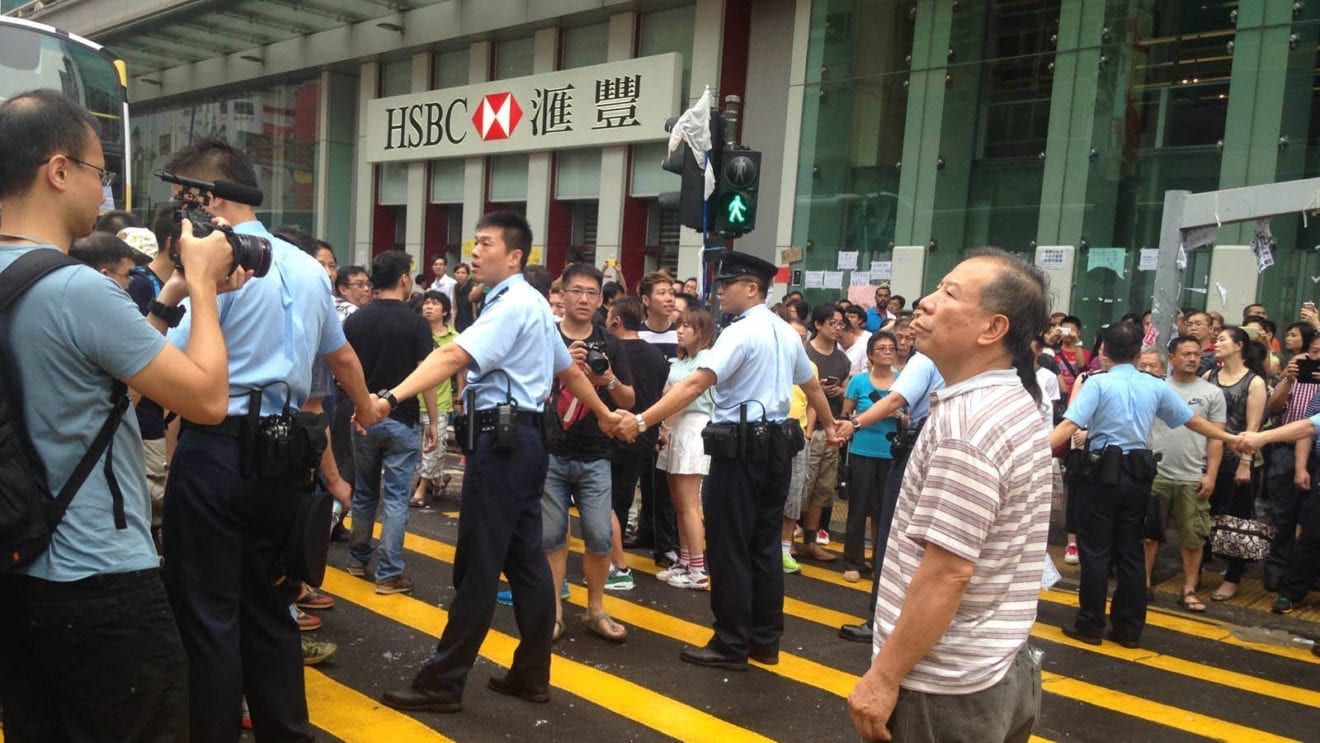
    Some of Hong Kong’s largest banks have published full-page newspaper advertisements on Thursday urging for the restoration of social order, one week after some protestors call for cash withdrawals at banks and ATMs.

    HSBC, Standard Chartered and Bank of East Asia, have taken up advertisements in major newspapers in the Asian financial hub, urging for the restoration of social order. HSBC urged all parties to resolve their disagreement through communication rather than violence.

    Standard Chartered said in Thursday’s advertisements the bank supported the special administrative region’s government to uphold social order and «guard the status of Hong Kong as an international financial center,» Bloomberg reported. However, HSBC and Bank of East Asia did not refer to the government in their advertisements.

    Calls by Hong Kong protesters last week to withdraw all their money out of ATMs and banks may have put strains on some banks’ operations. On 16 August, Hong Kong protesters plan to withdraw as much money as possible from their banks or change their currency into U.S. dollars, both to protect their own assets and to show the mainland that the semiautonomous island is more than just a cash cow, various media reported.

    Some netizens on online forum LIHKG have expressed frustration as some ATMs in the city had run out of the U.S. currency.

    In response, Hong Kong’s biggest banks said they have enough notes on hand to handle any surge in demand for cash, should the need arise. Bank of East Asia, DBS, OCBC Wing Hang Bank, and Hang Seng Bank said they have put contingency plans in place, and are keeping their eyes on withdrawals via their teller machines.

    HSBC, the largest of the city’s three currency-issuing banks, said it «has sufficient supply of banknotes and is committed to supporting its customers and the smooth operation of the financial system in Hong Kong, said a bank spokeswoman.

  • Kia Motors Receives Over 32,000 Bookings For Seltos Compact SUV

    Kia Motors Receives Over 32,000 Bookings For Seltos Compact SUV

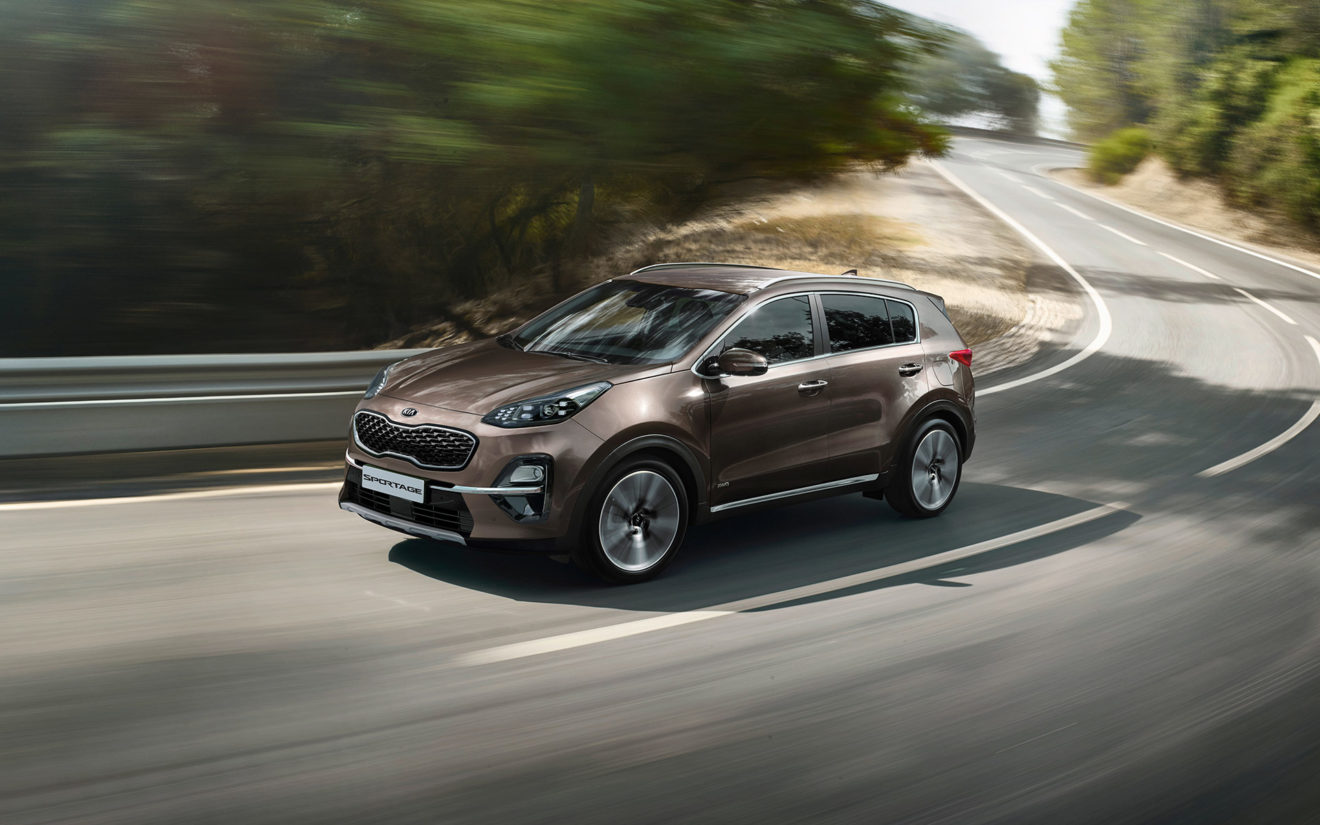
    The Kia Seltos compact SUV has been launched in India, with prices starting at ₹ 9.69 lakh and going up to ₹ 15.99 lakh (ex-showroom, Delhi). Kia has received over 32,000 bookings in India since it started taking bookings for the Seltos July 16, 2019 onwards. In fact, the company received more than 6,000 bookings on the first day itself. By the first week of August 2019, the number of bookings went up to 23,000 units. Kia says that over one-fifth of the bookings have been done online, from Kia’s website. The company has already manufactured over 5,000 units of the Seltos from its Anantpur facility in Andhra Pradesh! Kia’s production plan for the Seltos is set and the company will start the deliveries of the Seltos from today itself. Manohar Bhat, Head, Sales & Marketing, Kia Motors India, said that the company will not stop taking bookings for the Seltos. The Anantpur plant currently has production capacity of 300,000 units annually.

    There will be a total of 16 variants on offer with three engine options and two trims. The three engine options which are the 1.4-litre GDI turbo petrol, the naturally-aspirated 1.5-litre petrol, and 1.5-litre diesel engine will be conforming to Bharat Stage 6 (BS6) emission norms right from the beginning. All three motors will be BS-6 (Bharat Stage VI) complaint from the time of the launch. The 1.4-litre GDI turbo petrol motor is tuned to produce 138 bhp and 242 Nm of peak torque, and comes paired with a 6-speed manual and a 7-speed automatic transmission. The 1.5-litre NA petrol belts out 113 bhp and 144 Nm of peak torque, and is paired with a 6-speed manual and an IVT (Intelligent continuously variable transmission) automatic transmission. Lastly, the 1.5-litre VGT diesel produces 113 bhp and 250 Nm of torque, and is paired with a 6-speed manual and a 6-speed torque converter automatic transmission.

    The Seltos will also be equipped with the UVO (Your Voice) connected car tech that can be controlled via a 10.25-inch touchscreen infotainment system. The SUV also gets an 8-speaker sound system by Bose, segment-first a 360-degree surround camera, an 8 inch heads up display, and a 7-inch colour TFT unit for the instrument console. Other features include – LED headlamps and fog lamps, rear reclining seats, ventilated seats, eight-way power-adjustable driver seat, wireless charging, electric sunroof, rain-sensing wipers and more.

  • HSBC Considering Purchase of Aviva’s Asia Business

    HSBC Considering Purchase of Aviva’s Asia Business

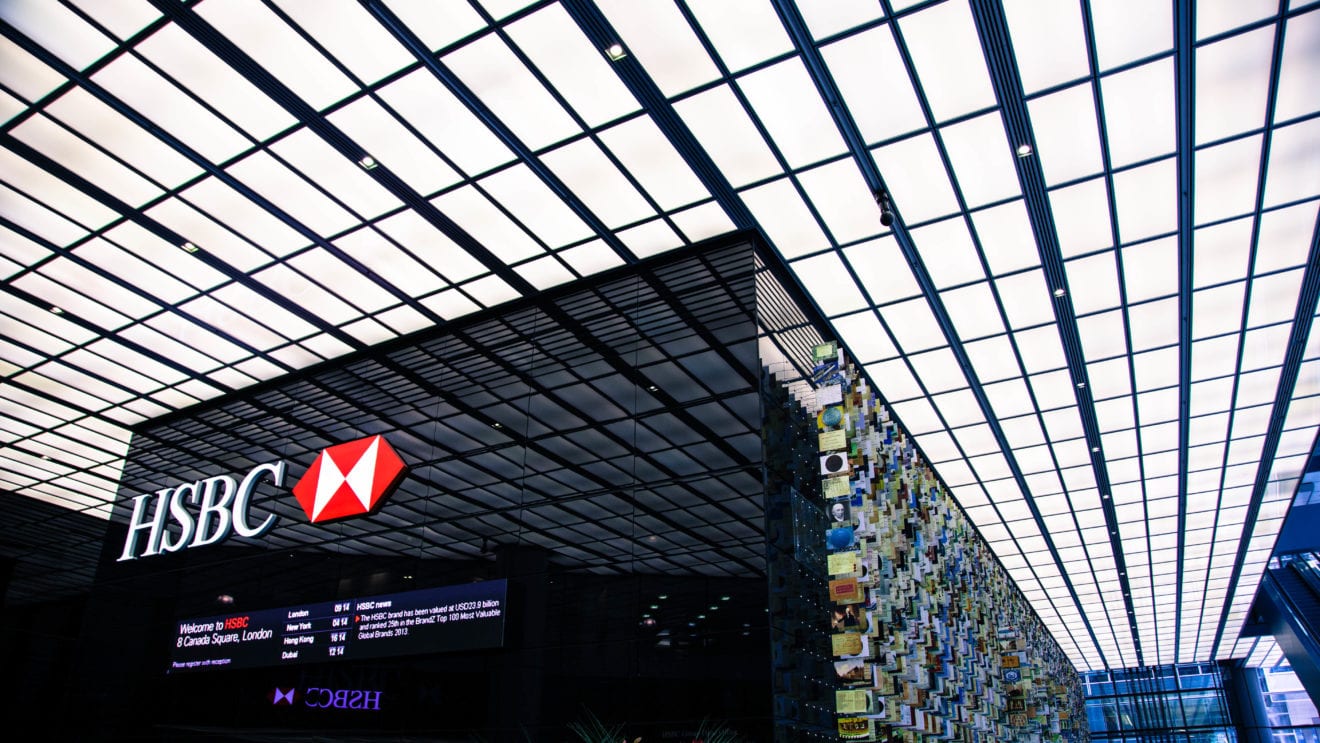
    HSBC Holdings is considering a bid for Aviva’s Asian operations, as it looks for ways to diversify its business in the region.

    London-based HSBC is in the early stages of weighing an offer for at least part of Aviva’s Asian business. A deal would help HSBC bolster its insurance presence in Singapore and other parts of Southeast Asia, Bloomberg reported, quoting people familiar with the matter.  There’s no certainty the deliberations will result in a transaction, the people added.

    Hong Kong, where HSBC generates more than half of its pretax profit, has been roiled in recent protests, leaving shareholders and staff concerned about the lender’s growth prospects. Its tense relations with Beijing over the Huawei incident has fuelled other sets of concerns.

    Aviva, the UK insurance conglomerate has announced its intention to put up its Asian business for sale, as part of new chief executive’s Maurice Tulloch turnaround strategy for the firm. The company’s operations in the region could be valued at about $3 billion to $4 billion.

    Other suitors are also considering bids for the Aviva assets, the people told Bloomberg. Representatives for HSBC and Aviva declined to comment.

  • Goldman Sachs Seeking Control of Chinese JV

    Goldman Sachs Seeking Control of Chinese JV

    In the application submitted to regulators, Goldman said it would absorb the securities sales, trading and research operations currently sit in the business of its partner in the joint venture.

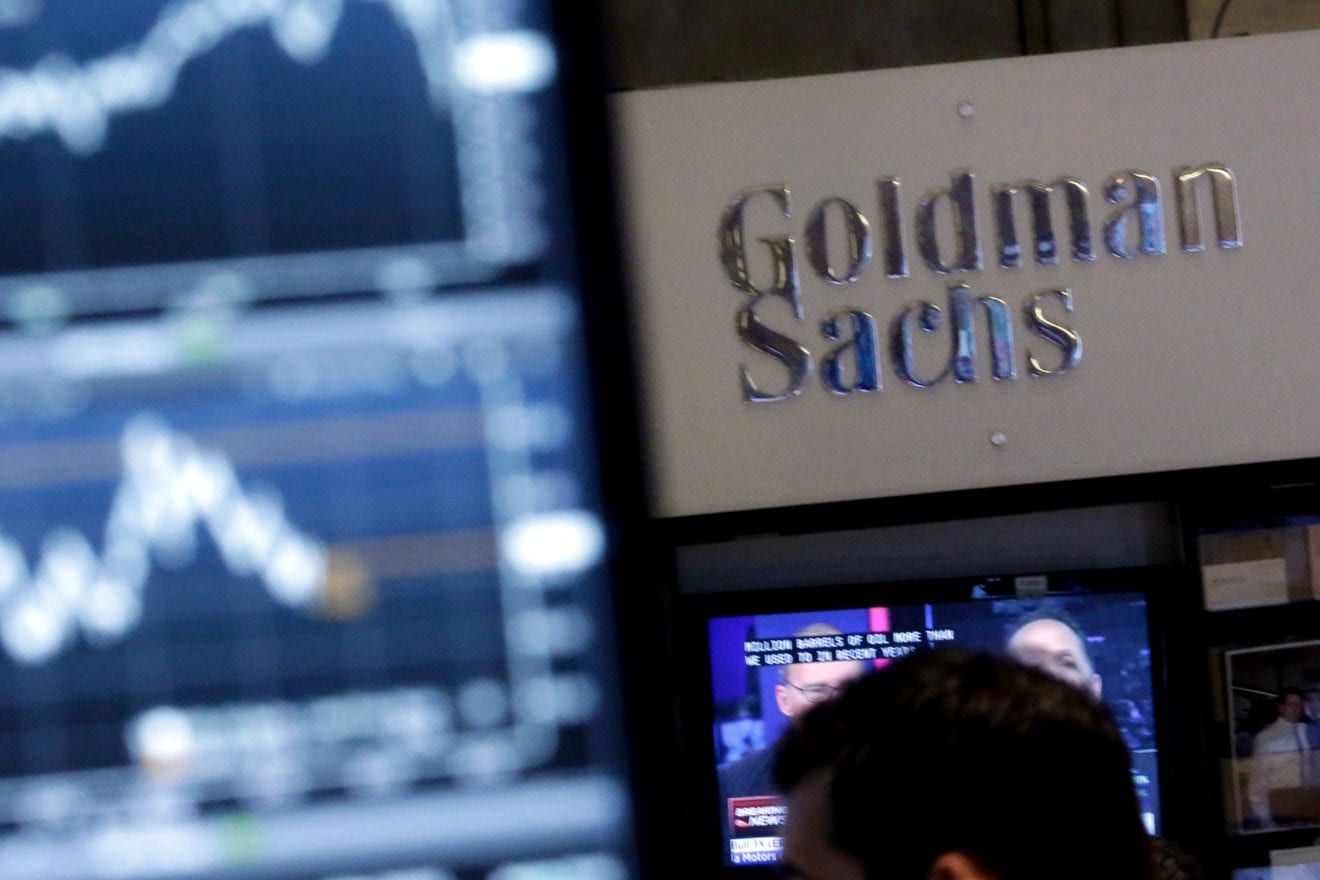
    Goldman Sachs has applied to Chinese regulators for approval to gain majority control of the firm’s investment banking joint venture in China, as part of a plan to eventually gain full control of its China business.

    A spokesman at the bank confirmed to Reuters that Goldman applied to the China Securities Regulatory Commission to increase its stakes in Goldman Sachs Gao Hua Securities to the maximum 51 percent, up from the current 33 percent.

    The other shareholder in the joint venture, which focuses on equity and debt capital markets and mergers advisory, is Beijing Gao Hua Securities, controlled by Chinese banker Fang Fenglei and Legend Holdings.

    Until recently, foreign banks weren’t allowed to hold a majority stake in a joint venture in China. If approved, Goldman would join HSBC, J.P. Morgan, Nomura and UBS in owning controlling stakes in their onshore joint ventures in the country. Morgan Stanley and Credit Suisse are currently awaiting approval for majority control.

    China in recent years has indicated its desire to speed up the liberalization of its $44-trillion financial sector. In 2018, the country’s banking regulator removed the limits on foreign ownership of Chinese lenders and bad debt managers.

    In May, China Banking and Insurance Regulatory Commission announced plans to eliminate single shareholder limits for local banks, and allow foreign financial firms to buy shares in foreign insurers in China, among other measures.

    In July, Premier Li Keqiang said the country would lift the financial sector foreign ownership cap one year ahead of schedule and allow majority stakes in insurance and securities and commodities futures businesses .

  • Kia To Start Second Shift At Anantapur Plant To Reduce Waiting Period

    Kia To Start Second Shift At Anantapur Plant To Reduce Waiting Period

    Kia Motor India has finally introduced the Seltos compact SUV in India and the all-new offering has been launched at a disruptive pricing of ₹ 9.69 lakh (ex-showroom). The company has already garnered over 32,000 bookings for the Kia Seltos in five weeks and the pricing, which undercuts all its rivals, is only going to fill the order books faster. The automaker has confirmed that the current waiting period stands at about six to eight weeks for the Seltos, and Kia plans to add a second shift at the Anantapur plant to meet the growing demand.

    Manohar Bhat, VP – Marketing and Sales, Kia Motor India confirmed the details on the growing demand for the Seltos SUV. The carmaker has about 5,000 models ready that have been dispatched to dealers, while the new shift is expected to churn out consistent volumes to meet the overwhelming number of bookings. Bhat also confirmed that it won’t stop bookings for the Seltos, taking a slight dig at MG, which has stopped accepting bookings for the Hector owing to the current demand.

    The Kia facility in Andhra Pradesh is spread over 536 acres and has an installed capacity of three lakh units per annum across three shifts. The Seltos is currently the only car to be produced at the facility and will largely cater to the domestic demand, while exports are also being planned from here to markets like South America, Africa and neighbouring countries.

    The Kia Seltos is a made-in-India, made-for-India model and has witnesses heavy localisation, which has prompted the competitive pricing on the SUV. The model is offered in a total of 16 variants across two petrol and one diesel engine options. There are two key trims – Tech Line and GT Line with four sub variants in each. Clearly, the manufacturer has put in a lot of thought of packaging different variants to meet the different customer requirements.

    Kia is currently operating out of 192 outlets spread across 160 cities in India. At least one out of five bookings for the Seltos was received online, and the manufacturer is anticipating consistent demand via the online booking platform, despite it being a novel form of booking vehicles in India. Kia’s online booking platform also helps prospective customers with financing options. Deliveries for the Kia Seltos start from today.

  • AirAsia eyes flights to Guam by 2020

    AirAsia eyes flights to Guam by 2020

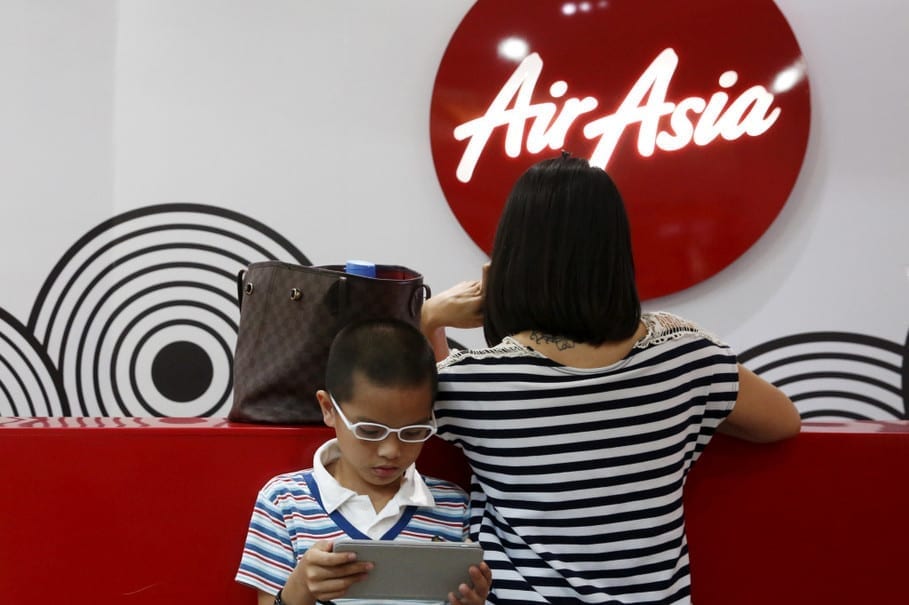
    AirAsia Philippines is planning flights to Guam by 2020 as rival budget airline Cebu Pacific pulls out.

    AirAsia Philippines’ newly appointed CEO Ricardo Islas said the airline would seek a permit to fly to the United States territory once it had secured regulatory approval to be designated an official carrier to the United States.

    “Upon receipt of designation, AirAsia will be ready to apply for an operating permit to operate flights specifically to Guam,” Isla said in a text message.

    “With a fleet of 24 Airbus A320 aircraft, AirAsia is capable of launching flights as soon as permits are ready,” he added.

    AirAsia Philippines earlier filed a petition before the Civil Aeronautics Board (CAB) for designation and allocation of entitlements to the United States currently held by Air Philippines, an affiliate of Philippine Airlines. A CAB hearing on the matter has been set on Sept. 10 this year.

    “We are hopeful the Civil Aeronautics Board will grant our petition,” Isla said.

    Guam, about three and a half hours away from the Philippines, has a population of more than 160,000 people—a quarter of which are Filipinos. This made it attractive for Cebu Pacific, which launched flights between Manila and Guam on March 2016.

    “It was a good market but it’s more of us concentrating efforts on North Asia and Southeast Asia,” Cebu Pacific vice president Alexander Lao said in a recent interview. Lao said the carrier would end Manila-to-Guam flights by Dec. 8 this year.

    AirAsia Philippines earlier announced plans to aggressively expand its fleet and add more destinations. Cebu Pacific, the country’s biggest budget airline, is also on expansion mode.

    Cebu Pacific expects to receive more than 60 aircraft in the next eight years. This will include new orders from the Paris Air Show in June for 31 new planes, comprised of 16 Airbus A330neos, 10 A321XLRs, and five A320neos. The new aircraft has a list price of $6.8 billion.

  • CDF Beauty duty-free megastore opens at Citygate

    CDF Beauty duty-free megastore opens at Citygate

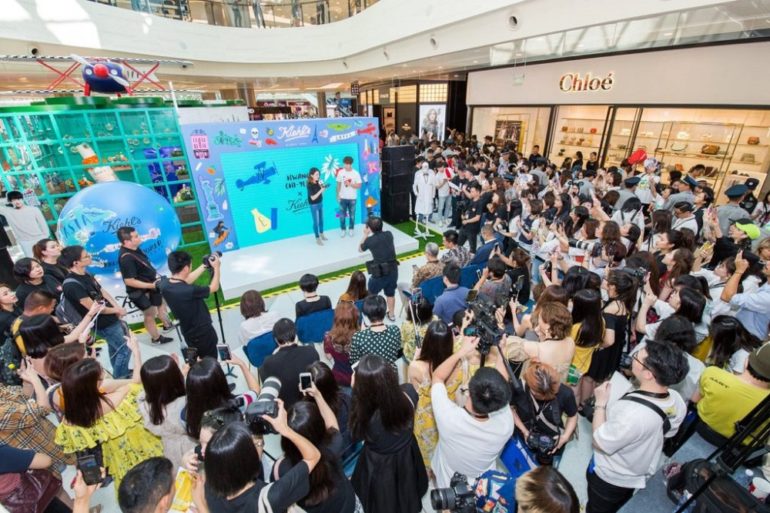
    A CDF Beauty duty-free megastore has opened in Hong Kong’s Citygate Phase II.

    Spanning more than 10,000sqft, CDF Beauty houses 45 beauty brands, including cosmetics, skincare products and beauty appliances. Citygate is located near Hong Kong International Airport.

    The CDF Beauty concept store is a merging of two adjacent stores with an open facade presenting international skincare and cosmetics. Its Colour cosmetics store invites shoppers to try makeup products among its showcase of top designer and make-up artist brands, including the latest seasonal palettes and textures from Giorgio Armani, Tom Ford Beauty and Mac with fragrances by Jo Malone London and Burberry.

    Central to the CDF Beauty duty-free megastore’s strategy is its Best Price Offer, a collection of leading beauty brands selected for discount on a monthly basis.

    Promotions for the store feature the CDF Beauty Bestie Gang – Carol, Donna, Frank and Bella – virtual brand ambassadors created with distinct personalities and favourite makeup styles.

    The store’s opening is being celebrated with a range of privileges and deals.

  • Audi Hong Kong opens Drivers experiential centre

    Audi Hong Kong opens Drivers experiential centre

    Audi Hong Kong has opened an experiential retail concept store focusing on technology and lifestyle.

    The store, billed as the Audi Innovation Space, was unveiled earlier this year at Kowloon Tong’s Festival Walk. It uses digital technologies such as a VR experience to engage customers and offer new ways to experience the brand. The store supersedes the former Audi Kowloon Showroom in Tsim Sha Tsui, which was shuttered in June.

    Audi will roll out the new experiential store concept at its other Hong Kong locations, beginning with a new outlet at The Elements in Tsim Sha Tsui later this month.

    Audi’s exclusive distributor in the territory is Dah Chong Hong, which has provided sales and service on behalf of the brand for 20 years.

  • South Korean online shoppers still see brick-and-mortar as crucial

    South Korean online shoppers still see brick-and-mortar as crucial

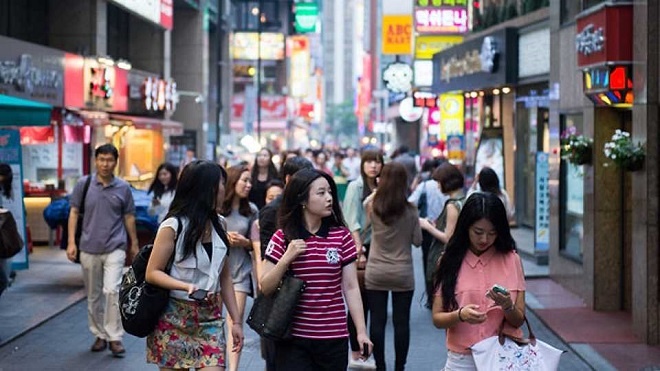
    South Korean online shoppers still see offline stores as a crucial part of shopping, a recent study has shown.

    Furthermore, despite the widely held belief that consumers will engage in online shopping during lunch breaks, or before they go to bed, the study has also revealed that many shop during work hours.

    DMC Media, a South Korean media lab, reported stark differences in perception between the industry and consumers.

    Among consumers with the shopping experience in the last six months, 73.2 percent collected shopping information at offline stores, ranking second after mobile shopping (81 percent).

    About three in four consumers use offline stores rather than the web, indicating shoppers still have a desire to look at products before they buy.

    While offline stores are falling behind in the competition with e-commerce, online consumers are still acquiring shopping information through offline stores, which may indicate a path towards finding a breakthrough.

    In contrast, online marketers have been underestimating the importance of offline stores at 30.7 percent.

    Online marketers’ views differ on the time frame when most consumers engage in online shopping. While many believed consumers would not engage in online shopping during working hours (9am to 6pm), the study showed consumers consistently devote time to online shopping after 9am (15.4 percent) and online shopping activity peaks between 6pm and 9pm (46.9 percent), which shows most consumers engage in shopping activities regardless of time and work.

    When choosing an online shopping mall, consumers consider the price (29.4 percent) and product quality (23.4 percent). Coupons are a factor for 9.4 percent of consumers.

    The study also found that consumers click less on the advertisements posted on Instagram, Facebook, and other social networks (50.7 percent) than those linking to a portal website (69.1 percent).

    “Making a strong impression on consumers at offline stores through special programs will not only raise short-term profits but also increase brand loyalty and encourage them to come back,” said the DMC Media research team.