Tag: asia

  • AS Watson unfolds the power of Generation Z

    AS Watson unfolds the power of Generation Z

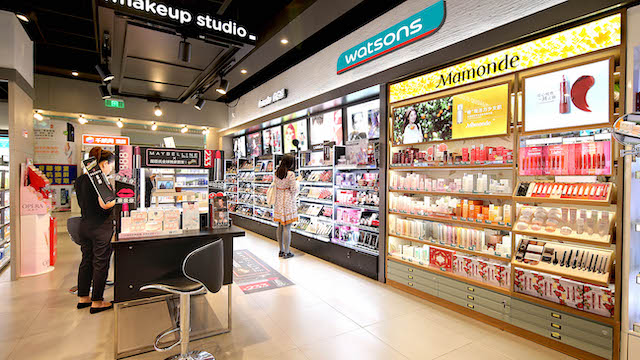
    Health and beauty retailer AS Watson has gathered insight from its businesses around the world to compile an overview of what is driving Generation Z customers and how they can be attracted to its retail brands across the globe.

    “Generation Z is shaping up to have great spending power and they are the future of modern retail,” said AS Watson Group COO Malina Ngai. “It’s important to stay relevant to them, not only focusing on the products they want but also the stories and experiences that go with them. To best meet the demand of Gen Z, customer insight plays a vital role in helping us understand their needs, perceptions and even their shopping behavior.”

    This year, Gen Z became the largest consumer segment—now accounting for 32 percent of the global population of 7.7 billion. AS Watson operates more than 15,200 stores under 12 retail brands in 25 markets and using this extensive network the group’s insight shows a 23-per-cent increase in Gen Z’s spending power in last year’s figures.

    This shows that on average 86 percent of Gen Z are beauty shoppers, and more than 70 percent of Gen Z spending is on beauty, the highest among all generation groups. Essentially, Gen Z has become the growth driver of AS Watson’s business, and the linchpin of the firm’s current and future plans.

    While Gen Z is the first generation of digital natives, insight data shows that they prefer in-store shopping and they love the social and experiential aspects of browsing and shopping at physical stores with their friends. ASW’s customer insight shows that 99 percent of Gen Zers shop offline, and they like shopping in “destination stores” – stores in shopping malls and city centers.

    The digital natives spend most of their time on screen and they look for brick-and-mortar shopping coupled with technology, so in-store digital devices are key drivers to sales success. These include the introduction of AR and AI in the store environment, as well as the linking of offline and online experiences through apps and social media.

    Gen Zers choose their beauty products based on the trend, price, and quality and use their phones to read other users’ feedbacks and reviews while browsing in stores.

    Sustainability concerns are a big factor for Gen Z customers. Since 2014, AS Watson Group has banned the use of microplastic in its rinse-off own-brand cosmetics and personal care scrub products, and by the end of this year, this ban will extend to all brands, meaning no microplastic will be found in any rinse-off cosmetics or personal care products sold in the stores.

    “Generation Z is a very different customer to the Millennials that came before them,” said Ngai. “They are reinvigorating the retail industry with their desire for experience and activities, while at the same time helping shape a more sustainable future with their emphasis on the environment and doing good.”

  • Target launches food and beverage house brand Good & Gather in the US

    Target launches food and beverage house brand Good & Gather in the US

    Target US is launching its own in-house private-label food-and-beverage range, called Good & Gather.

    Described as “grounded in guest research”, the flagship brand is offering a range of food and beverage products focussed on taste, quality ingredients ease and value for money.

    Good & Gather will be available in stores and online on Target.com for same-day delivery from September 15.

    “Our guests are incredibly busy and want great-tasting food they can feel good about feeding their families,” said Target’s executive VP and president food & beverage Stephanie Lundquist. “We saw this as a huge opportunity for Target to help. So our team got to work on our most ambitious food undertaking yet, reimagining our owned food brands to serve up convenient, affordable options that don’t cut corners on quality or taste. Good & Gather is our way of helping even the most time-strapped families discover the everyday joy of food.”

    Good & Gather is Target’s largest own-brand launch yet. By the end of 2020, the company expects it will have more than 2000 food and beverage products under the label, including dairy, produce, ready-made pastas, meats, granola bars and sparkling water. The products are developed by Target’s internal team without artificial flavors and sweeteners, synthetic colors or high fructose corn syrup, and will be backed by a money-back guarantee.

    “Over the past few years, Target has been a master of own brand development,” said GlobalData Retail MD Neil Saunders, hailing the launch. “Its labels in everything from fashion to party goods have been well-conceived, nicely executed and, most importantly, have resonated with consumers.

    “They have also helped to differentiate Target from other retailers and have played a role in protecting margins as price comparison is more difficult with exclusive labels,” he said.

    As Target’s flagship food brand, Good & Gather will include a number of product extensions including kids, organic, seasonal and signature lines. Over time, the brand will phase out Target’s existing Archer Farms and Simply Balanced food brands and reduce the number of product offerings under the Market Pantry brand.

    The new own-brand launch builds on the company’s investments in its F&B business to enhance in-store presentation and assortment, increase product reliability and expand fulfillment options, such as same-day delivery.

    The new line also plays an important role in Target’s broader effort to reimagine its owned brand portfolio, further differentiating its assortment. Recent owned brand product launches include Everspring, Auden, Colsie and Cloud Island Essentials. By the end of the year, guests will be able to shop more than 25 new owned and exclusive brands.

  • La Vie en Rose Swimwear launching in China

    La Vie en Rose Swimwear launching in China

    Canadian specialty lingerie and swimwear label La Vie en Rose is expanding its business into Mainland China as part of a strategy to become twice as large and profitable within the next three years.

    The brand will launch in Guangzhou’s PO Park shopping mall later this month with further locations in Guangzhou to follow.

    “We were ready to accept the challenge of taking our first steps in China,” said La Vie en Rose president and CEO Francois Roberge. “We are looking at our first two years in the country as a real learning period. It’s very important to understand how the market works in order to build a foundation for our expansion.”

    The brand operates more than 360 stores, including 95 international locations in more than 15 countries, targeting women between 25 and 45.

    “Over the next two years, we plan on opening several physical locations in Guangzhou and continuing our expansion in China from there,” said La Vie en Rose VP of strategy and development Aurélie Daoust-Lalande.

    “We have the ambitious goal of doubling the size and profitability of the company by 2022, and our expansion outside of Canada will definitely play a major role in achieving this objective.”

    The firm’s products are also to be launched online on the Tmall online retail platform.

  • Microsoft approaches former Siri chief from Apple

    Microsoft approaches former Siri chief from Apple

    Bill Stasior, longtime head of Apple’s Siri team, has left the company to join Microsoft’s AI division. After nearly a decade at Apple, Stasior will step into the shoes of a corporate vice president at Microsoft later this month. At his new job, the former Siri chief will lead an artificial intelligence group.

    Last year, Apple poached Google’s former head of search and AI, John Giannandrea. The served as further indication of Apple’s woes with Siri, which beat the competition to the AI assistant race, but was relegated to a firm third place behind Google Assistant and Amazon Alexa.

    Stasior’s reasons for leaving Apple aren’t clear at this point, but Giannandrea’s hiring is a likely guess. Since his hiring last summer, Giannandrea became very involved with the development of Siri and was eventually promoted to a senior vice president, reporting directly to Apple CEO Tim Cook.

    Although Stasior was in charge of Apple’s Siri team since the assistant’s initial launch, he won’t be working on Cortana at Microsoft. The company behind Windows is lagging far behind the competition, as far as AI assistants are concerned, with Cortana being a distant fourth to Google’s, Amazon’s, and Apple’s offerings. However, Stasior’s talents apparently won’t be used to better Cortana, but rather in Microsoft’s broader AI efforts. The Information reports that people familiar with the matter have said that the former Siri chief will head a special AI group at Microsoft

  • Google Play Music subscription gifting removed

    Google Play Music subscription gifting removed

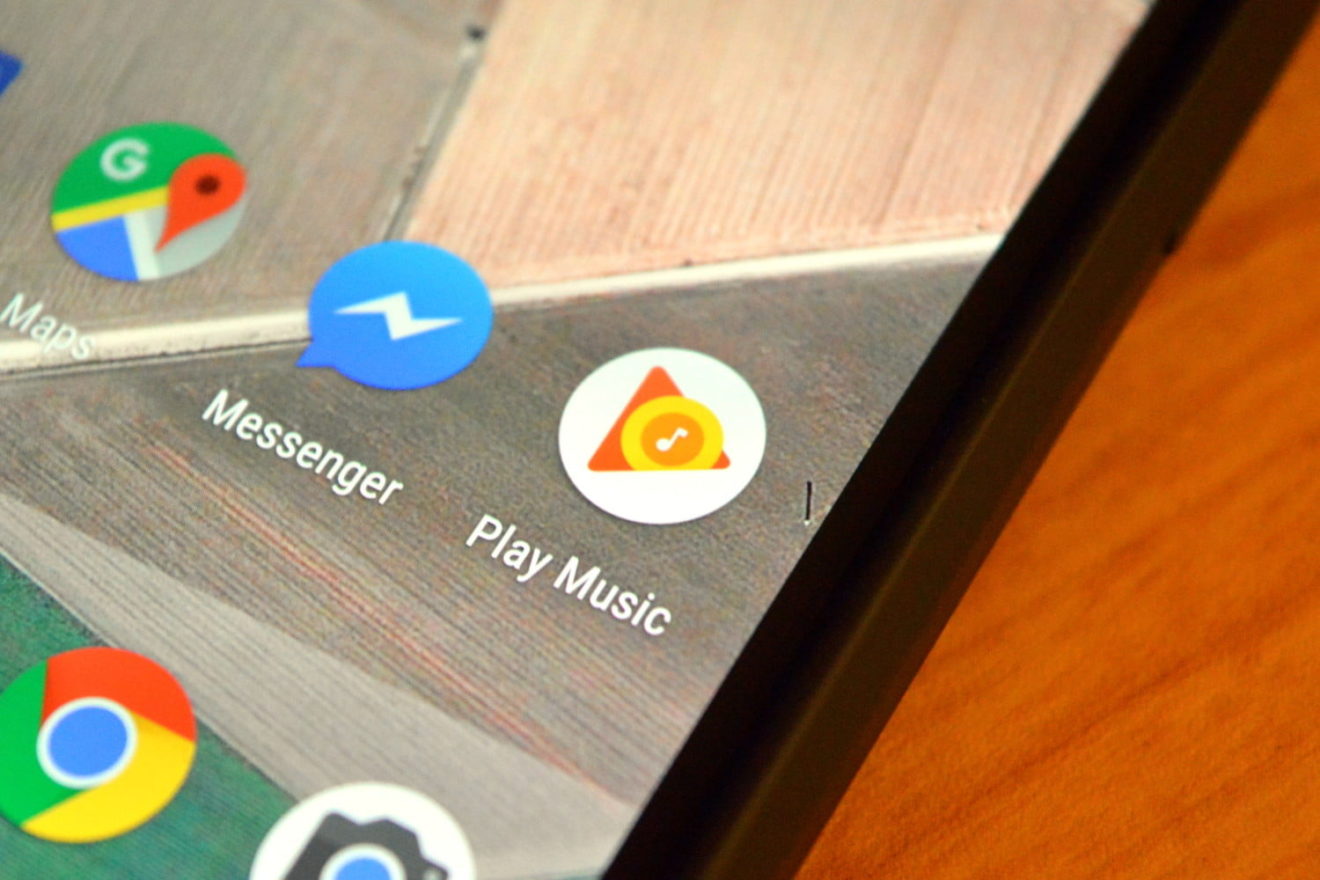
    It looks like Google no longer allows users to gift Play Music subscriptions via Android. The move is far from being surprising as the app rarely received updates and those that were pushed out added minor improvements and very few new features.

    The messages someone gets when trying to gift a Play Music subscription reads: “Important – Google Play Music subscriptions can no longer be purchased as gifts.” However, if you really want to gift someone a Play music subscription, there’s a workaround, but it involves using an older version of the Android app or simply gifting it through the web app.

    It’s unclear whether or not Google plans to bring back the feature in some other form, so, for now, you can only use the web app or the workaround mentioned above to gift someone a Play Music subscription from an Android device.

    Reports about Google phasing out Play Music and replacing it with YouTube Remix have been running around since April, so this might be one of the first steps towards its demise.

  • Google brings new spelling and grammar correction capabilities to Gmail app

    Google brings new spelling and grammar correction capabilities to Gmail app

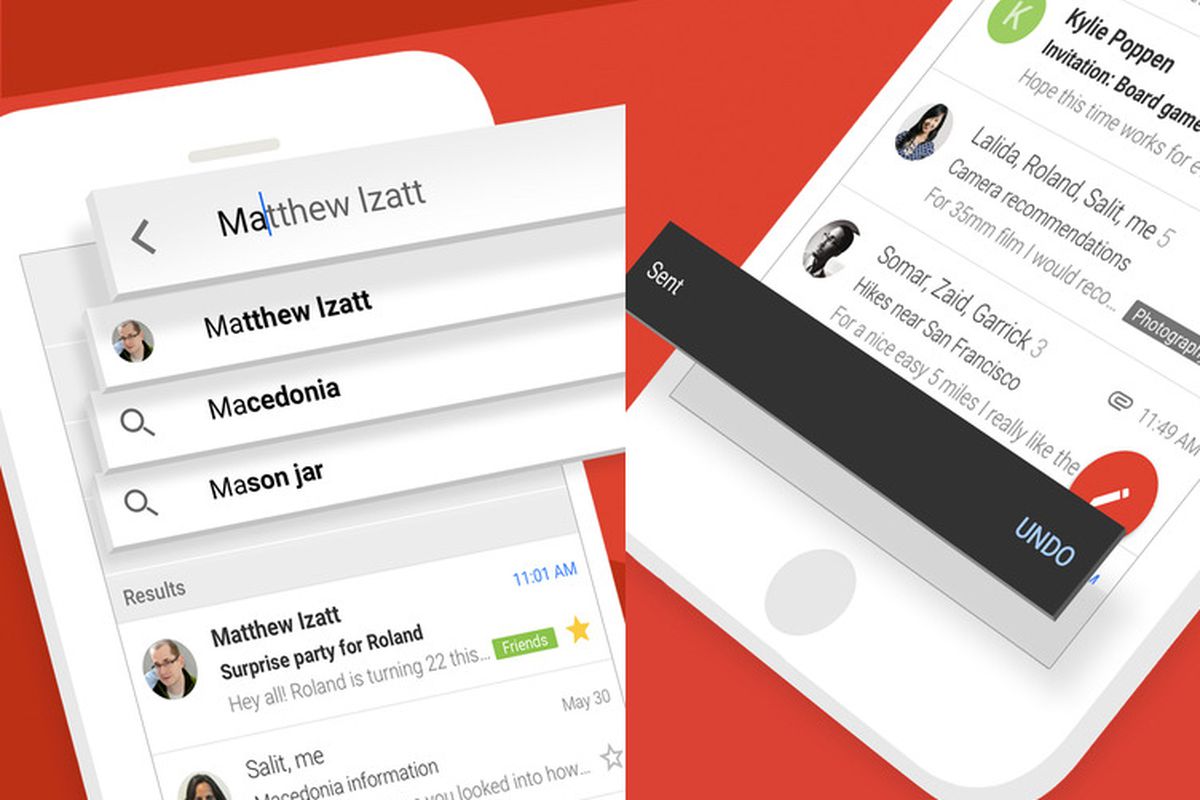
    Google has announced a couple of nifty features will soon be rolled out to Gmail on all platforms. Although the app does feature predictive text, users are still prone to typos or grammar mistakes.

    To correct that issue, Google announced it will introduce new spelling and grammar correction capabilities for Gmail which are meant to help users with G Suite accounts compose emails faster.

    The new capabilities will trigger ones you start typing a message and will use artificial intelligence to make smarter spell-check suggestions while detecting potential grammar issues at the same time. Moreover, Google mentions that it has added as-you-type autocorrect.

    Google says these new features will be rolled out gradually to all G Suite accounts starting today, but the full deployment will last until mid-September. Unfortunately, the new features are not yet available for regular users, although we can safely assume they will be made available to all Gmail users at some point, just like it happened with the Smart Compose function.

  • Jaguar And Audi Are Having A Really Hard Time Beating Tesla In The US

    Jaguar And Audi Are Having A Really Hard Time Beating Tesla In The US

    It’s a trope that’s been around roughly as long as Elon Musk has been in the car business: When a new electric vehicle is unveiled, it’s dubbed a potential “Tesla killer.”

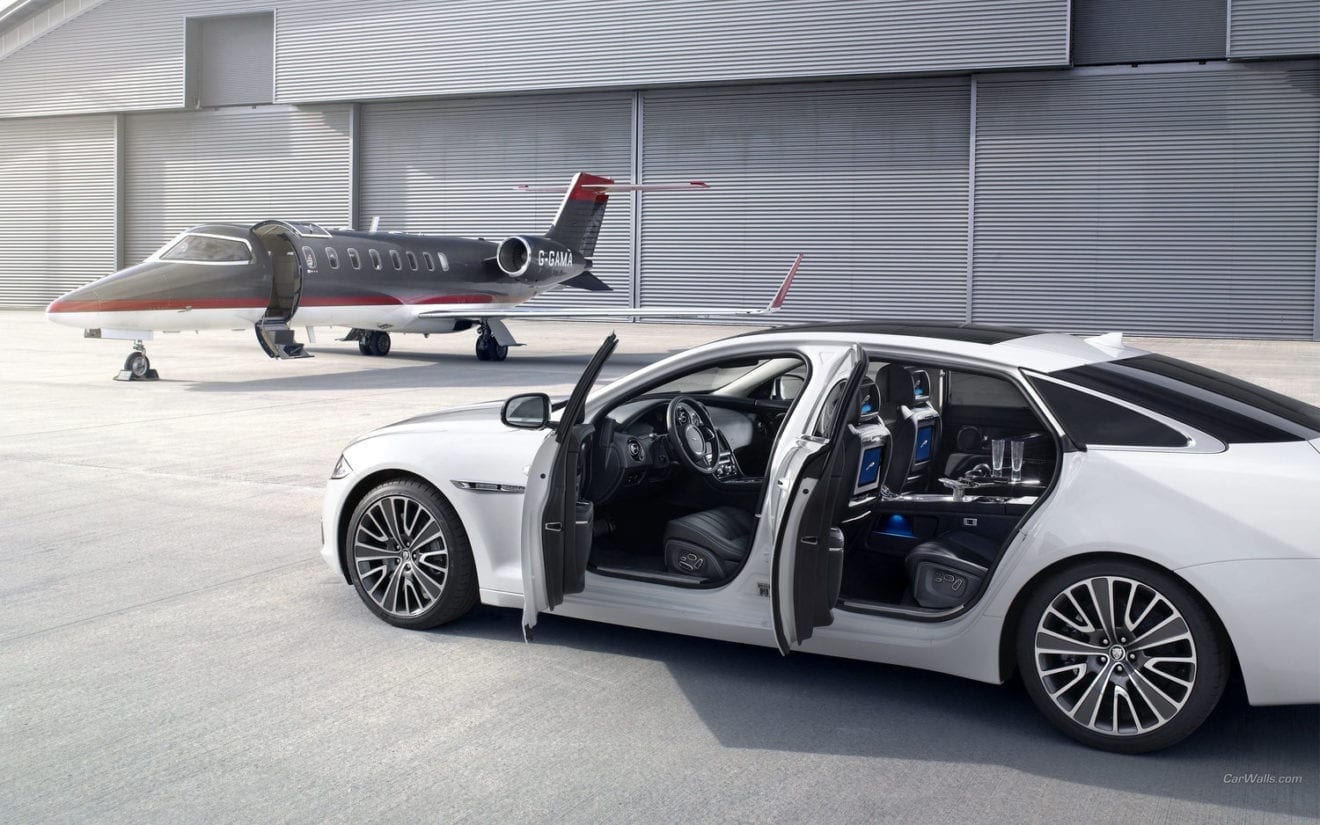
    But from the flaming-out of Fisker to present day, Tesla has largely dominated the American electric-vehicle market. Musk has even managed to expand the company’s preeminence over the still small segment despite two new battery-powered luxury SUVs arriving in U.S. showrooms the last 10 months: Jaguar’s I-Pace and Audi’s e-tron.

    Their starts are the latest indications that legacy automakers aren’t assured instant success when they roll out new plug-in models. Tesla’s Model S and X have largely held its own against the two crossovers that offer a shorter range and less plentiful public charging infrastructure. Jaguar and Audi also lack the cool factor Musk has cultivated for the Tesla brand by taking an aggressive approach to autonomy and using over-the-air software updates to add games and entertainment features.

    “If a customer is choosing the I-Pace over the comparable Tesla, they are making the conscious decision: I don’t want the Tesla,” said Ed Kim, an analyst at the car-market research and consulting firm AutoPacific. “You really have to be someone who doesn’t like Tesla, who doesn’t want the Tesla product, in order to go for this.”

    Tesla’s Model X and Model S each boast more than 300 miles of range, and the cheaper Model 3 travels 240 miles between charges. Jaguar’s $69,500 I-Pace is rated at 234 miles, and Audi’s $74,800 e-tron registers 204 miles.

    Jaguar’s marketing team spent years laying the groundwork to introduce the I-Pace. In 2016, the brand joined Formula E, an open-wheeled, electric-powered race circuit similar to Formula One.

    “We had an electric car in our development plan – the I-Pace – at the time,” said James Barclay, Jaguar’s racing director. “We had to create awareness about the fact that we had an electric car coming to market, firstly, and to showcase why you’d buy a Jaguar electric vehicle over something else.”

    Porsche and Mercedes-Benz are also joining Formula E for the 2019-2020 season to help generate buzz for the new all-electric models they have coming out. The circuit makes stops in cities including New York, Hong Kong and London, which the brands are banking on as major markets for plug-in cars.

    “City centers are where there’s going to be a really good application for electric vehicles,” said Kim McCullough, Jaguar Land Rover’s vice president of marketing for North America. “So having them be able to see something firsthand – it starts the education process.”

    But while Formula E is drawing crowds of urban dwellers and a substantial audience on social media, all that buzz may not necessarily translate into showroom traffic.

    “Auto racing really comes as one of the last influencers, in terms of influencing people to buy whatever car they’re looking at,” according to AutoPacific’s Kim. If Jaguar is doing well in Formula E, it couldn’t hurt the I-Pace, he said. “But I don’t think it would have a huge positive impact on awareness of the vehicle.”

    Jaguar has sold an average of about 190 I-Pace crossovers a month since U.S. sales began. Tesla, by comparison, was delivering Model Xs at a clip of about 550 a month in its first year on the market, beginning in 2015, according to InsideEVs.com estimates.

    The Audi e-tron has been on the market in the U.S. for only four months, but during that time, it has averaged sales of about 745 units, InsideEVs estimates. In July, 3.5% of Audi’s U.S. sales were all-electric, and the company expects that number to climb to 30% by 2025.

    “We are confident that we are and will continue to deliver an offering that customers will want to be part of,” Cian O’Brien, the interim president, and chief operating officer of Audi of America, said in an email.

    After initial efforts to nab electric-car buyers proved challenging, Jaguar has decided to attack Tesla head-on.

    The brand is offering Tesla owners a $3,000 discount on the I-Pace for the next month and a half. “This is all about capturing a share of voice,” Stuart Schorr, a Jaguar Land Rover spokesman, said in an email. “The EV market is just at its infancy.”

    “Consumers, as a result of seeing our race program, do consider us to be a car brand they would consider for their electric car purchase,” said Barclay, the racing director. “Rome wasn’t built in a day, and for a premium automotive manufacturer with their first electric vehicle, it takes time in the market.”

  • Apple’s healthcare unit needs to see a doctor

    Apple’s healthcare unit needs to see a doctor

    Earlier this year, Apple CEO Tim Cook said healthcare would be “Apple’s greatest contribution to mankind.” It appears that Apple is having problems with this unit after a number of members have left the team. Citing eight sources said to be familiar with the situation, CNBC says that there is tension in the company’s healthcare division and the group is essentially without direction after a series of changes at the top of the unit.

    The report says that while some employees have done well, others feel stifled and closed in, unable to get the team to work on their ideas. Part of the problem is getting the unit to agree on a direction to take. Half of the eight sources say that employees wanted Apple to take on some of the larger problems that the healthcare system faces today such as medical devices, telemedicine, health payments and the treatments of chronic disease. Apple, notes the report, has instead focused on creating features for its devices that focus on wellness and prevention for healthy people. The latter end of the healthcare industry is considered to be less risky and less regulated. Despite the issues inside the group, all eight sources agreed that healthcare remains a “strategic priority” for the company.

    Apple’s healthcare features are found mainly on the Apple Watch. The heart rate monitor has saved a number of lives, and the Series 4 model added an electrocardiogram (ECG) sensor that looks for abnormal heartbeats. The latter has also been a lifesaver and other watches, like the Samsung Galaxy Watch Active 2, also is equipped with an ECG feature. We do have to point out that it will remain disabled on the Galaxy Watch Active 2 until it receives FDA approval, expected sometime during the first half of next year. Apple’s Chief Operating Officer Jeff Williams is in charge of the healthcare team, and reportedly it was his idea to add sensors and algorithms to the Apple Watch once it became apparent that the device would not be a big seller as a fashion accessory.

    The company is reportedly working on a way for diabetics to measure their blood glucose levels using the Apple Watch, without having to draw blood. Currently, diabetics who depend on insulin prick themselves to draw a small drop of blood that is tested on a glucometer. This is a huge market because a new test strip is required for each test and insulin-dependent diabetics need to test themselves three or more times a day. If Apple can develop such a technology, it could take Apple’s healthcare initiative and the Apple Watch into uncharted territory. The Apple Watch happens to be the world’s top-selling smartwatch and anchors a wearables unit that saw revenue for the fiscal third quarter soar from $3.73 billion in 2018 to $5.53 billion this year. That was a 48.3% year-over-year gain.

    Earlier this year, Apple sent out a survey to check on the morale of employees in its healthcare unit. When the survey indicated that employees were not happy, Williams spoke with a number of employees to let them know that he was still committed to the business. But the executive also wears many hats at Apple and as COO he is responsible for overseeing Apple’s operations and its vast supply chain. Thus, the healthcare group might not have his full attention at times.

    Some of the sources say that Apple needs to be less secretive with its work in the $3.5 trillion healthcare industry. The company is traditionally tight-lipped about its projects, but that doesn’t fly in the world of medicine where clinical studies and published research play a big role.

  • Facebook launches tool that lets users see and control data shared

    Facebook launches tool that lets users see and control data shared

    Facebook is making it easier for users to see and control the data that apps and websites share with the social network by launching a new tool called Off-Facebook Activity. The new feature will be gradually rolled out to Facebook users in Ireland, South Korea, and Spain. However, Off-Facebook Activity will be made available to everywhere over the coming months, so don’t lose hope if you’re not living in any of these countries.

    But what exactly is Off-Facebook Activity and is it as useful as Facebook claims? Well, first off, you can see a summary of the information other app and websites have sent Facebook through its online business tools, including Facebook Pixel and Facebook Login.

    Also, you will be able to disconnect all the information you see from your account if you want to. On top of that, you can choose to disconnect future off-Facebook activity from your account. Facebook says that you’ll be able to do that for all your off-Facebook activity, or just for specific apps and websites.

    Once you clear your off-Facebook activity, the social network will remove your identifying info from the data that apps and websites choose to send to Facebook. Basically, Facebook will no longer know which websites a user visits or what they did during their visit.

    Also, Facebook says that it will not use any of the data that users disconnect to target ads to them on apps like Facebook, Instagram or Messenger. The social network expects some impact on its business but believes giving people control over their data is more important.

  • Ikea focused to smart home products

    Ikea focused to smart home products

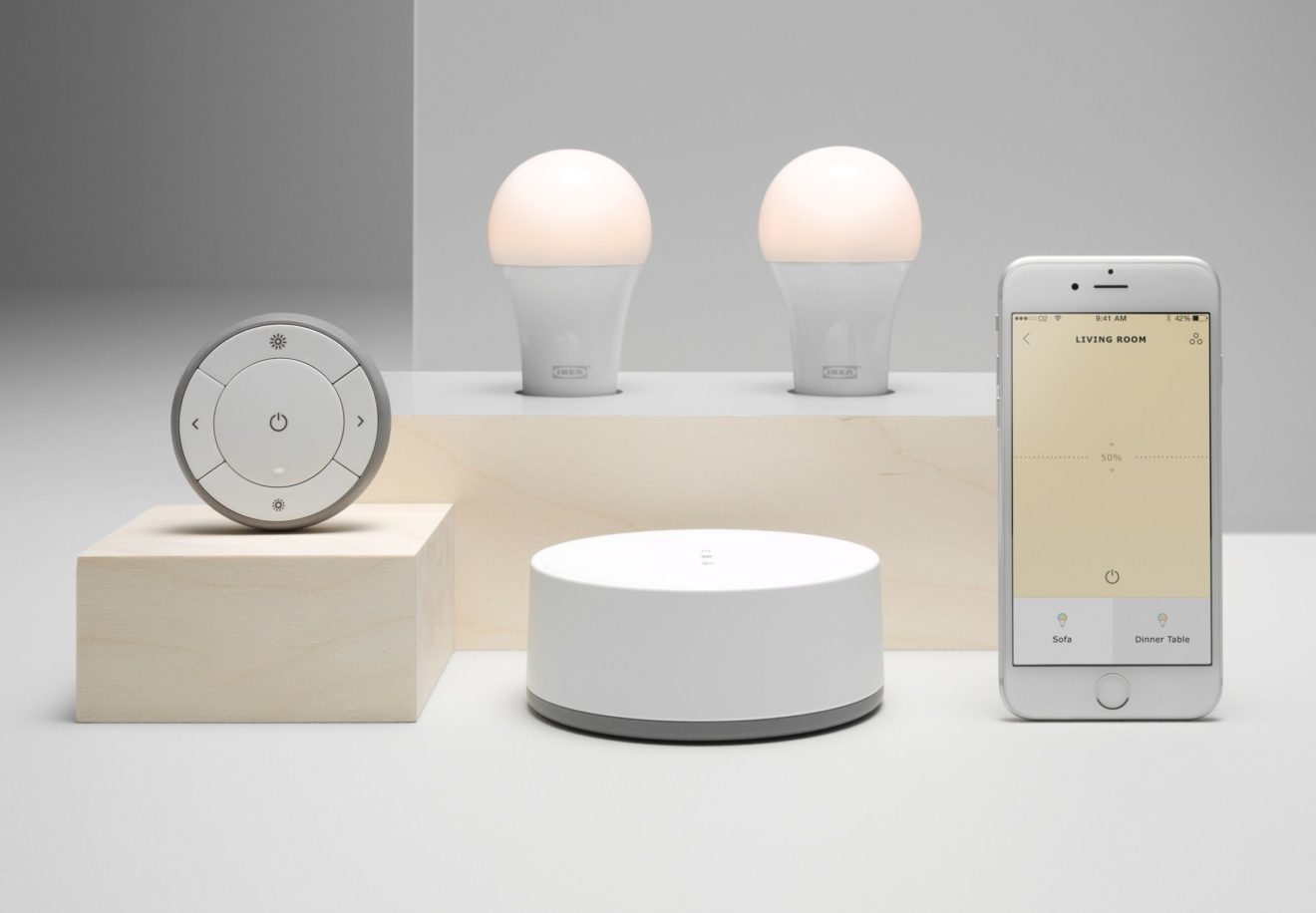
    Swedish furniture business Ikea has committed to invest further into smart home products and has spun off the Ikea Home smart project team into a dedicated business unit within Ikea Sweden.

    Ikea Home Smart was initially conceived in 2012 in order to integrate new, smart technologies into Ikea products, such as wireless charging, smart lighting, as well as smart speakers made in collaboration with Sonos.

    “At Ikea we want to continue to offer products for a better life at home for the many people going forward. In order to do so we need to explore products and solutions beyond conventional home furnishing,” said Björn Block, head of the new Ikea Home smart business unit.

    “By working together will all other departments within Ikea, the business unit of Ikea Home smart will drive the digital transformation of the Ikea range, improving and transforming existing businesses and developing new businesses to bring more diverse smart products to the many people.

    “We are just getting started.”

    According to Ikea’s range and supply manager Peter van der Poel, this is the biggest new business the brand has established since the introduction of Children’s Ikea.

    In June, Ikea renamed its smart eco-system control app TRÅDFRI to Ikea Home Smart app, saying the name change signaled a shift in direction for the business.

    “We started out our journey within the smart home with our smart lighting range TRÅDFRI where we also named the steering app with the same name,” Black said.

    “Now, moving into the next step we want to simplify [the eco-system]. We want to make it possible for you to steer all your smart products in the same app, also making it possible for you to steer all your smart products in the same app.”

  • Global athleisure wear market expect strong growth numbers

    Global athleisure wear market expect strong growth numbers

    Consumer desire for a multifunctional wardrobe is set to continue driving the global athleisure wear market, according to data and analytics research group GlobalData.

    Over the last two years, the athleisure trend has risen as demand for comfort, performance and style has driven the need for a multifunctional wardrobe. 68 percent of consumers who purchased sports clothing for exercise also wore such items for eating out or shopping.

    The firm forecasts that the global athleisure wear market will rise 9 percent this year and will continue to outperform the total clothing and footwear market beyond their 2023 forecast period.

    “Over the next five years, the sportswear market will be one of the leading retail sectors,” said GlobalData principal retail analyst Honor Strachan. “Activewear brands are selling consumers a lifestyle, and fashion retailers are leveraging their style credentials to produce affordable fitness ranges to sell alongside core casual and formalwear collections.”

    In the UK, 20 percent of consumers purchased sports clothing specifically for leisure activities and free time, not to exercise in.

    “This willingness to pair sportswear with core wardrobe pieces has opened sportswear brands up to new audiences and allowed them to diversify into new product areas,” said Strachan, “boosting their share of the global clothing & footwear market.”

    While fashion trends and influencers have driven the success of the global athleisure wear market , the sustainability movement will continue to support the desire for a multifunctional wardrobe. Consumers are purchasing more consciously and reducing spend on fast fashion, playing into the hands of those retailers and brands that can showcase the versatility of their items, as well as the durability and quality.

    Moreover, increasing consumer appetite for comfort has also fuelled sales of activewear and trainers with brands utilizing their technical expertise in ensuring products offer freedom of movement, aid temperature and sweat control, shape the body and provide support. These qualities have filtered into consumers’ everyday wear and not just when they are at the gym.

    Adoption of the athleisure trend in much of Asia has been slower, so international and national brands are leveraging social media, third-party selling platforms and brand ambassadors to sell the appeal of having a sports and street-influenced wardrobe.

    “Chinese brand Li-Ning has exploited its credentials as a sports manufacturer to produce high fashion casualwear which can be worn for training or leisure,” concluded Strachan, “while Nike’s instore and online outfit styling provides inspiration on how to wear pieces for multiple uses encouraging consumers in China, Taiwan, South Korea, and Japan to incorporate sportswear into their everyday wardrobes.”

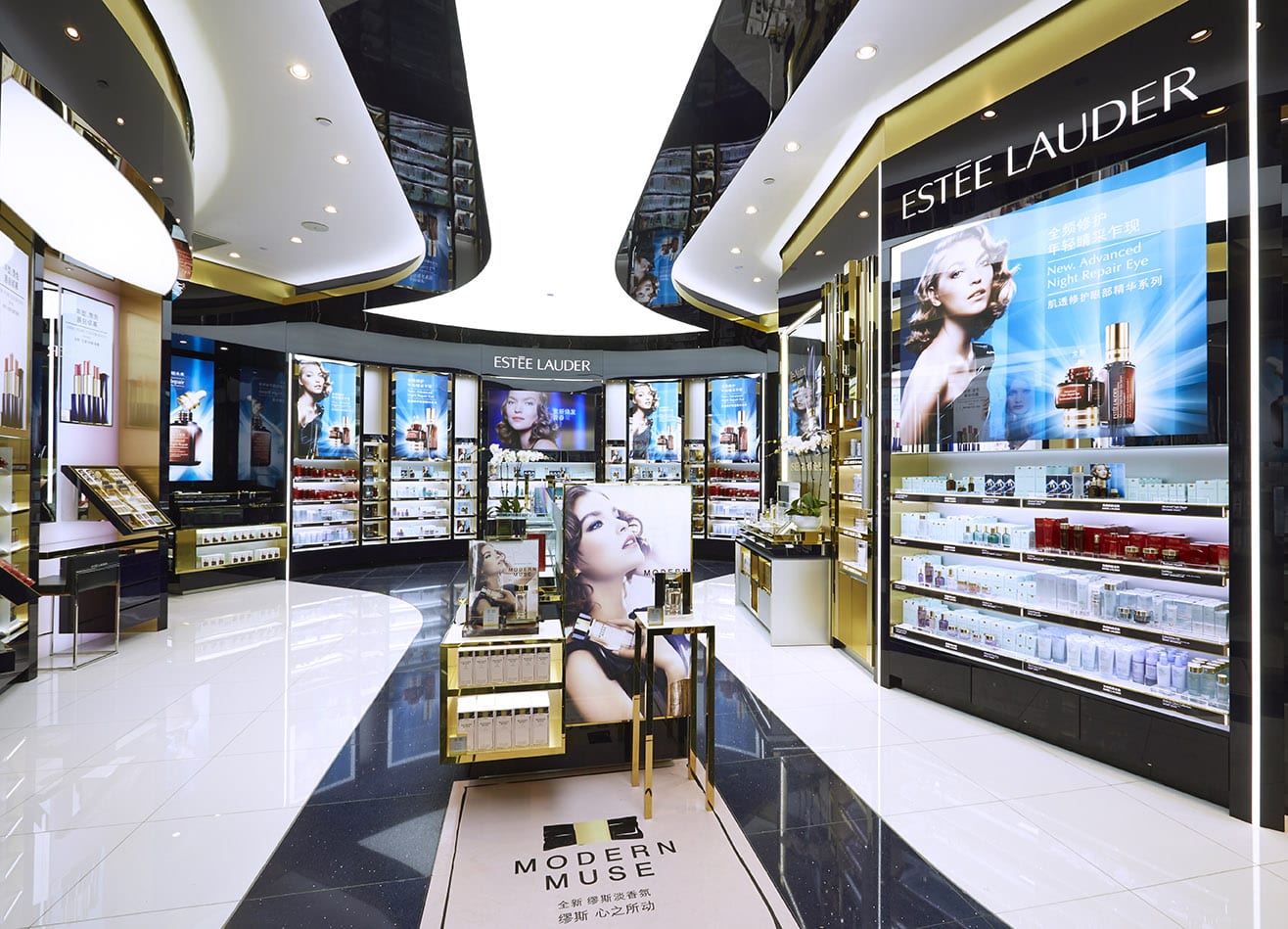
  • Estee Lauder Asia sales uphill

    Estee Lauder Asia sales uphill

    Estee Lauder Asia sales soared 25 percent in the year to June, with China, Hong Kong, and the emerging markets in Southeast Asia the main performers.

    The more mature Japanese and South Korean markets were also “strong contributors” to the company’s result in the region.

    “The company delivered strong double-digit net sales increases, both on a reported basis and in constant currency,” Estee Lauder reported in a statement. “The growth was broad-based, with all markets in the region growing and more than half up double-digits in constant currency. The Company generated double-digit net sales growth in every product category and major channel.”

    Estee Lauder Asia was a standout in the company’s results, with global net sales up 9 percent to US$14.86 billion, or 12 percent on a currency-neutral basis. Net earnings rose from $1.11 billion last year to $1.79 billion.

    “This was an outstanding year for our company,” said president and CEO Fabrizio Freda.

    “We achieved strong net sales gains across our business, fuelled by investments in our strategic priorities, including improved data analytics that helped power our innovation and digital marketing. Our winning strategy led to continued share gains in global prestige beauty.

    “With savings from our Leading Beauty Forward initiative and cost discipline throughout the organization, we grew profit far ahead of our net sales growth, while also investing in our strategic priorities,” he said.

    “Many engines drove our growth. They included: nearly every market in the Asia/Pacific region and many other important emerging markets around the world; our skincare category in every region; the travel retail and online channels globally; and compelling innovations and high-quality products, which drove strong repeat purchases. Globally, three of our four largest brands grew strongly as did many of our small and mid-sized brands. Our results were particularly impressive given macro volatility and challenges in several key markets demonstrating our successful strategy of multiple engines of growth and our agility to reallocate resources to the best opportunities.”

    Freda said the results capped a remarkable decade of strategic and operating achievements.

    “Since launching our current strategy in 2009, we have diversified and strengthened our company, creating a solid foundation to continue our growth.”

    He said the prestige beauty category continues to be one of the most desirable consumer sectors.

    “As the best diversified pure-play in the industry, we are uniquely positioned to capture global share. In fiscal 2020, we plan to continue to invest in the most compelling opportunities, including those in emerging markets beyond China. We expect another year of strong net sales growth, margin improvement and a double-digit increase in earnings per share.”

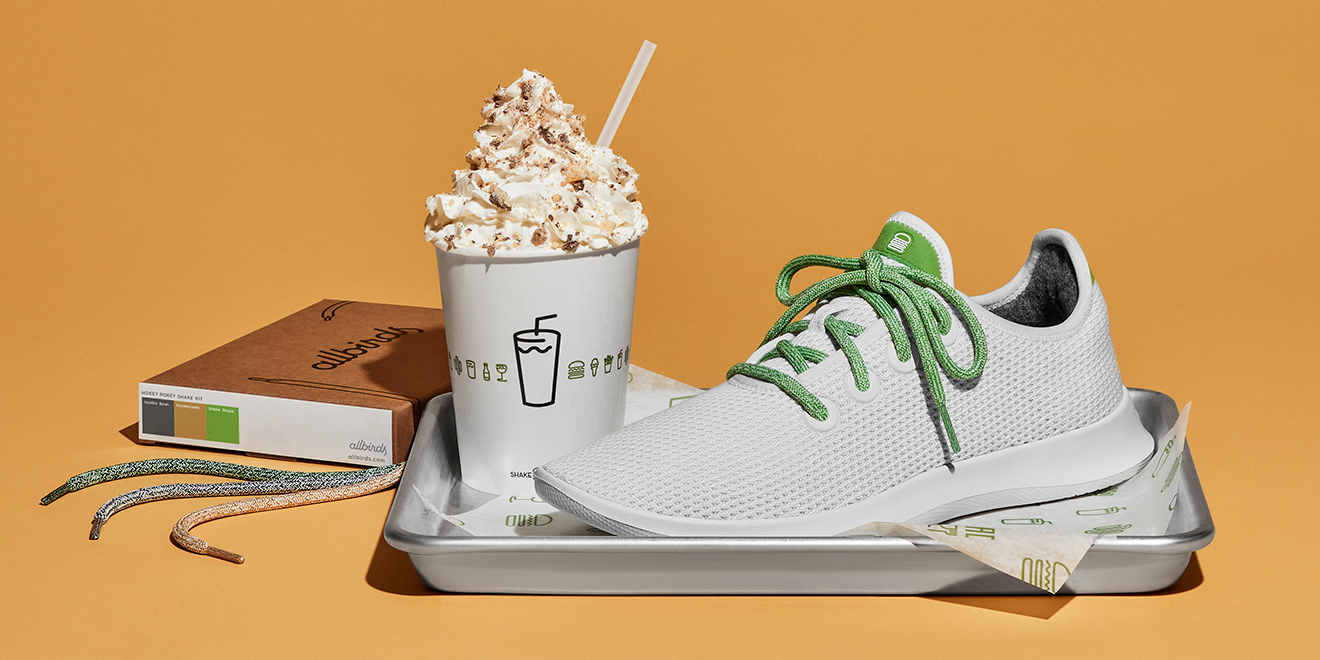
  • Allbirds launches first outlet in New-Zealand

    Allbirds launches first outlet in New-Zealand

    Despite being started by New Zealand entrepreneur and former footballer Tim Brown, wool-based footwear brand Allbirds has only been available online its home country – until now.

    The launch comes after the business successfully raised $76.7 million at the end of 2018, aiming to help fuel the business’ expansion into Asia and the UK.

    The company, which is headquartered in San Francisco, opened its first New Zealand bricks-and-mortar store in the Britomart precinct of Auckland on Thursday, August 15.

    “We always imagined we would open a store in New Zealand. It’s one of our founding markets, it’s where I am from and where our key material, wool, is from,” Allbirds co-founder Tim Brown said, according to Stuff.

    Allbirds makes its shoes predominantly with New Zealand merino wool, which helps to make them ‘the world’s most comfortable shoes’, the brand’s tagline.

    Wool uses 60 percent less energy than materials used in a synthetic shoe, according to the brand, which also uses recycled bottles for laces, bean oil in insoles and 90 percent recycled cardboard in its packaging.

    Allbirds are available internationally online, and through brick-and-mortar stores in the US, UK and China. The Britomart store is the brand’s first location in its home country of New Zealand.

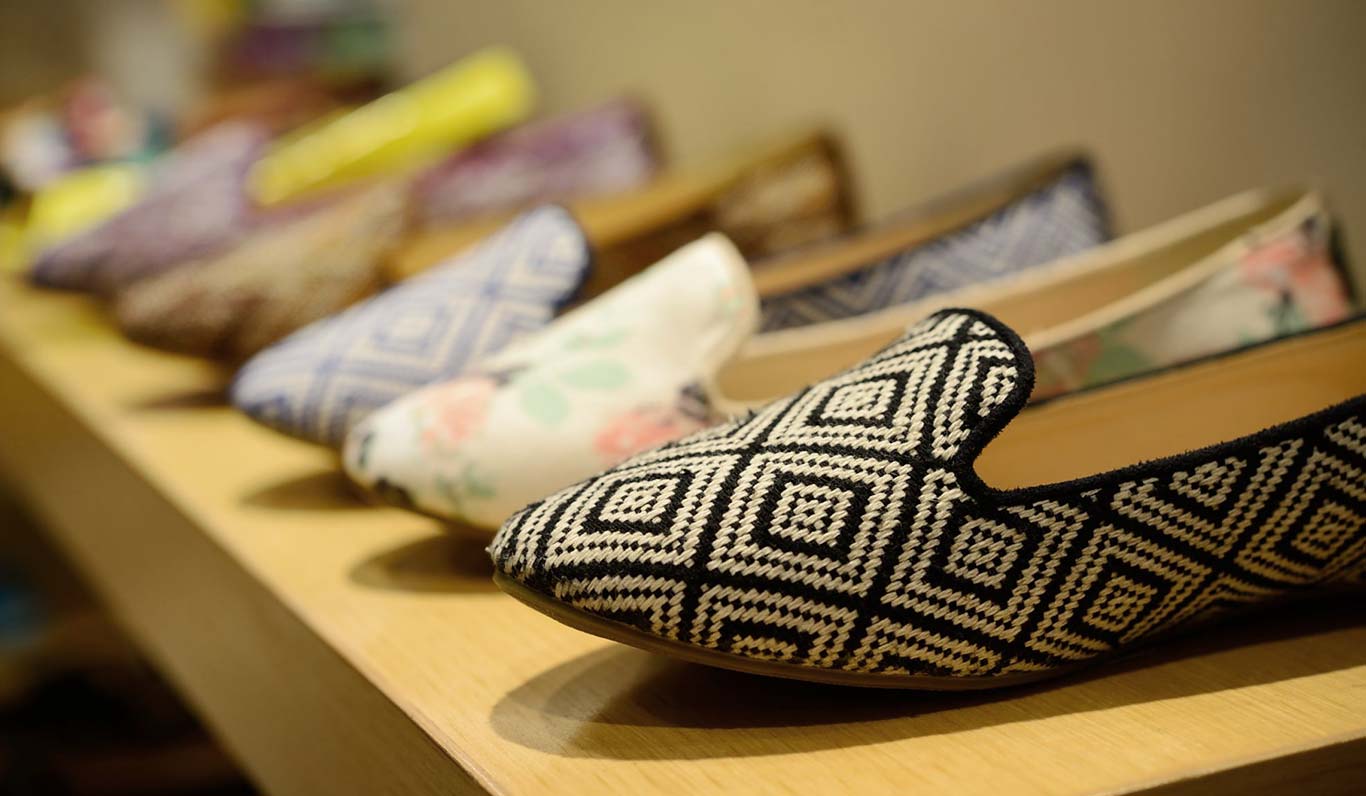
    The 150sqm store offers the brand’s entire range, as well as limited-edition Auckland-inspired laces: Waiheke Island Teal, Light Path Magenta, and West Coast Black Sand.

    The retailer offered a number of events, such as dried flower arranging workshops, meditation classes and drawing classes, in the first week of the store’s operation.

    According to Brown, it is a challenge to transpose the brand’s online experience into an offline one.

    “Bad retail is being challenged and good retail, thoughtful retail that is about storytelling and leans into the people that work there, that has educated people working in that environment that understand the products and are able to give a good experience is old fashioned and important,” Brown said to

  • JD may list Dada-JD Daojia in the US Store

    JD may list Dada-JD Daojia in the US Store

    Chinese e-commerce giant JD is considering a share listing in the US, according to a Reuters report.

    The firm has entered into early-stage discussions with bankers about a deal that could raise US$500 million for the firm’s joint venture in the territory, Dada-JD Daojia.

    According to Coresight Research, Dada-JD Daojia was created in 2016 through the merger of JD’s supermarket business and the crowdsourcing delivery service Dada Nexus, with a 10-per-cent stake owned by US retailer Walmart.

    Dada-JD Daojia provides a one-hour professional delivery service for more than 74 million users, working with more than 5000 retailers including Walmart, Carrefour, Vanguard, Yonghui supermarket and Watsons.

    The JV has already secured roughly the same amount in funding last year with investments from JD and Walmart.

    JD itself has just come off a solid second quarter thanks to strong online sales in recent months.

  • S. Culture warns shareholder for loss

    S. Culture warns shareholder for loss

    S. Culture International has warned shareholders it expects to post a net loss in the range of HK$3 million to $4 million for the six months to June. That would equate to as much as 10 times last year’s first-half loss of $400,000.

    The Hong Kong-listed retailer sells a range of international footwear brands including Clarks, Josef Seibel, The Flexx and Yokono. It has a network of around 100 stores across Hong Kong, Macau and Taiwan trading as S.Culture, Shoe Mart and Scoops and under individual brands, such as Clarks, Clarks Originals and Josef Seibel.

    Last March S. Culture hinted at a change of fortune after closing non-performing stores and booking gains from property disposals.

    But yesterday the company essentially revealed its shoe-trading business did not return enough profit to compensate for the absence of a one-off property gain last year, worth $7.57 million.  The company said another factor in the looming loss was overheads relating to the expansion of the management team it is putting in position to oversee the group’s future development.

    The exact result will be revealed later this month.