Tag: asia

  • Re:store store aims to change the way we shop

    Re:store store aims to change the way we shop

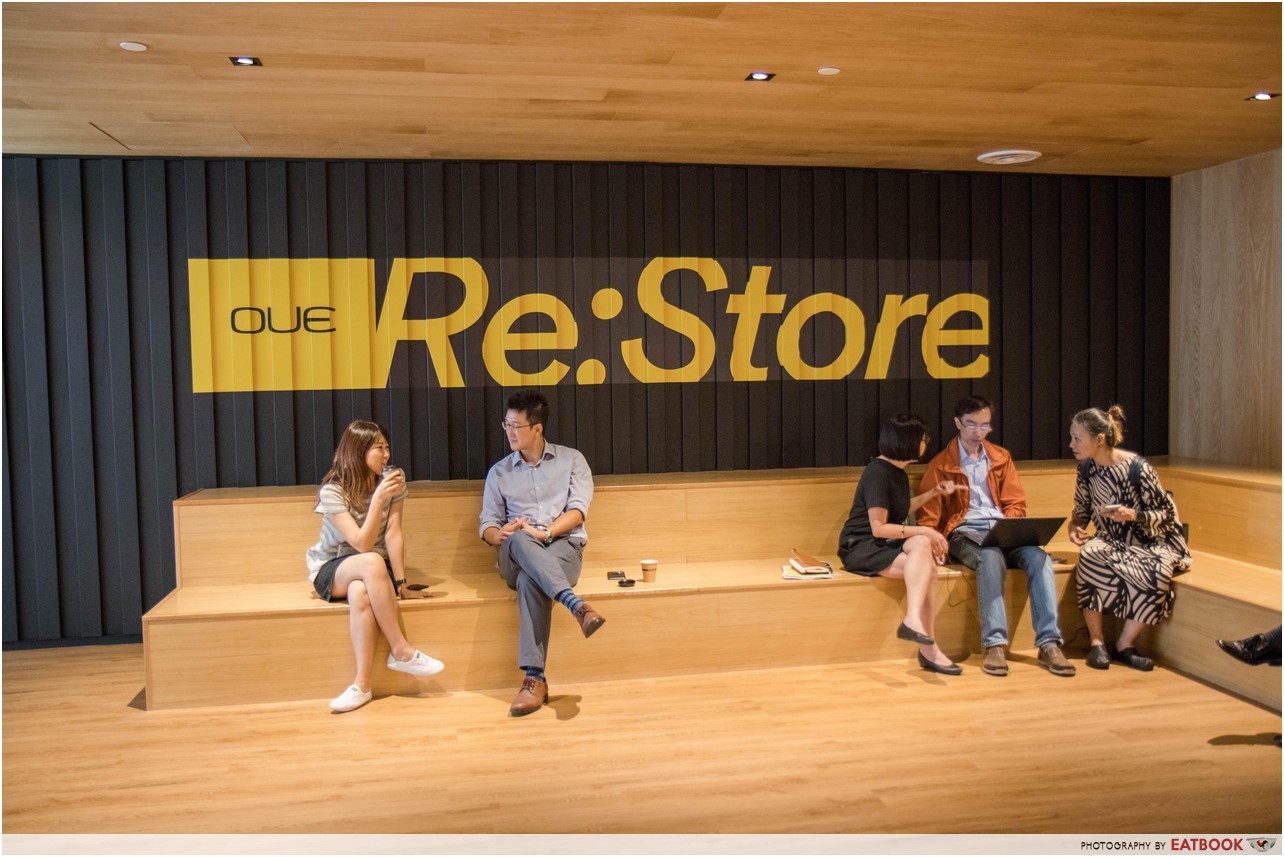
    San Francisco-based retail space and collaboration hub Re:store has been launched to help customers discover “Insta-famous” products into a tangible and immersive experience.

    By bringing niche brands closer to their customers and fostering community-based innovation, the Sequoia-backed startup is an attempt to change not just how we shop, but how we engage with brands, ideas, and the people inspiring them.

    “Creating an authentic connection between customers and brands is a fundamental building block of a dynamic shopping experience,” said creative entrepreneur Selene Cruz. “Re:store is poised to make scroll-to-stroll the new normal.”

    Partnering with a team of experienced curators, including former Refinery29 senior fashion market editor Alyssa Coscarelli and influencer “it girl” Vivid Wu, Re:store hand-picked 70 coveted direct-to-consumer brands as its debut partners, leaving more than 2000 other labels on the waitlist for future consideration. Among those featured at launch were CFDA award winner Mansur Gavriel, sustainability-minded fashion icon Sezane, and cult brand & Other Stories, with design ateliers in Paris, Stockholm and LA.

    Each startup brand receives its own dedicated area within the three-level 4200sqft space, located on the same San Francisco retail block as Fendi and Hermes, and fashion-meets-tech brands Warby Parker, Rent the Runway and Cuyana. Re:store’s interior was designed by Robert Storey of Storey Studio (Nike, Everlane, Gentle Monster) to reflect a shifting colors Cape, referencing San Francisco’s vibrant culture and “dreamy sky”.

    Re:store is not designed for the passive shopper; it’s a community space where customers can interact personally with brand leaders and founders through services such as feminist-focused Lacquerbar manicure pop-in, or entrepreneurial creativity installations like the Living Wall – a fashionable take on a Post-it ideation process.

    Re:store also seamlessly connects a digital mindset with the analog world. Through technology touchpoints, customers can communicate directly with brands, attaining deeper knowledge about their favorite items while sharing insights that can influence future products.

  • Amazon country manager Rocco Braeuniger leaving the office

    Amazon country manager Rocco Braeuniger leaving the office

    Amazon Australia’s country manager Rocco Braeuniger is leaving after just two years in the job to take a “senior international role within Amazon”, a spokesperson for the e-commerce company said.

    Braeuniger arrived in Australia in 2017 to oversee the launch of Amazon’s marketplace and retail offering Down Under.

    Since flipping the switch in December 2017, Amazon’s offering has grown to include more than 125 million products across 29 categories, as well as key services such as Fulfilment by Amazon and Prime. The company recently brought its startup incubator program, Launchpad, to Australia.

    In April, Amazon Australia reported $106.26 million in revenue from retail sales in 2018, and an additional $4.32 million in revenue from subscriptions services, that is, Prime.

    But Braueniger disputed the comments and reiterated to the AFR Amazon’s previous statement that its launch in Australia was its most successful launch to date.

    Braeuniger will be replaced by Matt Furlong, from October 1, 2019, who has held a range of roles at Amazon in North America over the past seven years.

    Furlong’s current title, according to LinkedIn, is director and technical adviser of Amazon North America. Previously, he was director and general manager of the home improvement, tools, major appliances and smart home category, and before that, category leader of musical instruments.

    “In his new role, Matt will bring invaluable experience from his time in US retail leadership roles and we look forward to him continuing to lead the team in bringing great selection, every day brilliant value, convenience and fast delivery to customers across Australia,” the Amazon spokesperson said.

  • The North Face reveals future plans with NY opening

    The North Face reveals future plans with NY opening

    Activewear label The North Face has initiated its global retail strategy with the opening of a new store in Manhattan’s SoHo neighbourhood last Friday.

    The brand will transform its existing locations to create a stronger connection with consumers and evolve The North Face retail environment into a space that feels more like the brand and less like a store.

    The 8000sqft venue is the first of a number of planned updates to the brand’s locations globally, including Seattle and Cherry Hill, NJ in the coming weeks, as well as locations in Europe later this autumn. The North Face is aiming to refresh the majority of its fleet of stores by the end of 2024.

    The North Face set out to design a store to reflect its brand positioning as premium, long-lasting and sustainably built. The SoHo location and all new stores moving forward will feature FSC certified reclaimed wood, steel, granite and low VOC paints. The environments are purposefully designed for longevity and to avoid the need for wasteful refurbishing throughout the years.

    “Our stores will continue to offer a convenient and seamless shopping experience, but it is no longer the sole mission of the store,” said VP of direct to consumer Mark Parker.

    “We’re now focused on creating an environment that highlights our heritage and allows consumers to deeply connect with the brand as they prepare for their own exploration, wherever it may be.”

    Elements of the new space include a museum-like archive of The North Face athlete expeditions and significant products, a signature half dome scent, and a team of “guides”, equipped to offer gear and exploration recommendations tailored to local adventure.

  • Honor TVs launched by Huawei running it’s own OS

    Honor TVs launched by Huawei running it’s own OS

    Chinese smartphone brand Honor has launched a flat-screen television it claims “ushers in a new era for the future of TV”.

    Unveiled at the Huawei Developer Conference, the Honor TVs come equipped with three Huawei self-developed intelligent chipsets and is the first television set in the world to carry Huawei’s own operating system HarmonyOS.

    “Honor Vision is not just television as we know it,” said the company’s president George Zhao. “It defines the future of television with Honor’s ‘Sharp Tech’ innovations.”

    Zhao says the Honor TVs will play a more critical role in the future of smart family life. “It is not only a home entertainment centre, but also an information-sharing centre, a control-management centre and a multi-device interaction centre,” he said.

    Huawei launched Harmony to deliver what it describes as a “cohesive user experience across all devices and user scenarios”. Some industry analysts have already commented that the development of the OS mis linked to US tech giant Google discontinuing upgrades for Huawei devices running Android due to security concerns in the west.

    But Huawei says HarmonyOS will be optimised and gradually adopted across the brand’s smart watches, smart screens, in-vehicle systems and smart speakers. It will be released as an open-source platform worldwide to encourage adoption by other tech companies.

    Meanwhile, the new Honor TVs come with a ‘Family Note Function’, allowing users to transfer 600M images between their smartphone and display via Huawei Share software in just 20 seconds – that’s 100 times faster than transferring via Bluetooth.

    The Honor Vision sets will also act as an in-home control and management centre, using software called HiLink, an open ecosystem for the smart home. “The platform as well as the technology will be accessible to other smart home providers in the industry, allowing users to connect their preferred smart home products together,” the company said in a statement.

    The Honor Vision range of 55” 4K TVs includes 2GB+16GB standard versions and 2GB+32GB Pro versions, priced at RMB3799 (US$538) and RMB4799 (US$680) respectively.

  • Telegram’s new update includes a powerful new feature for group owners

    Telegram’s new update includes a powerful new feature for group owners

    The Telegram messaging app, with its end-to-end encryption and the ability to host group chats of any size, is more popular overseas. According to Staista, at the end of March, it was the 11th most popular messaging app in the states with 2.67 million unique users each month. As of last month, it was the eighth-most popular global messaging app with 200 million monthly active users.

    Telegram announced an update that includes a new feature called Slow Mode. This allows an admin to lengthen the time a group chat member must wait between sending messages. The time period can range from no delay to as long as one hour between comments. Telegram says that it is offering Slow Mode to “make conversations in the group more orderly while raising the value of each individual message.”

    The update also adds Silent Messages. This is how you can send messages on the sly to contacts you know are attending a meeting, a class, or are in a situation where superfluous noise would be looked down on. So to have a message delivered silently, holding the send button will deliver the message without noise, even if the recipient did not enable Do Not Disturb. This feature is also available for group chats.

    Telegram is also giving group owners the ability to set custom titles. This can be done by going to Group Settings and editing the admin’s rights. In addition, videos now have a thumbnail preview and adding a timestamp to the caption will turn that time into a link. Tapping on the link will start the video from that precise moment. Telegram users sharing a YouTube video can also create a timestamp link as well. Animated emoji is now available and the stickers settings have a new toggle for looped playbacks. When toggled off, a sticker will play once and then remain static.

    Android users will notice a new attachment menu with larger thumbnails for photos and videos, making it easier for them to select media they want to share. Swiping up will reveal the entire gallery. And lastly, the new dark mode in iOS can be changed to create different background hues.

    Telegram users should find the update hitting their iOS or Android phone soon. For those who have yet to try Telegram, it can be downloaded from the App Store or Google Play Store.

  • JB Hi-Fi reports record profits, sales in FY19

    JB Hi-Fi reports record profits, sales in FY19

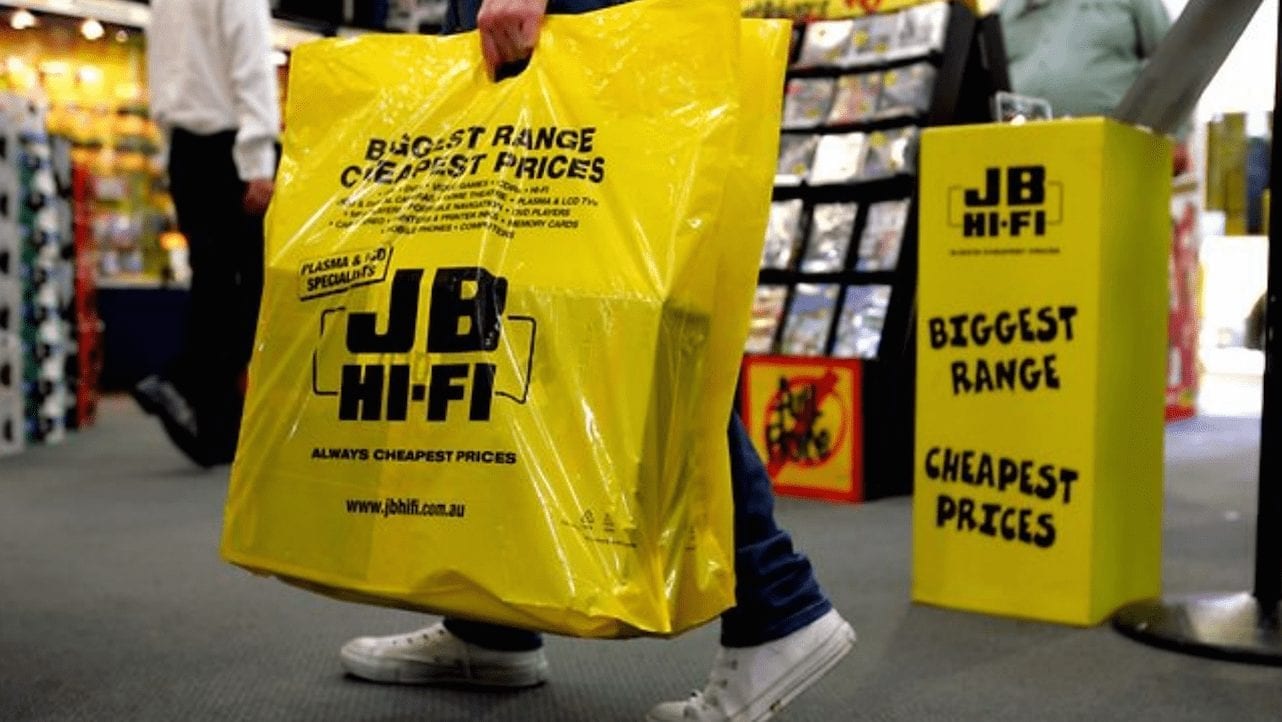
    JB Hi-Fi has seen record profit and sales for the 2019 financial year, leveraging strong communications, fitness and games hardware sales to deliver growth across all channels of the business.

    Net profit for the year grew 7.1 percent to $249.8 million, compared to the $233.2 million seen last year, while total group sales grew 3.5 percent to $7.1 billion – up from $6.9 billion in FY18.

    JB Hi-Fi Group chief executive Richard Murray said the group was pleased with the result, and that the success of the JB Hi-Fi brand during a difficult second half in Australia proves it has the right business model.

    “It was a solid result for JB Hi-Fi Australia, and a particularly pleasing finish for FY19 with strong sales in the key tax time promotional period,” Murray said.

    Comparable sales grew 2.8 percent, while total sales grew 4.1 percent to $4.73 billion – driven by communications, audio, fitness, games hardware and connected technology.

    However, the company’s media segment underperformed. Sales in the category fell 7.3 percent compared to FY18, with a double-digit decrease in movies and music sales offset by strong growth in the gaming software segment.

    Murray noted during an investor call that while store roll-outs had slowed, physical locations remain key to its growth, even as it expands the online channel, which grew 23 percent in FY19 and now makes up 5.5 percent of total sales.

    The New Zealand business also saw strong growth online, with 38.3 percent growth in online sales to NZ$13.3 million, or 5.6 percent of total sales. Comparable sales grew 8.2 percent, while total sales grew 2 percent to NZ$236.2 million.

    According to Murray, this result is evidence that JB Hi-Fi’s offer is resonating with New Zealand customers, and proves that hiring New Zealand managing director Cherie Kerrison to lead the international business was the right call.

    As for the recently acquired The Good Guys brand, total sales grew 2.2 percent to $2.15 billion, with comparable sales up 0.9 percent, while online sales grew 3.7 percent to $130.9 million.

    “In a competitive environment, we remained focused on sales and market share whilst stabilizing gross margins and continuing to evolve the business,” Murray said.

    JB Hi-Fi Group will continue to invest in The Good Guys brand while seeking to maintain and enhance it, said Murray.

    One such initiative will be to take learnings from JB Hi-Fi’s telecommunications category and use it to launch a similar offering in The Good Guys.

    Looking to the next 12 months, the retail group expects total sales for FY20 to reach $7.25 billion – with JB Hi-Fi Australia to contribute $4.84 billion, JB Hi-Fi New Zealand NZ$240 million, and The Good Guys $2.18 billion.

    Murray notes that while the business continues to see variability in the overall retail channel, JB Hi-Fi enters the new financial year confidence in its ability to execute and grow market share.

  • Remote-Based App Exposed Thousands Of Vehicles To Hackers

    Remote-Based App Exposed Thousands Of Vehicles To Hackers

    A hacker who goes by the handle Jmaxxz has exposed a series of vulnerabilities in a remote-based automobile app that may have exposed around 60,000 cars to hackers.

    In a talk at the Defcon hacker conference in Las Vegas on Saturday, Jmaxxz identified several issues in a system called “MyCar” — developed by Canadian company Automobility, Wired reported.

    Based on a scan of MyCar’s exposed database, Jmaxxz estimates that there were roughly 60,000 cars left open to theft by security bugs, with enough exposed data for a hacker to even choose the make and model of the car they wanted to steal.

    MyCar’s devices and apps connect to radio-based remote start devices like Fortin, CodeAlarm and Flashlogic using GPS and a cellular connection to extend their range using an Internet connection.

    Jmaxxz claims that the danger of these glitches are beyond theft or remote alarm-triggering pranks. Remotely starting a car without the owner’s knowledge could lead to dangerous carbon monoxide leaks which could be fatally dangerous.

    Addressing the matter, MyCar’s parent company has said that all the resources at their disposal have been used to promptly address the situation, the report added.

  • Subway under investigation for underpaying work force

    Subway under investigation for underpaying work force

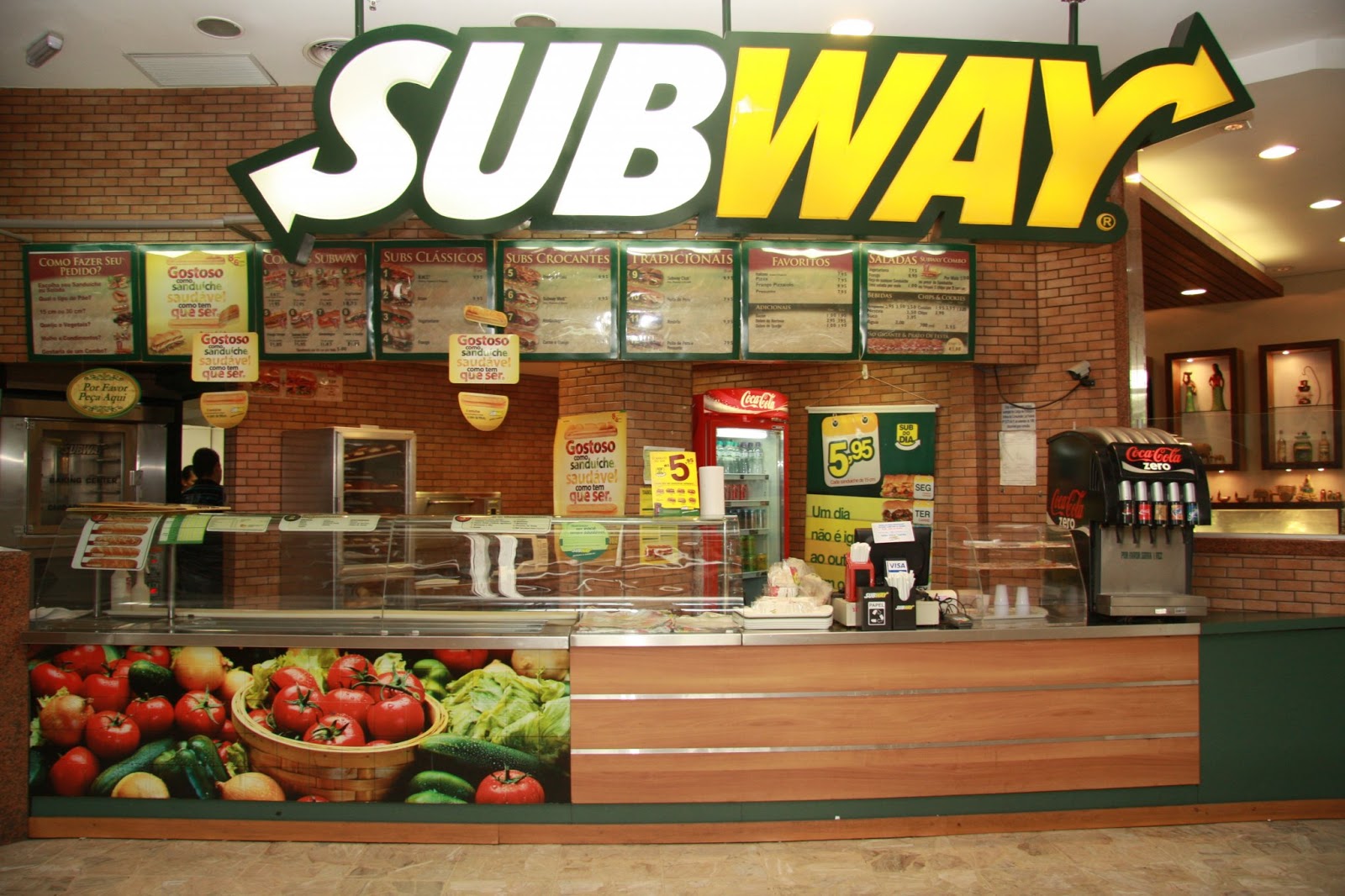
    Subway has said it could terminate franchisees that fail to meet their financial responsibilities amid an investigation launched by the Fair Work Ombudsman into the underpayment of its workers.

    The sandwich retailer said franchisees are required to meet regulatory, financial, workplace and employment requirements, and failure to do so could lead to disciplinary action.

    “Failing in their commitment to uphold these will result in enforcement action and continued non-compliance may lead to termination,” a Subway spokesperson said, which reported the underpayment investigation on Monday.

    “All Subway restaurant employees are entitled to payment for hours worked, including for training. Any employee who believes they have been paid incorrectly by a franchise owner is encouraged to report this to Subway for investigation, through a dedicated employee hotline.”

    Local newspapers spoke to several Subway employees, who had seen thousands of dollars paid incorrectly over the years, as well as mentioning a general laissez-faire attitude adopted by the Subway head office.

    “The only things Subway head office care about is your name badge, your uniform, it is all about the image,” one employee said.

    A Subway spokesperson said these statements have not been reported to it, and that it takes matters such as these very seriously.

    “More than 10,000 employees are hired by franchise operators and work at the 1353 individually-owned Subway restaurants across Australia,” the spokesperson said.

    “While restaurant employees are hired by franchise owners, any concerns raised by employees are investigated by Subway immediately.”

    Subway is not the only retailer grappling with underpayment issues. Wage theft has been uncovered at Michael Hill, Domino’s, Super Retail Group and Chatime over the past year, though most said it was a result of the complexity of modern awards.

    However, an informal poll revealed almost 60 percent of more than 200 respondents believe underpayment is mostly intentional, due to businesses trying to cut costs.

    A recent report by the Australian Payroll Association found that almost a third of payroll managers admitted to making employee payment or entitlement mistakes at least once a month, and claimed that the larger the business, the more likely mistakes are to occur.

    However, the report claimed only 16 percent of businesses with fewer than 50 staff said they made such mistakes each month – a position most franchisees likely fall into.

  • HMV liquidation sale starts Thursday

    HMV liquidation sale starts Thursday

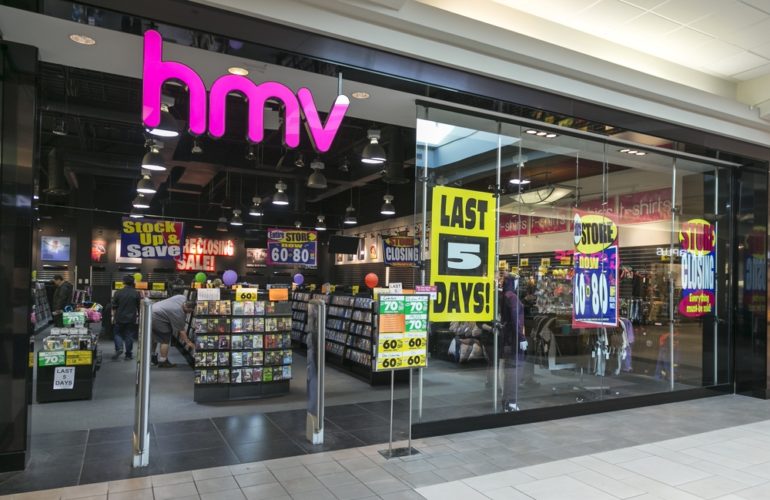
    A giant HMV liquidation sale kicks off on Thursday in Wan Chai as the failed retailer’s liquidator tries to recover some cash to return to creditors.

    Wong Sun-keung of Vision AS, who is overseeing HMV’s liquidation, had originally planned to sell several containers-full of stock recovered from shuttered stores by way of a tender. However he says the prices submitted by 10 bidders were so low, it was decided to proceed with an HMV liquidation sale instead, despite the high overheads of leasing space and hiring staff.

    Vision AS says 50,000 DVDs will go on sale along with 20,000 music CDs, 24,000 Blu-ray discs and 9000 vinyl records. The remainder of the stock includes headphones, iPhone and tablets and other electronic goods.

    The HMV liquidation sale will run from August 15 to August 29 at W Square in Wan Chai. Doors will open between 11am and 9pm.

    Former employees of the company and creditors will have access to a restricted presale on Wednesday night.

    It is expected that only cash will be accepted as payment.

  • Toyota Aims To Counter Mistakes Of Gas Pedal For Brake

    Toyota Aims To Counter Mistakes Of Gas Pedal For Brake

    Toyota Motor Corp. plans to introduce a safety function as early as this year to help prevent accidents caused by drivers slamming the accelerator instead of the brake by mistake, the Yomiuri newspaper reported, citing a person familiar with the matter.

    The new function is designed to prevent vehicles from quickly accelerating when the driver presses the gas pedal too firmly, the report said. Prime Minister Shinzo Abe has called for measures to counter a number of fatal accidents recently caused by simple mistakes made in some cases by elderly drivers.

    The number of fatalities caused by drivers 75 years old or older reached a four-year high of 460 last year in Japan, according to National Police Agency data, and critics have been calling attention to cases involving senior drivers mistaking the accelerator for the brake. Toyota will likely first focus on installing the new function on hybrid vehicles popular among senior citizens if requested by car owners, the Yomiuri said.

    Toyota plans to keep the cost at 50,000 yen ($472) or less for the device, the report said.

  • Cebu Pacific launches P99 domestic seat sale starting Monday

    Cebu Pacific launches P99 domestic seat sale starting Monday

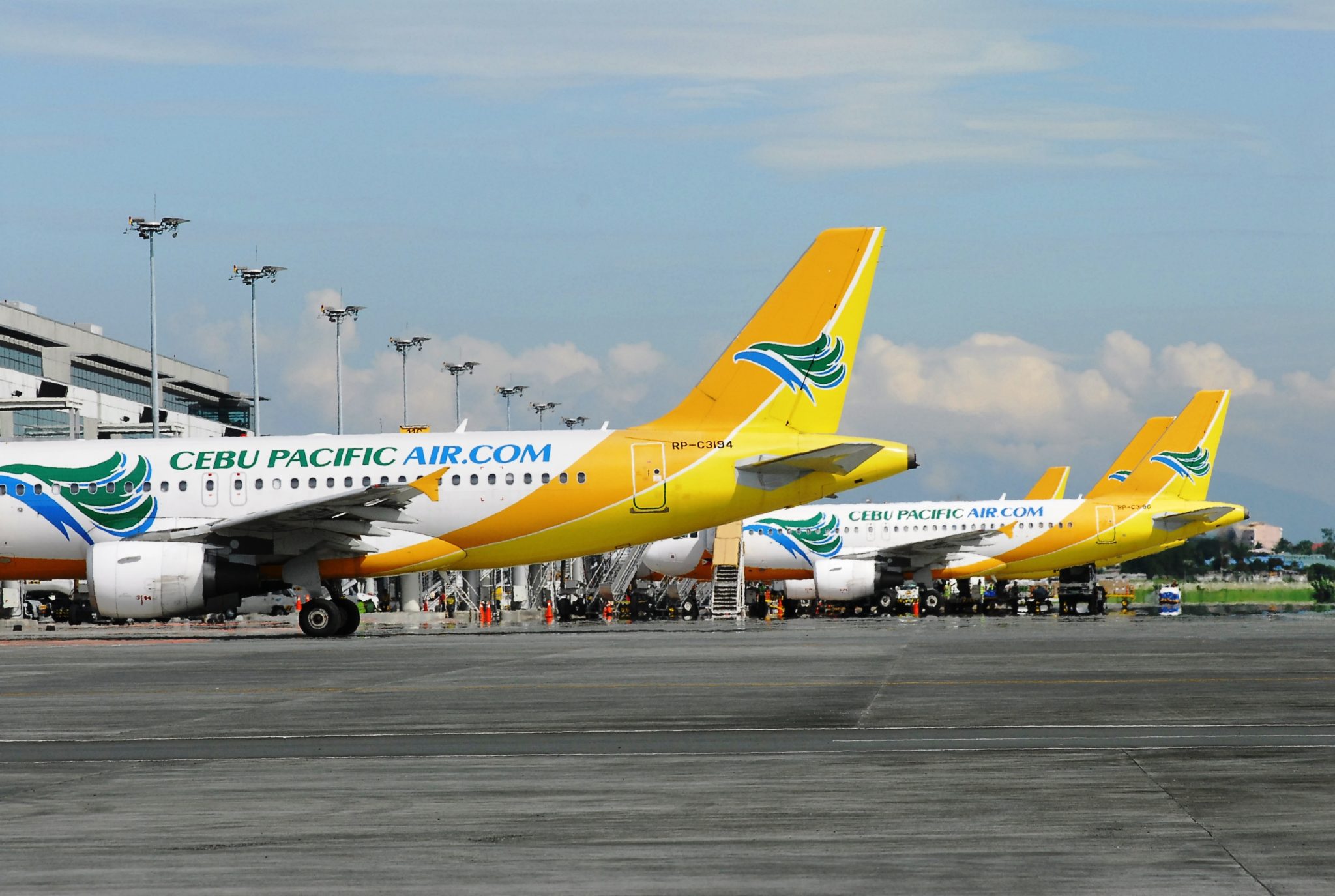
    Budget carrier Cebu Pacific on Monday announced a P99 seat sale for domestic flights one-way from Clark International Airport.

    In an advisory, the airline said the sale started Monday, August 19, and will end on Wednesday, August 21.

    The travel period is from October 1, 2019 to January 31, 2020.

    The P99 one-way flights are Clark to Bacolod, Bohol, Boracay (Caticlan), Cebu, Clark, Davao, Iloilo, and Puerto Princesa.

    Aside from Clark, Cebu Pacific operates flights out of six other strategically placed hubs in the Philippines: Manila, Kalibo, Iloilo, Cebu, Cagayan de Oro (Laguindingan) and Davao.

    The carrier operates over 2,000 weekly flights across 37 domestic and 26 international destinations.

  • Versace adds gloss to Capri results

    Versace adds gloss to Capri results

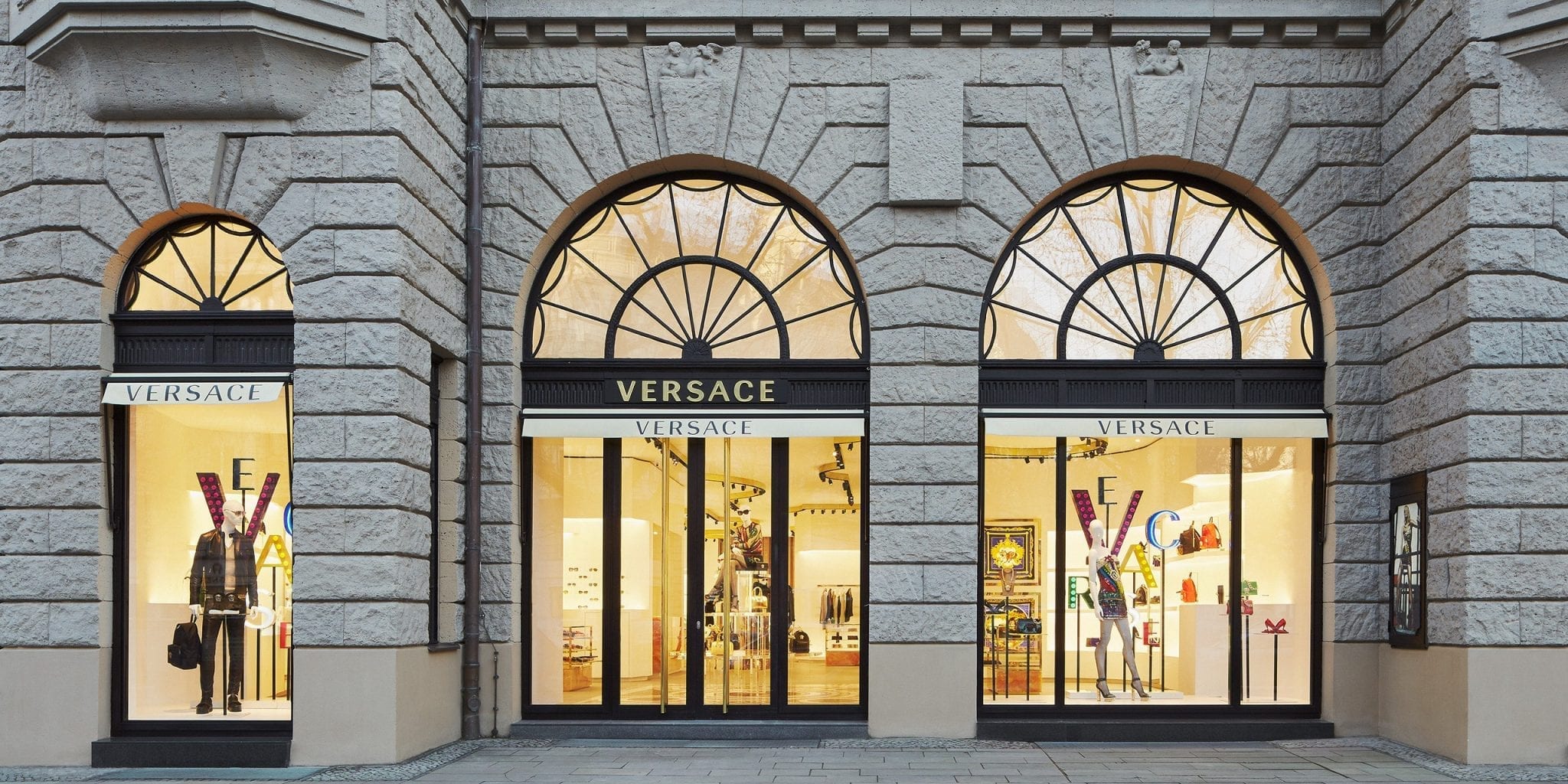
    At headline level, the latest Capri results looks to have been a good quarter for the fashion retail owner, with revenues up by a solid 11.9 percent.

    However, the results are far from spectacular. The uplift in revenue is all a function of the inclusion of sales from Versace, which was not part of the group at this point last year. Revenue at the two other brand houses – Michael Kors and Jimmy Choo – both fell significantly.

    Moreover, margins at both divisions declined, contributing to a 70.2 percent dip in operating income. All the metrics are going in the wrong direction and run counter to Capri’s business plan for strengthening profitability as it advances to being an US$8 billion business.

    Michael Kors is the most problematic part of the business and the brand starts the new fiscal year in the same way as it ended the last one – with a decline in overall revenue. The difference from last year is that the pace of decline has accelerated, underpinned by a modest deterioration in comparable sales. As much as Capri blames the poor performance on its efforts to rebalance the brand, the weak numbers have more to do with a lack of underlying enthusiasm from some of the audiences it wants and needs to reach.

    Part of the issue is the baggage that Michael Kors still carries from the days when it expanded to the point of ubiquity: there are still lingering perceptions that the brand is unsophisticated and lacks the refinement of labels like Coach. None of this is aided by the fact that Michael Kors deliberately plays up its edgy nature with some bold and occasionally gaudy designs supported by marketing and promotion that can appear gauche. These things may differentiate the brand from more conservative rivals, but they do little to increase its appeal.

    To be fair, Michael Kors also has products that are elegant and its newer menswear ranges are designed to be fashionable and functional and so come across as more conservative. However, these get lost in the wider image of the company and make the offer look unfocused and schizophrenic. Michael Kors is still a brand that is unsure of its identity and this does not bode well for future growth.

    Jimmy Choo’s heritage is more conservative, and its backstory is one of the elegant products with interesting fashion twists. However, the influence of Michael Kors is starting to rub off and the brand is becoming more focused on the bling with a pinch of ostentatiousness thrown in for good measure – as is exemplified by the new logo and some of the new non-footwear product launches. Attempts to amplify the brand are not necessarily wrong, but the methods being used have the potential to alienate existing customers and drag the brand into territory where it cannot thrive.

    The integration of Versace represents an opportunity for Michael Kors and in terms of styling and brand attitude, the division is a good fit for the ethos of the whole group. The challenge is to bring discipline to a logo that is larger than life, but which often lacks focus and coherence. We are generally supportive of the vision to grow share in menswear and activewear and to expand the store footprint. However, a lot of work on the overall brand vision is still needed to create a compelling offer for the customer.

    Overall, Capri is fulfilling its vision to create a house of luxury brands. Unfortunately, it currently has a collection of brands that need a lot of work in order to reach their potential. We reserve judgement on whether current management can deliver the long-term growth plans they have set out.

  • Uniqlo, Coupang, Daiso weigh cost as Japan boycott grows

    Uniqlo, Coupang, Daiso weigh cost as Japan boycott grows

    Casual-clothing chain Uniqlo says its sales have been affected as the consumer boycott of Japanese goods intensifies in South Korea.

    Uniqlo, owned by Fast Retailing, will close a downtown Seoul store soon, but says this is due to a decision not to renew a lease rather than the Japan boycott as reported by Japanese news media.

    Uniqlo has close to 190 stores in South Korea where it sells around US$1.3 billion of clothes annually, accounting for 6.6 percent of its revenue.

    Meanwhile, the boycott is leaving some South Korean companies that some consumers have labeled as “Japanese companies” struggling to explain themselves.

    South Korean consumers are boycotting Japanese products from beer to pens in protest over Japan’s decision to impose restrictions on exports of key high-tech materials to its Asian neighbor. While Japan cited security concerns for the curbs, the move also been seen as retaliation after a South Korean court last year ordered Japanese companies to compensate Koreans who were forced to work for Japanese occupiers during World War Two.

    Japan has also removed South Korea from a list of favored trading partners.

    “It is not easy to clear up the misunderstanding as there are some complicated cases of stake relationships that are confusing even to consumers,” wrote D M Park of Korea Bizwire.

    For example, Daiso, a flat-priced household goods company run by Asung Daiso, has been dogged by constant attacks from some consumers saying it is a “Japanese company” since the beginning of the boycott campaign.

    Daiso originally started in May 1997 when Park Jung-won, a former office worker, opened a household goods store called “Asco Even Plaza” in Seoul. In November 2001, the company changed its name to Daiso Asung in cooperation with Daechang Co, a Japanese distributor of flat-price goods. Daiso is the Japanese pronunciation of Daechang. It later registered as a foreign-invested company under the Foreign Investment Promotion Act in March 2002.

    Currently, Park holds 50.02 percent of Asung HMP, the largest shareholder, while Japan’s Daechang Industrial holds 34.21 percent of the shares.

    The problem is that Japanese companies own more than 30 percent of the shares, and Japan also has more than 2900 stores of the same mutual, uniform price household goods company run by Daechang Industrial.

    “There is no relationship between Japan’s Daiso, Japan’s payment of royalties, personnel exchanges, nor participation in management except for equity investments,” stressed a representative of Asung Daiso.

    “Samsung Electronics also has a high foreign stake, but that does not make Samsung a foreign company,” the representative said.

    Coupang, a leading e-commerce company, also suffered from rumors that it was a Japanese company after Japan’s Softbank Vision Fund (SVF) made equity investments.

    Although Coupang, an unlisted company, has never made its exact stake public, industry sources estimate that SVF’s stake in Coupang will exceed 30 percent.

    Coupang responded quickly through its own promotional channel as such rumors spread quickly in the early days of the boycott and showed signs of affecting sales as well.

    “Foreign ownership of KB Financial Group is close to 70 percent, while foreign ownership of Samsung and Naver is also close to 60 percent,” Coupang explained.

    Coupang then laid out the similar logic of Daiso that high foreign investment in shares does not mean that a company is a foreign company, hoping to overcome impact from the Japan boycott.

  • Google Flights now guarantees refund for price difference

    Google Flights now guarantees refund for price difference

    In an attempt to make its Flights app more trustworthy, Google announced a couple of nifty new features that, hopefully, will offer users more peace of mind when they book a flight through the app.

    Up until now, Google Flights would show users whether prices for a flight route are high, low or typical. However, starting today, the app is getting a new feature that will show you the same insights for your exact itinerary. On top of that, for some flights, the app will be able to show you how the price has changed over the past few months.

    Google Flights will also notify users when it predicts the price may go up soon or won’t get any lower so that they can book their flights as soon as possible. And to give Google Flights more confidence when they book a flight, when the app predicts the price won’t decrease for select routes booked between August 13 and September 2, Google will guarantee the price won’t drop and will refund you the difference if it does.

    Yes, Google will monitor the price and if the price drops any time before your departure, you’ll receive an email to inform you once your flight takes off. According to Google, this feature is only available for select routes originating in the United States with domestic or international destinations.

    Google Flights is also getting some improvements when it comes to trips. Starting this week, the app will assist users with recommendations for the next steps after they booked a flight and received a confirmation in Gmail. These recommendations cover everything from searching for hotels to restaurants and other things to do.

  • Alibaba expands 88 VIP prestige loyalty program

    Alibaba expands 88 VIP prestige loyalty program

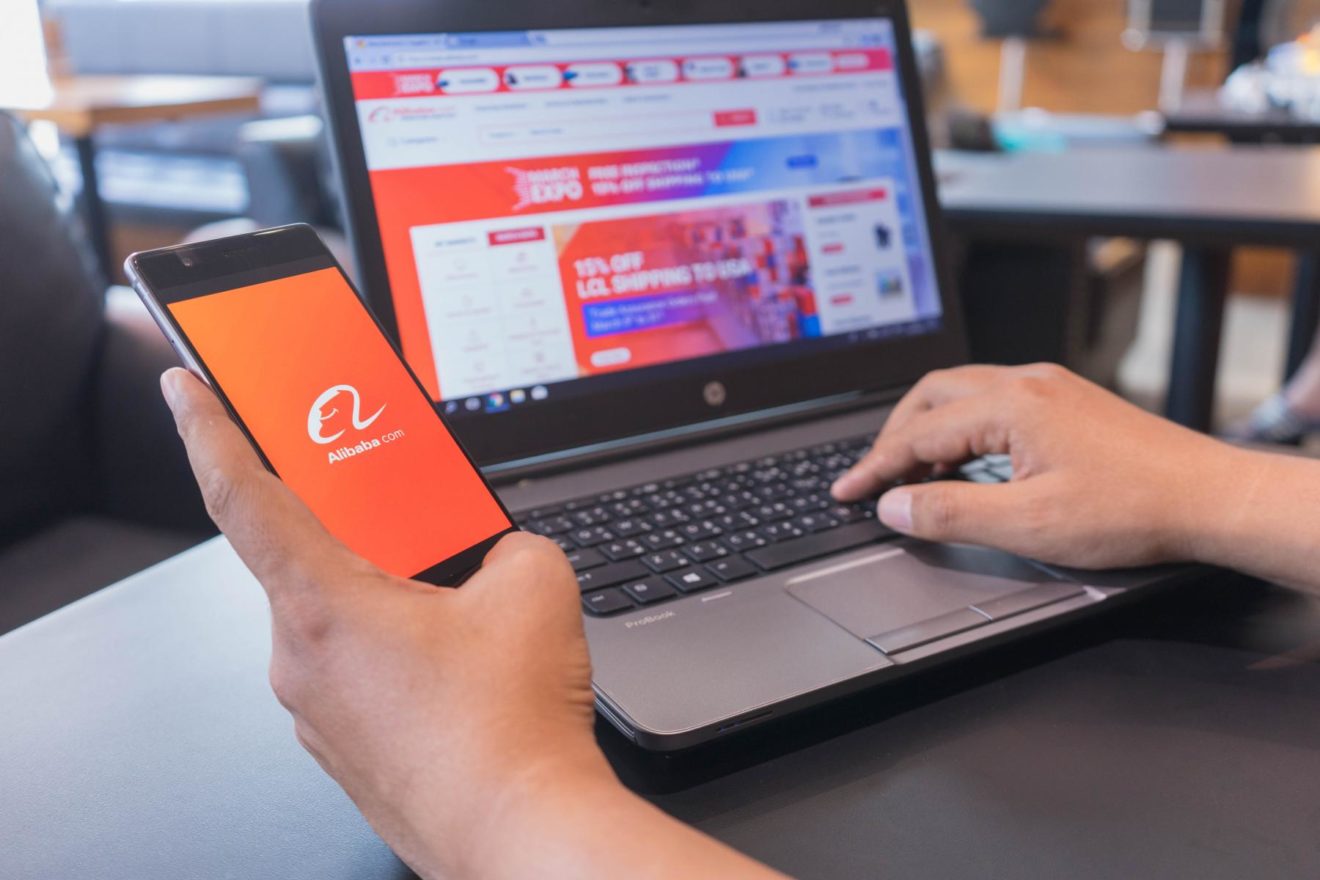
    Alibaba Group has rolled out an upgraded 88 VIP membership program, adding new perks and privileges to its prestige loyalty program.

    The new offerings range from discounts at more online flagship stores, memberships for Alibaba’s various services, and wider access to other platforms within the Alibaba ecosystem.

    This year’s package extends the 5-per-cent 88 VIP member discount to 300 brands on Tmall, adding to the 88 brands introduced when the club launched last year. Each 88 VIP member will also be automatically entitled to global travel membership with Alibaba’s travel service platform Fliggy, giving them additional benefits when booking international hotels and flights throughout the year.

    “The upgraded membership program demonstrates we are committed to enhancing the customer experience and delivering benefits that cover all aspects of our customers’ lives,” said Alibaba Group chief marketing officer Chris Tung.

    “Discounts on a wider range of brands and products and deeper engagement with the Alibaba ecosystem have helped us enhance customer loyalty, as well as strengthen our capabilities in cross-selling and generating consumer insights, benefiting customers and brands alike.”

    An 88 VIP member spends an average of RMB100,000 annually on services within the Alibaba ecosystem. These VIP members are often the first to discover what later become best-selling items on Alibaba’s platforms. Their purchases usually cover a wider range of categories than typical members. Moreover, these VIP members are more likely to have memberships on multiple services on Alibaba’s platforms.

    Launched in 2018, the 88 VIP program has created immense growth opportunities for both brands and merchants, according to Alibaba. For example, Marriott International, the global hospitality group that joined the 88 VIP program last December, has received twice as many hotel room bookings from 88 VIP members than from non-members. The land, a New Zealand dairy brand, has generated around 90 per cent of its sales on its Tmall flagship store from 88 VIP members.