Tag: asia

  • CIMB Niaga partners Liquid Group to support Bank Indonesia’s QR Code standardisation

    CIMB Niaga partners Liquid Group to support Bank Indonesia’s QR Code standardisation

    PT Bank CIMB Niaga Tbk (“CIMB Niaga”) and Liquid Group today announced a strategic partnership to spearhead cross-border QR payment acceptance between Singapore and Indonesia. The partnership was initiated through their joint participation in Bank Indonesia’s Quick Response Indonesian Standard (QRIS) trial for cross-border payment transactions. The QRIS trial was conducted on May 23, 2019 using the CIMB Niaga’s digital banking product “Go Mobile” carried out at selected merchants located at Terminal 3, Singapore Changi Airport.

    Slated to launch in the 3PrdP quarter of 2019, CIMB Niaga and Liquid Group will enable the acceptance of participating QRIS compliant payment apps and e-wallets at Singapore Changi Airport through Liquid’s integrated QR payments and marketing infrastructure launched back in April this year.

    CIMB Niaga and Liquid Group have successfully completed their proof-of-concept with CIMB Niaga’s Go Mobile application and QRIS compliant payment apps and e-wallets. With the integration of Bank Indonesia’s QRIS code into Liquid Group’s cross-border payments platform, Indonesian travellers will be able to use their preferred local payment apps to make purchases at Changi Airport.

    Furthermore, CIMB Niaga and Liquid Group will be looking at opening the Singapore – Indonesia corridor for QR payments, enabling the acceptance of Singapore’s local payment apps and e-wallets at participating merchants in Indonesia.

    Lani Darmawan, Consumer Banking Director, CIMB Niaga, commented: “We are honoured to be the first bank in Indonesia given the opportunity by Bank Indonesia to conduct a cross-border QRIS payment trial. We believe that this initiative will greatly benefit our customers who can enjoy the ease of transacting abroad, starting with Singapore’s Changi Airport, using our Go Mobile QR app. This also offers a perfect solution to our customers who may not travel aboard with credit cards or large amounts of cash. We see great potential in the adoption of QRIS-supported cross-border payments with an increasing number of people travelling aboard.”

    Lani added:” The Go Mobile application will offer customers an attractive and competitive exchange rate at the point of payment, with the option to draw funds from their savings accounts, e-wallets and credit cards.”

    Jeremy Tan, Chief Executive Officer, Liquid Group, commented: “Accelerating the adoption of QR payments across borders is our key mission and we appreciate the vote of confidence given to us by CIMB Niaga in using Liquid Group’s integrated payments and marketing infrastructure at Changi Airport for their QRIS trial. Further to opening up the Singapore – Hong Kong corridor for QR payments last month, we are thrilled to now offer Indonesian consumers the convenience and benefit of cross-border QR payments starting with those stopping over at Singapore Changi Airport. We look forward to expanding the acceptance of QR payment apps and e-wallets from both Singapore and Indonesia on our cross-border payment platform.”

    Ms Teo Chew Hoon, Group Senior Vice President of Airside Concessions at Changi Airport Group, commented: “We continuously find new ways to elevate the shopping experience for our passengers and make their payment journey a frictionless one.  This collaboration with Liquid Group and CIMB Niaga will make Changi Airport the first retail destination to spearhead the acceptance of cross-border QR payments using Liquid Group’s first-of-its-kind unified QR payment infrastructure.”

    Liquid Group and Joint Electronic Teller Services Limited (“JETCO”) has also announced a strategic partnership to enable cross-border QR payment acceptance in Singapore and Hong Kong earlier in May, a month after the launch of the world’s first integrated QR payments and marketing infrastucture at Changi Airport back in April 2019.


  • Aston Martin Valhalla To Be Featured In The Upcoming 25th James Bond Movie

    Aston Martin Valhalla To Be Featured In The Upcoming 25th James Bond Movie

    Further extending its deep connection with the James Bond franchise, Aston Martin has recently revealed the carmaker’s new mid-engined hypercar Valhalla will be a part of the upcoming 25th Bond movie, staring actor Daniel Craig. In addition to the recently unveiled Aston Martin Valhalla, the new 007 movie will also feature the classic Series II V8 Vantage and the iconic DB5. While the Vantage was last seen in a Bond film more than 30 years ago when Timothy Dalton drove it in The Living Daylights, the Aston Martin DB5 has been a series regular driven by almost all major 007s. Last time we saw the DB5 was in the 2015 movie Spectre.

    The new Valhalla will be the first mid-engined Aston Martin car to be driven by a James Bond, and only the second among all. Last time a James Bond character drove a mid-engined car was in the1981 movie For Your Eyes Only, and it was Roger Moore driving the Lotus Esprit Turbo.

    As for the Aston Martin Valhalla, the all-new hypercar will be positioned below the company’s flagship, Valkyrie, which is more track-focused, and instead be a more road-friendly usable everyday car. An outcome of the collaboration between Aston Martin and Red Bull Racing, the Valhalla was earlier known as the AM-RB 003. The car uses a carbon fiber monocoque chassis and is powered by a twin-turbocharged V6, assisted by a battery-powered electric hybrid system. The powertrain system is expected to offer a combined power of up 986 bhp. The exhaust system uses dual outlets, which are positioned on top of the car, similar to the Porsche 918 Spyder.

    While we are likely to see a pre-production model in the movie, the new Aston Martin Valhalla is expected to officially enter production in 2021. It is expected to compete with the upcoming successor of the McLaren P1.

  • Snoopy-themed cafe opens at Kumoya Café

    Snoopy-themed cafe opens at Kumoya Café

    Singapore’s first Snoopy-themed cafe has opened at Kumoya Cafe.

    Open until September, the cafe offers an exclusive Snoopy-themed menu, curated by Kumoya’s kitchen team and Instagram food artist Shirley Wong.

    Featuring dishes include Snoopy’s Doghouse Fantasy Ebi Burger, Sweetest Friend Chocolate Caramel Frappe, and Snoopy-On-A-Donut Iced Lychee Momo Tea, Hand-Cut Truffle Fries, Snoopy Sizzling Seafood Tempura With Japanese Curry Rice, Snoopy Matcha Madness Azuki Lava Cake.

    At the door, there is Snoopy’s doghouse for customers to snap photos with.

    Inside the cafe, Snoopy decals cover the cafe’s walls, with tabletops covered with Peanuts comic strips featuring the beagle and his friends.

    Snoopy merchandise on sale includes Snoopy plush, keychains, pouches and toy figurines.

  • Tse Sui Luen store network expands Again

    Tse Sui Luen store network expands Again

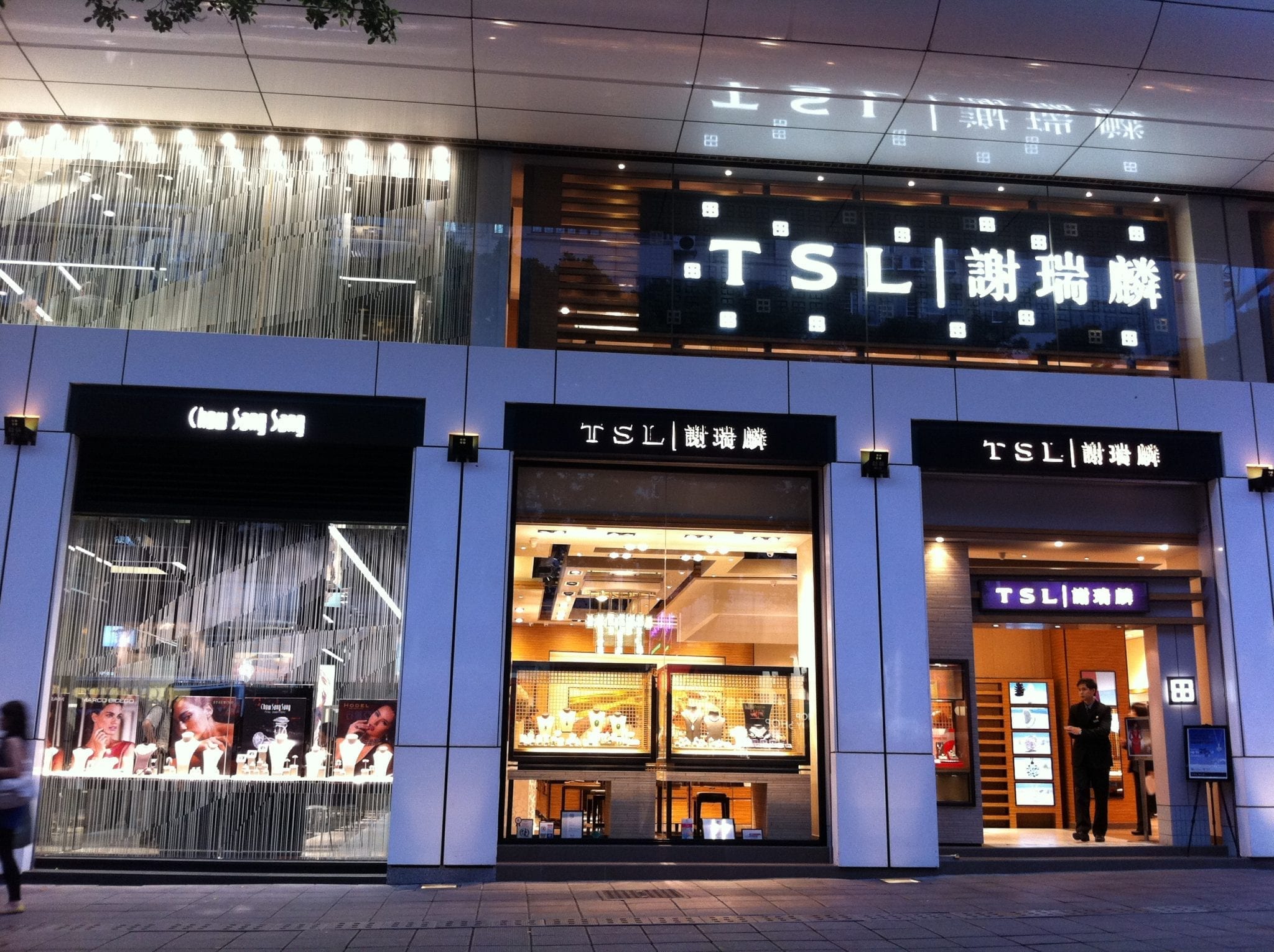
    Hong Kong-headquartered jeweller Tse Sui Luen has reported a 9.6 per cent increase in profit for the full year, despite a marginal 1.7 per cent drop in group turnover.

    Profit attributable to shareholders was HK$54.2 million (US$6.9 million) on sales of $4.065 billion ($521 million).

    The Tse Sui Luen store network grew by 56 during the year, to reach 473.

    Chairman Annie Yau said sales rose in the first half of the year, reflecting the continuing upturn of Hong Kong’s retail sector. “However, conversely, towards the end of the year, the group started to feel the trickle-down effects of the trade dispute between the US and China which has adversely affected the market sentiment and consumer confidence and resulted in the depreciation in the Renminbi – all leading to a slowdown in the global economy and in local retail sales performance.”

    She said the fluctuation of the Renminbi value inevitably brought adverse impact on the second half. “The group is responding to these challenges with unique signature products and reinforcement of our market positioning as ‘Wedding Expert’, all aimed to offset the negative effects…”

    During the year, the group has demonstrated its vision to optimise its retail network across Asia and broaden its international presence through new store openings in Hong Kong, Mainland China and Malaysia. Going forward, we will continue to seize the opportunities for developing existing and new business channels and expanding our retail network in all the regions where we operate, while being cautious and keeping a close watch on any and all changes as and when they occur in the market,” she says.

    Same-store sales growth in Hong Kong and Macau was 2.8 per cent, and as a result of gold product promotions and an expanded product assortment, the average amount per invoice rose by 5.6 per cent.

    Tse Sui Luen took advantage of a general downward trend in store rental rates to improve rental cost effectiveness. It expanded the size of its stores at Times Square in Causeway Bay and Plaza Hollywood in Diamond Hill and opened a new store in MCP Central (Phase II) in Tseung Kwan O.

    Self-operated Tse Sui Luen store growth continued to be a key driver of the group’s Mainland China business, accounting for 36.6 per cent of its turnover during the year. Twelve new self-operated stores and 43 new franchised stores were opened on the mainland, expanding the network from 380 to 435.

    “We will keep on expanding our retail network in Mainland China with the intention of opening an additional 100 new stores over the coming two years,” said Yau.

    In Malaysia, turnover was stable the jeweller opened one new store, at Genting, taking its network there to five.

  • Singaporean shoppers prefer shopping in store

    Singaporean shoppers prefer shopping in store

    Singaporean shoppers still prefer in-store shopping, a study by UK mobile tech firm Blis shows.

    The Real Retail Study analysed shopper behaviour in Singapore, and concluded the desire to shop in store is also very much alive, especially when it comes to food and groceries (79 per cent), followed by furniture and home furnishing (69 per cent), and household appliance (61 per cent).

    Consumers are also willing to spend higher amounts when shopping in store, with 81 per cent indicating they will be looking out for in-store deals during the upcoming Great Singapore Sale.

    Four in five local consumers use their mobile phones when shopping in a physical store.

    The most popular reason for doing so is to ‘compare prices for the same item to ensure I am getting the best deal’ (72 per cent), followed by reading other customers’ product reviews.

    Two in three local consumers say they have spent time searching for items on shopping websites but made the final purchase in store. The main reason for doing so is that they ‘like to see the quality of the product before buying’ (56 per cent).

    Sixty-three per cent of local consumers say they have spent time looking for items in stores before purchasing them online. The biggest reason for doing so is that they can ‘sometimes get better deals’ (54 per cent).

    “Our findings show that Singapore consumers still massively value shopping in store, and that any talk about physical retailers being rendered obsolete by e-commerce is premature,” said Richard Andrew, MD for Asia at Blis.

    “Shoppers’ attention and discretionary spending are now being pulled in multiple directions, meaning retail strategy has to evolve. In a mobile-first world, retailers have to master new approaches like location-based data to connect with shoppers at the right place and time to win their hearts, minds and wallets.”

    The study also shows how much Singaporeans love to shop. Forty-five per cent of respondents said they shop because it makes them happy, and nearly half – 49 per cent – consider shopping a hobby. Of them, 55 per cent are women aged 25 to 65.

    When it comes to payment, whether shopping online or offline, Singapore consumers prefer to use credit cards for nearly every purchase of any size. In store, when spending less than $35, cash is preferred.

    “The market in Singapore demonstrates to us that retail isn’t facing its imminent demise, it is simply evolving to keep up with rapidly shifting consumer preferences and behaviours,” Andrew concluded

  • Tsui Wah Singapore to open second restaurant

    Tsui Wah Singapore to open second restaurant

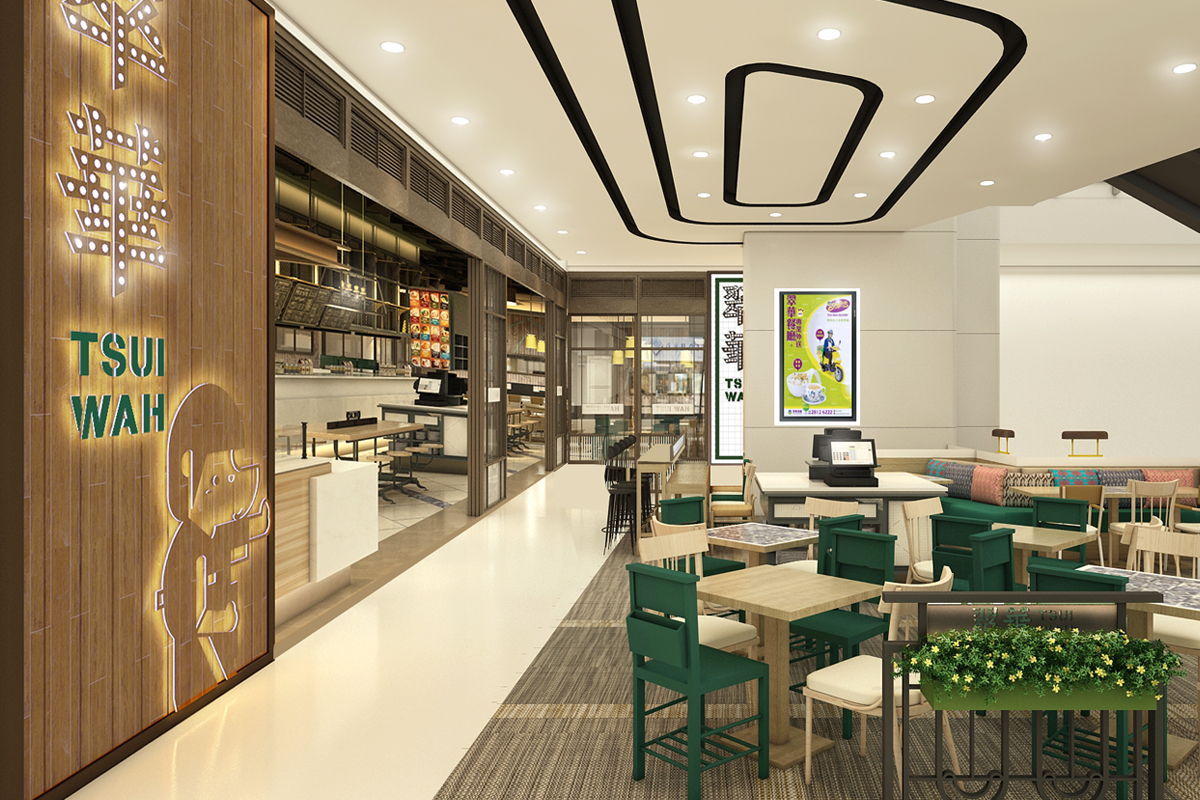
    Tsui Wah Singapore will open a second outlet at Robinsons The Heeren, on Orchard Road.

    No official opening date has been set as yet, but the menu is expected to include signature items such as Swiss Sauce Chicken Wings, Crispy Bun with Sweet Condensed Milk, Kagoshima Style Pork Cartilage with Tossed Instant Noodles, and Milk Tea. Western food such as club sandwiches and French toast will also be available.

    The Hong Kong tea chain arrived in Singapore last June with an outlet at Clarke Quay.

    It is known for its mix of Cantonese cuisine and Western cafe-style fare.

  • Countdown partners with UK tech startup to tackle dietary requirements

    Countdown partners with UK tech startup to tackle dietary requirements

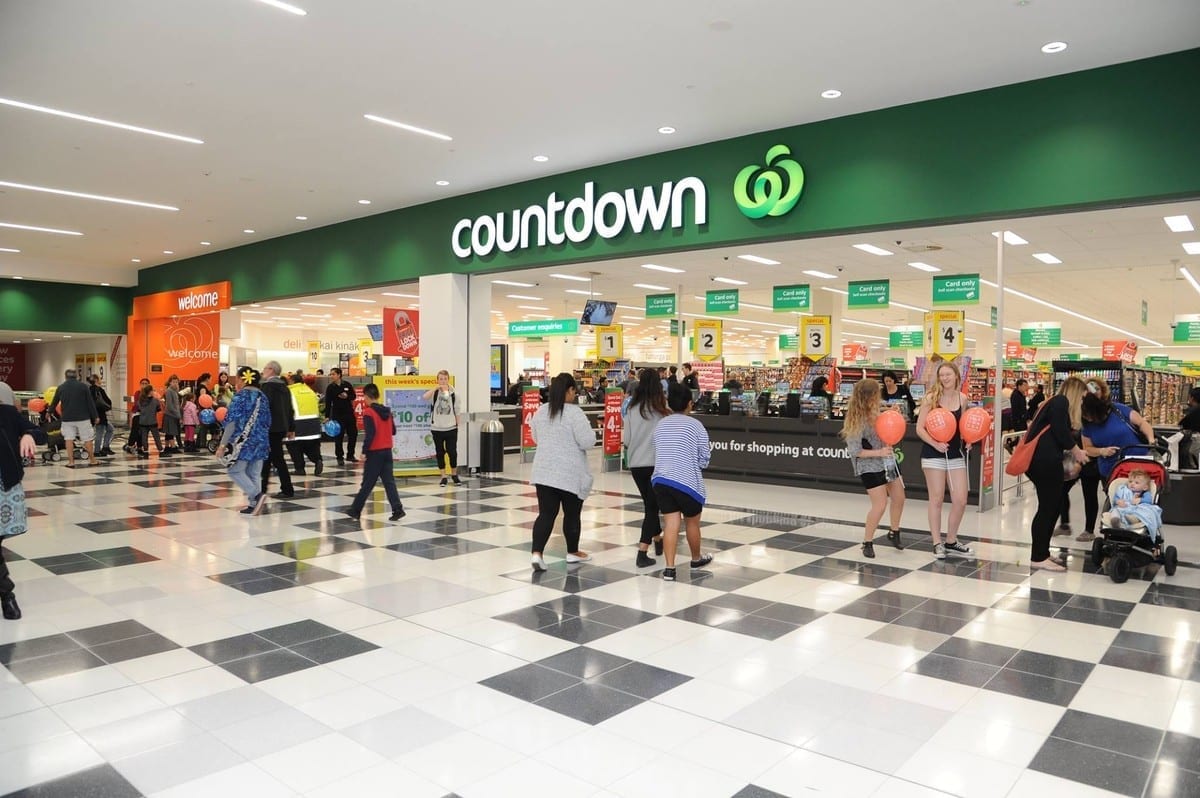
    Countdown-owner Woolworths Group has partnered with UK tech startup Spoon Guru to add new filtering options to its online shopping experience, allowing customers with food allergies or dietary and lifestyle restrictions to sort its products based on their needs.

    According to Woolworths general manager of digital experience Ananth Sarathy, the group is the first in New Zealand and Australia to partner with the startup.

    “The platform will blend our in-house digital and data capabilities with Spoon Guru’s world-leading machine learning and AI to derive rich and detailed product attributes for our customers,” Sarathy said.

    “It’s early days but the initial response from customers using the filters have been positive, with many shoppers using the feature to build lists to shop in-store as well as online.”

    The dietary indexing was rolled out initially in May, with up to 30,000 products now filterable based on consumer needs, such as gluten free, low fat, vegan and vegetarian.

    Spoon Guru aims to help consumers all over the world struggling to manage diets based due to health, lifestyle, and religious reasons.

    “The technology provides an innovative solution to a world-wide pain-point,” Spoon Guru co-founder and co-chief executive Markus Stripf said.

    “Sixty-four per cent of the world’s population is on some form of exclusion diet and whether this is due to allergy, intolerance or health and lifestyle choices, the demand for a more personalised approach to food shopping is clear.”

    Using proprietary tagging technology, Spoon Guru combines AI and algorithms with human expertise, indexing products based on certain values, making them more accessible and searchable on digital storefronts.

    Spoon Guru has partnered with other international retailers, such as Tesco, Jet and Albert Heijn, but Woolworths Group is its first partner in Australia and New Zealand.

    Spoon Guru’s partnership with Tesco began in November 2017, and has changed the way its consumers interact with its online channel – with certain search terms increasing in popularity, and some search terms seeing up to a 500 per cent increase in conversion.

    “It’s incredibly rewarding to have the opportunity to help millions of consumers around the world to find the right foods for their personal needs,” Stripf said.

    “Jet, Albert Heijn and Woolworths are all forward-thinking brands that share the same passion as Spoon Guru, making them the perfect partners for our business as we grow into a global solution.”

  • Apple will continue to dominate fast-growing smartwatch market

    Apple will continue to dominate fast-growing smartwatch market

    While the global smartphone market remains stagnant as groundbreaking foldable designs need more time to “stabilize” and 5G deployment is still too slow to make a difference, smartwatch sales continue to grow at an impressive pace around the world, pushing the entire wearable device industry forward.

    It should come as no surprise that Apple is projected to stay in the lead of the smartwatch market until at least 2023, well ahead of a pack of rivals with no standout performer in sight. The International Data Corporation (IDC) expects the Cupertino-based tech giant to rack up a 25.9 percent slice of a 131.6 million unit pie in four years, with the former number actually representing a major decline from the company’s latest estimated 35.8 percent share.

    But that’s mainly because significantly more smartwatches are forecasted to be shipped worldwide in the next few years than right now. Specifically, that 131.6 million score would surge from 91.8 million units in 2019, marking a compound annual growth rate (CAGR) of 9.4 percent. And believe it or not, a different category of the wearable industry is expected to thrive at an even faster pace.

    We’re talking about earwear, aka ear-worn devices, aka AirPods and other headphones endowed with smart features. A whopping 105 million of these bad boys could be sold worldwide in 2023, up from “only” 72 million units this year, making up 34.8 percent of the overall wearable market, up from 32.3

    What’s perhaps more interesting to keep an eye on is how smartwatches and ear-worn devices will expand and evolve their feature sets and capabilities. According to the IDC, more than half of the former group will support standalone cellular connectivity in 2023 to break free from smartphones, while the latter category should focus more on allowing consumers to “cope with hearing loss” and other similarly life-improving use cases in addition to just tracking health info and interacting with a voice assistant.

    Finally, it sounds like wristband sales have largely plateaued, with this year’s 54.2 million units merely expected to rise to 55 million in 2023. Shipments will especially decline in North America and Western Europe, where the vast majority of activity tracker owners are likely to upgrade to smartwatches.

  • Tesco Thailand Planning to Open 750 new Stores

    Tesco Thailand Planning to Open 750 new Stores

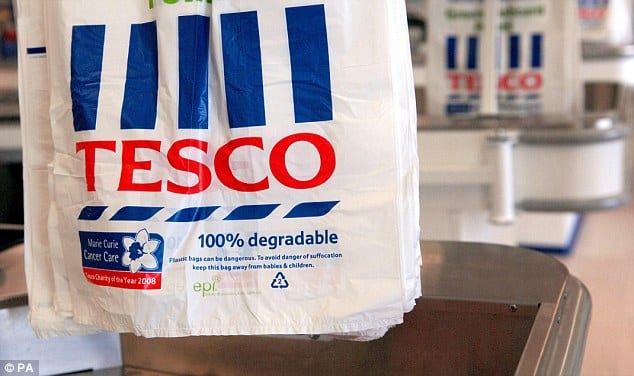
    Tesco Thailand is evaluating opening as many as 750 more convenience stores, which would expand its overall network by about 50 per cent.

    No timeline was revealed for the move, which is one of several strategic growth options being considered by the British-headquartered grocery retailer. Another is the development of a premium supermarket offer in the UK.

    Tesco currently operates 1583 stores in Thailand, a mixture of large-format hypermarkets and a growing network of small compact stores for local communities.

    In light of the company’s success in Thailand and neighbouring Malaysia, the company is reportedly considering options for expansion in other Asian markets including South Korea and China. A move into South Korea would be surprising given the company sold its Homeplus-bannered hypermarket operations there in 2015.

    Developing a stronger convenience-store network in Thailand – and potentially Malaysia – would make a lot of sense given consumers across the region are losing interest in hypermarkets as a format in favour of more frequent visits to smaller shops, as well as buying goods online.

    Tesco has told its investors that Thais are migrating from traditional markets to hypermarkets, supermarkets and convenience stores as the country develops.

    The potential store expansion was outlined at a Capital Markets Day presentation to analysts and investors on the company’s future direction.

  • Citi’s Retail Business Grows Despite Branch Cuts

    Citi’s Retail Business Grows Despite Branch Cuts

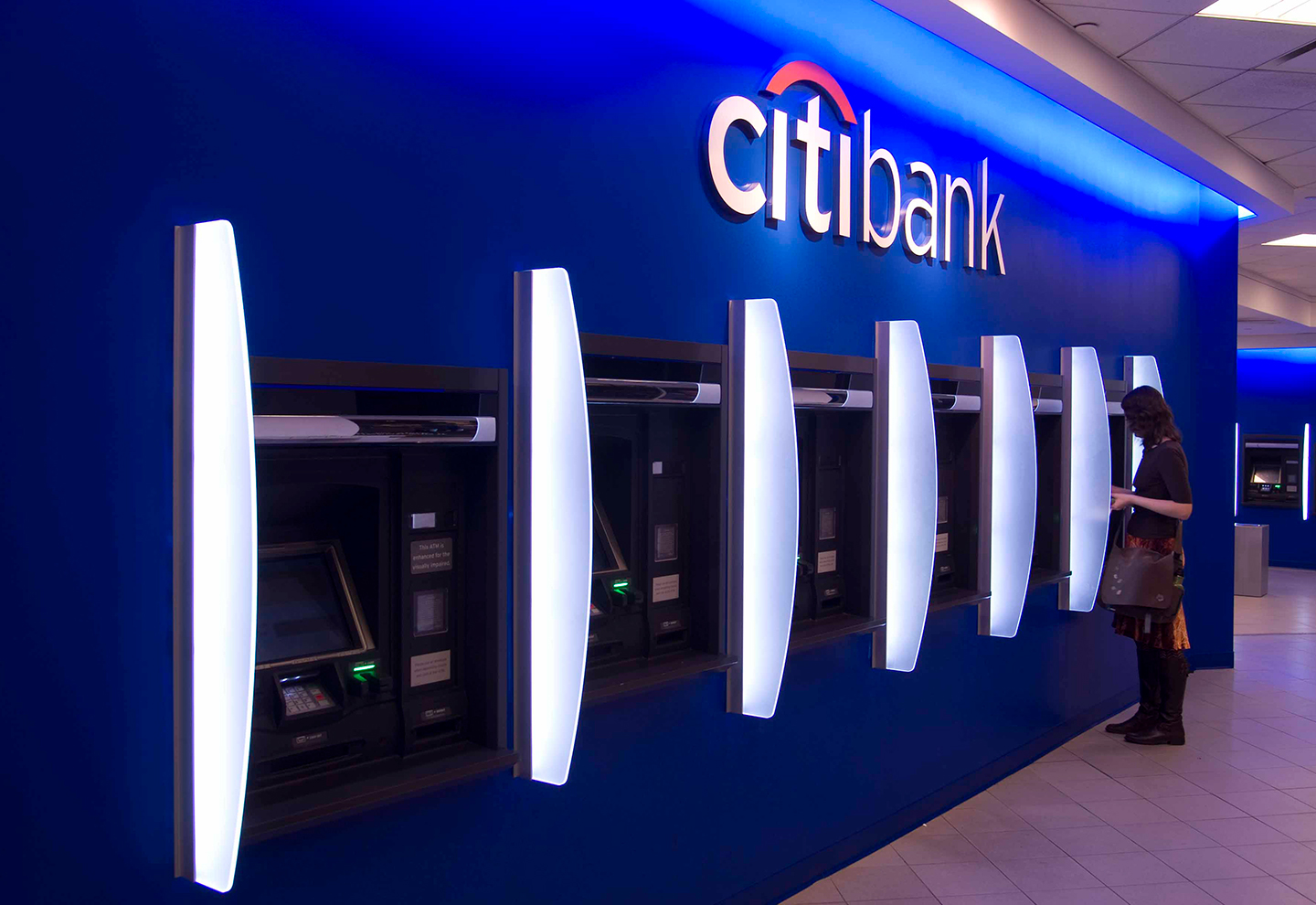
    Citi has closed hundreds of branches in Asia in recent years, shrinking its network from 600 to roughly 250, according to «Reuters.» Despite downsizing its physical network, Citi is benefitting from the increasing shift towards digital banking among retail banking customers.

    This (digital banking) has kind of evened the playing field for us because today, customers are online. We are no longer relying on having the number of branches to reach out to them, especially in a market like Singapore, said Charles Wong, Citibank Singapore’s head of retail banking.

    Last October, Citi rolled out a virtual remote engagement feature for Singapore clients to speak with relationship managers on demand using screen sharing and video capabilities. The following month, it revamped its Citi Mobile app to offer a cleaner user interface and new features such as a multi-currency wallet.

    The bank is also targeting to enable customers to open accounts with the bank digitally in the third quarter of this year. The aim is to enable all branch transactions to be carried out on the mobile app within the next two to three years.

    Citi’s bets to serve retail banking clients via its mobile app and online services in Singapore appear to be paying off – its first-quarter revenue this year was up about 10 percent from a year ago, even as its physical branches have been cut back from 18 to 15 last year.

    Digital acquisitions of retail banking customers grew 20 percent in Q1 from the year-ago quarter, said Wong. «In terms of how we generate interest and leads in the digital world through digital partners, versus generating leads through the traditional marketing channels, that has come up significantly as well,» he added.

  • Wu Pao Chun Bakery outlet opens in Singapore

    Wu Pao Chun Bakery outlet opens in Singapore

    Taiwanese bakery Wu Pao Chun has opened first Singapore outlet, at Capitol Piazza.

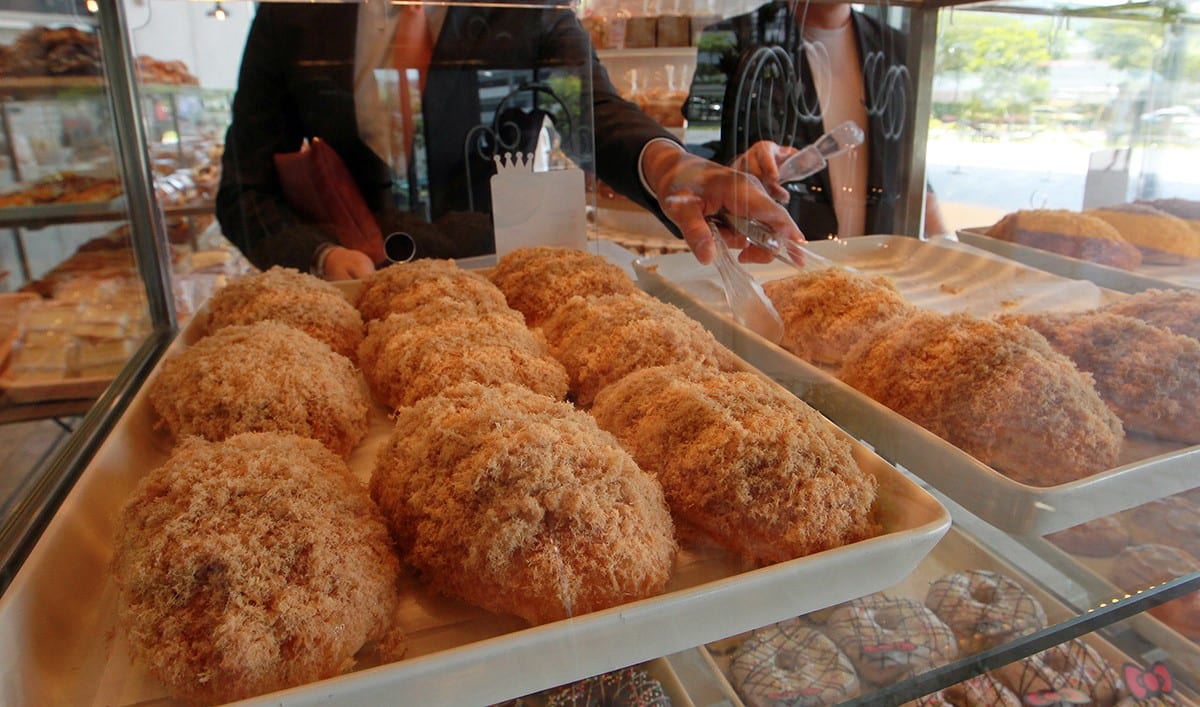
    Operated by a joint venture between BreadTalk Group and Wu Pao Chun, the bakery imports the same ingredients from its home base and sells around 60 products, including more than 10 regionally inspired new flavours, such as Coffee-C, Hainanese Chicken Fun, green curry bun Sawadee, tom-yum flavoured bun TomYummy, and kaya-filled soft French bun Kaya Kebaya.

    The Singapore store’s baking staff had to undergo six months of professional training in Taiwan.

    “Through my team’s close collaboration with BreadTalk Group’s research and development team, we created new flavours to pay tribute to Singapore’s vibrant hawker-food culture,” said Wu Pao Chun.

    “Coupled with BreadTalk Group’s strengths in brand development and store expansion, I believe that we can complement each other perfectly, to create a winning formula to bring the authentic Wu Pao Chun Bakery experience to consumers in Singapore,” said George Quek, founder and chairman of BreadTalk.

    The partnership opened two outlets in Shanghai last March.

    Operated by a joint venture between BreadTalk Group and Wu Pao Chun, the bakery imports the same ingredients from its home base and sells around 60 products, including more than 10 regionally inspired new flavours, such as Coffee-C, Hainanese Chicken Fun, green curry bun Sawadee, tom-yum flavoured bun TomYummy, and kaya-filled soft French bun Kaya Kebaya.

  • Dark mode starts showing up in Gmail for Android

    Dark mode starts showing up in Gmail for Android

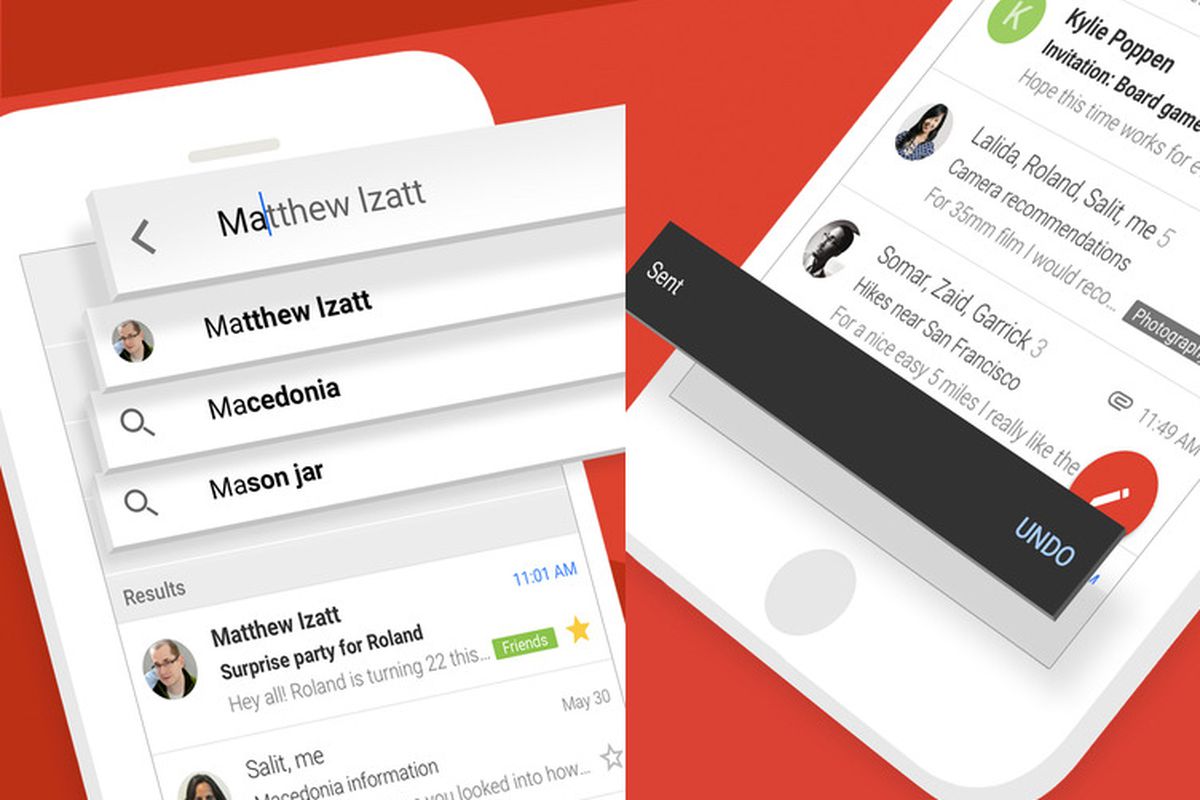
    Gmail is one of the not so many Google apps that hasn’t yet received a proper dark mode. Meanwhile, Drive, Keep and Google’s app have all received the highly-anticipated dark theme so that everyone can enjoy it.

    Well, it looks like Google is working hard to make Gmail users happy as well. The long overdue dark mode is starting to show up in Gmail for Android. Unfortunately, it’s not yet correctly implemented and lacks a toggle that would allow users to disable or enable it.

    The dark mode seems to be available in settings only for the time being and pops up randomly whenever it wants. This is more of an indication that Google is close to nailing it down rather than an official release, but it’s what we have at the moment to keep you hyped.

    Gmail is probably one of the most popular Google apps for Android devices, so it’s kind of a bummer that the Mountain View company didn’t think that it should implement a dark theme yet, while other less used apps have been treated with a dark mode a long time ago.

    Apparently, the dark mode appears in Gmail v2019.06.09, so if you have this specific version installed on your Android smartphone, you might sporadically enjoy the new implementation of dark mode, at least until a full-fledged version will be released.

  • City Chain parent records another loss

    City Chain parent records another loss

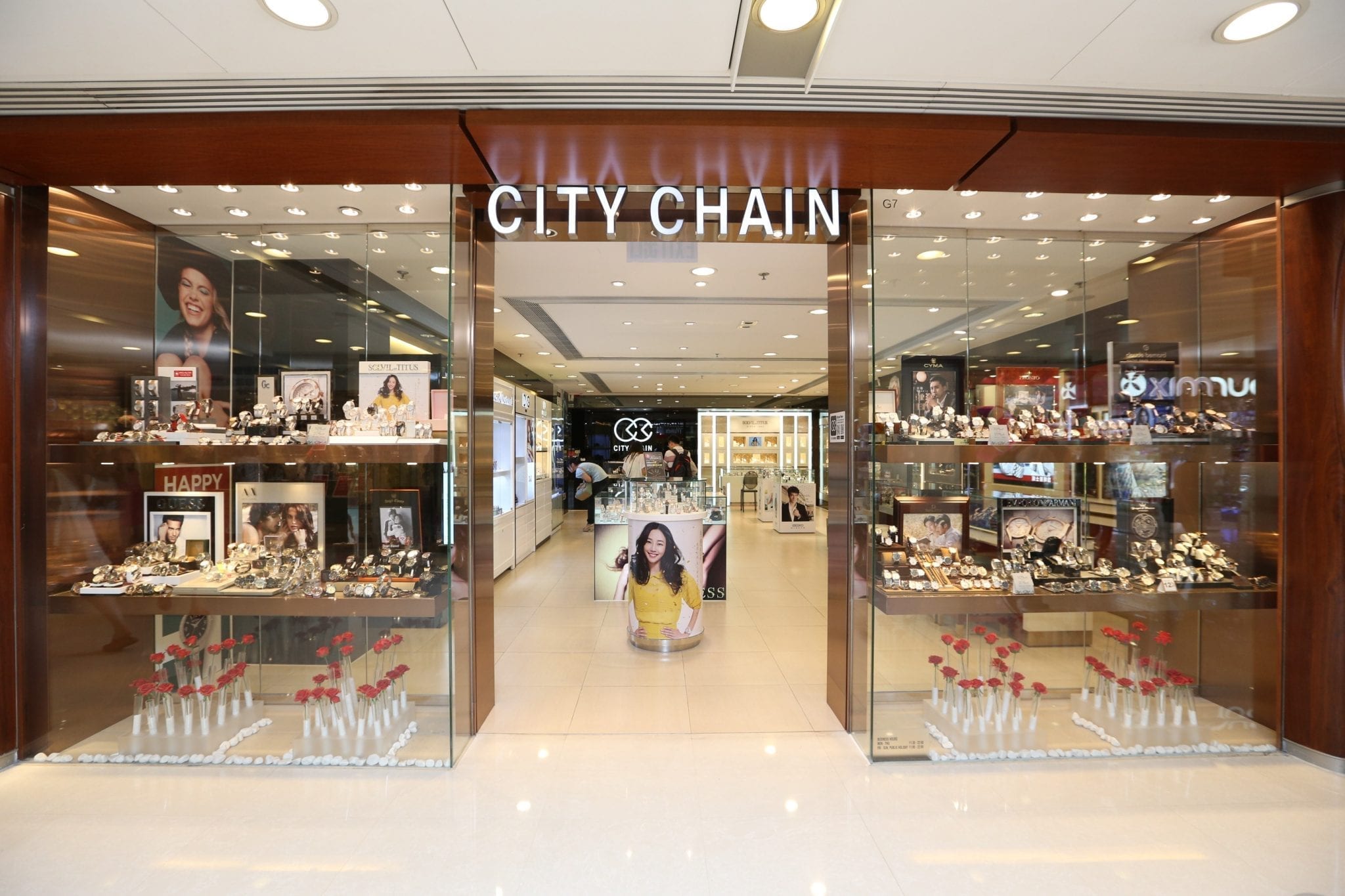
    Same-store sales by watch retailer City Chain improved last year – but parent Stelux Holdings still recorded a loss of HK$34.6 million (US$4.4 million).

    That deficit would have been a lot higher but for the one-off gain of $111.8 million ($15.2 million) from the sale of the company’s optical business in June last year. The company says without the gain, and various other one-off adjustments, the company would have lost $117.5 million ($15 million). However, both figures were lower than the previous year’s loss of $123.7 million. On the positive side, inventory fell 16.6 per cent to $559.8 million ($71.7 million) as of March 31.

    Group turnover for the last financial year was down 3.4 per cent to $1.458 billion ($186.8 million).

    The City Chain Group operates around 220 stores in Hong Kong, Macau, Mainland China, Singapore, Thailand and Malaysia together with on-line stores under the City Chain and Solvil et

    Titus brands. It also has exclusive rights to the Seiko and Grand Seiko watch brands in Hong Kong, Singapore and Malaysia.

    Stelux International sold its Optical 88, Egg and Thong Sia Optical businesses last year for $400 million ($51.2 million). The purchaser was an entity controlled by Stelux CEO and chairman Joseph CC Wong, also known as Chumphol Kanjanapas.

    Wong said the company achieved same-store sales growth and profit in the first half of the financial year thanks to a refresh of the City Chain branding and house brand portfolio, store closures and cost reductions. However this was undermined in the second half as the trade dispute between China and the US intensified, Renminbi remained weak, tourist and domestic spending in regions where the company operates slowed down and consumer sentiment took a dive.

    For the full year, City Chain’s turnover fell 5 per cent to $1.167 billion ($149.5 million) as its store network reduced by 13 per cent.

    Turnover at City Chain’s Greater China business fell by 6.5 per cent, with a 19 per cent reduction in store numbers. Pre-tax loss there grew from $53 million ($6.8 million) last year to $98.9 million ($12.7 million) this year.

    “Despite the challenging operating environments in the second half, year-on-year same-store sales in Hong Kong and Macau remained stable,” said Wong. Operating costs fell by 9.8 per cent.

    Despite a generally weaker market environment, City Chain’s operations in Southeast Asia reported an increase in sales per shop of 8.9 per cent, with turnover remaining relatively stable, despite a 5.4 per cent reduction in the store network. However currency depreciation against a strong Hong Kong dollar say pre-tax earnings down from $4.2 million ($538,000) last year to just $800,000 ($102,000) this year. Excluding exchange losses the result was $3.4 million .

    Wholesale division turnover (including Seiko) grew 3.5 per cent to $291.2 million ($37.3 million) and together with improved operational efficiencies contributed to a profit of $40.1 million, a substantial improvement on the previous year’s loss of $4.6 million.

    Wong says that while uncertainties surround the completion of a trade deal between China and the US, retail sentiment is likely to remain subdued for the remainder of the 2020 year.

    “Refreshment of stores will continue and capital expenditures will be prudently managed.

    However, as part of the group’s long-term strategy to improve its competitiveness to adapt to changes in the consumer landscape, the group has prioritised investment in infrastructure and brand development to enhance customer interaction through omni channels so as to improve synergies between the online and offline businesses of the City Chain Group.”

  • AirAsia X looking to expand into Europe

    AirAsia X looking to expand into Europe

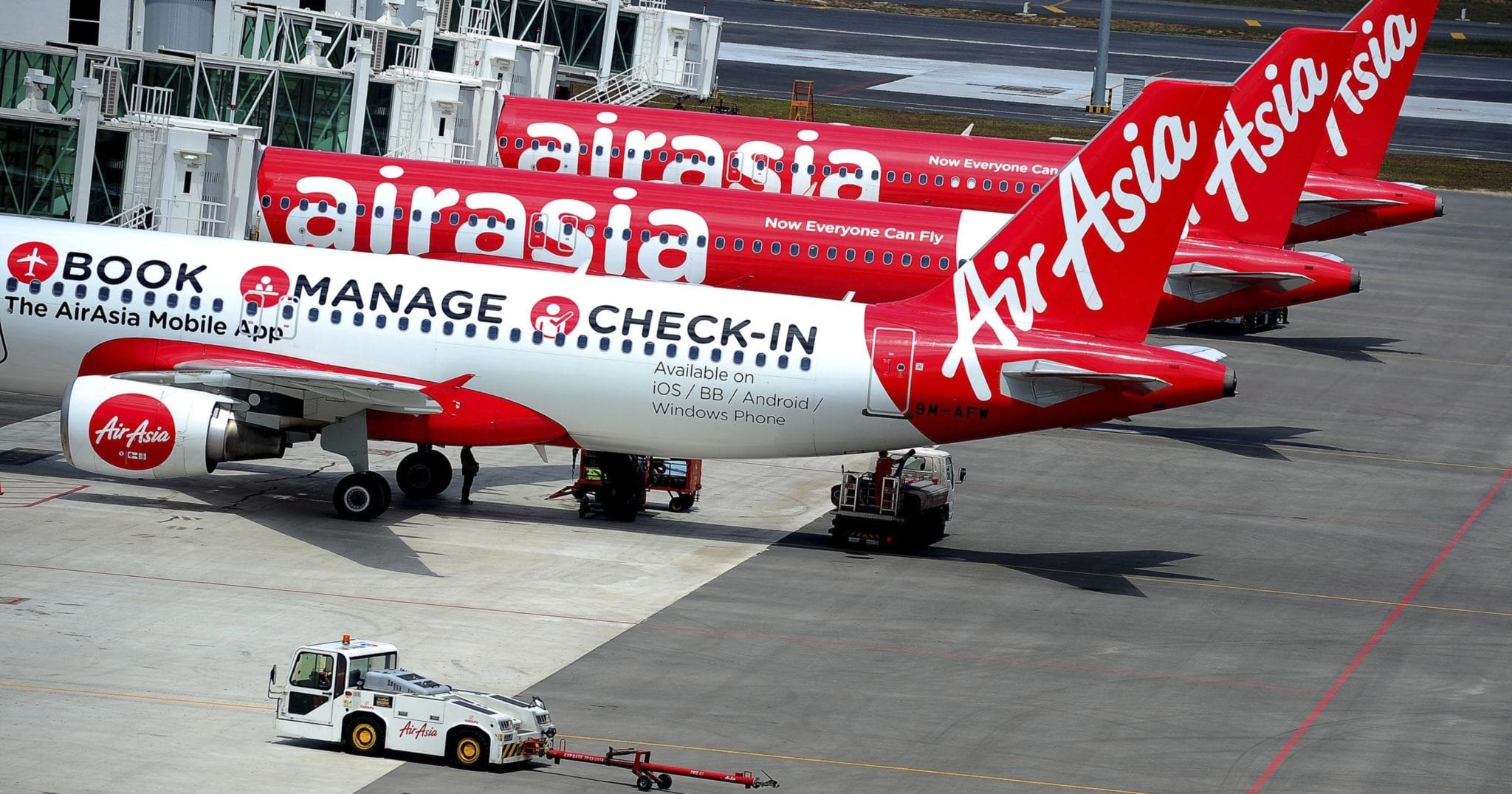
    AirAsia X is looking into expanding its market and does not discount the possibility of re-entering the European market.

    Chairman Tan Sri Rafidah Aziz said, before the company makes any decision, it needs to consider various factors including the operational costs and the projected revenue

    “We must also look at the total picture whether it can meet the challenges such the changes in oil prices, the various taxes in Europe airports and so on.

    “For example, the planes that were flying to London and Paris previously was not the right plane. The cost factor was the one that literally killed us from the market. Moving forward, we have to be realistic in making our decisions for

    the long term,” she told reporters after the unveiling of its new A330neo aircraft at the 53rd International Paris Air Show here.

    Rafidah said with the new planes which use more efficient engines, it would give added flexibility to the company to strategise and give better returns to its shareholders.

    On when the aircraft would be in operation, she said it would be decided by the board of directors based on the proposal by the management.

    Meanwhile, AirAsia X group chief executive officer, Nadda Buranasiri said the delivery of the A330neo aircraft would be in phases.

    “We expect that Airbus would probably be able to provide us six aircraft a year,” he said.

    The world’s leading low-cost carrier ordered a total of 100 A330-900 aircraft for RM122 billion from European planemaker Airbus, of which 66 aircraft are firmed orders and two on lease.

    Buranasiri said it would take the first aircraft next month while the second aircraft would be delivered in August, to be based in its Thailand hub, Don Mueang International Airport in Bangkok.

    “We have not decided where the new fleet would fly to as we are still studying each market to understand the demand and how we could leverage it.

    “We are working it out to ensure that it will be profitable to us, while at the same time, make our shareholders and passengers happy.

    “We are not making excessive profits but it needs to have enough volumes,” he added.

  • Amazon Music coming to Comcast’s Xfinity X1 and Flex services

    Amazon Music coming to Comcast’s Xfinity X1 and Flex services

    Comcast has just confirmed it has come to an agreement with Amazon for the distribution of its music streaming service through its Xfinity X1 set-top box. The move is not a total surprise considering Comcast added Amazon Prime Video to the X1 series early this year.

    Amazon Music will be rolled out to Xfinity X1 in the coming weeks and will be available for free to Prime members. The service provides access to more than 2 million songs and thousands of playlists and stations. However, for on-demand access to over 50 million songs and even more playlists and stations through the Amazon Music Unlimited, you’ll have to pay $9.99 per month.

    Amazon Music has fierce competition on Xfinity X1, as other streaming music services like YouTube Music, Pandora, and iHeartRadio have been available on the platform for quite a while. Surprisingly, Spotify and Apple Music, some of the most popular services are missing from Comcast’s offering for the moment.

    The deal between the two companies mentions that Amazon Music will also be available through Comcast’s Flex service, which costs $5 per month per set-top box. In order to access Amazon Music on Comcast’s Xfinity X1 and Flex, simply say “Amazon Music” into the voice remote and you’ll soon be able to browse and listen to your favorite songs.

    Keep in mind though that you absolutely must own an Amazon Prime or Amazon Music Unlimited subscription to access the app on the Xfinity X1 set-top box. You’ll also have to pair your Amazon Music account regardless of whether or not you’re logged in to the Prime Video app on X1.