Tag: asia

  • Inside the first made-in-China jet to arrive in Vietnam

    Inside the first made-in-China jet to arrive in Vietnam

    At 10 a.m. Van Don International Airport in the northern province of Quang Ninh opened its doors for any visitors to look inside the C919 and another Comac aircraft ARJ21 in an exhibition of the company.

    Comac showcased its jets at Singapore last week but limited entry to only some business representatives.

    Comac chairman He Dongfeng said at the exhibition opening ceremony that the appearance of Comac at Van Don is an important step for its jets to reach the global market.

    C919 is a narrow-body jet with a capacity of 168 passengers and flight range of over 4,000 kilometers. The aircraft’s seat configuration is similar to the Boeing 737 Max and A320/321 models. With the jet China eyes to break the domnance of the U.S. and France in making passenger aircraft.
    A C919 costs around $99 million, cheaper than Airbus A320neo and Boeing 737.

    It is 2.25 meters from floor to ceiling, and the lighting color can be changed between 10 presets.

    The aisle is more spacious than other passenger jets of the same category. Behind each seat is a safety instruction written in Chinese and English.

    The communication and navigation system uses parts from U.S. manufacturer Rockwell Collins.

    Some other parts are made by U.S. companies. Tires and brakes are manufactured by Honewell, the aluminum body by Acronic, and the black box by GE Aerospace.

    The two engines were covered during the exhibition. Comac has announced earlier that it uses the LEAP turbofan engines produced by CFM International, a joint venture between American GE Aerospace and French Safran Aircraft Engines. The same engines are used on the Airbus A320neo.

    The ARJ21 jet, the first to be designed and manufactured by Comac, was placed nearby. It uses two engines made by an U.S. company and other key equipment from a German firm.

    ARJ21 seats up to 97 passengers and can fly 3,700 kilometers. Chinese airlines have used the aircraft on many domestic routes and have served 13 million passengers. Comac delivered the first ARJ21 to an international buyer in Indonesia in 2022.

    ARJ21 has similar luggage design as other medium-range jets such as ATR72 and Embraer 190. It can also be modified as a private jet.

  • Thai AirAsia flight faces panic following power bank explosion

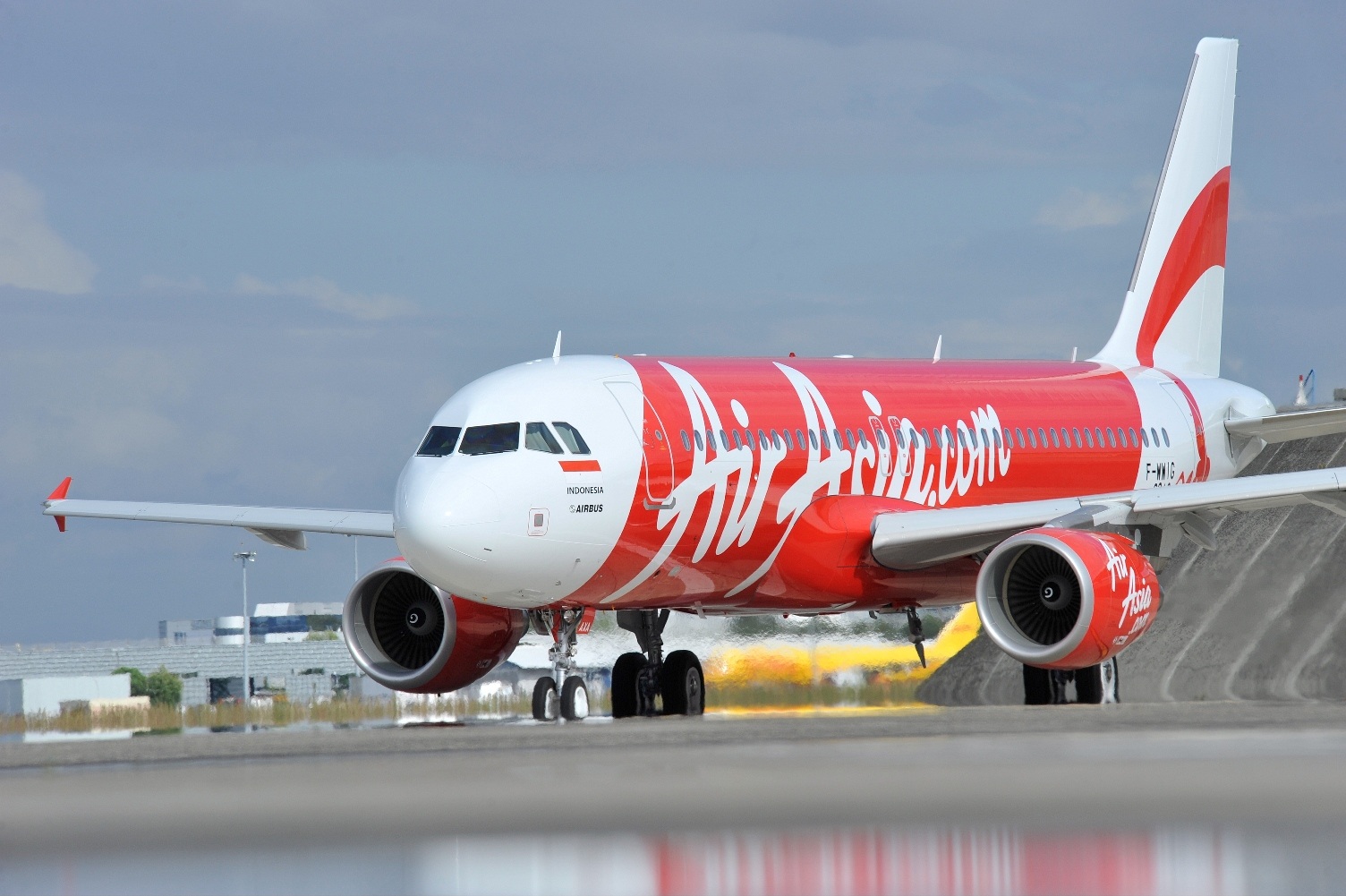
    Thai AirAsia flight faces panic following power bank explosion

    The Bangkok Post reported that the incident, which occurred on Saturday, led to a united effort by passengers and crew to extinguish the flames that broke out mid-flight.

    Despite the chaos, the 186 passengers on board remained unharmed, and the flight landed safely at its destination in Nakhon Si Thammarat Airport on schedule.

    An immediate probe into the event identified burn marks on the seat near the explosion site, and it was determined that the exploded device belonged to a family traveling on vacation.

    A Feb. 19 Royal Air Philippines flight from Boracay to Shanghai underwent a similar incident when a passenger’s power bank exploded mid-air, forcing the plane to divert to Hong Kong and resulting in a three-hour delay in reaching the Chinese city.

  • Laos wind farms offer Vietnam 4,150 MW of electricity

    Laos wind farms offer Vietnam 4,150 MW of electricity

    According to national utility Vietnam Electricity, seven Lao wind energy plants want to sell a total of 4,150 MW to Vietnam. It will be done in phases, with 682MW supplied before 2025 and the rest gradually after that.

    Vietnam will be keen on accepting the offer.

    If the National Energy Master Plan is carried out on schedule, the central and southern regions would have enough power until 2030, but the north is likely to face shortages from 2025, especially during the dry season from May to July, EVN said.

    Importing energy from Laos would help alleviate the shortfall, it said.

    Affordability is also a factor, with wind energy from Laos currently costing 6.95 cents per kilowatt-hour compared to Vietnam’s 8.5-9.8 cents, depending on whether the plant is on land or offshore.

    Vietnam has been importing energy, mainly hydroelectricity, from Laos since 2016 through intergovernmental agreements.

    Increasing electricity purchases from neighbors is in the trade ministry’s power plans for this year.

    However, there are certain challenges.

    Electricity from Laos is expected to pass through transmission lines in Quang Tri Province, meaning the quantity of purchase will largely depend on infrastructure in this area.

    EVN’s calculations show that the proposed 4,149 MW exceeds the capacity of the local power grid.

    Most of its 200 kV and 110 kV lines operate at 80-100% of capacity. The region can only manage a maximum of 300 MW of transmission during the dry season and even less at other times.

    “Before the Lao Bao 500 kV substation is put into operation, this area [Quang Tri Province] can hardly take in more electricity from Laos because all the existing 220 kV lines are operating at high loads,” EVN said.

    Once the grid infrastructure is improved, such as with the construction of the Huong Hoa 500 kV substation and connecting lines in late 2027, Vietnam can get 2,500 MW from Laos, which will still be 1,650 MW short of the quantity it is seeking to sell.

    Furthermore, adding more renewable energy to the national grid will throw plans out if kilter. Domestic renewable energy accounted for 27% of grid capacity at the end of 2023 and is only expected to grow to 34% by 2030, according to the National Energy Master Plan.

    So, to ensure grid stability, EVN said the trade ministry should only buy a maximum of 300 MW of wind power from Laos before 2025, and only during the peak demand season.

    From 2026 to 2030 a maximum of 2,500 MW could be bought, it said.

    It also urged the government to import more hydroelectricity to increase flexibility.

    More grid infrastructure and transmission lines, including 220 kV and 500 kV dual-circuit lines from the border to the Lao Bao substation, should be added to the national master plan, it added.

  • South Korean hypermarket Emart to launch in Laos

    South Korean hypermarket Emart to launch in Laos

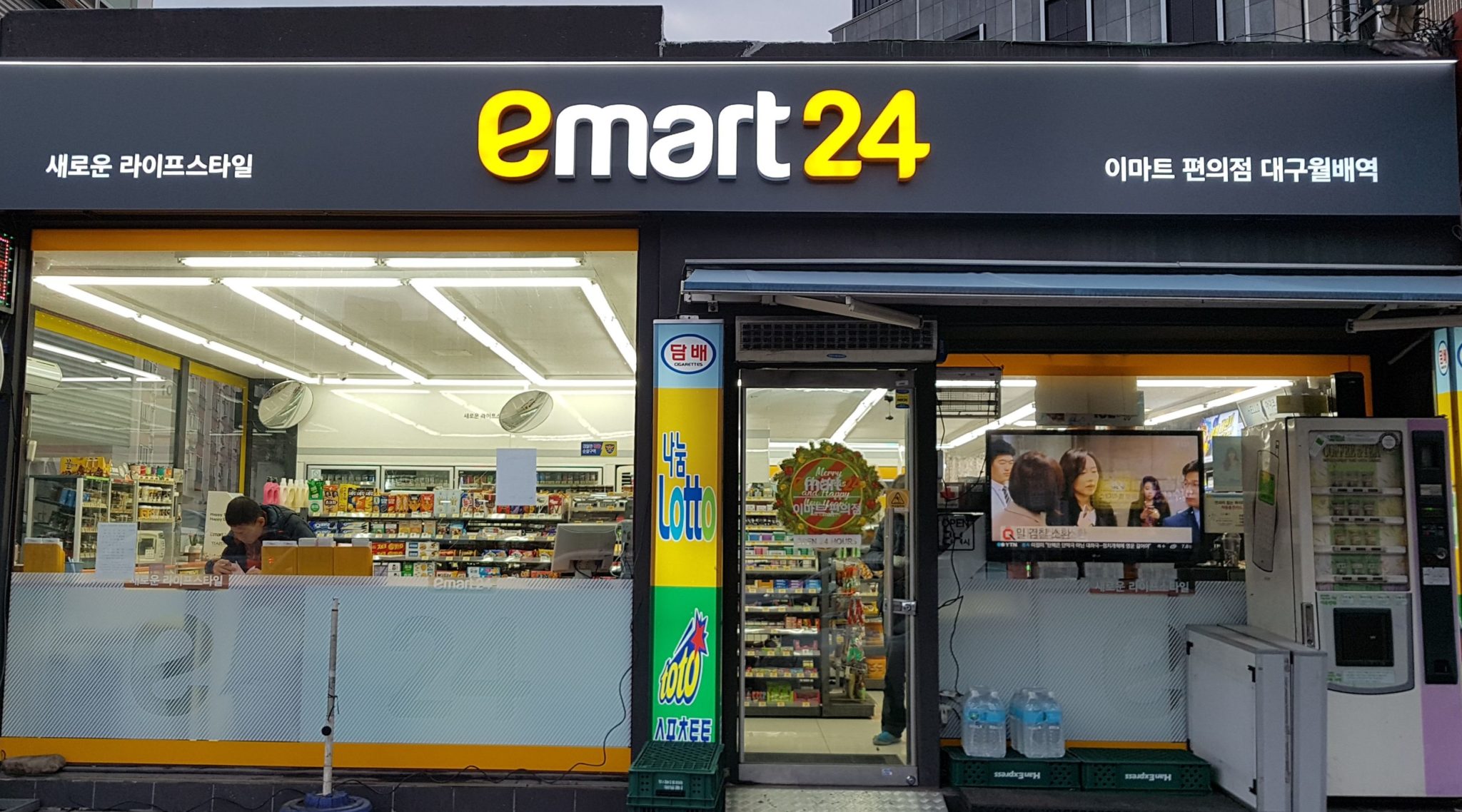
    Emart, the South Korean hypermarket retailer, will expand into Laos this year through a master franchise deal with U-Dee, an investment entity owned by LVMC Holdings.

    The move follows the company’s announcement earlier this month that it would expand into Cambodia in June.

    The agreement includes opening one Emart discount retail outlet and three hard-discount outlets under the brand name No Brand – Emart’s house label – in Laos later this year.

    Emart operates three Emart stores in Vietnam, four in Mongolia, and 17 No Brand stores in the Philippines.

    The firm intends to open 20 E-Mart locations and 70 No Brand stores in Southeast Asia during the next 10 years.

    LVMC Holdings, originally known as Kolao Group, was founded in 1997 by South Korean businessman Oh Se-young. The group debuted its footprint in the retail market with a local hypermarket chain dubbed Kok Mega Mart in Laos last year.

  • Christian Dior postpones show in Hong Kong indefinitely

    Christian Dior postpones show in Hong Kong indefinitely

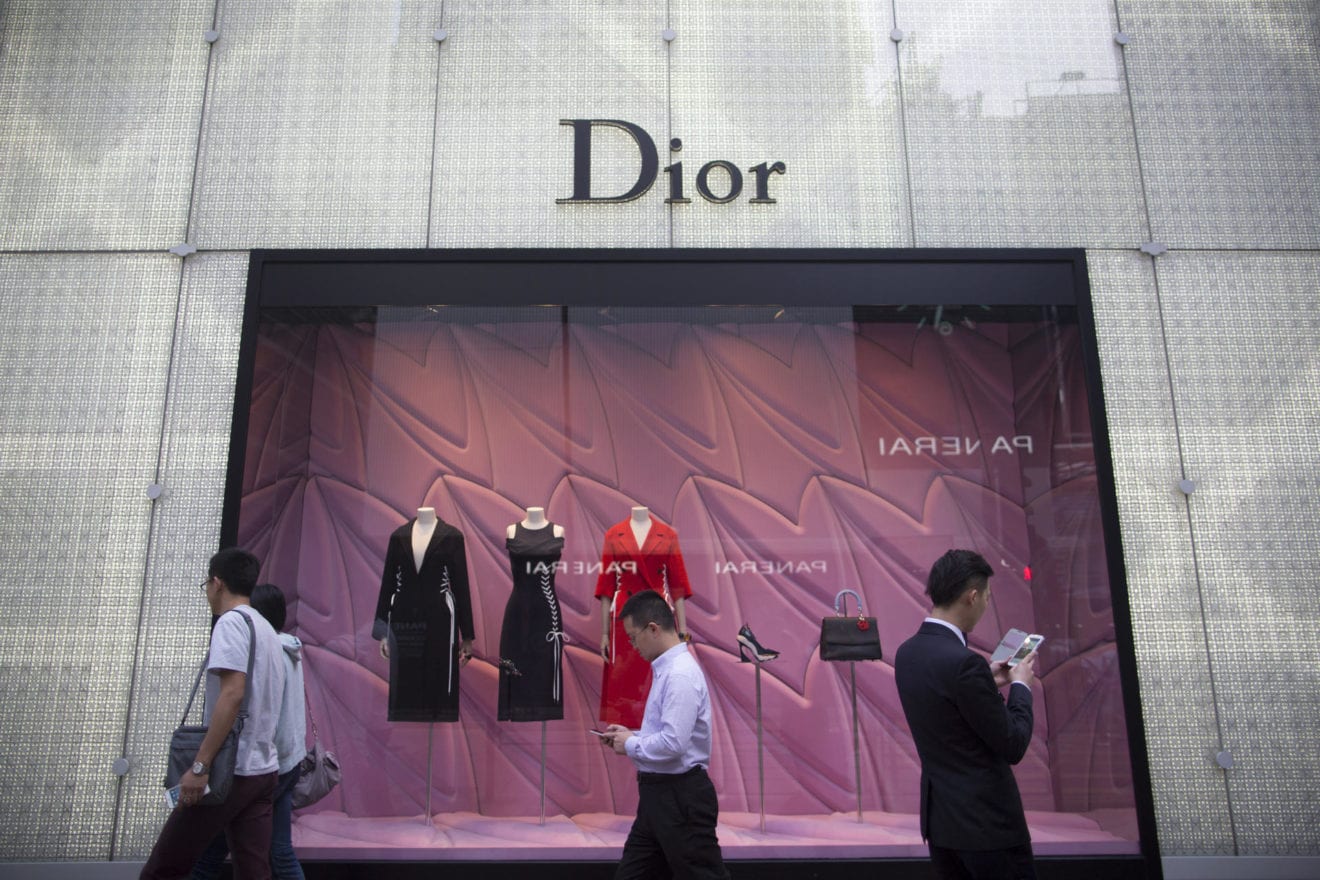
    French fashion label Christian Dior has postponed its planned mega fashion show in Hong Kong due to be held in March, the government said on Monday, without giving a reason for the decision.

    The event was widely anticipated by many in the luxury sector after a high profile show from Louis Vuitton helmed by singer Pharrell Williams last November, which was an attempt to put the Chinese city back on the luxury map and attract wealthy spenders.

    Dior did not immediately respond to Reuters requests for comment on why it postponed the show.

    “We have just received notification from the organiser that the event will be postponed. In fact, postponements of large-scale events often happen. We continue to welcome large-scale events to be held in Hong Kong,” the government said in an email.

    Hong Kong’s luxury retailers are adapting to fewer wealthy Chinese shoppers visiting the city and a shift towards tourists flocking to Instagram-coveted spots in trendy districts rather than splashing out on pricey branded gear.

    Before the pandemic, the Chinese special administrative region had bucked global trends of declining demand for multi-brand department stores and ultra-luxury brands largely due to its attractiveness to high-spending mainland visitors.

    But the rise of competing shopping hubs like China’s Hainan island, changing consumer preferences and a rise in online shopping have fundamentally changed demand for luxury goods in Hong Kong and are starting to reshape the city’s visitor economy, according to industry experts.

  • Microsoft Copilot app can now be your next default assistant app on Android

    Microsoft Copilot app can now be your next default assistant app on Android

    Android users currently have a slew of options for choosing an assistant app on their devices. Where previously Google Assistant and Bixby were the ones that reigned, the rise of AI-powered chatbots saw these evolve as more than just text fields you can use on a browser. Currently, depending on the apps you have installed, you have fresh new options, and Microsoft’s Copilot is shaping up as one of them.

    As reported by Android expert Mishaal Rahman on X (Twitter), the newest beta version of the Microsoft Copilot app (v. 27.9.420225014) now gives you the ability to set it as your default assistant app. This makes the chatbot accessible from anywhere on your device with a simple swipe or button press.

    While this is a nice addition for Android users, don’t expect a seamless experience yet. Currently, activating Copilot mainly opens the app, meaning that it won’t immediately start listening like some other assistants, nor will it offer to analyze what is on your screen.

    However, this doesn’t mean that feature won’t be as helpful as Google Assistant or Bixby currently are, or perhaps even what Gemini could be. It’s still in beta, and Microsoft is likely to continue working on the app in order to make Copilot a truly integrated Android assistant. Microsoft has yet to officially announce this, but our guess is that by the time it moves on to the stable version of the app, more capabilities will be in tow.

  • Netflix starts forcing grandfathered subscribers to stop paying Apple

    Netflix starts forcing grandfathered subscribers to stop paying Apple

    In 2018, Netflix stopped accepting payments for new subscriptions through the App Store, forcing new subscribers and those returning after a brief hiatus to pay Netflix through its website. It has been six years since Netflix allowed such subscribers to pay for their service through the App Store. This way, Netflix could avoid paying Apple its 15% to 30% cut on in-app transactions that go through Apple’s in-app payment processing platform.

    Netflix representative Momo Zhao told The Verge that all “members on the basic plan who were using an iTunes method of payment” now must pay Netflix directly for service using a credit card or a debit card. Those who signed up for Netflix before the video streamer stopped allowing users to subscribe through the App Store were able to hold on to a good deal for years and continued to pay each renewal period through Apple.

    Netflix has allowed grandfathered subscribers to continue to pay each month through the App Store, but that is about to change. As one “X” subscriber wrote in a tweet, “Netflix stopped working with Apple Pay and didn’t inform me. Now I’m locked out of my $9.99 a month price I had paid for years and I had to get charged $31 until I get a refund through Apple.”

    If you’re in the same shoes as the person who posted the above tweet, you’ll have to pay $5.50 more a month for the same plan you were paying $9.99 a month for or pay $3 less per month for the privilege of having your streaming interrupted by ads. No matter which plan you choose, you’ll be paying Netflix directly.

    To reiterate, if you are a long-time Netflix subscriber and have been paying through the App Store to maintain your Netflix subscription, be on the lookout for an email from the video streamer that says that if you want to remain a Netflix subscriber, you will have to stop paying your bill through Apple. And you might be paying a little more or a little less each month for Netflix service depending on whether you can live with ads running on the videos you’re watching.

  • Philippines’ Clark airport makes pitch as aviation hub

    Philippines’ Clark airport makes pitch as aviation hub

    Last week, Philippine delegates pitched Clark International Airport’s viability as an attractive regional hub for global aerospace and aviation companies

    Airport developer Berthaphil is calling on maintenance, repair and overhaul (MRO) companies to consider setting up at Clark, where SIA Engineering has already established its own airframe maintenance operations. 

    Located 80 kilometres north of the capital Manila, the international airport can be accessed via the expressway and is situated within the free trade zone. This means interested parties can get favourable tax concessions, including up to a 7-year tax holiday and then a 5 percent corporate income tax rate.

    Berthaphil, which also built the first bonded warehouse and logistics centre at Clark, is offering a 10-hectare airfield site, with access to the primary runway, which can accommodate large widebody aircraft. The developer said the vacant property is available ‘as is’ or for a ‘a build to suit’ project.

    Apart from MRO companies, the groups are also targeting cargo airlines, logistics companies, fixed-based operators, business aviation companies, original equipment makers, regional and international airlines, and training organisations.

    Companies that have established operations at Clark include Singapore-based SIA Engineering and Hong Kong-based MetroJet. With a new terminal building, the airport has capacity for 80 million passengers, It is also an air cargo gateway for UPS, DHL and FedEx.

  • Seafood exports to key markets rise 64%

    Seafood exports to key markets rise 64%

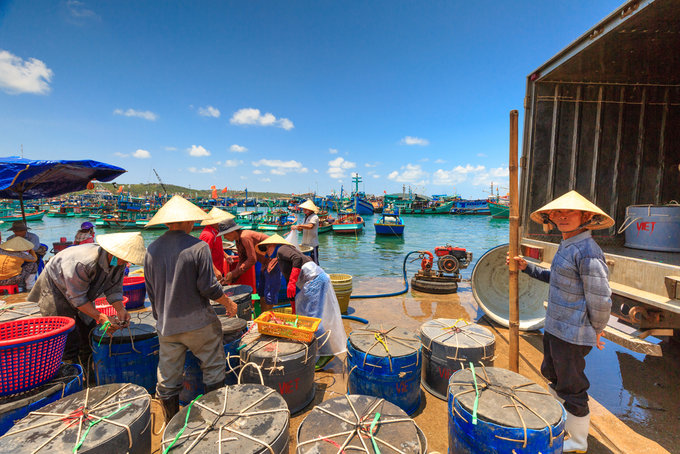
    Vietnam’s seafood exports rose by 64% year-on-year in January to nearly US$750 million, with shipments to China, the U.S. and the EU seeing sharp increases.

    Exports to China tripled, the Vietnam Association of Seafood Exporters and Producers (VASEP) said without providing specific figures.

    It said China, including Hong Kong, is Vietnam’s second biggest seafood market after Japan.

    Exports to Japan rose 43%. The increase were 63% to the U.S. and 34% to the E.U.

    But exporters said challenges that could hamper their recovery persist.

    Shrimp companies said global demand remains weak and therefore prices are low, they still have large inventories and are having difficulty competing with their Indian and Ecuadorian rivals.

    Diseases are also hitting shrimp output, they added.

    Pangasius prices increased by 11% to VND29,000 per kilogram in January.

    They expect a 10% increase in exports to $2 billion this year.

    VASEP said seafood exporters in general are facing difficulties due to geopolitical tensions in the Red Sea and the Russia-Ukraine conflict, which have caused shipping costs to soar.

    VASEP expects seafood exports to increase marginally to $9.5 billion this year.

  • Tax evasion by wealthiest Americans tops $150B a year

    Tax evasion by wealthiest Americans tops $150B a year

    The U.S.’s Internal Revenue Service estimates that the country’s millionaires and billionaires are evading over US$150 billion in taxes annually.

    Audits of taxpayers earning over $1 million a year have declined by more than 80% over the last decade despite a 50% rise in the number of taxpayers with this income, according to IRS statistics last week.

    IRS Commissioner Danny Werfel blamed the decline on a prolonged lack of funding, which has left the agency understaffed and lacking the necessary technology and resources to conduct audits, particularly for intricate and sophisticated returns.

    In response to these challenges, the IRS has initiated an extensive crackdown on wealthy individuals, partnerships and large companies.

    The Treasury Department estimates that improved IRS enforcement could generate an additional $561 billion in tax revenues between 2024 and 2034, a figure higher than initially projected.

    The IRS estimates that for every additional dollar invested in enforcement, it can generate approximately $6 in revenues.

    It has reported success in a program targeting unpaid taxes from millionaires, collecting over $480 million from 1,600 millionaire taxpayers who failed to pay at least $250,000 each in assessed taxes.

    Another area of potential tax evasion highlighted by Werfel is in limited partnerships.

    Werfel said the IRS is not only focused on finding instances of tax evasion but is also using AI to avoid unnecessary audits for taxpayers who are following the rules. It has urged taxpayers to report any income received through illegal activities, such as dealing drugs.

  • Yum Restaurants India to sell stake in local Yum Brands franchisee

    Yum Restaurants India to sell stake in local Yum Brands franchisee

    Yum Restaurants India is reported to have sold its 4.4 per cent share in Devyani International for US$105 million.

    Devyani International, from which Yum Restaurant acquired the stake in 2021, is the main franchisee of Yum Brands in China, operating KFC, Pizza Hut and Taco Bell.

    SBI Mutual Fund (MF), Axis MF, Franklin Templeton MF, Nippon India MF, and Goldman Sachs are among the investors in Devyani International’s stock.

    Devyani is planning to push the expansion of these brands, strengthening its growth strategy in FY24 by purchasing 274 KFC restaurants in Thailand, marking its first foray into Thailand’s quick-service and limited-service restaurant markets.

    The business also plans 2000 stores across the globe by the end of this year, ahead of the previous target date of 2026.

  • Parkson Retail Asia books lower net profit amid weak consumer spending

    Parkson Retail Asia books lower net profit amid weak consumer spending

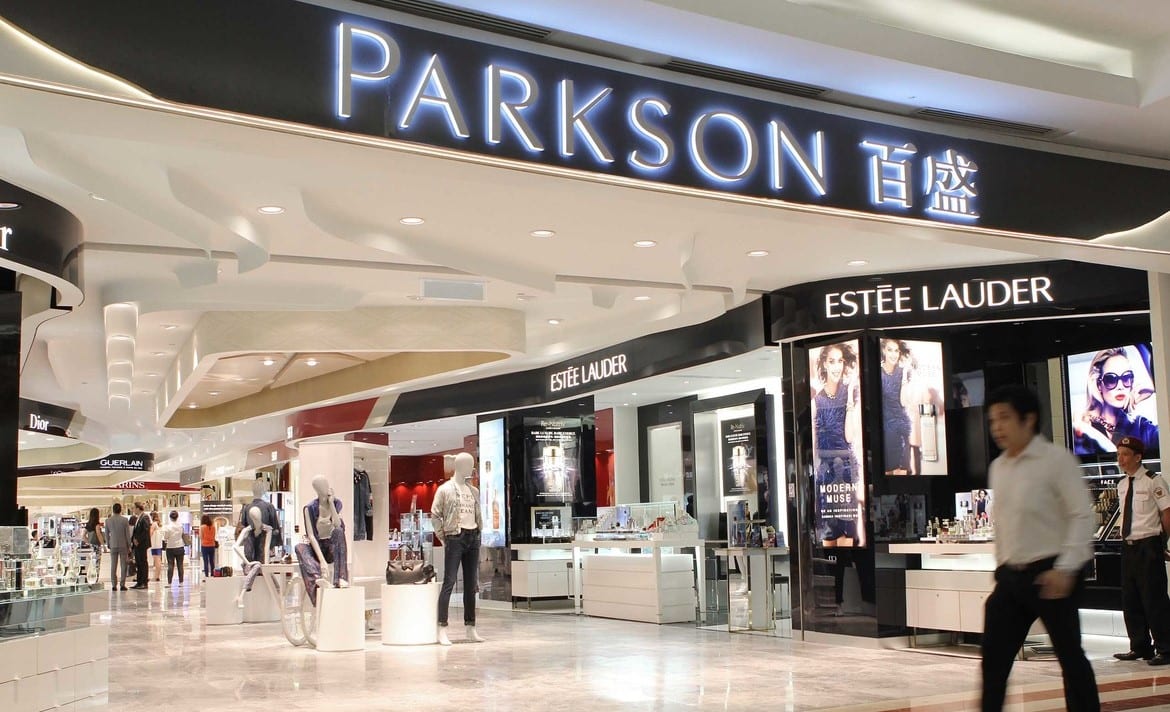
    Parkson Retail Asia booked a lower net profit last year with two fewer stores and weak consumer spending.

    The department store chain’s net profit fell 8.5 percent to S$26.3 million (US$19.6 million), while revenue fell 4 percent to S$221.6 million (US 165 million).

    The company ended the year with 37 stores, down from 39 in the prior year.

    Its gross sales proceeds from continuing operations slid 9.1 percent to S$535.7 million (US$398.8 million) as total merchandise sales and consultancy/management service fees fell 9.2 percent and 0.7 percent, respectively.

    Meanwhile, rental income grew 5.5 percent to S$1.6 million (US$1.2 million), and food and beverage increased 6.2 percent to S$2.2 million (US$1.6 million).

  • Grab chalks up first profitable quarter, but clouds loom

    Grab chalks up first profitable quarter, but clouds loom

    Grab Holdings reported its first quarterly profit on Thursday and unveiled a maiden share repurchase program, but the ride-share and food-delivery firm’s weak annual sales forecast fanned growth worries and weighed on its shares.

    While the Singapore-based company’s ride-share growth hit pre-pandemic levels in 2023, its food-delivery services is rebounding from a slowdown following a boom during the lockdown.

    “There will be revenue acceleration in the years beyond 2024 as investments in our new products bear fruit,” CFO Peter Oey told Reuters.

    He said Grab was building premium offerings in its mobility and delivery services that could generate high-value transactions.

    US-listed shares of Grab, which also said it expects an annual adjusted core profit, were down 2 percent at $3.38 in early trading.

    The company forecast fiscal 2024 revenue between $2.70 billion and $2.75 billion, compared with analysts’ average estimate of $2.80 billion, according to LSEG data.

    Grab said on Thursday it would repurchase $500 million worth of class A ordinary shares, and announced an early payment of the remainder of a term loan. This followed global peer Uber announcing its first-ever share buyback last week.

    Grab also projected full-year adjusted core profit of $180 million to $200 million, compared with estimates of $135.2 million.

    The company’s fourth-quarter revenue of $653 million beat estimates of $629 million. Revenue rose 26 percent in its mobility business on holiday quarter travel demand, while it increased 20 percent in its delivery unit.

    Grab posted a net income of $11 million in the fourth quarter, helped in part by a “reversal of an accounting accrual”.

    The company delivered its first adjusted core profit in its fiscal third quarter, aided by workforce reduction and cut to some incentives and technology costs over the past two years.

  • Twitch is raising subscription prices for the first time

    Twitch is raising subscription prices for the first time

    Twitch is raising prices for its channel subscriptions for the first time. Just over a month ago, Twitch announced that one in three of its employees will have to go in a 35% layoff spree.

    In two rounds of job-cutting fiesta, Amazon’s Twitch laid off about a thousand workers in total. By the way, in 2022, Amazon initiated its own workforce reduction, which affected some 27,000 positions across the company, and parallels with the “Red Wedding” episode from “Game of Thrones” were drawn.

    Before that, Twitch announced that it was ceasing its operations in Korea (South Korea, not North Korea, duh!) in February 2024.

    The Amazon-owned streaming platform says it has been operating at “significant losses” because of high local costs. The company specifically pointed to the high network fees in the country. Korea introduced legislation that would force major content providers to pay to use networks in the country.

    Apparently, Twitch has some money problems. Now, the platform says that “updating prices in several countries” will “help streamer revenue keep pace with rising costs and reflect local currency fluctuations”. The first markets to feel the impact of those changes are the UK, Canada, Australia and Turkey.

    As of March 28, Tier 1 subscriptions and gift subs will be more expensive in the UK, Canada and Australia. A base/gift sub is going up from £5 to £6 in the UK, $7 CAD to $8 in Canada and $8 AUD to $9 in Australia. Tier 2 and 3 prices will remain the same in those countries.

    In Turkey, Twitch is significantly increasing the price of all three tiers. For instance, a Tier 1 sub will soon cost 43.90 lira ($1.42) instead of 9.90 (32 cents). Don’t be shocked by these figures – the value of the Turkish lira has plummeted over the last decade. However, a 343% jump isn’t funny if you’re the one paying for it.

  • Buy2sell Vietnam earns positive reviews from global partners

    Buy2sell Vietnam earns positive reviews from global partners

    Buy2sell Vietnam has received commendable reviews from international partners like Mykitkat, Leifredy, Kate of Tokyo, DrLoule, and Nunalin.

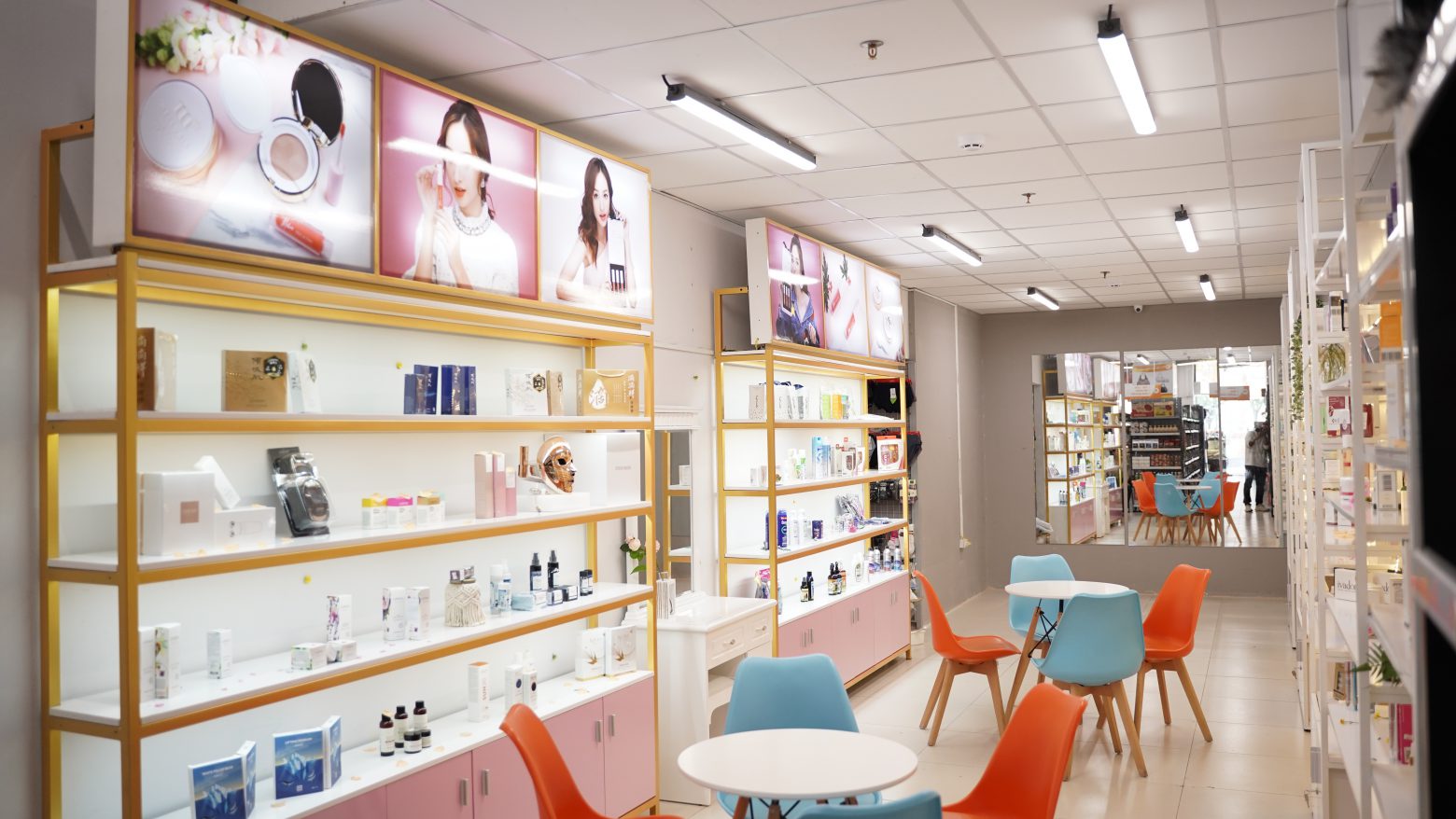
    In the dynamic realm of international commerce, Buy2sell Vietnam has emerged as one of the leading companies in importing and distributing goods and as a beacon of excellence garnering customer and supplier praise worldwide.

    In this narrative of success, the company has received many commendable reviews from esteemed international partners, including brands such as Mykitkat, Leifredy, Kate of Tokyo, DrLoule, and Nunalin.

    Mykitkat’s representative said that the firm had found an unparalleled partner in Buy2sell Vietnam. Its commitment to efficiency and market expertise has elevated the brand’s presence in Vietnam.

    “The transparent and trustworthy collaboration has expanded our reach and created a foundation for mutual success.”

    Another partner, Leifredy, has reviewed Buy2sell Vietnam as one of its privilege partners.

    “Their strategic market insights and commitment to excellence have significantly boosted our brand’s presence in the Vietnamese market. The efficiency of their distribution channels has broadened our reach and established a foundation of trust,” said Michael, CEO of Leifredy.

    Kate of Tokyo’s review of Buy2sell said it was the partner’s market expertise and dedication to innovation that seamlessly aligned with the brand’s vision.

    Lucy, Sales Director of Kate of Tokyo, and CEO Suyokama both said that Buy2sell’s efficient distribution networks have propelled their products into the hearts of Vietnamese consumers.

    They are not just a distributor but a true partner in the brand’s journey of success in Vietnam.

    “The efficiency of Buy2sell’s distribution channels has not only elevated Nunalin’s brand presence but has also played a pivotal role in meeting the diverse needs of the Vietnamese market. Buy2Sell is our great partnership,” said Shane, founder of Nualin.

    Lastly, there is DrLoule. They said that Buy2sell’s efficient distribution networks have expanded their reach and solidified their presence in the Vietnamese market.

    Collectively, these positive reviews from renowned international brands paint a vivid tapestry of success for Buy2sell Vietnam.

    The reviews from Mykitkat, Leifredy, Kate of Tokyo, and Nunalin stand as testimonials to the company’s unwavering commitment.

    “The trust and support from international partners underscore Buy2sell’s effectiveness in bridging the gap between suppliers and consumers, creating more success in the competitive world of international trade for Vietnam and Asia,” said Buy2sell Vietnam’s representative.