Tag: asia

  • Kiehl’s X Jonny Wan at Singapore Changi Airport

    Kiehl’s X Jonny Wan at Singapore Changi Airport

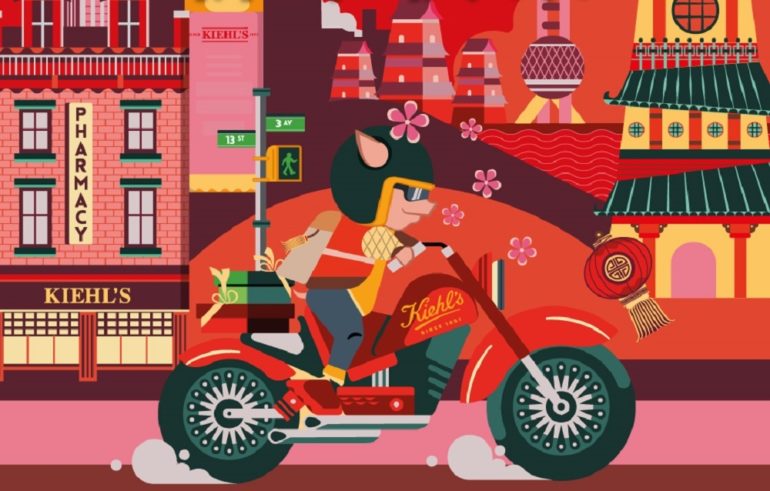
    Known for his bold and diverse style, in his designs Wan has depicted a pig named Lucky who travels from New York City to Singapore to celebrate the Lunar New Year with his family and friends. Born in Sheffield, UK, Johnny Wan graduated from the Manchester School of Art in 2008 and has been working as a freelance illustrator since. With a fascination for all things ancient, he has developed a diverse style working across advertising, editorial and publishing.

    Creating bold and graphic pieces of work that reflect his interest in Art Deco is a process of alchemy Jonny loves exploring. His previous clients have included Ford, Audi, Kidrobot, Microsoft and Nokia.

    The brand’s iconic products, Ultra Facial Cream, Calendula Herbal Extract Alcohol-Free Toner and Creamy Eye Treatment with Avocado, will be available in limited-edition Lunar New Year packaging designed by the illustrator.

    With the pop-up taking place in Singapore, Kiehl’s will be bringing the Merlion statue into Changi Airport especially for the occasion to welcome travelers right after their flight lands. A Lunar New Year-themed virtual reality motorcycle and a fortune card machine will also be on site to engage customers with the most immersive Lunar New Year experience.

    Kiehl’s believes that a worldwide international company must have a purpose for its existence, to go beyond the everyday work, and improve the community that Kiehl’s serves.

    For each purchase at the pop-up store, Kiehl’s will donate 1 SGD to Singapore NPO, ZEROWASTESG. The pop-up will also work alongside the BUY Your Own Bag program (BYOB) to educate and remind shoppers to bring their own reusable bag and to make using reusable bags a social norm.

  • Vietnam office space remains lucrative

    Vietnam office space remains lucrative

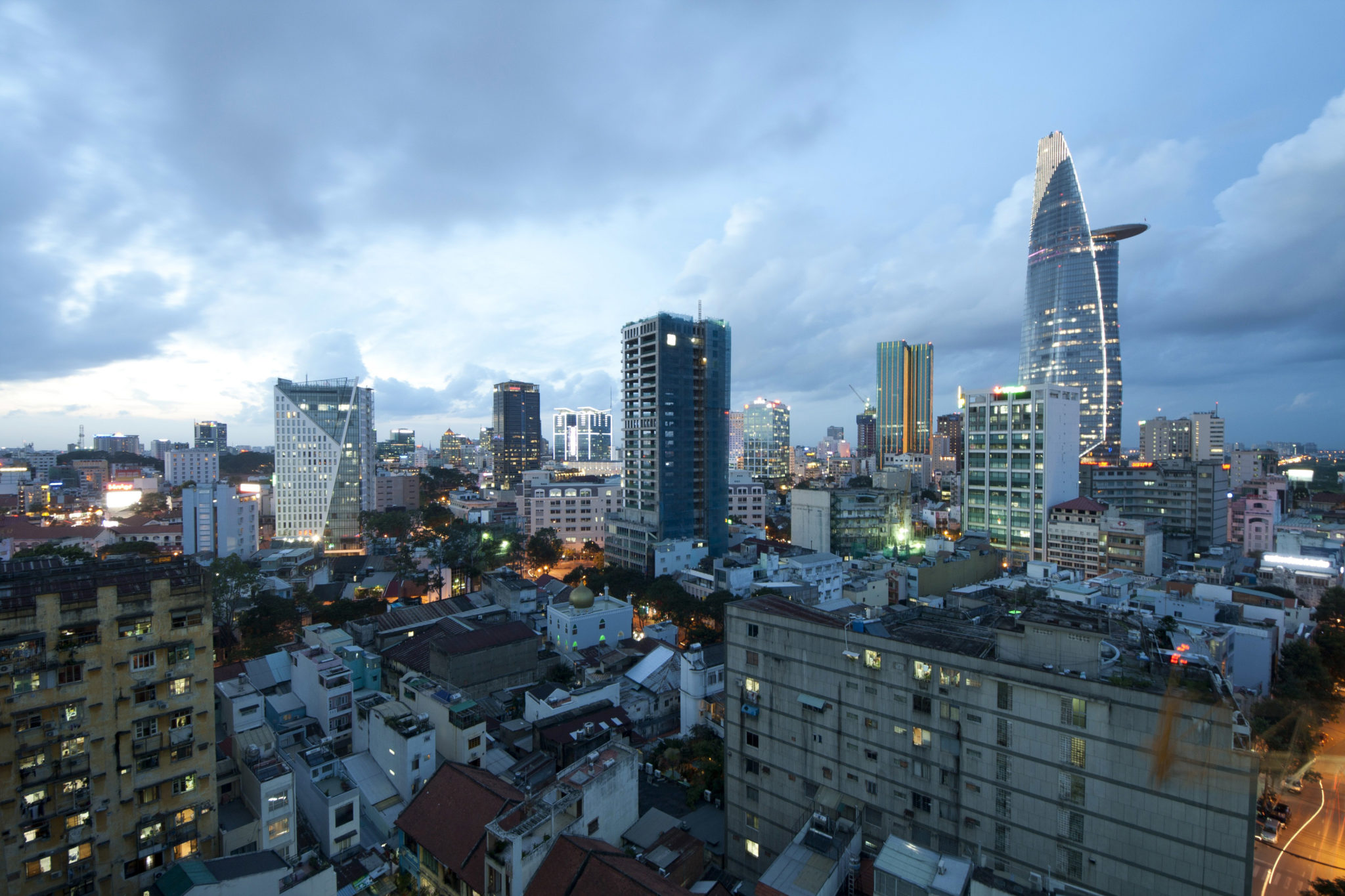
    Hanoi and HCMC will continue to be among the best performing office space markets globally in 2019, top property consultants have predicted. Troy Griffiths, deputy managing director of real estate service firm Savills, said that it was the case last year and this would continue on the back of very strong demand amidst supply constraints.

    “The demand driver is very strong, especially that from the booming financial services sectors like insurance and banking.”

    He said rentals would rise across the board as a consequence.

    “The Hanoi market’s rental might grow somewhere between 7 to 15 percent across all grades this year, while it will probably be slightly lower in HCMC, at 11 percent for A grade.

    “Rental will continue to trend up until supply catches up. Occupancy will be very strong at 90 percent and above. This will be much a story for 2019.”

    Official statistics show that at more than $19 billion, foreign direct investment (FDI) disbursement for 2018 in Vietnam was the highest in a decade.

    The country’s commitment in free trade agreements (FTAs) including the Comprehensive and Progressive Agreement for Trans-Pacific Partnership (CPTPP), which came into force on January 14, 2019, is also expected to boost economic prospects, resulting in a positive demand in office market.

    Dung Duong, head of valuation, research and consulting at CBRE, also said Hanoi and HCMC will continue to be two of the world’s the best performing office space markets this year.

    “Grade A average asking rent in HCMC is expected to increase by 4 percent in 2019, while occupancy will reach as high as 96 percent.”

    In Hanoi market, positive rental growth is expected in both Grade A and B, especially in Grade A on the back of new quality supply in the central business districts (CBD) in 2019, she said.

    “This will become the newest Grade A supply after three years of no new supply. In terms of demand, apart from traditional sectors such as banking, insurance, manufacturing and IT, co-working space is expected to continue to be a major source of demand.”

    According to a recent report by another real estate services provider, JLL, the HCMC market added 60,269  square meters of new supply from two grade B and four grade C buildings in 2018, taking the total inventory to nearly 1.97 million sq.m.

    The robust demand had pushed the occupancy rate to more than 96 percent by the end of last year, the report said.

    “Technology, IT companies and flexible space operators continued to show signs of expansion, while tenants in services, finance and manufacturing continued to dominate leasing demand in the market.”

    Average rent was $23.6 per square meter per month, up 4 percent from the previous year.

    There was no new grade A supply last year and only one new grade A building will be added this year, the Lim Tower 3 in Nguyen Dinh Chieu Street, District 1.

    In Hanoi, given the buoyant Grade A demand and limited premium supply, some buildings in the CBD with high occupancy rates continued to increase rents in the fourth quarter of 2018.

    Thai Square fronting two streets in the capital’s Hoan Kiem District, Tong Dan and Tran Quang Khai, is expected to come into the market in the first quarter of 2019, adding more than 25,000 sq.m to the inventory.

    By the end of 2019 some 153,000 sq.m of space is expected to be added in Hanoi, the report said.

    While the opportunities in office investment in the HCMC and Hanoi CBDs are obvious, Griffiths said foreign investors interested in them would find a lot of challenges.

    “The reality is that land in CBDs in HCMC and Hanoi have a great deal of domestic ownership.”

    He advised foreign investors to seek good long-term joint venture partnerships.

    “There are more and more domestic real estate companies listed on local bourses and they are very active in the property market. That gives an opportunity for greater liquidity and great foreign ownership. I think it’s pretty essential for foreign investors to have good joint venture partnerships with such firms.”
  • Love Yourself a BTS-themed coca cola

    Love Yourself a BTS-themed coca cola

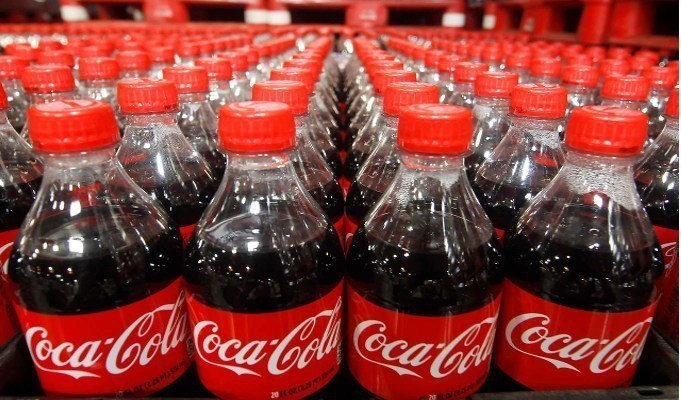
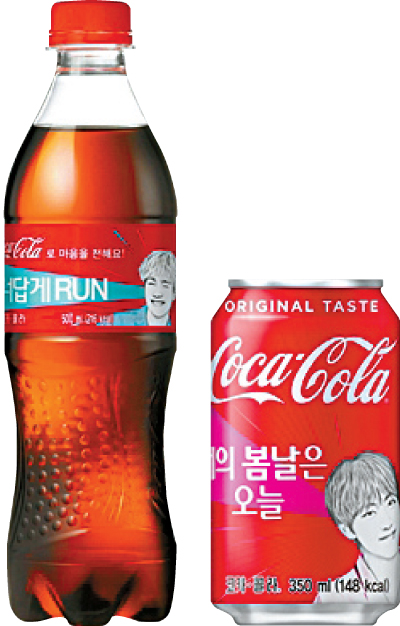
    Coca-Cola launched BTS-themed bottles as part of its “Share a Coke” campaign on Monday. The bottles come in seven different designs – each one representing a member of the K-pop boy group – with inspirational messages referencing the group’s song titles. This year, the special Coke bottle labels read in Korean “Your spring day is today,” “I’m fine if it’s you,” “Run like yourself,” “You’re really dope,” “You are my idol,” “Go instead of worry” and “This year is blazing fire.”

    Bottles are also decorated with images of the members’ faces and vivid colors like pink, yellow and green.

    The BTS-themed drinks are available in grocery stores and convenience stores across Korea. They come in 350-milliliter (12-ounce) aluminum cans and 500-milliliter, 1.5-liter and 1.8-liter bottles.

    Coca-Cola in Korea has been launching special edition Coke bottles as part of its Share a Coke storytelling campaign since 2014. The campaign’s goal is to help consumers share hopeful messages with friends and family by exchanging the drinks with one another.

  • Rihanna to launch a fashion house with LVMH

    Rihanna to launch a fashion house with LVMH

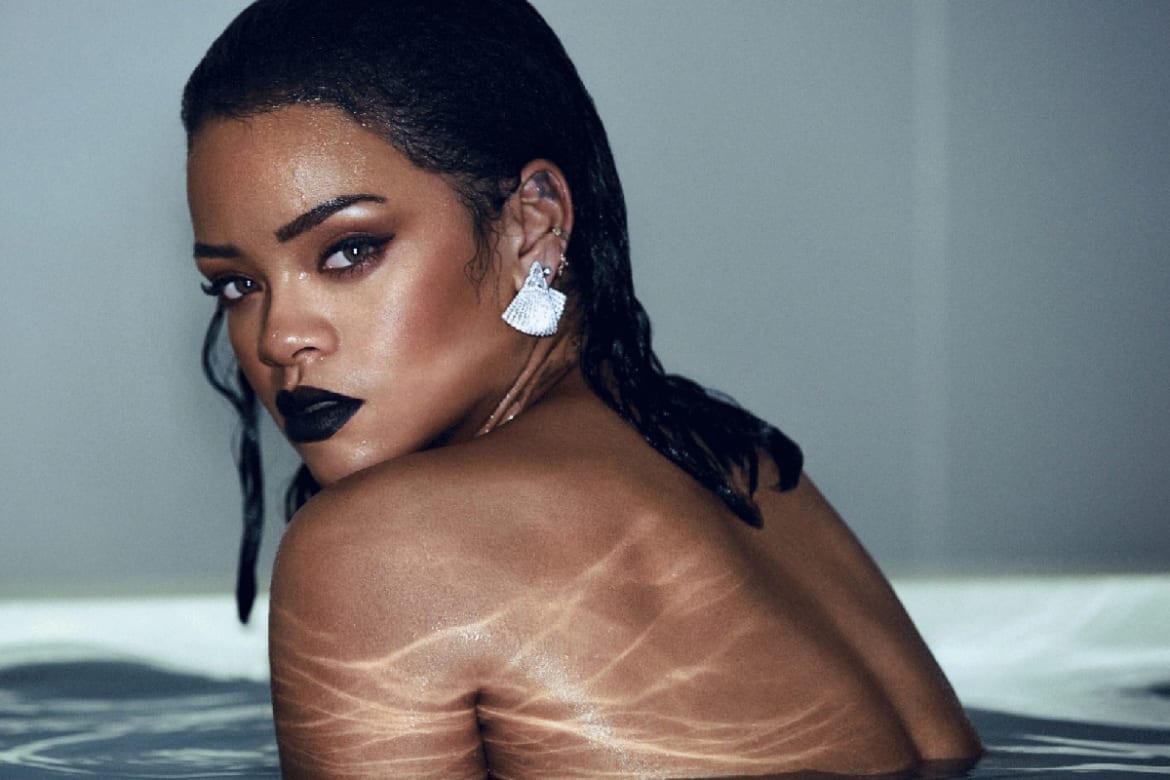
    WWD reported that, according to multiple sources, the Rihanna is working with French luxury conglomerate LVMH to launch a luxury house under her name. It would be the first time LVMH has launched a brand new label since Christian Lacroix in 1987. No word on an official launch date, but perhaps that is why Rihanna is suing her father now over the ‘Fenty’ name as he could be holding up proceedings with LVMH.

    The pairing makes sense. In 2015, Rihanna appeared in Christian Dior’s “Secret Garden IV” ad shot at Versailles, the first Black woman to front a campaign for the French fashion house. She also created a line of Dior sunglasses in 2016.

    What is more, she launched Fenty Beauty by Rihanna under the Kendo, LVMH’s incubator to produce products that ultimately end up in Sephora, or in this case, change the way beauty products are marketed.

    WWD reported that Fenty Beauty made close to $100 in a matter of weeks — a great sign for Rihanna’s impending luxury offering.

    Sources tell WWD Rihanna is a “hands-on type” who is very involved in the range’s product development (she was reportedly said to be the same way while creating for Puma and Savage x Fenty).

    It is believed LVMH started forming a team six months ago, handpicking employees from Louis Vuitton and Celine to work on the fashion house’s ready-to-wear, leather goods and accessories. And hold on to your Fenty x Savage hats here, the line is to be released in tandem with her ninth album expected to drop later this year.

    We already cannot wait to be fresh off of Rihanna’s runway.

  • Tiffany sales reported drops

    Tiffany sales reported drops

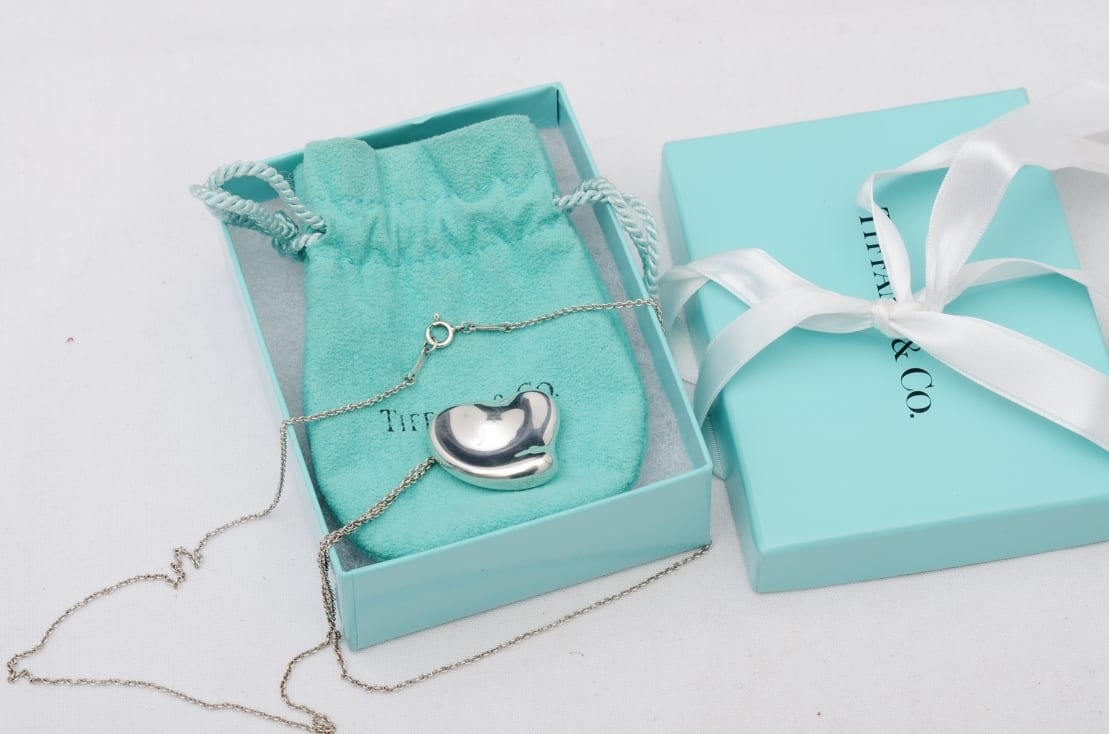
    US jewellery retailer Tiffany & Co has reported a 1 per cent drop in worldwide net sales and 2 per cent drop in comparable sales for the two months to December 31. While Tiffany sales grew strongly in China over the holiday period, softening in other markets that are more dependent on foreign tourist spending led total net sales across Asia Pacific to fall 3 per cent from the prior corresponding period to US$226 million. Comparable sales in the region fell 4 per cent.

    “With continued strong sales growth in mainland China (by a double-digit percentage), solid results in Japan and healthy growth in e-commerce sales, overall holiday sales results came in short of our expectations which had called for modest year-over-year growth,” Tiffany CEO Alessandro Bogliolo said.

    “We attribute the difference partly to lower sales to foreign (primarily Chinese) tourists globally, and to softening demand attributed to local customers in the Americas and Europe, which we believe may have been influenced more than expected by external events, uncertainties and market volatilities.”

    Total sales across the Americas declined 1 per cent to US$514 million, while Europe dropped 4 per cent to US$132 million.

    Japan, however, saw positive growth over the period of 4 per cent – increasing to US$150 million, attributed to higher spending by local customers.

    Based on these results, the business now expects worldwide net sales for fiscal 2018 will increase by 6 to 7 per cent compared to the prior year, as opposed to the high-single digits previously expected.

    “Now the focus is to grow to new heights,” Bogliolo said. “To this purpose, we will continue to pursue the six key strategic priorities we introduced earlier in 2018 … which will require our ongoing effort and commitment for years to come.

    “We acknowledge that external pressures, difficult year-over-year sales comparisons and annualised internal spending are expected to have some negative effects on fiscal 2019 results, mostly in the first half of the year, but we believe Tiffany is on a solid path for improved sales, margins, earnings and cash flow generation over the long term.”

  • Era when eggs taking over Instagram

    Era when eggs taking over Instagram

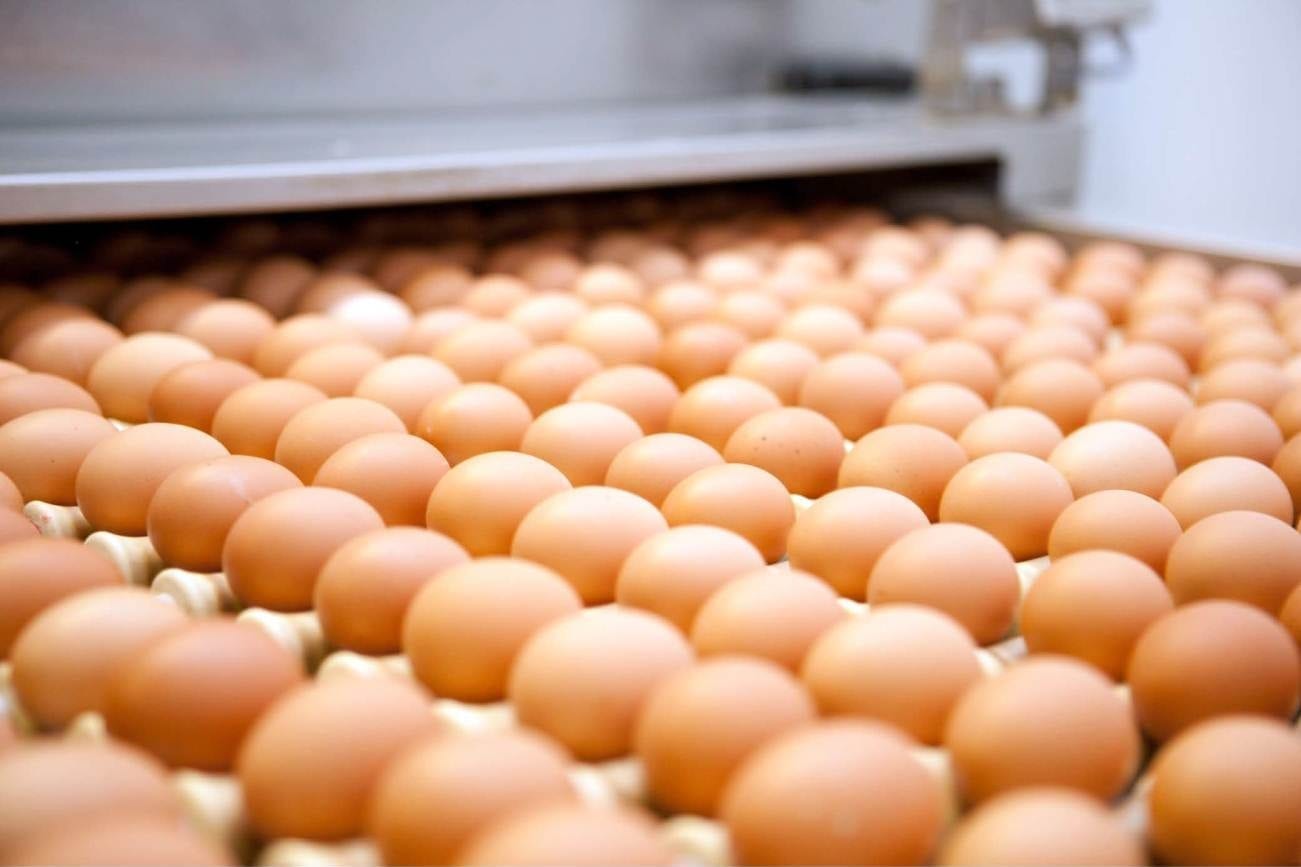
    Eleven days ago, the anonymous Instagram account world_record_egg posted its first image, what appears to be a simple stock photo of a brown egg. “Let’s set a world record together and get the most liked post on Instagram,” the caption read. The photo has now reached that goal, with over 42 million likes as of Tuesday afternoon. It blew past the previous record holder over the weekend, the first photo Kylie Jenner shared of her daughter Stormi, which garnered only around 18.5 million likes after it was posted last year.

    It is easy to root for the Instagram egg and its other nihilistic siblings, like the halved white onion that only wants more Twitter followers than President Donald Trump.

    These accounts are not inherently interesting or important—many of them post barely any content at all—but they are made so because the internet decides they should win the attention lottery. In an era of rampant spam, thirst traps, and stolen memes, the egg became popular by straightforwardly asking for likes and nothing else. It is absurd. It is delightful. It feels righteous, charitable even, to help these accounts amass larger online followings than those of world leaders or members of the Kardashian family.

    Anything can be mapped onto the canvas of a blank brown egg, and so thousands of remixes have predictably been created that riff on the original. Ellen DeGeneres, for her part, put Kylie Jenner’s face on the egg on Monday, in the hopes that by putting them together, she can attract more engagement than the two most popular Instagram posts combined.

    Why did this egg take off where others have failed, that’s not clear. But the creator is clearly familiar with some of the engines of online fame. They tagged a number of people and publications that regularly cover viral memes like LADBible, Mashable, BuzzFeed, the Daily Mail, and YouTube star PewDiePie in the egg photo itself. Once the account took off, they began to sell “official” merchandise, including T-shirts that say “I LIKED THE EGG,” which go for $19.50. A request for comment sent to the email listed on the egg’s Instagram page went unanswered.

    The account behind the egg, which has nearly 6 million followers, is also an incredibly valuable marketing vehicle. Brands could spend thousands of dollars to advertise with it, according to sources in the influencer marketing industry who spoke with Recode. When the egg goes out of style, its creator could also sell the account or pivot to sharing another type of content with the massive audience they’ve already attracted.

    The egg’s creator may instead simply continue to try to profit off the popular meme, as other viral food sensations have before them. In 2014, after Zack Brown went viral for raising more than $55,000 on Kickstarter to make potato salad, he threw a potato-themed party and two years later released a potato salad cookbook. Carter Wilkerson—the teen who became famous in 2017 after Wendy’s promised a year of free chicken nuggets if he achieved 18 million retweets—went on to sell nugget-themed apparel for charity. Max Miller, the guy behind the half onion, also sells merchandise and claims a portion of sales are donated to charity too.

  • Korean SUV sales soar globally

    Korean SUV sales soar globally

    SUVs have recently grabbed the spotlight in Korea, breaking both local and export sales records. According to the Korea Automobile Manufacturers Association (KAMA), the number of exported SUVs by five local automakers reached a new record of 1.38 million units in 2018, a 6.7 percent increase from the previous year. In just 17 years, the figure rose by 700 percent – exports recorded merely 196,111 units in 2000.

    Over the same period, overall exports of passenger vehicles declined 3.1 percent to 2.34 million units. The share of SUVs also reached an all-time high.

    Compact SUVs from Korea were most popular in export markets.

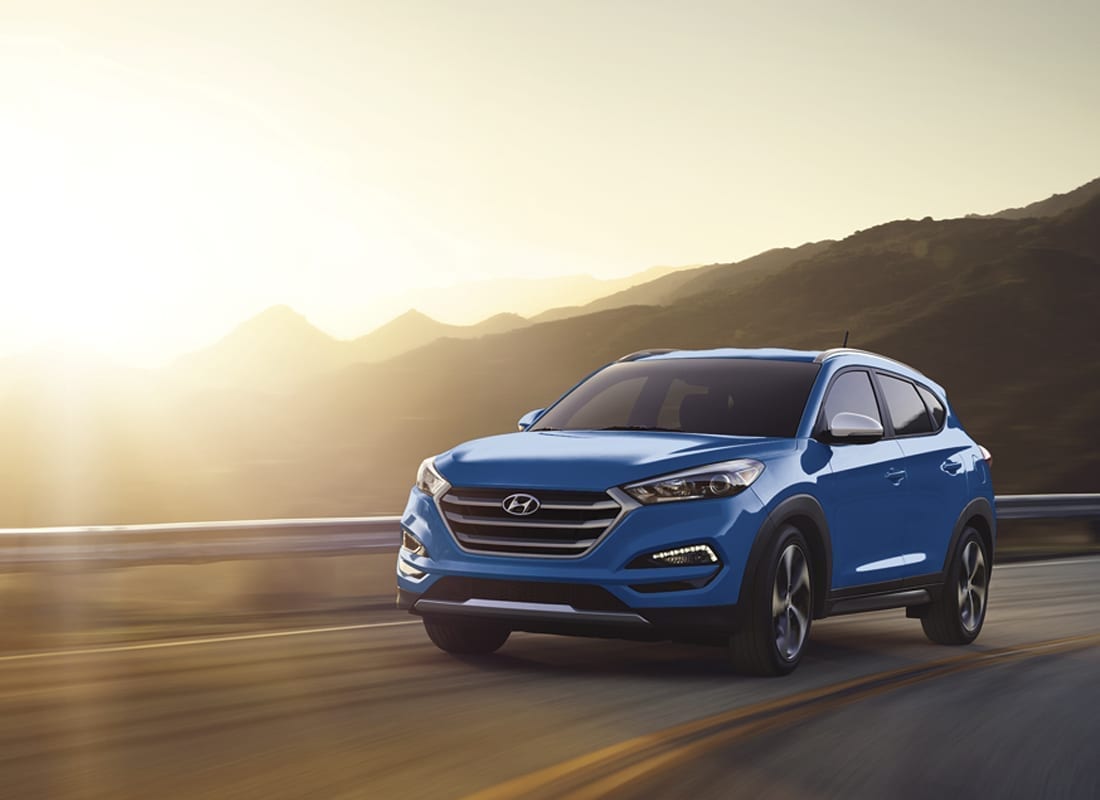
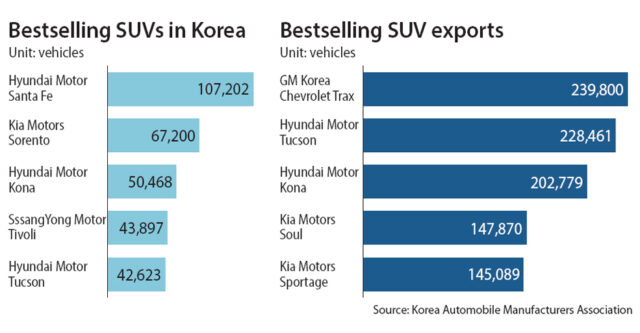
    GM Korea’s Chevrolet Trax was shipped the most, at 239,800 units, followed by Hyundai Motor’s Tucson at 228,461 units.

    Small-sized SUVs also performed well, with 202,779 units of Hyundai Motor’s subcompact SUV Kona shipped abroad, a 437 percent rise from the previous year.

    Kia Motors’ Stonic exported 58,989 units, increasing 75.8 percent from 2017.

    Much of the enthusiasm surrounding SUVs in markets abroad was also present in the local market.

    Last year, 519,883 SUVs were sold in Korea, passing the 500,000 unit mark for the first time.

    With a 12.7 percent rise from 2017 sales figures of 461,385 units, SUVs currently take up a 40.1 percent share in the overall passenger car sales figures.

    Meanwhile, passenger car sales, excluding SUVs, dropped 6.9 percent last year from the previous year.

    Hyundai Motor’s mid-sized SUV, the Santa Fe, was the most popular in Korea, selling 107,202 units. This was the first time that an SUV model recorded an annual sales figure over 100,000 units.

    The SUV market is expected to grow this year.

    As compact and small-sized SUVs are poised to lead exports and medium and small-sized SUVs the local market, large-sized SUVs are also being rolled out this year.

    Hyundai Motor’s Palisade, unveiled last November, recorded over 25,000 preorders in just three weeks, hitting 62.5 percent of the automaker’s annual sales target of 40,000 units for the model.

    It will likely take customers around seven months to receive the vehicle if ordered now.

    According to Hyundai Motor, the large-sized SUV is popular among older drivers. Customers in their 40s accounted for 37 percent of orders and those in their 50s made up 26.9 percent.

    “As high-quality amenities and vehicle stability that used to be developed through sedans is now applied to SUVs, there was quite a bit of progress,” said Kim Pil-soo, a professor of automotive engineering at Daelim University.

    “This year’s SUV sales and market share will grow as local and foreign SUVs have adopted the advantages of sedans,” added Kim.

  • Living Coral proves Color of the Year sells well

    Living Coral proves Color of the Year sells well

    After color forecaster Pantone announced its annual Color of the Year in December, Korean companies, spanning cosmetics brands to hiking-gear makers, have rushed into releasing products in the vibrant hue. According to Pantone, the color was chosen for being “animating and life-affirming” able to energize and enliven with a softer edge. The color, which stands somewhere between pink and orange, is also a reminder of the beauty of coral reefs, “a source of sustenance and shelter to sea life” that is only visible in a healthy environment.

    Coral is already a popular color for many cosmetics brands in Korea, and is annually one of spring’s trendiest colors.

    One of the first local collaborators with Pantone is cosmetics brand VDL. Early this month, the company released its “2019 VDL + Pantone Collection,” including a 12-color eye shadow palette, lipstick, primer and cushion packs, all featuring the trendy hue.

    This is the company’s fifth collaboration with Pantone since 2015; every January, VDL releases a lineup of cosmetics featuring the Color of the Year.

    Olive Young, a chain of health and beauty brands, saw a 45-percent sales increase in their coral- and orange-toned cosmetics from Dec. 17 to Jan. 7.

    According to the company, the major reason behind the increase was Pantone’s annual announcement.

    Unlike previous Color of the Year picks – such as Ultra Violet in 2018 and Greenery in 2017 – which are relatively difficult to apply as makeup, Living Coral goes well with many skin tones, while “naturally brightening” one’s face.

    In recent weeks, YouTube has been dominated with hundreds of videos of beauty bloggers applying Living Coral makeup collections.

    Living Coral is also influencing the design and fashion industries.

    Korean furniture brand Modern House teamed up with Pantone to develop a special series of home goods, ranging from kitchen items and bathroom utensils to home decorations and tumblers in the beginning of the year.

    Casual wear brand Uniqlo Korea set this year’s fashion key word as “24/7 Relax & Comfort” and revealed a series of spring clothing featuring vibrant colors, including Pantone’s Living Coral.

    Sportswear brand MLB has also released a collection of hoodies, puffer jackets, beanies and pants in different shades of coral.

    “Coral [is a very popular] color in various categories – from lipsticks to blush and eye shadows,” Olive Young said in a statement on Jan. 8.

    “The sales of coral-colored products have been increasing since the beginning of the year. ”

  • Vietnam trade deficit could balloon to $3 billion

    Vietnam trade deficit could balloon to $3 billion

    Vietnam could face a trade deficit of $3 billion this year, after achieving the highest trade surplus in a decade in 2018. Export turnover in 2019 is expected to reach about $265 billion, down 17.4 percent from 2018. However, imports are expected to rise by 13.2 percent, reaching $268 billion, meaning a trade deficit of $3 billion, the Ministry of Industry and Trade has predicted.

    The volatility of trade policies of major economies like the U.S. and EU could hurt Vietnam’s exports this year, Deputy Minister of Industry and Trade Hoang Quoc Vuong said at a recent review conference.

    Geopolitical tensions and monetary policies which were tightened earlier than expected in many economies are other challenges for Vietnam’s export sector this year, he added.

    Global agricultural supply this year is expected to rise as countries hike up production of own agriculture sectors to avoid reliance on imports, and competition for agricultural and seafood products is set to intensify.

    Meanwhile, imports are forecast to continue to grow in manufacturing sectors that rely on imported materials or machinery.

    “Trade protection looks to be on the rise, especially after the U.S. has raised tariffs on imports from other countries. The US-China trade war is also not showing signs of cooling down,” Vuong said.

    Nguyen Xuan Cuong, Minister of Agriculture and Rural Development, said at the conference that 2019 was going to be a more difficult year after 2018’s windfall.

    “We’ve hit very high targets last year, so going even higher is extremely difficult. In addition, world trade is unstable, U.S.-China trade relations have not returned to normal, and Brexit remains unfinished. These are difficult challenges for our industrial and agricultural sectors this year,” said Cuong.

    He suggested that the Ministry of Industry and Trade supports growth in the agricultural sector, using its influence on supply chain areas like marketing and distribution.

    Vietnam had an export surplus of $7.2 billion in 2018, three times higher than that of 2017 and the highest in the past decade.

  • Rick Owens x Birkenstock launched second collaboration range in HK pop up

    Rick Owens x Birkenstock launched second collaboration range in HK pop up

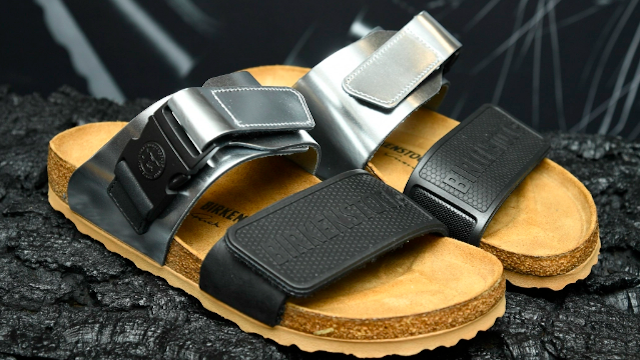
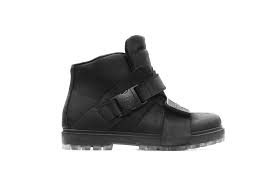
    Fashion designer Rick Owens has launched his second collaboration with footwear firm Birkenstock, with pop-ups expected in Hong Kong and Shanghai. The Rick Owens x Birkenstock collection debuted exclusively at Le Bon Marche in Paris, and will not be available online until February 8. The pop-ups in Hong Kong and Shanghai are scheduled for January 23 and 25.

    “The brief for the set design was Mayan pyramids”, said Owens.

    All the various styles of the collection, including sandals featuring metallic foil and leather, are on display at the pop-up on blocks of raw black cork.

  • Seoul, SKT to add 5G to transport system

    Seoul, SKT to add 5G to transport system

    Sensors on roads will be able to alert cars when people are jaywalking and bus stops will tell buses to slow down in crowded areas when Seoul’s 5G infrastructure is ready, the city’s government and SK Telecom said in a joint statement Thursday. The Seoul Metropolitan Government and SK Telecom have teamed up on an initiative called the Cooperative-Intelligent Transport System, an upgrade of the current transportation system in Seoul. The pilot program will run until the end of 2020 with a budget of roughly 25.4 billion won ($22.6 million).

    Seoul already has a digitized public transportation system with signboards at bus stops telling passengers when the next bus is coming and whether it is crowded, and T-Money cards that enable people to transfer between various means of public transportation with little additional cost. The city aims to use 5G to make that transport system even safer.

    SK Telecom will supply 2,000 5G devices for buses, taxis and traffic signal controllers so they can connect with the 5G network. The mobile carrier said the devices will be co-developed with Samsung Electronics.

    Buses and taxis installed with 5G will constantly share data with bus stops, traffic lights and other traffic infrastructure. SK Telecom and the Seoul government will look for dangerous situations by analyzing the shared data to prevent accidents. As SK Telecom operates the country’s largest navigation app – T Map – the carrier said it will send out warnings through the app to reach the largest number of drivers possible.

    SK Telecom said there are about 30 safety services the 5G-based transportation system can offer.

    Roads installed with 5G sensors can detect jaywalkers, the mobile carrier said. While cars may have difficulty spotting people in the dark or during bad weather, 5G-connected sensors will alert nearby cars and prevent accidents. In 2017, 9,590 accidents were caused by jaywalkers, the largest cause of road accidents for pedestrians, according to data from the Korea Road Traffic Authority.

    The country’s largest telecom company also said 5G connectivity between cars can prevent secondary accidents by sending warning messages to following cars when an accidents occur in areas with poor visibility, such as around a corner or a bend in the road.

    As well as partnering on safety services, Seoul and SK Telecom are also preparing to jointly establish an autonomous driving test-bed in Sangam-dong, western Seoul, by the first half of this year. A self-driving vehicle will run back and forth between Digital Media City Station and buildings in the area. The SK Telecom-operated autonomous vehicle will begin running in the area from June at the earliest.

    “The Cooperative-Intelligent Transport System project is a futuristic business that combines state-of-the-art digital technologies, like 5G, autonomous driving, artificial intelligence (AI) and the cloud,” said Ryu Young-sang, an executive vice president of SK Telecom. “We hope to offer a range of traffic safety data to Seoul citizens using 5G and reduce traffic accidents.”

  • Burger house competition in Hong Kong

    Burger house competition in Hong Kong

    In 2018, two international burger chains have opened restaurants and branched out in the city. In May 2018, Shake Shack brought the modern day roadside burgers, to Hong Kong with its partner Maxim’s Caterers Limited. Maxim’s Caterers Limited is a Hong Kong based food, beverage and restaurant chain founded in 1956, and the company operates over 1,000 outlets in Hong Kong including The Cheesecake Factory and Simplylife Cafe.

    “We see tremendous opportunity for Shake Shack in Hong Kong and Macau,” said Randy Garutti, CEO of Shake Shack. “We are thrilled to bring the joy of Shake Shack to our fans in these dynamic communities as we continue to expand our footprint in Asia.”

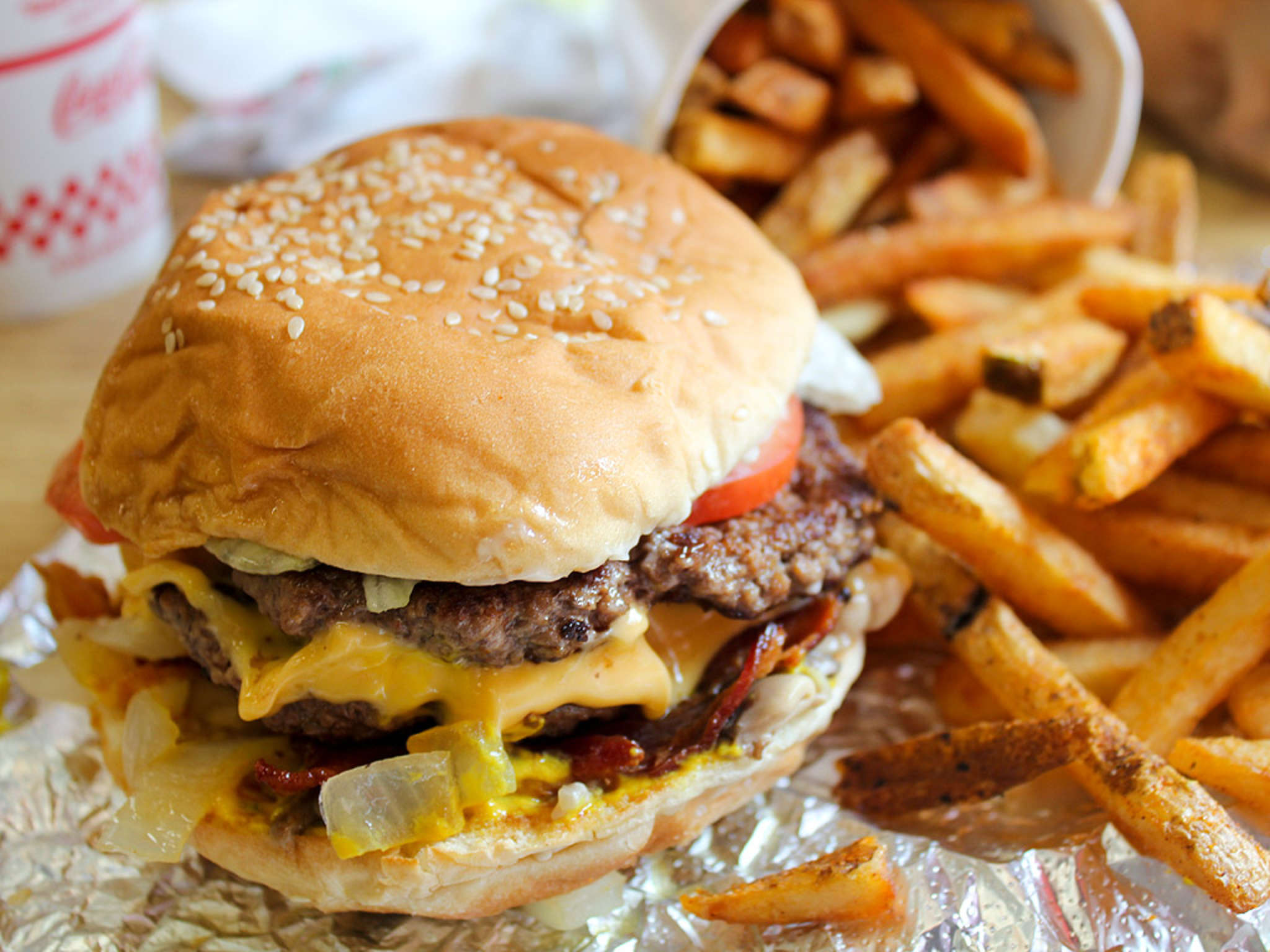
    On 19 November 2018, after months of staring longingly at the red and white hoarding, the day to check out Five Guys’ first Hong Kong restaurant has finally arrived. The popular fast food chain is now serving up all the American-style burgers, hotdogs, milkshakes, and fries. Naturally, burger lovers in Hong Kong were excited to get a chance to check it out.

    After 2 months,there is still a queue outside Five Guys owing to the all-you-can-eat peanuts and Coca-cola Freestyle. Coca-cola Freestyle is a concept similar to the Big Gulp offered by the 7-Eleven, customers may choose and drink all the provided soft drinks freely for only $30 Hong Kong dollars.

    This increasing number of burger outlets landing in HK just leaves us with one question – when is In-N-Out Burger making its way to Hong Kong?

  • Coffee exports jump for Korean firm

    Coffee exports jump for Korean firm

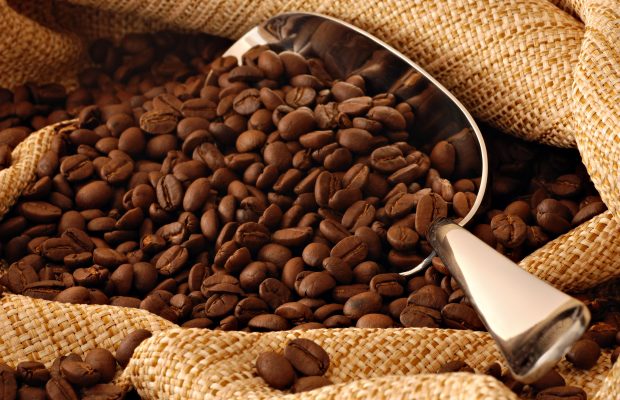
    Namyang Dairy Products said Friday its coffee exports jumped more than 20 percent in 2018 on market diversification and the rising popularity of Korean pop culture abroad. Overseas shipments of its freeze-dried coffee and instant coffee products totaled 36 billion won ($32 million) last year, compared with 28 billion won a year earlier.

    Exports of freeze-dried coffee totaled 2,000 tons last year, compared with 1,500 tons a year earlier. The value rose to 30 billion won from 23 billion won. The company also exported 50 million instant coffee mixes, up from 40 million the previous year.

    A company official attributed the export jump to its development of premium products as well as the overseas popularity of Korean pop culture.

    Namyang Dairy Products said it will ramp up efforts to diversify its export markets to Europe. Last year, Korea’s overall exports of coffee products came to 75,100 tons, up slightly from 75,000 tons a year earlier.

    Meanwhile, Korea’s exports of milk powder surged to 32.5 billion won last year from 26 billion won a year earlier.

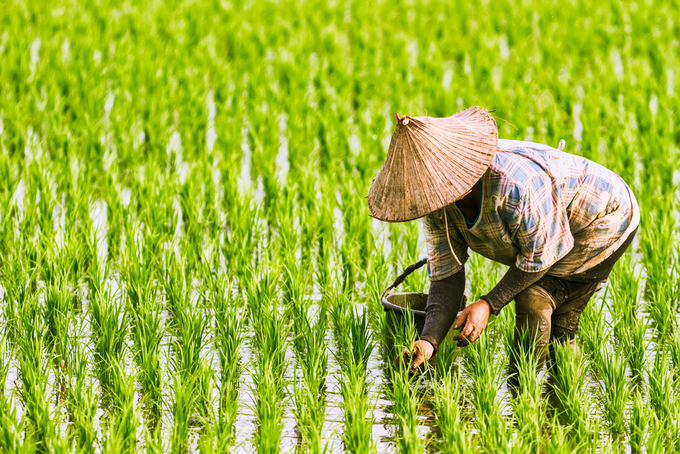
  • Indian rice prices slip as demand lags; Vietnam awaits major harvest

    Indian rice prices slip as demand lags; Vietnam awaits major harvest

    Rice export prices slipped in India as the rupee weakened and demand waned, prompting buyers to turn to other markets such as Vietnam. India’s 5 percent broken parboiled variety eased to $379-$384 per tonne this week from the $382-$387 range last week. “Demand is still weak due to higher prices,” said an exporter based in Kakinada in the southern state of Andhra Pradesh, adding that despite the fall, prevailing high rates were prompting buyers to look at other markets, such as Vietnam.

    The Indian rupee hit a month low on Thursday, increasing exporters’ margins from overseas sales and thereby prompting a reduction in prices.

    Export prices in India had shot up after the central state of Chhattisgarh, a leading rice producer, raised minimum paddy buying prices to 2,500 rupees per 100 kg from 1,750 rupees.

    In neighboring Bangladesh, an increase in domestic rates for rice could prompt the government to cut the import duty on the staple grain, traders said.

    The south Asian country, which emerged as a major importer of the grain in 2017 after floods destroyed crops, imposed a 28 percent duty in June last year to support its farmers after local production revived.

    In Vietnam, rates for 5 percent broken rice fell to $355-$360 a tonne from $370-$375 last week ahead of the country’s largest harvest, expected to begin in two weeks.

    “Indonesia’s state food procurement agency’s recent announcement that it may not import rice this year has also weighed on prices,” a Ho Chi Minh City-based source said.

    “We are negotiating a deal for around 10,000 tonnes to be delivered late February, and we are stuck at pricing. We’re asking for $360 and they are offering $345,” the trader said, adding that the shipment would be bound for Africa.”

    Another trader said China’s move to limit rice shipments from Vietnam may not be as bad as some traders initially feared.

    “It’s only the beginning of the year now and importing countries can change their import plans, especially when hit by natural disasters,” the trader said.

    In second biggest exporter Thailand, prices of the benchmark 5 percent broken variety widened to $385-$400, free on board Bangkok, from $390-$400 the previous week, mostly due to fluctuations in the value of the domestic currency.

    “Demand remains flat, but some exporters are starting to talk about possible orders from the Philippines,” a Bangkok-based trader said.

    The Thai market is likely to see additional supplies flowing in toward the end of this month, from the seasonal harvest, and this could in turn move prices, another trader in Bangkok said.

  • Hyundai takes top honors at Nactoys

    Hyundai takes top honors at Nactoys

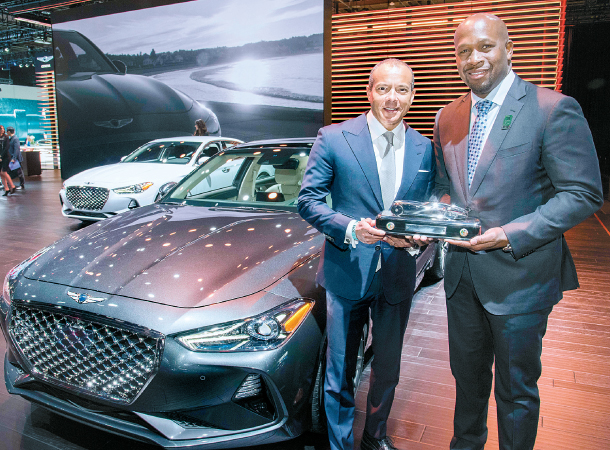
    Hyundai Motor Group took home the top prizes in two of three categories at the 2019 North American Car, Utility and Truck of the Year Awards (Nactoy), the company said last Tuesday. It is the first time a Korean carmaker has won in two categories at the annual awards. Hyundai Motor’s Kona and Kona Electric crossover utility vehicle won in the utility category, while the G70 sedan sold under the carmaker’s Genesis brand won in the car category.

    A jury consisting of journalists and analysts based in the United States and Canada voted for the winners of each category, choosing between three finalists. This year, 54 journalists from print, online and broadcast media participated in the assessment.

    The award organizer said in a press release that jurors voted on the finalists based on segment leadership, innovation, design, safety, handling, driver satisfaction and value for the dollar.

    Hyundai’s Kona competed with Honda’s Acura RDX and the Jaguar I-Pace.

    “The Kona Electric is the first mass-market electric car that truly works for the mass market,” said Jamie Page Deaton, executive editor at U.S. News & World Report Best Cars. “A livable EV range, affordable price and practical cabin combine with lively driving dynamics to make the Kona EV a true pleasure.”

    The G70 competed with the Honda Insight and Volvo S60. The Genesis-brand was evaluated to exceed luxury segment mainstays like the BMW 3 Series, Audi A4 and Mercedes-Benz C-Class in driver engagement and value for the dollar.

    The last Hyundai car to win top honors at the awards was the Avante sedan, sold as the Elantra in North America, in 2012.

    Previously the award only had two categories – car and truck – however, utility vehicles earned an independent category from 2017, considering the rising popularity of the segment.

    A Hyundai spokesperson said it will market the Kona and G70 more actively in the North American market with boosted presence from the awards.

    The winners were announced at the North American International Auto Show in Detroit on Monday. Hyundai also introduced its Veloster N TCR high-performance racing car at the show, while Kia Motors premiered its Telluride SUV. The SUV will only be sold in the North American market.