Tag: asia

  • Flipkart secures more funding to face competition

    Flipkart secures more funding to face competition

    Indian e-commerce firm Flipkart has received US$201 million funding for its wholesale business from its Singapore-incorporated parent. The investment comes during a period of intensifying competition between the firm and its Amazon-backed competitor in a market estimated to be worth $18 billion. It signals a prioritising of sales growth by the retailer since its acquisition by Walmart.

    A report last year indicated that Flipkart has seen a more than 80-per-cent increase in transactions in recent months, prompting the company to expand into new business lines such as furniture and groceries over the next three years.

    Separate reports show that Amazon also looks to invest significant funds into the market in order to challenge Flipkart’s present lead in the territory.

  • Sears saved by chairman’s last minute $5.2 billion bid

    Sears saved by chairman’s last minute $5.2 billion bid

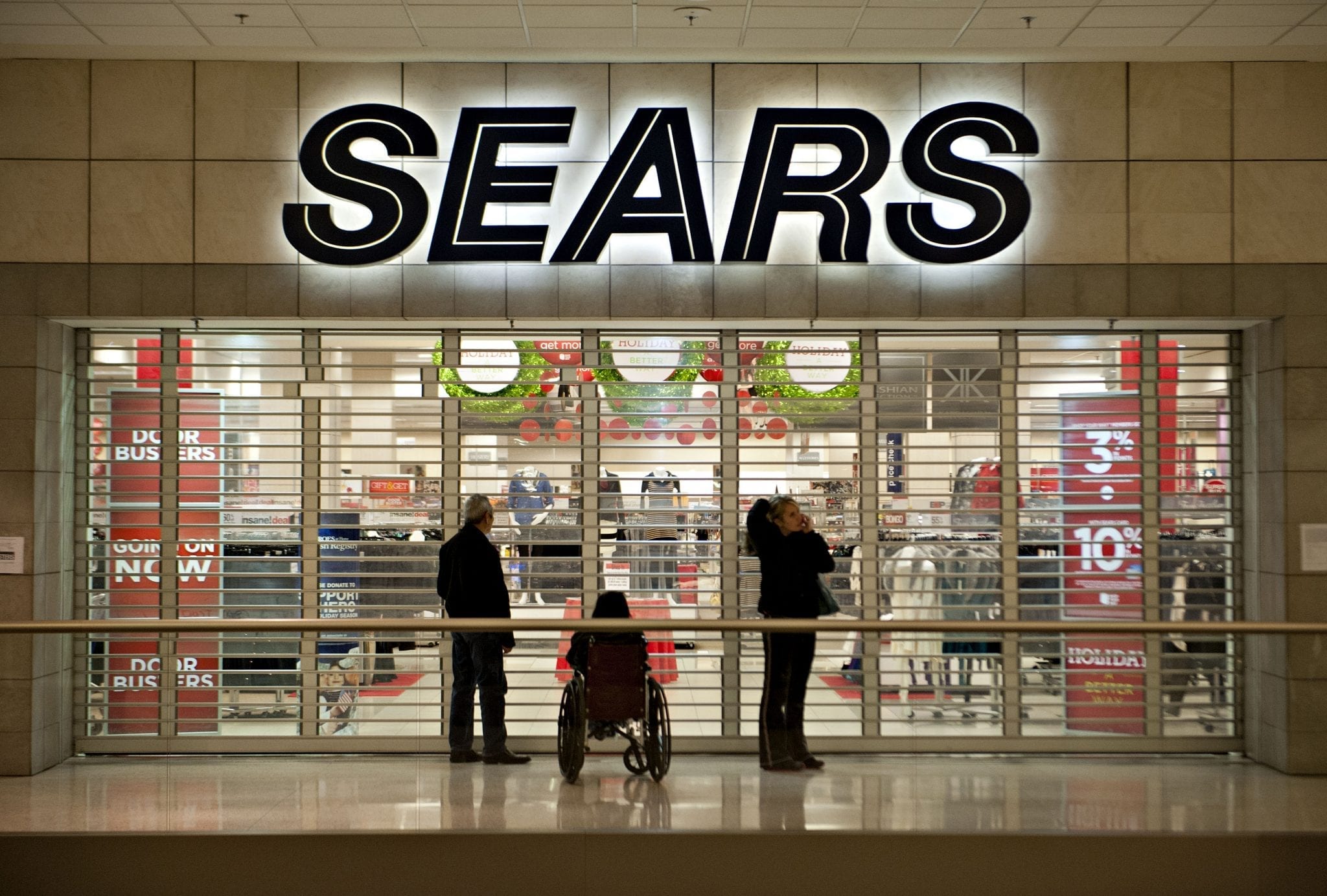
    Bankrupt US retailer Sears has been saved from liquidation following a successful, last-minute US$5.2 billion bid by chairman Eddie Lampert, subject to court approval. The acquisition includes substantially all of the company’s assets as an on-going concern and preserves the positions of 45,000 employees.

    “We are pleased to have reached a deal that would provide a path for Sears to emerge from the chapter 11 process,” Sears’ restructuring committee of the board of directors wrote in a release to investors.

    “Importantly, the consummation of the transaction would preserve the employment for tens of thousands of associates, as well as the relationships with many vendors and suppliers who provide Sears with goods and services.”

    Provided the sale is approved by the Bankruptcy Court, the transaction is expected to close on February 8, 2019.

    The retailer had previously announced plans to close up to 120 stores, though it is not clear whether these closures will go forward with the successful bid.

    Lampert made the last-minute bid after several prior offers were turned down for being “administratively insolvent” – unable to cover fees and vendor payments owed by the retailer.

    After initially offering US$4.4 billion to purchase the business, as well as a secondary offer to purchase just 250 of its locations, Lampert was forced to raise his bid to US$5 billion in an effort to get the sale completed.

    But even this bid was deemed insufficient, and Lampert, through bidding vehicle ESL Investments, upped the offer to US$5.2 billion.

    The new bid, while successful, will mean roughly 5000 fewer staff able to keep their jobs as a result of the bankruptcy.

    Sears applied for bankruptcy in October 2018, citing a failing turnaround effort to transform the business and unlock the value of its assets.

    GlobalData Retail managing director Neil Saunders pointed to Sears’ efforts to “shrink its way to profitability”, and that continuing to do so under the guise of bankruptcy was unlikely to result in a successful outcome for the business.

    “Ultimately, Sears needs not just to fix its financial problems,” Saunders said.

    “It also needs to repair the deficiencies in terms of retail strategy… only a complete change of management will bring this about.”

  • Nissan Korea fined 900 million won for inflating mileage figures

    Nissan Korea fined 900 million won for inflating mileage figures

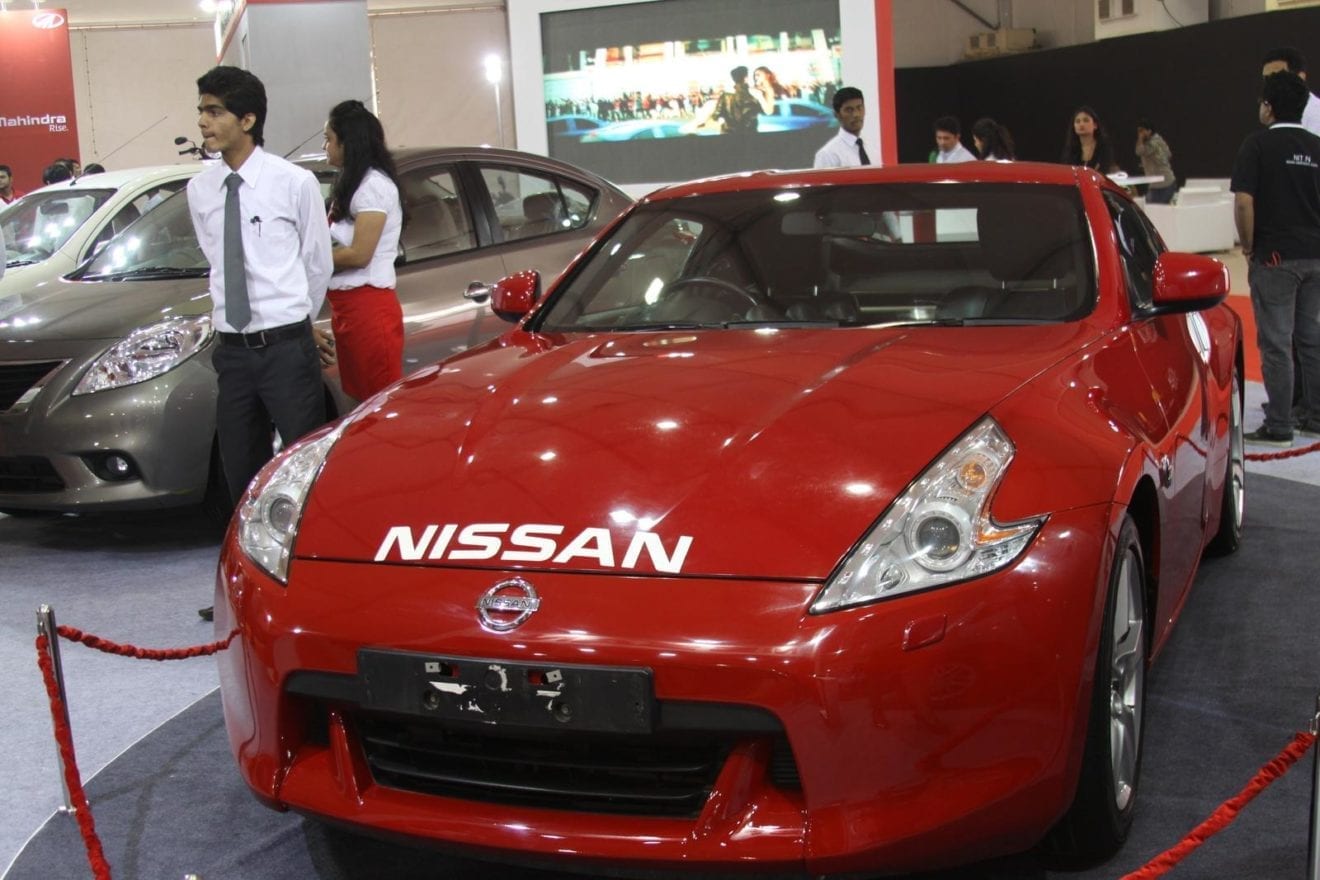
    Korea’s antitrust watchdog said Wednesday that it has fined Nissan Korea 900 million won ($802,100) for inflating gas mileage figures for its Infiniti Q50 2.2d sedans. The Japanese car’s fuel efficiency reaches 14.6 kilometers per liter (34.3 miles per gallon), but the local unit of the Japanese carmaker overstated the fuel efficiency as 15.1 kilometers per liter in its stickers, catalogues and magazines between February and November 2014, according to the Fair Trade Commission.

    Nissan Korea sold 2,040 Infiniti Q50 2.2d sedans valued at 68.68 billion won during the cited period.

    “There are concerns that Nissan Korea’s advertising could hurt fair trade by distorting consumers’ reasonable choice, considering that fuel efficiency is a priority factor when they buy vehicles,” the commission said.

    Repeated calls to Nissan Korea seeking comment went unanswered.

  • ‘KAWS:HOLIDAY’ lands in Taipei

    ‘KAWS:HOLIDAY’ lands in Taipei

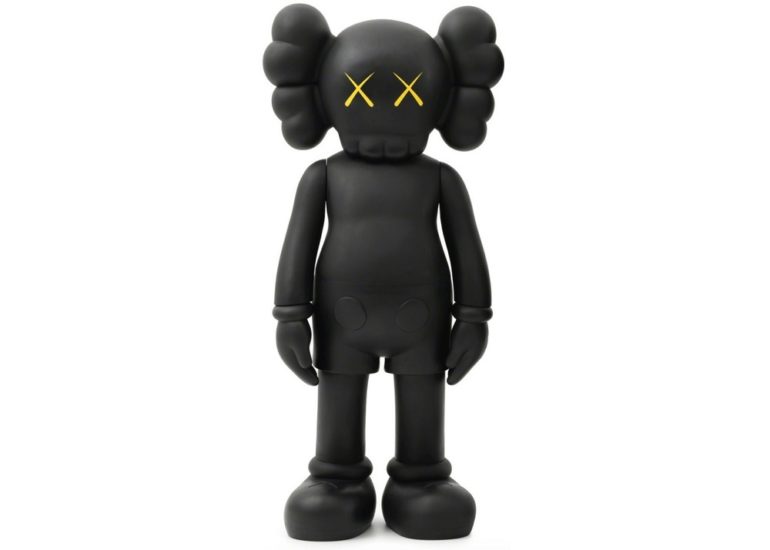
    After KAWS announced that a massive 36-meter-long COMPANION piece would be making its debut in Taipei, the collaborative project with creative studio AllRightsReserved has finally been revealed to the public. The largest sculptural work by the artist to date, KAWS:HOLIDAY depicts the recognizable COMPANION character in a seated position, overlooking Liberty Square in front of the famed Chiang Kai-shek Memorial Hall.

    Teaming up with Singaporean singer JJ Lin’s JFJ Productions, the exhibition kicked off with a grand opening event Friday evening, coupled with an exclusive merch release.

    The items include a range of vinyl figurines, ceramic plates, tees and tote bags that are available online and offline at the exhibition’s pop up shop.

  • Ikea to open Vietnam store with US$450 million investment

    Ikea to open Vietnam store with US$450 million investment

    Ikea Vietnam plans to invest US$450 million on a retail centre and warehouse system in Hanoi, according to a government official. Nguyen Duc Chung, chairman of the Hanoi People’s Committee, told a recent conference held by the Ministry of Industry and Trade that the Swedish furniture giant’s local subsidiary is well advanced with plans to launch in the country.

    Once completed, the centre will be Ikea’s main supply hub for its Southeast Asian market.

    “At present, all parties involved are [in] the process of negotiation,” Chung added.
    The centre is expected to boost Ikea’s e-commerce business in the region.

    During an interview in 2017, Torbjorn Loof, chairman and CEO of Inter Ikea Holdings said the company was planning potential expansion in Vietnam “within five years”.

    Ikea is steadily expanding its Southeast Asian footprint, the latest largest store planned in Philippines.

    Founded in 1943, Ikea is the world’s largest furniture retailer with 400 stores in 49 countries all over the world.

    In recent years, Vietnam has been a potential hub for retailers to build warehouses. Last November, Lazada finished a 4000sqm warehouse in Danang.

  • The Seiko Dream Square opens in Tokyo

    The Seiko Dream Square opens in Tokyo

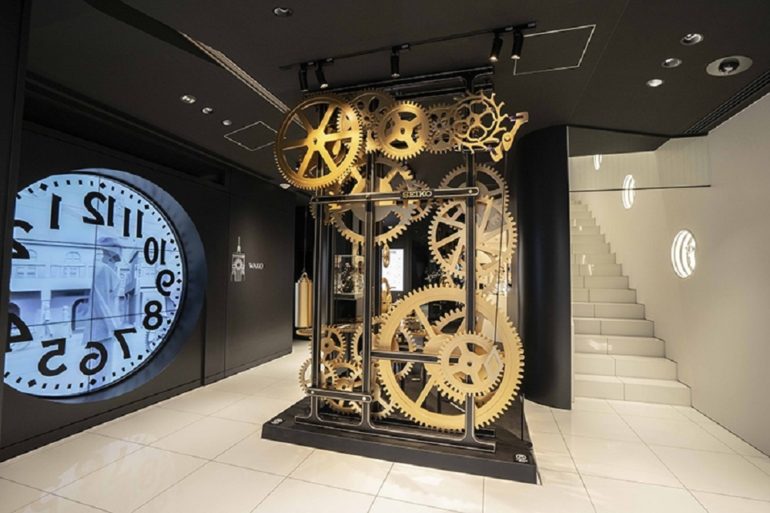
    Seiko Watch Corporation has opened an interactive hub of its watchmaking to allow visitors to “look, feel and experience” the rich history and heritage of the brand. The Seiko Dream Square is a new four-story retail complex in the heart of the watch brand’s birthplace in Tokyo’s Ginza district and showcases its heritage of watchmaking since 1881 with a museum, showrooms and entertainment areas.

    The aim of the new retail complex is to become a “point of destination” for visitors as well a centre for communicating the brand’s story globally said the watchmaker in a statement.

    It features a small museum on the first floor in the image of the symbolic Wako clock tower’s interior, a historic symbol of Seiko and a proud landmark of Ginza in which Seiko founder Kintaro Hattori placed its headquarters.

    On the other levels, visitors can shop Seiko’s leading collections, Prospex, Presage, Lukia, and Astron, with each displayed in a “refined setting” based on the particular brand’s unique identity.

    Commenting on the opening, Seiko Watch Corporation chairman and chief executive, Shinji Hattori said: “A Seiko watch is not merely an industrial product. It can be a partner to one’s life journey and story. It is our dream that Seiko Dream Square be the place where visitors from around the world would want to find this particular partner.”

  • Imports of commercial vehicles fell last month in Korea

    Imports of commercial vehicles fell last month in Korea

    Sales of imported commercial vehicles plunged 38 percent last month from a year earlier amid slower economic growth, a local automobile association said Tuesday. The number of newly-registered imported commercial vehicles fell to 283 units in December from 390 a year ago, the Korea Automobile Importers and Distributors Association (KAIDA) said in a statement.

    “The construction industry faces a slowdown as the government pushes for regeneration projects in residential areas instead of building new apartments or homes. This is driving down demand for commercial vehicles,” a spokeswoman for Volvo Trucks Korea said.

    Imported commercial vehicles are widely viewed as being more upmarket than domestically produced rivals and offer more choices for users.

    For the whole of 2018, the number of imported commercial vehicles sold in Korea declined 1.6 percent to 4,394 units from 4,464 a year earlier, the statement said.

    Major imported commercial vehicle brands are MAN, Mercedes-Benz, Volvo Trucks, Scania and Iveco.

    There are three kinds of trucks. Two of them are regarded as commercial vehicles, but the third, referred to as a dump truck, is classified as construction equipment.

    KAIDA began to compile sales data for imported commercial vehicles in January 2017.

  • Luckin, Starbucks rivalry heats up

    Luckin, Starbucks rivalry heats up

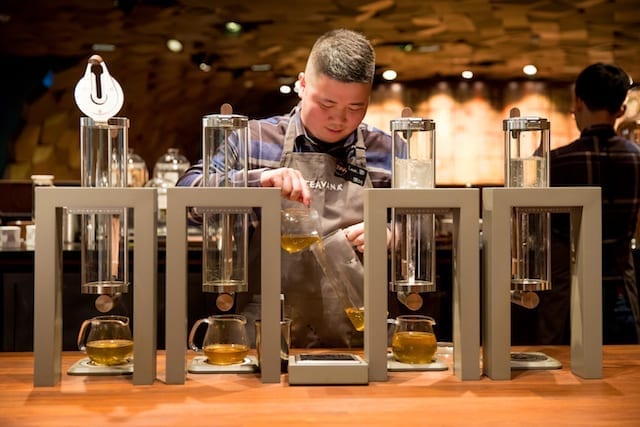
    Luckin vs Starbucks: baristas and technology are engaged in a gigantic battle for Chinese coffee drinkers’ loyalty. Seattle, Washington-based Starbucks Corporation has been the indisputable market leader in the Chinese coffee industry ever since its Beijing World Trade Center branch opened its doors in January 1999. Yet Starbucks’ two decades of coffee dominance in China appears to be reaching its end.

    While “China watchers” and retail industry insiders have been expressing concerns about Starbucks for months, it has taken Wall Street a few months to catch on; just last week, Goldman Sachs downgraded the Starbucks stock from “buy” to “neutral” for the first time in recent memory, specifically citing Starbucks’ bleak business trajectory in China as a major concern.

    Most of this concern is linked to Luckin Coffee 瑞幸咖啡 Ruixing Kafei, the young tech-forward coffee startup that has managed to build more than 2000 outlets throughout 30 mainland cities in just about 14 months of operations, reaching startup “unicorn status” seemingly overnight.

    While China is Starbucks’ largest market after the US, with roughly 3600 stores across 150 cities, it took Starbucks nearly 13 years to achieve Luckin’s current size. Perhaps even more shocking, Luckin is showing absolutely no signs of slowing down any time soon; the Luckin team has publicly announced its goal of reaching 4500 outlets across China by the end of 2019, and as of November, Luckin Coffee’s overall value was estimated to be about US$2 billion, a figure that has almost certainly risen since.

    Luckin is clearly trying to develop a mass-market coffee product that can bring the “coffee shop experience” to the working class at an ultra-competitive price point.

    While its early success may seem unfathomable, it mostly comes down to three distinct points of difference within its business model: the Luckin app, delivery infrastructure, and competitive pricing. For outsiders visiting China or first-time Luckin customers, the most noticeable quirk of Luckin’s business model is that customers are forced to use the Luckin app to purchase a coffee in a Luckin store or have Luckin coffee delivered to their office or home. Luckin does not accept cash payments at all: there are no tills inside Luckin stores. Fortunately, Luckin offers new users a free beverage after their first download, to lessen the pain a little. While this may seem perplexing to many outsiders, this is a feature that distinctly appeals to an increasingly app-focused Chinese consumer base who prefer digital payments to cash.

    Tensions rising

    With tensions rising between China and the US, Luckin has another unique competitive advantage: its status as a truly Chinese coffee brand, owned by Chinese people and tailored specifically to the unique tastes of the Chinese market. If these tensions continue to grow worse, one can expect Luckin to follow the trend of many other Chinese companies by appealing directly to this patriotic sentiment and further distancing itself from the distinctly American image of Starbucks.

    With Luckin’s CEO Jenny Qian Zhiya and most of its senior leadership coming directly from UCAR, a ride-hailing service spun out of rental car giant Car Inc, it should come as no surprise that transportation and delivery are two key focus points of the business. With the exception of a few sit-down locations in hot real estate areas, the vast majority of Luckin Coffee locations do not offer customers a place to sit. While many locations have space for customers to wait in line and pick up drinks, roughly half of Luckin stores are “preparation stores” that focus solely on preparing beverages for the endless queue of Luckin delivery drivers. Thanks to this elaborate and effective delivery system, customers can usually expect to get their coffee quickly; Luckin claims the average delivery time is roughly 18 minutes, (and even during the busy morning hours in my Beijing office park, I never had to wait longer than 30 minutes). With young Chinese city-dwellers becoming more and more reliant on delivery services like Ele.me and Meituan Waimai, Luckin’s impressive delivery capabilities allow the company to remain convenient and attractive. As a side benefit, this store setup also allows Luckin to place most of its shops in cheaper out-of-the-way locations with limited foot traffic, allowing for significant real estate savings.

    Price the differentiator

    Perhaps the most important point of differentiation between Luckin and Starbucks is price.

    While Starbucks generally charges at least 35 RMB (US$5) for most of its coffee drinks, Luckin’s prices generally fall in the 20 to 25 RMB range, with only a 6 RMB surcharge for delivery.

    Luckin also regularly runs promotions that bring the price per cup down to as little as 10 RMB, prices no competitor has been willing to match. While the exact price of a Luckin coffee fluctuates dramatically due to promotions, customers can generally expect to pay 30-40 per cent less than they would pay for a similar drink at Starbucks. Perhaps even more appealing, Luckin’s widely used “refer a friend” system rewards users who convince their friends to download the Luckin app with a free beverage.

    These three aspects of Luckin’s business platform have clearly caught on with young Chinese customers and urban office workers, who are increasingly looking for cheaper and more convenient coffee options. It appears that Starbucks ultimately has little chance of competing with Luckin in this lower end of the market. While Starbucks does have an app developed for the Chinese market, it is not nearly as intuitive or eye-catching as Luckin’s well-developed system. Similarly, after Starbucks failed to catch the wave of China’s food-delivery boom, it may be too late for Starbucks to substantially overhaul its delivery capabilities. Starbucks did not implement its own internal delivery service until August last year, arguably three years too late.

    Until last summer, Chinese customers have been forced to improvise their own “hacked” Starbucks deliveries through the app Ele.me; those wanting Starbucks coffee had to use an unwieldy two-step process using two separate apps to get their drinks delivered.

    While Starbucks could use its resources to develop a more effective app and more efficient delivery system for the Chinese market, it is likely too little, too late; after ignoring these two major trends in Chinese retail over the past few years, Starbucks is already considered an inconvenient option by rushed coffee customers, an image that will prove hard to shake off. And after spending nearly two decades cultivating the company’s image as a high-end aspirational brand for the emerging Chinese middle class, it is unlikely Starbucks can drop its prices enough to compete with Luckin’s promotional pricing.

    Going high

    Ultimately, it seems Starbucks has no choice but to “go high” in this market. While Luckin has already cemented itself as the most popular option among working-class coffee drinkers looking for an everyday beverage option, the startup has yet to grab the attention of the more status-driven higher end of the coffee market. As many industry insiders have pointed out, Luckin’s “take-and-go” model and delivery focus does not offer customers the high-end experience of whiling away an afternoon sitting at a coffee shop. So while Starbucks executives certainly have significant reason to be concerned over their dwindling market share, Starbucks still maintains a solid grasp on the market for customers seeking a true coffee experience, rather than just caffeine boost to get them through the day.

    This split in the market has been happening naturally, and is quite apparent: if you visit a Luckin outlet in any tier-one Chinese city, you will most likely encounter either a delivery man holding several bags to be delivered or a young office worker making the coffee run for his or her office, taking 10 or 20 cups back up to the office. Meanwhile, the most common sight at an urban Starbucks location is a store filled with tables, each crammed with Chinese millennials or parent groups chatting the afternoon away. In a sense, this harkens back to the ethos of the company’s original entry into China in the late 1990’s: Starbucks built its business in China by providing customers with第三空间 di san kong jian, a “third place” between home and work that functioned as a public conference room or a relaxing respite from the busy world outside, an important societal role that was traditionally satisfied by China’s ancient tea house culture. As Gwynn Guilford, reporter for Quartz, puts it: “In China, Starbucks doesn’t sell coffee to make its millions… it rents couches.”

    If the statistics are to be believed, there is certainly space in the market for both companies; Chinese citizens drink just four to six cups of coffee per year on average, compared to 250 among British residents and 360 for Americans. While Starbucks will likely continue to face struggles as the company redefines its hold in the Chinese market, this year we will see how Luckin Coffee’s unique business model fares – will Luckin continue to set record-breaking growth numbers, or will it shatter before showing any profit?

    Hunter White-

  • How to be a successful KOL in China?

    How to be a successful KOL in China?

    Why luxury brands willing to expand in China seems to never get enough of  so-called KOLs (key opinion leaders) Tao Liang, nickname “Mr bags”, is a graduate of the University of Southern California and Columbia University. Although he is only 26-year-old, he has already become one of the most successful digital influencers in China, in terms of the ability to drive sales.

    People call him Mr Bags because Liang has an unapologetic love for handbags. So, he has worked on capsule collections with different luxury brands such as Givenchy, Longchamp and Montblanc, boasting a huge following on WeChat and Weibo, which are two of the largest social media networks in China. And he also knows how to sell them to his over 3.5 million readers on China’s biggest social media platform Weibo and more than 850,000 followers on WeChat, a microblogging messaging app.

    In just six minutes, Liang helped Tod’s sell 3.24 million RMB worth of handbags on his new Mini Program shop within WeChat, called “Baoshop.” The second collaboration between the Beijing-based fashion blogger and Tod’s, 500 pieces of the limited-edition “Wave” backpacks were created — double the amount from last year’s capsule collection.

    But how did Liang become a sort of “bag whisperer”? He says that when he was studying in the universities in Los Angeles and New York, he fell in love with luxury bags and loved going on shopping sprees with his friends. It didn’t take long for him to realize that he could turn his passion for handbags into a full-time job but even after he started getting some traction while still in the US, his parents were not entirely happy with his career choice. “Only after I started working with big brands and celebrities like Fan Bingbing they thought that perhaps this was a real business,” he says.

    One issue that often comes up with KOLs is authenticity. When you work with different brands, how do you maintain your integrity without alienating your fans, who trust your opinions to be genuine and unbiased? “This is key for me and I really try our best to maintain that,” says Liang. “One of my advantages is that until not long ago I was based in the US so I wasn’t exposed to all the brand partnerships and advertising that the KOLs were doing in China so my content was 100 per cent pure editorial, but then I started working with brands and get first hand information while also giving my followers the right information and guidance.”

    So how does Mr Bags, a young man with an innate fashion sense and an encyclopedic knowledge of handbags, guide his followers and win their trust? He only works with brands that his fans “naturally love” and turns down offers all the time. Liang’s fan base is mostly female, and he feels that being a man is not a hindrance. On the contrary, by virtue of being a guy, he is able to provide useful and unbiased advice.

    “My name is Mr Bags and lots of people find this name interesting but also confusing because generally bags are for women,” he says. “Normally when girls shop for a bag they don’t think too much and buy it right away, on impulse, so I help them think more rationally. For example, I categorize all the bags and tell them which ones are the classic pieces and the ones that have more staying power and the most iconic ones so I provide some logic behind their purchases. I think that as a guy I’m more objective and I can give them useful tips. I tell them that if you buy a bag that you can use in your life and enjoy it then you feel that your money is well spent and worth it.”

    Liang believes that his editorial work must come first.“Many people think that KOLs just have fancy lives and go everywhere for fun but in China we have so many channels, like WeChat and Weibo, so it’s really a lot,” he says. “I was just updating my channels on the way here. Editorial content is more important for me; 60 per cent of what we do is still editorial.”

    Achieving the right balance between authentic content and remunerative ad-driven projects is the key factor for being a successful KOL, something that is not always as easy as it seems but Liang has already mastered so far.

  • Japan offers most overseas jobs for Vietnamese workers

    Japan offers most overseas jobs for Vietnamese workers

    Japan is expected to receive more Vietnamese workers this year, having become the most attractive labor export market in 2018. Last year marked the first time Japan became the most popular destination for Vietnamese migrant workers with over 68,700 people finding jobs there, beating Taiwan with nearly 60,400 people and South Korea with over 6,500, according to statistics released by the Department of Overseas Labor.

    The department’s deputy director, Nguyen Gia Liem, said the Japanese market’s rise in popularity was due to the implementation of a new law that allows migrant workers to stay for five years instead of three.

    Furthermore, Vietnam was the first country to sign with Japan a memorandum of cooperation on the latter’s technical intern training program, which came into effect last June.

    In 2018, a total of 13 Vietnamese businesses were also licensed to directly bring Vietnamese citizens to Japan to work as caregivers. The long language and skill training required, however, limited the number of Vietnamese citizens taking this route last year.

    However, Liem asserted: “These establishments would help increase even further the number of Vietnamese laborers going to Japan.”

    Deputy Minister of Labor, Invalids and Social Affairs, Doan Mau Diep, has said the ministry will reduce the number of labor export firms. The move follows last October’s request by Japan’s Prime Minister Shinzo Abe that Vietnam shut down bad labor export agencies and reduce costs for people wanting to work abroad.

    “The country currently has 2,000 companies taking workers overseas, which is too many, causing companies to compete with each other for contracts, and they collect high fees,” Diep said.

    The ministry would also review current regulations on overseas students to prevent this system from being abused as many Vietnamese citizens wanting to work in Japan have been using student visas in recent years to reduce cost and time spent on language and skills training.

    Last year, Japanese authorities already reviewed and suspended multiple companies for taking Vietnamese workers to Japan under the guise of international students.

    Diep also warned that citizens wanting to work overseas need to use legal labor export firms and not use tourist visas, as happened in the recent infamous case in Taiwan.

    “If going on a worker’s visa the fees can be expensive, such as about VND80 million [$3,400] for Taiwan. The travel route meanwhile only costs flight tickets and visa fees so many still choose to travel then escape to work, but they will face many risks,” he said.

    A Vietnamese migrant worker can make $1,000 to $1,200 a month in Japan and South Korea, four times the average monthly salary in Vietnam, which was VND6.5 million ($290) last year.

    A total of over 142,800 Vietnamese laborers went to work overseas in 2018, a six percent increase compared to the previous year.

    With this number, which includes about 50,300 female workers, 2018 became the fifth consecutive year in which the number of Vietnamese working overseas exceeded 100,000 people.

  • Singapore’s Grab begins using Hyundai Motor’s Kona

    Singapore’s Grab begins using Hyundai Motor’s Kona

    Hyundai Motor, Korea’s largest carmaker by sales, said Wednesday that Singapore-based Grab began using its Kona Electric for its ride-hailing service this month. In November, Hyundai Motor and its affiliate Kia Motors jointly invested $250 million in the Southeast Asian company for a business partnership in ride-hailing service markets, the carmaker said in a statement.

    “The company is aiming to enter electric car markets in Southeast Asia through the partnership with Grab and gain a share of those markets,” the statement said.

    Grab has initially purchased 20 Kona electric vehicles (EVs) from Hyundai for its service and plans to increase the number to 200 by the end of this year, Hyundai said.

    The Kona EV can travel up to 400 kilometers (248.5 miles) per charge. The driver can charge the all-electric car to around 80 percent full in about 30 minutes, it said.

    In partnership with Grab, Singapore Power has granted Kona EV drivers a 30 percent discount when powering the emission-free car at charging stations, the statement said.

    This week, the Kona EV grabbed a coveted North American Car, Utility and Truck of the Year award at the Detroit auto show.

  • Hennessy celebrates Chinese New Year by opening pop up store at Changi

    Hennessy celebrates Chinese New Year by opening pop up store at Changi

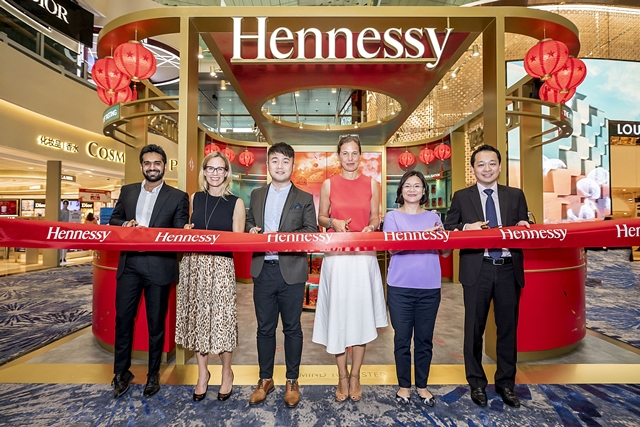
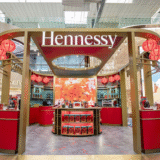
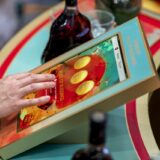
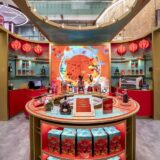
    Moet Hennessy is partnering with DFS Group in Hennessy pop-up store a Changi Airport celebrate Chinese New Year. The store, a Travel Retail Concept Exclusive, features interactive consumer experiences and will remain open until February 19. Located at the Terminal 3 Departure Hall, the pop-up experience, the only one of its kind globally. It invites travellers to “engage in a joyous reunion through experiences such as interactive digital games, Hennessy’s bottle engraving service, limited edition offers, as well as exclusive gifts with purchase,” the companies said in a statement.

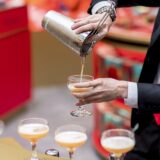
    Travellers are also welcomed to test the Firecracker, a unique Hennessy cocktail, which will be available exclusively at the pop up.

    Hennessy collaborated with contemporary artist Guang-Yu Zhang to create an art piece centrestage in the pop up. The design, A Joyous Reunion, celebrates the love for nature, mastery of savoir-faire and spirit of conquest.

    Gallery of the pop up stores (6 images) :

    “Hennessy shares the dream of Harmony, from vine to grape to distillation to glass, from nature to people, Hennessy takes the best of nature and offers it to the Chinese people to celebrate this special moment,” said Guang-Yu Zhang.

    The also features on the limited-edition packaging that has been created for Hennessy XO, Hennessy VSOP and James Hennessy products.

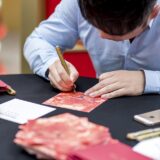
    After purchase, customers at Changi are invited to use Hennessy’s first-ever engraving station at the pop-up store to add a personalised messages to their bottles.

    “At Hennessy, we are honoured to have collaborated with a world-class artist to deliver these beautiful, one-of-a-kind Chinese New Year limited-editions for our travellers,” said Moet Hennessy MD travel retail Asia Pacific, Vanessa Widmann.

    A rising star in the international art world, Guang-Yu Zhang grew up in Shanghai and graduated from Central Saint Martins College in London in 2012. In 2014, he was selected for the International Emerging Artists Exhibition at the Saatchi Gallery in London; that year, he also exhibited his work at the Tate Britain Museum in London. He is known for his unique fusion of Eastern and Western cultures and traditional and contemporary techniques.

  • App-store spending to surpass US$120 billion this year

    App-store spending to surpass US$120 billion this year

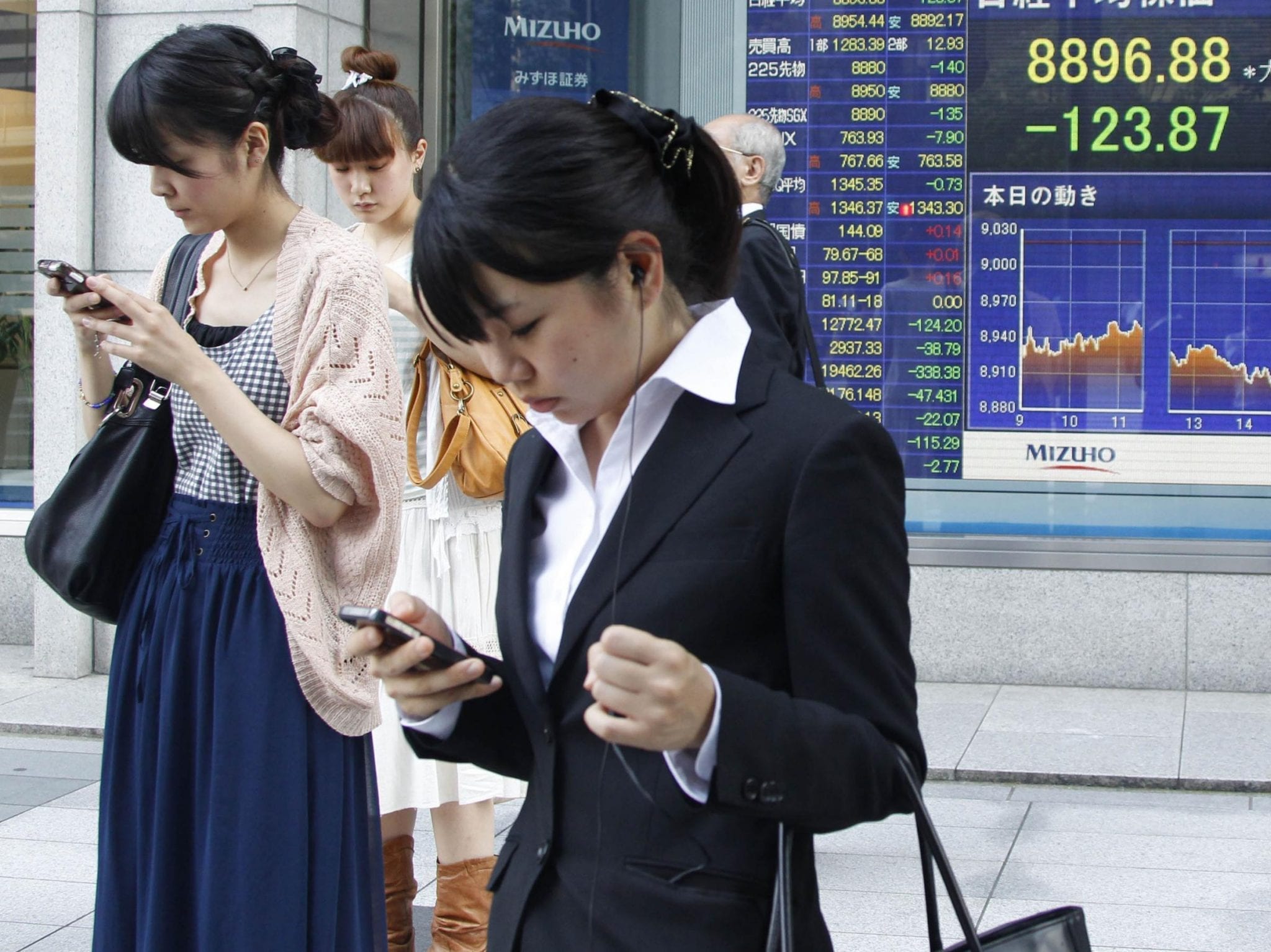
    App-store spending by consumers is expected to surpass more than US$120 billion this year according to global mobile data and analytics provider App Annie. The firm’s annual The State of Mobile 2019 report found consumers downloaded 194 billion apps last year, spending $101 billion in app stores and averaging three hours per day on mobile.

    Time spent in-app grew 50 per cent over the past two years, with downloads up 35 per cent over the same period. Mobile consumed 62 per cent of global digital-ad spend last year, up from 50 per cent in 2017. Sixty per cent more apps will monetise through in-app advertising this year.

    The report also found that 10 minutes of every hour spent consuming media this year will be spent streaming video on mobile – and Generation Z consumers spend 20 per cent more time in apps than the rest of the population.

    “Mobile is no longer an add-on channel – it is the engine fueling digital transformation,” said App Annie CEO Theodore Krantz.

    The report looks at macrotrends, app rankings, and a number of industries including mobile marketing, shopping and retail, travel, gaming, social networking, media and entertainment, banking and fintech, video streaming, dating and more.

    The firm’s global marketing and insights EVP Danielle Levitas said consumers spending on apps globally last year was larger than the global live and recorded music industry and double the size of the global sneaker market.

    “Mobile experiences are so central to how we live, work and play and with consumers spending three hours a day on mobile, it’s clear how vital this platform is for all businesses in 2019 and beyond.”

  • Korea Grand Sale gears up for kick off

    Korea Grand Sale gears up for kick off

    Korean tourism authorities were set on January 14 for the official opening of the Korea Grand Sale, an annual event for foreign shoppers with events, promotions and sales across the country. This year’s event, jointly hosted by the Ministry of Culture, Sports and Tourism and the Visit Korea Committee, will be held from January 17 until February 28.

    The theme of this year is “Travel, Taste, Touch,” and will offer benefits of varying degrees from 51,497 businesses. According to the ministry, around 850 enterprises will hold sales, including discounts of up to 97 percent on flights to Korea from airlines including Air Seoul.

    Up to 25 percent discount will be provided at eateries at the top-notch hotels across the country.

    According to a survey on what foreigners did while visiting Korea conducted by the ministry, 72.5 percent of all foreign visitors in 2017 said shopping, while 58.2 percent said eating and tourism.

    A tourism program featuring restaurants with over 50 years of history — including “Cheongjinok,” “Ureok,” “Hadongkwan,” “Joseonok” and “Yeolchajib” will be held with Korean celebrity chefs as guides. Other packages include Korean food and temple food for foriengers, and ski packages.

    For those who need assistance, a welcome center will be open throughout the festival period at Cheonggye Plaza in Jongno-gu, Seoul from 12 p.m. to 8 p.m. Tour guides will circulate popular tourist areas like Hongdae or Dongdaemun, accompanied by interpretation services.

    A welcome booth for foreigners will operate at Incheon International Airport and Gimpo International Airport from February 1-8, to coincide with the Chinese and Korean Lunar New Year holidays.

    At the welcome center, Korea Tour Card will be given free to the first 50 visitors every day. The 10,000th visitor will receive a coupon for a stay at a local hotel.

  • Toyota fined W817 million for false advertising

    Toyota fined W817 million for false advertising

    Korea’s antitrust watchdog said Tuesday that it has fined Toyota Motor Korea 817 million won ($729,000) for deceptive advertising of its RAV4 sport utility vehicle (SUV). Toyota Motor Korea advertised that its RAV4 obtained a top safety pick in five test categories, including the driver’s side small overlap front and roof strength, from the U.S. Insurance Institute for Highway Safety (IIHS) in 2015.

    In 2016, the RAV4 earned the Top Safety Pick Plus rating from the independent nonprofit organization that aims to reduce deaths, injuries and property damage from motor vehicle crashes, according to the Fair Trade Commission.

    The commission said that RAV4 models sold in the United States in 2015 and 2016 were equipped with a bracket, or shock absorber, that allowed it to get the top rating.

    The same SUV model sold in Korea during the same period was not equipped with the bracket, but Toyota Motor Korea advertised the RAV4’s earning the Top Safety Pick rating from the IIHS.

    “Toyota Motor Korea concealed and omitted that there was a difference between RAV4 models sold in the United States and Korea,” the commission said.

    It said the advertisement could mislead Korean consumers into believing that RAV4 models sold in Korea had all the safety features covered by the Top Safety Pick rating.

    Toyota Motor Korea said it cannot give an immediate comment on the issue and that it is reviewing the commission’s decision.

    Toyota is the second foreign automaker to be fined this year. BMW Korea was fined 14.5 billion won last week for manipulating documents on emissions.