Tag: asia

  • BMW Group Malaysia achieves another record year of sales

    BMW Group Malaysia achieves another record year of sales

    BMW Group Malaysia delivered a total of 14,338 units of BMW, MINI and BMW Motorrad vehicles last year, marking its eighth consecutive year of record sales. The total number of vehicles delivered last year was 13% higher than 12,681 units delivered in 2017. The group said in a statement that the strong performance in Malaysia reflects the group’s business performance worldwide last year, where a total of 2.65 million BMW, MINI and BMW Motorrad vehicles were delivered.

    Globally, the BMW brand delivered a total of 2.12 million (+1.8%) vehicles, while MINI saw 361,531 new owners. BMW Motorrad also achieved record deliveries with 165,566 new owners, an increase of 0.9% compared to 2017.

    “In 2018, BMW Group Malaysia achieved numerous milestones which contributed to the success we celebrate today. Over the course of the year, we introduced 12 new models across the BMW and MINI brands – of which four were electrified vehicles. We also unveiled two new concept vehicles for the first time ever not only in Malaysia, but in Southeast Asia,” said BMW Group Malaysia managing director Harald Hoelzl.

    Hoelzl said the group also grew its infrastructure for electromobility in Malaysia by introducing new BMW i Charging Facilities in four different states to facilitate its vision for future mobility in Malaysia.

    In 2018, the BMW brand saw 12,008 new owners in Malaysia, 13% higher than 10,618 new owners in 2017 while MINI recorded a double-digit growth of over 18%, delivering 1,200 vehicles last year compared with 1,011 units previously.

    BMW Motorrad saw 1,130 new owners in 2018, which recorded a growth of over 7% compared to 1,052 in 2017.

    BMW Group Malaysia also recorded its best performance for its electrified vehicles in 2018. Of the total cars delivered, 57% comprised of electrified BMW and MINI (7,532).

    Meanwhile, BMW Group Financial Services Malaysia achieved a strong business portfolio with over 6,100 contracts signed in 2018. It successfully financed every four out of 10 BMW and MINI vehicles delivered last year as well as every six out of 10 BMW Motorrad vehicles last year.

    “2019 will be another exciting year for the BMW Group in Malaysia with a strong portfolio of products to be introduced here, mirroring the biggest model offensive for the company worldwide,” said Hoelzl.

  • Pizza Hut Malaysia 400th store opens soon

    Pizza Hut Malaysia 400th store opens soon

    Pizza Hut Malaysia will open its 400th store in within the next three months. The company says it plans 15 new stores this calendar year, part of the 67 it announced last year within three years. Parent QSR Brands operates 810 KFC locations in its territory of Malaysia, Singapore, Brunei and Cambodia, drawing 25 million customers per month. It has another 393 Pizza Huts in Malaysia and 80 in Singapore, attracting 6 million diners per month.

    QSR Brands restaurants division CEO Merrill Pereyra said Pizza Hut anticipates a strong year as it heads towards a planned IPO in the next quarter, partly aimed to raise capital for network expansion.

  • Vietnam’s millionaire population growth among world’s fastest

    Vietnam’s millionaire population growth among world’s fastest

    Vietnam ranks fourth among the world’s top 10 countries with the fastest millionaire population growth, a new report says. The country’s High Net Worth (HNW) population is set to grow by 10.1 percent each year in the 2018-2023 period, says wealth research firm Wealth-X. This growth rate is only lower than Nigeria at 16.3 percent, Egypt, 12.5 percent and Bangladesh, 11.4 percent, says the report, which covered over 540,000 HNW individuals in the world.

    The report defines HNW population as those with a net worth between $1 million and $30 million. The world’s HNW population grew by 1.9 percent last year from 2017 to 22.4 million people with a combined wealth of $61.3 trillion.

    About 25 percent of the world’s HNW population were located in Asia last year, and their total wealth was $15.48 trillion.

    Although the region’s GDP went up 8 percent last year, its stock markets plunged by more than 11 percent, partly explaining why Asia’s HNW population and total wealth remained virtually unchanged from last year, the report said.

    It also said that the top 10 countries accounted for over 75.2 percent of the global HNW population and 73.8 percent of total HNW wealth last year.

    U.S. topped the list with over 8.6 million people, following by China with 1.8 million, Japan, 1.6 million and Germany over 1 million.

    In another report published last September, Wealth-X said that the number of ultra wealthy population, those with a net worth of over $30 million, has increased by 12.7 percent in Vietnam from 2012 to 2017, making it the third fastest growing country in the world in this category.

  • London National Gallery opened first Delicious Art cafe in South Korea

    London National Gallery opened first Delicious Art cafe in South Korea

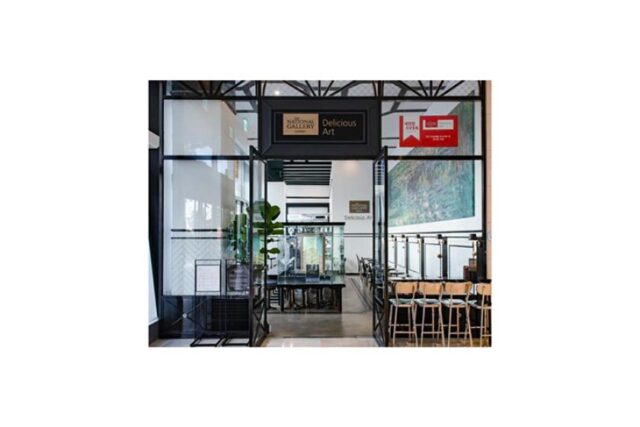
    The National Gallery Company has launched its first overseas cafe in Seoul. The cafe, “Delicious Art”, has opened at Lotte World Mall, designed with features to reflect London’s National Gallery building, along with replicas of famous artworks.

    “This is a very exciting project opening the first Delicious Art international cafe in South Korea,” said The National Gallery Company’s buying and merchandising director Judith Mather.

    “This is great for the global reach of the Delicious Art brand and the National Gallery, London. I am looking forward to opening other cafes in the region in 2019.”

    A second Delicious Art Cafe is expected to open in February at the L7 Hotel Myeongdong.

  • Indonesia to put tax on e-commerce transaction

    Indonesia to put tax on e-commerce transaction

    The Ministry of Finance said on Monday that it will impose new rules requiring e-commerce sellers to share data with the authorities, while also stressing that they must pay taxes. Surging smartphone use and a rising middle-class income in Indonesia, home to 260 million people, has made its e-commerce industry a battleground for foreign investors.

    Global consultancy McKinsey projects spending in the Indonesian e-commerce market to rise to as much as $65 billion by 2022, from $8 billion last year, similar to the growth trajectory experienced in China between 2010 and 2015, and the government is trying to squeeze more from a market that traditional retailers have alleged avoids taxes.

    From April, all operators of online marketplaces will have to detail each seller’s turnover and report this to the authorities, the ministry’s tax spokesman Hestu Yoga Saksama said.

    The rules would apply to all online marketplace operators in Southeast Asia’s largest economy, including Lazada and Tokopedia, which are both backed by Chinese e-commerce giant Alibaba, and Bukalapak, which counts China’s Ant Financial among its investors.

    The Directorate General of Taxes said an online seller that makes at least Rp 4.8 billion ($340,000) in turnover must charge value-added tax to customers and pay this to the authorities.

    A seller must also pay income tax of 0.5 percent of turnover if it is a small or medium business, or a 25 percent corporate tax of profit if it is big enterprise, bringing the sector in line with requirements for conventional retailers.

    There were no new taxes being applied, but the rules were put in place to clarify what taxes each player in a marketplace is obliged to pay and to “create an equal treatment with conventional businesses,” the tax office said.

    The Indonesian E-Commerce Association (idEA) criticized the new rules, saying online sellers would instead choose to sell their products through social media, CNBC Indonesia reported.

    Tokopedia and Bukalapak both said they are still studying the possible impacts caused by the rules.

  • Trade war could drag Malaysia’s GDP down to 3.2% this year

    Trade war could drag Malaysia’s GDP down to 3.2% this year

    A full-blown trade war could drag Malaysia’s gross domestic product (GDP) growth to 3.2% this year, from an earlier projection of 4.7%, according to Affin Hwang Investment Bank Bhd head of research and chief economist Alan Tan. Tan said if the trade spat between the US and China were to escalate to a situation where tariffs are fully implemented on all Chinese goods, Malaysia’s GDP growth could be hit closer to 1.5 percentage point.

    “If Malaysia’s GDP is at 5%, the 1.5% will push the GDP growth down to 3.5%,” he told reporters at the press conference in conjunction with the bank’s launch ceremony of its Securities Borrowing and Lending (SBL) facility for retail investors yesterday.

    “Malaysia is an open economy and is still relying on trade. As we know, China today is the major market for Malaysia and if the global trade war were to escalate, we think that the Chinese economy, which has already shown signs of slowing down, may slow even further.

    “Therefore, we are of the view that Malaysia’s exports to China will be slowing down towards the second half of 2019 assuming if the trade war continues to drag on,” he added.

    However, Tan said domestic demand will continue to support the economic growth this year driven by several measures introduced by the government in Budget 2019, supporting the bank’s forecast on the GDP growth at the region of 4.7% this year.

    Additionally, he said that the bank opined that this time around, both US and China will be more willing to negotiate and possibly come out with a trade compromise by end of the first quarter this year, in view of the external uncertainties and weaker business sentiment.

    “Going into 2019, we already seeing signs of slowing down in the US and China. Unlike six months ago, where both economies continue to do relatively well,” he noted.

    Therefore, he said the bank believes that in the second half of 2019, following the resolutions of the global trade war, coupled with the weakening US dollar, interest will come back to the emerging market, including Malaysia.

    However, Tan said the bank expects that the market will remain flat in the first half of 2019 and looking at end-2019 target for the FBM KLCI at 1,810 points.

    On ringgit, he said the local currency is expected to appreciate to RM3.90-RM4.00 level in the second half of 2019, and possibly ending the year at RM3.90 against the US dollar, as the greenback is likely to soften towards the second half of the year.

  • Vietnam wants to excel in IT, telecom

    Vietnam wants to excel in IT, telecom

    Vietnam, which is in a lowly 108th place in the International Telecommunication Union’s ICT Development Index, wants to improve its status. Speaking at a Ministry of Information and Communications (MoIC) conference Tuesday, Prime Minister Nguyen Xuan Phuc emphasized the need for the country to improve its ranking in ICT, one of country’s strengths alongside agriculture and service.

    MoIC Minister Nguyen Manh Hung said the country must use the International Telecommunication Union’s rankings as a guideline and strive to improve to no lower than 50th latest by 2022.

    He stressed that to take the lead in the digital revolution, the country needs to popularize smartphones by licensing 4G and testing 5G technologies to increase capacity, data usage per user and the quality of the mobile network.

    “Vietnam must be on the same line with the world in new technologies. We will not be eight and 10 years behind like we were with 3G and 4G.”

    According to the minister, Vietnam’s development in telecommunications must remain sustainable by shifting resources to explore new markets once the phone market saturates instead of continuing to compete unhealthily on old markets.

    “Mobile money,” which the ministry is trialing now, allows users to transfer money and make purchases through their telecom accounts, and would help bring e-payment to everyone in the country and stimulate economic growth, he said.

    Digital transformation, e-governance and smart cities would be the big stories of 2019, he said.

    “National digital transformation, digital economy and digital society would be the overarching story for decades to come. We need to develop strategies and projects in 2019 to clarify what must be done for each field in the digital economy and the Fourth Industrial Revolution.”

    Speaking about cyber security and safety, he said the Internet, on which the country’s prosperity depends, is itself an unsafe environment.

    “In 2019 there will be no incidents of government agencies’ websites being hacked and having information stolen. Vietnam must become ASEAN’s center for cybersecurity.”

    Vietnam has an opportunity to become one of the world’s major manufacturers of electronic and telecom equipment, he said.

    Globally there are only four major telecom infrastructure and equipment manufacturers — Ericsson, Nokia, Huawei and ZTE – and while China’s Huawei and ZTE enjoy a market share of 60 percent, they are encountering difficulties with the U.S., he pointed out.

    “Vietnam is currently capable of manufacturing 70 percent of telecom equipment [used globally]. With effort, we could become the fourth nation in the world capable of manufacturing and exporting all types of telecom equipment. This must be achieved by 2019-2020.”

    “Vietnamese network operators must use Vietnamese-made equipment if the price and quality are similar.”

    The ministry has set a target of  20-30 percent of operators’ revenues coming from digital content this year instead of the current 6-8 percent, saying the digital content industry is capable of expanding by three or four times to achieve revenues of $3-4 billion.

    “The key to the digital content industry’s growth is that policies must promote it,” said the minister.

  • Strawberrynet celebrate its 20th anniversary

    Strawberrynet celebrate its 20th anniversary

    Hong Kong online beauty pioneer Strawberrynet is celebrating its 20th anniversary. Since its launch in 1998, the e-commerce retailer has expanded to sell to more than 200 markets in 38 languages, with 24-seven pick and pack and customer services. The strawberrynet.com site carries more than 800 established international brands from Europe, the US, Japan and Korea, offering more than 30,000 items across a wide range of categories.

    Its 20-year business span makes it one of the longest-running e-commerce firms globally, launching in the same era as Amazon, eBay and PayPal. The site enjoys top rankings for a beauty-focused international platform on Alexa, ComCore and Internet Retailer.

    Strawberrynet began accumulating big data-style tracking since the early days of the science, making it an early adopter in using AI to understand not only its shopper behaviour, but also product trends for every category and region it traded in, allowing it to optimise and personalise offers for a better user experience.

    According to a statement put out by the firm, “Strawberrynet’s partnership with the world’s major platforms gives more shoppers around the globe access to products that are authentic, and offers that range from classic to chic and newly launched items”.

  • Bossini losses set to double

    Bossini losses set to double

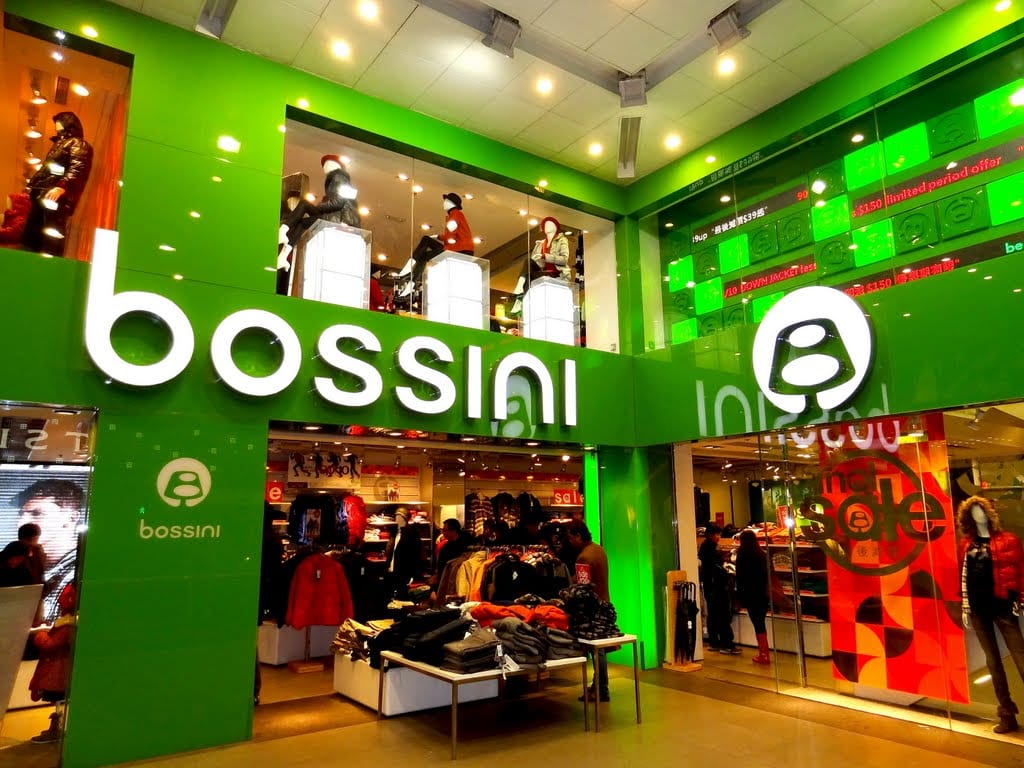
    Bossini International has warned the group is expected to record a loss attributable to owners of between HK$23 million and $28 million (US$2.93 million to $3.6 million) for the six months to December – roughly double the loss of the same period last year. Chairman Bess Tsin said in a stock exchange filing that the loss was largely due to “unseasonal warm winter weather and weak consumer sentiment in several core markets” where the group operates.

    The company said the estimate was based on a preliminary assessment of the company’s accounts for the period and details would be confirmed in late February, when the company announces its annual results.

  • Amazon offers Vietnamese products route to global market

    Amazon offers Vietnamese products route to global market

    Amazon is collaborating with Vietnam’s trade ministry to sell the country’s products on its system globally. Vu Ba Phu, director of the Ministry of Industry and Trade’s Trade Promotion Agency, said while announcing news of the collaboration that the U.S. e-commerce company would help especially small and medium-sized enterprises (SMEs) develop their brands on its website.

    It would also train Vietnamese firms in e-commerce and selling on its system, he said. Vietnamese businesses would be able to reach over 300 million users of the world’s largest online retailer by participating in Amazon Global Selling, he added.

    Bernard Tay, Amazon’s regional director for Southeast Asia, said Vietnam is among the top countries in the region in terms of capability to export via Amazon.

    It has strengths in household products, textile, footwear, and handicrafts, items that sell well on Amazon, he said.

    Vietnamese firms need to make products adopted to global trends and improve their English and branding skills, Tay added.

    Phu said Vietnamese SMEs would have to meet the high standards in many markets.

    “Big markets like the E.U., U.S. and Japan all have strict regulations on product quality and origin, and Vietnamese exports will have to comply with them.”

    Last year Amazon had organized a number of training programs for Vietnamese SMEs on how to sell on its system.

    Chinese e-commerce behemoth Alibaba is also interested in Vietnamese sellers. It started looking for sellers on its AliExpress website last July, saying it wanted to enable them to reach over 200 markets around the world.

    Vietnam’s e-commerce market grew by 25 percent in 2017, according to the Vietnam E-commerce Association (VECOM), which expects this rate to continue until 2020.

  • Frost & Sullivan calls for strong incentive policy for electric vehicles in Malaysia

    Frost & Sullivan calls for strong incentive policy for electric vehicles in Malaysia

    Frost & Sullivan which is “mildly positive” on growth of total industry volume (TIV) for vehicles in 2019, said a strong incentive policy is required for electric vehicles (EVs) to take off in Malaysia. “Currently what we are waiting for is if the (NAP) National Automotive Policy mentions anything about EV. Unless there is a strong policy coming up focused on EV, otherwise we will not see any major uptake in EV sales in Malaysia,” said associate partner and senior vice president of mobility at Frost & Sullivan, Vivek Vaidya.

    He said the uptake for EV will also depend on factors such as incentives for manufacturers, forward distributors and customers coupled with the development of infrastructure for charging stations. Vivek added that there is a possibility of the new national car being an EV given leads of it being low energy and technology neutral.

    A survey carried out by Frost & Sullivan found that 30% of its respondents were willing to consider EVs even though such vehicles are yet to make a presence in Malaysia, signaling a latent demand for EVs.

    On the overall automotive market, Vivek expects Malaysia to registers vehicle sales of 609,700 units in 2019, 1.4% growth against 601,300 units in 2018, driven by growth in domestic consumption, private investments and new model launches.

    The passenger vehicle segment is expected to perform better than the commercial vehicle segment, which is likely to be impacted by low public spending.

    The passenger vehicle volume is projected to grow to 544,121 units in 2019 from 536,371 units in 2018, while the commercial vehicle volume is estimated to rise to 65,579 units from 64,929 units.

    Worth noting is that demand for vehicles went up by 4.2% during the tax holiday period last year.

    “Usually after a tax break period, the volume shrinks in the subsequent quarter but in 2018, strong consumer sentiment ensured Q4 volume matched last year figures to end the year on a positive note,” Vivek said.

  • AS Watson reports success with predictive modelling marketing

    AS Watson reports success with predictive modelling marketing

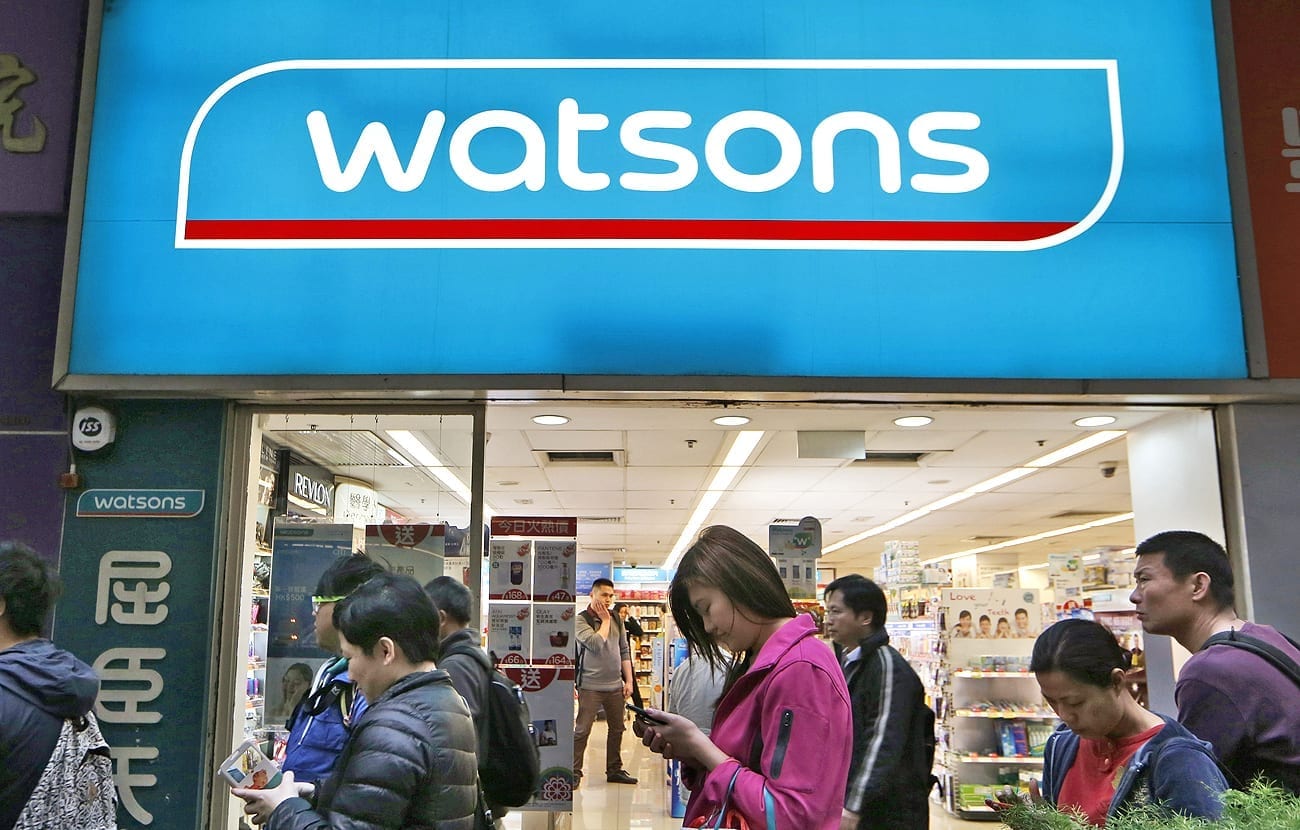
    International health and beauty retailer AS Watson Group says its use of predictive modelling technology is delivering successful product launches. The firm has worked in close partnership with brands to help them penetrate specific demographics or enter new markets. Recently this included Jeffree Star Cosmetics launching exclusively at ICI Paris XL in Europe, and in Asia a continuing long-term partnership with Maybelline at Watsons Thailand – both of which achieved targeted results.

    “At AS Watson, due to our extensive global knowledge of the beauty industry and CRM data, we are able to help niche brands like Jeffree Star and major brands including Maybelline launch products onto the market,” explains Malina Ngai, AS Watson Group COO.

    “Using our integrated online and offline model, this allows us to create these types of brand partnerships to specifically target and engage the right customers.”

    L’Oreal and AS Watson Group developed a long-term partnership working together to drive sales, while in 2018, Watsons Thailand partnered with Maybelline on a year-long CRM program.

    Supported by the AS Watson DataLab, the group’s customer intelligence team, this campaign was designed to communicate offers to relevant customers through electronic direct mail. Watsons targeted members in three phases in order to recruit new category shoppers, grow each customer’s basket value and engage customers in new product offers.

    To ensure the campaign built on data insight to target the right members, Watsons used a three-stage approach to accurately identify customers and ensure they were provided with the most attractive offers.

    This three-stage campaign saw more than 3.5 million emails delivered to members, attracting more than 170,000 customers to buy into the brand. This targeted and focused approach saw double-digit percentage of the brand’s sales directly attributable to this campaign. In addition, Maybelline’s sales and the number of members recorded double-digit growth compared to the previous year.

    L’Oreal Thailand’s GM consumer products division Geoff Bellingham said two of the biggest challenges a brand faces are acquiring new customers and then having those customers shop again with the brand.

    “Our Watsons Thailand CRM program allowed us to successfully achieve both of those goals for Maybelline. All customers and especially beauty shoppers want relevant, more personally curated offers and this partnership was carefully created to ensure the right offers for right people.

    “The activity is just one example of the close and successful collaboration between Watsons and L’Oreal”.
    ICI Paris XL launched world-renowned beauty influencer Jeffree Star’s cosmetic range in November, exclusively to customers in The Netherlands and Belgium. To launch the brand ICI Paris XL created a digital campaign to target customers whose data and insight profile indicated they would love the new brand, as well as looking to capture new customers. The digital campaign was created to specifically target those under 35, as this is the brand’s core target market.

    Predictive modelling technology was used to identify and communicate with members who had a high tendency to shop for new makeup brands and trends, and these people received customised emails announcing the launch, bringing the social media personality to life, as well as highlighting hero elements of the cosmetics range. This targeted approach saw more than 300,000 customers receive personalised emails, leading to an open rate of 25 per cent.  Following this, 40 per cent then visited the brand’s page on the ICI Paris XL website with the result that 70 per cent of members under 35 bought into the range during the launch period.

    “Following the success of my brand in the the US, I really wanted to extend my brand’s reach into Europe,” said Jeffree Star. “AS Watson has provided me with an efficient distribution platform as well as the tools to be able to target my fans and beauty lovers that like to create bright, fun and innovative beauty looks.”

  • Ikea to open first New Zealand store in Auckland

    Ikea to open first New Zealand store in Auckland

    Ikea will open a store New Zealand in the coming years, opting for the city of Auckland to bow its debut store. The Swedish firm, known for its buy-and-assemble furniture, will open up a pop-up shop in the coming months in the lead up to a fully-fledged flagship store, which would create 400 jobs in the city, according to local media reports With no an exact time frame for the megastore launch, Ikea’s New Zealand manager, Will Edwards, said that Ikea would open a pop-up shop in central Auckland, as a physical store would take a number of years to set up.

    “It does take time to build a truly big blue and yellow iconic Ikea store, it will take a number of years to get the full offer up and running but we don’t want to keep people waiting,” Edwards told media on Friday at a press conference, which also saw the attendance of Ikea’s global chief execute, Jesper Bodin.

    “It makes sense to be in Auckland where many people are living and also commuting in and out of. We’d like to give a piece of Ikea before the full meal comes along,” added Edwards.

    Ikea requires some 300 to 400 employees to run the Auckland store, as well as several hundred more staff to support logistics.

    Bodin said that New Zealand will get the “whole shebang”, with a product range of about 7000 items at least in the warehouse store.

    While price-points weren’t disclosed, Bodin said that “our ambition is always to be affordable for people and competitive with other retailers in New Zealand.”

    Ingka Group, Ikea’s largest franchisee and operator of Ikea stores in 30 markets around the world, was granted exclusive rights to explore options to expand into New Zealand.

    Founded in 1943 in Sweden, Ikea sells furniture and homewares to 1.2 billion customers around the world.

  • Richemont Group sales soars after YNAP acquisitions

    Richemont Group sales soars after YNAP acquisitions

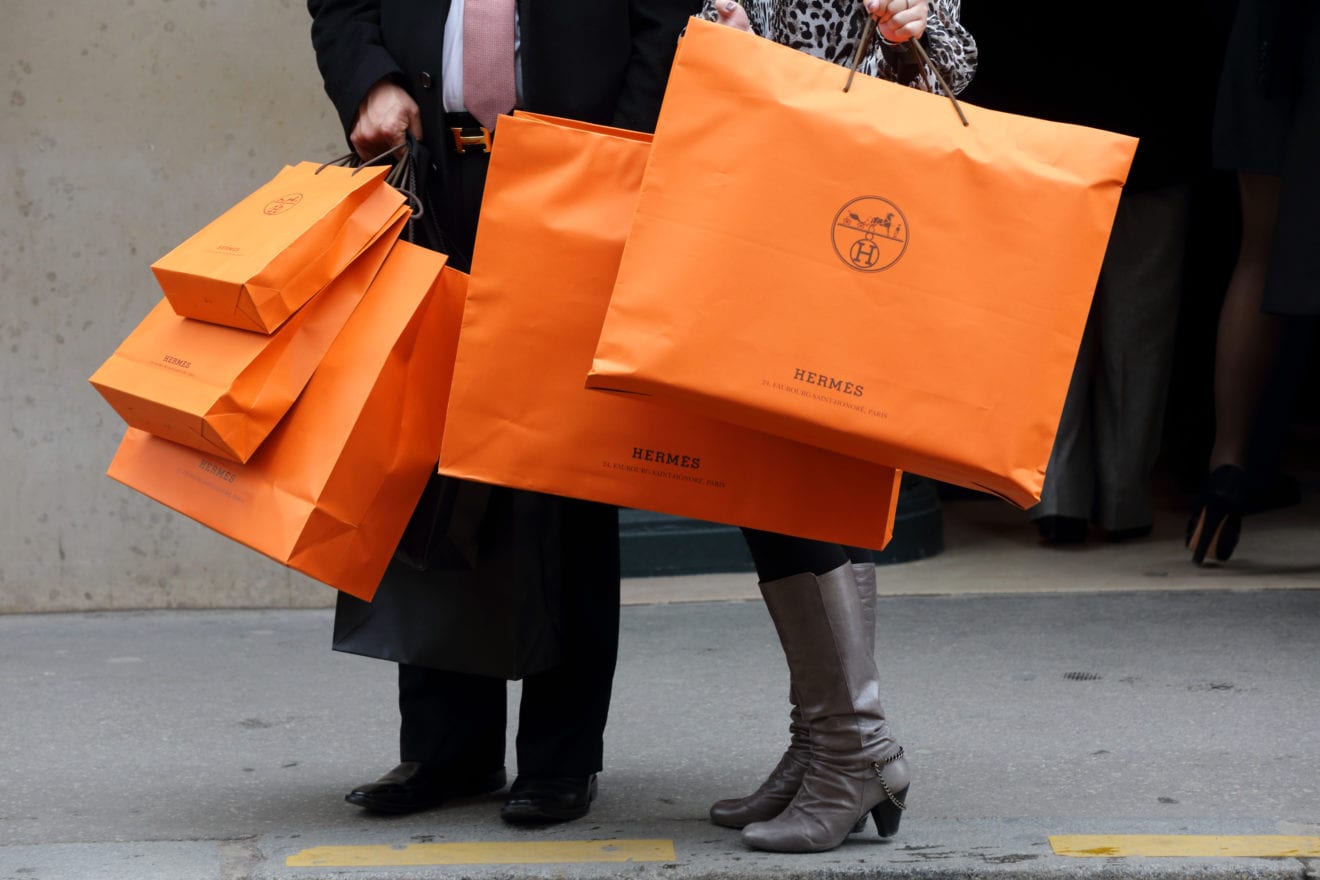
    Richemont Group sales soared 24 per cent in December quarter, to €3.915 billion. It was largely down to the inclusion of online acquisitions Yoox-Net-A-Porter (YNAP) and Watchfinder, which were consolidated into the group’s accounts on May 1 and June 1, respectively. But even excluding that, the sales growth was still strong at 5 per cent by constant exchange rates.

    By region, European sales accelerated at twice the rate of Asia, up 35 per cent at constant exchange rates, with Asia Pacific – still the company’s largest single geographic market – up by 17 per cent.

    Sales in Europe reached €1.147 billion in the quarter, and in Asia €1.389 billion. Sales in the Americas surged 41 per cent to €801 million and in Japan by 14 per cent to €344 million.

    The only market where Richemont failed to perform was the Middle East and Africa, where sales slipped 3 per cent to €234 million.

    The company’s largest category, jewellery maisons, recorded 8 per cent growth to €1.985 billion, while Richemont said YNAP posted double-digit growth across all regions and solid performances across all its categories. Watchfinder’s sales expanded “more moderately”.

    Excluding the new online business unit, Richemont Group sales grew in all regions, with the exception of the Middle East and Europe. During the latter part of the quarter, sales in Europe were affected by social unrest in France which impacted tourism and led to store closures for six consecutive Saturdays. The disposal of Lancel in June also impacted the year-on-year comparison.

    A 10 per cent increase in sales in Asia Pacific reflected double-digit sales growth in Mainland China and good increases in other main markets. Sales growth in Hong Kong slowed, primarily due to the strength of the Hong Kong dollar versus the renminbi that resulted in lower tourist spending.

    In Japan, a 7 per cent expansion in sales was fuelled by continued domestic and tourist spending as well as the impact of newly opened directly operated boutiques.

    Sales in the Americas rose by 9 per cent, primarily driven by the jewellery maisons.

    Of Richemont’s many brands, Cartier and Van Cleef & Arpels led the way, increasing sales by 8 per cent, driven by jewellery and watches.

    Richemont operates in four business areas: jewellery maisons, being Cartier and Van Cleef & Arpels; specialist watchmakers, being A. Lange & Sohne, Baume & Mercier, IWC Schaffhausen, Jaeger-LeCoultre, Officine Panerai, Piaget, Roger Dubuis and Vacheron Constantin; online distributors, being YNAP and Watchfinder; and other businesses, including Alfred Dunhill, Azzedine Alaïa, Chloe, Montblanc and Peter Millar.

  • Hanoi, HCMC hotel rooms getting expensive

    Hanoi, HCMC hotel rooms getting expensive

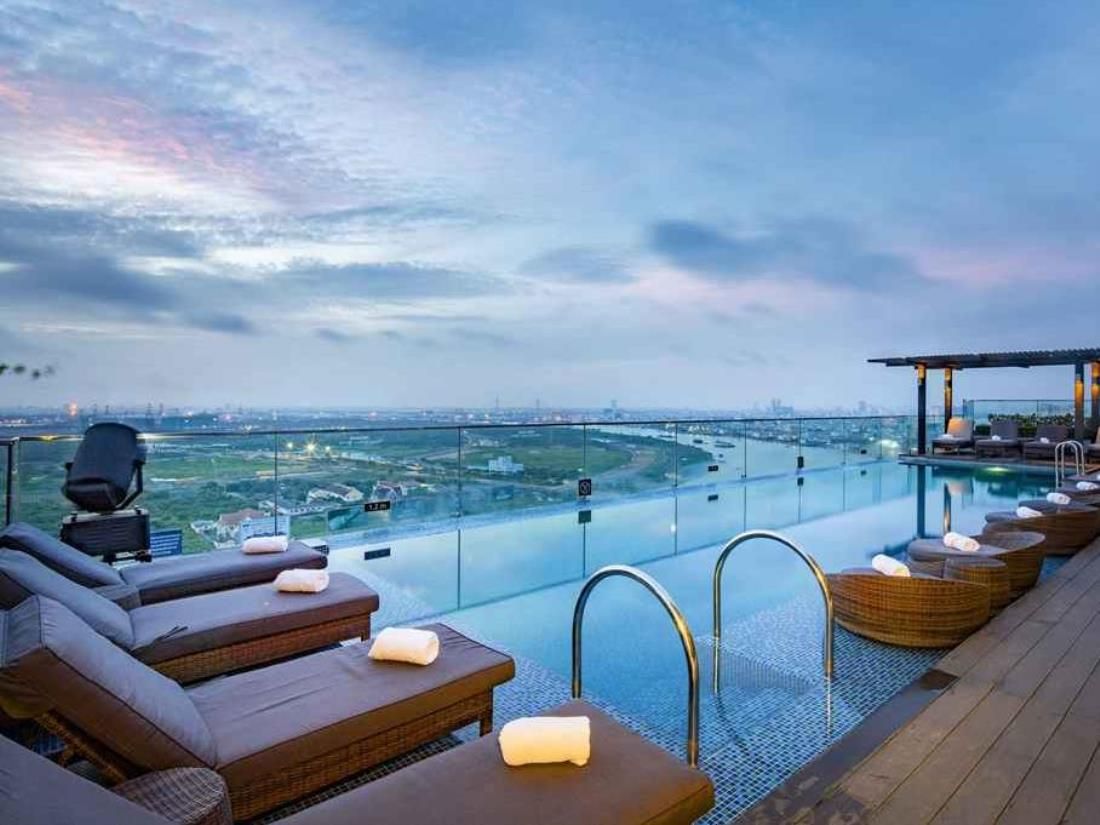
    Hotel room rates in Hanoi and HCMC, at around $110 a night, are the second most expensive in Southeast Asia behind only Singapore. Real estate services firm CBRE Vietnam said at a recent conference that the performance of the four- and five-star hotel segments was very strong in 2018 due to limited supply but constantly increasing demand.

    By the end of the year the average rent in this segment reached $112.6 in Hanoi and $114.1 in HCMC. High-end rooms in Hanoi number 7,770, of which two thirds are in the five-star category, and their average occupancy rate last year was 78.4 percent.

    Most of them are concentrated in the downtown area and Ba Dinh, a central district where most government offices and embassies are located.

    CBRE said in recent years sharing economy models like AirBnB have been trending, with AirBnB supply in Hanoi and Ho Chi Minh City topping 24,000 units compared to 17,500 four- to five-star hotel rooms.

    “However, despite the rapid growth of this model, room-sharing has not a clear impact on business in the four-five-star segment.”

    As of 2017 there were 118 five-star hotels/resorts in Vietnam, almost twice the number in 2013.

    They had an occupancy rate of over 75 percent, 5 percentage points up from 2016, according to global consulting firm Grant Thornton.

    Vietnam National Administration of Tourism (VNAT) statistics show an upsurge in the number of foreign visitors to Vietnam in the last few years. Last year 15.5 million came to the country, a 20 percent rise from 2017.