Tag: asia

  • CIMB Thai’s FY18 net profit drops on higher tax expenses

    CIMB Thai’s FY18 net profit drops on higher tax expenses

    CIMB Thai Bank PCL’s unaudited con-solidated net profit for the year ended Dec 31, 2018 (FY18) fell 98.2% year on year to 6.9 million baht (RM883,732), dragged down mainly by higher income tax expenses. Profit before tax decreased 44.5% to 271.2 million baht year on year, mainly due to a 9.6% increase in operating expenses and lower net fee and service income and other income of 7.0% and 2.6% respectively. This was offset by a 5.3% growth in net interest income and a 2.6% decline in provisions.

    President and CEO Kittiphun Anutarasoti said CIMB Thai group’s consolidated operating income, on a year-on-year basis, increased 2.9% from 2017 to 13.54 billion baht from higher net interest income of 5.3% on the back of loan expansion and higher interest income on investments.

    Net interest margin over earning assets stood at 3.71% in 2018, compared with 3.89% in 2017 as a result of lower yield on earning asset.

    As at Dec 31, 2018, CIMB Thai’s total gross loans stood at 227.8 billion baht, making an increase of 6.9% from Dec 31, 2017.

    Deposits stood at 234.3 billion baht, an increase of 6.5% from at the end of December 2017. CIMB Thai said the modified loan-to-deposit ratio was higher at 97.2% against 96.8% as at Dec 31, 2017.

    The gross non-performing loan (NPL) stood at 9.9 billion baht, with a lower gross NPL ratio of 4.3% compared with 4.8% as at Dec 31, 2017. The lower NPL ratio was due to more efficient risk management policies, improved asset quality management and loan collection processes as well as the sale of some NPLs in 2018.

  • Shiseido opens new office hub in Singapore

    Shiseido opens new office hub in Singapore

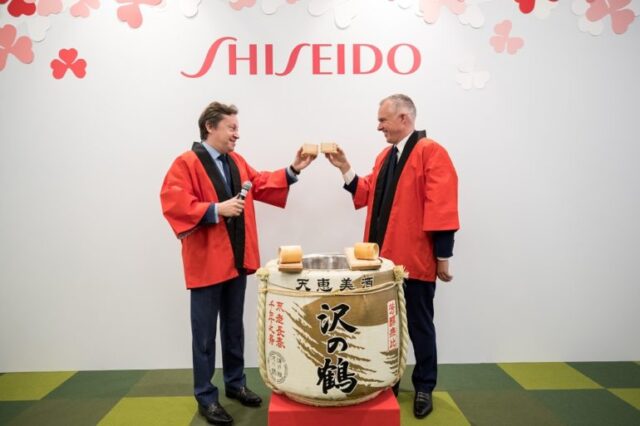
    Shiseido announced the opening of its new office in Singapore, located in the heart of Singapore’s Central Business District. The move is part of Shiseido’s VISION 2020 corporate transformation, as the company focuses on accelerating growth in the second phase of its medium-to-long term strategy. The new office hub will house the regional headquarters of Shiseido Asia Pacific, the global headquarters for Shiseido Travel Retail and the affiliate office of Shiseido Singapore.

    As centres of value creation, this structure facilitates flexible and agile decision making; enabling Shiseido to achieve significant growth through marketing activities attuned to the needs of regional consumers and global travellers.

    As we continue to build for the future, Shiseido is committed to an increased investment in our brands, talent development, beauty innovation and business activities that will positively and sustainably impact society.

    The new office will house three new dedicated facilities:

    • Asia Learning Centre, a first-of-its-kind dedicated training facility that will train approximately 2,000 Shiseido employees from Asia Pacific, Travel Retail, Japan & China each year. Its programmes aim to develop leadership, function-specific and innovation skills and behaviours that are critical in supporting growth and bringing out the best from employees for Shiseido’s continued success.

    • Asia Pacific Innovation Centre, which will enable open-source innovation, Asia Pacific consumer research, as well as create and localize a portfolio of highly specialised products for the Asian market and climate.

    • Life Quality Beauty Centre: As we strive for a society that promotes greater happiness and positivity for everyone, this is a unique facility that provides private, specialized make-up consultations to consumers with significant skin concerns such as port-wine stains, nevus, scars, vitiligo and changes in appearance due to the side effects of medical treatment. Shiseido has helped consumers with serious skin concerns since 1956, when many in Japan suffered from serious skin burns post-war, by developing a foundation called Shiseido Spots Cover.

    Shiseido Asia Pacific and the global headquarters of Travel Retail first established their presence in Singapore in 2016 & 2015 respectively; with the employee base almost doubling to over 250 employees, with nationalities spread across 17 countries.

    The strategic location of the Singapore office puts Shiseido closer to key markets in Asia, enabling the company to leverage the region’s robust potential with its rising middle-class population. Growth in the premium beauty segment in Asia Pacific is forecasted increase by USD$4.4 billion from 2016-2021, while the mass beauty segment is expected to achieve more than triple this amount[1].

    Asia Pacific also represents a key region and engine of growth for the global Travel Retail Channel. Current forecasts estimate that its beauty segment represents a potential market size of USD$26 billion by 2021[2]; the proximity of Shiseido Travel Retail aims to empower and guide the team alongside this growth.

    “Our new regional headquarters is testament to our solid growth in Asia Pacific over the past few years and my commitment to our consumers and employees in the years to come – I am looking forward to our expanded capabilities in leadership & talent development, innovation and harnessing deeper Asian consumer insights. These will play a critical role in accelerating our growth across the region,” said Jean-Philippe Charrier, President & CEO, Shiseido Asia Pacific.

    “As we continue our trajectory towards achieving our Vision 2020 goals, this new modern office for Shiseido Travel Retail aims to be a place of innovation, creativity and collaboration for our global & Asia teams. We hope that this office will be a place to inspire our team and partners in new ways of thinking, continuing our journey in finding new and fresh methods of engaging our hyper connected travelers and pioneering new forms of retail entertainment,” comments Philippe Lesné, President & CEO, Shiseido Travel Retail.

  • Thailand franchise market predicted to grow

    Thailand franchise market predicted to grow

    Thailand franchise consultancy Gnosis Co expects a healthy market for franchises in the country. Gnosis MD Sethaphong Phadungpisuth said more than 50 chains from both local and international brands are exploring the market this year following measures to ease regulations on the part of the Business Development Department.

    “The Thailand franchise market will become more active this year. We expect the overall number of new franchise brands both from abroad and the domestic market that will open their franchise in Thailand this year to increase by 10 per cent to about 630 brands”, he said.

    According to Gnosis, some brands have chosen Thailand as a springboard to other Asean countries, in particular Myanmar and Laos.

    Among those diverse brands set to start operations in Thailand this year include Taco Bell, The Edge Learning Centre, and Singaporean hygiene and disinfection products firm Sureclean. Additionally the number of Taiwanese milk tea chains continues to increase in the territory.

    Franchise business in Thailand is estimated to be valued at THB250-300 billion (US$7.84 billion).

  • Walmart China to boost offline, online integration

    Walmart China to boost offline, online integration

    Walmart China has pledged to further its online/offline integration strategy with increased focus on fresh food distribution, private brands and membership services. The firm’s president and CEO Tan Wern-Yuen said the business will focus on “consolidating its upstream resources and to further improve product quality”. The firm is set to invest more than RMB700 million (US$103.7 million) in its first perishable food distribution centre in Dongguan this March, its largest investment in its 22 years of operations in China. The centre will serve its South Chinese stores.

    Walmart plans to build or renovate around a dozen such centers within the next 20 years, with fresh food now taking up a quarter of Walmart’s overall sales. Tan added that Walmart’s e-commerce transactions have now hit a consistent 150 per cent year-on-year growth rate. Its WeChat mini program “Scan and Go” counted more than 20 million users by the end of last year.

  • Vietnam’s top five brands increase value by $2.3 billion

    Vietnam’s top five brands increase value by $2.3 billion

    Vietnam’s five most valuable brands were worth a combined $8.1 billion in 2018, up $2.3 billion or 39 percent against 2017, Brand Finance estimated. The most valuable brand was military-owned mobile network Viettel at $2.8 billion last year, up 9 percent from $2.57 billion 2017, said the UK brand valuation company. The 47th most valuable telecom brand in the world has operations in Laos, Cambodia, Haiti, Mozambique and Peru.

    In second place was Vinamilk, the country’s largest dairy company by far, which was worth $1.9 billion, up 39 percent. State-owned Vietnam Posts and Telecommunications Group (VNPT) was in third place after increasing its brand value by 84 percent to $1.34 billion.

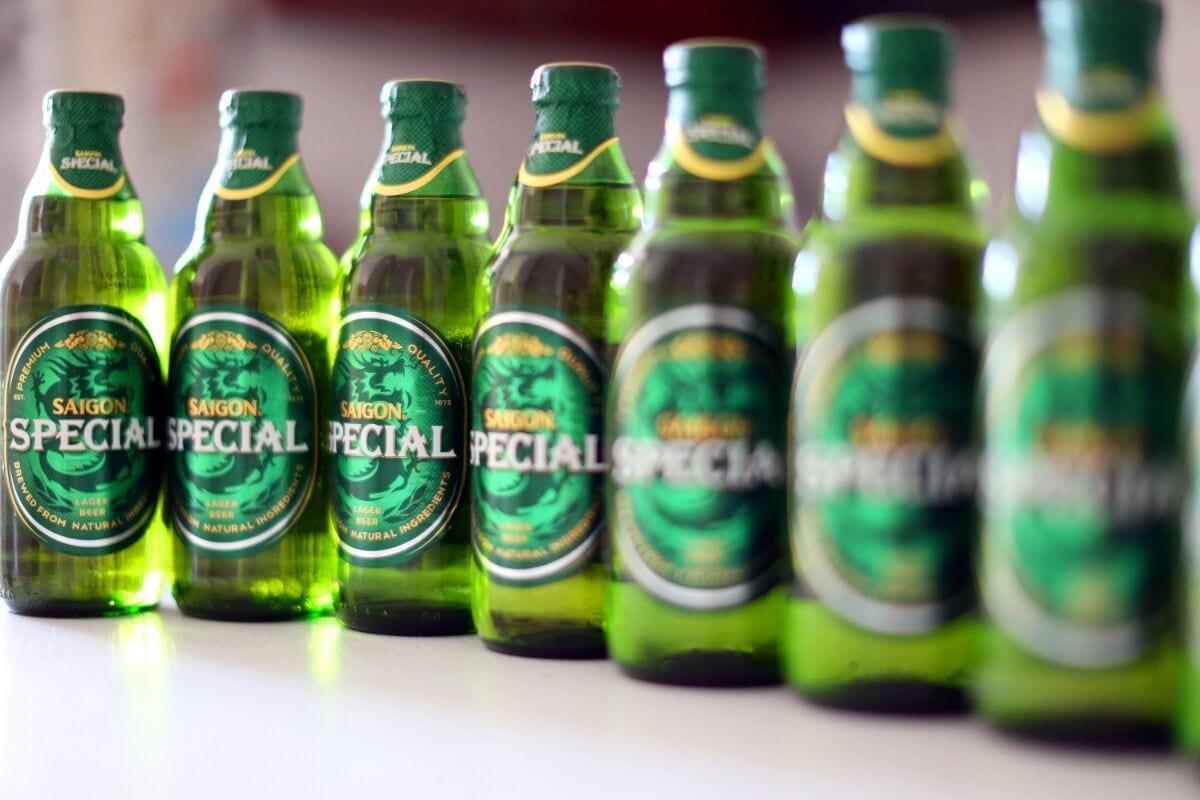
    In fourth and fifth places were Vinhomes, the real estate subsidiary of Vietnam’s largest private conglomerate Vingroup, and Sabeco, Vietnam’s biggest brewer, at $1.18 billion and $950 million respectively.

    Samir Dixit, CEO, Asia-Pacific of Brand Finance, said: “Branding is the most critical asset of every business. It is difficult to predict the performance and behavior of customers, but the only thing that remains a constant is the brand.”

    Brand Finance’s valuation criteria uses several metrics. The value accorded to each brand is a summary of its financial strength. Each brand also gets a brand rating, which indicates its strength, risk and future potential relative to its competitors.

  • Vietnamese ecommerce Leflair receives US$7-million investment

    Vietnamese ecommerce Leflair receives US$7-million investment

    Vietnamese e-commerce firm Leflair has raised US$7 million in a Series B funding round from South Korea’s GS Shop and private equity firm Belt Road Capital Management. This investment is the first by GS Group’s online retail subsidiary GS Shop in a Vietnam startup, and is expected to increase the volume of South Korean products in Leflair’s inventory.

    “We are going to use this capital first to leverage as much as possible the strategic partnership with GS. It means investing in hiring the teams that will make this partnership a success and deploying resources in the areas of fulfillment, delivery, and technology,” says Leflair CEO and co-founder Loic Gautier.

    “This year will be one of regional expansion as we progress towards making the world’s best brands accessible to more consumers in Southeast Asia,” Gautier added.

    Founded in 2015, Leflair focuses on premium-branded products for women, men, kids, and homes. Since its launch, Leflair has raised US$11.8 million investment from angel investors and venture capital firms from the US, France, Italy, Singapore, Hong Kong, South Korea, and Cambodia.

    According to a recent EU-Vietnam Business Network report, Vietnam had about 51 million internet users in 2017. Vietnam’s e-commerce sector is forecast to continue growing at 14 per cent annually this year and next.

  • Proton aims to double exports in 2019

    Proton aims to double exports in 2019

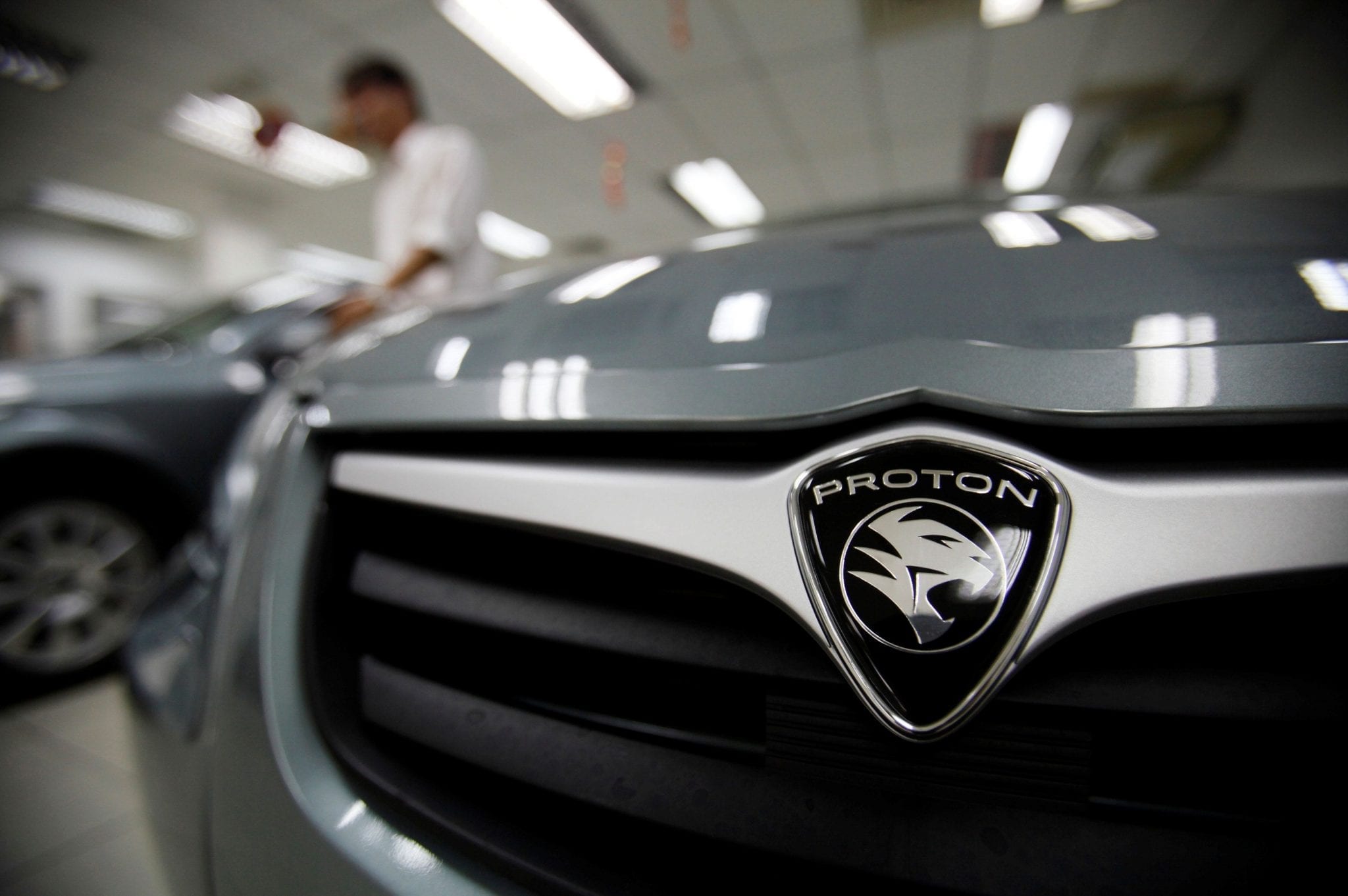
    Proton Holdings Bhd aims to double the export of its cars to at least 3,000 units this year from 1,388 units in 2018. “In 2017, we exported 248 units. This year we want to export more,” its CEO Li Chunrong said. With the support from the Malaysian government, he said, the group could export up to 4,000 to 5,000 units this year. Asked on the group’s plans to enter the Pakistani and the Middle Eastern markets, Li responded by saying that Asean will remain as the group’s focus for its export business, but it does not intend to abandon other markets.

    “We don’t want to forget the other markets (as well). We are trying our best to enter other markets,” he added.

    On response to the Proton X70 that was officially launched on Dec 12, 2018, the group said bookings for the sports utility vehicle have exceeded 15,000 units, with over 2,000 units delivered so far.

    Earlier, Proton deputy CEO Datuk Radzaif Mohamed said the group expects to bring an initial investment of RM47 million into the country through the second set of collaboration agreements between its vendors and their overseas counterparts.

    On Oct 10, 2018, Proton hosted its first signing ceremony where eight colla-boration agreements were signed and they are expected to help bring in an initial investment of RM170 million into the country.

    Radzaif said the collaborative agreements will range from technical tie-ups and joint ventures to 100% foreign direct investments with foreign vendors investing into the Malaysian economy.

    Aside from the investments in facilities and technology, he said, the collaborations are also expected to create about 450 new jobs in the automotive industry that range from assembly to design engineering.

    Additionally, these vendors will supply parts to Proton’s manufacturing facility in Tanjung Malim, which is undergoing expansion at a cost of RM1.2 billion.

    Meanwhile, Deputy International Trade and Industry Minister Ong Kian Ming, who witnessed the signing ceremony, said the government is targeting RM15 billion from exports of local automotive components and spare parts by 2020.

    Malaysian Automotive, Robotics and IoT Malaysia (MARii) CEO Datuk Madani Sahari shared that the value of exports for automotive components and parts could have easily touched the RM12 billion mark by end of December 2018.

  • Incheon Airport breaks record with 2018 sales

    Incheon Airport breaks record with 2018 sales

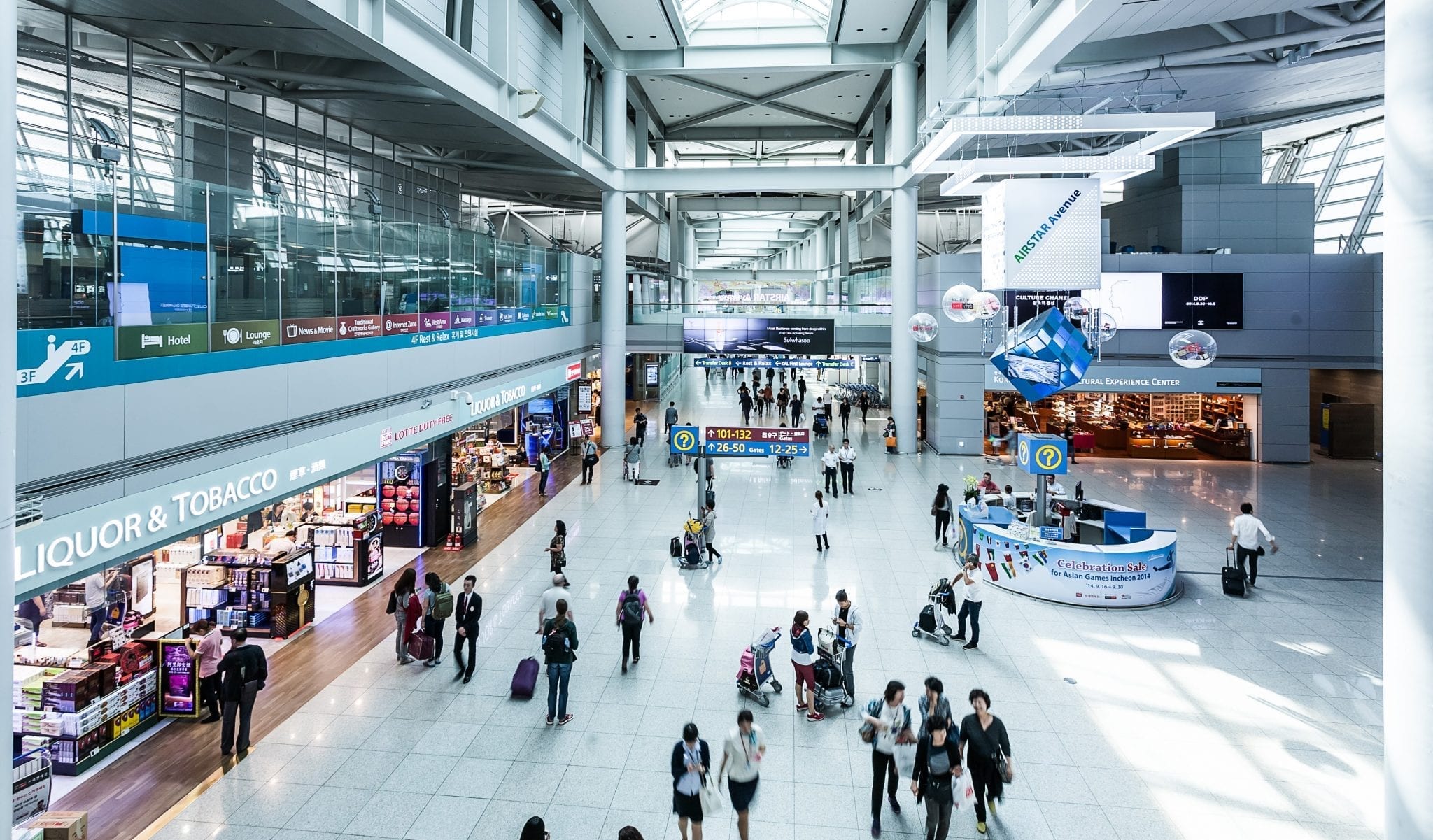
    Incheon International Airport announced record annual sales of US$2.4 billion for 2018, beating the previous record set in 2017. The performance ranks Incheon as the world’s number one airport for duty free sales in 2018, ahead of Dubai International. The latter’s anchor retailer, Dubai Duty Free, posted 2018 sales of US$2.015 billion. Sales rose 14.8% year-on-year, driven by the successful opening of Terminal 2 in 2018 and increased passenger traffic from the 2018 PyeongChang Winter Olympics. Departing passenger traffic rose 9.9% in the year, Incheon International Airport Corporation told The Moodie Davitt Report. A total of 67.7 million passengers used the airport in 2018, including 33.9 million arriving and 33.8 million departing.

    Cosmetics & perfumes continued as the leading product category with a 40% share of the mix and US$953 million in sales. Liquor and tobacco combined took second place with US$540 million (23%).

    Incheon International Airport Corporation (IIAC) said that the 2019 introduction of arrivals duty free shopping will boost the shopping offer.

    “With the introduction of the first arrival duty free in Korea, Incheon Airport will strengthen its competitiveness as the leading airport of the industry, satisfying customers through an advanced shopping environment,” IAAC commented.

    IIAC noted the retail performance of T2, which opened in January 2018. The terminal boasts outstanding beauty, liquor and tobacco flagship stores that feature exceptional design and digital and experiential components, the corporation said. Luxury boutiques such as Chanel and Valentino also played a role in the record-breaking performance.

    T1 performance was boosted by the addition of new retailers, Shinsegae Duty Free and Grand Duty Free. Both had minimised store closure periods during their respective handovers, IIAC said.

    Despite the collapse in Chinese tourism to South Korea from March 2017 driven by the THAAD row with China, duty free sales have maintained their upward curve throughout the ensuing period. Even in 2017, the nadir of the crisis, Incheon posted a 4.1% rise in duty free sales (admittedly well behind a 7.6% passenger increase).

    While Chinese tourism numbers are still well short of 2016 levels (-41.6% for the first 11 months of 2018), spending by daigou traders spurred the Korean duty free market to new heights last year. Incheon, while having a more balanced passenger spending profile than the overwhelmingly Chinese-dominated downtown stores, still benefited from that trend.

    What happens in 2019 following China’s introduction this month of a new e-commerce designed to crack down on daigou imports? That’s the question on everyone’s lips in Korean (and Asian) travel retail. Incheon International Airport Corporation will hope that a combination of a steady recovery in traditional Chinese tourism, daigou ingenuity in getting around the rules, and strong Japanese and Korean business will maintain the upward trajectory. The imminent introduction of the country’s first arrivals shops will help too.

    Higher sales in 2018 did not, of course, equate to higher profitability for the country’s duty free retailers, hurt by the high costs of attracting daigou shoppers. For Incheon International Airport, however, safely wrapped up in the safe haven of steep minimum annual guarantees, 2018 will go down as a stellar year.

  • L’Oreal brings Cai Xukun and Eiffel Tower to Haitang Bay

    L’Oreal brings Cai Xukun and Eiffel Tower to Haitang Bay

    Known for reinventing extraordinary beauty experience, L’Oréal Paris invites all travelers to Haitang Bay Duty Free Shopping Mall for a first-of-its-kind Parisian experience.  On January 4, together with friend of L’Oréal Paris Mr. Cai Xukun (Kun), a 5-meter-high, bold red Eiffel Tower was revealed at the L’Oréal Paris pop-up, synonymous with East meets West: made-in-Paris chic and a tribute to the Chinese tradition of prosperous red.

    With over 120 million  interactions on Chinese Weibo, the special appearance of renowned young icon Kun attracted a large crowd of Chinese travelers coming to Haitang Bay.  At the event, Kun and Olivier Tessler, General Manager of L’Oréal Paris Travel Retail Asia Pacific, engraved “Kun ♥ L’Oréal Paris” on the iconic Color Riche Moist Matte lipstick, symbolizing for this powerful collaboration.

    Gallery of the event

    The pop-up iinvites holiday travelers to discover L’Oréal Paris’ accessible-luxury products for both men and women, appealing to travelers of all different types of aspirations. The pop-up  will open from January 4 until the end of the month, exclusively in Haitang Bay.

    “To be able to surprise Chinese travelers by bringing an Eiffel  Tower to Haitang Bay is definitely a first for me! L’Oréal Paris is my first choice of beauty brand, and I’m happy to share the brand story with my fans in such a vivid and striking way,” says Cai Xukun.

    “I am enthusiastic  about sharing an extraordinary Parisian experience with Chinese travelers in Haitang Bay! Together with Cai Xukun and CDFG, we are delighted to invite everyone to a celebration of every element of our brand’s DNA – Paris, beauty, creativity, fashion and diversity. Our goal is to lead the way in making beauty trends for all”, says Olivier Tessler, General Manager of L’Oréal Paris Travel Retail APAC.

  • Beijing approves blueprint for ‘Greater Bay Area’

    Beijing approves blueprint for ‘Greater Bay Area’

    Chinese Vice-Premier Han Zheng, the point man on Hong Kong and Macau affairs, recently gave the green light to the official document on the “Greater Bay Area” following extensive consultations with local governments, a Beijing source said. “No party or agenda, including even environmental protection, will be left behind by this all-inclusive blueprint,” the official said.

    More than three years in the making, the Greater Bay Area was first mentioned in a development action plan jointly outlined by China’s top authorities on economic planning, commerce and foreign affairs to create a new economic growth engine by pooling together Hong Kong, Macau and nine neighbouring cities in Guangdong province.

    The mega zone covers 56,500 square kilometres, has a combined population of about 67.6 million and accounted for 12.5 per cent of the country’s gross domestic product in 2016.

    Hong Kong leader Carrie Lam Cheng Yuet-ngor has taken part in discussions on the scheme since August last year, becoming the city’s first chief executive to join a leading group under China’s cabinet, the State Council.

    Authorities were now working on the implementation plan, Zhang said in an interview with state broadcaster CCTV which was aired on Saturday night.

    Hong Kong, Macau, Guangzhou and Shenzhen would be the central cities in the bay area, and each had their own unique positioning, he said.

    Hong Kong will be the international finance, navigation and trade centre, as well as a transport hub. It will have the role of pushing finance, trade, logistics and professional services towards the high-end market.

    Macau will be an international tourism city and a platform for trade with Portuguese-speaking countries. Guangzhou will take a leading role as a national central city while Shenzhen will take a leading role as a special economic region and an innovative city, he said.

    The planners hope the advantages these four cities enjoy can complement each other and offset the challenges brought by gaps in the legal and economic systems.

    The international network and mature market economy of Hong Kong and Macau could have big potential when combined with the vast hinterland and market Guangzhou enjoyed, he said.

    “Under the new circumstances, Hong Kong and Macau still have their unique position and advantages that cannot be replaced,” Zhang said.

    He revealed for the first time that there were almost 100,000 Hong Kong residents and nearly 20,000 Macau residents who had applied for a new identity card that would grant them access to a wide range of social and public services on the mainland. The arrangement was introduced on September 1 last year.

    There were high expectations that Beijing would reveal the blueprint when Premier Li Keqiang said in March last year there would be an announcement soon. But the central government has since been embroiled in a trade war with its biggest trading partner, the United States.

    Sources said that the tussles over political interests and dominance among the Greater Bay Area parties was a reason behind the delay and meant the central government had to step in to coordinate.

    “But the most important question here is whose model to follow and whether the tussle is about Hong Kong converting mainland cities or the other way around?” said an academic who has direct knowledge of the blueprint’s planning.

    “Mainland cities are hesitant to follow Hong Kong’s model in case they lose official powers.”

    An internal study by an official think tank seen by the Post said the crux of the Greater Bay Area integration was about putting “one country, two systems” into practice but differences in economic, tax, customs and legal systems that would ensure Hong Kong and Macau’s high degree autonomy have remained key challenges.
  • DJI Introduces A Smart Remote Controller With Built-In Display at CES 2019

    DJI Introduces A Smart Remote Controller With Built-In Display at CES 2019

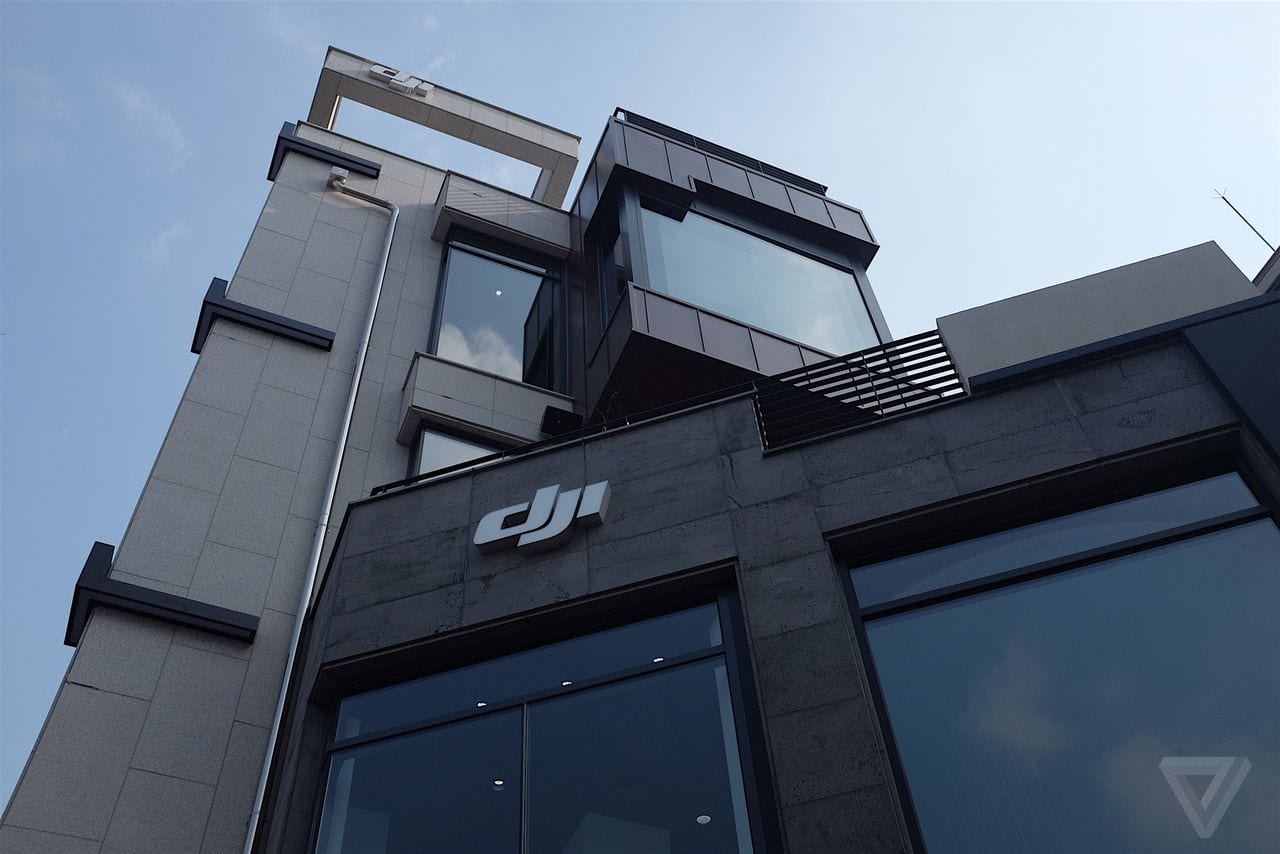
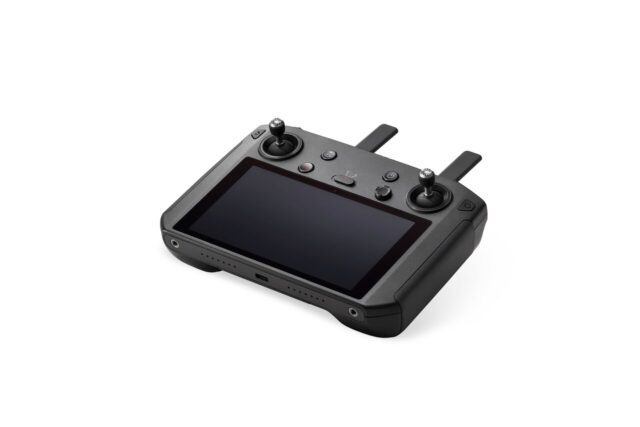
    DJI, the world’s leader in civilian drones and aerial imaging technology, continues its tradition of making aerial technology accessible to everyone by introducing a powerful new remote controller for its drones at CES 2019. The Smart Controller features an ultra-bright display screen and controls optimized for DJI drones, allowing pilots to fly the newest drones without using a smartphone or tablet. DJI will also be exhibiting its full lineup of consumer drones and handheld imaging products at its booth at CES 2019, including the new Osmo Pocket stabilized camera, and will host exciting workshops, hands-on product demonstrations and more. Attendees can find DJI in the South Hall of the Las Vegas Convention Center.


    Smart Controller Expands Pilot Options The DJI Smart Controller expands the ecosystem of accessories built around DJI’s industry leading drone technology. Using a crisp 5.5” screen built into the controller itself, the Smart Controller allows pilots to quickly get their drone in the air without the need to connect a mobile device. It can be paired with DJI’s newest drones including Mavic 2 Zoom and Mavic 2 Pro1 which use DJI’s OcuSync 2.0 video transmission system, displaying vivid images in Full HD resolution. Drone pilots can take advantage of its compact, highly portable design that has been optimized for use in direct sunlight. It features an ultra-bright display with an output of 1000 cd/m2, twice the brightness of standard smart phones. A customizable Android dashboard supports DJI GO 4, DJI Pilot2, along with various third-party apps such as editing programs. The DJI GO 4 app also touts several new features including SkyTalk, that allows pilots to livestream the drone’s camera feed to social channels including Facebook, Instagram and WeChat so that anyone can experience the thrill of flying a drone. Another new feature is DJI GO-Share which easily transfers imagery from the Controller to your mobile device. The DJI Smart Controller brings a new level of reliability when flying, with 2.5 hours of battery life and the ability to operate in adverse temperatures as cold as -4° Fahrenheit and as hot as 104° Fahrenheit.

  • Telenor Pakistan hosts “The future of Machine Leaning & Artificial Intelligence”

    Telenor Pakistan hosts “The future of Machine Leaning & Artificial Intelligence”

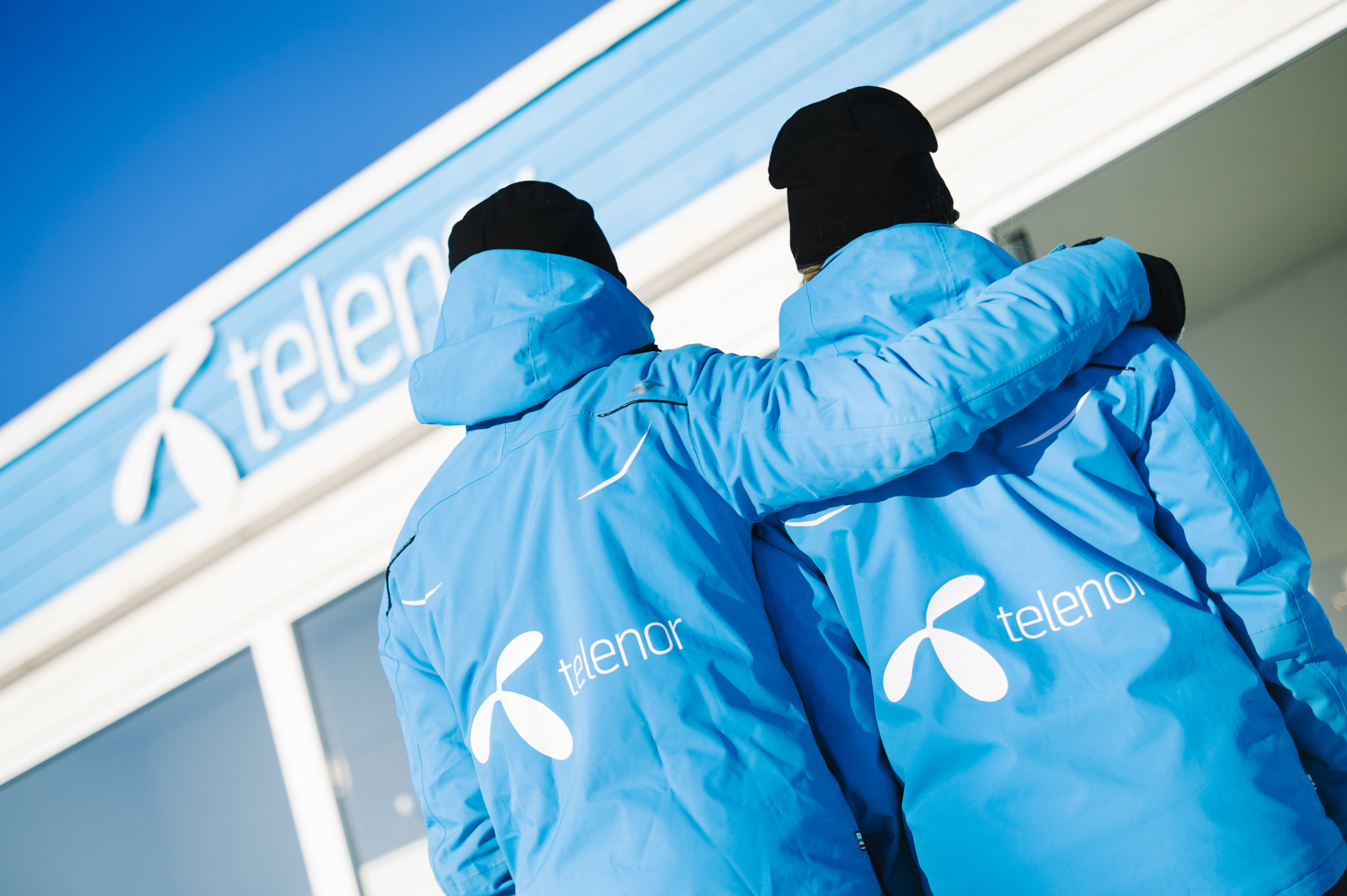
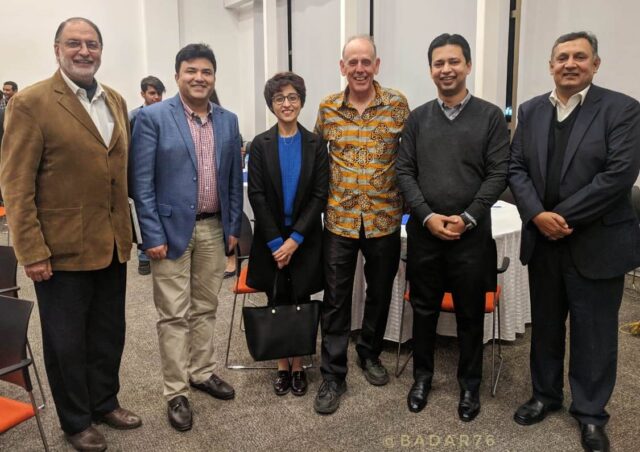
    Stephen Brobst, CTO of Teradata, conducted an enlightening session on the future of Machine Learning (ML) &Artificial Intelligence (AI) at Telenor Pakistan headquarters ‘345’ in Islamabad. The session was attended by Telenor Pakistan employees and executives from across industries including Irfan Wahab Khan, CEO Telenor Pakistan and President OICCI, Haroon Bhatti, Chief Business Officer (CBO) at Telenor Pakistan, BadarKhushnood, Cofounder & VP at Bramerz, QazafiQayyum, Country Manager Teradata, Khimde Ando, CEO Mitsubishi Corporation, Brig. Tahir Mehmood, Director ISPR, AVM Faaiz Amir, Vice Chancellor Air University, Barkaan Saeed, Ex-Chairman PASHA and Retd. Brig. Saleem Ahmed Moeen, CEO SecureTech.

    The participants learned about the future of artificial intelligence, the role of emerging technologies, differences between deep and shallow learning and their application techniques, and the opportunities of using advanced analytics to create high-value outcomes.

    “We have entered a new era of analytics with machine learning and artificial intelligence algorithms beginning to deliver on the long-promised advancement into self-learning systems,” Brobst told the audience. “These approaches allow us to solve previously intractable problems with completely new attack plans.  The appetite of deep learning algorithms for vast amounts of data and the ability to derive intelligence from diverse sets of noisy data allows us to go far beyond previous capabilities in what we used to call advanced analytics,” he added.

    Brobstinformed that in order be successful with the use of new technologieswe need to fully understand their capabilities and limitations. He also stressed the need to develop new skill sets in order to harness the power of deep learning to create business value in an enterprise.

    “In our times of Siri, Alexa, and Google, Machine Learning & Artificial Intelligence are not a part of science fiction anymore; they are our reality,” remarked Irfan Wahab Khan. “For tech companies like Telenor and Terada, the real charm of AI and ML technologies is their ability to recognize patterns and synthesize large amounts of data. Telenor is not only harnessing the strength of AI and Advance Analytics for its own commercial use but is also enabling other organizations to benefit from the technology by offering incisive Market Research insights and ability to run targeted campaigns on its diverse Advertising  assets. The fact that these technologies get smarter with time as increased amounts of data is fed to them makes them acornerstone for all future technologies,” he added.

    Impressive progress is being made in ML & AI technologies globally. From self-driving and learning cars to flying drones circling the skies, the technological advancements of today could already be perceived as something out of a futuristic novel. Gartner, the world’s leading research and advisory company,also predicts that by 2020, AI will become one of the top five investment priorities for at least 30 percent of Chief Information Officers. Being the country’s technology leader, Telenor Pakistan is keeping its people abreast of the latest technological developments to realize its ambition of digitally empowering Pakistan.

  • Shinsegae to sell Yunjac cosmetics at duty free

    Shinsegae to sell Yunjac cosmetics at duty free

    South Korean retail giant Shinsegae is launching an independent Yunjac cosmetics store at its Myeongdong duty free outlet. The cosmetics shop, which will open on February 2, retails Asian herb-based skincare products. Launched in October last year, it is Shinsegae’s first in-house cosmetics brand, targeting Chinese millennials. A statement from the company said the opening is ahead of schedule thanks to unexpectedly high demand, with sales exceeding last year’s expectations by a factor of four.

    Three Shinsegae Department Store branches currently host a Yunjac outlet, with more stores planned to open within Korea and abroad shortly. It is targeting sales of KRW100 billion (US$89 million) by next year.

  • GreyOrange to launch new products at LogiMAT 2019

    GreyOrange to launch new products at LogiMAT 2019

    Robotics and warehouse automation company, GreyOrange, will launch its new modular sortation system and demonstrate upgraded versions of its Butler and PickPal at LogiMAT 2019, the 17th International Trade Fair for Intralogistics Solutions and Process Management in Stuttgart, Germany on 19-21 February.

    Nowadays, retailers and logistics businesses face many new kinds of complexities and challenges due to the unprecedented growth in volumes, combined with the volatility of peak periods and increased pressure to cut operational costs. GreyOrange will present a portfolio of AI-powered solutions that bring Flexible Automation to life; it reduces complexities and delivers maximum productivity, from inventory management and picking to sortation.

    Sid Chatterjee, Vice President – Products, GreyOrange, said, “The GreyOrange solution portfolio offers a strong business case for Flexible Automation. In the past year it has been adopted globally by industry-leading players in retail, 3PL and e-commerce. At LogiMAT we will demonstrate how our new solutions can help address the complexities of retail distribution. We invite everyone to visit our booth to get a hands-on demo to see how higher throughput can be achieved.”

    The new GreyOrange modular sortation system, designed for flexibility and portability, comprises modular components that deliver significantly higher throughput per unit area; it improves space utilization and reduces operating costs. The AI-enabled robotics system can be easily scaled making it more investment-friendly and usable for a range of applications across retail and logistics industries.

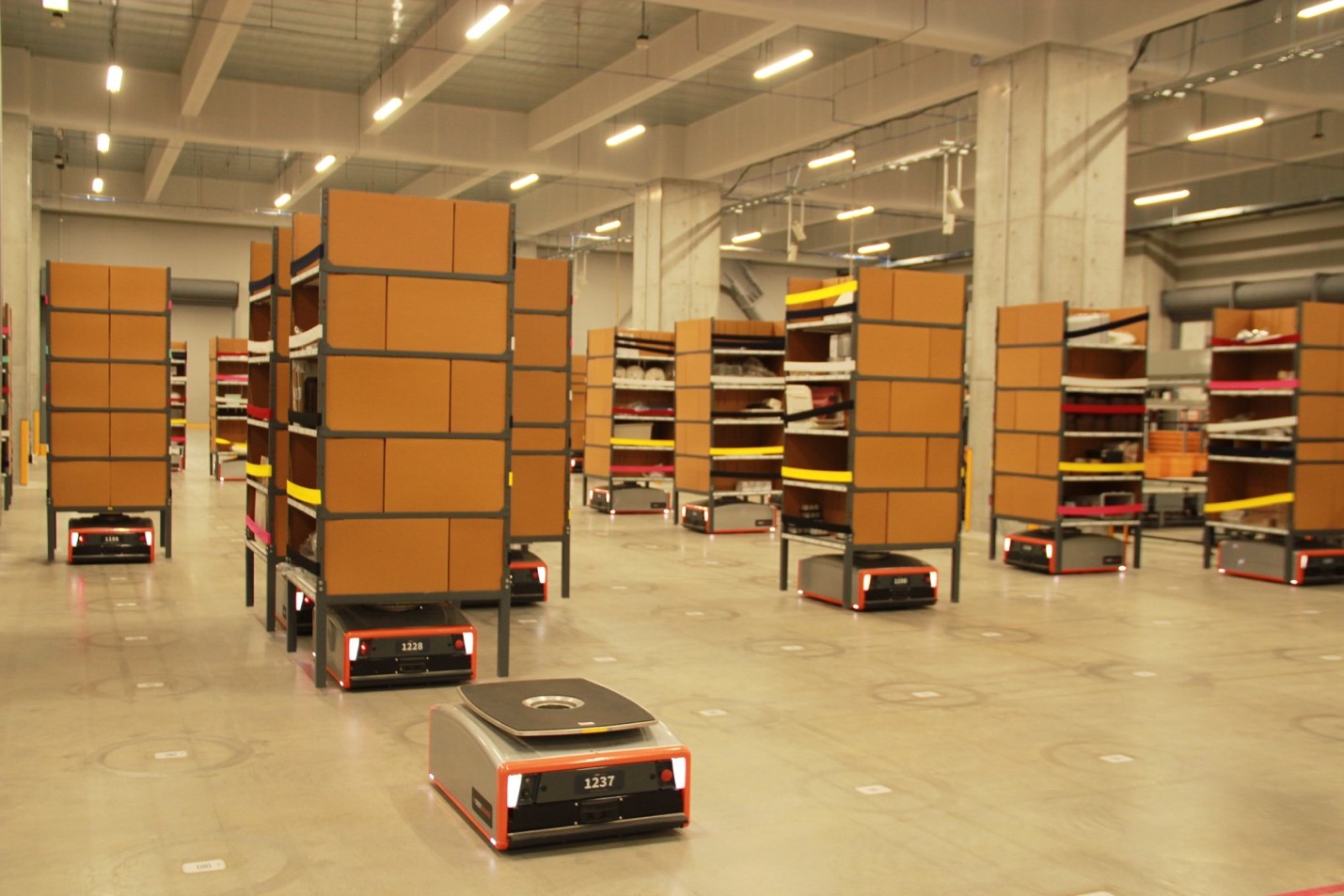
    In the demo of the GreyOrange Butler goods-to-person system, visitors will see how this robotics solution uses an AI-first approach to optimize order fulfillment processes from inventory management to order picking. It has been deployed in distribution centres in Japan, India, Europe and the Americas across industries such as 3PL, e-commerce, electronics and retail. Additionally, the Butler PickPal handles high-speed auto-fulfillment with AI-powered shelf picking.

    GreyMatter, the Warehouse Execution System, is the software platform developed by GreyOrange to make flexible warehouse automation a reality, and address the complexities of warehouse operations caused by ever-changing retail trends. By connecting people, processes and material more efficiently using Artificial Intelligence and Machine Learning, it provides granular control and visibility across warehouse processes and enables systems to adapt flexibly to changing business demands.

  • John Jacobs India aims to bag Rs 500 cr revenue by March 2021

    John Jacobs India aims to bag Rs 500 cr revenue by March 2021

    Lenskart’s eyewear brand John Jacobs is looking to garner Rs 500 crore in revenue in two years as it strengthens its retail presence and expands the product portfolio. The brand, which has eight stores currently in Delhi, Pune and Bengaluru, will add six more in the next two months and aims to set up about 50 stores by March 2021. “John Jacobs has been witnessing strong growth, we expect to close this fiscal with a topline of Rs 180 crore. By March 2021, we expect our revenues to touch Rs 500 crore,” Manan Duggal, Business Head, John Jacobs said.

    According to a report, about 40 percent of the sales is driven by online channels, with the rest coming from offline stores.

    Last year, Lenskart had said it will invest US$ 4 million in John Jacobs to fuel the brand’s expansion plans.

    “We are aggressively growing our presence both in online and offline. The brand is already retailing through Lenksart outlets (over 450 in more than 100 cities). The aim is to take the number of our own stores from 8 now to 50, by March 2021, covering all major metro cities,” he said, adding that the store expansion will entail investment of about Rs 10-15 crore.

    John Jacobs is also in discussions with fashion retail chains for distribution of its products.

    “In terms of online reach, we are already there on Lenskart and Amazon.in and will soon be available on Flipkart as well,” Duggal said, adding that the brand is aggressively expanding its product portfolio as well.

    John Jacobs recently introduced a new eyewear delivery model where the brand delivers eyeglasses, fitted with powered lenses, in a 20-minute timeframe.

    The service, currently available in select stores in Bengaluru, will be expanded to Delhi and Pune as well, Duggal said.

    He further said that with the new service, the brand expects to “see 30-40 percent upside in orders”.