Tag: asia

  • Property prices likely to continue downtrend in Malaysia: PropertyGuru

    Property prices likely to continue downtrend in Malaysia: PropertyGuru

    Property prices in the country are likely to continue their downtrend for at least the first half of the year (1H19), despite improving consumer sentiment and proactive government policies announced in the Budget 2019, online property company PropertyGuru said. It said in a statement that this is validated by the company’s Market Index, which shows that asking prices of homes in Malaysia continue to show a 2.3% drop year-on-year.

    The Market Index is an analysis of over 250,000 property listings aggregated and indexed. PropertyGuru said its online portal, which has over 1.3 million Malaysians searching for properties, has seen a surge of interest in the following property hotspots identified in the various states of Kuala Lumpur, Selangor, Penang and Johor.

    While there has been a dip in asking prices, it said the demand for properties in Kuala Lumpur is still strong with the most popular and highly searched areas being Bangsar, Mont Kiara and Cheras.

    It said the property types that are most searched in these three areas are condominiums, followed by apartments and townhouses, noting the reason for high-rises being the most preferred property type in Kuala Lumpur may be due to the more affordable entry price points.

    In terms of the price bracket, PropertyGuru said many are searching below the RM300,000 bracket which is not feasible for the locations that are preferred, since many of these locations are priced above the affordability range.

    The company said demand for properties in Selangor continues to be high despite declining prices, with properties in Petaling Jaya, Shah Alam, and Subang Jaya topping the list in this order.

    It said properties that are most searched for in these areas are condominiums, followed by apartments and two-storey terrace houses, with many looking at transit-oriented development properties.

  • Chow Tai Fook sales slip amid consumer uncertainty

    Chow Tai Fook sales slip amid consumer uncertainty

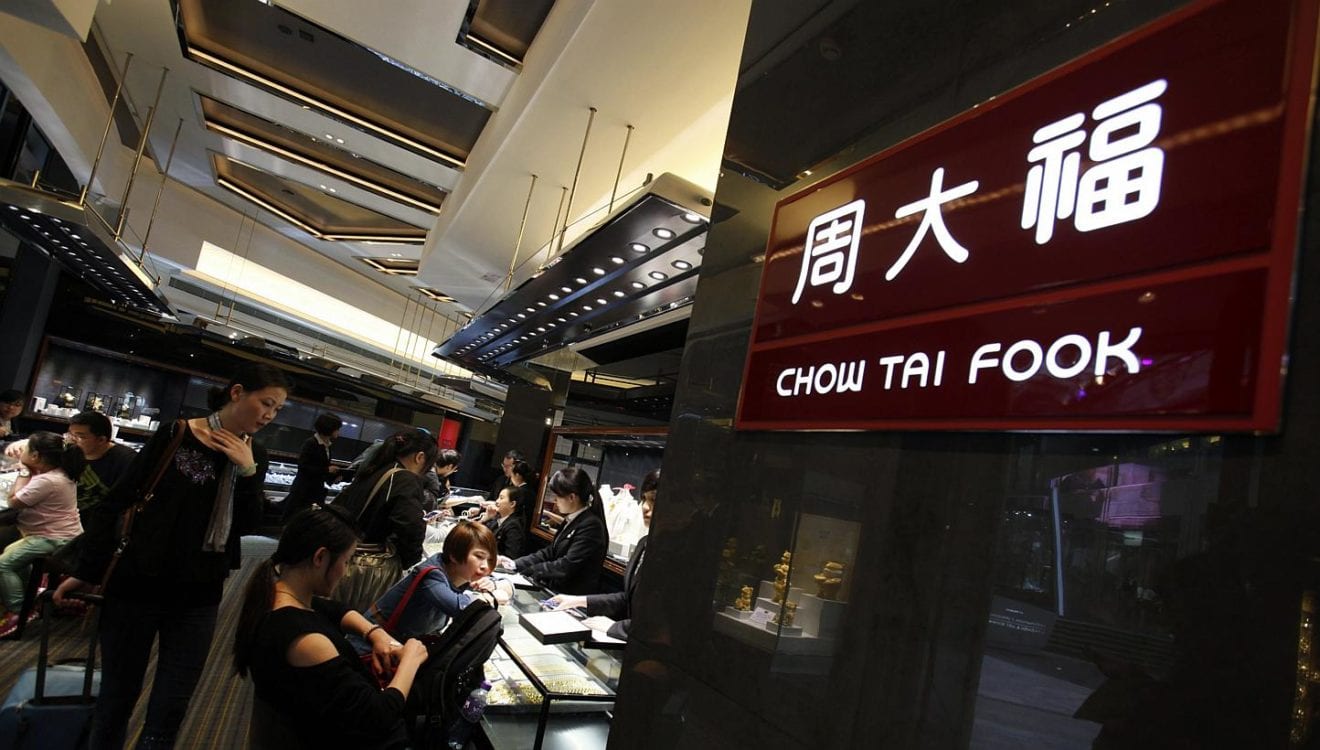
    Chow Tai Fook sales declined by 11 per cent in same-store sales volume in both Mainland China and Hong Kong & Macau in the December quarter. However the decline in value was less, at 7 per cent in Mainland China and 6 per cent in Macau. Retail sales on the mainland rose by 1 per cent, which seems a modest rate given the company opened 259 new points of sale there during the quarter. Total retail sales value in Hong Kong fell by 1 per cent, despite five new stores opening there.

    In a stock exchange filing, the company said the decline in same-store sales came “amid an uncertain macro environment”.

    In Mainland China, same-store sales of gem-set jewellery declined by 5 per cent, while the average selling price (ASP) fell from HK$6900 in the preceding quarter to $6600.

    In Hong Kong and Macau, gem-set jewellery sales fell by 8 per cent and the ASP from $11,800 to $11,500.

    Sales of gold products in both markets was affected by a decline in volume growth as the gold price strengthened, the company reported. That drove the ASP from $7000 to $7400 in Hong Kong and Macau and from $3900 to $4300 in Mainland China.

  • Luxottica and CDFG/Sunrise launch new Miu Miu colour

    Luxottica and CDFG/Sunrise launch new Miu Miu colour

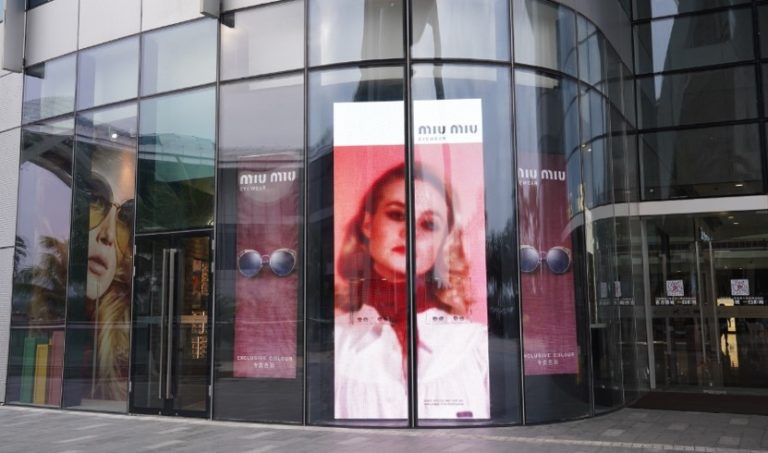
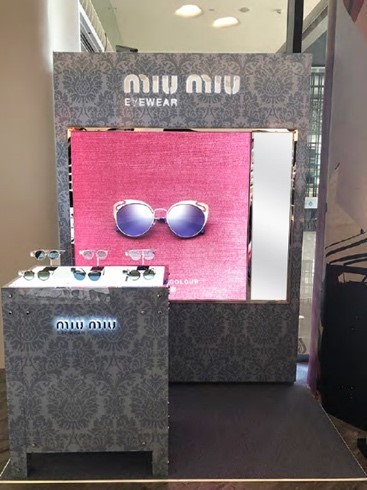
    Italian eyewear firm Luxottica Group has entered its second partnership with China Duty Free Group and Sunrise Duty Free to offer the latest Miu Miu sunglasses collection. The travel retail exclusive has opened in selected airports and other Chinese travel retail stores, trading a reinterpreted version of Miu Miu’s Noir collection. Pop-up sites and personalised backwalls have been prominently installed in the selected locations amplified by customised brand furniture and trained staff.

    “It is a privilege to partner with China Duty Free Group and Sunrise Duty Free on a second China travel retail exclusive color from Miu Miu,” said Luxottica’s travel retail director Enrico Destro. “Both retailers bring our brands to the heart of the Chinese travelling consumer, presenting the opportunity to collaborate on projects to truly capture Chinese spending power and sophisticated appetite for luxury brands, as well as respond to these consumers increasing demand for unique and exclusive products.”

    “At CDFG, our sunglasses category is growing in sophistication very quickly,” added China Duty Free Group’s fashion department director Lee Meili. “We see a large growth opportunity for the category and we will continue on our path to bring newness and exclusivity to our offer … This exclusive Miu Miu color was specially selected with Chinese travellers in mind, and has been presented in a very compelling launch package.”

  • 7-Eleven parent sales surges: Report

    7-Eleven parent sales surges: Report

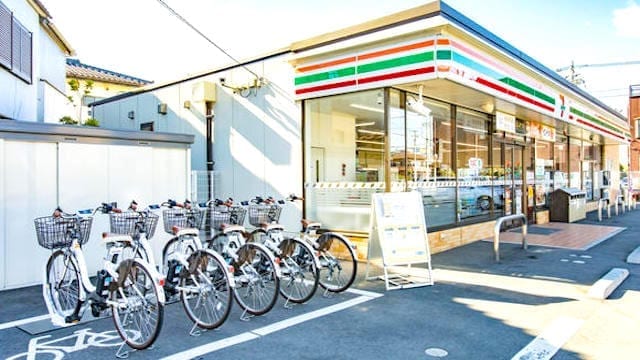
    Japanese retail giant Seven & I has reported a 15.8 per cent increase in net sales for the nine months to November. Profit rose by a less impressive 2.9 per cent. The 7-Eleven parent said its overseas convenience store business achieved an impressive 15.7 per cent increase in operating profit year on year.

    At home, its Ito-Yokado superstore managed to reduce its operating loss to ¥200 million (US$1.85 million), however its York-Benimaru supermarket division and Sogo & Seibu department stores both struggled, the latter losing ¥937 million ($8.6 million).

    Seven & I’s net sales totalled ¥4.11 trillion ($38 billion).

  • Vietcombank’s profit skyrockets, Vietinbank’s falls

    Vietcombank’s profit skyrockets, Vietinbank’s falls

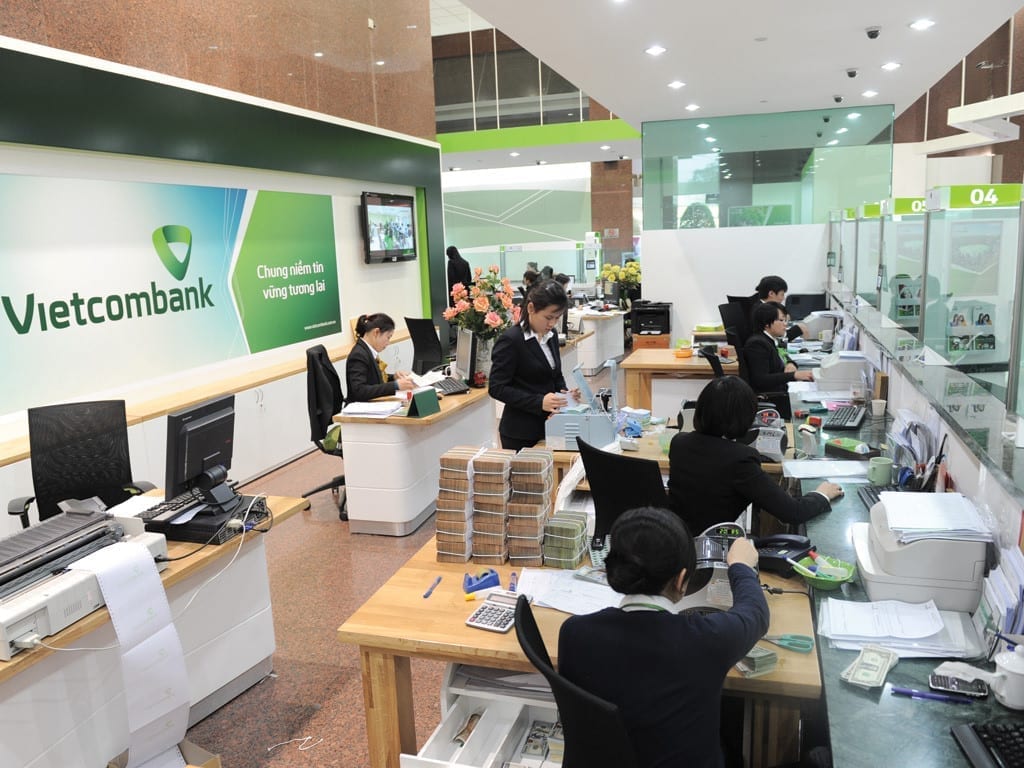
    Two of Vietnam’s largest banks reported contrasting performances in 2018, with Vietcombank’s profits rising by 63.5 percent and Vietinbank’s falling by 27 percent. Vietcombank, the largest listed bank by market capitalization, said profit before tax was VND18.02 trillion ($772.73 million) last year, up 63.5 percent over 2017. Vietcombank earlier this month raised VND6.2 trillion ($265.86 million) from selling a 3 percent stake to foreign investors.

    Singapore sovereign fund GIC bought 2.55 percent while Japan’s Mizuho Bank bought the remaining 0.45 percent to keep its 15 percent stake unchanged. Nghiem Xuan Thanh, Vietcombank’s chairman, said at a recent conference his bank had achieved all its target last year.

    Bad debts last year accounted for 0.97 percent of total loans and the bank hopes to keep it below 1 percent this year too. Vietcombank plans to have its total asset value increased by 12 percent, and its capital mobilization up by 13 percent this year.

    Vietinbank, the fourth largest listed bank by market cap, saw profit before tax slip to VND6.7 trillion ($287.3 million) in 2018 from VND9.2 trillion ($394.5 million) in 2017. Asset growth, credit growth and capital mobilization grew by 6-10 percent, lower than targeted.

    The lender’s proposal to increase charter capital has not been approved. Its chairman Le Duc Tho said increasing capital is “vital” since it has remained unchanged for years. The State Bank of Vietnam owns 65 percent of the bank, while foreign ownership has reached the 30 percent cap.

  • Chun Yang Tea expands into Canada

    Chun Yang Tea expands into Canada

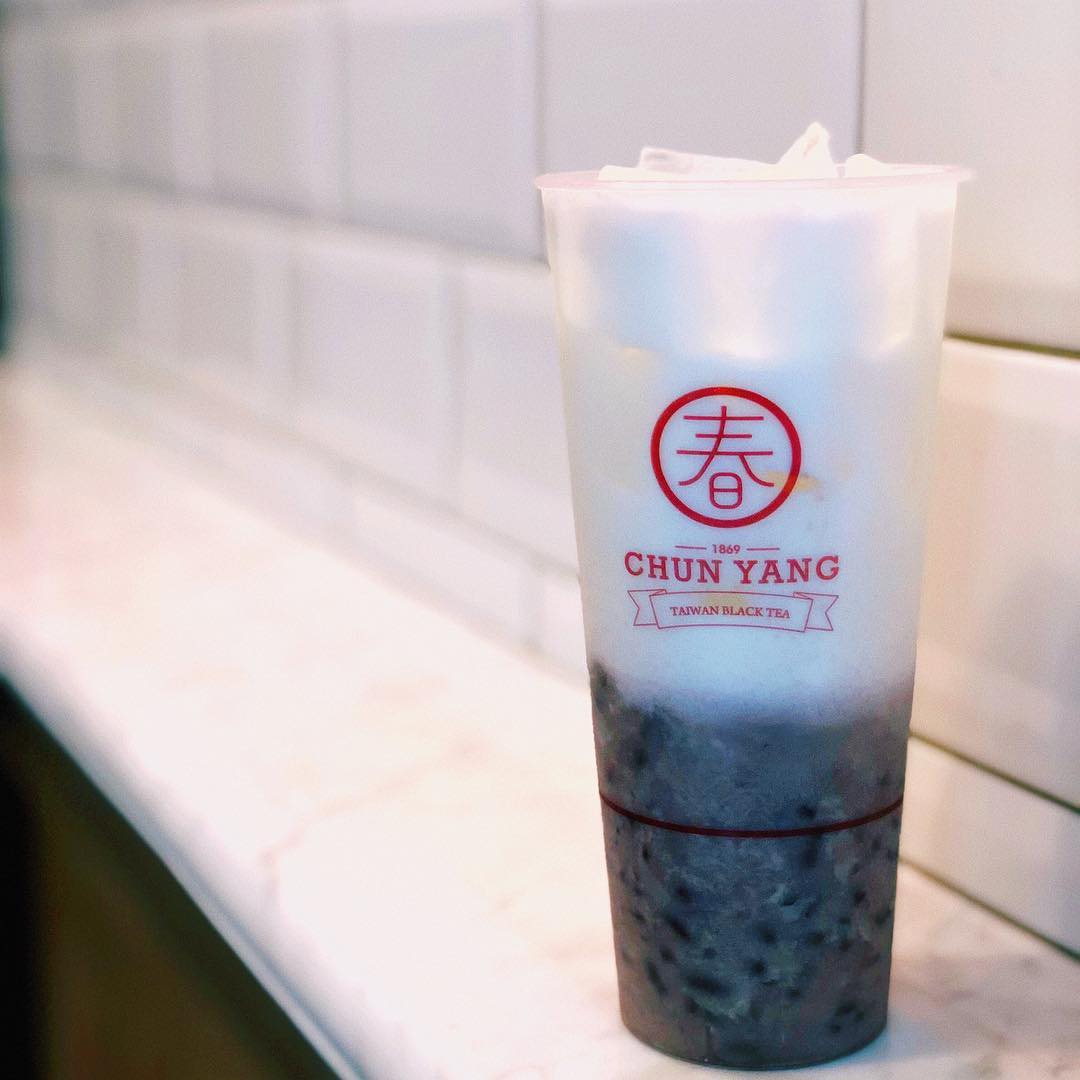
    Taiwanese bubble-tea brand Chun Yang Tea is launching its first store in Canada. With operations across Taiwan as well as in Mainland China, Hong Kong, Macau and Malaysia, the brand is now planning two new store locations in Toronto and one in Vancouver. While the Canadian market has been judged as saturated for bubble-tea retailers, Chun Yang claims its product is authentic and traditional, offering beverages made without any artificial milk powder to achieve a more natural taste.

    So far no information has been released as to exact launch dates, although the brand’s website claims the stores are “coming soon”.

  • Strategies that will differentiate leaders in Indian retail in 2019

    Strategies that will differentiate leaders in Indian retail in 2019

    Indian retail industry has seen tremendous transformation and growth in the last few years and has become one of the most favourable market for global investment. The vibrant industry, hugely shaped by changing policies and consumer behaviour is adopting technology not only to understand changing consumer preferences but also to enhance shopping experiences. Innovations have defined a gradual shift in how companies approach retail altogether.

    Technology disruptions have taken all industries in its stride and the cash and carry business is no exception, despite it dealing with B2B customers. Technology has been a pivot for the creation of personalised, ‘instant’ buyer experiences. The players who leverage technology well will be industry leaders of the next decade.

    As we have stepped in 2019, here are some retail trends that will make news this year.

    Integrated Omnichannel presence for retail analytics – Omnichannel in retail has been a high talk point and some retailers have successfully expanded their presence across platforms. However, integration is the key to success in this game. Unless the platforms are integrated, they will present an inconsistent experience to the customers, creating confusion about the product, pricing and promotions.

    Besides ensuring an unswerving experience, a bigger advantage of an integrated Omnichannel approach would be to share and cross-leverage customer behaviour data. For instance, if a customer has a specific purchasing pattern for a product offline, the retailer can use these insights for targeted marketing on various digital platforms. It will not only help the shopper find what they need but also help the retailer generate higher sales through relevant product suggestions and repeat business.

    Shaping in-store experience through proximity marketing – Internet of Things has transformed many industries and has the potential to enable real-time interaction between retailers and consumers, providing them with a truly connected experience. It not only brings about a seamless experience but also enable guided discovery and shopping, using a network of beacons in store. These beacons can help retailers in marketing, mapping the consumer movement patterns and time spent at various sites, in-store messaging, building consumer loyalty etc. This will offer the opportunity to revolutionise in-store experience for consumers.

    Increasing focus towards sustainability – The consumer dynamics have evolved considerably over the last few years. They feel connected to a company or a brand that helps them contribute to social and environmental issues. The inclination of Indian consumers towards building a sustainable future will provide an edge to brands operating sustainably.

    The dynamic regulatory environment and shifting consumer preferences are making it imperative for retailers to decrease the social and environmental impact of their operations. Companies will be seen instituting practices and initiatives to address this need, and, the players who will ace this, will be the most preferred brands for consumers in the future.

    Decreasing wastage, promoting recycling and energy conservation will be certain immediate outcomes of bringing sustainable practices within business operations. Over a longer period, the impact of sustainability will run much deeper, with local community engagement and expected economic benefits.

    Employing Blockchain to enhance credibility through responsible and ethical sourcing –Blockchain technology helps retailers with core functions including supply chain management, inventory management, authenticity verification, auto-renewal and subscription services, customer data and loyalty programmes. However, the key benefits that the technology is delivering to retailers are to ensure authenticity and improve accuracy in tracing the origin of any product swiftly.

    Incorporating blockchain technology will enable retailers to track data right from sourcing stage to customer purchase while ensuring authenticity for their customers. It will also help establish sustainable sourcing practices being followed by the company, making a stronger connect with the millennial consumer.

  • The Body Shop India to open 20 new stores in 2019

    The Body Shop India to open 20 new stores in 2019

    The concept of beauty has evolved dramatically over the last few years. The desire to look attractive and feel good is at an all time high among consumers from all walks of life. Consumers are continuously looking out for products that make them look good. Innovation, ingredients and integrity are the new buzzwords in beauty. Natural and organic has never been more popular. The movement towards healthier, wellness-oriented lifestyles around the world – complemented by a growing consumer awareness of sustainability, naturality, and ethical sourcing, has influenced personal attitudes towards beauty.

    There has been a huge upsurge of consciousness in beauty purchase – Beauty with Responsibility. Today consumers want to buy beauty products which are chemical free, natural, organic, vegetarian and not tested on animals. ‘Ethical and Clean Beauty’ is indeed on the rise.

    Keeping up with the rising demand, many new brands have entered the beauty retail space in India but brands like The Body Shop which have been there in the industry from past 12 years, has carved a niche for itself.

    Vishal Chaturvedi, General Manager-Retail – India, Sri Lanka and Bangladesh, The Body Shop explains how the brand has become a established household name. He says, “The brand is a one stop shop for new and trending beauty products and ingredients. We have ranges across skincare, bath and body, haircare, make-up, men’s grooming range and gifting. Perfected by centuries of wisdom, the brand brings to its cusotmers the finest natural ingredients, refined textures and delicate fragrances, from purifying and firming clays, sensorial and luxury oils, refining natural scrubs and decadent creams.”

    “We are always on the verge of experiments to bring new beauty formats and testing efficacy to bring the very best to our consumers,” he adds.

    All the products of the brand are made exclusively in the UK and supplied across the world. India is one the fastest growing markets and among the top markets for The Body Shop.

    “We have been in India since 2006 and have 175 stores across the country. We have presence in 60+ Indian cities and over 600 towns and cities through own e-commerce channel. The brand is known for its ethical positioning with strength of natural ingredients, community trade programs, animal cruelty free and 100 percent vegetarian products. The Body Shop has a fast growing consumer base. We are expanding into new markets and are a leading global beauty retailer in the country,” asserts Chaturvedi.

    Store Innovations

    The Body Shop keeps the customers at the centre of their business and their location strategy is driven by the endeavour to reach as many customers across a wide spectrum of segments.

    “We choose locations that allow us access to all kinds of beauty consumers and where we can offer our unique The Body Shop experience,” reveals Chaturvedi.

    The brand’s pillars are naturality, animal cruelty free and activism and the stores celebrate this through their ambience and every customer touch point.

    “Through the stores, the brand offers a heightened personalized experience by unique display of products and experiential zones which uplift the sensorial experience of the customers. We have a marquee Community Wall that specifically talks s about our ongoing ethical campaigns and initiatives,” states Chaturvedi.

    “Our greatest innovation is our beauty experts and advisors. They are the true ambassadors of the brand. The advisors undergo rigorous training and each one of them is well equipped to give a 360° experience of the brand,” he adds.

    Future Plans

    The beauty brand has endeared itself not only to consumers in big cities like Mumbai, Delhi, Bangalore, Chennai, Hyderabad, Kolkata but is also hugely popular in Tier II cities like Guwahati, Siliguri, Jammu, Aurangabad, Patna, Nasik, Mysore, Calicut and many more towns and cities.

    “We shall be opening 20 more stores this year in 2019, establishing our footprint in new cities to make ourselves even more accessible to new customers,” he reveals.

    “Apart from physical presence, we have a very strong online presence. E-commerce is our fastest channel of reaching 600+ cities and towns adding almost 30,000 customers to The Body Shop family every year. Our e-commerce business contributes to 10 percent of our business. We are expecting to grow by 12 percent,” he concludes.

  • Sunshine department store Penang goes online via Shopee

    Sunshine department store Penang goes online via Shopee

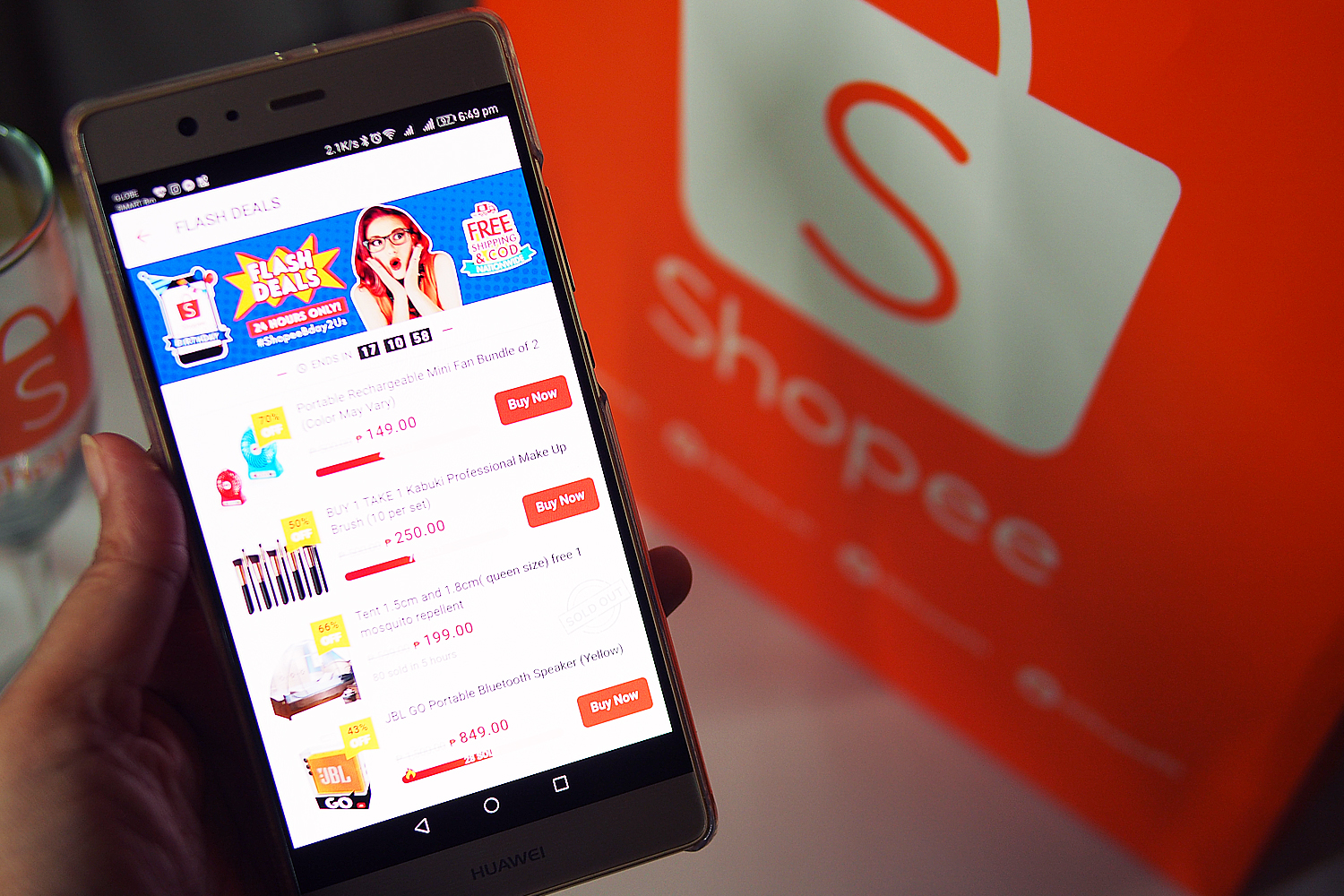
    Penang department store Sunshine has launched on online shopping platform Shopee with expectations of doubling its income. According to Sunshine’s CEO Cynthia Hwang, the move to list initially 1500 products, as well as the brand’s in-house fashion label Iloveasap, on the platform would target 16 million users throughout the country while leveraging Shopee’s free shipping and Super Brand Day.

    “Further expansion into the online realm with the opening of an official store on Shopee will see a bigger contribution to the brand’s revenue growth,” she said.

    “As a whole, it is part of our aspiration to help to grow Malaysia in terms of providing more choices, better and easier accessibility for quality products and enable consumers to purchase from trusted sellers such as Sunshine Online,” added Shopee Malaysia category manager Tan Ming Kit.

  • H&M Tested New Concept and Digital Developments

    H&M Tested New Concept and Digital Developments

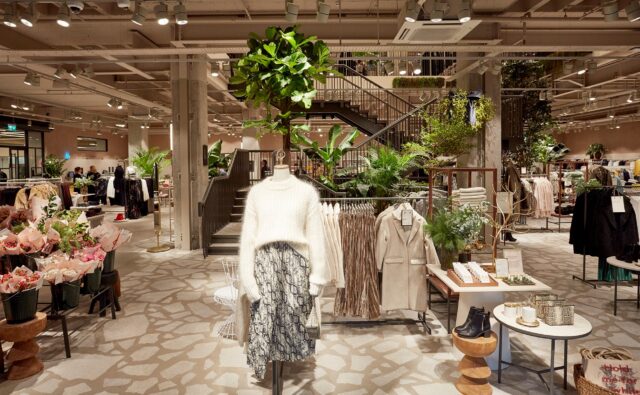
    Global fast-fashion retailer H&M plans to introduce further digital services and features to improve its customer experience both in physical stores and online. The brand launched a series of tests in selected stores last year while rolling out digital features and services to boost its customer offer, experimenting with factors such as the interior and exterior, the product range and the overall look and feel of its stores. The firm also introduced technical solutions to make it easier for both staff and customers to navigate stores and identify fashion favourites.

    H&M plans to continue that work this year in line with the firm’s omnichannel strategy. Testing this year will include cafe concept It’s Pleat, a florist shop-in-shop, self-service checkouts, monogramming services and repair services as well as a digital wall where customers can share their H&M favourites under the #HMxME tag.

    “These stores give us a chance to try out and explore new concepts and activities to make our stores more inspiring and offer customers a great experience,” said H&M MD Fredrik Olsson.

    “We are looking forward to continuously evaluate these tests where we are exploring the strength of a global brand in combination with a more personal touch and local relevance. We are also rolling out digital services and features to offer fashion fans inspiring and seamless shopping in line with our omni-channel strategy.”

  • Hyundai Motor now ready for big races

    Hyundai Motor now ready for big races

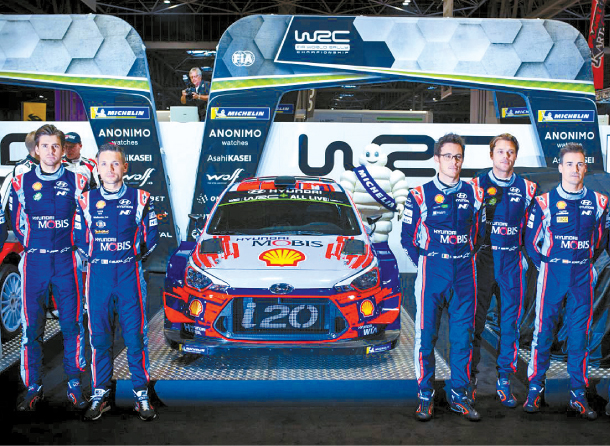
    Hyundai Motor finalized its driver lineup for this year’s major motorsport competitions, the company said Monday.  The automaker said its target this year is to win championship titles at the World Rally Championship (WRC) and the World Touring Car Cup (WTCR). In WRC events, the carmaker participates with its own team. In WTCR events, it supplies its cars to professional racing teams.

    For the WRC, the company said last year’s vice champions Thierry Neuville and Nicolas Gilsoul – a team of driver and co-driver – will be joined by Norwegian crew Andreas Mikkelsen and Anders Jaeger in all events. This year’s WRC has a total of 14 rounds. A composite score in those events will decide the winner.

    Dani Sordo and Carlos del Barrio will take part in eight events starting at Rally Mexico.

    Nine-time WRC champions Sebastien Loeb and co-driver Daniel Elena, who joined the Hyundai team from last month on a two-year contract, will take part in six rounds.

    “I am pleased to be joining such a great lineup of crews,” Loeb said. “It is clear to me that the car was a competitive package in 2018, which enabled the team to fight for the championship titles right to the very end.”

    Hyundai Motor’s team – named Hyundai Shell Mobis – came in second at last year’s WRC using an i20 coupe WRC vehicle.

    The automaker also announced four drivers who will participate at this year’s WTCR event with Hyundai’s i30 N TCR racing car. The carmaker races in the Customer Motorsports category with competitors that include Audi, Volkswagen and Ford.

    Hyundai’s customer team consists of four drivers, each driving on their own. Last year’s champion Gabriele Tarquini and fourth place driver Norbert Michelisz are driving Hyundai cars once again. Augusto Farfus and Nick Catsburg are newcomers.

    Hyundai Motor has been active in motorsport events as it has a positive influence on European sales thanks to a huge popularity of motorsports with European customers. In the long run, the carmaker hopes to upgrade its image from a value-for-money carmaker to a company known for high-performance cars.

  • Uniqlo sales performs well globally, not in hometown

    Uniqlo sales performs well globally, not in hometown

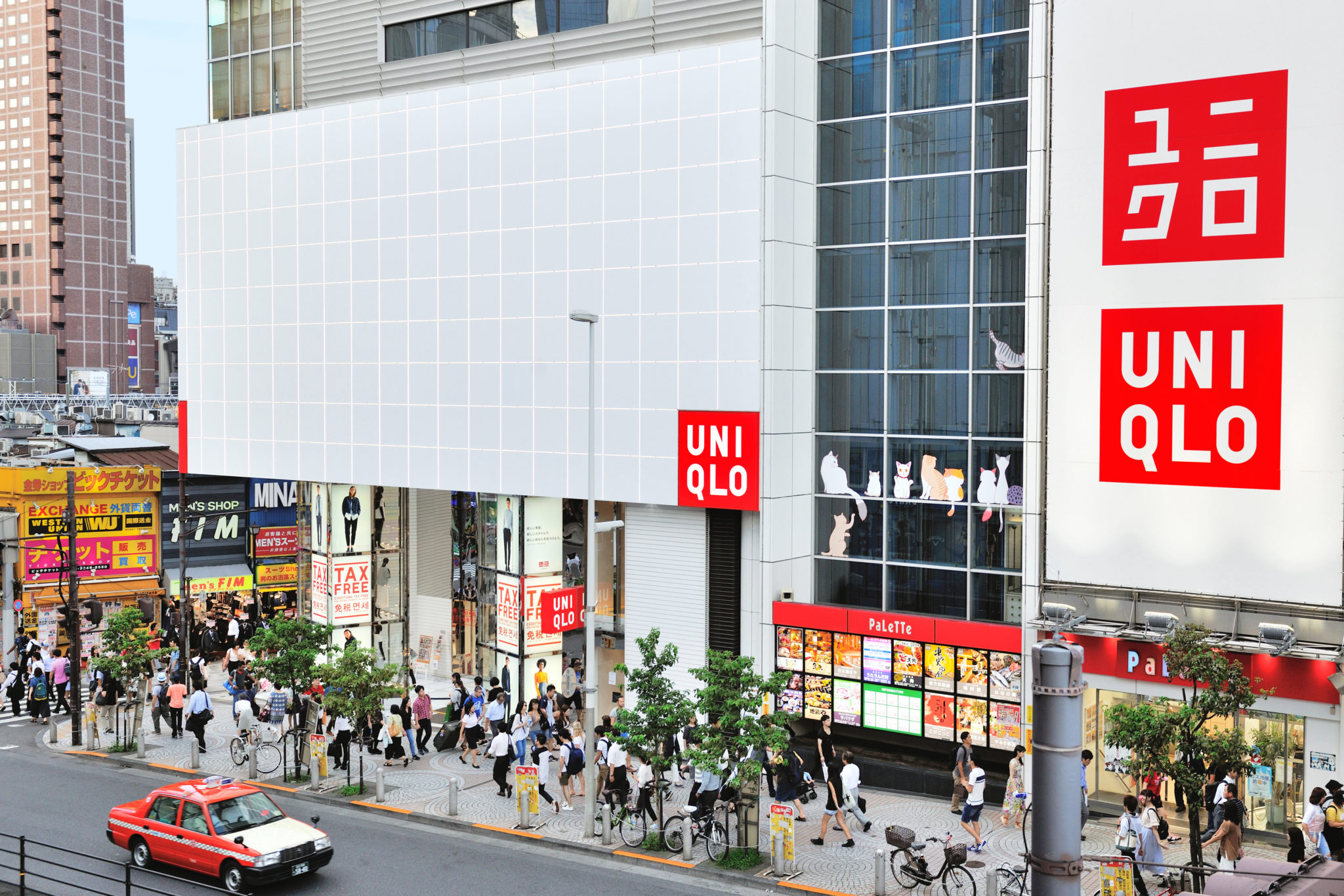
    Fast Retailing Group has reported a decline in revenues for Uniqlo Japan against broader successes internationally in its first quarter. A sharp profit decline on sluggish sales of seasonal ranges during a warm winter in Japan has given rise to disappointing results in the Uniqlo brand’s home territory. Uniqlo Japan posted revenues of ¥246.1 billion (US$2.27 billion), a decrease of 4.3 per cent year on year, with first-quarter profit before taxes of ¥111 billion ($1.03 billion), down 5.7 per cent; and profit attributable to owners of the parent firm of ¥73.4 billion ($678.4 million), down 6.4 per cent. Online sales expanded favourably in the market, however, showing an increase of 30.9 per cent.

    Uniqlo International saw an operating profit far exceeding that of Uniqlo Japan, with revenues at ¥291.3 billion (2.69 billion) up 12.8 per cent. Uniqlo Greater China and Uniqlo South Korea both reported higher sales and profits despite the dampening effect of the warm winter. Uniqlo Southeast Asia & Oceania continued to report significant revenue and profit gains.

    The report said Fast Retailing’s consolidated business estimates for the financial year ending August 31 remain unchanged from the initial forecasts released last October, predicting an 8 per cent expansion in revenue and 14.3 per cent increase in operating profits.

  • Ananth Narayanan steps down as Myntra Jabong CEO

    Ananth Narayanan steps down as Myntra Jabong CEO

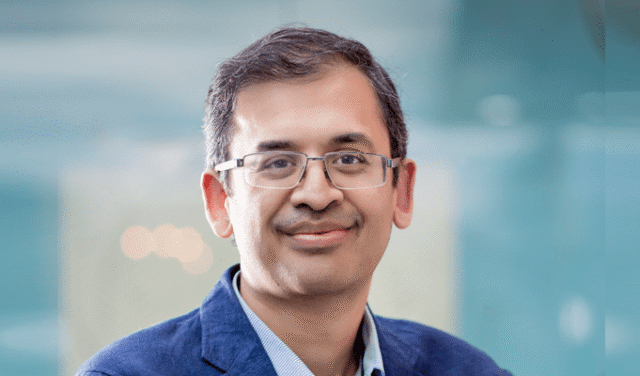
    Fashion e-tailer Myntra Monday said its CEO Ananth Narayanan has quit, a development that ends months of speculation about his exit following a recent re-jig at its parent group Flipkart. In a statement, Myntra said Narayanan has decided to step down as CEO of Myntra and Jabongto pursue external opportunities. Amar Nagaram has been named as Head, Myntra and Jabong, and will report to Flipkart Group CEO Kalyan Krishnamurthy, it added.

    According to a report, there were speculations that Narayanan would quit after a new reporting structure was put in place when Binny Bansal — the then CEO at Flipkart Group (which owns Myntra and Jabong) — quit the company.

    As a part of the new structure, Myntra and Jabong were brought under Flipkart, with Narayanan reporting to Krishnamurthy.

    “Ananth has played an important role in making Myntra and Jabong into a formidable player in the fashion e-commerce market and steering the company towards sustainable growth,” Myntra said in its statement Monday.

    It added that over the last three and a half years, Narayanan and the management team have built a strong foundation for the company.

    “Myntra and Jabong are an important part of the Flipkart group serving our valuable customers. The company will continue to execute the growth strategy and leverage synergies with Flipkart as appropriate,” it said.

    The strong bench strength and new leadership at Myntra and Jabong will allow the business to continue on its strong and sustainable growth trajectory, the statement added. Nagaram, who recently moved to Myntra from Flipkart, has been working with the group for around seven years.

    “…(Nagaram) has played a pivotal role in making shopping accessible, delightful and affordable on every connected device. Most notably, he led the efforts on revisiting the boundaries of mobile web, making the experience on it as good as native,” the statement said.

  • Vietnam digital media giant acquires US network

    Vietnam digital media giant acquires US network

    Media giant Yeah1 Group has acquired ScaleLab, a U.S. Youtube multi-channel network, for $20 million. ScaleLab is expected to receive $12 million upfront and another $8 million later if business targets are achieved two years after the merger. ScaleLab executives have said the company agreed to the sale because it requires an infusion of funds to expand operations and desired to integrate with Yeah1’s media ecosystem.

    ScaleLab plans to expand into Asia, where Yeah1 connects Asian talents and influencers with the international market.

    Tri Dao Phuc, CEO of Yeah1, said the strategy over the next three years is to “acquire premium social media brands, optimize our existing channels to boost viewership and performance.”

    Headquartered in Hollywood, the U.S., ScaleLab is best known as the Youtube partner of Jake Paul, Jimmy Donaldson, Mariale Marrero, Erika Costell, Katie Angel, and many other YouTube stars.

    It has a roster of 1,750 influencers and 400 million subscribers, and gets three billion Youtube views a month.

    The five-year-old company was recognized as the fastest-growing media company in the U.S. by Inc. Magazine last September.

    This is not Yeah1’s first acquisition in the social media field. Last year it had bought two multi-channel network (MCN) companies, SPRINGme of Thailand and Something Big of France.

    Founded in 2006 it is Vietnam’s largest multi-channel media ecosystem, operating TV channels, movie studios, Youtube networks, and digital news.

    It was also the first media company to list when it got into the Ho Chi Minh Stock Exchange (HOSE) last June.

  • Heytea opens store in Hong Kong

    Heytea opens store in Hong Kong

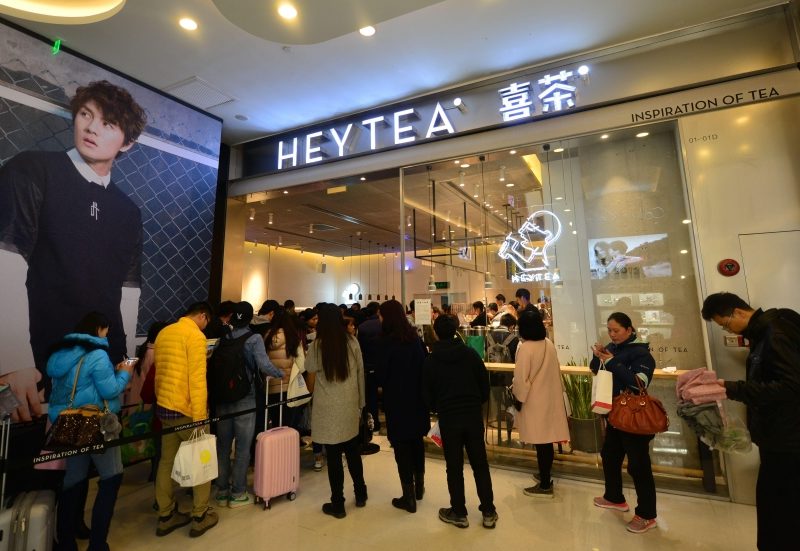
    On December, 24 Sha Tin New Town Plaza, in Hong Kong, welcomed Heytea. A huge crowd queuing up for more than 3 hours just to get a cup of Cheese Tea from the Chinese tea-drink brand Heytea was the protagonit that day. Due to the buy-one-get-one free promotion during the Christmas holidays, people started lining up as early as 6:00 am.

    Heytea officially announced that it had opened its first Hong Kong store only on january, 3. They chose to expand into Hong Kong’s market due to the city’s international status as well as its vibrant food and beverage scene. It helps to promote Heytea as a popular and innovative tea-drink brand among global consumers, especially younger generations.

    The store not only offers its signature cheese tea, but also a great variety of fruit tea and ice cream. The tea is imported from all over the world which aims to renew the traditional tea culture.

    Also, it introduces an exclusive product combined with Hong Kong local food culture, namely, the Eggette Roll Sundae, adding new vitality into the brand, according to its founder Nie Yunchen.

    He said “geographically, Hong Kong is adjacent to Guangdong Province and Shenzhen. Hong Kong people already know our brand and often buy our tea when they visit Shenzhen or other cities in Guangdong. In order to thank our supporters and cope with an increasing demand of our tea, we think it is the right time to extend our reach to the city.”

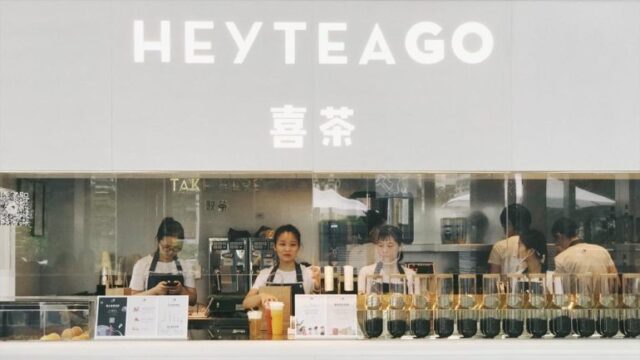
    Zhenglei, Development Director of Heytea, confirmed that Heytea opened its second Hong Kong store in Causeway Bay on 12 January 2019. “We are quite confident that our tea products will be very welcomed by our customers in Hong Kong.”

    In order to avoid a huge crowd like the last opening, Heytea planned to replace the traditional order and payment method by ordering through their mobile app.

    The second shop of Heytea located in Causeway is named as “Heyteago”, their customer can order online in anytime, anywhere for a cup of tea-to-go. Therefore, cheese-tea lovers can save their time and no need to queue up for 3 hours outside Heytea again.