Tag: asia

  • Tech startup Blinq to focus on Southeast Asia

    Tech startup Blinq to focus on Southeast Asia

    Tech startup Blinq is targeting Southeast Asia with software which allows users to virtually try on and purchase designer apparel and accessories from online luxury and contemporary fashion retailers globally. “Blinq uses AR and algorithmic patterns to provide users with the latest trends and personalised fittings from their digital devices,” explains entrepreneur and Blinq founder Bob Chua.

    “It also allows users to choose how they would like to consume fashion, which may not necessarily be to buy, but to also rent, subscribe, or pay later for latest luxury designs from major and upcoming brands across Southeast Asia.”

    A rental-subscription model provides users the option of renting designer apparel and accessories, while the back-end automated warehousing operation enables brands to fulfil their products throughout the Asia-Pacific region.

    Citing McKinsey’s global fashion report, Chua says the personal luxury market is predicted to grow to US$500 billion by next year, with close to 44 per cent coming from Asia.

    “There is clear retail disruption happening everywhere, and e-commerce adoption in the luxury space is growing at a staggering rate here in Asia. We see a major opportunity.

    “In a way we are fusing the successful models of Asos, Farfetch, Rent-the-Runway and The Real Real into a single platform, while targeting affluent Asians.”

    Chua says the company plans to monetise its platform by white-labelling its virtual changing room AR features to other e-commerce sites, which will ultimately reduce returns and increase purchasing propensity for retailers.

    He says Blinq has secured significant seed funding and is currently en route to a next fundraising round.

  • Bamboo Airways to begin flying next week

    Bamboo Airways to begin flying next week

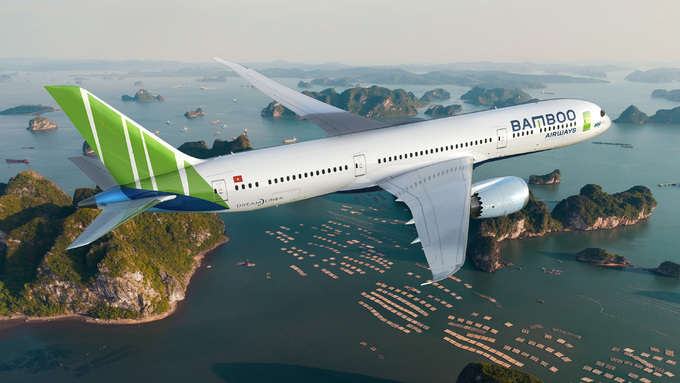
    Bamboo Airways, Vietnam’s newest airline, has begun ticket sales and its first flight is scheduled to take off next Wednesday. The airline has just officially opened ticket sales on Saturday. It has three ticket classes, Economy, Flexible Economy and Business Class, and unlike other low-cost carriers like VietJet and Jetstar Pacific, all passengers will be served hot meals or snacks.

    The carrier has announced a slew of promotions such as combining air tickets with hotel rooms at resorts owned by FLC Group, its parent company, and golfing.

    The airline’s vice president, said the first flights would be to Hanoi, HCMC, Danang and popular tourist destinations such as the central provinces of Quy Nhon, Quang Binh and Thanh Hoa and the northern province of Quang Ninh.

    Bamboo Airways start off with 60 domestic flights a day. Later this year it will fly to Japan, Korea and Singapore.

    Bamboo Airways was founded in mid-2017 with a charter capital of VND700 billion ($30 million), which it increased to VND1.3 trillion ($55.68 million) recently.

    The airline has signed deals to buy 24 Airbus A320neo and 20 Boeing B787-9 Dreamliner aircraft for around $8.6 billion.

    The four other carriers currently in Vietnam are Vietnam Airlines, Vietjet Air, Jetstar Pacific, and VASCO.

  • Starbucks opens its Coffee Sanctuary in Bali

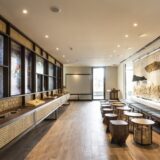
    Starbucks opens its Coffee Sanctuary in Bali

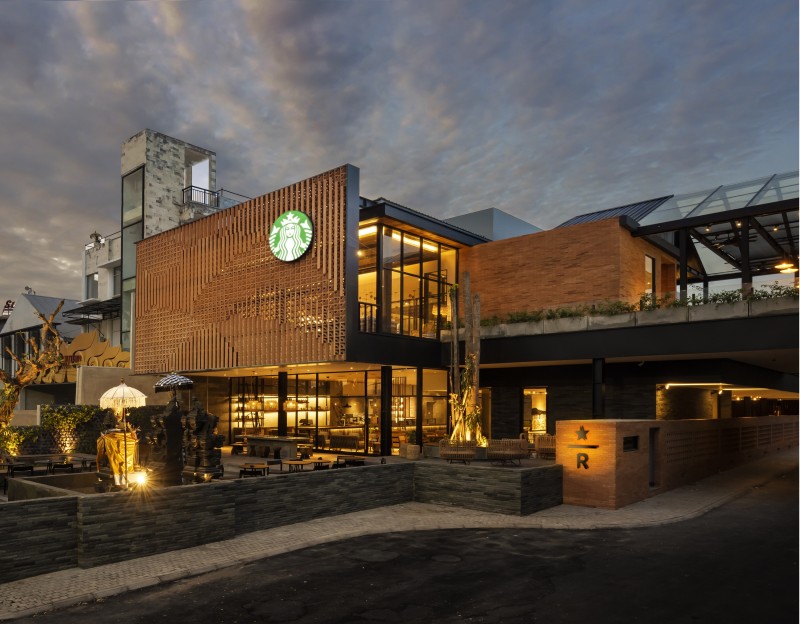
    Starbucks has opened its largest Southeast Asian location in Bali. The 20,000sqft Starbucks Dewata Coffee Sanctuary builds on 16 years of innovation in design, customer experience and community impact for the brand in Indonesia, where there are 370 Starbucks outlets nationwide. Customers can enjoy Starbucks handcrafted core and Reserve beverages within the store’s locally-inspired design that celebrates Indonesian tradition.

    The store pays tribute to the role that Indonesia, the fourth largest Arabica coffee-growing region in the world, plays in the Starbucks business. Sumatran coffee has been a staple offering at Starbucks since 1971.
    “We began sourcing Indonesian coffees more than four decades ago and have always been struck by the sense of community and care for the coffee journey at every step,” said Starbucks Coffee Company CEO Kevin Johnson.

    View the gallery of the new outlet below (8 images) :

    “The Starbucks Dewata Coffee Sanctuary amplifies our passion for the coffee journey, our ongoing commitment to Indonesia’s rich coffee culture, and our tireless pursuit of fostering moments of connection between our partners and customers. The Coffee Sanctuary marks the 10th Starbucks Reserve Bar store in Indonesia, one of 185 stores around the world, with the majority in Asia. This is Starbucks at its best, and we are proud to open the doors of this unique experience in one of Southeast Asia’s most dynamic markets.

    Visitors enter the store through an arabica coffee farm, try their hand at coffee bean de-pulping and washing during harvest season, dry and rake green coffee beans, visit budding seedlings in the nursery, take in the store’s locally-inspired design featuring traditional Balinese craft and Indonesian art, and enjoy the more than 100 Dewata-exclusive handcrafted beverages, food and merchandise, including the Lavender Latte.

    The  Starbucks Dewata Coffee Sanctuary store’s expansive interior is inspired by traditional Balinese houses with free-flowing, connected rooms designed to promote discovery from one space to the next.

    “Bali has an envied reputation as one of Asia’s top travel destinations and Indonesia is one of coffee’s most extraordinary coffee origin regions,” said Starbucks Indonesia director Anthony Cottan said.

    “So we’re excited to invite customers here to ignite their senses and explore the seed-to-cup coffee journey at this unique Coffee Sanctuary. We’re very pleased to further strengthen the longstanding partnership between Starbucks and [licensee] PT Sari Coffee Indonesia with this truly one-of-a-kind Starbucks store, inspired by and filled with the finest examples of Indonesian art, design and craftsmanship.”

    To support the future of coffee, Starbucks Indonesia has committed to donating 100,000 coffee seedlings to farmers annually.

  • Look more inside to Shanghai Tang Pacific Place

    Look more inside to Shanghai Tang Pacific Place

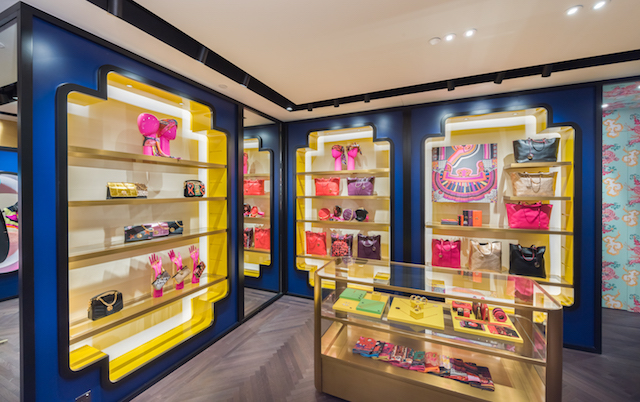
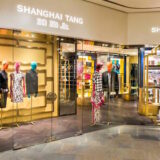
    A “plethora of paints and fabrics that radiate warmth” are at the core of the redesigned Shanghai Tang Pacific Place boutique. Design house Stefano Tordiglione Design (ST) oversaw the executive design and project management of the revamped 154sqm space, which opened last November. The project took six months to complete. Shanghai Tang is a privately owned, modern luxury brand which fuses current fashion design concepts with Chinese-inspired elements steeped in history. It is renowned for its use of bold colours, often contrasting, in fashion and homewares.

    Taking the lead in fine tuning the selection of materials, fabrics and colours, the design team created what creative designer Carlotta Turini describes as “a multi-sensory shopping experience to mirror the richness and beauty of Chinese culture”.

    Among the features are the changing rooms and home section, with the use of famed Jim Thomson wallpapers, giving the design an ‘Asiatic flavour’, with alternative wall coverings and racks fine tuned to create a sense of comfort within the shopping centre.

    The womenswear area has curved walls and a soothing beige fabric contrasted with bright paint, while the menswear area is elegant, warm and cozy, designed with dark brown wood and clean lines.

    These areas are united through a relaxed central seating area featuring art deco furniture.

    “To promote fluid movement through the space, the walls have niches features to provide attractions to the eye throughout the corridor as customers move between retail sections,” says Turini.

    The team had to interpret the original design drawings, developing a unique concept that is now demonstrated throughout the store.

    Efficient project management was vital to the success and on-time completion of the Shanghai Tang Pacific Place redesign.

  • The Indian Luxury Outlook 2019

    The Indian Luxury Outlook 2019

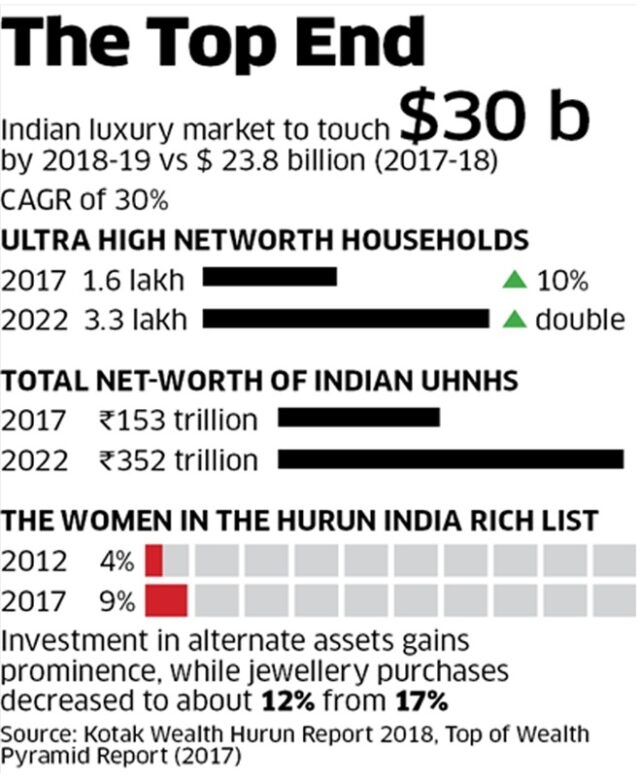
    As 2018 comes to a cold & wintry end, as political environment hots up, as new alliances, mergers and acquisitions take shape in business & politics, as GST corrections & FDI norms in ecommerce are tinkered, what is it that the Indian Luxury Industry can look forward to?

    Assocham figures continue to be optimistic and bullish. As per last projection, not only is the industry expected to be of a size of USD 30b by the year end 2018, but is also to continue its growth trajectory unhindered. But alas, the suddenly disturbed seemingly stable political applecart, the floundering rupee, the growing uncertainty, and the eminent global slowdown of 2020 looms large. Ground reality for luxury could be different. Industry insiders, trade analysts and brands all alike seek the pot of gold at the end of the rainbow.

    A seeming direction that the Indian Luxury Industry could take or adopt from the rest of the world appears as under:

    1. Consolidation is the key: With Reliance brands having taken over Genesis Retail in 2018, the largest fashion and accessory conglomerate of Indian Luxury and premium space has taken shape. With almost no competition, the all-powerful group is set to be the only point of entry into India. Surely independent brands and smaller groups continue to offer their wares, the sheer strength, negotiation powers and might of Reliance will perhaps be the single most driver of the fashion & Luxury space.
    2. Power of the Common Man: Someone wise enough once said ‘don’t underestimate the power of the common man’. Sure enough, luxury has slowly spread its wings to the hitherto sleepy tier I & tier II towns. The fast emerging Indian market is not only witnessing demand for luxury products from the Metros but also Tier I and Tier II cities which have a sizable number of HNIs (High Net-worth Individuals). Alongside, an increase in wealth for the middle class coupled with internet penetration has resulted in newer segments of first-time luxury buyers. This has given ample space for a whole lot of brands to set up shop in India, retail their brands through distribution networks. This surely will be the next growth driver for Luxury in India.
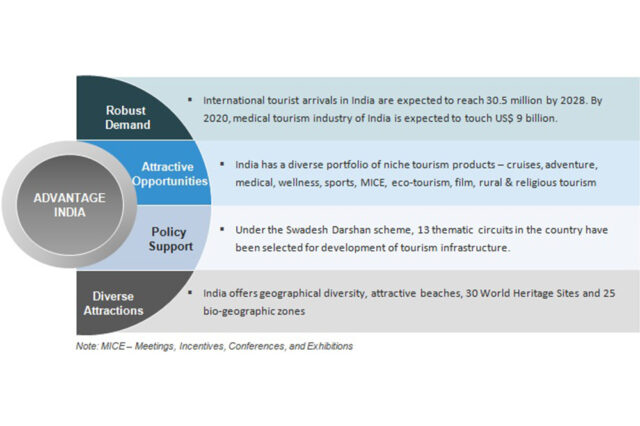
    3. Travel, Tourism &Hospitality will drive further growth to the value pie: With increased e-visa processing, faster on the ground arrival support, eye catchy Incredible India campaigns, the tourist inflow from within and outside is likely to further increase. Statistics according to a new report of the World Travel and Tourism Council (WTTC) reveal that India’s travel and tourism sector ranks 7th in the world in terms of its total contribution to the country’s GDP.During January-October 2018 FEEs from tourism increased 8.30 per cent year-on-year to US$ 23.54 billion.


      Source : www.ibef.or


    4. The Great Big Fat Indian Wedding carnivals will drive luxury: The wedding industry and the wedding service industry sets unprecedented benchmarks. According to a 2017 KPMG report titled Market Study of Online Matrimony and Marriage Services in India, the marriage services industry is estimated to be worth approximately US $53.77 billion (Rs 3, 68,100cr).This is one sector which adds incremental sales to all sectors of the industry – from beauty, fashion, accessories,  photography, jewellery, travel, hospitality, gifting to also the cuisine segment. With high standards being set by the likes of stars like Anushka Sharma – ViratKohli ; Priyanka Chopra – Nick Jonas& finally the Ambani weddings, the aspiration of average Indian to splurge on weddings is reaching a new peak. With Rolex watches as gifts to the entire wedding procession to bespoke clothing from super luxury brands to not only the entire family but the whole procession adds further fillip to the trade.
    5. Technology and Luxury: From high end home appliances such as Sub Zero Wolf to tech controlled homes like Home Automat, luxury and technology seem to marry and create an inseparable union. What was earlier restricted to high end laptops and computer systems demand has now invaded the mobile space, the home entertainment space besides the affluent kitchens. Super expensive mobiles from Iphone X to Hanmac are finding a demand que beyond their imagination in India.
    6. Technology and Retail: Omni-presence now means beyond just available everywhere to also be ‘Phygital’. A merger of the physical and digital retail is quietly invading the global retail. Amazon Go has already launched 8 number of cashier less stores& plans to ramp up to 3000 by 2021. Can India, the tech brain of the world be far behind? In Bangalore, Decathlon launched a similar store by introducing a ‘phygital experience’- an innovative mix of physical retail and digital touch points. From virtual reality to digital payments the intent is to create a fun, unique and immersive user experience designed to engage and add value to for them at every step of the way while choosing their favourite sports gear.On other hand, another concept store called ‘Watasale’ went further to create cashier less store, its first store in Kochi and have plans to expand to other cities including Bengaluru and New Delhi in the near future. Can Indian Luxury ignore this anymore?
    7. Predictive Analysis to Predictive Selling: The Indian fashion industry proudly receives its first futuristic analysis software, ‘Stylumia’. Created by ex Myntra founder Ganesh Subramanium, the software will assist in better buying to be able to improve efficiencies and sell through ratios. Most Luxury brands dependent on the human predictions of the buyer can now resort to technology and manage their budgets better. This coupled with predictive selling, could bring in the much needed correction in stocks over load with luxury brands.
    8. Experiential retail, Virtual Reality and Artificial Intelligence: These three aspects will come to the forefront: Brands like Arvind have introduced Magic Mirrors through its brand Creyate Custom Clothing. Also, Shoppers Stop has launched an innovative augmented reality-based dressing room: ‘The Magic Mirror’. It is an intelligent photo booth that gives customers the option to select and view apparel and accessories on themselves without having to physically ‘try on’ the desired products. Apart from this, ecommerce players such as Lenskart(Eyewear) and Caratlane (Jewellery) are already into Virtual trial of the products by customers.
    9. Rent a Luxury / Reusable Luxury are a reality: What started as a trickle two years back, is now a stream with more ventures offering specialised product categories arriving at the horizon.Websites such as Confidential Couture offer usable Luxury Goods while Ziniosa & Rent A Closet offer fashion on rent.And now, even the affluent women are renting high end jewellery for their wedding. The fashion rental market is becoming the biggest trend. A wedding suit or gown worth Rs. one lakh could be rented for as low as Rs. 2000 to Rs. 2500! It is estimated that the online wedding rental  business is worth Rs. 100 crore and the existing players have claimed a 25 to 50 per cent year-on-year surge in business (Black Book).
    10. Sustainable, Authentic and Responsible Luxury is being sought forGrassRootby Anita Dongre and Nicobar by Good Earth are few names that are famous for their Sustainable offerings.Slowly but surely, the well exposed Indian consumer seeks value over mere brand name. Value definitions are shifting rapidly in line with global shifts. A brand who pays heed to such demands will perhaps go a long way.
    11. SUVs take over the roads Various variants of SUVs have been introduced by automakers of all categories. From Mahindra XUV 500 to Lamborghini Urus, Rolls Royce Cullanin to Porsche Cayenne, almost all Luxury brands have come up with their SUV variant. Sale of SUVs grew seven times faster than that of passenger sedans. While small cars and sedans managed a growth of 3% in the last financial year, the sales of SUV grew 21%. The share of SUVs in overall passenger vehicle sales rose to nearly 30 % in 2017-18, compared to 14% recorded at the end of March 2017-18.According to numbers released by Society of Indian Automobile Manufacturers (Siam), 9.2 lakh SUVs were sold in 2017-18 against 7.6 lakh units in the previous year.
  • November Singapore retail sales stagnant

    November Singapore retail sales stagnant

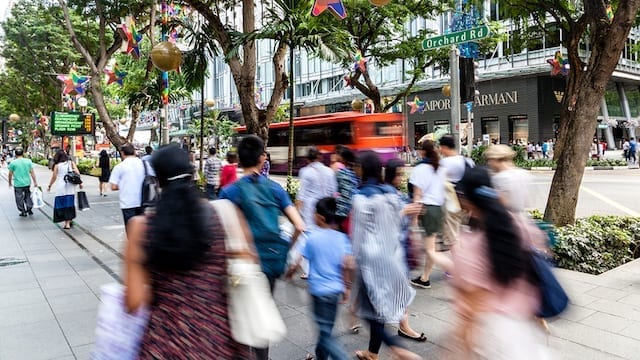
    November Singapore retail sales were static, rising just 0.2 per cent year on year after removing motor vehicles from the data. On a month-on-month basis, sales rose 1.4 per cent, again after disregarding motor vehicles. Perhaps the most interesting figure was the share of total retail sales which occurred online, reaching 6.6 per cent. In September, online accounted for 4.9 per cent of sales, in October 5 per cent. The November figure suggests the Singles Day shopping promotions on November 11 had a significant impact in Singapore.

    The worst-performing retail category in November Singapore retail sales was computers and telecommunications equipment, slumping 22.1 per cent year on year, which Statistics Singapore attributes to strong sales of phones in November 2017 due to the launch of new models.

    The optical goods and books categories posted sales declines of 4.6 per cent, while food retailers and supermarkets & hypermarkets fell by 3.7 per cent and 1.4 per cent, respectively.

    Department stores registered an increase of 8.7 per cent in sales, while medical goods & toiletries sales rose by 4.8 per cent.

    Turnover of fast-food outlets, restaurants and other eating places (such as cafes) increased between by 2.5 per cent and 4.5 per cent year on year in November. However, sales of food caterers decreased 2 per cent.

  • Grab appeals $208,000 Vinasun compensation ruling

    Grab appeals $208,000 Vinasun compensation ruling

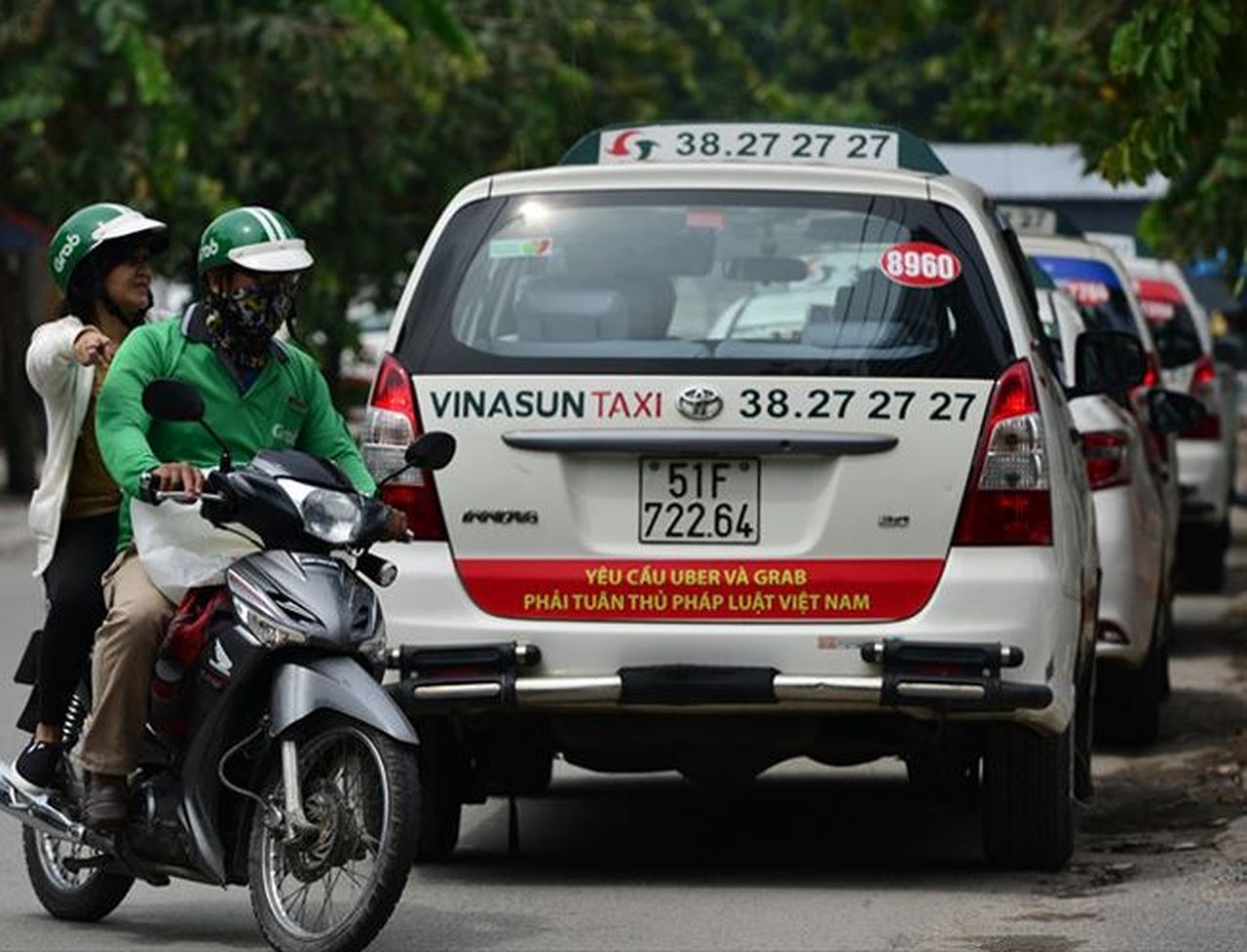
    Grab has appealed a verdict by a Vietnamese court to pay compensation to domestic taxi firm Vinasun for causing it losses. Arguing that the order to pay VND4.8 billion ($208,000) by the first instance court was unlawful, the Singapore-headquartered Grab has asked the appellate court to quash the case. It wants the court to quash the verdict on the ground that the HCMC People’s Court had seriously violated procedures and dismiss the case. The court had no jurisdiction to hear the case, handed a verdict that exceeded the scope of the lawsuit and did not summon the witnesses it had sought, the company said.

    The ride-hailing firm maintained it did not commit any wrong against Vinasun. If the appellate court is not willing to dismiss the case, it should at least amend the earlier ruling, ruling that Grab does not carry on a transportation business and has not violated any laws, and dismissing Vinasun’s claims.

    Grab said the court did not fully and objectively evaluate the facts and evidence of the case, but instead relied on biased information based on an inaccurate assessment of losses done by a court-appointed inspection company.

    “Vinasun could not prove its actual damages and/or the causal link between any of Grab’s alleged violations and Vinasun’s alleged damages,” Grab said in the statement.

    The court verdict came after an 18-month battle between Grab and Vinasun since last June when Vinasun filed a suit saying Grab’s illegal activities had caused it nearly VND42 billion ($1.8 million) in losses.

    The latest draft of a Ministry of Transport decree requires firms offering taxi services to register as taxi firms before they can apply ride-hailing technology.

    This means Grab and other ride-hailing firms have to register afresh as taxi businesses and comply with legal requirements related to operating licenses, drivers’ profiles and taxes.

  • Liho Singapore opens first outlet in Brunei

    Liho Singapore opens first outlet in Brunei

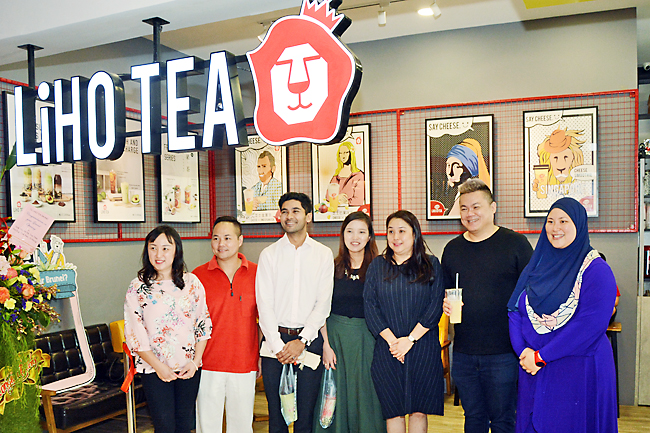
    Singaporean bubble tea brand Liho has launched in Brunei with its first outlet at Times Square Brunei Darussalam. The new Liho Brunei store is the result of a year’s preparation and is the first of 10 to 12 outlets planned across the country within the next year. The brand, popular for its brown sugar pearls, operates 93 locations across Singapore and already has a presence in Vietnam.

    “We are still growing and year to year outlook growth is around 20 per cent,” said Liho’s co-founder Rodney Tang. “As long as we understand the customers’ taste and needs, we can continue to grow. We intend to bring in more creative flavours to Brunei.”

  • LG teams up with Google to develop VR offerings

    LG teams up with Google to develop VR offerings

    LG U+ is partnering with Google to produce three-dimensional (3-D) virtual reality (VR) video, the company said Friday. Ha Hyun-hwoi, CEO of the mobile carrier, said augmented reality (AR) and virtual reality offerings demonstrate to customers the potential of next-generation 5G networks. He made the comments during a press briefing Wednesday at the Consumer Electronics Show in Las Vegas.

    He added that LG U+ is determined to become the leading player in AR and VR, and the partnership with Google is a stepping stone in achieving that goal.

    According to LG U+, the smallest mobile carrier in the country, with 3-D VR video, viewers feel they are actually at a sports stadium or a performance hall. The technology requires 10 times the bandwidth when compared with two-dimensional high-definition videos, which is why the faster and higher-capacity 5G network is crucial to the mass production and distribution of VR video, LG said.

    The two companies will first establish an equally-invested fund and develop 3-D VR video in the first half of this year. LG U+ will take charge of design and production. The mobile carrier will also have rights to local market distribution. Google’s YouTube will own retail rights globally. The Korean company said its collaboration with Google will continue following the development of pilot material.

    The first offerings will be centered on videos of globally-popular K-pop stars. A tour around K-pop star homes, following the star for the whole day and backstage tours are some of the ideas suggested so far, LG said.

    The video will run exclusively on YouTube and LG U+’s over-the-top (OTT) VR content platform. OTT refers to streaming entertainment that is delivered directly to users over the internet without going through intermediaries, like television.

    The move by LG U+ comes after SK Telecom inked partnerships earlier this month with three local broadcasters – KBS, MBC, and SBS – to create an OTT media service that can counter Netflix.

    It also announced during CES a partnership with Sinclair Broadcast Group to cooperate on media technologies.

    Ha said dependence on OTT will grow together with the commercialization of 5G and that SK Telecom has made a “good choice in partnering with local broadcasters.”

    LG U+ plans to fight competition with its partnership with Google as well as Netflix. Under an agreement reached in November last year, Netflix programing is aired exclusively through LG’s internet protocol TV platform.

  • LG claims to have wowed the industry at Vegas’ CES

    LG claims to have wowed the industry at Vegas’ CES

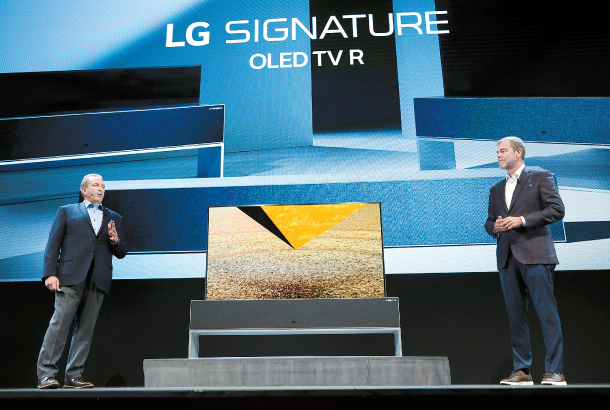
    LG Electronics, one of the leading home appliance manufacturers in the world, said Sunday it received a total of 132 awards at this year’s Consumer Electronics Show (CES) in Las Vegas. It said its products received the coveted CES top innovation title announced by the Consumer Technology Association. LG, which has been a major player in big-screen TVs and is a global leader in the field of organic light-emitting diode (OLED) screens, unveiled the world’s first mass production-capable rollable TV at the gathering that ran from Tuesday through Friday.

    The LG Signature OLED TV R received considerable attention, with Engadget, a multilingual blog network and the official award partner at CES, naming it Best TV Product.

    The innovative TV that allows the big OLED screen to vanish into a long box with embedded speakers was also noted by some 50 media outlets, such as the Wall Street Journal and Cnet.

    The company said its 8K resolution OLED TV and Super Ultra HD TV, as well as an artificial intelligence-equipped TV set, were praised by tech experts from around the world.

    Media outlets and online publications like USA Today and TechRadar, also gave LG HomeBrew, a craft beer making machine, their highest awards, while the waterfall OLED display at the entrance of the company’s booth – made up of 260 flexible panels – won recognition from numerous international IT outlets.

    Beside such products, the company’s LG SuitBot, an exoskeleton that can help physical laborers, and Styler, a clothing care system, received praise at this year’s CES.

    Song Dae-hyun, who heads LG’s home appliance business, said in a press conference over the weekend that the company is aiming expand its presence in the United States through the marketing of premium products.

    He said in the built-in appliance market in North America, LG is targeting high income earners.

    “If LG competes in mid-range consumer appliances, it will struggle and not turn a lot of profit so it makes sense to shift to premium products,” the senior executive said.

    He said that, in particular, the U.S. market is attractive because it has considerable growth potential.

    The executive said to better engage prospective clients, LG opened its first overseas Signature Kitchen Suite showroom in California’s Napa Valley.

    The Experience and Design Center is the second of its kind after one in southern Seoul, with another to be built in New Jersey.

    Unlike other countries, the United States has always been a so-called builder’s market with the customer having greater say in what kind of appliances go into a home, making it ideal for high-end products.

  • How Richemont is plotting Yoox Net-a-Porter’s expansion with Alibaba

    How Richemont is plotting Yoox Net-a-Porter’s expansion with Alibaba

    While 2018 saw several luxury conglomerates consolidating their empires through brand acquisitions, others like Yoox Net-a-Porter looked to strategic partnerships. With the new Richemont and Alibaba deal, the company is now able to better bring its retail offerings to the world’s largest luxury audience: China.

    As Richemont’s takeover of e-commerce giant Yoox Net-a-Porter has come to a completion, the Swiss-based luxury group is mapping out its growth ambitions for the platform and working towards solidifying its leadership position in the online space.

    Among Richemont’s top priorities: Tapping into the China opportunity.

    Yoox Net-a-Porter’s presence in the region has been limited to date, as the company lacks the logistical tools to service the market. But as Richemont is looking to scale YNAP post-takeover, China – which is expected to account for half of the global luxury market share by 2025 – can no longer be ignored and provides a viable avenue to achieve the kind of growth the group is looking for.

    Richemont Partnership

    That’s why Richemont formed a strategic partnership with Alibaba earlier this year, that will enable the company to bring all of Yoox Net-a-Porter’s retail offerings to Chinese consumers.

    As part of the joint venture, Alibaba will provide the technology infrastructure, marketing support and payment logistics to power the launch of two new apps, for Net-a-Porter and Mr. Porter.  In addition, both Net-a-Porter and Mr. Porter will open online stores within Alibaba’s Tmall Luxury Pavilion.

    The venture is focusing on YNAP’s on-season, premium luxury sites for the moment. But the company added that in the future Yoox and the Outnet, which sell off-season, discounted stock, and Watchfinder which sells second-hand watches online, will also be able to benefit from the tie-in.

    Johann Rupert, Richemont’s chairman, said that the venture recognizes the growing importance of Chinese consumers both at home and abroad, and readies the company to build up its China business, which is currently still “in its infancy.”

    “We believe that partnering with Alibaba will enable us to become a significant and sustainable online player in this market,” said Rupert, adding that the investment costs of the deal were relatively small and that the company sees clear potential in the tie-in, despite the stagnation in consumer growth in China and the brewing trade war with the U.S. “We would not have done this deal if we could not see potential in the medium and long-term future. Everybody is excited about China and Chinese travellers, and we thought this was the best way to go. We don’t have the tools for China, but Alibaba is a vast ecosystem and marketplace.”

    “Plug and Play” Approach

    The deal has received positive feedback from retail analysts too, who see potential in the strategic marrying of YNAP’s strong brand relationships and curated approach, with Alibaba’s e-commerce leadership in the region, as well as its logistical, technological and marketing capabilities.

    “It’s a sensible move with an obvious appeal, of tapping into Alibaba’s pool of 600 million potential customers,” said Paul Thomas, retail consultant at the U.K.-based firm Retail Remedy, adding that Alibaba’s anti-counterfeiting efforts across all platforms are also more closely aligned with YNAP’s values than other Chinese e-commerce players.

    According to Thomas, partnering with a local player and adopting a “plug and play” approach into China’s bigger digital ecosystem is the best way to go, even for established e-commerce companies.

    “This deal should accelerate YNAP’s top line development in Asia, which only accounted for the group’s sales in 2017,” added Royal Bank of Scotland retail analyst Rogerio Fujimori, explaining that the company is more likely to see sales growth in the long term, given the increasing competition in the e-commerce space.

    The E-commerce Market in China

    Other players like Farfetch, have also been making waves in China.

    The online marketplace – which was valued at $5.8 billion following its IPO – scored a $397m investment from JD.com last year, to help expand its China business. It also purchased Chinese marketing platform CuriosityChina to add to its branding services and be better positioned to help fashion houses amplify their presence in the Chinese market via local social media platforms and digital marketing initiatives.

    “YNAP’s long-term sales potential looks compelling but the increasing competition in the e-commerce space means that higher investment power will be required,” added Fujimori.

    Mario Ortelli, partner at consultancy Ortelli & Co, seconded his thoughts saying that Richemont’s targets to expand into new territories and become more agile are still “a work in progress” and it will take some time until the group can increase value for its shareholders and ensure YNAP becomes profitable.

    For YNAP, the Alibaba deal will also provide an important new growth avenue that will help outweigh the recent loss of a significant portion of its online flagship business. Kering ­– rival luxury group to Richemont – has pulled out of its joint venture with YNAP, through which the company was powering the online platforms of Kering-owned labels such as Alexander McQueen, Bottega Veneta, Balenciaga and Saint Laurent.

    In the longer term, the deal could also provide a gateway into China for Richemont-owned brands such as Cartier, Piaget, Jaeger-LeCoultre and Vacheron Constantin, which have slowly been embracing the world of online commerce joining the carefully curated fine jewellery and watch hubs of Net-a-Porter and Mr Porter – a new, growing category for the platforms that is also providing another additional means of achieving scale.

  • Samsung in strategically key Vietnam for the long haul

    Samsung in strategically key Vietnam for the long haul

    South Korean conglomerate Samsung is committed to a long-term presence in Vietnam as a major base for its global operations. Won Hwan Shim, vice president of Samsung Electronics, reiterated the group’s commitment to Vietnam in a Friday meeting with Vietnam’s Prime Minister Nguyen Xuan Phuc. Shim said that Samsung’s plants in Vietnam had the most impressive growth among the company’s global facilities.

    Samsung, the world’s biggest smartphone maker, has been investing more and more in Vietnam, especially in its research and development centers, Shim said, adding that the group is transferring technologies to these local facilities.

    The company invested $600 million to finish the Samsung Ho Chi Minh City Research & Development Center in November 2017, its second such facility in the country after Hanoi, he noted.

    PM Phuc said that he expects more impressive growth numbers from Samsung this year, and also asked that Samsung continues to make Vietnam its most important global base, further expanding its operations here.

    Samsung has invested $17.3 billion in eight factories and two research and development centers in Vietnam, creating jobs for more than 160,000 locals.

    It is the largest foreign investor in Vietnam. Last year, Samsung estimated its exports from Vietnam was $60 billion, up 12 percent from 2017, accounting for a quarter of Vietnam’s total exports.

    Samsung last month closed one of two phone factories in China to focus more on low-cost countries like Vietnam and India for production as reported.

    The group’s two phone factories in Vietnam together make 240 million units a year. The factories, located in the northern provinces of Bac Ninh and Thai Nguyen, produce half of all the cellphones that Samsung supplies to the global market.

  • Hyundai Motor sells more than 10 million cars in China

    Hyundai Motor sells more than 10 million cars in China

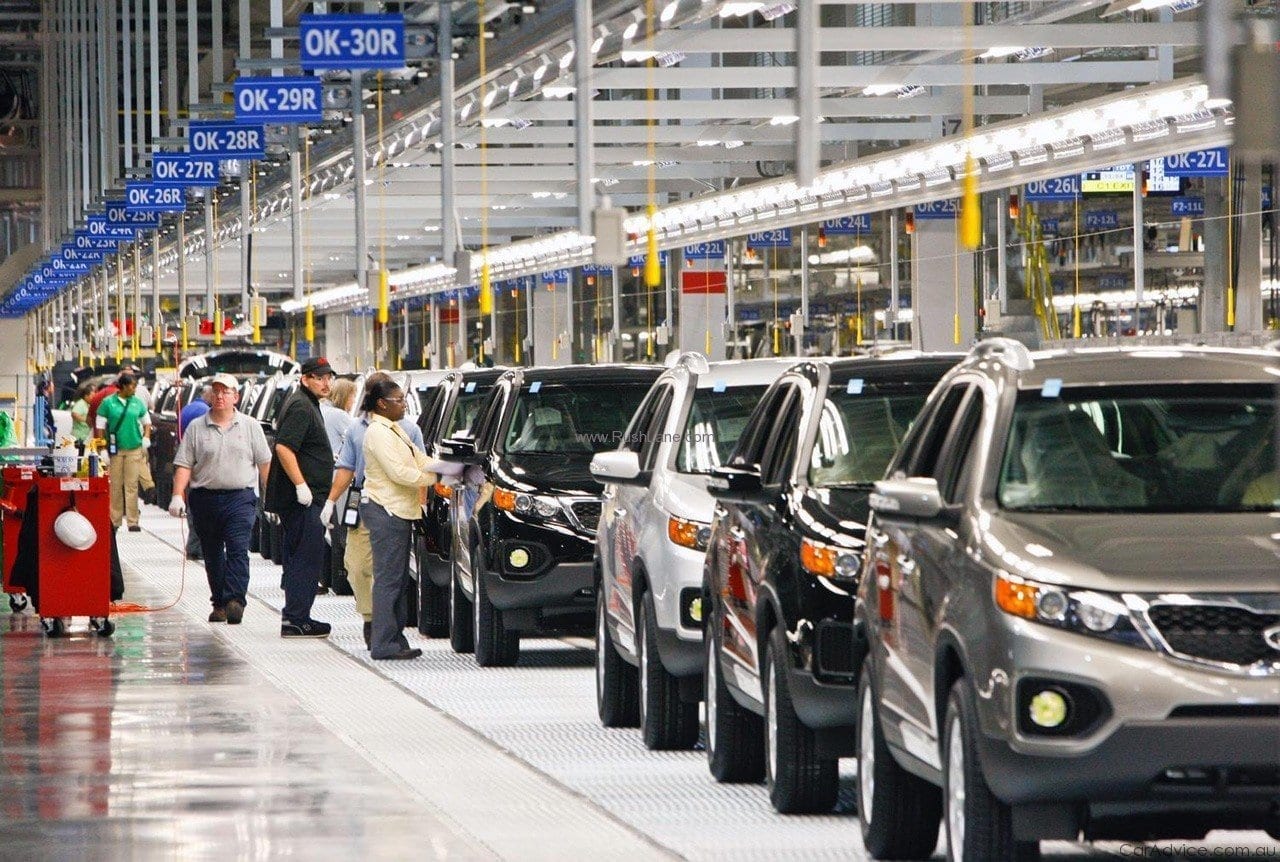
    Hyundai Motor, Korea’s largest carmaker, said Sunday that accumulated sales of its vehicles in China surpassed the 10 million unit mark in 2018. The milestone was reached 16 years after the company entered the key neighboring country, which has since become the largest market for new cars in the world.

    Hyundai first sold the midsize Moinca, a localized version of the Sonata, in the first year, which was followed by the Elantra. By 2008, it had increased its lineup to six, with sales exceeding 1 million units. In 2013, the carmaker said it sold 1 million vehicles in the world’s most populous country, with some 5 million cars being sold overall. Up until 2016, annual car sales exceeded the 1 million mark, although this plunged 31.3 percent on year to 785,000 units in 2017, amid a diplomatic dispute over the deployment of a U.S. missile defense system in Korea.

    For 2018, the carmaker said Hyundai sales edged up 0.6 percent from a year earlier to a little over 790,000, with numbers for this year not looking too promising.

  • The Alley Taiwan debuts in Singapore

    The Alley Taiwan debuts in Singapore

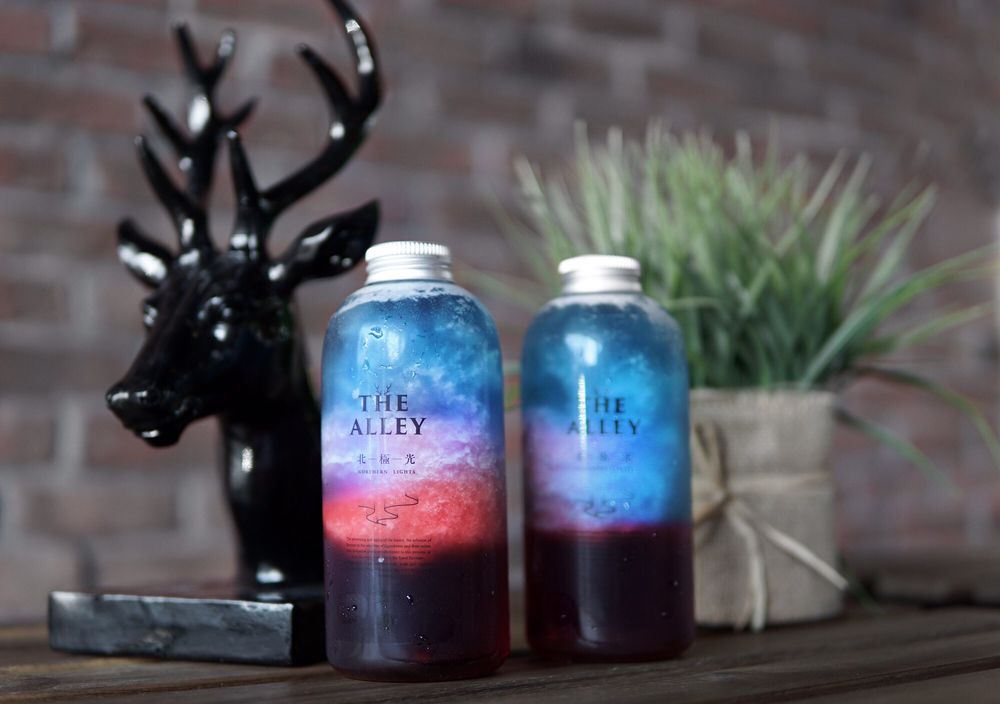
    Taiwanese bubble-tea chain The Alley is to open its first outlet in Singapore. Despite the undisclosed location, the brand has already got Singaporean bubble-tea fans excited with an announcement on its Instagram and Facebook pages. Established in 2013, The Alley is well-known for its brown sugar tapioca (Deerioca) milk tea served in cups with with round bases.

    The chain has outlets in Canada, US, France, Korea, Japan, China, Hong Kong, Thailand, the Philippines, Australia and New Zealand. The Alley entered Vietnam in November 2017, and now has 35 stores nationwide.

  • Nike appoints new Converse CEO

    Nike appoints new Converse CEO

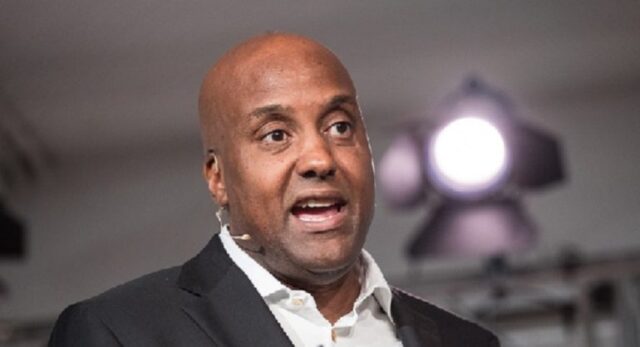
    In the week leading up to Christmas 2018, Nike Inc. said it has recruited a new leader for its Converse brand, naming G. Scott Uzzell as its president and chief executive officer, to helm the heritage sneaker company in the New Year. Uzzell replaces Davide Grasso who has decided to retire at the end of this calendar year. He will report directly to Michael Spillane, President, Categories and Product, Nike Inc.

    Effective January 22, 2019, Uzzell’s new appointment comes at a time when the brand is setting “the stage to move into new spaces by reconnecting to its heritage in sport,” according to a press release in December from Nike Inc.

    “Scott’s unique blend of experience driving both strategic business growth and strong brand development is well-suited to help unlock the full potential of the Converse Brand and lead its next phase of growth globally,” said Michael Spillane, President, Categories and Product, Nike Inc.

    Uzzell comes to Converse from The Coca-Cola Company, where he most recently served as President, Venturing & Emerging Brands Group (VEB).

    As head of Coca-Cola’s VEB Group, the consumer goods executive led a portfolio of high-growth brands for The Coca-Cola Company, including Honest Tea, ZICO Coconut Water, Fairlife Milk and Suja Juice.

    Uzzell began his career within sales and marketing for companies such as Procter & Gamble, Coca-Cola and Nabisco, before returning to Coca-Cola in 2000 in the Strategy & Planning division. Since then, he has held a number of leadership positions across its business including McDonald’s U.S. Division, Global New Business Development, Global Marketing, ZICO and VEB.

    In addition, he is a member on the boards of State Bank and Trust Company; Fairlife and Suja Juice Company, as well as being a member of the Florida A&M University Foundation Board and is part of the Executive Leadership Council (ELC).

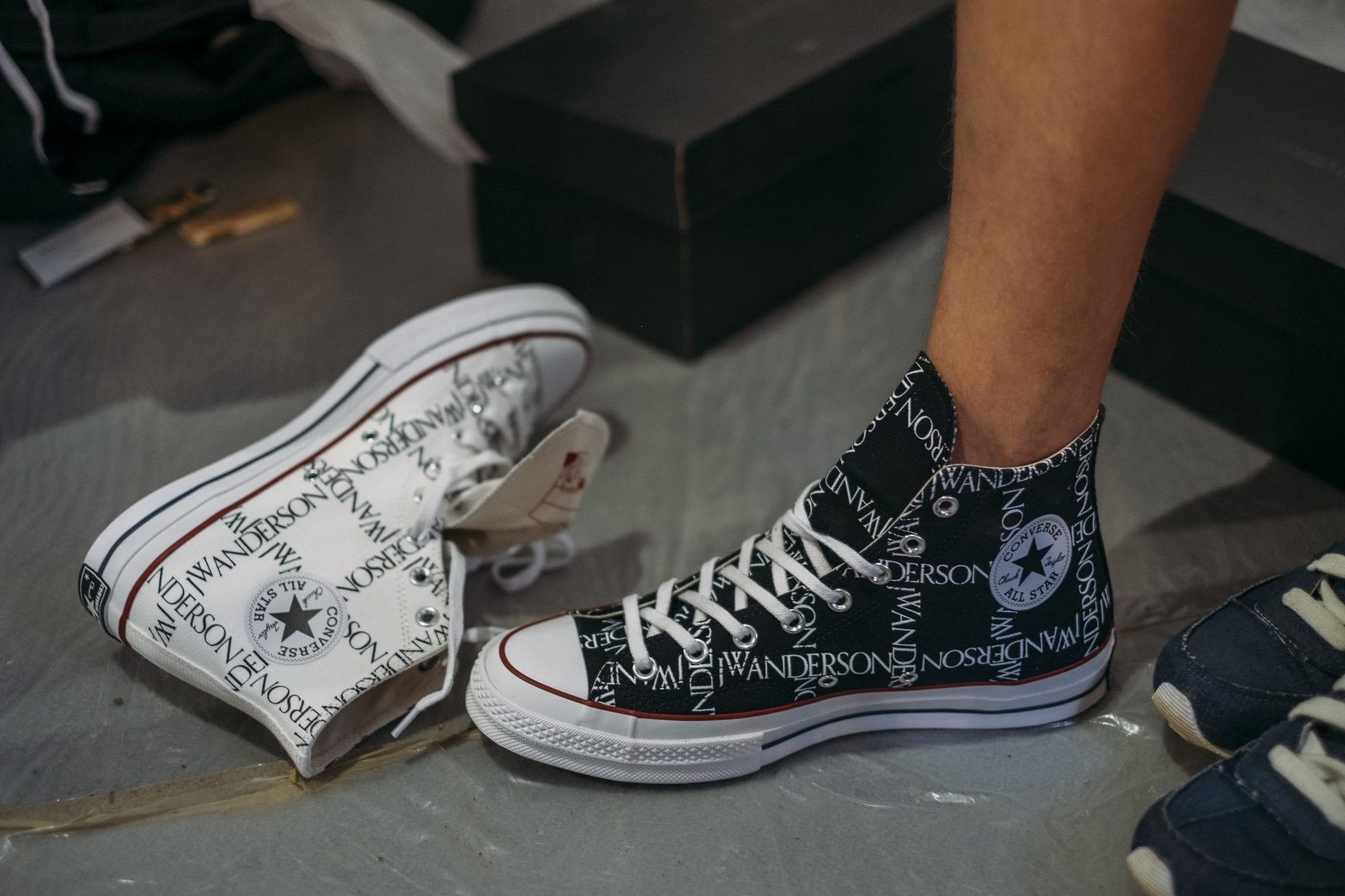
    Founded in 1908, Boston-based Converse is today owned by Nike. Converse shoes are sold globally in over 160 countries.