Tag: asia

  • Jack Wills bags cash injection to save the business

    Jack Wills bags cash injection to save the business

    Creditors of fashion label Jack Wills under HSBC have ordered an assessment of the firm’s finances, according to a report. The news comes just weeks after Jack Wills achieved new investment of £10 million (US$12.8 million), followed by speculation that the company may soon need further financial help – prompting the appointment of advisers from auditing firm EY.

    The new investment reportedly comes from an unnamed wealthy Italian family, which has previously invested in Jack Wills’ majority shareholder, BlueGem Capital Partners. BlueGem itself is thought to have provided a similar injection of cash. The identity of the investor is likely to be revealed following reports expected to be filed at Companies House.

    Brand co-founder Peter Williams was ejected from the firm’s board last year, with new executives brought in to effect a turnaround.

    Jack Wills operates more than 90 stores worldwide, including five stores in Hong Kong and two in Singapore.

  • Shilla Duty Free recruits Asia’s top social media influencers to pitch K-beauty

    Shilla Duty Free recruits Asia’s top social media influencers to pitch K-beauty

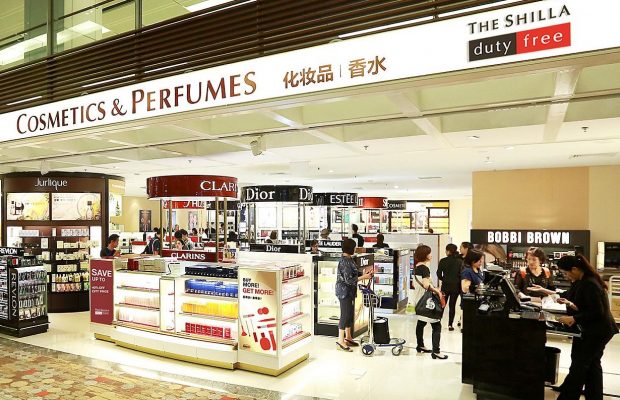
    South Korean Hotel Shilla has recruited five social media influencers across Asian countries to hype K-beauty products through Shilla Duty Free stores. The company said that it will work with top influencers from China, Japan, Vietnam, Malaysia, and Thailand on its “Beauty&You” project to guide customers on how to shop at travel retail online stores via social media platforms.

    Social media influencers with access to a large audience can endorse opinions about products and services, which eventually leads to promote sales.

    Those influencers who have partnered up with Shilla Duty Free reportedly have more than 1.7 million followers worldwide in total. They will work with the travel retailer to guide customers on how to use Shilla Duty Free online store as well as show the latest makeup trends using Korean cosmetics products via their social media channels.

    The company expects its partnership with the top influencers to bolster its brand awareness across the world on top of expanding its share in online travel retail market.

    Currently, its online duty-free shop is available in four languages – Korean, Chinese, Japanese, and English. It also has offline outlets overseas in international airports of Singapore, Hong Kong, and Macao as well as downtown Tokyo and Phuket.

  • Investment in Vietnamese startups triples in 2018

    Investment in Vietnamese startups rose to $889 million in 2018, three times that of 2017. According to a report recently released by Topica Founder Institute (TFI), a startup accelerator program in Vietnam and Thailand run by Hanoi-headquartered multinational educational technology company Topica, 92 investment deals totalling $889 million were struck in 2018.

    Domestic funds invested over $500 million, over half of total investments in startups, director of TFI Mai Duy Quang said. “This means that domestic funds are paying more attention [to Vietnamese startups], and that there is an abundance of domestic capital available for startups right now.”

    Of these, the top 10 investments alone totaled $734 million, accounting for 83 percent of the total value of all investments in startups. The three biggest deals were made by Vietnamese multichannel media giant Yeah1 ($100 million), e-commerce company Sendo ($51 million) and tech education company Topica ($50 million).

    The five most profitable fields for startups were fintech, e-commerce, traveltech, logistics and edtech. Fintech returned to the top spot in investment volume in 2018 with 8 deals totaling $117 million.

    In second place was e-commerce, which saw just 5 deals worth around $104 million, down from 21 deals in 2017. Traveltech (technology services related to tourism) was an unexpected third, with 8 deals worth $64 million by online hotel booking service Vntrip, homestay platform Luxstay, cheap flight booker Atadi, and business to business travel network Vleisure.

    Logistics and edtech fields respectively attracted 3 and 4 deals worth a combined $50 million.

    “Vietnam is a vibrant startup market full of potential for breakthroughs if proper investments are made,” said Yinglan Tan, founder of Insignia Venture Partners.

    According to the TFI report, startups struck 92 investment deals in 2017, too, but the total investment capital was just $291 million.

  • Central Retail to double online after Shopee acquisition

    Central Retail to double online after Shopee acquisition

    Central Retail Corporation has announced plans to to double its online sales to THB10 billion (US$315.76 million) this year. Central’s CEO Nicolo Galante said the firm intends to lead in the omni-channel e-commerce business, overtaking Shopee. “Non-food businesses globally have been disrupted by digital transformation and are struggling against the likes of Amazon and Alibaba. As the biggest non-food player in Thailand, Central Retail pledges to move aggressively this year to tap into digital transformation,” said Galante in an interview.

    “We can be for Thailand what Amazon is in Western countries and Alibaba is in China. Everywhere in the world, the No.1 player in e-commerce and digital is always a new-economy company, but in Thailand it could be a company that is 71 years old.”

    In this regard, Central intends to launch an omnichannel platform of services distinctive from those of Lazada, Alibaba and Shopee, whereby the company will retail products and services both at physical stores and online. Central will assist partner brands who lack the resources to build their presence in the marketplace.

    It will launch the first such marketplaces for Central Department Store, PowerBuy and SuperSports within the next six months.

    “We will launch our omnichannel marketplaces for our retail business,” said Galante. “If there are some problems with the products, the customer can return the products to the store, get advice and other services at the store.”

    For apparel, Central will launch launch a “Reserve and Collect” service that allows buyers to reserve two or more sizes or colours of products online and choose which to buy after trying them in-store.

    The move is part of the firm’s considerable investment in technology, teams and new services in the hopes of taking the lead in the e-commerce business by 2021.

  • 7-Eleven Malaysia appoints Tsai Tzung-Han as director

    7-Eleven Malaysia appoints Tsai Tzung-Han as director

    Convenience store chain operator 7-Eleven Malaysia Holdings Bhd has appointed Tsai Tzung-Han (pix) as a non-independent and non-executive director, effective Jan 16, 2019. Tsai, 42, is currently the vice chairman of Cathay United Bank, a subsidiary of Cathay Financial Holdings which is listed in Taiwan. He also serves as a director on the board of Cathay Life Insurance, the largest life insurer in Taiwan and also a subsidiary of Cathay Financial Holdings.

    Tsai had previously served in various capacities at Cathay Life Insurance, including senior vice president in charge of alternative investments and executive vice president in charge of real estate acquisitions and development, human resources and strategic planning.

    He also ran the strategic planning department for Cathay Financial Holdings from 2010 until 2016 and oversaw the strategic investments into Bank Mayapada in Indonesia, Rizal Commercial Banking Corporation in Philippines and Conning Asset Management in the US.

    He joined Cathay United Bank in 2015 and served as the head of strategic planning until he became the vice chairman in 2016, where he continues to oversee the strategic planning, wealth management, digital banking, data analytics and overseas banking departments.

    Prior to returning to Taiwan, Tsai worked briefly in private equity at Goldman Sachs in New York and in venture capital at Pacific Venture Partners in San Francisco.

    From 2001 until 2003, he was a practicing attorney in the real estate department at Hale and Dorr LLP, currently known as Wilmer Hale, in Boston. Tsai has over 10 years’ experience in investment and business development in finance industry.

  • Hong Kong high-street retail rents ease

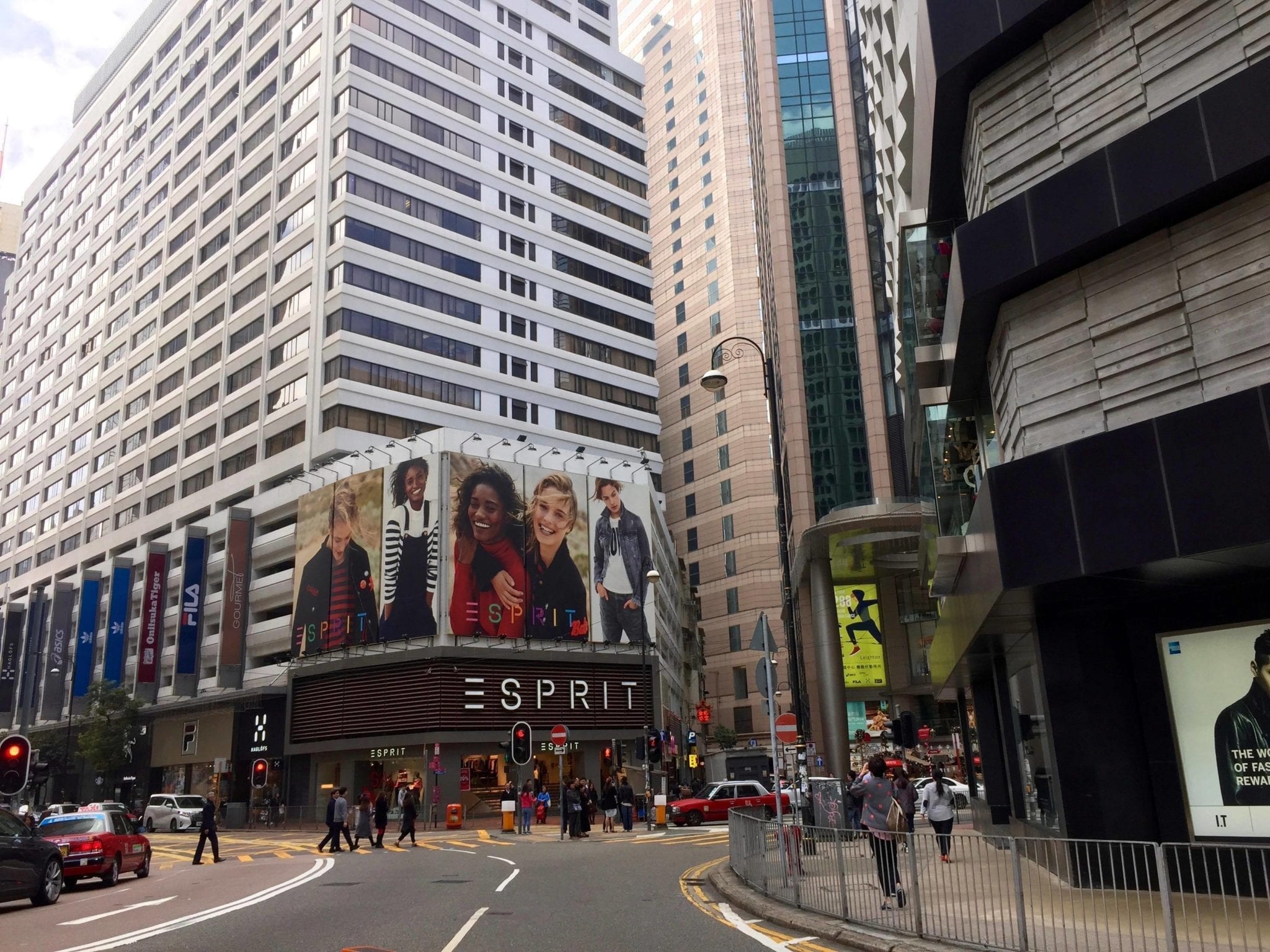
    Hong Kong high-street retail rents ease

    Vacancy rates in tier 1 streets in the four core retail districts edged up by 0.2 percentage points from 3.6 per cent in the third quarter to 3.8 per cent in the last quarter. However, the full-year vacancy rate fell by 0.3 percentage points to 3.8 per cent compared to 4.1 per cent a year earlier.

    CBRE said market sentiment weakened in the fourth quarter, impacted by the US-China trade conflict and volatility in the stock market.

    While retail sales rose by 6 per cent year on year in October, growth slowed to just 1.4 per cent in November – the slowest monthly increase since June 2017.

    “Visitor arrivals remained solid, recording 15.9 per cent growth year on year in October and November combined, the strongest quarterly growth last year,” said CBRE’s report.

    “This ensured continued strong leasing demand from health, personal care and cosmetics retailers.”

  • Indonesia to Regulate Ride-Hailing Rates Threatens Grab, Go-Jek Expansion

    Indonesia to Regulate Ride-Hailing Rates Threatens Grab, Go-Jek Expansion

    The government is preparing to launch regulations fixing the rates drivers and riders for ride-hailing services such as Grab and Go-Jek receive, two officials said this week, creating potential obstacles for the companies’ expansion. The regulations would meet drivers’ demands for more oversight and higher rates but there are concerns that the rising costs to the companies could stifle their development as they battle to dominate the ride-hailing market in Southeast Asia’s biggest economy.

    Singapore-based Grab and homegrown Go-Jek have been locked in price wars in Indonesia, part of a wider fight to bring banking, e-commerce, ride-hailing, food-delivery and other services to every corner of Southeast Asia.

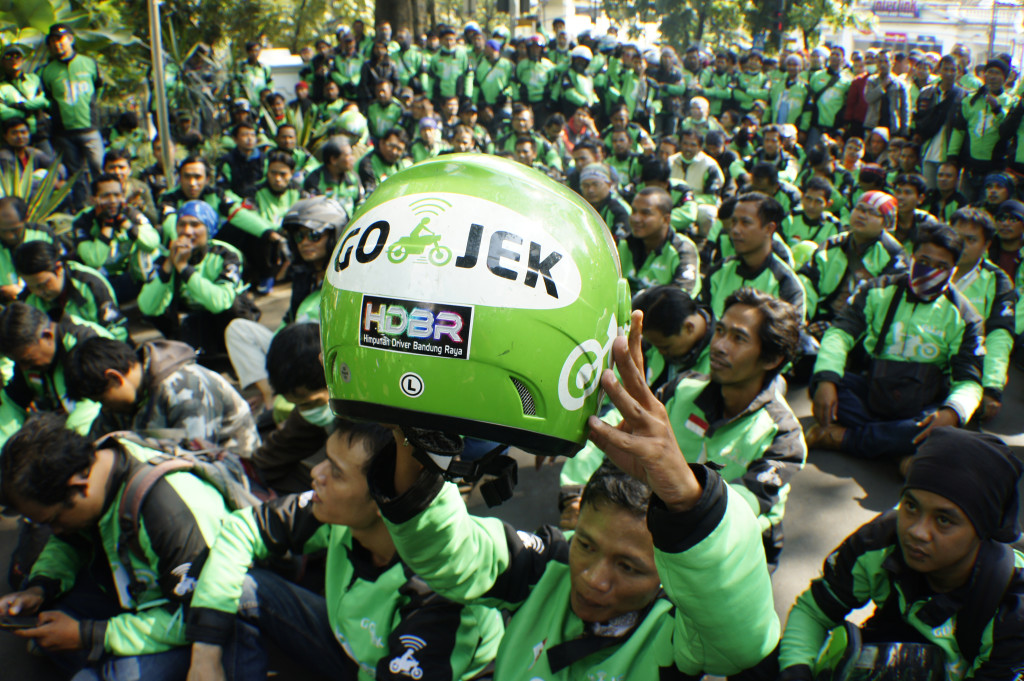
    However, since 2018, motorcycle taxi drivers working for Grab and Go-Jek in Jakarta have held protest rallies calling for higher fares and better conditions.

    The Ministry of Transportation plans to implement minimum and maximum tariffs for car and motorbike ride-hailing that will be “higher than Go-Jek and Grab’s current rates” and impose limits on promotional price cuts, said Budi Setyadi, director general of land transportation at the ministry.

    “This is for the safety and protection of drivers,” he said.

    Ahmad Yani, public transportation director at the ministry, said dependency on incentive-driven payments and low fixed rates per kilometer created a safety risk as it led to drivers overworking.

    He said Grab paid Rp 1,200 (8 US cents) per kilometer with a focus on bonuses, while Go-Jek’s rate was Rp 1,400 per kilometer.

    The officials said fixed fare ranges for motorbikes were still being finalized but would be implemented from March.

    Fixed rates for ride-hailing cars will start in June and be set at between Rp 3,500 and Rp 6,000 per kilometer on the islands of Java, Sumatra and Bali.

    The drivers were pushing for increases to a standard fare of Rp 3,000 to Rp 4,000 per kilometer.

    New Rules

    The firms said they welcomed the new rules, though they had not seen details of the motorbike regulations.”Grab believes the government will develop the best regulatory framework and hopes that all stakeholders will be included in the process,” said Tri Sukma Anreianno, the company’s head of public affairs .

    A Go-Jek spokesman said: “We support the government’s spirit to encourage our driver partners … and hope the regulation will have a positive impact on the sustainability of drivers’ income … and fair business competition.”

    However, both transportation officials said the companies are worried about the pending regulation since they have spent heavily on driver subsidies to slash their customer rates and build their businesses.

    “Grab and Go-Jek have told me they would prefer there was no regulation,” Ahmad said. “Due to the competition between them … they are scared what could happen if they don’t keep up with each other.”

    The Supreme Court blocked a previous attempt in 2017 by the transportation ministry to fix ride-hailing rates after drivers sued, saying the rules favored the taxi firms.

    Both ministry officials said the new regulations met anti-competition standards and followed extensive discussions with driver syndicates.

    Grab and Go-Jek drivers welcomed the prospect of standard fares.

    “I have been working for Grab since 2015. Before, I could earn Rp 300,000 to Rp 400,000 per day. Now, I can only get Rp 150,000,” said Hermansyah, a Grab motorcycle driver partner.

    Another driver, who had worked for both companies, said neither provided much protection, leading drivers to bear operational costs. He asked not to be identified since he had a role in organizing protests.

    The fixed rates will be a challenge to a business model that has depended on cheap passenger prices for growth and could undermine innovation.

    “Cheap fares has been the firms’ main way to attract customers,” said Yayat Suprityatna, urban and transportation observer at Trisakti University in Jakarta.

  • Vietnam seafood export remains red

    Vietnam seafood export remains red

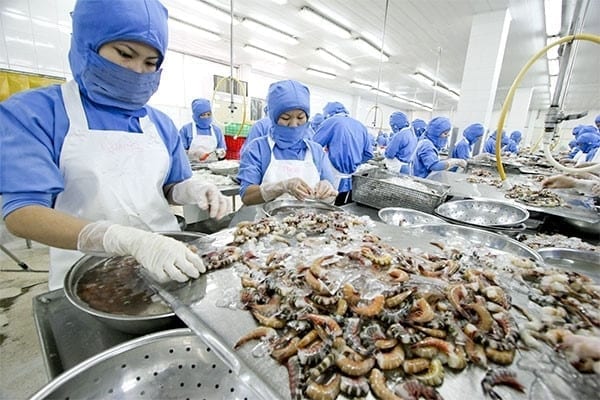
    Agifish, a major seafood company, reported a second straight year of losses in 2018 as both exports and domestic sales fell. The recently released 2018 audited financial report of one of Vietnam’s 10 largest seafood export companies puts its loss at VND178 billion ($7.66 million). The An Giang Fisheries Import Export Joint Stock Company, to give its formal name, had lost VND190 billion ($8.2 million) a year earlier.

    The company said the loss came as sales downed 43 percent to VND1.29 trillion ($55.27 million) in 2018, due to lower fish exports and domestic sales as well as lower revenues from by-products.

    The poor performance last year caused auditors to raise doubts about the company’s ability to remain a going concern, but the management rejected this, saying it would increase domestic and export sales, adjust prices and reduce costs to return to the black in 2019.

    Agifish has total assets of VND1.23 trillion ($52.92 million) and debts of VND800 billion ($34.42 million).

    The Vietnamese seafood industry faced some challenges last year such as being subject to a “yellow card” warning by the European Commission for failing to demonstrate sufficient progress in the fight against illegal, unreported and unregulated (IUU) fishing. There were also technical barriers and anti-dumping duties in several markets.

    Seafood export value rose 5.8 percent year-on-year in 2018 to reach $8.8 billion, according to the Vietnam Customs.

  • Berjaya Land to build Four Seasons Resort in Okinawa for US$1b GDV

    Berjaya Land to build Four Seasons Resort in Okinawa for US$1b GDV

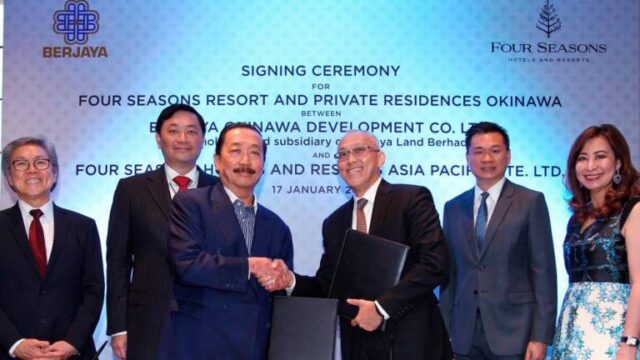
    Berjaya Land Bhd’s (BLand) subsidiary Berjaya Okinawa Development Co Ltd will develop the Four Seasons Resort and Private Residences Okinawa in Japan, which has an estimated gross development value of US$1 billion (RM4.1 billion), in partnership with hospitality company Four Seasons Hotels and Resorts. BLand’s parent Berjaya Corp Bhd founder and executive chairman and BLand major shareholder Tan Sri Vincent Tan said the project has a development cost of US$400 million (RM1.64 billion).

    Four Seasons Resort and Private Residences Okinawa will have 120 hotel rooms, 120 residences and 40 villas. The project is expected to take four years to complete.

    Tan said Four Seasons Resort and Private Residences Okinawa is another iconic project in Japan for the Berjaya group, emulating the success of Four Seasons Hotel and Hotel Residences Kyoto, which was launched in December 2016.

    “We think it will be the most valuable and expensive hotel in Okinawa. It will have the highest rate, just like Four Seasons Kyoto where the average rate is US$1,500 per night, but Okinawa will be slightly less. It will be good for BLand and BCorp,” he said at the hotel management agreement signing ceremony.

    He added that four-star hotels in Okinawa average at US$700-US$800 per night while the better ones are priced at US$1,000, viewing that Four Seasons Resort and Private Residences Okinawa will do well there.

    “I’m confident that Okinawa will be an outstanding successful project for Berjaya,” said Tan.

    The project will comprise 30 acres out of the 100 acres of beachfront land owned by BLand along the western coast of the island of Okinawa.

    “We have another 70 acres. We can build many more hotels on that land and Okinawa is a good market. We can do shopping mall, residences, three- or four-star hotels,” added Tan.

    This is BLand’s second partnership with Four Seasons but Tan said both parties are also in talks on future projects in Japan and other cities.

    Four Seasons operates 111 hotels and resorts, 41 residential projects in major city centres and resort destinations in 47 countries, and with over 50 projects under planning or development.

    “We have plans to grow our footprint in Japan such as Osaka, Hakone, leisure destination in Hokkaido, including Niseko. It’s a country that we continue to focus on, not only growth but also operating existing assets there,” said Four Seasons Hotels and Resorts senior vice-president for development Asia Pacific Christopher Wong.

    When asked if Four Seasons Resort and Private Residences Okinawa will also be put for sale, like the Four Seasons Kyoto, Tan said it is possible, adding that every thing is up for sale with the right price.

    On the divestment of the Four Seasons Hotel in Kyoto, Tan said it is talking to several parties for a better price and is expected to be finalised in the next three months.

    On the plan to carve out the hotel assets from BLand and to list the hotel business in Singapore, Tan said it is not finalised yet, but it could include Malaysian hotel assets.

    “We will list those that we’re not selling. We have a few hotels that we’re not selling like Berjaya Times Square Hotel and Ansa Kuala Lumpur. Those that we want to hold for long term, mostly are the Malaysian hotels,” he added.

  • Jaspal unveils collection joined by Lynnie Z

    Jaspal unveils collection joined by Lynnie Z

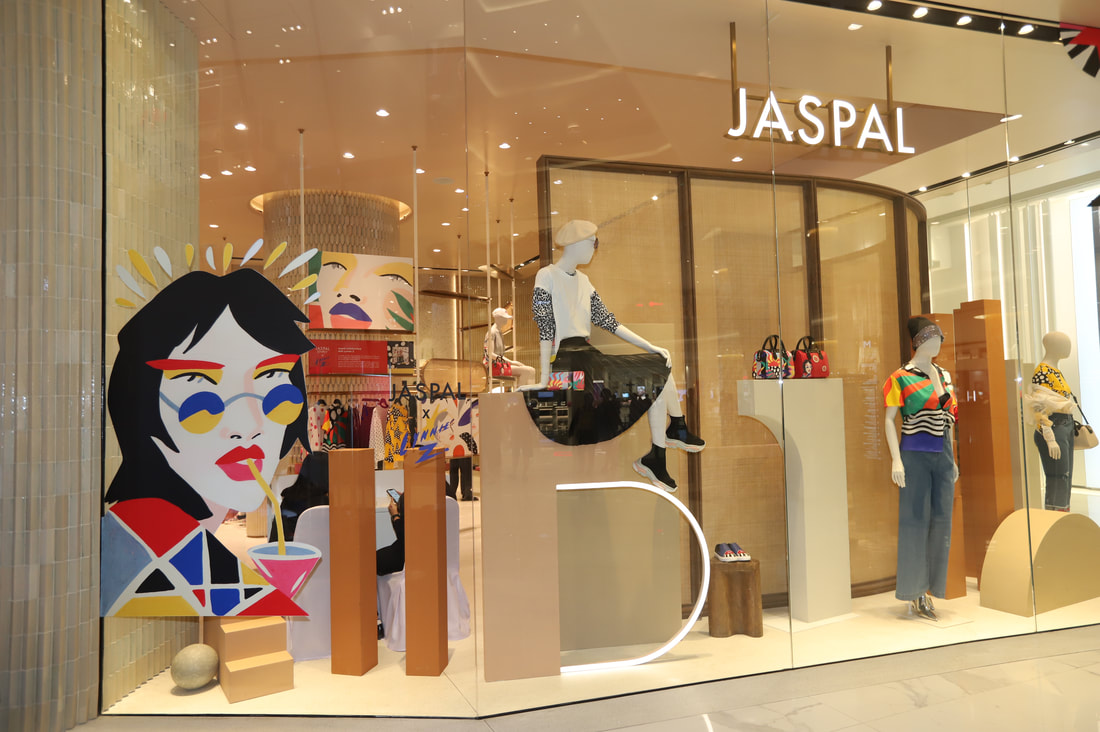
    Thai fashion brand Jaspal has opened a new flagship store featuring its limited edition collaboration with London-based artist Lynnie Z. The partnership with Jaspal’s Hi Life collection marks the opening of the brand’s new IconSiam flagship. It is one of a series of partnerships between Jaspal and global artists to ensure that unique styles emerge each season.

    The Hi Life collection for men and women features stars, hearts, lips and faces as motifs with strong colour themes referencing Africa.

    “I was so honoured to be a part of such a wonderful project,” said Z. “Thailand has an outstanding heritage and Thai people love art and fashion, which is the reason why I decided to come on board. Also, I think Jaspal and I share the same artistic soul, and, more importantly, the brand fully understands the story relayed behind my works,” she said.

    “To me, this project was really wonderful, allowing me to create a masterpiece collection with a famous local brand, and communicate my inspiration, passion, and uniqueness through the collection. This is one of the best works I’ve ever created. As for the process in making this collection, for the most part, I came up with ideas and colours from my sketchbook. These are organic and abrupt but they reflect a liveliness that I wanted to communicate through the collection.”

    View the images of the collection below (6 images) :

  • VinFast announces seven new car models

    VinFast announces seven new car models

    VinFast, Vietnam’s first fully-fledged car manufacturer, plans to launch seven new ‘premium’ models. Following the first line of Lux (short for Luxury) automobiles aimed at the high-end segment, VinFast, a unit of Vietnam’s largest private conglomerate, Vingroup, has announced it will launch a Pre (short for Premium) car line with the aim of tapping a larger customer base.

    The company has opened a polling page for customers to vote on the seven most popular models out of a potential 35.

    The seven Pre models will include a hatchback and a CUV (crossover SUV) for the A and B segments; one Sedan and CUV for the C segment; and 1 Sedan, 1 SUV and 1 family car for the D segment.

    VinFast will continue to work closely with the famous Italian studios, Ital Design, Torino Design, and Pininfarina on designing the new models.

    VinFast showed off its first two car models, a sedan and an SUV, at the Paris Motor Show in France last October just a year after its incorporation, grabbing the attention of the local and international media.

    VinFast’s first production models built under its own badge hit the streets in August 2019.

    According to the Vietnam Automobile Manufacturers’ Association, total car sales in the country topped 288,000 units in 2018, up 5.9 percent from around 272,000 units in 2017.

  • LVMH invests into Gabriela Hearst

    LVMH invests into Gabriela Hearst

    LVMH Luxury Ventures, an investment arm of the multinational conglomerate, has taken a minority stake in New York-based luxury label Gabriela Hearst. The terms of the deal were not disclosed, although LVMH Luxury Ventures typically invests between €2 and €15 million.

    Hearst, who ran contemporary-priced label Candela for more than a decade before launching her upscale luxury offering in 2015, has briskly built a ready-to-wear business based on sharply tailored silhouettes rendered in ultra-expensive fabrics, with a focus on sustainably sourced materials. In 2018, just three years after she launched her label, the collection — which also includes a robust handbag business, mostly sold direct-to-consumer — generated between $15 and $20 million, according to sources familiar with the business.

    Launched in 2017, LVMH Luxury Ventures is an investment vehicle within the LVMH group that aims to invest in emerging labels that have already shown an ability to scale.

    Investments have included French apothecary brand Officine Universelle Buly and sneaker resale shop Stadium Goods, which was subsequently acquired by Farfetch for $250 million in December 2018.

  • Indonesia Posts Biggest Trade Gap in 2018

    Indonesia Posts Biggest Trade Gap in 2018

    Indonesia posted a wider than expected trade deficit in December, bringing the gap for 2018 to the largest ever, the Central Statistics Agency, or BPS, said on Tuesday. December’s trade deficit was $1.10 billion, in a third consecutive month where the gap was wider than market expectations. A Reuters poll had expected a deficit of $930 million. Southeast Asia’s largest economy had a deficit of $8.57 billion in 2018, the widest ever, a stark contrast to its $11.84 billion surplus in 2017, BPS chief Suhariyanto said.

    Last year was challenging because exports had slowed at a time when imports surged due to a recovering domestic economy, said Josua Pardede, an economist at Bank Permata in Jakarta. This year would probably be equally challenging, he said.

    “Global economic growth is stagnating. Growth in our major trading partners such as China, the United States, Japan and Europe is slowing. If we can’t find new destinations for our products, export growth could slow further,” Josua said, noting that falling oil prices could cool down imports.

    Economists also warned that the trade data could mean Indonesia’s current-account deficit in the final quarter of 2018 was also wider than expected.

    Bank Indonesia Governor Perry Warjiyo previously said the current-account gap in the fourth quarter was expected at more than 3 percent of gross domestic product, though the full-year gap was seen at about 3 percent.

    The authorities issued a slew of measures to control imports last year, including mandating wider use of biodiesel, raising import tax and delaying big, import-heavy infrastructure projects.

    The central bank also raised interest rates six times by a total of 175 basis points last year to try to bring the current-account gap down, and Perry said the deficit in 2019 was expected at 2.5 percent.

    Fakhrul Fulvian, Trimegah Sekuritas economist, said December trade data proved that Indonesia may need to slow its GDP expansion further to “bring back the balance” and improve the current-account deficit.

    In December, exports dropped 4.62 percent to $14.18 billion on a yearly basis, a second month of contraction, compared with the poll estimate of 1.81 percent increase, largely because of a slump in shipments of mining products.

    Exports to China, Indonesia’s largest trading partner, also fell in December mostly because of a decline in coal and steel sales.

    Meanwhile, December imports were worth $15.28 billion, 1.16 percent up from a year ago, but slower than the forecast of 6.6 percent.

  • Poh Kong Malaysia to open three more stores

    Poh Kong Malaysia to open three more stores

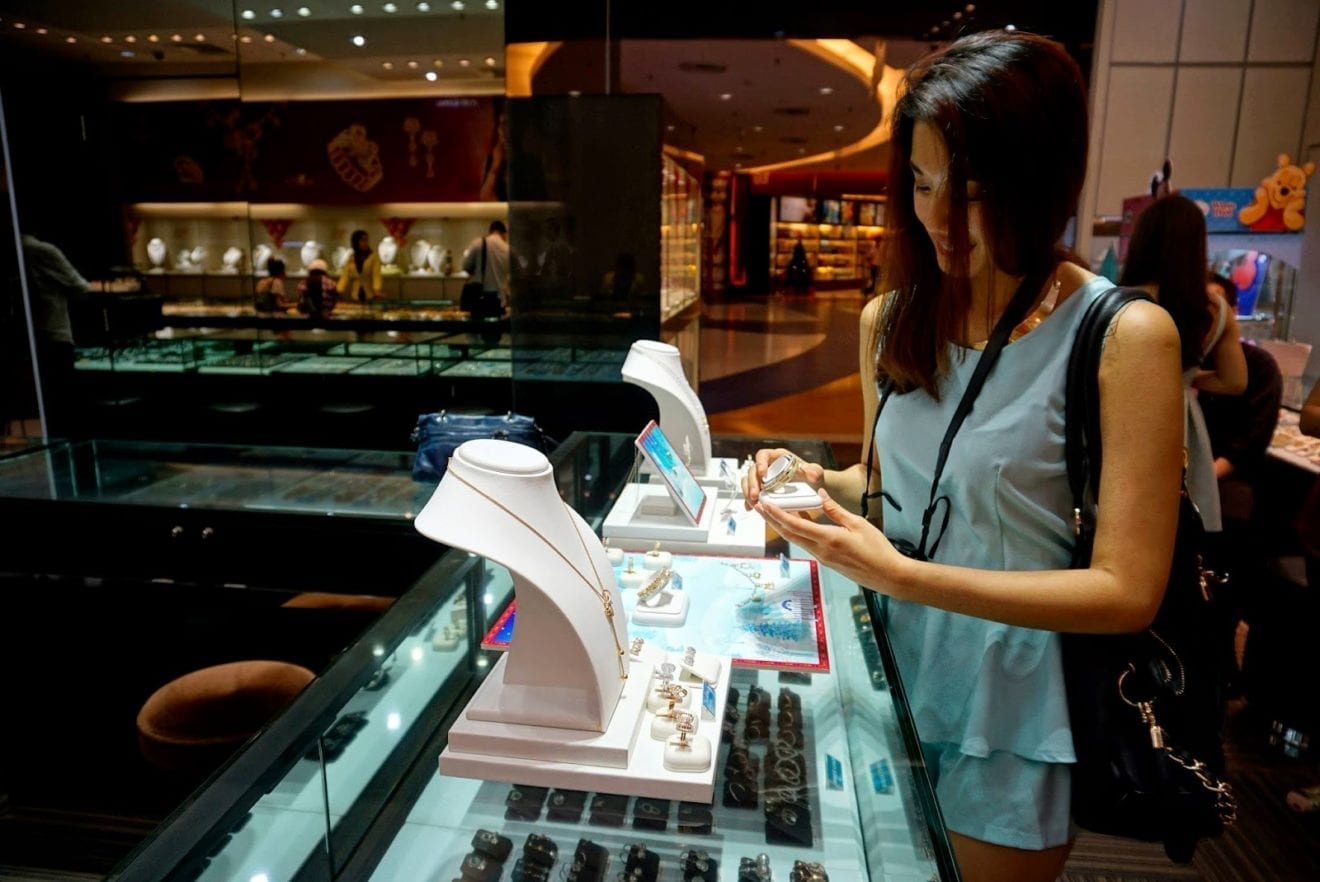
    Malaysian jeweller Poh Kong plans to open three more stores this year, boosting its profit. The improved profit is also likely to be driven by  higher gold prices, tipped by some to range from US$1300–$1400 per ounce later this year. The firm’s new stores will open in IOI Mall Puchong, Aeon Nilai and South Key Mall in Johor, taking its network to 95 outlets nationwide.

    “We are aware of the US-China trade war, as well as the anticipation of the US interest rate hikes and currency fluctuations that alter consumer sentiments that could lead to market uncertainty,” said MD Eddie Choon Yee Seiong. “Yet, we are optimistic to maintain or do better in 2019 as compared to the previous financial year.”

    Indicators of upward movement for the company include the improving economy and the strength of the Malaysian ringgit against the American dollar.

    While burgeoning demand saw the firm’s performance improved during the last financial year, fluctuations in gold prices and a weaker ringgit saw a steep drop in actual profits at 20.75 per cent lower than the previous year.

    “We reckon gold will benefit from the ongoing concerns looming around the US-China trade war concerns, as investors may find the precious metal a safe haven,” said Choon.

  • Vietnam scraps plan to merge stock exchanges

    Vietnam scraps plan to merge stock exchanges

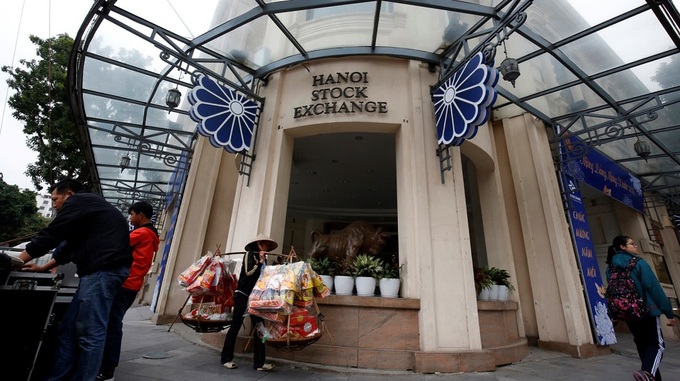
    The nation’s two bourses in Ho Chi Minh City and Hanoi will continue to operate independently under a new state-owned company. Ho Chi Minh City Stock Exchange (HoSE) and Hanoi Stock Exchange (HNX) will operate independently under the Vietnam Stock Exchange, which will be set up by the Ministry of Finance by 2020. The new company, to be headquartered in Hanoi, will have a charter capital VND3 trillion ($129 million), on the basis of combining the charter capital of both exchanges.

    The Vietnam Stock Exchange will issue regulations on stock listings and trading, monitor the stock market and supervise the two bourses. This new plan indicates that Vietnam has given up on an earlier plan to merge the two exchanges, owing to disagreement over where the combined one would be located.

    HoSE accounts for 93 percent of the two main exchanges’ total market capitalization of about $131 billion as of December. It is the main market, where blue chips such as Vietnam’s biggest private conglomerate Vingroup, dairy company Vinamilk and budget carrier Vietjet Air are listed.

    HNX, on the other hand, is home to smaller and mid-sized enterprises, bonds and derivatives.