Tag: asia

  • Starbucks launches plan to cut $3 billion in costs over three years

    Starbucks launches plan to cut $3 billion in costs over three years

    Starbucks Coffee Company has announced Triple Shot Reinvention with Two Pumps – a long-term growth plan for brand elevation, global expansion, and cost efficiency.

    The company described the strategy as the “next step in the re-founding of the company” to deliver significant value to partners, customers and shareholders.

    The plan includes three priorities – elevating the brand, strengthening and scaling digital, and becoming truly global – along with “two pumps” – unlocking efficiency and reinvigorating the partner culture.

    The firm expects to generate $3 billion in savings over three years, with $2 billion outside the store from the cost of goods sold. This will enable the company to reinvest in the business and deliver returns to shareholders through earnings growth.

    Regarding brand elevation, Starbucks will focus on running better stores, growing the portfolio with more purpose-defined stores and renovations, and driving product innovation.

    The company intends to double its 75 million global Starbucks Rewards Members within five years and expand digital and technology collaborations to elevate the partner and customer experience.

    To become a more global brand, it has a goal to reach 55,000 locations across the world by 2030. The company currently has over 38,000 stores, with about 9000 new openings in the past five years.

    Starbucks will also reinvigorate the partner culture through continued investments in the partner value proposition across the partner experience.

    For FY23, Starbucks recorded an 8 percent increase in global comparable store sales, with North America and the US up 9 percent and international up 5 percent.

    The company’s consolidated net revenues rose 12 percent to a record $36 billion, excluding a 2 percent unfavorable impact from foreign currency translation.

    CEO Laxman Narasimhan said the company achieved strong results for the fourth quarter and full fiscal year, which are on the higher end of its full-year guidance.

    “As we enter the current year, in the face of macro uncertainty, we remain confident in the momentum throughout our business and headroom globally,” Narasimhan added.

  • FedEx speeds up Vietnam-Singapore service with B767F

    FedEx speeds up Vietnam-Singapore service with B767F

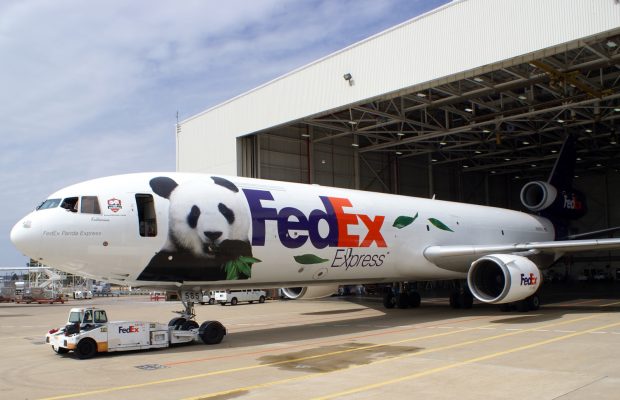
    FedEx Express is further enhancing its services between Vietnam and Singapore as well as the wider Asia, Middle East, Africa (AMEA) and Europe market, with the introduction of a new flight offering expedited delivery times.

    The new service will use a dedicated B767 freighter starting October 31 to fly four times a week in the evenings from Ho Chi Minh City to Asia and Europe through the FedEx hub in Guangzhou, China.

    Exporters shipping from Southern Vietnam will benefit from faster transit times for shipments to Singapore and major Asian markets in just one business day, and two business days to Europe.

    These new flights offer additional capacity on top of the current five flights to Asia, Europe, and the US. These include four daily morning services through the FedEx hub in Singapore and the existing evening flight through the Guangzhou hub.

    FedEx has been supporting cross-border trade to and from Vietnam since it established operations in the country in 1994.

  • China ready to welcome likely return of Aussie wine as ties improve

    China ready to welcome likely return of Aussie wine as ties improve

    News that punitive tariffs on Australian wine introduced by China in 2021 would be reviewed as part of a push to improve the relationship between the two countries was cheered by many, including Campbell Thompson.

    The Beijing-based Australian CEO of wine importer and distributor The Wine Republic has spent more than a decade making his living from bringing wine, much of it from Australia, into the China market.

    “We are looking forward to the tariffs being removed. I think for Australia there is definitely an opportunity,” he said.

    The introduction of a 218 percent tax on most Australian wine introduced by China early in 2021 prompted that trade, previously valued as high as $1.2 billion annually, to collapse.

    Penfold’s maker, Treasury Wine Estates, said in 2022 it had lost 97 percent of its China business due to the introduction of the tariffs.

    Prior to Australia’s call for an investigation into the origins of Covid-19 in 2020, Australian wines imported into China were subject to zero tariffs following the signing of a free trade agreement in 2015, giving them a 14 percent tariff advantage over many other wine producing nations.

    Late last month, the two sides announced they had reached a consensus to settle the WTO wine dispute and that the anti-dumping tariffs, which weren’t set to expire until 2026, would be reviewed, ahead of Australian Prime Minister Anthony Albanese’s visit to China this month.

    Thompson is already in touch with the 10-plus Australian wineries he worked with before 2021, along with some newer players, in expectation that tariffs will soon be removed.

    Though he says this is good news, perhaps paving the way for the return of Australian wine to the Chinese market by early next year, he is not necessarily expecting business to bounce back immediately.

    “I don’t think that’s realistic any time soon. However, for a lot of good quality Australian wine producers … customers still know the wines and I think will re-engage with those wines fairly readily,” he said.

    Layla Wang, co-owner of Trio Wine Bar in Beijing agreed that Chinese market perceptions of Australian wine haven’t changed in the years since it was last available, with no clear winner in the battle to take over Australian wine’s market share.

    The bar’s small cellar is lined floor to ceiling with bottles of wine from all over the world, and Wang said the market has become more crowded as people seek out new and different wine experiences, leading to the increased popularity of homegrown Chinese wines, biodynamic and natural options.

    “I think even if people have been away from Australian wine for a while, every time we talk about this category of wine, we all think it’s a very good quality wine,” Wang said, sat at her bar.

    “For us, we’re definitely delighted as it signifies offering more choices to our customers. For consumers who haven’t had Australian wines for years, many will be eager to try them again.”

  • Instagram now rolling out option to add song lyrics to your Reels

    Instagram now rolling out option to add song lyrics to your Reels

    Instagram has been doubling down on its “Reels” strategy lately by launching new features that will hopefully entice users to use them more often. The latest of these features is the ability to add song lyrics when editing, just like you already can on “Stories.”
    The announcement was made today via the IG Updates and Meta channels on the app itself by both Instagram boss Adam Mosseri and CEO of Meta, Mark Zuckerberg. The feature was added after the powers that be noticed that users were adding them manually to Reels.
    To add song lyrics when editing your Instagram Reels, tap on the music button, add a song, and then swipe left to add the lyrics for the song you added. The steps seem straightforward enough for anyone to follow.
    The ability to add song lyrics had been available on Instagram Stories for some time now, so it is unclear why it has taken so long to bring that same capability to Reels. For those not aware, Reels differ from Instagram Stories in that Reels are public, while Stories are only shown to your followers.

    However, Stories and Reels have never quite had feature parity, perhaps due to the more intimate nature of stories. That said, Instagram has continued to make Reels more feature-packed as they face increasing competition from competing platforms, such as TikTok.

    Most recently, Instagram also launched new tools to make it easy for its users to create new Reels, including a new and improved templates and a template browser that is organized by categories. This browser can help users find the appropriate template to their content as it is organized by Recommended, Trending, and Saved categories.
    We can expect more to come from Instagram as far as Reels are concerned, as promised by the company during the last update. New features should follow in the coming weeks, such as the ability to automatically add text and transitions that were used in a past reel.


  • Former bosses of Ford Vietnam, Be join transport firm Tasco

    Former bosses of Ford Vietnam, Be join transport firm Tasco

    Pham Van Dung, former CEO of Ford Vietnam, and Nguyen Thien Minh, co-founder of ride-hailing app Be, have taken up jobs at transport services provider Tasco.

    Dung has become chairman of SVC Holdings, a Tasco subsidiary and Vietnam’s biggest car distributor with a market share of 11.2%.

    Minh is the new chairman of Vietnam Electronic Toll Collection Company (VETC), another subsidiary, and Tasco’s Technology Council.

    Dung’s job description includes operations, developing strategic partners, research, initiating new projects, and expanding markets, including abroad.

    He has more than 20 years’ experience at global corporations such as GM-Daewoo, Ford and Inchcape, and has held a number of senior positions in the auto industry. From 2015 to 2022, he was CEO of Ford Vietnam, the first Vietnamese to be appointed to this position.

    Minh has more than 20 years of experience in building technology platforms at major firms and startups in the U.S., Europe and Singapore such as PayPal, Wells Fargo, BestBuy, OpenTV, DTT, and American Airlines.

  • Vietnam pho, milk tea franchised for first time in Philippines

    Vietnam pho, milk tea franchised for first time in Philippines

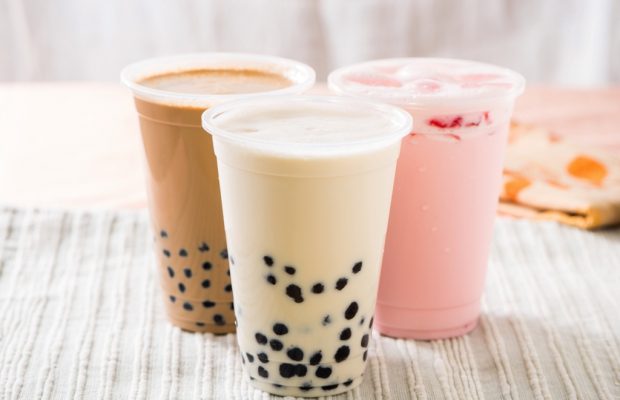
    The famous noodles dish pho has been franchised for the first time in the Philippines along with milk tea and spa services by three Vietnam’s companies.

    Pho’S, Phuc Tea and Care With Love have signed franchise contracts with Philippine businesses through the ecosystem of Go Global Holdings, a company that helps small and medium-sized businesses become franchisers, its CEO, Nguyen Tuan Quynh, said Thursday.

    Many foreign brands have been rushing into Vietnam to franchise their products and services in recent years, but there have been few such efforts in the reverse direction, and even fewer have succeeded, he said.

    “These franchise contracts are therefore positive signs for Vietnamese firms.”

    Tran Thao Vi, founder of spa service provider Care With Love, told VnExpress that a franchise deal has been signed with a Philippine partner specializing in medical services.

    “In two months we will launch our first franchise in the Philippines and open another three in the first quarter next year, and eventually have dozens of spas in the country.”

    Care With Love has been operating for 11 years with 13 branches. It plans to increase the number to 20 by the end of this year, 80% of them franchises.

    Tran Nhat Vu, co-founder of beverage chain Phuc Tea, which has 140 stores in Vietnam after six years since opening, said the franchise partner would open around 20 stores in the Philippine capital Manila next year.

    The franchise fee for each Pho’S and Phuc Tea store is US$7,000-10,000.

    The three companies said the Philippines partners were interested because their business models are “unique” with their focus on middle-class customers.

    Pho’S is the first major company to use ginseng in its recipe, while Phuc Tea has been making new beverages from unusual ingredients.

    The three companies are also in talks for franchising in Indonesia and Malaysia.

    Vietnamese companies to launch franchises overseas so far are footwear and leather company T&T, Pho 24 and Vu Giang Jsc under the brand Bobby Brewers coffee chain.

  • UBS Faces Pressure on Costs

    UBS Faces Pressure on Costs

    The dust has settled since Switzerland’s largest bank announced it would completely integrate all of Credit Suisse. The third quarter is likely to slip by far more quietly even though it still faces stiff challenges.

    The usual UBS earnings figures are expected to be in the spotlight on November 7. Revenues, inflows of new money, costs, and net profit will be the metrics by which many measure how the integration with Credit Suisse is going.

    The number of significant extraordinary items booked in the first half has also led many to assume that much has since been cleared out of the way. All in all, it was likely the usual kitchen sinking exercise to set a clean slate before really getting down to work.

    What is almost certain to be a matter of sharper focus are the inflows of net new money in September. The figures are not expected to be that surprising given that UBS previously communicated the trends it was seeing in the first two months of the quarter at the end of August. At the time, it had recorded about $8 billion in inflows in the new, combined Global Wealth Management (GWM) business.

    Iqbal Khan, as the head of the business, has a clear recipe for growth. In meeting employees working in various regions around the world, he reduced everything to three words: NNM, or Net New Money.

    According to Jefferies analyst Flora Bocahut, the bank needs to report a positive attributable net profit result together with declining risk-weighted asset (RWA) levels in order to achieve its targeted return on common equity Tier 1 levels. In the second quarter, RWAs fell by about $9 billion.

    Michael Klien is also focusing on attributable net profit, saying it will be an important figure. UBS is expected to break even in the quarter while seeing a return to profitability in the second half. According to him, the analyst consensus is currently too low.

    UBS can curry favor if it manages to cut risk-weighted assets quickly. The focus here will be on non-core and legacy businesses, mainly in Credit Suisse, headed by Beatriz Martin Jimenez. By 2026, the level of capital consumption in that business is expected to fall significantly.

    The investment bank is not expected to have a stellar quarter, particularly given the performance seen at the major US institutions. The Swiss business, however, could turn out to be a bright spot.

    Many will pay intense attention to costs. The numbers in the second half didn’t much impress investors. It is expected that job cuts and integration costs, particularly at Credit Suisse’s investment bank, will have an impact.

    That should also be reflected in headcount numbers globally. At the end of August, they were down by about 8,000, a number that includes both voluntary and involuntary departures.

    UBS is in the middle of an arduous integration process and job cuts, costs and further risk mitigation measures are likely to remain overarching themes in the next few quarters.

    The integration of Credit Suisse resulted in its business performance disclosures being consolidated and simplified, making it extremely difficult to make comparisons with previous quarters and years. However, starting in the third quarter they are expected to be included in the UBS divisional numbers (GWM, Personal & Corporate Banking (the Swiss business), Asset Management, and Investment Bank. Credit Suisse’s so-called bad bank will be reported in the abovementioned non-core and legacy business.

    It is questionable right now whether the quarterly numbers will help lift the bank’s share price. They have risen as high as  23.80 francs recently and currently, trade in the region of 21.70 francs.

  • Hong Kong’s One Record trial shows flexibility for sea-air cargo

    Hong Kong’s One Record trial shows flexibility for sea-air cargo

    The adoption of proposed industry data exchange standard One Record has been gathering pace, and recently operators in Hong Kong marked a major milestone with the first shipment transported by sea-air from the Greater Bay Area via Dongguan.

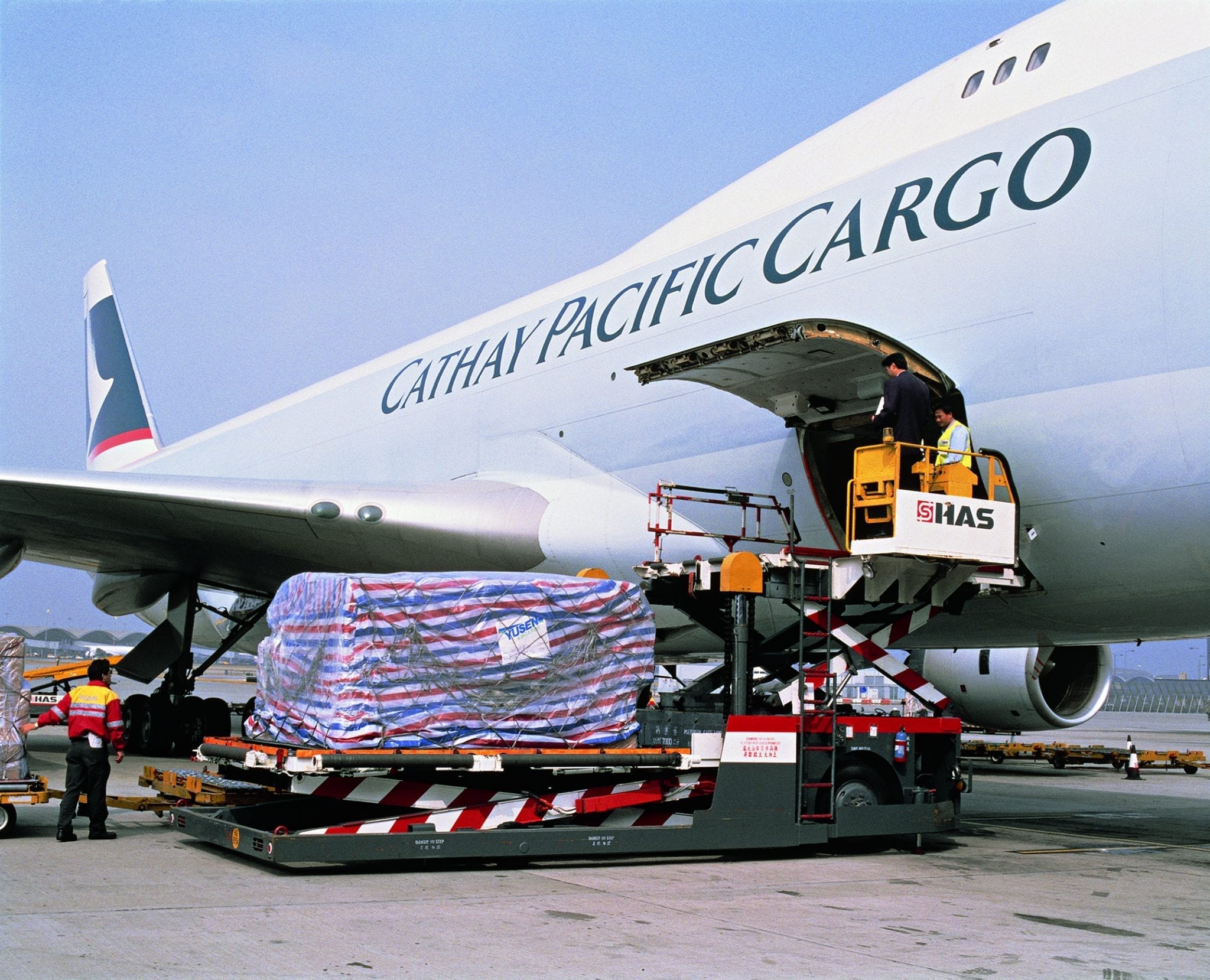
    The milestone is part of a joint pilot scheme between Cathay Cargo and the Airport Authority Hong Kong (AAHK) to trial a sea-air multimodal solution to transport cargo from Dongguan for export to other countries via Hong Kong.

    IATA’s ONE Record initiative enables end-to-end transparency for consignments, logging progress as they pass through multiple links in the chain from shipper to agent, airline, warehouse and statutory authorities such as customs, following IATA’s protocols for APIs – the interface that enables users to connect to the system, and share data in a secure way.

    Cathay said this marked the first time that IATA’s One Record was made available for sea-air, which saw air cargo bound for Bangkok, Manila and Tokyo from forwarder Yusen Logistics.

    The cargo was accepted at the Cathay Cargo Terminal in Dongguan and passed through AAHK security there, with cargo acceptance logged outside the origin airport’s cargo terminal. That acceptance was registered as an acceptance milestone on ONE Record. The system then generated data notices when the bonded shipments were unloaded for export at Hong Kong Airport. From there, the shipments triggered the normal ONE Record shipment milestones as they completed the journey until the collection by the eventual consignees.

    One Record is scheduled to be implemented in 2026, according to IATA, and the airline said the pilot showed its value in enabling premium services like Ultra Track and other use cases.

    “This pilot also showed ONE Record’s flexibility, and being able to accept cargo from an upstream cargo terminal and then log its transit by boat was a world first,” said Cathay Director Cargo Tom Owen.

    Yusen was able to follow progress by logging into their account in the one-stop digital cargo-management system, EzyCargo™, using an interface designed by Global Logistics System (GLS), one of the pioneers in developing IATA ONE Record technologies who led the technical and system readiness work for the pilot.

    “ONE Record will really help enhance the collaboration among supply chain stakeholders, especially for shipments from the GBA, and it will improve visibility for our customers,” noted Cyrus Chan, Manager Air Freight Forwarding Division at Yusen.

    “ONE Record is gaining traction and will become the global standard, and we are keen to be an early adopter to align with industry best practice and future developments in air-cargo operations.”

  • Vietnam told to boost halal food exports

    Vietnam told to boost halal food exports

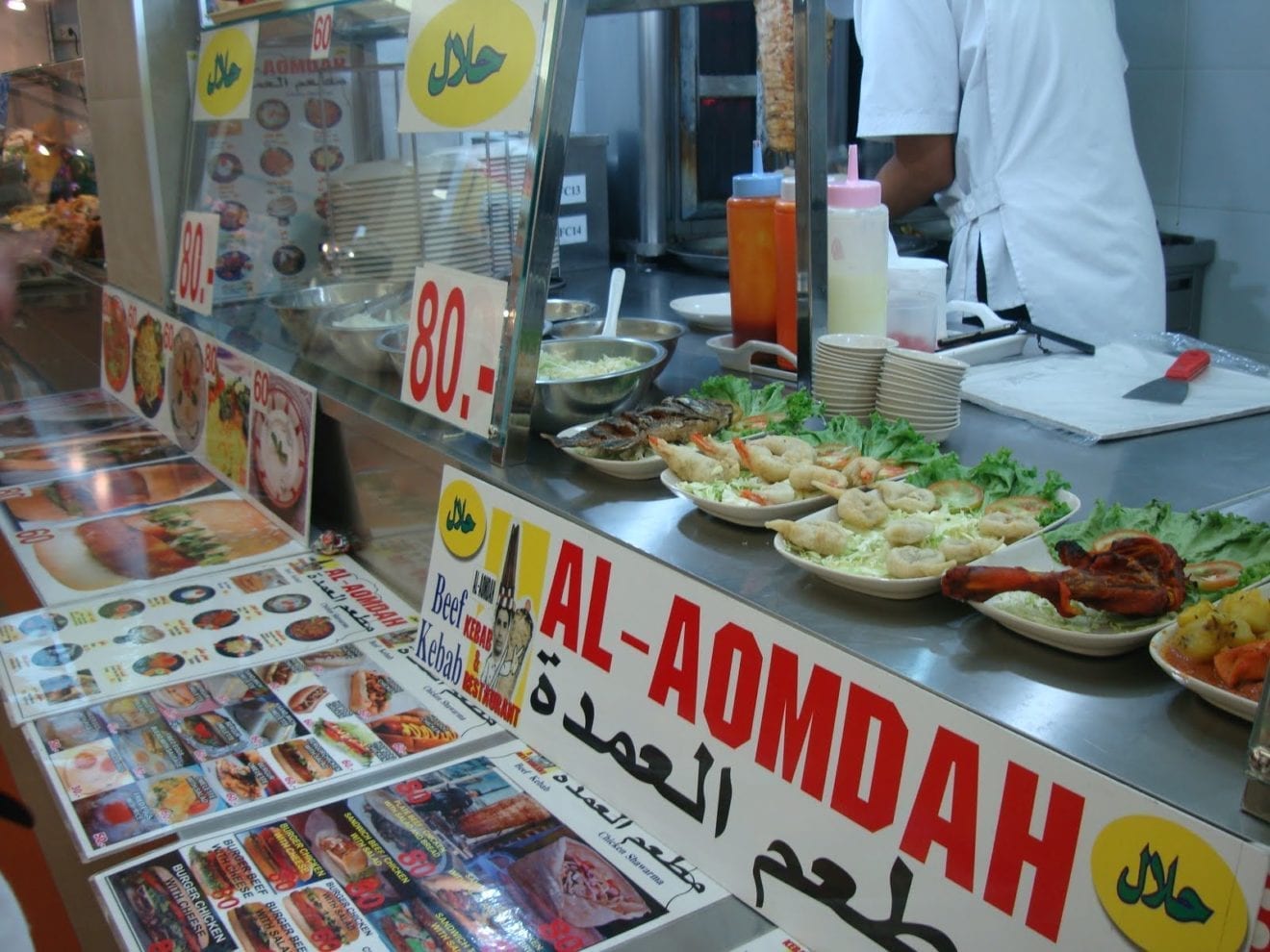
    Countries with large Muslim populations have called on Vietnam to produce and export halal products amid increasing demand for them.

    “The halal food industry is a billion-dollar opportunity for which we can cooperate and develop,” Agustaviano Sofjan, Indonesia’s consul general in Ho Chi Minh City, said at a forum titled “Cooperation and Development of Halal industry in ASEAN” held in the city on Monday.

    With the largest Muslim population in the world, Indonesia has a halal market of US$180 billion, and it is expected to skyrocket to $281 billion by 2025.

    Malaysia also has big demand for halal products.

    Rosmizah Binti Mat Jusoh, commercial consul at the Malaysian consulate general in the city, said Vietnam is still new to the halal industry and needs to create an ecosystem for it, and Malaysia could help it through the certification process step by step.

    Singapore also has big demand for halal items though Muslims only make up 14% of its population.

    Jason Yeo, vice president of the Singapore Chamber of Commerce in Vietnam, said his country receives millions of tourists every year from the Middle East and Central Asia. “This makes halal certification extremely important for companies operating in Singapore and our partners across the region and the world.”

    The Singapore halal market is expected to grow by 8-10% in the next few years, he said.

    At the forum, Cao Thi Phi Van, deputy director of the Ho Chi Minh City Investment and Trade Promotion Center, said countries such as Indonesia, Malaysia and Saudi Arabia have expressed a desire to collaborate with Vietnam in investing and developing the halal industry.

    The global halal economy is worth US$7 trillion and expected to reach $10 trillion before 2028.
    The Southeast Asian market alone is worth $230 billion, but Vietnam’s exports of halal products remain minuscule.

    Vietnam is among the world’s top 20 exporters, but is nowhere in the list of halal food suppliers.

    According to statistics from the General Department of Vietnam Customs, the country’s total trade with Muslim countries in the ASEAN region stood at $26.37 billion in the first nine months of this year.

    Van said Vietnam has the potential to do well in the regional and global halal markets because of its agricultural and fishery strengths, close proximity to major halal markets and many free trade agreements.

    But it only exports around 20 products to halal markets, and 40% of its cities and provinces do not produce halal-certified items for export.

    Ly Kim Chi, chairwoman of the Food and Foodstuff Association of Ho Chi Minh City, said on average 50 businesses get their products, mainly seafood, beverages and confectionery, halal-certified every year.

    Tee Ramlan, director of the Vietnam Halal Center, said there are around 70 economies to which Vietnam can export halal products. “Thailand and Taiwan already export many halal products, so why doesn’t Vietnam?”

    He said the first step is to develop highly skilled human resources for the halal industry.

    Van proposed increasing links between HCMC and its neighboring provinces to raise awareness of halal products and form a closed supply chain for them extending to exports.

    Recently the Ministries of Science and Technology and Industry and Trade developed four national standards for halal.

    In February, the Government had unveiled a scheme for strengthening international cooperation to develop Vietnam’s halal industry for until 2030.

  • Gasoline prices go up

    Gasoline prices go up

    Gasoline prices went up for the second time in over a week, while diesel prices dropped slightly.

    The popular fuel RON95 went up 1.79% to VND23,920 per liter.

    Biofuel E5 RON92 rose 2.08% to VND22,610.

    Diesel dropped 2.46% to VND21,940.

    Global prices have fluctuated in the last 10 days amid Middle East tension and the U.S. increasing oil supply.

    RON92 went up 1.3% to $95.25 per barrel, while RON95 rose 1.9% to $100.8. Diesel dropped 2.65% to $111.8.

  • Domestic rice prices reach new peak

    Domestic rice prices reach new peak

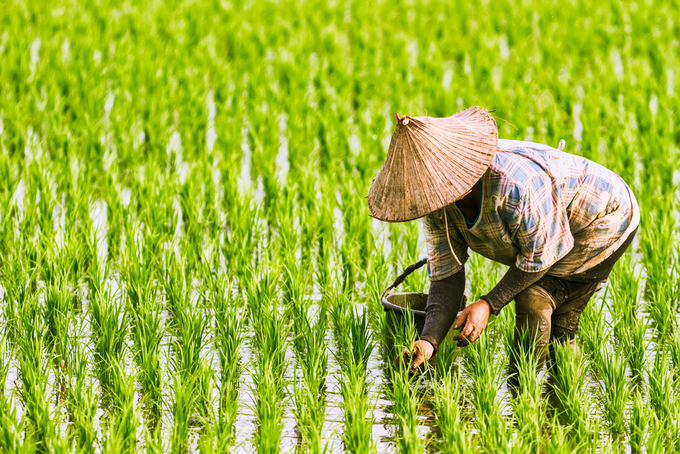
    Vietnam’s domestic rice prices have surged to a new record amid rising export demand while authorities ensure there is no supply shortage for consumers.

    Rice seller Thanh in Ho Chi Minh City’s Tan Binh District said that he has recently sourced price the popular Dai Thom rice from manufacturers at VND21,000 ($0.85) per kilogram, up 5% from last month and 16% year-on-year to a new record.

    Other types rose 7% from a month ago, he added.

    In Go Vap District, rice shop owner Hoa said prices had risen 12% from last month for certain brands.

    “Manufacturers say that prices will continue to rise as they have already placed orders at farmers who demanded higher prices,” he said.

    Supermarkets are also selling at prices 5-10% higher year-on-year.

    WinMart has raised prices on most of its rice, while Central Retail said that it has yet to adjust retail prices, to support consumers, even though suppliers have raised prices by 10%. Saigon Co.op is considering raising prices.

    Businesses that use a lot of rice are feeling the heat. Hoang Oanh, owner of a rice noodles manufacturer in HCMC, said that she had to reduce production to minimize risks of losses as rice prices have surged recently.

    Dinh Ngoc Tam, deputy CEO of rice exporter Co May, attributed the price rise to surging global demand.

    As India’s ban on some rice variety exports remains, the world is seeing a 40% drop in supply from the country, while other countries such as Indonesia, China and the Philippines still have high demands.

    Indonesian businesses are willing to buy from Vietnamese exporters at up to $650 per ton, a record high, according to data from exporters.

    There is no concern about domestic supply, but as traders are competing and paying more to ensure they can fulfil export orders, prices are rising, Tam said.

    Other industry insiders say that Chinese importers are buying more to ensure supply for their Lunar New Year holiday next year, which pushed up prices.

    Nguyen Nhu Cuong, head of the Department of Horticulture under the Ministry of Agriculture and Rural Development, said that there was no concern about a shortage in the domestic rice market.

    The rice crop area has increased by 30,000 hectares year-on-year, he added.

    In the first season of next year, yield is set to rise from 2022 to reach 20 million tons of paddy as farmers’ techniques are improved, he said.

  • Yum China posts record revenues

    Yum China posts record revenues

    Yum China, which operates the KFC and Pizza Hut chains in China, logged a 9 per cent year-on-year increase in revenues to US$2.91 billion for the third quarter ended September 30.

    The company’s system sales were up 15 per cent, with both KFC and Pizza Hut reporting increases of 15 per cent and 13 per cent, respectively. The growth was mainly attributable to the new unit contribution, same-store sales and lapping of temporary closures in the prior year.

    Operating profit increased 2 per cent to $323 million, primarily driven by sales leveraging.

    The firm opened 500 net new stores during the quarter, raising the store count to 14,102 as of September 30.

    “We delivered a record third quarter in total revenues, adjusted operating profit and net new store openings,” said Joey Wat, CEO of Yum China. “Our robust supply chain, industry-leading digital ecosystem and strong innovation capabilities have enabled us to stay agile in evolving market conditions.”

    Andy Yeung, CFO of Yum China, added the company achieved “robust results” despite macroeconomic headwinds, with same-store sales growth at approximately 90 per cent of the 2019 level.

    For the full year, the company expects capital expenditures to be in the range of approximately $700 million to $900 million.

    It aims to open 1400 to 1600 net new stores for 2023 and increase the total store count to 20,000 by 2026.

    Aside from KFC and Pizza Hut, Yum China also operates Taco Bell, Lavazza, Little Sheep and Huang Ji Huang stores in the country.

  • Gentle Monster opens its first Australian store

    Gentle Monster opens its first Australian store

    South Korean luxury eyewear brand Gentle Monster has entered the Australian domestic market with its first store opened inside David Jones’ Elizabeth Street, Sydney site.

    Gentle Monster David Jones features the brand’s signature kinetic art installation ‘Giant Head’, allowing visitors to “experience mysterious emotions through its indecipherable facial expressions which seem to penetrate the essence of the viewer”. Overseeing all Gentle Monster’s operations in Australia, Bluebell Group plans to open a flagship store next July.

    “This first opening in Sydney’s domestic market is a significant milestone for both the brand and Bluebell,” said Nelly Ngadiman, MD of Bluebell Southeast Asia & Australia. “It is a recognition of a close, successful partnership.

    “The brand’s uniqueness and disruptive nature in the fashion eyewear category enhances our teams’ commitment to retail excellence even further.”

    The launch is in partnership with retail brand operator Bluebell Group, following last year’s opening of Gentle Monster’s first travel retail airside space in the Southern Hemisphere at Sydney airport.

    Gentle Monster has recently expanded in Asia Pacific to further capitalize on the region’s growing luxury market. The eyewear brand opened its first store in the Philippines last month at Shangri-La The Fort in Bonifacio Global City, after entering Thailand with the first store opened in Bangkok’s EmQuartier earlier this year. The first Gentle Monster store in Malaysia is set to open at Kuala Lumpur’s luxury premise The Exchange TRX.

  • Hong Kong retail surges

    Hong Kong retail surges

    Continued revival of inbound tourism and private consumption helped Hong Kong’s retail sales notch a 10th consecutive month of growth in September, though it was slower than in previous months, official data showed on Wednesday.

    Sales increased 13 percent year-on-year to $4.06 billion in September, the city government said, but the growth was the slowest pace since January, when it was at 6.9 percent.

    Retail sales rose by 13.7 percent in August and 16.7 percent in July.

    “Continued improvement in household income and the government’s various support initiatives, including the Night Vibes Hong Kong Campaign, should also provide support,” a government spokesman said, adding further recovery of visitor arrivals should benefit the retail sector.

    In volume terms, September retail sales increased 10.1 percent year-on-year. That compared with an 11 percent growth in August and a 14.2 percent rise in July.

    For the first nine months, retail sales value rose 18.6 percent year-on-year while volume grew 16.5 percent.

    Hong Kong’s economy grew 4.1 percent from a year earlier in the third quarter, data showed on Tuesday, accelerating from the 1.5 percent expansion in the second quarter and the 2.9 percent in the first, but missing the 5.2 percent median forecast of economists polled by Reuters.

    In August, the government revised up its economic growth forecast for 2023 to between 4.0 percent and 5.0 percent.

    Visitor arrivals for September were 2.77 million, bringing the total for the first nine months of 2023 to 23.32 million, according to Hong Kong Tourism Board preliminary data. That compared with last year’s 66,037 and 249,699, respectively, when China was still in the grip of Covid restrictions.

    The number of mainland Chinese visitors decreased to 2.16 million in September from 3.43 million in August, the data showed. That compared with 51,282 in September 2022.

    Sales of jewellery, watches, clocks and valuable gifts, which before the pandemic were mostly bought by mainland tourists, rose 27.3 percent year-on-year in September after a 57.2 percent
    jump in August, data showed.

    Sales of clothing, footwear and accessories grew 36.4 percent on the year in September after a 37.4 percent increase in August.

  • Sportswear label Anta opens outlet in Thailand

    Sportswear label Anta opens outlet in Thailand

    Chinese sportswear brands Anta has launched its first brick-and-mortar store in Thailand as part of its expansion plan in the Southeast Asia market.

    Located in Bangkok’s CentralWorld, the store covers an area 230sqm, embraces the Thai culture, and features designs in collaboration with local artists.

    Anta’s entry into Thailand marks the brand’s fourth expansion in the Southeast Asia market following the Philippines, Malaysia and Singapore.

    “You will also see that this is the first store in Anta where we devised a social space for customers to try on shoes, and while doing so able to engage in a bit of co-creation on the sticker bomb on the floor – we have additional stickers also for you to be a part of the co-creation process, to add onto the sticker bomb,” the brand wrote on its official statement.

    With more than 30 years of operation, Anta has a portfolio of brands including Fila, Descente, Kolon Sport, Arc’teryx, Salomon, Wilson, Peak Performance, and Atomic.

    The company is reportedly planning to launch its brand Fila in Thailand before the end of this year, and Salomon, Wilson and Descente by next year.