Tag: asia

  • Apple stops advertising on “X” again

    Apple stops advertising on “X” again

    Citing its sources, Axios says that Apple has stopped advertising on the platform for the second time since Elon Musk purchased Twitter. This time the decision to stop spending ad money on what is now known as “X” came after Musk endorsed an antisemitic conspiracy theory that was posted on the site. 164 Jewish rabbis and activists demanded that companies like Apple, Google, Amazon, and Disney stop advertising on “X”.

    Apple, a major advertiser on “X,” has joined IBM, Disney, Sony, Warner Bros. Discovery, Lionsgate, and Paramount Global. A report by Media Matters for America says that certain advertisers, including Apple, IBM, Amazon and Oracle, had their ads on “X” placed next to posts considered to be from far-right subscribers.

    In response to a post on “X” that claimed Jewish communities support “dialectical hatred against whites,” Musk replied, “[y]ou have said the actual truth,” The comment by Musk drew a rebuke from the White House. White House spokesperson Andrew Bates said, “It is unacceptable to repeat the hideous lie behind the most fatal act of Antisemitism in American history at any time, let alone one month after the deadliest day for the Jewish people since the Holocaust.”

    “X” CEO Linda Yaccarino responded to the criticism via a tweet in which she wrote, “X’s point of view has always been very clear that discrimination by everyone should STOP across the board — I think that’s something we can and should all agree on. Regarding this platform — X has also been extremely clear about our efforts to combat antisemitism and discrimination. There’s no place for it anywhere in the world — it’s ugly and wrong. Full stop.”

    Musk purchased Twitter last year paying $44 billion for the social media platform. After changing the name of the site from Twitter to “X,” the multi-billionaire revealed plans to turn “X” into a multi-functional “super app” like China’s WeChat which offers social media capabilities along with mobile payment features. But if “X” is unable to keep some of its high-spending advertisers, it will need to find some new sources of income besides X Premium.

  • Aussie wines meet Filipino spirits in new venture 7000 Islands

    Aussie wines meet Filipino spirits in new venture 7000 Islands

    Filipino-Australian entrepreneur Siggy Bacani seeks to bring the best of both worlds together by launching 7000 Islands, a cross-cultural business venture that imports Filipino liqueurs and spirits to Australia while exporting small-batch Aussie wines to the Philippines.

    Making its debut this month, the first shipment of hand-crafted Ube Cream liqueurs arrived in the company’s warehouse in Sydney directly from regional provinces in the Philippines.

    The liqueurs and a range of Filipino spirits will progressively become available in selected bars, restaurants and specialist outlets across Sydney, Brisbane, Melbourne and Perth.

    On the other hand, 7000 Islands will also distribute select white and red wines from Victoria’s Yarra Valley and varietals in SA and NSW.

    Bacani was born in the Philippines and moved to Australia with his family in the late 1980s; he considers himself “at home” in both. Previously, he worked as a marketing manager for Bacardi Brown-Forman Brands in the UK and for Moët Hennessy in Australia.

    “These are exciting times,” he remarked. “Our vision is to harvest and export superb local wines from around Australia that perfectly harmonise with the tropical gastronomy of the Philippines while providing Australian drinkers with the chance to explore some of the unique taste profiles of popular Filipino liqueurs and spirits.”

    Initially, the 7000 Islands brand will have approximately 20 products available ranging from wines selected from the 65 wine-growing regions of Australia to liqueurs and spirits produced by distillers from the 82 provinces of the Philippines.

    “All our Philippine-based drinks are sourced from natural Filipino ingredients such as Ube and sugar cane,” Bacani continued.

    “For example, Proclamation Gin is made from handpicked Sampaguita flowers responsibly sourced from female farmers in Pampanga.

    “Meanwhile, the vivid purple yam known as Ube is already popular in Australia and can now be found in many products, including Filipino pastries, cakes and ice creams.”

    The imported Filipino craft spirits will be available in premium restaurants and bars, including the three-hat restaurant Oncore by Clare Symth in Crown Sydney;  Ni Hao Bar & Dining in Sydney’s Civic Hotel, modern Vietnamese restaurant and bar Saigon Hustle in Sydney’s Smithfield, multi-award winning Serai restaurant in Melbourne and Hygge Bar in Perth.

    “We are passionate about bringing the best of these two worlds together with a selection of small-batch wines and craft spirits that reflect the unmistakable flavours and traditions of Australia and the Philippines,” Bacani concluded.

  • AirAsia to Open Bali-NTT Domestic Route in December

    AirAsia to Open Bali-NTT Domestic Route in December

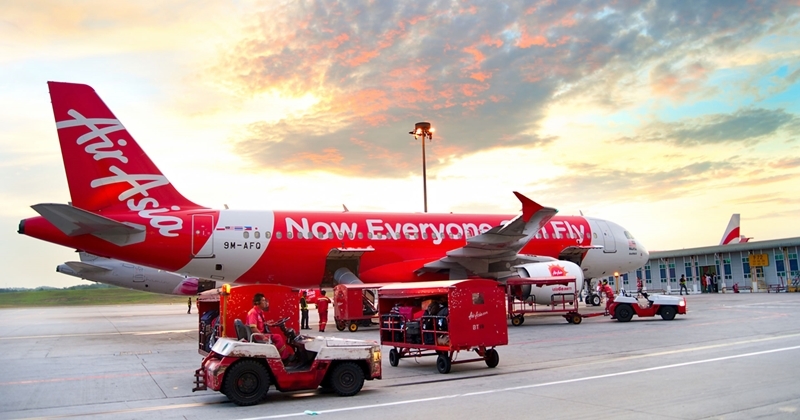
    AirAsia airlines will open a new domestic route of Denpasar, Bali-Kupang, NTT beginning on December 16, 2023. The Bali-NTT route will serve three flights a week on Tuesday, Thursday, and Saturday.

    “AirAsia opens the [route] with a special price of Rp1.5 million for one trip,” said Corporate Communication Manager Indonesia of AirAsia, Ageng Wibowo on Friday, November 17, 2023.

    According to Ageng, this new route will create an opportunity for foreign tourists and Kupang residents to travel through Denpasar, Bali, and extend their trips to various domestic and international destinations such as Surabaya, Jakarta, Kuala Lumpur, Singapore, Bangkok, and Perth.

    This route also opens Kupang to various sources of foreign tourist markets such as Australia, Malaysia, Singapore, and Thailand.

    Kupang is the gateway to all areas in NTT, especially Rote Island, Sabu Island, Timor Island, Alor, Sumba, and Flores. Thus, this route will boost the tourism and economy of the region.

    Additionally, Kupang itself has a promising tourism potential, proven by the number of domestic and foreign tourists visiting the province. The diverse social and cultural spheres supported by Kupang’s geographical conditions attracted visitors to the region.

    “Kupang has many tourist attractions consisting of Marine, Nature, Culture, and Historical destinations, such as Oenesu Waterfall, Tablolong Beach, Crystal Cave, and Manikin Beach,” he said.

    AirAsia, Ageng added, is committed to connecting tourists with their chosen cities by offering flight choices to various interesting destinations.

  • UBS Makes Extremely Bold Forecast

    UBS Makes Extremely Bold Forecast

    Switzerland’s largest bank puts out a view predicting a drastic cut in US interest rates by the Federal Reserve. Their forecast is completely out of sync with the rest of the market and peers.

    Every year, Saxo chief economist Steen Jakobsen draws significant attention in the financial markets with his list of ten Outrageous Predictions. They are sometimes meant to be taken with a pinch of salt although they often have a deeper background, prompting readers to think about things entirely differently.

    But you cannot often cast the economists at Switzerland’s largest bank, UBS, in much the same light.

    Yet on Monday, they surprised the market by leaning way out of the window when it comes to US interest rates next year as they believe that the Federal Reserve under Jerome Powell will cut rates by 2.50 to 2.75 percent by the end of 2024.

    It would not be an exaggeration to say that the forecast did not fit anyone’s consensus as the level they are forecasting rates to end up is about 275 basis points below current levels.

    That is almost four times as much as the markets are expecting, where predictions are for a cut of around 75 basis points. The UBS forecast is also way off the median forecast of a Fed funds rate of 5.1 percent at the end of 2024, or a cut of 25 basis points at best.

    According to Bhanu Baweja, chief strategist at UBS’s investment banking business, a continued decline in inflation will allow the Fed to start easing monetary policy from March on.

    The UBS experts also believe that the American economy will weaken far quicker than the market assumes and that there will be a slight recession by the middle of 2024, something that also contrasts with other economists who are predicting a soft landing instead.

  • Capvis Lures Investment from Chinese Giant Alibaba.com

    Capvis Lures Investment from Chinese Giant Alibaba.com

    Funds belonging to the Zug-based private equity specialist sell a stake to Alibaba.com. The China-based B2B platform intends to use it to expand and grow in Europe.

    Capvis has managed a coup. The Baar based private equity specialist has completed the sale of its majority stake in B2B platform operator Visable, an announcement sent by the company on Tuesday indicates.

    The sales price is not being disclosed.  Capvis bought a stake in Visable in 2017 and has developed into the European market leader for e-commerce platforms with the international marketplace europages based in Paris.

    Alibaba.com is a subsidiary of Chinese internet giant Alibaba International Digital Commerce.With this step, Capvis cements its position internationally. It was founded in 1990 and it is now, with the significantly larger Partners Group, one of the last independent pioneer private equity firms in Switzerland as former competitors such as Zurmont and Adveq have been sold to competitors in the meantime.

    Since its founding, Capvis has concluded 62 transitions corresponding to total capital of around 4 billion euros, with ten companies concluding successful IPOs.

  • PWC Makes its Way to the Top in Switzerland – and Hopes for UBS

    PWC Makes its Way to the Top in Switzerland – and Hopes for UBS

    Last year was so good for the consulting firm that it now leads the Swiss market. The financial sector plays an important role in that, says managing partner Gustav Baldinger.

    Digital transformation, consolidation, regulation. What ends up giving executives headaches turns out to be a field day for consultants. That, at least, is clearly visible at Pricewaterhouse Coopers, one of the big four. Figures show that gross revenues rose by 30 percent in the financial year to June.

    Its accountancy leg saw numbers rise by 10 percent, while the tax and legal advisory business were up 6 percent. That helped gross services income reach 1.1 billion francs.

    There were various drivers, indicates Gustav Baldinger (image below) about developments in recent months. The managing partner and head of the business consultancy practice at PWC Switzerland is seen as the architect of its recent growth spurt. During his watch, domestic economic growth was generally buoyant and many companies invested in digital transformation efforts and technology, particularly in Cloud-based applications.

    The transaction business developed particularly well and it received many contracts as a result of regulatory impetus.

    PWC ranked second in the Swiss market for a long time but it is now the market leader in all three areas although it is a claim that another big four consultancy, Deloitte, still believes it has a right to.

    We are clearly by far the largest when compared directly as a group in the areas of accounting and tax advice, Baldinger insists, having spent more than two decades working for PWC domestically. The advisory area has also been growing strongly, particularly in services for the financial sector, the managing partner added.

    That adds up. Financial sector clients are the largest and most important segment for the consultancy in Switzerland as around a third of the business is generated from them. And one of the clients has generated a good deal of talk in recent times. Credit Suisse. PWC was the bank’s external auditor and it provided comfort in the 2022 annual report that it remained a going concern. Shortly afterward, what was once UBS rescued Switzerland’s second-largest bank in a government-prompted takeover.

    Credit Suisse’s collapse also puts PWC in a different position. We will continue to audit it with the same level of detail and quality in 2023, Baldinger indicates. Because of this mandate, it is not in a position to offer consulting services. We will only be able to offer UBS consultancy ideas during the course of 2024 when our mandate ends, Baldinger says.

    Currently, Oliver Wyman has the lead when it comes to the Credit Suisse integration, according to various media reports.

    But Baldinger and his work colleagues have other things up their sleeves. Growth in all areas of services is not the same. The market for business and tax consultancy is growing thanks to the Cloud, and the cyber and data sectors. There is also a demand for restructuring and regulatory compliance.

    We are seeing some delays in decision-making with strategic projects both internationally and in the middle market as well as a consolidation and splitting out of individual phases, he says. But there are also other contrasting developments. Some companies are accelerating their transformation efforts in order to be better prepared for the next growth cycle.

    Balidinger has high hopes for new technologies. «It is clear that new technologies like generative AI and cyber will penetrate all functions of enterprise and the big four massively. He also sees clear opportunities for consulting work as companies will have to adjust and confront ethical issues in connection with generative AI.

    PWC is not just trying to convince companies to make those kinds of investments. It is doing them as well. It wants to invest about 50 million francs in artificial intelligence over the next three years.

  • Vietnam Airlines postpones annual general meeting for 4th time

    Vietnam Airlines postpones annual general meeting for 4th time

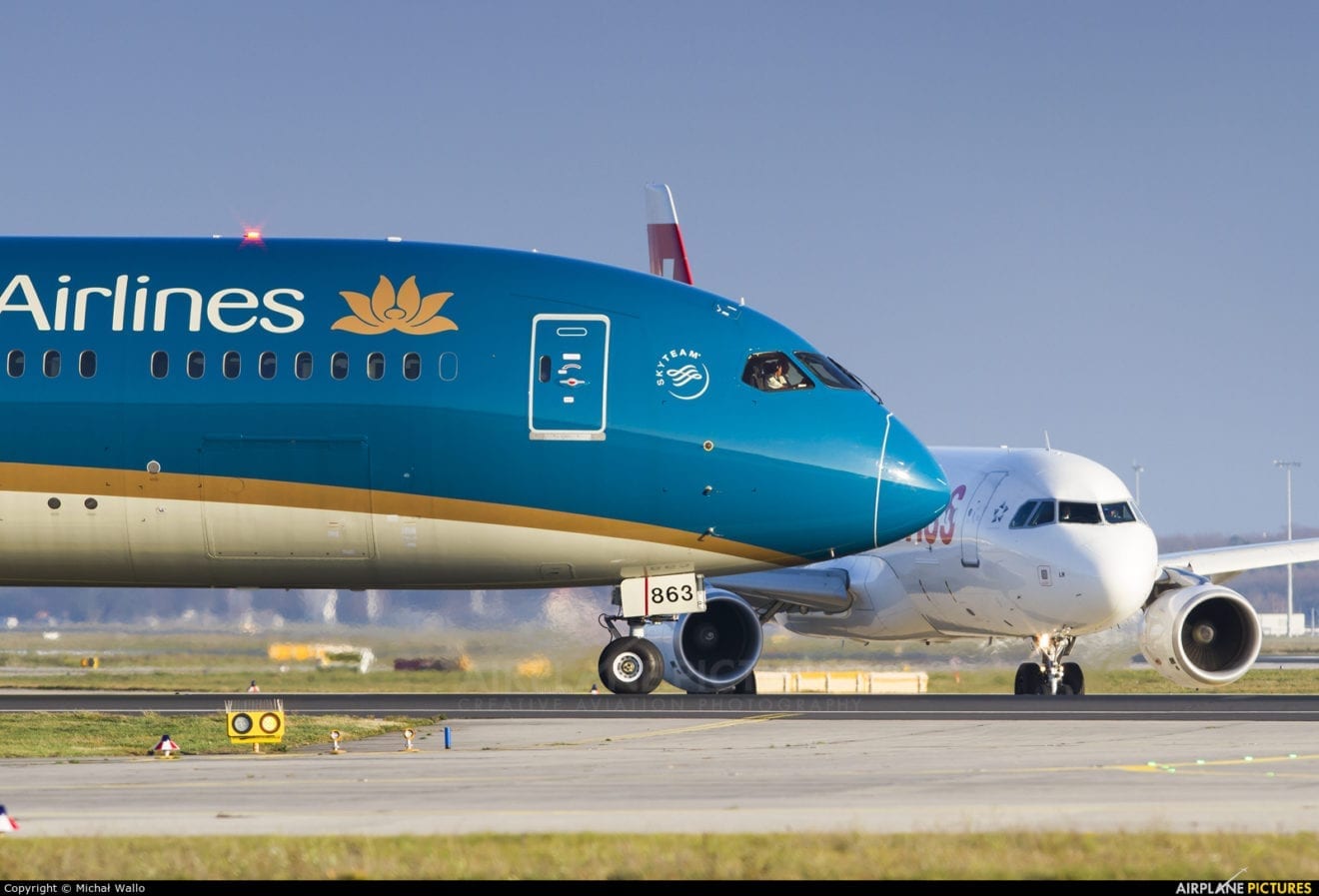
    Vietnam Airlines has canceled its annual general meeting for a fourth time this year pleading “unfinished” preparations even as it continues to struggle with losses.

    The state-owned carrier informed the Ho Chi Minh Stock Exchange Monday that its meeting scheduled for Nov. 22 has been moved to Dec. 16.

    The AGM was first scheduled for June 20 but the company has been postponing it repeatedly.

    Public companies are required to hold their AGM within four to six months from the end of the financial year.

    In the first nine months of this year the company posted a loss of VND3.3 trillion (US$135.34 million) as against VND7.75 trillion in the same period last year.

    Its revenues were up 32% to VND68.09 trillion.

    Vietnam Airlines’ HVN shares have been restricted to trading in the afternoons only as a penalty for its delay in submitting its financial reports. They have plunged 21% this year to VND10,950.

  • Purple star apple prices skyrocket

    Purple star apple prices skyrocket

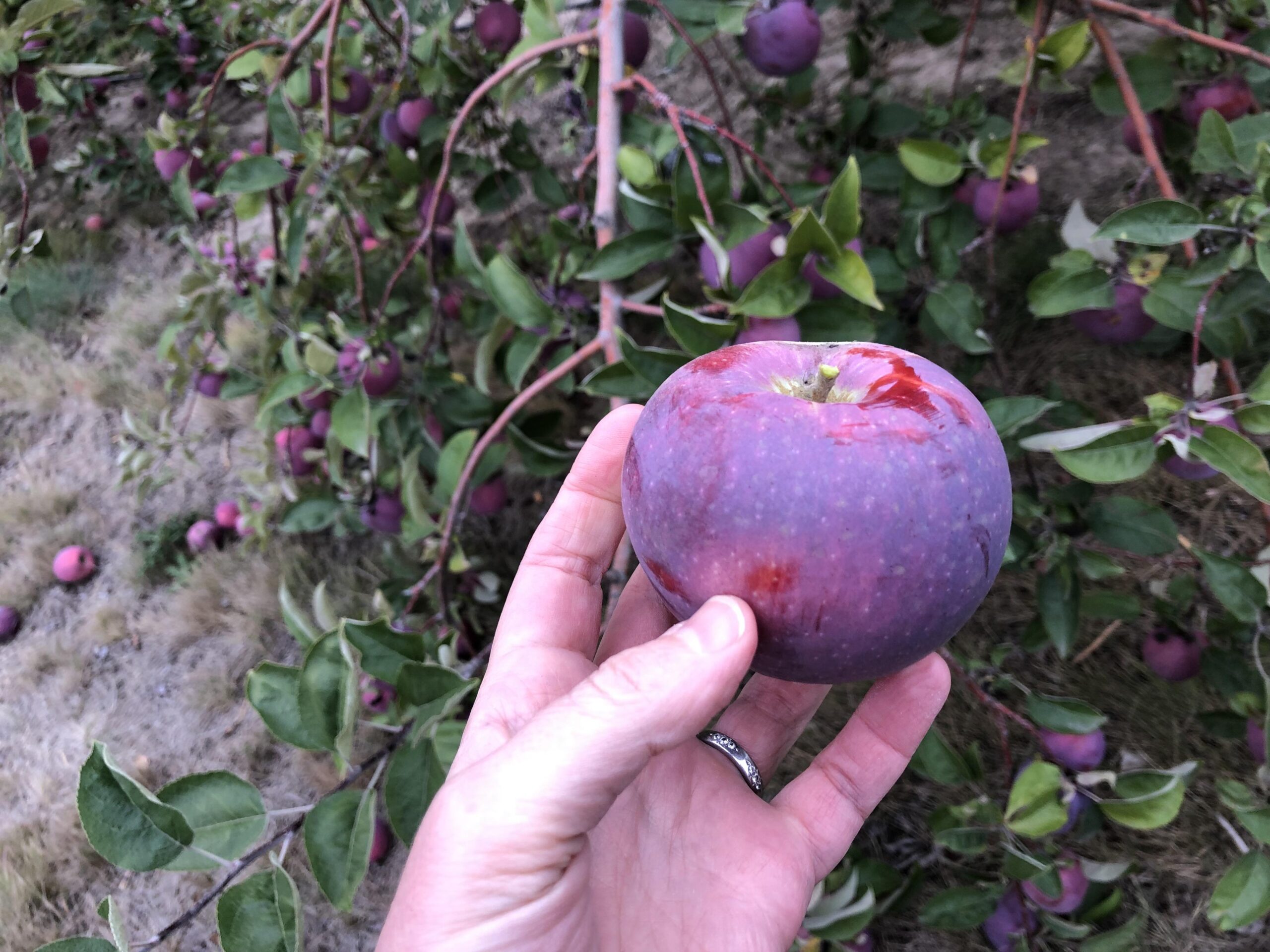
    Purple star apples, popular both in Vietnam and its export markets, have seen prices rise by 30-40% from a year ago.

    The fruit is in season and sells in markets and stores for VND90,000-100,000 (US$3.58-3.97) per kilogram for type 1 (the highest quality), a 40% increase from a year ago, and VND40,000-50,000 for types 2 and 3.

    Oanh, who runs a fruit store on Pham Van Hai Street in HCMC’s Tan Binh District, said the star apples this year are bigger, of better quality and more eye-catching. “Every day I pick up 50 kilograms and sell them all. During holidays the demand is doubled, but there is not enough supply.”

    According to Hanh, a wholesaler at the Thu Duc Agricultural Product Market, type 1 is in short supply. “Every day I procure more than one ton but it is not enough to supply wholesalers. Purple star apple is very scarce at the beginning of the season.”

    A recent VnExpress survey of fruit farmers in Can Tho City and Soc Trang Province found that the highly sought-after fruit is 50% more expensive than last year at VND28,000-35,000 per kilogram.

    Phong, who owns a half-hectare orchard in Can Tho Province, expects to make profits of VND250 million, double the previous season’s. “This year not only is there a bountiful purple star apple harvest, but the price is also skyrocketing.”

    Similarly, farmers in Soc Trang Province, dubbed the “purple star apple capital” of western Vietnam, are overjoyed that exporters are buying their fruit at VND45,000 per kilogram. One-hectare orchards are making profits of VND500-700 million this year.

    Su Quoc Loc, director of the Loc Mai Agriculture Cooperative, which specializes in the fruit, said export prices of fresh star apples are 13% higher from a year ago and domestic prices, 50%.

    The cooperative’s members own 47 orchards that meet VietGAP quality standards, 60% of them more than one hectare.

    Loc attributed the rising prices to increasing exports to the U.S. and China.

    This year, instead of rushing to harvest, which leads to a spike in supply and fall in price, fruit growers have learned to stagger their harvest.

    As a result, the star apple season, which usually lasts from November to January, could extend all the way to April. This method provides a more stable supply and maintains high prices.

    Star apples are mainly being harvested in the Can Tho City and Tien Giang and Soc Trang provinces, according to data from the Plant Protection Department.

    Tien Giang is notable with over 3,000 ha while Soc Trang Province has 2,300 ha, both with different varieties of star apple, such as purple, Lo Ren and pink butter.

    The purple variety is highly valued due to its exquisite shape and is available year-round.

    Star apple is exclusively a Vietnamese export and imported by China and the U.S., with prices paid by the latter reaching nearly VND500,000 per kilogram at one point.

  • 2024 Honda Dream arrives from Cambodia

    2024 Honda Dream arrives from Cambodia

    A motorbike dealer has just imported a batch of the latest model of the Honda Dream, an iconic vehicle that was all the craze a few decades ago.

    Previously the bike used to sell for VND100 million (US$3,970), while the new one is marked at $2,500 in Cambodia, from where they are imported.

    The Dream was a classic vehicle near and dear to many generations of Vietnamese, but was discontinued long ago in many countries, leaving Cambodia the sole manufacturer in Southeast Asia.

    The 2024 model retains its nostalgic long, sleek body with the name “Dream” etched right beneath its rear seat handle. However, the traditional square panels are replaced with more low-key rounded ones, a design choice that does not sit well with the majority of Vietnamese bike enthusiasts due to the striking similarity to SYM motorbikes.

    The Dream utilizes a combination of imported and locally produced parts.

    Honda and Yamaha are the two largest imported motorbike brands.

    Some dealers speculate that the new Dream, like the previous Wave 125i imported from Thailand, will fetch a hefty VND80 million, twice the price of similar models assembled locally.

    With a barely noticeable difference in horsepower, technology or design priced like a premium automatic or performance motorcycle, the 2024 Honda Dream will have a hard time attracting young customers who usually lean toward sleek and modern designs.

    It will likely only attract wealthy collectors nostalgic for the good old days.

  • Honda Vietnam’s automobile, motorbike sales drop in October

    Honda Vietnam’s automobile, motorbike sales drop in October

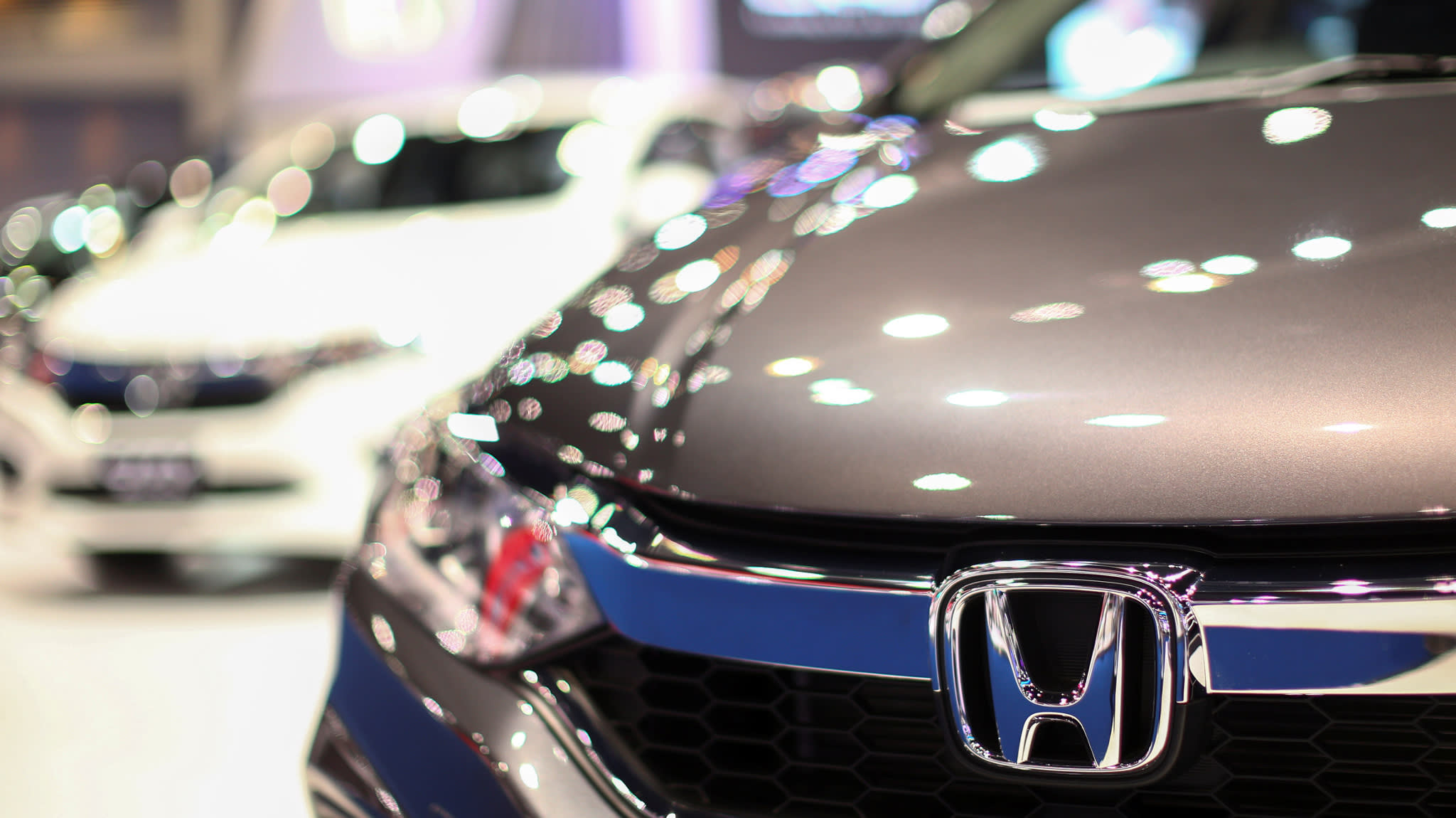
    Honda Vietnam has revealed that its retail sales of motorcycles and automobiles in October dropped by 7.5% and 15.9% respectively compared to previous month due to market difficulties.

    In the reviewed period, Honda Vietnam sold 180,881 motorbikes, with 18,452 exported and 2,148 automobiles of all kinds.

    In the fiscal year of 2024 (from April 2023 to March 2024), the company has posted sales of 1,171,108 motorbikes, marking a year-on-year decrease of 12.9%.

    It has sold 12,850 automobiles of all kinds in the fiscal year, a decline of 27.3% over the same period in fiscal year 2023.

    The Honda City sedan continued to be its best-seller with 751 units sold, followed by Honda CR-V and Honda BR-V with 477 units and 468 units, respectively.

  • TikTok in talks with Indonesian e-commerce firms about partnerships

    TikTok in talks with Indonesian e-commerce firms about partnerships

    TikTok has been talking with Indonesian e-commerce companies about possible partnerships, an Indonesian minister said on Monday, a month after Southeast Asia’s largest economy banned online shopping on social media platforms.

    TikTok has spoken with five companies including GoTo’s e-commerce unit Tokopedia, Bukalapak.com and Blibli, according to Teten Masduki, minister for small-medium enterprises (SMEs).

    “Some e-commerce companies in Indonesia have talked to TikTok,” he said in an interview, citing what the companies’ executives told him.

    Indonesia’s trade ministry implemented the ban last month, aiming to protect smaller brick-and-mortar merchants and protect users’ data.

    It was a particular blow to TikTok, which was forced to close its e-commerce service TikTok Shop. TikTok has 125 million users in Indonesia.

    Tokopedia declined to comment. A representative for Bukalapak said the company was unaware of such talks. Blibli did not immediately respond to a request for comment.

    TikTok and YouTube are considering joining Meta in applying for e-commerce licenses in Indonesia after Southeast Asia’s largest economy banned online shopping on social media platforms, people familiar with the discussions have said.

    The app, owned by Chinese technology giant Bytedance, was also pursuing talks with local e-commerce players, they added.

    Teten, one of the staunchest critics of TikTok Shop prior to the ban, said President Joko Widodo has tasked him to formulate rules on e-commerce.

    He plans to meet TikTok Chief Executive Shou Zi Chew later this month.

    “I want them to commit to have a sustainable business that does not harm domestic SME products,” he said.

    Teten also said he has proposed further regulations for the flow of imported goods into the country but did not provide details.

    Until it stopped operations, TikTok Shop delivered about 3 million parcels daily in Indonesia, sources have said.

    Indonesia’s e-commerce market is expected to grow to around $160 billion by 2030 from $62 billion this year, according to a report on Southeast Asia’s internet economy by Google, Singapore state investor Temasek Holdings and consultancy Bain & Co.

    Other major e-commerce players in Indonesia include SEA’s Shopee and Alibaba’s Lazada.

  • Gasoline, diesel prices fall

    Gasoline, diesel prices fall

    Gasoline prices dropped slightly, while diesel slid to a three-month low Monday afternoon.

    The popular fuel RON95 fell 1.63% to VND23,530 ($1), while biofuel E5 RON92 dropped 1.5% to VND22,270.

    Diesel plunged 4.83% to VND20,880.

    In the last 13 days fuel prices have fluctuated globally due to tightened supply after Russia and Saudi affirmed production cuts, the strengthening of the U.S. dollar, and the Middle East conflict.

    RON92 fell 1.5% to $93.78 per barrel, while RON95 dropped 1.6% to $99.20. Diesel declined 3.6% to $105.29 per barrel.

  • Vietcombank makes biggest profit among lenders in Q3

    Vietcombank makes biggest profit among lenders in Q3

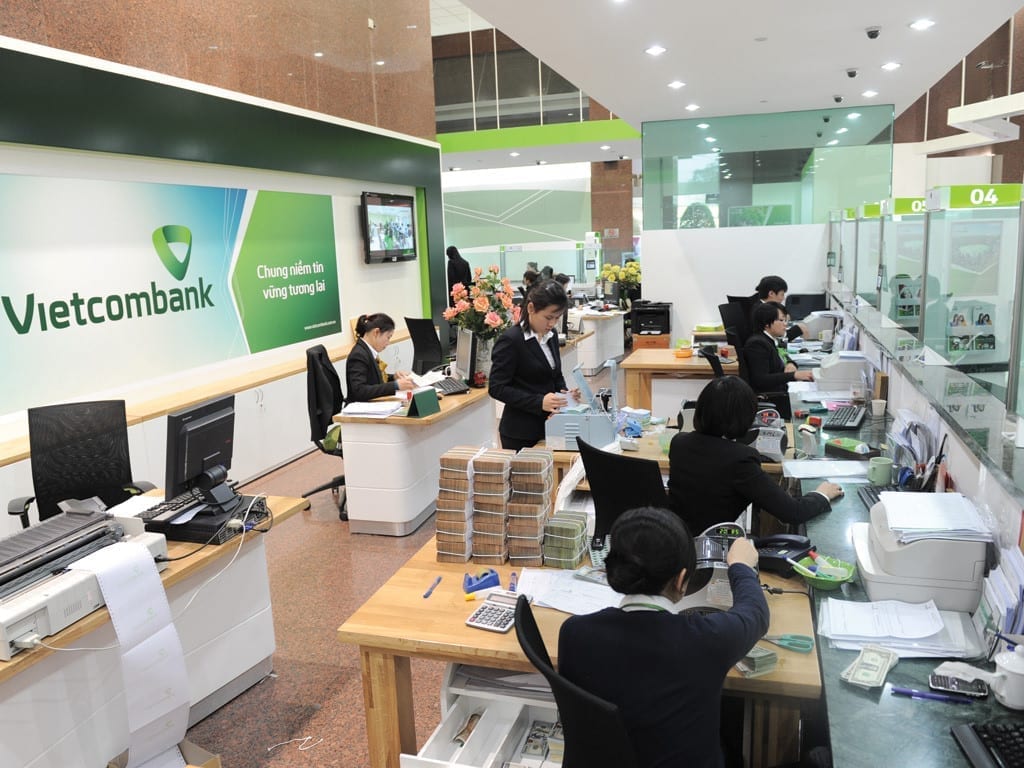
    Vietcombank remained the biggest profit earner among lenders in the third quarter, a period in which half of all listed banks saw smaller profits following a race to lure deposits.

    Vietcombank made a profit of VND9 trillion (US$375 million) in the third quarter, up 20% year-on-year, followed by MB with VND7.3 trillion, and BIDV with VND5.9 trillion.

    Meanwhile, Techcombank reported a profit of nearly VND5.9 trillion, down 12%.

    Twenty-seven listed banks have just released their financial statements for the first nine months. Instead of reporting huge profits like they all did over last three years, 14 banks reported smaller profits.

    BVBank’s profit dropped by 85% year-on-year to VND60 billion (US$2.5 million), and ABBank’s profit fell from VND1.75 trillion in the first nine months of last year to VND700 billion.

    These are the smallest Q3 profits the two banks have earned in five years, mainly due to capital costs increasing more than credit income. ABBank also faced pressure on credit risk provision costs.

    VPBank and Eximbank profits were halved, while earnings at VietABank, LPBank, BacABank, VietBank and SeABank dropped by 20% or more.

    Less than half of the listed banks enjoyed bigger profits, including Vietcombank (up 18%), BIDV (12%), VietinBank (10%), MB (10%), ACB (11%), HDBank (8%), VIB (7%), Sacombank (54%), MSB (8%), OCB (48%), NamABank (10%) and KienlongBank (25%).

    Among the 10 banks with the largest profits, Techcombank, VPBank and SHB saw smaller profits compared with the same period last year.

    VPBank ranked 10th with a profit of VND8.3 trillion, compared to third place last Q3 with earnings of VND19.8 trillion. The bank had difficulties with consumer lending and there were no longer any unusual revenues from the re-signing insurance contracts.

    Techcombank lost its second ranking, standing in the fifth position after its profit decreased by 18% to VND17 trillion.

    SHB’s profit dropped by 8% to VND8.5 trillion.

    Vietcombank maintained its first ranking, followed by MB, BIDV and VietinBank.

    Banks’ business performance deteriorated a mostly successful race to mobilize capital, which started at end of last year.

    SCB’s crisis in October last year, along with the collapse of some U.S. banks, caused increasingly strained liquidity in the banking system.

    Last October, the State Bank put SCB under special control after people withdrew money in droves at many SCB branches and transaction offices.

    Late last year, banks were concerned with defense and liquidity reserves. This led to a charge to mobilize capital, pushing deposit interest rates up to 11-12% a year at times.

    Interest rates quickly cooled down from the second quarter of this year, but the amount of deposits banks mobilized at high interest rates have not yet matured, pushing capital costs up sharply.

    Current account savings accounts (CASA), a source of cheap capital for banks, have continuously decreased since the end of last year due to cash flows trending into the savings channel.

    The falling stock market, and the dormant real estate and bond markets, also caused people to reduce spending and investment.

    In addition, a series of companies withdrew money to serve capital needs and pay financial obligations, including the buying back corporate bonds before maturity.

    This series of factors caused the CASA ratio to decline throughout the banking industry.

    These factors caused capital costs in the banking industry to skyrocket, with some banks even having to double the expense over the same period last year.

    Meanwhile, many banks found it difficult to lend when production and business as a whole slowed down, and the bond and real estate markets froze.

    The banking industry’s credit growth by the end of September had only increased 6.92%, figure as low as Covid period nadirs.

    Credit balance at many banks also grew at the lowest rate in many years. At BVBank, credit growth by the end of September had reached a mere 4.2%.

    This caused credit revenues to not increase at pace with expenses, and income from credit also barely increased or declined.

    Securities companies predicted that profit growth of the banking industry would end the year at 10% this year, a meagre showing compared to last year’s growth rate of 30%.

  • Upgraded version of Siri with AI capabilities rumored to debut at WWDC 2024

    Upgraded version of Siri with AI capabilities rumored to debut at WWDC 2024

    Looking to play catch up with Google, Apple is expected to unveil some new AI-based features in iOS 18. “X” tipster @Tech_Reve recently posted a tweet in which he said that Apple will use an LLM (Large Language Model) to make Siri “the ultimate virtual assistant and is preparing to develop it into Apple’s most powerful killer AI app.” LLM, used on chatbots like ChatGPT, is a language model with a huge amount of data, allowing it to understand a broad range of conversations and respond correctly to them.

    We said yesterday that based on the weekly Power On newsletter written by Bloomberg’s Mark Gurman, Apple plans on adding new features and designs to iOS 18hoping that the software can help sell the iPhone 16 series which will feature very small hardware changes compared to this year’s models. This dovetails perfectly with @Tech_Reve’s tweet in which he says that the new Siri, using Apple’s own in-house LLM, will debut at the Worldwide Developers Conference (WWDC) next June and will be available on the iPhone 16 series and future models.

    This might be how Apple plans on selling uninspired hardware using iOS 18. The new version of Siri should be able to understand natural language and patterns of speech better. Whether the virtual assistant will ecome more of a challenger to the Google Assistant in terms of giving correct answers is unknown.

    Siri has disappointed many Apple device users since the virtual assistant was first introduced with the iPhone 4s in 2011. If I may digress, I find that using the iOS Google Assistant app will give you more direct answers to your queries instead of making you read a paragraph from Wikipedia. You can also set alarms and timers using the ios Google Assistant app.

    Gurman says that other areas where Apple could introduce AI functionality include the Pages app by helping users write letters, the Keynote app by helping users construct their presentation decks, and Apple Music by creating AI-generated playlists. To make this happen, Apple will need to beef up the AI capabilities of the A18 Pro chipset. When you think about it, this could explain why Apple is rumored to be packing all four 2024 iPhone models with the latest A18 Pro application processor (AP) next year.

    One big question is whether Apple plans on offering new AI features to older models that will be compatible with iOS 18. Apple is in a tough situation here since it wants to include as much on-device processing as possible. And adding new AI features only for the iPhone 16 line and up might improve hardware sales. But it also could leave many angry iPhone users who can’t easily upgrade next year or even the year after.

    Apple might have to allow some of the new features to be processed off-device. However, it might wait for a few months after the 2024 iPhones are released to give iPhone 15 Pro and other older Pro units some of the same AI functionality that we could see with the iPhone 16 series. This is what Google does with its Pixel phones. The Magic Eraser is a good example.

    The Magic Eraser debuted on the Pixel 6 line and helps erase unwanted and distracting items (including people and pets) from processed photos using AI. Earlier this year, Google added the feature to older Pixel models, other Android devices, and even iOS phones that are subscribed to Google One cloud storage.

    For those wondering how Apple would use a game-changing upgrade in iOS 18 to help sell the iPhone 16 line with its uninspiring changes, improving Siri and adding new AI capabilities tot he new phones is the answer.

  • Mondelez boosts Gourmet Food with $13m state-of-the-art packaging line

    Mondelez boosts Gourmet Food with $13m state-of-the-art packaging line

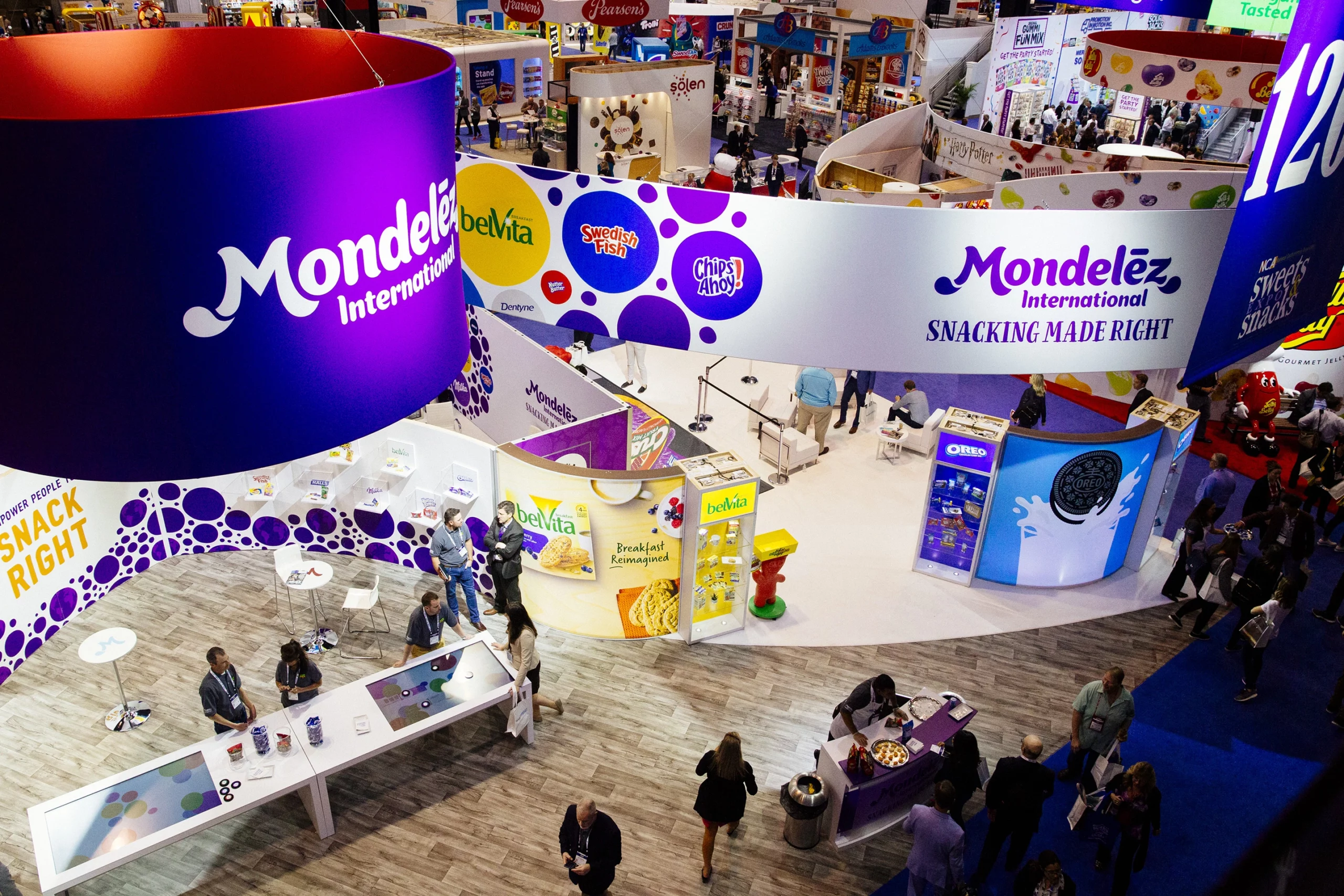
    Snackfoods giant Mondelez has introduced a $13 million state-of-the-art packaging line at its Gourmet Food manufacturing site as part of its $25 million investment plan since acquiring the business in 2021.

    The new packaging line aims to increase production of the Olina’s Bakehouse Artisan crackers range by 35 percent, open up export opportunities, and drive more demand for locally sourced ingredients.

    Fully operational, the facility is powered by 100 percent renewable electricity through Mondelez International’s renewable power purchase agreement with Pacific Blue Retail.

    The initiative will reduce the carbon footprint from the facility by 44 percent (against a 2023 baseline) and complement the company’s Ringwood and Scoresby factories already powered by renewable energy.

    Bevan Tippet, MD, Gourmet Food, says the investment demonstrates the brand’s commitment to providing consumers with an “exceptional range” of biscuits and premium crackers.

    “The investment will increase the production of our prominent Olina’s Artisan range by a third, as we meet growing local and export demand,” he added.

    “Already, twenty percent of our volumes are exported overseas, and this investment will equip us to explore and capture opportunities to showcase our Australian-made products to the world.”