Tag: asia

  • Vegetable, fruit exports reach $5.2B record

    Vegetable, fruit exports reach $5.2B record

    Vietnam’s vegetable and fruits exports surged 70% year-on-year in the first 11 months to $5.2 billion, a new historic peak.

    Durian accounted for 40% of the value, followed by jackfruit, watermelon, grapefruit and longan, all recording growth between 50% and 200%, according to the Vietnam Fruits & Vegetables Association (VFA).

    This was the first time that vegetables and fruits exceeded the export value of key agricultural produce such as rice, cashew nuts and coffee.

    China was the biggest market in the first 10 months at $3.2 billion, accounting for 66% of the total. Growth was 2.7% year-on-year.

    It was followed by the U.S., down 3% to $212 million, South Korea, up 25% to $187 million and Japan, up 7% to $151 million.

    The surge in demand from China and other countries helped exports to reach new heights, said Dang Phuc Nguyen, VFA general secretary.

    More durian farming areas have been approved for exports to China this year and this helped increase shipment, he said, adding that improved infrastructure and logistics also contributed to the growth.

    China is considering importing fresh coconuts from Vietnam and the fruit if approved, will likely be another one that records billions in exports.

    Vietnam is negotiating with the U.S. and Australia to export passion fruit there. It is also in talks to ship grapefruit to Japan, South Korea, Australia and India.


  • Australian wine sales up despite lowest production in 15 years

    Australian wine sales up despite lowest production in 15 years

    Australian wine sales rose by 11 percent despite the lowest wine production in 15 years, according to the Wine Production, Sales and Inventory Report 2023 by Wine Australia.

    In the fiscal year 2022-23, 964 million liters of wine were produced, while sales remained steady at 1.07 billion liters, with a slight increase in domestic sales offsetting the decline in exports.

    Peter Bailey, manager of marketing insights at Wine Australia, said this is the first time in five years that the total sales volume remained steady year-on-year.

    “Sales of Australian wine have been decreasing in our domestic market and export markets over the past five years due to declining wine consumption combined with increased cost-of-living pressures and the effects of the significant duties on Australian wine to China,” he explained.

    The national wine inventory decreased by 4 percent to an estimated 2.2 billion litres in June last year due to sales exceeding production. However, inventory levels remain high, particularly for red wine.

    “This is a move in the right direction for the sector as it responds to the challenge of rebalancing supply and demand,” adds Bailey. “However, it is only a small reduction after the lowest vintage in 20 years, and stocks of red wine remain at historically high levels.”

    The report noted that the stock-to-sales ratio for red wine was still 45 percent above the 10-year average despite decreasing by 7 percent due to the decrease in inventory.

    While supply and demand for white varieties appeared to be more balanced, Bailey pointed out that sales of white wine in 2022-23 were considerably lower than the 10-year average production.

    “Rebalancing supply and demand remains a real challenge for the sector,” he concluded.

    “Our situation reflects the global environment, as world wine production has exceeded yearly consumption for at least the past ten years. This prolonged oversupply, equivalent to more than twice Australia’s production yearly, has put increasing pressure on all wine-producing countries.”

  • Google Messages loses Reminder and Google Photos integration features

    Google Messages loses Reminder and Google Photos integration features

    Google Messages, the default messaging app for many Android users, has recently lost two key features: message reminders and Google Photos integration. These removals have been met with confusion and frustration from users, who are hoping that the features are simply bugs and not intentional changes.

    Some users — both on stable and beta versions of the app — have reported that the alarm clock icon, used to set reminders for messages, is no longer visible in the toolbar when selecting a message. While the “Remind 1 hr” shortcut in incoming notifications still works, the full reminder functionality seems to be missing. This is a strange occurrence considering the feature was introduced back in 2019 and has since then become a popular feature among users.

    Additionally, the Google Photos integration that allows users to upload videos to the cloud and send them as links, is also missing. This feature was particularly useful for sharing high-quality videos without the limitations of SMS/MMS. However, this feature is now completely missing from the Messages app settings, when it would normally appear right above the aforementioned “Remind 1 hr” setting.

    The removal of these features has led many users to believe that they are intentional decisions by Google. However, it is more likely that these are bugs or glitches rather than planned changes, likely due to the recently planned upgrades currently in testing— such as noise cancellation and markdown text support.

    The selective removal of reminders and the complete disappearance of the Google Photos integration are not likely to be permanent or deliberate actions when considering how popular and helpful these features are. However, it is essential to note that this isn’t the first time a helpful feature has disappeared from the Messages app, such as has been the case with the “View messages by category” feature that filters personal from business messages.

    Google has not yet addressed the missing features in Google Messages. Hopefully, the company quickly fixes these issues and restores the functionality that users have come to rely on sooner rather than later.

  • DHL Express unveils newly expanded hub in Hong Kong

    DHL Express unveils newly expanded hub in Hong Kong

    DHL Express has completed the expansion of its Central Asia Hub or CAH in Hong Kong, which can now handle six times more shipment volume than when it was first established in 2004.

    The leading express operator has spent 562 million euros on the Hong Kong hub over the last 19 years with two phased developments in both 2008 and 2017. Given its location in Hong Kong, the hub is important gateway to Asia and the rest of the world and today it handles close to 20 percent of the company’s global shipment volume.

    DHL Express said it initiated the final expansion of the facility to complement the launch of Hong Kong International Airport’s three-runway system, which is set to be completed by 2024.

    With direct access to airside and landside, the newly expanded state-of-the-art facility, with double the total warehouse space at 49,500 square metres, is currently the only dedicated and purpose-built air express cargo facility at Hong Kong International Airport with an automated material handling system and peak handling capacity of 125,000 shipments per hour. It currently handles over 200 dedicated flights per week.

    DHL Express said that it expects to handle plus 50 percent of the current volume or up to 1.06 million tonnes per annum when operating at full capacity, six times the shipment volume of when the hub was first established in 2004.

    The company’s Asia Pacific air network operates with four hubs, one in Hong Kong, Shanghai, Singapore and Bangkok, linking to 900 express facilities in the region. The newly expanded hub in Hong Kong is expected to help strengthen the world city’s role as a trans-shipment hub for the Guangdong-Hong Kong-Macao Greater Bay Area, as well as support Hong Kong airport’s long-term goal to become the ‘e-commerce fulfillment centre of Asia’.

    To address the issue of sustainability, DHL has installed solar panels on the hub’s roof and deployed a battery storage system that can store excess solar power and release it as needed,saving 125,000 kWh of electricity annually and reducing 49 tonnes of carbon emissions. Other environmentally friendly features include electric forklifts, LED lights and highly efficient air-cooled chillers.

  • McDonald’s to buy Carlyle’s stake in China business

    McDonald’s to buy Carlyle’s stake in China business

    Fast food chain McDonald’s Corporation has agreed to acquire Carlyle’s 28 percent stake in the consortium that operates the McDonald’s business in Mainland China, Hong Kong and Macau.

    Through its equity affiliate Citic Capital, the Citic Consortium will maintain a 52 percent controlling stake while McDonald’s will increase its ownership in the business to 48 percent.

    “Our strategic partnership with CITIC and Carlyle has been extremely successful in growing McDonald’s presence in the region since it began. China is now our second largest market; we’ve doubled our restaurants to more than 5500 since 2017,” said Chris Kempczinski, McDonald’s president and CEO.

    “We believe there is no better time to simplify our structure, given the tremendous opportunity to capture increased demand and further benefit from our fastest-growing market’s long-term potential.”

    The acquisition comes amid the consortium’s target to reach more than 10,000 McDonald’s stores in the region by FY28 and nearly six years after the burger chain agreed to sell 80 percent of its China and Hong Kong businesses to Citic and Carlyle for up to $2.1 billion.

    “As McDonald’s China’s controlling shareholder, we are thrilled by McDonald’s Corporation’s continued commitment to our long-term partnership and the China market,” said Yichen Zhang, Citic Capital CEO and McDonald’s China chairman.

    The deal is expected to close in the first quarter of next year.

  • iPhone users should expect to receive iOS 17.1.2 next week

    iPhone users should expect to receive iOS 17.1.2 next week

    Get ready iPhone users because iOS 17.1.2 is coming your way. MacRumors says that it has seen evidence of the update in its website’s analytics logs. Some of the higher profile bugs that still need to be exterminated include one that has prevented iPhone users running iOS 17.1 and later from wirelessly charging using the in-car charging pad of their General Motors vehicle. Apple had previously disseminated iOS 17.1.1 to eliminate a bug that broke NFC on iPhone 15 series handsets that charged using BMW’s in-vehicle charging system.

    Without NFC, the damaged iPhone units could not use Apple Pay and some received an error message saying that Apple Pay could not be set up on their devices even if the feature had already been used on these phones. Apple-certified techs were told to use Apple Service Toolkit 2 software in order to revive the NFC chip on damaged units, while some were told that their iPhones had to be opened up to repair or replace some of the hardware. While BMW warned iPhone 15 series users not to use the in-vehicle charger on new vehicles, Apple did push out iOS 17.1.1 to fix the issue at the beginning of this month.

    The iOS 17.1.2 update will probably be released next week since Apple traditionally stays away from releasing any new software builds during the week of Thanksgiving in the U.S. That’s because many of Apple’s employees are given the week off. Last year, a similar situation occurred with iOS 16.1.2 and the latter was finally released on November 30.

    As for iOS 17.2, Apple has been pushing out beta builds of the update with the final version expected in the middle of next month. The update will add support for spatial video recording for the iPhone 15 Pro models; these videos will be viewable with the Apple Vision Pro headset once it is launched. The iPhone’s new Journal feature will be available once iOS 17.2 is installed along with new Clock and Weather widgets, and an option that will allow iPhone 15 Pro series users to have the Translate app open when the Action button is long-pressed on the phone.

    But before iOS 17.2 arrives, iOS 17.1.2 will be released possibly to fix the GM wireless charging bug and any other annoying issues that iPhone users are currently dealing with.

  • AirAsia X, Unilode renew partnership until 2027

    AirAsia X, Unilode renew partnership until 2027

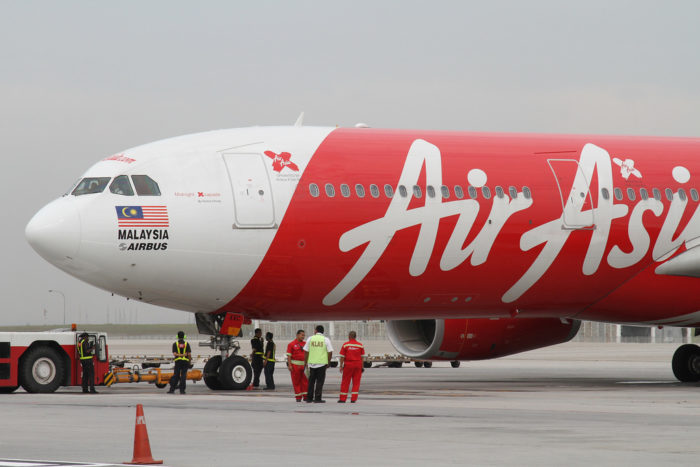
    Unilode Aviation Solutions and medium-, long-haul carrier AirAsia X have extended their full-service ULD management partnership until 2027.

    The two have been working together since 2009 and the partnership has been renewed twice in the past 14 years. Unilode manages the ULD supply for AirAsia X’s current fleet of 14 A330 aircraft. The carrier will acquire three more widebody aircraft by the end of this year with plans to grow further over the next few years.

    AirAsia X currently flies to 19 destinations and the ULD repairs are carried out in Unilode’s global MRO network, mainly located in the Asia-Pacific region, to reduce turnaround times and increase asset availability.

    “Unilode has flexibly adapted to our changes in ULD types and met our ongoing ad-hoc demands to enable AAX to increase cargo revenues amongst other key deliverables,” commented Captain Suresh Bangah, chief operating officer of AirAsia X.

    Unilode, who claims aa strong presence and customer base in the Asia-Pacific region, said it will continue to strengthen its position in the region with new customers and MRO expansion in the coming months.

  • Vietnam Airlines joins the AAPA

    Vietnam Airlines joins the AAPA

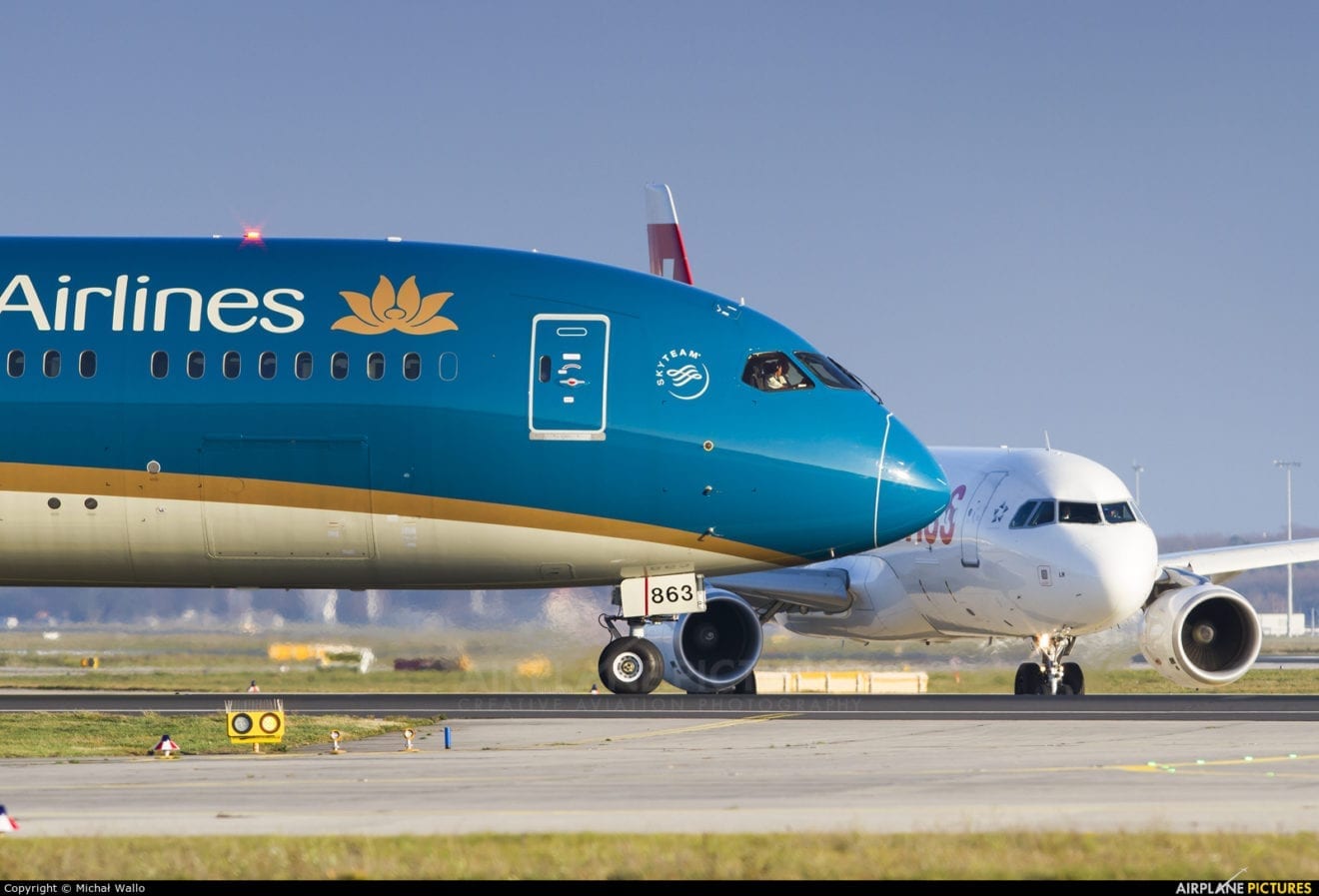
    Vietnam Airlines is the latest member to join the Association of Asia Pacific Airlines (AAPA), as announced by a press release on 14 November, with immediate effect.

    As part of the AAPA, Vietnam Airlines will participate in the Association’s meetings and joint activities, where members can stay updated and exchange information about the trends in the aviation industry. Airline members also receive in-depth insights, forecasts, and advice from the group’s regular monthly distribution.

    On 9-10 November 2023, the AAPA organised its 67th Assembly of Presidents in Singapore, which gathered airline leaders to discuss relevant issues in air transport and aviation, with a core focus on sustainability. The conclusion of the event, which was hosted by airline member Singapore Airlines, saw the passing of a series of resolutions covering sustainability, aviation safety and regulatory impact.

    Airline leaders have agreed to a ‘collective’ target of 5 percent SAF utilisation by 2030, and the trade association is calling on governments, fuel producers, airports, and other industry organisations to come together globally, to accelerate the transition to renewable energy and push the ambitious goal to carbon neutrality by 2050.

    The AAPA’s membership now stands at 15 airlines, which include Air Astana, Air India, ANA, Bangkok Airways, Cathay Pacific, China Airlines, Eva Air, Garuda Indonesia, Japan Airlines, Malaysia Airlines, Philippine Airlines, Royal Brunei Airlines, Singapore Airlines, Thai Airways and Vietnam Airlines.

  • Alibaba records “solid quarter” with revenue growing across segments

    Alibaba records “solid quarter” with revenue growing across segments

    Alibaba Group saw its revenue increase 9 percent year over year to US$30.81 billion for the quarter ended September 30.

    The company’s operating income soared 34 percent to $4.603 billion, with adjusted EBITA up 18 percent to $5.872 billion.

    Taobao and Tmall Group’s revenue was up 4 percent to $13.385 billion, as content and price-competitive strategy drove organic growth of users and order volume increased.

    Alibaba International Digital Commerce Group (AIDC), which operates Lazada, AliExpress, Trendyol, Daraz, Miravia and Alibaba.com, posted a 53 percent increase in revenue to $3.360 billion. AIDC recorded order growth of 28 percent thanks to a solid performance from all major retail platforms.

    Lazada recorded double-digit order growth, with losses per order narrowing both quarter over quarter and year over year.

    Other segments, namely Local Services Group, Cainiao Smart Logistics Network, Cloud Intelligence Group, and Digital Media and Entertainment Group, also saw revenue growths of between 2 and 25 percent.

    For the quarter, the company logged a net income of $3.659 billion, compared to net loss of $3.1 billion in the same quarter of 2022.

    Eddie Wu, CEO of Alibaba Group, said the group delivered a “solid quarter” due to its strategic reorganization.

    “Through a more flexible organizational governance mechanism, we aim to capture brand new opportunities from the ongoing AI technological transformation and create more value for our customers.”

  • Fila records a 35 per cent decrease in revenue

    Fila records a 35 per cent decrease in revenue

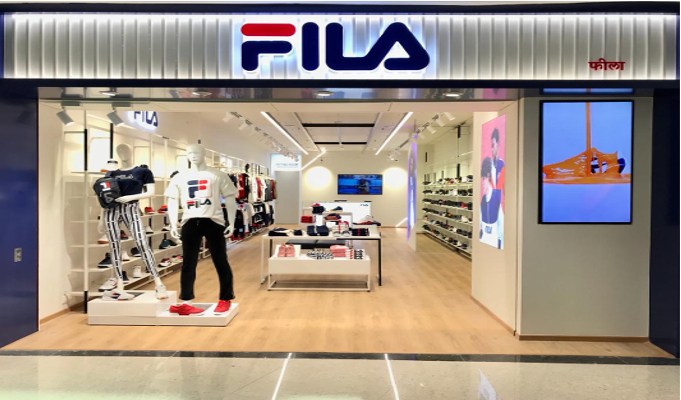
    Fila’s parent company Fila Holdings reported overall earnings of US$766.97 million for the third quarter, for which the company credits its global five-year “Winning Together” strategy established last year.

    The group said its operating profit was $71.6 million, boosted by strong sales at subsidiary Acushnet.

    Acushnet’s quarterly revenue increased by 3.3 percent year-on-year to $602.84 million due to strong demand for Titleist golf balls, as well as strong sales of its newly launched Titleist golf clubs and a higher average selling price (ASP).

    Meanwhile, Fila reported $163.44 million in quarterly revenue, a 35.1 percent reduction year-on-year.

    Fila Holdings is paying out a special dividend for the second year in a row, despite the Fila brand’s strategic transition obstacles. The company’s long-term commitment to increasing shareholder value is an important component of its Winning Together strategy.

    “In the face of a challenging business environment, we are striving to improve shareholder value alog with profitability in our main business,” said Fila Holdings CFO Ho Yeon (Aaron) Lee. n

    “We recorded solid consolidated quarterly earnings based on the growth of Acushnet, while we remain committed to our long-term goals with the Fila brand.”

    Fila is enhancing its position as a representative tennis brand, the company said, by participating as an official sponsor in UTS Seoul. This new concept tennis event will be staged in Asia for the first time at the end of this month.

  • Cotti Coffee opens first location in Hong Kong

    Cotti Coffee opens first location in Hong Kong

    After expanding its presence in Southeast Asia, Chinese coffee chain Cotti Coffee has launched its first location in Hong Kong, with the first store in Indonesia in August.

    The Sheung Wan Mass Transit Railway (MTR) station location joins Cotti Coffee’s portfolio of more than 6200 stores worldwide, encompassing key cities in countries including Canada, Japan, South Korea, and Indonesia.

    Cotti Coffee is one of the largest coffee chains in China and the official global sponsor of Argentina’s national football teams. Since its establishment, the brand has spread to 328 cities in 28 countries and markets.

    According to the coffee retailer, it will offer Hong Kong customers “distinctive flavors and technological innovation”. Customers can purchase classic coffee delights including Americanos, lattes, as well as other innovations like the Coco Cotti, Stardust Oat Latte, Pampas Blue Coco Latte, and Coco Pearl.

    The brand also introduces Grapefruit Sparkling Cold Brew, Grapefruit Hand-Shaken Iced Tea, and the “Rice Milk” line.

  • IT workers surplus to plans for many companies

    IT workers surplus to plans for many companies

    Many IT employees are being laid off or forced to quit and struggling to find new jobs due to a decline in demand due to the economic downturn.

    After a payment project was unexpectedly canceled in July as the company, a big tech brand in HCMC, no longer had the cash to keep it running, IT manager Quang Vu had no choice but to start looking for a new job, just many of his peers in the industry.

    “Many people I know in e-commerce, e-wallet and delivery companies are being affected by a wave of restructuring,” he said, adding that the layoffs are often not publicly announced.

    Dinh Ngo, who works at an IT job, said his German employer has stopped looking to hire for certain positions and is not extending contracts with people in those jobs.

    “Projects that are not profitable will be suspended.”

    A recent report by recruitment platform VietnamWorks said most companies have reduced their recruitment budget for IT employees this year.

    It surveyed non-tech companies that need IT staff and tech and IT businesses.

    It said only 61.3% of employees in tech companies believe they have stable jobs.

    At non-tech companies, 21.6% of IT workers have quit this year.

    Around 22.2% of companies in HCMC have reduced IT staff recruitment and 14.7% in Hanoi have reduced their salaries and bonuses.

    IT is among the three sectors with the biggest drop in recruitment in the last three years — at 23% — according to a report by consulting firms Talentnet and Mercer.

    Industry insiders attributed this to the impact of global economic challenges.

    Cai Dang Son, director of products and engineering at recruitment company Navigos Group, said businesses are focused on coping with the current difficulties.

    The biggest decline in hiring is seen at e-commerce and ride-hailing companies.

    Investment in Vietnamese tech startups dropped by 82% to US$66 million in the first half of this year.

    Tung Lam, a former product manager who has been jobless for six months, said “Compared to before Covid-19, the number and diversity of jobs have plummeted.”

    The VietnamWorks report also pointed out that more than 25% of IT staff have difficulty finding jobs, with new graduates all but ignored.

  • Limited edition Vespa sells for $29,000 in Vietnam

    Limited edition Vespa sells for $29,000 in Vietnam

    Limited edition 10th-anniversary Vespa 946s are selling at private dealerships for over VND700 million ($28,848) in Vietnam.

    Aside from the 28 units that franchise dealers imported last week, private dealers have procured several more Vespa 946 10° Anniversaries from Italy.

    One Ho Chi Minh City showroom on Hung Vuong Street in District 5 has priced the scooter at over VND700 million, while another dealership in the Mekong Delta province of Soc Trang listed it for VND710 million. The Vespa 946 10° Anniversario sells for just VND425 million at franchise dealerships.

    Vespa manufacturer Piaggio produced the limited-edition model mainly to sell to wealthy collectors, according to one showroom owner.

    “Prices for the Vespa 946 can fluctuate depending on collectors’ interest levels. In terms of popularity, the model is not as sought-after as the 946 Dior.”

    In 2022, the Vespa Christian Dior sold for VND1.6 billion at private dealerships, while franchise dealers priced it at VND700 million.

    According to a manager at franchise dealership Motoplex in HCMC, the Dior version garnered much more attention due its exquisite decor made in collaboration with luxury fashion brand Dior.

    Meanwhile, the Vespa 946 10° Anniversaries was designed solely by Piaggio, so it mostly piques the interest of Vespa fans. Piaggio only produced 1,000 units of the limited-edition model.

  • Etihad Cargo launches ‘instant offer rate’ solution

    Etihad Cargo launches ‘instant offer rate’ solution

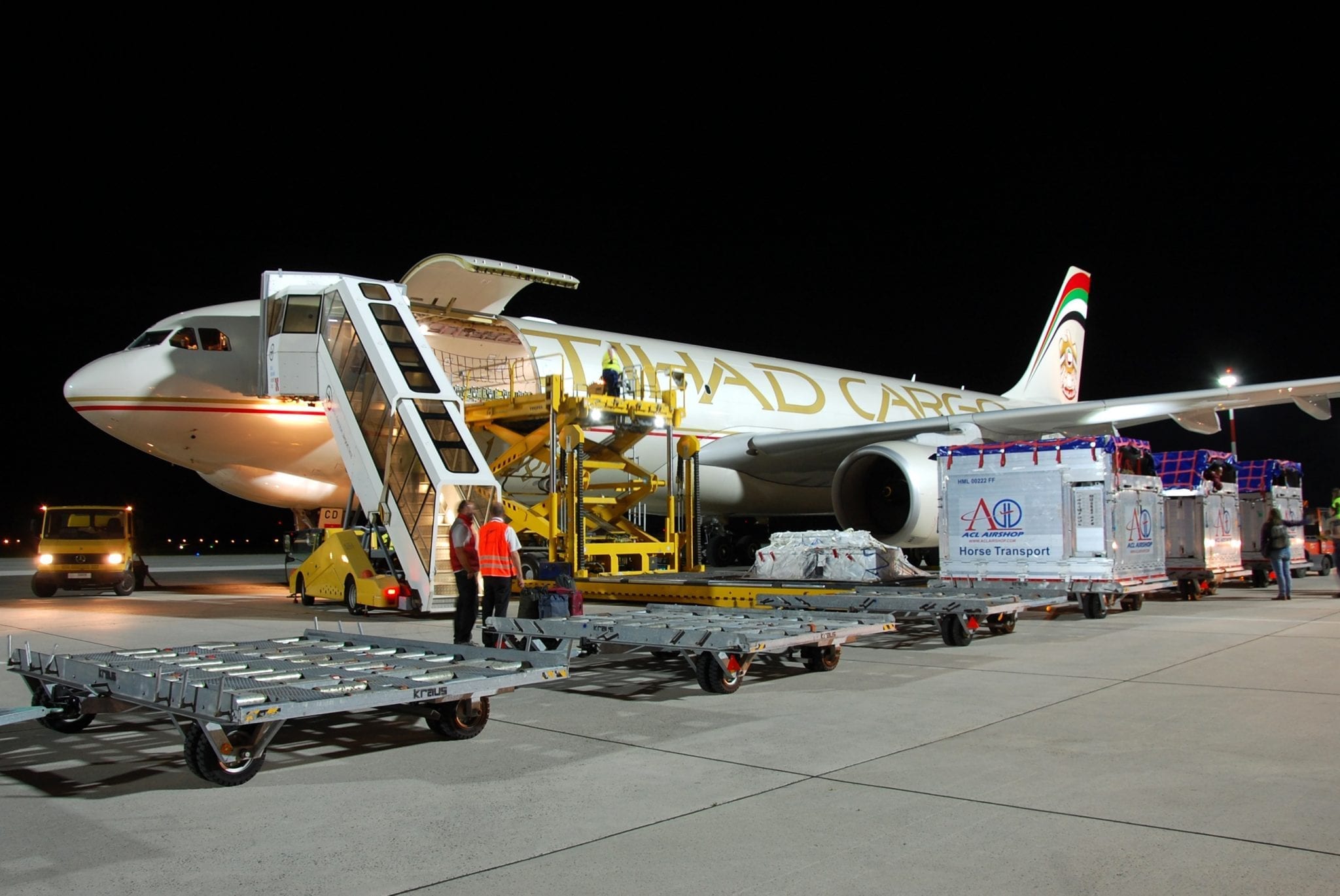
    Imagine getting competitive air freight rates for your requirements and completing transactions faster. This is exactly what Etihad Cargo’s instant offer rate solution aims to do.

    The solution, developed with IBS Software, reduces the processing time and can generate prices in seconds based on five key details for bookings and flights across the carrier’s network, including density, departure day, direct or indirect flights, flight demand and requested service.

    The new system cuts the transaction time by up to 70 percent. It uses the required flight/booking data and can provide the best available price seamlessly within a few seconds via Etihad Cargo’s online portal.

    The Abu Dhabi-based carrier has been adding features to its revamped booking portal, ‘making it easier and more intuitive for partners and customers to make bookings,” said Leonard Rodrigues, head of revenue management and network planning at Etihad Cargo.

    The launch of the new solution follows the recent addition of features enabling the booking of cats, dogs, and dangerous goods on Etihad’s air cargo booking portal as part of its ongoing digitalization strategy.

  • Apple Watch will get back a popular and useful feature in watchOS 10.2

    Apple Watch will get back a popular and useful feature in watchOS 10.2

    When Apple released watchOS 10 it got rid of a handy feature that Apple Watch wearers loved. This feature allowed a user to switch the watch face on his timepiece by swiping on the display. The removal of this feature seemingly upset Apple Watch owners enough that Apple felt compelled to return it to the watchOS 10.2 beta 3. This comes from an “X” subscriber @aaronp613 who posted some code strings from the beta, including one that reads “Swipe to Switch Watch Face.”

    To use this feature, once you have watchOS 10.2 beta 3 installed or once Apple releases watchOS 10.2, go to Settings > Clock. From there you can set which method of changing watch faces you prefer. So if you have watchOS 10.2 beta 3 on your Apple Watch, you can return this feature. If you don’t have the beta installed, you’ll have to wait until the release of the final version of watchOS 10.2, which will be pushed out later this year.

    You can set up watch faces to swipe to by going to the Watch app on your iPhone, tapping the Face Gallery tab, and creating alternate watch faces. You can make several different watch faces for various occasions, including some functional faces with plenty of complications for the workday, a more formal watch face for upcoming holiday parties, and other watch faces for other events, including your workouts.

    With a quick swipe, you can change your watch face to have a watch to fit any occasion without having to own more than on timepiece. By setting your Apple Watch to enable “Swipe to Switch Watch Face,” you can quickly go through the watch faces you’ve set up by swiping your Apple Watch display.

    It isn’t clear why Apple decided to do away with the feature in the first place since swiping the screen in watchOS 10 doesn’t do anything. However, the company must have received enough feedback from Apple Watch users who are missing this quick and easy way to change the watch face on their smartwatch.