Tag: asia

  • Bath & Body Works to open third store in India

    Bath & Body Works to open third store in India

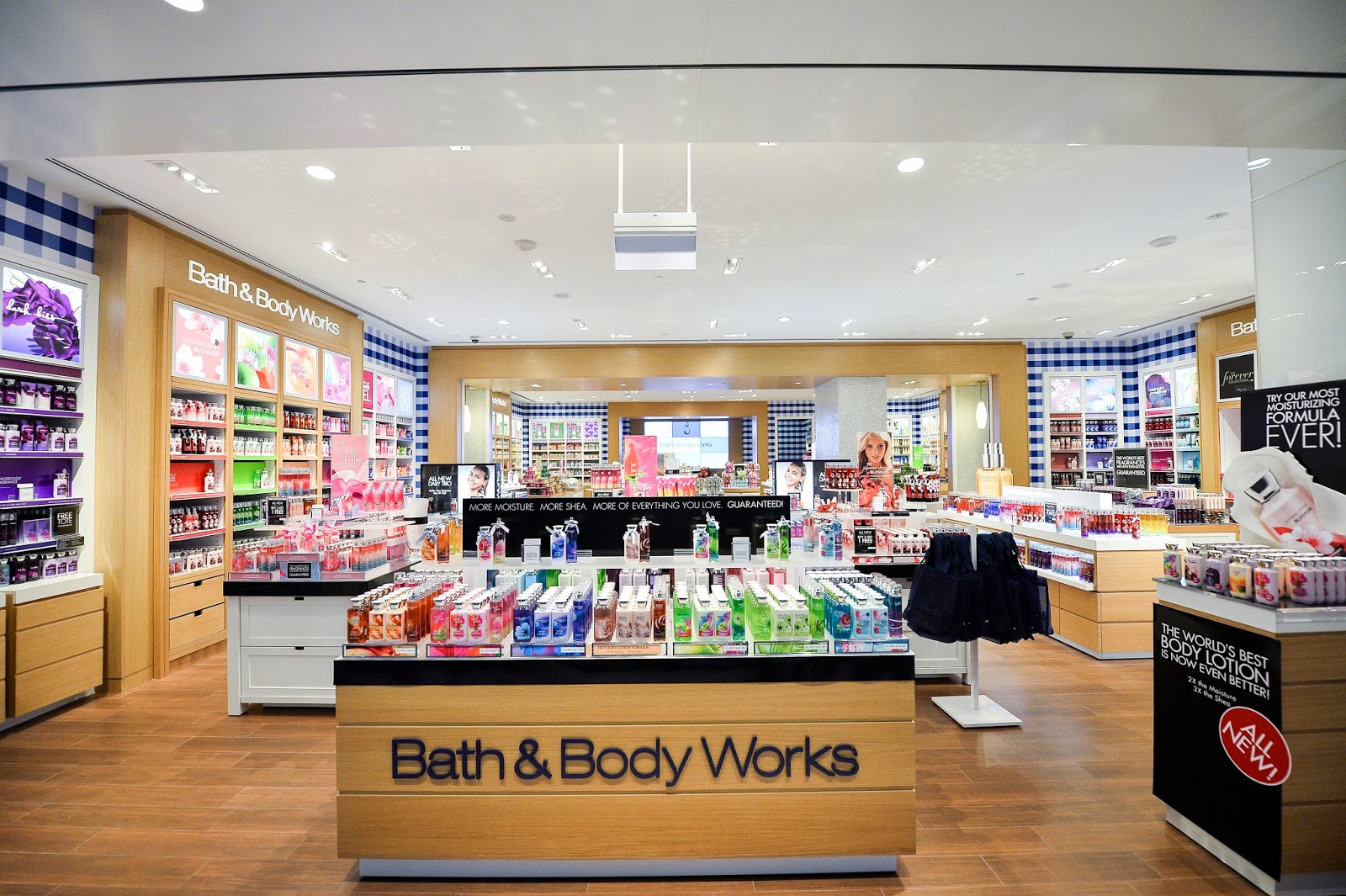
    Bath & Body Works, one of the world’s leading specialty retailers of fragrant products for the body, hands, and home for more than 20 years, is launching its third store at Ambience Mall, Gurugram on November 25. Earlier this year the brand launched in India with two stores in New Delhi at Select Citywalk and DLF Mall of India.

    In keeping with international formats, the Bath & Body Works stores in India showcase latest trends as well as the newest, freshest fragrances for body, hand, and home.

    From light-hearted and flirty scents to sophisticated and exotic fragrances, the Bath & Body Works store at Gurugram will be all about fun with world-class fragrances, with a special launch offers.

    Having established itself as one of the best and most sought after Personal Essentials and Home Fragrance brands, the Bath & Body Works store in Gurugram will be spread over approx. 1,200 sq.ft that will allow customers to enjoy an extensive array of fragrances: Body Crèmes, Shower Gels, Body Lotion, Bath Frizzies, Fragrances Mists, Hand Creams, Hand Washes, Hand Sanitizers, Candles and Gift Sets.

  • Online hiring in Malaysia fell 8% in Q3

    Online hiring in Malaysia fell 8% in Q3

    Online hiring activity in Malaysia fell by 8% in the third quarter, falling behind the performance from one year ago by 14%, according to the third quarterly Monster Employment Index (MEI) report. It said online recruitment in the country could not sustain the strong performance of the previous quarter, continuing a negative trajectory.

    The report highlighted that Malaysia has still not recovered its economic position, despite a stronger performance in the previous quarter.

    This Southeast Asia Q3 Online Recruitment Trends Report by Monster.com examines the hiring trends and performance of online recruitment, and offers a comprehensive overview of major industries across Malaysia, Singapore, the Philippines.

    It said top three job roles among occupations hiring freelancers online in Malaysia are sales & business development (16%), marketing & communications (8%), software, hardware, telcom (5%).

    Among occupations, hospitality and travel recorded the strongest quarterly growth with 2%, while engineering and real estate soared 13% in a quarterly comparison.

    The IT, telecom/internet service provider (ISP) and business process outsourcing (BPO)/IT enabled services (ITES) sector exhibited the strongest performance among industries throughout July, August and September in a year-on-year comparison, while the logistics and BFSI industries registered the weakest performance for the same period.

    While general online hiring has been slowing in Malaysia in the third quarter, the IT, telecom/ISP and BPO/ITES sector recorded a 5% growth in the three-month period.

    With Penang becoming an increasingly attractive hub for tech companies in Malaysia, the IT, telecom/ISP and BPO/ITES sector resumes the path that was set in the second quarter. In a year-on-year comparison, the sector even registered double-digit growth with 11%, 11% and 12% respectively – indicating a resilient industry despite political concerns.

    This edition of the quarterly MEI took a closer look at the freelance economy and its online hiring demand across industries in Southeast Asia. With job scopes continuing to shift due to technological innovations, it is up to human resources leaders to define the way freelancers, part-timers and full- time staff collaborate and share their workload.

  • Xiaomi Opens Over 500 Stores in Rural India

    Xiaomi Opens Over 500 Stores in Rural India

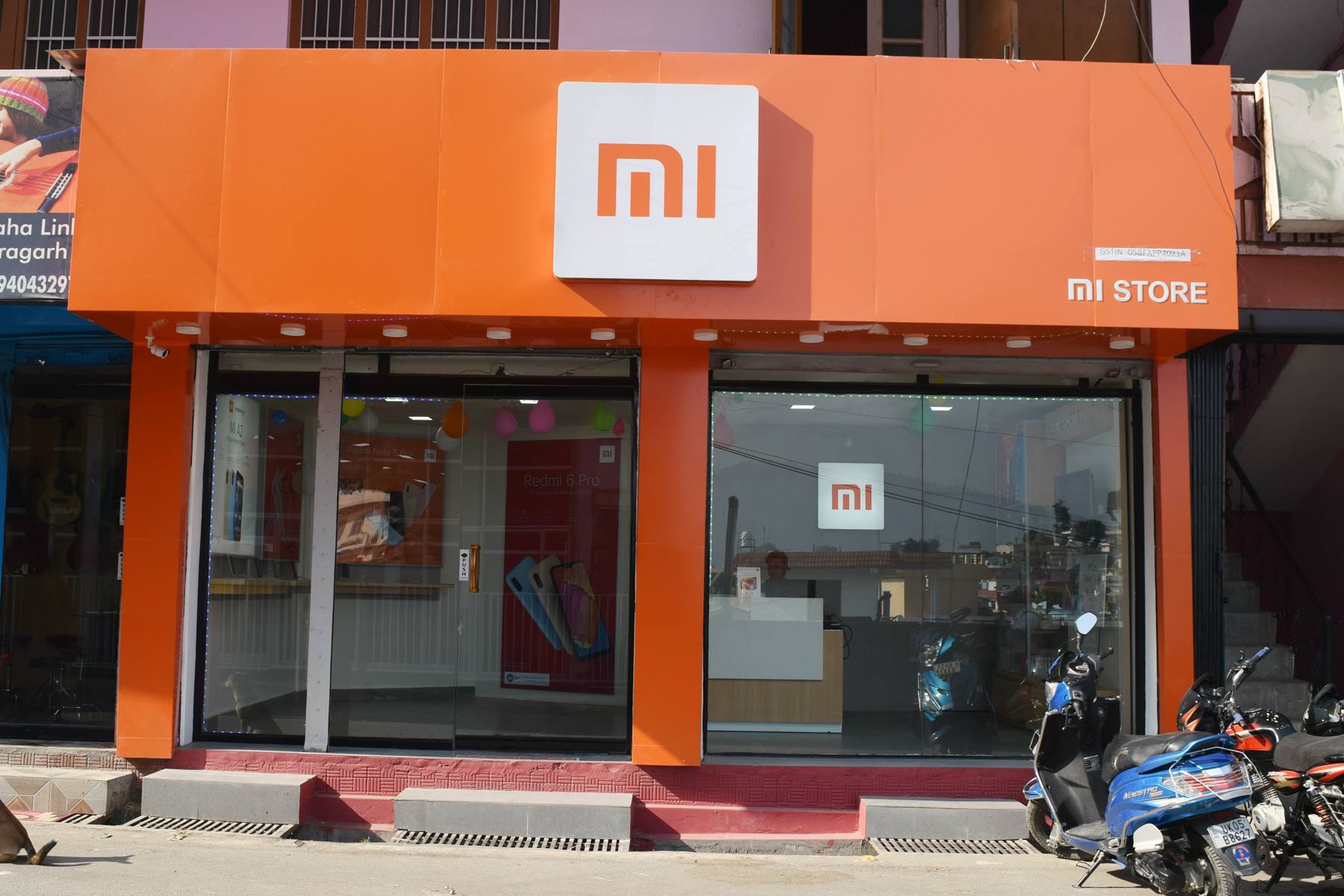
    Xiaomi India says it opened 500 retail stores in one day in India late last month. The Chinese electronics retailer has bannered the network Mi Stores – smaller, compact versions of the Mi Home stores, developed for mainly rural parts of India.

    “The company created a Guinness record for opening the maximum number of stores in one single day,” said Manu Kumar Jain, VP of Xiaomi Global and MD of Xiaomi India.


    “Xiaomi plans to open 5000 Mi Stores by the end of next year. This new business will forever change rural retail in India.”

    As well as the Mi Home stores, the company is continuing to roll out its larger flagships, the fourth of which opened in Bengaluru in September.

    Xiaomi India has been growing rapidly since it launched online, initially focusing on mobile phones. Since then it has expanded into other home electronics and is now moving into other retail categories such as luggage and apparel.

  • Vietnam leads Southeast Asia in digital economy development

    Vietnam leads Southeast Asia in digital economy development

    Vietnam’s internet economy is the largest relative to GDP in terms of gross merchandise volume in Southeast Asia this year. A study by Google and Temasek, a Singaporean holding company owned by the Government of Singapore, said gross merchandise volume (GMV) traded over the Internet in Vietnam was 4 percent of GDP. The study encompasses ride-hailing, e-commerce, online travel and online media.

    In second place was Singapore with 3.2 percent, according to the study which covered Indonesia, Malaysia, the Philippines, Singapore, Thailand, and Vietnam. Indonesia’s digital economy had the fastest absolute growth and looks set to reach $100 billion in 2025.

    In the last few years online businesses have been booming in Vietnam, with last year the digital economy growing by more than 25 percent, a rate that can be sustained for the next two or three years, according to the Vietnam E-Commerce Association.

    It said online sales are set to hit $10 billion by 2020, accounting for 5 percent of total retail sales.

    A Financial Times report last April cited Bain, a U.S.-based global management consulting firm, as estimating that Southeast Asia had 200 million digital consumers, or people who bought goods or services online, out of an adult population of 405 million. Vietnam, with a population of 93.7 million, accounted for 35 million.

    Vietnam’s youthful population is among the keenest users of mobile devices in the region, while the country’s consumers spend more time online than most of their neighbors, several studies have found.

    Research firm Nikkei estimated Vietnamese spend nearly 25 hours online per week, on a par with or just behind Singapore and the Philippines.

    In the ride-hailing sector, many players are expanding investments. Vietnam recently saw new entrants such as local firm FastGo, GoViet, a subsidiary of Indonesia’s Go-Jek, and Aber.

    Current market leader Grab has expanded to offer GrabFood and GrabCar Business, the latter targeting the corporate sector.

    But experts say Vietnam and many other countries in the world face a slew of challenges in the digital economy such as upgrading the skills of the workforce and adapting to rapidly changing technologies.

  • IKEA announces new retail direction globally; to hire aggressively in India

    IKEA announces new retail direction globally; to hire aggressively in India

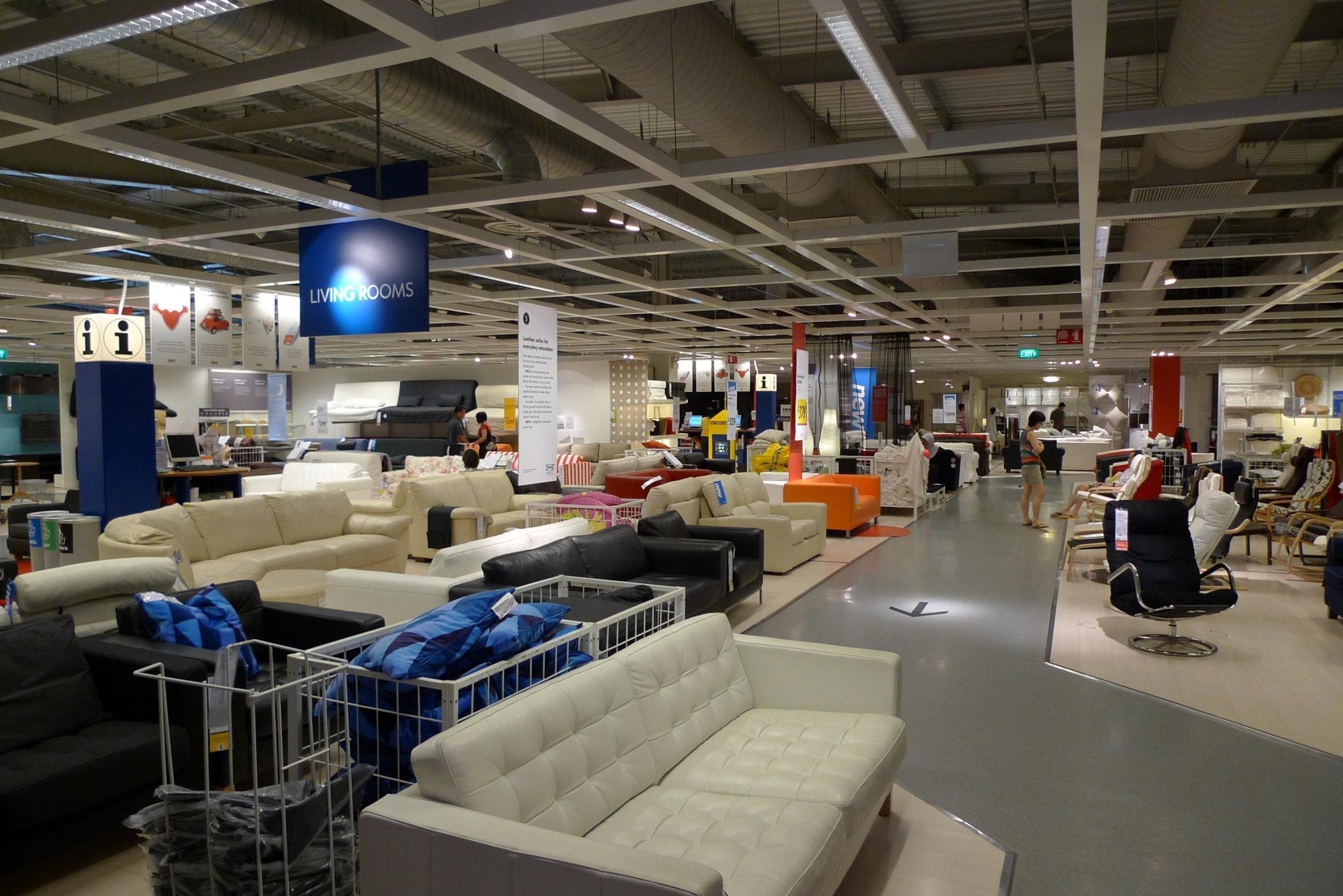
    Ingka Group (Ingka Holding B.V and its controlled entities) is accelerating its transformation, stepping up investments in new and existing IKEA stores and fulfilment centres, developing city centre formats and focusing on its e-commerce platform, to better meet the needs of its customers and be more convenient and affordable to many more people.

    Building on many years of solid growth and as part of a transformation, Ingka Group is assessing all parts of the organisation and is simplifying to enable a greater focus on adding value to its customers. As a result, in the coming 2 years 11,500 new jobs will be created globally, through opening around 30 new IKEA touchpoints, investments in its fulfilment network and in digital capabilities. At the same time 7,500 jobs may become redundant globally, out of the current 160,000 jobs, mainly focusing on global functions and offices in 30 markets.

    Jesper Brodin, Chief Executive Officer, Ingka Group says: “We continue to grow and perform strongly. At the same time, we recognise that the retail landscape is transforming at a scale and pace we’ve never seen before. As customer behaviours change rapidly, we are investing and developing our business to meet their needs in better and newer ways. We will put greater emphasis on making our existing stores even better and taking the opportunity to renew and reinvent our business in a way that is inspired by our history, culture and values. Together these elements guide our work and build our inclusive, open and honest culture, and we’re going to support our co-workers in the best possible way throughout this change.”

    To support the biggest transformation in the history of the Ingka Group, IKEA India has already adopted its expansion approach. Through its expansion in India, it will create many more direct and indirect jobs. The number of co-workers is expected to grow from the current strength of 1,500 co-workers to over 15,000 co-workers in the future, out of which 50 percent will be women. Besides jobs in the stores and new city centres, the company will also create a lot of new roles in areas such as digital, data analytics, diversified fulfilment networks and personalisation. Certain existing roles will change and the company confirmed that all its co-workers will get to explore new opportunities in the new organisation. 3,000 new jobs are expected to be created in the next two years in line with its growth plans and transformation.

    Peter Betzel, Chief Executive Officer, IKEA India says, “We are in an exciting time at IKEA India. We have recently embarked on our retail journey here and have the unique opportunity to implement our new retail direction from the beginning itself. The India organisation will align with the new global structure and competencies to build a future ready organisation in terms of skill sets. IKEA India will hire many more people, both in terms of direct and indirect employment, and as we start our digitisation journey, we will add many more co-workers with different skill sets, while also creating avenues for our existing co-workers to grow in many new roles.”

    IKEA India, part of the Ingka group and one of its most recent retail markets is as one of its most important long term markets. It is on track to invest Euros 1.5 billion and aims to be present in many Indian cities in the coming years. Mumbai will be the first megacity in India to offer the full in India including city centre formats, large stores and a strong digital offering next year. IKEA intends to reach 200 million Indians in the coming three years through different channels. Globally in Ingka’s top 30 mega city strategies, three Indian cities – Mumbai, Bangalore and Delhi are included which reinforces IKEA’s belief in the potential of India.

    In August 2018, it opened its first India store in Hyderabad and will enter Mumbai next with online and stores.

    IKEA has been present in India with IKEA Purchasing and IKEA Foundation businesses. The purchasing organisation has been sourcing from India for close to 35 years for its global stores. Currently it has 55+ suppliers with 45,000 direct employees and 400,000 people in the extended supply chain. The long term goal is to maximise local sourcing to increase affordability and also tap into the many sustainable raw material India has to offer to create more sustainable products in its range. It also works with 1500 women artisans through two social entrepreneurs, one of who is based in Karnataka.

    IKEA Foundation, its philanthropic arm has been working with the communities for 18 years. It has partnered with public and private organisations for the DISHA skill development program to empower one million marginalised Indian women to join the retail workforce. The IKEA Hyderabad store that recently opened has employed around 100 women from this program.

  • Oriental Watch sales slide, but profit rises

    Oriental Watch sales slide, but profit rises

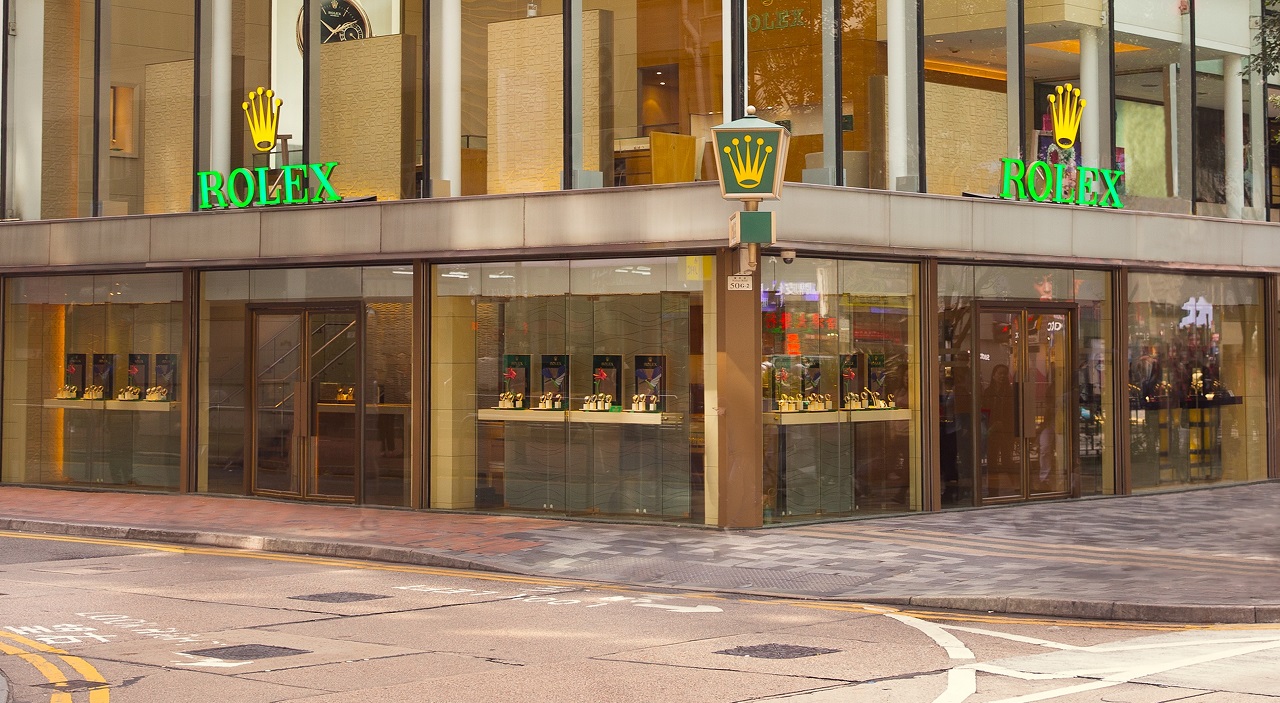
    Oriental Watch Holdings sold fewer watches in the six months to September, but at a higher margin, boosting profit by 39 per cent. Group turnover decreased by 21.7 per cent to HK$1.181 billion compared with $1.508 billion during the same period last year.

    Gross profit increased by 13.4 per cent to $288 million while gross profit margin increased to 24.4 per cent. Oriental Watch says rent negotiations contributed to lower overheads, helping profit attributable to shareholders rise 39.1 per cent to $64 million.

    As at September 30, the group operated 62 retail stores in Greater China: 11 in Hong Kong, one in Macau, three in Taiwan and 47 in Mainland China.

  • Foreign flows into Asian bonds turn positive, Malaysia leads

    Foreign flows into Asian bonds turn positive, Malaysia leads

    Foreign flows into Asian bonds turned positive in October, in stark contrast to the sharp outflows faced by equity markets due to slowing earnings and concerns over trade. Data from central banks and bond market associations showed overseas investors bought a net US$2.24 billion (RM9.4 billion) in Malaysian, Thai, Indonesian, South Korean and Indian bonds in the last month. That compared with net outflows of US$2.46 billion in September.

    Malaysia’s bond market led the region with inflows of US$1.8 billion in October, the highest in 2018. At the end of last month, foreign ownership of Malaysian government securities rose to 40.7% from 39.5% in September, the data showed.

    Thailand and Indonesian bond markets also attracted foreign money of US$1.07 billion and US$886 million, respectively.

    “Thailand’s large current account surplus and growth recovery have boosted the perception of Thai debt as a relative safe haven in the region,” said Khoon Goh, Singapore-based head of Asia research for ANZ Banking Group in a note.

  • Coupang Korea to sack $2 billion funding

    Coupang Korea to sack $2 billion funding

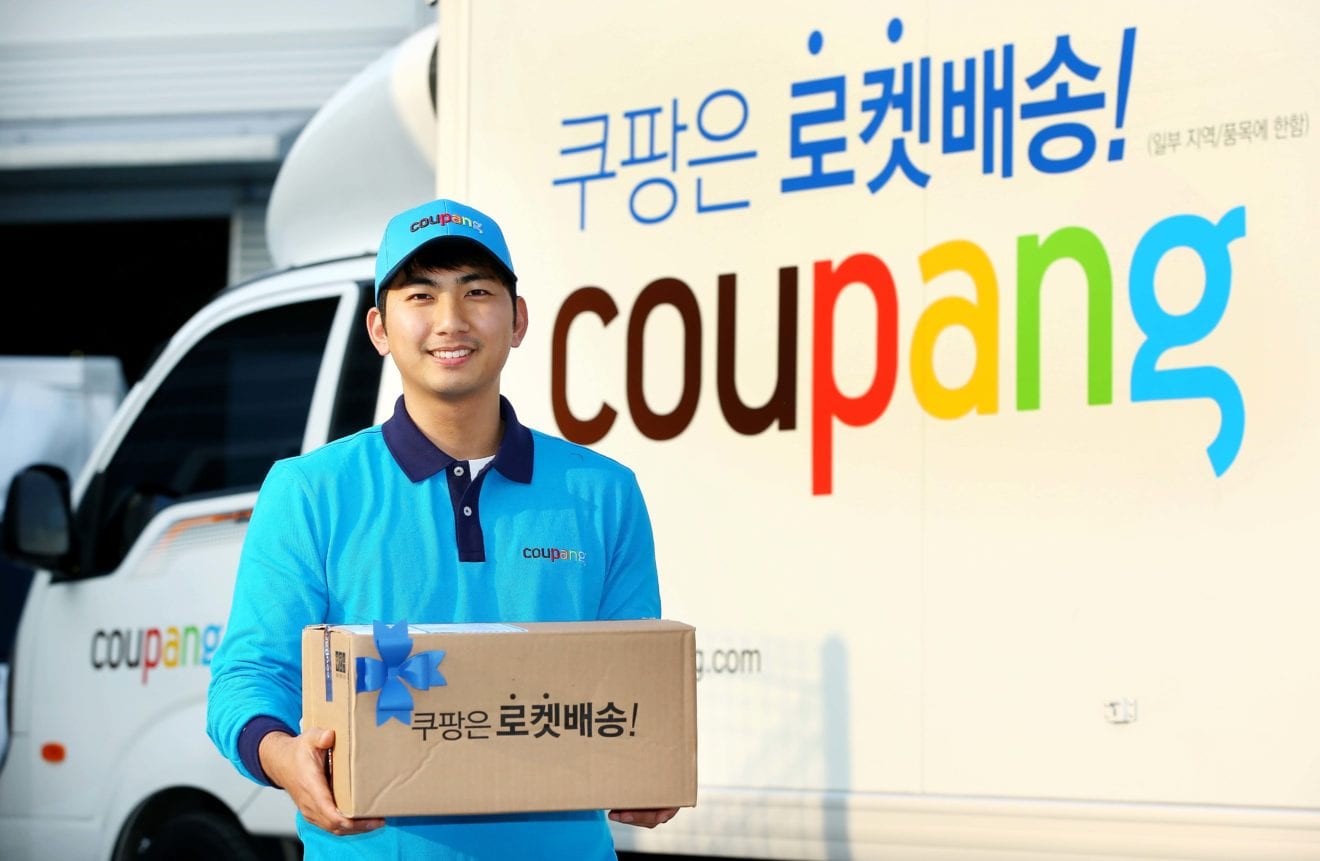
    South Korea’s Coupan, the fast-growing e-commerce firm, will receive an investment of US$2 billion from the SoftBank Vision Fund. The funding follows SoftBank Group’s initial investment of $1 billion in June 2015. The new round of capital will enable Coupang to continue investing in consumer-first technologies.

    Lydia Jett, partner at SoftBank Investment Advisers and a Coupang board member, said the company Coupang wants to have “a revolutionary technology platform and uncompromising focus on customer delight”.

    “We believe the company is well-positioned to lead the Korean e-commerce market, with significant platform opportunities ahead given its data, payments and logistics advantage.”

    With revenue more than doubling in the last two years and approaching $5 billion this year, Coupang is Korea’s largest online retailer with more than 120 million items for sale and 4 million available for guaranteed one-day delivery.

    Millions of customers buy from Coupang more than 50 times per year, and one in every two Koreans has downloaded Coupang’s mobile application.

    Coupang CEO Bom Kim said: “At Coupang, we are obsessed with making customers’ lives easier.

    We’re excited to continue our partnership with SoftBank. We are confident this investment will allow us to leverage the platforms we have created in logistics, payments, and data to make e-commerce and other innovations even more indispensable to our customers.”

  • Uno Chicago Bar & Grill to opens stores in India

    Uno Chicago Bar & Grill to opens stores in India

    Ambuja Neotia Group’s hospitality vertical has recently introduced globally recognized American casual dining chain, Uno Chicago Bar & Grill in India through franchise route. The first outlet has opened at Gardens Galleria Mall, Noida.

    Harshavardhan Neotia, Chairman of the Ambuja Neotia Group says, “We feel that the Indian consumer is a well-travelled consumer who has an acquired taste to world cuisine. The Indian market is yet untapped with immense potential and it is an exciting time to enter India.”

    “As an authentic American Bar & Grill concept, the brand is positioned to be a smart casual dining restaurant in India, where people can enjoy a truly American cuisine paired with crafted drinks and entertainment with live performances. Anchored by vibrant culinary heritage, strong craft culture in food and beverages and deeply mindful of wellness, Uno is bringing Deep Dish and New Americana to India. As an ‘Eat-ertainment’ driven casual dining space, it is inclusive and welcoming for all generations – millennial, the young-at-heart and kid. The restaurants will operate as a family style full service restaurant,” he adds.

    Each restaurant in India, which will spread across 2,500-3,000 square feet with the interiors same as of any other Uno Pizzeria & Grill restaurant in the US, will be opened with an approximate capex of Rs 4-5 crore.

    “This year, the brand is opening outlets in region of NCR, Kolkata and Bengaluru. The group has signed a franchise agreement with the food chain to open about 70 outlets across the country over the next seven years spreading across Tier I and II cities,” states Neotia.

    The brand is planning to open 12-15 outlets in the next 3 years with estimated investments upwards of Rs 60 crore.

    Tracing Brands’ History

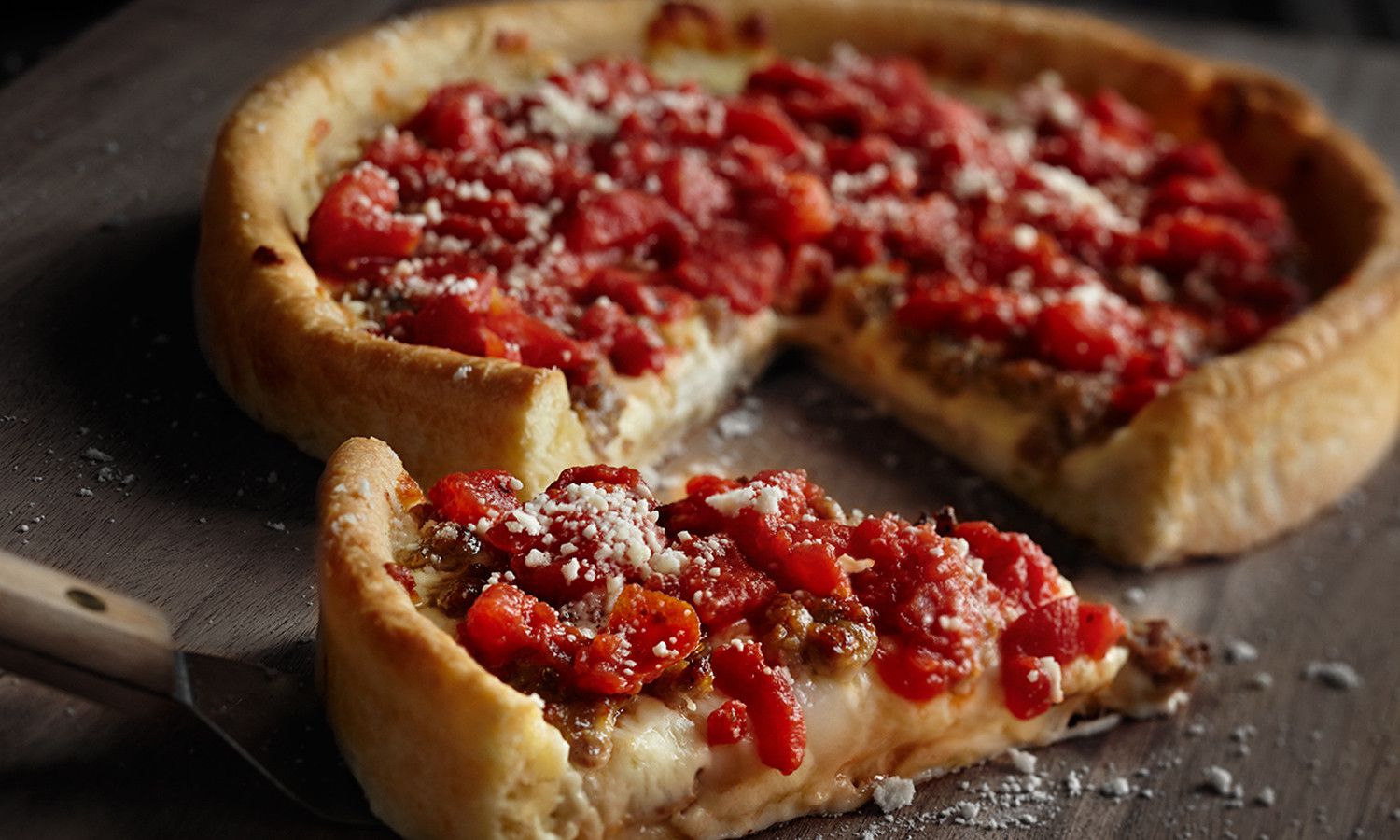
    Uno Chicago Bar & Grill’s entry in India also coincides with its 75 years of successful global operations. Globally, the brand is recognized for its fun and welcoming Chicago inspired environment. The dining experience is relaxed, casual and family friendly as the brand places great emphasis on hospitality and service. The brand is synonymous with pizza but the menu extends to pastas, grills, salads, burgers, sandwiches and special curated menus. The chain also gives special emphasis to bar and alcohol offerings.

    Famous for inventing Deep Dish Pizza in 1943, Uno’s mission is to deliver big, bold flavors, rich, rewarding experiences and unbelievably delicious pizza and a range of other delectable menu creations.

    According to Neotia, “The UNO story began in Chicago in 1943 when Ike Sewell developed deep-dish pizza and opened a new type of restaurant at the corner of Ohio and Wabash. It was here that Ike served a pizza unlike any that had been served before. He figured that if some of Italy’s old, authentic recipes with impressive quantities of the finest meats, fresh cheeses, ripe vegetables and flavourful spices is combined with pizza, it could become a hearty meal. That was the start of an American tradition – the Chicago Deep Dish Pizza. Today, 75 years later, UNO continues to be undisputed creators of original Deep Dish Pizza, bringing its legacy to India.”

    The Boston, Massachusetts-based brand has 110 company-owned and franchised restaurants located in 21 states of the US. Apart from this, the brand has international presence through franchise outlets in the District of Columbia, the United Arab Emirates, Honduras and Saudi Arabia.

  • UOB: Malaysia’s GDP to grow at 4.8% for 2018, 2019

    UOB: Malaysia’s GDP to grow at 4.8% for 2018, 2019

    Malaysia’s gross domestic product (GDP) growth is expected to remain stable and expand at 4.8% for the full year of 2018 and 2019. UOB Malaysia’s senior economist, Julia Goh said the 2019 forecast has been revised from the 5% projection made earlier, to 4.8% after taking into account the potential impacts from the US-China trade tensions.

    Goh noted that while Malaysia’s economy is not immune to external headwinds such as the trade tensions between the two economic giants, rising US interest rates and commodity prices—Malaysia could certainly find support from its robust domestic private consumption and investment.

    The ringgit is expected to stand at RM4.22 against the Greenback next year on the back of external factors such as the strength of the dollar, crude oil prices and the direction of the renminbi.

    Inflation rate for 2018 is expected to be 1.2% and 2% in 2019.

    “I think it is actually slightly lower than the government’s official forecast. I think the main support for inflation is we are seeing resilient spending even with the reintroduction of the Sales and Service Tax, we did not see any significant effect on the consumer price index,” she said.

    Key risk for inflation I think (will be) in the second quarter of next year where the government announced that they want to float oil prices,” she added.

  • Hong Kong’s Most Under-the-Radar Billionaire: Calvin Lo

    Hong Kong’s Most Under-the-Radar Billionaire: Calvin Lo

    While Jack Ma and Li Ka Shing can’t avoid the spotlight, other fantastically rich people do manage to slip under the general public’s radar, often because they built their wealth through privately held companies and keeping it off public records. Take how the extra-secretive Lo family in Hong Kong keep a low profile.

    The largest independent life insurance broker, R.E. Lee International, is still 100% privately owned by the Lo family. Unlike Ma, who must disclose his Alibaba stock holdings in public filings, Los’ under no such obligation.

    The media-shy billionaire Calvin Lo. [source: Apple Daily Hong Kong]

    Calvin Lo, the heir of the family, is the CEO of R.E. Lee International, a life insurance brokerage providing estate planning and business succession services for ultra high net-worth individuals and businesses. It’s estimated that his group places $1 billion of premiums annually. Under Lo, the company formed R.E. Lee Capital providing wealth management and advisory services with a few billion dollars under management. He is also a successful investor whose massive, far-reaching business has its fingers in industries as diverse as pulp and paper, real estate and wineries.

    Forbes estimates Lo’s personal net worth to be $1.7 billion, making him one of the wealthiest people in Asia, yet he chooses to lead a private life and has never appeared on any wealth ranking. This can be pretty common. A desire for security and a life free from the pestering of luxury retail companies and philanthropic organizations are motivations for keeping extreme wealth under wraps.

    Despite managing to stay virtually unnoticed by the rest of the world, even media-shy billionaires will occasionally surface in the public eye. It was only when the Hong Kong media uncovered Lo’s visit to Champagne, France, earlier this year that the world start noticing him. It turns out that Lo is Asia’s biggest purchaser and collector of champagne, and his most recent transaction was forking out $230 million for his champagne collection.

    Led by his bodyguard, Lo made an appearance at the VIP area of a French winery. [source: Oriental Daily]

    Other than being in the ultra exclusive billionaire club, Lo and Ma does share something else in common: they both keep a residence in Hong Kong’s most prestigious address. Every city has that neighborhood, an address that signifies wealth. New York City has Fifth Avenue, London has Kensington, and Miami has South Beach. Hong Kong has The Peak, a neighborhood that has been synonymous with prestige, luxury, and exclusivity since the colonial era. It’s the kind of neighborhood that consistently breaks records for the most expensive real estate in the world. Lo’s mansion is estimated to be worth $70 million, not a small amount by any stretch of the imagination.

    Privacy and security are definitely important when you’re this rich and successful.  Unlike entertainment celebrities, billionaires like Lo simply like to keep a low profile and are not recognised in public except by people who either are familiar with their industry or who know them personally.

    While not brokering deals or buying up chateaus, Lo spends his time with the world renowned primatologist Dr. Jane Goodall to promote the wellbeing of animals, the community and environment. Public filings show that Lo sits on the Jane Goodall Institute board.

    Lo have been good friends with Dr. Jane Goodall since 2004 and supports her cause passionately. [source: Apple Daily Hong Kong]

    Lo’s determination to preserve his privacy while simultaneously emblazoning the NGO he supports with his name (and money) is just one of the many contradictions that make this hidden billionaire fascinating.

    Lo is a hypercar collector and owns the rare Pagani Huayra BC. Pictured here in Vancouver. [source: Ming Pao Hong Kong]

    This article originally appeared on www.entrepreneur.com/article/322745

  • AlipayHK Appointed QR Code Payment Solution Vendor of MTR

    AlipayHK Appointed QR Code Payment Solution Vendor of MTR

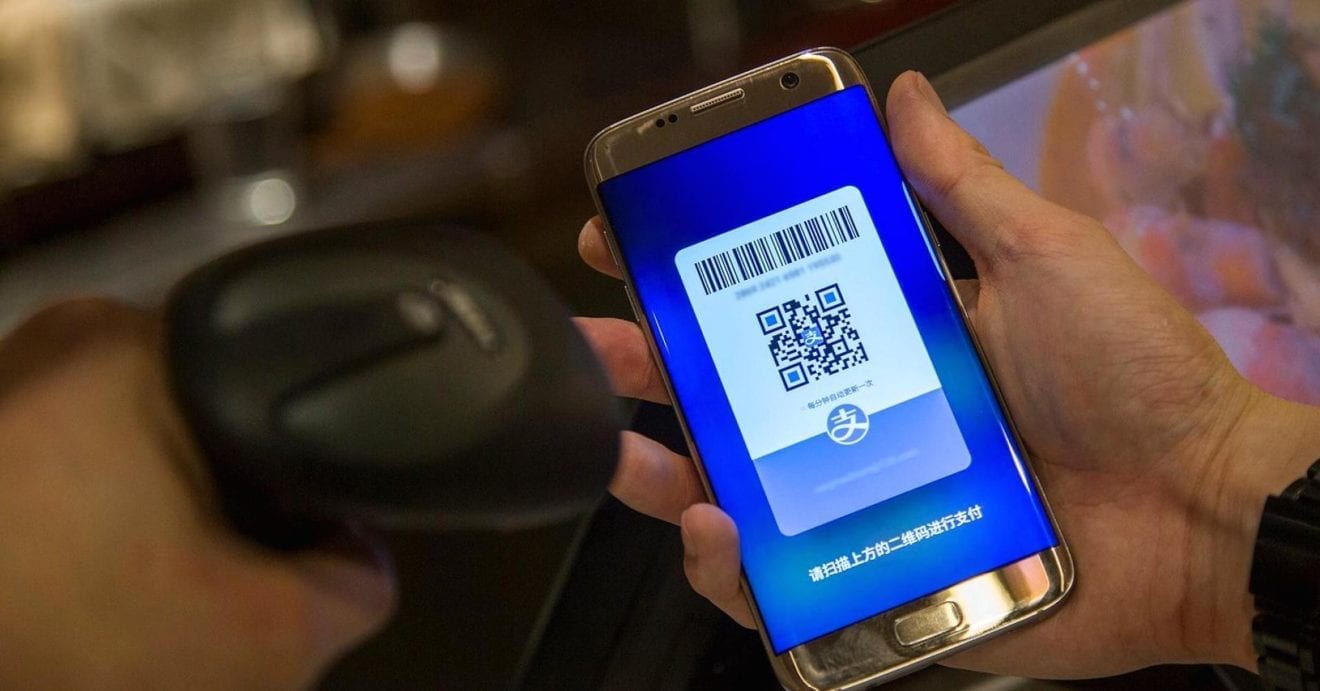
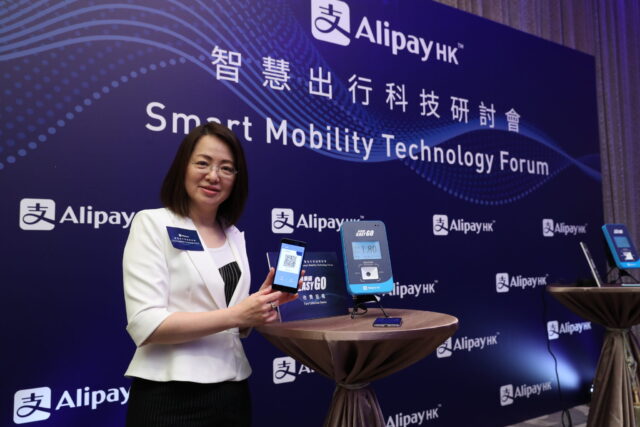
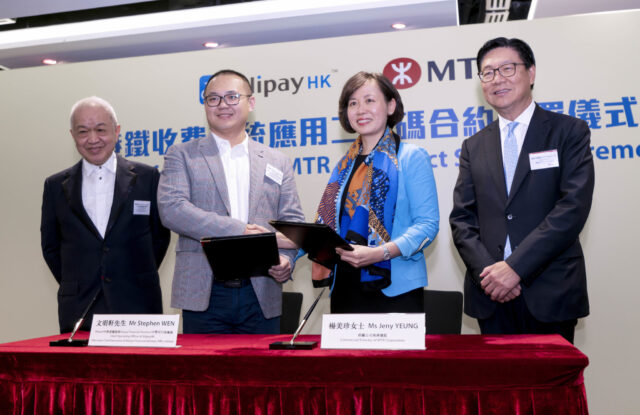
    AlipayHK users will be able to take the MTR by simply tapping their mobile phones at ticket gates at MTR stations starting from mid 2020 as the mobile payment service provider stood out from the many bidding participants and was appointed the QR Code payment solution vendor of MTR on Thursday last week.

    The QR Code solution provided by AlipayHK allows passengers to scan a code in under 0.4 seconds at ticket gates. Furthermore, the QR Code solution will support dual offline solution, so even if internet service is poor or lacking, transactions can be completed to ensure smooth journeys. The plan is to launch the QR Code payment system across  91 MTR stations in 2020. Citizens throughout Hong Kong will be able to enjoy Smart Mobility when commuting on MTR.

    AlipayHK focuses on fulfilling Hong Kong citizens’ needs in shopping, dining, living, and commuting. After its launch into the taxi industry and of the EasyGo technology,, it makes history by hitting another milestone. As Hong Kong people’s number one choice of transport, MTR caters roughly 5.8 million passengers trips every work day. In light of the high volume of passengers, MTR will introduce QR Code as an additional method of payment for passengers.

    Jennifer Tan, CEO of Alipay Payment Service (HK) Limited (APSHK) expressed: “After our collaboration with minibus operators, AlipayHK is thrilled to have won the bid in being MTR’s QR Code payment system provider. Not only is this a recognition in AlipayHK’s technological stability, we feel confident QR Code transit technology will be successfully expanded into more aspects. Commuting via QR Code is the trend for the future. Aside from gradually merging with Hong Kong’s public transports, we will also be exploring smart mobility in outbound travels by entering the most popular travel destinations of Hong Kong people, driving smart mobility across Hong Kong.”

  • Deliveroo Unveils New Tools to Help Restaurants Grow

    Deliveroo Unveils New Tools to Help Restaurants Grow

    Deliveroo today announced the Hong Kong launch of two new tools for its restaurant partners – Restaurant Home, an online portal which will provide data and insights on how restaurants’ delivery services perform, and Marketer, a key part of Restaurant Home, which will enable restaurants to upload and tailor promotions.

    Restaurants that partner with Deliveroo on average see their revenue increase by up to 30% and the company anticipates that the newly launched tools will see these figures increase even further.

    Brian Lo, General Manager of Deliveroo Hong Kong, said, “Innovation is in our blood and we are always on the lookout for new ways to support our riders, our partner restaurants, and the hungry people who depend on Deliveroo for a great meal delivered fast. The new tools now available in the Deliveroo arsenal will help our restaurant partners to improve their offerings and drive new efficiencies and profits, in turn benefitting our riders and end customers.”

    Restaurant Home

    Through Restaurant Home, Deliveroo will offer the following data insights:

    Delivered orders, to increase delivered orders

    • Shows the total number of delivered orders and the percentage change over a time period

    Prep time, to speed up delivery times

    • Shows the average time between order acceptance and rider pickup
    • Shows the percentage change in prep time over a time period as well as competitors’ average prep time in a local area

    Order ratings, to improve overall service

    • Shows a line graph of the average customer order rating per day over a time period, as well as how this compares to competitors in a local area

    Nick Lo, owner of Hong Kong restaurant So Far So Good (蘇花餐室), said, “Restaurant Home is another example of Deliveroo’s constant innovation. I’m excited to engage with this tool more, using the data analytics and insights provided to optimise my menu and my business.”

    Marketer

    Part of Restaurant Home, this function allows restaurants to set up their own marketing offers to consumers on the Deliveroo app. Restaurants are asking for more control of their businesses and Deliveroo has listened to this, offering insights gleaned from Restaurant Home to help restaurants tailor different promotions to customers.

    Ms Thi Hang, owner of Bun Cha Vietnamese, said, “The new Restaurant Home tool from Deliveroo gives me real time updates on key business metrics – I’m always logged in. I’m now also able to put up my own discounts, so I have more control over my ability to attract new customers and my visibility on the app.”

    Wider support to restaurants

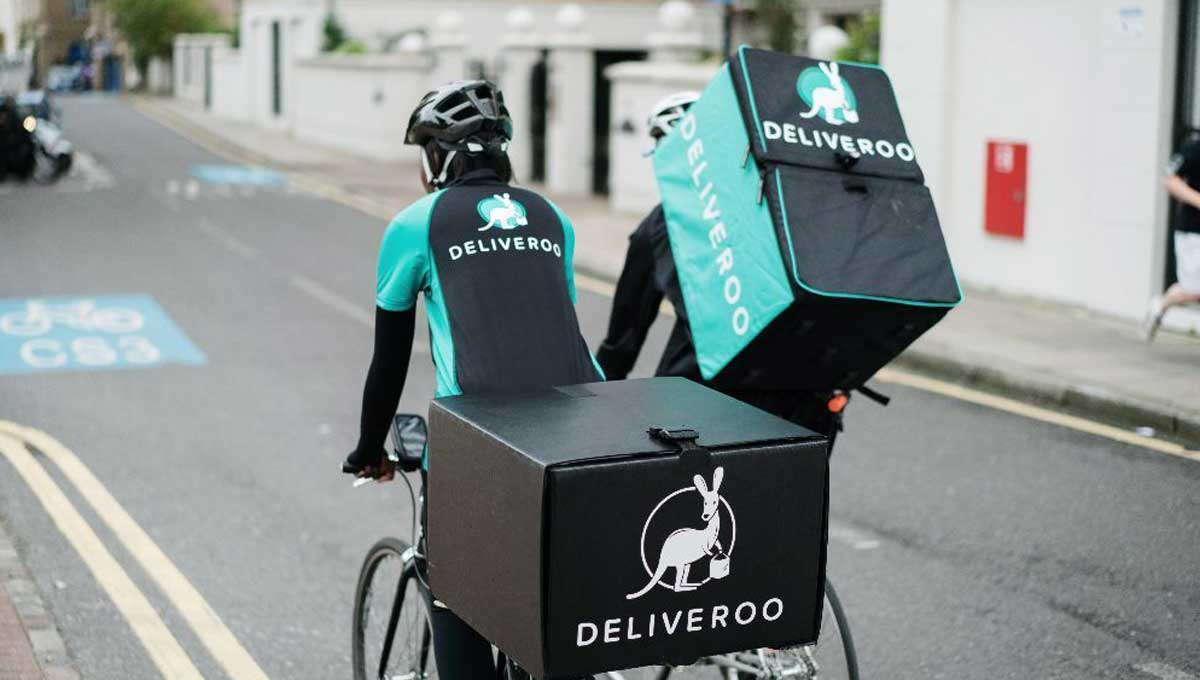
    Restaurant Home and Marketer are the latest in a long line of measures Deliveroo offers restaurants to support their businesses. Working with 3,500 restaurants in Hong Kong via a team of more than 2,000 riders, Deliveroo is now serving delicious and convenient meals to people in 16 out of 18 of the city’s districts. In the past 6 months, Deliveroo has a 20% growth in riders and an 18% growth in the business as a whole.

    • Deliveroo helps restaurants create ‘Virtual Brands’ to diversify their offerings. Creating virtual restaurants allows existing restaurants to increase revenue by offering new or complementary cuisines from their current kitchen, but under new branding. A virtual brand appears as a separate restaurant with a new identity on Deliveroo.
    • Deliveroo offers ‘Editions’ delivery-only kitchens. Restaurants are able to expand without needing a physical presence in the area, enabling them to reach new customers. Deliveroo provides unique data and insights that allow them to tailor concepts and menu items to the area’s needs and preferences, leading to increases in sales of up to 400% in some cases.
    • Deliveroo stays on top of the trends so that restaurants understand where consumer demands are and where they’re headed next. For example, Deliveroo recently found that the most popular cuisine categories in Hong Kong are local Hong Kong food, Shanghainese, Vietnamese and Italian.
    • Wider support: Deliveroo is available to support restaurants with insights and direction on marketing and social media; menu design; photography; tailored customer acquisition and retention strategies.
    • Partnership opportunities, for example Deliveroo for Business offers a hotel room service so that hospitality groups can provide even more comfort and convenience to their guests.
  • CapitaLand Singapore launched annual My Schoolbag programme

    CapitaLand Singapore launched annual My Schoolbag programme

    This season of giving, CapitaLand is rallying its employees, tenants and shoppers to give back to the community through a series of charity events and fundraisers across its Singapore properties. Through these events, CapitaLand targets to contribute up to S$166,000 towards various charity organisations to build an inclusive and caring society.

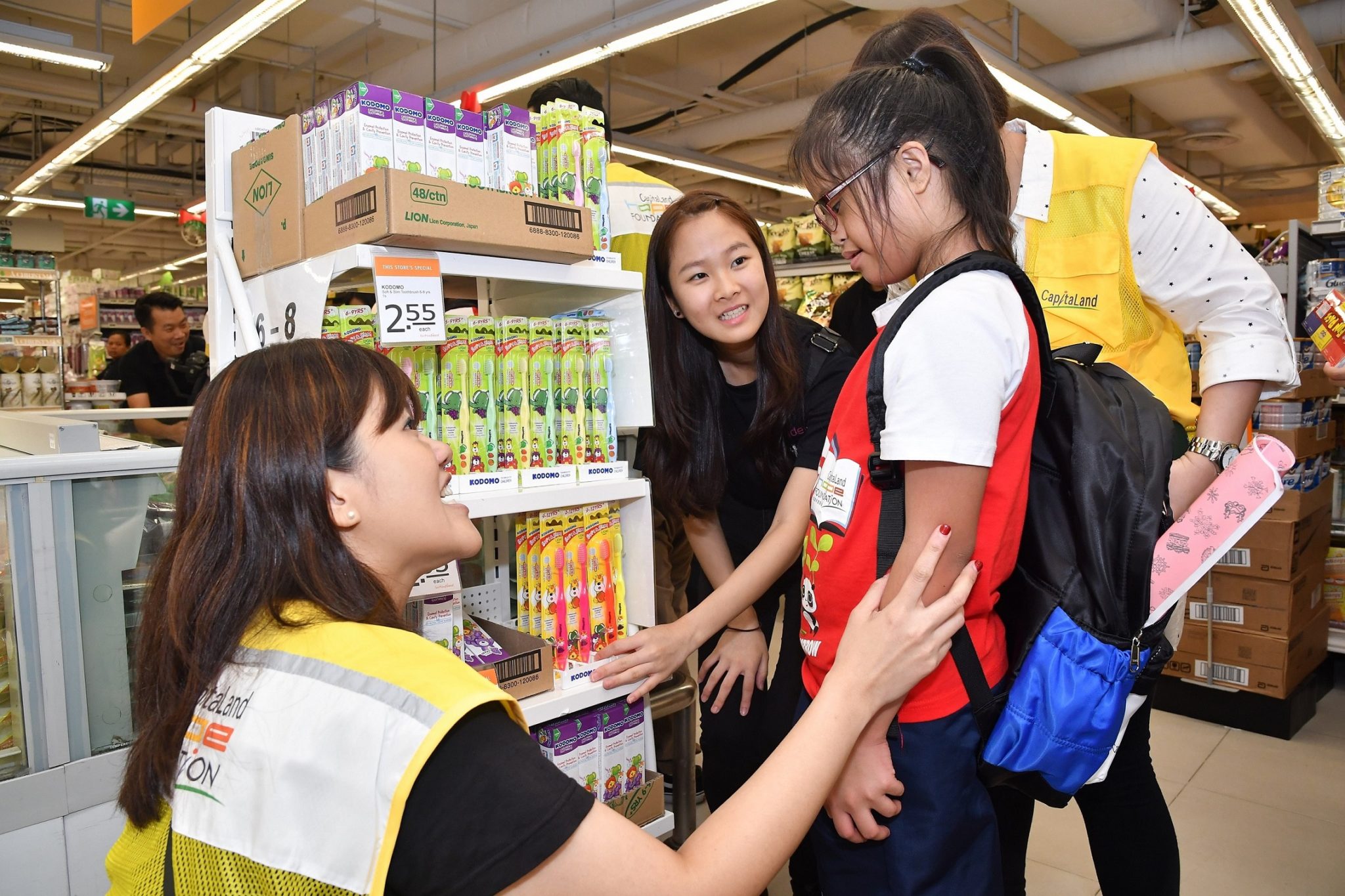
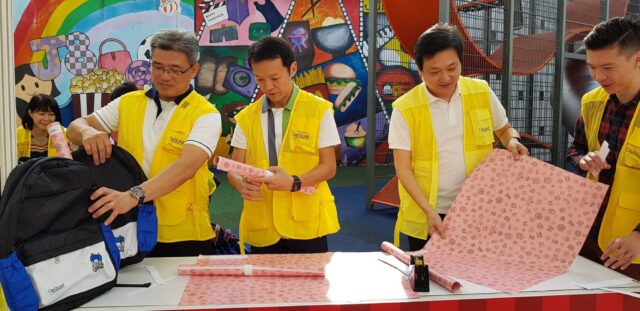
    Taking place at Junction 8 was CapitaLand’s annual My Schoolbag programme supported by CapitaLand Hope Foundation (CHF), the philanthropic arm of CapitaLand. Each of the 183 children beneficiaries – including students from the Movement for the Intellectually Disabled of Singapore (MINDS) and the Association for Persons with Special Needs (APSN) – received a new school bag, as well as school and daily necessities worth S$150. Accompanied by over 170 CapitaLand staff volunteers, the young beneficiaries went through a simulated shopping experience while picking up tips about prudent spending. Through an educational skit, they also learnt the importance of saving for the future, reducing food waste and leading a healthy lifestyle.

    The children beneficiaries at Junction 8 this morning were among the first in Singapore to get their hands on CapitaLand’s popular year-end gift wrappers. This year’s design features carnival-inspired motifs drawn by Mr Jovan Neo, a 19-year-old special needs artist from The Art Faculty, a platform that promotes the abilities of people with autism and related challenges. The design of the gift wrappers resonates with the carnival-themed décor that CapitaLand malls across Singapore are decked out to mark the festive season. Shoppers can redeem the special edition gift wrappers at participating CapitaLand malls from 16 November 2018.

    Mr Tan Seng Chai, Group Chief People Officer of CapitaLand Group and Executive Director for CapitaLand Hope Foundation, said: “From developing inclusive and accessible buildings to our philanthropic activities, CapitaLand firmly believes in fostering an inclusive community through our actions. We leverage our real estate network and tap on the strong spirit of volunteerism within CapitaLand to build a more caring Singapore. For the second consecutive year, our staff volunteers will interact and guide special needs students. This year, we are engaging beneficiaries from MINDS and APSN in CapitaLand’s My Schoolbag programme, which supports the educational needs of the underprivileged children in our shared communities. We are also supporting The Art Faculty and showcasing the talent of special needs artist Jovan Neo through our malls’ gift wrappers.”

    Mr Wilson Tan, CEO of CapitaLand Retail, said: “We are delighted to leverage CapitaLand’s unique advantage as Singapore’s largest mall operator in galvanising our employees, tenants, and shoppers to do good. CapitaLand’s centrally-located and well-connected malls are magnets for crowds and are especially popular with shoppers during the festive season. They are thus well-positioned to amplify the fundraising initiatives of charity organisations. This season of giving, CapitaLand Retail is pleased to work with CHF and partners to support and promote a variety of meaningful causes across our malls. Through these efforts, we hope to provide a meaningful retail experience for our shoppers and to do our part in fostering a more caring, compassionate and inclusive society in Singapore.”

    Examples of giving activities at CapitaLand properties include CapitaLand Giving Marketplace at Raffles City Singapore on 27 November, where charities and social enterprises are offered space to promote their merchandise and volunteer opportunities to the public. For every transaction at the CapitaLand Giving Marketplace, CHF will donate S$6 to the participating charities. Over at Plaza Singapura, shoppers can donate any amount they wish for the giftwrapping service provided by volunteers from Blossom World Society from 12 December to 23 December. At Bedok Mall, shoppers take home one mini plant for every S$10 contribution, which will be matched dollar-for-dollar by CHF, to benefit MINDS and Very Special Arts (VSA) Singapore.

  • DHL plugs in to Shopify Singapore to enable simpler worldwide shipping

    DHL plugs in to Shopify Singapore to enable simpler worldwide shipping

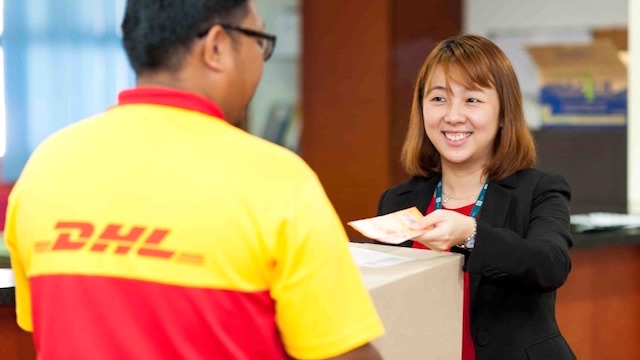
    DHL eCommerce, a division of the world’s leading logistics company, Deutsche Post DHL Group, is working with Shopify, a leading e-commerce platform, to enable Singapore-based merchants to easily ship to their customers worldwide through a seamless plugin on a single platform. All new Singapore-based businesses built with Shopify will also enjoy special promotions for cross border shipping with DHL. Currently over 60% of Singapore-based merchants sell and ship their products internationally through the Shopify platform, and with the cross-border e-commerce opportunity continuing to grow, the DHL eCommerce plugin will make it even easier for merchants to ship their goods internationally.

    “Cross border e-commerce continues to grow exponentially and this is apparent from the borderless buying behavior of online shoppers. 70% of online buyers made a purchase from a foreign site in 2017, up 6% from the year before and this trend is expected to continue.  To deliver to buyers across borders, sellers need simple and seamless shipping solutions to manage their orders and deliver to their customers worldwide. By building tools for global shippers on Shopify, we’re making it easy to satisfy this exact requirement,” said Senthil Kumar, Managing Director, DHL eCommerce Singapore.

    Integrating different online systems can be complex, especially for sellers who sell online across multiple sales channels. By hosting their e-commerce stores on platforms such as Shopify, sellers have access to a wide array of plugins to connect the dots from click to delivery.

    Improved visibility in delivery helps to greatly enhance the entire customer experience. With DHL eCommerce shipping plugin available on Shopify, shippers can easily ship internationally by processing shipments on a single platform, from printing labels to generating tracking reference codes to enable shipment visibility for their customers — virtually automating the shipping process.

    “Shopify understands the dynamics of e-commerce, where requirements of sellers and buyers are evolving faster than ever. To ensure our merchants are keeping pace, we are working with DHL, a key driver of the global e-commerce ecosystem. The DHL eCommerce plugin, combined with the special rates for new Shopify merchants, will help retailers and brands on our platform ship with ease so they can devote more time to selling,” said Arun Verma, Country Manager, Shopify Singapore.

    DHL eCommerce is part of Deutsche Post DHL Group and, along with its sister divisions DHL Express, DHL Supply Chain and DHL Global Forwarding, DHL has been operating in Singapore since 1970, offering end-to-end solutions for the e-commerce sector.