Tag: asia

  • 65% jump for Lotte Duty Free’s overseas sales

    65% jump for Lotte Duty Free’s overseas sales

    South Korean retail giant Lotte’s duty-free operator Lotte Duty Free posted a rapid hike in overseas sales in its quarterly performance report. According to the company, sales for the third quarter this year hit a record-high 4.1 trillion won (US$3.6 billion), a 25 percent on-year increase.

    The sales from its downtown city stores and its overseas stores amounted to 3.8 trillion won and 164 billion won, respectively.

    Lotte Duty Free currently operates seven overseas stores in countries including Japan, Vietnam and Thailand. Sales at its overseas stores increased 65 percent from a year ago, and the outlet in Vietnam recorded an 800 percent jump in sales.

    The company said it expects 200 billion won worth of overseas sales by year-end.

    It will also soon open its first duty-free store in Australia.

    According to the company, its operating profit in the third quarter totaled 228 billion won, representing an on-year jump of 550 percent.

    The company said the number proves that the retailer is recovering from China’s apparent retaliation over the deployment of the Terminal High Altitude Area Defense system here.

    After withdrawing stores from Terminal 1 at Incheon International Airport in February due to a sharp drop in sales, Lotte Duty Free is focusing on aggressive marketing for its online mall and its downtown outlets.

    Compared with last year, its sales online and at its downtown stores rose 42 percent and 50 percent, respectively, the company said.

  • Woodland to add 60 stores, strengthen franchise model in India

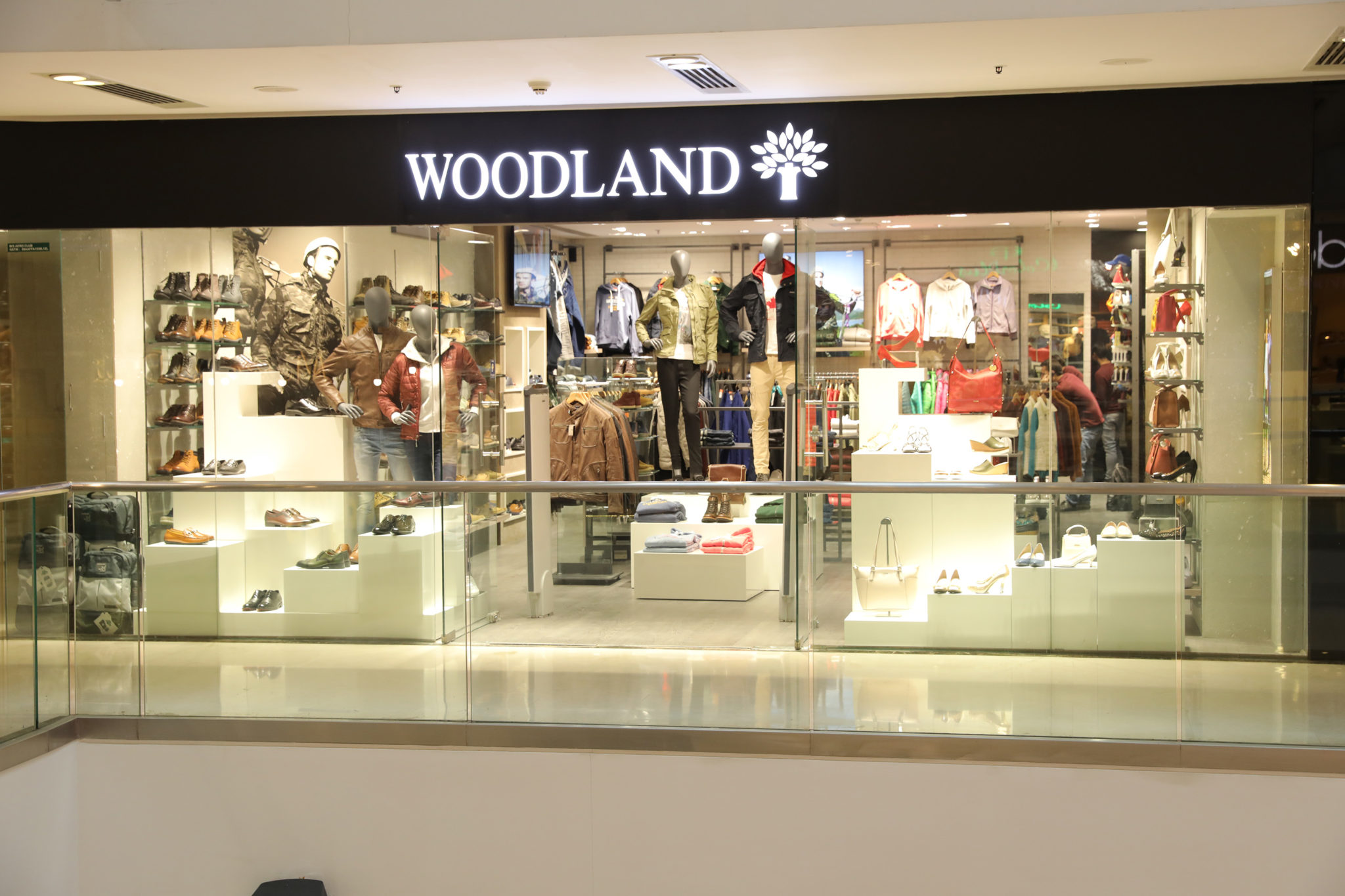
    Woodland to add 60 stores, strengthen franchise model in India

    With changing lifestyles and increasing affluence, domestic demand for footwear is projected to grow at a faster rate than has been seen in India. Currently, India is the second largest footwear producer in the world, with footwear production accounting for approximately 9.6 per cent (till April 2018) of the global annual production – 22 billion pairs as compared to China, which produces over 60 per cent of the global production.

    The footwear market in India is now dominated by men’s footwear which contributes close to 58 percent of the total Indian footwear retail market and is expected grow at a CAGR of 10 percent by 2020. The women’s footwear segment, however, is projected to grow at a much faster CAGR of 20 percent.

    While the industry is currently dominated by unorganized domestic SME footwear manufacturers, changing consumer behavior and modern lifestyles have led to more organised brands coming into the fray, lured by the potential of bigger sales, but mostly in a bid to give the consumer branded, better quality products, value for money.

    A significant shift was observed post liberalisation when lifestyles expanded to foster great value for the sports/active segment and for casualization as a whole. The technological prowess of global sportswear giants enabled them to functionally and fashionably appeal to a young India. Tapping the unlocked potential in India, Woodland entered India in 1992 when the Indian footwear market was largely unorganized and soon became a recognizable name in the adventure and outdoor segment in India.

    The Right Fit

    The brand boasts of a huge product portfolio aside from footwear, including apparel and accessories.

    “In order to survive in today’s ever-changing and highly competitive market like India, diversifying our product portfolio is inevitable. Keeping a close eye on latest trends and new rising demands, we upgrade our portfolio accordingly,” Harkirat Singh, MD Woodland.

    The demand for the products is different in India and other countries because of the various factors namely demographic conditions, climatic conditions, styling culture.

    “We created a product line specifically for India and since then we have never looked back. Our product positioning was altogether unusual, and we were known as a one definite choice for adventurists, taking the market for rugged and outdoor leather shoes by storm. The phenomenal success in the shoe segment encouraged and motivated us to enter in new segments like clothes, handbags as well,” explains Singh.

    Over a period of time, the brand has expanded its product category and now has an extensive product range including handbags, wallets, travel bags, casual shoes, formal shoes, track pants, eyewear, gloves and outdoor equipment like tents, sleeping bags, umbrellas, trekking poles, waterproof outdoor backpacks.

    The prices of products have been set with a realistic approach since Woodland prides itself on being a customer-friendly brand.

    “The pricing strategy is to keep the prices in sync with the purchasing power of our target customers, which are majorly the youth segment – aged between 17-25 years, college studenst and professionals – who are interested in adventure sports and are on the lookout for stylish, yet value for money products. The price range of our jackets varies from Rs. 5,000 to 35,000 whereas the price range of our footwear starts from 3,000,” says Singh.

    Letting Technology Lead the Way

    With online channels taking over the retail industry, e-commerce has gradually become an inevitable part of the company’s sales and revenue. The company’s portal and other e-commerce sites collectively contribute to the e-commerce sales revenue, thereby adding to volumes. There is also an exclusive range of merchandise for e-commerce sites.

    The availability of Woodland products on all the prominent e-commerce websites enhances the brand visibility among the larger group of audience and helps widen the scope of sales.

    The brand is also a strong believer in Omnichannel retail, investing in online sales which are expected to grow to 40 percent in the next three to four years. It plans to concentrate more on a seamless approach through all available shopping channels, i.e. mobile internet devices, computers, bricks-and-mortar, television, radio, direct mail, catalogue, in-store experience and so on.

    Aside from this, Woodland has a history of exploring innovative technology embedded in products and integrating it with all aspects of the brand.

    “We have already launched GPS embedded jackets, BOA shoes, client T-shirts, and many more new technologies and innovations in products are in pipeline,” says Singh.

    Retail Mapping & Expansion Plans

    Globally, Woodland is present in more than 40 countries. In India, Woodland has a chain of over 600 company-owned stores and is present in over 5,000 multi-brand outlets and is planning on adding another 60 stores in this financial year in an equivalent combination of small towns and metros.

    It is also working towards strengthening its franchise model in India, to grow its presence in smaller cities and towns.

    “We are currently working on entering into more foreign countries in the near future to add to our international kitty. Woodland as a brand is already present in China, Aokang and Hon Kong. Apart from this, we are working on strengthening our presence in South-East Asia, West Asia, Europe and USA,” states Singh.
  • Apple store to sell wearable skincare product

    Apple store to sell wearable skincare product

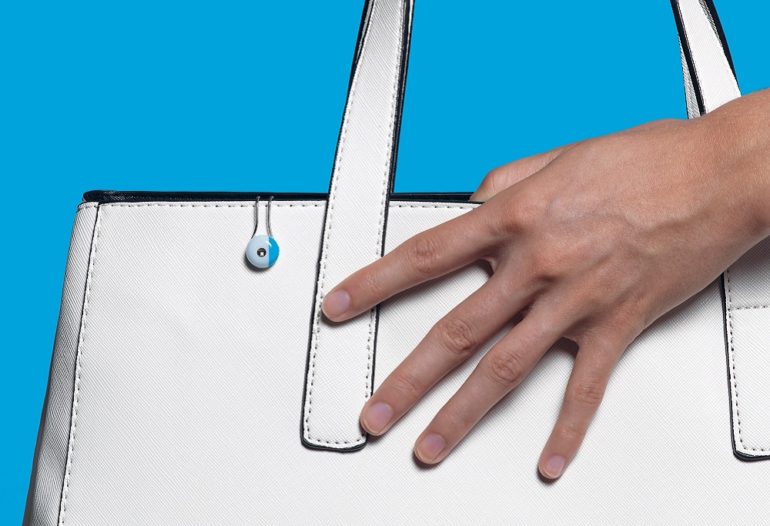
    Apple is now selling L’Oreal’s newest tool called the My Skin Track UV, made by the La Roche-Posay brand. The company first unveiled this product at the 2018 Consumer Electronics Show in January 2018 and it is now ready for consumers.

    This is the first time that Apple is venturing into the world of beauty and skincare in its store.

    My Skin Track UV is a small wearable device to attach on the customer’s clothes to measures their individual exposure to UVA and UVB rays; a companion app tracks their exposure to pollution, pollen, and humidity.

    The device is cleverly designed to be battery free–its sensor is activated by the sun, and is then powered by the user’s smartphone using near field communication.

    The product was designed in collaboration with Yves Behar, and relied on research gathered by Northwestern University’s John Rogers, who has developed a range of stretchable electronic devices.

    It is designed to motivate wearers to engage in safer outdoor behavior.

    While most people are aware about the sun’s impact on the skin, this knowledge often doesn’t actually prompt them to change their behavior.

    L’Oreal’s research found that when consumers had regular, accurate updates about their sun exposure, 34% applied sunscreen more often, and 37% sought shade more frequently

  • Appliance rentals prove popular

    Appliance rentals prove popular

    Home appliance companies are building their rental service businesses as the trend is for consumers to value experience more than ownership. With the growing size of the local home appliance rental market, some companies have started management services to take care of rental customers, while others have set up entire rental business subsidiaries.

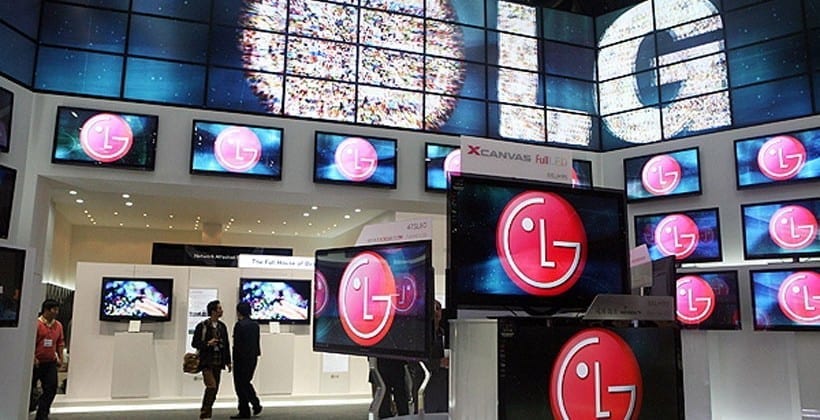
    On Nov. 17, LG Electronics announced the formation of “Care Solution,” which will manage home appliances for rental customers. While a rental management service existed before, the new offering goes beyond simply providing replacement parts and instead regularly replaces the main components of appliances.

    For rented water purifiers, LG Electronics will exchange filters and water pipes and inspect sensors. For those who rent its Tromm Styler home dry cleaning appliance, the company will replace water container components every two years and periodically provide scented aroma sheets.

    Cuckoo Electronics, known for rice cookers, jumped into the rental market last December when it established its Cuckoo Homesys subsidiary. Last month, the company introduced a new rental brand, “Inspure,” which focuses on water and air purifier products.

    Samsung Electronics has yet to launch a rental business on its own but has partnered with professional rental companies for its home appliance products. It started renting its products through Kyowon Wells last June and also joined hands with Hyundai Rental Care last July.

    Home appliance companies are focusing on the rental business as the market seems to be growing. According to the KT Economics & Management Research Institute, the rental market in Korea is expected to grow past 40 trillion won ($35.49 billion) by 2020 from 25 trillion won in 2016.

    LG Electronics recorded 128.2 billion won in rental-related sales in the first half of this year, more than doubling the 53.8 billion won reported two years ago. Operating profit for Cuckoo Homesys through the third quarter of this year was at 52.8 billion won, a 50 percent increase from the figure over the same period last year.

    With a sluggish job market and slowing economic growth in Korea, consumers are feeling the pinch and valuing experience over ownership. The result is an increase in demand for rental products.

    The rise of premium products, which have been developed by companies to stay competitive in the crowded home appliance market, has also contributed to the rental trend. As such products are expensive, consumers are looking toward rentals.

    For example, a 55-inch LG OLED TV costs 3.6 million won to buy outright, but it can be rented out at 59,900 won per month for 36 months. The price drops further when other discounts are applied, such as those offered by credit cards companies.

    “The need to use good products exists, but with troubling economic times, penny pinching is called for. Consumers are taking an interest in rentals that can meet their needs at a low cost at the moment,” said Jung Yeon-sung, a professor of business at Dankook University.

    The increase in one-person households has also contributed to the rise in rental services as it is difficult for a single person to afford appliances that could cost millions of won. According to government data, there were 5.5 million single-person households in Korea last year, accounting for 28.5 percent of the total number of households. The figure has doubled since 2000, when there were 2.22 million single-person households.

    For companies, the rental business doesn’t bring in big profits immediately, but it provides steady profits.

    “We plan to focus on management instead of just the leasing out products and help customers improve their quality of life,” said Choi Sang-gyu, head of domestic sales at LG Electronics.

  • Women can make or break Vietnam’s F&B industry

    Women can make or break Vietnam’s F&B industry

    With more women spending more on eating out, they have become linchpins of the F&B industry, a study indicates. A new survey by HCMC-based market research firm Decision Lab finds that female consumers can make or break the food and beverage industry of Vietnam.

    Average visits per capita by female consumers to the out of home food and beverage market has increased by 5 percent during last year, from 121 between the fourth quarter of 2016 and the third quarter last year to 128 between the fourth quarter last year and the third quarter this year.

    Women have also increased spending on almost all major food channels in Vietnam, namely full service restaurants (FSR), or sit down eateries where food is served directly to the customers’ table, and quick service restaurants (QSR), where table service is minimal and the typical fare is fast food, street food, convenience stores, canteens and bars.

    As a result, women’s contribution to the out of home market revenue has increased by a whopping 10 percent.

    Among the women themselves, the 15-34 year-old segment accounts for 82 percent of the visits in the out of home market, and more than half of those by white-collar workers. Students are also seen as the driving force of female visits at 25 percent.

    As such, Decision Lab points out that the growing influence of women on the foodservice market is real and the industry would be well advised to use female-friendly messages to increase the traffic.

    According to market research firm Vietnam Report (VR), Vietnamese spend more than a third of their income on food and beverages, topping education and utilities.

    VR said the food and drink market has become more exciting in recent years with the entry of technologies such as phone apps that allow users to find nearby restaurants and order deliveries.

    Food and beverages were two of the 10 most bought products online last year, it said, citing data from market research company Nielsen.

  • Willy Bogner opens in China ski resort

    Willy Bogner opens in China ski resort

    Munich fashion firm Willy Bogner is pushing towards internationalisation with the opening of a new Bogner store at the Thaiwoo Resort near Chongli, China. The resort is located in Hebei Province directly on the Great Wall of China, and extends over 40sqkm, three hours by car from Beijing. Once completed, it will feature 200 ski slopes and 45 lifts and gondolas, fitting snugly with Bogner’s traditional ski and winter sports business.

    The store has a sales floor area of 164sqm and has been designed according to the brand’s “Modern Natural” store concept.

    As the Chongli Area is considered to be the largest ski resort in China, the Thaiwoo Resort will play an important role at the Beijing Winter Olympic Games in 2022. The Chinese government has declared its intention to attract 300 million winter sports enthusiasts to China for the event.

    Bogner CEO Andreas Baumgartner said: “The Thaiwoo Resort is currently completely focused on skiing, the skiing season here lasts over 150 days thanks to the perfect altitude and climate – ideal for a store and the corresponding clothing that Bogner offers.”

    Global representation of Bogner currently consists of 19 of its own stores, 33 partner stores and more than 6500 trading partners in more than 50 countries. Together with its partners, Bogner operates more than 100 sites in the Asia Pacific region. The Bogner store at Thaiwoo will be the first partner store there.

  • What is Black Friday like in the Philippines?

    What is Black Friday like in the Philippines?

    After Singles’ Day, the annual Black Friday shopping frenzy is back. A decades-old tradition celebrated every year the day after Thanksgiving, Black Friday marks the unofficial start of the Christmas shopping season in America.

    Together with its more recent online counterpart Cyber Monday, the sales have become a major global event over the past few years as online shopping has brought the bargains to the rest of the world.

    So what is exactly Black Friday like in emerging developing countries like the Philippines? What are Filipinos consumers’ expectations?

    Large discounts expected

    Customers will not waste the opportunity to save money on shopping.

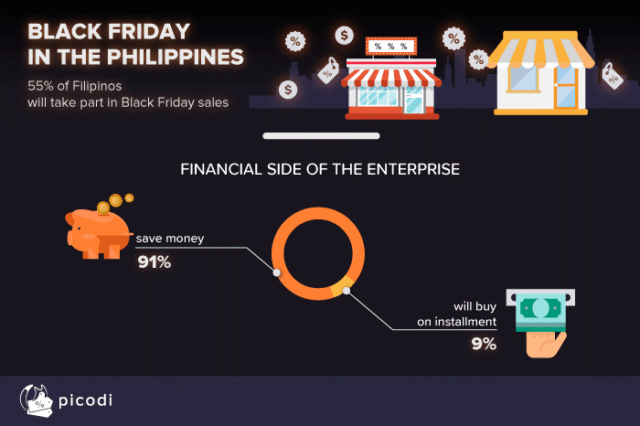
    55% of Filipinos admitted that they’re going to take part in the upcoming Black Friday sales and 91% of shoppers save money prior to Black Friday just to shop on this day.

    Let’s remember that Black Friday sales are usually associated with electronics and housewares which are the best-selling products.

    The remaining 9% declared that they are going to buy on installments.

    38% of consumers are planning to buy 2-3 products, and 36% are going to go on a shopping spree and buy more than 5 items.

    What’s more, 59% of buyers already have an idea what’s going to end up in their baskets. This can be due to the infinite number of guides to what is worth buying and how to find the biggest discounts.

    Black Friday symbolically opens the season of pre-Christmas sales. That is why it is a great opportunity for those who start searching for gifts in advance.

    38% of consumers will take advantage of Black Friday exactly for this purpose—to buy Christmas gifts.

    However, in the Philippines Black Friday is also an occasion to get a present for yourself as it is the intention of 67% of consumers.

    What does an average shopper looks like?

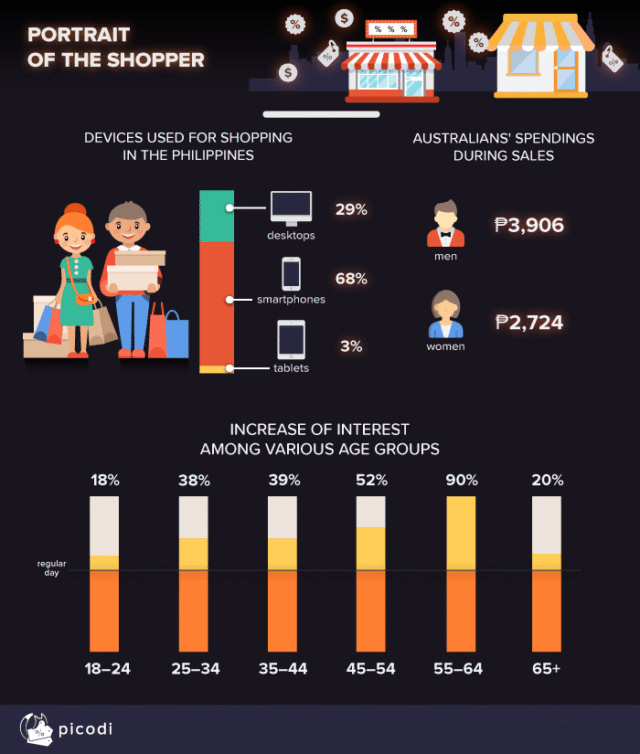
    Spending differences vary by sex. Indeed, an average man will spend more money on sales than an average woman: 3906 PHP and 2724 PHP respectively.

    When it comes to age the biggest interest for Black Friday discounts was among people aged 55-64 and 45-54.

    Statistics also say that mobile devices dominated desktops with 68% of consumers shopping on their mobile phones and 29% on desktops.

  • Tiens Group reveals global expansion plan

    Tiens Group reveals global expansion plan

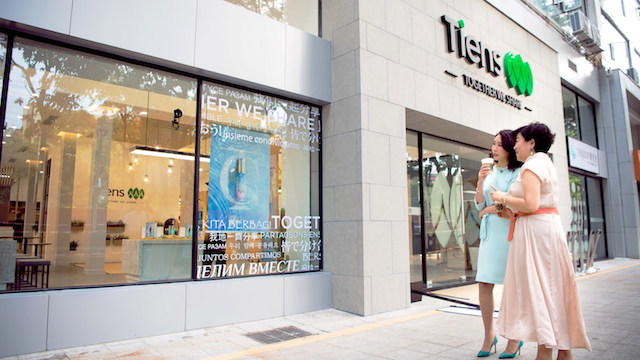
    Chinese healthcare company Tiens Group is eyeing global expansion following the success of its high-tech Shenzhen flagship store which opened in August. According to the firm, the launch was made as a step towards global expansion, featuring a combination of technology-enhanced online and offline consumer experiences such as touch-screen computers and live product demonstrations.

    The brand now plans to establish 110 branches worldwide as part of its broader strategy to create a healthcare system integrating physical retail, e-commerce, Traditional Chinese Medicine and medical facilities, as well as educational, tourism, accommodation and lifestyle experiences.

    Board member and e-commerce GM Chelsea Li said experience marketing is at the cutting edge of business development trends. “We aim to bring our customers an intuitive experience of meticulous care, attentiveness, and beauty.”

    Tiens’ new e-wallet app PointsWin is positioned to play a core role in the firm’s strategy, connecting the business’s blockchain-based customer network. Consumers can currently use the app to make purchases and earn rewards at any business bearing the Tiens banner.

    Tiens Group chairman Li Jinyuan said: “We have always approached development by considering the world from a global perspective. These [target locations] are especially the regions involved in China’s One Belt One Road initiative.”

    The flagship is located in the Tiens International Health Industrial Park in Luohu, Shenzhen.

  • Star at Xiaomi’s store opening in NZ

    Star at Xiaomi’s store opening in NZ

    The electric scooter craze has well and truly hit New Zealand. Within just hours of Chinese electronics giant Xiaomi, or “Mi” as many know it as, opening the doors to its first New Zealand store, the retailer sold more than $250,000 worth of electric scooters.

    In just seven hours it had clocked $257,750 in sales from the e-scooters, which are similar to the popular rentable Lime-branded ones sweeping Auckland and Christchurch.

    About 200 of the scooters priced at $599 were sold online in 30 minutes yesterday, causing the retailer’s website to crash.

    Meanwhile, at Sylvia Park in Mount Wellington, where Mi opened its store, about 1500 people queued – from one side of the mall to the other – waiting in line for a glimpse of the scooter.

    More than 400 Mi electric scooters were sold in-store.

    The scooters are said to now be sold out.

    The Mi e-scooter is popular overseas.

    Mi New Zealand spokesman Eric Chang said he believed the popularity of rentable electric scooters had driven significant demand and interest in consumers wanting their own.

    The scooters have a range of 29km and can travel up to 25km/h.

    Lime scooters were introduced to Auckland and Christchurch streets last month and have proven popular and been in the headlines since.

    Some riders have left a trail of mayhem, and injury claims from electric scooter-induced injuries have soared.

    Between October 14 and 31 there were 69 electric scooter claims lodged with ACC.

    Overseas there have been bans of the scooters and one recorded death. As of today, there has been a global recall of models made by Chinese manufacturer Okai.

    A spokeswoman for Lime said the company was working with the US Consumer Product Safety Commission and other international agencies following reports the scooters made by Okai could break apart while in use.

    Lime said it did not anticipate any disruptions to its service after the recall.

    Lime currently operates in a string of cities across the world, offering e-scooters and bikes for hire, including in Switzerland, Germany, France, Poland, Czech Republic, Spain, Portugal, Mexico, Canada, Austria and United States.

  • Emart’s No Brand to open first overseas store

    Emart’s No Brand to open first overseas store

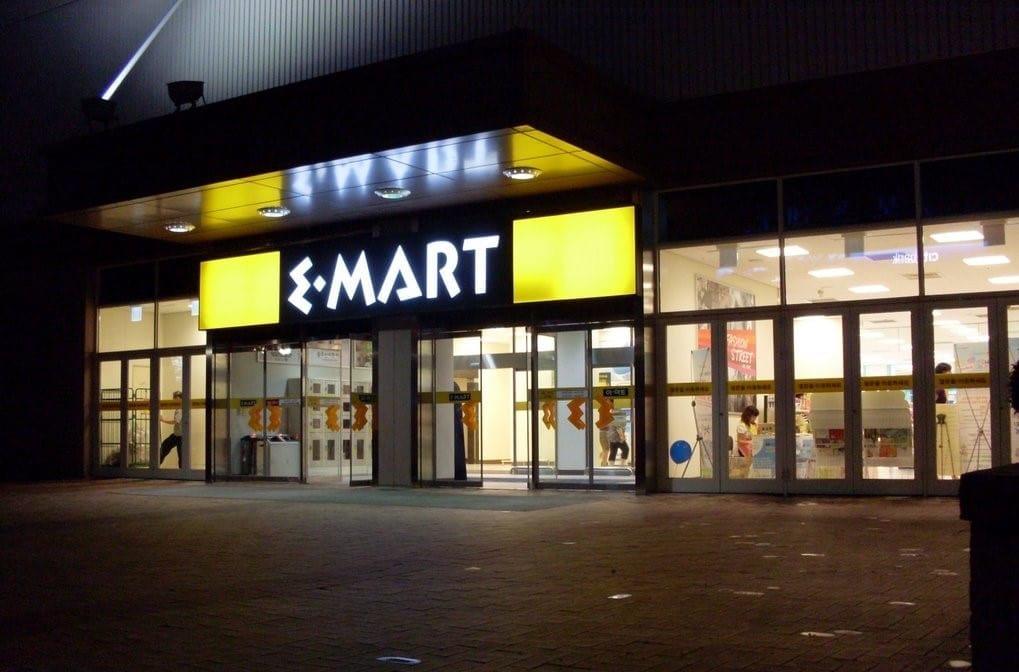
    Emart is taking its No Brand line to the Philippines, the first overseas expansion for the label. The chain announced Monday that it signed a franchise agreement with Robinsons Retail, the No. 2 retail company in the Philippines, to roll out No Brand and Scentence in the country. Both are Emart in-house lines.

    “Under the deal, 50 No Brand and 50 Scentence stores will be established in main shopping malls and department stores at the Philippines by 2020,” Emart said in a statement.

    Robinsons will be in charge of store operations, while Emart will be paid a licensing fee and profit from the export of products to the stores.

    No Brand is an Emart label that sells daily necessities and some food items. Around 70 percent of No Brand goods are manufactured by local small enterprises. Although it was started as an in-house line, No Brand has been so successful that stand-alone stores have been opened.

    Emart has established stores overseas, but this is the first time No Brand has been taken abroad. With partner Robinsons, the local retailer plans to co-develop No Brand products for the Philippine market and possibly export them for sale at Emart stores in Vietnam and Mongolia.

    For Scentence, Emart’s in-house beauty brand, the Philippine project is the brand’s second overseas move. It opened in Saudi Arabia in July. Emart says it plans to develop Scentence beauty products that fit well with the climate of the Philippines.

    No Brand and Scentence are both part of Shinsegae Vice President Chung Yong-jin’s strategy to develop “specialized stores” that focus on a particular product category instead of selling a little of everything as is done in discount chains.

    The discount chain market is saturated in Korea and is facing mounting regulations.

    “The deal to launch No Brand and Scentence in the Philippines is meaningful to us in that it diversifies our global portfolio for specialized stores,” said Lee Joo-ho, who heads Emart’s global business.

  • Vietnam’s biggest airport start building in 2020

    Vietnam’s biggest airport start building in 2020

    Work on Vietnam’s biggest airport would start in 2020 and it will become operational in 2025, the Airports Corporation of Vietnam (ACV) says. ACV, which manages and operates civil airports in the country, also says that it will complete business appraisals and feasibility reports for submission to the National Assembly for approval in October 2019.

    Transport Minister Nguyen Van The had told legislators at a meeting late last month that the government was likely to approve land acquisition plans for the project this month, and release funds for it immediately after.

    Situated 40 kilometers east of Ho Chi Minh City, the Long Thanh International Airport is expected to take up overflow from the largest existing airport in the country, the Tan Son Nhat International Airport.

    Tan Son Nhat now receives 32 million passengers a year, far beyond its designed capacity of 25 million.

    The Long Thanh Airport, to be built in three phases over three decades, was recently listed by CNN Travel as one of the world’s 16 most exciting airport projects.

    The first phase is scheduled for completion in 2025 when it will be able to handle 25 million passengers annually. The next two phases will be built in 2030-2035 and from 2040-2050.

    The new airport would have an annual capacity of 100 million passengers and five million tons of cargo when completed.

    The first phase is estimated to cost VND114 trillion ($4.87 billion), and will be raised from public funds, a bond issue and private sources.

    Experts have warned that the cost of the airport could double every five years.

    ACV announced that in its 2019 plan, the company will spend more than VND10 trillion ($432.71 billion) on upgrading and expanding several airports, including Cat Bi in northern Hai Phong City, Vinh in central Nghe An Province, Phu Cat in southern Can Tho City, and Noi Bai in Hanoi.

    Most of these upgrades are expected to be completed by the third quarter of 2019.

    According to a recent announcement by ACV, by the end of October, the total amount of passengers going through airports this year was estimated at 87 million, by 12 percent over the same period in 2017.

    This year, the number of international passengers rose by 23 percent, while the figure for domestic customers increased by 7 percent.

  • Crocs opens its 100th store in India at VR Mall Chennai

    Crocs opens its 100th store in India at VR Mall Chennai

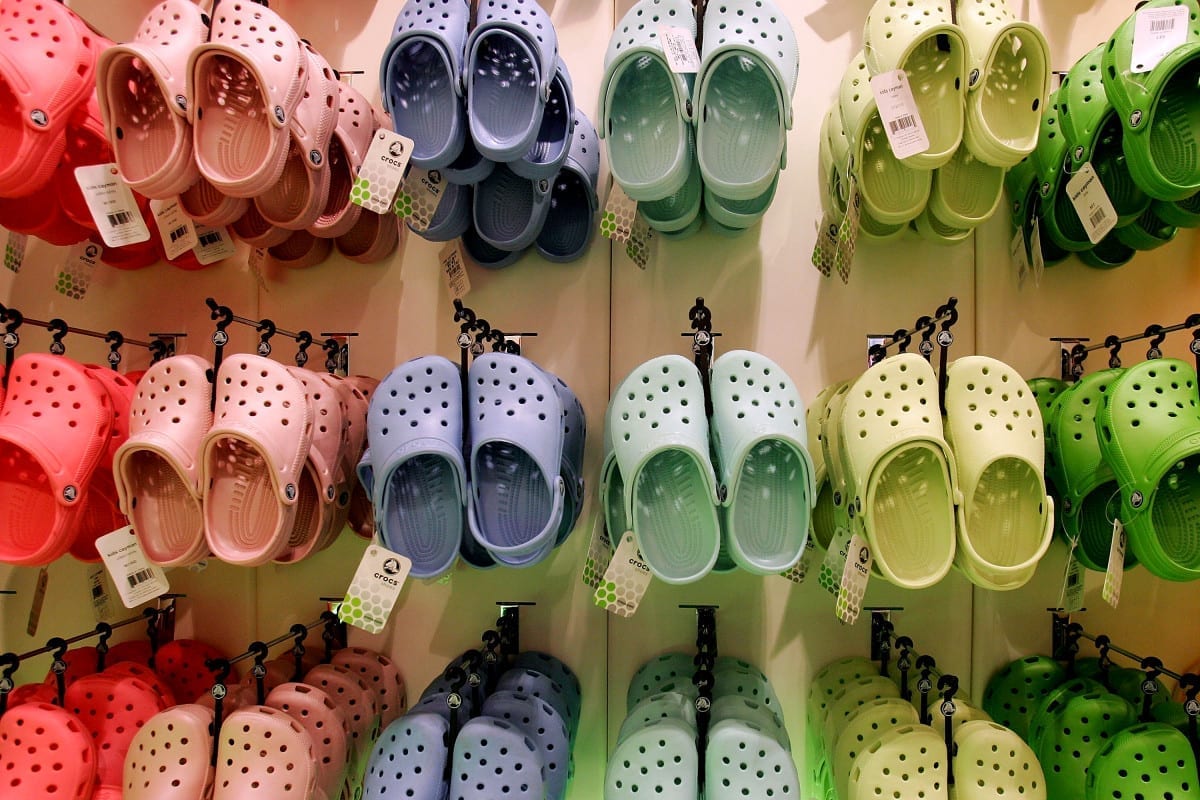
    The new store, which spreads across 625 sq. ft., is Crocs’ third store in the city and 5th in the state of Tamil Nadu. Boasting a premium location at VR Mall, the hub for luxury and international brands in Chennai, the store promises to strengthen the reach of the iconic brand in the state capital.

    Since the opening of its first store in India in 2008, Crocs has successfully carved a distinct positioning for the brand amongst the Indian consumers akin to its global positioning and is growing at a robust pace with presence across 50 cities in India.

    Crocs, which is known globally for its iconic Clogs, is turning towards India to fuel its next phase of growth. India is currently the 6th biggest market for Crocs globally with a high double-digit growth year on year.

    Metro Shoes, the national franchise partner of Crocs India, will be operating this 100th store located in Chennai. The partnership with Metro Shoes began in 2014 which has helped the iconic footwear brand in expanding its reach to over 50 cities through its EBO operations.

    Speaking on occasion, Deepak Chhabra, CEO & MD, Crocs India, said, “We are excited on reaching the century mark in India. India is one of the rare markets where even after opening 100 stores we still feel under-penetrated. Our absolute focus for the next phase of geographical expansion will continue to be on top 6 metro cities across the country along with state capitals. Exclusive brand stores are a very significant part of our growth strategy. In addition to aggressively growing our EBOs, we will be strengthening our presence in Tier-II cities via MBOs and Kiosks. Further, e-commerce will remain an integral part of our distribution strategy and help us reach out to consumers where our brick and mortar presence is limited. Region-wise South India, due to its demographics and very high brand recall, contributes the highest amongst all regions in the country and will remain an integral part of our India growth strategy.”

    Commenting on the occasion, Rafique Abdul Malik, Chairman & MD, Metro Shoes, said, “We would like to congratulate Crocs India on the launch of their 100th store and are confident that this is just one of many more milestones to follow. Metro Shoes is glad to partner with a brand which despite being just 16 years old has an iconic status with probably the highest brand-recall across the globe. India as a nation has a high affinity for open shoes and sandals owing to the climatic conditions, making Crocs highly relevant in this market.”

    With its unique brand awareness and break-through product innovations, Crocs is progressing towards becoming India’s top non-athletic casual footwear brand. Other than its EBOs, Crocs asserts its strong presence in MBO channels through which its overall offline reach extends to more than 150 cities via 1,500 + points-of-sale. Additionally, it caters to 20,000+ pin codes translating to 400 cities via its e-commerce presence.

    Over the past 16 years, Crocs has sold more than 350 million pairs of shoes worldwide. Crocs as a brand will continue to focus on clogs and sandals, along with new product innovations and extensions of the current product line. This year, Crocs India launched LiteRide™, Drew Barrymore ♥ Crocs Collection, Crocband™ Platform Collection, and Luxe Lined Collection. Last year internationally, the brand has associated with designers like Balenciaga and Christopher Kane bringing in some exciting trends to the runway which further elevated the appeal of the iconic clog in fashion space.

  • Shilla Travel Retail Hong Kong appoints new MD

    Shilla Travel Retail Hong Kong appoints new MD

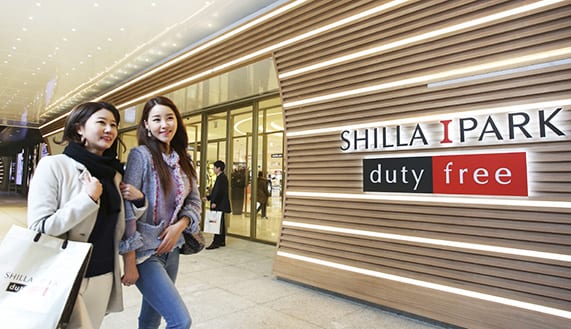
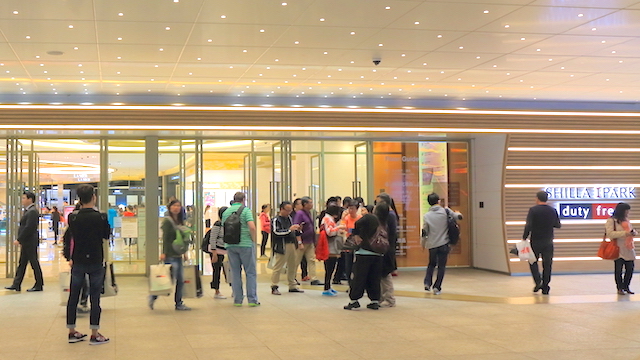
    The Shilla Duty Free has appointed a new MD of its Hong Kong operations. Changha Shin takes over the helm of Shilla Travel Retail Hong Kong this week after the surprise departure of Alice Woo. Woo built the business up after becoming its first employee last year when the Korean-owned travel retail company secured major duty-free concessions at Hong Kong International Airport.

    Prior to working with Shilla, Woo spent 22 years in travel retail in Asia, Hawaii and North America, with companies including DFS Group and Nuance Watson.

    Her replacement Shin was previously the merchandising director of Shilla Travel Retail Hong Kong. In a short statement, Shilla said Shin has a wealth of knowledge across various product categories with 14 years of experience. He started in HR with Shilla Group and has “deep knowledge” of Shilla Group and its partners.

    “The Shilla Duty Free is proud to promote from within and support the development of its staff.”

    Woo will leave her position this week with the change referred to being due to “internal circumstances”. It is unclear if she will remain with the company in another role.

  • Duty-free sales may hit all-time record this year

    Duty-free sales may hit all-time record this year

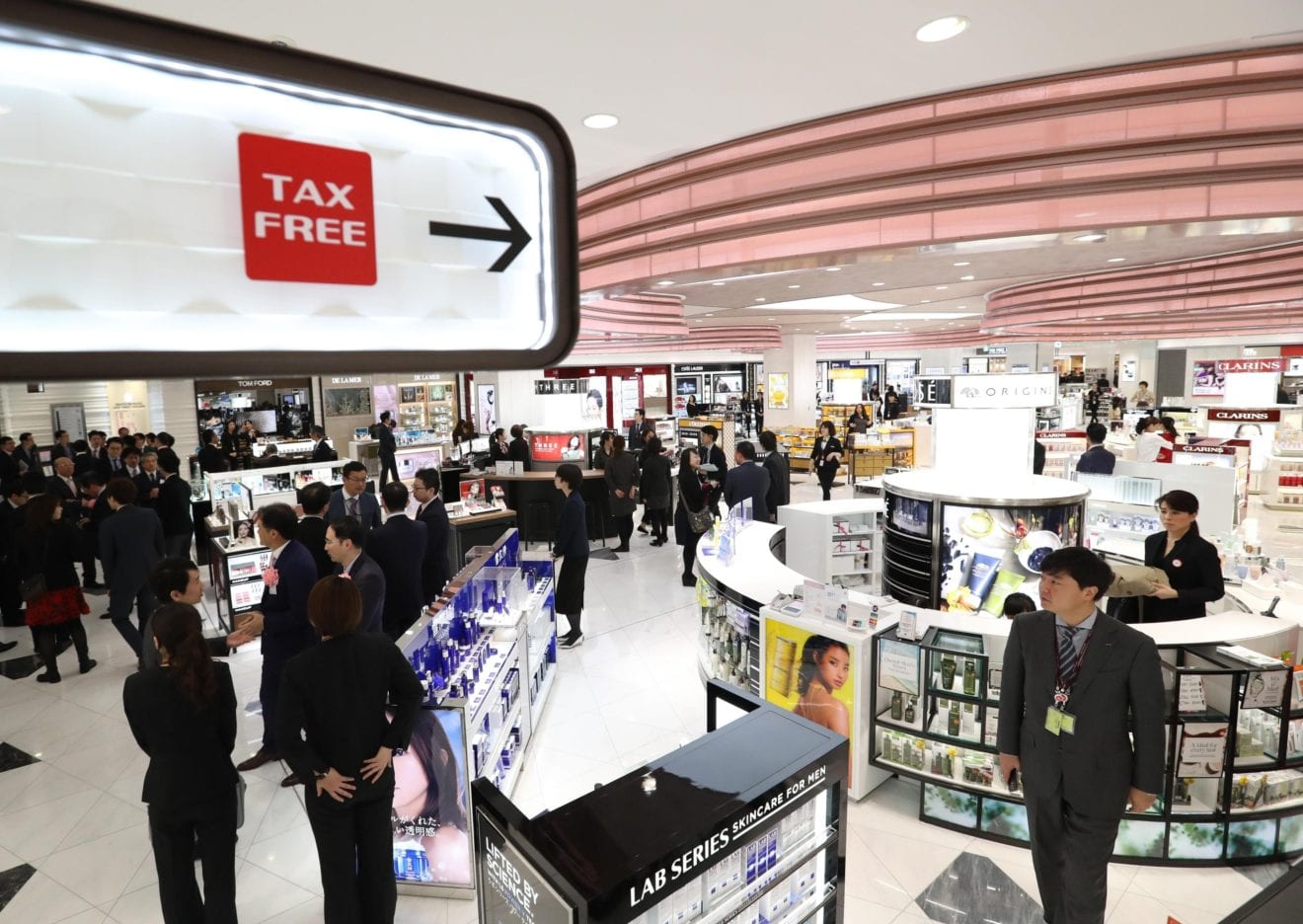
    Korea’s duty-free sales are likely to set a new annual record this year despite Chinese group tour traffic not having fully recovered.  According to the Korea Duty Free Shops Association, duty-free store operators made $1.44 billion in October, a 28.6 percent increase year on year. This takes Korea’s total duty-free revenue between January and October to $14.3 billion, surpassing 2017’s full-year revenue of $12.8 billion.

    “The local duty-free market was 14 trillion won [$12.4 billion] in size last year – some forecast this year will reach a new all-time record of 18 trillion won,” said a source at one of Korea’s largest duty-free store operators.

    The growth is meaningful considering that Chinese group tours are not fully back in the market.

    Industry watchers and analysts attribute the increase in duty-free sales this year to “daigongs,” or individual Chinese merchants that purchase Korean goods and resell them at home.

    Before Chinese group tours were banned in March 2017 after Korea’s deployment of the U.S. Terminal High-Altitude Area Defense antimissile system, they were a major source of revenue for local duty-free stores. As traveling to Korea for Chinese became more difficult, the reselling business began to grow.

    “Revenues are going up this year but we’re still waiting for group tours to come back,” said another source at one of top three duty-free companies.

    Sales increases are generally good news, but industry watchers warn that operating profits will not grow as fast as revenues. Attracting daigongs entails high marketing costs. New duty-free outlets opened in Seoul this year, which means competition to pull in daigongs may become more intense.

    Signs suggest restrictions on group tours from China are easing. Some online tour agencies have started marketing group tour packages to Korea on their websites. Last week, China’s largest online tour agency Ctrip posted Korean tour products on its website, but erased them the same day.

  • Jollibee’s 250th store opened in North America

    Jollibee’s 250th store opened in North America

    Philippines fast food operator Jollibee is planning to hit 150 locations in the US within five years, up from its current 37. The company’s CEO Ernesto Tanmantiong said: “The fried chicken market in the US is quite huge. This is just the first leg of our journey, to be one of the major players in the fried chicken market.”

    The company has also announced plans to open 100 additional stores in Canada, part of its strategy to become on of the world’s top five quick-service restaurants.

    Jollibee operates 4300 stores in 20 countries, and has a portfolio of 14 brands.