Tag: asia

  • Visa and GARMIN launch GARMIN Pay in Thailand

    Visa and GARMIN launch GARMIN Pay in Thailand

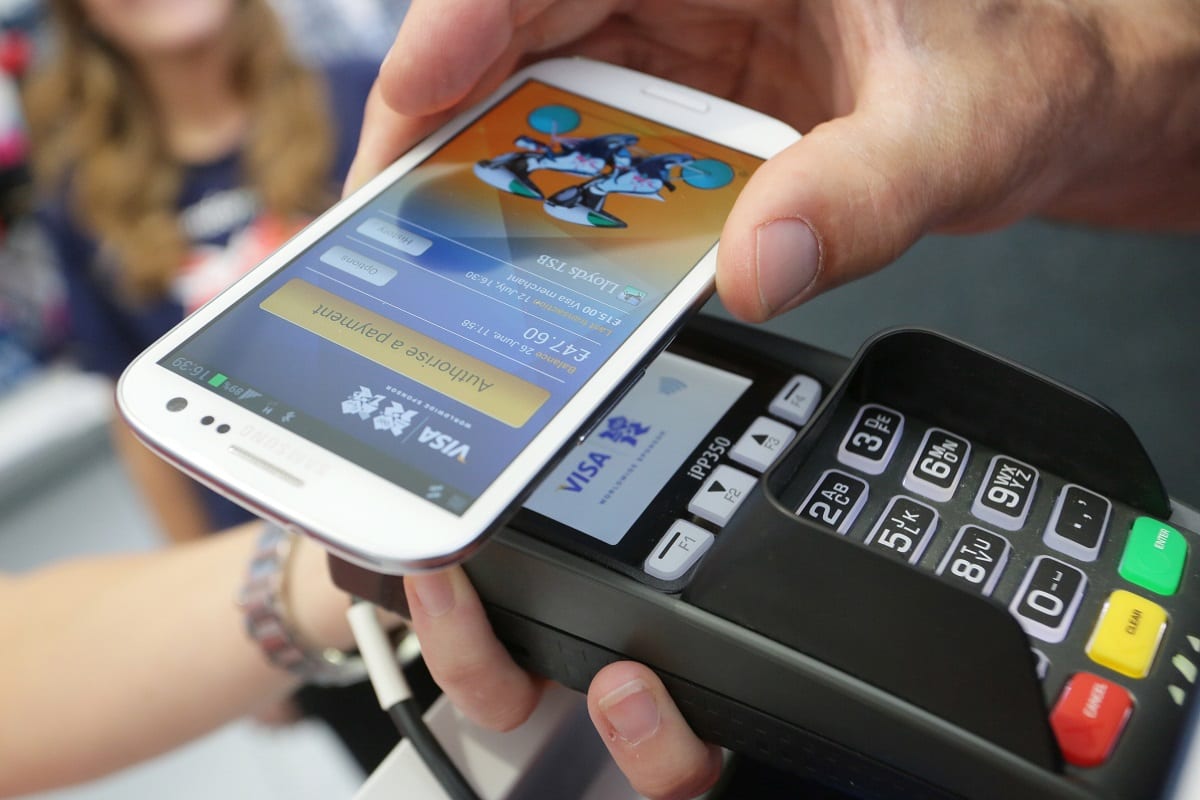
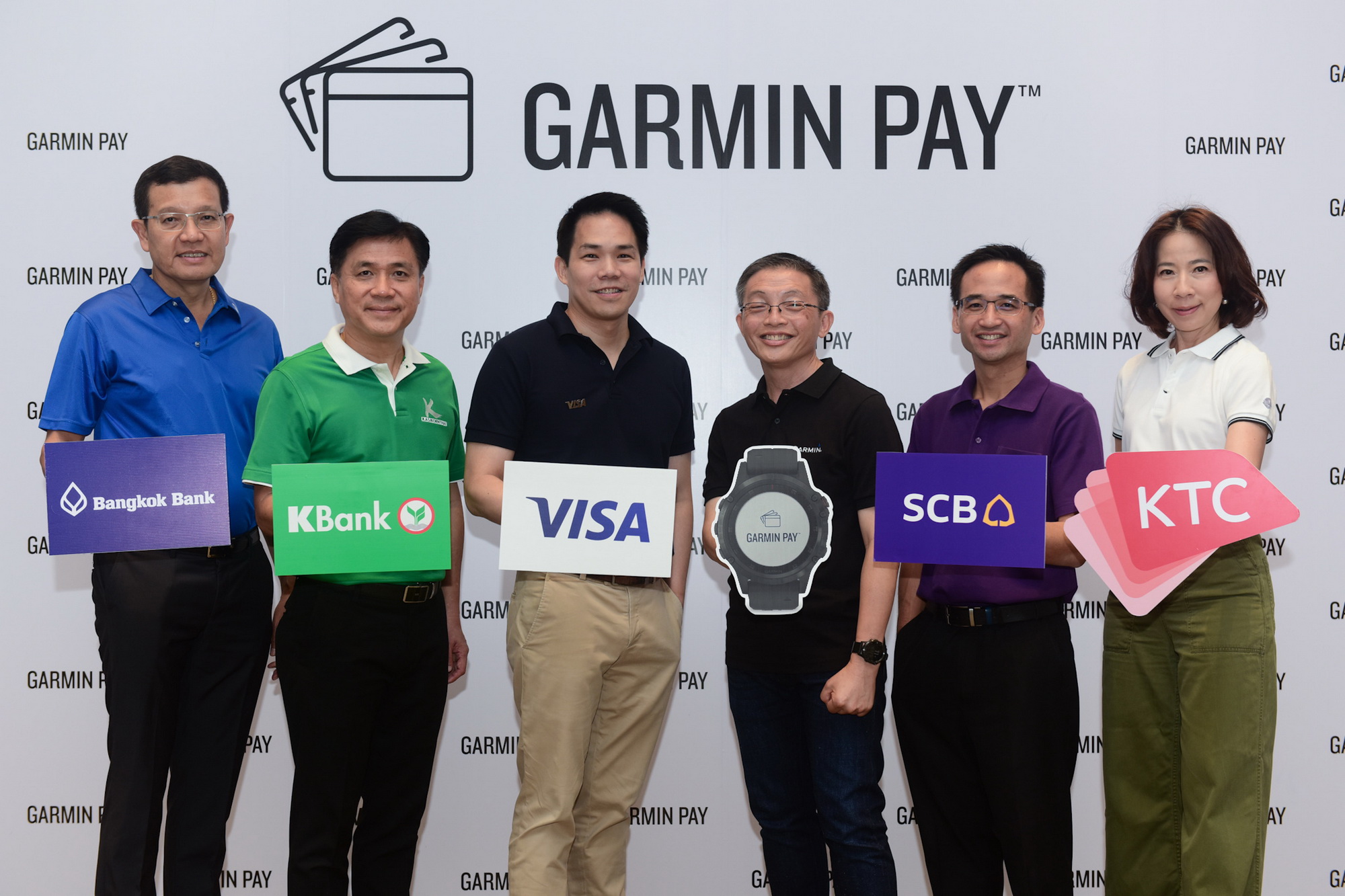
    Visa, the world’s leader in digital payments and GARMIN, in partnership with leading financial institutions, announced the launch of GARMIN Pay, a new contactless payment feature on GARMIN smartwatches. Starting 15 November, customers of Kasikornbank, Krungthai Card and Siam Commercial Bank can add their Visa credit or debit card to their GARMIN smartwatches, while Bangkok Bank is in line to launch by first quarter 2019.  The feature offers a new cashless experience, where purchases can be made seamlessly at growing contactless-accepted merchant locations. The emergence of payment innovation and technology mark yet another milestone helping to transform Thailand into a less-cash society.

    Mr. Suripong Tantiyanon, Visa Country Manager for Thailand said: “Visa is pleased to support the launch of Garmin Pay, bringing Visa contactless payments to Garmin smartwatches in Thailand.  Visa believes payments wearables are the future of fast, simple and secure payments, for people who lead an active lifestyle. According to Visa’s “sweaty money” survey, 57 percent of people who bring cash or a payment.

    card along on their workouts are stashing it somewhere uncomfortable and inconvenient. Garmin Pay will be a welcome solution for anyone looking for an effortless way to pay while on the go.  This launch is another milestone in Visa’s commitment to continue providing payment innovations and experiences across a wide range of form factors to consumers in Thailand.”

    Mr. Krairop Luang U-Thai, General Manager of GIS, the authorized distributor of GARMIN products in Thailand said: “GARMIN Pay is the latest feature on the GARMIN smartwatch.  Select the credit card you want to connect to the watch and create the GARMIN Pay Wallet by filling in the card information on the GARMIN Connect application along with your passcode. All customers then have to do is place their wrist near a card reader that supports contactless payments to purchase goods and services.  GARMIN Pay uses tokenization offered by the global payment networks to secure users’ information. The tokenized data is saved in an isolated safety chip which is in device, so to keep sensitive data from malware or virus. In addition to Thailand, GARMIN Pay is also currently available in 22 countries around the world.”.

    GARMIN Pay is available on vivoactive 3 series, forerunner 645 series, fenix 5 plus series. Check back for future additions and more information about GARMIN Pay, visit Garmin.co.th/Garmin-Pay

     

  • Farfetch poised to top $1 Billion in gross merchandise value

    Farfetch poised to top $1 Billion in gross merchandise value

    Online luxury group Farfetch said gross merchandise value through its site surged 53% in the third quarter to $310 million, resulting in revenues for the British company to total $132.32 million. The London-based marketplace upgraded its outlook for future growth saying it expects value merchandise revenues to be higher than the company’s previous estimates in the fourth quarter.

    For the three months to September 30, adjusted earnings before income, taxes, depreciation and amortisation registered a $32.3 million loss, meaning the company is yet to hit profitability.

    At the same time, the company reported 1.2 million active customers in the third quarter, up 42 percent.

    Average spending per order fell to $585, from $605 a year earlier, said the company, on the back of a stronger dollar and a free-shipping promotion.

    The results follow Farfetch’s IPO in September, which saw shares soar above $30 in the days after its debut, a more than 50% gain on the initial offer price.

    Farfetch has proven a popular choice for global luxury brands and retailers, as more and more houses continue to sign on to sell through the site.

    Most recently, new additions include Moschino, Victoria Beckham and Tory Burch, as well as streetwear offerings such as Stadium Goods, which sits inside the hub devoted to sneakers.

    Farfetch has also started selling jewellery and added its first department store to its portfolio, Harvey Nichols.

    Looking ahead, Farfetch raised its outlook for fourth-quarter sales on its marketplace, to be between $435 million and $445 million.

    Currently, Farfetch’s marketplace offers luxury products from over 1,000 vendors across 48 countries.

  • GAP sales report slumps in Q3

    GAP sales report slumps in Q3

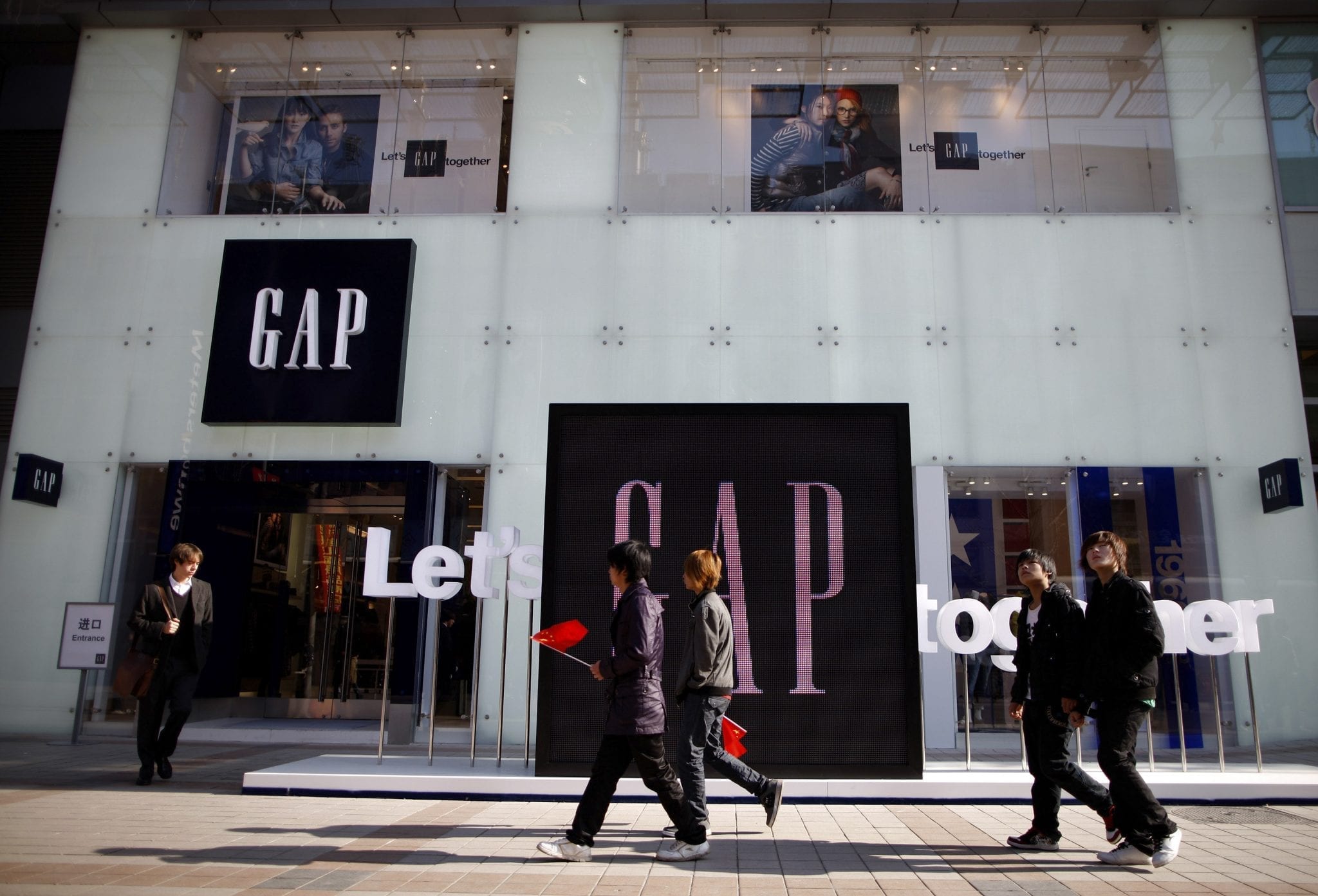
    Gap brand sales fell 7 per cent globally in the last quarter as the US apparel retailer fails to re-engage consumers.

    However Gap Inc increased its overall sales by 6.5 per cent to US$4.09 billion on the back of solid growth in its Old Navy business and a modest 2 per cent improvement of the more upmarket Banana Republic banner. Net income rose to $266 million, up $37 million year on year.

    “Old Navy is doing all of the heavy lifting while the Gap brand languishes,” observed retail analyst Neil Saunders, MD of GlobalData Retail.

    “When it comes to Gap the numbers are particularly bad. Despite protestations from management that improvements to the range and inventory are coming through, we do not buy the story of recovery. Gap’s brand image is still lacklustre and it is not bringing anything new or exciting to the market. Products are still samey and boring and they are still being discounted because Gap is unable to sell them at full price.”

    Saunders said the sales results testify to the deep-seated problems at the Gap brand – especially when they are delivered against the backdrop of a robust consumer economy in which people are spending more on clothing than they have done for many years.

    “Our consumer data still shows that shoppers see Gap as bland and increasingly irrelevant in the apparel space. This is not healthy and it underlines the fact that Gap still has an enormous amount of work to do before it can even start down the road to recovery.”

    In contrast, Old Navy’s fashion edits and the brand’s ability to put out well-curated collections are attracting the attention and spend of family shoppers.

    “The strong economy is giving consumers a little more money to spend and we believe that Old Navy is benefitting from this as consumers buy more treats for themselves and their families. The strength of Old Navy’s brand is evidenced by the fact that all categories and channels have benefitted from growth.”

    Gap Inc will end the year with a net gain of about 70 new stores, including outlets in Canada and Mexico, where the brand continues to perform well.

    Banana Republic turns a corner

    Meanwhile, Banana Republic achieved a 9.2 per cent uplift in US sales due to store openings and a 2 per cent increase in comp sales.

    “The work to re-engineer the brand is paying off,” said Saunders. “Fall and winter collections were stronger than they have been for many years and there is now more cohesion between marketing and assortments. While the recovery remains in its early phases, Banana Republic is moving in the right direction.”

    Overall, said Saunders, despite poor Gap brand sales figures, the business is in a reasonable state. “However, the ongoing issues at the Gap brand are raining on what would otherwise be a sunny parade.”

  • BigBasket India eyes 40 pc revenue from private labels next fiscal

    BigBasket India eyes 40 pc revenue from private labels next fiscal

    Chinese retail giant Alibaba-backed online grocery player BigBasket that aims to be a billion-dollar company by the next fiscal year, is expecting 40 percent of its projected revenue to come in from its private labels, a top company official has said.

    “Private labels are around 34 per cent of our business now and we plan to scale this to 40 per cent in about a year. The incremental 6 percentage points of revenue will come from non-fruits and vegetables and non-staples,” Hari Menon, Co-founder and Chief Executive, BigBasket said.

    According to a report: The company aims to clock Rs 3,500 crore in sales this fiscal year, up from Rs 2,000 crore last year.

    He added that the Bengaluru-based company will add a lot of categories to the private labels vertical.

    BigBasket that aims to raise up to US$ 200 million over the next few months, said, the FMCG sales overall (food and non-food) contributes over 50 percent of its business, 30 percent from staples (including 14.5 percent from private labels) and 18 percent from fruits and vegetables.

    It is going to launch beauty as a category in the next few days, with imported products as well, Menon said.

    The company has a presence in 25 cities and plans to launch its operations in Kochi soon.

    “Having gone deeper into the existing consumer base already, which has been our growth driver, we are now planning to get into the upper middle class and middle class segments,” he further said.

    BigBasket, founded in December 2011, claims 10 million subscribers and close to 1 lakh orders per day. The company expects to break even in the 10 large cities by next June.

    BigBasket last month acquired Pune-based RainCan and the Bengaluru-based Morning Cart to deliver milk to 20,000 customers. It has already launched this service in seven cities and expects to roll out to other three cities among the top 10 metros.

    Menon expects the milk delivery business to clock Rs 1,000-crore by next year and plans to grow this business as it will give access to many homes.

    He further said that the company will look at scaling up the fresh meat segment and increase its contribution to 5-6 percent from 1-1.5 percent at present.

    BigBasket has 30 warehouses now and will touch 45 by next year.

  • Korea’s convenience stores to use mobile payments more

    Korea’s convenience stores to use mobile payments more

    Mobile payments at South Korean convenience stores have more than doubled this year thanks to the greater use of smartphones and the expansion of mobile settlement services. South Korea’s top convenience store chain CU said the number of so-called easy mobile payments at its outlets soared 121.5 per cent year on year in the first 10 months.

    Convenience chain operators in Asia’s fourth-largest economy adopted the easy mobile payment system in 2011, but the service only started to take off last year.

    The percentage of mobile payments out of total settlements at convenience stores expanded to 3.5 per cent this year, compared with 1.9 per cent last year and just 1 per cent in 2015.

    “The number remains in the single-digit range, but the easy mobile-settlement system has been growing at an exponential pace,” a CU spokesperson said.

    Currently, CU allows customers to use Samsung Electronics’ Samsung Pay and 19 other payment tools at its stores.

    Samsung Pay accounted for 85.5 per cent of CU’s mobile settlements during the January-October period, followed by Kakaopay with 4 per cent and LG Pay with 2.8 per cent.

    Industry sources said retailers in South Korea have been ramping up efforts to develop their own mobile payment platforms as more tech-savvy consumers turn to their smartphones to make mobile payments at South Korean convenience stores.

    Some seven in 10 South Koreans are known to own a smartphone, the fourth-highest smartphone penetration rate in the world.

  • Vietnam’s new oil refineries to quadruple capacity by 2023

    Vietnam’s new oil refineries to quadruple capacity by 2023

    Vietnam’s total oil refining capacity will nearly quadruple by 2023 as two new refineries go on stream, market data provider Fitch Solutions reports. The Dung Quat refinery in the central province of Quang Ngai operated by the state-owned PetroVietnam’s subsidiary Binh Son Refinery Limited (BSR) remains the sole facility now, with a crude oil processing capacity of 148,000 barrels per day (b/d).

    Dung Quat will soon be joined by Nghi Son refinery in the central Thanh Hoa Province. Nghi Son is currently testing at full capacity and is scheduled to start commercial operations this month.

    The $9 billion Nghi Son project is owned by the Nghi Son Refinery and Petrochemical LLC (NSRP), a joint venture between PetroVietnam, Kuwait Petroleum, Japan’s Idemitsu Kosan and Mitsui Chemical. It will have a designed capacity of 200,000 b/d of crude oil.

    Meanwhile, the long-delayed construction of the Long Son refining and petrochemical complex in the southern province of Ba Ria-Vung Tau resumed in February this year, putting it on track to go on stream by the first half of 2023.

    Licensed in 2008 and initially slated to begin operations in 2014, Long Son hit a roadblock due to site clearance issues and disagreements over the development strategy between the project partners.

    This caused Qatar Petroleum to withdraw from the project in 2015. Thailand’s Siam Cement Group (SCG) increased its stake to 71 percent after it bought the 25 percent stake owned by Qatar Petroleum, while PetroVietnam held the remaining 29 percent.

    In May this year SCG agreed to acquire PetroVietnam’s 29 percent. The refinery is expected to cost $5-6 billion. Once completed it will be able to process 200,000 b/d of crude oil and produce 1.6 million tons of olefins annually.

    “The two new refineries would increase competition in the domestic fuel market, which could require refiners to upgrade, cut costs and move up the value chain to win market share,” Fitch Solutions said in a report released Monday.

    This also spells an end to Dung Quat’s status as the country’s sole refiner, which it has enjoyed since 2010.

    New oil refineries to quadruple Vietnam capacity 2023

    Competition from Nghi Son will be stiff as the government has granted a host of incentives to successfully commission its second standalone refinery, including tax concessions, tariff exemption on crude imports from primary feedstock provider Kuwait and an offtake guarantee from PetroVietnam for the first 15 years of operation.

    The Quang Ngai provincial government in early November sought the same incentives for the Dung Quat refinery to ensure “fair competition”.

    BSR is also planning to invest $1.8 billion over the next three years to expand Dung Quat’s capacity by 23,000 b/d and upgrade the quality of its fuels to Euro 5 from the current Euro 2.

    Fitch Solutions said the upgrade would enable Dung Quat to process higher-sulphur crudes, helping reduce its dependence on Vietnamese light, sweet crudes, mostly from the Bach Ho field, which is depleting and thus becoming more expensive.

    Besides the competition between themselves, the refineries also face significant pressure from imports, mostly from South Korea and Southeast Asian countries, which are of higher quality and priced competitively due to free trade agreements, the report noted.

    “Competition is likely to peak in 2024, when tariffs on fuel imports from ASEAN and South Korea are scheduled to be cut to zero. Concerns about mounting competition have also led both Dung Quat and Nghi Son to consider exports to countries like Laos, Cambodia and Indonesia.

    “Vietnam’s improving self-sufficiency in refined fuels would reduce its need for imports, reorienting trade flows from some of its major fuel suppliers to alternative markets.”

    While insufficient to entirely meet domestic demand, this nevertheless would weigh on the market positions of Singapore, Malaysia, South Korea, Thailand and China, which account for nearly 95 percent of Vietnam’s fuel imports, according to Fitch Solutions.

    Malaysia and Thailand have the highest exposure to Vietnam’s fuel market — 11 percent and 16 percent of imports.

    Major international fuel suppliers are also likely to find room for growth in the Vietnamese market increasingly hard to come by as their quality advantage over locally produced fuels dissipates with the ongoing upgrades, the firm added.

  • Hyundai’s Palisade performs great in snow

    Hyundai’s Palisade performs great in snow

    On Tuesday, Hyundai Motor said that its Palisade SUV will come with a new feature dubbed Snow Mode that is designed to help the vehicle navigate snowy terrain by redistributing power to its wheels. The Palisade, Hyundai Motor’s new large SUV, is slated to launch later this month.

    The new vehicle will be the first SUV in Korea to come with Snow Mode or an equivalent function, according to Hyundai Motor.

    The system helps redistribute driving power to the wheels so that a car stuck on a snowy road can regain traction.

    A video posted on a Hyundai Motor blog on Tuesday shows the Palisade crossing uneven snowy terrain. At one point, the car’s left rear wheel is left spinning in the air, but the Snow Mode quickly recognizes the lack of traction and transfers the driving power to the other wheels. Later in the video, power is shifted to the right rear wheel to give the vehicle a boost, enabling it to get back onto the road.

    The carmaker said the SUV model has been tested on 6,000 kilometers on snowy terrain in Arjeplog, Sweden over the past two years.

    The large Palisade SUV will launch on Nov. 28 at the LA Auto Show.

  • Philippine’s La Lola to open in Singapore

    Philippine’s La Lola to open in Singapore

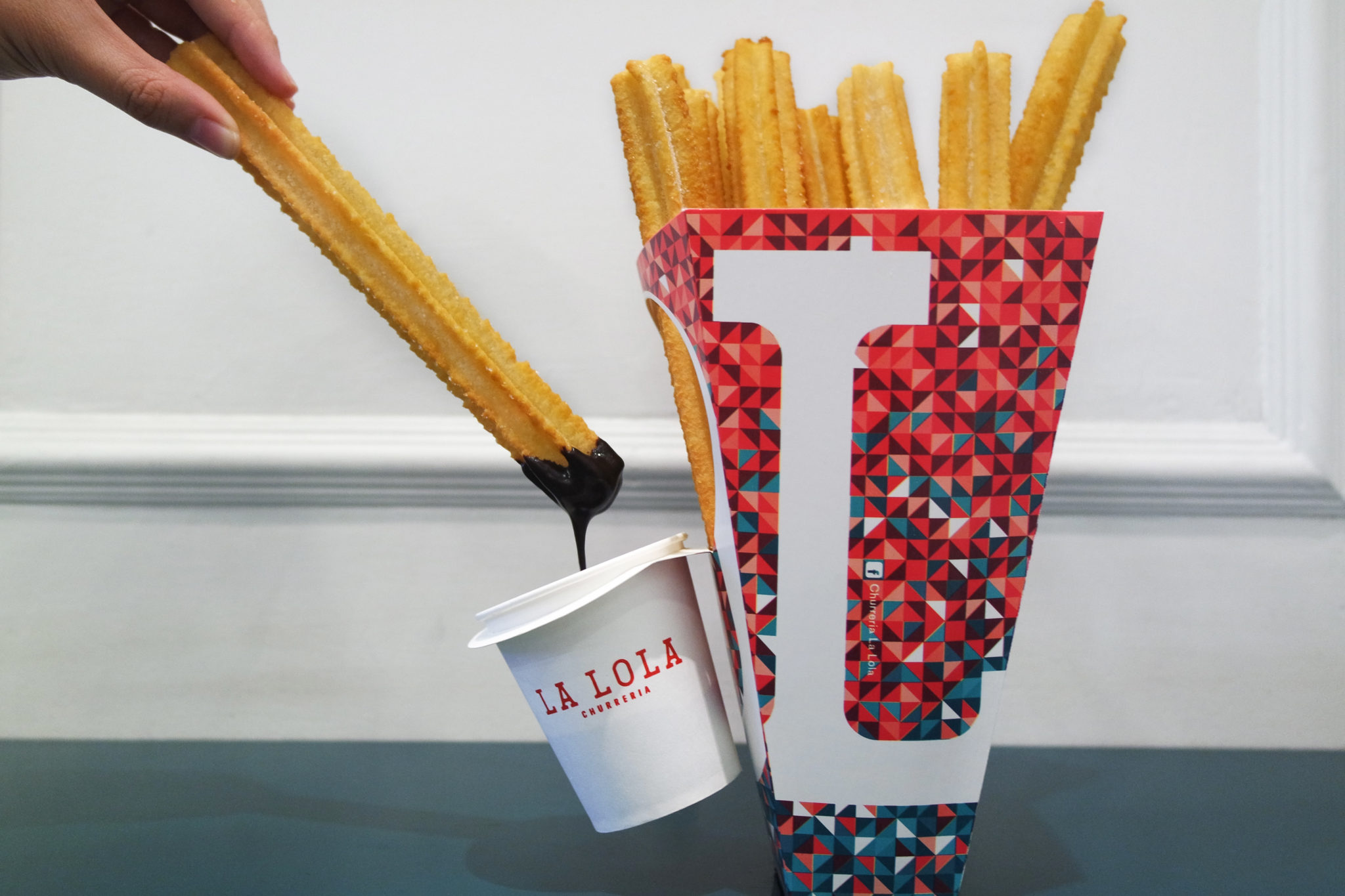
    La Lola Churreria will soon open its first store in Singapore at Clarke Quay Central. The Brazilian-inspired food-retailing concept is being brought to the city by MFT Group of the Philippines, in partnership with Bistronomia which opened the first La Lola store in the upmarket Manila Power Plant Mall at Rockwell.

    The Clarke Quay site was chosen for its close proximity to the MRT and bus stations.

    MFT Group chief marketing officer Chiqui Tan said the company chose Singapore because of locals’ dessert-driven palette and openness to new concepts.

    A former employee of the Philippines’ SM group, Tan says she has been watching La Lola with interest for several years.
    “We’ve been fans of the brand ever since they started. We thought it was genius that something so simple can be done so well. I saw the speed and the scale they grew the brand,” she said in an interview.

    “La Lola churros are so global in flavour that [the concept] can be taken anywhere and will have a strong chance of succeeding,” she said.

    The two companies are planning multiple outlets across Singapore and MFT Group is also actively looking for more food concepts to launch.

    The MFT Group, a private equity investor, has already successfully taken Singaporean chain Salad Stop to Spain. And it plans to open branches of that brand in Vietnam soon.

  • Ikea to open world’s largest store in the Philippines

    Ikea to open world’s largest store in the Philippines

    Ikea Philippines says its first store will take up an enormous 65,000sqm space, making it the world’s largest. The current largest Ikea store globally opened in Seoul in December 2014 and takes up 59,000sqm. Local franchisor Inter Ikea Systems, which operates the homewares and furniture retailer in Malaysia, Singapore and Thailand, chose to partner with SM Malls for its Philippine launch. The store will become an anchor of the giant Pasay mall, and its largest tenant when it opens in 2020.

    The size of the store reflects the huge consumer catchment: more than 5 million households within 60 minutes drive.

    Inter Ikea says the store will stock 9000 products and host a warehouse to fulfil online orders and an integrated call centre. A Philippine-specific website will launch prior to the store opening to help build brand awareness and offer design inspiration.

    “The Ikea vision is to create a better everyday life for the many people, so we are excited to be bringing our offer to a country where millions of people share our passion for home,” said Ikea Southeast Asia MD Christian Rojkjaer.

  • India’s Myntra launches Italian handbag brand Carpisa exclusively on its platform

    India’s Myntra launches Italian handbag brand Carpisa exclusively on its platform

    Myntra has announced the launch of Carpisa, the Italian brand known for its fine collection of handbags, suitcases, wallets and accessories, exclusively on its platform. The brand is being introduced to shoppers in India for the first time exclusively on Myntra, through a range of handbags, crafted for the modern and fashion-conscious women.

    Founded in 2001, Carpisa became one of the leading retailers in the bag, luggage and fashion accessory sector and holds celebrity actor Penelope Cruz as the brand ambassador. The brand is known for its designs, quality of products and above all, represents Italian culture and lifestyle.

    Catering to the affordable luxury segment, products from Carpisa are available at an average price of Rs 3,600, targeting women in the age group of 25-40 years from Sec A and Sec A+ categories in metros and Tier 1 cities.

    The handbags segment that Carpisa caters to in India is growing at a CAGR of over 15 percent, with an annual market potential of US$ 10 billion when combined with luggage and accessories.

    Speaking on the launch, Manohar Kamath, CXO and Head, Myntra Fashion Brands and Category Business, said, “We are delighted to announce the launch of Carpisa exclusively on Myntra. Shoppers in India are increasingly becoming brand and quality conscious and are exploring international brands and designs, clearly looking up to global styles and trends. As a leader in fashion ecommerce, we are focused on making the best of international brands accessible to our customers and Carpisa is the latest entrant, targeted at the fashion conscious women in India.”

    Francesco Pinto, Pianoforte Group International Expansion Director added, “We are extremely delighted to set foot in India in partnership with Myntra. India offers a huge growth opportunity for Carpisa, considering the size of the burgeoning fashion and lifestyle market. We are proud of this association with Myntra that builds a strong launchpad for Carpisa, while also giving the much needed initial thrust to take off.”

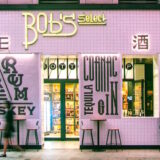
  • Bob’s Select Space combines bar and retail store together

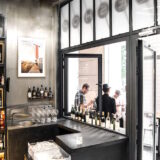
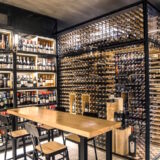
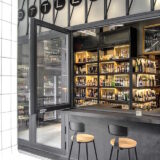
    Bob’s Select Space combines bar and retail store together

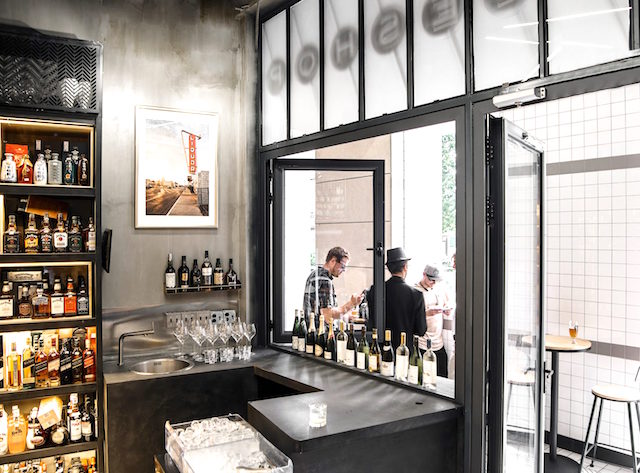
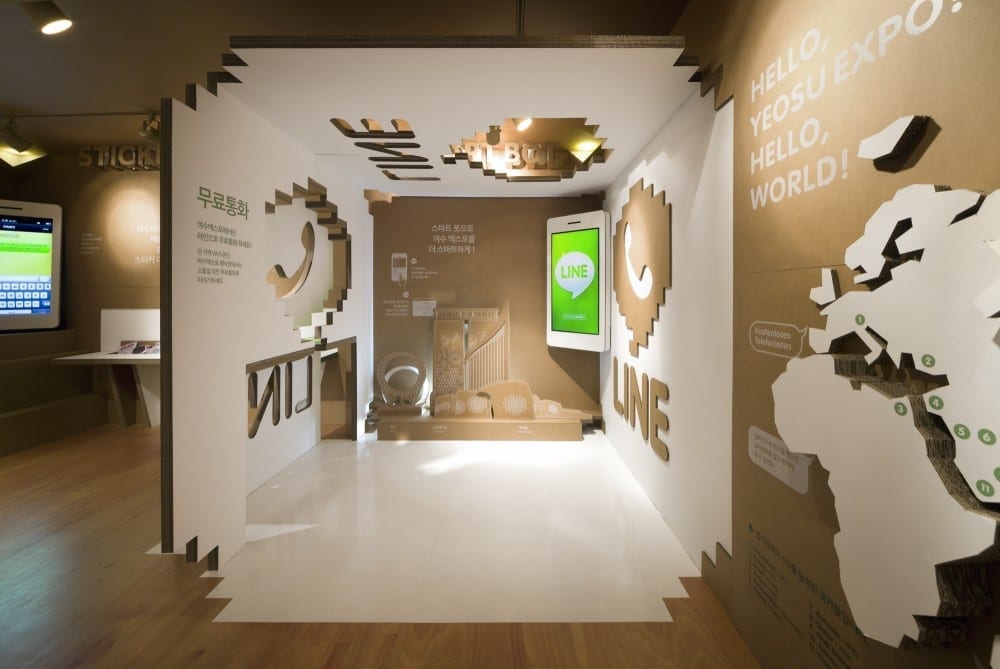
    Architectural studio Designreserve has created a new store in Beijing’s Sanlitun integrating a bar into the retail experience, according to a report. Bob’s Select Space is the flagship store for liquor retailer Bob’s Wine, aimed at creating a community space in a busy shopping area. The design explores the traditions of communication in liquor culture and merchandise.

    Designreserve co-founder Feng Yue said: “We wanted to create a strong visual identity. So we invited a graphic artist to design special fonts for each major alcohol type displayed on the facade. For us it is a kind of public art

    “Previous shops of Bob’s Wine are popular for their wide range of bottle selection as well as for their relaxing atmospheres, but the spaces were geared towards retail rather than bar.”

    The 60sqm space is divided into three rooms that transition visitors from the public domain to a more intimate “hideout”.

    “Experience is the key determining factor for the success of retail spaces,” said Yue. “Therefore, our job as designers is to create spaces where people feel inspired and hopeful that city life can still be fun.”

    View the gallery below (4 images) :

  • Exclusives for I.T’s 30th anniversary

    Exclusives for I.T’s 30th anniversary

    I.T has been in fashion retail in Hong Kong and China for over 30 years, offering a wide designer portfolio.It is renowned for curating collections across international womenswear, menswear, footwear, accessories, and lifestyle that is tailored meticulously for the Greater China customer.

    At the turn of the century, I.T opened its first China flagship in Shanghai, one of China’s fastest growing markets.

    In 2017, the company launched its multi-brand fashion lifestyle platform ITeSHOP.

    “I.T now sets sight on creating a seamless omni-channel experience that will define the future of fashion” said Kar-Wai Sham, Founder and Chief Executive Officer of I.T Group.

    To envisage the digital landscape that will shape the next 30 years, I.T took the opportunity to invite its community of brands partners and creative talents to share their vision of the future.

    Their perspectives are expressed through a series of exclusive designs, capsule collections, artistic compilations and digital exhibitions that bids the viewer to visualise the future.

    I.T’s 30 th Anniversary Exhibition integrates a see-now-buy-now approach, with live digital kiosks and a shoppable app for exhibition-goers to fully immerse in an authentic digital shopping experience.

  • Naver Labs, Qualcomm to team up on future tech

    Naver Labs, Qualcomm to team up on future tech

    Naver Labs and Qualcomm will work together on future technology like robotics and self-driving vehicles, the local IT company said on Tuesday. The two companies signed an agreement on Monday to combine their knowledge and expertise.

    U.S.-based Qualcomm is a well-known manufacturer of semiconductors and telecommunications solutions. Naver Labs is an affiliate of Korea’s largest portal site and is currently working on a wide array of location-based technology solutions like autonomous driving, mapping and navigation using augmented reality.

    Naver Labs said it hopes to apply Qualcomm’s latest chips and solutions to its high-tech products. The first products developed by the two companies will be unveiled at next year’s Consumer Electronics Show in Las Vegas in January.

    “We plan to offer full technology support for the successful development of Naver Labs’ products and services,” said Jim Cathey, Qualcomm’s president for the Asia Pacific and India regions.

  • 6ixty8ight Singapore expands by opening stores

    6ixty8ight Singapore expands by opening stores

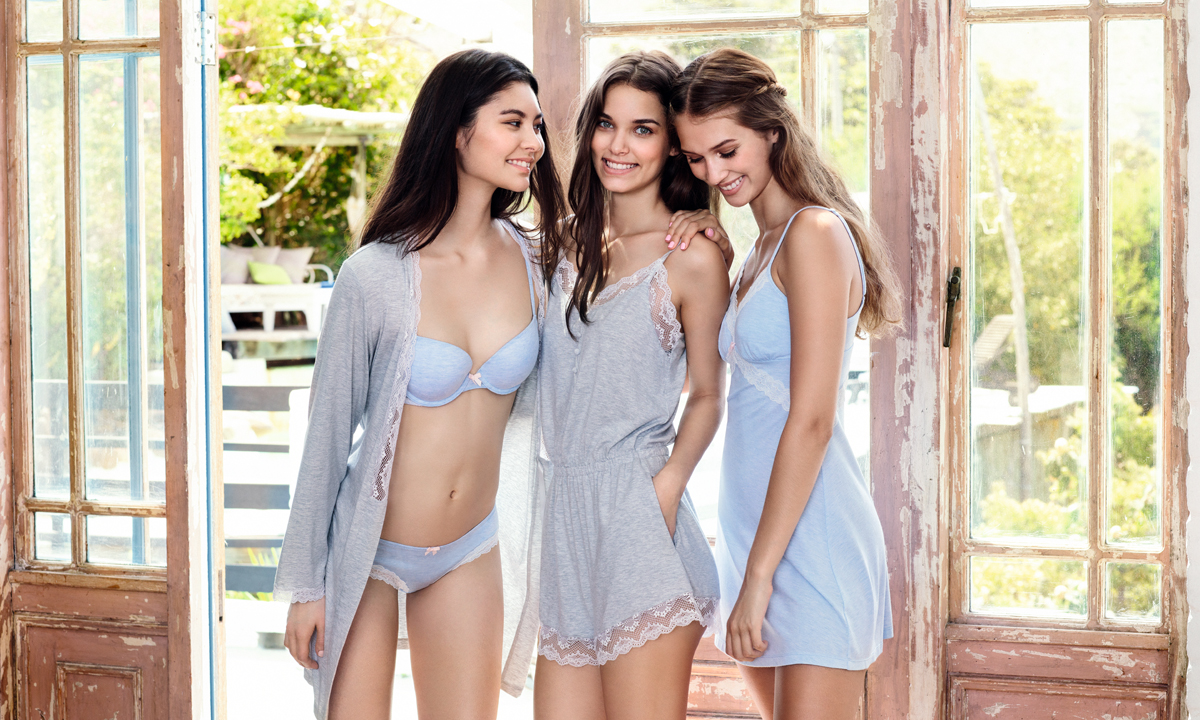
    Hong Kong lingerie brand 6ixty8ight is trebling its Singapore store network. 6ixty8ight Singapore will open new stores at Tampines 1 on December 1 and at Bugis Junction this week. They follow the brand’s debut at VivoCity in July.

    The Bugis Junction 6ixty8ight Singapore store will take up340sqm of space, a little larger than the 270sqm site at Tampines 1 – but both are considerably larger than the first store, which is just 185sqm.

    6ixty8ight was founded in 2005 by Hop Lun Group which has manufactured lingerie for many international brands for more than 25 years. Its strategy was to use its manufacturing expertise to create underwear for Chinese women. Such a course did not cannibalise sales from its manufacturing customers, which primary target western markets. It was the first time the manufacturer had developed its own label.

    The brand, which targets women aged 15 to 30, has found a ready market in Hong Kong, Taiwan and South Korea where its value offer and fun store decor has differentiated it from rivals. It now has more than 150 stores in the region.

  • Tse Sui Luen Jewellery sales rise boosted by tourist

    Tse Sui Luen Jewellery sales rise boosted by tourist

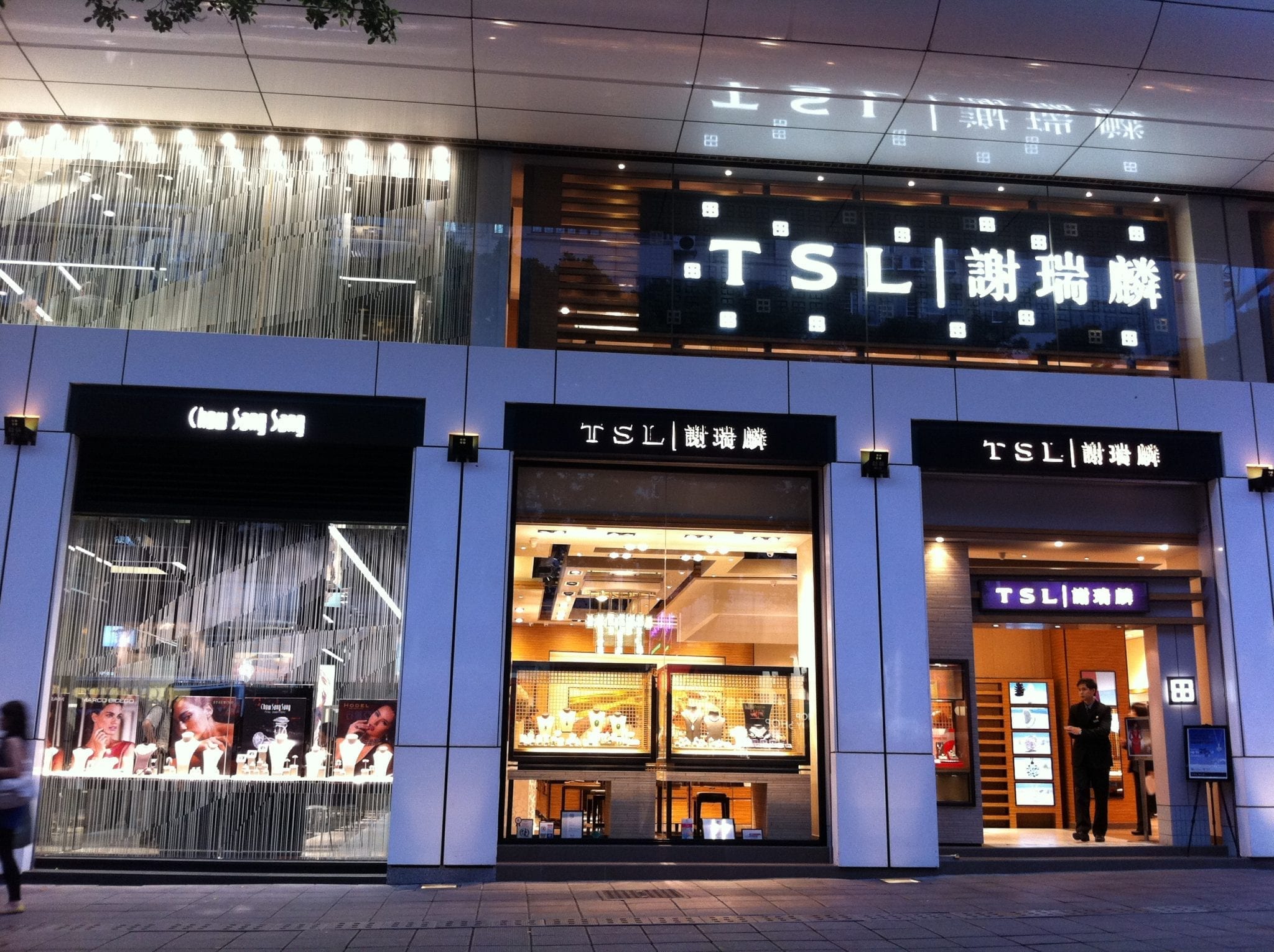
    Tse Sui Luen Jewellery sales and profit both rose in the first half year – but the company has tempered the good news by expressing concerns about the impact of the US-Sino trade war. Chairwoman Annie Yau said in a stock exchange filing that the improved retail sentiment in Hong Kong since September last year due to increased numbers of mainland tourists and growing consumption appetite of local customers, the city’s retail market has continued to progress “in an L-shape”.

    “However, the recent outbreak and escalation of trade dispute between China and the US has cast some doubts on the economic outlook for both the global and local economies going forward. One consequence has been the devaluation of Renminbi during the period, which could bring certain influence to our business in Hong Kong and Mainland China during the remainder of this financial year.

    “While it is still too early to conclude the actual impact on the group’s performance, we will continue to take a cautiously optimistic approach in our major operating regions, namely Hong Kong and Mainland China,” said Lau.

    Tse Sui Luen Jewellery sales increased by 10.2 per cent to HK$1.91 billion in the six months to July (the company has changed its financial year to September, so comparative figures are based on the six months to August 31 last year).

    Profit attributable to owners of the company increased by 38.9 per cent to $24.3 million.

    Sales in Hong Kong and Macau rose by 15.3 per cent during the half year, while same-store sales growth for all businesses in the territories rose 14.8 per cent. Retail rentals in Hong Kong remained static and “at a more reasonable level than that experienced in past years”, allowing the company expand its retail business in the city and enlarge the shop area of some of its existing stores, including those in Times Square in Causeway Bay and Plaza Hollywood in Diamond Hill.

    “We will continue to identify other suitable high-traffic shopping arcades and on-street stores in order to further penetrate tourist and residential precincts as applicable,” said Lau. “Nevertheless, the ongoing manpower shortage situation in Hong Kong remains a concern in setting the pace of expansion. In respect to Macau, due to a steady increase in tourists from Mainland China and their spending powers, our business in Macau achieved an increase of 8.7 per cent in turnover during the period.”

    In Mainland China, where its self-owned stores account for 37.3 per cent of Tse Sui Luen Jewellery sales, sales rose 4.2 per cent, but fell 3.5 per cent on a same-store basis. The company is expanding its network of franchised stores, adding 25 during the period taking the number to 207. After adding 197 self-run stores, Tse Sui Luen now has 404 outlets on the mainland.

    In Malaysia, Tse Sui Luen has five stores, including the latest to open in Genting. Sales rose 13.9 per cent.