Tag: Banking

  • HSBC to stop retail banking in Maldives

    HSBC to stop retail banking in Maldives

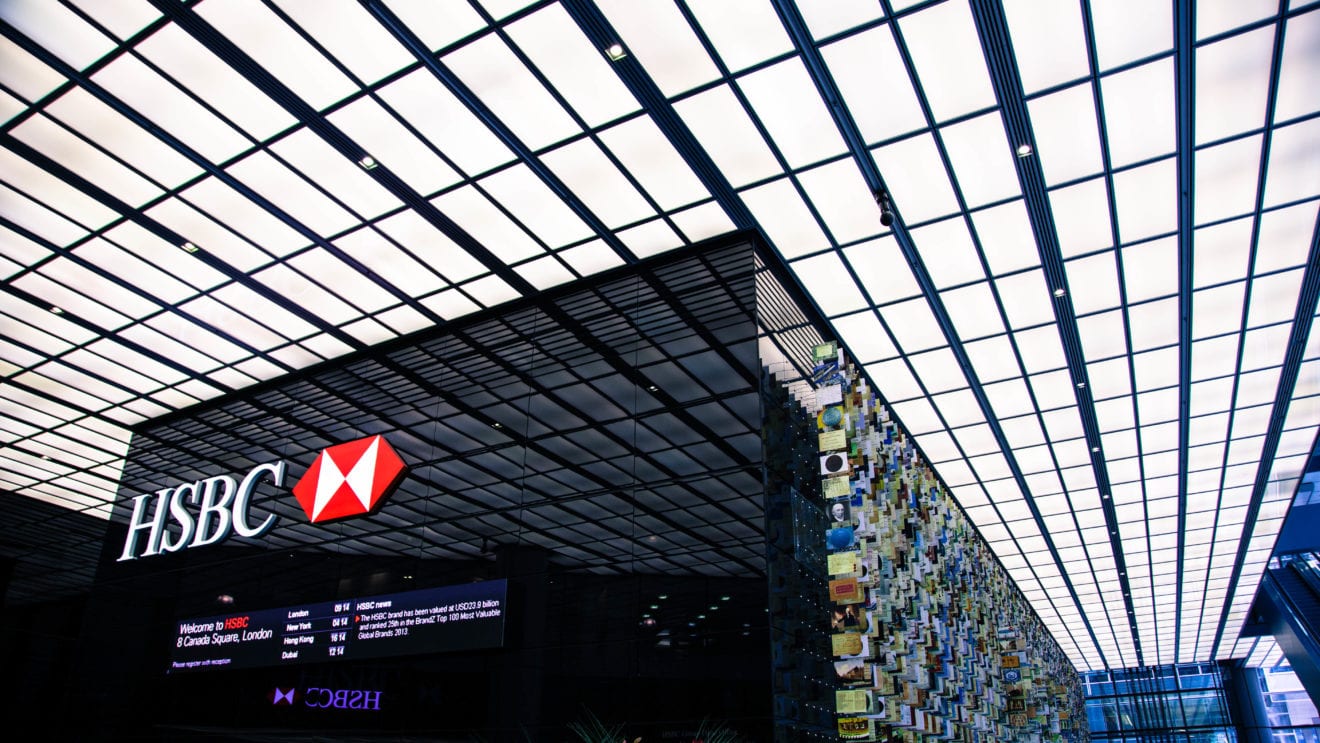
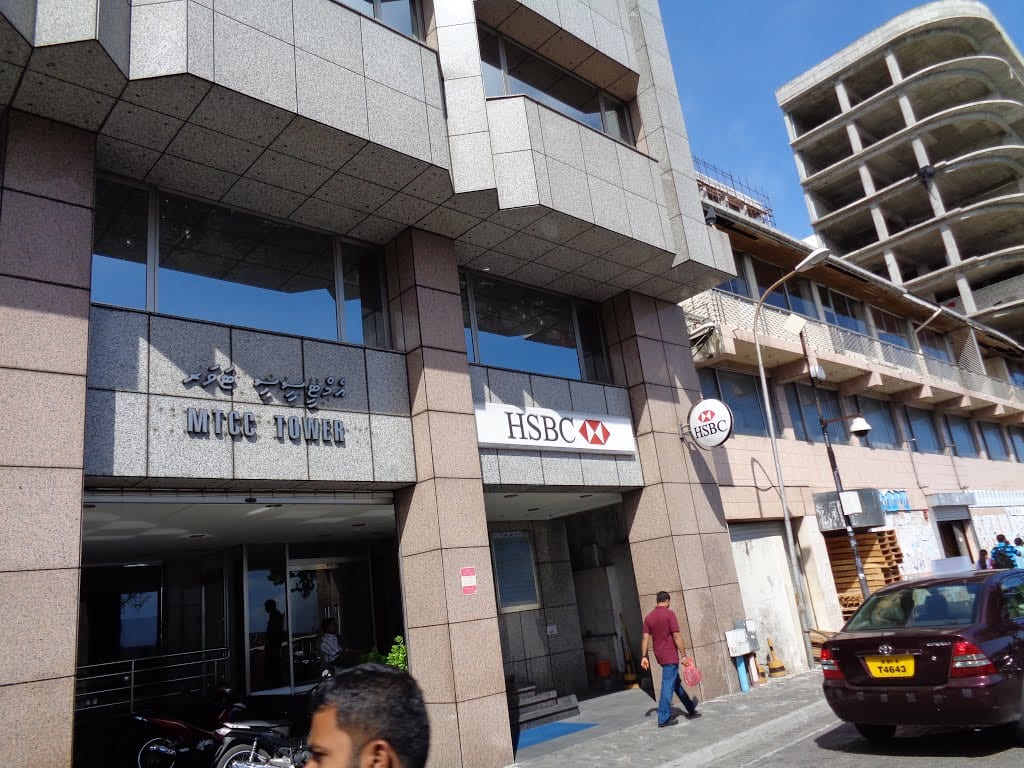
    Banking giant Hong Kong and Shanghai Banking Corporation (HSBC) is to cease retail banking services in Maldives from April. We understand that the Male branch of HSBC had decided to cease retail banking operations from April 28 and is now informing its customers.

    An official from the Maldives Monetary Authority (MMA) also confirmed the plans by HSBC’s Male branch to shift to corporate-only operations. The official, however, did not give details.

    HSBC was not available for comment.

    HSBC operates in Maldives as a trading desk of the HSBC branch in Sri Lanka.

    An account in HSBC has to be opened with an initial deposit of MVR 50,000; the highest initial deposit required of any bank that operates in Maldives. The bank also pays the lowest deposit interest rate at 1 – 1.75 percent. Deposit interest rate on US Dollar accounts is 0.10 percent.

    As the bank charges a high amount in fees, the bank mainly hosts Maldivian businesses.

    In May 2014, complaints mounted over the bank’s decision to close down accounts held by many small and medium businesses citing administrative reasons. The businesses had complained that the move was made without prior notice.

    The decision by one of the biggest banks in the world comes a week after it was revealed that the Maldives had lost a major international banker.

    President Abdulla Yameen Abdul Gayoom told residents of Gaafu Dhaal atoll Gadhdhoo on February 15 that one of the major correspondent banks had dropped Maldives from its client list, while another one is considering a similar move. The reason, according to the president, is false claims made about Maldives, including threats posed by home-grown jihadists.

    “When we make such claims without considering the repercussions, it’s the people of Maldives that has to suffer,” he said, after inaugurating a project to establish a clean water system in the island.

    The president did not identify the bank that had dropped the Maldives. Haveeru, however, understands that US-based JPMorgan Chase had terminated its dealings with Maldivian banks in 2013.

    A correspondent bank is a financial institution that provides services on behalf of another, equal or unequal, financial institution. It can conduct business transactions, accept deposits and gather documents on behalf of the other financial institution.

  • Standard Chartered names James Dolphin as its CIO for retail banking

    Standard Chartered names James Dolphin as its CIO for retail banking

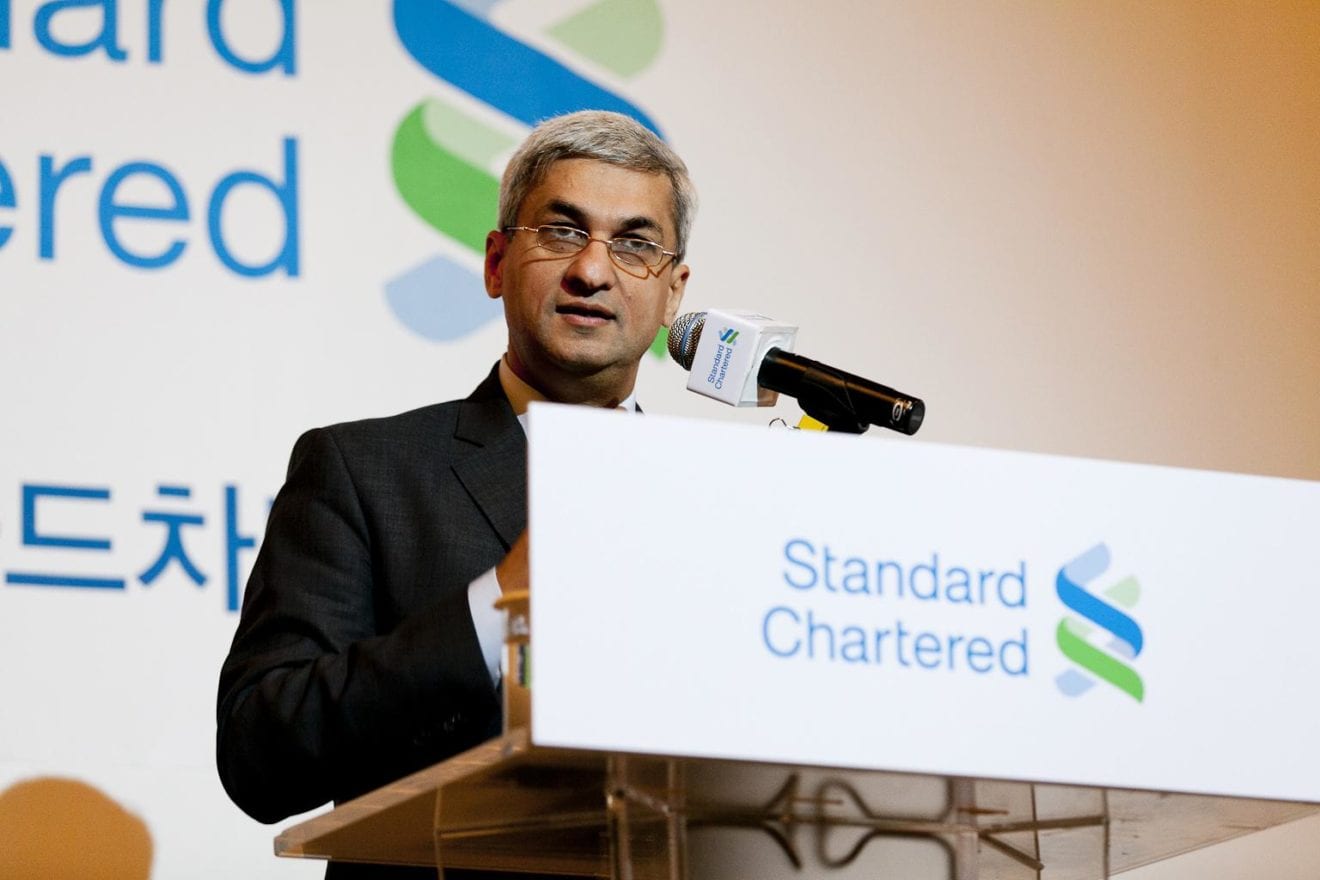
    Standard Chartered Bank has appointed James Dolphin as its Chief Information Officer (CIO) for retail banking. From March 2016, Dolphin will report directly to the bank’s Group CIO, Dr Michael Gorriz, and be based in Singapore.

    Prior to this role, Dolphin was Capital One’s CIO for retail and direct banking for since 2012. In that role, he led Capital One’s digital transformation strategy for the retail business by building strong engineering teams, and instilling a software development culture. He also redesigned and rewired Capital One’s retail channels to deliver market-leading digital experiences during his time there.

    Besides Capital One, Dolphin has held senior technology leadership roles at Bank of America too.

    “James brings with him a strong reputation as a technology leader and innovator. He is highly experienced in leading large teams and driving an agile culture that is innovative and customer-centric. I am confident that he will be a valuable addition to Standard Chartered,” said Dr Gorriz.

    1

  • Indonesian bank opens branch in Seoul

    Indonesian bank opens branch in Seoul

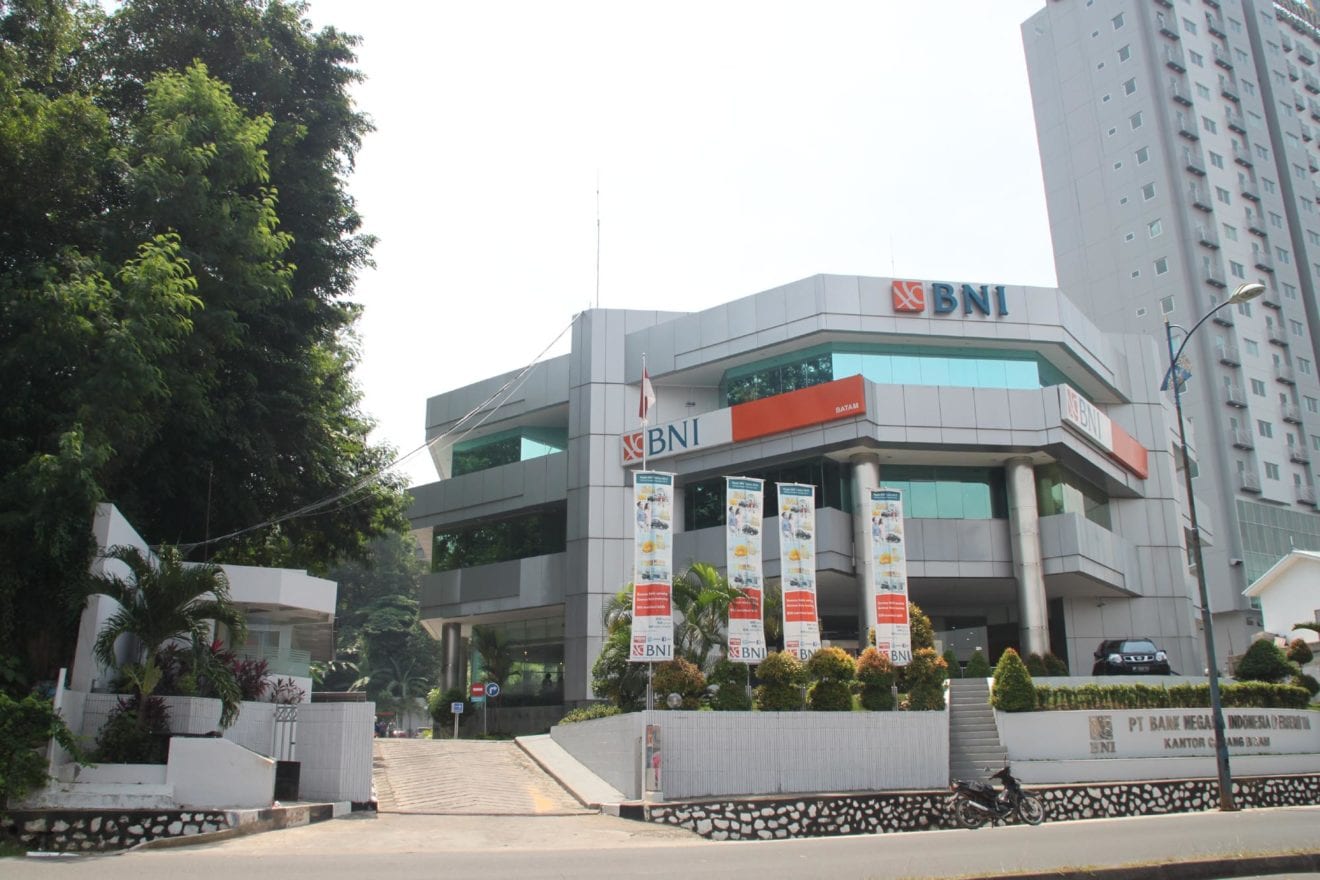
    An Indonesian bank, Bank Negara Indonesia (BNI) 46, opened a branch office in Seoul, South Korea, in Wise Tower, on Monday. It was inaugurated by the Ambassador of Indonesia to South Korea, John A Prasetio and Manager of BNI46 Seoul, Wan Andi Aryati. “The banking industry in South Korea is already shaken, but BNI46 still sees market potential,” Wan Andi said in a statement received by ANTARA here Monday. The BNI46 targets the domestic trade market according to her. “BNI Seoul wants to be a bridge to establish cooperation between Indonesia and South Korea by providing loans and other related banking services,” Wan Andi said.

    The BNI46 also provides services for South Korean businessmen who want to invest in Indonesia, she added.
    “We are also targeting the Indonesian labor market in South Korea, which now reaches 40 thousand people. We are committed to providing the best service for the Indonesias foreign exchange heroes,” she said.

    Meanwhile, Ambassador Prasetio stated that the world economy is still in a state of collapse. The stock market and the value of currency in some countries against the US dollar continues to decline.

    “This shows that the global sentiment has not been encouraging. Uniquely, the Indonesian economy is relatively solid in the middle of the uncertainty shocks,” the ambassador said.

    Cooperation in trade and investment between Indonesia and South Korea are still positive. The demand for Indonesian products and South Koreas investment in the country are progressive, according to him.

    “They respond positively on the economic policies of President Jokowi (Joko Widodo). I believe that the presence of BNI46 in Korea is very important to bridge cooperation between the two countries,” the ambassador said.

    Data from the Investment Coordinating Board (BKPM) shows that South Koreas direct investment in the country in the last five years is ranked fourth with a value of more than US$7 billion. Currently, there are 2,700 South Korean companies in Indonesia.

  • HSBC Singapore plans to transfer retail, wealth business to local subsidiary

    HSBC Singapore plans to transfer retail, wealth business to local subsidiary

    The Hongkong and Shanghai Banking Corporation (HSBC) Singapore is planning to transfer its retail banking and wealth management (RBWM) division to a locally incorporated subsidiary named HSBC Bank (Singapore).

    Expected to become operational from 9 May this year, the subsidiary will be responsible for managing all the accounts, assets and security arrangements associated with the RBWM unit.

    The transfer of operations is subject to regulatory and court approvals.

    HSBC Bank (Singapore) will possess a full bank license with qualifying full bank privileges, which will allow the subsidiary to open more branches than other foreign banks, straitstimes reported.

    The move follows an announcement by the Monetary Authority of Singapore (MAS) in April last year that HSBC is considered one of seven domestic systemically important banks in Singapore, according to media sources.

    According to MAS, banks with a significant retail presence must locally incorporate their retail operations, a move that could help the Singapore financial system to function properly.

    HSBC Singapore CEO Guy Harvey-Samuel was quoted by Channel NewsAsia as saying: “The transfer of our retail banking and wealth management business in Singapore to a locally incorporated subsidiary reflects the success, scale of growth and significance of our retail business in this market.”

    HSBC’s other activities including commercial banking, private banking and global banking will continue to operate under the existing Singapore branch.

    “Singapore is a top-seven priority country for the HSBC Group globally and we will continue to invest in our business here. We are excited about new opportunities to further expand our presence,” Harvey-Samuel was quoted by straitstimes.

  • Moody’s continues to review for downgrade ratings of Standard Chartered Bank Korea

    Moody’s continues to review for downgrade ratings of Standard Chartered Bank Korea

    Moody’s expects to conclude the review in March 2016, after incorporating SCB’s efforts to turn around SCBK’s performance, as well as the detailed results of SCBK’s parent, Standard Chartered Bank’s (SCB, FC deposits Aa2 rating under review for downgrade, BCA a2 rating under review for downgrade) performance for 2015.

    These results will be available in late February.

    Moody’s had originally placed the long-term ratings of SCBK on review on 9 November 2015. Please refer to “Moody’s reviews for downgrade Standard Chartered Bank Korea’s ratings” published on 9 November 2015.

    Moody’s notes that SCB is restructuring its poorly performing Korean retail and commercial banking businesses, introducing some uncertainty as to the future of SCBK’s operations.

    The ratings review of SCBK will consider whether: (1) these initiatives have the potential to change SCBK’s stand-alone credit profile, as expressed by its BCA; and/or (2) to change the strategic importance of SCBK to SCB and therefore potentially to affect the strength of support from SCB.

    The following ratings are on review for downgrade:

    – Local- and foreign-currency long-term deposit ratings of A1

    – Foreign currency senior unsecured MTN rating of (P)A1

    – Local- and foreign-currency short-term deposit ratings of P-1

    – Foreign currency commercial paper and other short-term ratings of P-1/(P)P-1

    – Long-term and short-term counterparty risk assessment of A1(cr) and P-1(cr)

    – BCA of baa2, and adjusted BCA of a3

    The principal methodology used in these ratings/analysis was Banks published in January 2016. Please see the Ratings Methodologies page on www.moodys.com for a copy of this methodology.

    SCBK is headquartered in Seoul, with total assets of KRW61.7 trillion or USD54 billion as of June 2015.

  • Jakarta index closes higher on Friday

    Jakarta index closes higher on Friday

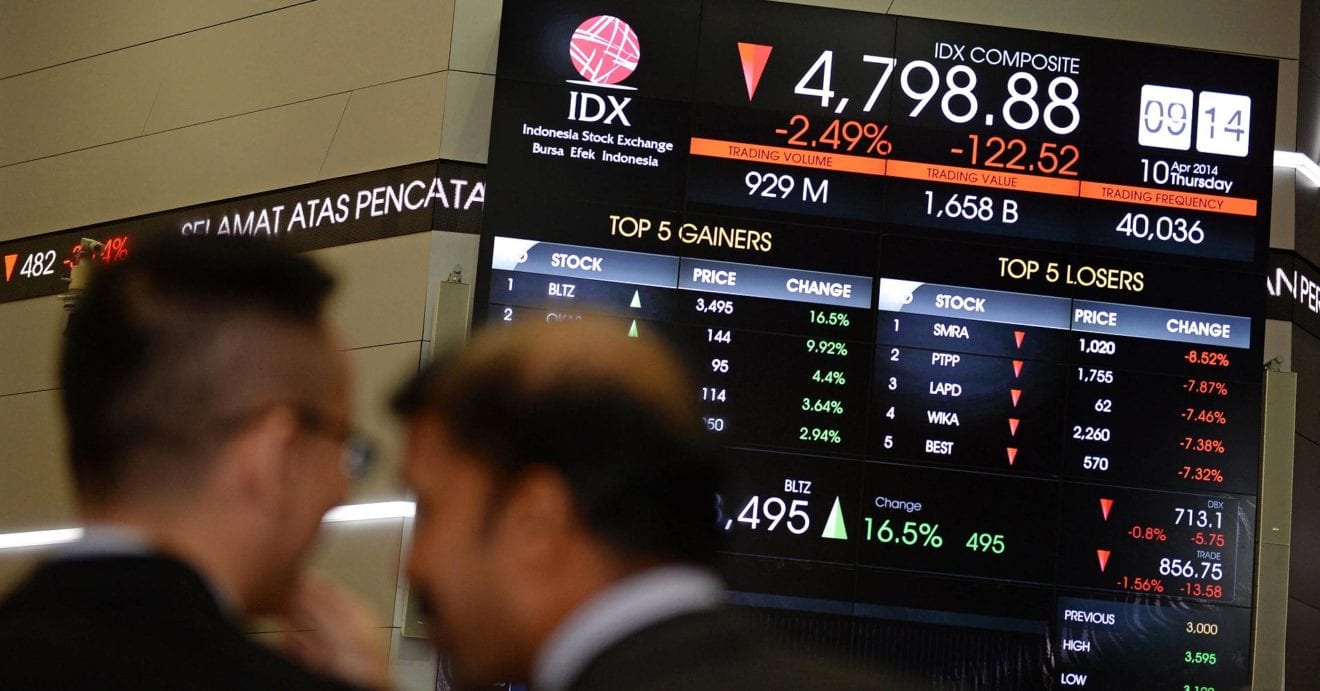
    The Jakarta composite index (JCI) closed 42.61 points higher on Friday on selective buying by market players.

    The index of the Indonesian Stock Exchange rose 0.96 percent to 4,456.74 points with index of 45 blue chips up 1.48 percent to 779.31 points.

    Selective buying of big capitalization shares pushed up the JCI slightly, HD Capital analyst Yuganur Wijanarko said.

    “In addition, share prices in foreign markets generally rose on oil prices being on the increase lately , prompting market players on the domestic market to buy shares< he said.

    The price of WTI on Friday afternoon rose 4.3 percent to S$30.80 per barrel and Brent pri9ce was up 5.09 percent to US$30.74 dollar.

    Satisfaction expressed by the Capital Investment Coordinating Board (BKPM) with the achievement in direct investment to Rp545.4 trillion in 2015 gave positive sentiment to the market.

    In 2016, BKPM set growth target at 9.3 percent for direct investment to Rp594.8 trillion .

    There were 213,493 transactions in the market on Friday with 4.07 billion shares valued at Rp5.25 trillion changing hands .

    Regional markets such as Hang Seng, Nikkei and Straits Times recorded gain in index.

    Meanwhile the national currency rupiah closed stronger trading at 13,834 per U.S. dollar gaining from the previous level of 13,906 per dollar.

    “Rising trend of oil prices propped up the currencies of emerging countries ,” financial market observer from Bank Himpunan Saudara, Rully Nova, said.

  • Barclays to pull out of Korean market

    Barclays to pull out of Korean market

    British banking group Barclays will close its Seoul office as part of its global slimming down strategy, an official from the financial regulator said Wednesday.

    A director at the Financial Supervisory Service (FSS) said Barclays told the authorities of its plan to close its banking and securities business in Korea.

    “Barclays plans to pull out of the Korean market,” said the director, asking not to be named.

    Foreign banks have been withdrawing from the local market, or downsizing, as part of their global strategy to exit non-core businesses. Last month, U.S. banking giant Citigroup signed an agreement with Apro Service Group to sell its consumer finance subsidiary in the country, Citigroup Capital Korea.

    Barclays confirmed that it is looking for business chances in other countries, but said no firm decisions have been made.

    “We are constantly monitoring our opportunities in different geographies and businesses over the cycle,” Barclays said. “If any firm decisions are made, we will provide an update.”

    In December, Barclays said it had agreed to sell its Italian retail banking network of 89 branches, including a broadly balanced portfolio of assets and liabilities, to CheBanca!, a member of the Mediobanca Group.

    “This transaction is further evidence of the reshaping of Barclays Group to focus on our core businesses,” said Barclays Group CEO Jes Staley. “We continue to make progress in the reduction of Barclays non-core assets as we target risk-weighted assets of around 20 billion pounds at the end of 2017.”

    According to Barclays, its rundown of non-core businesses continued last year, with risk-weighted assets (RWAs) decreasing to 55 billion pounds in September from 57 billion pounds in June.

    The U.K. banking group said its announced sale of the Portuguese retail business in the third quarter last year, which will be completed in the first quarter this year, is expected to result in a further 1.7 billion pounds reduction in non-core RWAs.

    Barclays reported 4 percent growth in the group’s adjusted profit before tax to 5.2 billion pounds for the first three quarters of 2015 from the previous year, reflecting improvements in all core operating businesses. Its adjusted return on average shareholder equity also increased to 7.1 percent during the period.

  • Maybank Launches Market Outlook Roadshow Across Malaysia

    Maybank Launches Market Outlook Roadshow Across Malaysia

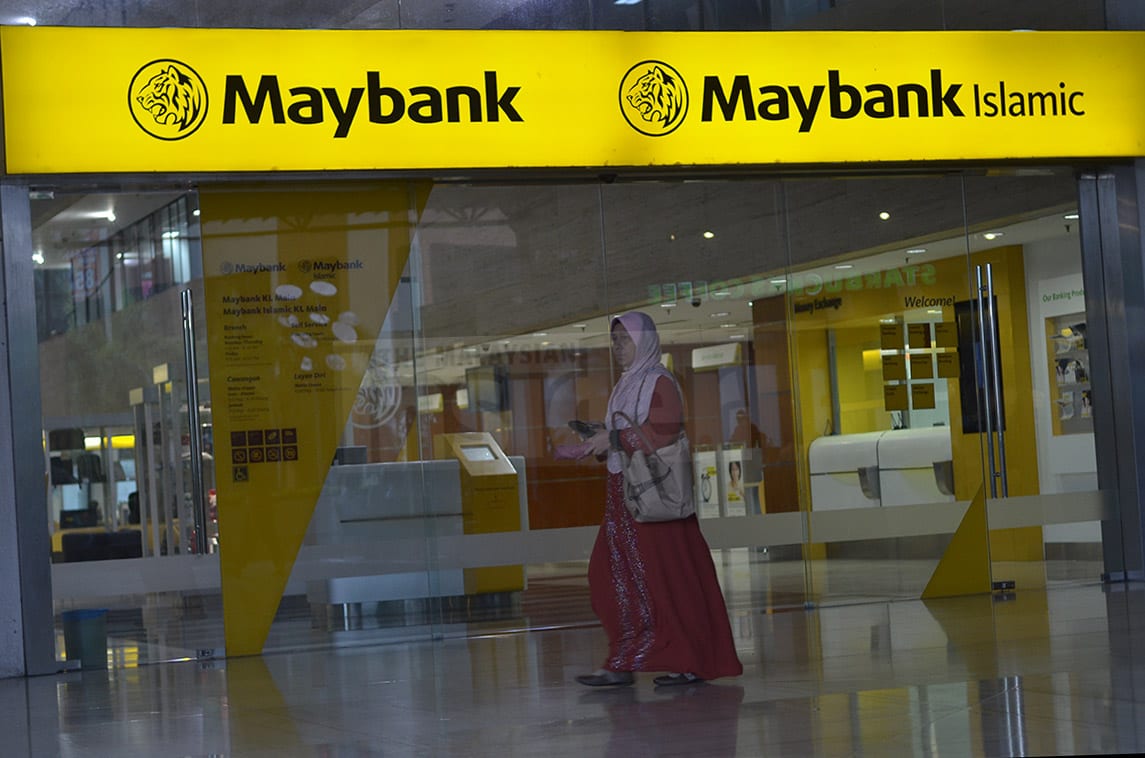
    Maybank Investment Bank has just kicked off their annual Market Outlook 1H 2016 investors’ roadshow across Malaysia for this year’s investment strategies.

    The Market Outlook is aimed to share stock market views and investment strategies on the Malaysian, Hong Kong, and US markets with their retail equities clients, with the roadshows behind held in the multiple states Johor, Penang, Ipoh, Kota Kinabalu, Kuching, Sibu, Seremban, and Kota Bahru and Kuala Lumpur from 9 to 30 January 2016.

    Present during the launch was Head of Retail Equities (Malaysia) CK Lim, Head of Regional Retail Research Ong Seng Yeow, Regional Chartist Lee Cheng Hooi, Head of Retail Research (Hong Kong) Benny Wong and CEO of i-VCAP Mahdzir Othman.


  • DBS Indonesia upbeat, eyes higher loan growth in 2016

    DBS Indonesia upbeat, eyes higher loan growth in 2016

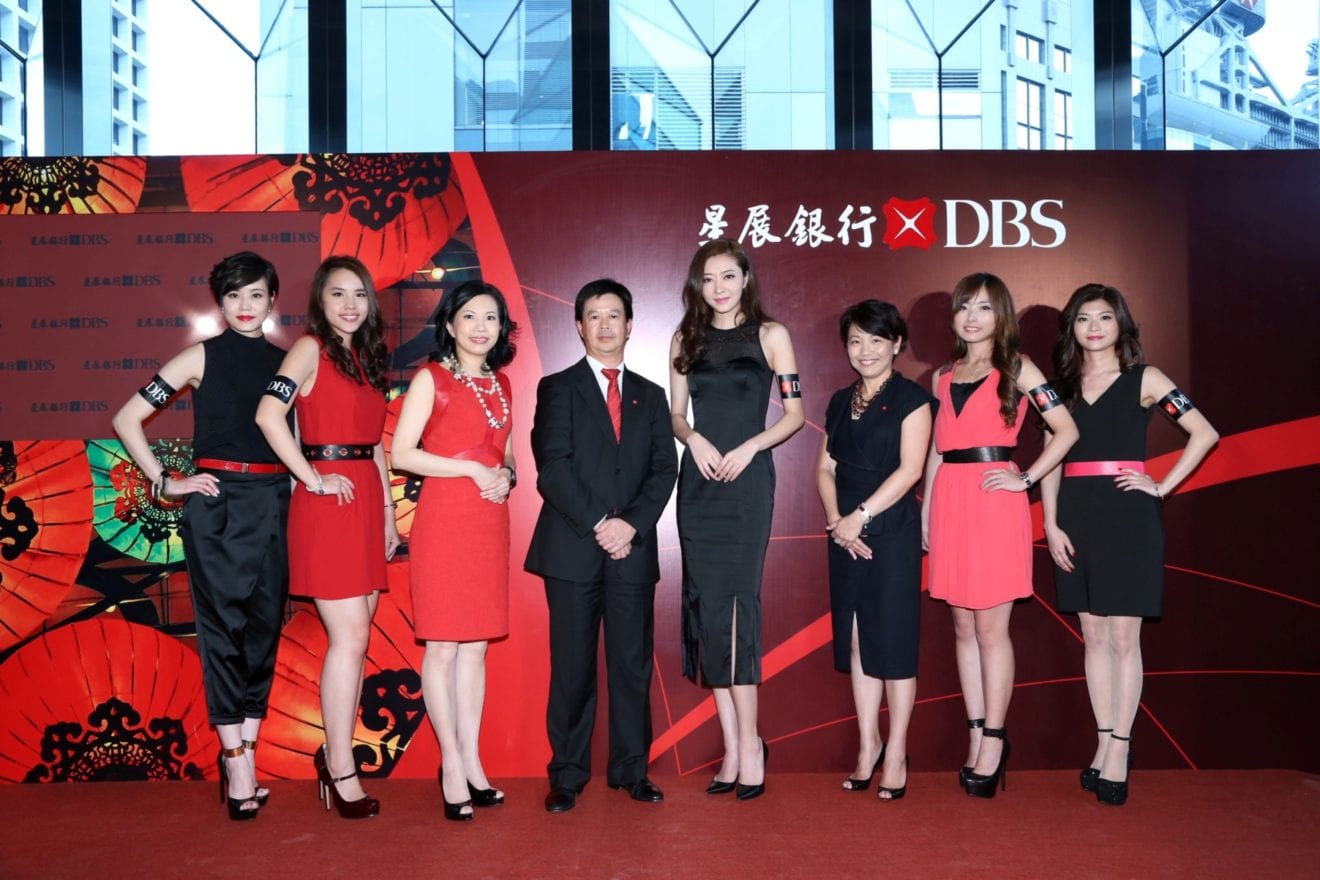
    Private lender Bank DBS Indonesia, part of Singapore’s DBS Group Holdings, expects higher loan growth this year compared to 2015 as it predicts an improvement in the country’s economy.

    DBS Indonesia president director Paulus Sutisna said the bank projected that its loans would grow by 12 percent in 2016, higher than the 10 percent booked as of last year.

    According to its financial report, the bank booked loans of Rp 43.4 trillion (US$3.11 billion) as of September, an increase of 9.87 percent year-on-year (yoy) from Rp 39.5 trillion in the same period of 2015.

    “We are more optimistic about this year because the government is holding early auctions and procurements for its spending on infrastructure projects. Such acceleration will help the country’s economic growth,” Paulus said after an event on Wednesday.

    Paulus said acceleration in government spending would boost the real sector, which in turn would increase demand for bank loans, adding that “our growth will depend on the performance of our clients”.

    Given Indonesia’s large population the bank will focus on sectors related to the mass segment such as retail and consumer goods and some types of manufacturing and infrastructure-supporting industries.

    “We’ll still focus on some commodities, such as palm oil, as well as automotive, chemical and pharmaceutical industries,” he said.

    Paulus said the bank was also planning to enlarge its consumer and retail banking as well as small and medium enterprise (SME) portfolios as it still depended mainly on the corporate segment.

    “Corporate banking is dominant now as our retail business is still under 20 percent of our total lending. We hope to divide evenly our consumer and retail banking, SME and corporate portfolios by one-third each, perhaps in the next five to seven years,” he said.

    The government has forecast that Indonesia’s economic growth will reach 5.3 percent in 2016. The country’s GDP growth stood at 4.73 percent for July to September, a slight increase from the 4.67 percent growth posted in the second quarter and 4.72 percent in the first three months of the year.

    Despite the optimism, Paulus said the bank would remain cautious about various challenges in the global economy that still lingered, such as falls in commodity prices and currency volatility, as they would have an impact on Indonesia.

    Challenges in the global and domestic economy also affected DBS Indonesia’s income as it saw losses of Rp 178.9 billion as of September 2015, compared to net profits of Rp 366 billion in the same period last year. However, the bank’s unaudited financial report in November shows that it already started to post net profits of Rp 23.79 billion.

    Paulus said the bank would also invest in internet banking, which was essential to support a bigger consumer portfolio in the future, especially in fee-based income.

    As part of its efforts to grow fee-based income, the bank has enhanced its existing partnership with life insurer Asuransi Jiwa Manulife Indonesia, part of Canada’s Manulife Financial, through the launch of a new single-premium, unit-linked product MiWealth Protection.

    The new product is designed for DBS customers who wish to grow their wealth in order to be financially secure and enjoy their life in retirement. DBS Indonesia consumer banking group director Wawan Salum said the bank expected 20 percent growth in the number of wealth-management customers this year.

  • Strong growth recorded by Bank NTT in assets

    Strong growth recorded by Bank NTT in assets

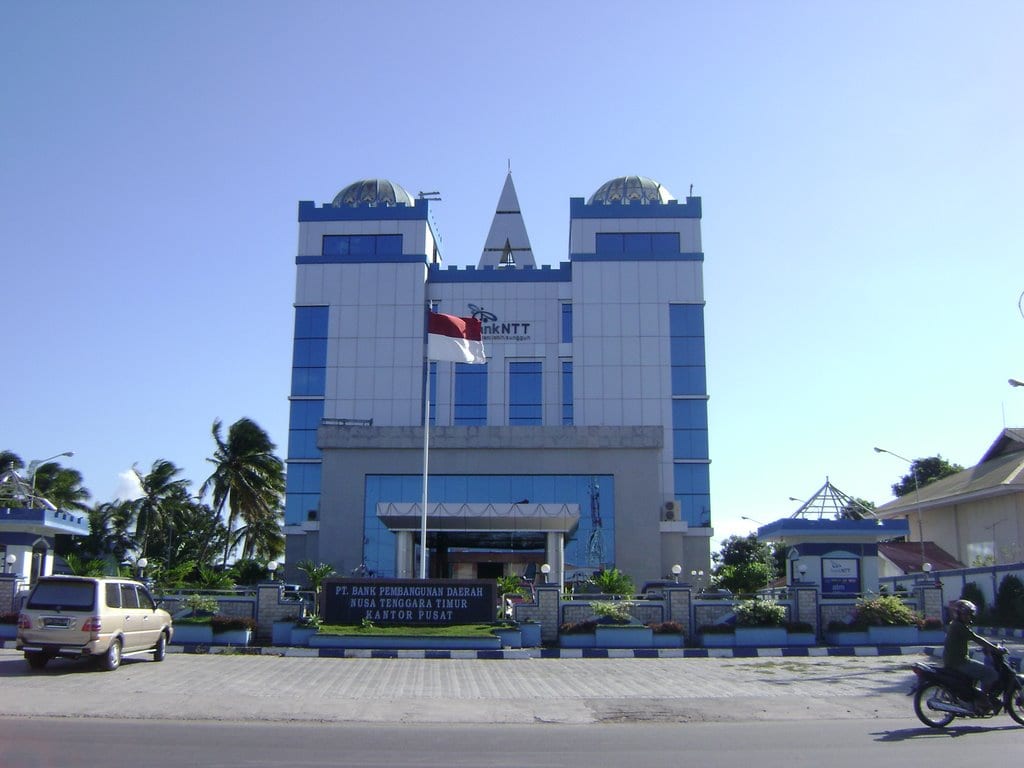
    Regional lender, PT Bank NTT, in East Nusa Tenggara, recorded a strong growth of 44.03 percent year-on-year in assets to Rp11.9 trillion in 2015.

    “The bank has recorded a steady growth until the close of 2015,” Daniel Tagu Dedo, the president director of the lender, which is owned by the regional administration, said.

    Daniel said the bank also recorded good growth of 20.29 percent in drawing third party funds to Rp7.54 trillion by the end of 2015 from Rp6.27 trillion a year earlier, and a 20.29 percent growth in in credit expansion.

    The banks outstanding credit was recorded at Rp6.61 trillion by the end of 2015, up from Rp5.5 trillion a year earlier.

    Its profit grew 34.01 percent to Rp380 billion from Rp244 billion and its core capital totaled Rp1.23 trillion including paid up capital at Rp973 billion.

    The capital put the bank in the category of Buku II, allowing it to offer internet banking service or selling other products such as insurance product.

    The bank has received citations in recognition of its good performance in 2015 from various organization and agencies including banking agency.

    “The bank would not boast about the citations, but the recognition would serve to spur the management to work the harder,” he said.

    In 2015, BNK NTT won Infobank Award with the notation of excellent for 15 consecutive years for category of banks with assets of around Rp10 trillion, and Annual Report Award (ARA) 2014 for category of listed state companies, as the third best.

    The awards were received in Jakarta in September 2015.

    The award ceremony was organized by the Financial Service Authority (OJK), the Indonesian Stock Exchange,Bank Indonesia, The ministry for state enterprises, the National Committee for Governance Policy, the Association of Indonesian Accountants and the Taxation Directorate General.

    In the same year, the bank also received the award of Anugerah Perbankan Indonesia (APBI) IV 2015 in a ceremony held by the Economic Review Magazine and Institute of National Banking (Perbanas) for the category of bank with core capital of Rp1 trillion up to Rp5 trillion.

    The award was presented on November 5, 2015.

    Another award, Lintas Artha Award, was received by the bank later that month.

  • SEC seals China Bank-Plantersbank merger

    SEC seals China Bank-Plantersbank merger

    The Securities and Exchange Commission (SEC) has approved the merger of China Bank Savings Inc. (CBSI) and Planters Development Bank (PDB), with China Bank becoming the surviving corporation.

    Both CBSI and PDB are subsidiaries of retail tycoon Henry Sy’s China Banking Corporation (China Bank), after PDB, established in 1072 by businessman Jesus Tambunting, became part of China Bank in 2014.

    “As a result of the merger, CBSI and PDB shall become a single corporation, with CBSI as the surviving corporation,” China Bank said in a disclosure to the Philippine Stock Exchange on Monday.

    As of end-2015, China Bank is operating a total of 517 branches, including 165 CBSI and Plantersbank branches.

    Aside from the CBSI-Plantersbank merger, the SEC has also approved the appointment of some executives effective January 1, 2016.

    The executives include Carlos M. Borromeo as senior vice president, chief financial officer, and head of financial statement segment; as well as lawyer Marissa B. Espino as co-vice president, chief compliance officer, and head of compliance office.

    Maria Cristina C. Hernandez was also approved as co-vice president, head of treasury financial institution, under financial capital markets and investment segment.

    In 2015, China Bank opened a total of 47 branches. For 2016, plans are up for opening 66 more branches—50 for China Bank and 16 for the consolidated CBSI network.

    In the first nine months of 2015, China Bank’s net income rose by 8 percent to P3.64 billion, on track with its targets to grow profits by 10 percent by end-2015.

    Established in 1920, China Bank is an affiliate bank of richest man in the Philippines, Henry Sy. It mainly caters to the small and medium enterprises (SME) market through subsidiaries CBS and Plantersbank. It also offers banking services to other markets—corporate, commercial, and retail.

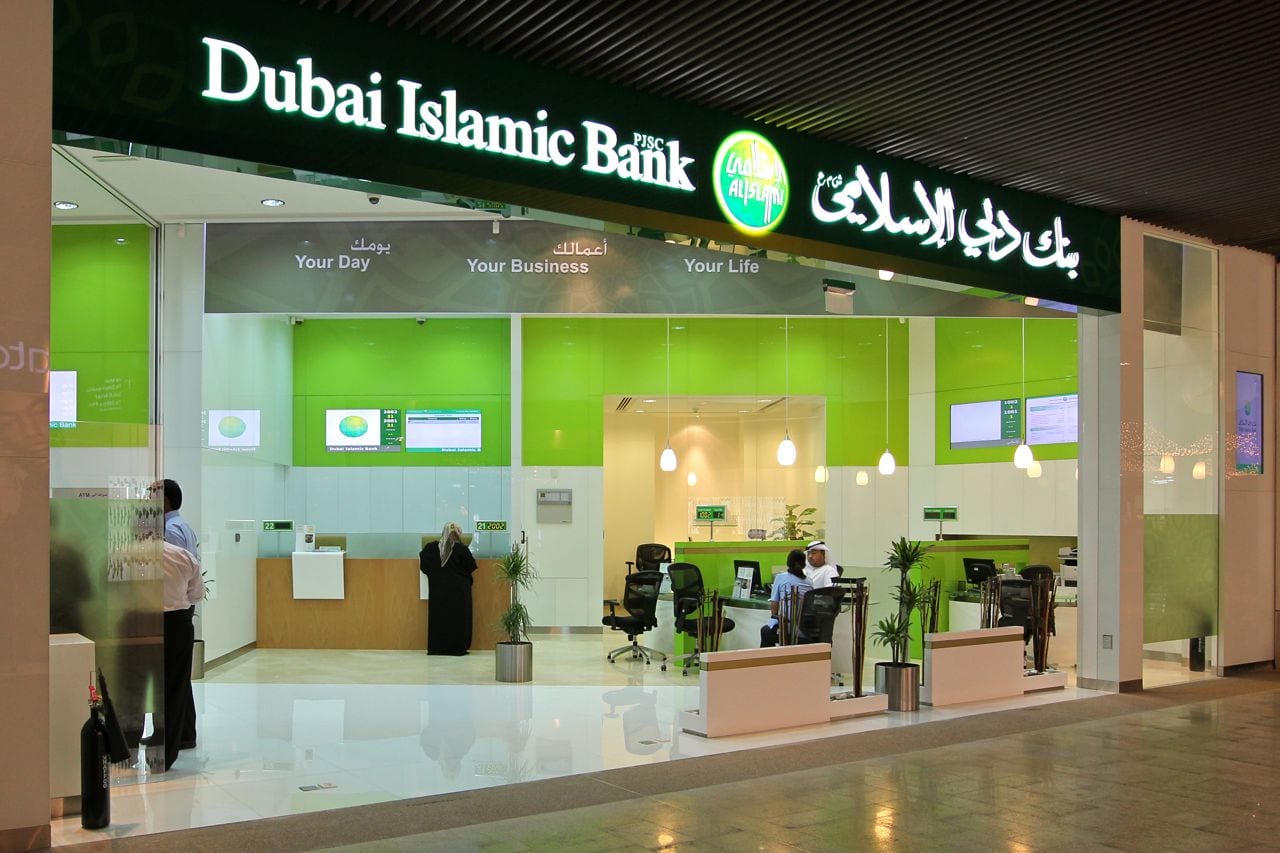
  • DIBPL wins ‘Best Islamic Retail Bank in Asia’ award

    DIBPL wins ‘Best Islamic Retail Bank in Asia’ award

    The ceremony was also attended by the Presidents and CEOs of other Islamic banks as well. Junaid Ahmed said that Dubai Islamic Bank being the pioneer and leading Islamic banking institution globally is committed to the long-term prosperity of Pakistan and Islamic Finance as a whole.

    Junaid Ahmed said that DIBPL is a wholly owned subsidiary of Dubai Islamic Bank UAE, the world’s first Islamic bank. Alhamdulillah, DIBPL is a Minimum Capital Requirement (MCR) compliant bank that enjoys a short-term credit rating of ‘A-1’ and long-term credit rating of ‘A+’, with a “positive” outlook from JCR-VIS. He further stated that DIB UAE Group is one of the largest Islamic bank in the world total asset base of approximately over Rs 4.5 trillion (US Dollars 41 billion) at September 30, 2015.

    He further said that DIBPL intends to keep this momentum going for 2016 as well, aiming to take the overall branch footprint of over 250 locations nation-wide. This will enable more customer convenience and highlight the Bank’s endeavour for bring world class Islamic Banking at the customer’s doorstep.

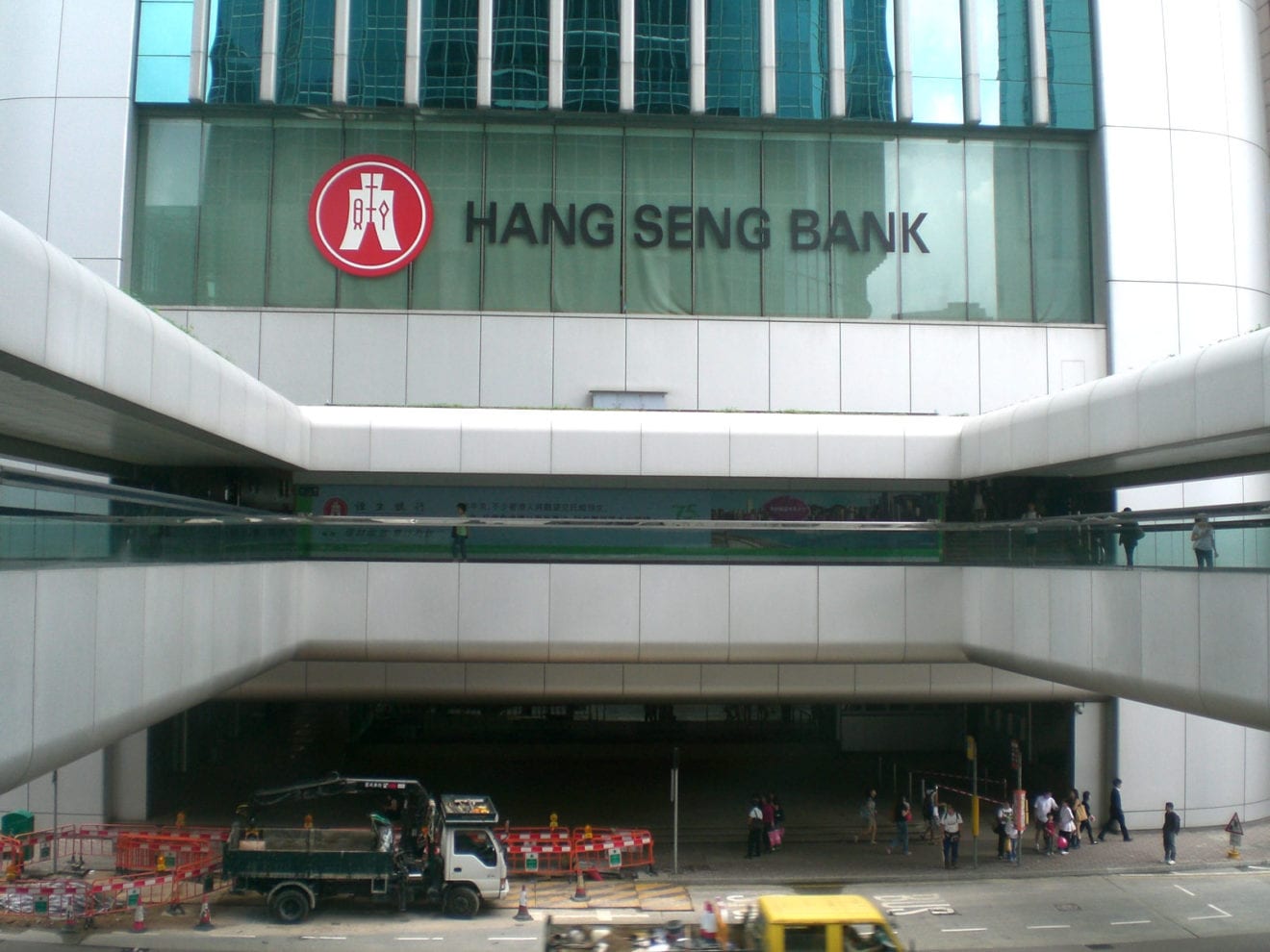
  • What if…HSBC sold Hang Seng for BoCom deal?

    What if…HSBC sold Hang Seng for BoCom deal?

    Companies of China are increasingly focused on international expansion, at the exhortation of Beijing. Its desire to expand has helped support the international ambitions of local insurers such as Anbang and Fosun International, or securities firms such as Citic and Haitong. But one vital part of this sector has yet to demonstrate such assertiveness: China’s banks.
    Chinese individuals are remarking upon their meekness. The South China Morning Post reported that Li Ruogo, former chairman of the Export-Import Bank of China and now an executive vice-president at the International Financial Forum, claimed the international capabilities of China’s banks is not suitable for the needs of the nation’s outbound investments and acquisitions.

    Similarly, the newspaper reported that Ma She, deputy director of European affairs at the Ministry of Commerce, as criticising the banks for “underdeveloped” overseas branch networks and poor data sharing management.

    To date China’s banks have embarked on tentative acquisitions offshore, in South Africa and South America. But these have been small, and piecemeal.

    It looks unlikely the banks would ever unveil grandiose plans to buy a Deutsche Bank, or a Standard Chartered. Instead, for a truly transformational purchase they would be most likely to seek targets close to home.

    Hong Kong would be the most obvious immediate candidate, boasting geographic, financial and cultural ties. However, the city has relatively few decent-sized candidates that are obvious acquisition prospects.

    Bank of East Asia might be the most obvious potential target. However, the bank recently issued an exchangeable bond in its shares to Sumitomo-Mitsui Financial Group, effectively raising its stake to around 17.5%. That, combined with the Li family’s 11%, might make a takeover bid highly challenging, particularly given the likely reluctance of the Li family to sell out.

    But there is another possibility: Hang Seng Bank.

    Appealing acquisition

    Hang Seng’s biggest shareholder is HSBC. It bought a 51% stake in Hang Seng in 1965, after the latter was tottering following a bank run, and has subsequently raised this stake to 62.14%.

    As a result HSBC, which is by far Hong Kong’s largest retail bank, was responsible for 52% of Hong Kong loans (HSBC 40% and Hang Seng 12%) and 55% of deposits in 2014 (HSBC 44% and Hang Seng 11%), according to a report by Dagong Securities, published in May.

    The UK-headquartered bank holds Hang Seng at arm’s length, no doubt in order to avoid accusations of monopolistic practices. But it would be very reluctant to sell it. Understandably so; Hang Seng reported a profit of HK$20.05 billion ($2.59 billion) for the first half of 2015, had total assets of HK$1.3 trillion, while it was trading at 1.93 times price to book value on Wednesday, according to Bloomberg. It enjoys strong retail banking and insurance businesses and is growing in wealth management too.

    Acquiring Hang Seng would make a potentially appealing addition to a Chinese state-owned bank. It would offer the lender immediate scale in Hong Kong, North Asia’s leading financial centre. More importantly, Hang Seng would provide expertise in international banking practices and customer services.

    For Hang Seng, the backing of mainland lender with international aspirations would offer it the opportunity to flourish into commercial and retail banking outside of Hong Kong.

    Getting a sale done

    Hang Seng’s strength and financial stability means HSBC would be very reluctant to part with it. Yet it might be persuaded to do so for a large enough incentive.

    As it happens, Beijing could give HSBC what it may want most of all:  ownership of a local nationwide bank.

    The most likely is Bank of Communications. HSBC has owned around 19% of BoCom for years, and hoped to eventually get majority control, but these plans are currently impossible due to China’s 20% foreign ownership limit in its banks.

    Beijing could offer HSBC an exemption to its foreign ownership limits (potentially utilising the idea that HSBC’s local Hong Kong bank unit, The Hong Kong & Shanghai Banking Corporation, is applicable to buy larger stakes in China banks). Then it could sell HSBC enough shares to give it a controlling interest at a competitive rate (following, no doubt, a very thorough audit).

    In return, HSBC would agree to relinquish Hang Seng to a local bank for a similarly competitive valuation.

    The biggest challenge would be building enough political support for such a deal.

    It would likely require sanctioning by the State Council, plus the Ministry of Finance, State-owned Assets Supervision and Administration Commission and the China Banking Regulatory Commission. Additionally, the Chinese bank would need to agree to the purchase of Hang Seng Bank.

    However, if the political will could be found, it should be relatively straightforward to sell shares in BoCom to HSBC. The Chinese government owns 46.3% of BoCom, with the National Council for Social Security Fund owning another 4.78% and Sasac holding a further 4.66%, according to 4-traders.com.

    Securities fast track

    HSBC might ask for another favour in return for giving up BoCom: rapid approval of its new securities joint venture.

    The bank HSBC agreed to establish a joint-venture securities company with Shenzhen Qianhai Financial Holdings, of which it would own 51%, on November 2. However, the deal is subject to regulatory review and approval, which can take a long time – some JV players have been waiting years to get final approval on certain licences.

    Therefore HSBC would likely want fast-tracked approvals that gave its JV full underwriting, trading and wealth management access to China’s local capital markets.

    In addition to offering HSBC incentives, Beijing could also – if it so chose – place pressure on it to divest Hang Seng via the compliant politicians who run Hong Kong’s government.

    For all the operating separation of HSBC and Hang Seng, the fact remains the two comprise a dominant percentage of Hong Kong’s retail banking sector. In most countries this would cause antitrust concerns.

    Coincidentally, Hong Kong’s government introduced a new Competition Ordinance on December 14. International law firm Linklaters noted “the impact of the new law will grow over time, but it will ultimately lead to a more mature marketplace in which consumers will benefit through enhanced competition.”

    Costly acquisition

    Aside from political will, the biggest sticking point of any deal over bank acquisitions would be cost.

    Neither purchase would be cheap. BoCom had a market capitalisation of Rmb416 billion, or $64.13 billion, as of Thursday, giving it a price-to-book valuation of 0.94 times. Assuming BoCom’s balance sheet didn’t raise any major concerns, HSBC might spend $21.8 billion to raise its stake from 19% to 51%, assuming it paid on a par price-to-book valuation.

    Hang Seng is a bit cheaper. Its market capitalisation was HK$281.4 billion ($36.3 billion) on Thursday, giving it a price to book valuation of 1.98 times. At that valuation, a Chinese bank would need to pay $18.5 billion to gain a simple 51% majority stake from HSBC.

    To put those price tags into perspective, the largest banking M&A on record in Asia-Pacific, Westpac Banking Corporation’s $17.9 billion purchase of St. George’s Bank in 2008. Malaysia’s CIMB, RHB and Malaysia Building Society did discuss a three-way merger worth $22.3 billion in 2014, but the plan was scrapped early this year.

    Beijing would need to have a truly unshakeable desire to get one of its banks to expand internationally to sanction such an expensive M&A. And it would be hard for the Chinese government to cajole HSBC into such a sale without giving it in return the sort of local bank control it has thus far been unwilling to allow.

    But China appears keen to get its banks to support the expansion of its companies and the usage of its currency overseas. And HSBC really wants more mainland access.
  • Bank Simpanan Nasional and Cisco Digitise Banking in Malaysia

    Bank Simpanan Nasional and Cisco Digitise Banking in Malaysia

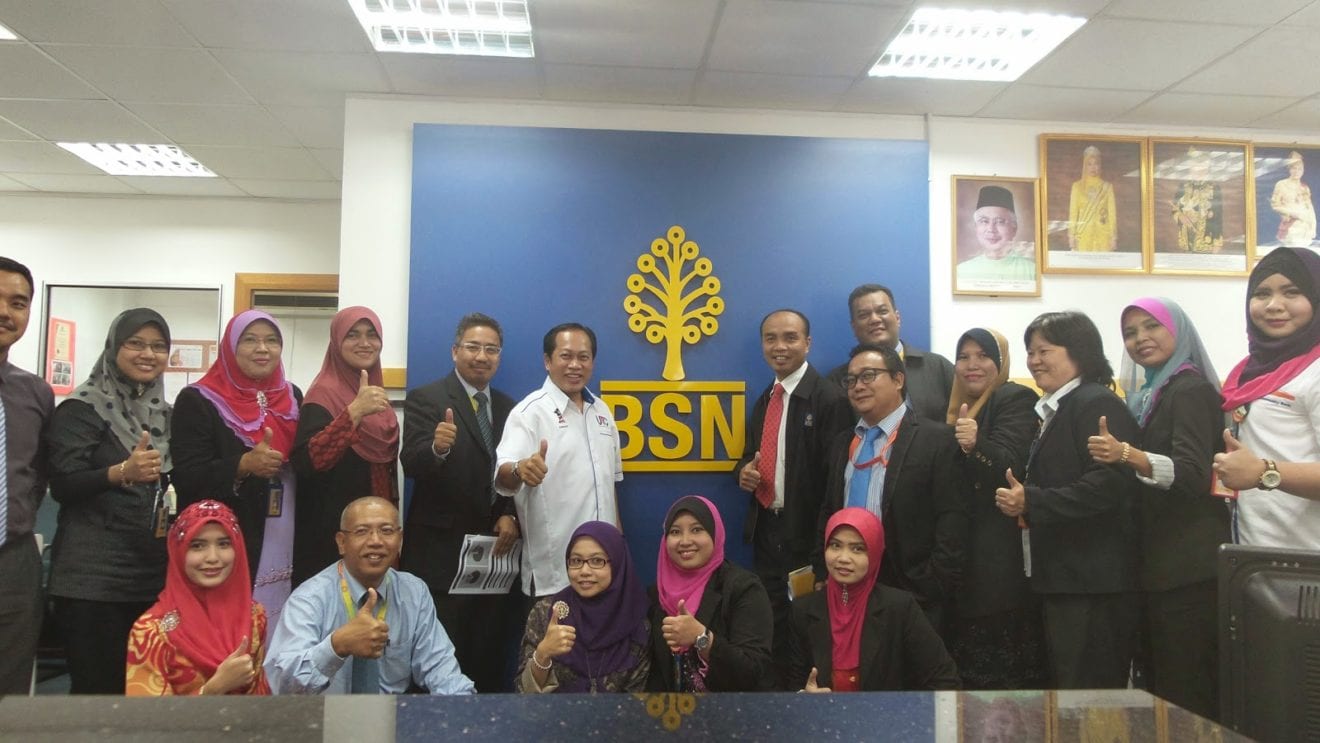
    Malaysia’s premier savings bank, Bank Simpanan Nasional (BSN), is transforming their products and services to appeal to a new generation of digital-enabled customers by deploying Virtual Teller Machines (VTM) across 31 branches. Built on Cisco® Unified Communication and Cisco Unified Computing platforms the VTM helps enable virtual, real-time engagement between customers and tellers in any of the branches, through a highly secure and immersive video platform.

    “The VTM balances the work load between branches, enabling customers in busy branches to perform transactions assisted by tellers in less busy branches nationwide. Customers can now enjoy counter transactions without geographical limitations and experience more comfortable and personalised professional financial services,” said Datuk Adinan Maning, Chief Executive of Bank Simpanan Nasional.

    Key Benefits to Digitised Teller Services

    Virtualising the services provided by in-bank tellers enables BSN to increase resources for the customer, increase bank productivity and most importantly, increase the efficiency of their organisation and the efficiency of service to their customers. Each BSN branch will have three VTM machines and these self-service kiosks that are supported by 450 virtual teller agents placed to assist their colleagues at branches that have higher customer traffic.

    The virtual tellers will be able to attend to customers’ needs, provide advice on banking products and services, and handle account inquiries as well as loan applications.

    The VTMs installed at BSN branches have highly secure features including encrypted electronic signature, thumb print verification, and card identification to ensure customers are protected.

    “The financial services industry is not immune to competition from market disruptors. Non-traditional financial institutions are delivering new digital services that are personal, customised and convenient. Malaysia is committed to transforming the economy through digitisation, and two critical aspects of the Eleventh Malaysia Plan — innovation to drive revenue and productivity acceleration for sectoral growth — are addressed with this implementation at BSN. By leveraging technologies from Cisco to drive a connected banking experience, BSN is leading the way in delivering greater value to their customers, appealing to the digital consumer, improving their productivity and efficiency, while increasing their revenue and customer base. The digitisation of bank branches is an important part of the Omni channel banking experience that transforms the customer’s transaction and increases their engagement with the bank,” said Albert Chai, Managing Director for Cisco in Malaysia.

    Built on the Cisco Business Edition 7000 unified communications platform that includes voice over Internet Protocol (IP), video through Telepresence with Cisco DX 650 and Cisco Jabber for chat functionality and presence, the VTM allows BSN employees to connect to their customers at any time during branch operation hours. The scalable, open and interoperable technologies are hosted on Cisco Unified Computing System foundation.

    “In total, BSN is investing RM30 million to roll out the VTM that provides more than 80 percent of counter services, and is an improvement over current automated teller machines (ATM) and cash deposit machines (CDM). In the near future, the VTMs will also be offering additional services including Account Opening and Debit Card, Customer Information Management and Bills Payment. The VTMs may also allow extended banking hours with the placement of VTMs at public locations,” continued Datuk Adinan.

    BSN customers will be able to use the new banking service in 31 branches, with 93 VTMs serving customers fromDecember 2, 2015.

    According to McKinsey, more than 700 million consumers currently use digital banking across Asia. With digital banking through desktops, smartphones, and tablets becoming much more common, consumers that prefer digital banking are more attractive to financial institutions as they tend to be more educated, have account balances that are two to three times higher, hold multiple banking products and are very active in online shopping. By digitising banking services through VTM machines, BSN is able to optimise technology to improve the customer experience and meet customer demand, while competing with emerging fin-tech start-ups.

  • First Visa token service launched in Asia-Pacific

    First Visa token service launched in Asia-Pacific

    Visa launched on Monday the first Visa Token Service in Asia-Pacific with the United Overseas Bank (UOB) as the first bank implement the service. 

    The service is a new security technology that replaces sensitive payment account information found on payment cards, such as the 16-digit account number, expiration date and security code, with a unique digital identifier or “tokens” that can be used to process payments without exposing actual account details.

    Visa cards that are tokenized are also domain controlled, meaning the tokenised card is linked to a consumer’s phone or wallet application and is validated in real-time by VisaNet, Visa’s global payment processing platform.

    Tokenisation was first introduced as a new global standard in October 2013 by Visa and other payment schemes to enhance security and simplify consumers’ purchasing experience.

    “We live in a connected world and with the rise of digitization, it is important the payments industry is focused on delivering a safe, secure, simple, and consistent consumer purchasing experience,” said T.S. Anil, Head of Product for Asia Pacific for Visa.

    “The Visa Token Service can help prevent fraud by offering financial institutions, merchants, and third party payment providers, such as digital wallet providers, a secure way to enable mobile and online payments without sharing sensitive account information,” he added.

    United Overseas Bank has implemented the Visa Token Service as part of its digital wallet UOB Mighty. The service allows its Visa credit or debit cardholders to make contactless payments with an NFC-enabled Android smartphone simply by launching the UOB Mighty app, selecting the “Pay” function, entering a PIN and tapping to pay at all NFC-enabled terminals in Singapore and overseas.

    “Consumers are increasingly attached to their smartphones which have become an indispensable lifestyle device. With the Visa Token Service, UOB is able to offer Singapore customers the option of making contactless payments, with tokenised security, through their smartphones at the point of sale – whether it is in a supermarket, coffee shop or at a petrol station,” said Mr Dennis Khoo , Head of Personal Financial Services, Singapore, UOB.