Retail News CRM

Tag: beer

  • Sabeco profits soar by 40%

    Sabeco profits soar by 40%

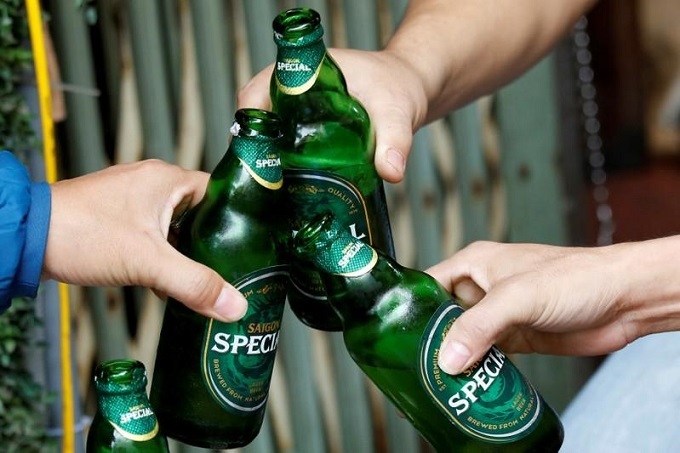
    Brewer Sabeco said its after-tax profit rose by 40% last year to VND5.5 trillion. Vietnam’s biggest brewer had net revenues of VND34.98 trillion, an increase of 32% from 2021.

    These are significant achievements compared to the 2021 results.

    The 2022 profit figure was the highest in the company’s history, and was achieved despite the challenging market conditions and various post-pandemic difficulties.

    The year also marked an important milestone for Sabeco as it entered phase 2 of its transformation journey, focusing on sales, branding & marketing, production, and supply chain.

    The 2022 results also reflected Sabeco’s accomplishments in transforming its core business processes and accelerating its marketing and sales initiatives.

    It is improving cost management and operational efficiency across the entire supply chain by implementing Sabeco 4.0.

    Given the record profit, the board proposed a special dividend of 15%, which was approved at the AGM, bringing the full-year dividends for 2022 to 50%.

    To further enhance shareholder value, it was proposed to issue bonus shares at a ratio of 1:1, and was also approved.

    Sabeco expanded its mid-to-long-term strategic investment initiatives in 2022 to support sustainable business growth as part of its long-term growth plans.

    This includes recent strategic moves to increase ownership in Saigon Binh Tay Beer Group JSC and Saigon Packaging Group JSC. The two companies will become subsidiaries when the process is completed.

    Sabeco also announced plans to increase its stakes in the Western-Saigon Beer JSC from 51% to more than 70%.

    At the meeting, general director of Sabeco, Bennett Neo, said 2022 was a breakthrough year with record profits.

    “We grew our market share and net revenues, and profit after tax reached VND5.5 trillion, an increase of 40% over 2021. This is a result of our collective efforts to drive sales, the right investment strategy and efficient cost management.”

    For 2023 Sabeco has a revenue target of VND40.272 trillion and a profit target of VND5.775 trillion, increases of 15.1% and 5% from the previous year.

    The company said it would continue to strengthen its 4Cs sustainable development commitment, which includes driving ESG initiatives that are in line with its corporate goals and Vietnam’s national strategies.

    The corporation is committed to continuing its efforts as a proud, prominent and responsible corporate citizen to bring out the best in Vietnam.

    The chairperson of the AGM and board member Michael Chye said the business environment remains challenging with various uncertainties caused by the global economy and unpredictable but fierce competition.

    However, he said Sabeco remains committed to investing in opportunities that drive long-term growth and increase shareholder returns.

    “This will enable us to reward our shareholders with sustainable dividends and in line with the company’s long-term growth prospects.”

    A change of general director was also announced at the annual general meeting and will be effective from October 1, 2023. Lester Tan Teck Chuan will become the new general director.

    Lester is currently Senior Vice President, Chief Beer Business, at Thai Beverage PLC and has been at this role since 2020.

  • Asahi Beverages to close Green Beacon brewery

    Asahi Beverages to close Green Beacon brewery

    Asahi Beverages will close its Green Beacon brewery’s operations in North Brisbane in around 10 weeks.

    The closure follows several years of “excellent growth” for Green Beacon, according to the company, and is part of a plan to ensure the company’s growth by boosting brewing capacity across various sites.

    Asahi Beverages will invest in Green Beacon’s original location at the Teneriffe brewpub to increase brewing capacity. The majority of Green Beacon brewing will be moved to Asahi Beverages’ other Fire & Earth Ventures locations in Australia, including Pirate Life in Port Adelaide and 4 Pines in Brookvale, NSW. These additional sites are equipped to handle Green Beacon’s continued expansion.

    The closing of Geebung will lead to the departure of three full-time and two casual employees. The remaining Geebung employees will be transferred to the Teneriffe microbrewery.

    “Geebung has been our home for more than six years and has driven much of our recent success,” said Green Beacon’s GM Richard Shrosbery.

    “However, we are experiencing significant growth and have now outgrown the site. Today’s announcement means Green Beacon can continue its growth trajectory by unlocking capacity constraints, which will help ensure we continue to get it to lovers of Green Beacon everywhere.”

    The company said it will assist employees affected by redundancy and is looking at replacement roles within the Asahi Beverages group.

    Last year, Asahi Beverages acquired Byron Ba premium mixer brand StrangeLove as consumer demand for better-for-you beverages grows.

  • Carlsberg CEO Cees ‘t Hart to retire

    Carlsberg CEO Cees ‘t Hart to retire

    After eight years as CEO of the Carlsberg Group, Cees ’t Hart has informed the supervisory board of his intention to leave the Group by the end of Q3 2023.

    Since beginning his position at the beer giant, the company has been “significantly strengthened,” with 2022 seeing Carlsberg deliver an all-time high revenue and operating profit of DKK 70.3bn and DKK 11.5bn (approx. $1.65bn), respectively.

    In 2017, Carlsberg became one of the first ten companies – and the first brewer – in the world to introduce science-based targets aligned with the 1.5°C goal in the Paris Agreement. The company has achieved relevant progress on its sustainability targets, including a 57% reduction in carbon emissions.

    Chair of Carlsberg’s supervisory board, Henrik Poulsen, said: “Cees ’t Hart has delivered remarkable results during his time at Carlsberg…Under his leadership, the Group has navigated significant challenges, including the difficult Covid-19 years, the war in Ukraine, and the ongoing sale of Russian business. Cees leaves behind a purpose-led and performance-driven company with solid strategic, financial, organizational, and societal health.”

    Cees ‘t Hart said: “It has been a privilege leading Carlsberg the past eight years. I’m immensely proud of the organization and the results we as a team, have achieved. I’m confident the successful journey of Carlsberg will continue well into the future.”

    He continued: “Staying on board for another half a year will allow me and the team to continue delivering on our challenging plans for 2023 and accomplishing the sale of the Russian business before the summer. Thereafter, I’ll focus on some interesting non-executive roles.”

  • Heineken Vietnam, National Traffic Safety Committee renew strategic partnership

    Heineken Vietnam, National Traffic Safety Committee renew strategic partnership

    Heineken Vietnam is continuing its 14-year partnership with the National Traffic Safety Committee for developing a “road safety” culture and inculcating the habit of “When you drink, never drive.”

    The two-year program has trialed activities to reinforce a “road safety” culture and promote healthy drinking and driving habits among government and other employees based on Heineken Vietnam’s Traffic Safety framework.

    The program will offer comprehensive and practical solutions with the sole purpose of safeguarding people against dangerous consumption and behaviors after getting a grasp of the social context and employees’ habits.

    Tran Huu Minh, head of the NTSC office, said: “The company has proactively organized awareness campaigns for state agencies and enterprises to encourage their staff to adopt healthy habits towards responsible consumption for the benefit of personal health and the community.

    “I hope this program becomes an impactful model program to be implemented on a bigger scale in future.”

    The set of traffic safety regulations and the “When you drink, never drive” framework will be trialed at two units: the Ho Chi Minh Public Transport Management Center, and the Vitranimex Transportation and Trading Joint Stock Company.

    After conducting an examination at these two units and evaluating the results, NTSC will establish a set of standards for the application of “When you drink, never drive” at enterprises and government agencies and seek to make these rules widely available in the coming years.

    “Path to moderation and no harmful use” is one of the core features of Heineken Vietnam’s sustainability program “Brewing a better Vietnam,” Tran Minh Triet, the company’s deputy managing director said

    The 2022-2023 project is an opportunity for Heineken to support and disseminate the “Traffic safety – When you drink, never drive” program to state agencies, enterprises and consumers, he added.

    For years Heineken Vietnam has been building a program for traffic safety and a set of traffic safety laws within the company, including a number of activities to enhance employees’ knowledge and driving skills.

    As part of its commitment to the scheme, Heineken Vietnam has deployed a “Safe Pick-Up” program to ensure they get home safely every day.

    Since 2008 Heineken Vietnam has collaborated with NTSC to simultaneously spread the “When you drink, never drive” message throughout Vietnam.

  • Saigon Beer brewer sees revenue surge by a third

    Saigon Beer brewer sees revenue surge by a third

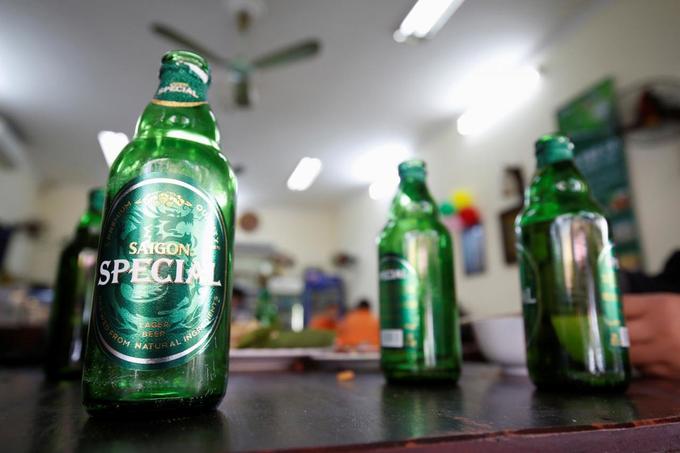
    Saigon Beer brewer Sabeco saw revenue jump 33% from 2021 to VND35.24 trillion ($1.5 billion) last year as consumption bounced back after two years of Covid-19.

    The brewer’s post-tax profit surged nearly 40% to VND5.5 trillion, the highest level since it was sold to ThaiBev in 2017.

    “The company has improved its production efficiency and implemented cost-saving measures to minimize the impact of higher input costs,” Sabeco said in a statement. “Many promotion and marketing campaigns also helped boost sales.”

    Before the pandemic, the company spent VND3 trillion on promotion and marketing last year, double that of 2019.

    Sabeco’s revenue last year was 8% shy of the 2019 level. However, its revenue quadrupled that of its major competitior in Vietnam, Habeco, which recorded a revenue of VND8.5 trillion.

    Thapana Sirivadhanabhakdi, CEO of ThaiBev, said last year that Sabeco was its “crown jewel” and rejected rumors that the Thai company would sell the brewer.

    Valued at $26 billion, Vietnam is the biggest beer market in Southeast Asia, and No. 3 in Asia behind China and Japan, according to 2021 figures.

  • Boag’s Brewery tours to continue in Launceston thanks to state government funding

    Boag’s Brewery tours to continue in Launceston thanks to state government funding

    Tours of one of Australia’s oldest breweries — which were set to end in a few days — have been saved at the 11th hour after James Boag’s Brewery received funding from the Tasmanian government to keep them running.

    The Tasmanian government will provide $1 million to keep the Launceston brewery’s visitor centre open.

    As part of the deal, any Tasmanian with a current driver’s licence can get free tours for the next 12 months.

    Lion Australia, which owns Boag’s, announced last week that it would close the visitor centre, citing declining beer consumption, rising costs and the impact of COVID-19 as the reasons why.

    Boag’s Brewery director Nathan Calman said the government funding announcement was a win-win for the Launceston community.

    “The proposal to close the visitor centre and tours was not put forward lightly, but as a response to the significant cost pressures we are facing across our business,” Mr Calman said.

    “The response — an outpouring of immense passion for the continuation of our brewery tours and visitor centre experience — reminded us of just how integral Boag’s is to Launceston.

    Mr Calman said there had been no expectation that the government would provide support to keep the tours operating.

    “This package will help us continue to provide a great tour experience at the Boag’s visitor centre, while we work with the government and other stakeholders to address some of the long-term cost pressures our manufacturing business continues to face,” he said.

    The continued operation of the centre will also save 12 jobs.

    Premier Jeremy Rockliff, who called on Lion to reconsider its initial decision, said the funding would be used to “expand and enhance the tourist attraction”.

    “It’s not only a local cultural icon but a vital part of the local northern economy attracting thousands of visitors a year,” Mr Rockliff said.

    “The unique experience it offers has been a significant drawcard for Launceston for decades, with the benefits flowing to other businesses in the region and across the state.”

    The funding will also be used for a marketing strategy, to promote the tour to interstate travellers.

    Launceston Mayor Danny Gibson said that he was delighted the decision to close the visitor centre had been reversed.

    “We’re thrilled that such a vital component of our visitor economy has been reinstated, not only to the same level but [also with] commitment to expand it.

    “We know that the visitor centre and the tours are consistently ranked highly by visitors to Launceston.”

  • Coopers to sell craft beers across India

    Coopers to sell craft beers across India

    Coopers craft beers are available across India after the Australian brewery secured a new distributor. This follows an introduction by Austrade to VBev, one of India’s largest importers and distributors of wine, spirits and beer.

    ‘Coopers is the only Australian craft beer in the Indian market,’ says John Southwell, Trade and Investment Commissioner, Austrade India. ‘VBev’s nationwide network means Coopers’ craft beers will become more widely available to Indian consumers.

    ‘There are not many imported craft beers as many international beer brands have set up their own breweries in India. We expect Coopers beers to do well in India, especially in states with less tax on beer.’

    Founded in 1862, Coopers Brewery is the largest Australian-owned brewery. It makes ales, stouts and lagers and has been brewing its signature Pale Ale for 6 generations. Coopers uses only natural ingredients including malt, hops, sugar, water and a special yeast strain that’s over 90 years old.

    Beer accounts for a third of the Indian alcoholic beverages market, in volume terms. Euromonitor projects the total volume of beer will increase at a 6% CAGR to reach 2.9 billion litres in 2025.

    India is home to around 440 million millennials. This demographic is driving an increase in craft beer sales as they seek fresh flavours including from India’s growing list of microbreweries, particularly in urban areas. This has contributed to continued growth of India’s craft beer industry.

    Health-conscious consumers are also switching from strong beer to lighter brews, and craft beer with different flavours, including customised and tropical flavours, including peach, strawberry, apple, lime and pineapple.

  • Tax break assists Belgian brewery to ‘Australianise’ its beers

    Tax break assists Belgian brewery to ‘Australianise’ its beers

    Queensland brewery Madocke Beer Brewing Co is set to brew its Belgian-style beer with Australian ingredients as part of a tax incentive program.

    The Research and Development (R&D) Tax Incentive program supports businesses that undertake R&D initiatives benefitting Australia, by providing a tax offset on eligible activities.

    It is administered by the Industry Innovation and Science Australia (IISA) and the Australian Taxation Office (ATO).

    The Gold Coast brewery – which predominantly produces traditional European-style beer – will now replace its European malts and hops with Australian ingredients.

    “So in our research and development claim that we did with the Australian government, we deliberately put forward that we are going to try to recreate traditional Belgian beers with Australian ingredients,” said Annelies Nijskens, Madocke’s co-founder and brewery manager said.

    “If we can change over more beers with Australian malts, it’s beneficial for Australian agriculture and the economy and the ecological footprint, which is very important these days.”

    The brewery began experimenting last year with Australian native honey to produce a Blonde beehive beer and a Belgian-style Blonde beer with Australian-grown Border Pale Malt from Barrett Burston Malting.

    The latter won the European-style ale category at this year’s Indies award.

    “Even though we are a Belgian-style brewery, we do not just bring everything in from Europe, we do try to work on Australian ingredients as well,” said Nijskens.

    Since ingredient sourcing and freight delays are ongoing problems facing businesses’ supply chains, the brewery aims to localize its source while helping the economy under this program.

  • ThaiBev rejects rumors about selling ‘crown jewel’ brewer Sabeco

    ThaiBev rejects rumors about selling ‘crown jewel’ brewer Sabeco

    Thai company ThaiBev has dismissed rumors it wants to sell Vietnam’s biggest brewer Sabeco.

    “It’s our crown jewel, a rare asset among all brewing assets in the region,” said Thapana Sirivadhanabhakdi, CEO of ThaiBev Group, as said at the company’s annual press conference Tuesday.

    He was asked about rumors that the Thai giant plans to sell Sabeco. They have been cropping up now and then since it acquired the brewer in 2017, the maker of Saigon Beer, which has a 40% market share in Vietnam.

    ThaiBev owns a 54% stake in Sabeco, the Vietnam State Capital Investment Corporation holds 36%, and the remaining 10% is with other foreign investors.

    ThaiBev is not looking to buy SCIC’s stake, Michael Chye Hin Fah, CEO of brewery arm BeerCo, said.

    Sirivadhanabhakdi said: “If you ask me personally, I definitely want to see the Vietnamese government let go to local Vietnamese investors. If there is more liquidity in the market that will definitely help improve the overall valuation for Sabeco.”

    Sabeco saw third-quarter revenues rise 25% year-on-year to VND9 trillion.

    Its profit was up at VND1.79 trillion (US$75.4 million), the highest since it was acquired by ThaiBev.

    Vietnam is the biggest beer consumer in Southeast Asia and the ninth biggest in the world.

  • Beer Cartel wins international innovation award

    Beer Cartel wins international innovation award

    It takes something special to surprise the judging panel at the Miraclon-sponsored Global Flexo Innovation Awards (GFIA), but that’s exactly what the joint entry from Fathom Optics and Grace Label achieved. So much so, that they even won a Gold Award (with Highest Honors) for conversion to flexo, commitment to sustainable print and creative use of graphic design.

    In what the judges described as “a really impressive innovation,” the label for Des Moines, IA, craft beer producer, Confluence Brewery, used Fathom’s brand-new embellishment technology to render attention-grabbing full-motion 3D effects on labeling for the brewery’s ‘Wizard’ Gose-style sour ale. The effects appear to be on three different levels: text and graphics on the label surface, a ‘Northern Lights’-type effect seemingly moving within the can itself, and finally, at the top of the wizard’s staff, a rotating orb that appears to emerge from the surface of the label.

    And what made the job remarkable was the fact that all this was done without the need for lenticular lenses or a holographic foil, using Flexcel NX Plates on Grace Label’s standard flexo press using standard inks. Traditionally, the use of holographic foils or lenticular lenses for short label print runs has been cost-prohibitive, while holographic foils also raise sustainability concerns since they are typically 95% waste. FLEXCEL NX Technology makes special effects labels a viable option for brands pushing the boundaries of regular packaging designs for shorter runs, with big cost and sustainability benefits that they can take advantage of.

    Fathom Optics and Grace Label teamed up for the ‘Wizard’ label, which came about because of a friendship between the family of Tom Baran, CEO and Co-Founder of Fathom, and John Martin, owner/founder of Confluence, to whom Grace Label is an established label supplier. Founded in the mid-1970s by the father of current company president, Steve Grace, Grace Label is one of oldest and largest regional converters in the Midwest US, operating as a full-service supplier that handles every step of the design-to-delivery process. Besides the craft beer and spirits industries, Grace also serves customers in meat and agricultural foods. The company has both digital and flexo presses, with flexo printing representing 90% of their work.

    Flexcel NX Technology ‘like getting a brand-new press’
    Crucial to the success of the ‘Wizard’ project was the Kodak Flexcel NX System, which Grace Label installed in 2011. “With the ability to hold a dot and sharpen an image, it was like getting a brand-new press on some levels,” recalls Steve Grace. “The plates last longer, we set up faster, dial in color faster, and reduce our wastage. It’s been a home run.”

    Steve’s enthusiasm for FLEXCEL NX Technology was shared by Fathom Optics founders Tom Baran and Matt Hirsch: “When we realized Grace was a Flexcel NX Plate user we were delighted,” says Baran. “We’d already experienced good things with the technology, getting incredibly regular and consistent results. Compared to other systems we’ve worked with where variables come into play, it’s one cohesive system, so you know what you’ll get.”

    A fourth party to the project is creative design agency 818 Iowa, which created the original design and worked with Confluence to enhance the labels most characteristic features — the wizard, staff, and orb. Fathom then worked with Grace to bring everything to life.

    The effects are achieved by printing very fine microstructures on two interference screens. The first screen is printed on the white BOPP pressure-sensitive material, and the second screen is printed along with the other decorative inks on top of the clear lamination.

    Because the microstructures are done at a minimum of 480 LPI or higher, the 1:1 pixel-for-pixel accuracy of the Flexcel NX Plates was essential to hold lines that are 10 microns wide and spaced approximately 42 microns apart. Says Tom: “These demanding effects can be incorporated into the same plate with the traditional 2D graphics, which may be at 133-175 LPI, without difficulty. It sounds highly challenging, but so far, every UV flexo printer we’ve worked with has achieved some level of effects.”

    In the craft beer business, competition for shelf space and consumers’ attention is fierce, so imaginative, impactful labelling is hugely important for a small, independent brewery such as Confluence. In the case of the award-winning label, the ‘Wizard’ branding of the Gose-style sour ale opened all sorts of creative possibilities, with the favored option a multi-dimensional, moving 3D image that would capture shoppers’ attention as they walk by, and further engage them as they pick up the can and rotate to explore the image further.

    Traditionally, such an effect is achieved using either holographic foils or lenticular lenses, but the short label print runs made both too expensive. In addition, there are sustainability concerns with holographic foils since they are typically 95% waste, while the lenticular approach presented the further complication of the lens orientation being incompatible with the direction in which the labels are applied to the can.

    Confluence didn’t know it at the time, but the answer lay 1,300 miles to the east in Somerville, a suburb of Boston, where the Fathom Optics founders, Tom and Matt, was marketing their groundbreaking new approach to embellishment, Fathom Effects. The technology came out of the partners’ PhD work at the Massachusetts Institute of Technology.

    “The idea behind Fathom Effects is software-based, not materials science-based,” explains Tom. “The foundation of it is to take large-scale computational algorithms and use them to change the way materials interact with light. We compute complex interference patterns that can be printed on the front and back surfaces of film. They’re not interference patterns, like in holograms, but signal interference, as in moiré.”

    If the technology behind Fathom is relatively complex, for end users adding special effects it is remarkably straightforward. Designers simply drop files into Fathom Designer, a free online tool, where they assign motion and depth effects which can be previewed and shared with other stakeholders.

    After two years making the technology robust enough for long flexo runs, Tom and Matt settled on primary labels, shrink sleeves and product authentication as their primary markets. Says Matt: “We realized there are brands wanting totally custom packaging appeal but for whom the traditional holographic and lenticular solutions are too expensive. We differ in that we deliver 1-bit TIFF files to production sites — unlike holographic foil, where if you want a customized design, you have to order a truckload of film. On shrink sleeves, for example, with Fathom Effects there’s no additional cost — you’re just printing both sides of the film.”

    He adds, however, that Fathom Effects is also gaining traction with larger brands, simply because it’s a software-based technology. “Large multinational consumer product groups often don’t want to get into new things because the qualification process for a new material can take months, even years. But because our technology uses the same substrates, inks and flexo presses, no qualification process is required, and they can get to market faster. And, as we’re not adding a dissimilar material, like a lenticular lens or a hologram, there’s a sustainability advantage because recycling or reuse is easier. All these factors add a whole new level of acceptance.”
  • Craft brewers increasing production but downtime is hindering growth

    Craft brewers increasing production but downtime is hindering growth

    New research reveals that while craft brewers increased production by 7.6 per cent compared with the previous three months, the industry average for actual production time remains just 45 per cent.

    The findings come from the Craft Brewers Benchmark Report, a quarterly report prepared by manufacturing performance software company OFS which provides insights into how data can be used to improve production efficiency in the craft brewing industry.

    The report analysed the production of millions of litres of beer by primarily Australian, New Zealand and U.S. craft breweries between April and June this year and looked at key performance benchmark data and overall equipment effectiveness (OEE).

    “This is an industry that’s thriving while leaving so much potential on the table, OFS CEO James Magee said. “That luxury can’t last forever – we need a mindset shift in how the industry collects and leverages data to improve productivity.”

    Despite the challenges, craft brewers scored particularly well for waste efficiency with only two per cent of beer produced that did not end up in cans or bottles, a 28 per cent improvement compared with the previous three months.

    On average, 6517 units of craft beer were produced per hour, 74.2 per cent behind the potential output of 11,353 per hour. On the other hand, unplanned downtime accounted for 25.46 per cent of production time, in line with the previous three months..

    As for the OEE score, the industry earned an average of 44 per cent, a slight increase from 43 per cent.

    Magee noted visibility is key to further improving efficiency, as when craft brewers can see an opportunity in front of them, they don’t miss it.

    “It’s telling that craft brewers manage product waste so well – they barely leave a drop behind,” he said. “Wasted time, however, is harder to view without the right tools in place, and it’s too easy to generalise and make assumptions about output, downtime, and changeovers when you’re relying on a busy crew updating an excel sheet or piece of paper.

    “What we’re hoping to do with these industry snapshots is show the efficiency potential that’s there when craft brewers surface these insights,” Magee added. “It isn’t rocket science, it is literally just an accurate real-time view of what’s happening on the line, and too few have it.”

  • Heineken drops new sneakers

    Heineken drops new sneakers

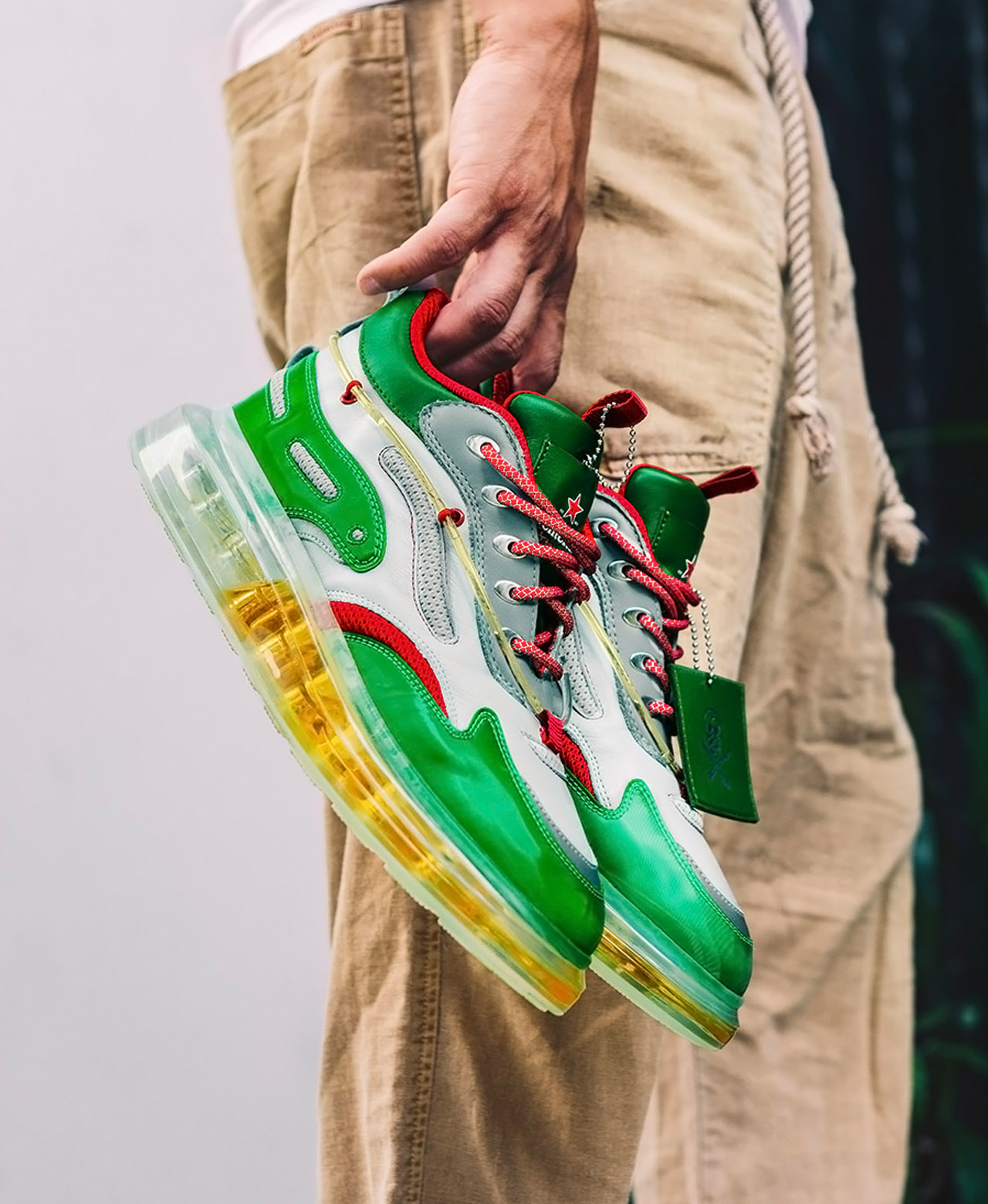
    Are you ready to ‘walk on beer’? Because Heineken’s here to ensure that you do just that! The infamous Dutch brewing company recently unveiled Heineken Silver – a new smooth, easy-to-drink beer brewed for a new generation of drinkers. And they decided to kickstart its launch, with a pair of kicks! Heineken collaborated with celebrity sneaker designer Dominic Cambrione, more popularly known as The Shoe Surgeon, to create – the ‘Heinekicks’.

    What are the Heinekicks? Quite simply put, they’re limited edition sneakers FILLED with beer. There are only 32 pairs available in the world, and yes, you heard it right, they actually contain soles filled with the new Heineken Silver. Heineken promises these liquid-filled kicks “will have you Walking on Beer”.

    The Shoe Surgeon maintained the brand’s iconic red, green, and silver colors in the shoes as well. The acclaimed designer has created kicks worn by the likes of LeBron James, DJ Khaled, and Drake.“Partnering with Heineken for their new beer was a fun challenge. We both share a passion for innovation and pushing boundaries and created a design to reflect that,” said The Shoe Surgeon. “The shoe not only embodies the energy of Heineken Silver but literally carries it. I can’t say I’ve ever designed a sneaker that contains actual beer before.’’

    He power-packed the sneakers with a sleek green lenticular upper with silver and red accents. A removable metal bottle opener has been integrated into the tongue of the shoes. This could come pretty handy when it’s time to pop open a cold one!

    Of course, the most fascinating element of the shoes is the transparent soles filled with the golden liquid, which is Heineken Silver. The beer was inserted into the soles using a specialized surgical injection method!

    The one-of-a-kind soles provide the wearer with an extremely smooth walking experience, drawing a smart parallel to the smooth taste of Heineken Silver. These are the first pair of sneakers that allow you to walk on beer and a super genius marketing hack! We can’t wait to see how avid beer lovers react toward Heineken Silver!

  • Coopers revamps its imagery on International Beer Day

    Coopers revamps its imagery on International Beer Day

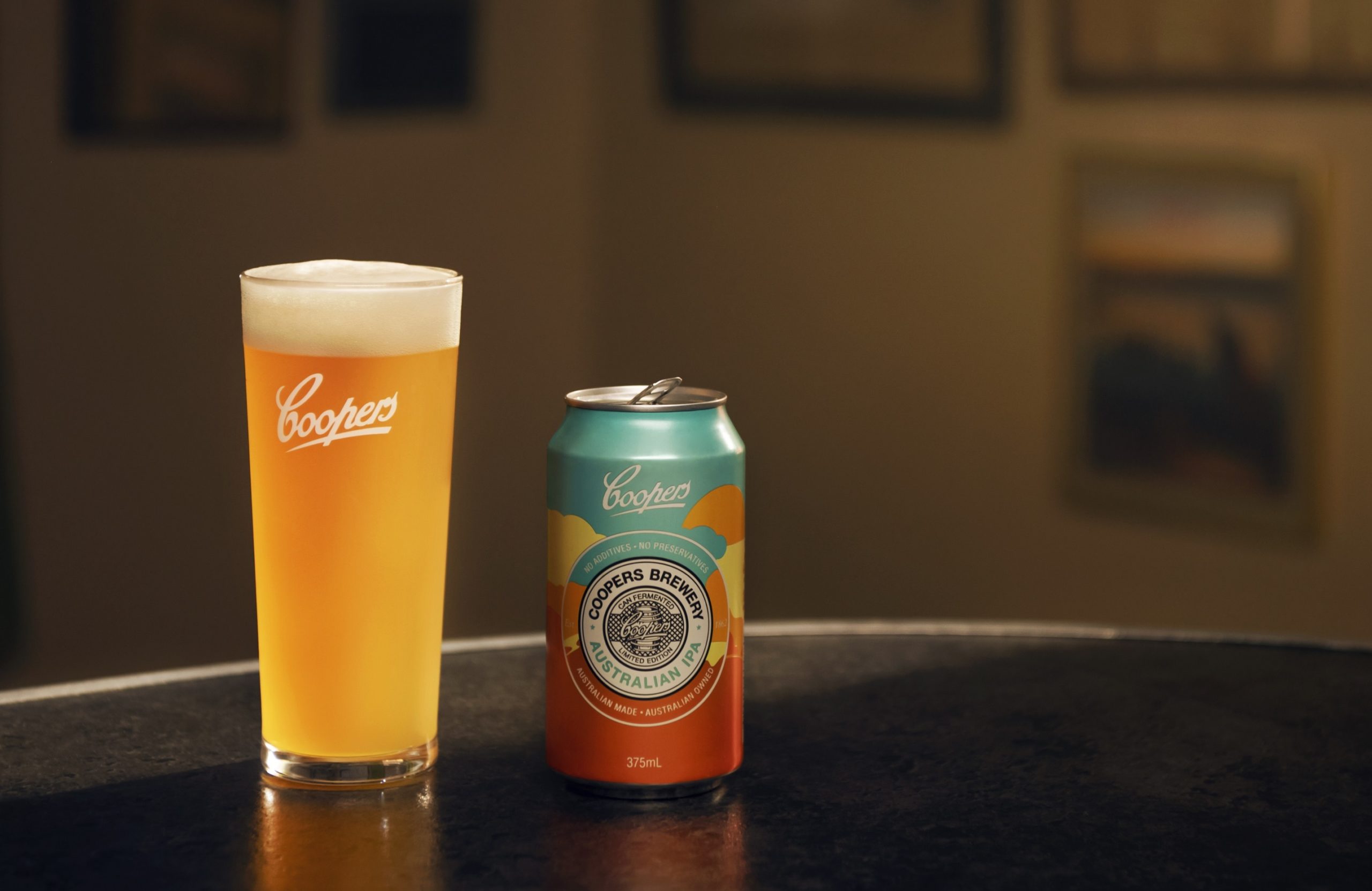
    Coopers has unveiled a new look for its range of beers, in the first major update to its core packaging in 20 years, with the iconic Coopers roundel refreshed with a modern design.

    The new packaging also showcases the brand’s heritage and brewing process, which also including Coopers’ new branding of ‘Forever Original’ which was unveiled last year.

    Coopers has also insisted that while there is a new look for the packaging the beers remain unchanged.

    Coopers national marketing manager, Kate Dowd, said: “The new design has been carefully developed with the objective of retaining our brand loyalists while also recruiting new drinkers to the Coopers brand,” Ms Dowd said.

    “The refresh brings overall consistency to the Coopers ale range and has been designed to stand out on shelves, making it easier for our fans to spot their favourite brew.

    “Coopers is excited to share our new look and we know that drinkers will continue to enjoy the great Coopers taste they know and love.”

    In addition to design changes, the 750ml Coopers longneck range will also be packaged in an improved bottle developed to minimise weight.

    There will be no changes to the Coopers lager products, including Dry and Premium Light.

    Products featuring the new packaging and updated tap badges will begin rolling out into liquor outlets and licenced premises across the country from September.

  • Coles taps into carbon-negative beer with Lost Lager

    Coles taps into carbon-negative beer with Lost Lager

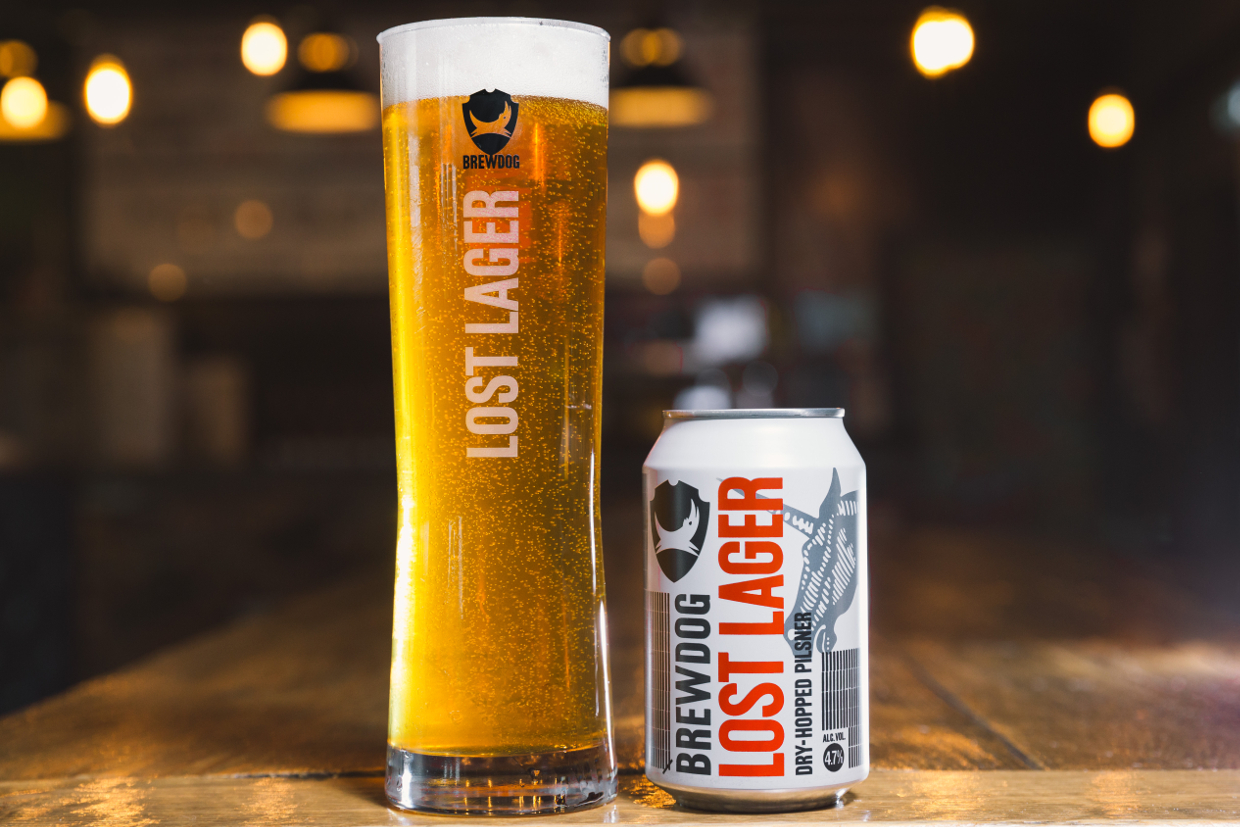
    An Australian-made, carbon negative beer made with unsold bread from Coles supermarkets is squaring up to some of the best-known beer brands in the country while tapping into surging customer demand for beverage makers taking tangible action on climate change.

    Lost Lager is a premium brew created in collaboration between Coles Liquor and BrewDog Australia – the Brisbane operation of Scottish carbon negative brewer.

    The packaging for Lost Lager is 99% plastic-free and any emissions BrewDog is unable to avoid through the production process are ‘double offset’ through tree planting schemes around the world.

    Coles’ research shows that one in two customers care deeply about the environment and the majority want to do more, while 50% say they have changed what they buy in response to the packaging of a product.1

    Coles Liquor Acting General Manager Customer, Trade Planning and Insights Mia Lloyd said customers frequently told Team Members in Liquorland and First Choice Liquor Market stores that they wanted to support brands that were taking action on the environment.

    “Lost Lager will be hugely popular with customers given the easy-drinking style of the beer and BrewDog’s commitment to the environment and climate change,” Ms Lloyd said.

    “This is not a fleeting consumer trend, it’s a force that our customers are driving and we can already see support for brands that have moved early to embrace sustainable packaging, waste reduction or renewable power.”

    Additionally, BrewDog invests in a number of significant reforestation projects, including the Yarra Yarra Biodiversity Corridor in Western Australia. This is the only emission reduction project in Australia to be certified under the prestigious Gold Standard accreditation, a globally-recognised best practice benchmark.

    Locally, BrewDog donates the grain used in the brewing process to farmers as an alternative feedstock. Internationally, they are also the proud owner of over 9000 acres of Scottish highlands which will be home to a reforestation and peatland restoration project to sequester carbon.

    The brewer’s Australian CEO Ed Bott said the Lost Lager was a premium lager, similar in style to a German pilsner and created to deliver a craft option for Australian lager lovers.

    “Lager accounts for 90% of beer consumed in Australia, and our Lost Lager connects with the premiumisation of this broad segment of the beer market,” Mr Bott said.

    Lager has been at the forefront of beer sales growth for years. With recent consumer demand shifting towards premium lager, hospitality venues and hotels have seen growing consumption.

    As such, premium lager is one of the fastest-growing product segments in recent years, expanding at a compound annual growth rate of 4.5% from 2019 to 2025.2

    “It’s still in its infancy but lager is the last bastion for craft beer and we’re confident the fresh, uncomplicated style of this beer will prove hugely popular with customers who are seeking something more from their lager,” Mr Bott said.

    “We see how engaged our Australian customers are in relation to issues such as waste and emissions reduction and while we know we can’t save the world on our own, we’re proud that we’re doing our bit here in Australia and around the globe.”

  • Sabeco posts biggest quarterly profit since acquisition by Thai firm

    Sabeco posts biggest quarterly profit since acquisition by Thai firm

    Vietnam’s largest brewer Sabeco reported post-tax profits of VND1.79 trillion ($76.6 million) for the second quarter, the highest since ThaiBev acquired it in 2017.

    It represented a 67 percent increase year-on-year, while revenues were up 25 percent to VND9 trillion.

    The management said the lifting of social distancing restrictions, resumption of tourism and a general rise in consumption helped boost sales.

    Profits for the first six months were VND3.03 trillion, 66 percent of the full-year target.

    Thailand’s largest beverage company bought a 54 percent stake in Sabeco, the maker of Saigon Beer, five years ago.