Retail News CRM

Tag: beer

  • Brewer Sabeco sees profits plummet

    Brewer Sabeco sees profits plummet

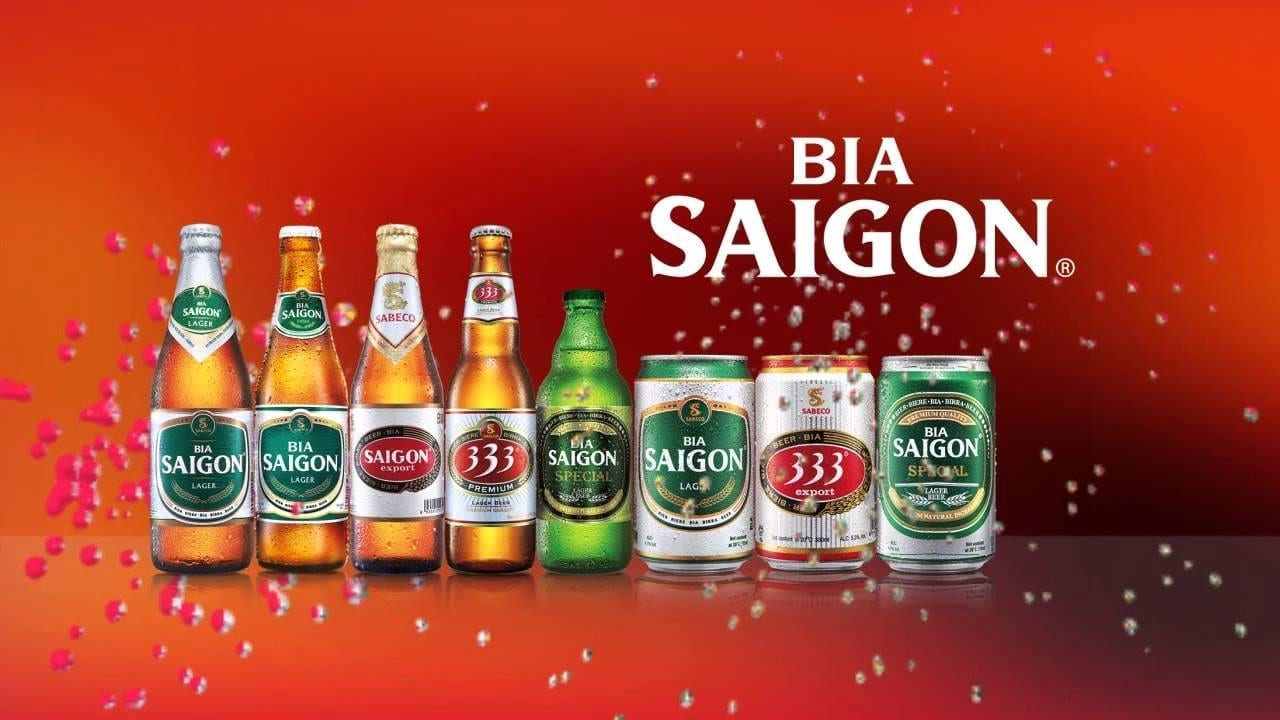
    Vietnam’s largest brewer Sabeco saw its H1 post-tax profit fall 31 percent year-on-year to VND1.93 trillion ($83 million) over Covid-19 pandemic impacts. Revenues fell 35 percent to VND12 trillion ($518 million), 89 percent of it from beer, and the rest from wine and other beverages.

    The company, owned by Thai beverage giant ThaiBev, said that the profit plunge came as Vietnam imposed social distancing measures and closed “non-essential” businesses to contain the novel coronavirus. Authorities ordered most businesses, including restaurants and bars, to close in March and April.

    Vietnam’s new regulations on drunk driving have also impacted on its business, Sabeco said. The country’s new regime of fines – up to VND8 million ($345) for DUI motorbike drivers and VND40 million ($1,730) for car drivers have kept drinkers away from restaurants and bars. Sabeco forecasts a post-tax profit fall of 37 percent this year to VND3.25 trillion.

  • DFS Group Partners with Orion Beer on Exclusive Summer Promotion

    DFS Group Partners with Orion Beer on Exclusive Summer Promotion

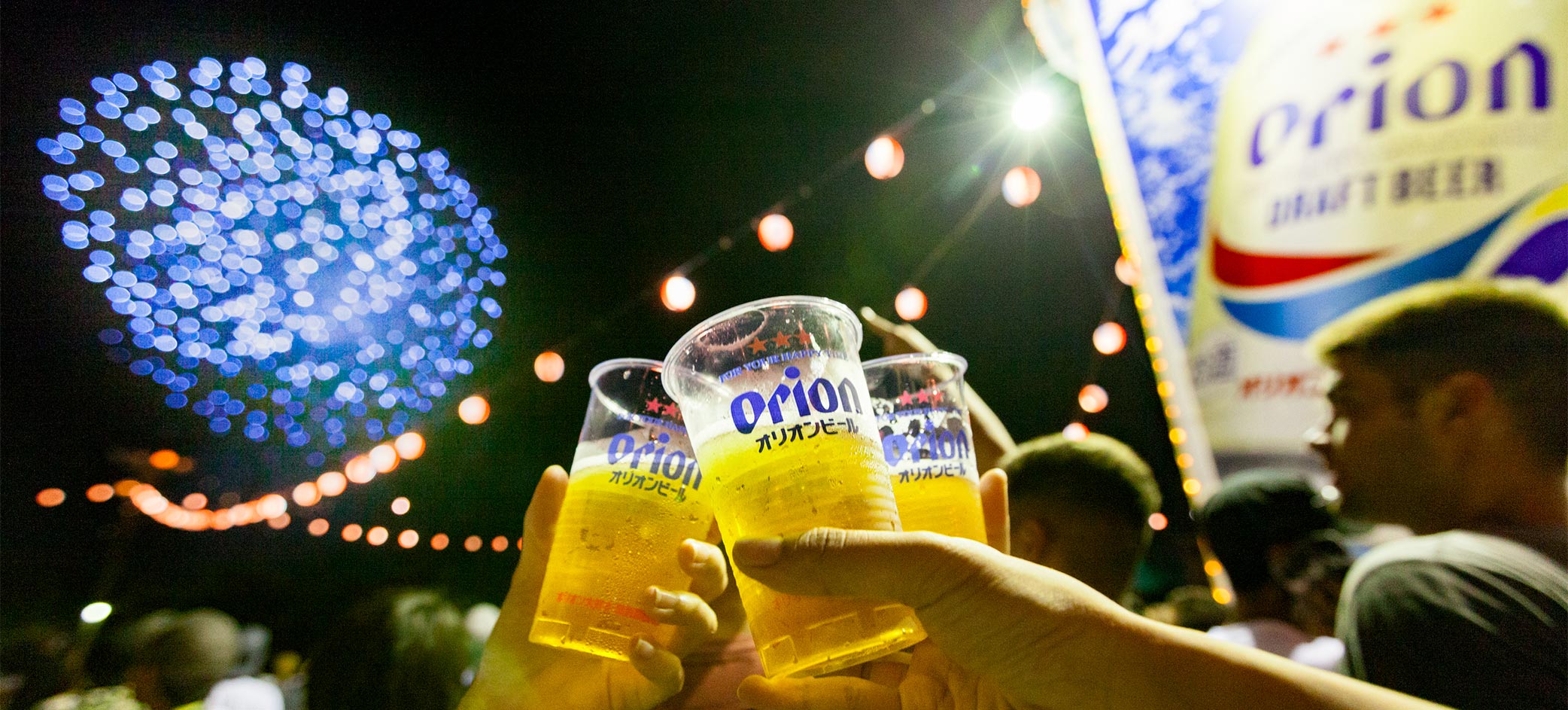
    DFS Group, the world’s leading luxury travel retailer, has partnered with leading Okinawan brewery Orion for the first time to offer customers a chance to receive a limited edition beer. Available exclusively at T Galleria by DFS, Okinawa from July 23 to August 16, customers are invited to visit the store to find clues and complete a scavenger hunt before getting a taste of the special brew.

    “We are delighted to partner with Orion, one of Okinawa’s best-known breweries, for the first time to give our customers a refreshing surprise this summer,” said Richard Gustafson, Managing Director Japan and Mid Pacific, DFS Group. “We hope visitors to our island will enjoy discovering the exciting array of luxurious items in our T Galleria by DFS, Okinawa store, as well as tasting a limited-edition beer from Orion.”

    Fans of DFS and Orion can scan the QR code in-store or visit the DFS Japan Official Instagram account (@DFSJapanOfficial) before stopping by T Galleria by DFS, Okinawa. Customers can search the store and ask DFS staff for hints and tips, and upon completing the scavenger hunt, simply present the confirmation message to the Main Reception to receive a Limited Edition Orion Beer. Customers who shop in-store can also receive a DFS water bottle upon any purchase.

  • Government to sell its shares in Vietnam’s largest brewer

    Government to sell its shares in Vietnam’s largest brewer

    The government plans to sell its 36 percent stake in the country’s largest brewer, Sabeco, this year. The Saigon Beer Alcohol Beverage Corp (Sabeco) is one of 139 enterprises in a new list in which the government’s stakes will be sold by sovereign fund State Capital Investment Corporation.

    The Ministry of Industry and Trade (MoIT) has been instructed to transfer the government’s stakes in these enterprises to the SCIC by August 31. The government had sold a 53.59 percent stake in Sabeco to ThaiBev for over $5 billion in 2017.

    The news puts paid to speculative claims made by some media outlets in early June that MoIT was seeking to reacquire Sabeco shares from ThaiBev due to “unexpected pandemic effects.”

    At the end of 2019 the maker of Saigon Beer had assets estimated at VND 26.96 trillion ($1.2 billion) and owner’s equity of VND20.07 trillion ($870 million).Sabeco recently scaled down its revenue target for this year by 37 percent to VND23.8 trillion ($1 billion) and post-tax profit target by 39 percent to VND3.2 trillion ($138 million), the lowest in six years.

  • Sabeco reports record profits

    Sabeco reports record profits

    Post-tax profits surged 22 percent year-on-year for Vietnam’s largest brewer Sabeco, reaching VND5.37 trillion ($231.96 million), its highest annual profit ever.

    The brewer’s 2019 revenues increased 5 percent year-on-year to VND37.9 trillion ($1.64 billion), with improved business results mainly attributed to heavy investments in sales and marketing, Sabeco management said in the company’s latest annual financial report.

    Sabeco spent VND1.49 trillion ($64.33 million) on marketing last year, a year-on-year increase of 31 percent, the report said.

    Revenues in the final quarter, however, declined 7 percent year-on-year to VND9.73 trillion ($420.11 million), but post-tax profits rose 18 percent to VND1.09 trillion ($47.06 million). This was due to profits from financial investments surging 54 percent, and profits from joint ventures and associate companies rising 41 percent, Sabeco said.

    By the end of 2019, Sabeco’s total assets and liabilities were valued at approximately VND27 trillion ($1.17 billion) and VND6.9 trillion ($297.92 million) respectively.

    Sabeco is owned 53.59 percent by Vietnam Beverage, a subsidiary of Thai beverage company ThaiBev. The Vietnamese government, represented by the Ministry of Industry and Trade, retains a 36 percent stake in the company.

    According to the latest figures by securities firm FPTS Securities, Sabeco held 40.9 percent of Vietnam’s beer market by the end of 2018, followed by Heineken Vietnam with 23 percent and local brewer Habeco, with 18.4 percent.

  • Heineken Vietnam pays $39.7 mln in back taxes and fines

    Heineken Vietnam pays $39.7 mln in back taxes and fines

    Heineken Vietnam Brewery has paid VND917.2 billion ($39.7 million) in back taxes and fines for a 2018 transaction.

    Singapore-based Heineken Asia Pacific Pte. Ltd. had, at the end of 2018, struck a deal valued at over VND4.8 trillion ($207.7 million) with the Heineken Vietnam Brewery. Under the deal, the Singaporean firm transferred its entire stake in its Vietnamese subsidiary to the latter.

    The tax payable on the deal was VND823 billion ($35.6 million), but Heineken Asia Pacific claimed it was exempt from paying it under the double taxation agreement signed by the governments of Vietnam and Singapore.

    However, the General Department of Taxation ruled that the tax had to be paid because the real estate value in the deal was over 50 percent of the assets involved in the deal.

    The department confirmed that it has received in full the payment of back taxes and fines.

    Another major FDI corporation, Coca-Cola Vietnam, has been ordered to pay VND821.4 billion ($35.4 million) in back taxes and penalties stretching back over nine years.

    The company, which has been suspected of engaging in transfer pricing fraud to evade taxes, has paid VND471 billion ($20.4 million), or 57.3 percent of the amount, at the time of writing.

    Vietnam collected VND18.8 trillion ($813 million) last year in back taxes and fines, according to the General Department of Taxation.

  • Heineken no longer a major shareholder of Sabeco

    Heineken no longer a major shareholder of Sabeco

    Dutch brewer Heineken sold over 5 million Sabeco shares Friday, bringing its stake in Vietnam’s biggest brewer Sabeco down to 4.32 percent.

    The shares, equivalent to an approximate 0.81 percent stake, were sold to buyers whose identities have not been disclosed via an agreement, the Ho Chi Minh Stock Exchange (HoSE) reported.

    The sale was worth over VND1.2 trillion ($51.79 million), at VND234,000 ($10.1) per share (ticker: SAB), VND18,000 ($0.78) lower than its stock opening price Friday, according to HoSE.

    On the stock market, the Saigon Beer Alcohol Beverage Corporation’s SAB shares have been falling or stalling for the last 12 consecutive sessions.

    The remaining 4.32 percent stake in the Vietnamese brewer is held by Heineken, its regional subsidiary Heineken Asia Pacific, and related companies.

    Sabeco is owned 53.59 percent by Vietnam Beverage, a subsidiary of Thai beverage company ThaiBev. The Vietnamese government, represented by the Ministry of Industry and Trade, owns a 36 percent stake in the company.

    Thaibev had bought its stake in Sabeco when the government publicly auctioned them in December 2017. At the time, Heineken, who had held shares in Sabeco since 2008, also submitted a bid but lost to Thaibev.

    According to a report by securities firm FPTS Securities, Heineken’s share of the Vietnam beer market at the end of 2018 was 23 percent, second to Sabeco at 40.9 percent.

    In its latest financial report, Sabeco reported revenues of over VND28.3 trillion ($1.22 billion) in nine months, up 10 percent year-on-year. Revenue from beer in the period accounted for 86 percent of total, or VND24.3 trillion ($1.05 billion).

    In the third quarter alone, post-tax profit was highest among all brewers in Vietnam at almost VND1.46 trillion ($63 million), up over 40 percent year-on-year.

  • Masan struggles to grow in Vietnam’s competitive beer market

    Masan struggles to grow in Vietnam’s competitive beer market

    Vietnamese food giant Masan is struggling to grow its beer business, which is suffering losses and could drop out of the domestic market.

    Masan expects a loss of $15 million this year from its White Lion beer brand, Danny Le, board member of Masan Consumer Holdings, said at an investors’ meeting last month.

    If the company cannot create a new and competitive product, it will have to withdraw from the market, he added.

    “The beer business costs a lot of advertising money, and we do not want to spend tens of millions of dollars a year for a brand that cannot be in the top 3,” he said.

    Masan’s beer brand, White Lion, launched five years ago, is becoming less significant in the group’s financial reports as longer-established players retain a firm hold in the market.

    When it was first launched, a crate of White Lion cost VND40,000 ($1.7) less than the cheapest domestic brand at the time, resulting in large sales in the southern region.

    Orders were so high that Masan’s beer factory, which it acquired from another beer producer in 2014, was operating at maximum capacity of at 50 million liters a year in the first year, but still failing to keep up with demand.

    The company then built a second plant with four times the capacity in the southern province of Hau Giang.

    Helped by regular promotions featuring celebrities and gifts, sales reached VND1 trillion ($43 million) after two years, and industry observers at the time considered White Lion a threat to major brewers such Sabeco and Heineken.

    “Consumers welcoming the product is the foundation for Masan Consumer Holdings to expand its market nationwide and to enter the high-end beer segment,” the company said in a report in 2017.

    But the company’s expansion strategy has hurt sales badly.

    In order to reduce inventory to launch new products, Masan increased the commission for distributors, making its 2017 H1 beer revenue falling 15 times year-on-year.

    Although the company targeted revenue of VND1-1.2 trillion ($43-51.6 million) in 2018 with new products, its leaders admitted that expanding the business could take 12-18 months as they had to restructure a distribution system and employ experienced salespeople.

    At the end of last year, White Lion revenue was VND388 billion ($16.7 million), just 39 percent of its annual target.

    The company had planned to employ about 150-200 salespeople this year to focus on marketing in street eateries, targeting double last year’s revenues. But by September, its revenue had fallen 7 percent year-on-year.

    Meanwhile, top brewer Sabeco’s nine-month revenues rose 10 percent year-on-year to VND28.3 trillion ($1.22 billion), while that of the Hanoi Beer Company (Habeco) also posted a 10 percent increase to VND2.7 trillion ($114.89 million).

    Vietnam consumed 4.1 billion liters of beer in 2017, making it the biggest alcohol market in Southeast Asia and the third biggest in Asia after Japan and China, according to the Ministry of Health.
  • Sabeco makes $3.9 million a day from beer sales

    Sabeco makes $3.9 million a day from beer sales

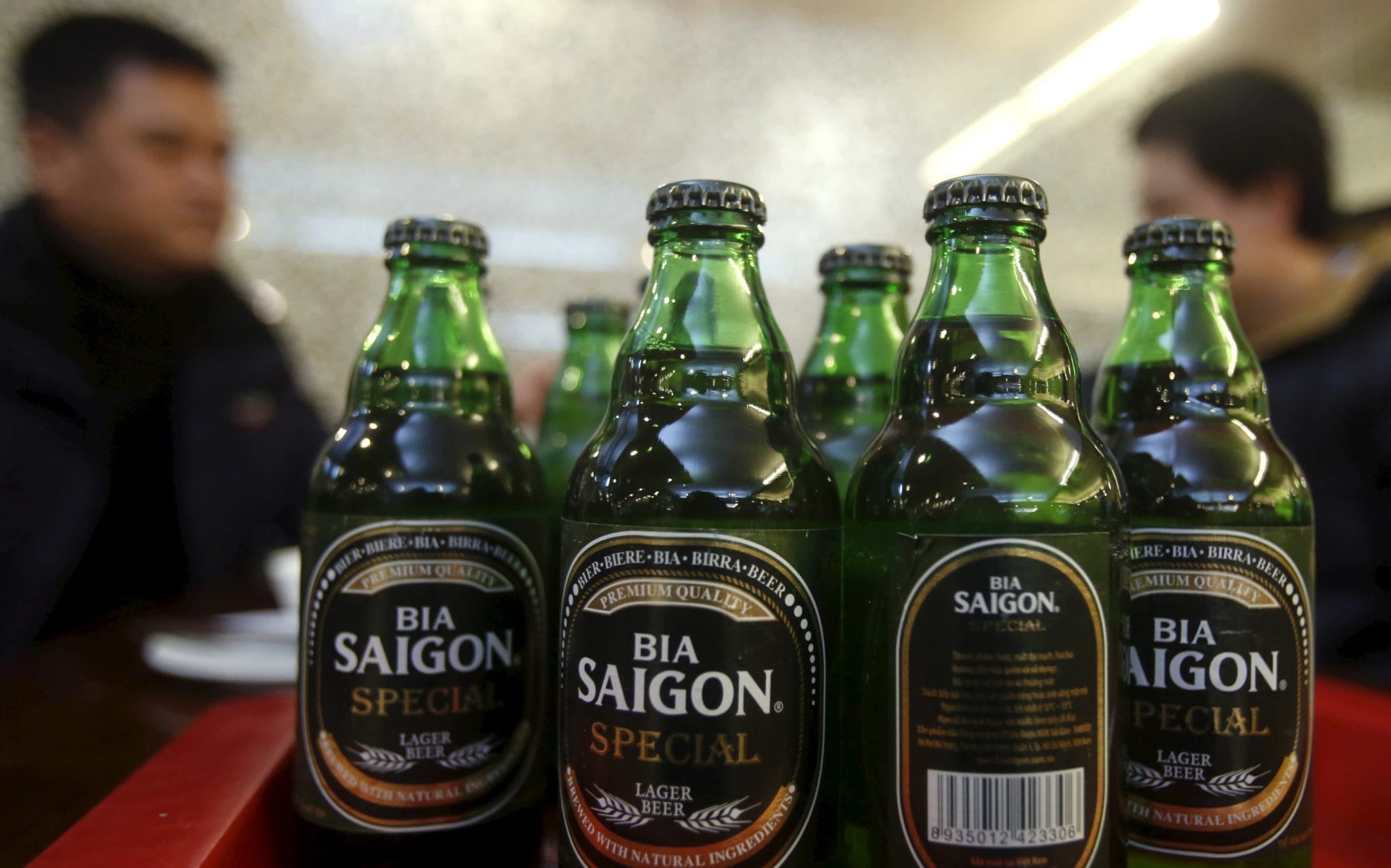
    Vietnam’s biggest brewer Sabeco reaped VND90 billion ($3.87 million) in revenue a day in January-September, a double-digit rise. In its latest financial report, the Saigon Beer Alcohol Beverage Corp reported revenues of over VND28.3 trillion ($1.22 billion) in nine months, up 10 percent year-on-year. Revenue from beer in the period accounted for 86 percent of total, or VND24.3 trillion ($1.04 billion).

    In the third quarter alone, post-tax profit was highest among all brewers in Vietnam at almost VND1.46 trillion ($62.76 million), up over 40 percent year-on-year.

    billion VNDSabeco business resultsRevenuePost-tax profitQ1-2016Q2-2016Q3-2016Q4-2016Q1-2017Q2-2017Q3-2017Q4-2017Q1-2018Q2-2018Q3-2018Q4-2018Q1-2019Q2-2019Q3-201902.5k5k7.5k10k12.5kSabeco

    Sabeco has paid almost VND8.2 trillion ($352.46 million) in taxes this year. Its total capital as of Q3 was VND24.78 trillion ($1.07 billion), up 10.7 percent from the beginning of the year.

    Sabeco is owned 53.59 percent by Vietnam Beverage, a subsidiary of Thai beverage company ThaiBev. The Vietnamese government, represented by the Ministry of Industry and Trade, owns a 36 percent stake in the company.

    ThaiBev has said earlier that Sabeco is its key growth driver in Southeast Asia as the region’s consumption slows down.

    Vietnam consumed 4.1 billion liters of beer in 2017, making it the biggest alcohol market in Southeast Asia and the third biggest in Asia after Japan and China, according to the Ministry of Health.
  • Online liquor sales boom in Vietnam

    Online liquor sales boom in Vietnam

    Vietnam has removed a proposed decree to prohibit online liquor sales, accepting that it goes against international trends. The bill, proposed by the Ministry of Health last year, would have prohibited online sales of beverages with an alcohol content of more than 15 percent. But legislators got into a heated debate over this regulation, with critics saying that it would go against international trends and challenge e-commerce development.

    The National Assembly (NA) Committee for Social Affairs on Thursday said it has removed the decree after listening to legislators’ views.

    Some new changes have been made in the latest version of the bill. The advertisement for beverages with less than 15 percent of the alcohol content will now be allowed on TV and radio.

    However, these advertisements must not be carried between 7-8 p.m. every day.

    The bill is set to be discussed and voted on at the end of the ongoing National Assembly session.

    Alcohol, especially beer, is widely consumed in Vietnam. Data collected by the Ministry of Health shows Vietnamese citizens consumed 305 million liters of liquor and 4.1 billion liters of beer in 2017, making it the biggest alcohol consumer in Southeast Asia and third biggest in Asia after Japan and China.

  • Hydro Flask Starts in Hong Kong

    Hydro Flask Starts in Hong Kong

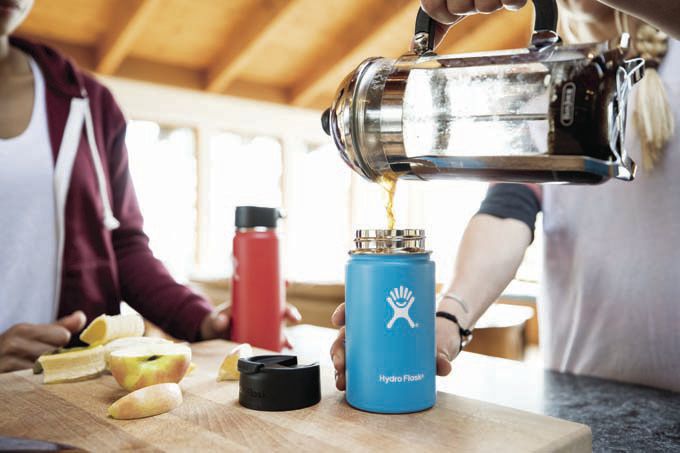
    Hydro Flask, the US brand of high-performance, insulated stainless-steel flasks targeting the outdoors market, has launched in Hong Kong.

    From this month, Hydro Flask products are being sold by Hong Kong retailers through an expansion of the company’s partnership with the Primer Group. Products will be stocked through outdoor and sporting goods retailers, lifestyle stores, travel retailers and gourmet grocers.

    “We’re excited to expand our strong relationship with Primer to bring Hydro Flask to Hong Kong. It’s a key part of our global expansion and influences markets beyond Asia,” said Mike Wallenfels, VP of global sales at Hydro Flask.

    The brand’s launch is timely as growing numbers of Asian consumers are purchasing reusable containers in preference to single-use plastic and paper cups, for environmental reasons.

    The company produces containers suited to cold drinks, coffee, beer, wine and food, along with backpacks, casual clothing and accessories.

    Hydro Flask is a subsidiary of listed company Helen of Troy Limited.

  • Tiger Street Lab expands brand from beer to fashion and more

    Tiger Street Lab expands brand from beer to fashion and more

    Tiger creates experiential space. Tiger Beer has unveiled Tiger Street Lab at Singapore’s Jewel Changi – billed as the brand’s first global experiential concept store.

    Tiger Street Lab expands the brand beyond beverages into food, fashion and design, in an ‘open-air’ space overlooking the world’s tallest indoor waterfall at the heart of the new shopping centre.

    “As a brand born and brewed in Singapore, we are excited to debut the Tiger Street Lab concept at Jewel, which we believe is set to become the next Singapore icon,” said Faye Wee, marketing director at Asia Pacific Breweries Singapore.

    “Jewel will be a place where Singapore meets the world and the world will meet Singapore, and we are proud to be one of the local brands that will fly Singapore’s flag high. With Tiger Street Lab, we have created an experience that represents Singapore that locals can be proud of on an international stage, leaving it up to Singapore talents to decide what that should look like,” she said.

    The Tiger Street Lab menu was created in collaboration with local music and F&B group, Timbre and Zi Char mainstay, Keng Eng Kee (KEK) Seafood.

    In addition to the beer and food, visitors can get creative at Tiger Street Lab.

    Featuring interactive touchscreens powered by digital print innovation, customers can select a series of unconventional designs exclusive to Tiger Street Lab to personalise their own beer bottle labels. The customisation station is equipped with on-the-spot printing, enabling visitors to make their picks an instant reality.

    The overall experience will be complemented by contemporary local designs featuring the iconic tiger motif. Recruited via Tiger Beer’s Roar Collective platform, emerging local artists Cyntherea Tan, Esther Goh, Chris Chai, and creative studio Tell Your Children, created artwork to provide an inspirational ambience at the Tiger Street Lab.

    Tiger Street Lab is open daily from 9am to 3am.

  • Habeco forecasts profit to drop a third to 10-year low

    Habeco forecasts profit to drop a third to 10-year low

    The Hà Nội Beer-Alcohol-Beverage JSC (Habeco) has forecast its post-tax profit will fall 36 per cent year-on-year to VNĐ310 billion (US$13.3 million) in 2019, the lowest in 10 years.

    The announcement will be reported at the firm’s annual shareholder.

    Other topics that will be brought up at the meeting include the projection of total production, total revenue and dividend payouts.

    In 2019, total production is projected at 438 million litres, including 434.5 million litres of beer and 3.6 million litres of mineral water.

    Total revenue for 2019 is predicted to reach VNĐ8.27 trillion and pre-tax profit is expected to touch VNĐ384.5 billion.

    The company will also ask shareholders to pass a 10 per cent dividend payout for 2019.

    According to the company’s board of directors, the beer industry has gradually approached its break-even point with annual growth rate of 5 per cent.

    Habeco’s sales volume in the north and central regions in 2018 fell 3 per cent year-on-year. The company has also encountered strong competition from other firms such as the Saigon Beer-Alcohol-Beverage JSC (Sabeco) and Heineken Vietnam.

    In addition, increases to the special consumption tax and production costs had also hit home.

    In 2019, the board of directors will keep restructuring the company and developing local retailers in the central and southern regions.

    The company will strive to maintain its market share in the traditional markets in the northern and northern coastal regions.

    In 2018, Habeco recorded VNĐ484 billion in total post-tax profit, down 26.4 per cent year-on-year. It plans to pay a 8 per cent dividend for 2018.

  • Vietnamese beer sales now drive revenues for Sabeco’s new Thai owner

    Vietnamese beer sales now drive revenues for Sabeco’s new Thai owner

    Vietnamese brewery Sabeco has contributed 46 percent of the revenues of Thai parent ThaiBev in the first quarter of 2018-19. For the quarter ended December 31, 2018, it reported sales of VND13 trillion ($560.58 million) as ThaiBev announced net profits of VND5.54 trillion ($238.83 million) on total revenues of VND54.28 trillion ($2.34 billion), 35 percent and 60 percent up year-on-year.

    Beer products became its revenue driver for the first time with sales of VND24.84 trillion ($1.07 billion). Though spirits sales saw strong growth, their share of revenues dropped from 54 percent to 43 percent.

    In terms of sales by market, the group reported 52 billion baht ($1.66 billion) in Thailand, down to 71 percent from 96 percent last year. The other significant amount was Vietnam’s VND13 trillion or 23.9 percent.

    ThaiBev said while consumption in Southeast Asia is generally slowing, Sabeco has sustained impressive growth.

    Two months ago the Thai group became the majority shareholder in the Vietnamese brewer with a 53.59 percent stake following a debt-to-equity swap.

    It believes the acquisition of Sabeco would help its expansion in Vietnam, which has a youthful population, extensive distribution network and the strongest beer market growth in the region.

    Sabeco, formally known as Saigon Beer Alcohol Beverage Corp, reported a 5 percent rise in revenues last year to more than VND36 trillion ($1.56 billion).

    It has a 42.8 percent share of the Vietnamese beer market, according to the Ho Chi Minh City Securities Corporation.

    According to the Vietnam Beverage Association (VBA), the Vietnamese beer market is worth $3.4 billion.

    Securities company FPT Securities predicts the market will grow by 5-6 percent a year.

  • Heineken Malaysia 2018 net profit up 4.6%

    Heineken Malaysia 2018 net profit up 4.6%

    Heineken Malaysia Bhd, which posted a 4.6% jump in its net profit for the financial year ended Dec 31, 2018 (FY18), remains cautious about its outlook given the challenging environment due to intense competition, implementation of the sales & service tax (SST), and the continued presence of contraband beer in the market. In line with rising global commodity prices, the group also expects an increase in cost of operations including raw materials and packaging.

    Finance director Szilard Voros said how the group will perform in FY19 also depend on the market, adding that it will benefit if consumers remain optimistic and if efforts to curb illicit trade are stepped up.

    “But we remain cautious because SST was just introduced in September so that also comes with a lag… we also need to see how things settle down after Chinese New Year and see what is the normalised performance and if there’s a growth continuation,” he told reporters at a media and analyst briefing today after announcing the group’s financial results.

    Managing director Roland Bala (pix) said the external environment remains challenging. Amidst slowing global growth rates, currency volatility and uncertainty in the commodity markets, he said the group will need to adopt a cautious approach in cost management.

    “Moving forward, we will continue to invest in our core brands and leverage on our portfolio. As consumer taste profile changes, we will make bets on brands that we believe will have scale,” he added.

    Heineken’s net profit for the fourth quarter ended Dec 31, 2018 grew 6.8% to RM100 million compared with RM93.64 million in the same quarter last year due to higher revenue as well as efficient and effective management of commercial spend and overheads.

    Group revenue grew 12.3% to RM662.28 million as compared to RM589.96 million in the same quarter in 2017 mainly due to increase in sales volume driven by the flagship Tiger brand.

    For the full year period, net profit grew 4.6% to RM282.2 million from RM270.06 million a year ago, while revenue rose 8.3% to RM2.03 billion from RM1.87 billion.

    It has proposed a final dividend of 54 sen per share for the quarter under review, bringing the full-year dividend payout to 94 sen.

  • Carlsberg Malaysia declares highest ever dividend payout for FY18

    Carlsberg Malaysia declares highest ever dividend payout for FY18

    Carlsberg Brewery Malaysia Bhd has declared its highest dividend payment amounting to RM1 per share for the financial year ending Dec 31, 2018 (FY18) following a record performance for the year. Managing director Lars Lehmann said this is equivalent to a 110.3% payment of the group’s FY18 net profit, in line with its dividend policy to declare at least 75% of the group’s quarterly net profit and a special dividend in the event of surplus cash after considering future cash requirements.

    The group declared a fourth quarter (Q4) interim dividend of 16.6 sen per share. It also proposed a final interim dividend of 22.4 per share plus a special dividend of 9.3 sen amounting to 48.3 sen per share.

    Together with the interim dividends declared for the first nine months of FY18 amounting to 51.7 sen, the total dividends for FY18 amount to RM1 per share.

    Carlsberg’s Q418 net profit rose 34.9% to RM67.45 million from RM50.01 million a year ago thanks to strong sales in the Malaysian operations, higher profits from Carlsberg Singapore Pte Ltd as well as higher profit contribution from Lion Brewery (Ceylon) PLC.

    Revenue grew 22.3% to RM525.65 million compared with RM429.94 million in the previous year’s corresponding quarter.

    For FY18, the group’s net profit jumped 25.3% to RM277.15 million from RM221.17 million a year ago, while revenue grew 12.1% to RM1.98 billion from RM1.77 billion.

    Looking ahead, Carlsberg warned that rising prices for raw and packaging materials will see costs increasing 5%-10% if it is unable to mitigate such effects. Lehmann, however, stressed that the group is improving its efficiency.

    “There’s a bit of headwinds for increase in prices of raw materials like malt and packaging materials like cans that are not specific to Malaysia but globally. There’s a bad harvest in Australia for barley and the prices are going up,” he told a media and analyst briefing after announcing its FY18 financial results today.

    He added that the group will continue its focus and execution on the third year of SAIL’22 strategy in both Malaysia and Singapore, while areas of growth for FY19 are its premium brands like Connor’s, Somersby, 1664 Blanc and Asahi Super Dry.