Retail News CRM

Tag: beer

  • Shrinking profit for Sabeco’s Vietnam

    Shrinking profit for Sabeco’s Vietnam

    Saigon Beer, Alcohol and Beverage Corporation (Sabeco) has released its consolidated financial statement for the first quarter of this year. Accordingly, Sabeco reported an increase in revenue but a decrease in profit.

    Notably, its consolidated net revenue was VND7.81 trillion ($343.1 million), up 4.6 per cent on-year, after-tax profit decreased by 2.7 per cent to VND1.16 trillion ($50.96 million).

    Besides, as of March 31, the firm’s asset value reached VND20.76 trillion ($912.09 million), down 6 per cent against the beginning of the year.

    Meanwhile sales expense decreased by 13 per cent to VND594 billion ($26.18 million) due to decreases in expenditure for administrative and marketing programmes.

    Along with the decline in profit, Sabeco’s share plunged after hitting the record VND334,500 ($14.69) in late November 2017. Notably, on May 4, Sabeco’s shares were at VND219,000 ($9.62).

    Previously, the April 23 extraordinary general shareholders’ meeting voted to add three new foreign members to the management board, including one from Thai Beverage Public Co., Ltd.

    The first is Koh Poh Tiong, chairman of Thai Beverage-owned Beer Group, which owns a 49 per cent stake in Vietnam Beverage.

    This year, Sabeco estimated earnings of VND35.98 trillion ($1.58 billion) in revenue and VND4.8 trillion ($210.86 million) in after-tax profit, signifying increases of 4.4 and 2.2 per cent, respectively.

    The others are Malcolm Tan Tiang Hing, CEO of Shanghai-based alcoholic beverages distributor Dxcel International, and Sunyaluck Chaikajornawat from Thai law firm Weerawong Chinnavat & Partners Ltd. They were elected as independent members.

    Speaking at the meeting, Koh Poh Tiong stated that the new members will co-operate with the existing members to help Sabeco maintain its leading position in Vietnam. Besides, the new members will try to take the Sabeco and 333 Beer brands abroad. Singapore will be the first destination and the next stop Thailand, before other countries.

    It will take massive funds to realise the above promise, which seems even more unlikely in light of the consecutive decreases in Sabeco’s profit.

  • Thai Beverage unit to bid for at least 25 percent of Sabeco

    Thai Beverage unit to bid for at least 25 percent of Sabeco

    A unit of Thai Beverage (TBEV.SI) has emerged as the only prospective bidder for state-owned shares in Sabeco (SAB.HM) that has declared that it could lead to it owning 25 percent or more of Vietnam’s biggest brewer, the Trade Ministry said on Monday.

    The auction of up to 54 percent of Sabeco worth at least $5 billion, in what is set to be Vietnam’s biggest privatization, offers brewers access to a fast-growing market with a youthful population and beer drinking culture.

    Investors who want shares that would lead to an ownership of 25 percent or more in Sabeco have to inform the local authorities and publicize the information a week before the auction date, which is set for December 18, according to the rules of the offer.

    Other brewing groups including Anheuser-Busch InBev and Kirin Holdings have been preparing to bid for a stake, people familiar with the matter have said.

    But the trade ministry said in a statement on its website that as of 1100 GMT on Monday the one prospective investor which has registered an interest in buying 25 percent or more of Sabeco that has publicized the information is Vietnam Beverage Company Limited.

    Vietnam Beverage Company Limited is owned by Vietnam F&B Alliance Investment Company, which is 49-percent owned by BeerCo Limited, an indirect but wholly-owned subsidiary of Thai Beverage, official documents about the companies showed.

    Foreign ownership in Sabeco is limited to 49 percent. That means overseas bidders can only bid for a minority stake of as much as 39 percent as foreign entities already own 10 percent.

    Lack of control and the unorthodox way in which the Sabeco stake is being sold could put off some possible bidders, bankers, investors and lawyers familiar with the matter said.

    The Vietnam trade ministry, which represents state shares in Sabeco, said foreign investors can link up with Vietnamese firms to buy shares in Sabeco, but have to comply with local laws and regulations.

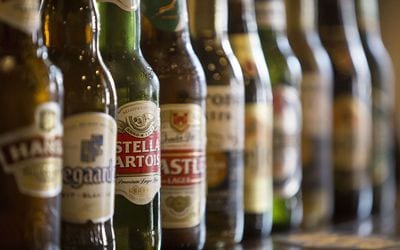
  • Stella Artois launches a new pack and limited-edition design

    Stella Artois launches a new pack and limited-edition design

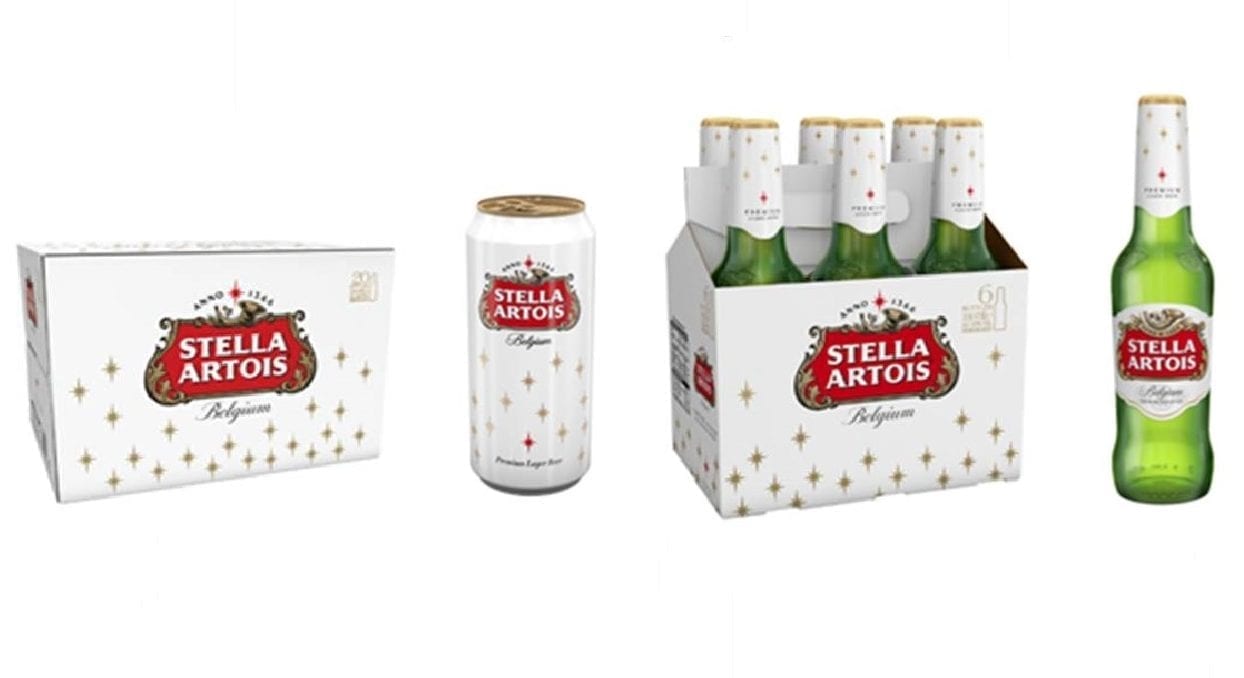
    AB InBev has developed limited-edition packaging for Stella Artois to coincide with the Christmas period.

    The four-pack tote is designed to provide a new unwrapping ritual, with an easy-open tab running around the centre of the pack. The rounded edges and curves create a sleek, premium aesthetic, whilst the eye-catching red handle makes it easier to carry the tote from store to home, or seasonal gatherings.

    The new packaging format will launch in Sainsbury’s and Ocado in time for Christmas, arriving in stores and online on 29 November.

    The Stella Artois brand has a natural association and historic connection to the festive season; in 1926 The Artois Brewery in Belgium first crafted a festive beer as a Christmas gift to the people of Leuven. That special batch was the first to officially include “Stella” in its name. “Stella”, meaning star in Latin, pays homage to this original occasion, accompanied by a star on every bottle.

    Continuing its celebration of the festive period, Stella Artois will launch its limited-edition Christmas design across varying formats*, featuring the gold star across packs. The 750ml Christmas Bottle will also make a return for 2017. Imported from Leuven, the home of Stella Artois, it is perfect for those Christmas sharing moments.

    Matt Leadbeater, senior brand manager, Stella Artois, commented: “Stella Artois is the go-to choice for consumers looking for a quality experience, and the new packaging perfectly represents the premium brand persona.

    “Stella Artois is synonymous with Christmas, with an authentic seasonal story to tell. We hope the unique, limited-edition design will get consumers even more excited for the festive period this winter.”

  • Thumbs up for 7-Eleven Thailand draught beer

    Thumbs up for 7-Eleven Thailand draught beer

    Convenience store chain 7-Eleven Thailand is not breaking the law by offering beer on tap as long as it is poured by cashiers rather than customers, and beer brand names or logos are not visible.

    Debate is raging after 7-Eleven outlets on Bangkok’s Yaowarat Road in Chinatown introduced a draught beer service, but an official says a beer dispenser worked by store staff members is fully within the law.

    Deputy-director Dr Asadang Ruayajin of the Department of Disease Control (DDC), which works under the umbrella of the Public Health Ministry, says an inspection of the stores in question – after receiving a petition to do so – shows the dispensing machines have labels attached to obscure the beer brands’ logos, which complies with the Alcohol Control Act.

    The department has been watching about 10 stores but has not found any transgressions.

    Coconuts Bangkok offers a backstory to the protest, following a video of draft beer being poured from a 7-Eleven automatic machine went viral on the Facebook page Thai Smile.

    Thai netizens got just a little too excited about the new Leo beer-pouring machine,” it reports. But when an official visited the store the beer machine was covered with a big white cloth hiding the beer logo. Also, customers need to pay at the cashier where IDs can be checked.

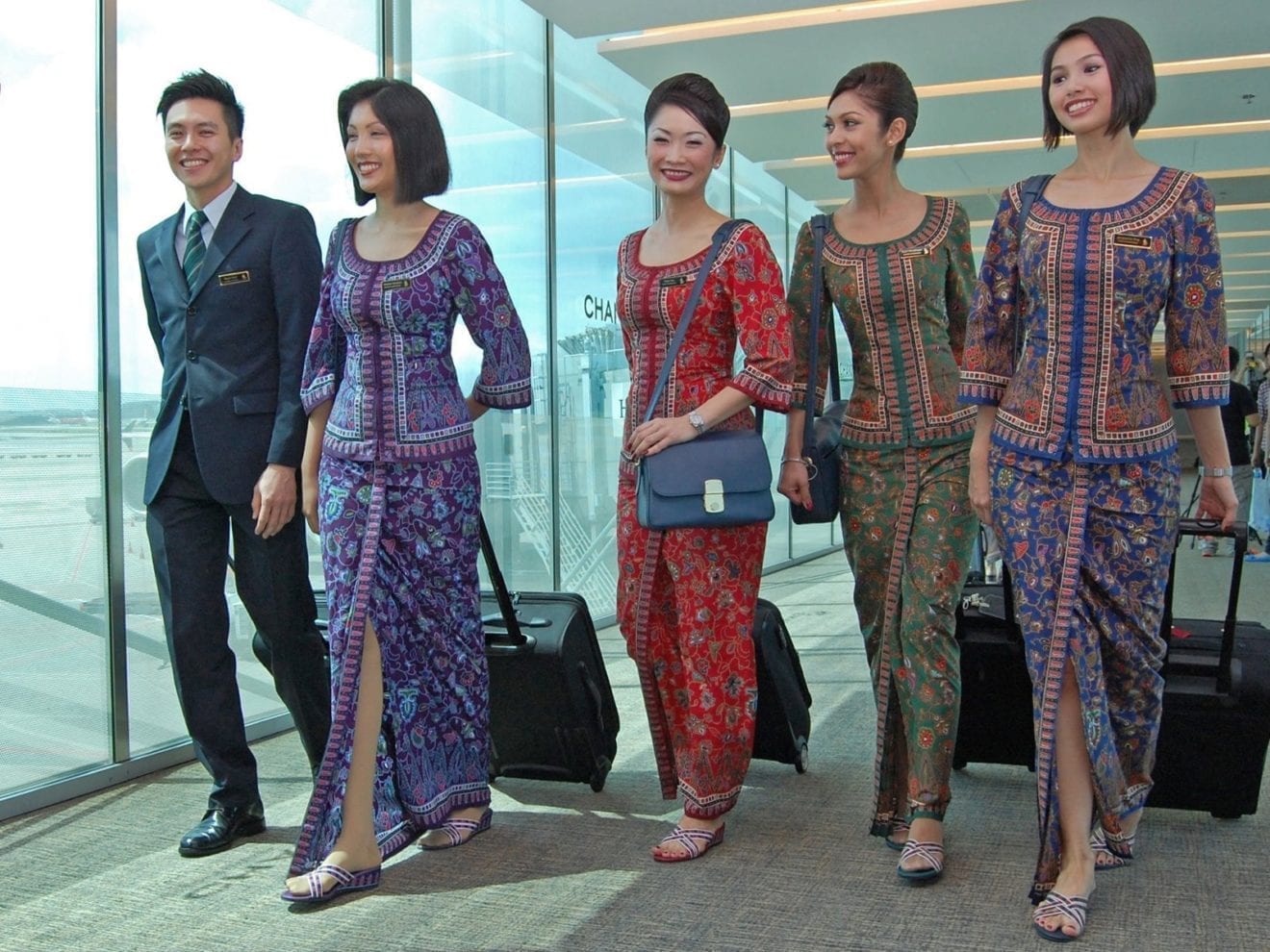
  • Green Beacon Beer Introduced on Singapore Airlines

    Green Beacon Beer Introduced on Singapore Airlines

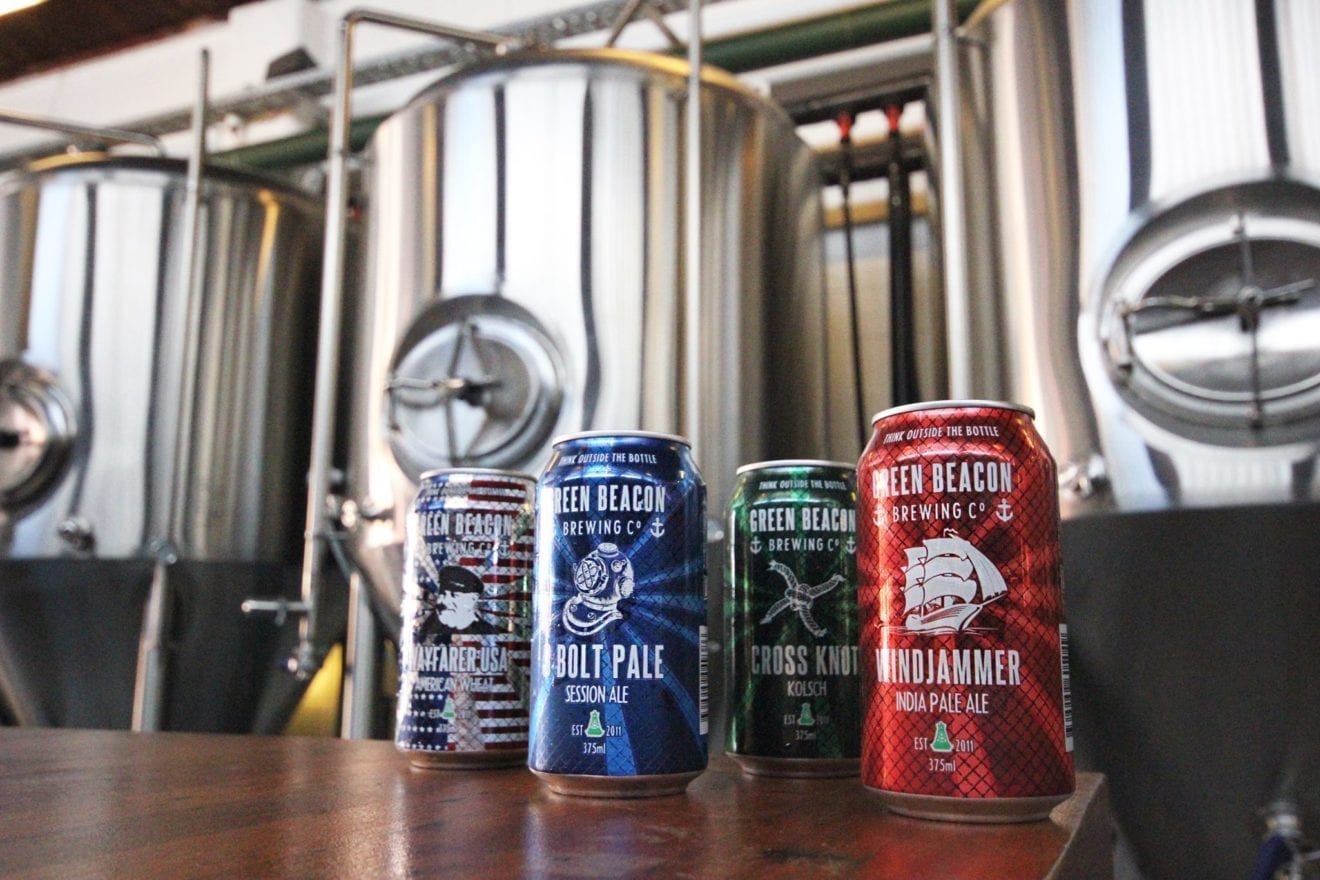
    Singapore Airlines will introduce Green Beacon Brewin beer on all business-class flights between Brisbane and Singapore, beginning October 1. The flights will offer the popular Teneriffe brewpub’s Wayfarer American Wheat Beer ale.

    Since opening in 2013, Green Beacon has extended business interstate, selling its beers in Melbourne, Sydney, Perth and the Northern Territory. Its products can be found in bars, bottle shops and restaurants, but now it’s literally taking off.

    “Singapore Airlines saw that business-class customers wanted a craft beer selection on their flights,” says Clarissa Wiederkehr, Green Beacon’s marketing coordinator. And she reckons it’s a great chance for the local brewery to reach a wider audience.

    The collaboration with Green Beacon is part of a Singapore Airlines initiative to source craft beers from local breweries in every state or capital city for their business-class menu.

    A pale ale from Margaret River’s Crazy Monkey Brewery will feature on Singapore Airlines flights from Perth. Melbourne and Sydney’s beers are expected to be announced soon.

  • Carlsberg eyes at least 51 pct stake in Vietnam’s Habeco

    Carlsberg eyes at least 51 pct stake in Vietnam’s Habeco

    The government wants to fully divest its majority stake in Habeco as also in rival Sabeco.

    Danish brewer Carlsberg is keen on increasing its stake in Habeco, one of Vietnam’s biggest brewers, to at least 51 percent, a local news website reported, citing a Habeco executive.

    Vietnam has one of the world’s most attractive beer markets and the biggest in Southeast Asia, buoyed by a young population that consumed nearly 4 billion liters last year. The government wants to fully divest its majority stake in Habeco as also in rival Sabeco.

    Carlsberg, which already owns around 17 percent in Habeco, has been discussing its priority purchase rights with the Vietnamese government, which has delayed the Habeco sale.

    Sabeco, in which the government owns a 90 percent stake, has also seen interest from foreign players such as Dutch brewer Heineken and Japan’s Kirin.

    Vietnam’s Steering Committee for Enterprise Innovation and Development, which oversees the country’s privatization drive, said last month it aimed to “completely resolve problems in strategic cooperation” with Carlsberg, and inform the prime minister about the results by November 15.

    Habeco is still in talks with the Danish company on the stake sale, state-controlled An Ninh Thu Do newspaper quoted Habeco’s deputy chief Vuong Toan as saying.

    The media report also quoted Toan as saying that foreign companies are not allowed to own more than 49 percent of Habeco due to foreign ownership limits.

    Carlsberg said on Friday it would not comment on “rumours.”

    Last month, the company said it held “several constructive meetings with the Vietnamese government to discuss the privatisation process of Habeco.”

    “We now see good progress in these meetings, and will continue these discussions with the Vietnamese government for the next steps,” Carlsberg Chief Executive Cees ’t Hart said at a conference call after its second-quarter earnings on August 16.

  • Australian brewer eyes Sabeco and Habeco shares

    Australian brewer eyes Sabeco and Habeco shares

    With the aim of expanding operations in Vietnam, Carlton & United Breweries (CUB) has become a new competitor in the race to seize the stakes in Hanoi Beer, Alcohol and Beverages Corporation (Habeco) and Saigon Beer, Alcohol and Beverages Corporation (Sabeco).

    The companies intentions were stated by CUB general director Jan Craps at the meeting of Deputy Prime Minister Vuong Dinh Hue and the delegation of Australian enterprises on July 24, according to newswire Vnexpress.

    According to Jan Craps, CUB plans to expand its operations in the southern province of Binh Duong and is looking to become the strategic investor of both Habeco and Sabeco.

    According to information released by the Ministry of Industry and Trade (MoIT) at its monthly press conference organised on July 14, the sale of state stakes will be carried out this year.

    Bui Truong Thang, deputy director general of MoIT’s Light Industry Department, said Habeco will submit its divestment plan to the ministry this week and Sabeco’s divestment plan will also be submitted before the end of the month.

    At present, Habeco signed with Bao Viet Securities Company (BVSC) and Vietnam Valuation and Finance Consultancy (VVFC), appointing them as the consultancy firms for the state divestment.

    Regarding Sabeco, according to unofficial information, a venture of BVSC, VVFC, and Earnst & Young Vietnam Limited was selected as the consultancy group for the state divestment.

    The state divestment from Sabeco and Habeco has also attracted numerous foreign investors. Notably, in November 2016, Thai Beverage Public Company Limited (Thai Beverage), Japanese Asahi Group Holdings Ltd. and Kirin Holdings Co. released their plans to bid for Sabeco’s shares.

    Several other foreign brewers have been eyeing Sabeco since it was earmarked for equitisation, such as San Miguel, Heineken, and SABMiller. The move is part of these companies’ overseas expansion plans to counterbalance shrinking domestic markets.

    Danish brewer Carlsberg, owning a 17.5 per cent stake in Habeco, also intends to increase its holdings.

    The reason for foreign investors’ interest in Habeco and Sabeco is that Vietnam ranked among the Top-10 beer consumption markets in the world at the end of 2016, with total consumption projected to grow by 10 per cent year-on-year, to reach four billion litres in 2017.

    Established in 1907, CUB is currently the largest beer brewer in Australia, holding 47 per cent of the beer market. Some of Australia’s most famous brands, including Victoria Bitter, Carlton Draught, Crown Lager, Melbourne Bitter, Pure Blonde and Cascade come from the company’s breweries. In 2011, the company joined the SABMiller group, the second largest brewer in the world.

  • The State Of The Aging Craft Beer Industry

    The State Of The Aging Craft Beer Industry

    The craft beer industry may still have some few more good years left in it, but its old has started showing after years of enjoy double-digit growth over the past years. Single-digit growth only happened last year and with it come the concern that the industry is set for a poor performance.

    While several factors played a hand in the slowdown, it is most likely that the craft beer industry from here on will be on a downhill journey.

    The Industry Is Aging Well

    As of 2016, the Brewers Association said the growth of the craft beer industry slowed shy of 6%, which was a seven digit drop from that of 2015 and a twelve digits from that of 2014. Well, nothing good lasts forever; likewise, no business can register a torrid growth forever. But it can be said that the craft beer industry did last longer than expected and its reached full maturity. Now focus is on what the future hold for the industry’s producers.

    From the chart above, it’s clear that the industry as seen the last of its good days and it most likely is a victim of its success.

    Boston Beer may not be the first in the craft beer industry but it rapidly became the face of craft beer product. Its success was the start of many other home brewers making their leap in the big-league. The Samuel Adams brands also contributed to the cultural changes that lead to changing how a beer tasted a transition for the weal amber-color beer that were in mass production done by Miller, Molson Coors, and Anheuser-Busch InBev to the dark and richer-tasting brew.

    Bound To Be Bigger Than Ever

    With more than 5,300 breweries in operation, that is an outstanding number that the country has seen it is history. And of these, 99% are in the craft brewing industry. That is a significant figure, a huge leap from that of less than 2,000 breweries in 2011. Based on that information, the breweries growth stands at around 21% annually. Is the craft beer industry running its last leg?

    Boston Beer attribute to its depleted sales to wholesalers and retailers over the last twelve months to the increased demand for shelf space. The wholesalers and retailers are considered as the bridge between the producers and the consumers.

    The growth of the craft breweries caught the attention of mega-brewers but their sales soon took a similar direction, flat-lining and taking a decline soon after. To answer the poor turn of events, Molson launched Blue Moon and Anheuser-Busch followed suit with Shock Top; nevertheless, the domestic beer sales never improved. So, they began purchasing the smaller players in the industry and Anheuser-Busch bagging much of the competitions. Other big players that made significant investments in the craft brewery industry include Constellation, Heineken, and Molson Brands (NYSE:STZ).

    The decline seen in the brewing of craft beers may be attributed to the turn of events stated above. Nearly 1.2 million barrels have been taken out via the acquisitions must of which was from regionals with much of this coming from micro-breweries and brewpubs. As such, the Brewers Associated noted, based on that data, that the craft is bound to get even smaller. This craft beer industry report has an even more in-depth look into this.

    Continuing To Take Market Share

    According to the trade group, a craft brewery qualifies to be considered as such if it produces around six million barrels annually and with a control or ownership by a mass brewer that is below 25% and mostly uses traditional brewing ingredients and methods. Ballast Point Brewing was a known craft brewer; it was bought by Constellation Brands, an acquisition that saw it pulled out of the group. The same fate befall all the other craft beer makers that were acquired by Anheuser-Busch over the past years.

    The remaining breweries, as of 2016, account for the 1.4 million barrels recorded during the same year which was higher than the volume of barrels taken out and a sign of a better things still to come for the industry. Nevertheless, the many craft brewers still in play contributed to an increased competition for the limited shelf space.

    A Shakeout In The Works?

    The craft beer industry is most likely going to consider some reductions and making alliances over the next years. 97 breweries close in 2016, 29 more than what was seen in 2015 and 51 the year before that. The numbers may seem alarming but the market still has many old players and new ones who keep coming in; thus the increased competition only promises to make it harder for brewers to operate profitably.

    Ultimately, the industry will have to consider a craft beer shakeout which may help keep the breweries that are in the pink operational even as the few local favorites fade off.

  • Vietnam reaching a heady high in the global beer business

    Vietnam reaching a heady high in the global beer business

    Drinkers are foaming at the mouth in ‘the next key battleground for brewers.’ With the Vietnamese thirst for beer seeming to know no limits, brewers are finding it hard to resist tapping into the country’s fertile market.

    Vietnam is forecast to lead Southeast Asia to see volume growth of 2.3 billion liters over 2016-2021, market researcher Euromonitor International said in its July report. Southeast Asia’s volume gains will even surpass those of larger regions, such as North America, Europe, the Middle East and Africa, the report said.

    An expanding Vietnamese middle class and youthful population have helped drive a 300 percent surge in beer demand since 2002, according to Euromonitor, which estimates the market was worth VND147.2 trillion ($6.5 billion) last year.

    It predicts per-capita consumption will reach 40.6 liters this year, making Vietnam the biggest beer consumer in Southeast Asia.

    Vietnam will be “the next key battleground for brewers”, cited Euromonitor as saying in a report Friday.

    Saigon Beer Alcohol Beverage Corp. (Sabeco) and Hanoi Beer Alcohol Beverage Corp. (Habeco), the nation’s two largest beer companies, will submit IPO plans to the government this month, an official from the industry and trade ministry told local media last week.

    “The stake-sales will create an opportunity for international companies to expand geographically, especially those still without a presence in Vietnam,” John Ditty, managing partner of KPMG Vietnam’s deals advisory unit.

    A study jointly conducted by Vietnam’s health ministry and the World Health Organization (WHO) last year showed that 77 percent of Vietnamese men drink liquor and beer, and nearly half of them drink at hazardous levels.

    Nguyen Phuong Nam, an official from the WHO, said nearly 67 percent of the 1,840 traffic accident patients involved in the study had high concentrations of alcohol in their blood, and 45 percent had driven after drinking for two hours or more.

    Vietnamese drank 3.8 billion liters of beer last year. That was an average of 42 liters per person, four liters more than 2015, according to data collected by the trade ministry.

  • Hanoi beer loses in home market despite brief fame from Obama dinner

    Hanoi beer loses in home market despite brief fame from Obama dinner

    Hanoians favor Hanoi beer, Sai Gon beer and Heineken. There are no official statistics about the consumption of beer products, but analysts are sure the three brands dominate the Hanoi market.

    Hanoi Beer Alcohol and Beverage Corp (Habeco) has the Hanoi Beer brand and is located in Hanoi.

    Analysts said that the images of Obama drinking Hanoi beer, which appeared in all local newspapers and international mass media, would help Habeco prosper.

    But Hanoi Beer has lost a large part of the market to its rivals.

    After Obama had dinner at Huong Lien bun cha Shop and drank Bia Ha Noi on May 23, the first day of his visit to Vietnam, both brands appeared many times on mass media. Bia Ha Noi was even mentioned in Obama’s speech the next morning.

    However, while Huong Lien bun cha Shop’s business has been thriving since then, Bia Ha Noi is less lucky.

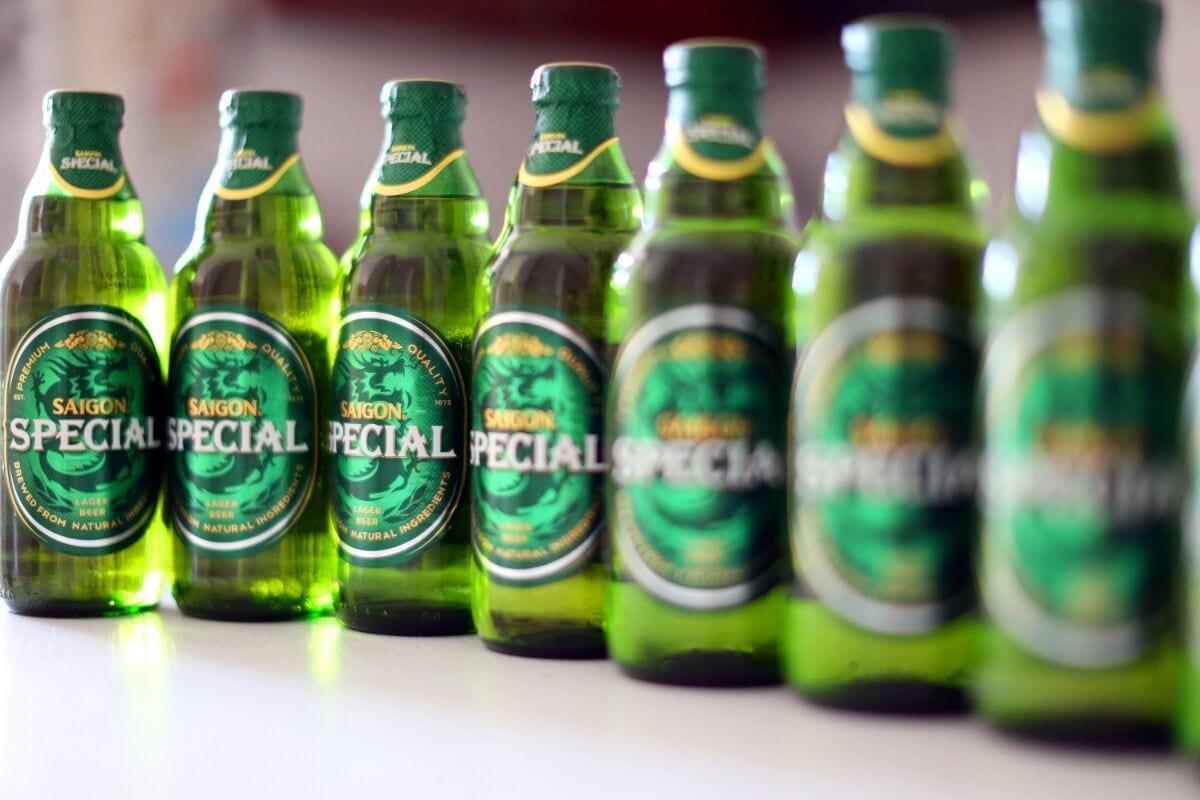
    Many grocery stores and street shops in Hanoi say that youth now prefer Saigon Special of Sabeco, a brewery headquartered in HCMC. The main customers of Hanoi Beer are aged 50 and more.

    “Hanoi beer now is just for older people,” said Do Hoang Yen, the owner of a grocery store on Khuong Trung street.

    The owner of H.B Shop on Truong Dinh street said five to six years ago, Hanoi beer once dominated the Hanoi market and there was no rival in the bottled beer market.

    “The sales of Sabeco’s products are far higher than Habeco’s,” he said. “We can sell only one Habeco product for every two Sabeco products sold.”

    At large supermarkets, people have begun buying beer in large quantities as the summer has come in Hanoi. And Sabeco’s products are favored.

    Xuan Truong, from Bac Tu Liem district, said he prefers Saigon Beer because it is tastier with a strong flavor, while Hanoi Beer tastes flat.

    However, a branding expert said that tastes are always different. He believes that the problem lies in the marketing strategy.

    While Sabeco offers a wide range of products with different price levels, targeting different groups of customers, Hanoi Beer has stayed the same for many years and cannot attract young people.

  • Singapore Airlines teams up with New Zealand craft brewer Garage Project

    Singapore Airlines teams up with New Zealand craft brewer Garage Project

    Singapore Airlines has teamed up with Wellington craft brewer Garage Project to put its beer on all flights to and from New Zealand.

    The airline says that in response to growing demand for craft beer in the air, it will serve Hapi Daze throughout its planes from tomorrow.

    Singapore operates 18 weekly services from New Zealand and the Pacific Pale Ale will be available to up to 400,000 passengers a year.

    The airline’s general manager New Zealand, Simon Turcotte, said the brew showcased New Zealand ingredients, and had broad appeal as a ”great ambassador” for New Zealand craft beer.

    ”In the past we’ve always had a strong emphasis on the quality of our wine programme and that will remain but there’s a growing demand for craft beer.”

    There was demand from traditional markets such as New Zealand, Australia, the United States and Britain but growing interest from new markets in Asia.

    Garage Project is a leading independent, Wellington-based brewery that was started six years ago in an old car garage in Wellington’s Aro Valley.

    Turcotte said his airline always tried to partner with local suppliers wherever it flew.

    He said he was partial to the brew himself but the airline’s beverage experts in Singapore made the final call on the beer which sells for $3.50 a can through the Garage Project’s website.

  • Lotte Liquor launches Fitz, a lighter beer for summer

    Lotte Liquor launches Fitz, a lighter beer for summer

    Lotte Liquor will launch its second beer brand Fitz Super Clear on June 1, the company said. Fitz Super Clear is a lager containing a relatively low 4.5 percent alcohol content. The company said Fitz is designed to serve as a light but refreshing alcoholic drink for the summer.

    “Fitz was developed with a focus to resolve a reputation that Korean beer is tasteless and bland,” the company said. “We tried to eliminate the unnecessary taste that is generated when the temperature and ingredients aren’t kept stable during the brewing process.”

    The beer uses the same “original gravity” method as Kloud products, which don’t add water in the brewing process. It also used the self-developed Super Yeast and enhanced the fermentation rate to 90 percent for a cleaner taste.

    The company launched Kloud in 2014. Kloud has 5 percent alcohol content and has a flavour similar to imported beers from European countries. It’s sometimes criticised for not being suitable for Korea’s somaek drinking culture, which mixes soju with beer.

    Fitz’s target customers are in their 20s and 30s. Kloud is for those who enjoy drinking alcohol while Fitz is for general gatherings because it is lighter and contains less alcohol content.

    Lotte Liquor invested 700 billion won (US$622.6 million) for a second beer manufacturing plant, which is scheduled to open in July. Once it opens, it will be able to produce up to 200,000 kiloliters (55.8 million gallons) of Fitz per year.

    The company aims to generate 90 billion won in sales for Kloud and 70 billion won for Fitz this year.

    The beer costs 1,147 won for a 500-millileter bottle.

  • Habeco targets 9 per cent increase in revenue

    Habeco targets 9 per cent increase in revenue

    Hà Nội Beer Alcohol and Beverage Joint Stock Corporation (Habeco) targets total revenue of over VNĐ8.8 trillion (US$390 million) in 2017, up 9.1 per cent year-on-year.

    The brewer plans to earn pre-tax profit of VNĐ1 trillion this year, up slightly from 2016, and dividends are projected at 20 per cent.

    The company’s revenue in 2016 grew by 8 per cent to reach VNĐ8.1 trillion. Pre-tax profit reached VNĐ997.3 billion, up 0.6 per cent year-on-year.

    With this result, the dividend rate was adjusted upwards to 18 per cent, equivalent to VNĐ417 billion. The company paid 10 per cent dividend in 2015.

    The Ministry of Industry and Trade (MOIT), Habeco’s biggest stakeholder with 81.79 per cent capital, is expected to collect VNĐ341 billion.

    At its 2017 annual general meeting of shareholders held last week, two members of the board of directors were dismissed, including Nguyễn Thị Nga representing the Ministry of Industry and Trade and Tayfun Uner, CEO of Carlsberg Việt Nam, which currently holds a 17.08 percent stake of Habeco.

    Đỗ Xuân Hạ was appointed to replace Nguyễn Thị Nga from May 11 until the Ministry of Industry and Trade has made a decision on personnel.

    Habeco only elected one new member to the board, namely Soren Ravn, Business Development Manager of the Carlsberg Group. With this change, Habeco temporarily has just four board members.

    Headquartered in Hà Nội, Habeco is the largest beer producer in the North and the third-largest beer company in Việt Nam, with popular brands such as Hà Nội Beer and Trúc Bạch Beer. It owns 17 subsidiaries and nine affiliated companies.

  • Vietnam’s top brewer Sabeco tops up profit goal for 2017

    Vietnam’s top brewer Sabeco tops up profit goal for 2017

    The company expects its annual sales to rise 3 percent against last year. Vietnam’s biggest brewer Sabeco is aiming to push sales to more than 1.7 billion liters this year, an increase of 3 percent against 2016, in a bid to raise its annual revenue by 9 percent to VND34.5 trillion ($1.52 billion) and net profit by 1 percent to VND4.7 trillion ($207 million).

    The state-owned company also plans to raise its dividend payments from 30 percent to 35 percent, as agreed by its board of director.

    Those targets will be put on the table at a shareholder meeting on April 18.

    Company bosses said that price cuts on ingredients, a preferential tax policy on malt and stable market growth in rural areas, where Sabeco is the most competitive, are the reasons for the more positive targets.

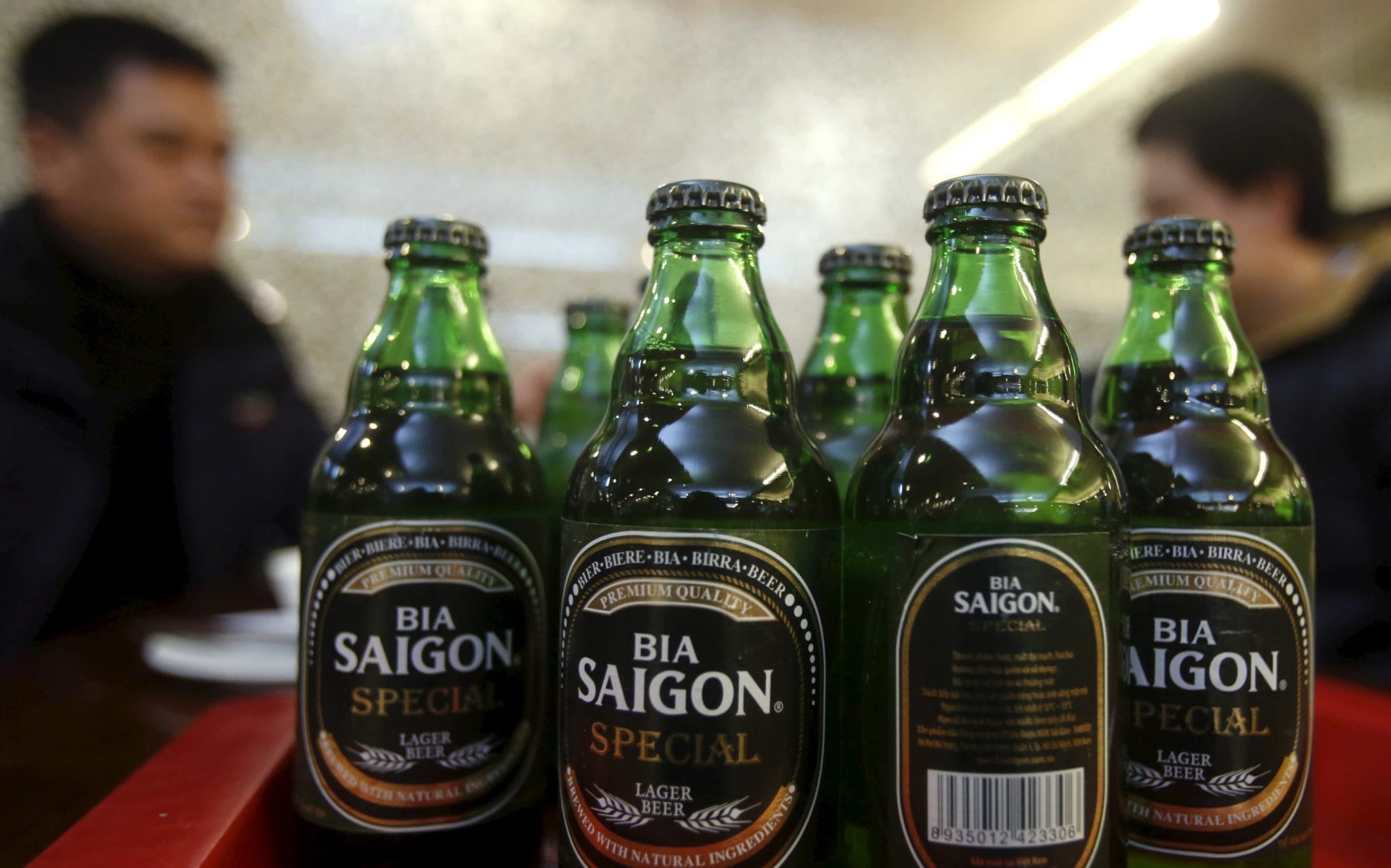
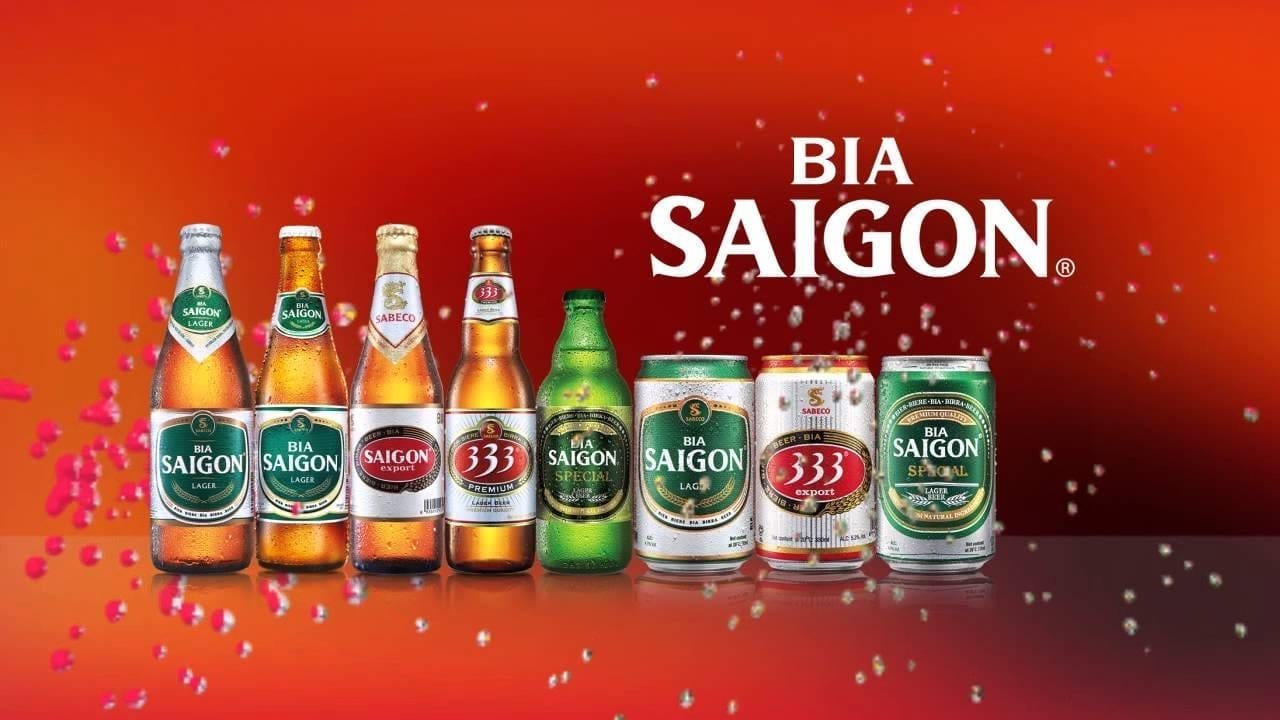
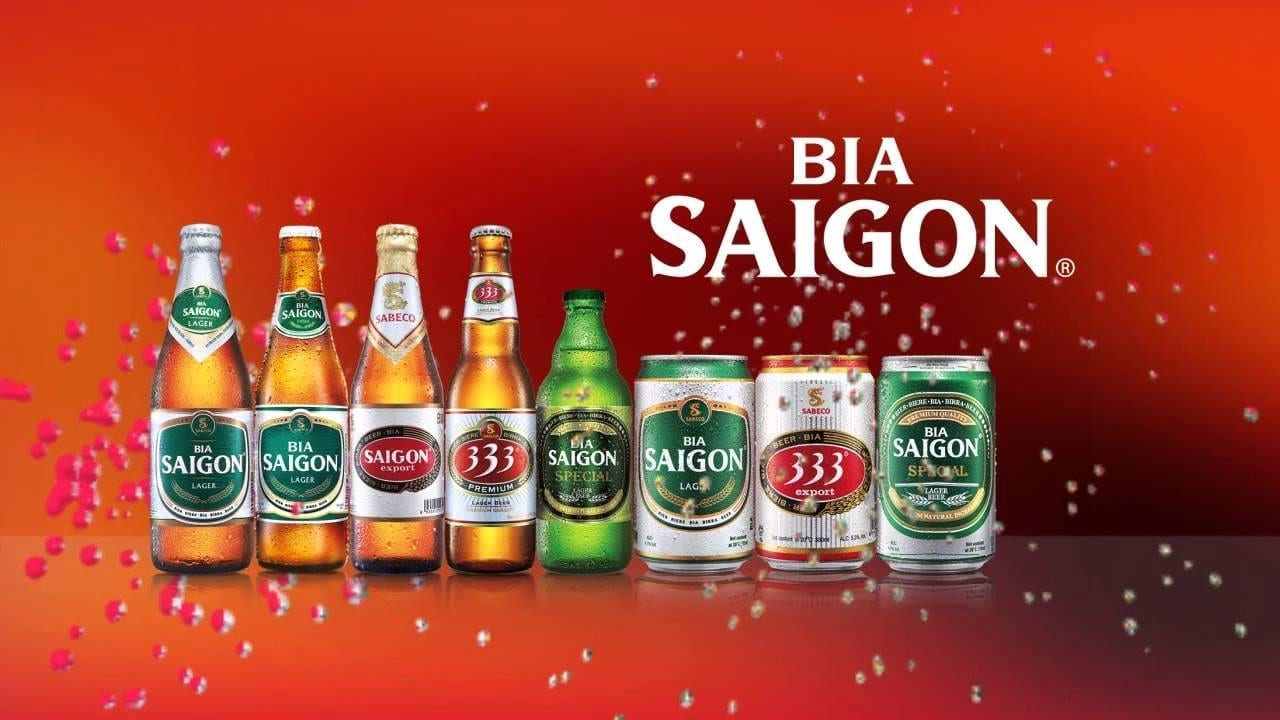
    Sabeco, known for the Bia Saigon and 333 brands, is also preparing for fiercer competition on the domestic market following Belgium’s Anheuser-Busch InBev entry into the Vietnamese market.

    With the special consumption tax on beer and wine raised from 55 percent to 60 percent on January 1 this year, and set to climb to 65 percent in 2018, as well as a labeling regulation that’s still under discussion, Sabeco is concerned that the at production cost for each beer bottle will be rise by VND200.

    In its financial statement released last month, the brewer reported VND30.66 trillion in revenue last year, up 13 percent from 2015, and a profit of VND4.6 trillion ($205 million), a 33 percent jump.

    According to the Ho Chi Minh City Securities Corporation, Sabeco’s beer sales made up 43.3 percent of the domestic market share last year, a slight decrease compared to 43.9 percent of 2015. It predicted that the figure will edge up to 43.5 percent this year.

    The trade ministry announced in August last year that it planned to sell its entire stake in Sabeco, according to a government report.

    Under the plan, the ministry would have offered a 53.59 percent stake worth VND24.5 trillion ($1 billion) in 2016 before Sabeco made its market debut, and the remaining 36 percent stake worth VND16 trillion ($705 million) in 2017 after the listing.

    However, due to delays, the trade ministry failed to sell its first Sabeco shares as planned.

    Deputy Trade Minister Do Thang Hai told local media on Monday that over 641 million shares in Sabeco had been listed on HOSE on December 6 last year at a starting price of VND110,000 ($4.85) per share. As of April 3, prices stood at VND200,400 ($8.8) per share.

    Beer consumption in Vietnam rose 12 percent year-on-year to reach 3.8 billion liters in 2016, according to the trade ministry.

    Vietnam is Asia’s third largest beer consumer by volume after China and Japan.

    Industry experts expect annual growth of 4 to 5 percent over the next five years. The country’s annual beer output is forecast to hit 4.1 billion liters by 2020, according to government projections.a

  • Muslim Indonesia Joins Global Craft Beer Revolution

    Muslim Indonesia Joins Global Craft Beer Revolution

    Defying an escalating anti-alcohol movement and conservative bureaucrats in the world’s most populous Muslim-majority country, Indonesia’s only craft brewer is tapping into demand for better quality booze among the country’s small number of drinkers.

    Despite the fact about 90% of Indonesia’s population is Muslim, and in theory banned from drinking, most practise a moderate form of Islam and alcohol is available in cities and holiday destinations, with local brewers producing mostly Pilsner lagers.

    Unimpressed by the generic, mass-produced drinks on offer, local businessman Bona Budhisurya and his brother-in-law Jacob Suryanata decided to come up with an alternative, and in 2011 introduced Stark craft beer with a wheat and dark wheat variety.

    “We had been abroad and drank a lot of good quality beer,” said Budhisurya, a member of Indonesia’s Christian and ethnic Chinese minorities, adding that on his return to Indonesia he found that “there was no quality beer here”.

    By producing such brews – generally defined as beverages created in small, independent breweries – they have made Indonesia an unlikely new addition to the global craft beer revolution.

    The trend has seen micro-breweries spring up worldwide as consumers sick of flat, flavourless ales and gassy lagers seek out something with more character. Major beer-consuming countries – such as Britain and the United States – have seen explosive growth in the sector.

    Since its launch, Stark has expanded to include six varieties, including lychee- and mango-flavoured beers and an Indonesian Pale Ale, a less bitter alternative to Indian Pale Ale. But setting up a brewery is a risky move nowadays in Indonesia.

    Although most Indonesians are moderate Muslims and alcohol has long been available, growing opposition from politicians pushing a more conservative brand of Islam has created an uncertain climate.

    The government banned beer sales in the country’s ubiquitous minimarts in 2015, leading to sharp profit falls for major brewers, and Muslim political parties have proposed legislation to prohibit booze consumption entirely, although it seems unlikely this will pass.

    Trouble brewing

    It is hard to get permission to brew alcohol and only a handful of companies – such as Multi Bintang which produces popular local lager Bintang, and is majority-controlled by Dutch brewer Heineken – possess licences that they have had for decades.

    Budhisurya – who studied in the US for several years – eventually managed to obtain a licence in Hindu-majority Bali, a popular holiday island where drinking is more common, and Stark set up its brewery near the town of Singaraja.

    The site has a staff of about 50, including a head brewer hired from Australian beer maker Little Creatures. The company says brewing in Bali gives them an edge as they have easy access to clean water, unlike some other brewers whose operations are near Jakarta where water is often polluted and must undergo a long filtering process.

    “We have a principle – if the water is not good, we can’t make the beer,” told Albert Kurniawan, operations manager at Stark’s brewery,  from the red-brick building.

    Budhisurya said that the biggest challenge has been dealing with the official Food and Drug Monitoring Agency, which must approve alcoholic beverages before their release. He said the official time to get approval from the agency, which is staffed by conservative bureaucrats, is about four months, but in reality it takes six months to a year.

    Still, Stark has persevered and carved out a small niche by mainly selling to bars and some supermarkets favoured by a growing number of Indonesian consumers. Stark says its beers offer a quality alternative to pricey imported ales. It is so far proving a modest success, with about 3,000 to 5,000, 24-bottle cases sold every month, mostly in Jakarta and Bali.

    Due to religious considerations and high taxes that push up prices, relatively few Indonesians drink – alcohol consumption in 2015 was an average of just 1.4 litres per person, according to BMI Research. But the market is still potentially huge in a country of 255 million people, and Stark sees a bright future.

    “It does not matter whether it is local or imported – we are a craft beer, which means quality,” Budhisurya said.