Retail News CRM

Tag: beer

  • 7-Eleven Singapore launches beachfront store with Tiger Beer

    7-Eleven Singapore launches beachfront store with Tiger Beer

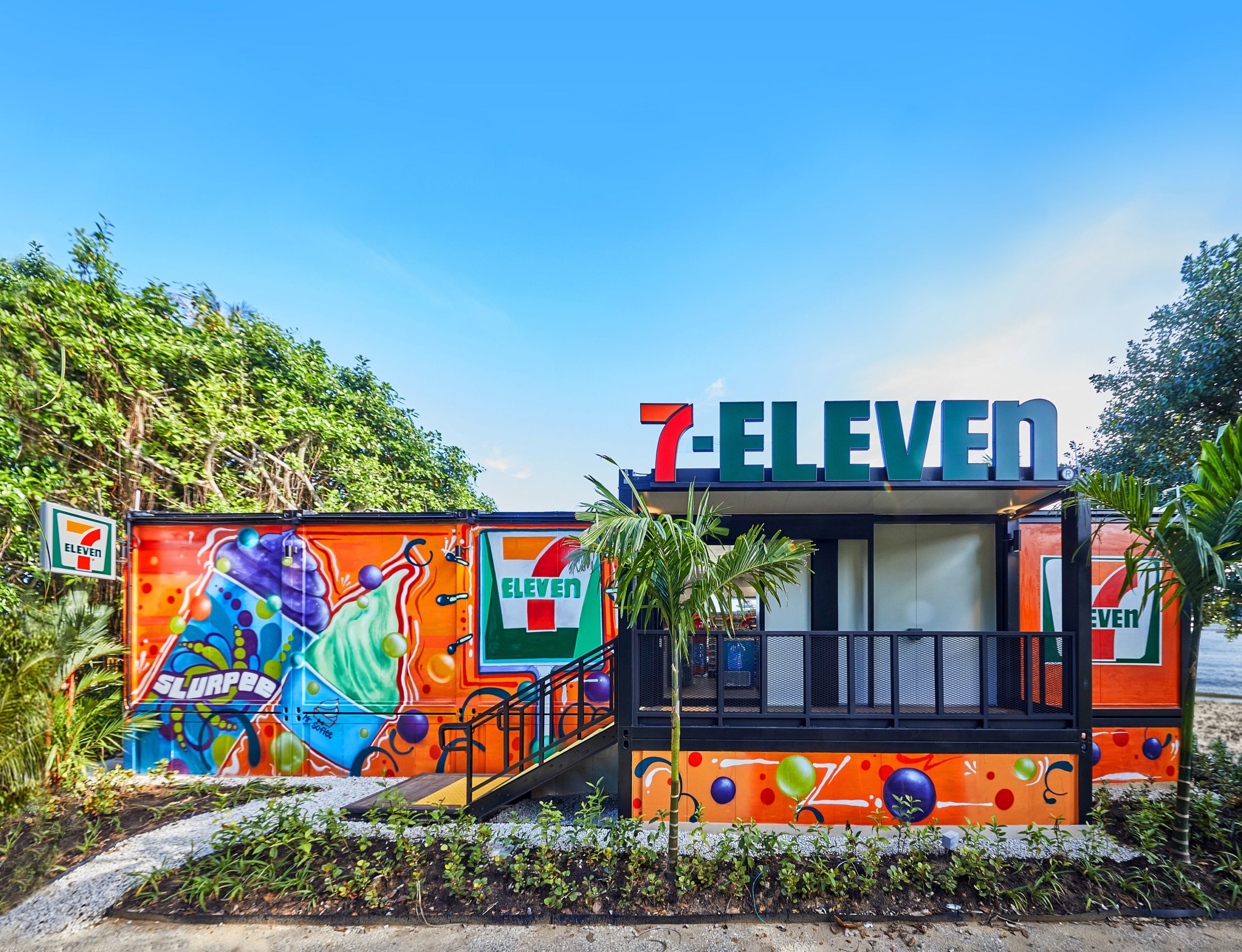
    Singapore’s favourite convenience store, 7-Eleven, and the country’s favourite, Tiger Beer, have joined forces to unveil the very first beachfront convenience store right on the sands of Palawan Beach Walk, Sentosa! On 25th and 26th June, the first-of-its-kind store will kick off opening celebrations with a variety of promotions and special treats for families enjoying the last weekend of the school holidays and for young adults and tourists who have made hanging out on the beaches of Sentosa their highlight of the week.

    Perched right on the sands of the popular Palawan beach, this instagrammable 7-Eleven store can be spotted from afar with its vibrant murals and unique graffiti artwork on its facade. This exciting store offers ice-cold Tiger beer on reverse tap, exclusive Nitro Tea and icy Arctic Coke to help beat the heat, of course, along with 7-Eleven’s all-time favourites – Slurpee, Mr. Softee and 7CAFÉ. Guests can enjoy their refreshing drinks, hot snacks and even ready-to-eat meals at the special 7-Eleven x Tiger Beer chillout area on the sands or at their favourite beach spot.

    Ice-cold Tiger Beer Quick and Easy

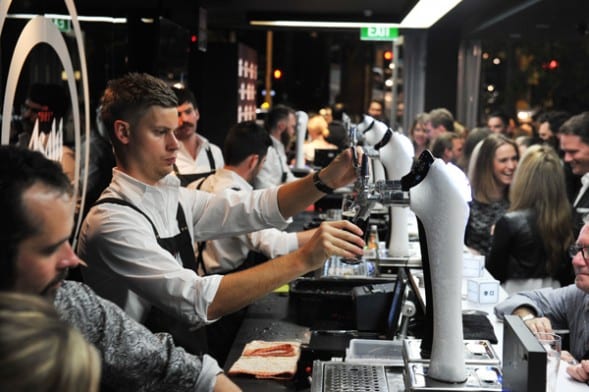
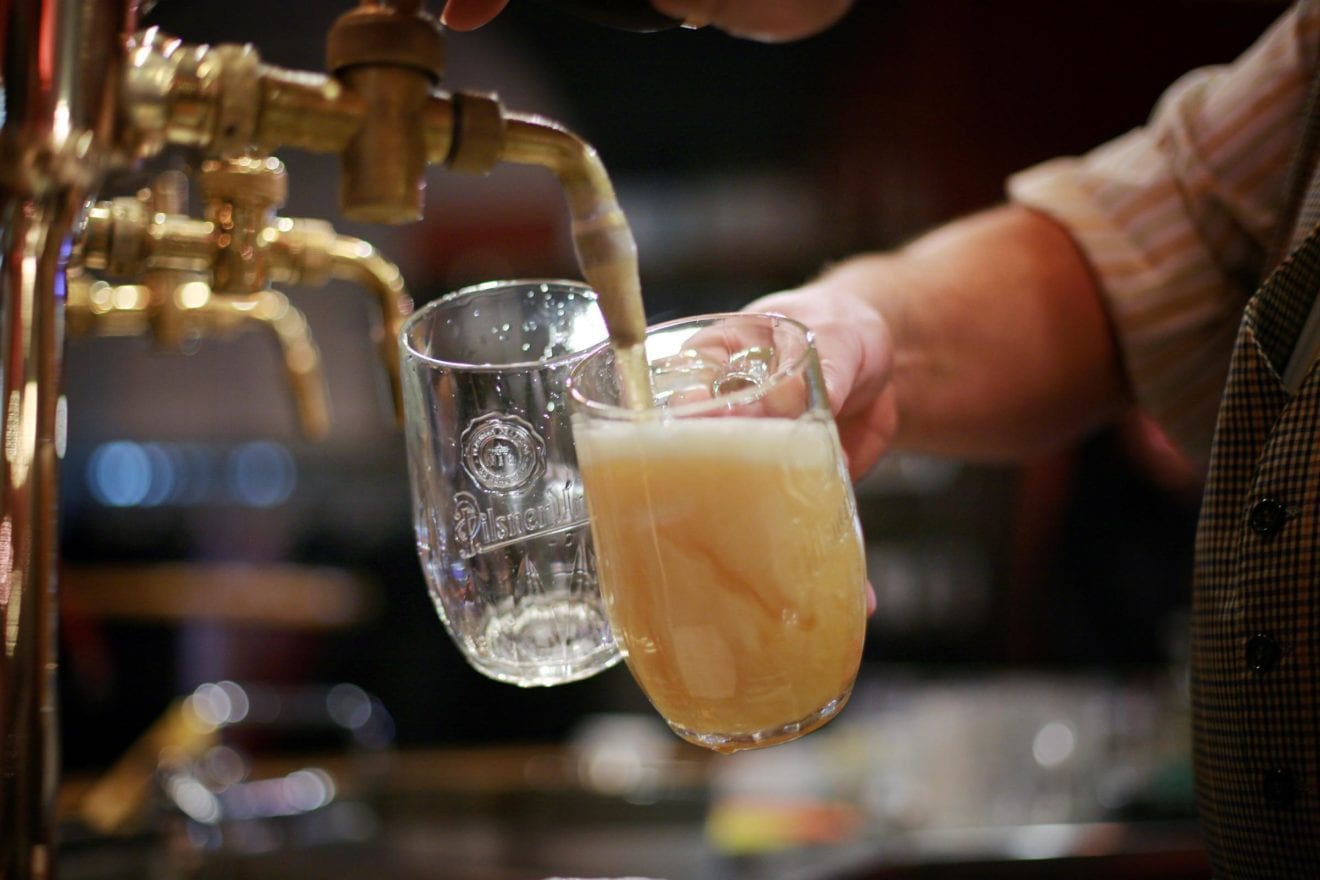
    To help people get their drinks fast, 7-Eleven and Tiger Beer will be bringing a special reverse tap bar, which will automatically dispense the right pour of beer in each cup consistently – without needing a bartender. The reverse tap dispenser is fast, convenient and easy, giving you more time to spend soaking up the sun.

    Stay cool in the heat with outlet-exclusive Nitro Tea and brain-freezing Coke slushies

    7-Eleven’s Sentosa Palawan Beach store will also be introducing the new and exclusive Nitro Tea. Choose between a refreshing black tea or a variety of caffeine-free fruit teas to give your taste buds a high-five. Either way, you will experience a rich, dairy-free creamy foam, refreshing and longer-lasting flavour, and sweetness without the added calories – thanks to the nitrogen infusion that gives beverages a sweet taste without added sweeteners.

    7-Eleven will also be bringing the unique Arctic Coke machine to Palawan Beach! Simply choose your bottle of Coca-Cola, put it into the machine and press a button – in no time, you will have an icy cold Coke slushie to give you a brain freeze that will refresh your mind for the week ahead.

    Carefree snacking with grab-and-go hot bites and Ready-to-Eat meals by the beach

    Beachgoers who feel peckish after sun and surf will also be able to get delicious warm pastries and finger food from the hot food counter. Savoury hot food items include fried chicken selections from super crispy chicken to savoury chicken drumsticks and wings, while those who long for buttery pastries can expect offerings such as Butter Croissant, Cocoa Hazelnut Croissant, Pain Au Raisin, Tomato Cheese Tart, Mini doughnuts, Pure Butter Madeleine and Citrus Madeleine. Ready-to-Eat meals will also be available for those who need more filling up, an affordable alternative to the pricier options in the area.

    Mark your calendars and celebrate the opening with us on 25 and 26 June!

    Savour the last weekend of the June school holidays with an unforgettable carnival-inspired blast on the beach with family and friends at the 7-Eleven’s Sentosa Palawan Beach store on 25 and 26 June 2022 from 10am onwards.

    Customers can enjoy free popcorn, 7-Eleven balloons, face painting activities, Häagen-Dazs or Walls ice cream (first 200 customers, with any purchase), Mr. Softee (100 cups a day), chances to walk away with exciting Spin and Win rewards (with a minimum spend of $7, list of prizes in table below*), and last but not least, live music performed by local singer-busker Jeff Ng, who recently made headlines for his popular weekly busking at The Cathay!

    Customers can also look forward to the following deals:

    Promotion Promotional period Details
    Spin and Win prizes* (with a minimum spend of $7) 25 and 26 June 2022 ● Sentosa premium merchandise such as luggage tags and tote bags

    ● $5 Dairy Farm vouchers

    ● $10 Dairy Farm vouchers

    ● Jinro Hite Tonic Water 250ml FOC

    ● Vaseline HB SPF 24 Sun + Pol E 100ml

    ● Asian Delight Sea Coconut

    ● Lays Max BBQ potato chips 73g

    ● Authentic Tea House Ceylon Tea 500ml

    ● Seaweed Wasabi Cashew Mix Macadamia 35g

    Slurpee and Nitro Tea 25 June – 3 July 2022 ● Slurpee Large 16oz at promo price $1.50 (normal RSP $1.80) 25 and 26 June

    ● Nitro Tea BOGO – applicable for both flavours

    Tiger Beer 25 June – 22 July 2022 ● Buy 5 reverse tap cups of beer at a go and get 1 free Tiger Crystal 49cl can

    ● While stocks last

    Tiger Beer gift with purchase 23 July – 19 August 2022 ● Buy 3 reverse tap cups of beer and get 1 free Elegante glass*

    ● Buy 6 reverse tap cups of beer and get 1 free Elegante glass and 1 slipper-shaped floatie* [1m (W) x 1.5m (H)]

    *Limited quantity of 200 each

    More promotions and updates can also be found on the official 7-Eleven Singapore Facebook and 7-Eleven Singapore Instagram pages.

    “7-Eleven is reimagining convenience at the beach with our first beachfront store at Sentosa, in collaboration with Singapore’s iconic brand Tiger Beer. From the Arctic Coke machine to the exclusive Nitro Tea, and Reverse Tap beer and the Tiger Beer chill out zone, our new store offers a lot of exciting things for beach loving families, young adults and tourists, and we look forward to welcoming them! We hope that customers will be able to enjoy our new concept store with its unique design and special murals,” said Mr. Steven Lye, Managing Director of 7-Eleven Singapore.

    “This is a great collaboration with 7-Eleven where we pushed the boundaries and found innovative ways to uncage the ultimate refreshment for our consumers. Tiger has a special bond with beer-lovers, and we believe that the beachfront store at Sentosa Palawan Beach would energise the experience by bringing consumers the smoothest beer and greatest vibes,” said Yogender Sharma, Marketing Manager of Asia Pacific Breweries Singapore.

    “We are delighted to be home to Singapore’s first-ever 7-Eleven store by the beach. This new store concept is an example of the novel and imaginative experience that we are curating for our guests on our beach. Apart from providing the convenience of getting beach essentials, the store is also a unique beachfront bistro where guests can pick up a quick and affordable meal. We welcome this partnership with 7-Eleven in enhancing our guests’ experience as they enjoy their day on Sentosa, ” said Mr Chew Tiong Heng, Divisional Director (Business and Experience Development), Sentosa Development Corporation.
  • Japan brewer Kirin to exit Myanmar

    Japan brewer Kirin to exit Myanmar

    Japanese drinks giant Kirin said Monday (Feb 14) it will withdraw from Myanmar, after a failed bid to disentangle its operations from a joint venture with a junta-owned company after last year’s coup.

    The brewery is the latest foreign company to pull out of Myanmar with international pressure building against the junta since it ousted civilian leader Aung San Suu Kyi and waged a widespread crackdown on dissent.

    Kirin said its decision comes after months of wrangling following the coup last February, which prompted the company to express concerns about human rights and eventually seek to end its joint venture Myanmar Brewery Limited.

    Kirin has decided “to withdraw from the business in Myanmar in order to urgently terminate its joint venture partnership” with military-linked MEHPCL, the company said in a statement.

    Myanmar Brewery, whose beverages include its flagship and ubiquitous Myanmar Beer brand, boasted a market share of nearly 80 per cent, according to figures published by Kirin in 2018.

    Kirin’s attempts to terminate the partnership with MEHPCL were unsuccessful, and the Japanese drinks maker said in November that it would contest a bid to dissolve their joint brewery over fears liquidation proceedings would not be fair.

    On Monday, Kirin said it had taken “every measure to find a way forward that would allow it to continue to contribute to Myanmar’s economy and society”.

    That included filing for arbitration in Singapore in a bid to end the joint venture and proceed without the military-linked partner.

    “In the end, Kirin Holdings determined that it would be difficult to quickly terminate the joint venture in the manner it desires,” the company added in a statement.

    “Therefore, Kirin Holdings has now commenced and is proceeding with discussions with MEHPCL in order to withdraw from the business in Myanmar, giving top priority to the termination of the joint venture as soon as possible.” A junta spokesperson did not immediately respond to a request for comment.

    With the economy tanking and pressure mounting from rights groups, companies from France’s TotalEnergies to British American Tobacco and Norway’s Telenor have upped sticks or announced they will leave.

    After the coup and arrest of Myanmar’s democratic leaders, Kirin said it was “deeply concerned” by the military’s actions.

    The brewery had been under pressure even before the coup over its ties to Myanmar’s military, and launched an investigation after pressure from rights groups into whether money from its joint venture had funded rights abuses.

    In a statement, Justice For Myanmar spokesperson Yadanar Maung welcomed Kirin’s decision to withdraw from the country, praising the firm for “listening to the voice of Myanmar people and Myanmar, Japanese and global civil society”.

    “Kirin should never have entered into business with a brutal and corrupt military conglomerate,” she added, accusing the brewery of having “financed atrocity crimes and enriched top generals.”

    The activist group urged other Japanese firms doing business with the military to cut ties, and called on Kirin to avoid payments to MEHPCL or the military during the withdrawal process.

    Investors piled into Myanmar after the military relaxed its iron grip in 2011, paving the way for democratic reforms and economic liberalisation in the country of more than 50 million people.

    They poured money into telecommunications, infrastructure, manufacturing and construction projects, but the coup upended the democratic interlude and damaged the economy.

    The pandemic and supply chain disruptions have also hit the country, with Kirin saying in its earnings report released Monday that Myanmar’s beer market has shrunk by about 20 per cent.

    It said Myanmar Brewery’s sales volumes had decreased by around 30 per cent compared to the same period last year.

  • Sacrebleu! French brewers use algae to make blue beer

    Sacrebleu! French brewers use algae to make blue beer

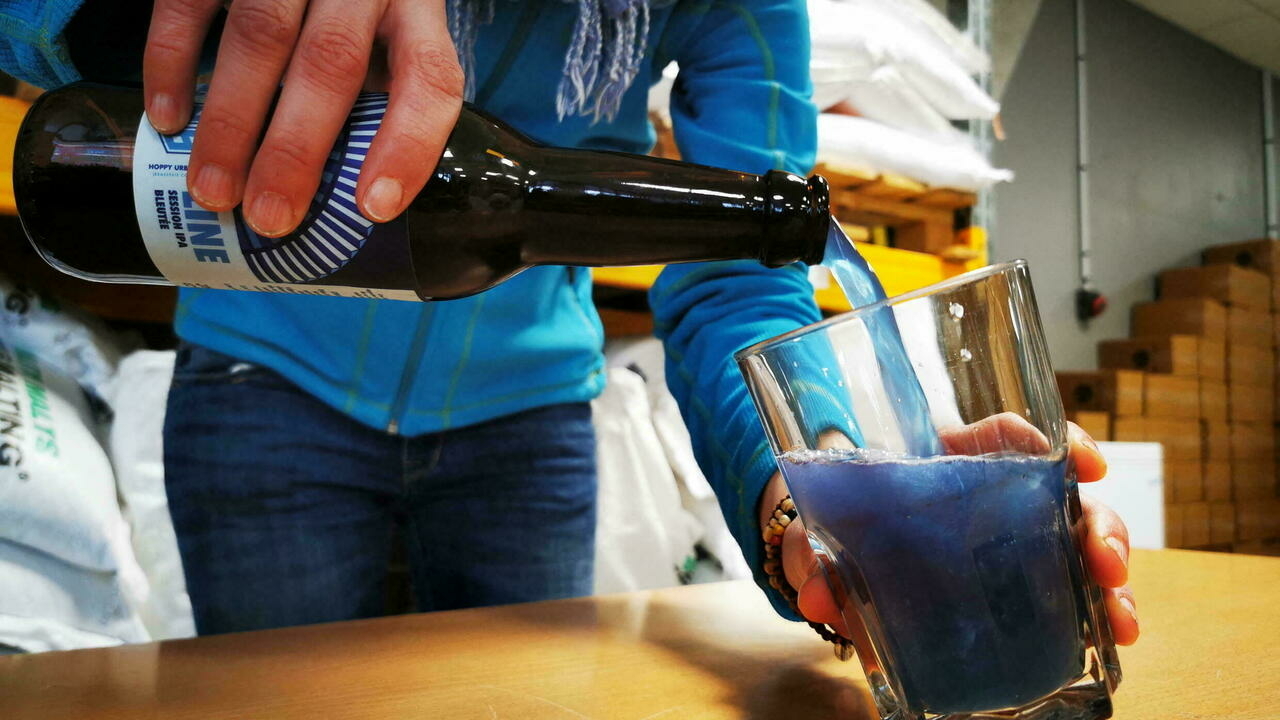
    A French brewer has started using algae with a naturally-occurring pigment to turn their beer blue.

    The beer, with the brand name “Line”, is the result of a tie-up between a firm that wants to popularise the algae as a dietary supplement, and a nearby craft brewery that was looking for a way to make its beverages more distinctive.

    The beer is selling well, said Sebastien Verbeke, an employee of Hoppy Urban Brew, which makes the drink. “It’s getting an enormous amount of interest and curiosity on the part of the public,” he said.

    The blue tint comes from spirulina, an algae that is grown in basins by a company called Etika Spirulina in northern France. The component of the spirulina that gives the blue colour, called phycocyanin, is then added to the beer during the brewing process.

    Tasting a freshly produced bottle of the beer, brewery employee Mathilde Vanmansart described it as hoppy, light, and with fruity notes, while the only evidence of the added algae was the distinctive color.

    Xavier Delannoy, whose farm provides the spirulina, said after several test batches, the brewery had found a blend that appealed to customers.

    He said 1,500 bottles of the blue beer were sold between October and December last year, and the brewery is now preparing to ramp up production to meet demand.

  • Brewer Sabeco profits fall to lowest level since Thai acquisition

    Brewer Sabeco profits fall to lowest level since Thai acquisition

    Vietnam’s largest brewer Sabeco said after-tax profit fell by over VND1 trillion (US$443 million) last year to VND3.93 trillion, the lowest since it was acquired by a Thai billionaire.
    Its revenues were VND26.37 trillion, a decline of 6 percent. Thaibev owned by Charoen Sirivadhanabhakdi acquired the company in late 2017.

    The firm blamed the Covid-19 outbreaks and subsequent restrictions in many provinces and cities across the country for the decline in performance.

    The firm has undistributed profits of over VND13.66 trillion.

    Vietnamese consumed 1.3 liters of beer per capita in 2020, according to the General Statistics Office. The country has a population of over 98.5 million.

  • Corona introduces its first non-alcoholic beer, infused with Vitamin D

    Corona introduces its first non-alcoholic beer, infused with Vitamin D

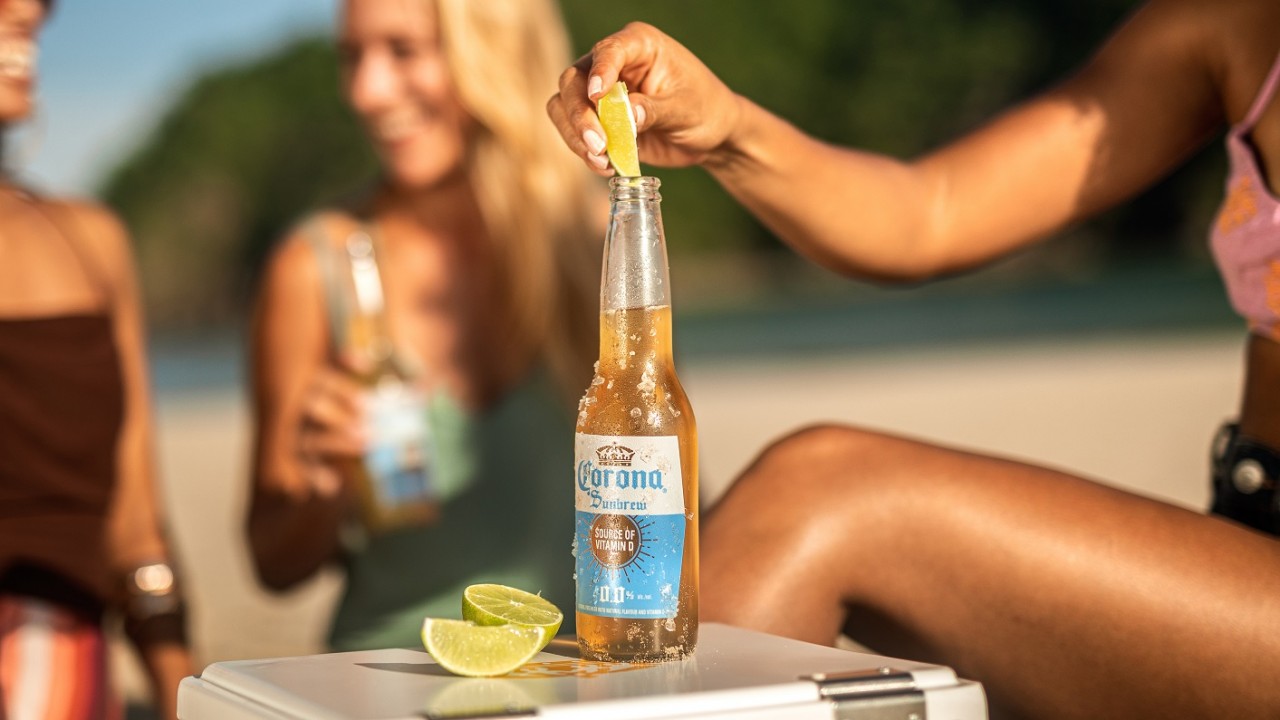
    Today, global beer brand Corona is proud to announce the worldwide launch of Corona Sunbrew 0.0%. This innovative, first-of-its-kind, non-alcoholic beer contains 30 percent of the daily value of vitamin D per 330 mL serving in Canada. As the newest member of the Corona family, a brand that celebrates getting outside and enjoying life in the sun, Corona Sunbrew 0.0% allows consumers to have “Sunshine, Anytime” every season.

    “As a brand that was born on the beach, Corona embraces the outdoors in everything we do, because we believe that outside is where people best disconnect and relax. The feeling of the sun is one of the things that people love most about the outdoors and the Corona brand is always innovating to remind them of that feeling,” said Felipe Ambra, Global Vice President for Corona. “Now, we’re excited to offer consumers Corona Sunbrew 0.0%, the first non-alcoholic beer with vitamin D, reinforcing our desire to help people reconnect to nature, anytime.”

    According to IWSR, the global no/low alcohol category total volume is forecasted to grow by 31% by 2024. Corona Sunbrew 0.0% provides consumers looking for a non-alcoholic beer with a unique new option. Corona Sunbrew 0.0% contains 30 percent of the daily value of vitamin D in Canada and 60 calories per 330 ML serving.

    Corona Sunbrew 0.0% maintains Corona’s essence; it was developed from Corona Extra by extracting the alcohol and then blending the non-alcoholic beer with vitamin D and natural flavours to reach the final recipe. This launch also demonstrates AB InBev’s continued commitment to smart drinking to help reduce and prevent the harmful use of alcohol across the world.

    “After numerous and rigorous trials, Corona Sunbrew 0.0% proudly showcases our ability to find solutions, gaps, and opportunities for growth as a brand,” said Brad Weaver, Global Vice President of Innovation Research & Development for ABInBev. “The journey was not easy as vitamin D is sensitive to oxygen and light, and not easily soluble in water. But thanks to our ongoing investment in innovation and research and development, our team was able to create the only non-alcoholic beer with vitamin D, providing a unique opportunity in the market.”

    Corona Sunbrew 0.0% will be available to consumers in a few distinct phases. The global brand will first launch Corona Sunbrew 0.0% in Canada, precisely at the time of year where most Canadians experience limited sunlight, making it an ideal market to launch an innovation from a brand synonymous with the beach and celebrations outdoors. Later this year, Corona will extend the non-alcoholic product offering in the UK followed by key markets across the rest of Europe, South America, and Asia.

    Creative Agency DAVID Miami collaborated closely with Corona on the development of Corona Sunbrew 0.0% from its very inception, more than two years ago. As an ongoing brand partner, DAVID proactively presented the idea for Corona to develop a beverage containing vitamin D.

    “Each detail of the project is special. From the product ideation to the final campaign. It’s not every day that we have the chance to present a product idea and have an innovative client like Corona buy, develop and take it to the next level. A true collaborative effort,” says Pancho Cassis, Global Chief Creative Officer at DAVID.

    To help support the launch of Corona Sunbrew 0.0%, Corona will unveil a new creative campaign capturing the enjoyment of “Sunshine, Anytime.” A compilation of scenes filmed on a pristine beach in Costa Rica presents the pleasure of outdoor living and the boundless positive energy of the sun. The new Corona Sunbrew 0.0% campaign taps into the feeling of being carefree and relaxed. The 360-degree integrated marketing campaign, created by DAVID Miami and Director Juan Cabral, inspires consumers to enjoy the Corona lifestyle, which is best experienced with sunshine.

  • Japanese beer brand Yebisu launches in Australia

    Japanese beer brand Yebisu launches in Australia

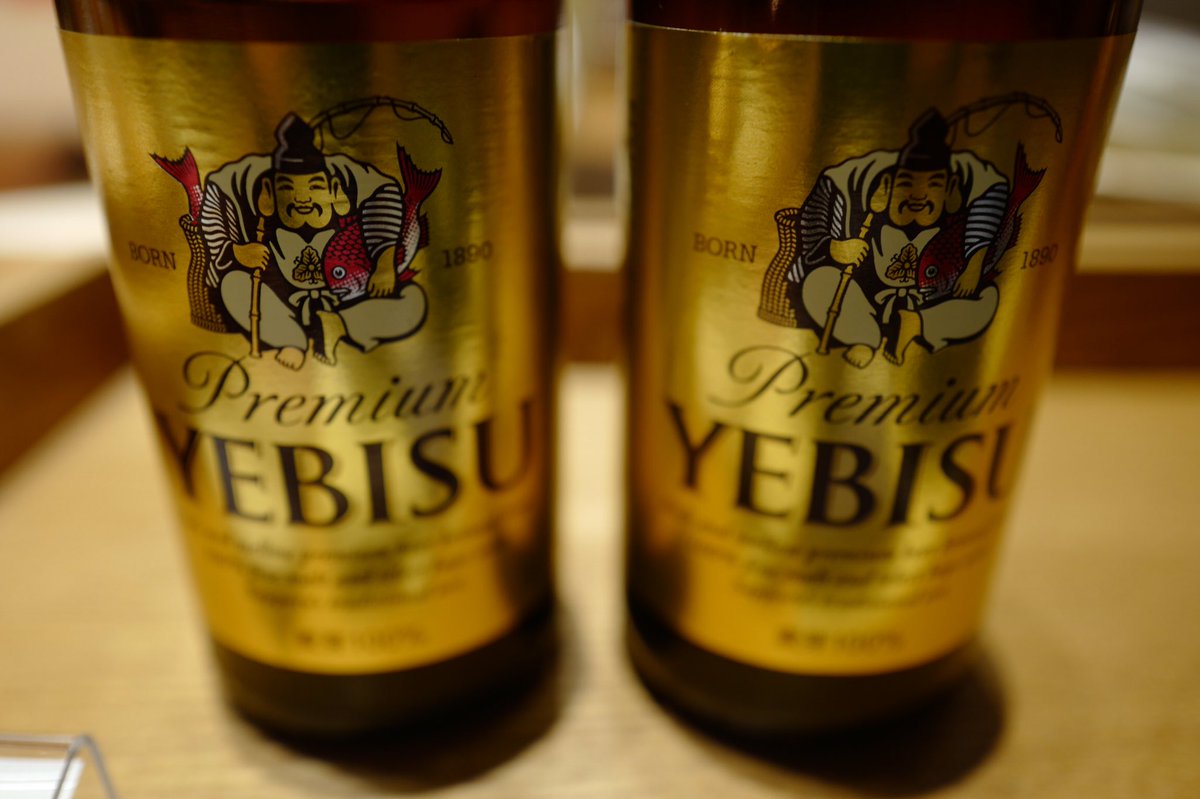
    Premium Japanese beer label Yebisu Premium Beer has been launched in Australia, through Coopers Brewery.

    Coopers will be the exclusive distributor of Yebisu under its partnership with Sapporo. The beer is now available in packs of four 350ml cans from First Choice Liquor stores and selected Liquorland and Vintage Cellars outlets nationally. It will join the shelves of independent retailers and on-premise locations from early next month.

    Founded in Tokyo in 1890, Yebisu (which is pronounced ‘Ebis’ in English), has drawn the praise of beer drinkers both domestically and internationally, with awards including the gold prize at the Paris Expo in 1900. It is brewed exclusively in Japan.

    Yebisu brand manager with Coopers Brewery, Chris Levey, said Japanese beer is proving popular with Australian consumers.

    Sapporo Premium Beer achieved double-digit volume growth in the year to August.

    “Yebisu is a symbol of Japan’s unwavering commitment to quality and craft, meeting the intersection of Australian drinkers’ desire for exploration and discovery and their attraction to true originals and authenticity,” he said.

    “We expect the introduction of Yebisu will drive further interest in the Japanese beer segment, appealing to a broad range of discerning beer drinkers seeking discovery, quality and authenticity, and a richer, more rewarding flavor experience.”

  • CUB, Asahi alcohol division CEO to retire

    CUB, Asahi alcohol division CEO to retire

    Asahi Beverages is announcing that Peter Filipovic will be retiring as CEO of Carlton & United Breweries (CUB), our Australian alcohol business division.

    Mr Filipovic will shortly achieve 25 years of service with the business, and following the successful integration of CUB in June 2020, Asahi Beverages and Mr Filipovic decided that now was the right time for the announcement of his intention to retire from the business.

    Mr Robert Iervasi, Group CEO of Asahi Beverages, commented: “Peter has played an important role in the smooth integration of CUB and the continued growth of our business. He has given great service to CUB and Asahi Beverages.

    “Asahi Beverages plans to announce the new CEO of the CUB business division in Q3 2021.

    That person will also join our Asahi Beverages Executive Leadership Team. They will play an important role in helping deliver on our multi-beverage strategy and leading our very
    experienced CUB Leadership Team.”

    Mr Filipovic, CEO of CUB, commented: “It’s been a privilege to have served as CEO of CUB and a member of the Asahi Beverages Executive Leadership Team. It’s a phenomenal business, with exceptional people and an unrivalled portfolio. I’m leaving the business knowing that it’s in great hands and well set-up for long-term success.”

    Peter will step down as CUB CEO once a new CEO for the business has been appointed.

    Mr Roland van Bommel, Chairman of Asahi Holdings Australia, is also pleased to announce that Natalie Toohey has been appointed to join the Board of Asahi Holdings Australia.

    Natalie is a seasoned corporate affairs specialist with senior leadership and advisory experience across a range of sectors including FMCG, particularly alcohol and beverages.

    She will advise on supporting the implementation of business strategy through communication, reputation management, sustainability and government & industry strategy.

  • Lion New Zealand’s Speight’s launches first alcohol-free lager

    Lion New Zealand’s Speight’s launches first alcohol-free lager

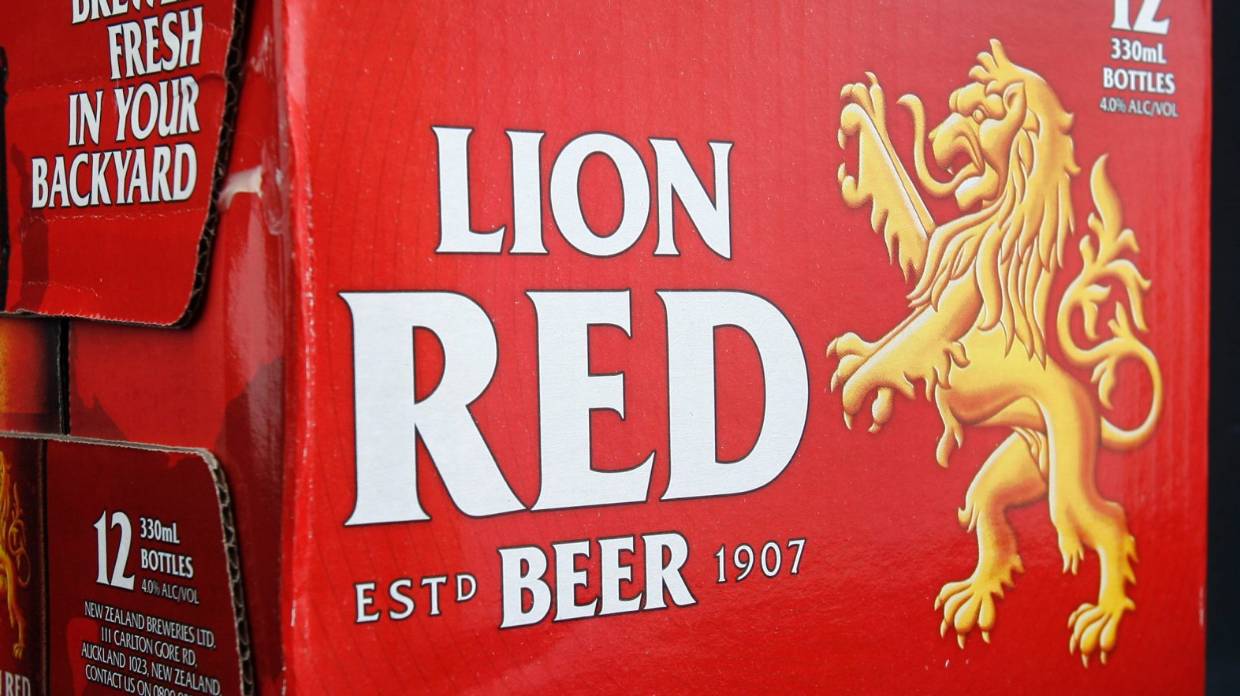
    New Zealand’s alcohol beverage giant Lion has introduced the first alcohol-free beer range under the Speight’s brand called Speight’s Summit Zero lager.

    Speight’s new beer range is also Lion’s second alcohol-free beer. The launch of the range resulted from the surging popularity of alcohol-free drinks in the country.

    “There is huge untapped consumer demand and growth to be seen,” said Rachel Ellerm, marketing director at Lion New Zealand.

    According to MAT Scan Nielsen 2021, New Zealand’s lighter beer category, which includes low and no alcohol beer, is growing at 24 percent. Meanwhile, zero alcohol beer is estimated to hit NZ$25 billion in sales globally by 2024.

    “People love the taste of Speight’s so a zero-alcohol option was the logical next step,” Ellerm said. “We expect it to be a huge hit with Speight’s fans and consumers looking for a lighter option alike.”

  • Subscription service Beer Cartel to sell shares to public

    Subscription service Beer Cartel to sell shares to public

    Craft beer retailer, Beer Cartel, is gearing up for an initial public offering in Australia, allowing customers to own a stake in the business.

    The alcohol delivery business aims to raise $1.5 million through equity crowdfunding with Birchal to fund its growth and improve its logistics, website and offer.

    Founded in 2009 by Geoff Huens and Richard Kelsey, Beer Cartel currently offers over 1000 craft beers from breweries worldwide. With 20-30 new beers being added weekly, many exclusive to its website and Sydney store.

    “While buying shares in Beer Cartel will probably give you bragging rights to your mates, our 100,000 loyal customers and 12 years of successful online retailing prove we mean business,” said Kelsey.

    “As a part-owner of the country’s biggest craft beer bottle shop, not only will you be able to share in our success – you’ll also be given excellent perks. Imagine having personal access to an Aladdin’s Cave of craft beers from all over the world, at special ‘investor prices’,” he added.

    The business is expecting a huge interest after it recorded a 75 percent increase in revenue over the past year during Covid. Sales were not just limited to its range of craft beers; it also saw an increase in its mixed craft beer packs and monthly beer subscription.

    Huens said that while Covid put pressure on the company last year, the uptick in sales allowed it to employ hospitality workers who lost their jobs because of the pandemic.

    “It was also very satisfying to support craft breweries that were taking a massive financial hit because so many hospitality venues were closed or had severe capacity limits put in place. Our success had a flow-on effect to many families and small businesses around Australia,” he added.

  • Vietnamese consume more meat, beer despite falling incomes

    Vietnamese consume more meat, beer despite falling incomes

    Although incomes have fallen because of the pandemic, a survey has found living standard improvements with Vietnamese people consuming less rice but more beer and meat.

    The GSO estimates per capita monthly income fell 2 percent from the previous year to VND4.2 million ($182), because of the Covid-19 pandemic, according to the 2020 living standards survey conducted among 47,000 households nationwide by the General Statistic Office (GSO).

    The survey found that per capita monthly rice consumption declined from 9.7 kilograms in 2010 to 7.6 kilograms last year.

    On the other hand, per capita meat consumption rose from 1.8 kilograms per month in 2010 to 2.3 kilograms last year. Per capita beer and alcohol consumption reached 1.3 liters per month last year from 0.9 liters in 2018.

    The GSO reported that there were significant wealth discrepancies between urban and rural areas. The per capita monthly income in urban areas last year was VND5.5 million, 1.6 times higher than that in rural areas.

    A HCMC-based economist said that farmers should reduce rice farming and shift to produce with higher returns in order to increase per capita income in rural areas.

  • Coopers says stout sales are nudging levels not seen since the 1950s

    Coopers says stout sales are nudging levels not seen since the 1950s

    Australian independent brewery, Coopers, reports the sales of its stout are the best in around 70 years. 

    Despite a pandemic-led drop in keg sales, figures released by the brewery show it sold 3.7 million liters of its Best Extra Stout last year, an increase of 10 percent from 2019.

    Coopers is releasing Best Extra Stout in 440ml cans next month, in time for an expected winter surge, joining the line of Coopers beers moving to a canned format during recent years.

    Coopers MD Dr Tim Cooper said the company expects the new can format would help build Stout’s resurgence and edge sales closer to 4 million for the first time in 70 years.

    “While our Stout has been in constant production since 1879, sales hit their peak in the 1950s when we were selling over 4 million liters annually,” said Cooper.

    “Demand for Stout declined after 1975, with sales dipping to below 2 million liters in the early 1990s. However, we’re now back amid a Stout revival, and the popularity of beer in cans is rising markedly,”

    Best Extra Stout is brewed using roasted malt with fruit and hints of chocolate, which the company says makes the beer taste great on its own or versatile enough to use as a mixer. 

    “We feel that releasing Best Extra Stout in a can format will make it even more appealing to new and seasoned lovers of this hearty brew,” said Cam Pierce, marketing and innovation director at Coopers.

    Coopers Best Extra Stout in matte black cans will be available in liquor outlets from June in four-packs and cartons. It is still available in bottle format and on tap.

  • Habeco chairman blames low profit target on Covid-19

    Habeco chairman blames low profit target on Covid-19

    The chief of the company that produces Hanoi Beer, Habeco, expects sales to be hit badly by Covid-19 this year and profits to plummet to a decade low.

    The brewery targets post-tax profits of VND255 billion ($11 million), down 64 percent from last year.

    Its chairman Tran Dinh Thanh said a fresh outbreak of Covid-19 in January means tourism companies, hotels and restaurants continue to languish, directly causing a decrease in the sales of alcoholic beverages.

    The company’s revenues in the first quarter of this year were down 39.6 percent from the previous quarter to VND1.1 trillion ($48.5 million).

    Rising competition with many brewers introducing new products in the mid-priced market segment in which Habeco mainly operates is also a reason for falling sales, he said.

    “If the pandemic is contained this year, the company will definitely surpass the profit target.”

    It is striving to maintain its position as one of the biggest brewers in the northern and central regions, and working to expand its business in the south, he added.

    Last year, beer consumption fell 22.6 percent because of Covid-19 impacts as well as the impact of a law increasing fines for driving under the influence.

  • James Reyne sings praises of new Coopers Australian IPA

    James Reyne sings praises of new Coopers Australian IPA

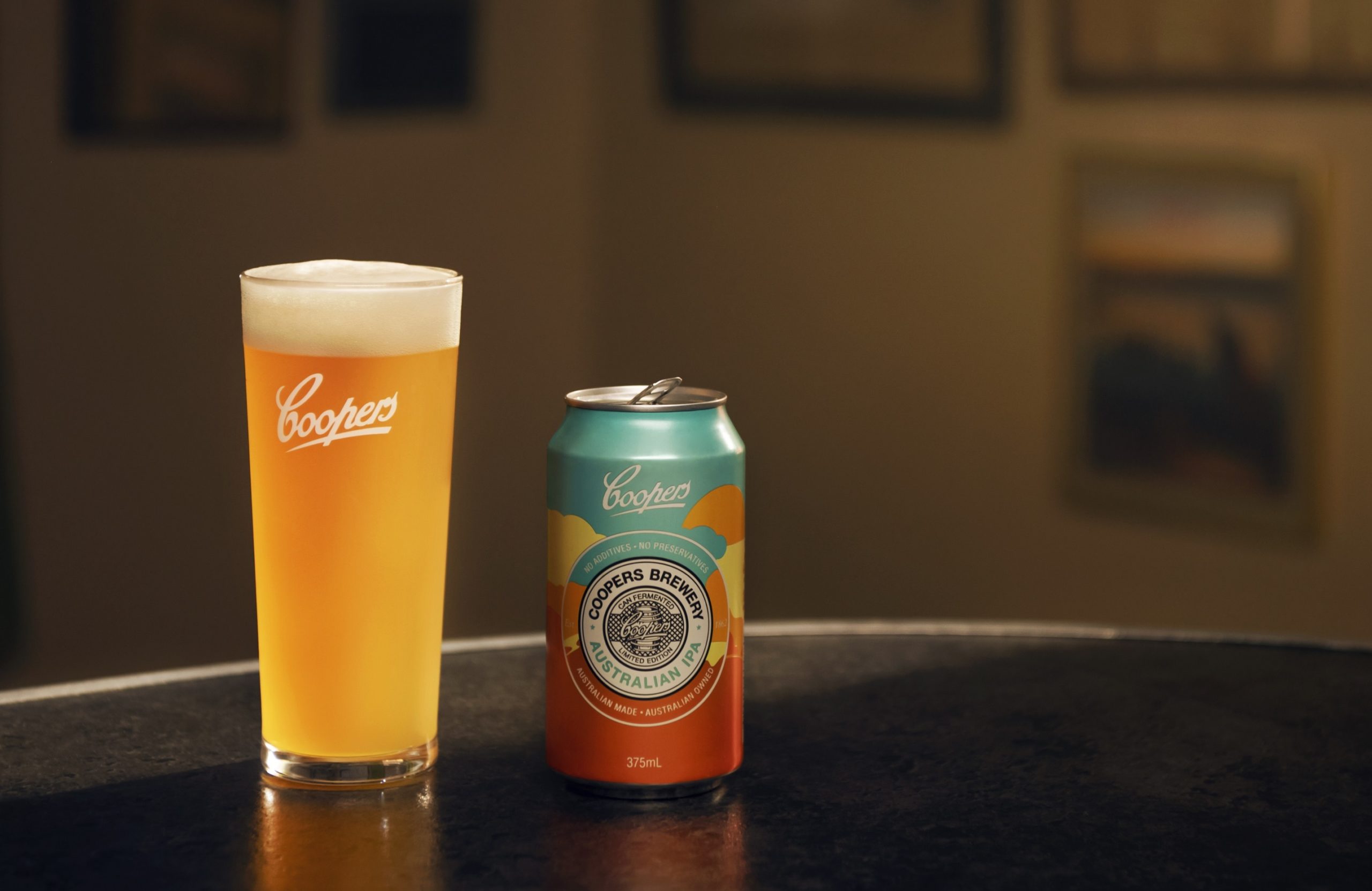
    Brewer Coopers has rolled out a limited release Australian IPA in kegs and 375ml can format, backed by a marketing campaign fronted by legendary Australian singer James Reyne.

    Coopers Australian IPA is made with local hops with citrus notes such as mandarin and orange as well as piney and passionfruit characteristics, according to the brewer. It has an ABV of 6.5 percent and a bitterness level of 40 IBU.

    “We’ve come up with a great-tasting Australian IPA that will suit any occasion,” said Coopers MD and chief brewer, Dr Tim Cooper. “We’re very mindful about when to bring out a new beer and an enormous amount of time goes into getting it right.”

    The campaign featuring Reyne was filmed at the Silverton Hotel in Broken Hill. The singer will also perform at several trade events in April.

    Reyne previously participated in the Coopers Live, Loud and Local series which was launched last year to support pubs and musicians recovering from the Covid-19 shutdowns.

    Coopers Australian IPA will be sold at bottle shops from late April.

  • Police investigate Saigon Beer copycat

    Police investigate Saigon Beer copycat

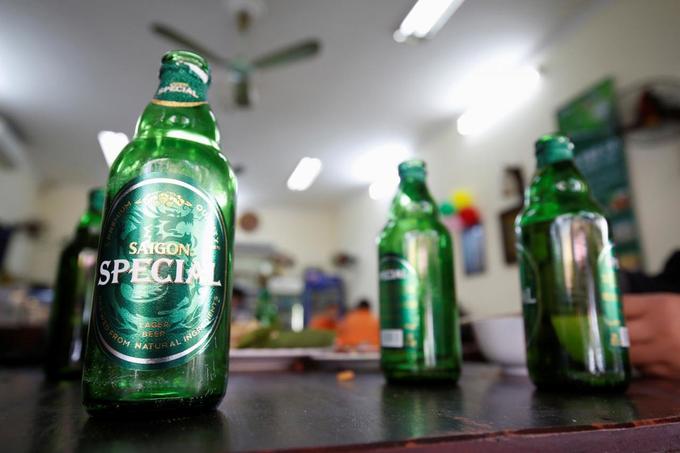
    Police in Ba Ria-Vung Tau Province are investigating a copyright infringement involving Saigon Beer by a former employee of its brewer, Sabeco. They found over 9,000 boxes of the Saigon Vietnam Beer with the brand name and packaging similar to that of the 43-year old Saigon Beer brand produced by Sabeco, the largest brewer in Vietnam.

    The beer is distributed by the Saigon Vietnam Beer Group Jsc., not a subsidiary of Sabeco. Its CEO, Le Dinh Trung, held several positions in Sabeco for years, including assistant to the deputy CEO and head of its legal department.

    Another person involved in the copyright infringement is Tran Thi Ai Loan, a distributor of Sabeco beer for the last four years.

    The original headquarter address of Saigon Vietnam Beer Group Jsc was registered at Floor 9, Vincom Building, 72 Le Thanh Ton, District 1, Ho Chi Minh City, the same as Sabeco. Although the Saigon Vietnam Beer Group Jsc. later changed its headquarters to a different location in Binh Thanh District, its beer packaging carried the old address, confusing customers.

    Authorities said Loan, as a legal representative, had signed a contract with BiVa Beer Brewer in southern Ba Ria–Vung Tau Province to produce the Saigon Vietnam Beer and started distributing the product in May.

    The same month, Sabeco requested the Vietnam Intellectual Property Research Institute to inspect the similarities between the packaging and brand name of the two beers. The institute concluded in June that there were signs of copyright infringement, following which Sabeco requested market authorities to intervene.

    Authorities later found thousands of Saigon Vietnam Beer boxes in the southern localities of Ba Ria-Vung Tau, Binh Phuoc, Soc Trang and Can Tho as well as the Central Highlands province of Dak Lak. Each box was being sold at VND159,300 ($6.91), nearly 12 percent lower than that of Sabeco’s Saigon Beer.

    Vu Tuan Chau, owner of BiVa Beer Brewer, told authorities that they had distributed a total of 4,400 boxes so far. Chau said they only produced the beer to the requirements of Saigon Beer Vietnam and was not aware of any copyright infringement. A lawyer representing Sabeco said that the infringement has damaged their brand’s reputation and misled customers into purchasing the wrong product. Sabeco is working with authorities to continue the investigation, the lawyer said.

    No comments were available from the representatives of Saigon Beer Vietnam at the time of going to print.

  • Beer companies enjoy recovery

    Beer companies enjoy recovery

    Better second-quarter figures could indicate that the most challenging period for beer makers this year could have ended, a report says.

    Vietnam’s biggest brewer Sabeco saw a year-on-year revenue fall of 21 percent in the second quarter, smaller than the 47 percent recorded in the first quarter, according to a recent report from top brokerage SSI Securities Corporation.

    Its SAB shares’ prices have risen 66 percent from the lowest point it had reached this year on March 24 to VND191,500 ($8.26) Monday.

    The SSI analysts expect Sabeco sales to improve in the second half of the year if a nationwide social distancing campaign is not imposed as had happened in April.

    They also estimate that Sabeco’s revenues rise 23 percent over this year to VND33.3 trillion ($1.4 million) in 2021.

    A similar trend can be seen at the Hanoi Beer Alcohol and Beverage Jsc (Habeco), the report said. Its year-on-year revenues fell just 12.9 percent in the second quarter, compared to 50.6 percent the previous.

    Prices of Habeco’s BHN shares have risen 28 percent from its bottom on April 8 to VND52,400 ($2.2) Monday.

    However, the SSI analysts also said that beer consumption in Vietnam will take years to recover to levels recorded before the pandemic and imposition of tougher fines for drunk driving in January this year.

    Beer consumption in the first half of this year fell 12.7 percent year-on-year, according to a report by market research firm Nielsen. However, production in May rose 60 percent from the monthly average between February and April, it added.

    Vietnam consumed more than 4.6 billion liters of beer last year, up 10 percent from 2018, according to SSI.