Retail News CRM

Tag: beer

  • Asahi Beverages Expands Product Line With Zesty Hard Rated Alcoholic Orange

    Asahi Beverages Expands Product Line With Zesty Hard Rated Alcoholic Orange

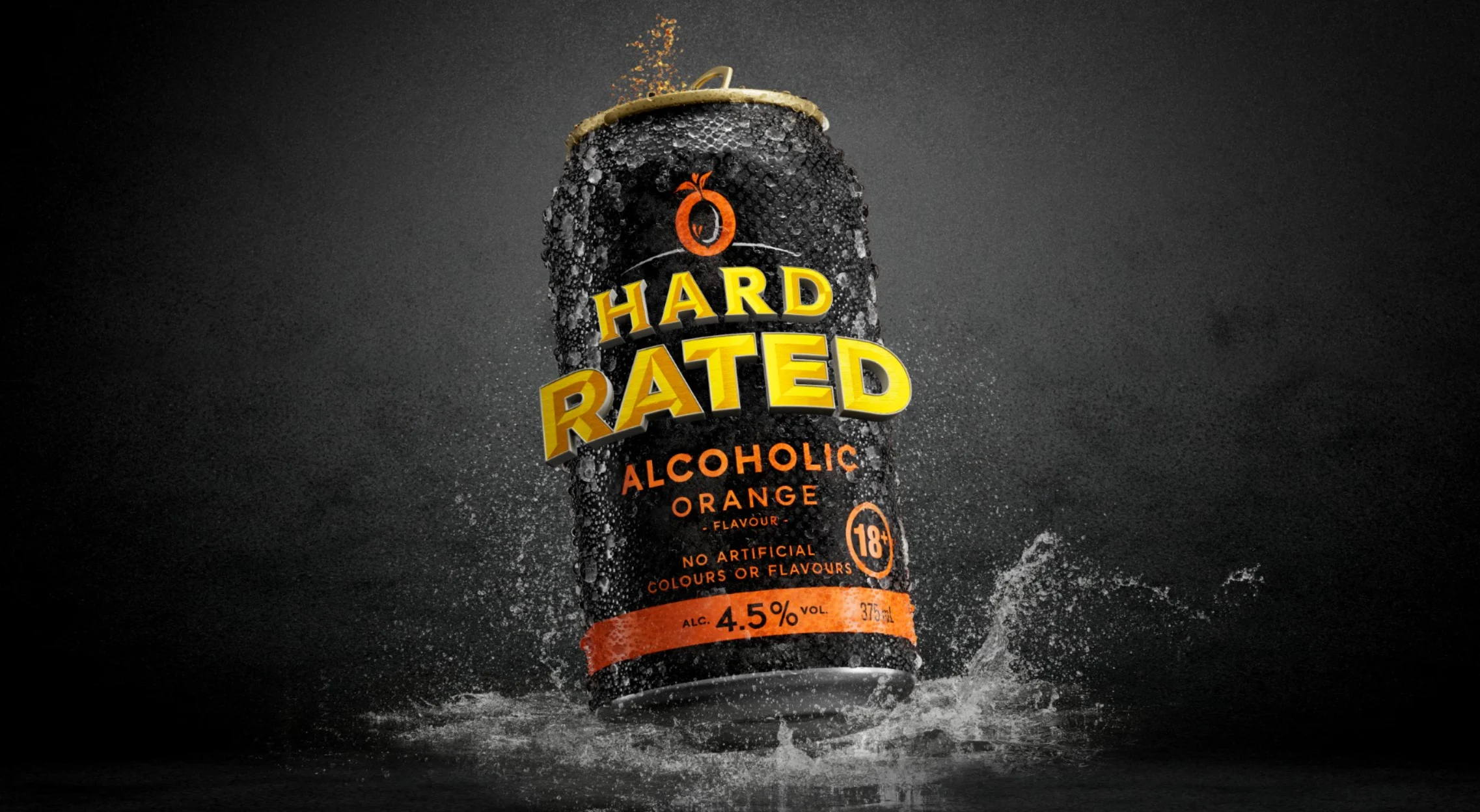
    Asahi Beverages, the multinational Japanese beverage company, is broadening its Hard Rated product range with the introduction of a fresh orange variant. This move aims to build on the achievements of its lemon variant, which was successfully launched in 2023.

    The New Orange Flavour

    The latest addition to the Hard Rated line boasts a distinct, low-bubble, sweet, and zesty orange profile. It maintains a 4.5 per cent alcohol by volume (ABV), and in keeping with the company’s commitment to quality and naturalness, this new variant contains no artificial colours or flavours.

    Sarah Wilcox, who heads the ready-to-drink (RTD) and cider divisions at Asahi Beverages, acknowledges the robust market demand for orange-flavoured alcoholic drinks. She also noted the undeniable growth in the RTD sector since the company first introduced Hard Rated in 2023.

    Wilcox added that the introduction of Hard Rated Alcoholic Orange seeks to sustain Hard Rated’s position as Australia’s top white spirit premix. It aspires to meet consumer demand for a tangy orange flavour that has not been readily available on the market.

    Distribution and Pricing

    The Hard Rated Alcoholic Orange is available through major alcohol retailers and venues across Australia. It comes in two variants – a four-pack priced at $30 and a 10-pack valued at $60.

    Questions & Answers

    What is the new addition to Asahi Beverages’ Hard Rated portfolio?
    The new addition is the Hard Rated Alcoholic Orange, which boasts a low-fizz, sweet, and zesty orange profile.

    What is the alcohol percentage of the new Hard Rated Alcoholic Orange?
    The Hard Rated Alcoholic Orange has an alcohol by volume (ABV) of 4.5 per cent.

    How much does the Hard Rated Alcoholic Orange cost?
    It is available in two variants – a four-pack priced at $30 and a 10-pack valued at $60.

  • Thai Billionaire Charoen Sirivadhanabhakdi Passes ThaiBev Stake to His Five Children in Strategic Family Move

    Thai Billionaire Charoen Sirivadhanabhakdi Passes ThaiBev Stake to His Five Children in Strategic Family Move

    Charoen Sirivadhanabhakdi, Thailand’s third wealthiest individual, has transferred his 66% stake in Thai Beverage to his five children, but retains full decision-making authority over the drinks conglomerate. In a significant move announced via the Singapore Exchange on Monday, Charoen maintains “the authority to manage and make all decisions regarding the business and assets” of Thailand’s largest beverage company, Thai Beverage.

    This decision raises intriguing questions about the future of Charoen’s vast business empire, which is valued by Forbes at approximately $10.2 billion. As the succession plan unfolds, the spotlight will be on how these dynamics shape the company in the years to come.

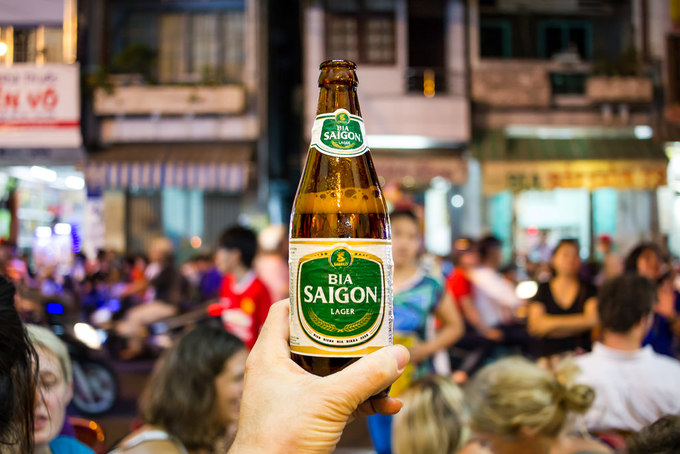
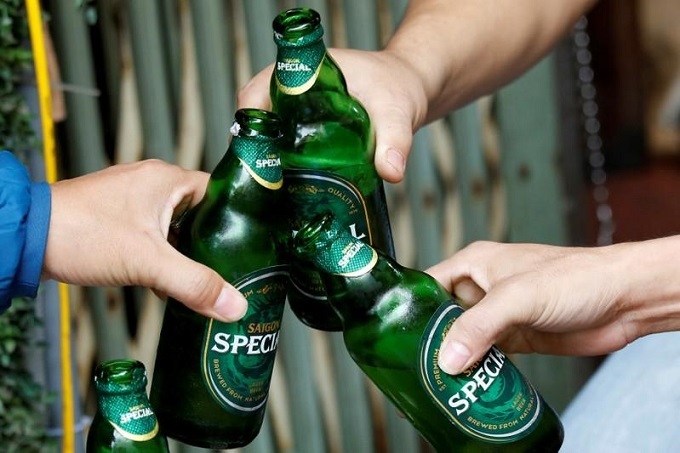
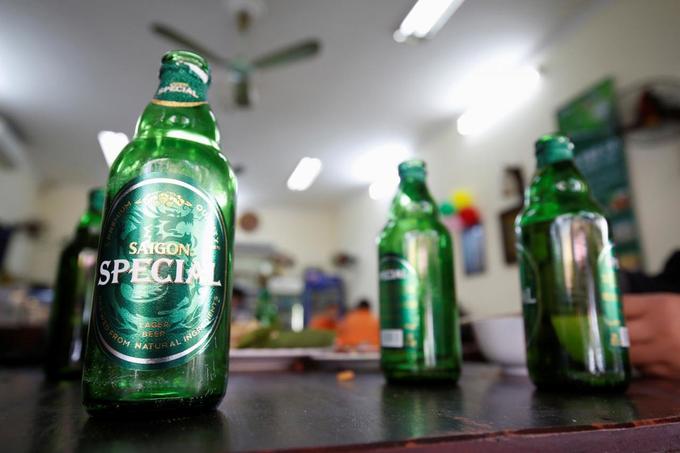
    Thai Beverage, famous for its Chang beer and distillation operations in Scotland, serves as a crucial foundation of Charoen’s wealth, also comprising the renowned Saigon Beer through its Vietnamese subsidiary, Sabeco.

    Among his heirs is Thapana Sirivadhanabhakdi, the elder son, who currently wears the dual hats of ThaiBev CEO and a key player in the company’s intricate labyrinth of operations.

    Last month, the elder Sirivadhanabhakdi facilitated a handover of ownership in several major listed firms to his five children, signaling a concerted effort towards a structured succession plan.

    The 81-year-old entrepreneur took a step back from active leadership, having stepped down as chairman of Singapore-based Fraser and Neave in January, followed by his retirement as chairman of Frasers Property in February. This gradual exit marks the beginning of a new era for his business ventures.

    Charoen, who embarked on his journey in the Thai beer market in 1995, has since extended his portfolio into real estate and hospitality, proving that he is indeed a master of diversification — talk about a man with a thirst for success!

    Questions & Answers

    What does Charoen’s transfer of stake mean for Thai Beverage?
    Charoen’s transfer of his 66% stake to his children indicates a shift towards succession planning, although he retains full management authority, ensuring stability during this transition.

    Who is Thapana Sirivadhanabhakdi and what is his role?
    Thapana is Charoen’s elder son and the current CEO of ThaiBev, positioned to take on greater responsibilities within the family business as succession progresses.

    How has Charoen impacted the beverage industry in Thailand?
    Charoen’s foray into the Thai beer market since 1995 laid the groundwork for his expansive beverage empire, making him a pivotal figure in Thailand’s beverage landscape and a key player in regional markets.

  • Remedy Drinks launches Ginger Beer range

    Remedy Drinks launches Ginger Beer range

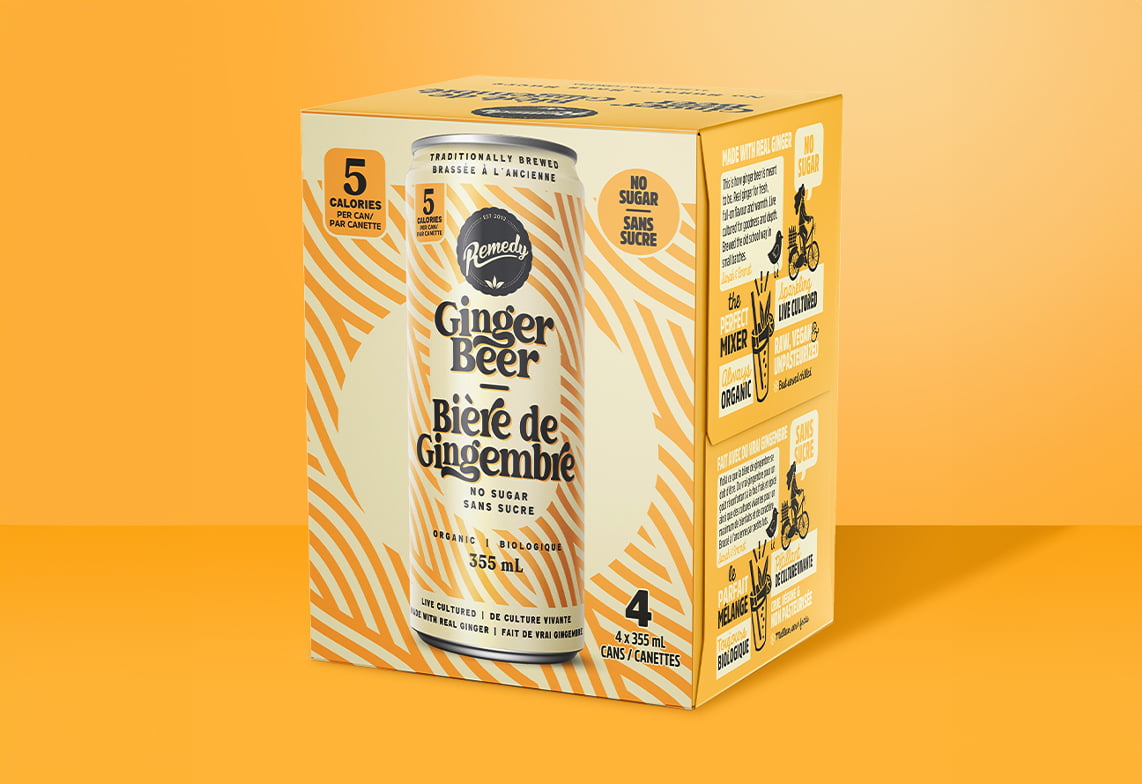
    Remedy Drinks, a popular beverage company, has expanded its product lineup with the introduction of a new drink, Remedy Ginger Beer.

    Interesting Flavours and Traditional Brewing Methods

    Remedy Ginger Beer is offered in two unique flavours – the classic original and an exciting ginger with lime variation. The creation process merges conventional fermentation techniques with contemporary elements to produce a thirst-quenching drink. Both versions are concocted with fresh Australian ginger and are free from sugar and synthetic constituents.

    Steve Byrne, Remedy’s Head Brewer and COO, emphasized the company’s commitment to authenticity in brewing their Ginger Beer. “We aimed for an ideal harmony of sweetness and spice, culminating in a rich, full-bodied taste derived from the fermentation process,” Byrne explained.

    Innovation in Beverage Market

    Remedy Drinks is reputed for its functional, naturally fermented beverages that are rich in flavour. In a departure from their usual kombucha or apple cider vinegar-based drinks, Remedy Ginger Beer employs a ginger root base to provide a stimulating, refreshing spiciness.

    Byrne highlighted the company’s knack for identifying market opportunities, saying, “With our Ginger Beer, we recognized a demand in the market for a robust, sugar-free option that doesn’t sacrifice flavour.”

    Consumers can find Remedy Ginger Beer in Coles, Woolworths, select independent stores, and online.

    New Flavour Launch

    Early this year, Remedy Drinks introduced a limited-edition watermelon flavour of their Sodaly water.

    Questions & Answers

    What is the new product launched by Remedy Drinks?
    Remedy Drinks has recently launched its latest product, Remedy Ginger Beer, available in two varieties – Original Ginger Beer and Ginger Beer with Lime.

    What makes Remedy Ginger Beer different from Remedy’s other drinks?
    Unlike Remedy’s typical kombucha or apple cider vinegar-based drinks, Remedy Ginger Beer uses a ginger root base to offer a stimulating, spicy taste.

    Where can consumers purchase Remedy Ginger Beer?
    Remedy Ginger Beer can be found at Coles and Woolworths, a selection of independent stores, and online.

  • AB InBev Posts Strong Q1 Profit Despite Volume Declines and Global Headwinds

    AB InBev Posts Strong Q1 Profit Despite Volume Declines and Global Headwinds

    Anheuser-Busch InBev (AB InBev), the world’s largest brewer, reported a 7.9% increase in first-quarter operating profit, far exceeding analysts’ expectations of a 3.1% gain. The profit surge was driven primarily by improved margins, even as global beer sales volumes declined.

    Margins Expand Despite Lower Sales

    While global beer volumes dipped 2.2% in the quarter ending March 31, AB InBev managed to expand its margins through reduced sales costs and more efficient overhead management. This operational discipline helped the company outperform its rivals, including Heineken, which also reported falling volumes.

    CEO Confirms Positive Outlook for 2025

    CEO Michel Doukeris credited the company’s solid performance to consistent strategy execution:

    “The consistent execution of our strategy by our teams and partners drove a solid start to the year and reinforces our confidence in delivering on our outlook for 2025.”

    Challenges in Key Markets

    In the United States—one of AB InBev’s most important markets—revenues fell 5.1% year-on-year. The company attributed the drop to fewer selling days, poor weather, and the timing of Easter. Notably, AB InBev did not directly mention potential impacts from U.S. tariffs, unlike competitors Heineken and Carlsberg, who expressed concerns about how tariffs might affect consumer spending.

    Aluminium Tariffs Could Pose Future Risk

    The company may face rising costs due to potential U.S. tariffs on aluminium, a key material used in beer cans. Analysts warn that if tariffs weaken the broader economy, consumer spending on discretionary items like beer could also fall.

    Struggles in China Offset Gains Elsewhere

    China remains a challenging market for AB InBev, with first-quarter sales volumes down 9.2%. The brewer’s premium brand portfolio has struggled in the face of a sluggish economic recovery, causing the company to lose ground to competitors.

    Strategic Response: Invest in Core Brands and At-Home Consumption

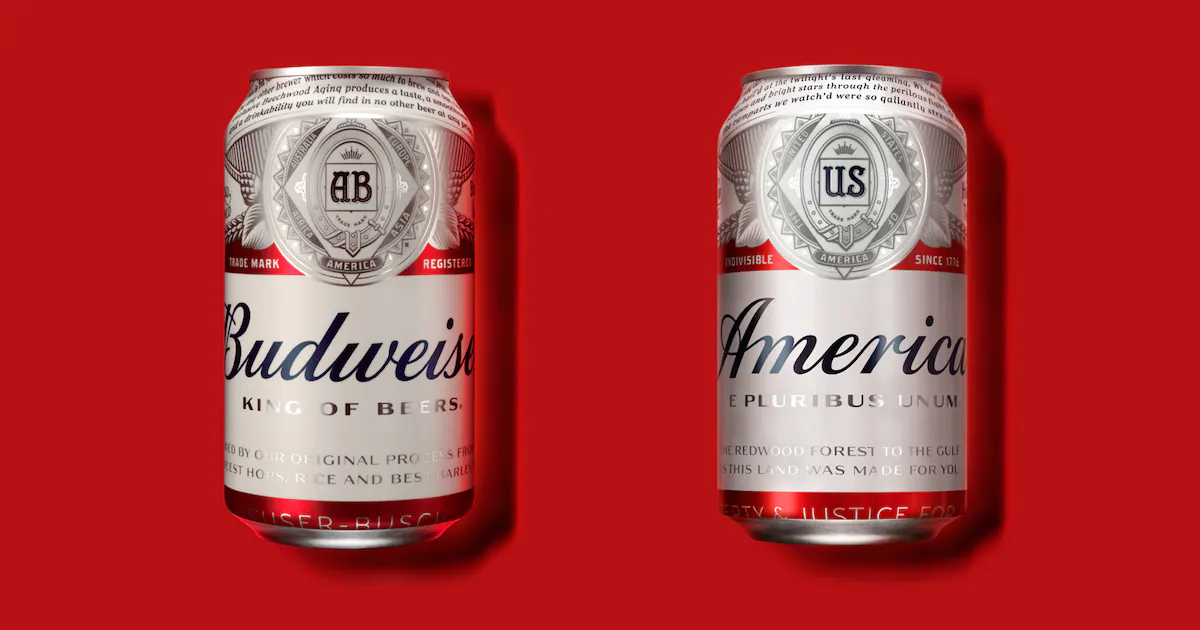
    In response to shifting consumption patterns, AB InBev is increasing investment in key brands like Budweiser and promoting at-home beer consumption, as demand in bars and restaurants softens.

    Questions & Answers

    1. What was AB InBev’s Q1 operating profit growth, and how did it compare to expectations? The company reported a 7.9% rise in operating profit, more than double the 3.1% increase analysts had forecast.

    2. Why did U.S. revenues decline despite overall profit growth? U.S. revenues fell 5.1% due to fewer selling days, poor weather, and a late Easter, which offset gains from margin improvements.

    3. How is AB InBev addressing market pressures in China and globally? The brewer is ramping up investments in key brands and focusing on boosting at-home consumption as traditional bar and restaurant sales come under pressure.

  • Sydney Beer Co enters administration

    Sydney Beer Co enters administration

    Sydney Beer Co entered administration last Friday, Australian Securities and Investments Commission (ASIC) filings showed.

    The company tapped Richard Stone and Brett Stephen Lord from RSM Australia Partners as administrators.

    Sydney Beer Co’s website states that former cricketer Bret Lee and actor and writer Matt Nable co-founded the company.

    Dean Joseph Woodbridge and David Richard Catterall are listed as directors on the ASIC documents.

    Sydney Beer Co is among the brewers to enter administration recently, along with Kaiju and Billson’s.

    Earlier this month, Prime Minister Anthony Albanese said his government would freeze the indexation on draught beer excise for two years.

  • Belgian brewery Rodenbach launches cherry-flavoured beer

    Belgian brewery Rodenbach launches cherry-flavoured beer

    Belgian craft brewery Rodenbach has made its cherry-flavoured craft beer, Fruitage, available in Australia.

    The beer is made from a blend of ripened and aged ale, young ale, and 7 per cent cherries, processed through “meticulous” fermentation.

    “The main fermentation and warm maturation occur with top-fermenting yeasts at ambient temperatures between 15 to 25 Celsius,” explained the brewery.

    “Secondary fermentation takes place over a two-year maturation period in oak casks, facilitated by bacterial flora and wild yeasts present in the oak.”

    These microorganisms initially produce organic acids, which are then transformed into fruity esters, giving Fruitage its distinct, vibrant taste.

    Rodenbach Fruitage is available in Dan Murphy’s and BWS stores nationwide at an RRP of $17 for a four-pack and $84.99 for a case.

  • Saigon beer company reports 6% profit increase in first half

    Saigon beer company reports 6% profit increase in first half

    Sabeco has reported a slight profit increase to VND2.3 trillion ($90.85 million) within the first half of 2024.

    According to its latest financial report, the beverage company reported a 6% increase in profit from the first half of 2023, earning an average of VND12.9 billion per day.

    Business in the second quarter this year was better than the same period in 2023, with a profit at VND1.319 trillion, a 9% increase. It was also the second consecutive quarter where Sabeco saw a recovery to its profit.

    The company’s management board said policies for alcohol level control have been implemented in the first half of this year, with the company seeing tough competition in the market.

    But thanks to the recovering economy and positive impacts of increased sale prices, the company’s revenue within the first six months saw a slight increase of 5% to around VND15.27 trillion.

    Higher profit could also be attributed to lower sale costs, with Sabeco cutting sale costs by 14% to VND1.744 trillion, mostly in advertisements and employee discounts.

    However, the board still anticipated the beer industry to be stormy this year, as people tighten their budgets and input costs remain high. Alcohol level control policies, along with proposals to increase special consumption tax, will force the company to improve on its commercial activities and supply chain effectiveness, as well as cut costs, the brewer said.

    Sabeco aims for full-year 2024 revenue to reach VND34.4 trillion and profit to reach VND4.58 trillion, an increase of 13% and 8% respectively. After six months, the firm has reached just under half of its intended revenue goal, and just over half of its profit goal.

    However, the board added it would take a few more years before revenues could return to pre-pandemic levels.

  • Asahi Beverages appoints Amanda Sellers as new group CEO

    Asahi Beverages appoints Amanda Sellers as new group CEO

    Asahi Group Holdings has named Amanda Sellers as the new group CEO of Asahi Beverages, the company’s Oceania business.

    Sellers has been the Group’s interim CEO since June, following the resignation of the previous CEO, Robert Iervasi.

    “The board of Asahi Group Holdings has huge confidence in Amanda’s ability to continue with the impressive growth trajectory of our business in Oceania while also delivering our sustainability commitments and setting us up for long-term success in Australia and New  Zealand,” said Atsushi Katsuki, president and CEO, Asahi Group Holdings.

    Sellers has been working as the CFO for Asahi Beverages for almost five years. She has more than 20 years of experience in the beverages industry and has held senior positions at Treasury Wines, where she served as CFO for Asia and Europe and previously as CFO for Australia and New Zealand.

    With her appointment, Sellers has become the first woman to hold the CEO position of a regional headquarters within the Asahi Group.

    “As interim group CEO over the past six months, I’ve had the pleasure of getting to know our customers and suppliers much better,” said Sellers.

    “I’m confident that through these valued partnerships and the plans we’ve developed together, we’ll grow our businesses and deliver even more  for our consumers.”

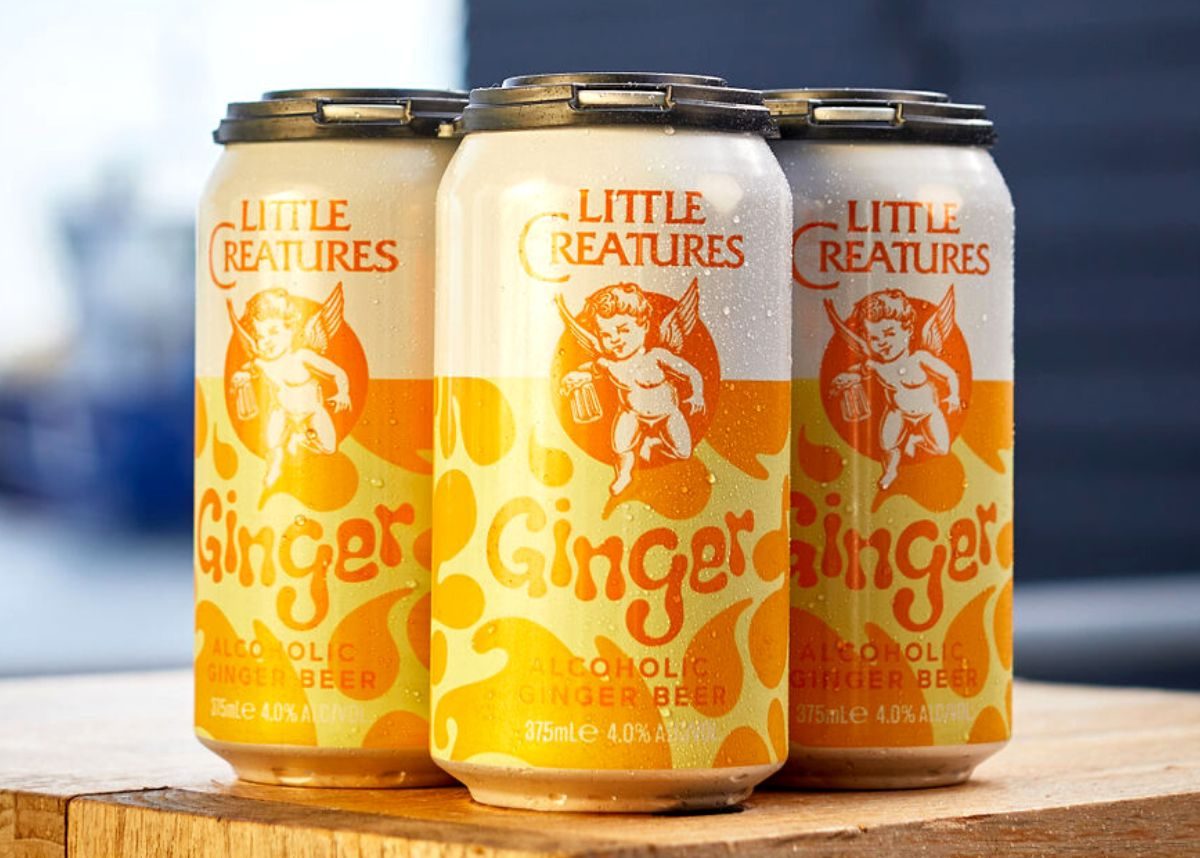
  • Little Creatures Bright Ale returns after seven-year hiatus

    Little Creatures Bright Ale returns after seven-year hiatus

    Craft beer brand Little Creatures has brought back its award-winning beer, the Bright Ale, after a seven-year break.

    The Bright Ale has a 4.5 per cent ABV, offering a “refreshingly clean” taste profile with a subtle malt character and a fruity and spicy hop aroma. Its blend of four gentle malts and select whole hop leaf creates a crisp, well-balanced brew with a “well-attenuated and balanced” design.

    It was in the top 50 in the annual GABS Hottest 100 Craft Beers list, ranking fifth in 2008.

    Ed Jamison, head of marketing – craft, said: “We are excited to bring back Little Creatures Bright Ale to fans this spring as a true favourite among craft beer enthusiasts nationwide.”

    “Although Bright Ale will be returning for a limited time, we’re confident to receive a positive response from consumers on this crowd pleaser.”

    Little Creatures Bright Ale is available at an RRP of $19 for a four-pack of 375ml cans and $63 for a 16-pack in all LMG outlets, including Bottlemart, SpinSave, Harry Brown, and Thirsty Camel, nationwide. It will also be available on tap at Little Creatures Fremantle and Geelong while supplies last.

  • Belgium toasts its beer riches with new visitor centre

    Belgium toasts its beer riches with new visitor centre

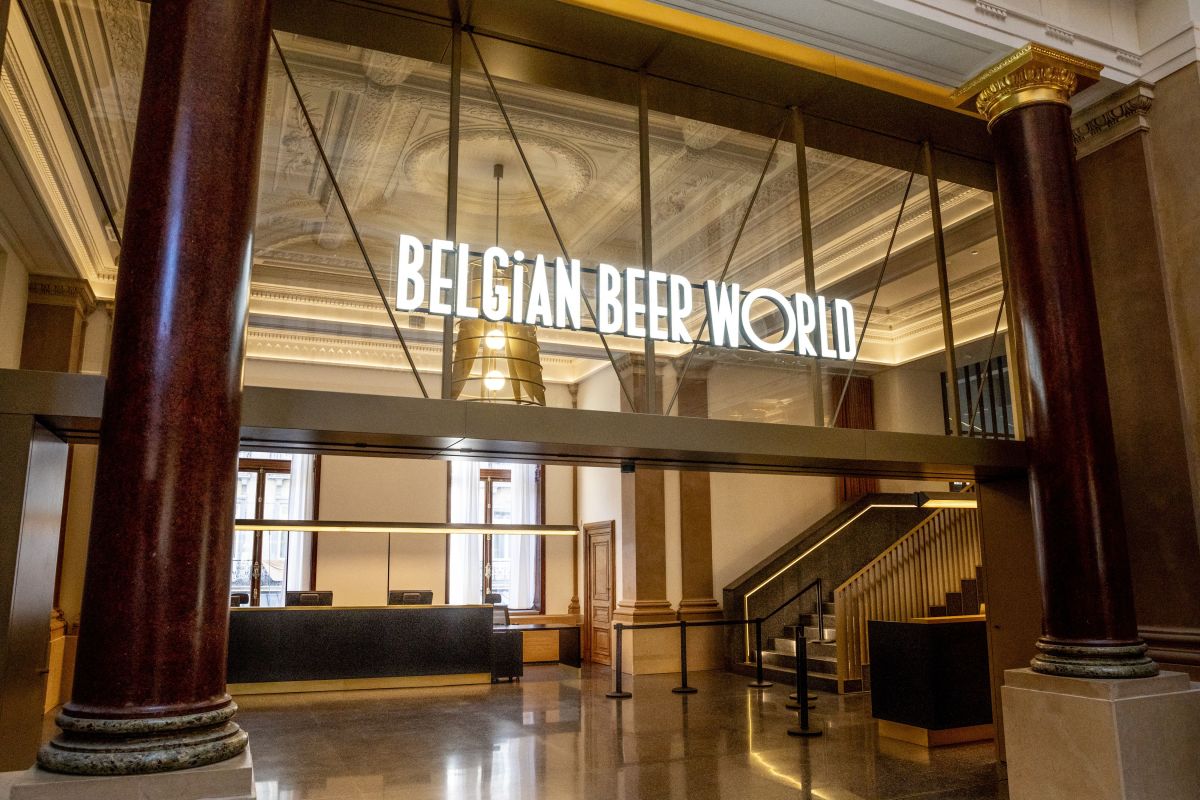
    Belgium is promoting its centuries of beer-making and 430 breweries with a new visitor centre in Brussels that recounts the history of Belgian production and aims to show what is unique about the country’s beer and beer culture.

    Belgian Beer World will open on Saturday in the neoclassical former Brussels Stock Exchange, renovated at a cost of $96.25 million.

    Visitors will learn about “Belgitude” – Belgian identity – and what distinguishes Belgian beer from others – such as the four different fermentation methods and the culture of each beer having its own branded glass.

    “In Belgium there’s more to it than the liquid in the glass,” said Krishan Maudgal, director of the Belgian Brewers Association.

    Belgium produces some 1,600 beers, and its beer culture secured a place on the UNESCO global list of traditions worthy of preservation in 2016.

    The new center shows production in the Middle Ages, when beer was a safe alternative to contaminated water, and hops were introduced as a preservative, and up to the modern day. The tour ends with a beer, suggested by a virtual barman, in the building’s rooftop terrace bar.

    Brussels already has a beer museum, but is unassuming, with old brewing equipment and some insight into beer-making.

    “It’s very typical of Belgium. We are too modest. We are someone who says ‘maybe it’s not necessary’,” said Brussels city Mayor Philippe Close, adding Dublin and Amsterdam were active in promoting their beer cultures.

    He said the center expected to welcome 300,000 visitors in its first year, with adult tickets costing 17 euros.

  • Beer Fans set to launch in New Zealand in August

    Beer Fans set to launch in New Zealand in August

    Beer Fans, a leading online marketplace dedicated to connecting beer enthusiasts with their favourite beer brands, is thrilled to announce its official expansion into the beer-loving market of New Zealand. The launch is scheduled for August 2023.

    Recognizing the rich diversity and exceptional quality of New Zealand’s beer industry, Beer Fans is dedicated to fostering connections between these local breweries and a global audience of beer enthusiasts. Initially launching nationwide for domestic orders, Beer Fans has plans to extend its reach with international shipping in the pipeline for 2024.

    Beer Fans’ expansion into New Zealand is not just about beer; it’s about building a community of passionate fans around these brands. The platform will showcase New Zealand’s finest breweries through its marketplace website, introducing them to new fans through merchandise products that go beyond beer itself.

    Founder and beer fan, Joe Cook, will be traveling to New Zealand in August, coinciding with the esteemed BrewNZ event. During this visit, he will meet with various beer brands, aiming to forge meaningful partnerships and explore collaboration opportunities.

    As part of this international expansion, Beer Fans has invested in expanding its customer service team to ensure that the same high level of service and support is provided to customers in New Zealand as in its home market.

    To support the exciting launch, Beer Fans proudly announces its partnership as the official merchandise sponsor for Beervana, a renowned beer festival celebrating the best of craft brewing in New Zealand.

    “We are thrilled to bring our passion for beer and community to New Zealand. By providing a platform that not only promotes beer, but also fosters a strong fan base through merchandise, we believe this model can be a game-changer for the broader industry. We are committed to proving this concept’s success and scaling it to even bigger markets in the future,” said Joe Cook, Founder of Beer Fans.

  • Sabeco’s profit plunges by a third in Q2

    Sabeco’s profit plunges by a third in Q2

    Sabeco, the brewer of Saigon Beer, saw profits plunge 32% year-on-year to VND1.2 trillion ($50.7 million) in the second quarter as rising competition pumped up its marketing expenses.

    Fierce competition with international brewers forced the company to spend more on marketing and distribution, while demand has plunged from last year amid economic challenges, the company explained in its financial report.

    The impact of tightened regulations on driving under the influence and rising costs of ingredient and packaging also contributed to the profit drop, it added.

    In the second quarter last year Sebeco reported a post-tax profit of VND1.79 trillion, the highest since Thai company ThaiBev acquired it in 2017.

    In the first six months this year the company posted a post-tax profit of VND2.2 trillion, meeting 38% of the year’s target.

    Earlier this year Sabeco leaders said that Vietnam’s beer industry was seeing a golden opportunity amid rising income and the potential of increasing exports of non-alcoholic beer.

    Sabeco therefore targets a revenue increase of 15% to VND40.27 trillion and a profit rise of 5% to VND5.77 trillion, a new peak.

    But most analysts have forecast that the company will fail to meet these goals as consumers are tightening their spending amid economic difficulties.

    Vietcombank Securities last month forecast that Sabeco will see revenue increasing only 6% this year.

    SSI Securities expect its revenue to rise 4.7% and profits 5.2%.

  • New Zealand’s Epic Brewing enters liquidation

    New Zealand’s Epic Brewing enters liquidation

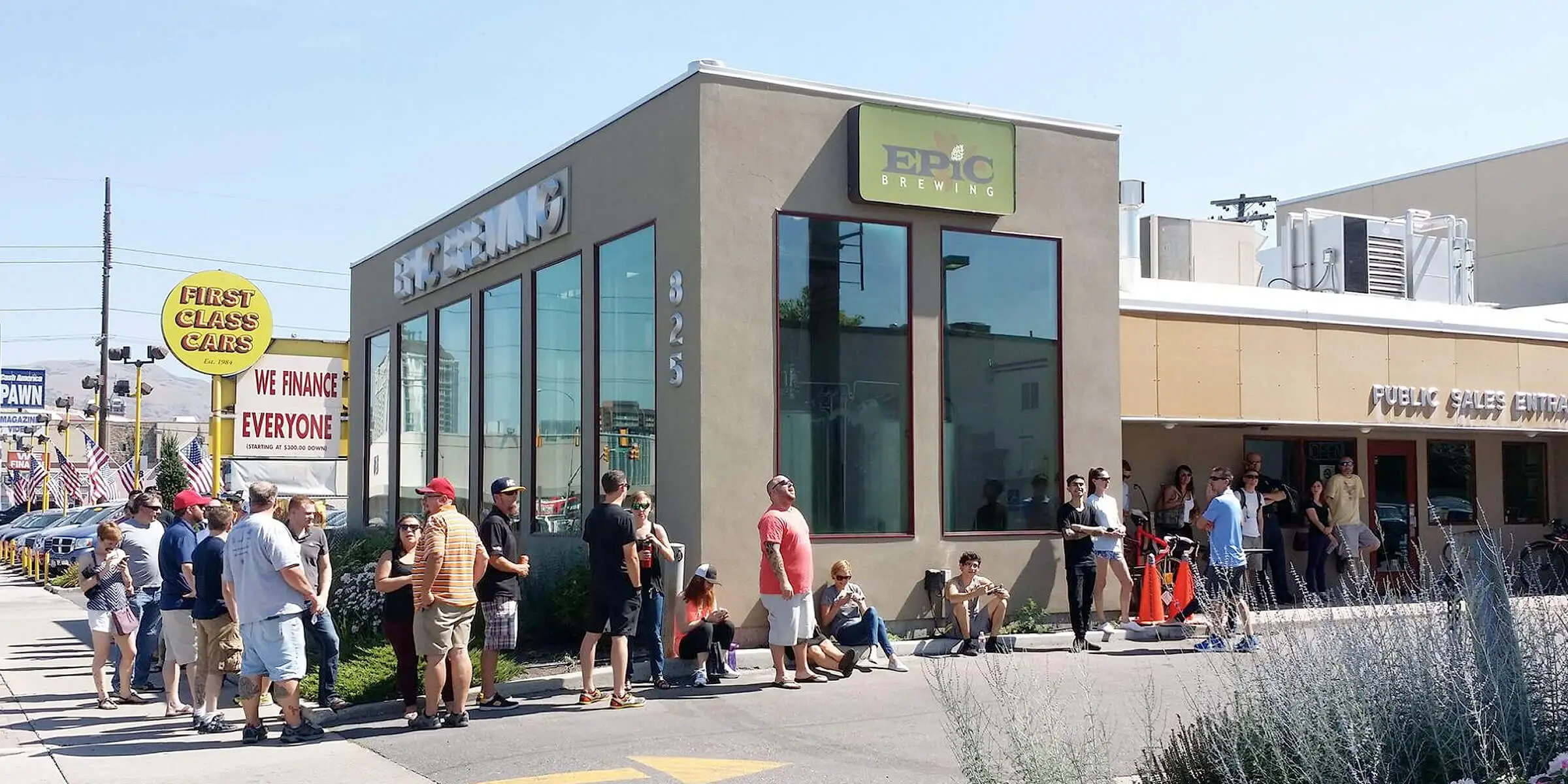
    Auckland craft beer brewer Epic Brewing Company has gone into liquidation. Companies Office records show the business was placed into liquidation by a special resolution of shareholders on Tuesday.

    Damien Grant and Adam Botterill of Waterstone Insolvency were appointed liquidators.

    Owner Luke Nicholas developed the Epic brand in 2005 while working as head brewer for the Steam Brewing Company, the brewing arm of the Cock and Bull pubs in Auckland in Hamilton.

    In 2007 Nicholas and a silent partner bought the Epic brand from the Cock and Bull and continued to use its brewing facility and supply its four pubs.

    Epic Brewing Company have been pushing boundaries and winning awards for more than a decade. (Video first published in November 2019)

    The brewery developed a reputation for producing beers that were big on flavor and aroma – brews like Hop Zombie and Armageddon became cult classics among craft beer drinkers for their use of highly sought-after US hops.

    With the launch of Epic Blue in 2019, the company became one of New Zealand’s first craft brewers to produce a low-carb beer.

    The day’s talking point and stories you don’t want to miss, delivered to your inbox

    According to its website, Epic has 15 employees and operates a taproom in Onehunga.

    The first liquidator’s report is due on August 1.

  • Asahi reinvents Super Dry beer with a new taste and design

    Asahi reinvents Super Dry beer with a new taste and design

    Japanese beer and spirits company Asahi has unveiled a fresh look for Asahi Super Dry along with an enhanced taste inspired by the vibrancy of contemporary Japan.

    The reinvented Asahi Super Dry is curated to provide an improved drinking experience that will exceed expectations, according to the brand in a statement. It is also the first time that Asahi has reworked its recipe since Asahi Super Dry was introduced in 1987. The revamp aims to enhance the unique sake-inspired sensation that makes Super Dry a classic.

    Asahi Super Dry will now include a refined dry taste of the beer which elicits a clean aftertaste without any residual flavour and that goes well with various cuisines, boosting drinkers’ appreciation for the original food flavour.

    The changes made to the beer recipe also introduce a new hop treatment process that gives it a refreshing yet delicate hop aroma, and a new yeast control technology that provides a fermentation-driven aroma. With each sip of New Asahi Super Dry, the flavour of these two delightful aromas arrive at a quick peak of delicious sensation.

    Based on Super Dry’s iconic silver, delicate design adjustments have been made down to the finest details. Both cool and vibrant, the new design aims to highlight the unique character of modern Japan— where innovation and reinvention meet the beauty and precision of traditional craftsmanship, the company said. The design centers on two silvers: a shiny metallic silver and a deep oxidized matte silver.

    Along with this reinvention comes the commencement of partnerships with other brands. Asahi Super Dry has partnered with four city football group clubs: Manchester City, Melbourne City, Yokohama F. Marinos and Sichuan Jiuniu to be its new official beer partner. Additionally, Asahi Super Dry has been selected as one of the official sponsors for the Rugby World Cup 2023 to provide its beer to rugby fans worldwide.

    The new Asahi Super Dry will be made available in Singapore from July 7.

    At the ‘Art of Taste’ event, visitors are introduced to a sensorial field of barley and will utilise their sense of touch to engage with beer ingredients used in Asahi’s beer products. Additionally, the yeast room is constructed to simulate the fermentation process and provides visitors with the optimal photograph opportunity to capture their experiences and publicise it on their socials.

    Visitors are also able to experience a 30-minute step-by-step guided masterclass in a contemporary izakaya setting, where they will gain knowledge on how to differentiate between dry and non-dry versions of beer.

    Lastly, an abundance of food vendors from Hokkaido, Nagoya, Fukuoka and Osaka will be present at the taste zone, where partnerships with Kanpai Group, Courtyard Café and Otoko Japanese Restaurant will allow various types of Japanese foods to be available to reinforce that Asahi beer goes well with any food.

    “With an enriched, vibrant dry taste, the new Asahi Super Dry is ideal for different kinds of food pairings and elevates the senses for a better experience. It is the best match for every exciting “Super Dry Moment” of the modern lifestyle and drinking repertoire,” said Meryl Ho, marketing lead of Asahi Beer Asia, Singapore region.

    “Whether one is cheering on their favourite sports team, watching a movie, exploring new foods, bar hopping, or simply enjoying a day out, the new Asahi Super Dry is the perfect partner for these moments and occasions,” Ho added.

    The news comes shortly after it was announced that Carlsberg Brewery Malaysia and Asahi Group have mutually agreed to not renew the distribution of the Asahi brand in Malaysia.

    The exclusive distribution of the brand will expire on 31 December 2023, according to Carlsberg Malaysia in a statement. The brewery also noted that the renewal of the Asahi agreement is not expected to have any material financial impact to CBMB once the distribution ends.

    Stefano Clini, the managing director of CBMB shared that the parting is an amicable one, after having the sole rights to locally manufacture, sell and distribute the brand for more than a decade.

    “Having said that, the group will remain the exclusive distributor of Asahi for 2023 and we will continue to support the brand for the rest of this year,” Clini added. He went on to explain that following this development, Carlsberg will continue to drive its premiumisation strategy while simultaneously exploring opportunities to expand its premium portfolio to “deliver the best drinking experience to [its] Malaysian consumers”.
  • Sabeco to install rooftop solar panels at 9 breweries

    Sabeco to install rooftop solar panels at 9 breweries

    Sabeco has partnered with SP Group, a leading utilities group in the Asia Pacific, for the second phase of its rooftop solar energy system installation and operation.

    Saigon Beer-Alcohol-Beverage Corporation (Sabeco) and SP Group signed a Memorandum of Understanding on Thursday to carry out rooftop solar energy system installation and operation with a maximum output of 10.44 MWp (Megawatt-peak) at nine Sabeco’s breweries.

    This will bring the number of Sabeco breweries adopting solar energy by the end of 2023 to 17.

    “This partnership demonstrates our commitment to facilitating the clean energy transition of manufacturing facilities. Leveraging our comprehensive range of sustainable energy solutions, we look forward to supporting Sabeco towards their energy efficiency goals and co-creating a more sustainable future for Vietnam,” Brandon Chia, Managing Director, Sustainable Energy Solutions (Southeast Asia & Australia), SP Group, said.

    The first phase kickstarted in 2020, receiving VND107 billion ($4,7 million) investment from Sabeco with a maximum output of 9 MWp at Cu Chi, Dak Lak, Phu Yen, Quy Nhon, Song Lam, Khanh Hoa, Can Tho, Soc Trang and Ben Tre breweries.

    Under the new MoU, SP has been commissioned to install and operate the rooftop solar panels at nine breweries in Lam Dong, Ha Tinh, Ha Noi, Tay Do, Vinh Long, Nguyen Chi Thanh, Bac Lieu, and Quang Ngai, and expand the system in Cu Chi.

    The installment is scheduled to be completed and operational by the end of Q3. The system of 17 breweries is estimated to provide almost 23% of electricity consumed at the breweries, or 25 million kWh, equivalent to a reduction of 18,000 tons of CO2 emitted annually.

    “The company has sought to implement initiatives and solutions that support sustainable business over the past few years. We have already embarked on various ESG (Environment, Society and Governance) initiatives through our 4C corporate social responsibility pillars (Consumption, Conservation, Culture and Country). We also have implemented Best Brewery Awards to encourage our breweries to embed sustainability mindset,” Bennett Neo, General Director of Sabeco, said.

    Apart from energy usage, Sabeco has implemented other initiatives to mitigate environmental impacts. The company reduced waste used per liter of beer from 5 liters in 2018 to below 3 liters in 2022.

    Sabeco has embarked on plant-based biomass fuel (rice hulls, sawdust, cashew shell, and leaves) usage instead of using fossil fuel-powered boiler, applying the CIP wastewater treatment system; using sustainable packaging (downgauged cans, lightweighted carton boxes and bottles) and reusing beer glasses and cans.

    Sabeco also promotes other sustainability initiatives which focus on local communities where it operates. The recent project “Light up the Rural”, a part of the three-year strategic partnership between Sabeco and the Central Committee of the Ho Chi Minh Communist Youth Union, has constructed 34km of street lighting that uses solar power in 34 rural areas in 34 provinces across the country.

    This initiative aims to improve socio-economic infrastructure to more than 210,000 households. The project will be expanded in 2023 with more than 39 km of solar street lights to be installed.

    Sabeco operates 26 breweries, 11 member trading companies and a network of hundreds of thousands of selling points across the country.

    Sabeco has a wide portfolio of beer brands that are beloved by the people of Vietnam, which includes Bia Lac Viet, Bia Saigon Chill, Bia 333, Bia Saigon Special, Bia Saigon Export, Bia Saigon Lager and Bia Saigon Gold.