Tag: Business

  • Trussardi Acquired by Quattro R

    Trussardi Acquired by Quattro R

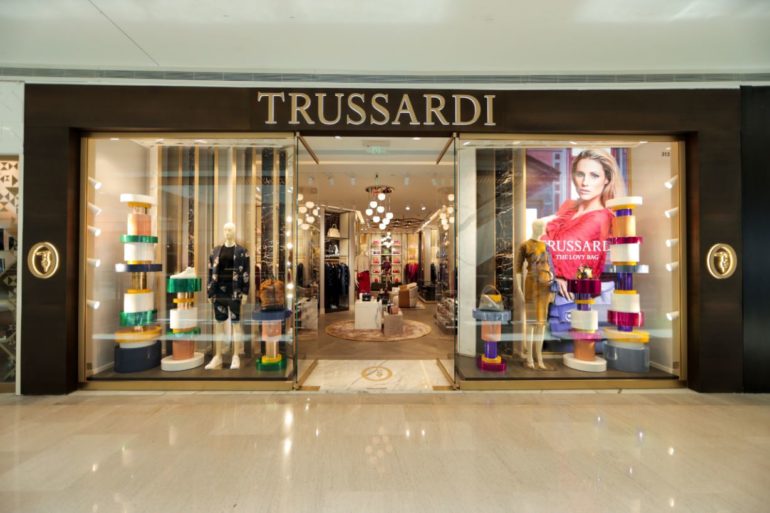
    Trussardi, the family-owned Italian luxury brand specialising in leather goods, has been acquired by private equity firm Quattro R, local media reports. BoF has not yet been able to independently confirm the report. According to Italian news site Pambianco, Quattro R will take an 80 percent stake in Trussardi for at least 50 million euros (around $57.1 million). Trussardi has not responded to BoF’s request for comment, and Quattro R has declined to comment on the matter.

    The deal will see ownership of Trussardi pass from its founding family — who has controlled it for four generations — for the first time in 107 years. Quattro R, which was established in 2015, specialises in turning around Italian companies in financial difficulty, and is backed by the likes of Italy’s state lender Cassa Depositi e Prestiti (CDP) and pension fund Cassa Forense.

    If Quattro R has indeed sealed the deal, it will mark the fund’s first investment in the fashion sector, though its chairman Andrea Morante — being the chairman of Italian shoemaker Sergio Rossi — is no stranger to the industry.

    According to Pambianco, Trussardi’s chief executive Tomaso Trussardi will hold the remaining 20 percent stake in the company. Tomaso’s sister Gaia Trussardi will no longer be a shareholder of the company, while shares belonging to Tomaso’s mother Maria Luisa Gavazzeni will be diluted. Meanwhile, managing director Massimo Dell’Acqua will be leaving his post, and the new management team will be announced when the deal closes in March.

    The brand has been experiencing difficulties for years, with acquisition rumours not far behind. In 2015, Trussardi received a 51.5 million euros (around $58.8 million) loan from six local banks and stipulated a capital increase of 5 million euros (around $5.7 million), soon followed by the shuttering of the house’s diffusion line Tru Trussardi. In April, Trussardi was hit by the unexpected resignation of Gaia Trussardi from her role as creative director.

    Trussardi operates 177 boutiques and over 1,500 points of sale in 47 countries worldwide. If the reports of a sale are confirmed, Trussardi will diverge from the surge of Italian heritage brands passing to foreign hands in recent months — from American Michael Kors’ acquisition of Versace in September, to the Hong Kong-based Sitoy Group’s taking the reins at A. Testoni in November.

  • AirAsia Malaysia sells Merah Aviation Asset for RM3.22b

    AirAsia Malaysia sells Merah Aviation Asset for RM3.22b

    AirAsia Group Bhd is disposing of its entire stake in Merah Aviation Asset Holding Ltd to AS Air Lease Holdings 5T DAC for US$768 million (RM3.22 billion). AS Air Lease is indirectly owned by Castlelake LP, a US-based global private investment firm and leader in aircraft ownership and servicing.

    AirAsia told Bura Malaysia that its indirect wholly-owned subsidiary Asia Aviation Capital Ltd (AACL) had entered into agreements to sell Merah Aviation, which will comprise 25 existing aircraft to be leased to AirAsia.

    Castlelake will also purchase from AACL a total of four new aircraft to be delivered in 2019 for a purchase consideration to be determined at a later date. The aircraft will be leased back to AirAsia and/or its affiliates.

    Merah Aviation is principally engaged in the owning, leasing and/or financing of aircraft.

    AirAsia said the transaction is subject to its shareholders’ approval and other relevant customary closing conditions, and is expected to be completed in the second quarter of 2019.

    Bulk of the proceeds will be used for the repayment of existing debt.

    AirAsia noted the proposed disposal is in line with the group’s strategy to focus on its core airline operations with an estimated net gain of about RM174.9 million.

    It will also allow the group to reduce its financial leverage as the gross gearing ratio is expected to fall from 0.53 times to 0.24 times.

    Castlelake specialises in providing creative, flexible capital solutions for its airline partners. Since its inception in 2005, Castlelake has invested in and managed more than 500 aircraft on behalf of its funds

    With the closing of this transaction, Castlelake’s current fleet will comprise more than 250 aircraft.

  • Vietnamese prefer fresh food by far to processed items

    Vietnamese prefer fresh food by far to processed items

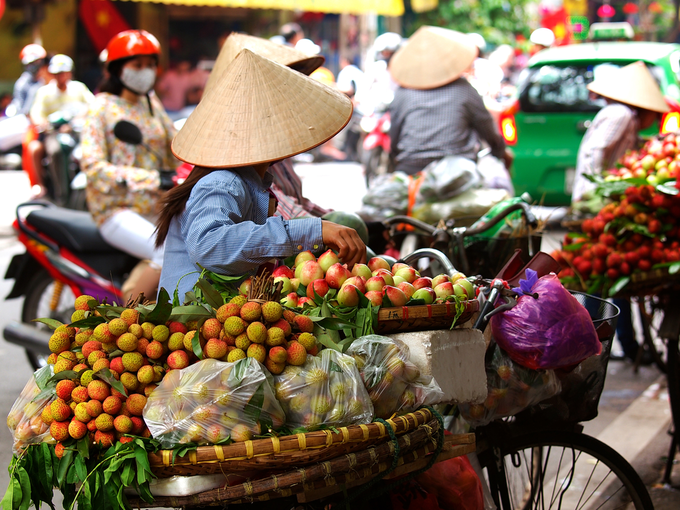
    Vietnamese citizens spend three times more on fresh food than fast-consumer moving goods (FMCG), a new survey says. A family in urban Vietnam spends about VND1.1 million ($47.12) on fresh food a month, according to the recent survey by market research firm Kantar Worldpanel Vietnam.

    The survey polled over 2,000 households in Hanoi, the central city of Da Nang, Ho Chi Minh City and southern Can Tho City, and over 1,000 households in various rural areas across Vietnam.

    Fruits top the spending category in fresh food, accounting for 19 percent of the total, while vegetables come second at 11 percent. The rest goes to meat, seafood and rice.

    The traditional market remains the favorite shopping outlet for Vietnamese people, accounting for 85 percent of total spending on fresh food.

    Vietnamese people spend VND930,000 ($39.81) per week on fresh food at traditional markets, mostly on meat and seafood.

    Although locals spend only VND220,000 ($9.42) per week on fresh food at supermarkets, the figure shows a 28 percent growth over last year. Most of the supermarket spending is on fruits and processed food.

    Fresh food and FMCG make up the majority of Vietnamese people’s spending at 26.8 percent last year in the cities and 25.9 percent in rural areas.

    With rising incomes, Vietnamese people, especially in the cities, have been spending more on education and health, the report finds.

    The share of spending on education by urban families increased from 10.8 percent in 2012 to 12.9 percent last year, while spending on health grew from 3.5 percent to 3.9 percent in the same period.

    The report also finds that Vietnamese consumers accord top spending priority to food safety, health and environmental issues/disease.

    The majority of survey respondents, 96 percent, are confident that their spending capability will be stable or increase in upcoming months, and 86 percent expect the Vietnamese economy to be stable or grow stronger in the near future.

  • LOTS to cheer for the Cash & Carry business in India

    LOTS to cheer for the Cash & Carry business in India

    LOTS Wholesale Solutions recently unveiled its second Cash & Carry wholesale distribution centre in India at Akshardham in East Delhi. The launch of LOTS’ second store follows closely on the heels of its first store three months ago. Inaugurated by Amitabh Kant, CEO, NITI Aayog, this is second of the fifteen distribution centres that the firm is aiming to open in India over the next three years.

    The newly launched store will cater to over 45,000 registered business customers, which include hotels, restaurants, and caterers (HoReCa), kirana stores, corporates, MSMEs and institutions such as government agencies, educational institutes, and hospitals.

    Spread over an area of more than 53,000 sq. ft., the newly opened store has all the facilities including automatic system orders forre-stocking, predicting the demand as per customer’s behaviour, and designated goods receiving and dispatching, live bakery, among many more. Other notable features are transparent pricing, round-the-year promotions, consistent product availability, customized last mile delivery and credit facilities, all of which are tailored to satisfy the needs of its registered members.

    “We had promised to open two wholesale distribution centres in India in 2018. Today, that promise has been fulfilled. From our first store, we have exceeded the expectations we had set for ourselves. We have been getting very good response and we are getting 600-1500 walk-in customers daily. We decided to open our second store in Akshardham in view of the unfulfilled potential of the area in terms of wholesale buying options. The facility is all set to cater to the requirements of our members in east Delhi and nearby catchment areas. Through this store, the business customers of LOTS Wholesale Solutions will have a wide range of more than 5,000 food and no-food products to select from. Besides, they will also benefit from customized delivery solutions, competitive pricing and personalized service through our business development associates,” Tanit Chearavanont, Managing Director, LOTS Wholesale Solutions, said commenting on the launch of the new store. With its expanding footprint in Delhi-NCR, LOTS Wholesale Solutions will generate 5,000 direct and indirect jobs over the next five years.

    The launch ceremony was presided over by the chief guest Amitabh Kant, CEO, NITI Aayog. Also present at the launch ceremony was Chutintorn Gongsakdi, Thailand’s Ambassador to India and LOTS’ global and Indian leadership team. “I congratulate LOTS Wholesale Solutions on opening its second store in Delhi-NCR. The Retail sector in India is poised for higher growth as we are growing at 8.2 percent. We have jumped 65 spot and moved up substantially in the ease of doing business. India is the only country to have repealed 1,300 regulatory laws as part of our efforts towards creating a better business environment. Indian FDI has grown 62 percent whereas globally the numbers have shrunk by 16 percent.

    This is a unique story for Indian retail and the government is pushing for greater financial inclusion and working closely with other stakeholders. Such enabling regulatory norms and liberalised FDI policy should make it easier for global companies like LOTS to invest in India and on mutually benefiting terms. We will act as a facilitator and assure them of all the support they need to excel and deliver on the demands and expectations of their customers,” said Kant.

    In recent years, India has emerged as one of the top destinations for FDI. The inflow of FDI into India has gone up significantly with receipts flowing in from across the world, which has given India access to the latest technology, best practices, and global innovations. The arrival of multinational companies like CP Wholesale Solutions in India, which has chosen a 100 percent FDI route to establish its operations in India, further vindicates the popularity of Brand India in the world. With India’s retail sector projected to grow to USD 1.3 trillion by 2020, the country is the land of opportunities for potential investors and companies looking to start operations here.

    There has been an overall growth of the Indian economy, which has increased the purchasing power of the people in rural areas opening development opportunities for the companies to expand their presence. This offers a huge potential for Cash & Carry players to target B2B customers – like kirana stores and catering to the rural audience. Also, the implementation of GST has created a favourable environment for companies like LOTS that aim to establish and expand operations across India. It rubs off positively on supply chain efficiency, uniform assortment of goods and in supporting the end consumers. Cash & Carry, also known as wholesale trade, is fast emerging in India, where Lots Wholesale competes with players such as Walmart, Metro Cash and Carry and Reliance Cash and Carry, a unit of Reliance Industries Ltd. According to Ambassador Chutintorn Gongsakdi, after the arrival of LOTS in India, business interest in the country has picked up substantially and many more companies from

    Thailand have begun making enquiries about starting operations in India. “As the Thai Ambassador to India, I have set an ongoing goal for India and Thailand to strengthen our economic relations. One target I had was to have at least two new businesses to come and start business in India during my term in office,” said the Ambassador. He remarked in a lighter vein that his task in India has already been accomplished within one and half years of taking up office. “With the registration ofCP Group’s LOTS Wholesale Solutions Pvt. Ltd. and SCG International Pvt. Ltd., I have already succeeded in meeting my target. I can go home but I have reset my target to bring in two new Thai companies per year.”

    Expressing his satisfaction and pleasure at India’s participation in Thailand’s eastern economic corridor, he observed: “Speaking on this occasion, I already know that two new businesses are in the process of registering their business in India. So things are very vibrant. I have witnessed all the hard work done by Tanit and his team with respect to LOTS’ first store. I would like to sincerely congratulate the LOTS team on the opening of the second store. To witness a Thai MNC such as CPGroup, known for great corporate governance and values, grow their business in India gives us great satisfaction and pride. India is a dynamic country with a great future and it is a moment of pride for the Royal Thailand government and myself that Thai companies are keen to play a contributory role in India’s economy.”

    Pointing out that the opening of the LOTS’ second store reflects the ongoing rise of Thai businesses in India and is proof of T ai investment successfully flowing into India, Ambassador Chutintorn Gongsakdi said: “LOTS and CP Group’s success will, in turn, have a halo effect on other companies in the CP Group and other Thai businesses wanting to enter India. As ambassador, I am pleased to see the full potential of Indo-Thai economic relations being developed through the engagement of CP Group and other Th ai MNCs and SMEs and also vice versa from the Indian side.We have now around 28 Thai companies in India and the 28 will soon be thirty and more. The trend is good and The Royal Thai embassy has been receiving many expressions of interest in doing business with Thailand from the Indian side as well. I will use my office as a business matching venue to put this act together. Thanks to the eff orts of Amitabh Kant, Niti Ayog, and others in team India, the government in India has been very successful in reforming the economy and making it friendly to investors. Th is is the right time for Th ai businesses to secure their place in India’s future. And this message is not only for Th ais but other ASEAN and other nationalities as well. It’s not too late to be in India and startnow but in another five years it will almost be too late. Thailand is ranked 26 in the ease of doing business and we also off er a very friendly setting for foreign investors wishing to set up operations in our country.”

    The Indian government, on its part, is actively favouring open-door policies in investment and trade. The government is pushing for financial inclusion and working closely with ministries like Commerce, DIPP and Food Processing to bring relief to farmers by doubling their income through better yield. “It is our vision to make India an ideal place for large format business groups to set up shop and contribute to the growing demands of our growing nation. I am impressed that LOTS with its values of “local love” and principles of 3Cs – country,community and company – is not just about profit making but also about focusing on contributing to the society in equal measure. My compliments to LOTS Wholesale Solutions for opening two wholesale stores within a span of three months,” Kant said.

    In India, LOTS is committed to invest over Rs 1,000 crore in the first five years and its plan of opening 15 wholesale distribution centres across northern India has already started taking shape. Within a span of one year of signing the Memorandum of Understanding (MoU) with the Ministry of Food Processing Industries, the company – CP Wholesale India Private Limited – was incorporated, LOTS brand was launched and two stores have started operations already. It plans to open a third one in Noida by the end of this financial year. Because of the real estate challenges in the country, the company has decided to open 25,000-50,000 sq. ft. stores inside the cities instead of outskirts. “If we build centres out of the city, it is very difficult for the people to travel. Th at is the reason why we continue to focus on building stores where the catchment is,” said Tanit.

    The company, which invests on average Rs. 60-70 crore in one centre, is also looking at opening stores in Lucknow, Kanpur, Varanasi, Jalandhar, and Kolkata. For the next 2-3 years, the company will continue to add more stores in north India as a part of its expansion plans and intends to have a national footprint in 10 years time. Besides, the company also plans to adopt the omni-channel system for integrating online sales channel with its brick and mortar stores and is also exploring the idea of having dark stores/fulfilment centre in India.

    “With regulatory changes like GST, demonetization, RERA and the Make in India policy bringing about a higher organization on the Indian retail scene, there is no time like the present for retailers from across the world to venture into the country and invest. Our parent company Siam Makro has defi nitive expansion plans in the ASEAN region and owing to a positive regulatory environment, India is the first on our list. We see a lot of potential and the right type of investing and retailing environment in the country, which is why we were ready to take the lead here,” said Sameer Singh, Director – Operations, Business Development and Expansion, LOTS Wholesale Solutions.

    He added that LOTS follows a cluster approach. The brand sets up stores basis the supplier/ customer base so that it can provide them with a hassle-free experience and build a robust supply chain and make the delivery process faster. “Our parent company Siam Makro has evolved into several separate store formats and we are bringing all these formats and this knowledge to India, ready to explore both large or small sizes and even multilevel sizes. We can look at different sizes, which could help us at different levels. It gives us that excitement to be part of the catchment itself, otherwise we might be stuck on a certain format,” explains Singh.

    This catchment-specific approach is extended to the daily needs and grocery sections of the product range of LOTS as well. All efforts are made to source fresh produce from local farming community, which helps farmers earn better while reducing wastage during transportation and storage.

    According to Singh, LOTS offers solutions to member companies, which help them undertake a path of sustainable growth. Our product selection is based on detailed research that is specific to the region as well as the community. A critical element is to provide support to the home-grown brands – an essential component of our region-specific business strategy. Therefore, apart from engaging with international brands, we are working very closely with Indian brands and local farmers.”

    Taking pride in working with the local community and giving back to society, LOTS has joined hands with farmers in Bhatinda to help them adopt progressive farming methodology. In addition to that, the company is committed to sourcing fresh produce from the local farming communities, share know-how and packaging and storage so that farmers can reduce wastage during transportation and storage and increase their income. The company hopes that its efforts will help to develop the agricultural sector in India.

    At the same time, LOTS is focused on customers’ needs and satisfaction. The company brings specially curated assortments, categorised into food and beverages, kitchenware, household appliances, home decor, furniture, bedding, textiles, stationery and office supplies, electronic products and others; making LOTS Wholesale Solutions a complete one-stop shop. Th e company also offers a varied set of benefits to its members, including a wide range of product selection at its stores, based on detailed research specifically catered to the catchment area and market demand. Th e company, which currently has a customer base of around one lakh members,will also offer its support to home-grown brands and local suppliers and is looking to turn profitable in the next five years.

    “We place our customers at the core of our business and aim to provide a hassle-free shopping experience, making LOTS Wholesale Solutions a one stop shop for all their business needs. We aim at sourcing our products from not only top international brands but also Indian brands as well. Additionally, we believe in supporting the local community so that they flourish without support,” emphasised Tanit Chearavanont.

  • JR East’s Atre to open first shopping mall outside Japan in Taiwan

    JR East’s Atre to open first shopping mall outside Japan in Taiwan

    The East Japan Railway is launching its first overseas shopping mall in Taiwan next month. The mall is opening under JR East’s station complex management subsidiary Atre, following an extended consideration of alternative international locations that included Thailand, Malaysia and the US. Taiwan was was chosen for its affinity with Japanese brands, which will occupy around 60 per cent of the mall’s 51 stores.

    The mall will open in Taipei Nan Shan Plaza’s Breeze Center on January 10.

    “We have no specific targets or plans at this point on how many shopping malls we want to develop outside Japan,” a spokesman for East Japan Railway said.

    The firm has 29 malls to date within Japan.

  • Vietnam’s largest oil refinery begins commercial operations

    Vietnam’s largest oil refinery begins commercial operations

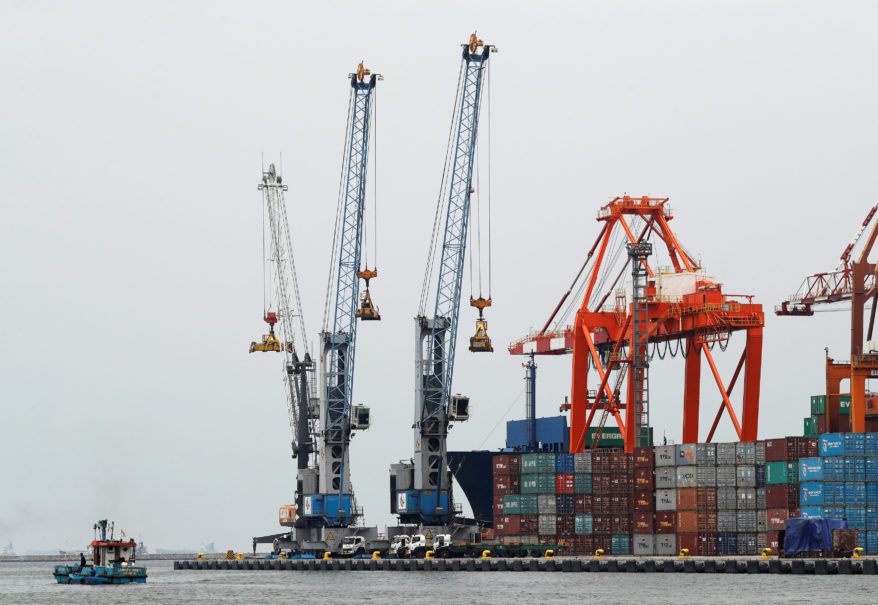
    The Nghi Son Refinery began commercial operation Sunday, and is expected to meet about 40 percent of domestic petroleum demand in 2019.

    Speaking at its inauguration, Prime Minister Nguyen Xuan Phuc emphasized the key role of the project.

    The refinery will process 200,000 barrels of crude per day in the first phase, equivalent to 10 million tons a year, double the capacity of Dung Quat, Vietnam’s only other refinery, in the central Quang Ngai Province.

    Situated in the Nghi Son Economic Zone, 200 km south of Hanoi in the central province of Thanh Hoa, Nghi Son is expected to hit 80 percent of capacity next year.

    According to the Thanh Hoa People’s Committee, last June the refinery was already capable of 10 refined petroleum products such as liquefied petroleum gas, gasoline A92, A95, diesel oil, and kerosene.

    As of December the plant has processed around five million tons of crude.

    Nghi Son together with Dung Quat is expected to meet 80-90 percent of domestic petroleum demand, reducing Vietnam’s dependence on imports.

    The $9 billion refinery is 35.1 percent owned by Japan’s Idemitsu Kosan Co, 35.1 percent by Kuwait Petroleum, 25.1 percent by state-run PetroVietnam and 4.7 percent by Mitsui Chemicals Inc.

  • Malaysia’s economy likely to grow in Feb to April 2019

    Malaysia’s economy likely to grow in Feb to April 2019

    Malaysia’s economy is likely to grow in February to April 2019, according to the performance of Malaysian Economic Indicators: Leading, Coincident & Lagging Indexes for October 2018 that was released last monday. Chief statistician Malaysia Datuk Seri Dr Mohd Uzir Mahidin said the monthly change of Leading Index (LI) augmented in October 2018, registering a growth of 1.2% to attain 119.3 points from 117.9 points in the previous month, primarily due to the increase of real imports of other basic precious & other non-ferrous metals (0.4%).

    “The annual change of LI showed an improvement from negative 1.7% in September 2018 to negative 0.7% in October 2018. The composite of LI is designed to monitor the economic performance direction in an average of four to six months ahead,” he said in a statement.

    On the same note, he stated that the Coincident Index (CI), which reflects the current economic activity, rose 1.0% in October 2018. Two components that contributed significantly to the increase were volume index of retail trade (0.5%) and real contributions to EPF (0.2%). At the same time, the annual change of CI grew further to 3.9% in October 2018 as against 3.4% in the previous month.

  • Garuda Indonesia Expects to Make Profit in 2018: CEO

    Garuda Indonesia Expects to Make Profit in 2018: CEO

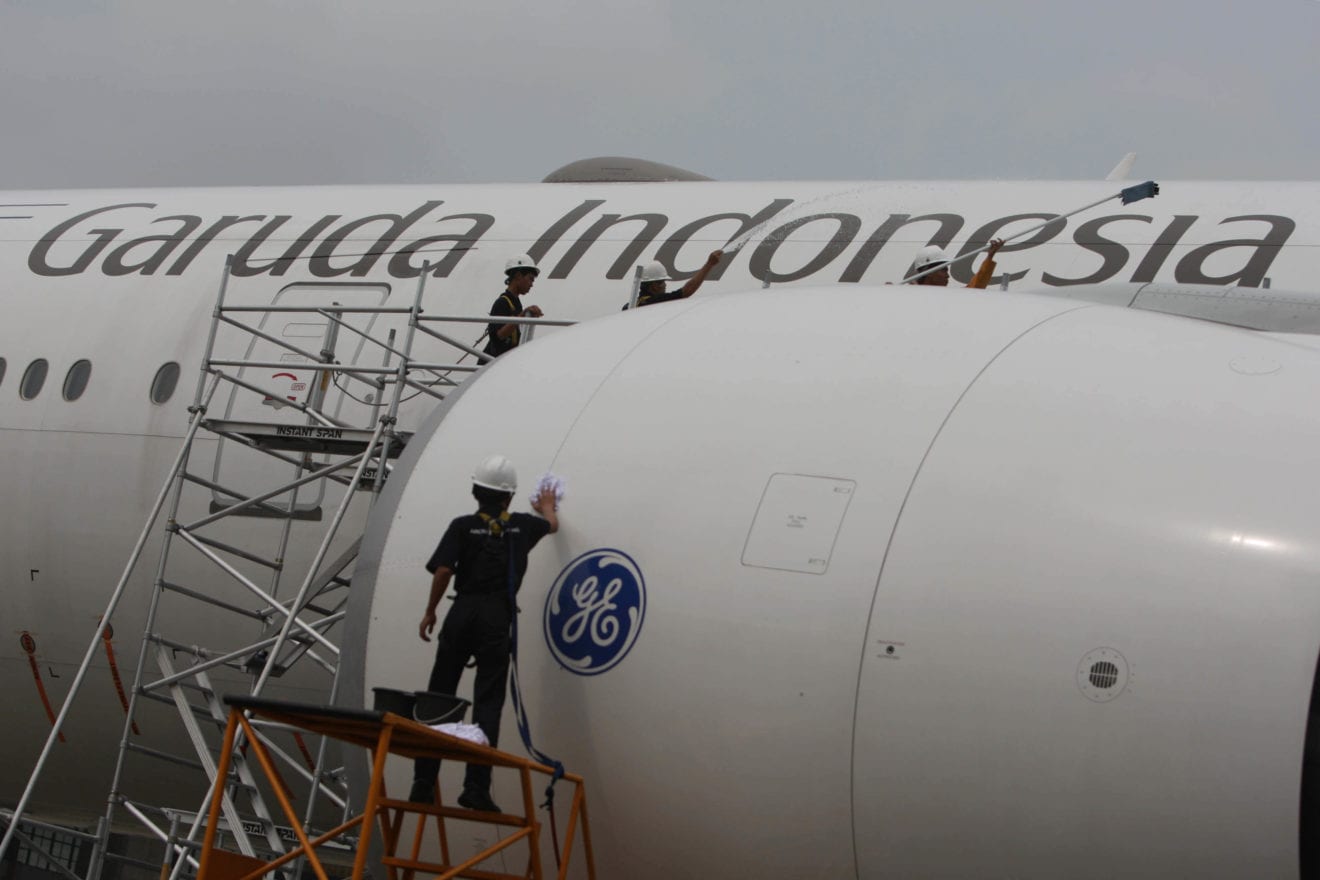
    National flag carrier Garuda Indonesia expects to end 2018 in profit and is targeting a net profit of Rp 1 trillion ($69 million) for 2019, its chief executive said on Friday. Garuda saved $96 million by working with lessors to restructure the financing of its planes until November 2019, chief executive Ari Askhara told reporters.

    “Our net profit for 2018 is positive, even though it might be a small amount,” he said, attributing the result to cost-cutting, renegotiation of aircraft leases and new partnerships.

    The result would be a marked improvement for the airline, which reported a $116.86 million net loss for the first six months of 2018. Ari declared in September that Garuda had abandoned hopes of making a profit this year, after struggling with fuel costs and a rising rupiah versus the US dollar.

    The new partnerships include Garuda taking operational control of rival Sriwijaya Group in November, gaining a majority share of the fast-growing domestic aviation market.

    That partnership could be escalated to a 51 percent share ownership of Sriwijaya, depending upon discussion with Garuda advisors and the Ministry of State-Owned Enterprises, Ari  told a media briefing. Garuda’s profit had yet to see a positive boost from Sriwijaya, he said.

    “Garuda might also see a partnership with [Malaysia’s] AirAsia … through [Garuda unit] Citilink but it’s very early,” he said.

    AirAsia president director Dendy Kurniawan confirmed in a statement that early talks with Garuda were underway, with “various forms of cooperation to support the industry being discussed,” but noted no final decision has been reached.

    Garuda has been battling for market share against local market leader Lion Air, which in October suffered a crash of a Boeing 737 MAX jet, killing all 189 people on board.

    Ari said Garuda had 30 million passengers in 2018 and would expand its fleet to include a new Airbus SE 330neo in September 2019 and a 737 MAX jet at the end of 2020.

    New profitable routes domestically and internationally are planned for 2019, he said.

    Ari also said an intended private placement of shares from subsidiary Garuda Maintenance Facility AeroAsia to longtime partner Air France Industries KLM Engineering & Maintenance had been canceled.

    He said that he considered the current share price of GMF AeroAsia too low and wanted to increase the company’s valuation first.

    Ari said GMF Aeroasia would partner with Dunlop and China Construction Indonesia to build a tire plant in 2019, with the first stage seeing a $300 million investment from the companies involved.

    The plant would be for the domestic market and supply 50 percent of its output to Garuda, 48 percent to Lion Air and 2 percent to AirAsia Group.

    Domestic air traffic more than tripled in Indonesia over the past decade as rising prosperity and lower fares made flying affordable for more people.

    With 129 million passengers in 2017, the Southeast Asian country is the world’s 10th-largest aviation market and is projected to continue growing.

  • Auto industry revs up industrial real estate in Vietnam

    Auto industry revs up industrial real estate in Vietnam

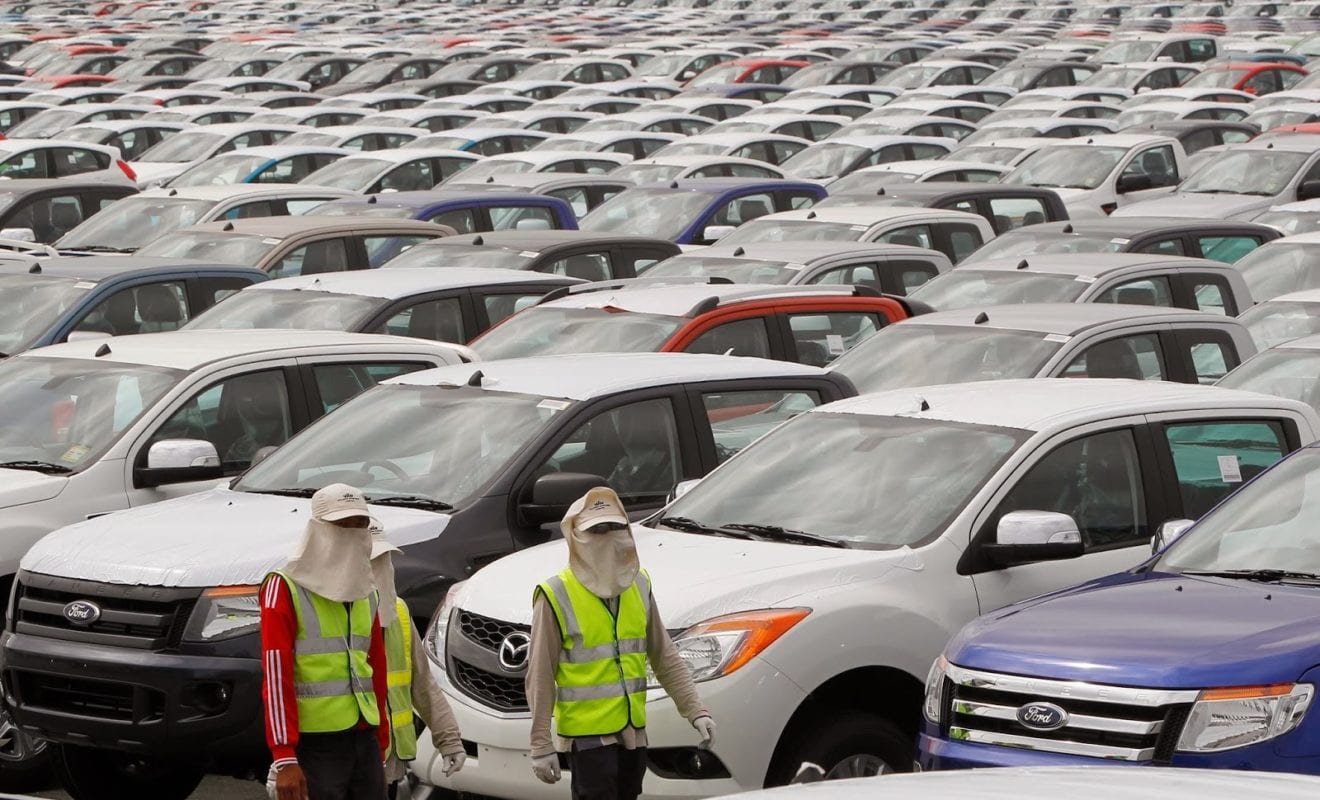
    Industrial real estate developers have been reaping the benefits of the investment surge into Vietnam’s automobile industry. Over the past three years, auto producers from Europe, the U.S. and Asia have been increasingly renting out industrial space and manufacturing facilities in Vietnam, giving real estate developers a significant boost.

    This is the conclusion drawn by a recent report by real estate service firm CBRE Vietnam which evaluates the impact of growth of the Vietnamese automobile industry on the industrial real estate market.

    The report notes that Camoplast Solideal from Luxembourg has rented 70,000 square meters of land to open a tire factory, and Schaeffler from Germany, 55,000 square meters to develop production facilities.

    Mercedes from Germany has rented 5,500 square meters of land to open a distribution center, while Bentley from the United Kingdom has rented 5,000 square meters for a showroom and service center.

    Yazaki of Japan has rented 39,000 square meters for electric car cable production, and Mogul Federal from the U.S. 5,000 square meters to make seats.

    The CBRE report says that although Vietnam’s car manufacturing sector may be behind some other ASEAN countries, the consolidation of cleared land allocated for automobile production is increasing.

    For both foreign and domestic producers, manufacturing facilities are mainly clustered in the north. Auto producers tend to choose this area to rent industrial land, the CBRE report says.

    Due to higher demand for industrial land, rentals have increased, recently.

    At an industrial park in southern province of Dong Nai, the price to rent industrial land for long-term leases of up to 50 years reached $90 per square meter last month, up from $60 to $70 last year.

    The average rent of industrial land in northern Vietnam hit $82 per square meter per lease term in Q3, an increase of nearly 9 percent compared to Q1, according to a report by real estate service firm Jones Lang LaSalle (JLL).

    Hanoi’s average rents increased significantly to $137 per square meter per lease term, the highest in the north, driven by limited supply.

    There are only 358 businesses in the auto industry in Vietnam compared to 2,500 in Thailand, according to the Ministry of Industry and Trade, and observers have said that the potential for growth is high.

  • Sunway Malaysia sells land, assets to Sunway REIT for RM550m

    Sunway Malaysia sells land, assets to Sunway REIT for RM550m

    Sunway Bhd is selling its land and assets to Sunway Real Estate Investment Trust (Sunway REIT) for RM550 million cash. Sunway said that its wholly owned subsidiary Sunway Destiny Sdn Bhd had on December 24 entered into a conditional sales and purchase agreement with RHB Trustees Bhd, being the trustee of Sunway REIT, for the proposed disposal.

    The exercise entails the disposal of three parcels of leasehold land in Sunway Town, Petaling Jaya, together with buildings comprising a five-storey academic block, a six-storey academic block, a 13-storey academic block as well as four blocks of five-storey walk up hostel apartment.

    Sunway said the proposed disposal will allow the group to unlock the value and realise its investment in the land and buildings, which will result in an improvement in the earnings per share of the Company by about 0.9 sen.

    Proceeds from the disposal will also lead to a net cash inflow of RM311.3 million for the group, with part of the proceeds will be utilised to repay existing bank borrowings, which is expected to reduce the group’s gearing and potentially save RM9.9 million of finance expense per annum.

  • Vietnam wants China to import more, invest more

    Vietnam wants China to import more, invest more

    China should increase imports of Vietnamese goods and make more hi-tech investments, government officials and business representatives say. Le Hoai Trung, Vietnam’s Deputy Minister of Foreign Affairs, proposed at the Vietnam-China Economic Promotion Forum Thursday that China creates more favorable conditions for more Vietnamese goods to enter the country through border gates.

    “We hope that the Chinese government will be more open to the Vietnam market, especially for products that Vietnam has strong supply and China has high demand for, such as rice, pork, milk, agriculture, seafood, electronics and consumer goods,” Trung said in the forum attended by 500 Vietnamese government and business representatives and 200 Chinese counterparts.

    Vietnam has a high trade deficit with China. From January to November, the country exported $37.7 billion worth of goods to China and imported $59.6 billion, a trade deficit of $21.9 billion, according to Vietnam Customs.

    Vu Tien Loc, chairman of the Vietnam Chamber of Commerce and Industry, said: “Although Vietnam’s exports to China have been increasing this year and trade deficit is declining, I don’t think this trend will be sustainable.”

    He said it would require a big effort from authorities to pave the way for Vietnamese goods, especially agriculture products, to enter China.

    Loc also proposed that that unofficial trade activities between the two countries at the border be formalized to guarantee long-term benefits for both sides.

    As protectionism in the world rises, Vietnam and China need to cooperate to control trade cheating, like Chinese businesses exporting its goods via Vietnam to other countries, which would impact on sustainable development of both countries, Loc said.

    Trung said at the forum that Vietnam welcomes foreign direct investment from China that is focused on high technology in infrastructure, supporting industry and agriculture.

    He added that Chinese FDI businesses should ensure environmental protection and Vietnamese labors’ benefits when investing in the country.

    Loc added that China, as a leading country in the world in the high-tech sector, can provide this kind of investment to Vietnam.

    “Vietnam is looking for a new type of foreign investment which has higher quality, integrate more with Vietnamese businesses using high-technology which are environment-friendly,” he said.

    China is Vietnam’s largest import market, while Vietnam is China’s largest trading partner in ASEAN and the 8th in the world.

    From January to November, bilateral trade turnover reached over $97 billion, up 16.5 percent year-on-year, according to official data.

    China has invested in over 2,000 projects in Vietnam, with a total registered capital of $13 billion. It ranks 7th out of 129 countries with FDI in Vietnam.

  • Vietnam’s PVOIL seeks multiple partners

    Vietnam’s PVOIL seeks multiple partners

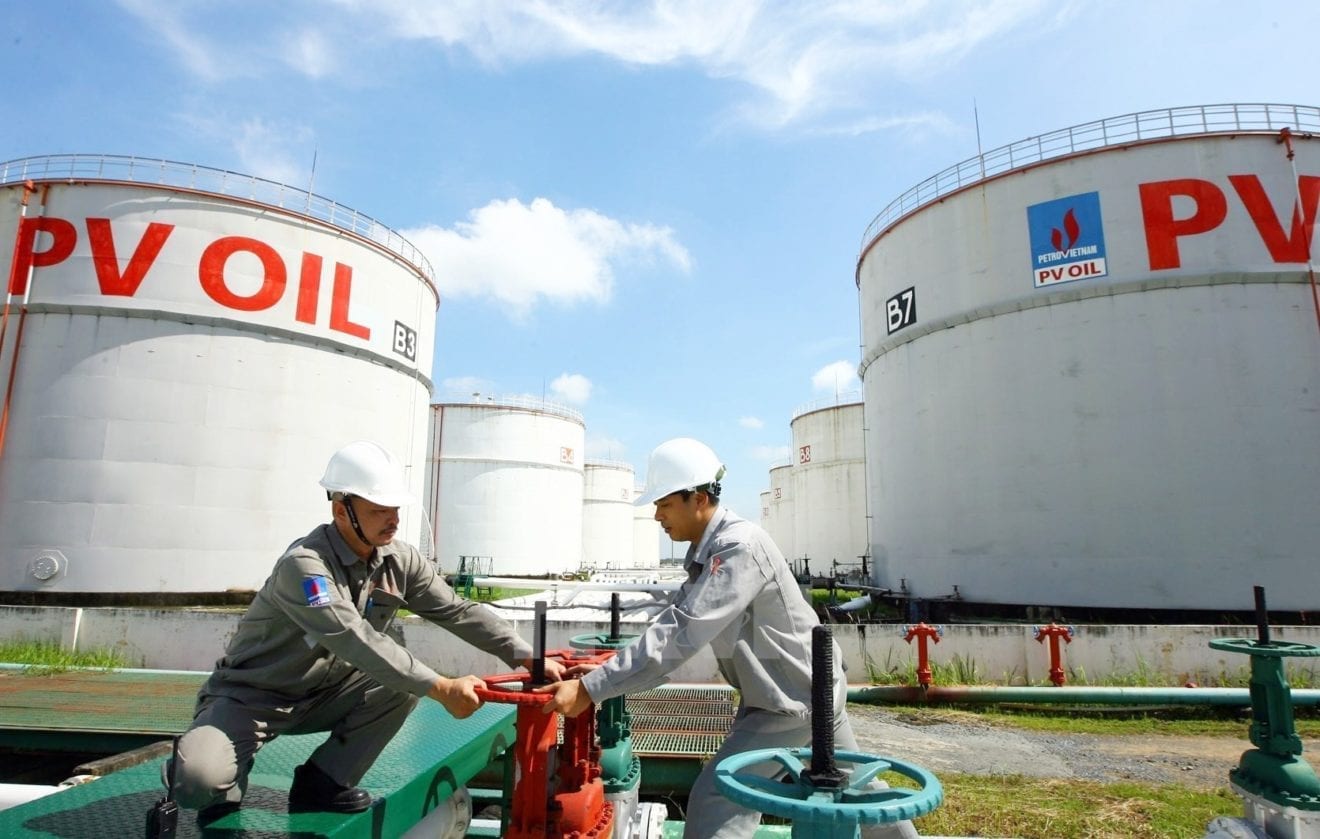
    Vietnam’s second-largest oil retailer, PV Oil, is seeking multiple buyers, instead of a single strategic investor, for a 44.72 percent stake. Although many investors expressed interest in becoming strategic partners with PetroVietnam Oil (PV Oil), including British-Dutch oil company Shell, South Korea’s SK Energy, and Idemitsu, a Japanese petroleum company, complicated administrative procedures have discouraged them, analysts say.

    PV Oil requires a strategic partner to hold the stake for at least 10 years.

    According to a new and revised divestment plan for PV Oil, the company is expected to raise at least $300 million from the divestment, Cao Hoai Duong, CEO of PV Oil, said.

    The bidding is expected to start in 2019.

    Last December, Deputy Prime Minister Vuong Dinh Hue had approved that state-owned PetroVietnam, the parent company of PV Oil, would reduce its ownership in PV Oil to 35.1 percent by selling a 44.72 stake to strategic investors.

    In January this year, VND4.18 trillion ($184 million) was raised through the sale of a 20 percent stake in PV Oil in an initial public offering (IPO).

    Vietnam maintains a 49 percent cap on foreign ownership limit in PV Oil.

    PV Oil runs 540 filling stations on its own and has about 3,000 locations operated by agents, mostly in northern Vietnam, as well as about 120 gas stations in Laos.

    PetroVietnam is one of the three biggest state-owned groups in Vietnam and a major contributor to state coffers.

  • Asian stocks slump after Fed raises interest rates

    Asian stocks slump after Fed raises interest rates

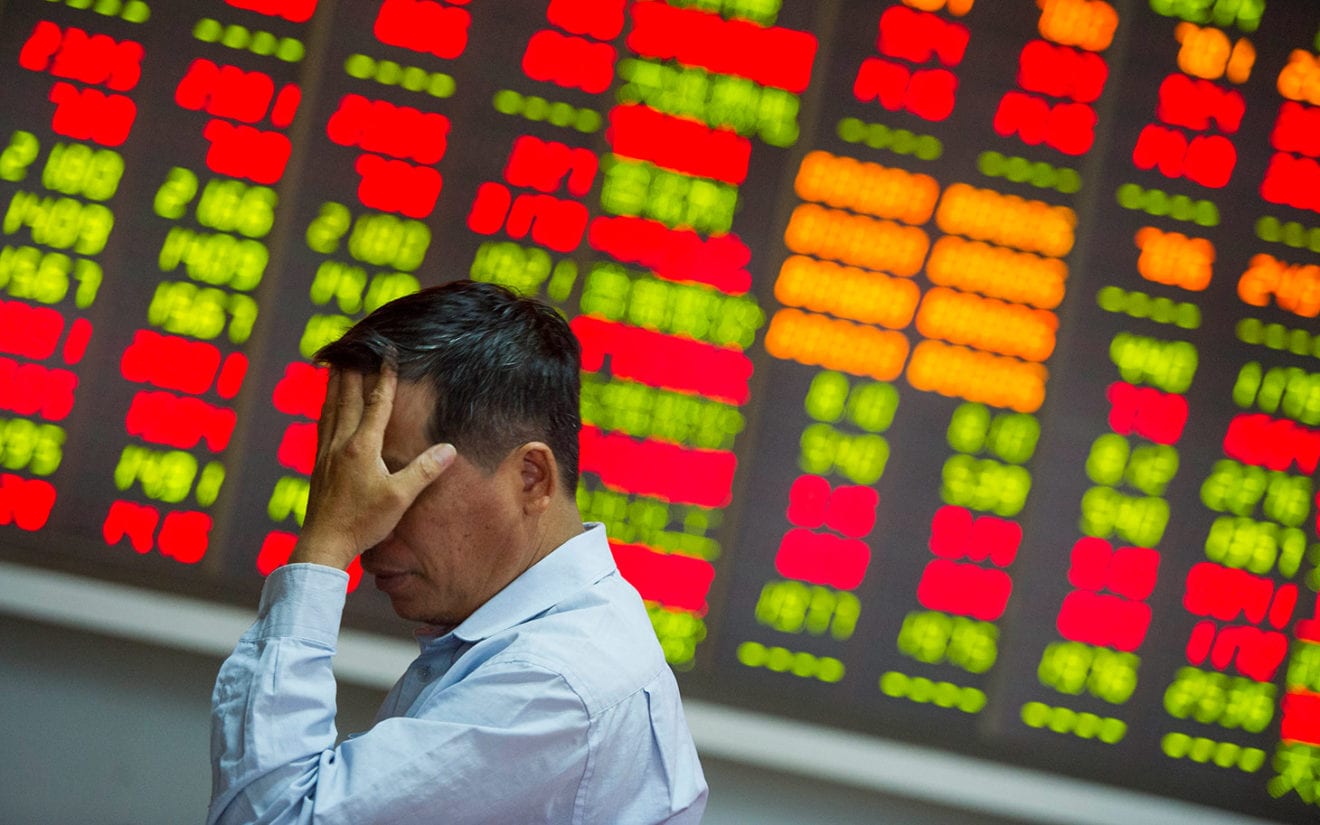
    Tokyo led a rout of Asian shares today, mirroring big losses on Wall Street after the Federal Reserve (Fed) defied unprecedented pressure from US President Donald Trump and raised interest rates, sparking fears the move could choke economic growth.

    The Nikkei plunged to a 15-month low as investors took fright over the pace of monetary tightening, with a slump triggered by the Dow’s fall to its lowest level of 2018 gathering pace.

    The Fed raised rates for the fourth time this year – as expected – but markets reacted badly after chairman Jerome Powell said the bank would not shift course on reducing its balance sheet.

    Investors had hoped for a less aggressive approach amid concern that global growth is slowing, while Powell played down the impact of recent market turmoil on the US economy.

    “They think the Fed has completely misjudged the situation and now it’s just a matter of … trying to find an exit while you can,“ said Kyle Rodda, a market analyst at IG Group in Melbourne.

    “We’re probably entering a stage now where markets have got it (in) their head that we’re preparing for quite sustained downside going into 2019.”

    The Fed now projects only two interest rate increases, down from three previously, as it trimmed its forecast for US growth and inflation.

    Stephen Innes, head of Asia-Pacific trade at OANDA, said the “Fed delivered a dovish hike, but clearly, there wasn’t enough affirmation in the statement that the Fed was close to pausing or ending their interest rate hike cycle sooner than expected”.

    But some analysts urged caution.

    “The market overreacted to the Fed, I think,“ said Shane Oliver, head of invest-ment strategy at AMP Capital Investors in Sydney.

    “It is moving in a dovish direction and is on track for a pause in the first half of next year. Markets are being driven by fear rather than fundamentals.”

    But the spillover from the rate hike continued to rattle investors in Asia today, deepening concern over global growth prospects which are already facing headwinds from Trump’s trade war with Beijing, a slowing Chinese economy, and potential turmoil from Britain quitting the European Union.

    Japanese stocks also declined after the Bank of Japan left ultralow rates unchanged, with the threat of trade protectionism and slowing global growth casting a pall over the export-driven economy. A strong yen also put downward pressure on stocks with the dollar falling below ¥112.

    Nissan dropped more than 2% after a Japanese court rejected prosecutors’ request to extend the detention of former Nissan chairman Carlos Ghosn after his arrest for financial misconduct.

    Shanghai fell more than 0.5%, even after the People’s Bank of China said it would supply lower-cost liquidity for up to three years to banks willing to lend more to small companies, as policy makers aim to shore up the flagging economy.

    Sydney closed more than 1% lower while Hong Kong and Seoul were down 0.9% each.

    The equities slump spread to Europe. Around 1100 GMT, London’s benchmark FTSE 100 index was down 0.5% with losses capped by stronger-than-expected UK retail sales data and as traders looked ahead to the outcome of the Bank of England’s regular monetary policy meeting later today.

    In the eurozone, Frankfurt’s DAX 30 shed 1.0% and the Paris CAC 40 slumped 1.5%.

  • Miniso to set up warehouses in Delhi, Mumbai, Kolkata and Bengaluru

    Miniso to set up warehouses in Delhi, Mumbai, Kolkata and Bengaluru

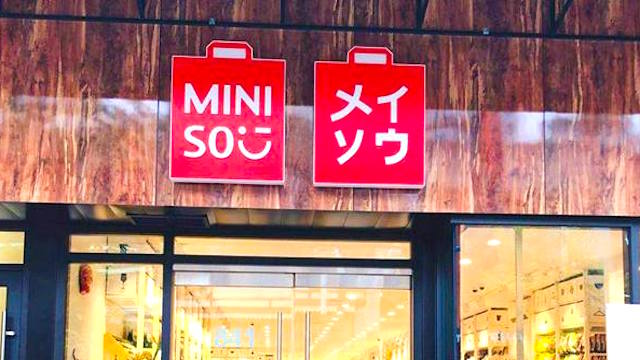
    Japanese retail brand Miniso plans to source India-made products for its stores in the US and Australia, said a top company official. According to a report: Miniso India is also investing to set up its own warehouses in Delhi, Mumbai, Kolkata and Bengaluru to cater to its expanding network.

    “We are looking into getting more local purchase and we also want to sell Indian products to other countries,” Yang Liu, Chief Business Development Officer, Miniso Indi said.

    He further said, “We have built up a system. We do not only want to import here but also export from here to markets like Australia and the US.”

    The initial line-up of products to be sourced from India include socks and snacks, he said.

    About the local purchase, Liu said by December 2019, around one third products at Miniso India would be sourced locally.

    As per FDI norms, it is mandatory to source 30 per cent goods from India in single brand retail trade.

    “The products which are selling are not only from China but some cosmetics are from South Korea and Thailand also, and I think before the end of next year, we would be able to put our local purchase to 30 per cent,” Liu said.

    He further added that the company is working in this direction and has already signed contract with some local manufacturers.

    The company would also set up small warehouses around tier II & III cities for its new franchise stores.

    Miniso launched retail operations in India in August 2017 and clocked Rs 700 crore revenue in one year. It plans to take its store count to 800 by 2019.

    It operates around 3,000 stores in over 70 markets.

  • Louis Vuitton personalisation service launches in Asia

    Louis Vuitton personalisation service launches in Asia

    Luxury retailer Louis Vuitton is offering a personalisation service for a selection of men’s ready-to-wear items in a limited number of global stores. The My LV World Tour Louis Vuitton personalisation service offers clients the opportunity to customise their purchases with a variety of patches and embroideries inspired by vintage travel labels and varsity lettering of the kind Gaston-Louis Vuitton used to adorn his own luggage. The service was previously limited to leather goods.

    The patch themes include world-famous cities and heritage LV graphics, some of which will be available seasonally as limited-edition items.

    The Louis Vuitton personalisation service is available in only eight Asian stores: Hong Kong’s Canton Road and Pacific Place; Shanghai’s Plaza 66; Beijing’s Shin Kong; Japan’s Omotesando and Shinsaibashi; Singapore’s Marina Bay Sands and Seoul’s Shinsegae Main.