Tag: Business

  • Now tourist can claim VAT refund in downtown Bangkok

    Now tourist can claim VAT refund in downtown Bangkok

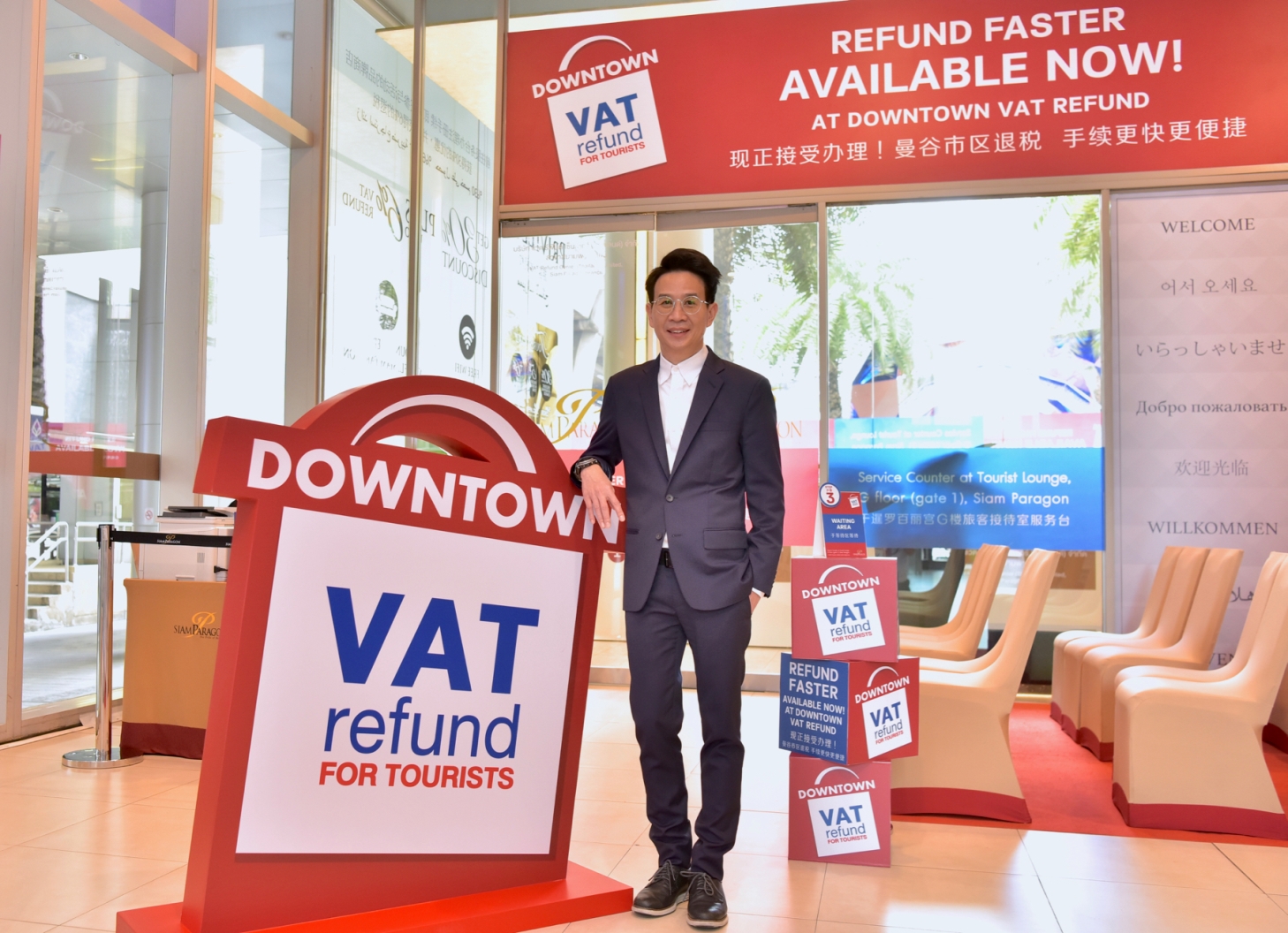
    According to the announcement by the government’s Reveue Department regarding ‘Downtown VAT Refund for Tourist’, the campaign has kickstarted an initiative to set up counters in numerous locations across central Bangkok to help tourists proceed with VAT refund upon shopping at permitted VAT refundable retailers. VAT refund will be returned to tourists in the form of cash in Thai Baht, encouraging them to continue shopping in Thailand with ease and convenience. Apart from helping tourists, the campaign is initiated to promote growth and balanced income distribution to small businesses.

    As one of the founding parties of VAT Refund Center (Thailand) Co.,Ltd, Siam Piwat Co., Ltd. is proud to be the official partner and the representative to assist tourists with VAT refund processes in these 5 locations across Central Bangkok; Siam Paragon, CentralWorld, Central Chidlom, Robinson Sukhumvit,  and The Emporium. As one of the partnering department stores, Siam Paragon has completed all preparations to help and service incoming tourists at the highest capacity.

    Senior Executive Vice President for Siam Piwat Co., Ltd. retail business development division Charnchai Cherdchoowongtha-nakorn said, “Siam Paragon is delighted to fully support the government’s policies and work with the Revenue Department. ‘Downtown VAT Refund for Tourist’ is set up to be a key area on G Floor where tourists can find conveniently, as it is located by one of our entrances connected to BTS Skytrain and taxi stops. Additionally, adept, knowledgeable and service-minded staff have been assigned to accomodate tourists with paperwork and essential procedures in order to fully and successfully comply with policies from the Revenue Department.”
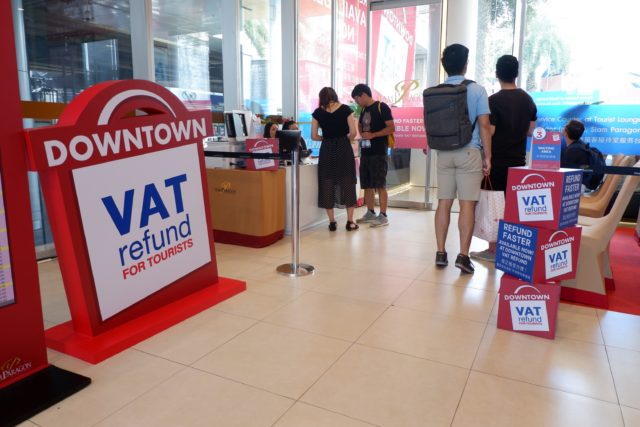
    “Not only will shopping tourists of Siam Paragon, Siam Center, and Siam Discovery find it convenient to proceed with VAT refund at Siam Paragon, all tourists who have purchased goods, in accordance with all policies by the Revenue Department are welcomed to complete all necessary procedures at our department stores. The convenience of VAT refund at Siam Paragon is extremely helpful for those who have purchased in the popular shopping destination Siam as hundreds of SME businesses, small retailers and corporations are located in the area, covering an vast space of 2,000,000 sqm, with over 20 hotels to accommodate international tourists in more than 3,000 rooms available – with extra support from Bangkok’s BTS Skytrain system, connecting Ratchathevi and National Stadium to Siam station.”

    “According to statistics, out of 400,000 – 500,000 shopping tourists per day at One Siam, an average of 938 VAT Refund Form ( P.P. 10) have been filled each day from shops and retail spaces in Siam Paragon, totaling to a signification amount of 342,494 applicants.”

    “Based on Siam’s all-round advantages, we are confident that our VAT refund counter on G Floor of Siam Paragon will be the key point of service for all international tourist groups. Not only will these counters help tourists in making better decisions about visiting Thailand, the amount of amount refuned back to them will potentially be spent on additional purchases in Thailand. Consequently, it would help boost our economy. I can see this initiative having positive influence on the number of Thailand-bound tourists – more by volume and frequency,” Charnchai stated.

    The initiative of establishing VAT refund counters directly impacts the tourism industry on multiple levels: 1. Amount of retained money which tourists have spent after receiving VAT refund helps small retailers and businesses, which, in turn, strengthens Thailand’s economy; 2. The growth in sales volume and sales value is proportional to the rate of economic growth and revenue from tourist spending; 3. A significant decline in VAT refund at Suvarnabhumi and Don Muang Airport reflects positive a sign of service improvement; 4. VAT refund for tourists promotes better opportunities for local retail shops to generate more sales.

  • GSK plans to split into 2 as part of Pfizer joint venture

    GSK plans to split into 2 as part of Pfizer joint venture

    GlaxoSmithKline (GSK) plans to split into two businesses – one for prescription drugs and vaccines, the other for over-the-counter products – after forming a new joint venture with Pfizer’s consumer health division. The revamp is the boldest move yet by Emma Walmsley, the GSK chief executive who took over last year.

    It will lead to the creation of a consumer health giant with a market share of 7.3 percent, well ahead of its nearest rivals Johnson & Johnson, Bayer and Sanofi, all at around 4 percent.

    Walmsley has previously played down the idea of breaking up the group, something that a number of investors have called for over the years.

    On Wednesday, however, she announced that GSK and Pfizer would combine their consumer health businesses in a joint venture with sales of 9.8 billion pounds ($12.7 billion), 68 percent owned by the British company, in an all-equity transaction.

    GSK said the deal laid the foundation for the creation of two new U.K.-based global companies focused on pharma, vaccines and consumer health care within three years of the transaction closing.

    For Pfizer, the deal resolves the issue of what to do with its consumer health division, which includes Advil painkillers and Centrum vitamins, after an abortive attempt to sell it outright earlier this year.

    GSK – whose consumer products include Sensodyne toothpaste and Panadol painkillers – had withdrawn from that earlier Pfizer auction process, but Walmsley said the opportunity to strike an all-equity deal cleared the way for the new agreement.

    “It’s something we’ve been able to do quickly and quietly,” she said.

    “What this deal is all about is the opportunity to strengthen two businesses – a world-leading consumer health care business, and a new GSK that is focused on pharma and vaccines.”

    Shareholders welcomed the news and the shares jumped 7 percent, with Jefferies analysts saying the future separation could crystallize value.

    The new joint venture with Pfizer is expected to generate total annual cost savings of 500 million pounds by 2022 for expected total cash costs of 900 million and non-cash charges of 300 million. GSK plans divestments of some 1 billion pounds.

  • Supporting industry should be a major priority: PM Vietnam

    Supporting industry should be a major priority: PM Vietnam

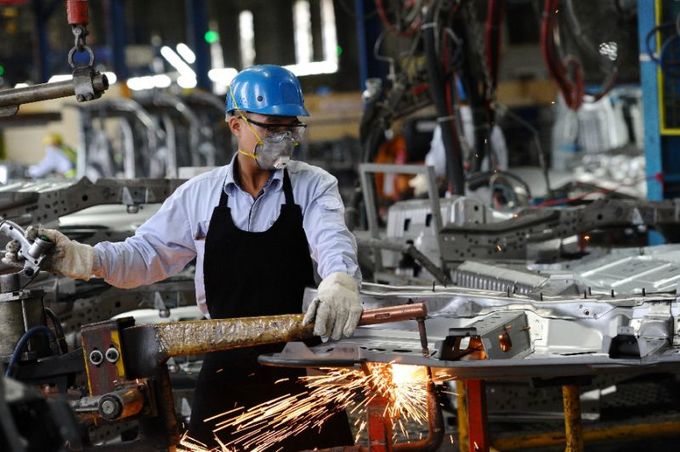
    Vietnam needs to make its supporting industry a production base for the global manufacturing chain, PM Nguyen Xuan Phuc says. “Vietnam should become a production base for multinational companies. This is what the Ministry of Industry and Trade and other government bodies should think about in their development strategy,” Prime Minister Nguyen Xuan Phuc said Wednesday.

    He was speaking at the conference on “Solutions for Promoting the Development of Supporting Industry in Vietnam,” held in Hanoi.

    He said that Vietnam should strive to compete in regional and global markets, manufacturing parts for cars, motorbikes and even airplanes.

    The government has always been prioritizing land access for the supporting industry, and has never said no to any such request, Phuc said.

    Supporting businesses should speed up and start operations earlier, Phuc said, adding that there were firms in the industry that could finish clearance and lay their foundations in just three months, while some have left things hanging for as long as three years.

    The supporting industry in Vietnam remains weak, having to import nearly 90 percent of raw materials, spare parts and components needed for production, according to the Ministry of Industry and Trade.

    This means a low localization rate, even in industries with great supporting industry potential, like automobiles and textiles and garments, it said.

    Minister of Industry and Trade Tran Tuan Anh said at the conference that only 300 supporting firms were currently part of the supply chain for multinational companies. As of last year, Vietnam had 75,000 manufacturing firms.

    The number of new businesses in this sector has barely increased in recent years, even though this is a key foundation for industrialization, Anh said.

    Therefore, those making finished products in the country are having to import accessories and parts from other countries or produce them on their own, he added.

    He cited Japan as a good example of a strong supporting industry. Even though the majority of Japanese supporting businesses are medium, small and micro sized, they are integrated deeply in the global manufacturing chain with high added value. They provide accessories and parts to the aviation industry, he noted.

    The trade minister added that Vietnam’s policy for attracting foreign direct investment (FDI) does not create favorable opportunities for local supporting businesses to develop and join the global manufacturing chain.

    There are over 3,000 supporting industry businesses in Vietnam, accounting for 4.5 percent of the manufacturing and processing sector, creating jobs for over 550,000 employees, according to the Ministry of Industry and Trade.

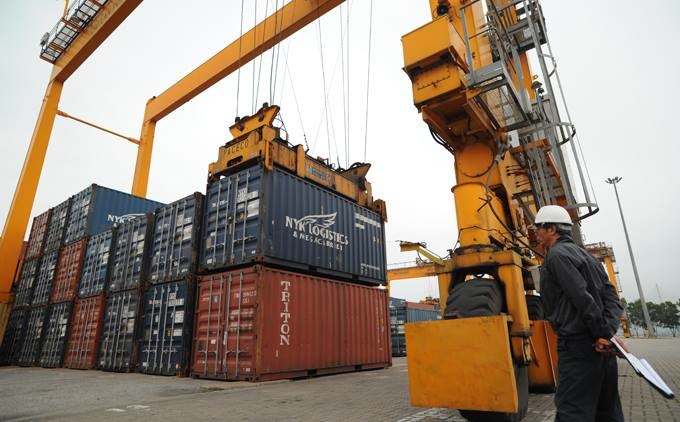
    From January to November this year, Vietnam imported $30.66 billion worth of machines, accessories and parts, and exported $15.13 billion worth of products, according to Vietnam Customs, marking a trade deficit of $15.53 billion.

  • Copperwired adding .Life stores next year

    Copperwired adding .Life stores next year

    Gadget retailer Copperwired is set to invest THB165 million (US$5.036 million) opening 30 new .Life stores by the end of next year. The new .Life stores include a new 310sqm flagship at CentralWorld, described as the “largest gadget lifestyle shop featuring Internet of Things (IoT) technology in Thailand”, which opened in September.

    The brand’s public listing on the Thai exchange is expected next year.

    “With the adoption of 5G, the number of connected devices will increase, and IoT in the form of connected toys, smart homes and smart transport and new demand for product categories will rise accordingly,” said Copperwired CEO Paramate Rienjaroensuk.

    The company expects .Life stores to boost its income by more than 20 per cent in the current financial year to more than THB800 million (US$24.414 million).

  • Why is Farfetch betting on sneakers?

    Why is Farfetch betting on sneakers?

    In its first major move since going public in September, Farfetch announced Wednesday that it is acquiring sneaker and streetwear marketplace Stadium Goods in a deal that values the business at $250 million. The London-based fashion e-commerce platform is aiming to extend its reach in the growing luxury sneakers and streetwear market, as millennials account for a growing percentage of luxury sales and competitors are engaged in a digital land grab.

    Farfetch first partnered with Stadium Goods, a consignment reseller of rare and limited edition products, on a distribution deal in April of 2018, bringing a small selection of products sold on Stadium Goods to the Farfetch platform.

    After the deal closes, Stadium Goods’s full inventory  will be available to Farfetch users. Stadium Goods will continue to operate independently while tapping into Farfetch’s logistics and delivery capabilities.

    The world’s largest fashion e-commerce players, including Farfetch, MatchesFashion and Richemont’s Yoox Net-a-Porter, are locked in a race to add new services and technologies through investments, acquisitions and internal research and development in order to stay ahead of the pack, generate higher margins and become the go-to platform for consumers and brands.

    They’re all chasing a rapidly expanding online luxury market, which Bain & Co. sees growing from an estimated €26 billion ($30 billion) in 2018 to between €80 billion and €91 billion ($90.9 billion to $103 billion) in 2025.

    Sneakers are a key driver of the boom, outpacing overall luxury sales growth to reach $4 billion last year.

    Farfetch founder chief executive Jose Neves said that while his marketplace has built a following around high-end streetwear, “we did not have access to the rare sneakers, to the premium limited editions in the secondary market” that Stadium Goods Offers. The partnership has so far generated “phenomenal, immediate traction” from all of Farfetch’s markets, especially China, Japan, Russia and the Middle East.

    “[Sneakers] are growing faster than other categories and we see the same on Farfetch,” added Neves. “We now have the strongest secondary market brand, in our view.” Stadium Goods competes directly with other streetwear-focused platforms StockX, Grailed and GOAT.

    Stadium Goods co-founder and chief executive John McPheters said Farfetch’s international reach would be a major boost to the business.

    Most of Stadium Goods’ sales happen online, and the marketplace has partnered with larger digital retailers including Amazon, eBay, Zalando and Alibaba to scale its access to sneakerheads. Last year, it turned over $100 million in gross merchandise volume.

    Both Farfetch and Stadium Goods are focused on capitalising on China’s growing luxury market, but they have taken different approaches.

    JD.com, China’s second-largest e-commerce company, has a stake in Farfetch. Meanwhile, Stadium Goods started selling products on JD.com rival Alibaba’s Tmall in 2016, and the company has said the channel now accounts for 15 percent to 20 percent of total sales.

    McPheters said Stadium Goods’s relationships with its existing e-commerce partners will remain “business as usual,” batting away the suggestion of a potential conflict between the two company’s respective alliances with JD.com and Tmall.

    Neves said any re-evaluation of the partnership between Stadium Goods and Tmall would be up to Stadium Goods management.

    Farfetch, which went public on the New York Stock Exchange in September 2018, has aspirations to be the “Amazon for luxury,” adopting the e-commerce giant’s marketplace model. Third-party sellers, from tiny boutiques to global brands and retailers, list products on the site, with Farfetch processing sales and sometimes handling the logistics, but not taking inventory.

    Since going public, Farfetch has made clear its aggressive focus on new markets, pursuing more business in emerging economies such as China and the Middle East, as well as signing on additional retailers and brands. Neves told analysts in November that he wants Farfetch to take the “lion’s share” of new luxury spending online over the next decade.

    The company reported $310 million in sales on its platform in the third quarter, a 53 percent jump from the same time last year, and putting Farfetch on track to handle transactions worth well over $1 billion for the full year.

    Farfetch’s cut of each sale is around 30 percent. Losses are also growing, as it invests heavily in technology, hitting $77 million in the third quarter of 2018, up from $28 million during the same period the previous year.

    On Wednesday, Farfetch shares were up 5.9 percent at $23.90.

    Stadium Goods is Farfetch’s first acquisition since picking up Chinese digital marketing agency CuriosityChina in July. In 2015, it also acquired London boutique Browns.

    “We will continue to look only at world-class absolute leaders in specific markets or technologies or categories, and nothing else,” said Neves, describing his strategy around potential future acquisitions as case-by-case. “I believe first in deals that are win-wins.”

    Stadium Goods opened in New York’s Soho in 2015, reselling limited edition sneakers to a growing market of fans ready and eager to pay thousands of dollars for rare pairs. Founded by McPheters and Stiller, the business raised $4.6 million in January 2017 in a Series A funding round led by Forerunner Ventures. In February 2018, LVMH bought an undisclosed minority stake in the business.

  • Google launches ‘Shopping’ in India to woo online shoppers

    Google launches ‘Shopping’ in India to woo online shoppers

    Tech giant Google Thursday unveiled ‘Google Shopping’ in India that will allow users to easily filter through offers, review prices from multiple retailers and find products that they are looking for. According to a report: The personalised experience will be available across various Google products — a Shopping home page, Shopping tab on Google Search and through Google Lens. Customers will be able to see trending products across different categories, various deals, and compare prices using the new offering.

    For retailers, the company will offer its ‘Merchant Center’ in Hindi, which will allow the sellers to list their products for Google Shopping, without paying for ad campaigns.

    “India has over 400 million internet users. However, only one-third of these have shopped online and that number includes those buying railway tickets online. From seasoned desktop shoppers to first-time users with entry-level smartphones, we hope this new shopping experience will make finding what people are looking for just a little bit easier,” Surojit Chatterjee, Vice President – Product Management, Google said.

    Google Shopping will be a connector between retailers and consumers, and the transaction and delivery of products will be handled by the merchant, he added.

    “There are an estimated 58 million small and medium businesses (SMBs) in India, of which 35 per cent are engaged in retail trade. However, a very small number of them have an online presence, this is a huge opportunity for retailers to surface their merchandise to the millions of online consumers,” Chatterjee said.

    Google aims to support the entire retail ecosystem — from shopping sites and large retailers to small local shops — by giving them access to the tools, technology, and scale to thrive in the new digital economy, he added.

    Chatterjee said merchants will not have to pay any fee for listing their products for Google Shopping.

    Under the Shopping tab in Google Search, users can search for products and see prices from across multiple retailers. The ‘Style Search’ option in Google Lens will allow users to find products such as clothes, furniture, and home decor, by simply pointing the Lens app from their smartphones.

  • Sears to be fined US$443 million

    Sears to be fined US$443 million

    Bankrupt U.S. retailer Sears has been hit with a charge of approximately US$443 million due to store closures. The charges relate to markdowns, severance costs and lease termination costs related to the business’ Chapter 11 bankruptcy, filed due to its inability to hit a debt payment deadline in October.

    The company said some of the charges, revealed in a regulatory filing, have already been incurred, with the remaining charges to be booked in the fourth quarter.

    At the time, Sears chairman Edward Lampert told investors that while the business had made progress, its plan had not delivered the desired results.

    “Addressing the Company’s immediate liquidity needs has impacted our efforts to become a profitable and more competitive retailer,” Lampert said.

    GlobalData Retail managing director Neil Saunders noted there was no clear path to success for the retailer.

    “The group has tried to shrink its way to profitability for years to no avail, so it is hard to see why pursuing the same strategy under the auspice of Chapter 11 would result in a different outcome,” Saunders said.

    Saunders said that several reasons have contributed to this outcome, but foremost among them is Sears management’s failure to evolve the store offering as retail modernised.

    “Ultimately, Sears needs not just to fix its financial problems. It also needs to repair the deficiencies in terms of retail strategy… only a complete change of management will bring this about.”

  • LVMH acquires Belmond hotel group

    LVMH acquires Belmond hotel group

    The London-based owner of the Hotel Cipriani in Venice and the Orient Express train service is being acquired by LVMH for $3.2bn including debt, marking a return to dealmaking by the world’s largest luxury group by revenues. The acquisition of Belmond boosts the hotel portfolio of LVMH, which already has Cheval Blanc hotels in Courchevel, the Maldives, Saint-Barthélemy and Paris as well as owning Bulgari Hotel and Resorts.

    Belmond operates in 24 countries and its hotels include the Copacabana Palace in Rio de Janeiro and Hotel Splendido in Portofino. It also owns train services such as the Venice Simplon-Orient-Express and Belmond Royal Scotsman, and cruises including Belmond Afloat in France and Belmond Road to Mandalay.

    LVMH, which owns brands such as Christian Dior and Louis Vuitton, saw off interest from several other potential bidders for the deal, including private equity groups.

    Belmond, which used to be known as Orient-Express Hotels, had said in August it had hired Goldman Sachs and JPMorgan Chase for a strategic review.

    The acquisition of Belmond comes as companies seek to tap into a rising trend of so-called “experiential” luxury, with consumers buying fewer products and more experiences in areas such as high-end food and wine, luxury hotels and travel.

    “Our agreement today with the Belmond Group is entirely consistent with our continued investment in the field of experiential luxury,” Bernard Arnault said.

    He added that the deal will “bring us ever closer to our highly discerning customers”. “Bernard Arnault was one of the first to think hard about how best to attract and retain an increasingly volatile luxury customer,” said Thomas Chauvet, analyst at Citi. “Over the past decade, LVMH has expanded its reach beyond its traditionally boundaries with continued expansion of travel retail, the rollout of high-end hotels and spas,” he said.

    “While these activities have a limited impact on LVMH’s overall profit, these have been among the group’s fastest growing businesses over the past few years.” The global luxury hotel market was worth at $83.1bn in 2017 and is expected to grow at a compound annual growth rate of 4.3 per cent to reach $115.8bn by 2025, according to Grand View Research, a consulting firm.

    Paris-based LVMH said on Friday that it was buying Belmond for $25 per share in cash — a premium of more than $7 per share to the stock’s closing price on Thursday. That represents a value of $2.6bn for the overall equity of group.

    Including debt, Belmond is being valued at $3.2bn.

    In the year to September, Belmond made adjusted earnings before interest, tax, depreciation and amortisation of $140m on revenues of $572m.

    Its average price per room night ranges from $1,206 in Europe to $448 in Asia.

    The last substantial deal by LVMH chairman and chief executive Bernard Arnault was more than 18 months ago, when his family company Groupe Arnault paid €12.1bn for the minority stake that it did not already own in Christian Dior.

    At the time Mr Arnault said that LVMH was shunning external acquisitions because they were either unavailable or too expensive. “We’re not actively looking at external acquisitions, we’re focusing on internal growth,” said Mr Arnault in April 2017. “Given the current market, fewer and fewer assets are looking attractive to us. And the best assets are not for sale.”

    In 2016, LVMH also bought high-tech German suitcase maker Rimowa, which is headed by Mr Arnault’s son, Alexandre Arnault.

    The Belmond transaction is expected to complete in the first half of 2019.

  • Securing Raw Materials Key to Competitiveness of Indonesia’s Textile Industry

    Securing Raw Materials Key to Competitiveness of Indonesia’s Textile Industry

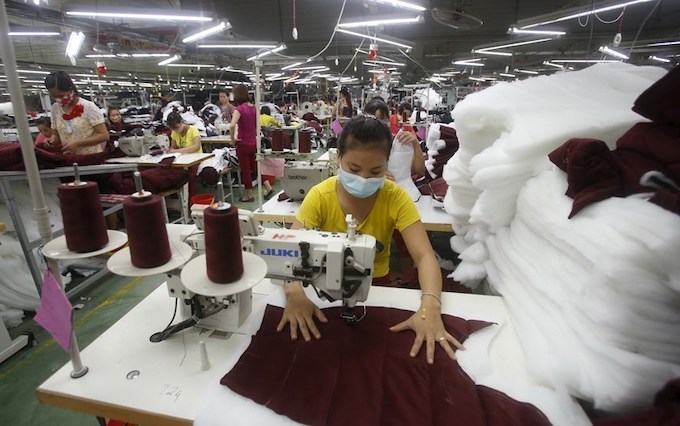
    Indonesia is set to become one of the top five textile and textile product producers in the world by 2030, and the Ministry of Trade is forging ahead with its Making Indonesia 4.0 roadmap, which prioritizes the development of a number of industries, including the textile sector.

    Muhdori, the trade ministry’s director tasked with the textile, leather, footwear and various other industries, said the implementation of the roadmap would strengthen the textile sector’s global competitiveness, as it improves efficiencies and product quality.

    “Being highly integrated from upstream to downstream, this sector is competitive and is supported by a large amount of human resources for its production activities,” he said.

    The challenge for the textile industry was to become more efficient, while continuing to improve human resource competencies, in accordance with technological development, he said.

    “Being both an export-oriented and labor-intensive sector, the textile industry has thus far contributed significantly to Indonesia’s economic growth,” Muhdori said.

    According to the Ministry of Industry, textile and textile product exports have continued to increase in recent years. The textile and textile product sector’s contribution to Indonesia’s gross domestic product amounted to a record $10.46 billion last year, while exports were valued at $12.58 billion, up 6 percent from 2016.

    Increased Exports

    The Ministry of Industry pegged textile exports at $13.5 billion this year, along with the creation of 2.95 million new jobs in the industry, while exports are projected to increase further to $15 billion next year, with the creation of up to 3.11 million jobs. This will increase the sector’s share of Indonesia’s total exports to 1.6 percent.

    The ministry is optimistic that this year’s growth target of between 4 percent and 6 percent can be achieved. The textile industry grew 3.45 percent last year, having nearly doubled from 2016.

    However, this growth target also calls for an increased supply of raw materials, which currently consist of 51 percent synthetic fiber, such as polyester and nylon, 37 percent cotton fiber, and 12 percent rayon.

    But the industry still faces obstacles in reaching its full competitive potential, as nearly all cotton must be imported. In contrast, 80 percent of synthetic fiber and 85 percent of rayon are domestically produced, with these numbers expected to increase further.

    Rayon is a cellulose material extracted from soluble wood pulp. It offers better absorption and breathability than cotton. Rayon fiber has various uses, including in clothing, bedding, towels, baby wipes, masks and personal hygiene products.

    According to Redma Gita Wirawasta, secretary general of the Indonesian Synthetic Fiber Producers Association (APSyFI), rayon is most in demand in the fashion industry due to several advantages, such as comfort and disposability, which make it environmentally friendly.

    “Indonesia has the potential to become one of the largest rayon industry players in the world, supported by extensive land availability and a suitable climate. This makes Indonesia comparatively superior to other rayon-producing countries,” he said.

    Raw Materials

    Redma Gita said the growth of the rayon fiber industry requires sustainable raw material supply through industrial plantations.

    “Rayon plants supported by industrial plants not only strengthen the structure of the textile industry, but also reduce its dependence on imported raw materials, which has been an issue for national textile competitiveness,” he said.

    “This upstream industry could even generate foreign exchange as some of its production is exported,” he added.

    The Ministry of Industry noted that the production capacity of the rayon fiber industry has risen substantially over the past three years. Production is expected to increase to about 700,000 metric tons this year, compared with 565,000 tons last year and 470,000 tons in 2016.

    Production capacity growth is expected to continue until 2021, when it is expected to reach 1.2 million tons.

    However, the industry faces challenges from environmental activists. Redma Gita refuted allegations from Canopy, an international nonprofit focused on forest conservation, which stated that raw materials for rayon fiber comes from ancient and endangered forests in Sumatra and Kalimantan.

    “Those accusations are baseless. They have provided no proof of this whatsoever,” he said. He also highlighted the importance of the government in supporting the development of the national textile industry.

    Machmud Thohari, a forestry expert, meanwhile also questioned the Canopy report’s use of terms such as ‘ancient’ and ‘endangered’ to categorize forests.

    “As far as I know, the terms ‘ancient’ and ‘endangered’ aren’t commonly used in the scientific classification of forests,” he said.

    Thohari said the term ‘ancient forest’ may have been used to refer to an old-age forest or one that is many, many years (i.e.: centuries) old.

    On a similar note, Riau Governor Wan Thamrin Hasyim also condemned the Canopy allegations, as he sought to highlight the strategic industrial potential of the province.

    “The accusation must be clarified, as it can deter investors and [negatively impact] Riau’s economic growth,” he said.

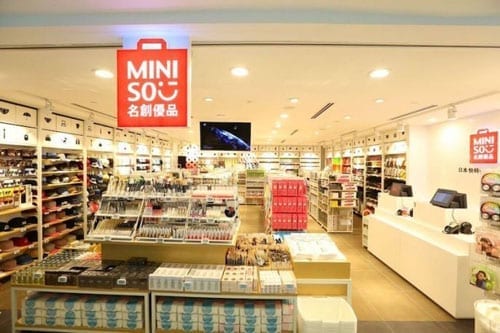
  • Miniso Canada is collapsing

    Miniso Canada is collapsing

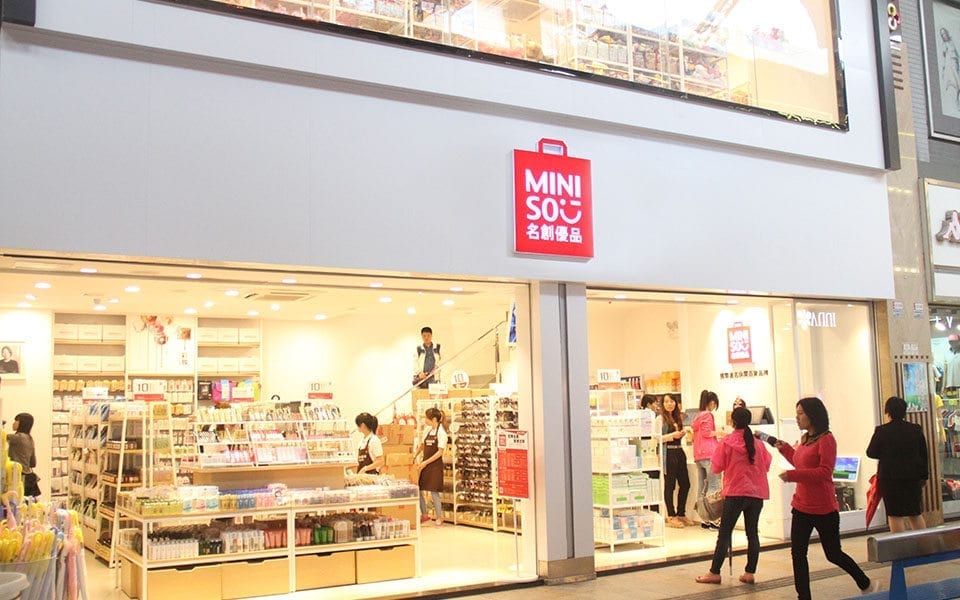
    Miniso Canada is on the brink of bankruptcy after an action brought against it by its Chinese parent company alleging fraudulent business dealings and the transfer and hiding of assets. The extraordinary situation was revealed by Canadian website which in its last update reported the Canadian subsidiary had reached a preliminary agreement with the Chinese company to avoid the move.

    Miniso China has declined comment.

    Citing court documents, Miniso China is owed C$20 million (US$14.7 million) and had retained a lawyer to commence legal action in British Columbia courts to recover the amount.

    Minso launched in Canada last year with plans for 500 stores within five years. To date it has opened 48.

  • FastGo can’t go, say Vietnamese authorities

    FastGo can’t go, say Vietnamese authorities

    Vietnamese ride-hailing firm FastGo, at odds with authorities over its legal status, asserts it is going by the book. According to the Ministry of Transport and the Ministry of Industry and Trade, FastGo is not yet eligible to be approved for a pilot phase, nor is it registered as a tech platform.

    In a written reply to the Da Nang Department of Transport’s proposal to permit FastGo to operate, the Ministry of Transport has said that the application falls under the category of “electronic contract service based – management support platform.”

    But, the ministry adds, it is yet to receive a proposal to launch the app directly from FastGo Vietnam JSC, which means the application is not yet ready to be approved for a pilot phase.

    The ministry has also requested the Da Nang Department of Transport to inform cab companies not to use FastGo if the app is offered to them. Furthermore, FastGo is not allowed to provide its services directly to taxi drivers, it says.

    However, Nguyen Huu Tuat, FastGo CEO, is adamant that the app is not violating any law. He said that he has not received a written response the ministry or from the Da Nang Department of Transportation.

    Tuat clarified that FastGo does not provide transport support management services to individual drivers in Da Nang. It only services drivers of local transport cooperatives.

    “FastGo has filed the information and sent a request for approval for a pilot phase, but has not received a response from the Ministry of Transport,” said Tuat.

    He said Fastgo is neither defined as a transport service provider nor is it a transport cooperative. It is merely an application connecting drivers with customers. Tuat said that he was waiting for new transport regulations on this issue, following which the company will determine the specific business category for registering its app.

    FastGo has been functioning in Vietnam’s major cities since June. It is only after six months that regulators have backtracked and declared that its registration is incomplete.

    A representative of the Department of E-Commerce and Digital Economy under the Ministry of Industry and Trade said: “FastGo has not registered its tech platform with the Ministry of Industry and Trade. Therefore, it is unlawful for FastGo to engage with drivers or operate a transport management platform.”

    In response to this comment, Tuat asserted that he has submitted this proposal, but is yet to receive a reply.

    Launched in June 2018, FastGo now operates in Hanoi, Ho Chi Minh City and Da Nang with more than 30,000 drivers. At the end of August, the local company received funding from VinaCapital, and is planning to mobilize up to $50 million for a second expansion phase that will target Indonesia and Myanmar.

    FastGo Vietnam Joint Stock Company was established in April 2018 with its headquarters in Hanoi. The company belongs to a wide network of services provided by Nextech, a leading tech firm in Vietnam.

    A Nikkei Asian Review report quoted the company as saying it hopes to make its service available in 20 cities in Vietnam and five other Southeast Asian markets, including the Philippines, Cambodia and Thailand, by the end of next year.

  • Indonesia’s November Trade Deficit Widest Since July 2013

    Indonesia’s November Trade Deficit Widest Since July 2013

    Indonesia posted its widest monthly trade deficit in over five years in November as exports, especially that of palm oil and pulp, slumped, data from the statistics bureau showed on Monday. The deficit in November was $2.05 billion, compared with October’s revised deficit of $1.77 billion and the biggest trade gap since July 2013, according to Refinitiv data. A Reuters poll had expected a deficit of $830 million.

    The rupiah weakened slightly after the trade data to 14,620 a dollar at 12.45 p.m. from 14,600 before the announcement.

    Exports surprisingly fell 3.28 percent in November from a year earlier to $14.83 billion, the worst monthly performance since June 2017. The poll’s median was for a 3.95 percent increase for exports.

    A decline in overseas sales of a range of products, such as palm oil, jewelry, pulp and paper, and crude oil, was the main reason for the drop, Central Statistics Agency (BPS) head Suhariyanto said at a news conference.

    Export revenues from vegetable oils, including palm and coconut oil, fell nearly 19 percent in November from a year earlier due to weak prices, he said.

    November imports stood at $16.88 billion, up 11.68 percent from a year earlier, topping the poll’s 10.50 percent estimate, but down from the nearly 24 percent growth in October.

    Southeast Asia’s largest economy has been struggling to contain imports in recent months. Some measures, including higher tariffs, have been imposed to curb imports.

    Authorities have also sped up negotiations for free trade deals to gain better access for exports, in a bid to reduce the trade gap and support the rupiah.

    Bank Indonesia has also hiked interest rates six times since May to try to attract portfolio investment needed to fund the widening current-account deficit.

    Fakhrul Fulvian, an economist at Trimegah Sekuritas, said the worse-than-expected trade deficit would “lower the expectation of improving current-account balance” in the fourth quarter. But he argued that the central bank would not have to raise rates again because it already did in November.

    Maybank Indonesia economist Myrdal Gunarto agreed.

    “The movement of the exchange rate in domestic market remains manageable and the trade deficit was supported by returning foreign inflows,” Gunarto said. “With that, we project Bank Indonesia will still maintain its policy interest rate at the current level.”

  • Vietnamese consumers among the most optimistic in the world

    Vietnamese consumers among the most optimistic in the world

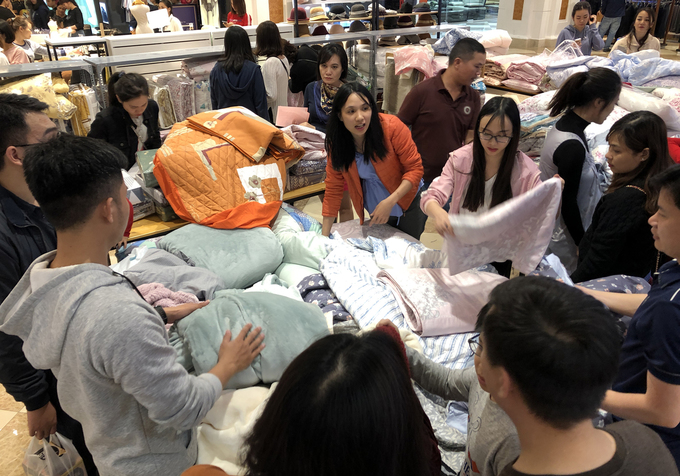
    Vietnamese consumer confidence has reached a global high thanks to optimism over jobs and personal finances. The Vietnam Consumer Confidence Index has risen by nine points from the second quarter to reach an all-time high at 129 points in the third quarter of 2018, according to the Global Consumer Confidence Survey.

    The survey results have been released by research association The Conference Board in collaboration with global market research company Nielsen.

    The survey ranks the country in second place in the world in terms of consumer confidence, behind India at 130 points.

    While most Asian economies are vulnerable to the ongoing trade dispute between China and the U.S., Vietnam is a possible exception, as it may attract parts of the global value chain that currently run through China, the report said.

    The rise in the confidence index is also due to greater optimism about employment prospects, personal finances and the level of willingness to spend.

    Eight out of ten Vietnamese surveyed said that they were positive about their job prospects, up nine percentage points from the second quarter.

    Eighty-two percent of respondents expected their personal finances will be good or excellent over the next 12 months, up 6 percentage points from the second quarter.

    The majority of them, 63 percent, said that the next 12 months are a good time for them to buy the things that they want and need, 8 percentage points higher than the second quarter.

    Concerns about having a stable job and health (both at 40 percent) remained the top concerns among Vietnamese consumers. The national economy came in third at 27 percent, 5 percentage points higher than the previous quarter.

    Vietnamese consumers continue to take the lead globally when it comes to saving, the survey found. Seventy-two percent of respondents said that they would save their spare cash, up two percent from the second quarter.

    But Vietnamese people are also more willing to spend on big-ticket items. The percentage of people who would spend their spare cash on home improvements increased 10 percent from the second quarter to 48 percent.

    Over half of them, 53 percent, want to spend the money on new clothes, up 7 percentage points from the second quarter.

    Nguyen Huong Quynh, managing director of Nielsen Vietnam, said that when consumers faced multiple concerns, their purchasing decisions will be affected and businesses should always keep a close track on changes in the spending habits of consumers.

  • Miniso launches online store in Singapore with Shopee

    Miniso launches online store in Singapore with Shopee

    Discount Chinese merchandise chain Miniso has partnered with e-commerce platform Shopee to open its first online flagship store in Singapore. Shopee will exclusively host the Miniso Singapore online offering in the territory as a part of the retailer’s omnichannel strategy for Singapore in the coming year. The partnership will offer home delivery, special promotions and exclusive product launches on the platform.

    Miniso Singapore general director Alex Zhang Li said: “We foresee numerous key opportunities that will be pivotal to our growth strategy next year as we enter our first e-commerce partnership. As a global variety store chain, we aim to be able to deliver meaningful experiences, and leveraging Shopee’s user base, extensive operational support and other value-added services to grow our business will allow us to do that.

    “We are very excited to engage with a new segment of online customers and are confident that this partnership with Shopee is a leap forward to securing our long-term online and offline success in retail.”

    Shopee’s chief commercial officer Zhou Junjie added: “This partnership also marks our dedication to enabling offline retailers extend their reach online. We are confident that this partnership will be a fruitful one, and we look forward to working with them to bring to users even more exciting deals and exclusive offers from the brand.”

  • After Flipkart, Walmart eyes another Indian startup that specialises in AI

    After Flipkart, Walmart eyes another Indian startup that specialises in AI

    Walmart Labs India, the local product development division of US retail giant Walmart, last week announced it would hire key tech team from Artificial Intelligence (AI) and data analytics start-up Int.ai — its second acqui-hiring in the country within three months.

    Three engineers — including co-founders Vinay Kumar NP and Praneeth Doguparthy — from Int.ai will join Walmart Labs India.

    They will be part of the health and wellness portfolio under Customer Technology at Walmart Labs, the company said in a statement.

    “We are glad to welcome the Int.ai team to the big Walmart Labs family and believe that their expertise will be a great addition to our data analytics capabilities,” said Hari Vasudev, Country Head and Vice President – Technology, Walmart Labs India.

    This is the second acqui-hiring Walmart Labs India has made — after micro-app startup Appsfly in September where it merged Appsfly’s six-member team into its customer experience engineering group.

    Founded in 2016, Int.ai has invested and built expertise in architecting an analytics automation framework which will support Walmart Labs in developing solutions and supporting large-scale businesses.

    “After working for almost 3 years on it, we are very happy to let you know that our entire team will be joining Walmart Labs, India,” Vinay and Praneeth said in a separate statement.

    “We started Int.ai in the beginning of 2016 with an ambitious mission to build an AI-powered personal data analyst for every business executive,” they added.

    Int.ai developed expertise in blending Machine Learning with data analytics to uncover insights that significantly impact business metrics.