Tag: Business

  • Alfamart to add 200 PHL stores

    Alfamart to add 200 PHL stores

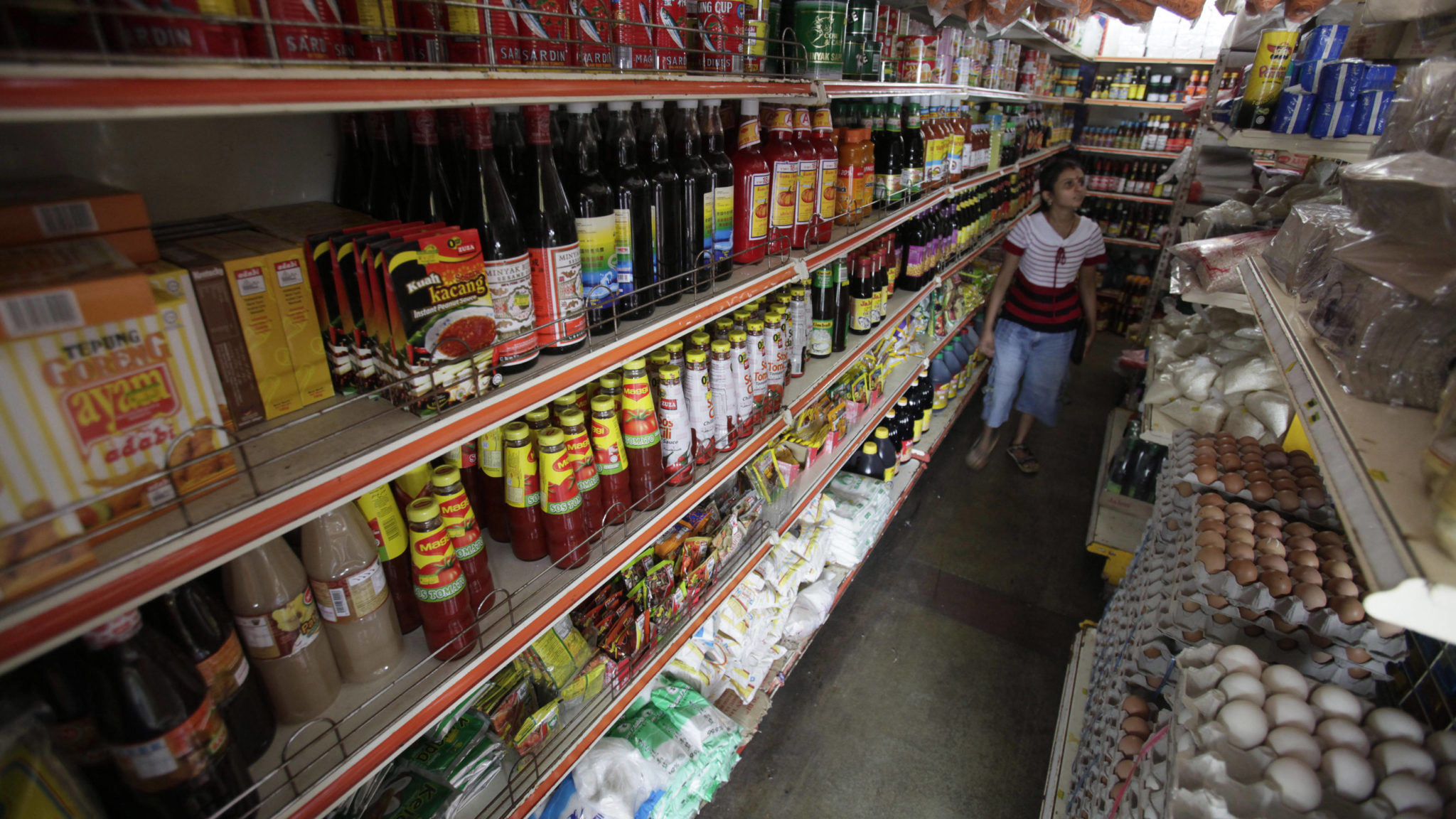
    Mini-mart chain Alfamart will open 200 new stores in the Philippines next year, according to a Fitch Ratings report. It said Alfamart Philippines stores already has 400 stores in the country, of which 180 were opened this year in partnership with local operator and majority stakeholder SM Group. The 200 new stores will take its total network to 600 locations in the Philippines by the end of next year.

    “Alfamart’s investment risk for its Philippine expansion is mitigated by the strong presence of SM Group in the country … Fitch expects Alfamart to have access to SM Group’s large business network and tap its widely known brand”.

    SM Retail operates 1729 stores nationwide. Alfamart’s Indonesian parent has a 35 per cent stake in the Alfamart Philippines business.

    According to the report, “Both Indonesia and the Philippines are consumer-driven markets with young populations and expanding middle classes. Both economies have similar income levels of GDP per capita of US$3000-$4000. Consumers in both markets also prefer to buy small amounts of bundled products rather than filling grocery carts”.

    It described the mini-mart sector in the Philippines “as untapped and having limited competition … the existing players mostly operate convenience stores that carry more limited products. Alfamart’s stores offer additional products, such as fresh and frozen food, personal care and small household appliances, giving the company some competitive advantage in grabbing market share.

    “Alfamart chose to expand in the Philippines as it believes it has more potential than other Southeast Asian markets, such as Thailand and Vietnam.”

  • Google Launches New Products and Services for Indonesia

    Google Launches New Products and Services for Indonesia

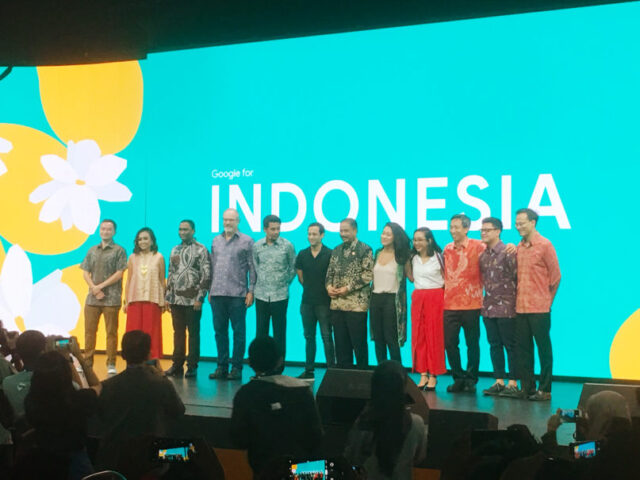
    American technology giant Google announced a slew of new products and services that promise to benefit Indonesia’s rapidly growing digital economy.

    WizPhone 

    What surprised the audience most during the third annual “Google for Indonesia” event in Jakarta on Tuesday was the announcement of the WizPhone. The device, with styling reminiscent of the 1990’s, is the first Indonesian-made mobile phone equipped with Google Assistant, the tech giant’s artificial intelligence-powered virtual assistant.

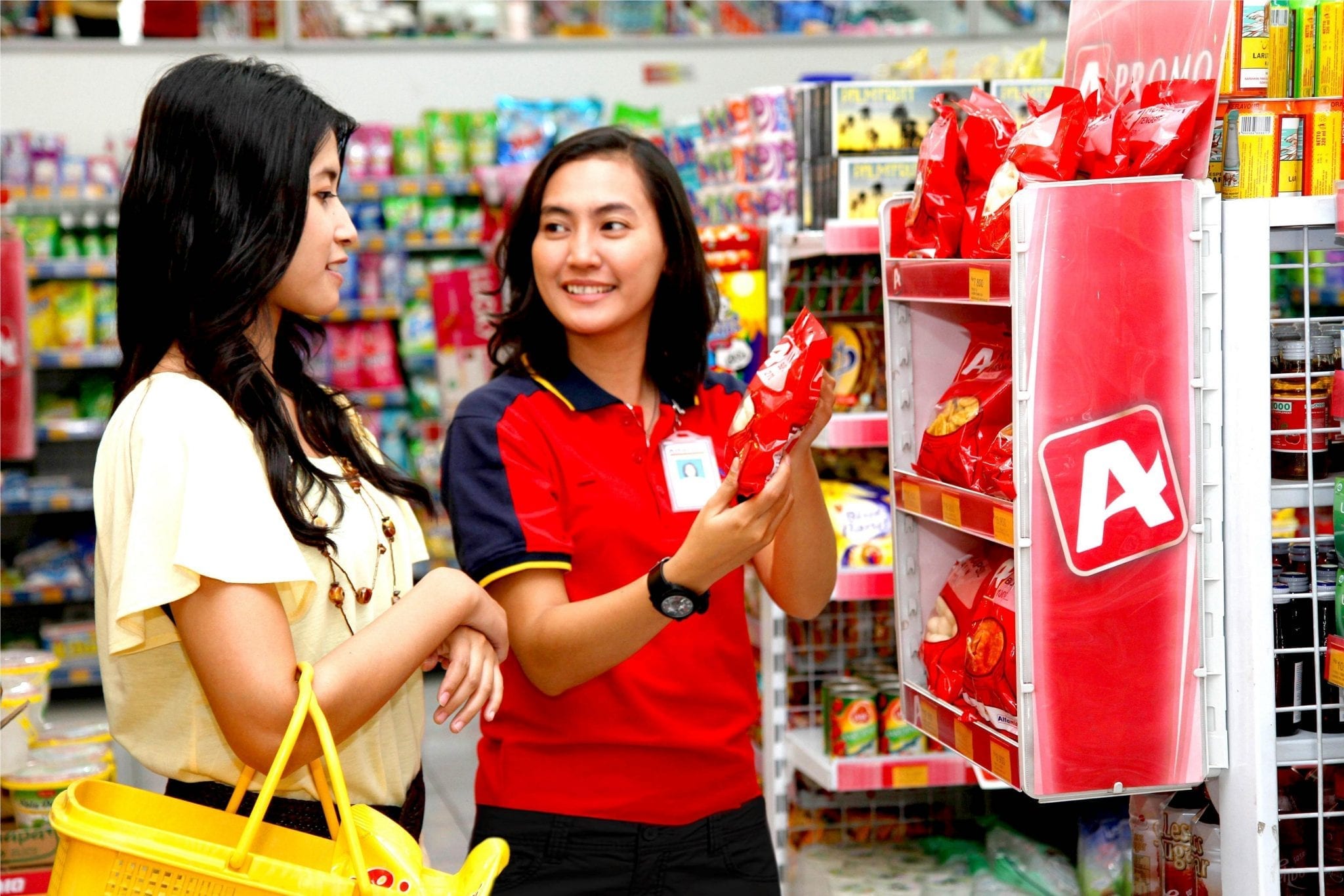
    The WizPhone, which runs a lightweight mobile operating system known as KaiOS, will be sold at Alfamart convenience stores across Indonesia for only Rp 99,000 ($6.80).

    AI for Indonesian Translations 

    “More than half of online content is available in English, but only 1 percent of web content is available in Bahasa Indonesia,” said Ken Tokusei, director of international search at Google. This means that most internet content may not be accessible to some Indonesians.Tokusei said Google was working with Wikimedia to deploy a neural machine translation system that uses artificial intelligence to translate Wikipedia content from English to Bahasa Indonesia. Relevant search items that only used to be available in English will now also be available in Bahasa Indonesia, he said.

    Google Go

    With the use of artificial intelligence, the Google Go application can now be used to narrate articles on your favorite news websites, which is particularly handy if you are on the go. Just press “play” on any website and Google Go will read the text out loud to you in real time.This feature even works with a slower 2G connection as it is designed to use less data. The app is already available in Google Play and will also come preinstalled with all Android Oreo Go edition devices.
    “Our applications, such as YouTube-Go, Google-Go and Assistant-Go, have been designed to only use 50 percent of the phone memory compared with traditional applications,” Google Indonesia managing director Randy Mandrawan Jusuf said.

    New Features

    Bahasa Indonesia was added as an option in Google Assistant on all Android and iOS devices last April, which allows locals to set alarms or call people in their mother tongue. Scott Huffman, engineering lead for Google Assistant, said many people ask the application to tell them a joke to brighten up their day.One of the new features available in Google Assistant helps you book online transportation. You can tell it where you want to go and the digital assistant will open the Go-Jek or Grab app for you.

    This feature is currently only available in English, but Bahasa Indonesia will be added soon. Go-Jek Indonesia chief executive Nadiem Makarim said his company is looking forward to enabling Google Assistant to directly book rides without the need on to open the Go-Jek app.

    Another new future is a partnership with Indosat, Indonesia’s second-largest telecommunications service provider. Through Google Assistant, Indosat customers can now access their monthly bills and manage and monitor their quotas.

    A third new feature is the accessibility of news update, anywhere, anytime. All you need to do, is say, “listen to the news today,” and your digital assistant will do the rest.

    Advanced Google Maps Features

    Krish Vitaldevara, director of product management at Google Maps, said the navigation feature now has new options to make your daily commute easier. It allows you to follow public bus locations in real time. It also allows you to share the progress of your journey in real time, so if your bus is running late, you can keep your friends or family in the loop about your expected time of arrival. Google Assistant will even be there to remind you when to get off the bus.

    Business Application

    Google My Business is designed to help business owners connect with and attract more customers. Think of it as a social media platform for your business. Business entities now can make posts that will appear on their business profiles on Google Search and Maps, and share updates about products, offers and even events.It also allows customers to follow and interact with businesses.

    According to a Deloitte study, businesses can experience revenue growth of up to 80 percent by having an online presence. Based on this, Google has made it its mission to help Indonesian companies grow their online presence.

    “This country is full of determined and enthusiastic people; people who are ready to take over the world,” Randy said.
  • Ashley HomeStore adds stores in Vietnam and more

    Ashley HomeStore adds stores in Vietnam and more

    American furniture store chain Ashley HomeStore has expanded globally with new stores in Vietnam, Thailand and New Zealand. In support of the move, the company has established a 400,000sqft consolidation warehouse in Vietnam’s Ho Chi Minh City. The new facility will allow a faster order response time.

    The firm’s president and CEO Todd Wanek said: “As a company, we’ve achieved many milestones this year. The largest has been the growth of our global footprint, which exceeds 900 HomeStores worldwide. This major accomplishment stands as a true testament to our global brand recognition.”

    HomeStore now operates in 54 countries with 310 locations.

  • Indonesia’s Tokopedia Secures $1.1b From Alibaba, SoftBank

    Indonesia’s Tokopedia Secures $1.1b From Alibaba, SoftBank

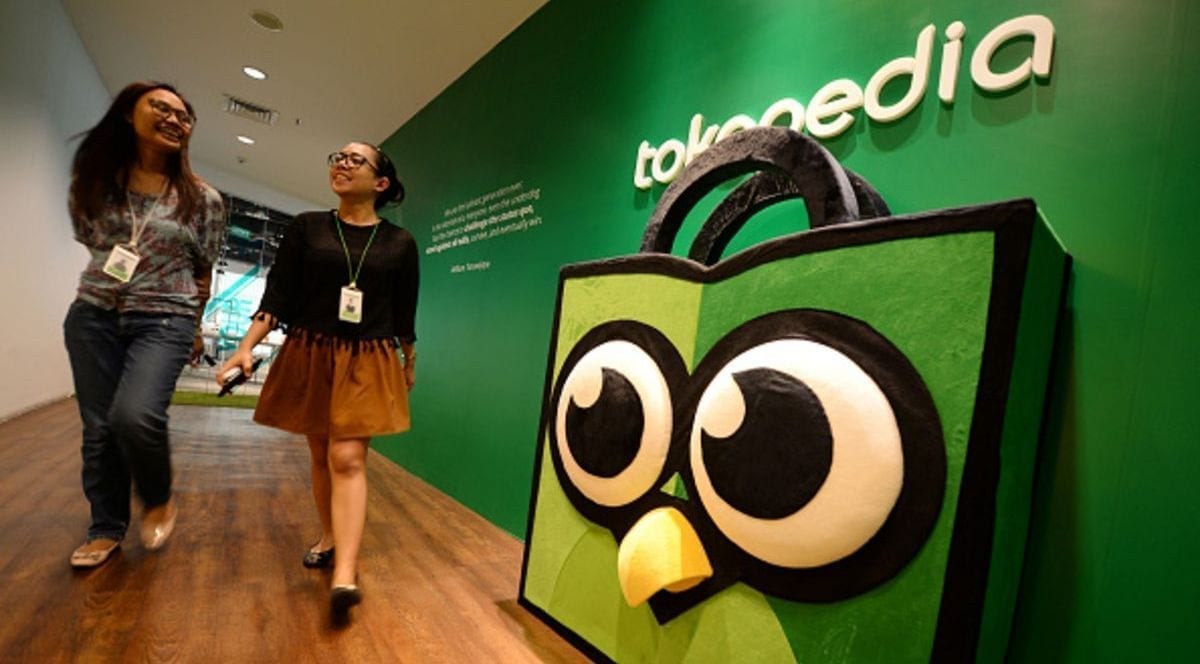
    Indonesian e-commerce company Tokopedia said on Wednesday that it had secured $1.1 billion in its latest funding round led by Chinese e-commerce giant Alibaba Group Holding and Japan’s SoftBank Group. This follows a similar investment in 2017, also led by Alibaba, which has been expanding rapidly into Southeast Asia amid slowing growth in China’s e-commerce market.

    Tokopedia said it planned to use the funds to invest in technology and infrastructure, adding that the firm would continue to focus on the Indonesian market and drive economic development and financial inclusion in the country.

    The investment would help “broaden Tokopedia’s scale and reach” besides improving its operational efficiency, chief executive and co-founder William Tanuwijaya said in a statement.

    Tokopedia did not confirm a valuation following the round. However, news website TechCrunch citing an unnamed source said the company was valued at around $7 billion.

    The latest funding boosts Alibaba’s share of the fast-growing Indonesian e-commerce market. The Chinese company is also the majority owner of Lazada, which is the Tokopedia’s top competitor in the market.

    Indonesia is also increasingly becoming a proxy battleground for Alibaba and JD.com, China’s second-largest e-commerce company, which has invested heavily in building a logistics network in the archipelago.

    Founded in 2009, Tokopedia is currently Indonesia’s largest online marketplace, drawing comparisons to Alibaba’s Taobao.

    The latest round includes investments from Softbank’s Vision Fund as well as Softbank Ventures Korea and Sequoia Capital.

    The company, which delivers to around 93 percent of Indonesian districts, says it has quadrupled its sales in the past year.

  • China Canada Goose flagship opening delayed after Meng arrest

    China Canada Goose flagship opening delayed after Meng arrest

    The arrest of Huawei CFO Sabrina Meng Wanzhou in Canada has prompted down jacket retailer Canada Goose to delay launching its Chinese flagship store. Diplomatic tensions between the two countries have already contributed to a 20.6 per cent drop in the brand’s share price this month amidst calls for a boycott in China and the Meng arrest only worsened the situation.

    The brand had been poised to open the 600sqm flagship in fashionable Taikoo Li Sanlitun this Saturday, following a pop-up event last month and a promotional campaign on Alibaba’s Taobao online mall. It opened a branch in Hong Kong last month, and is planning a regional office in Shanghai.

    “Our Beijing store has been delayed slightly due to ongoing construction. We look forward to opening our newest store in the near future.”

    A statement published : “Our Beijing store has been delayed slightly due to ongoing construction. We look forward to opening our newest store in the near future.”

    The Meng arrest took place at the request of the US on fraud charges related to alleged breaches of Iran sanctions.

  • HMV Hong Kong collapses

    HMV Hong Kong collapses

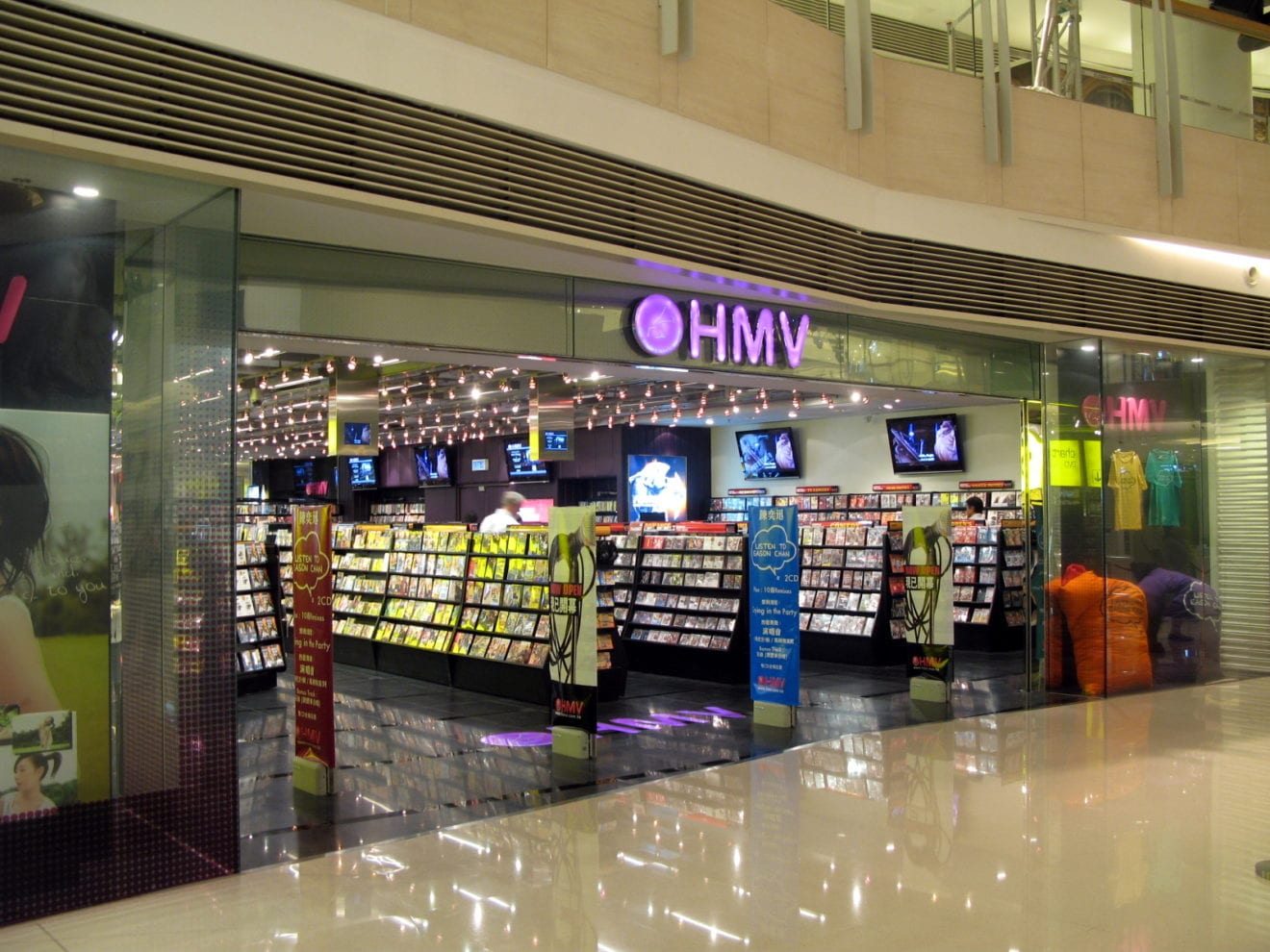
    The HMV Hong Kong business has collapsed, with the chain’s owner appointing liquidators. In a statement, HMV Digital China Group chairman Stephen Shiu Jnr said the company was “unable to escape from the crushing force of the wheel of history” as live-streaming services like Spotify and Netflix made CDs and DVDs redundant.

    The company is believed to have debts of HK$40 million and assets – mainly stock – of just $9 million. All seven stores have been closed and 80 staff laid off.

    “The company is under negotiation with the landlords of the settlement plans. HMV Retail has not been generating sufficient revenue to cover its own operating expenses and there is no reasonable prospect of making any significant improvement on its financial performance or operations in the foreseeable future.”

    As reported last week, HMV was facing three legal suits over unpaid rents on stores, totalling $5 million. One of those related to its four-story Causeway Bay flagship.

    After the chain last went into administration in 2013, private equity company AID Partners converted the business into more of a lifestyle destination, stocking headphones, bicycles, backpacks and other curated products. That met with some success, and AID sold the business to Shiu’s company in 2016 for $408 million. Yesterday, Shiu cited Apple’s AirPods for eroding demand for earphones, which had become a core category.

    “[We have] faced numerous struggles and ups and downs, witnessing the rise of the record industry and the heyday of CD, VCD and DVD home entertainment systems, but as time changes, the global development of information and economic climate have also changed”, the company said Shiu.

    The HMV Hong Kong business achieved a profit of $1.85 million in the September quarter last year – but during the same period this year, retail sales fell 41 per cent to $31.55 million and the business lost $18.81 million.

    The liquidators, Wong Sun-keung and Janice Tsui Mei-yuk of Vision AS will try to find new investors to refinance HMV Retail’s operations, although clearly any solution would involve adopting an entirely new business model.

  • LG sets up lab to conduct appliance technology research

    LG sets up lab to conduct appliance technology research

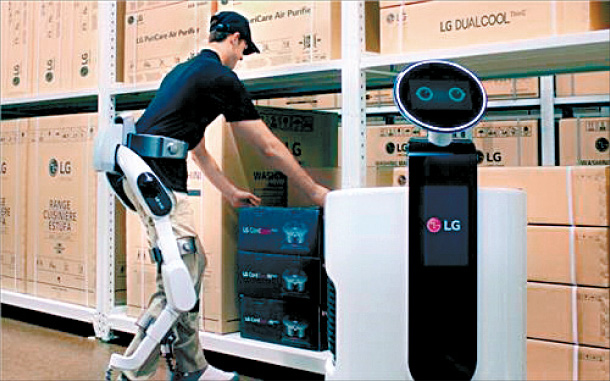
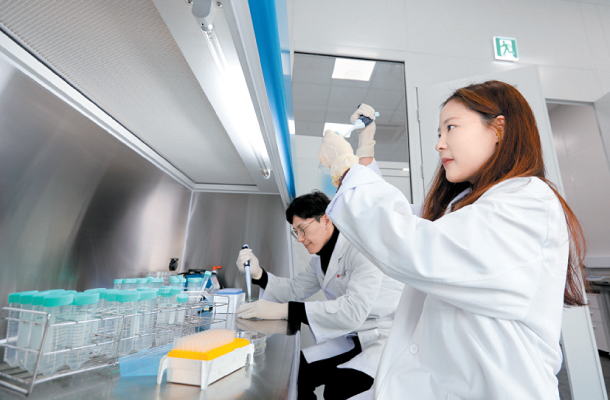
    LG has established a new research laboratory committed to advances in fridge, oven and other home-appliance technologies. LG Electronics opened the 6,760-square-foot Food Research Institute on Monday at Changwon, South Gyeongsang. At the center, researchers will develop technologies that can be applied to the company’s home appliances, such as refrigerators, kimchi and other specialty food fridges, ovens and electric stove tops.

    Food preservation, the fermentation of kimchi and food preparation will be some of the focuses.

    The company said researchers will work closely with academics from Seoul National University and Konkuk University, as well as experts from government and private agencies, such as the Rural Development Administration, the Korea Food Research Institute and the World Institute of Kimchi.

    LG Electronics often mentions advanced technologies in its marketing materials, using the technology to set itself apart from competitors.

    According to the company, LG refrigerators run on inverter linear compressors, which are 18 percent more energy efficient and create less noise than comparable gas compressors. Its kimchi refrigerators maintain temperatures of 6.5 degrees Celsius (43.7 degrees Fahrenheit), the optimal level for kimchi. At that temperature, the growth of a lactic-acid bacteria that creates a sour taste is suppressed. LG’s electric stove tops can cook food up to 2.3 times faster than gas ranges, the company boasts.

    The facility at Changwon is not the first research lab established by the company to further develop its home appliances. In February, LG Electronics opened a water research lab committed to the making of better water purifiers. In October, it opened a center dedicated to air science to advance its air purification technologies.

    “We will continue investing in research and development related to food, water and air technologies,” said Song Dae-hyun, head of LG Electronics’ Home Appliance & Air Solutions.

  • Little Caesars Pizza Philippines is opening soon

    Little Caesars Pizza Philippines is opening soon

    Little Caesars Pizza Philippines will launch with its first restaurant next month. The move continues the expansion of the brand’s international footprint with new restaurants in Southeast Asia. The first restaurant to open under the new franchise relationship with local operator Palmtree PH Foods Corp will be located at the Metrosquare Building in Manila.

    Senior VP of International for Little Caesars Pizza Paula Vissing said he believes the Philippines is a perfect fit for the company’s international expansion due to its strong affinity for both pizza and value.

    Palmtree owner James Kodrowski, who manages a group of companies that operate in the region, said: “Little Caesars Pizza is exactly what this market needs … We believe that the Hot-N-Ready concept will have undeniable market appeal, as well as our commitment to excellent guest service, and superior value. It is our ambition to make Little Caesars the new favorite pizza of the Philippines.”

    Little Caesars is the third largest pizza chain in the world, currently operating in 23 countries and territories. It will also open its first location in Singapore in January.

  • Malaysia’s CIMB to gain RM200m from stockbroking business transfer

    Malaysia’s CIMB to gain RM200m from stockbroking business transfer

    CIMB Group Holdings Bhd is expected to record a gain of disposal of approximately RM200 million from the process of transferring the group’s stockbroking business to its joint venture company with China Galaxy Securities Co Ltd.

    This comes after taking into account the premium on the disposal of approximately RM433 million and goodwill attributable to the business.

    CIMB said the consideration in connection with the proposed business transfer will be satisfied in cash and it was determined based on the future prospects and net asset value of the in-scope business as at Dec 31, 2015, which amounted to RM565.6 million.

    The consideration is subject to closing audit adjustments, if any.

    Jupiter Securities, the subsidiary of China Galaxy Securities Co Ltd (CGS)-CIMB Holdings Sdn Bhd, which is the Malaysian joint venture entity, will operate the stockbroking business.

    CIMB said in a stock exchange filing that its wholly owned subsidiary CIMB Group Sdn Bhd (CIMBG), China Galaxy’s wholly owned unit China Galaxy International Financial Holdings Ltd (CGI), and CGS-CIMB Holdings Sdn Bhd has inked a share subscription agreement for the subscription of new shares in CGS-CIMB Holdings Sdn Bhd.

    The proposed business transfer entails the sale of CIMB Investment Bank Bhd’s cash equities business and 100% equity interest in CIMB Futures Sdn Bhd as well as CIMB Bank Bhd’s equity financing services business and share margin financing granted in connection with the cash equities to Jupiter Securities.

    After the completion of the exercise, CIMBG and CGI will hold 50% stake each in the Malaysian JV entity.

    The exercises are expected to be completed in the first half of 2019.

  • Asia becomes Laura Ashley’s last hope

    Asia becomes Laura Ashley’s last hope

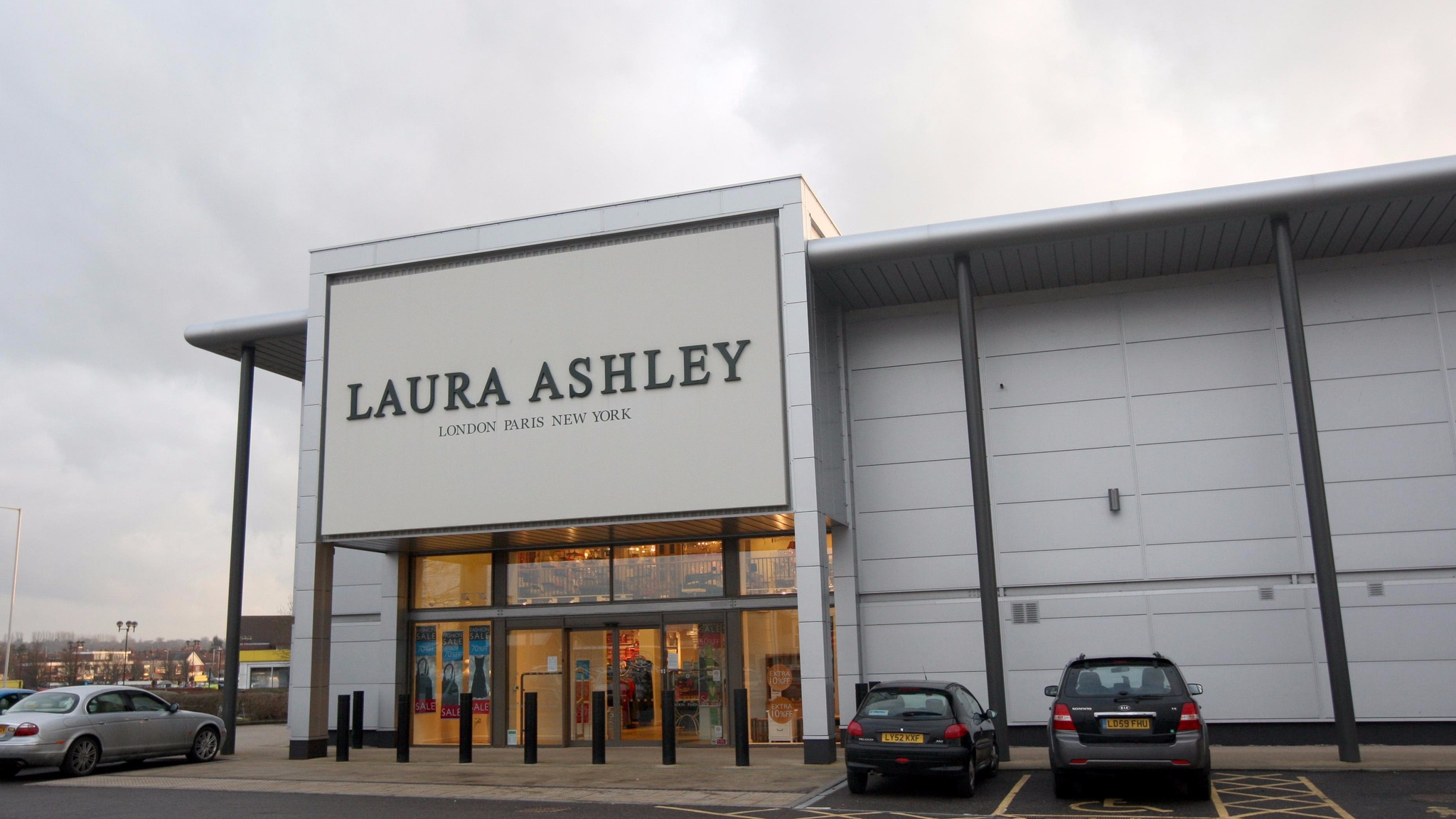
    Fashion and home furnishings brand Laura Ashley will close 40 stores in the UK as it prepares to expand into the Chinese market. The firm has already gone through a round of 40 closures since 2015 against flagging interest from British consumers, which has seen a reported 14 shops closing every day in the territory.

    Laura Ashley runs a regional office in Singapore focused purely on e-commerce into China, with plans to look at physical stores rollout after establishing a significant foothold in digital retail there.

    According to Khoo, the company is “moving to Asia in a much bigger way”.

    The brand is wholly owned by Malayan United Industries (MUI), which is currently restructuring parts of its business and rationalising assets. The brand will be expanding the 120 British Laura Ashley stores that remain following the closures to better showcase the brand.

    MUI’s executive chairman Andrew Khoo Boo Yeow said: “It doesn’t really matter if [customers] buy online or offline, we just want them to get inspired … It’s a challenging environment and it could become more challenging”.

    In Australia, the remaining 16 Laura Ashley stores will close this month after the company failed to find a buyer for the business, which was run under a licence. It was placed in administration for the second time in two years on December 3.

  • World Bank cuts Malaysia’s 2018 GDP growth forecast again

    World Bank cuts Malaysia’s 2018 GDP growth forecast again

    The World Bank has again revised downward its projection for Malaysia’s 2018 gross domestic product (GDP) growth to 4.7% from 4.9% after taking into account factors such the rigorous rationalisation of expenditure by the government and slowdown in private and public investment. It last cut the country’s GDP growth forecast in October, to 4.9% from 5.4%.

    Malaysia’s third quarter GDP growth moderated to 4.4%, bringing about a nine-month expansion of 4.7%.

    Despite a moderation in growth, the World Bank believes that the Malaysian economy remains resilient and continues to be anchored by private consumption, although it has been cooling down after the reintroduction of the sales and service tax.

    The key drivers for private consumption are stable labour market conditions, cost of living aid and tax refunds payment.

    Private investment in the manufacturing and commodity sectors are also expected to be sustained.

    Speaking at the launch of the World Bank’s Malaysia Economic Monitor on Realising Human Potential Report, World Bank Group economist Shakira Teh Sharifuddin said Malaysia’s economic growth is projected to remain flat at 4.7% in 2019, with external factors such as current trade tensions and increased volatility in the financial and commodity markets expected to weigh on the overall economy.

    In addition to the escalating trade tensions, monetary normalisation in advanced economies, high dependency on oil revenue and high level of public debt are seen as potential risk for the government.

    The percentage of the federal government’s revenue to GDP has seen a steep decline between 2012 and 2018, falling from 21.4% to 16.2%. In 2019, the share of revenue to GDP is expected to be reduced further to 15.1%.

    This, Shakira said, leaves the government with limited space to respond to economic shocks.

    In the near term, the government is expected to rigorously embark on fiscal consolidation measures with expenditure expected to decline to 18.1% of GDP from the 2018 estimate of 20.3%.

    Shakira said that while the introduction of new taxes in the budget is welcomed, the government should relook the incentive mechanisms.

    On another note, the World Bank stressed on the need for Malaysia to accelerate the development of its human capital if it wishes to join the ranks of a high-income nation.

    While Malaysia, which ranked 55th out of 157 countries in the Human Capital Index, fared well in some areas, there is room for improvement in certain areas, noted the report.

    It also states the prevalence of stunting among Malaysian children which affect more than one in five Malaysian children, a key indicator of malnutrition. In the absence of renewed efforts to develop human capital, a child born today in Malaysia will only reach a productivity level of 62%.

    In terms of education, the 12.2 years spent by Malaysians in school only equates to the 9.1 years learning outcome of school goers in the highest performing system.

  • Lumine makes debut in Jakarta

    Lumine makes debut in Jakarta

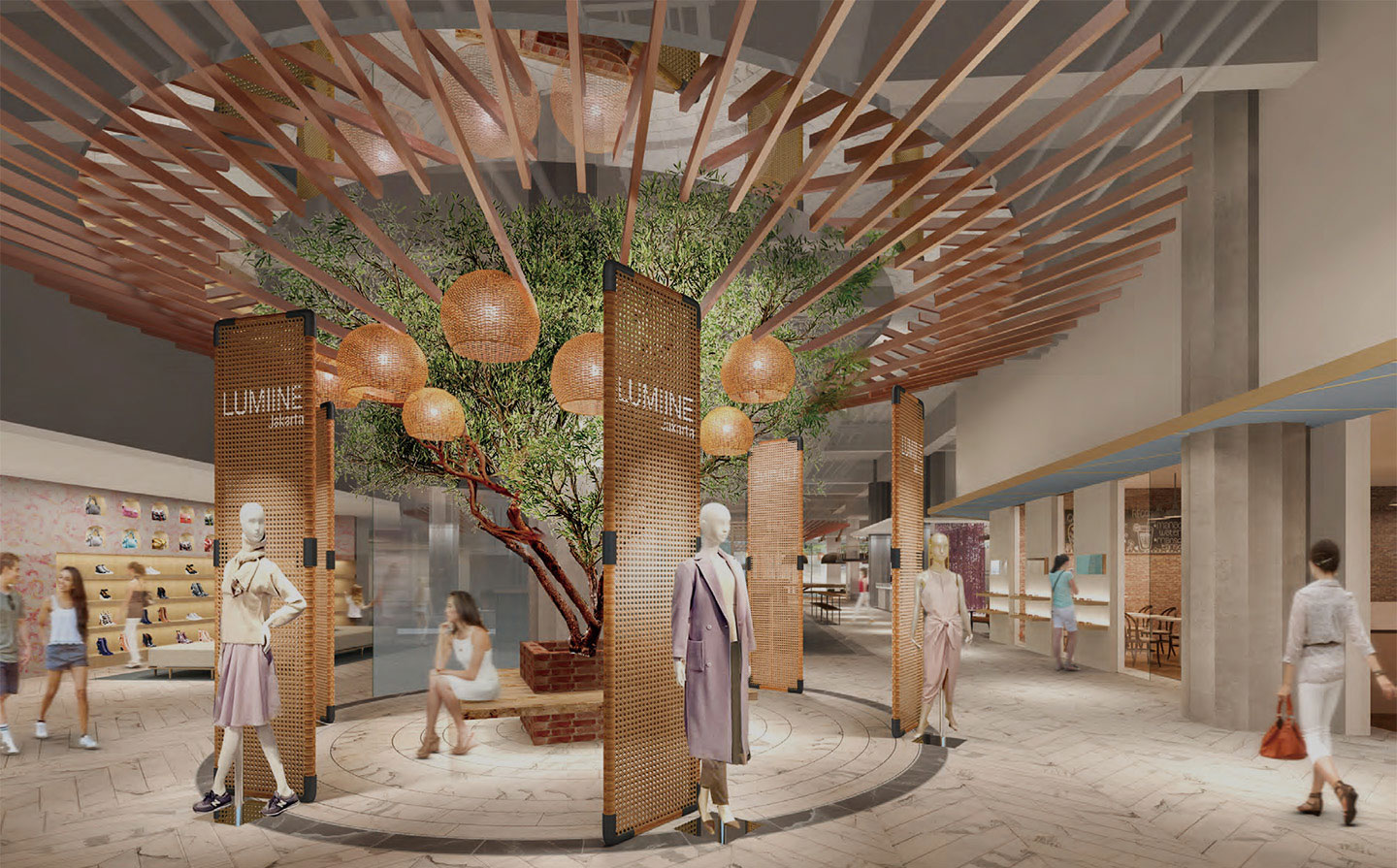
    Japanese retailer Lumine has opened its second overseas location with a launch at Jakarta’s Plaza Indonesia. The opening was timed to coincide with the 60th anniversary of diplomatic relations between Indonesia and Japan, offering a “Tokyo Mood” retail concept where consumers can experience a retail atmosphere that recalls the shopping environment of the Japanese capital.

    As a multi-brand lifestyle venue, Lumine Jakarta targets internationally-minded independent women, offering Japanese fashions as well as general lifestyle merchandise and men’s fashion brands. The store introduces 20 brands to Jakarta for the first time. It also features a cafe serving health-conscious Japanese cuisine.

    View the gallery below (5 images) :

  • November inflation seen easing to 0.5%

    November inflation seen easing to 0.5%

    Malaysia’s consumer price index (CPI) is expected to rise 0.5% in November from a year earlier, a Reuters poll showed, marginally slower than the previous month amid lower transport prices. Inflation has been mild since the government removed an unpopular consumption tax in June and reinstated a narrower sales and services tax (SST) three months later.

    The annual inflation rate was 0.6% in October. It has been rising after hitting a three-and-a-half year low of 0.2% in August.

    Economists expect any pickup in inflation due to the reintroduction of SST to be muted, softened further by the government’s decision to fix pump prices for premium RON95 petrol for the rest of the year.

    Last month, Malaysia’s central bank said inflation had been largely benign in the third quarter, but was expected to edge upwards the rest of the year and into 2019.

  • L Brands sells La Senza lingerie business

    L Brands sells La Senza lingerie business

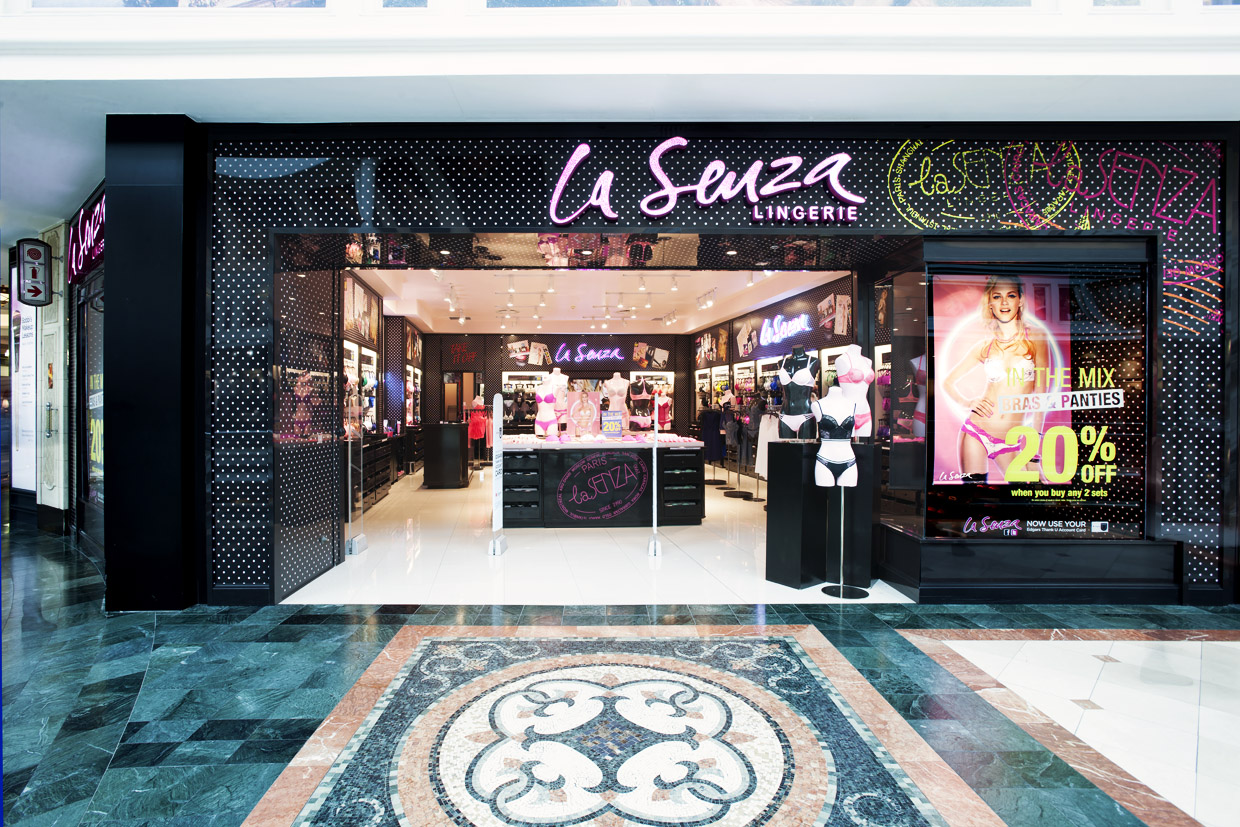
    US retailer L Brands has agreed to transfer full ownership and operations of its Canadian-headquartered La Senza lingerie brand to a Regent LP affiliate. Upon completion, the private equity investor will assume La Senza’s debts and all future considerations for the brand. The deal is part of L Brands’ efforts to focus on its core brands as its flagship label Victoria’s Secret faces challenging shifts in the market.

    L Brands this year closed down its heritage women’s apparel line Henri Bendel after 123 years of trading. The sale of both Henri Bendel and La Senza is expected to encourage investors concerned about Victoria’s Secret’s declining performance as direct-to-consumer startups and the emerging success of rival label Aerie threaten the brand’s market supremacy.

    L Brands expects this year’s sales for La Senza will hit around $250 million with operating losses of about $40 million.

    La Senza was founded in 2006 and at its peak in 2010 had some 800 stores worldwide, 320 of them in Canada. But by 2013 the business was in decline, under competitive pressures from rival brands including Victoria’s Secret. By January last year, the store network had contracted to just 329, including 122 in Canada and four in the US.

    In 2011 a separate company La Senza UK, which held the franchise to the brand in the UK and Ireland, was placed in administration and later acquired by Kuwait-based Alshaya, but despite a further change of ownership, that business was placed in administration again in 2014.

    Other stores using the brand around the world are operating under a franchise agreement.

  • New Lego land in China

    New Lego land in China

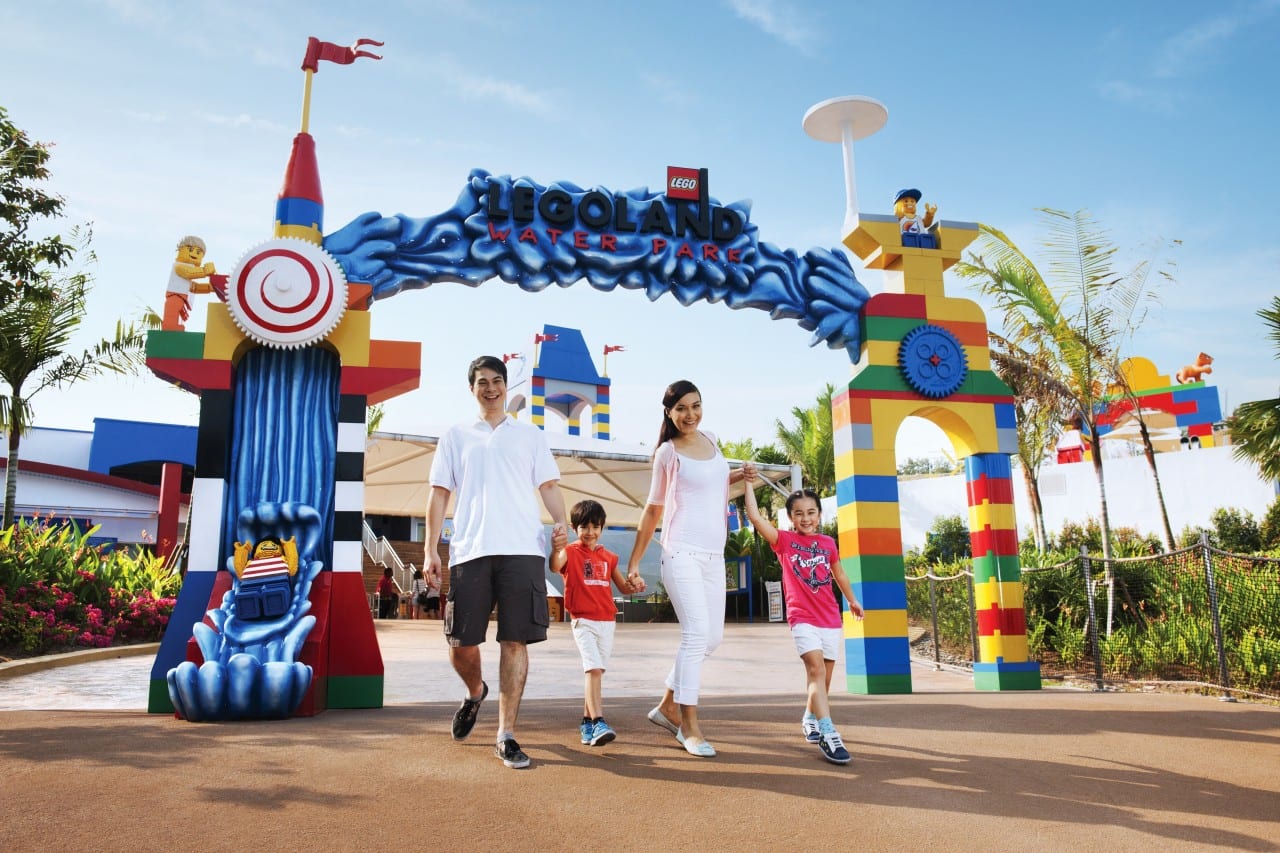
    The site where a Legoland will be built in Chuncheon, Gangwon, on Friday. The development of the Legoland, about the same size as the Legoland in Johor Bahru, Malaysia, has been approved by the Gangwon government. British amusement park developer Merlin is in charge.