Tag: Business

  • Malaysia attracts RM139b investments in January to September

    Malaysia attracts RM139b investments in January to September

    Malaysia attracted a total of RM139.3 billion worth of investments in the manufacturing, services and primary sectors in the first nine months of 2018, up 18 per cent from RM118.1 billion approved in the same period last year. In a statement, Malaysian Investment Development Authority (Mida) said the total investments approved in January-September 2018 were from 3,243 projects, which are expected to generate 93,379 job opportunities for the country.

    “Approved foreign direct investments (FDI) increased by 109.7% to RM64.1 billion in January-September 2018 from RM30.5 billion in the same period last year, mainly driven by the manufacturing sector which recorded a strong increase of 249.4% in the period.

    “Approved FDI in the primary sector rose by 99.3% which indicated that investor confidence in Malaysia remains high despite the challenging global economic environment. Domestic investments led with RM75.2 billion, contributing 54% to the total approved investments in all three sectors,” it said.

    Mida said Malaysia continued to be a competitive location for manufacturing projects with a total of 468 projects worth RM59.1 billion approved in January-September 2018, compared with RM34.6 billion involving 463 projects in the corresponding period in 2017, representing an increase of 70.5% in capital investments.

    “Foreign investments approved in the manufacturing sector recorded a total of RM48.8 billion for January-September 2018, a rise of 249.4% from RM13.9 billion in the same period last year.

    “China accounted for RM15.6 billion or 32 per cent of total foreign investments, followed by Indonesia (18.4%), the Netherlands (17%), the US (6.3%), Korea (4.9%) and Japan (4.3%),” it added.

    For the services sector, Mida said approved investments amounted to RM69.9 billion compared with RM74.2 billion recorded in the corresponding period in 2017, consisting of 2,721 projects, which are expected to create 50,896 job opportunities.

    “Domestic investments made up the largest portion, recording RM60.4 billion or 86.4% of the total approved investments for the services sector during this period. The balance of RM9.5 billion were from foreign sources.

    “The services sub-sectors that showed increase in approved investments were healthcare, education, global establishments, real estate, and supporting services,” it added.
  • Food delivery start-up Swiggy raises US$ 1 billion from venture funds

    Food delivery start-up Swiggy raises US$ 1 billion from venture funds

    Leading food ordering and delivery start-up Swiggy has raised US $1 billion (Rs 7,000 crore) venture funds from existing investors led by Naspers, to strengthen its technology and hire talent, it said on Thursday. “Swiggy will use the funds to bring more quality food brands closer to consumers and address gaps in supply through delivery-only kitchens, as well as hire talent and strengthen the technology,” the city-based app provider said in a statement.

    The Series H round of funding, led by Naspers, also includes the participation of existing investors DST Global, Meituan Dianping and Coatue Management.

    The funding round saw the participation of new investors Tencent, Hillhouse Capital and Wellington Management Company, the company said.

    The firm will also use the capital to hire talent, especially for machine learning and engineering roles across mid and senior levels, as well as strengthen its technology backbone.

    “The company will focus on building a next-generation Artificial Intelligence (AI)-driven platform for hyperlocal discovery and on-demand delivery,” it added.

    Inclusive of the latest round, Swiggy said it has raised a total of US$ 1.26 billion (Rs 8,825 crore).

    In June, the food-tech start-up raised US$ 210 million (around Rs 1,500 crore) from multiple investment firms, including Naspers, DST Global in Series G funding and US$ 100 million (around Rs 700 crore) in Series F in February from multiple investors.

    Details of the promoters’ equity holding in their firm after the latest round of funding are not made public by the company.

    “As we add more firepower to our vision of elevating quality of life for urban consumers by offering unparalleled convenience, our global investors also share our purpose and have made a significant investment in our future,” Swiggy’s Chief Executive Sriharsha Majety said in the statement.

    Founded in 2014, Swiggy claims to have 50,000 restaurant partners across 50 cities, including New Delhi, Gurugram, Hyderabad, Bengaluru, Chennai, Mumbai, Kolkata and Pune, and receives about 25 million food orders a month.

    The company, which has over 4,000 employees, reported an operating revenue of Rs 442-crore for fiscal 2017-18.

  • 7-Eleven Malaysia mulls float

    7-Eleven Malaysia mulls float

    The 7-Eleven Malaysia business may be floated. Malaysian businessman Tan Sri Vincent Tan is considering turning over his shareholding in convenience store operator 7-Eleven to his Berjaya Corp Bhd group. Maintaining that the share price of 7-Eleven is undervalued on Bursa Malaysia, Tan claims that the business, currently valued at RM1.43 billion (US$342 million) should be worth more than US$1 billion.

    The chain has 2250 locations within the territory, and according to Tan aims to open at least another 200 stores next year.

    “We are considering maybe sell all my 46 per cent shareholdings in 7-Eleven to BCorp, then let BCorp launch a General Offer (GO), but nothing is firmed yet,” he said.

    The businessman owns 48.33 per cent of Berjaya Corp, which is valued at around RM1.35 billion (US$323 million).

  • Vietnam to top 7 pct growth in 2018 and 2019

    Vietnam to top 7 pct growth in 2018 and 2019

    Vietnam may grow more than 7 percent in 2018, the highest in 10 years, and is likely to maintain the rate next year, experts say. Nguyen Xuan Thanh, director of development, and public policy lecturer at the Fulbright University of Vietnam, said the country’s economy is expected to grow at over 7 percent this year, the highest level since 2007.

    “The major contributor of growth comes from industries that benefit from policies to replace import goods, such as automobile and pharmaceutical production,” he said at a conference organized Thursday by the National Financial Supervisory Commission (NFSC).

    In 2017, Vietnam rode on 20-30 percent growth of phones and electronics, but this year, that sector’s growth slowed down to only 11 percent in the first 11 months of 2018, Thanh explained.

    He also noted that a positive aspect of the growth this year has been that it is no longer dependent on credit. The NFSC estimates credit growth to have slowed significantly to 15 percent this year from 18 percent in 2017.

    “Many experts were concerned that Vietnam’s high growth rate in previous years was linked to credit growth, but there has been strong economic growth this year without high credit growth,” Thanh said.

    Meanwhile, NFSC leaders said Vietnam’s growth may exceed 7 percent in 2018 and remain at between 6.9-7.1 percent in 2019.

    Truong Van Phuoc, acting chairman of the NFSC, said the high growth in 2018 is due to large contributions from the private sector. In addition, trade agreements such as the Comprehensive and Progressive Agreement for Trans-Pacific Partnership (CPTPP) and the EU-Vietnam Free Trade Agreement (EVFTA), which are expected to come into effect in 2019, may also bring positive impacts.

    Vietnam also has the opportunity to attract investment as well as new opportunities from the field of information technology and biotechnology, he added.

    But experts also point out some factors that could affect economic growth next year. Thanh noted that growth this year was not only due to investment and export but also the heavy consumption.

    Any changes to consumption can have immediate effect on economic growth, he said.

    In the first nine months this year, Vietnam’s GDP grew by 6.98 percent, the highest nine-month growth rate since 2011. The economy grew by 6.81 percent last year, the highest rate in a decade.

  • IKEA signs MoU to open store in Noida; create 8,000 jobs

    IKEA signs MoU to open store in Noida; create 8,000 jobs

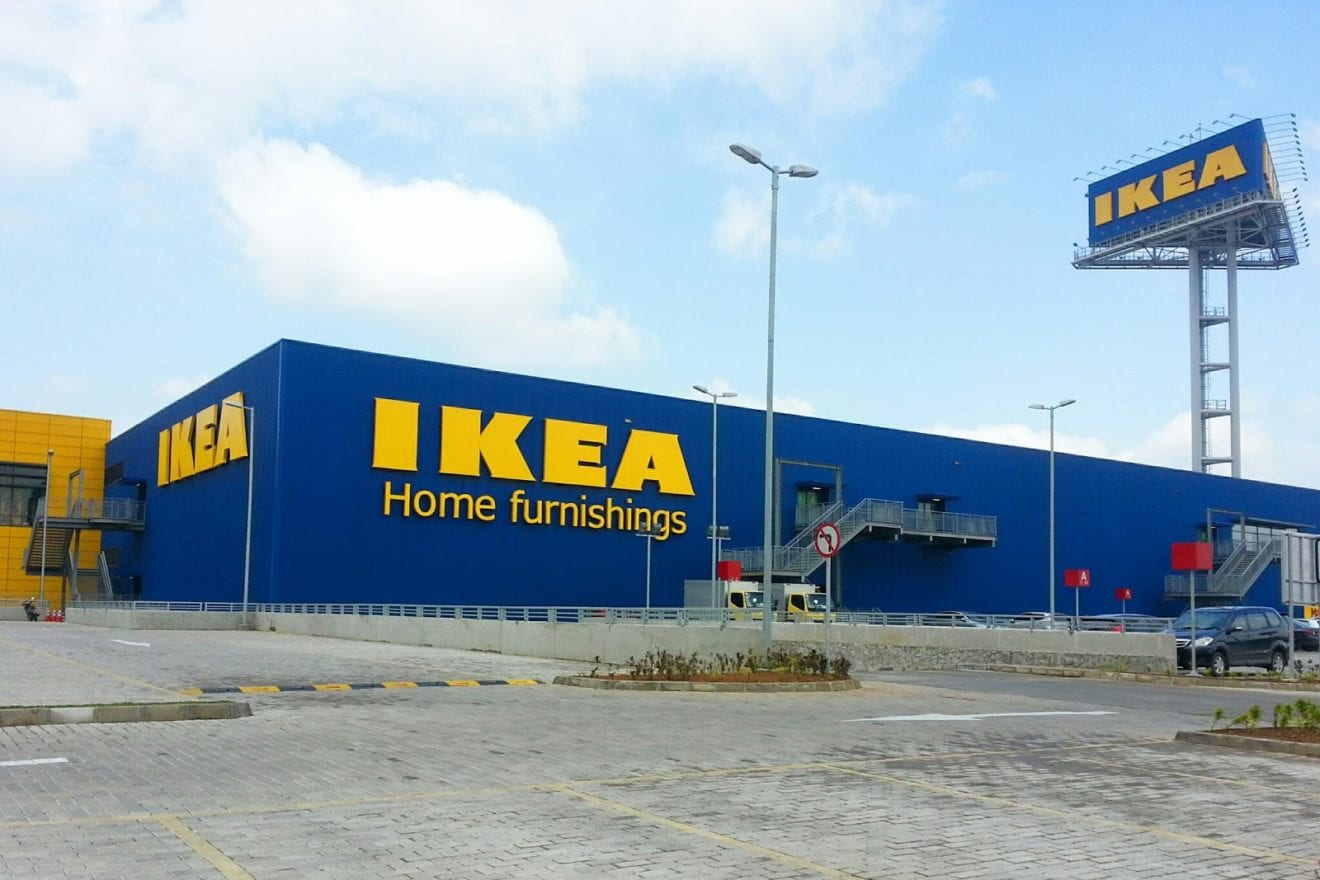
    Swedish furniture giant, IKEA, has signed MoU with the Uttar Pradesh government for the investment of Rs 5,000 crore to set up an integrated commercial project, including a store, in Noida. The MoU was signed between R K Singh, Principal Secretary, Infrastructure and Industrial Development Department, and David McCausland, Country Property Manager, IKEA.

    An integrated commercial project will be set up by Ikea at Noida, Gautam Budh Nagar. After the establishment, approximately 4,000 direct and 4,000 indirect employment opportunities will be created by this project.

    IKEA said the first store in the state is expected to come up in Noida for which the Swedish company has not yet signed any land deal.

    “The state government will provide all possible help to such investors,” the Uttar Pradesh government said in a statement on Wednesday.

    IKEA had, on September 24, 2015, signed an MoU with the UP government during the previous Akhilesh Yadav regime for launching three stores in Lucknow, Agra and Noida. The deal, however, did not move forward.

  • Acne Studios Opens First Store in Beijing

    Acne Studios Opens First Store in Beijing

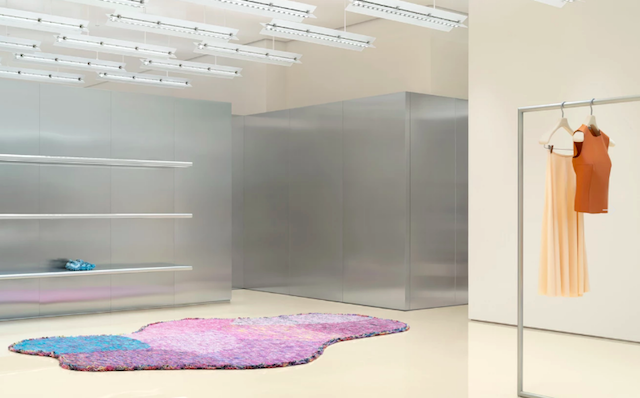
    Acne Studios China has opened its third store, in Beijing. The Swedish luxury fashion brand launched in China two years ago, offering its eclectic mix of minimalist ready-to-wear fashion and denim. The new store’s interior features straight lines with glass, high-gloss white walls and contrasting stainless steel railing and shelves. A large display created by British designer Max Lamb stands in the centre of the store, painted in the label’s trademark shade of pink. It’s matched with purple rugs created by Lamb which contrast with the stark white interior.

    Acne Studios creative director Jonny Johansson said it had been a long-held dream to open a store in Beijing. “It is also my hope that this store will bring us the opportunity to create many special projects in the future.” Lines exclusive to Acne Studio China will be sold at the new boutique to mark its opening.

    The store is located in Taikoo Li North Village on Sanlitun Road.

  • Aeon Credit posts better earnings in third quarter

    Aeon Credit posts better earnings in third quarter

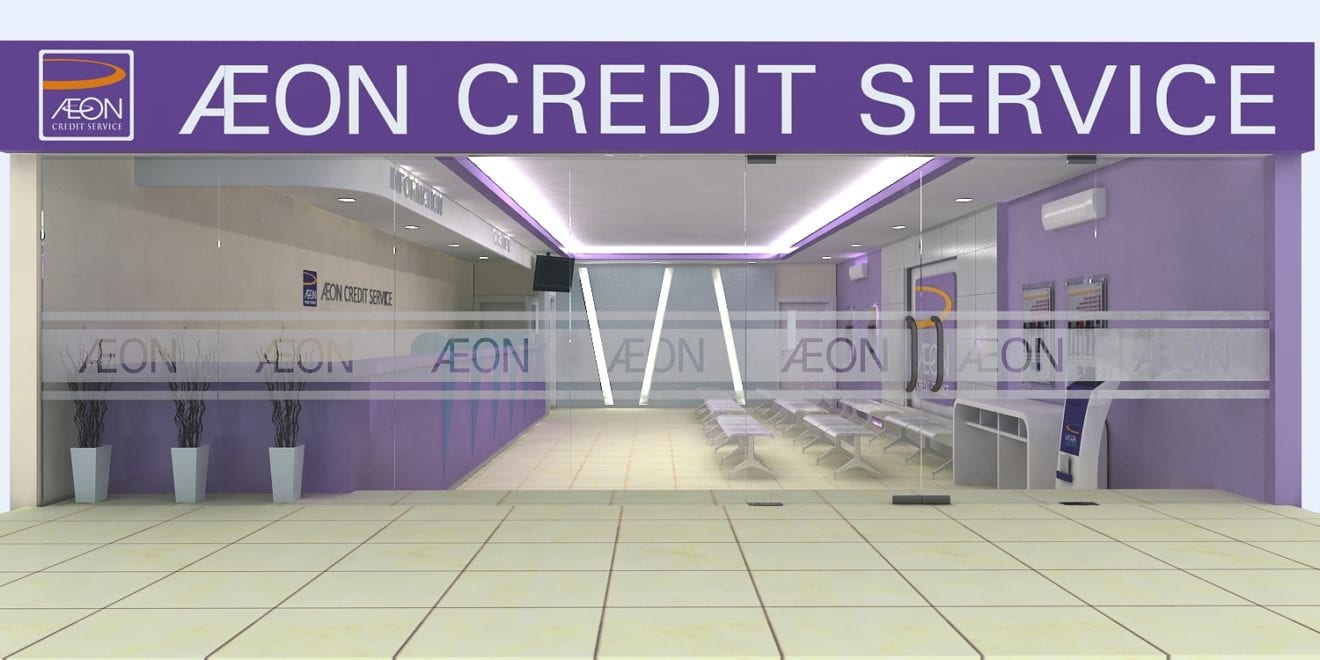
    Aeon Credit Service (M) Bhd’s net profit for the third quarter ended Nov 30, increased 23.5% to RM87.14 million from RM70.55 million a year ago, attributed to lower impairment loss on financing receivables. Revenue for the period increased 11.6% to RM348.5 million from RM312.35 million.

    For the nine-month period, the group reported a 22.62% rise in net profit to RM267.01 million from RM217.75 million. Revenue was up by 8.7% to RM1.01 billion from RM925.95 million.

    Aeon Credit told Bursa Malaysia that its gross financing receivables as at Nov 30 was RM8.31 billion, representing an increase of 15.41% from RM7.2 billion a year ago. Meanwhile, net financing receivables after impairment was RM7.74 billion compared with RM7.03 billion a year ago.

    Its non-performing loan ratio stood at 2.05% as at Nov 30, 2018 versus 2.48% as at Nov 30, 2017.

    Total transaction and financing volume in the current quarter and nine months ended Nov 30 increased by 49.5% to RM1.5 billion and by 26.4% to RM3.9 billion respectively.

  • India rice rates hit more than three-month high, Chinese rules weigh on Vietnam

    India rice rates hit more than three-month high, Chinese rules weigh on Vietnam

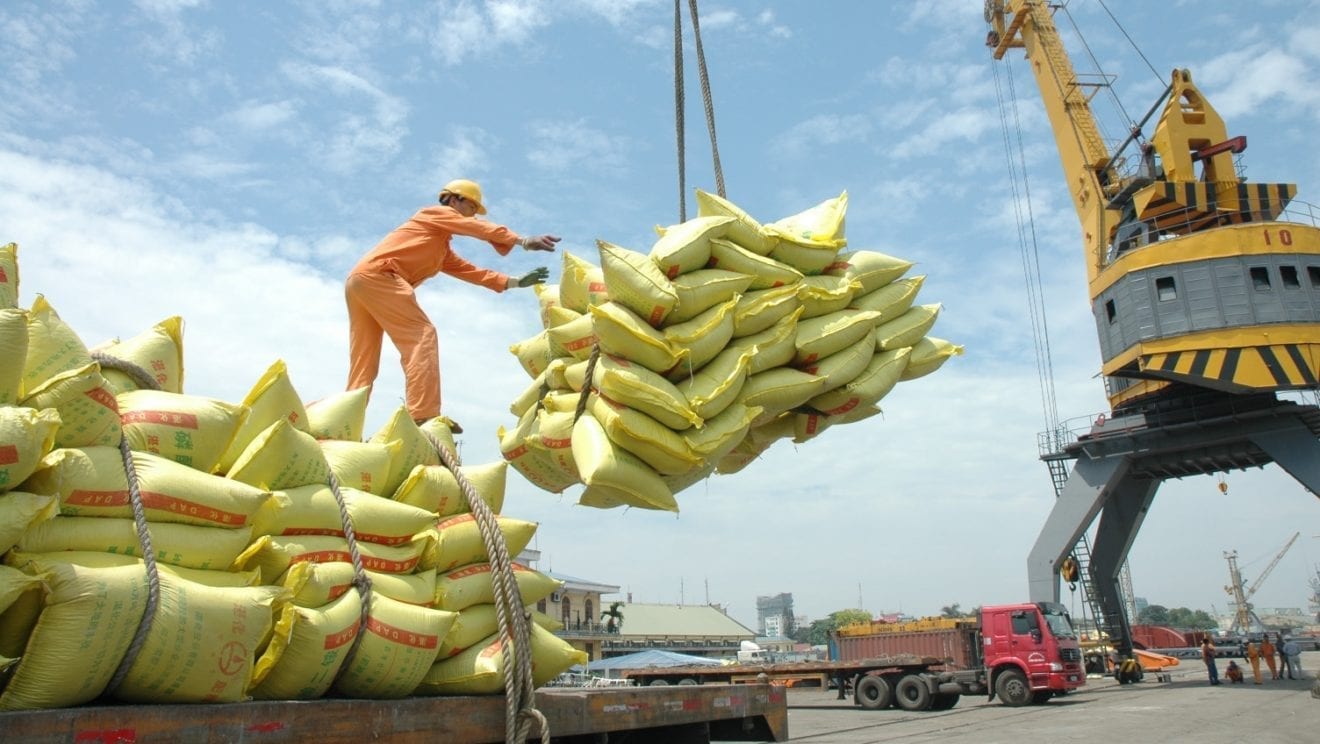
    Rice export prices in India rose to their highest in more than three months as a key producing region hiked procurement rates for domestic paddy. Top exporter India’s 5 percent broken parboiled variety was quoted at $375-$382 per tonne this week, the highest since Sept. 7.

    The central state of Chhattisgarh, a leading rice producer, raised the minimum paddy buying price to 2,500 rupees per 100 kg, from 1,750 rupees earlier this week.

    “Importers are not ready to pay a higher price. Exports are likely to slow down in coming months,” said an exporter based at Kakinada, in the southern state of Andhra Pradesh.

    Prices of Vietnam’s 5 percent broken rice declined for the fifth straight week to $385 a tonne as activity remained muted, traders said.

    “Prices fell further because we are concerned that China’s move to impose stricter conditions on Vietnamese rice will have a long-term impact,” a trader based in Ho Chi Minh City said.

    “It’s not clear if China is buying more from Cambodia and Myanmar to compensate for the possible declining shipments from Vietnam.”

    Another trader said supplies from Vietnam will increase from late next month when the winter-spring harvest begins.

    In Thailand, benchmark 5 percent broken rice prices were quoted at $390-$391 per tonne, free on board Bangkok, versus $385-$393 a week ago, as the market is expected to remain quiet until well after the New Year period.

    “This is a reasonable level as we’re nearing the end of the year. There is not much overseas activity and we’re also in the harvesting season,” a Bangkok-based trader said.

    Meanwhile, Bangladesh, which emerged as a major importer of rice in 2017 due to stock depletion following floods, has stepped up efforts to procure more rice locally after output of the staple grain improved, a food ministry official said.

    “The response from farmers is very good and the procurement drive will be continued,” the official said.

    The country’s production for 2018/19 is expected to recover to 34.7 million tonnes, up 6.3 percent year-on-year, according to estimates from the U.S. Department of Agriculture attaché in Bangladesh.

    The South Asian country has procured more than 1.3 million tonnes of rice locally so far in the current season to build state reserves.

  • Jollibee buys out Smashburger with big deal

    Jollibee buys out Smashburger with big deal

    Jollibee has taken full ownership and control of US fast-food chain Smashburger after acquiring an 85 per cent stake in February. The Philippine company said it paid US$10 million to acquire the remaining 15 per cent of the company and that it has made management changes.

    Tom Ryan, Smashburger founder and CEO, will take on the additional title of chief product development advisor at Jollibee Foods Corporation globally, focusing on strengthening taste and quality aspects across key brands and enhancing their relevance across global markets.

    Jose “Pepot” Minana has assumed the role of Smashburger president, including daily operations, collaborating on strategy and brand direction, and lead the continuing integration of Smashburger into the Jollibee Foods portfolio.

    Smashburger has 351 stores and accounts for 7 per cent of Jollibee’s global sales which totalled $3.4 billion last year.

  • 7-Eleven Malaysia eyes 200 new stores next year

    7-Eleven Malaysia eyes 200 new stores next year

    7-Eleven Malaysia Holdings Bhd is looking to expand the number of the convenience store chain outlets by at least 200 new stores next year. In 2017, 7-Eleven Malaysia opened 126 new stores. Berjaya Corp founder and executive chairman Tan Sri Vincent Tan Chee Yioun said 7-Eleven Malaysia is also looking at increasing the number of franchisees for stores in Malaysia, along with the expansion in the number of outlets.

    7-Eleven Malaysia is the largest standalone convenience store chain nationwide with more than 2,250 outlets across the country.

    Its wholly owned subsidiary 7-Eleven Malaysia Sdn Bhd today entered into a memorandum of agreement with Pertubuhan Tindakan Pejuang Wanita Dalam Sosial, Ekonomi, Rumahtangga Dan Ilmu (Tiangseri Malaysia) to provide an opportunity to those interested to be franchisees to enter the ecosystem.

    Tiangseri is commissioned to recruit and recommend up to 50 potential franchisees to 7-Eleven Malaysia in the next 12 months.

    This programme also bodes well with the company’s target of increasing the number of franchisees. The first store under the programme is expected to be opened next month.

    7-Eleven Malaysia CEO Colin Harvey said the franchising programme through Tiangseri will see both partners leveraging on each other’s unique strengths and experience in retail and grassroots franchise recruitment.

    “We are fully focused on this collaboration as we believe franchising is an integral part of our long-term corporate strategy of giving back to the local community that we operate in, as it will both provide and create important life and management skills in future entrepreneurs as well as providing more job opportunities to our local workforce.”

    Harvey noted there are many potential locations for expansion, for instance in Sabah and around the Klang Valley. Meanwhile, Tiangseri president Mastura said the collaboration has already started generating interest from interested parties.

    Tiangseri will also be aiding potential franchisees in securing funding at a preferential rate from agencies such as Perbadanan Usahawan Nasional Bhd and Majlis Amanah Rakyat, among others.

  • American Eagle Outfitters India to open 25 outlets in three years

    American Eagle Outfitters India to open 25 outlets in three years

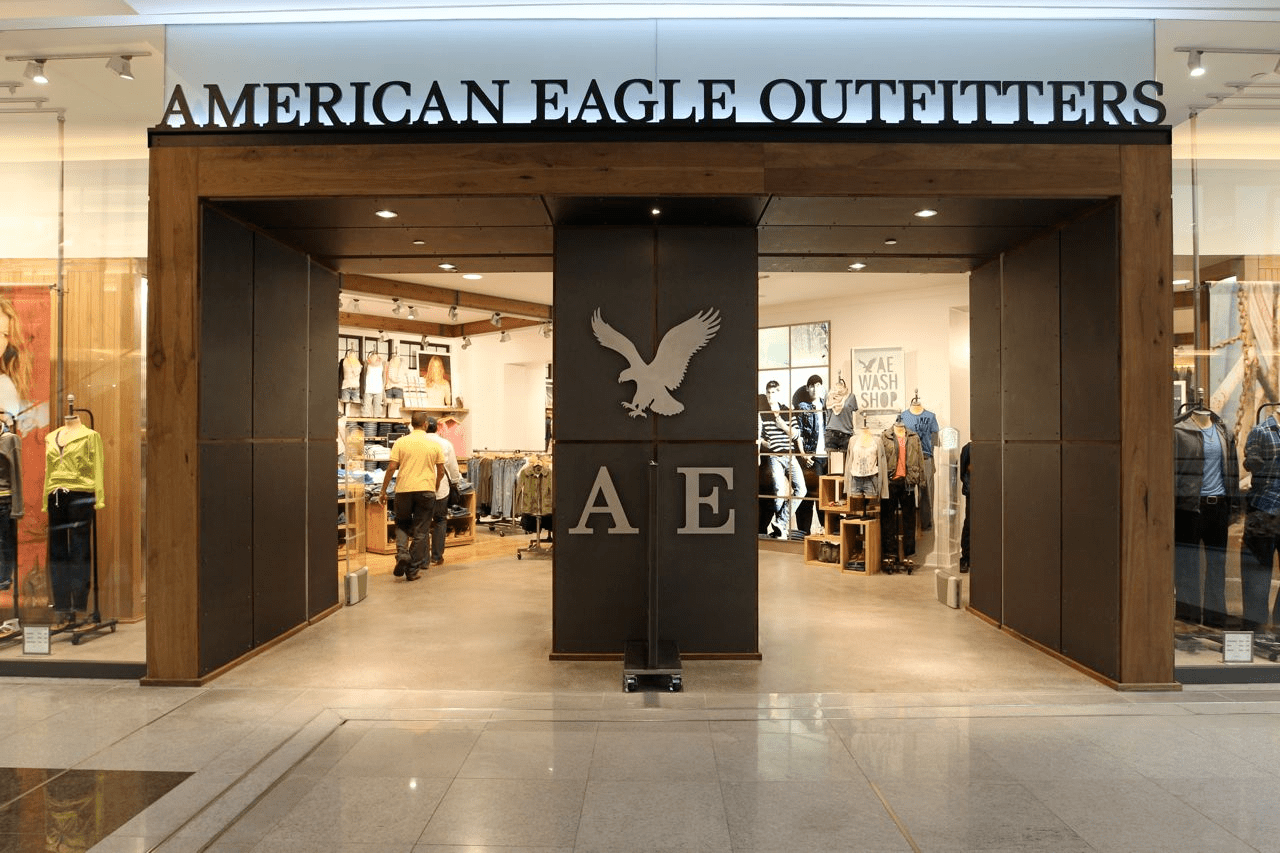
    US-based mid-to-premium denim wear brand, American Eagle Outfitters entered India in the summer of 2018 through a licensing agreement with Aditya Birla Fashion and Retail Ltd. The brand expects India will be its top three international markets in the next five years.

    In an interview with IMAGES Retail, Guillermo La Rosa, Vice-President, International and Business Development, American Eagle Outfitters says, “Our brand has been in India for the past few months and it has been performing well. We are learning a lot about the Indian consumer as we plan to expand within the market and as we will get these learnings under our belt, it will help us grow and offer the right products to consumers.”

    Target Customers

    American Eagle Outfitters is a leading global specialty retailer offering high-quality, on-trend clothing, accessories and personal care products at affordable prices.

    The brand is betting big on Generation Z, who are between the age group of 15-25-year-old.

    “India’s rapidly developing and vibrant economy, anchored by the world’s largest youth population, provides an exciting growth opportunity for our brands and expanding our global reach,” says La Rosa.

    Category Mix

    The category mix of American Eagle Outfitters comprises of jeans, shorts, joggers, t-shirts, tops, woven shirts, sweatshirts, jackets and hoodies along with accessories like shoes, socks and belts.

    Elaborating on this, La Rosa says, “The breadth of our assortment is global; however, the category mix varies from location to location. For example, in DLF Promenade, the penetration is around 60 percent men and 40 percent women products whereas in Mall of India, it is 50-50.”

    In the Indian market, Denim is the Number 1 category for both men and women followed by other categories like woven shirts, polo shirts, fleece and sweaters.

    “In India, there have been a lot of learnings for us, like in the women’s category, the customer prefers more of bootcut whereas outside India it is more about skinny and super skinny. Skinny and super skinny is little bit slower than what we had anticipated. Similarly, in the men’s category, slim and skinny are very important globally whereas here in India it is more of slim and straight denim. It seems like here in India the customer wants more clean-cut denims. We will continue with what the consumer wants as we grow,” he adds.

    Decoding the Store

    The average size of the American Eagle Outfitters’ store spans across 2,500-3,500 sq. ft. in India.

    According to La Rosa, the store size of the brand in India is smaller as compared to that in the US. “In the US the store size ranges from 4,500 sq. ft. to 10,000 sq. ft.,” he says.

    Despite the smaller spaces, the brand is hoping to launch more stores in more cities soon. Apart from this, the brand will also launch bigger flagship outlets.

    “We are looking forward to opening more flagship stores in key cities like Delhi, Mumbai and Bengaluru and these stores will be bigger than the average store. In addition to this, after the launch of Aerie in India, we expect to have bigger stores,” he adds.

    Aerie is a lingerie retailer and intimate apparel sub-brand owned by American Eagle Outfitters. In the US, Aerie targets the 15- to 25-year-old female demographic.

    Expansion Plans

    At present, the brand has three operational stores spread across Delhi-NCR and Chandigarh. Apart from this, it is available through its own website and also on fashion portal Myntra.

    “By this year-end, we are looking to open six to nine more outlets. In the next three years, we are looking at a total of 25 locations. For some of the new stores, we have got locations in Hyderabad, Chennai, Pune, Mumbai, Delhi and we are also exploring other options,” La Rosa reveals.

    “We are not here to be in every single mall and exploit the brand. We want to be very meticulous and calculative in the partnerships that we have with malls. We will be launching the Mumbai outlet in the upcoming months,” he adds.

    The brand may also look at having a presence through multi-brand stores and in Tier II markets in the future. It will also open Aerie stores across India in partnership with the Aditya Birla Group.

    “We believe that in the next five years India could emerge as the top three markets outside the US,” La Rosa asserts.

    American Eagle Outfitters merchandise also is available at more than 190 international locations operated by licensees in 24 countries.

  • HSBC sells 49% of HSBC Amanah Takaful

    HSBC sells 49% of HSBC Amanah Takaful

    HSBC Holdings plc’s indirect wholly owned subsidiary HSBC Insurance (Asia Pacific) Holdings Ltd is selling a 49% stake in HSBC Amanah Takaful (Malaysia) Bhd to FWD Life Insurance Company (Bermuda) Ltd. The transaction has obtained approval from the Minister of Finance, via Bank Negara Malaysia, and is expected to be completed during the first half of 2019.

    “We have decided to exit the takaful manufacturing business and focus on our banking operations in Malaysia. This transaction relates only to a change in ownership for the takaful joint venture. For the HSBC Group, the transaction does not have any impact on our current businesses in Malaysia, comprising HSBC Bank Malaysia Bhd and HSBC Amanah Malaysia Bhd. Malaysia remains a key insurance distribution market for us and we will continue to support the insurance needs of our customers through our insurance partners,” said HSBC Bank Malaysia Bhd CEO Stuart Milne.

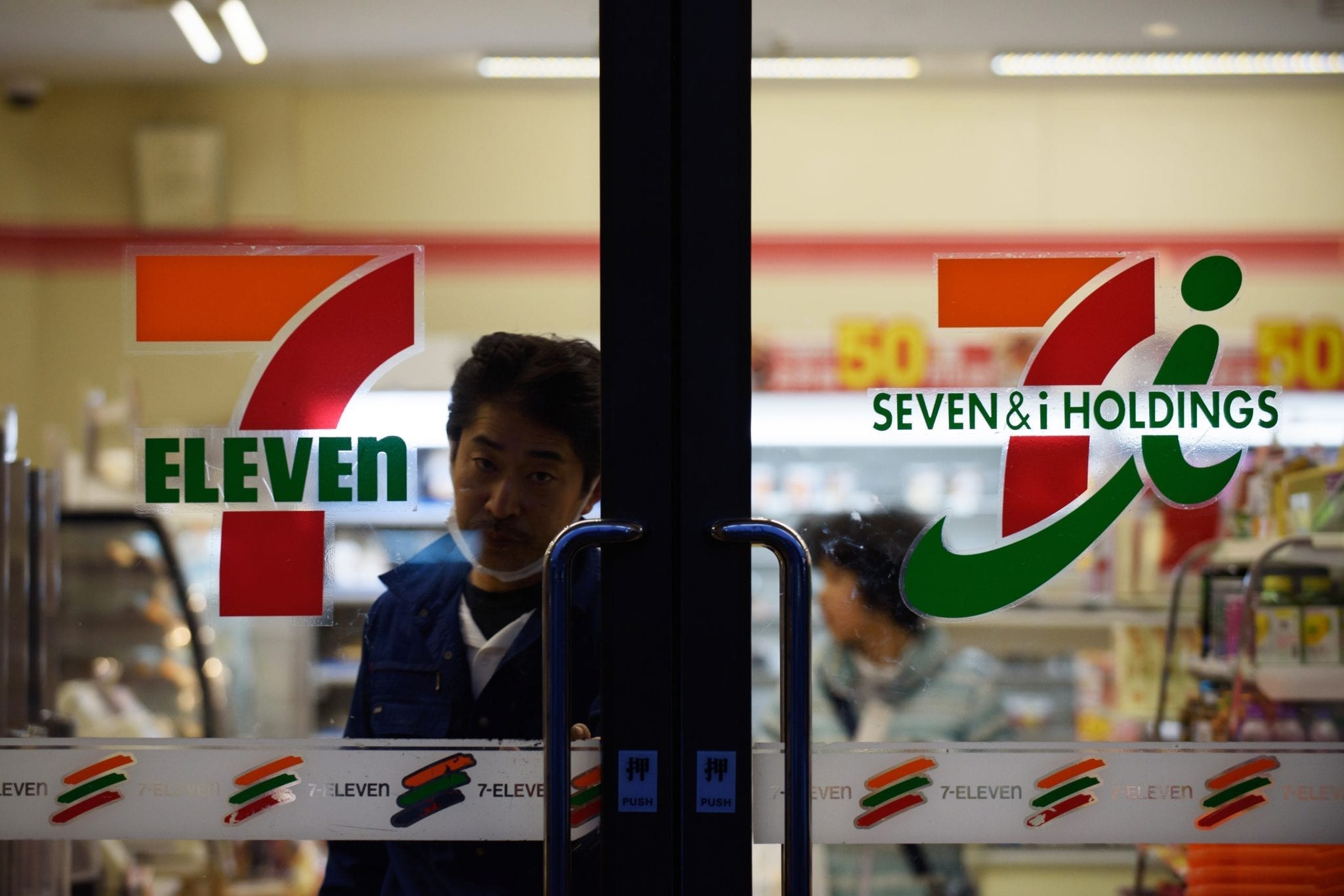
  • 7-Eleven tests facial-recognition technology

    7-Eleven tests facial-recognition technology

    7-Eleven Japan has opened an experimental concept store in Tokyo offering payment through facial-recognition technology developed by NEC. The trial is a precursor to a planned rollout of unmanned convenience stores in locations such as office buildings, car parks and factories allowing consumers to purchase essential items where it may not be commercially viable to operate a full-scale staffed store.

    The test store is located inside a building which is home to companies from the NEC group and can be accessed only by employees.

    Facial-recognition technology identifies shoppers when they enter the store and again when they make payment. The cost of purchases is deducted from their salaries.

    Rival retail groups including Aeon and FamilyMart have already adopted self-service payment checkouts and Lawson is trialling a scheme using barcodes scanned by smartphones.

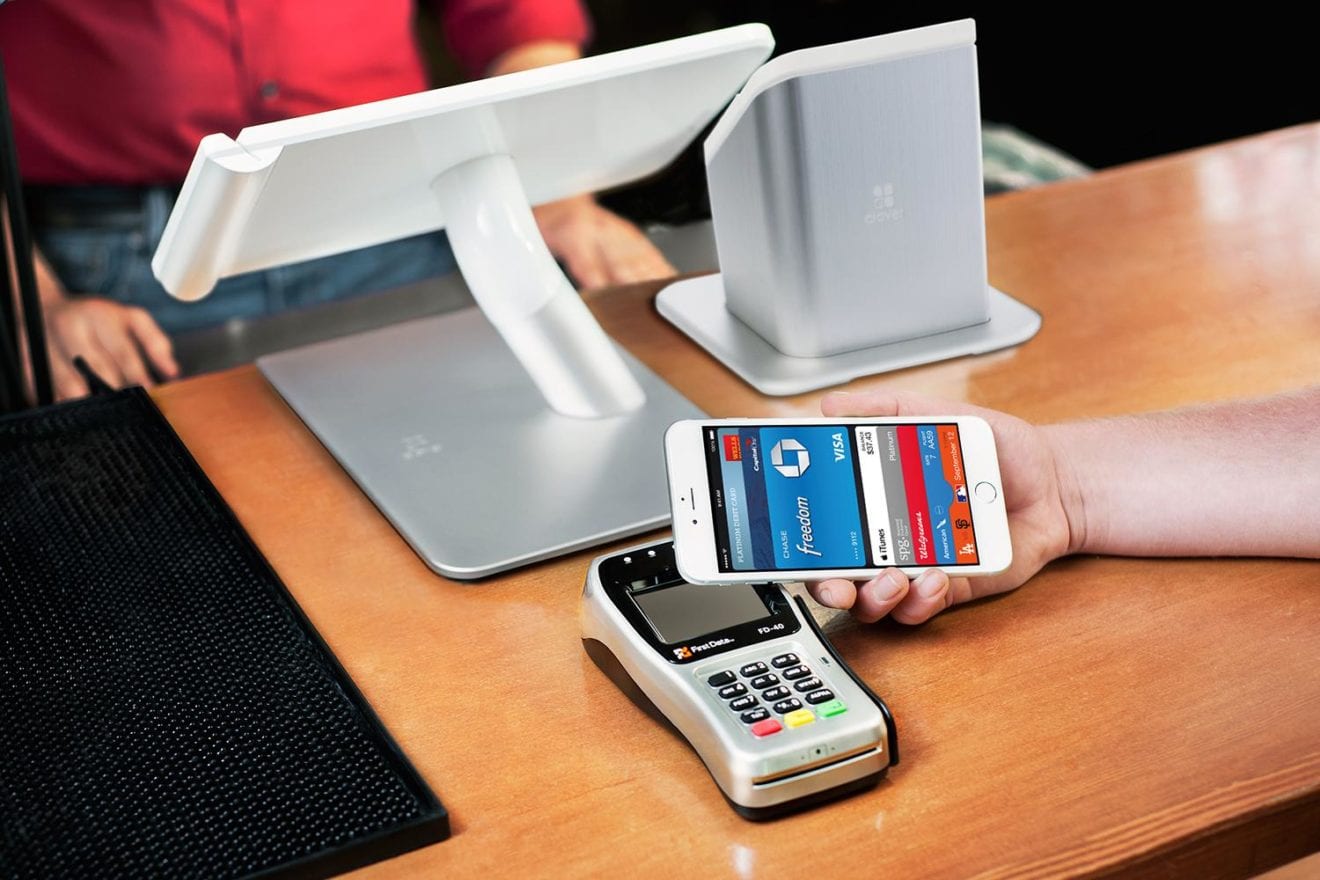
  • Wirecard expands cooperation with Singtel’s Dash to enable mobile payments with Apple Pay

    Wirecard expands cooperation with Singtel’s Dash to enable mobile payments with Apple Pay

    Wirecard, the global innovation leader in digital financial technology, has deepened its partnership with Singtel’s Dash to support the Dash mobile wallet’s Visa Virtual Account on Apple Pay. From now on, Dash’s customers can make payments using Apple Pay at millions of participating on- and offline merchants worldwide.

    Brigitte Haeuser-Axtner, Executive Vice President, Sales Asia, Digital & Telecommunications at Wirecard said, “As leaders in digital financial technology, we are proud to work with Singtel to bring Dash to an even larger group of potential customers, and to connect consumers with merchants around the globe. Asia continues to be the leader of the digital payments revolution worldwide, and we are excited to be at the forefront of these innovations.”

    “With the increasing popularity of mobile and online payments, Dash enables easy, secure and seamless payment options between our partner merchants and our more than half a million Dash customers on the platform of their choice,” said Gilbert Chuah, Head of mCommerce at Singtel. “Our expanded partnership with Wirecard to bring Dash to Apple Pay reflects our commitment to enhance the digital payment experience for both merchants and customers.”

    Singtel Dash is Singapore’s only all-in-one digital wallet which provides a safe and secure mobile payments solution for shopping, commuting, and remitting money. Dash’s Visa Virtual Account is the first of its kind in Singapore and was introduced in 2017.

    The inclusion of Dash into Apple Pay complements the increasing popularity of online shopping in Singapore. Wirecard’s 2018 International Holiday Shopping Report found that 67% of Singaporeans surveyed prefer shopping online, either via desktop or mobile, while 20% prefer shopping in-store. The ability to use mobile payments in-store is also a welcome innovation with 51% of respondents saying it would improve their shopping experience.


  • AEON Thailand Foundation donation proceeded

    AEON Thailand Foundation donation proceeded

    Last week, Mr.Kiyoyasu Asanuma (4th from left), Chairman of AEON Thailand Foundation, and Ms.Suporn Wattanavekin (3rd from left), Vice Chairman of AEON Thailand Foundation, together with Mr. Nuntawat Chotvijit (2nd from left), Director of Marketing, AEON Thana Sinsap (Thailand) Public Company Limited and Mr.Veerawat Ariyaviriyanant (left), President & CEO of Data Products Toppan Forms Ltd. donated 1,000,000 Baht from the “AEON Charity Bowling Competition You are a HERO” to Ramathibodi Foundation in support of “New Innovation for treatment of cancer ” program. The donation was received on behalf of the foundation by Prof. Dr. Suradej Hongeng (4th from right), Executive Director of Ramathibodi Foundation and the research team from the Ramathibodi Hospital.