Tag: Business

  • Hyundai forms joint venture for Algerian assembly plant

    Hyundai forms joint venture for Algerian assembly plant

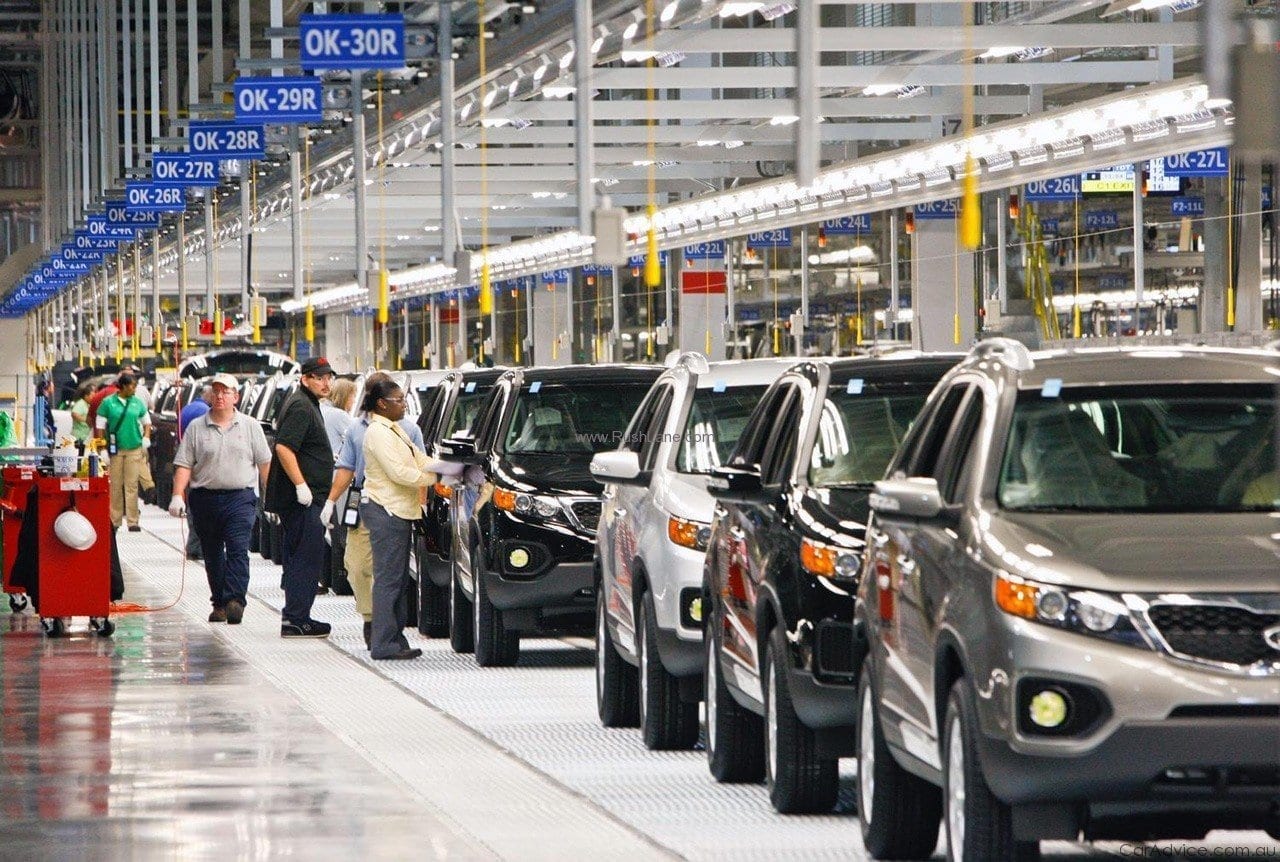
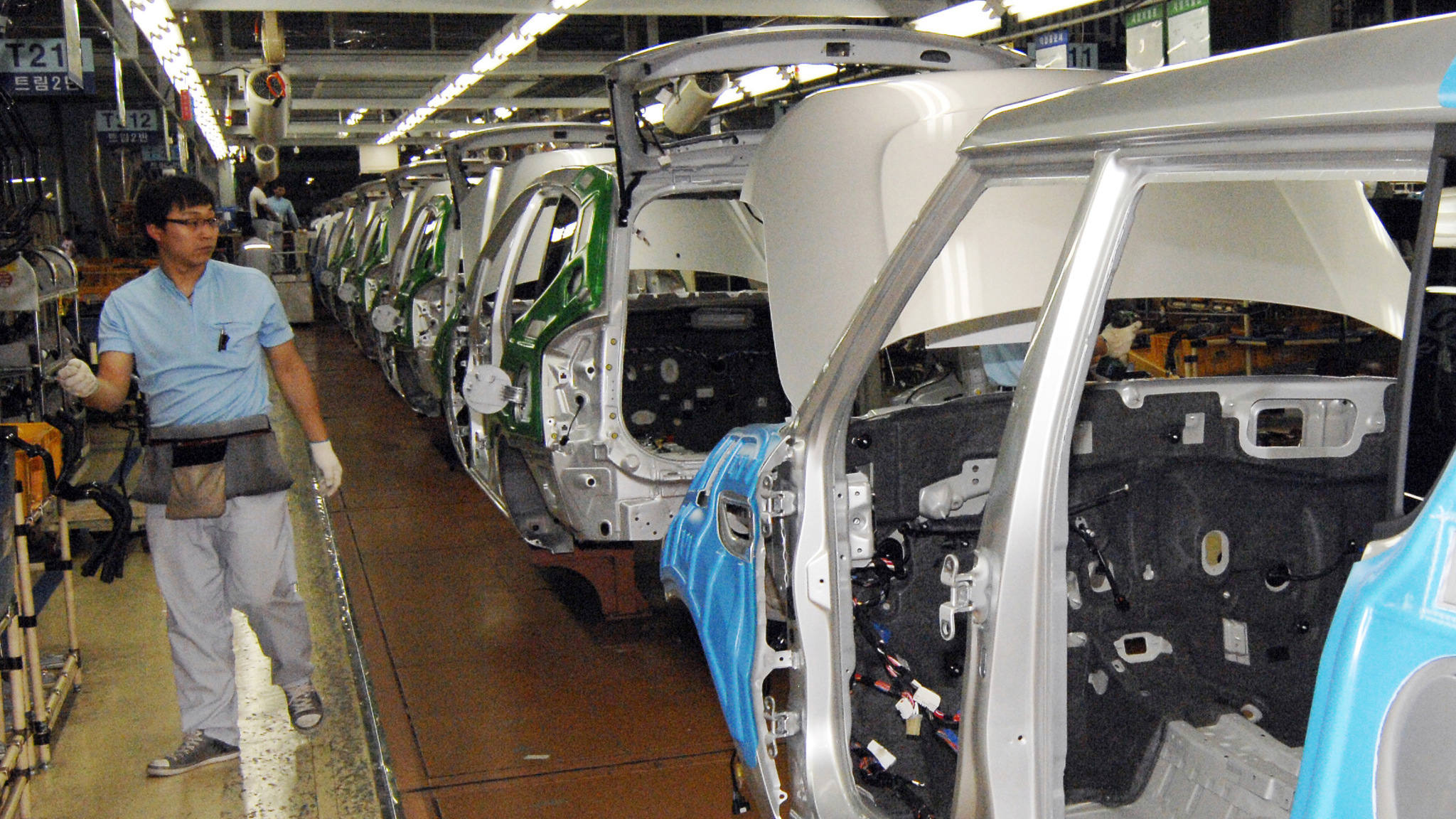
    Hyundai Motor and Algerian car maker Global Group signed a deal on Monday to establish a joint venture to produce commercial cars in Algeria. The joint venture will operate a factory that assembles knock down kits in Batna, Algeria. The assembly facility is scheduled to start operations in 2020.

    In the early stage, the factory will assemble 6,500 cars a year and gradually increase production. Medium and large trucks like the Mighty and Xcient, as well as the Hyundai County bus, will be assembled at the facility.

    According to the Korean automaker, the commercial vehicle market in Algeria has been expanding. Last year demand for commercial cars in the country was around 8,000 units, but that has increased to 12,000 units this year. By 2025, the automaker projects demand will reach 22,000.

  • Nome Sweden revealed massive expansion plan in China

    Nome Sweden revealed massive expansion plan in China

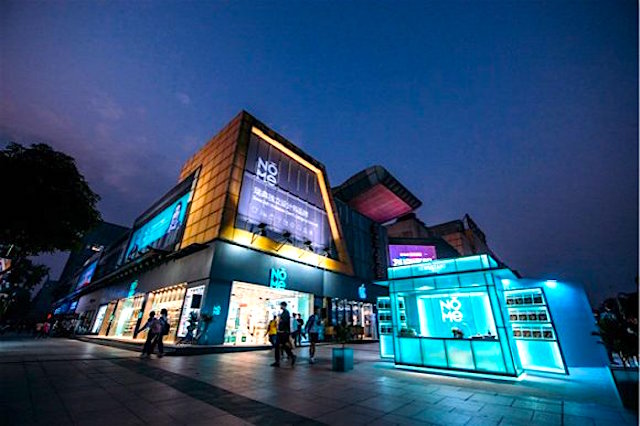
    Swedish designer brand Nome has launched a new store at Guangzhou Baiyun Wanda. The brand plans to open more than 300 stores in China’s most central shopping centres within a year, with a projected total turnover of more than RMB2 billion (US$290.6 million).

    In the next three to five years, Nome plans more than 2000 stores in China and in excess of 1000 stores overseas. The global business scale is planned to reach RMB50 billion ($7.265 billion), creating a global brand of home furnishing.

    To mark the Guangzhou launch, the brand installed a modernised version of a traditional Guangzhou postal kiosk outside the store. The reimagined newsstand featured a translucent shell emanating blue and white lights to evoke a Nordic style, perceived by the brand as having become more popular amongst Chinese consumers in recent years.

    Swedish designer brand Nome covers 10 categories and more than 3000 SKUs in store, including lifestyle, home, furniture, clothing, digital, beauty, food, shoes, luggage and travel items.

  • Owndays opens 2 new stores in Hong Kong

    Owndays opens 2 new stores in Hong Kong

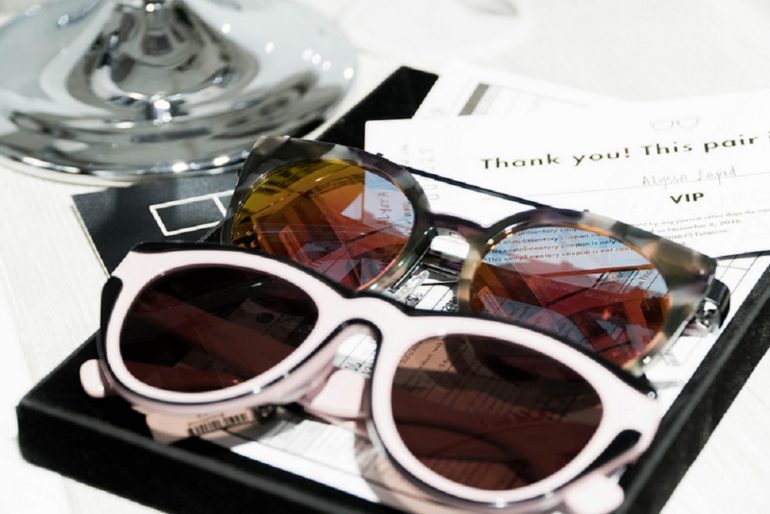
    Following the opening of two stores in Tuen Mun and Tseung Kwan O in July, one in YOHO Mall in Yuen Long, one in Moko in Mong Kok in October, OWNDAYS HK opens its 5th and 6th store in Tsuen Wan and K11 respectively. The store in K11 is the biggest in HK. Located at the basement B2 floor, it covers a total of 1734 square feet. Aligning with the brand’s fashionable style and innovative concept, the spacious store features an open design allowing guests to choose frames freely and at the same time enjoying the videos shown on the LED Wall that are placed on the two sides of the store.

    In celebrating the grand opening of K11 store in Tsim Sha Tsui, a meaningful social platform contest to win a lifetime free eyeglasses rolled out on on 23 November. The contest aimed to collect user-generated visual content by customers playing with the stylish models available in HK. The content closed on 8th December with the announcement of the winners during a party. Alongside the exciting contest announcement, stylish and popular KOLs joined the event to interact with customers, together with a wide range of delicious treat and live hashtag printing service that opened to public throughout the weekend to make

    Owndays store opening aligned with the objective of the brand to create fun shopping destinations.

    OWNDAYS is an international optical retail concept founded in Tokyo, Japan. It currently has more than 120 stores in Japan and has successfully established stores in 10 overseas countries in Asia-Pacific.

    In consistency with the brand image, the retail concept is by an open shop front and extensive use of wooden panels aimed to create a sense of harmony. Display racks with mirrors are designed to accommodate the different collections of glasses and give customers the freedom to try them on in a relaxed shopping environment.

    OWNDAYS is characterized by a solid knowledge and professional skills. All staff is trained to process quality glasses within 20 minutes from optometry to delivery to ensure the best service. OWNDAYS lenses are manufactured by leading international lens makers and high index aspheric lenses come with UV protection and dust-resistant coating.

    OWNDAYS has a wide portfolio of products which include: Progressive Lenses, Polarised Lenses, Transitions Lenses, Colour Lenses, and PC Lenses. All glasses displayed in shop are original brands designed and manufactured by OWNDAYS. OWNDAYS’ brands range from stylish and fashionable to functional and are able to satisfy different customer profiles.


  • Japanese Summit supermarket open store in Vietnam

    Japanese Summit supermarket open store in Vietnam

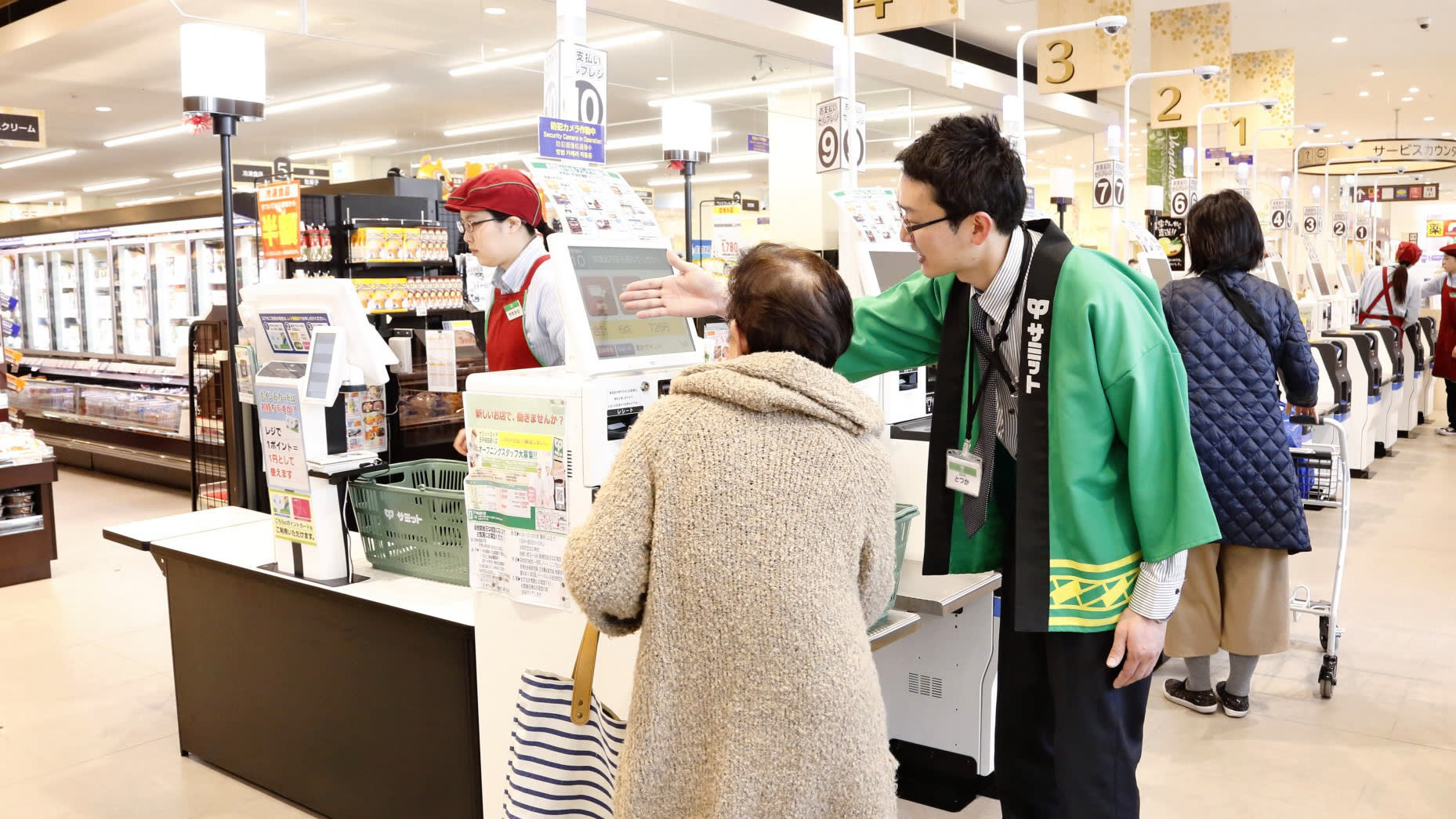
    Japan’s Summit supermarket will open first outlet in Vietnam’s capital city Hanoi this month, with two more stores expected to open next year. The Vietnamese Summit stores will be operated by Fujimart Vietnam Retail, a joint venture between Summit parent Sumitomo and real estate conglomerate BRG Group.

    BRG Group says Sumitomo will select the president and send personnel from Japanese unit while BRG will control the company operations.

    Targeting middle class consumers in the city, the stores will following the Japanese model – using the Summit supermarket group’s point-of-sale system and loyalty program to analyse customer shopping habits and plan product ranges.

  • The world’s most expensive retail street is not in NYC anymore

    The world’s most expensive retail street is not in NYC anymore

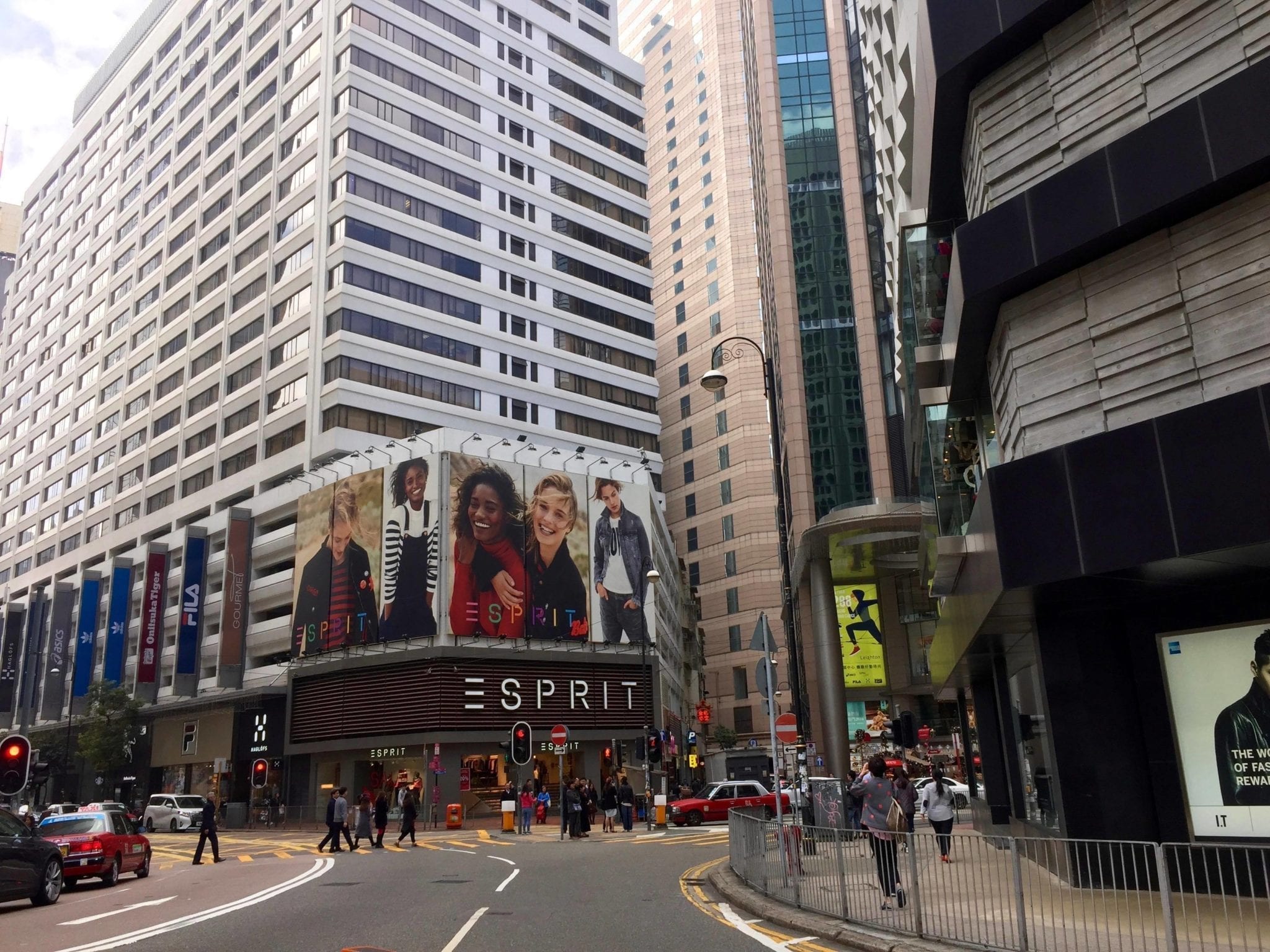
    Russell Street in Hong Kong’s Causeway Bay district has replaced New York’s Upper 5th Avenue as the world’s most expensive retail street by rental value, according to property consultants Cushman & Wakefield. For the first time in five years, the city has regained the crown, with average annual rents of US$2,671 per square foot (HK$20,953) despite a small decline of 1.5 per cent in average rents, according to the company’s annual Main Streets Across the World report.

    This was also the sixth time Causeway Bay has had the distinction of being named the world’s most expensive retail location.

    The report, now in its 30th year, tracks 446 of the top retail streets around the globe, ranking them by their prime rental value as of the second quarter of 2018.

    Upper 5th Avenue in New York slipped to second place globally, with average annual rents of US$2,250 per sq ft compared with US$3,000 per sq ft in the previous 12-month period as vacancy increased. The report said rents had fallen by 25 per cent because of the increased vacancy.

    London’s New Bond Street meanwhile is the most expensive European location and third globally. Annual rents here were broadly flat year-on-year at US$1,744 per sq ft, underlining the fact that luxury and high-end retailers still see the UK’s capital as a key retail destination.

    Beijing’s Wangfujing has become the most expensive street in China, with rents on average costing US$482 per sq ft a year, ranking 11th worldwide.

    “The retail market in Hong Kong has experienced a rebound over the last year, driven mainly by a return of mainland Chinese tourists,” said Kevin Lam, Cushman & Wakefield’s head of retail services for Hong Kong.

    Maureen Fung Sau-yim, executive director of Sun Hung Kai Real Estate Agency, said the number of mainland tourists would remain high if the yuan fell further.

    Fung manages 38 shopping malls with a gross floor area of 10 million square feet in Hong Kong and mainland China.

    One of them, APM, in Kwun Tong, was among the first to introduce round-trip direct buses from the mall to Zhuhai and Macau.

    “Since the opening of the Hong Kong-Zhuhai-Macau Bridge on October 24, APM has been running 780 round-trip direct buses to Zhuhai and Macau, serving 25,000 passengers, in which 80 per cent of them are Macau tourists who came for a one-day tour,”she said on Wednesday.

    Each of these visitors spends between HK$500 and HK$800, mainly on dining, cosmetics, and personal care.

    “APM aims to draw as many as 100,000 monthly visitors to the mall. Extra part-time staff are being hired to support the new demand,” adds Fung.
  • Inditex suffers from late coming winter

    Inditex suffers from late coming winter

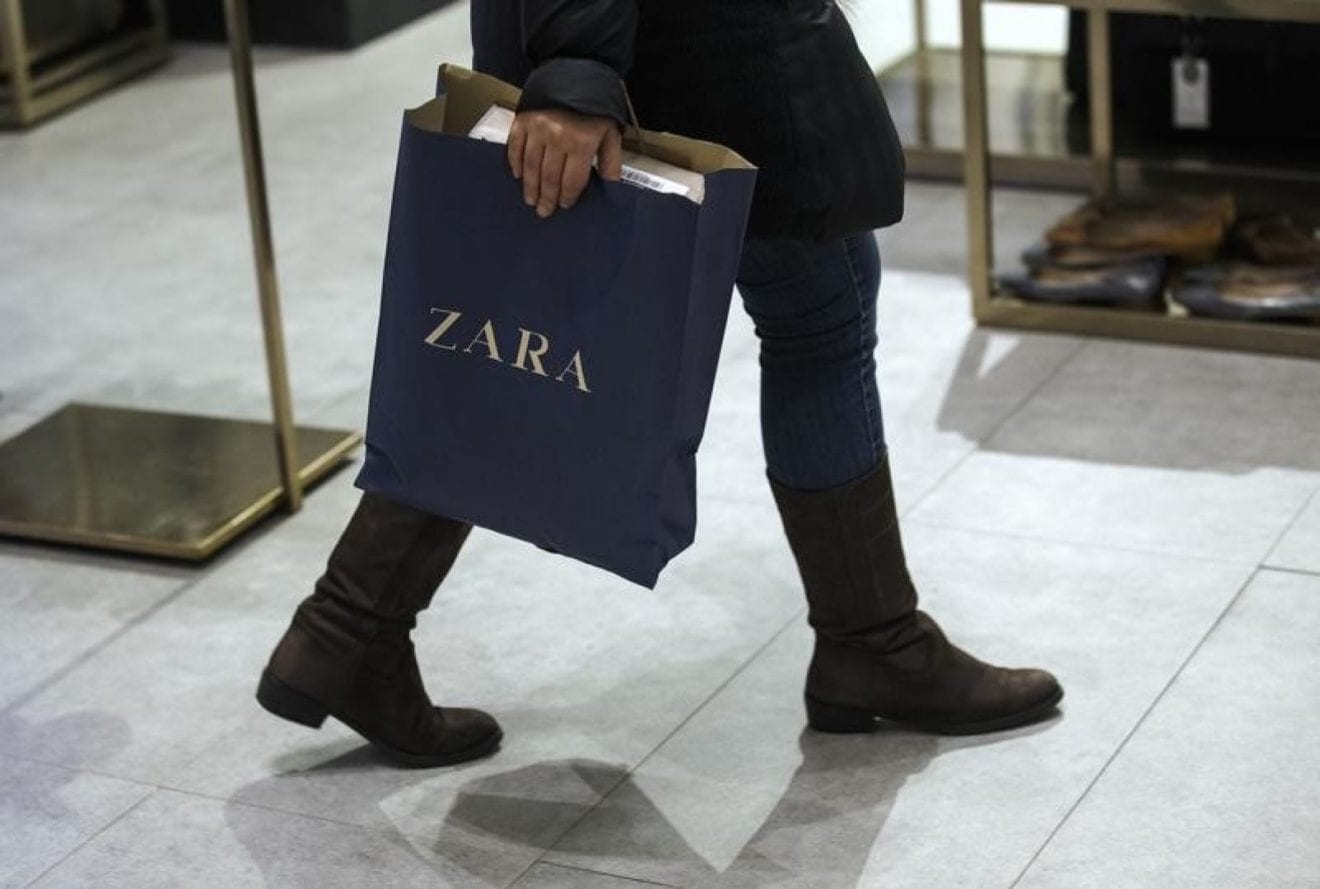
    Zara owner Inditex has posted slow like-for-like sales growth due to the unusually warm autumn and adverse currency moves. Inditex, which also owns upmarket label Massimo Dutti and teen label Bershka, posted a 3 per cent rise in like-for-like sales in the six months to the end of November after an “extraordinarily warm September”. Sales bounced back somewhat to 5 per cent in October and November.

    The fashion giant reported an increase in earnings before interest and tax of €3.07 billion from the previous corresponding period.

    In the first nine months of the year, the world’s largest fashion retailer reported a 3 per cent increase in sales to €18.4 billion and a 4 per cent rise in net profits to €2.4 billion.

    According to Inditex, the company didn’t have to cut clothing prices from September like its rivals, which resulted in margin growth of 108 basis points during the third quarter.

    The clothing retailer maintained sales and margin guidance for the rest of the year.

    Pablo Isla, Inditex chair and CEO, said the group’s strong business model, which continues to deliver solid structural growth in all markets, and its constant focus on developing the integrated store and online platform through continued enhancement of technology and systems, have contributed to its performance.

    The company announced last September that all products from all its brands will be made available online by 2020, including in markets where it does not have any stores.

    Isla had said that Inditex wants to make all fashion collections available to all customers wherever they are in the world.

    “Even in those markets which do not currently have our bricks-and-mortar stores,” Isla added.

    Other than Zara, Massimo Dutti and Bershka, Inditex also sells the brands Pull & Bear, Stradivarius, Oysho and Uterque across its network of almost 7500 physical shops. It operates online in 49 markets.

  • Lazada Group appointed new CEO

    Lazada Group appointed new CEO

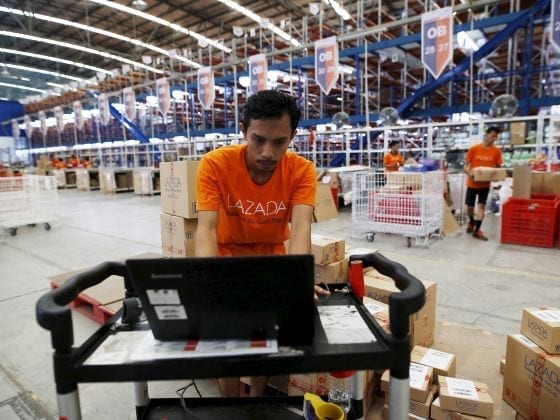
    Lazada Group has announced its second new CEO this year, with group executive president Pierre Poignant taking the role immediately. Incumbent Lucy Peng, who took over the role nine months ago after moving from major investor Alibaba, will remain with the business, assuming the title executive chairwoman.

    In a media statement, Lazada described the change as “succession planning”.

    Poignant, who was appointed president in August, will lead the company’s strategic development into new growth pillars, while continuing to manage Lazada’s operations in Indonesia, Malaysia, the Philippines, Singapore, Thailand and Vietnam, working closely with country CEOs and regional functional team leaders.

    “Pierre is a well-respected Lazada co-founder, who has contributed tirelessly to the company for the past six years,” said Peng. “He and the team of other co-founders had the vision to build our logistics network from the ground up back in the days when no one in Southeast Asia believed in e-commerce – this valuable asset has now set us apart from the competition. Over the years, Pierre has consistently delivered beyond his call of duty and excelled in every role he has taken up.”

    Poignant said Lazada has benefitted from the Alibaba ecosystem, from the technological prowess to the logistics network.

    “This year is a turning point for Lazada. We have improved and evolved and now come out stronger, more efficient, and more agile than the start of the year. Our transformation has just begun and I am confident next year will be another watershed year,” said Poignant.

  • Bamboo Airways receives first aircraft, to take off earlier than planned

    Bamboo Airways receives first aircraft, to take off earlier than planned

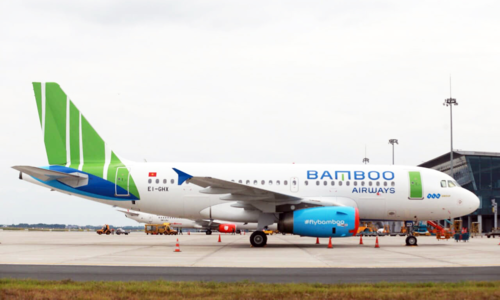
    Vietnam’s newest airline, Bamboo Airways, has advanced its maiden flight by two days to December 27, its CEO said Sunday. Dang Tat Thanh said the private carrier’s first aircraft, an Airbus A319 leased from an Irish company, has arrived in Hanoi.

    Earlier, Trinh Van Quyet, chairman of FLC, the company that owns the airline, had said the first flight would be on December 29.

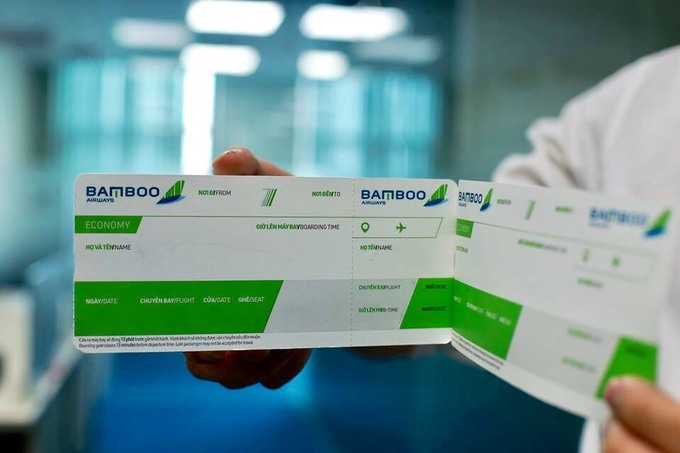
    Bamboo Airways received the aviation license to become Vietnam’s fifth airline early last month. But it is still awaiting an aircraft operator certificate and permissions for parking and selling tickets.

    It is also leasing an Airbus A320 from the same Irish company, and the airplane is expected to arrive later this month or early next month.

    Bamboo Airways is allowed to operate 10 aircraft on both domestic and international routes and to carry passengers and cargo on its flights.

    It plans to fly on 100 routes, connecting Vietnam’s major cities with popular domestic and international tourist destinations.

    The carrier was founded with a charter capital of VND700 billion ($30 million), which it increased recently to VND1.3 trillion ($55.68 million).

    It has signed deals to buy 24 Airbus A320neo and 20 Boeing B787-9 Dreamliner aircraft worth a total of $8.6 billion.

    The other four carriers in Vietnam are Vietnam Airlines, Vietjet Air, Jetstar Pacific and VASCO.

  • Kakao postpones carpooling service

    Kakao postpones carpooling service

    Kakao Mobility announced las week that it would postpone the official launch of its carpooling service after a week of fierce protests from the local taxi industry. The Kakao affiliate started offering a beta version of the service last Friday that was made available to a randomly selected pool of users nationwide. On the same day, it declared that the official launch date of its carpooling service would be on Dec. 17.

    “After much consideration, we decided to postpone the official launch in order to listen and apply a wider range of opinions from taxi drivers, users and many others,” Kakao said in an official statement Thursday afternoon.

    But it did not specify when the official launch will be delayed until. The statement sparked rumors that this may be the start of Kakao indefinitely postponing the service’s official release, which the company denied.

    “What we know for now is that it’s not going to happen this year,” said a Kakao spokesperson. “But this doesn’t mean the delay is going to be an indefinite one. The exact date is still a matter of discussion.”

    The beta service will continue to be offered to random users selected regardless of age and region. Kakao explained that the beta service was being offered to a very limited pool of users, just enough to examine the technology and check the effect it may have on taxi drivers.

    The announcement comes six days after the beta service and the official launch date were released.

    The backlash from taxi drivers has been fierce, with widespread protests that culminated in a 57-year-old taxi driver setting himself on fire in front of the National Assembly in western Seoul on Monday.

    Two days later, a committee that consists of two taxi company associations and two taxi driver labor unions announced plans to stage a protest in Seoul on Dec. 20, with more than 100,000 people expected to attend. This would be the third protest targeted at putting a stop to carpooling services.

    Regardless of Kakao’s decision to postpone the launch, a source from the committee said there is no change to the plans for the protest.

    Taxi drivers also launched a sleep-in protest in front of the National Assembly starting from Wednesday, with members of the four organizations continuing their vigil in shifts through the night.

    Kakao, the local taxi industry and government officials have been in talks for more than half a year, but are still failing to agree on a solution to the carpooling service issue.

    Kakao wants to introduce a carpooling service during busy commuting hours, but drivers say that even if rides are limited to twice a day, they will still eat up around 59 percent of all taxi demand.

  • DB Schenker signs a MoU for logistics centre in China

    DB Schenker signs a MoU for logistics centre in China

    DB Schenker, one of the world’s largest logistics service providers, and the Eastern China city of Changshu signed a Memorandum of understanding for the establishment of a state-of-the-art logistics center in the Changshu Economic and Technology Development Zone.

    Due to its convenient location near the metropolitan areas of Shanghai, Suzhou and Wuxi, and its proximity to the deep-water port of Yangshan as well as to a new port currently developed on the Yangtze River near Changshu, the city is a strategic location for a logistics center. Moreover, DB Schenker will be the first international third-party logistics provider (3PL) with a fully owned logistics site in Changshu.

    The new facility will provide state-of-the-art logistics and supply chain management services with a high level of automation to customers from the automotive and healthcare industry as main target group as well as to companies from other industry sectors situated around the Yangtze River Delta and Greater East China Region. The construction start of the center is scheduled for the end of 2019 with duration of two years.

    “After our strategic investment in a logistics center in Pinghu in July, the logistics facility in Changshu will be our second 100% owned distribution center in China. Both facilities complement our local growing warehouse portfolio with existing presence and partnerships with warehouses in Beijing and Shenyang”, says Christopher Pollard, CEO Greater China, Schenker China Ltd.

    With over 50 years of experience in China, DB Schenker is one of the biggest 3PL companies in the local market offering extensive air, ocean, road and rail freight services, as well as integrated contract logistics service and supply chain management.


  • Alibaba powers Starbucks virtual store launch in China

    Alibaba powers Starbucks virtual store launch in China

    Starbucks launched its first virtual store in China powered by technology from Alibaba Group, providing a unified, one-stop digital experience across the Starbucks app and mobile apps within the Alibaba ecosystem, including Taobao, Tmall, and Alipay.

    The first-of-its-kind virtual store leverages an online management hub developed specifically for Starbucks by Alibaba. It provides consumers integrated access to Starbucks’ digital offerings, including “Starbucks Delivers,” “Say it with Starbucks” social gifting and merchandise available from Starbucks’ Tmall flagship store.

    Alibaba’s technology streamlines the shopping process, pulling offers that were available in multiple digital apps into a single access point. Adopting a centralized approach to its mobile presence enabled by the Alibaba ecosystem, Starbucks now has a complete overview of its consumers’ actions online. Moreover, the integration of membership between Starbucks and the range of Alibaba apps is expected to fuel strong growth in Starbucks Rewards membership in China.

    The new virtual store steps up the collaboration announced by Alibaba and Starbucks in August 2018, when the companies agreed a deep, strategic “New Retail” partnership. Ele.me, China’s leading on-demand food delivery platform, owned by Alibaba, provides Starbucks delivery service for 2,000 stores across 30 Chinese cities.

    In October 2018, Starbucks also piloted its first “Star Kitchens” within two FRESHIPPO (previously known as Hema) supermarkets in Shanghai and Hangzhou. As the first retail brand to establish a dedicated back-of-house presence in FRESHIPPO locations, each Star Kitchen utilizes the distinct fulfilment and delivery capabilities on-site to complement the handcrafted beverages offered through existing Starbucks stores.

    The launch of Starbucks’ virtual store is also the latest example of how the so-called “Alibaba Operating System” empowering traditional retailers. After years of development in this digital age, Alibaba has created a unique system to support enterprises in the process of digital transformation that covers critical areas such as retail, marketing, finance and logistics.

  • Korea’s auto exports on the rise, but local industry still struggling

    Korea’s auto exports on the rise, but local industry still struggling

    Attractive prices and returns have seen the number of Chinese customers buying high-end apartments in HCMC soar this year. Duong Thuy Dung, senior director of real estate market research firm CBRE Vietnam, said at a recent forum that 31 percent of high-end apartment buyers in HCMC in the first nine months were Chinese. This figure increased from only 2 percent in 2016 and 4 percent last year.

    In the last two years, Chinese were sixth among all buyers, but this year, they have surpassed Vietnamese to rank first.

    Only 24 percent of high-end home buyers are Vietnamese, CBRE data shows.

    Stephen Wyatt, country head of property service firm JLL Vietnam, said the number of Chinese buyers has been increasing because Vietnam has an attractive price compared to other markets like Hong Kong, Japan, Singapore, South Korea and Taiwan.

    Chinese people often compare prices in Vietnam with Shanghai when they buy properties, he said, adding that they hope to gain profit from higher property prices in Vietnam in the future.

    A high-end apartment in the city costs around $5,000 per square meter, but the same one in Hong Kong could cost four times, said Nguyen Khanh Duy, director of residential sales at real estate service provider Savills HCMC.

    Nguyen Hoang, director of research and development at real estate firm DKRA, said that the number of Chinese and South Korean buyers in HCMC started to increase last year.

    Chinese from Shanghai and Hong Kong are buying properties as investments (not to stay in). “Most projects that foreigners bought in the last two years are under construction,” he said.

    Other industry insiders said that the high returns that HCMC high-end apartments offer is attracting many foreign buyers.

    The rate of return is 5-6.5 percent in Thao Dien ward and Thu Thiem Peninsula in District 2, while in other Asian countries, this rate is only 3.7-5.2 percent, Duy said.

    CBRE senior director Dung added that it was not just Chinese, but foreign buyers in general who are showing an increasing interest in HCMC real estate.

    Dung said that each foreigner group has a different preference for high-end apartments. Customers from mainland China, Hong Kong and Taiwan prefer large-scale projects near the downtown HCMC.

    South Koreans like to buy apartments in the southern District 7 that hosts a large community of South Koreans, while Western buyers often look for a quieter lifestyle in eastern District 2.

    Dung said HCMC is estimated to receive 40,000 new apartments in the 2018-2020 period, 60-70 percent of these in the high-end segment.

    In the last three years 35,000 luxury apartments have come into the market, CBRE said.

    This is a major increase from 2012-2014 when fewer than 10,000 units were on offer, CBRE said.

  • Vietnam’s Vsmart global market

    Vietnam’s Vsmart global market

    Vietnam’s largest private firm Vingroup launched four new phone models Friday, saying it aims to sell them internationally. The four new Vsmart phones, manufactured at the group’s VinSmart factory in Vietnam’s northern city of Hai Phong, are priced from 2.49 million ($107.18) to 6.29 million ($270.76) in the introductory phase. The prices will later increase to VND2.59-6.59 million ($111.49-283.67).

    Tran Minh Trung, CEO of VinSmart, said at the launching event that his company wants to branch out to markets outside of Vietnam.

    “We will not stop at the Vietnam market. We will bring out products to the world with five business departments in five continents. A sixth department will be in charge of e-commerce. We are capable of competing and we want to be accepted in both local and international markets,” he said.

    VinSmart is set to be a new competitor in the Vietnam market of 95 million people, currently dominated by Samsung and Apple phones.VinSmart acquired the intellectual property rights for the four phones from Spanish technology firm BQ, in which VinSmart owns a 51 percent stake.

    Vietnam is the largest smartphone production base for Samsung, while key Apple supplier Foxconn is also considering setting up a factory in the country.

    The launching of the phones has happened at rapid speed, just six months after Vingroup established the VinSmart company in June to produce smartphones and other smart electronic devices with a registered capital of VND3 trillion ($131.54 million).

    Vingroup, once a real estate and retail focused conglomerate, also became the country’s first full-fledged domestic car maker in October, introducing three new car models.

    VinSmart factory is capable of making five million phones a year in its first phase of operations, the company has said.

    It has also said that the factory will produce smart TVs and other smart products in the future. VinSmart also signed a multimode global patent license deal on Friday with chip producer Qualcomm.

  • Tech, engineering to have great demand for workers in Vietnam: survey

    Tech, engineering to have great demand for workers in Vietnam: survey

    The technology and engineering sectors will see strong growth in human resources demand in Vietnam in the next five years. The growth is forecast by 90 percent of experts polled in a survey recently released by online recruitment website VietnamWorks.

    The survey was done in the second half of this year by polling more than 200 human resources professionals in management positions at multinationals and top Vietnamese companies.

    According to the survey, 62 percent forecast increased demand for arts, design, entertainment, sports, and media workers.

    Forty-two percent said there would be a decline in administrative and clerical work in five years though these are among the top three in terms of demand this year. VietnamWorks said this is because repetitive jobs like these are likely be replaced by machines.

    Fifty-nine percent of respondents believed developments in automation and information technology would be the most influential factors in the labour market in the next five years.

    Mobile Internet and cloud technology would be the next major factor, according to 57 percent, and processing power and big data, according to 54 percent.

    Forty percent said privacy issues and greater awareness of environmental responsibilities would have a great impact on the labor market demand.

    As socio-economic factors alter the nature of jobs, employers will require more sophisticated skills and abilities. The respondents expected cooperating with others, people management, emotional intelligence, and judgement and decision making to be the top cross-functional skills needed in future.

    Gaku Echizenya, general director of Navigos Group, which owns VietnamWorks, said: “The market is experiencing major changes with the fourth industrial revolution. Therefore, businesses need to keep up-to-date with market information from reputable sources to respond promptly to changes, allowing them to set out a strategy to recruit and attract talented people.”

    Employees need to actively educate themselves in IT and digital knowledge, and develop crucial skills such as cooperation with others and people management to increase their competitiveness, he added.

  • New Hanoi taxi merger to fight Grab on the streets

    New Hanoi taxi merger to fight Grab on the streets

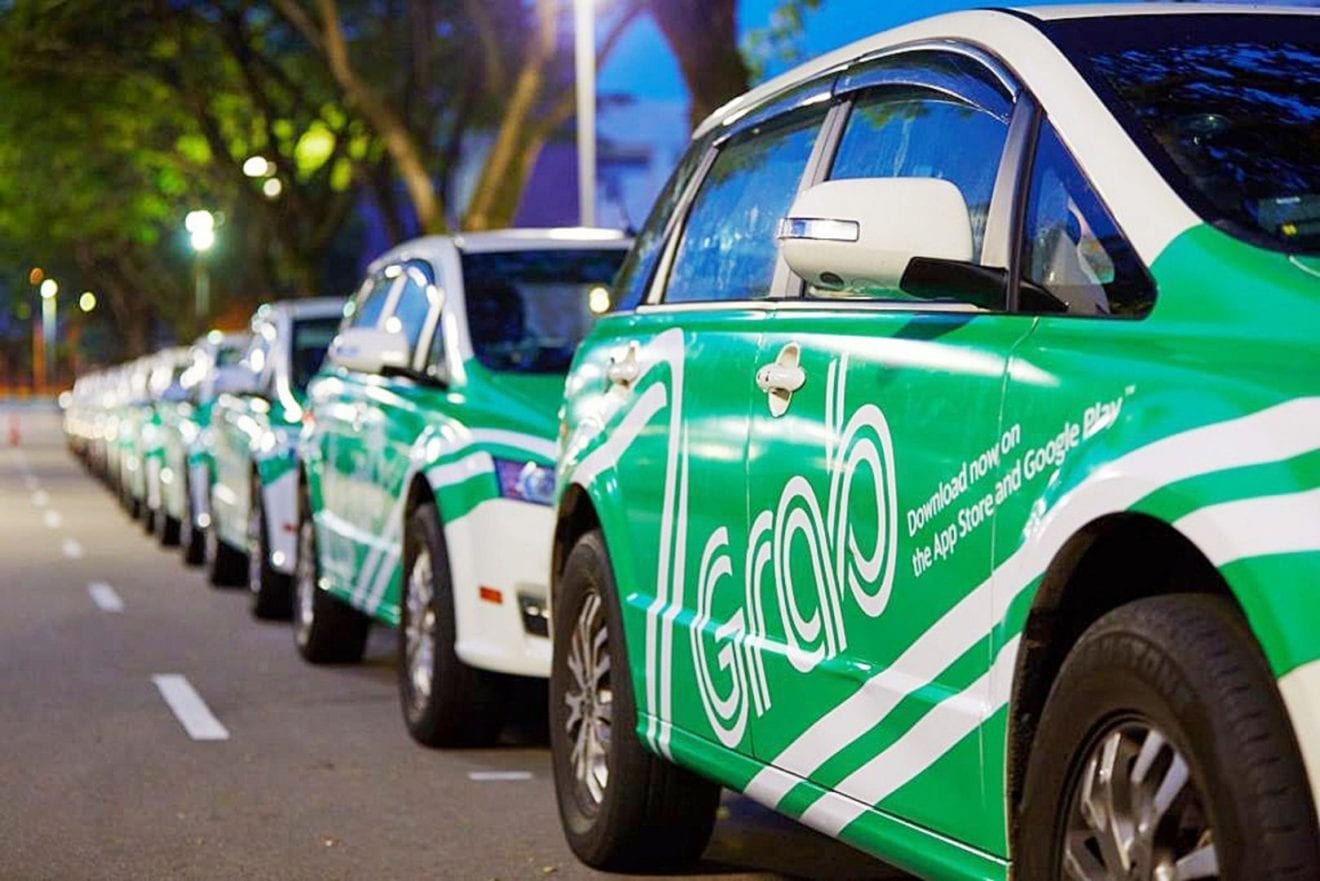
    Three Hanoi operators have banded together to create the largest taxi business in the capital and compete with Grab. The union, named G7 Taxi, has been able to undercut the fares of Grab, at least over short distances, and it may be looking to bring still more players into its group.

    G7 was formed in October by Thanh Cong, Ba Sao, and Sao Hanoi. Together, they have about 3,000 cars, accounting for around 20 percent of taxis in the Hanoi area.

    The G7 base fare is VND9,900 (43 U.S. cents) for the first one km, while Grab charges VND20,000 (86 U.S. cents) for the first two km.

    The entrance of the new brand is expected to increase competition between traditional taxis and raid hailing firms like Grab.

    Earlier, Nguyen Cong Hung, chairman of the Hanoi Taxi Association, had said: “Traditional taxis, each with their own app, are now trying to compete with Grab. But we are divided, therefore we need to unite.”

    Before Thanh Cong, Ba Sao, and Sao Hanoi teamed up, annual sales at the three companies had declined by 10-15 percent on average over the past few years.

    The number of taxi companies in Hanoi has also fallen down to 70 taxi now, from 115 in 2010.

    Joining the fight

    The taxi trio is not alone in pushing back against the ride-hailing industry.

    In March, southern taxi firms ComfortDelgro Savico and Vinataxi had merged with the same purpose.

    Vinataxi, the third largest taxi firm in HCMC, was confident the merger would increase its growth six-fold this year.

    Mai Linh, Vietnam’s No. 1 taxi operator, has developed a smartphone app similar to that of Grab. Meanwhile, second-ranked Vinasun has launched a ride-hailing service using Facebook’s Messenger app, enabling customers to hail cars and make complaints and requests directly, much like Grab.

    But Grab, the dominant player in the ride-hailing business in Vietnam, is also working on strategies to compete better with local taxi firms.

    Several months ago, it introduced Grab for Business in Vietnam, a service that helps a company track the trips its employees make to limit unnecessary trips and control expenses.

    Grab is also deploying various policies to attract drivers by offering bonuses and opening stops with free wifi and coffee.