Tag: Business

  • KKR to acquire significant stake in V3, TWG Tea

    KKR to acquire significant stake in V3, TWG Tea

    Private equity company KKR is to invest as much as S$500 million (US$366 million) into V3, the parent of cafe chain TWG Tea and massage chair retailer Osim, to fund regional expansion. In a deal which mixes equity and financing, KKR will take an unspecified “significant stake” in V3, which is effectively valued at S$1.7 billion. V3 is the company which resulted from last year’s restructuring of once-listed Osim International after plans for an IPO were shelved.

    Keith Magnus, chairman of Evercore Asia, which advised V3 on the deal said that the investment by KKR represents a more than 50 per cent increase in enterprise value compared to when the group was taken private.

    “This is a phenomenal premium for [Ron] Sim,” said Magnus.

    Sim remains the chairman, chief executive and controlling shareholder of V3. Sim, who remains chairman, CEO and controlling shareholder of the business added in a statement: “I am extremely pleased to welcome KKR as a significant shareholder in V3. I am confident this investment will position the company for our next phase of growth, starting with the immediate expansion of TWG Tea in Japan and the US and of Osim in China.

    “We would also be looking into M&A opportunities that are earnings accretive.”

    V3 also owns the rights to retail GNC nutritional supplements in Singapore, Malaysia, the Philippines and Taiwan.

    Sim says V3’s revenue cleared S$600 million last year and profit was also up.

  • Samsung to support the Olympics through 2028

    Samsung to support the Olympics through 2028

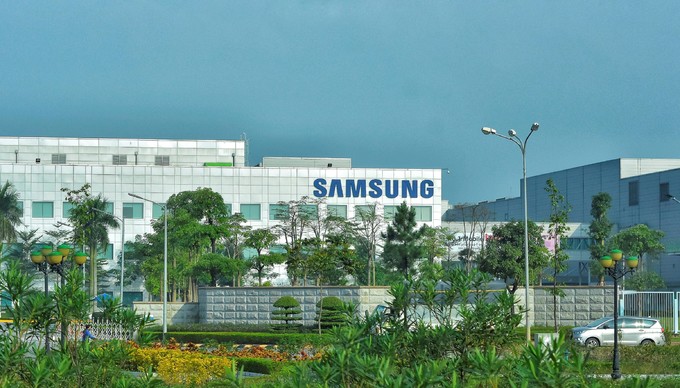
    Samsung Electronics announced on Tuesday it will extend its partnership with the International Olympic Committee (IOC) through 2028, from the original 2020 end date of the collaboration. The two parties signed an agreement at a ceremony at the Hotel Shilla in central Seoul in the presence of IOC President Thomas Bach and Samsung Electronics Vice Chairman Lee Jae-yong, as well as other executives from the company and officials from the committee.

    Samsung said it will continue as a Worldwide Olympic Partner in the wireless communications equipment and computing equipment category and promote the artificial intelligence (AI), virtual reality (VR), augmented reality (AR) and 5G features of the supplied equipment. Samsung will continue the support beyond the Olympic Games in Tokyo in 2020 through to the Los Angeles 2028 Olympics. The agreement also covers the Youth Olympic Games through 2028.

    Samsung will continue to support the IOC, the national Olympic Committee and the teams, the technology company added. The company will remain a Worldwide Partner of the International Paralympic Committee, extending a relationship that began in 2006.

    In collaboration with the IOC and the Organizing Committees, Samsung plans to continue its Athlete Phone Program. Under this program, it provides Olympic Edition Galaxy phones to all participating Olympic and Paralympic athletes.

    “As part of the agreement, the IOC and Samsung will further develop their strategic digital collaboration to engage young generations around the world in order to promote the power of sport and the values of Olympism,” Samsung said in a statement.

    “As a Worldwide Olympic Partner for the last 22 years, Samsung has been inspired by the spirit of hope, friendship and unity,” said Koh Dong-jin, president and CEO of the IT and mobile communications division at Samsung Electronics. “Through our innovative wireless and computing equipment, which supports AI, VR, AR and 5G technology, we hope to spread the excitement of the games so that fans and athletes around the world can stay connected and share in the journey to achieve greatness at the highest level of sportsmanship.”

  • Hong Kong retail rent rises (too) fast

    Hong Kong retail rent rises (too) fast

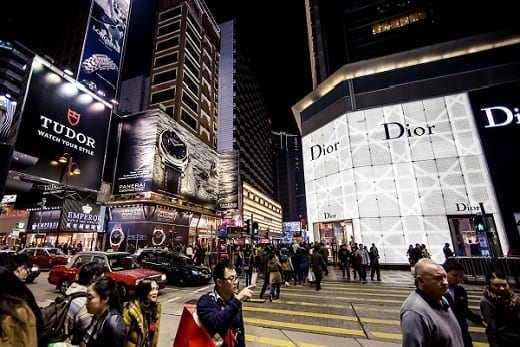
    Prime Hong Kong street-shop rents rose 4 per cent in the first three quarters of this year, ahead of the up-to 3 per cent rise prediction by Savills a year ago. In a third-quarter real estate briefing released yesterday, Savills said shopping-centre retail rents, which Savills expected would fall as much as 5 per cent, have actually risen 2 per cent year to date.

    Savills expects prime Hong Kong street-shop rents and shopping centre rents will rise by about 2 per cent next year.

    “In the retail market, despite the headwinds of a weaker RMB, more competition from regional cities and elevated new supply in the New Territories, rents will rise modestly,” the company predicted.

    “New infrastructure in the form of the High Speed Rail Link and the Macau Bridge will improve accessibility for mainlanders, while domestic consumption expenditure is expected to remain reasonably robust. Online retail continues to make limited gains in the Hong Kong market.”

    Savills said prime street shops proved the only real estate category in Hong Kong to post a decline in sale value on a per square foot basis, falling 3 per cent – a stark contrast to the 10-12 per cent rise in flatted factories and warehouses, and 8 per cent rise in luxury apartments.

    The company predicts prices for prime high street shops are likely to fall by up to 5 per cent next year.

  • Vietnam Airlines eyes stock market listing in 2019

    Vietnam Airlines eyes stock market listing in 2019

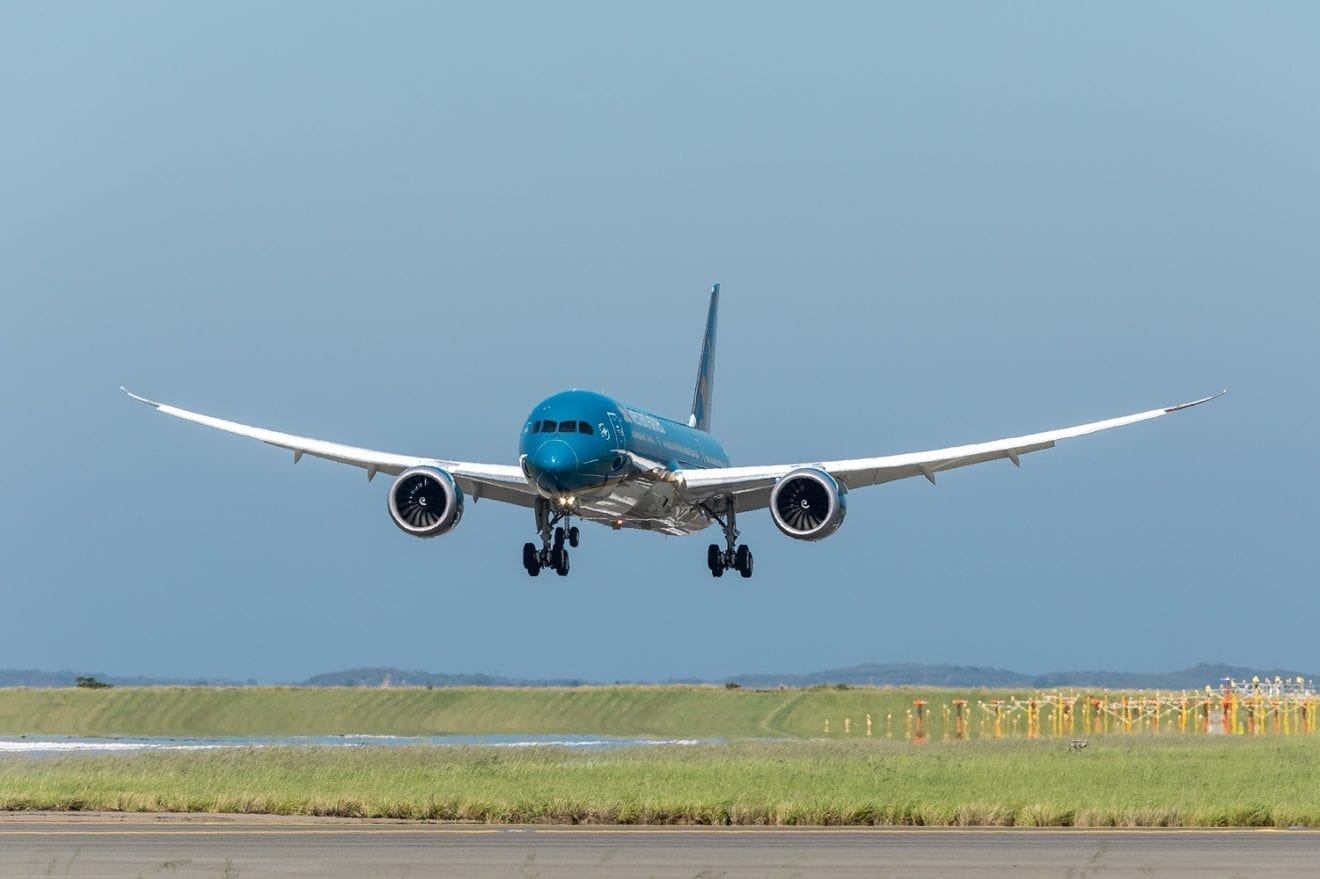
    Vietnam Airlines plans to list its shares on the Ho Chi Minh City Stock Exchange next year amidst rising competition of low-cost carriers. “Vietnam Airlines will go public in the first quarter of next year,” its chief executive, Duong Tri Thanh said. “We are making our target the first quarter of next year, and I think it is feasible.”

    But he admitted the final decision rests with the government.

    The carrier’s shares are traded on Hanoi’s Unlisted Public Company Market (UPCoM) and it has a market capitalization of more than $2 billion.

    The government currently owns around 86 percent of Vietnam Airlines, but has said it wants to reduce this to 51 percent by 2020.

    The country’s largest airline by passengers carried now faces rising competition from budget carrier VietJet Aviation and others. Last month Vietjet became the second most valuable airline in Southeast Asia by market cap behind only Singapore Airlines.

    With the domestic market showing signs of saturation, Vietnam Airlines seeks to expand overseas. In October it started a daily service from central Da Nang City to Osaka City to add to the 70 weekly flights from Vietnam to Japan. In 2020 it plans to begin a direct service to the U.S.

    Vietjet launched a daily service from Hanoi to Osaka last month to take its total number of international routes to 64 in 11 countries. It plans to add two more routes to Japan by next month.

    Other airlines are also jostling for market share. Bamboo Airways, Vietnam’s newest airline, received a license last month and is set to make its maiden flight on December 29.

    Experts said the listing of Vietnam Airlines would allow it to compete with other carriers by attracting more investors.

    “This would be a major Vietnamese company joining the stock exchange, which would interest international investors and potentially enable Vietnam Airlines to raise funds more easily to compete with the likes of VietJet and Bamboo,” the Financial Times quoted Tony Foster, a partner at Hanoi law firm Freshfields, as saying.

    Vietnam’s international aviation market, driven by the rapid growth in tourism, has been expanding at more than 30 percent a year, according to the CAPA Centre for Aviation, an Australian consultancy.

    Vietnam welcomed 14.1 million international tourists from January to November, up 21.3 percent year-on-year, according to the General Statistics Office. As many as 11.4 million of them came by plane, up 15.3 percent, it added.

    Vietnamese carriers transported 45.1 million passengers between January and November, up 11.9 percent year-on-year, and 369.2 million tons of goods, up 18.6 percent, according to the General Statistics Office.

    There are five carriers in Vietnam: Vietnam Airlines, Vietjet Air, Bamboo Airways, Jetstar Pacific and VASCO. Vietnam Airlines owns VASCO and has a 70 percent stake in Jetstar Pacific.

  • Vingroup’s smartphone launched soon

    Vingroup’s smartphone launched soon

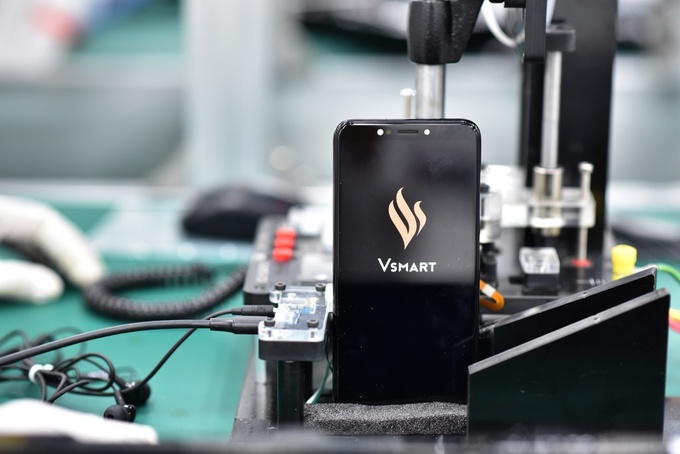
    Vietnam’s largest private conglomerate, Vingroup, will introduce its first smartphones on December 14 as part of its tech expansion. The company will launch four new models under the brand name “Vsmart,” at the Landmark 81 skyscraper in Ho Chi Minh City.

    The phones are produced at Vingroup’s factory in the northern city of Hai Phong, which is capable of making five million phones a year in its first phase of operations, a Vingroup statement said.

    The company will utilize Spanish experts for product development as it owns 51 percent of Spanish technology firm BQ.

    “We hope that Vsmart phones, alongside VinFast cars, will contribute to the development of Vietnam industry and bring Vietnamese brands to the world,” said Nguyen Viet Quang, vice chairman and chief executive officer of Vingroup.

    Vingroup became the country’s first full-fledged domestic car maker two months ago, introducing three new car models. In June, it established the VinSmart Co. to produce smartphones and other smart electronic devices with a registered capital of VND3 trillion ($131.54 million).

    VinSmart is also working with Qualcomm and Google’s Alphabet Inc to “update to the most advanced technology in the smartphone sector,” the statement said.

    The company will be the newest phone maker seeking success in Vietnam, a country of 95 million people. The market is currently dominated by Samsung and Apple phones. Vietnam is the largest smartphone production base for Samsung Electronics.

    Vingroup said its VinSmart factory will also produce smart TVs and other smart products in the future.

  • Sexual Harassment Claims Against Ted Baker’s Founder investigated

    Sexual Harassment Claims Against Ted Baker’s Founder investigated

    UK fashion retailer Ted Baker has appointed an independent committee of non-executive directors to investigate workplace harassment claims that current chief executive and founder Ray Kelvin expected staff to hug him and sit on his lap when visiting stores.

    “Ray, and the company’s leadership, have always prided themselves on Ted Baker being a great employer and business to work with,” the company said in a response to media reports about the claims and a petition started by staff members to stop the behaviour.

    “Accordingly, they and the board take these concerns very seriously and the board has directed a thorough and urgent independent external investigation carried out into these matters.”

    Organise, a website that allows employees to speak out against what they see in the workplace, and where Ted Baker staff initially spoke out about the workplace harassment, was contacted by leadership at the retailer who said they’re “open to changing the way we do things” when it comes to hugs.

    “Together our pressure exposed what was happening at the highest level. Now, over 100 anonymised reports of harassment are sat with Ted Baker’s board,” Organise said in a blog post about the matter.

    In an interview, Kelvin explained that he hugs people because his psoriatic arthritis makes it painful to shake hands, and took offence when it was suggested that people would be uncomfortable doing so.

    “You can’t expect my life to change because today people are particular about certain things that we grew up quite naturally with,” Kelvin explained, calling it “good old-fashioned stuff.”

    “Plenty of people might have sat on Ted Baker’s knee.”

  • Samsung is still top smartphone producer

    Samsung is still top smartphone producer

    Samsung Electronics managed to retain its position as the No. 1 smartphone maker in the world in the third quarter, but it may have a fight on its hands in the fourth quarter as Apple is expected to lower prices and increase production, according to a recent report from TrendForce.

    The report said Samsung was the top smartphone vendor in the third quarter with quarterly shipments of 74.5 million units, or almost 20 percent of the market.

    “While Samsung grew its sales by releasing its flagship Galaxy Note 9 ahead of schedule, the device was not a significant upgrade from last year’s Note 8 and made limited contribution to the brand’s total volume in Q3,” said the report.

    The Galaxy J series, on the other hand, was still instrumental in sustaining the brand’s overall production, the report noted. Samsung has also been promoting the Galaxy A devices, emphasizing their improved cost-to-performance ratios and cameras since the beginning of the fourth quarter.

    In the fourth quarter, however, iPhone production is estimated to reach around 76 million units, which would see it surpass Huawei and compete with Samsung for the top position, the report noted. Samsung’s volume in the last quarter is estimated to reach around 75 million units, in line with the company’s target for the period.

    Huawei was the world’s second largest smartphone producer in the third quarter, beating Apple for the second consecutive quarter. The firm’s production volume stood at a new high of 55.5 million units. iPhone production for the third quarter totaled 47.1 million units.

    “Huawei’s in-house research and development capabilities and extensive product lines across all market segments have benefitted its expansions in overseas markets during the recent years,” the report said.

  • Biggest car rental company heading to Vietnam

    Biggest car rental company heading to Vietnam

    Vietnam is the first stop for Enterprise Rent-A-Car in Asia, after 85 locations in Europe and the Americas. The world’s largest car rental servicer, Enterprise Holdings, recently announced that its Enterprise Rent-A-Car service is now available in Vietnam. The move is part of Enterprise Holdings’ goal to expand its car rental services across the Asia Pacific region.

    Enterprise Rent-A-Car will operate in Vietnam through its Vietnamese franchise partner MP Logistics.

    Cuong Dang, general director of Enterprise Rent-A-Car Vietnam, said the company currently has 300 rental cars, from 5 to 47 seaters, available in Ho Chi Minh City. The service is scheduled to be expanded to Hanoi and central Da Nang City in the first quarter of 2019.

    Rent-A-Car’s initial strategy will be to grow a base of corporate customers, foreign employees of multinational companies with operations in Vietnam. The initial emphasis will be on long-term rentals with a chauffeur.

    Later, it will expand its services to include short-term, chauffeur-driven options, self-drive rentals and leisure hire at popular tourist destinations likes Da Nang.

    Cuong said he believes that there is great demand in Vietnam’s car rental market but inadequate supply, and that in the future, this market will thrive.

    There are two reasons Vietnam’s car rental market will grow, he said.

    First, FDI growth will be maintained for the next 10 years, which will attract an increasing number of foreign workers.

    Second, the middle class is seeing strong growth. The younger generation does not accord much priority to saving to buying luxurious cars and big homes, but tend to pay more attention to quality of life and experiences, and as such would be more willing to rent cars.

    However, Cuong noted that the Rent-A-Car model brought to Vietnam would take longer to recoup capital and profits than in the U.S.

    “The price of buying a car in Vietnam is twice that in the U.S., but the rental price is the same in both markets, so the business risk will be higher,” Cuong said.

    Todd Prister, regional director for the Enterprise Franchise Asia-Pacific said that the company is excited about the potential of Vietnam’s economy.

    “Vietnam not only has one of the highest growth rates in the world as well as attractive business markets, but also is a prominent destination in Southeast Asia. Combining these factors, Vietnam will be a brilliant opportunity for us,” said Todd.

    Enterprise is the largest car rental company in the U.S. and is the 13th largest private enterprise in the country.

    Todd Prister said Enterprise is also the largest car rental company in the world in terms of vehicles owned, employees and sales.

    The company is present in 85 countries, 10,000 locations, owns over two million vehicles and has an average annual turnover of about $22 billion.

  • Malaysia Airlines’s progress in line with recovery plan

    Malaysia Airlines’s progress in line with recovery plan

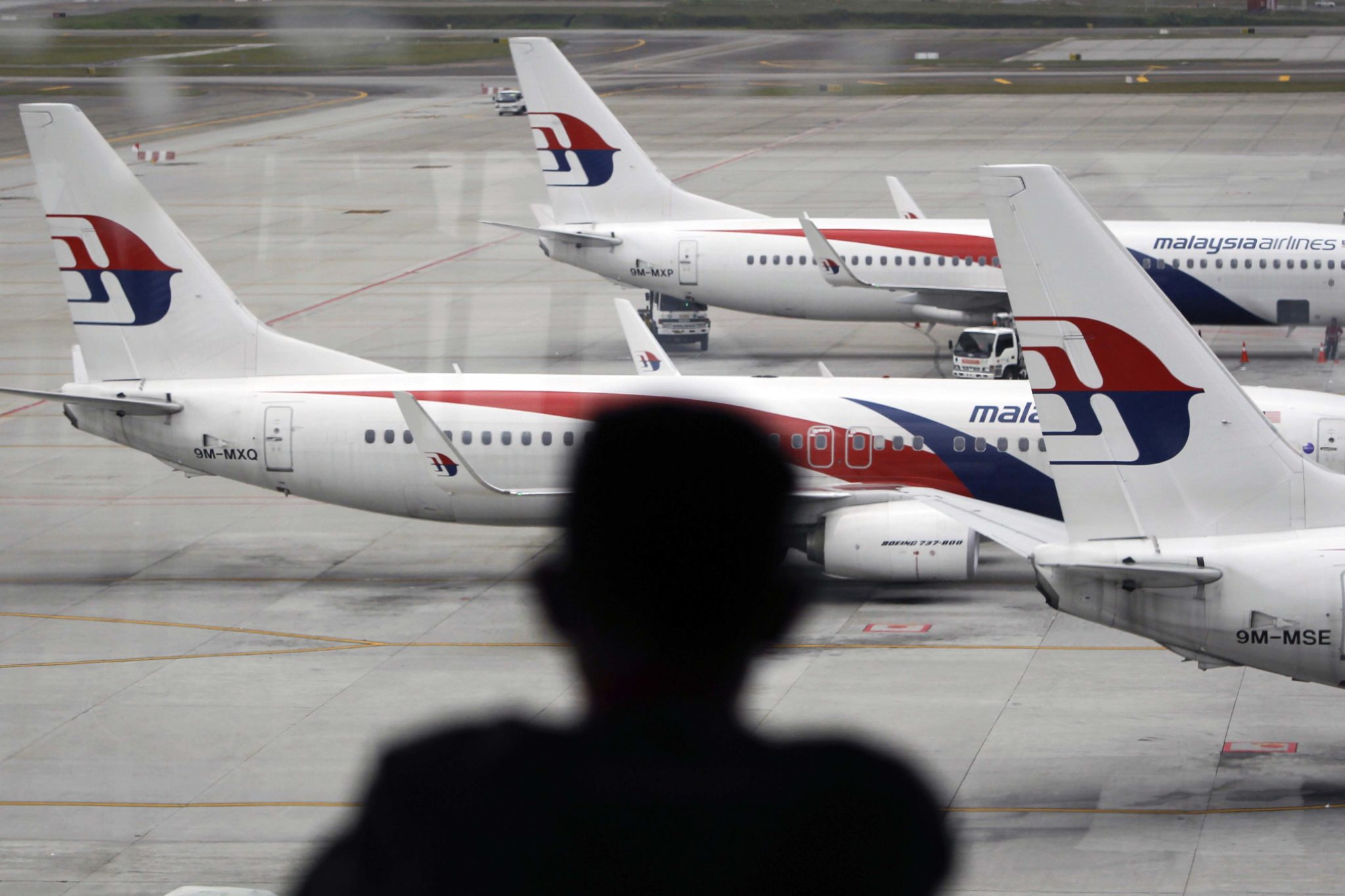
    Although relatively little is being said and publicised about Malaysia Airlines Bhd’s (MAB) recovery plan, a substantial amount of progress has actually been achieved in its business operations in line with the plan, which aims to revive the country’s national carrier and sustain its profitability.

    Group CEO Captain Izham Ismail said improvements in terms of cost base, productivity, information technology (IT) systems and customer experience were among the achievements chalked up by the company, thanks to the five-year Malaysia Airlines Recovery Plan.

    In an interview with Bernama, he said plans had been put in place to address the airline’s performance going forward and this had yielded improved performance for the first half of this year.

    The airline performed stronger in the first six months of this year than in the same period of 2017, adding that the key focus for the airline in financial year 2018 included driving revenue.

    “This will be underpinned by continuous improvement in customer experience, product quality and operational excellence while maintaining a productive and competitive cost base,” he said.

    According to Izham, MAB’s cost base has been significantly changed to bring it in line with its peer network airlines.

    As of today, the group has one of the lowest cost bases among its peer network airlines on a cost per available seat kilometre basis.

    The company has also seen material gains in productivity with a more competitively sized workforce, which is further complemented by a commitment towards continuous talent development.

    “A stronger local talent pool has now been established,” he said.

    On the group’s IT system, which is an integral part of overall airline operations, Izham said the complete overhaul had now been completed.

    He said the new Passenger Service System and migration to a cloud-based data centre had improved reliability and cyber security, as well as enhanced agility and better time-to-market.

    He said customer experience had also improved with market-driven metrics based on the company’s customer survey and net promoter measures showing significant positive gains over the last two financial years.

    On the operational front, Izham said the supply chain in engineering had been significantly tightened, which had helped the airline’s on-time performance, although it was still impacted by external factors beyond its control.

    “Since the set up of NewCo (MAB, which took over the operations, assets and liabilities of Malaysian Airline System Bhd or MAS) in 2015, we are showing progress and have recorded a double-digit compound annual growth rate growth (of 21%) over the last three years.

    “That is improvement straight to the bottomline,” he explained.

    MAB managed to record “steady year-on-year (y-o-y) performance” in the second quarter of 2018, with a marginal yield improvement, while revenue per available seat kilometre remained steady with a growth of 2% y-o-y.

    Going forward, Izham said MAB would continue to focus on the customer while making sure to deliver a strong schedule and great service for its customers.

    The airline also aimed to build a diverse Asia-Pacific network with a simplified fleet structure and operations to ensure consistency, and removing complexity in service delivery as well as pursuing a gradual and progressive growth strategy across markets, he said.

    Commenting on Khazanah Nasional Bhd’s plan to relist the national carrier as part of the recovery plan sometime from now until 2020, he said “the plan has always been to re-list Malaysia Airlines”.

    “We are working hard to stabilise the company and return it to profitability before any initial public offering plans can be considered,” he added. Khazanah owns 100% equity interest in MAB.

    In 2014, the sovereign wealth fund had injected investments amounting to RM6 billion to support the airline’s five-year turnaround plan with the aim of returning MAB to profitability by late 2017 and to relist the company by 2018 or 2019.

    Khazanah de-listed MAS from Bursa Malaysia on Dec 31, 2014.

  • October retail sales tide in Hong Kong turns up

    October retail sales tide in Hong Kong turns up

    October retail sales in Hong Kong rose by 5.9 per cent year on year, more than double the pace of September, which was affected by Typhoon Mangkhut. A government spokesman indicated that growth in retail sales picked up somewhat in October after a deceleration in the preceding month, supported by the faster increase in visitor arrivals and continued income growth.

    The Census and Statistics Department (C&SD) estimated the total value of October Hong Kong retail sales at HK$39.7 billion.

    After netting out the effect of price changes over the same period, the volume of October retail sales in Hong Kong increased by 5.2 per cent.

    C&SD’s revised estimate of the growth in the value of retail sales in September was unchanged at 2.4 per cent, the lowest figure year to date.

    For the first 10 months of this year retail sales rose by 10.6 per cent year on year, while the volume (netting out inflation) rose by 9.1 per cent.

    The spokesman strong inbound tourism and favourable job and income conditions should continue to support the retail sector in the near term.

    “Yet, consumer sentiment could increasingly be affected by the external uncertainties and weaker asset markets.”

    By broad type of retail outlet (in descending order of the category’s impact on the overall figure) sales of jewellery, watches and valuable gifts increased by 3.3 per cent in October. This was followed by electrical goods and other consumer durable goods, not elsewhere classified (up 16.1 per cent); commodities in department stores (up 3.5 per cent); apparel (up 2.3 per cent); medicines and cosmetics (up14.9 per cent); other consumer goods, not elsewhere classified (up 12.7 per cent); motor vehicles and parts (up 13.6 per cent); fuels (up 10.3per cent); footwear and accessories (up 9.3 per cent); books, newspapers, stationery and gifts (up 5.8 per cent); furniture (up 0.8 per cent); Chinese drugs and herbs (up 0.6 per cent); and optical shops (up 3.2per cent).

    The only categories to record a decline in sales were commodities in supermarkets, down 0.9 per cent, and food, alcoholic drinks and tobacco, down 2 per cent.

  • Vietnamese government will share risks with startups, PM assures

    Vietnamese government will share risks with startups, PM assures

    The Vietnamese government is willing to make changes in regulations to facilitate timely funding of startups, Prime Minister Nguyen Xuan Phuc said. Addressing at the Youth Startups Forum 2018 in Hanoi on Thursday, he acknowledged the challenges that Vietnamese startups have highlighted, saying that it is the task of authorities to find a breakthrough solution for creative entrepreneurs to start and run a business.

    He asked the Ministry of Planning and Investment, the Ministry of Science and Technology, the Ministry of Finance and the State Bank of Vietnam to create more favorable conditions for startups by making changes in the legal framework.

    “We need a breakthrough innovation in policies from government bodies to help startups succeed with their ideas,” he told the forum, which attracted 300 entrepreneurs from across the country.

    The government is willing to share a part of the risks with startups, the PM added.

    He asked relevant ministries and other agencies to report in detail next month on the solutions they have identified for the problems that industry insiders have highlighted.

    Vietnam has seen an increasing number of startups in recent years. The country’s speed of startup development ranks third among ASEAN members. But regulatory obstructions are hindering their ability to attract funds they need to establish themselves and thrive in the market, entrepreneurs said at the forum.

    Thach Le Anh, founder of Vietnam Silicon Valley, a government-backed organization aiming to stimulate the growth of startups, said that angel investors are reluctant to invest due to a lack of incentives in tax and policies. Angel investors are people who inject money into a new business in the early stage.

    The early financial support is crucial for a startup to succeed, Anh said.

    Nguyen Manh Dung, a representative of the investment fund CyberAgent Veuntures in Vietnam, also said that many investors want to invest in Vietnam’s startups, as larger markets like the U.S., Japan and China require bigger capital and fewer opportunities.

    Investors are also reluctant about later stage investments, when profits can be extracted, because of slow administration procedures, he said.

    Disbursement procedures in Vietnam could take from six months to a year while the very nature of startups is that they need to act fast, he added.

    Dung also said that divestment was one the main concerns that investors have.

    “These challenges take opportunities away from startups,” he said.

    Dam Quang Thang, CEO of AgriTech Village, a company which assists local startups in agriculture, said that although startups often use new technological solutions, they have to go through a traditional testing method, which is more time consuming than it should be.

    A representative of Vietinbank, Vietnam’s fourth-biggest listed bank by market capitalization, said tight bidding procedures and long financial checks were preventing the bank from investing in a tech startup.

    “Startups struggle to sell their products to investors as they have to go through the traditional process. There must be a better way for them to sell their new solutions,” the representative said.

    Last year, Vietnamese startups received $300 million in investments in 92 different deals, according to startup accelerator program Topica Founder Institute (TFI).

  • Restructuring continue benefits 7-Eleven Malaysia

    Restructuring continue benefits 7-Eleven Malaysia

    New store openings are maintaining a modest 7-Eleven Malaysia sales growth rate – but improved margins are driving solid profit improvement. The listed convenience store operator released its third-quarter results on Friday, which showed third-quarter sales growth of 1 per cent and year-to-date growth of 1.3 per cent. But net profit was up 4.1 per cent for the quarter and 13.3 per cent year to date.

    CEO Colin Harvey said net profit grew 27.6 per cent quarter on quarter.

    “However, this is only the first step in the right direction towards where the organisation should be, and there is scope for improvement. I am confident that our strategy roadmap focussed on strengthening the key areas of, assortment, supply chain, operational excellence, store base, and digitally enabling the organisation will bear fruit in terms of financial performance, and overall customer shopping experience.”

    He said the group’s net revenue of RM1.66 billion year to date was driven by growth in new stores and consumer promotion activity.

    Continued store expansion has taken the network to 2259 stores.

    7-Eleven Malaysia expects trading conditions for the next quarter to improve with the anticipated heightened consumer sentiment.

    “We expect to see further improvements in the next quarter by pursuing our core strategy pillars of operations excellence, cost management and commercial innovation,” the company said.

  • Kenanga Malaysia raises earnings outlook for Carlsberg

    Kenanga Research has increased its FY18 and FY19 earnings for Carlsberg Brewery Malaysia Bhd on the back of improved contributions from Lion Brewery in Sri Lanka.

    “We increased our FY18E and FY19E earnings by 4.3% and 3.5% respectively as we improved contributions from Lion Brewery. Additionally, we increased our Malaysian demand assumptions following the stronger results,” it said in its report today.

    For the nine months ended Sept 30, the group reported core Patami of RM205 million, which amounted to 82% of Kenanga Research’s full-year expectations.

    “We deem this to be above but within our consensus estimates, mainly due to better-than-expected contribution from its Sri Lankan associate, Lion Brewery. Malaysian sales were also better than expected, subsequent to our previous adjustments for softer demand post-Sales and Services Tax (SST),” it said.

    Moving forward, it expects Carlsberg’s on-trade sales (at food and beverage establishments) to be dented by Sales and Services Tax finally kicking in, as these establishments would have to bear the brunt of both taxes.

    “We anticipate demand to be skewed towards the off-trade market (retails, supermarkets), albeit being a lower margin channel. Still, the group’s continued emphasis on its premium mix could bolster the overall performance in the local scene,” it said.

    Meanwhile, HLIB Research does not expect any hike in alcohol excise duty as the structure is already the third highest globally.

    “We opine a hike in excise duty would result in growth in the illicit market at the expense of the legal volumes, which will result in reduced tax collection. For this reason, a hike in alcohol excise duties is unlikely,” it said in its report.

    It expects the government and Royal Malaysian Customs to continue their efforts to fight contraband and strengthen the legitimate tax paying portion of the beer market in Malaysia and hence the government’s revenue collection of excise duty.

    On the recent increase in the minimum age for purchasing alcohol to 21, it expects this to result in lower industry volumes due to a smaller pool of legal consumers.

    HLIB Research maintained its “buy” call with an unchanged target price of RM22.70.

    Carlsberg’s share price fell 1.62% or 32 sen to close at RM19.40 with 51,600 shares traded. It was one of the top losers on the bourse this week.

  • Lazada Malaysia to sell houses soon

    Lazada Malaysia to sell houses soon

    Southeast Asian e-commerce platform Lazada will begin selling houses in time for its planned 12.12 shopping festival. The move, in partnership with Malaysian property developer Mah Sing Group, constitutes part of Lazada’s plans to grow the variety of items on its platform.

    Lazada Malaysia CEO Christophe Lejeune said it plans to increase the number of Malaysian sellers from the platform’s current 50,000 to hundreds more, as well as provide support for 8 million Southeast Asian SMEs by 2030.

    Lazada operates in Thailand, Indonesia, Vietnam, Singapore and the Philippines, beyond the Malaysian market.

  • Vietnam needs more hotels as tourism blooms

    Vietnam needs more hotels as tourism blooms

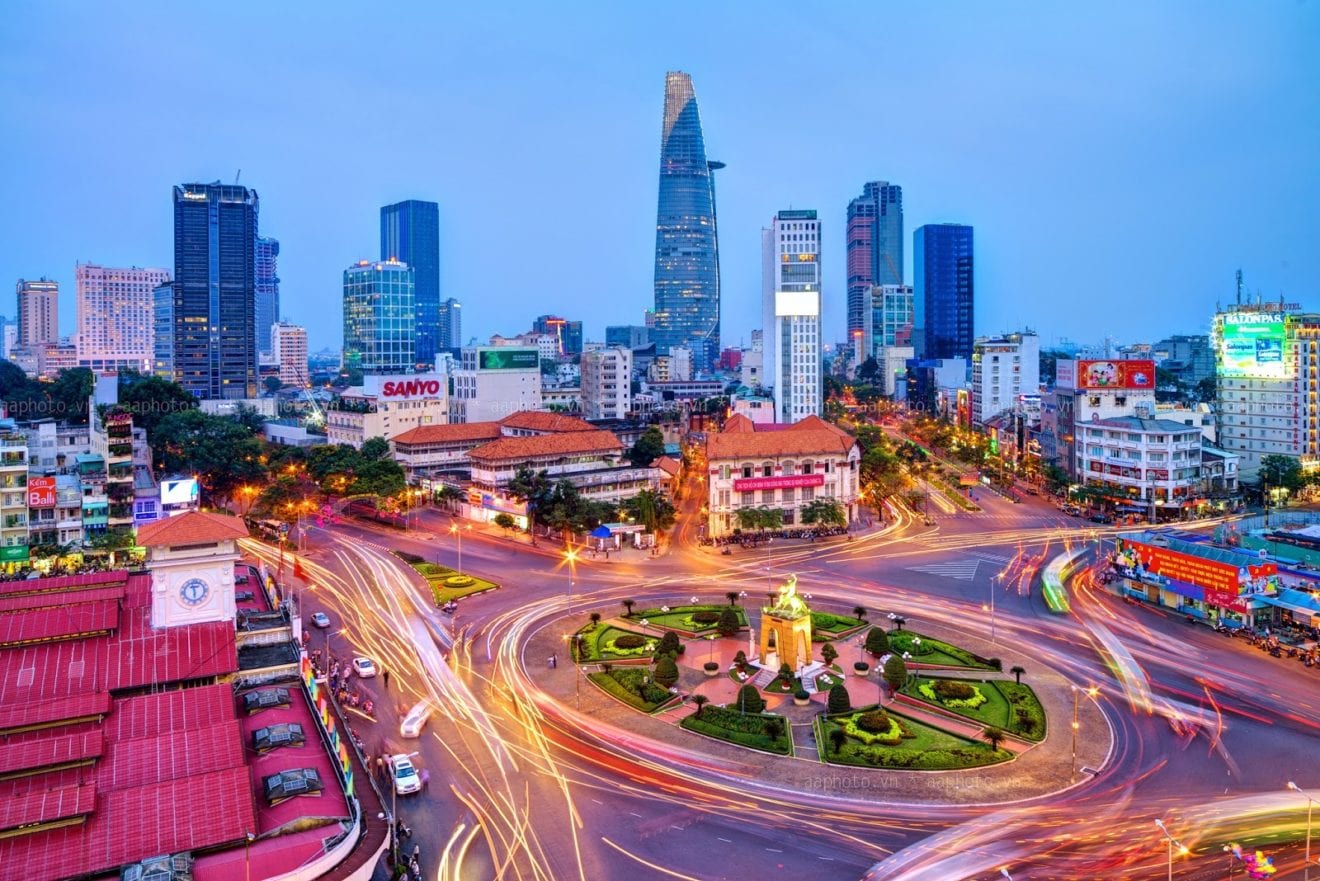
    The “golden age of tourism” in Vietnam presents robust hotel development opportunities in Vietnam’s biggest cities. Troy Griffiths, deputy managing director of real estate consultant Savills, said Ho Chi Minh and Hanoi are “under-hoteled per population, per travel and per airlift capacity”.

    “Hotel is a particularly dynamic sector at the moment as Vietnam is experiencing a golden age of tourism, with international tourism rising 20-30 percent year-on-year and more Vietnamese travelling than any time before,” Griffiths said.

    “There’s a demand for five-star hotels which will be really a strong asset class for the future,” he added.

    As of November, 14.12 million foreigners visited the country, up 21.3 per cent year-on-year and exceeding last year’s 12.9 million, according to the General Statistics Office.

    South Koreans dominated the surge at 46.5 percent, followed by Hong Kong (32.8 percent), Finland (29.6 percent), mainland China (26.9 percent), Taiwan (15.6 percent), and Denmark (15.4 percent).

    In the same period, domestic travelers rose 20.91 percent.

    “Hanoi and HCMC had been pretty quiet in the past as they went through a bit of a bad phase, when international visitors would pass and go straight to Da Nang, Phu Quoc and Nha Trang.

    “Now we see they are actually coming to Hanoi and HCMC because they are both very charming cities for international tourists,” Griffiths said.

    “And their stay is lengthening. That means more five-star demand.”

    Vo Quoc Phuong Trang, head of hotel investment consultancy at real estate service firm Jones Lang LaSalle (JLL), also said that Hanoi and HCMC, with their steady economic and tourism growth, would continue to draw foreign investors in the high-end hotel segment, which Trang said has low risk but offers steady revenue.

    A report released in July this year by global consulting firm Grant Thornton stated that increasing numbers of well-to-do Vietnamese citizens are choosing to stay in five-star hotels and spend lavishly when they travel within the country.

    Vietnamese citizens accounted for 19.2 percent of 4-star and 5-star hotels guests in 2017, according to the report. Although this is a slight decrease from last year’s figure of 20.8 percent, the number of domestic guests staying at upscale hotels had increased for three consecutive years from 2014 to 2016.

    The country has seen a strong influx of international hotel brands and hotel management companies in the last few years. From 30 hotels with international brand names in 2010, the number had increased to 79 at the end of last year, according to Savills.

    There has been a particularly big jump this year with recent announcements by Mandarin Oriental and Movenpick in HCMC and Best Western Premier in the central province of Quang Binh, it said.

    The emergence of Vietnamese hotel operators is also a highlight in the local hospitality landscape.

    “Vietnamese hotel developers are also getting mature. They are acquiring international knowledge and becoming a really strong force in their own right as we have already seen across the resort cities with Vingroup, FLC, BIM and Sun Group,” Griffiths noted.

    Savills’ third-quarter report shows that the 5-star segment in Hanoi continued its strong performance in Q3 though the high travel season for foreign tourists lasts from the beginning of Q4 to April.

    Occupancy rate of five-star hotels in the capital city was highest, at about 80 percent, followed by four-star hotels (65 percent) and three-star hotels (59 percent).

    Average revenue of five-star hotels was $100/room/night, double that of four-star and three times that of three-star properties, the report said.

    Data said, ten out of 19 high-end hotels in the best locations in HCMC have foreign owners. These include Sheraton, Caravelle, InterContinental, Asiana Saigon, and Sofitel.

    In Hanoi, nine of 16 high-end hotels have foreign firms as major owners such as Melia, Sheraton, Sofitel Metropole, Nikko, and Pan Pacific being the major names.