Tag: car

  • Porsche Sold More Than 20,000 Taycans In 2020

    Porsche Sold More Than 20,000 Taycans In 2020

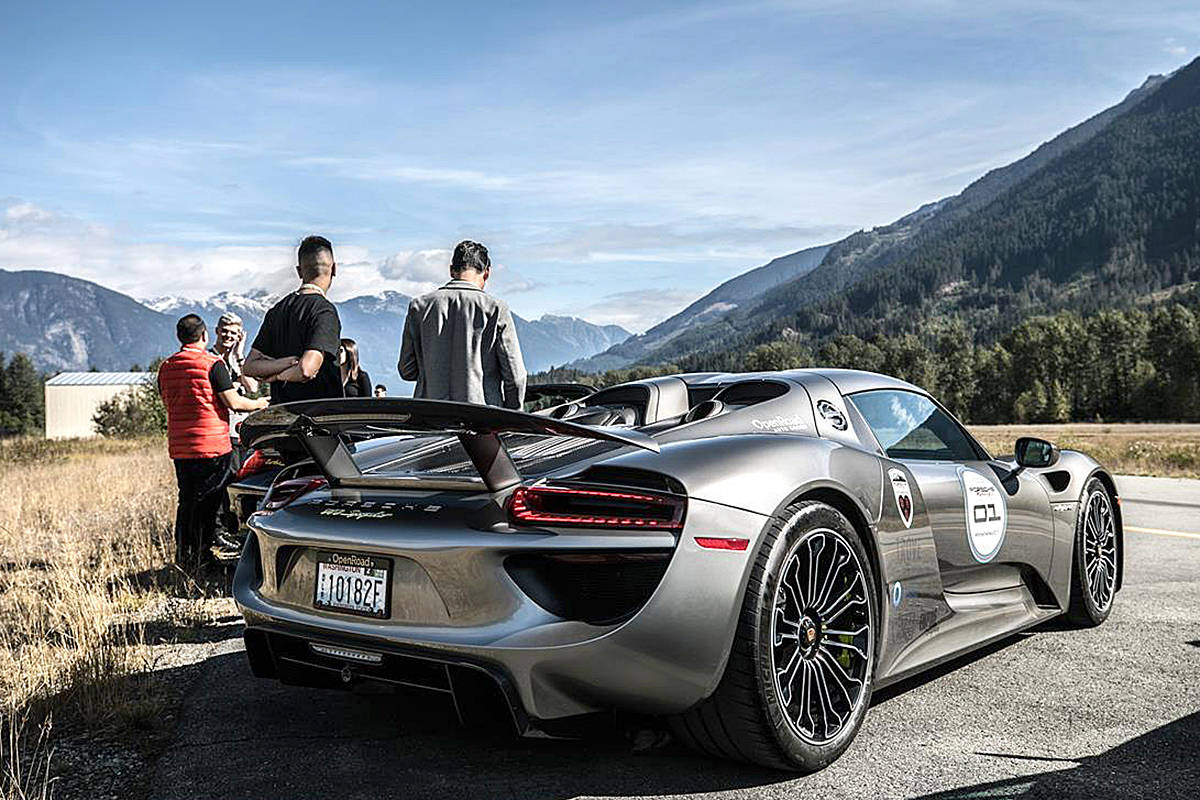
    Porsche announced that it has sold 20,015 units of the Taycan all-electric car in 2020. The company has been able to achieve this feat even after the disruption caused due to the coronavirus pandemic. The company had shut down all production activities for 6 weeks and this, when the company was ramping up production as many markets globally, were planning premieres in the coming months.

    It needs to be noted here that Porsche sold a total of 4480 Taycans from January to June 2020, and 6464 units were sold in the next 3 months. Therefore in the first 9 months of 2020, the company had sold more than 10,000 units of the car and the next 10,000 took just about 3 months, showing how strong the demand is for the all-electric sedan.

    Detlev von Platen, Member of the Executive Board for Sales and Marketing at Porsche AG said, “The coronavirus crisis posed a great challenge from spring 2020 onwards. Nevertheless, we were able to keep deliveries comparatively stable for the year as a whole. Our fresh, attractive product range, the successful start of the Taycan as the first all-electric Porsche and the charisma of our brand – all this contributed to this positive result despite the difficult times.”

    The Porsche Taycan is scheduled to hit the Indian shores as well very soon. We know that it’s good because we’ve driven the car and told you all about it. The Porsche Taycan sports two permanently excited synchronous electric motors that can churn out a maximum of 600 bhp and will a range of over 500 km thanks to its high voltage lithium-ion batteries. The electric car will get 800-volt chargers with fast charging capability, which can offer a 400 km range in 15 minutes of charge time. It can go from 0-100 kmph in under 3.5 seconds.

  • Tata Motors’ Global Wholesales Grew 1% In Q3 FY2021

    Tata Motors’ Global Wholesales Grew 1% In Q3 FY2021

    Tata Motors has released the Group’s global wholesales numbers for the third quarter of Financial Year 2020-21. In the quarter that ended on December 31, 2020, Tata Motors Group’s global wholesales stood at 2,78,915 units (including Jaguar Land Rover), registering a marginal 1 percent growth as compared to what the company sold during the October-December period in 2019. However, compared to the second quarter that ended on September 30, 2020 (Q2 FY2021), when the company’s total wholesales were 2,02,873 units, Tata has witnessed a 37 percent growth.

    Between October and December 2020, the Tata Motors Groups passenger car wholesales stood at 1,88,550 units, witnessing a growth of 4 percent compared to Q3 FY2020. Out of this, global wholesales from Jaguar Land Rover alone accounted for 1,19,658 vehicles, which includes the 17,078 vehicles sold by CJLR the joint venture between JLR and Chery Automobiles, in Q3 FY21. Jaguar’s wholesales for the quarter were 22,466 vehicles, while Land Rover’s wholesales for the quarter were 97,192 units.

    Tata Motors vehicle sales in the domestic market have also been quite impressive in the previous quarter. Between October and December 2020, the company’s total Passenger Vehicle (PV) sales stood at 68,803 units, registering a massive 89 percent growth as compared to Q3 FY2020, when it sold 36,354 units. It was Tata’s highest-ever quarterly results for passenger vehicles in 33 quarters or over eight years.

    At the same time, the Group’s global wholesales from commercial vehicles, including, the Tata Daewoo range in Q3 FY21 were at 90,365 units, witnessing a decline of 4 percent, compared to what to company sold in Q3 FY20.

  • Tesla To Set-up Operations In Bengaluru, Registers Indian Subsidiary

    Tesla To Set-up Operations In Bengaluru, Registers Indian Subsidiary

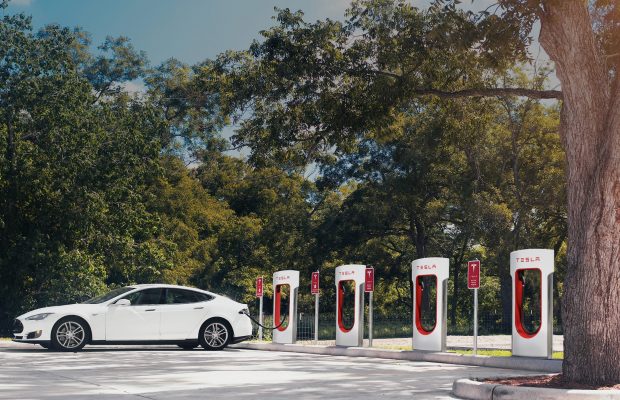
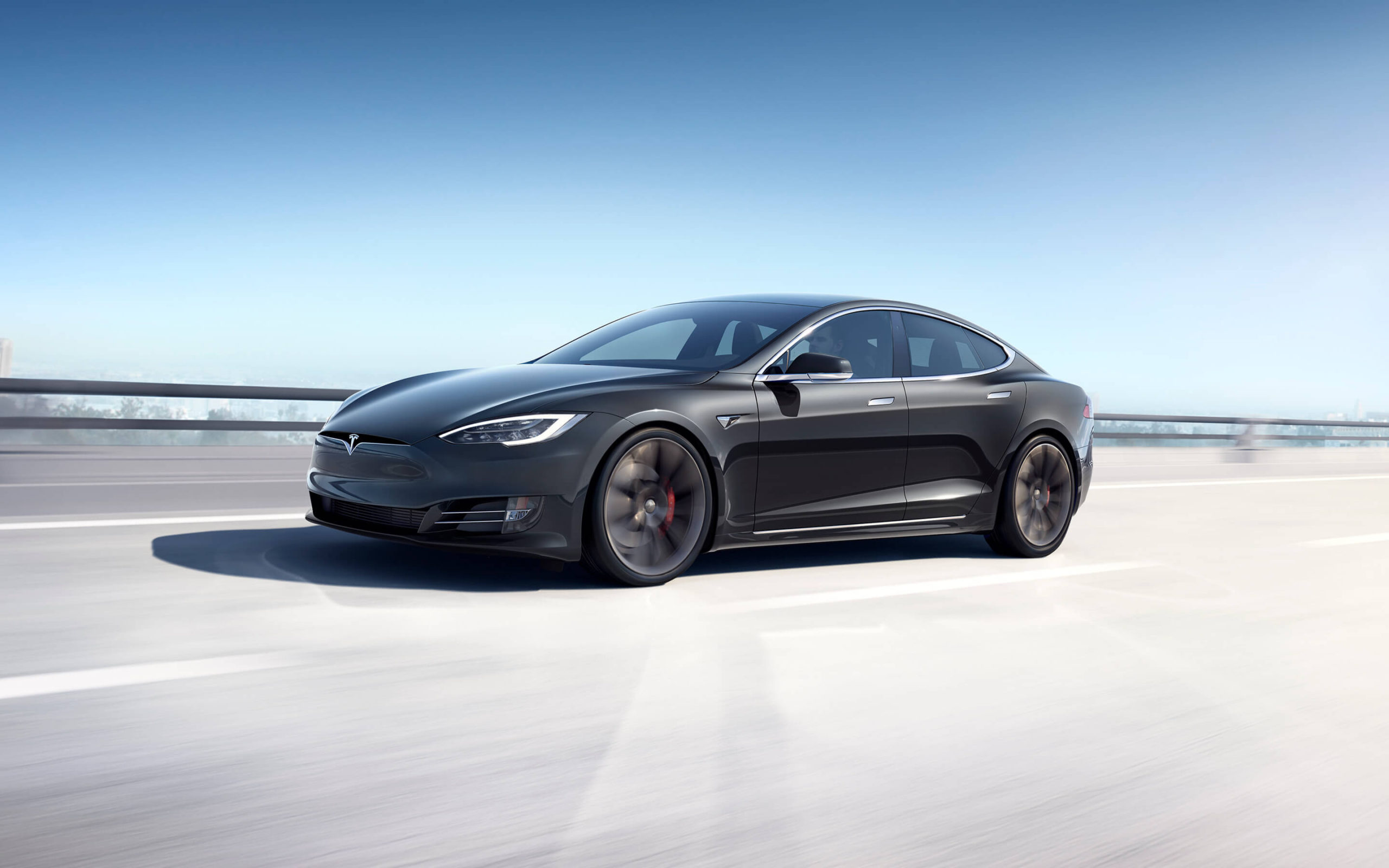
    The wait is nearly over as American electric carmaker Tesla is all set to set-up operations in India and zeroed down on Karnataka, as its preferred state to set-up its headquarters. The electric auto giant has registered its Indian subsidiary under the name ‘Tesla India Motors and Energy Private Ltd’, which was incorporated in Bengaluru on January 8, 2021. The company is expected to commence operations by June this year and the first product to be made available will be the Model 3 sedan, according to reports.

    According to the document filed with the Ministry of Corporate Affairs, Vaibhav Taneja, Venkatrangam Sreeram, and David Jon Feinstein have been named as directors. The company has been registered as a private unlisted company with an authorized capital of ₹ 15,00,000 and a paid-up capital of ₹ 100,000. The document also reiterates Tesla co-founder and CEO, Elon Musk’s tweet last year that said the automaker would enter India “next year for sure.

    India has been on Tesla’s radar since 2016 but plans did not materialize despite a number of speculations. It was also reported recently that state governments including Maharashtra, Andhra Pradesh, Tamil Nadu, and Karnataka had talks with the automaker to set-up operations in their region, while the company is also considering local partnerships. Reportedly, the Karnataka government has already offered a land parcel to Tesla in Tumkur, on the outskirts of Bengaluru, to set-up a manufacturing facility.

  • Biggest Drop In UK New Car Sales Since World War Two

    Biggest Drop In UK New Car Sales Since World War Two

    British new car sales fell nearly 30% last year in their biggest annual drop since 1943 as lockdowns to curb the spread of the coronavirus hit the sector, an industry body said on Wednesday. Demand stood at 1.63 million cars in 2020, according to data from the Society of Motor Manufacturers and Traders (SMMT). It was particularly hard hit by a 97% fall in April, the first full month of a national lockdown.

    Dealerships gradually reopened in June on differing dates across the United Kingdom’s four nations.

    “We lost nearly three-quarters of a million units over three or four months, which we never got back,” said SMMT Chief Executive Mike Hawes.

    Showrooms in England have closed again during a second lockdown in November but many were better prepared with “click and collect” options, allowing more purchases, but still leading to a 27% year-on-year slump.

    The performance leaves new car sales at their lowest level since 1992, and suffering the biggest drop since 1943, when sales fell by more than 90%.

    Then, Britain was fighting World War Two, and the industry was repurposed for the effort.

    In 2020, diesel car registrations more than halved, while nearly 30% of sales were electric, hybrid, and mild hybrid vehicles as Britain brought forward a ban on the sale of new combustion engine-only cars to 2030.

    The sector was also awaiting a trade deal with the European Union. An agreement was reached on Dec. 24, meaning immediate tariffs and disruption were avoided, but the sector has warned of additional costs.

    The car sector, like others, now faces the challenge of new lockdowns announced in England and Scotland this week.

    The SMMT expects sales to be below 2 million this year, with the sector nervously looking ahead to March, one of the top two selling months of the year due to the change in the license plate series.

    “Where the industry is focussed at the moment, is what do we need to do to try to sustain sales …, sustain manufacturing over the next two to three months, especially with March being such a critical month for the industry and that will undoubtedly be affected,” said Hawes.

  • Bentley Posts Highest Ever Sales Numbers In 101 Years In 2020

    Bentley Posts Highest Ever Sales Numbers In 101 Years In 2020

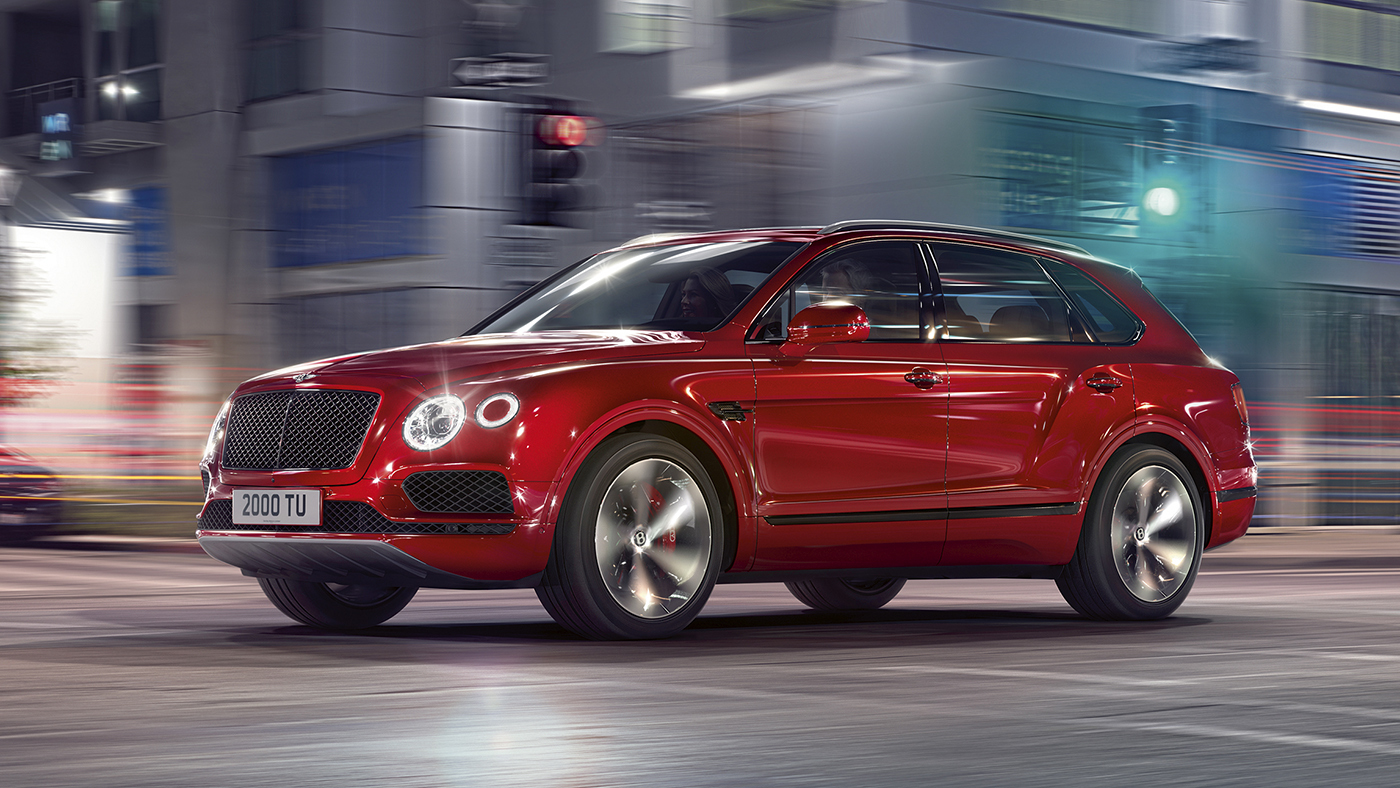
    Bentley Motors announced total sales of 11,206 in 2020, an increase of 2 percent over 2019. Although the pre-COVID sales forecast was much greater, new model introductions fuelled this significant achievement which was the highest sales performance in any of the luxury British marque’s 101 years. Bentley’s production was shut down for seven weeks beginning in March, and running at a 50 percent output for a further nine weeks thereafter, as social distancing measures were

    The Americas remained Bentley’s number one region although a strong performance in China, posting an increase of 48 percent came in a close second. The Bentley Continental GT (24 percent) and GT Convertible (15 percent) together accounted for 39 percent of total sales. However, in spite of the run out of the previous generation model, and delays to market entry of the all-new Bentayga due to the COVID-19 pandemic, the SUV was still the biggest selling single model, accounting for 37 percent of total sales.

    The Americas region delivered 3,035 cars, an increase of four percent on the corresponding figure for 2019, 2,913. Placing the region as Bentley’s number one market, this strong performance was boosted by the introduction of the Flying Spur and a full year of sales of the Continental GT and GT Convertible luxury Grand Tourer.

    Bentley’s biggest growth was reserved for China, posting a sales increase of 48 percent, 2,880 cars, against 1,940, as the traditional sedan market welcomed the introduction of the all-new Flying Spur, with Bentayga sales remaining strong.

    Europe closed the year with the delivery of 2,193 cars, against a figure of 2,670 in 2019, a decrease of 18 percent with the region impacted because of the market entry delays of the all-new Bentayga.

    Bentley’s home market in the UK continued its consistently strong performance, recording sales of 1,160 cars. This represented a decrease of 22 per cent over the previous year. Bentley delivered 735 cars to the Middle East in 2020, against a total of 852 the previous year.

  • Foreign automaker says it is in talks with Apple to develop self-driving car

    Foreign automaker says it is in talks with Apple to develop self-driving car

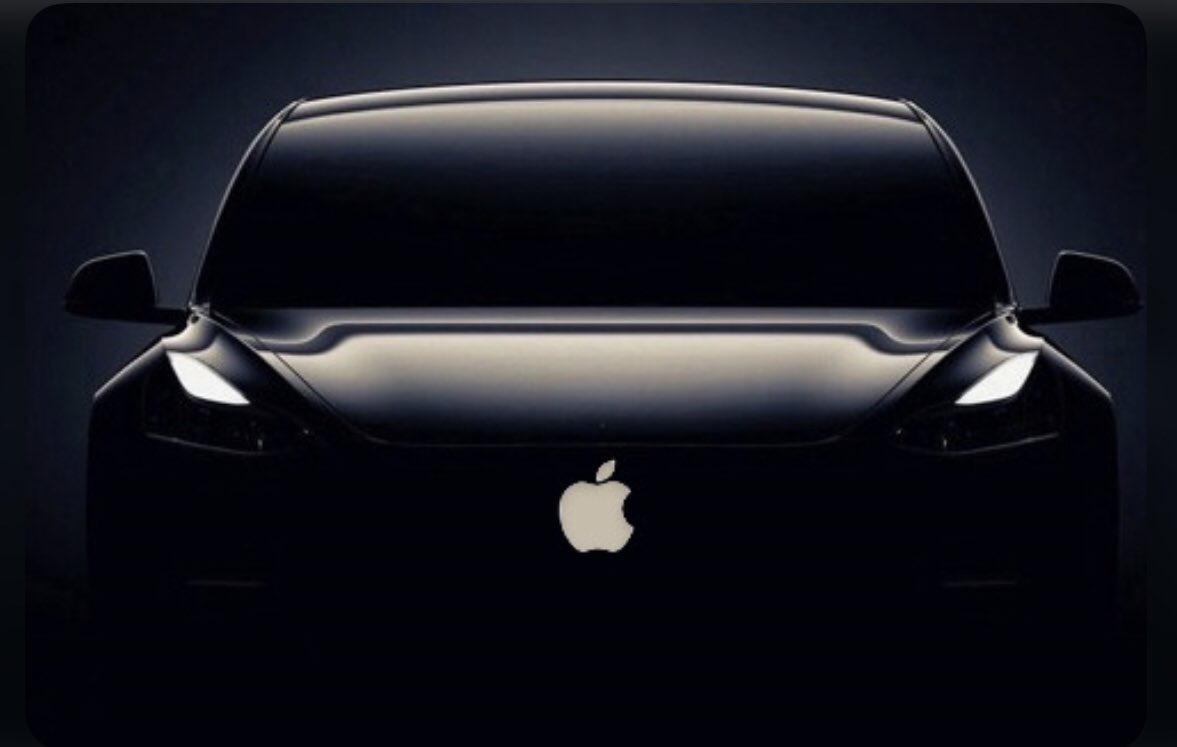
    Late last month we discussed speculation that the self-driving Apple Car would undergo production as soon as 2024. There were thoughts about whether Apple would be able to handle the onerous task of manufacturing a vehicle. Many pointed out that it is not the same thing as producing a phone. As a result, some theorized that instead of making an automobile from scratch, Apple would provide its self-driving technology to a mainstream car developer for a price, perhaps via a royalty deal.

    On Thursday, South Korea’s Hyundai Motors said that it is in talks with Apple about working together to develop a self-driving car. News of the talks electrified investors who sent Hyunda’s shares up over 20%. CNBC’s Chery Kang was told by Hyundai earlier today, “We understand that Apple is in discussion with a variety of global automakers, including Hyundai Motor. As the discussion is at its early stage, nothing has been decided.” A report from the Korea Economic Daily said that it was Apple that suggested working with Hyundai and that the latter firm was in the process of reviewing the proposed terms of a collaboration between the two companies.

    Development of the vehicle and the battery were reportedly included in the proposal. The car could be released in 2027 said CNBC’s report. Speaking of the battery, last month we pointed out that the cell rumored to be used on the vehicle is considered to be “next level” and would feature a “monocell” design. More room would be made available inside the battery for the placement of additional active materials. This would allow a car to travel longer distances between charges.

    TF Securities analyst Ming-Chi Kuo, the man who knows more about what Apple will do in the future than anyone outside of CEO Tim Cook, says that everyone is getting too bullish about the Apple Car. Part of the reason why Kuo made this comment is that by his reckoning, the vehicle might not be released until 2028. The project, known as Project Titan inside Apple, has supposedly passed a review inside Hyundai. An approval is still required from Hyundia chairman Chung Eui-son.

  • Tesla Shares Set To Start 2021 At Record High

    Tesla Shares Set To Start 2021 At Record High

    Tesla Inc shares were set to open at a record high on Monday after the electric-car maker reported better-than-expected vehicle deliveries in 2020, extending a meteoric rally that has seen the stock surge more than 700%.

    It delivered 499,550 vehicles last year, above Wall Street estimates of 481,261 vehicles, according to Refinitiv data, but 450 units short of Chief Executive Officer Elon Musk’s target.

    “We are raising our forecasts to reflect higher 4Q deliveries and reports of strong demand for the Model Y in China, which is also suggestive of higher future deliveries,” J.P. Morgan analysts said in a client note.

    Tesla has reported profit in five straight quarters, defying last year’s auto industry trends of slumping sales, quarterly losses and global supply chain disruptions.

    Shares of the company, which joined the benchmark S&P 500 index in December, were up 3% in premarket trading.

  • Daimler AG And Infosys Announce Strategic Partnership For IT Infrastructure

    Daimler AG And Infosys Announce Strategic Partnership For IT Infrastructure

    Daimler AG and Infosys announced a long-term strategic partnership for a technology-driven IT infrastructure transformation. After the receipt of all regulatory approvals, Daimler AG will transform its IT operating model and infrastructure landscape across workplace services, service desk, data center, networks and SAP Basis together with Infosys. The partnership will enable the company to deepen its focus on software engineering and to establish a fully scalable on-demand digital IT infrastructure and anytime-anywhere workplace. The collaboration will empower Daimler to strengthen its IT capabilities, and Infosys, its automotive expertise.

    As software becomes modular, digital infrastructure continues to play an important role in defragmentation. Daimler will work towards a model that ensures a robust IT infrastructure across its plants and regions and supports consolidation of its data centers, scaling its IT operations, and bringing innovations to the fore. Some of the key deliverables from this partnership include – a smart hybrid cloud, leveraging Infosys Cobalt and leading cloud providers, accelerating the multi-cloud journey with a focus on open source adoption. A carbon-neutral solution, by consolidating and rationalizing data centers across all regions. Standardized technology stack by bringing in an eco-system of best of breed partners. Creation of a state of the art Zero Trust network with seamless technology upgrades. Persona-driven and cognitive, AI-powered anytime-anywhere workplace solution that empowers the end-users.

    As a part of this partnership, automotive IT infrastructure experts based out of Germany, wider Europe, the U.S., and the APAC region will transition from Daimler AG to Infosys. Infosys is well placed to realize this transition as an expert having integrated more than 16,000 employees through other partnerships in recent years with a high acceptance, retention, and satisfaction rate. The transfer will also enable Infosys to bolster and grow its automotive business while offering employees strong prospects for long-term career growth and development.

    Talking about the partnership, Jan Brecht, Chief Information Officer (CIO) of Daimler and Mercedes-Benz, said, “Software becomes modular and IT infrastructure becomes big. Daimler will take three steps at once to transform its IT infrastructure: consolidation, scaling, and modernization. We need to think of infrastructure beyond the size of our company. With Infosys we found a partner to scale, to innovate and to speed up. Moreover, this is a strategic partnership for Daimler’s IT capabilities and Infosys’ automotive expertise. Infosys wants to grow with us in the automotive industry, which gives career opportunities for our employees. With this partnership, Daimler also strengthens its overall technology investment and partnership strategy.”

  • Honda To Pull The Plug On Car Sales In Russia In 2022

    Honda To Pull The Plug On Car Sales In Russia In 2022

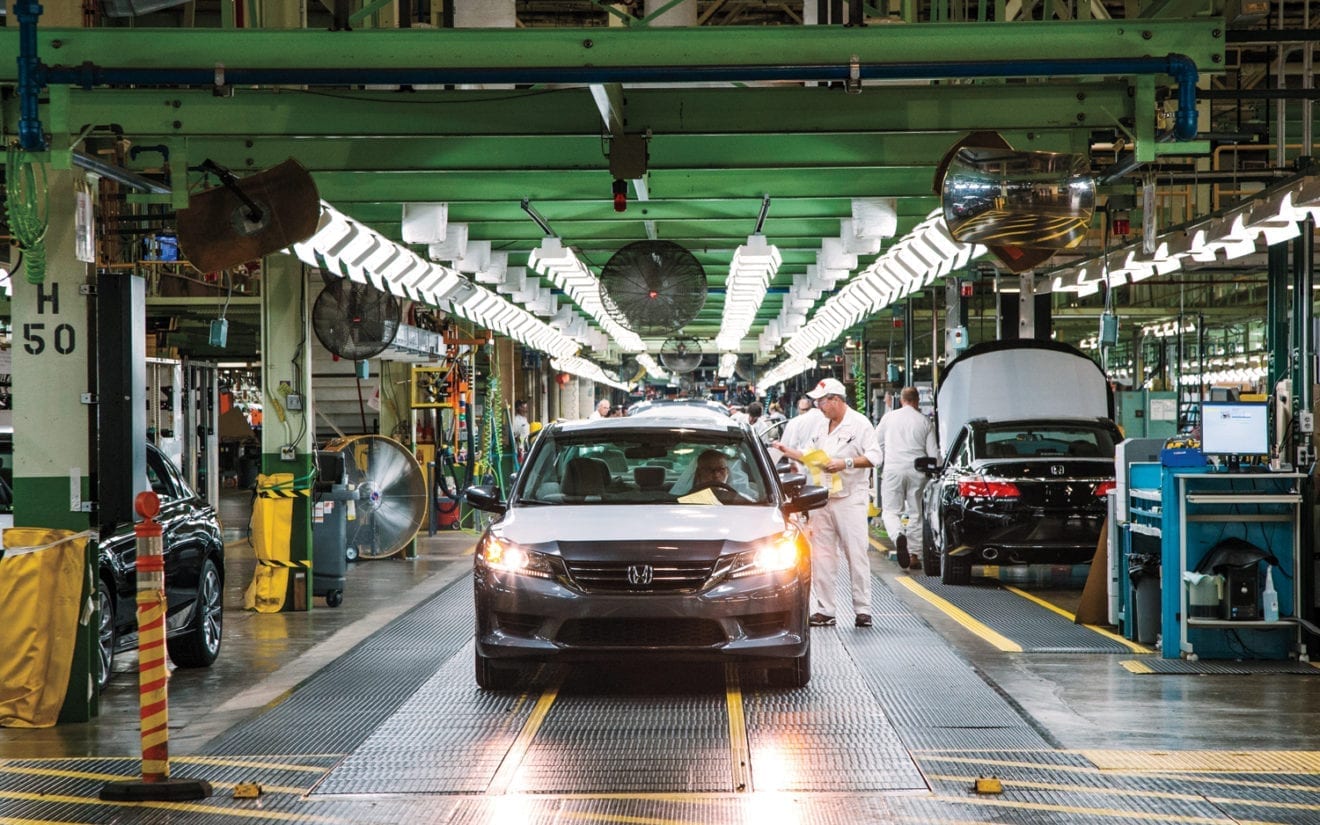
    Honda Motor Company has said that it won’t be supplying new cars to its authorized dealers in Russia in 2022 as the company is trying to restructure its operations. The Japanese automaker has confirmed that it would keep its presence in the Russian market with motorcycle and power equipment sales only. The news comes after a drastic drop of 50 percent in its sales operations last month in Russia.

    Even in India, Honda has shut down its Greater Noida plant and has shifted its entire production unit to the company’s other facility in Tapukara, Rajasthan. The carmaker has said that it has realigned its production operations “to maintain sustainability by leveraging production and supply chain efficiencies.” To that effect, from this month, the manufacturing operations for vehicles and components will happen at the Tapukara plant for all domestic sales and exports. Until last month, the Greater Noida plant produced models like the Honda City sedan, CR-V SUV, and the Civic sedan. While the transition will see the production of the City move entirely to the Tapukara unit, at present, the company has also stopped the production of its flagship models, the Civic sedan and CR-V SUV.

    As far as the Russian market is concerned, Honda does not have any manufacturing unit in Russia unlike its other Japanese counterparts like Toyota and Nissan. All Honda models are sold as CBUs in the Russian market and the carmaker sold just 79 units last month. Its sales from January to November were down by 15 percent at 1,383 units, while over 1.3 million new cars were sold in Russia during that period.

  • Government discontinues discount on car registration fees

    Government discontinues discount on car registration fees

    The government believes domestic car producers have received enough support from the discount scheme, and so will not extend it.

    The 50 percent discount scheme on the registration fees of cars produced domestically, which came into effect on June 28 this year, will not be continued, and will terminate on Thursday as planned, a leader of the Ministry of Finance’s Tax Policy Department said.

    According to the ministry, the 50 percent discount on car registration fees had only been a short-term solution, solving difficulties for domestic automobile manufacturing and assembling enterprises facing impacts of the epidemic.

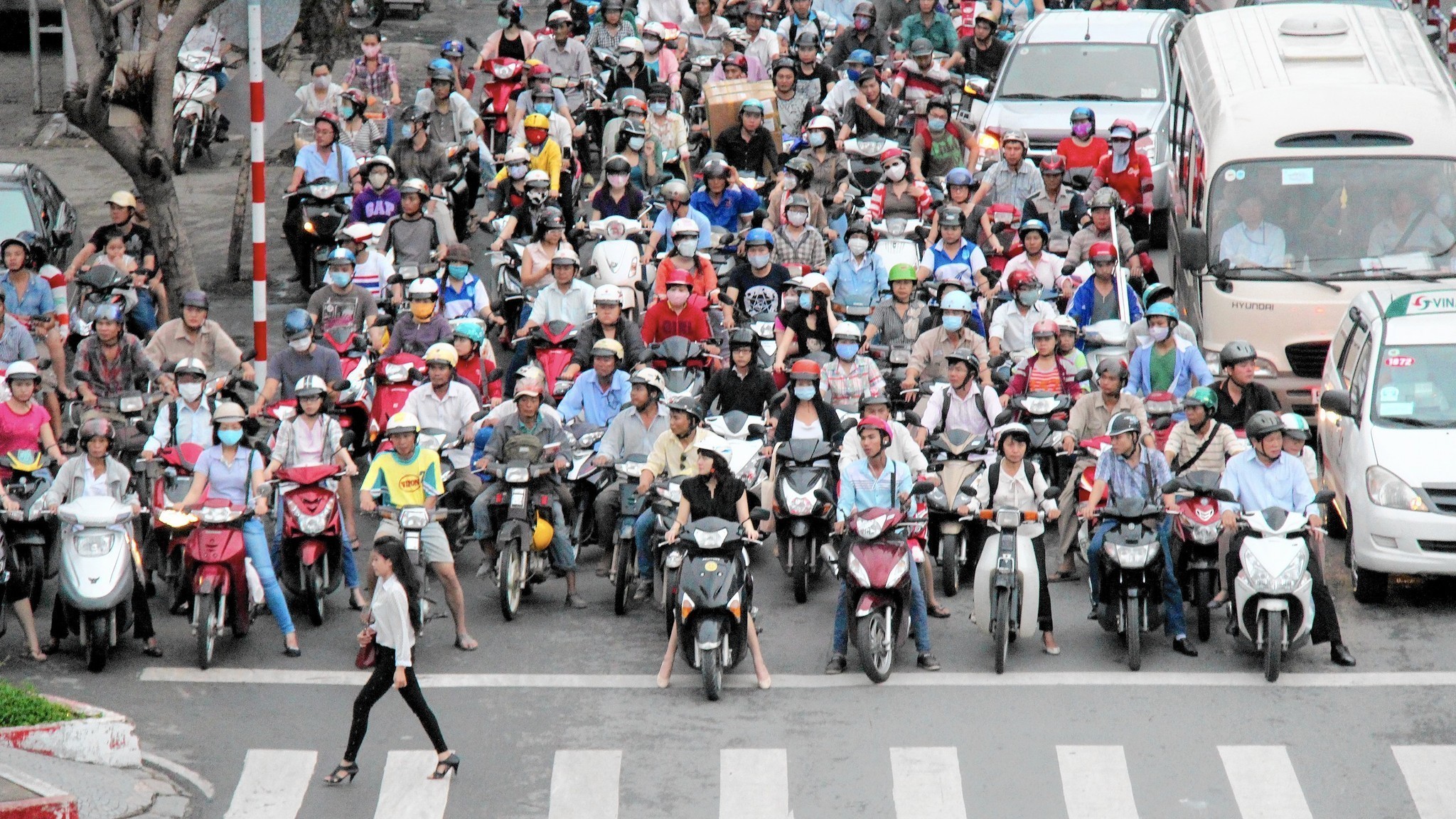
    This policy has cost the state budget an estimated VND3.7 trillion ($160.56 million) in revenue, while embassies of car manufacturing countries such as Indonesia and Thailand, as well as the European Chamber of Commerce in Vietnam have approached the MoF to complain about discrimination between imported and domestically produced vehicles, the ministry said.

    Meanwhile, fees and charges continuing to receive discounts include those in the fields of citizenship registration, road maintenance, food safety, project appraisal, healthcare, and securities trading.

    The MoF said that the above policies have cost the state budget an estimated VND1 trillion this year.

  • Tesla Working On Amazon And Apple Music Integration

    Tesla Working On Amazon And Apple Music Integration

    One of the biggest influences for the massive in-dash display for the Tesla Model S was the iPad. But even though Teslas have offered this sophisticated in-car infotainment experience, what’s strange is that lack of native Apple Music and Amazon Music integration. Instead, Tesla’s offer native Spotify integration. But this is set to change.

    Tesla notably doesn’t support phone mirroring options like Apple’s CarPlay and Android Auto so if you use Apple Music or Amazon Music as your streaming service of choice you can only play music via Bluetooth but not enjoy the advances of a deep user interface integration.

    Elon Musk has already stated that Tidal, lossless high fidelity audio streaming service will be integrated into the dashboard experience of the Teslas. However, now Electrek is reporting that the world’s largest automaker is also integrating Apple Music and Amazon music into the dashboard.

    The Electrek report cites a hacker called “green” who has spotted early versions of the integration in Tesla’s UI which he has also shared in a post on Twitter. He noticed this update in a recent software update which has enabled Tidal, Pandora, SiriusXM, and Audible. TuneIn Radio, Amazon and Apple Music remain disabled. But they should be coming soon as Audible is also owned by Amazon.

    There is no timeline as to when this will become official but considering Tidal is already active, it seems to be the furthest along in development. Apple Music and Amazon Music will almost certainly have a more delayed official release.

  • Tesla To Commence India Operations By Early 2021

    Tesla To Commence India Operations By Early 2021

    Tesla, the American electric carmaker is expected to make its debut in the Indian market by early next year. The company reportedly will be accepting pre-bookings for the Model 3 and deliveries will follow later in the year, probably by the end of the first quarter of 2021-22. In a recent interview with Indian Express, the Union Minister for Road Transport and Highways and MSME, Nitin Gadkari has confirmed that the electric giant will start operations in the country by early 2021.

    Nitin Gadkari told Indian Express, “The minister underlined the push for electrical cars in the country and said a lot of Indian companies were also working on electrical vehicles that might be more affordable, but technically as advanced as the Tesla. He said Tesla will start operations first with sales and then maybe look at assembly and manufacturing based on the response to the cars. India is going to become a number 1 manufacturing hub for auto in five years.”

    It was earlier this year in October when CEO Elon Musk confirmed Tesla’s entry into the Indian market by 2021. This information was revealed by Musk while replying to a Tweet from a handle – ‘Tesla Club India’. Moreover, the electric vehicle manufacturer is also exploring options to open an R&D centre and a battery manufacturing facility in India.

    Tesla is expected to make its India debut with the Model 3, which reportedly could be a more affordable version. Moreover, it will come to India as Completely Built-Up (CBU) unit. Likely to be priced somewhere around ₹ 55 lakh, it might not be retailed in the country via dealerships as the EV will be handing direct sales. However, there is no official confirmation from the company regarding the same.

  • Volkswagen Taigun Teased Ahead of Launch

    Volkswagen Taigun Teased Ahead of Launch

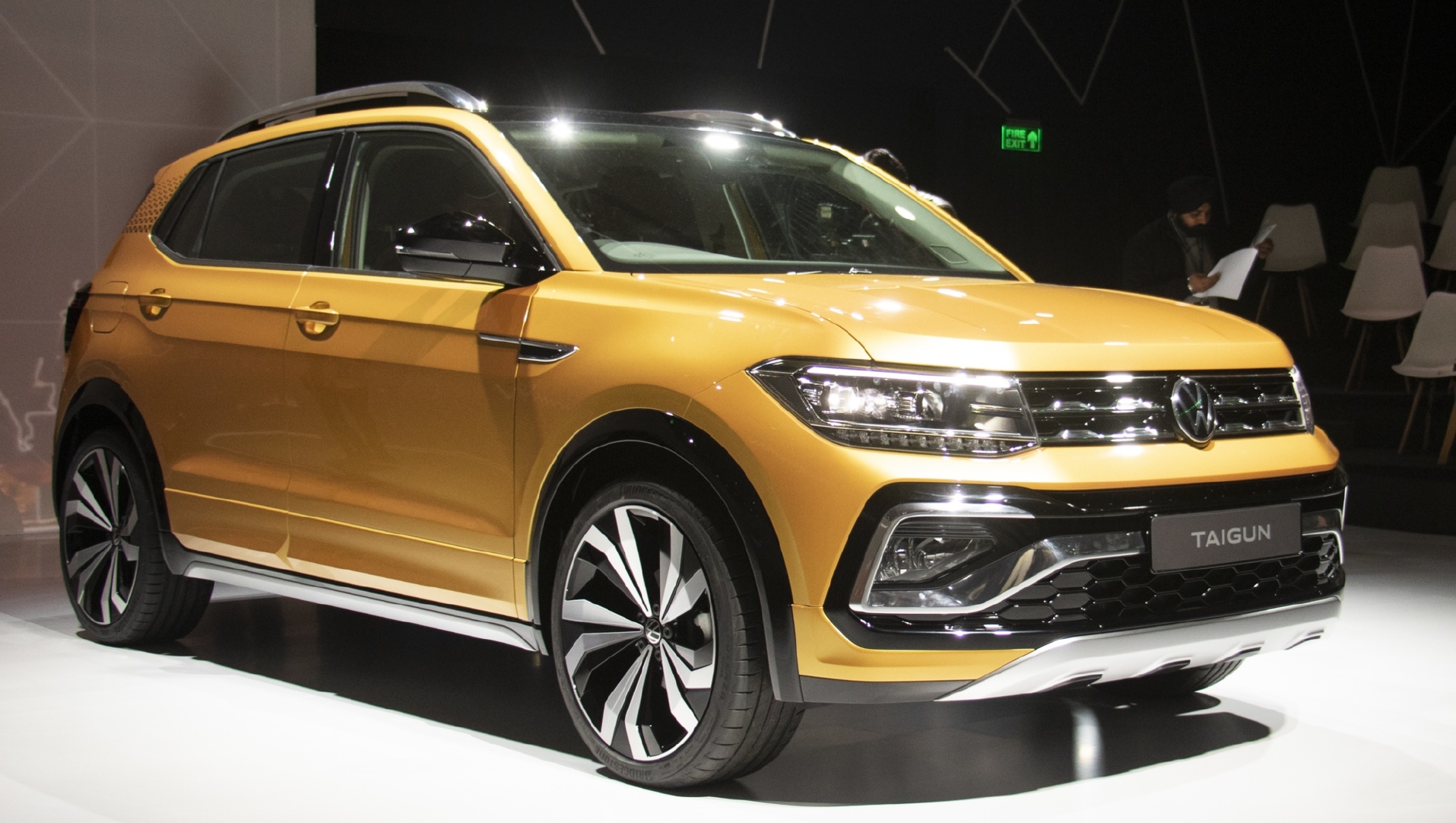
    Volkswagen India has officially teased the upcoming Taigun compact SUV, suggesting the launch is around the corner. The carmaker released a teaser video of the Taigun on its official social media account. The SUV has been listed on VW’s official India website for collecting online enquiries. Specifically designed for the Indian market, the SUV was showcased at the 2020 Auto Expo in February. It will be based on the company’s MQB A0 IN platform, which will also be used on VW Group’s upcoming models, such as the production version of Skoda’s Vision-IN concept.

    This all-new product from Volkswagen will be slightly inspired by the T-Cross that is already on sale in the international markets. It will flaunt elements like wider grille with horizontal chrome slats and logo in the center, horizontally positioned LED headlights with LED DRLs, muscular bonnet, neatly designed bumper, large intakes, fog lamps. The production version is expected to get sporty alloys, wheel arch cladding, roof rails and LED taillamps connected by a reflective strip and smoked details similar to the concept model. The rear profile will be underlined by a muscular rear bumper, faux diffuser, heavy chrome/silver details, and matching side skirts.

    On the inside, the SUV will feature dual-tone black and grey upholstery along with a premium interior with body-colored panels on the dashboard, centre console and doors. The SUV is expected to come equipped with an all-digital instrument console, bigger touchscreen infotainment system, fast-charging USB slots, and app-based connected features, flat-bottom steering wheel, rear AC vents, automatic climate control and more.

    Mechanically, the soon-to-be-launched Taigun compact SUV will be powered by a 1.0-liter three-cylinder turbocharged TSI petrol engine. The unit is likely to develop 113 bhp and 200 Nm of peak torque. Transmission options could include a 6-speed manual gearbox as standard along with an optional 7-speed DSG automatic. The company will not offer an all-wheel-drive (AWD) variant of the SUV. When launched, it will rival the Hyundai Creta, Kia Seltos, Renault Duster and the MG Hector.

  • BMW 3 Series Gran Limousine India Launch Date Revealed

    BMW 3 Series Gran Limousine India Launch Date Revealed

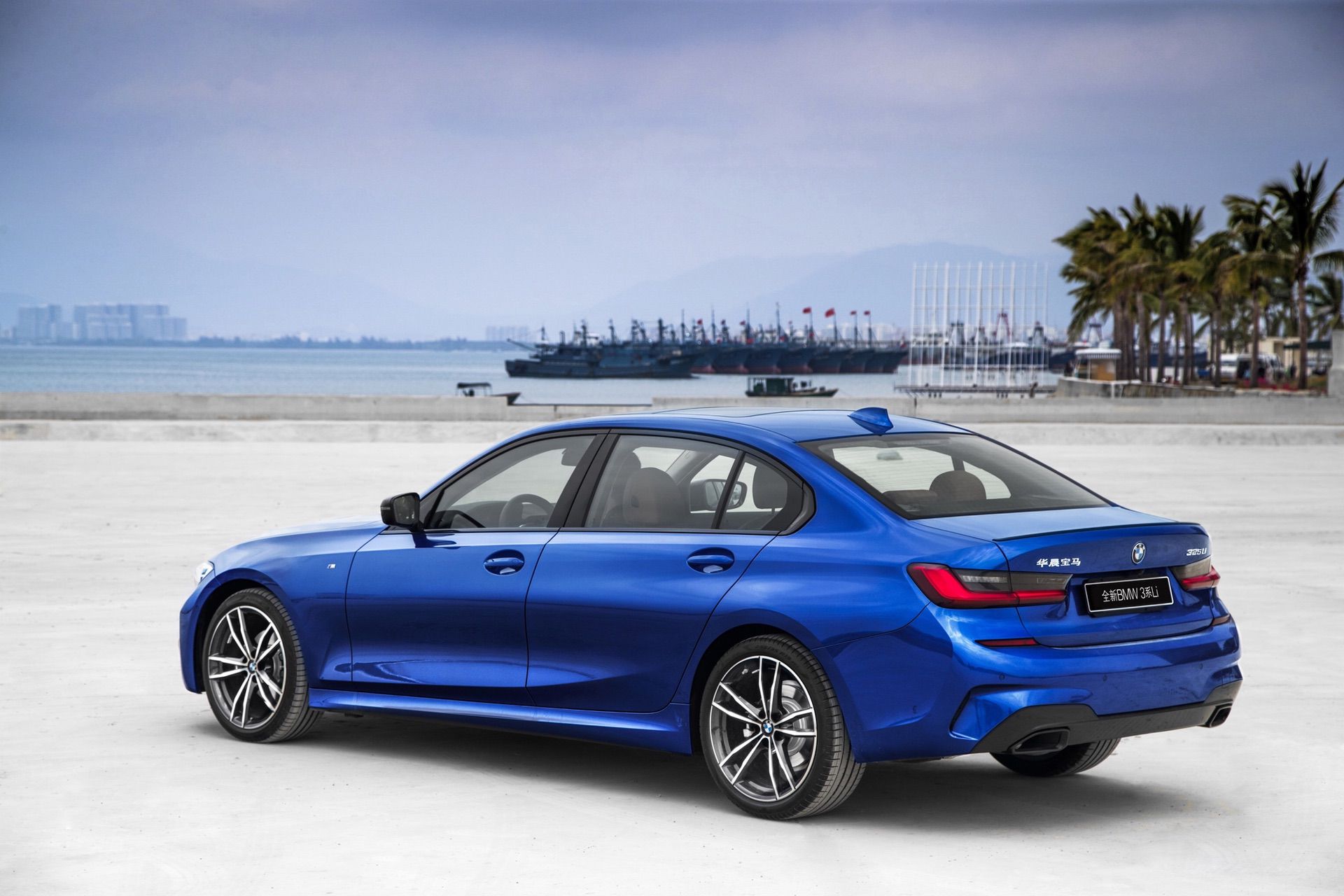
    BMW is set to launch its largest product offensive in India in 2021 and it’s starting with the all-new BMW 3 Series Gran Limousine (GL). The BMW 3 Series Gran Limousine will be launched in India on January 21, 2021 and it will be the longer wheelbase version of the standard 3 Series leveraging more legroom on the inside. It will be the longest and most spacious entry-level luxury sedan in India while will share the mechanicals and overall design with the standard car, save for the long profile.

    It is likely to share its underpinning with the standard car as well, being spawned by the CLAR platform and while the interior layout is likely to remain similar too. You can also expect it to get all the features that we have already seen in the new BMW 3 Series like the Hey BMW connected car tech, wireless charging, wireless Apple CarPlay, BMW live cockpit professional, 3D navigation, rear park assist, a 12.3-inch digital instrument cluster and a 10.25-inch infotainment screen among others.

    It’s also likely to share its engine line-up with the BMW 3 Series sedan. Under the hood, it is likely to get the 2.0-litre, four-cylinder, turbocharged petrol motor tuned to churn out 255 bhp and 400 Nm of peak torque. If BMW decides to bring the diesel iteration as well, it will be the 2.0-litre, four-cylinder, turbocharged engine that produces 188 bhp and 400 Nm of peak torque. Both engines are expected to be paired with an eight-speed automatic gearbox as standard. BMW will also launch the 2 Series Gran Coupe Petrol, 5 Series Facelift and the 6 Series GT Facelift late in 2021.

  • Apple to build a car by 2024, with ‘next level’ battery

    Apple to build a car by 2024, with ‘next level’ battery

    Apple Inc is moving forward with self-driving car technology and is targeting 2024 to produce a passenger vehicle that could include its own breakthrough battery technology, people familiar with the matter said.

    The iPhone maker’s automotive efforts, known as Project Titan, have proceeded unevenly since 2014 when it first started to design its own vehicle from scratch. At one point, Apple drew back the effort to focus on software and reassessed its goals. Doug Field, an Apple veteran who had worked at Tesla Inc, returned to oversee the project in 2018 and laid off 190 people from the team in 2019.

    Since then, Apple has progressed enough that it now aims to build a vehicle for consumers, two people familiar with the effort said, asking not to be named because Apple’s plans are not public. Apple’s goal of building a personal vehicle for the mass market contrasts with rivals such as Alphabet Inc’s Waymo, which has built robo-taxis to carry passengers for a driverless ride-hailing service.

    Central to Apple’s strategy is a new battery design that could “radically” reduce the cost of batteries and increase the vehicle’s range, according to a third person who has seen Apple’s battery design.

    Apple declined to comment on its plans or future products.

    Making a vehicle represents a supply chain challenge even for Apple, a company with deep pockets that makes hundreds of millions of electronics products each year with parts from around the world, but has never made a car. It took Elon Musk’s Tesla 17 years before it finally turned a sustained profit making cars.

    “If there is one company on the planet that has the resources to do that, it’s probably Apple. But at the same time, it’s not a cellphone,” said a person who worked on Project Titan.

    It remains unclear who would assemble an Apple-branded car, but sources have said they expect the company to rely on a manufacturing partner to build vehicles. And there is still a chance Apple will decide to reduce the scope of its efforts to an autonomous driving system that would be integrated with a car made by a traditional automaker, rather than the iPhone maker selling an Apple-branded car, one of the people added.

    Two people with knowledge of Apple’s plans warned pandemic-related delays could push the start of production into 2025 or beyond.

    Shares of Tesla ended 6.5% lower on Monday after their debut in the S&P 500 on Monday. Apple shares ended 1.24% higher after the news.

    Apple has decided to tap outside partners for elements of the system, including lidar sensors, which help self-driving cars get a three-dimensional view of the road, two people familiar with the company’s plans said.

    Apple’s car might feature multiple lidar sensors for scanning different distances, another person said. Some sensors could be derived from Apple’s internally developed lidar units, that person said. Apple’s iPhone 12 Pro and iPad Pro models released this year both feature lidar sensors.

    Apple had held talks with potential lidar suppliers, but it was also examining building its own sensor.

    As for the car’s battery, Apple plans to use a unique “monocell” design that bulks up the individual cells in the battery and frees up space inside the battery pack by eliminating pouches and modules that hold battery materials, one of the people said.

    Apple’s design means that more active material can be packed inside the battery, giving the car a potentially longer range. Apple is also examining a chemistry for the battery called LFP, or lithium iron phosphate, the person said, which is inherently less likely to overheat and is thus safer than other types of lithium-ion batteries.

    ”It’s next level,” the person said of Apple’s battery technology. “Like the first time you saw the iPhone.”

    Apple had previously engaged Magna International Inc in talks about manufacturing a car, but the talks petered out as Apple’s plans became unclear, a person familiar with those previous efforts said. Magna did not immediately respond to a request for comment.

    To turn a profit, automotive contract manufacturers often ask for volumes that could pose a challenge even to Apple, which would be a newcomer to the automotive market.

    “In order to have a viable assembly plant, you need 100,000 vehicles annually, with more volume to come,” the person said.

    Some Apple investors reacted to the Reuters report on the company’s plans with caution. Trip Miller, managing partner at Apple investor Gullane Capital Partners, said it could be tough for Apple to produce large volumes of cars out of the gate.

    “It would seem to me that if Apple develops some advanced operating system or battery technology, it would be best utilized in a partnership with an existing manufacturer under license,” Miller said. “As we see with Tesla and the legacy auto companies, having a very complex manufacturing network around the globe doesn’t happen overnight.”

    Hal Eddins, chief economist at Apple shareholder Capital Investment Counsel, said Apple has a history of higher margins than most automakers.

    “My initial reaction as a shareholder is, huh?” Eddins said. “Still don’t really see the appeal of the car business, but Apple may be eyeing another angle than what I’m seeing.”