Tag: car

  • VinFast eyes 2,000 electric charging stations

    VinFast eyes 2,000 electric charging stations

    Automaker VinFast plans to have over 2,000 charging stations set up nationwide this year to expand its electric vehicle ecosystem.

    The subsidiary of Vietnam’s largest private conglomerate, Vingroup, is looking to partner with other businesses to install these stations in apartment buildings, offices, malls, supermarkets, and other locations.

    It said in a statement that these stations will have over 40,000 charging ports for cars and bikes. The company installed the first of those last month at a mall at Vinhomes Ocean Park in Hanoi’s Gia Lam District.

    Also last month, VinFast announced three electric self-driving SUVs would hit the market this year.

    The company has acquired licenses to test autonomous vehicles in California, the U.S., which is earmarked to be its first global market.

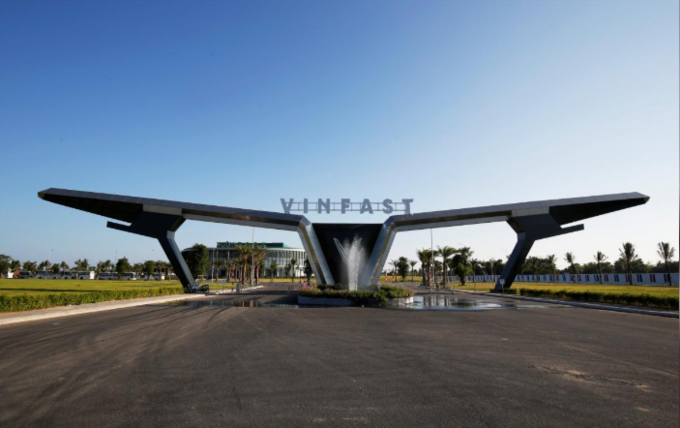
    VinFast sold 31,500 cars in Vietnam last year. Since entering the auto industry three years ago the company now has a plant in the northern province of Hai Phong and R&D centers in Australia, Germany and the U.S.

  • Three VinSmart phone models make US debut

    Three VinSmart phone models make US debut

    Three smartphone models produced by VinSmart, a unit of Vietnamese private conglomerate Vingroup, have been sold in the U.S. since earlier this year.

    Carrier AT&T distributes the phones under the names Fusion Z, Motivate, and Maestro Plus through its own stores and some retail chains like Walmart.

    The model codes match those of three VinSmart models licensed by the U.S. Federal Communications Commission (FCC) to be sold in the U.S.

    Their prices range from $39 to $89, including promotions and a two-year warranty.

    All three 4G models have six-inch screens and operate on the Android 10 operating system.

    VinSmart was partnering with AT&T to produce smartphones, with around two million units in the first batch.

    VinSmart declined to comment on the reports.

    The three phones are part of 10 smartphone models approved by the FCC, including Vsmart Aris, the latest mid-range model produced by VinSmart and is being sold in Vietnam.

    VinSmart’s factory, located in Hoa Lac Hi-Tech Park in Hanoi, is capable of producing 125 million smartphone units annually.

  • Bentley Aims To Revolutionize Sustainability Of Electric Motors

    Bentley Aims To Revolutionize Sustainability Of Electric Motors

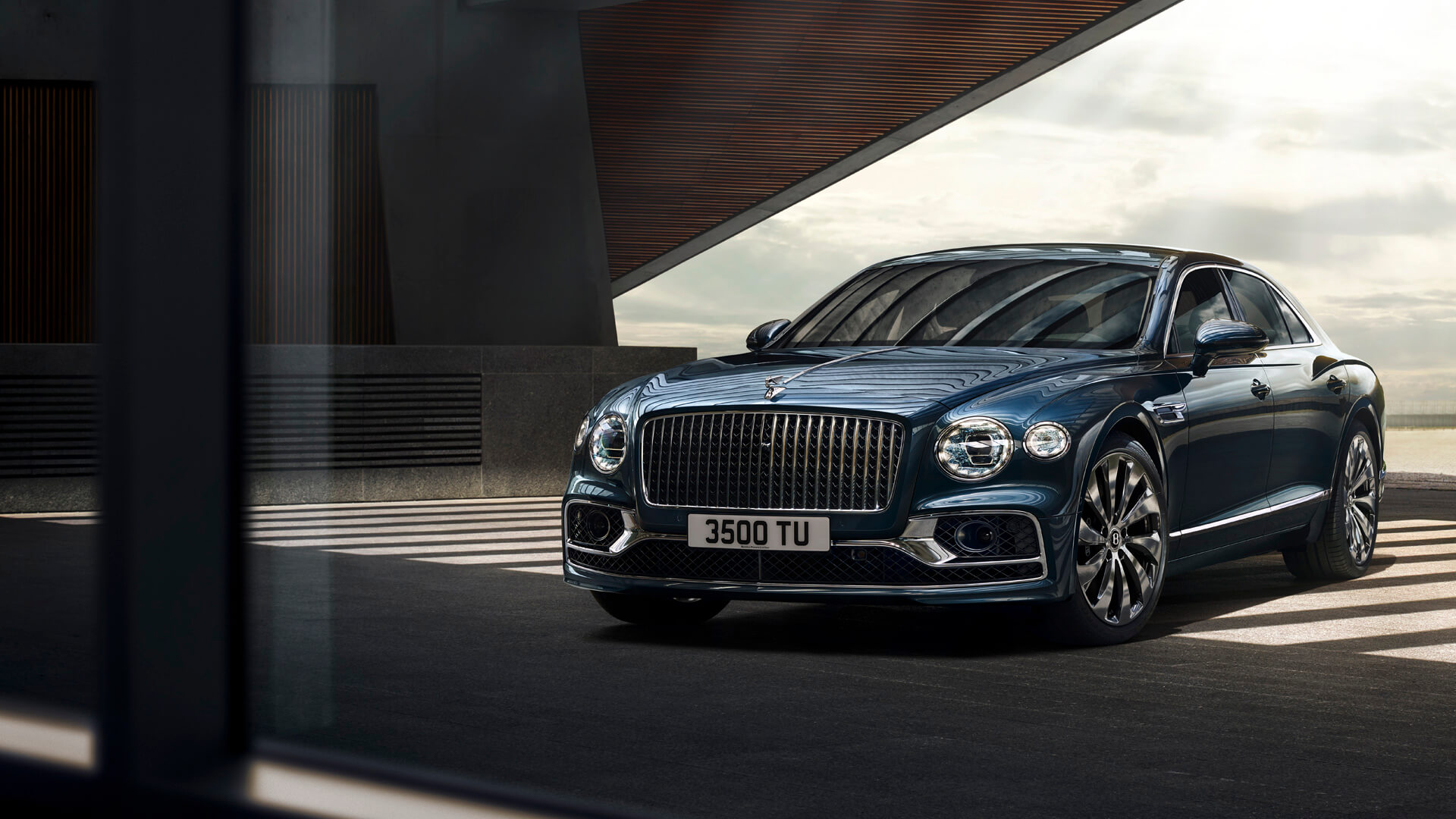
    Bentley Motors has announced a three-year research study that aims to revolutionize the sustainability of electric motors. Supporting Bentley’s commitment to offering only hybrid or electric vehicles by 2026, the result could see recycled rare-earth magnets used in selected ancillary motors for the very first time.

    The study, titled RaRE (Rare-earth Recycling for E-machines), intends to build on work completed at the University of Birmingham in devising a method of extracting magnets from waste electronics. Furthermore, the project will scale up this process and repurpose the extracted magnetic material into new recyclable magnets for use within bespoke ancillary motors.

    Adding to the sustainability benefits that RaRE will provide, the bespoke motors created through this method promise to minimize complexity through manufacture while supporting the development of the UK supply chain for both mass production and low volume components.

    Commenting on Bentley’s research ambitions, Dr. Matthias Rabe, Member of the Board for Engineering, Bentley Motors, said, “As we accelerate our journey to electrification, offering only hybrid or electric vehicles by 2026, and full electric by 2030, it is important that we focus on every aspect of vehicle sustainability, including sustainable methods of sourcing materials and components. RaRE promises a step-change in electrical recyclability, providing a source of truly bespoke, low voltage motors for a number of different applications and we are confident the results will provide a basis for fully sustainable electric drives.”

    This study will run in parallel to Bentley’s OCTOPUS research program which aims to deliver a breakthrough in e-axle electric powertrains, utilizing a fully integrated, free from rare-earth magnet e-axle that supports electric vehicle architectures. As with OCTOPUS, RaRE is an OZEV funded project delivered in partnership with Innovate UK.

  • Electric Vehicles Should Be Mandatory For All Government Officials

    Electric Vehicles Should Be Mandatory For All Government Officials

    The Ministry of Road Transport and Highways (MoRTH) has taken several significant steps to encourage electric mobility in India. Transport Minister Nitin Gadkari has advised people to use electric vehicles rather than petrol or diesel vehicles. According to a report from ANI, the Union Minister suggested that electric vehicles (EVs) should be mandatory for all government officials. To initiate the same, the minister said that he will make e-vehicles mandatory for officials of his department.

    The minister gave his remarks during the launch of ‘Go Electric’ campaign to create awareness of the benefits of electric mobility and EV charging infrastructure in India. Moreover, this campaign also focuses to make people aware of the advantages of electric cooking in the country.

    Gadkari told ANI, “If 10,000 electric vehicles are brought into use in Delhi, then about Rs 30 crores per month spent on fuel can be saved, and it will reduce pollution. I will make electric vehicles mandatory for officials of my department.”

    During the launch event, Gadkari also mentioned that electric fuel is a major alternative for fossil fuels which have an import bill of Rs 8 lakh crores. He further added by saying, “When compared to conventional fuels, the electric fuel has low cost, reduced emissions and it is also indigenous.”

    He also urged Power Minister R K Singh to make usage of electric vehicles mandatory for his department, as he will do so for his departments. During the event, he also stated the potential of electric cooking in the country, which will help in reducing import dependence on gas. He said, “Why don’t we provide subsidy on electric cooking appliances. We already provide subsidy on cooking gas.”

  • Japan’s Toyota, Honda Can Likely Cope With Global Chip Shortage

    Japan’s Toyota, Honda Can Likely Cope With Global Chip Shortage

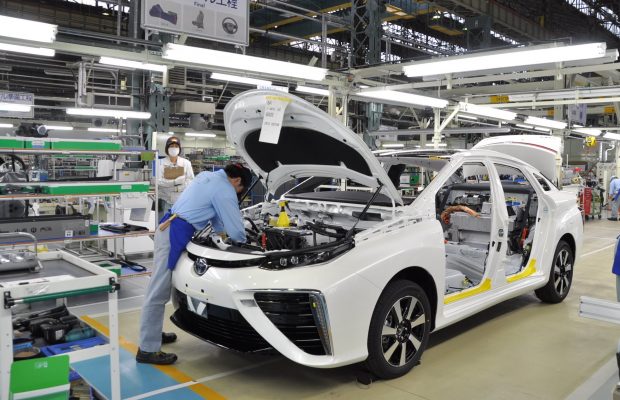
    The global semiconductor chip shortage is not likely to significantly affect the financial profiles of Japan’s Toyota Motor Corp or Honda Motor Co, ratings agency Fitch said in a statement on Wednesday. The automakers have enough financial flexibility to absorb more costs and maintain significant rating headroom, even if the shortage persists till the second half of 2021, according to the statement. 

    The automobile industry has been grappling with a shortfall in chip supply since the end of last year, driven by coronavirus lockdowns in Southeast Asia and bulk-buying by U.S. sanctions-hit Chinese tech giant Huawei Technologies, among other reasons.

    The shortage prompted top U.S. automaker General Motor to extend production cuts at three North American plants last week, while Honda Motor and Nissan Motor were set to sell a combined 250,000 fewer cars in the current financial year.

    Toyota and Honda have enough financial flexibility to absorb more costs and maintain significant rating headroom

    Meanwhile, Toyota shrugged off the issue in its quarterly report last week and said it has up to a four-month stockpile of chips, with no immediate hit to production expected.

    “We believe the shortage should ease or even be resolved in the second half of 2021 as suppliers boost production for automotive clients,” Fitch said.

    Top economic and national security officials in the White House have launched a new effort to help the U.S. auto industry fight the chip shortage, a White House official said on Thursday.

    The issue could impact nearly 1 million units of global light vehicle production in the first quarter, according to data firm IHS Markit.

  • Google’s Waymo Self Driving Car Unit Starts Robo-Taxis In San Francisco

    Google’s Waymo Self Driving Car Unit Starts Robo-Taxis In San Francisco

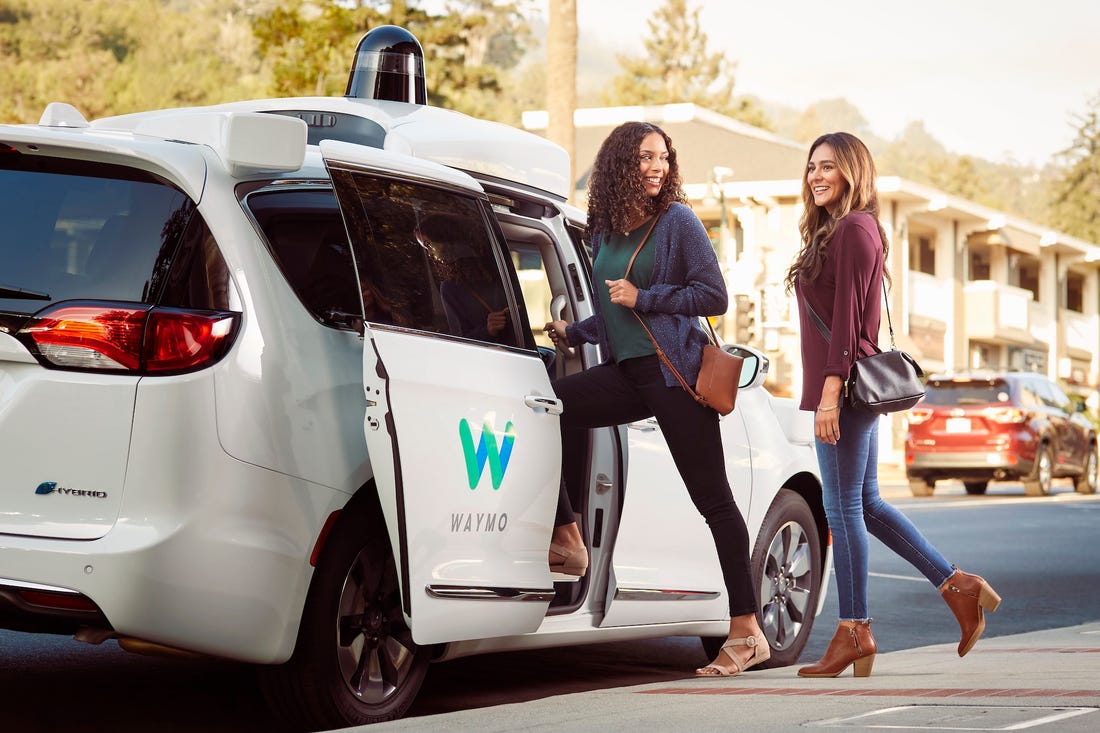
    Waymo is the pioneer of self-driving cars, but it has been beaten to the punch by Chinese rivals AutoX and Baidu to deploying robo-taxis. Well, this wasn’t going to stand for long as it has started tests of its robo-taxis in San Francisco.

    Waymo had deployed its ride-sharing service in Phoenix, Arizona earlier in 2020 called Waymo One. For the first time, it had also started testing the service without safety drivers in the area, but now a more full-fledged expansion is happening.

    Experts have predicted that the pandemic is accelerating the adoption of autonomous vehicles for transportation and delivery. Overall, global trust for autonomous vehicles has also grown by leaps and bounds in the last three years as the technology has progressed.

    Waymo has Chrysler Pacifica and Jaguar I-Pace electric SUVs which have driven over 20 billion autonomous miles through computer simulations and 20 million autonomous miles on public roads in 25 cities.

    Now Waymo employees in San Francisco will use the Waymo One app to hail rides. They will be prompted for pick-up and drop-off points before being given an ETA. This is similar to a typical ride-hailing app.

    Till 2019, Waymo had a fleet of 153 cars and 268 safety drivers in San Francisco alone, though its latest fleet size is unknown, though presumably, it has increased. These vehicles were deployed in San Francisco to deliver packages for non-profits after the pandemic induced halt in testing.

    “We’re beginning with a limited number of cars and riders and will scale over time. These rides are being offered with a single-vehicle operator,” a Waymo spokesperson said.

    “The initial program starts this week and will last for several, but we plan to grow it over time. We don’t have any specific timelines to share about when (or where) we’ll be offering a public service. It’s worth bearing in mind this is for early product testing and continuous improvement, and there are many further steps we’d need to go through … before we could deploy a service to the public,” Waymo added in a statement.

    Waymo has a permit from the public utility commission in California that’s part of the procedures to run an autonomous vehicle passenger service pilot. This is separate from the California Department of Motor Vehicles (DMV) under which 66 companies have permits.

    Waymo One currently delivers rides with a network of 600 autonomous cars from Phoenix 24 hours a day, seven days a week. It also has a partnership with LYFT to deploy 10 cars on the Waymo One platform.

    Currently, it is on track to having more than 60,000 Pacifica minivans from Chrysler and 20,000 i-pace electric SUVs from Jaguar. It also has a deal with Daimler for developing self-driving semis.

  • Bosch, Microsoft Join Forces To Develop Vehicle Software Platform

    Bosch, Microsoft Join Forces To Develop Vehicle Software Platform

    Bosch will work with Microsoft on a software platform for vehicles, it said on Thursday, as it strives to get a foot in the door to the fast-growing market for electromobility and automated driving technologies. By using cloud technology, the software platform will ensure that vehicles’ control units and computers can get software throughout their lifetime, the German auto supplier said.

    By using cloud technology, the software platform will ensure that vehicles’ control units and computers can get software throughout their lifetime

    The technology is based on Microsoft Azure and includes software modules from Bosch, it said, adding that they plan to use the software platform in-vehicle prototypes by the end of 2021. “We are thus creating the conditions for wireless updates to work just as smoothly and conveniently on vehicles as they do on smartphones,” said Bosch Managing Director Markus Heyn.

    The companies will also cooperate to adapt existing software tools to let automakers and suppliers to simplify and accelerate their own software updates. Last week, German carmaker Volkswagen AG announced similar cooperation with Microsoft to use its cloud computing services to help it streamline its software development efforts for self-driving cars.

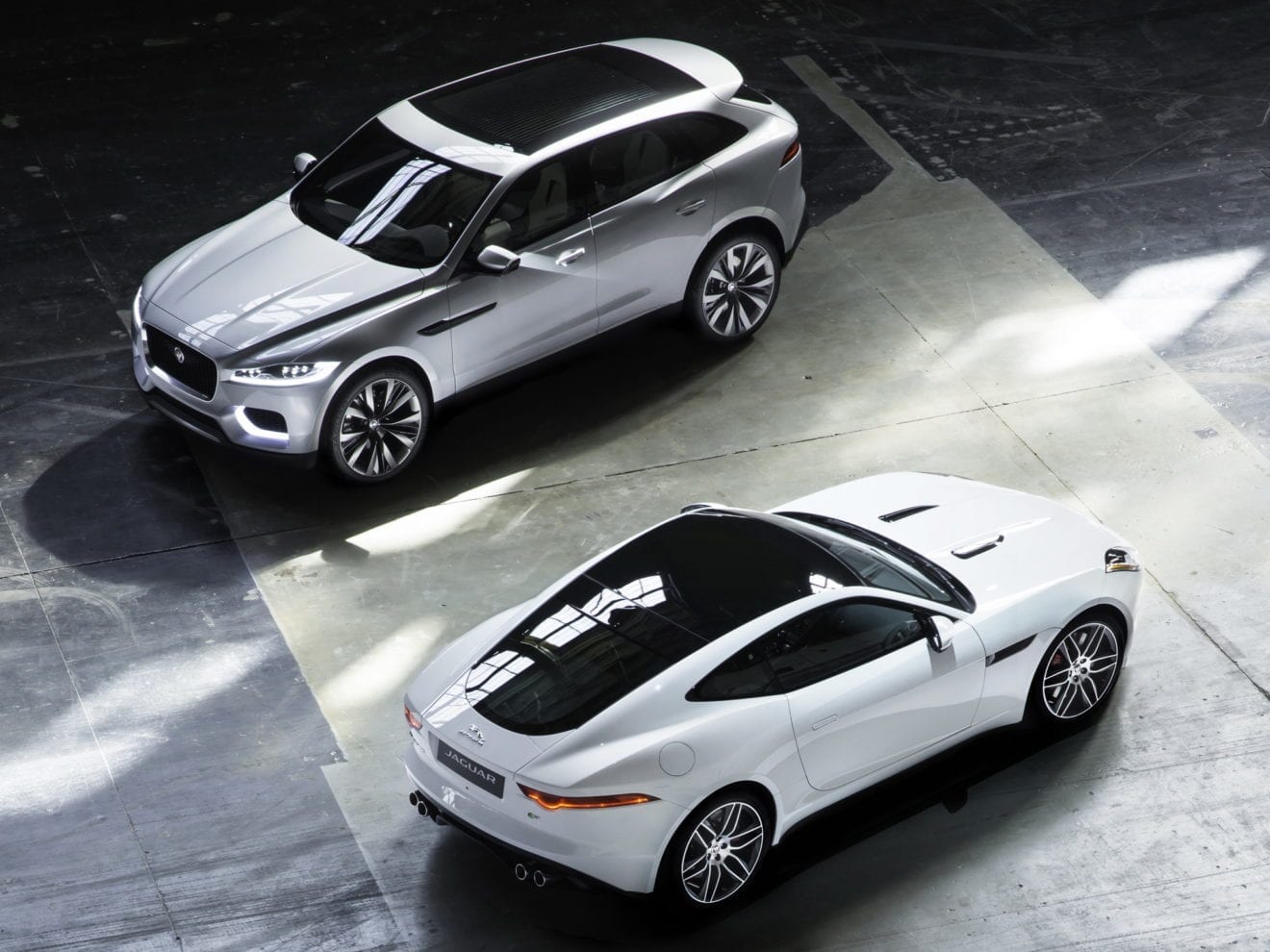
  • Jaguar Land Rover To Cut 2,000 Jobs Globally

    Jaguar Land Rover To Cut 2,000 Jobs Globally

    Jaguar Land Rover said on Wednesday it would cut 2,000 jobs from its global salaried workforce, just days after announcing its luxury Jaguar brand will be entirely electric by 2025 and e-models of its entire lineup will be launched by 2030. “The full review of the Jaguar Land Rover organization is already underway,” the company said in an emailed statement. “We anticipate a net reduction of around 2,000 people from our global salaried workforce in the next financial year,” it said.

    However, it added that the organizational review did not impact hourly paid, manufacturing employees. JLR, owned by India’s Tata Motors, said earlier that its Land Rover brand will launch six fully electric models over the next five years, with the first in 2024.

    Known for its iconic, high-performance E-Type model in the 1960s and 1970s, Jaguar faces the same challenges as many other carmakers as it transitions to electric vehicles while trying to retain the feeling and power of a luxury combustion engine model.

    Last month, Tata Motors said it was concerned by semiconductor shortages and Brexit-related supply disruptions as its luxury car sales recover, although the Indian automaker added these had not yet hit production.

    Tata Motors posted three straight quarters of losses as the COVID-19 crisis dented sales, exacerbating uncertainties over Britain’s exit from the European Union, weak demand and rising costs, but had bounced back to clock a profit in its third-quarter to the end of December. The 2,000 reductions in JLR’s non-factory jobs was reported earlier on Wednesday.

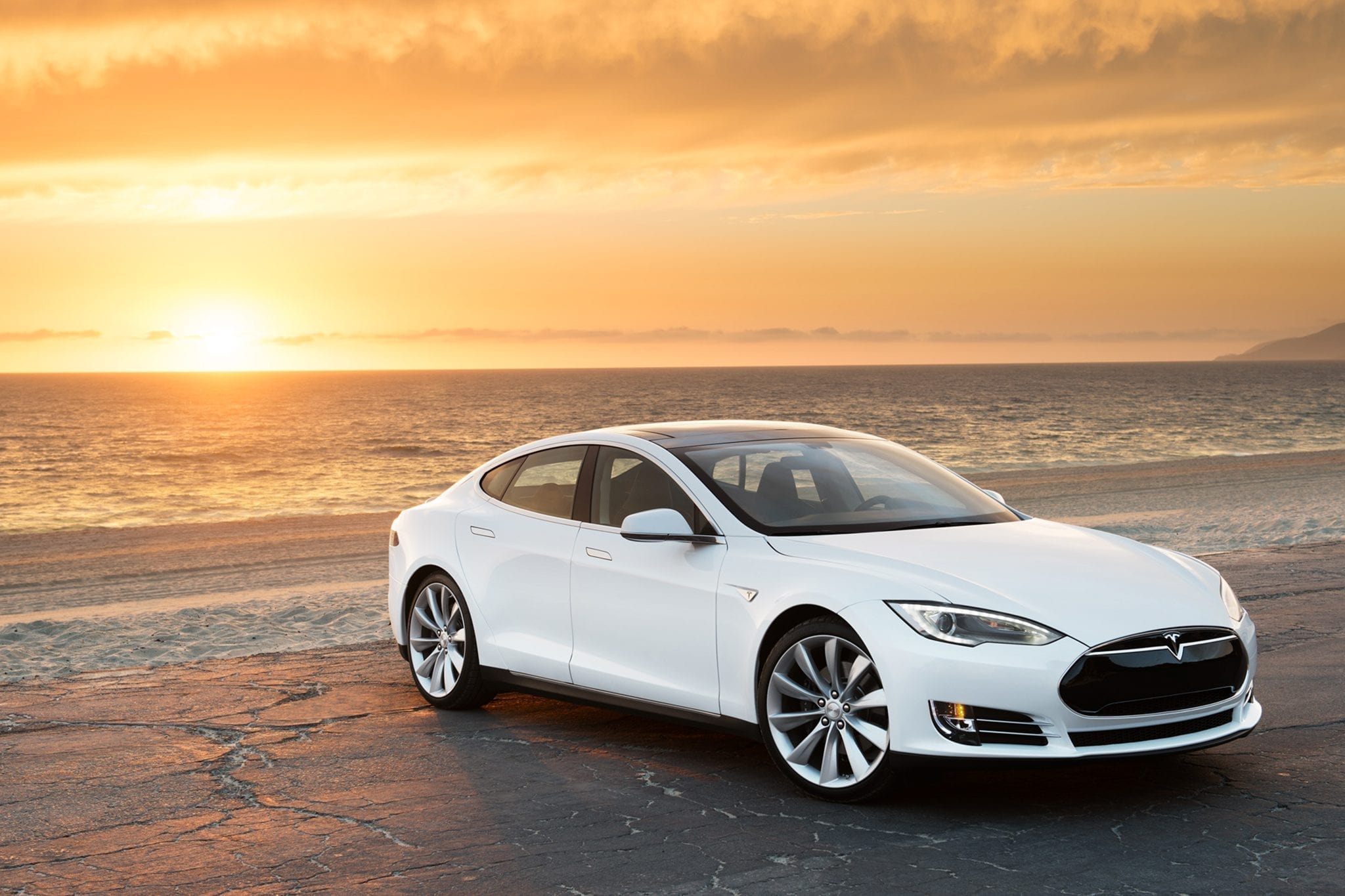
  • Tesla Cuts Prices Of Base Variants Of Model 3, Model Y On Its Website

    Tesla Cuts Prices Of Base Variants Of Model 3, Model Y On Its Website

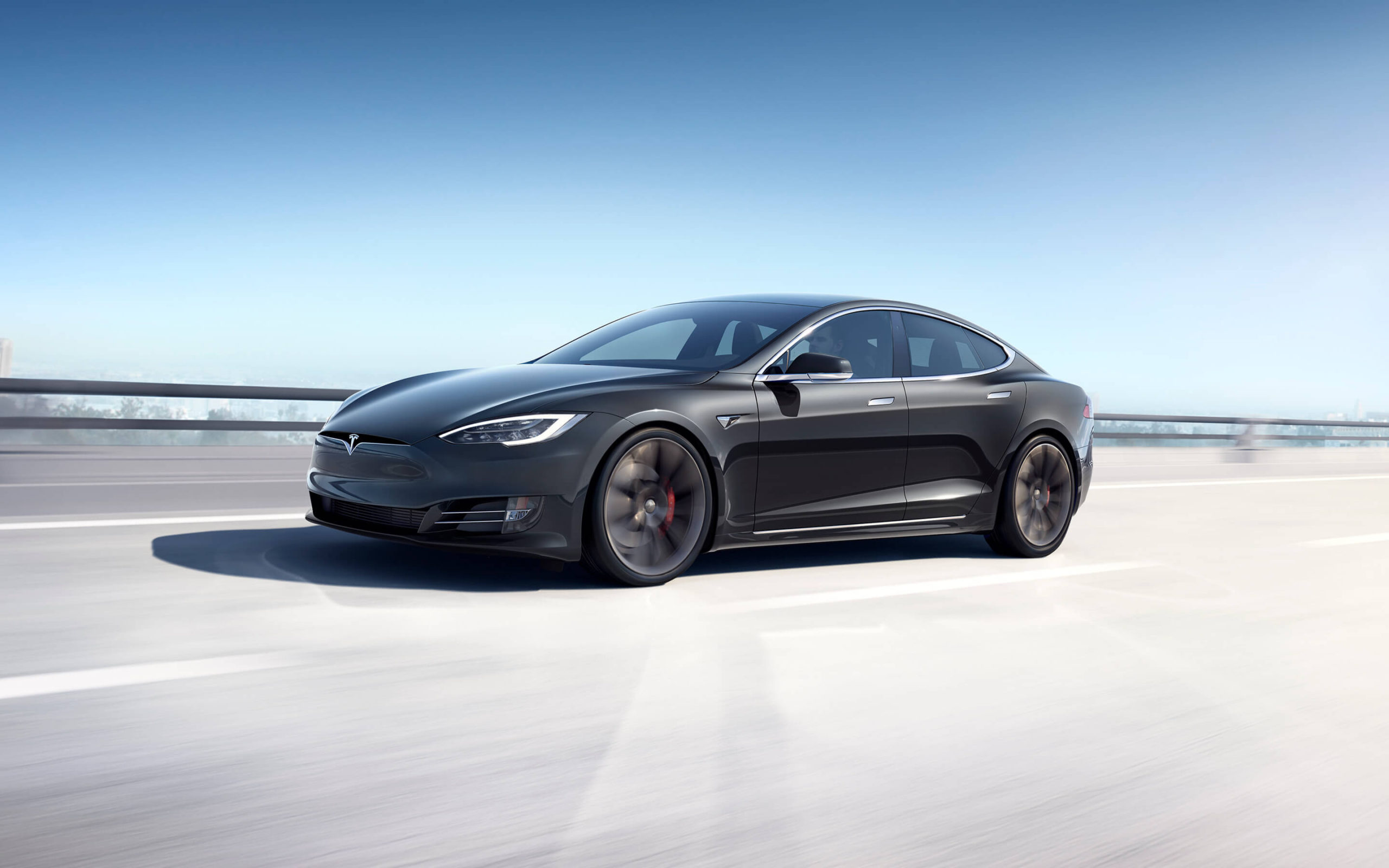
    Tesla Inc has reduced the price of its cheaper variants of the Model 3 sedan and the Model Y sports utility vehicle (SUV), while raising prices for their performance variants, the electric-car maker’s website showed. The price of its Model 3 Standard Range Plus has been lowered to $36,990 from $37,990, while the Model Y Standard Range’s price came down to $39,990 from $41,990, according to the website.

    The carmaker has been making various models in its lineup more affordable at a time when legacy automakers are trying to make inroads in the electric vehicle market.

    The standard range of the Model Y was launched in January, bringing its SUV’s price closer to that of the Model 3 sedan, the electric-car maker’s least expensive car.

    The prices for the Performance variant of the Model 3 rose to $55,990 from $54,990 and Model Y to $60,990 from $59,990, the website showed.

    The price cuts come as Tesla looks to ramp up its deliveries. Overall, the company delivered 499,550 vehicles during 2020, above Wall Street estimates of 481,261 vehicles.

  • Ford Dissolves Its 7.6% Stake In Velodyne Lidar

    Ford Dissolves Its 7.6% Stake In Velodyne Lidar

    Ford Motor Co has dissolved its stake in Velodyne Lidar Inc, a maker of sensors used in self-driving cars, according to a regulatory filing on Monday.

    As of Sept. 30, Ford had a passive stake of 7.6% or 13.07 million shares in Velodyne.

    Velodyne is one of several companies vying to supply automakers with lidar, a sensor that generates a three-dimensional map of the road ahead.

  • China’s Geely Sets Out To Become A Force In Electric Cars

    China’s Geely Sets Out To Become A Force In Electric Cars

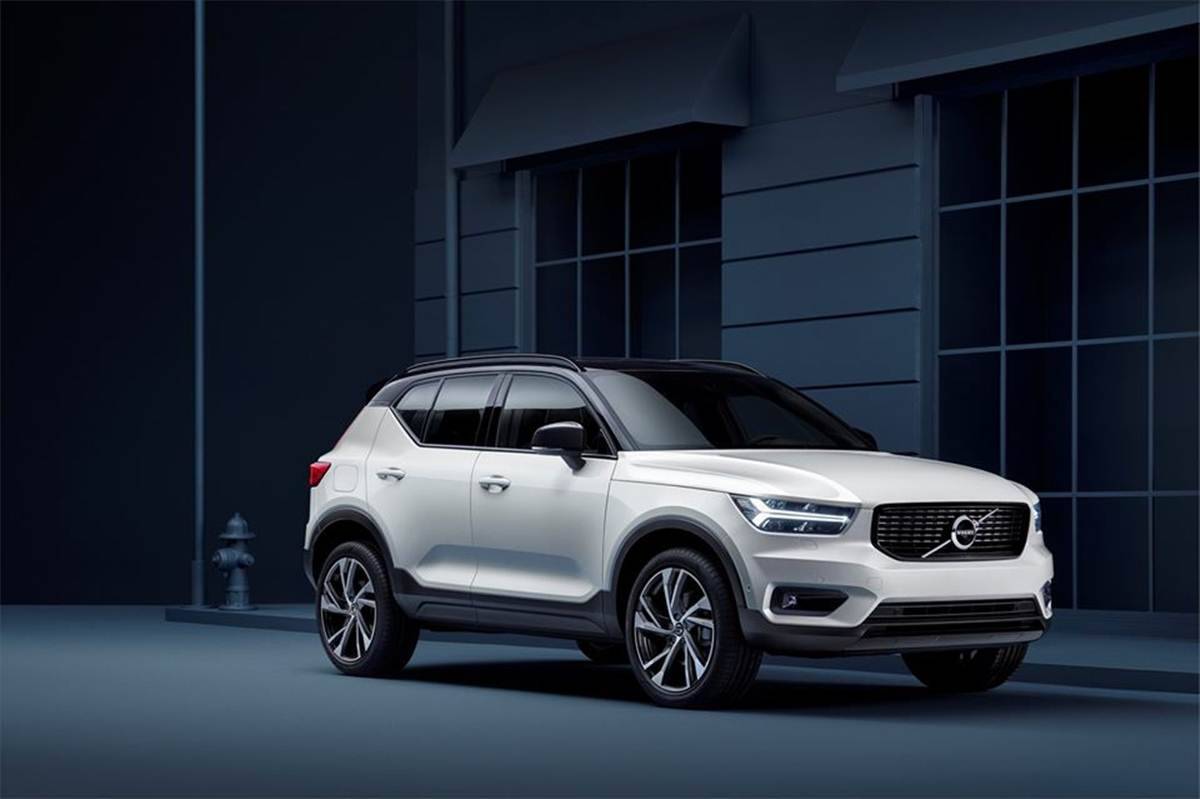
    Like many others in his industry, Geely Chairman Li Shufu has been irked by skyrocketing valuations for electric car manufacturers such as Tesla Inc and Nio Inc, sources at the Chinese automaker say.

    Getting Geely, which owns Volvo Cars and 9.7% of Daimler AG, to a place where it too may claim a sizeable chunk of China’s burgeoning electric car market and burnish its share price at the same time, has preoccupied Li for much of the past year, they added.

    The result: a flurry of tie-ups unveiled last month that lay bare Geely’s intention to position itself as the go-to contract manufacturer for electric vehicles in China and beyond – assembly services that will also offer up its engineering and development expertise.

    “The chairman’s attitude towards contract manufacturing is clear: he is embracing it and actively pursuing it,” a Geely executive told Reuters.

    Outsourcing production of some models through original equipment manufacturing (OEM) deals is common in the auto industry, but Geely’s plans represent the most aggressive attempt yet by an automaker to build up a contract manufacturing business.

    Of the four deals announced, a venture with Taiwan’s Foxconn to provide electric vehicle (EV) contract manufacturing, is the most important, said the sources, who were not authorized to speak to media and declined to be identified.

    A subsequent agreement to build mass-market electric vehicles for embattled Los Angeles-based startup Faraday Future would be handled by the venture with Foxconn.

    Geely, which is China’s largest privately-owned automaker, has also made a separate pact to make smart electric cars for internet giant Baidu Inc, with the first model due to be launched next year. In addition, it is joining hands with Tencent Holdings Ltd on smart car control and autonomous driving technology.

    Geely declined to comment for this article or make Li available for comment.

    Geely has several electric car models on the market and in September launched a brand new EV-focused platform, developed at a cost of 18 billion yuan ($2.8 billion).

    But amid a two-year slump in sales, Li became convinced Geely was being too conventional in its approach and began pushing for an aggressive adoption of “Big Tech” partnerships, sources said. In doing so, Li returned to a more active running of the group after stepping back somewhat in 2017 and 2018.

    The shift did not come without some opposition. At management meetings, some people raised concerns that any big shift to contract manufacturing could make Geely a lesser partner in its relationships with tech firms and cause it to lose its edge as an independent automaker, senior sources said.

    Caution was also expressed about picking Faraday Future as the first client for the venture with Foxconn, as the startup has a track record of over-promising and slow progress in development.

    Li dismissed those concerns, they added.

    The deal with Faraday was not well received by the market with shares in its main unit, Geely Automobile, sliding some 16% over four days in the wake of the news.

    On the plus side, however, the deals could address chronic under-utilisation at Geely plants. For example, Geely Automobile, which houses its Geely brand cars, is capable of building more than 2 million vehicles a year but sold only some 1.3 million in 2020.

    The deals could also help Geely get the most out of the EV-focused platform, which is now open-sourced and can be used for small to large cars and even light commercial vehicles.

    That said, just how big contract manufacturing will become for Geely is uncertain and the company has no internal numerical targets to meet at the moment, the sources said.

    “Basically, it’s unclear now how many clients we will have in the coming years,” said one source.

    Li is also planning to shore up Geely’s financial base with a secondary listing for Geely Automobile on the mainland’s STAR board this year. Its Hong Kong listing values the unit at $37 billion, with shares having risen over 12% so far this year.

    That, sources say, has been a deeply unsatisfactory state of affairs for Li who compares it to the $800 billion-plus valuation for Tesla and the $98 billion valuation for Nio, which sold less than 44,000 cars last year.

    Geely had looked at investing in Nio previously, sources have said.

    Analysts describe the rush of new deals as bold, potentially allowing Geely to save much time and money in developing and launching electric cars. At the same time, there are risks.

    “Integrating one major partner is challenging enough for any company’s management regardless of the sector, so asking the management team to successfully launch all of them seemingly all at once is a pretty big ask,” said Tu Le, analyst at Sino Auto Insights.
  • Renault Kiger Subcompact SUV India Launch Details Out

    Renault Kiger Subcompact SUV India Launch Details Out

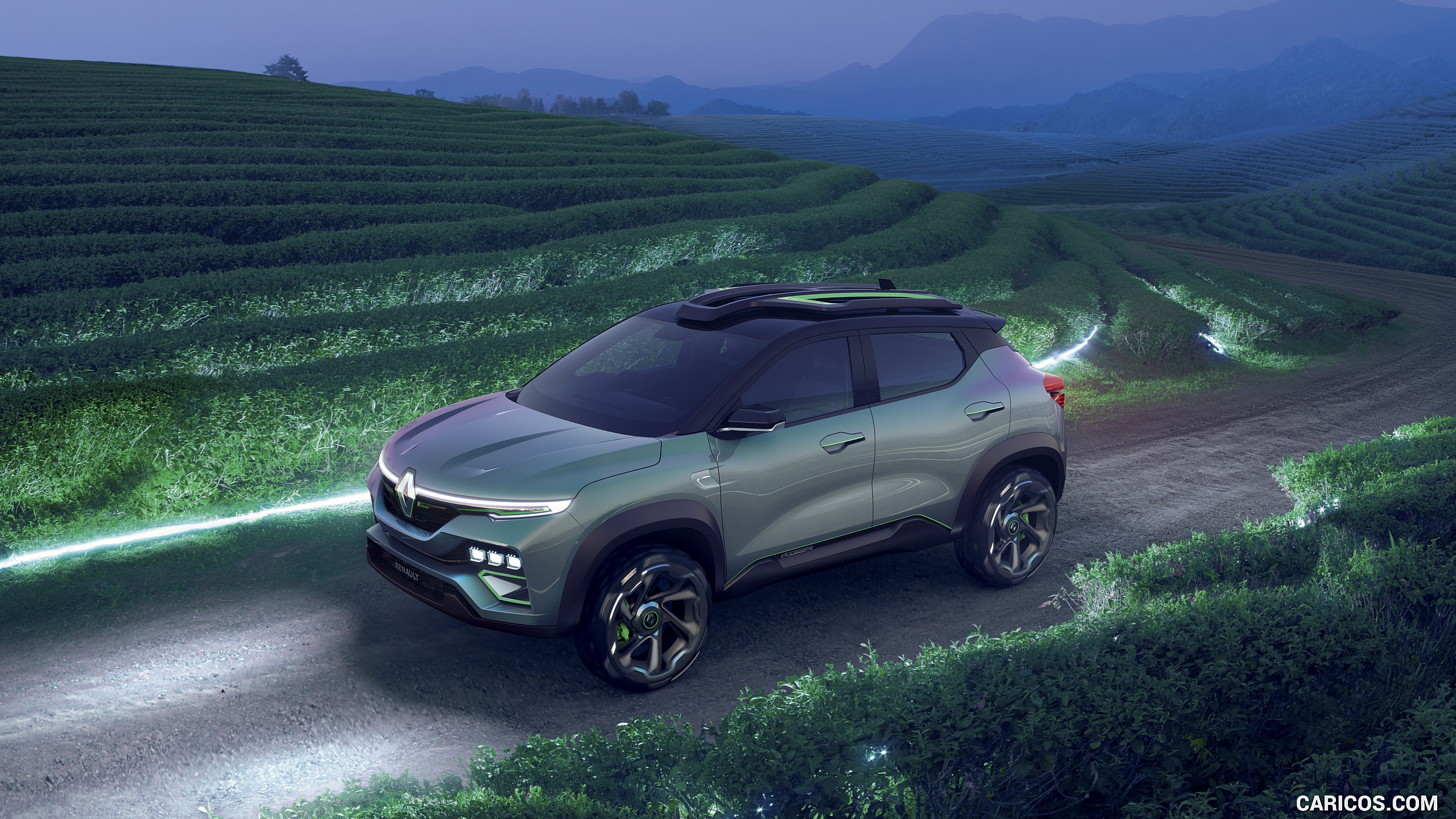
    It was just yesterday that we told you about Renault India commencing the production of the Kiger at its Chennai facility and now the company is all set to launch the car in the country. Renault announced that it will launch its first subcompact SUV – the Kiger- in India on February 15. Renault has already despatched the cars to its 500 dealerships across the country so that consumers can take a look at the car. The company has said that deliveries of the car will begin from March.

    India is the first market to get the Kiger and will also be the base for the production of the car. Renault India is looking to export the car as well from India just like the Kwid and Triber. The Kiger is based on the CMF-A+ platform that has been co-developed by Renault and Nissan. The new Renault Kiger builds on the concept version that was showcased last year and nearly 80 percent of the design theme has made it to production as the automaker promised.

    The subcompact SUV sports a more dynamic design language right from the split LED headlamps to the bold grille with the LED DRLs covering the front face. The model continues to sport pronounced wheel arches that accommodate 16-inch steel and diamond-cut alloy wheels, depending on the variant. The arches at the rear are particularly flared and also incorporate the C-shaped LED taillights with the signature pattern.

    Under the bonnet, the new Renault Kiger will use the same engines like the Nissan Magnite. Renault has confirmed 1.0-litre turbocharged petrol with 98 bhp and 160 Nm of peak torque. There will also be the 1.0-litre three-cylinder, naturally aspirated petrol available with 71 bhp and 96 Nm of peak torque. The engines will be paired with a 5-speed gearbox, while the automatic options will include an AMT as well as a CVT.

  • Waze adds Audible integration on Android and iOS devices

    Waze adds Audible integration on Android and iOS devices

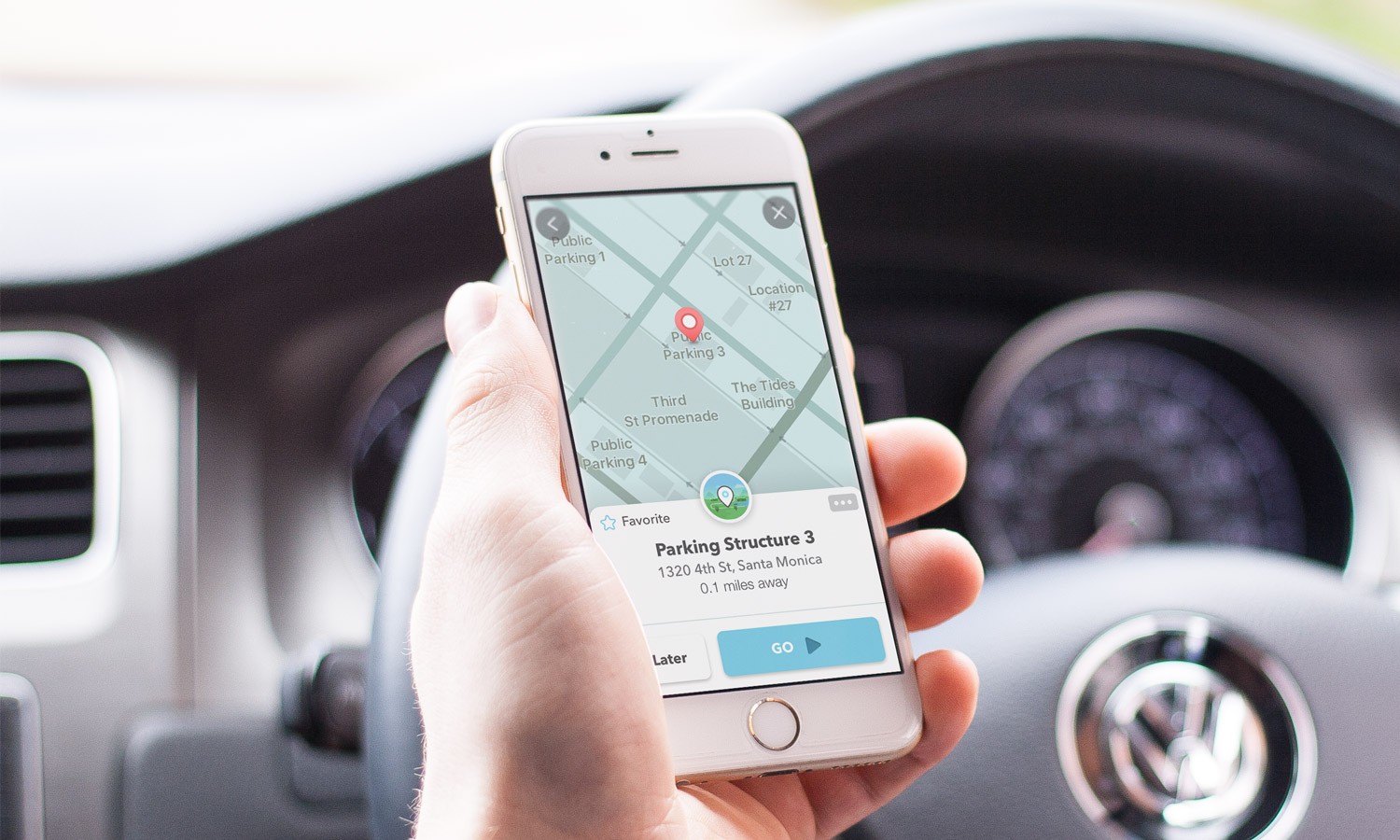
    Last year, Waze added Amazon Music integration and Google Assistant support to its navigation app. Starting this week, yet another major streaming service makes its way to Waze’s Audio Player, Audible.

    Today, Waze announced that Audible has joined its Audio Player Program, thus allowing drivers to listen to their favorite audiobooks, podcasts, as well as more than 600,000 Audible Originals. Audible members can start listening on Waze by opening the app and tapping the music note icon to select Audible as their audio player.

    Naturally, Audible members will also receive next turn directions from Waze inside the Audible app, a nifty feature to have while driving. According to Waze, the new Audible integration will begin rolling out from today, so Android and iOS users should check for a new update to get the new features on their phones.

    Currently, Waze offers integration with multiple streaming services, including Spotify, YouTube Music, iHeartRadio, and Amazon Music. You’ll just have to select whichever audio player you prefer if you’re subscribed to more than one strea

  • Chinese Regulators Call In Tesla Over Customer Complaints

    Chinese Regulators Call In Tesla Over Customer Complaints

    Chinese government officials have met representatives from U.S. electric carmaker Tesla Inc over reports from consumers about battery fires, unexpected acceleration, and failures in over-the-air software updates, a regulator said on Monday. China’s State Administration for Market Regulation said in a social media post its officials, along with those from the Ministry of Industry and Information Technology, Ministry of Emergency Management, Cyberspace Administration and Ministry of Transportation had met Tesla “recently”, without giving a date.

    The officials urged Tesla to operate according to China’s laws and protect customer rights, the regulator said. In response, Tesla said it would thoroughly investigate the problems reported by consumers and step up inspections.

    “We will strictly abide by Chinese laws and regulations and always respect consumer rights,” a company representative said in a text message, adding that Tesla accepted the guidance of the Chinese government departments.

    China is pushing the industry to make more electric vehicles as it tries to reduce air pollution.

    Tesla is building Model 3 electric sedans and Model Y sport-utility vehicles at its Shanghai factory. It sold 15,484 China-made vehicles in January.

    The industry ministry in May urged Tesla to ensure consistency in its China-made vehicles after some Chinese customers complained about less advanced computer chips in their cars.

    China, the world’s biggest auto market, is pushing the industry to make more electric vehicles as it tries to reduce air pollution.

    Sales of electric, plug-in hybrid and hydrogen-powered vehicles in China are forecast to rise to 20% of all new car sales by 2025 from just 5% now, the State Council said last year.

  • January auto imports surge 85 percent in Vietnam

    January auto imports surge 85 percent in Vietnam

    Auto imports in January rose to 8,343 completely built units worth $212.5 million, up 84.7 percent and 76.2 percent year-on-year, respectively.

    Most of car imports are from Thailand and Indonesia, at an average price range of VND350 million ($15,000) to VND 1.2 billion.

    Experts have said that the scale of manufacturing, tax exemptions and affordable auto models are elements that have allowed these nations to acquire large market shares in Vietnam.

    A Vietnam Customs report notes that auto imports had fallen 24.5 percent to 105,200 units last year as the Covid-19 pandemic slashed demand and forced dealers to stop working for weeks in April.

    Industry insiders say it is still early to forecast this year’s performance by Vietnam’s auto industry because the Covid-19 situation has become increasingly unpredictable.